Tag: Thailand

  • Lacoste’s new travel retail store in Bangkok

    Lacoste’s new travel retail store in Bangkok

    The crocodile shifts to the South and chooses Bangkok as a prey.

    One week after the opening of its new space in Tokyo, the brand just inaugurated its latest travel retail outlet at the King Power Srivaree Duty Free Downtown Complex in Bangkok.

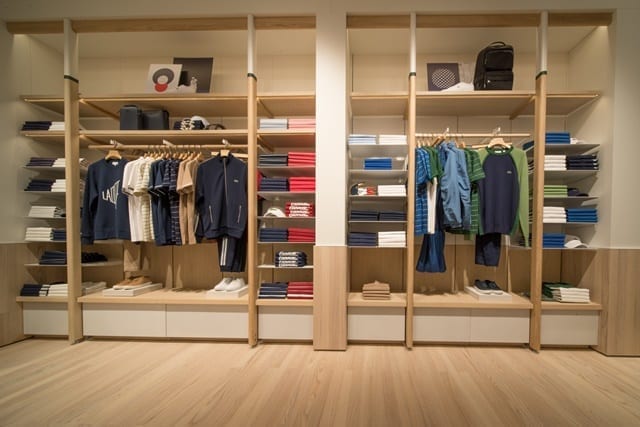
    Pursuing its Asian expansion, the 150sq m boutique also houses the unique and novel “Le Club” retail concept. It debuted in the Asia Pacific travel retail market with the Lotte Duty Free shop in Ginza, Tokyo, earlier this month.

    Le Club goes to the very core of Lacoste’s philosophy as it plays on a fusion of the values of the brand and its creator.

    The architecture of the store was designed and thought for customers to feel, from the second they step into the space, the peculiar tennis court atmosphere. With a green concrete panel as a nod to René Lacoste’s tennis practice wall and an open shopfront, clients can at the first sight relate to the brand’s values.

    Lacoste’s CEO Asia Pacific and global Travel Retail Jean-Louis Delamarre thanked King Power Thailand for their ongoing partnership and said they are “thrilled to open this store in Bangkok Srivaree” which further enhances their presence in Asia.

  • Ihop  opens third outlets in Thailand

    Ihop opens third outlets in Thailand

    American all-day breakfast restaurant chain Ihop Thailand has opened its third outlet, in the Mega Banga Mall.

    Located on the ground floor of the Foodwalk Zone, the new outlet spreads over 167sqm of interior space with an additional 92sqm of terrace, and can seat 88 guests.

    Guests will be able to enjoy Ihop’s buttermilk pancakes, waffles and omelets as well as burgers and beverages.

    Ihop was brought to Thailand last year by King of Pancakes, with the first outlet located in Bangkok’s Siam Paragon Mall.

    The chain expects to open 10th location by 2021.

  • Thailand approves electric vehicle investment plans of Nissan, Honda

    Thailand approves electric vehicle investment plans of Nissan, Honda

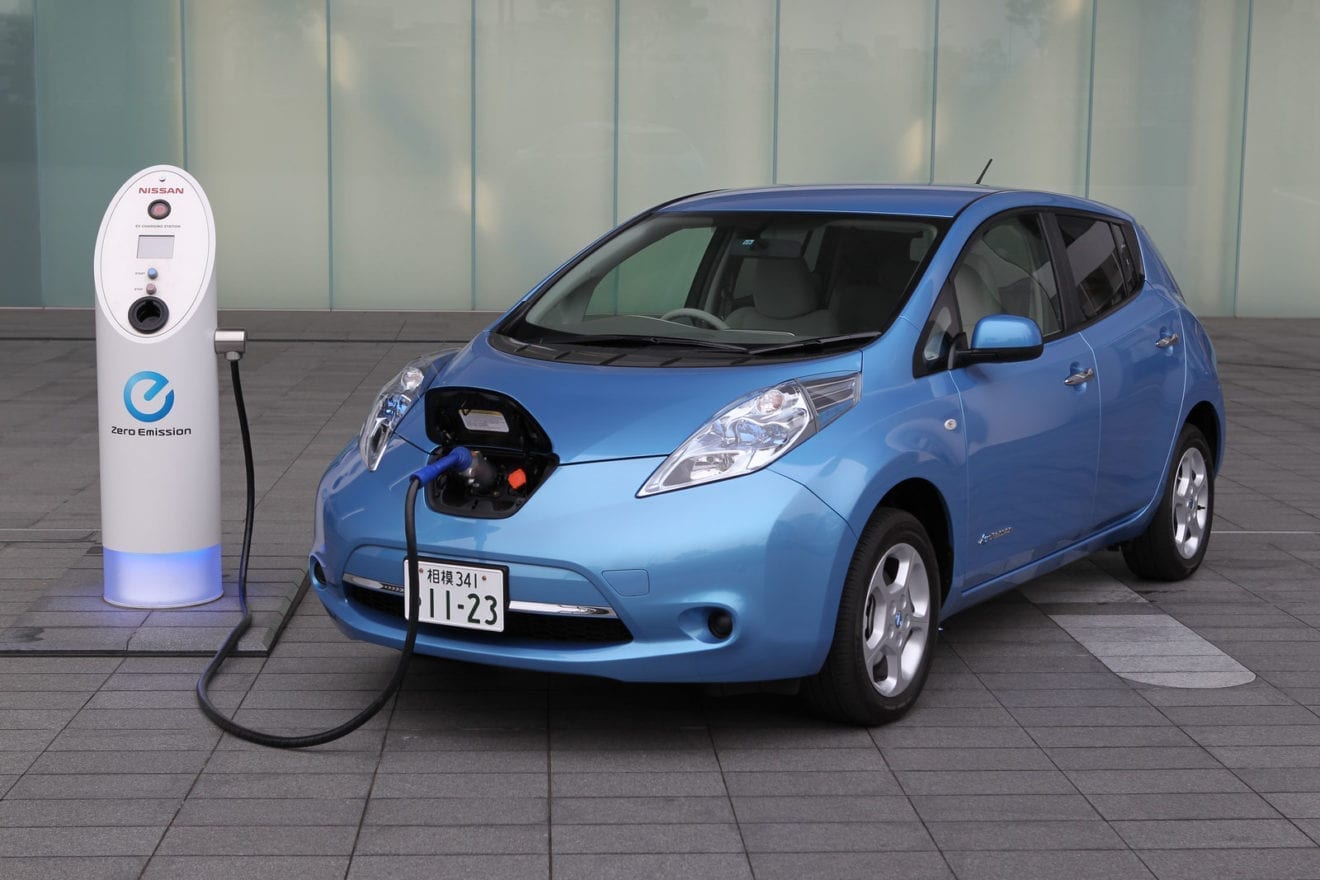
    Thai authorities said today they have approved investment plans worth 29.63 billion baht (RM3.8 billion), including projects by two Japanese automakers to produce hybrid electric vehicles and batteries.

    Nissan Motor (Thailand), a unit of Nissan Motor Co will invest 10.96 billion baht in one venture while Honda Automobile (Thailand), a subsidiary of Honda Motor Co will spend 5.82 billion baht on its project, the Board of Investment (BoI) said in a statement.

    The agency said it also approved a tax break for Thai AirAsia X’s 9.25 billion baht plan to lease six Airbus A330 aircraft, and for Mars Petcare (Thailand)’s 3.5 billion baht investment in pet food.

    The BoI said Thai and foreign firms submitted projects worth 284.6 billion baht in January-June, which it said was “close to” the amount in the first half of 2017, without giving the previous number. The board said the projects were mainly for Thailand’s Eastern Economic Corridor a centrepiece of the junta’s policy to lift growth and targets high-tech investment.

    The agency is sticking to its target of securing 720 billion baht in investment pledges this year, up 12% from last year, as large applications are expected in the second half, it said.

    Meanwhile, Toyota Motor Corp’s Thai unit said Thailand’s total domestic car sales are expected to be 980,000 units this year, up 12% from 2017, and more than previously expected.

    Toyota, which commands about one-third of the Thai vehicle market, also raised its own 2018 car sales in the Southeast Asian nation to 315,000 cars, up 31% from last year, Toyota Motor Thailand’s president Michinobu Sugata told a news conference. Sales have been supported by stronger economic growth and more activities by carmakers, he said.

    In January, the company predicted overall domestic sales at 900,000 cars and its own sales at 300,000 units.

  • Japan’s Inagora inks agreement with Thailand’s CP

    Japan’s Inagora inks agreement with Thailand’s CP

    Japan-based e-commerce platform Inagora is teaming with Thailand’s CP (Charoen Pokphand) Group to boost its China business.

    The joint venture is also researching expansion into Southeast Asia.

    Inagora targets Chinese shoppers seeking Japanese goods. It boasts 4 million registered users and an inventory of about 40,000 SKUs, ranging from food and household goods through to more luxury items. Last year, its turnover totalled about US$98 million.

    Inagora opened a brick-and-mortar store in Zhengzhou this month as it broadens its market reach and eyes new markets. Japanese trading house Itochu and others invested about $68 million into the business last year to help fund expansion.

    By teaming with CP, whose operations include the 10,500-strong 7-Eleven convenience-store network in Thailand, Inagora hopes to start offering Chinese shoppers products from other markets. It may also look to sell Japanese and other Asian products to people living in Southeast Asia.

  • Bangkok retail rents shows bright outlook

    Bangkok retail rents shows bright outlook

    Bangkok retail rents rose in prime downtown locations in the second quarter, yet there was a decline in midtown locations, despite retailers migrating there.

    According to research from real estate specialist Edmund Tie & Company, occupancy rates in both downtown and midtown remain strong as supply in the downtown area was limited.  While tenants started to take space in newly launched retail malls in midtown areas, rents dropped to THB1610 (US$47.82) per square metre per month in the midtown area. They remained stable downtown, up 1.15 per cent year on year at THB2630 per sqm (US$78.60).

    However, retail occupancy rates decreased to 94 per cent in downtown and 89.8 per cent in midtown during the quarter.

    Three upcoming retail developments are scheduled for completion in midtown this year: IconSiam (51,500sqm), the adjacent Takashimaya Department Store (36,000sqm) and Ari Hills on Pahonyothin Road, (1500sqm).

    Edmund Tie & Company said developers have been more cautious in recent years in the downtown market, partly because many Thais have put spending on hold in light of household debt.

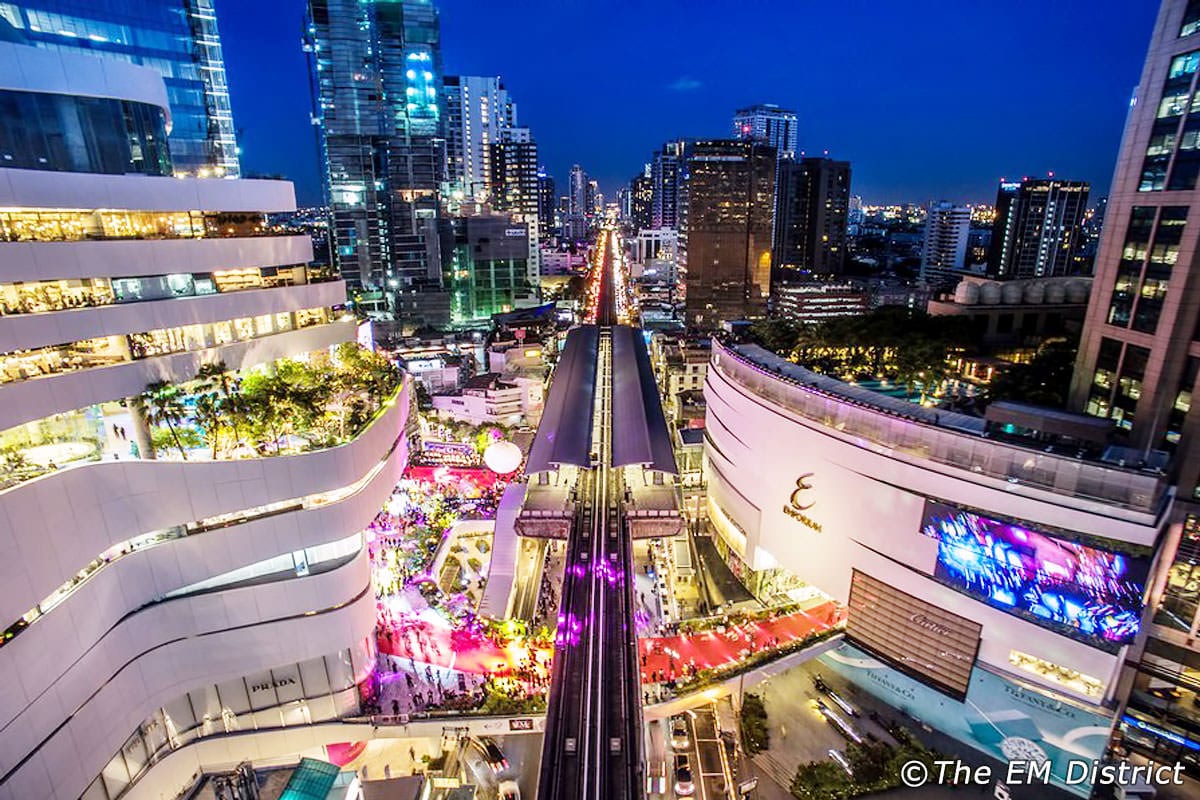
    “Tourism continues not to be a significant source of customers for many retailers beyond prime downtown locations. Although several downtown developments have been delayed previously, there has been some progress recently. EmSphere established a projected deadline of 2020 as the site has been cleared for construction.”

    EmSphere is adjacent to the Emporium and EmQuartier shopping centres on Sukhumvit Road, interlinked with the Phrom Phong Skytrain station.

    “The downtown retail market in Bangkok is dominated by a small number of landlords but with a growing number of mixed-use developments with key retail components, the number of retail landlords will increase,” concluded the report. “Food and beverage tenants remain keen to expand in the Thailand market and there is increasing competition for choice units in new mixed-use developments.”

  • CIMB Thai’s Q2 profit down 46.4% on higher bad debts, impairment losses

    CIMB Thai’s Q2 profit down 46.4% on higher bad debts, impairment losses

    CIMB Group Holdings Bhd’s 94.11%-owned indirect subsidiary CIMB Thai Bank PCL reported a 46.4% decline in net profit to THB191.2 million (RM23.2 million) for the second quarter ended June 30, 2018 against THB356.6 million (RM43.3 million) in the previous corresponding period, mainly dragged by bad and doubtful debts and impairment losses.

    Its operating income expanded 4.9% to THB3.4 billion from THB3.25 billion for the quarter under review.

    For the six-month period, CIMB Thai’s net profit went down 24.6% to THB 360.1 million, due to higher operating expenses coupled with a 1.0% increase in provisions. Meanwhile, its operating income rose 6.5% to THB6.8 billion.

    CIMB Thai’s net interest margin over earning assets stood at 3.87%, higher than the 3.81% a year ago, driven by more efficient management of funding costs.

    As at June 30, 2018, total gross loans (inclusive of loans guaranteed by other banks and loans to financial institutions) stood at THB215.2 billion, an increase of 1% from December 31, 2017.

    Loan loss coverage ratio decreased to 90.1% as at 30 June 2018 from 93.2% at the end of December 2017. As at 30 June 2018, total provisions stood at THB11.3 billion, translating to a THB4 billion excess over the Bank of Thailand’s reserve requirements.

    Total consolidated capital funds as at June 30, 2018 stood at THB43.9 billion. Bank of International Settlement (BIS) ratio stood at 17%, 12% of which comprised Tier-1-capital.

    At the noon break, CIMB Group’s share price fell 2 sen or 0.3% to RM5.83 on 7.55 million shares done.

  • What’s Asia’s fastest growing budget hotel chain?

    What’s Asia’s fastest growing budget hotel chain?


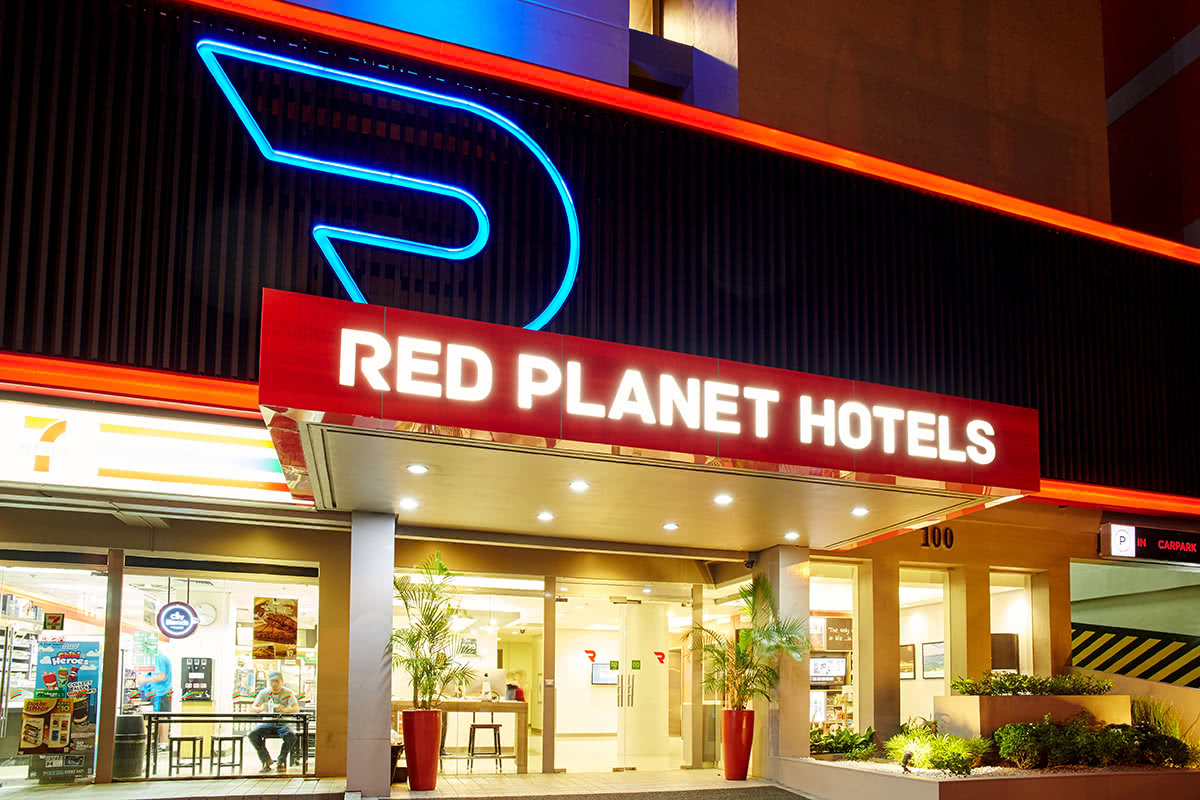
    Bangkok-based budget hotel chain Red Planet has been rapidly expanding in Asia, responding to the growing number of new travelers in the region.

    Established in 2010, Red Planet has become one of Asia’s fastest growing budget hotel chain.

    It operates 30 hotels with more than 4,700 rooms in four countries — the Philippines, Japan, Thailand and Indonesia — which includes one hotel in Tokyo not under the Red Planet brand.

    To speed up the company’s development, it is now seeking to enter into a franchise contract and creating joint ventures with real estate funds. The company has plans to double its pan-Asia hotels to 60 by 2023.

    The market for budget hotels is rapidly growing in Asia-Pacific, the region which has long seen the polarization of luxury Western hotel chains and inexpensive but substandard chains operated by local companies.

    OYO Rooms in India has expanded the concept of organized, cost-effective and higher-quality hotel chains by creating a network of partner hotels since 2013. Other Asia-based startup budget hotel chains, including ZEN Rooms and RedDoorz, both of which are based in Singapore, have copied that model.

    “Cleaning or English support are the services required at any level of hotels,” said Tomohiko Sawayanagi, international director of Jones Lang LaSalle Hotels & Hospitality Group. “Newly emerging budget hotels meet these demands, used for both business and leisure opportunities throughout the region.” According to Euromonitor International, the market size grew to $27.7 billion in 2017, up 47% from 2012. It is forecast to increase to $32 billion in 2022.

    Red Planet has been expanding its business in this competitive market, by making use of technology. This could be especially appealing to young customers, as well as to the global hotel industry whose corporate management tends to adopt an analogue-based structure, rather than automated.

    Guests can have text conversations with the hotel’s front desk on a chat service on Red Planet’s booking app. From the moment customers reserve a room until they check out, guests simply send text messages and responses are usually immediate. The app also helps in finding local tourist spots or nearby restaurants, and offers discounts.

    The company is planning to launch a new computer reservations system by the end of this year, which compiles customers’ data across its network. For instance, if guests ask for an extra pillow in an app chat while staying at a hotel in Tokyo, they will automatically receive an extra pillow the next time they travel to one of the chain’s other hotels across Asia.

    It also plans to launch an automated check-in process by the end of this year, providing machines to complete the process without the need for staff, although some staff will still be present for face-to-face customer support.

    Red Planet already applies artificial intelligence for a system that calculates room prices every 15 minutes based on the predicted occupancy. More than 120 daily reports offer the actual and expected future performance of each hotel, enabling managers to make decisions in advance to maintain high occupancy levels.

    “Our technology is developed in-house with six members of the group, unlike other hotel chains which use a third-party company,” said Simon Gerovich, chairman and co-founder. “It is easy to adjust and scale our business speedily.”

    These various uses of technology allow Red Planet to reduce its labor costs — it hires 10 to 12 employees for 160 rooms, Gerovich said, while five-star hotels usually have 2.5 to three employees a room — and to maintain an occupancy rate of 85% or higher.

    The company also keeps a steady focus on comfort and convenience — with an eye on making guests repeat customers.

    The hotel’s compact rooms are roughly 15 sq. meters, but space is maximized. The beds, custom-made in Thailand, allow space for suitcases to be stored underneath. A youth-oriented tourist-friendly atmosphere is created along the hotels’ hallways, with photos of local areas covering the walls.

    Hotel lobbies have a bank of Apple computers for free guest use. Room prices, which can change frequently based on demand, are usually between $45 to $90 in Japan and even lower in other countries.

    “We are mainly targeting young millennials of 25 to 35 years old, tech-focused, who spend little time in their room but prefer experiencing in their trip,” Gerovich said. The one-stop services on the company’s app provide complete research and reservation procedures for guests for their trip.

    Gerovich describes the brand as a “copy and paste business model.” The company concentrates on building a systematic operation procedure so that “we can grow much more rapidly with potential partners with uniform guidelines in a future,” he said, “just like McDonald’s provides handbooks to franchisees on how to build a kitchen and make a hamburger.”

    This strategy has seen success. Its Philippine hotels had an average occupancy rate of 85% to 90% in April, while Red Planet Tokyo Asakusa was 97.5%. “Our business model works well in a crowded, congested city where we can reinforce the accessibility for business and leisure with good location,” Gerovich said.

    Gerovich’s background sheds light on his company’s nonconformist business model.

    “I’m grateful to the 2008 global financial crisis for correcting our plan,” Gerovich said, recalling an encounter with Timothy Hansing, CEO and co-founder of Red Planet. Gerovich, who worked in Tokyo as an equity derivatives trader at Goldman Sachs for six years, resigned and moved to Bangkok in 2005.

    He started his hotel career as an entrepreneur in real estate, focusing on the development of high-end hotels. He met Hansing, who had years of experience in the hotel industry, and together they worked on a new project on the popular Thai resort island of Phuket.

    But global events intervened. Gerovich said the project looked to falter amid the financial crisis and when political turmoil in Thailand led to a downturn in the country’s tourism and luxury businesses. “I understood the market-dependent risks of the five-star hotel industry, but at the same time I took note of the increase in the world’s connectivity with the development of low cost regional airlines,” he recalled.

    There were already very inexpensive hotel chains but Gerovich was convinced that “it would be nice for tech-focused young adults to stay at clean, affordable hotels.”

    Gerovich’s background in finance and Hansing’s expertise in hotel operations led to the idea of Red Planet. Gerovich said Hansing’s “unique ideas” included the use of technology that could help hotel managers from becoming submerged in a paper reporting system and the difficult task of forecasting occupancy rates.

    Red Planet grew quickly by utilizing the celebrity of an existing chain hotel brand. In 2012, Red Planet bought a 16% stake in Malaysia-based Tune Hotels, the budget hotel chain led by AirAsia founder Tony Fernandes. Red Planet became its major franchisee, building and operating hotels in cities served by low cost carriers in the Philippines, Thailand, Indonesia and Japan. When the company ended its partnership with Tune Hotels in 2015, it rebranded 24 of those properties as Red Planet.

    In contrast with other hotel chains, whose facilities are often built and leased by landowners or developers, Red Planet has been developing its hotels on its own, purchasing the land to build new hotels or refurbish existing buildings. That allows the company to choose locations without depending on landowners and to easily standardize the rooms’ format.

    “Red Planet can develop its hotels even at locations where developers or fund managers may hesitate, which is one of the biggest strengths of the company,” said Sawayanagi at JLL.

    Gerovich also made use of his strong connections to Goldman Sachs for Red Planet’s fundraising.

    In March, the hotel chain said it concluded an 11.77 billion yen ($111 million) sale-and-leaseback deal with Goldman Sachs, by selling ownership rights to four of its Red Planet branded hotels in Japan and simultaneously entering into a lease-and-operate agreement for 20 years.

    Red Planet can then use the funds to pay back its development costs to banks, build another hotel and sell again, and reduce its property taxes. In September 2016, the company announced a separate $70 million investment from Goldman Sachs.

    Though Red Planet is privately owned, including with stakes held by Goldman Sachs and other parties, the company has listed subsidiaries in Japan and Indonesia. In 2012, Red Planet took a stake in a financially troubled music recording company that was listed on Japan’s stock exchange. Seeking the music company’s restructuring was much easier than establishing a subsidiary in Japan and applying for an initial public offering. Red Planet Japan is about to see increases both in sales and profit this year, after selling other nonrelated businesses and focusing only on hotel operations.

    Red Planet expects revenue to reach $46 million this year, nearly 10 times what it had in 2012. The company is “seeking to establish the most scalable business,” Gerovich said. Its EBITDA margin, the operating profitability of its total revenue, has been as high as 50%, while the typical five-star hotel is 20% to 25%.

    The recent travel trend in Asia favors the company’s expansion plans. Red Planet focuses primarily on Japan and the Philippines, two countries that have seen a sharp rise in tourism.

    According to the Japan Tourism Agency, the number of international visitors to the country swelled to 28.7 million in 2017, more than three times the figure in 2012. Of those visitors, 61.4% had visited Japan previously. While the government estimates that Japan will have 40 million foreign tourists annually by 2020, Mizuho Research Institute said in a report last year that the country will be lacking as many as 4,000 rooms at that time to accommodate those visitors.

    The effect of a new law on home-sharing in Japan, or minpaku, should benefit the budget hotel business. Since the new regulation came into effect in mid-June, Airbnb and other home-sharing services are facing a massive drop in hosts in Japan, as the company pulled roughly 80%, or 50,000, of its listings in Japan that did not meet the requirements.

    “Budget hotels should have a potential in expanding their business among this area by providing an affordable price range,” said Tatsunori Kuniyoshi, research associate at Euromonitor International.

    “Japan is our smallest market but our second-largest revenue contributor,” Gerovich noted.

    The Philippines, where the company has its largest presence with 13 hotels, has seen a development in tourism in recent years. Tourist arrivals reached 6.6 million in 2017, up 11% from the previous year, and increasing at an annual pace of roughly 10% since 2010. The country saw a sharp increase in visitors from China in 2017 amid Philippine President Rodrigo Duterte’s friendly relationship with Chinese President Xi Jinping, marking 43% growth since Duterte took office in mid-2016.

    Red Planet announced in early June the establishment of a new subsidiary in the Philippines and the acquisition of two new properties, with plans to open hotels in 2019 and 2020.

    “This is an important year for us, because the size of our business is becoming substantial,” said Gerovich. “We are currently moving to the next phase, starting to focus on potential partnership and franchising.”

  • Big expansion plan for Burger King Thailand

    Big expansion plan for Burger King Thailand

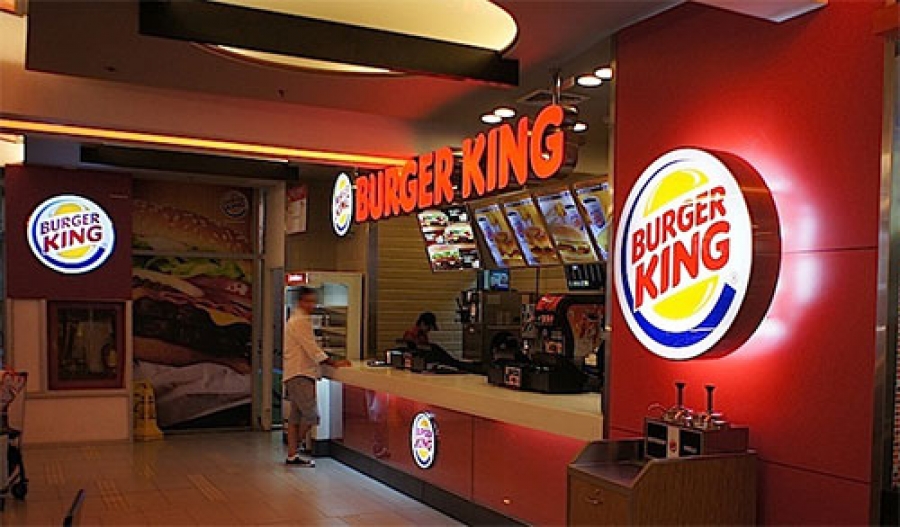
    Fast food chain Burger King is preparing to open 16 new stores by the end of this year in Thailand.

    Prapat Siangjan, Burger King Thailand GM, said the company also plans to open 15 stores annually in 2019 and 2020, taking the network to 131. The stores will be opened near tourist spots and petrol stations, where higher than average spending is considered likely.

    “Customers at petrol stations spend one-and-a-half-times more than at original stores,” said Siangjan, “because we can stay open from breakfast until late at night, and not only at lunch and dinner time as is the case with retail complexes.”

    Other areas of the Burger King Thailand business continue to expand, with last year’s newly introduced delivery channel showing monthly sales figures that indicate double growth year on year.

    This year’s expansion will cost the company THB375 million (US$11.3 million).

  • AEON receives the Best Design Excellence Award at  Money Expo 2018

    AEON receives the Best Design Excellence Award at Money Expo 2018

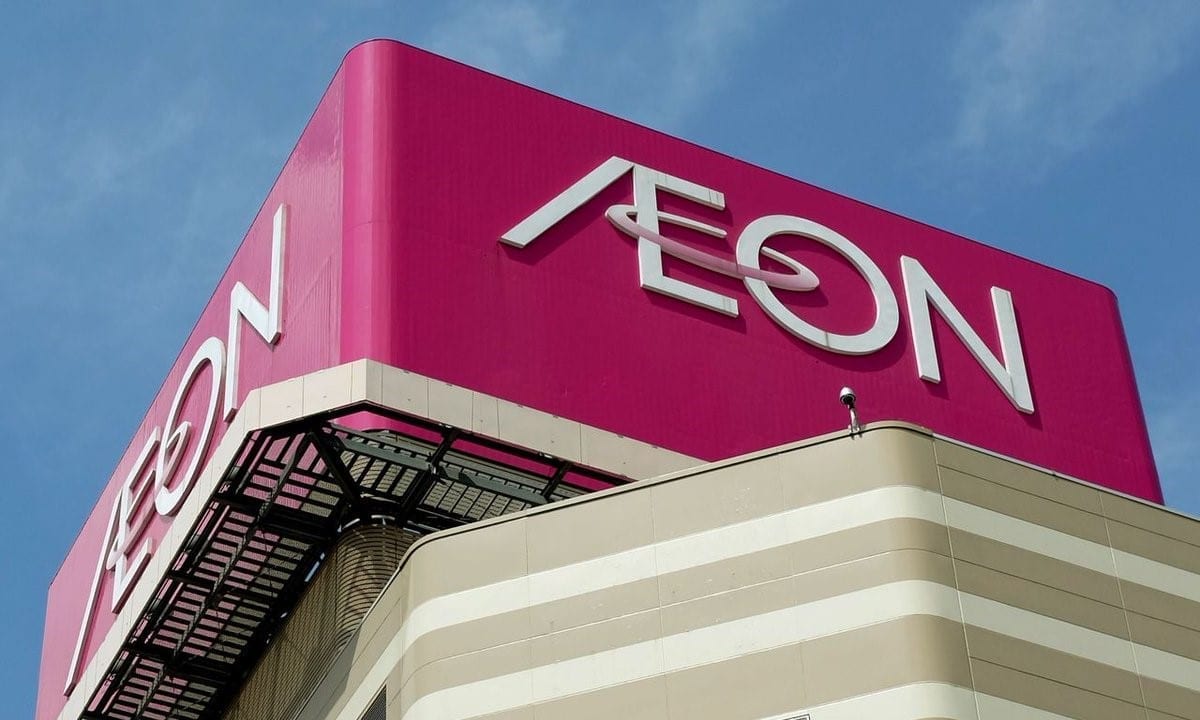
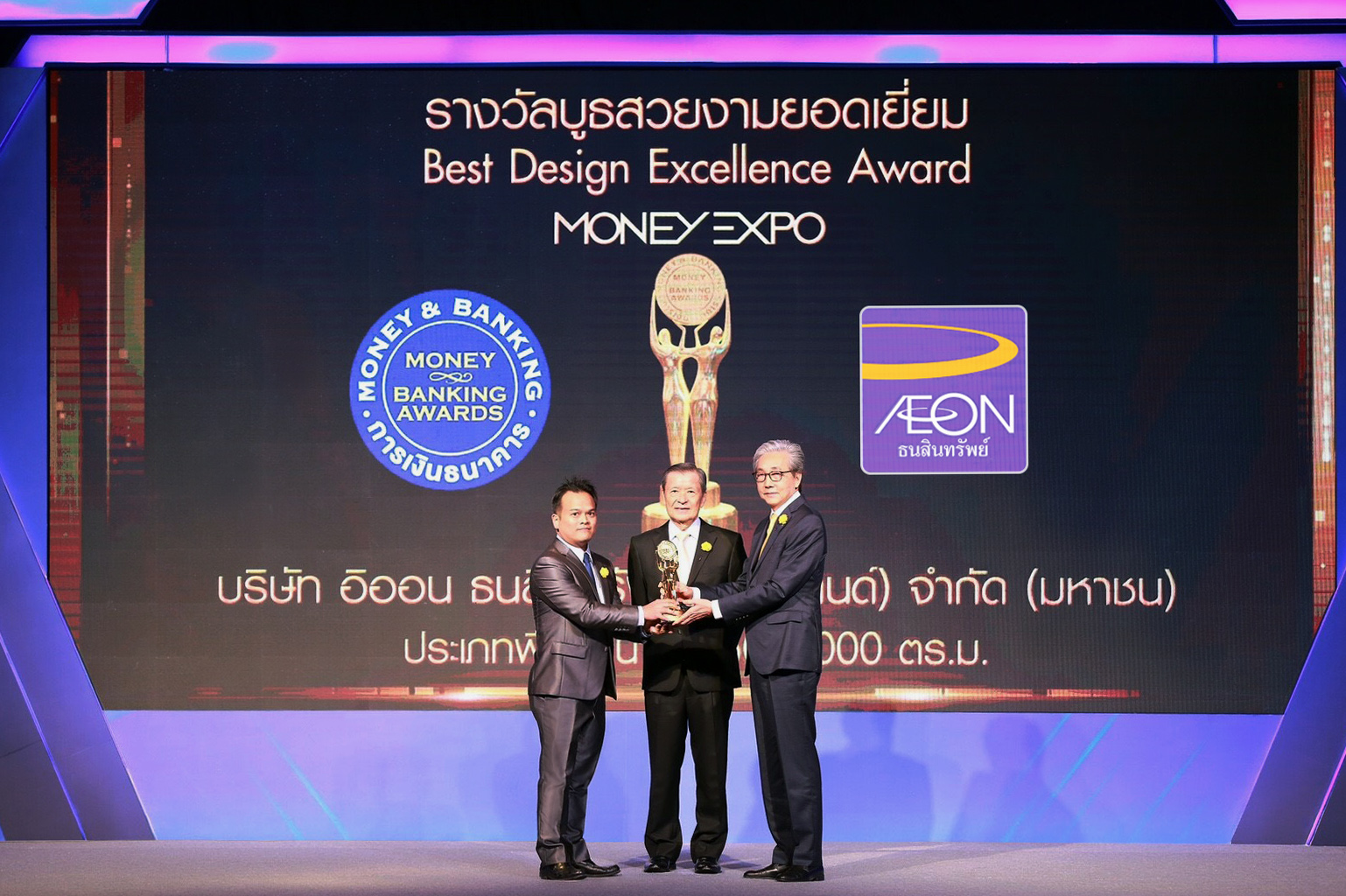
    Mr. Praphan Rangsiyopas (left), Executive Vice President of Marketing, AEON Thana Sinsap (Thailand) Public Company Limited celebrate on winning “The Best Design Excellence Award” on size 850 – 1,000 sq.m. in Money Expo Booth Design Awards 2018. The prestigious award was given to financial institutions and organizations participating in the 18th Money Expo 2018, ceremony will be presided over by Dr. Somkid Jatusripitak, Deputy Prime Minister (right) at The Athenee Hotel Bangkok.

    AEON booth was designed under the concept “AEON TO THE INFINITE WEALTH… Growth through Financial Technology” that demonstrates the continuous development of AEON through the outstanding structure and patterns. The continuous lines represent the growth of a large tree with a stable foundation, as well as soft curved lines that signify the infinity symbol of never-ending prosperity and wealth.


  • Jumbo Group to expand in Bangkok

    Jumbo Group to expand in Bangkok

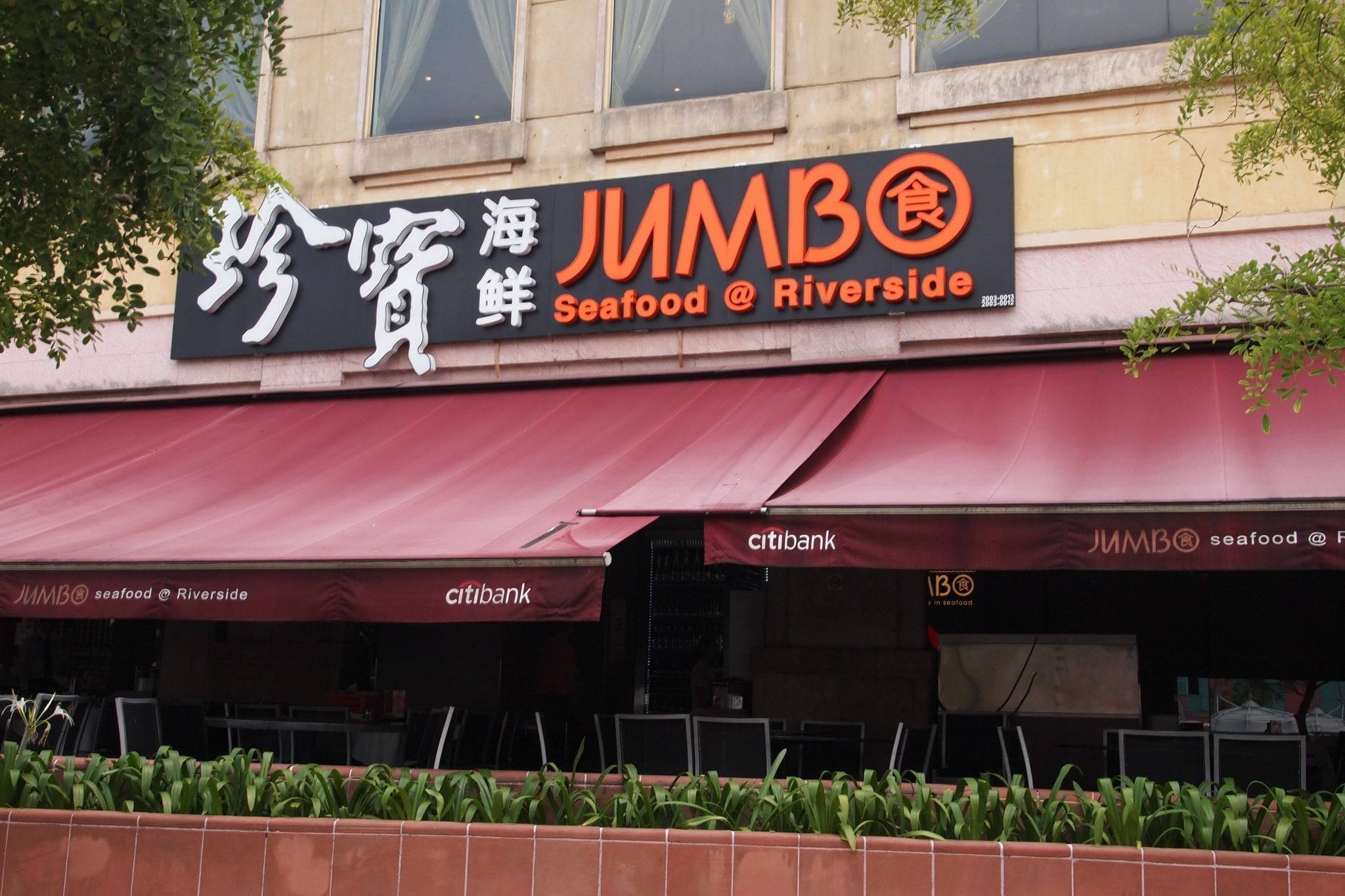
    Singapore restaurant chain Jumbo Group has entered into a 10-year franchise agreement with Thailand’s C J Seafood.

    The agreement authorises C J Seafood to establish and operate a Jumbo Seafood restaurant in Bangkok, which is expected to open by the end of this year.

    A company announcement stated that this new agreement forms part of the group’s plans to expand and strengthen its presence in Asia. It has already established franchises in Vietnam and Taiwan, making Thailand the group’s third franchise outpost in the region.

  • Pomelo Fashion to open first-ever physical store

    Pomelo Fashion to open first-ever physical store

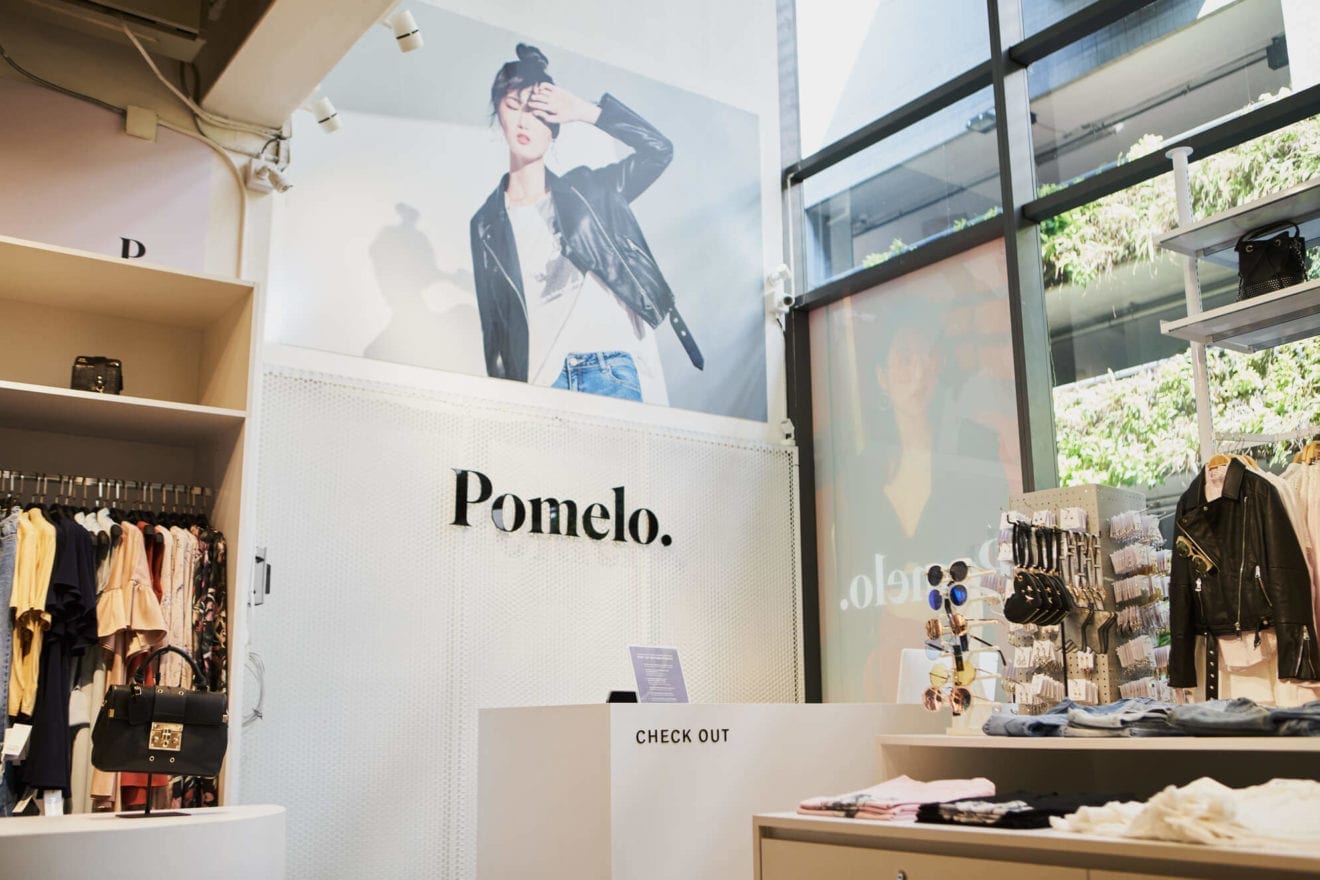
    Thai online fashion retailer Pomelo Fashion will open its first physical store location outside of Bangkok, as it seeks to expand its online-to-offline business model in Southeast Asia.

    Marking the JD.com-backed company’s online-to-offline commerce international debut, Pomelo will open a micro-retail store in Singapore. The company has previously operated a pop-up store in the city and is now looking for a space to open its first permanent site there. Exact details have not been given.

    The move means Pomelo shoppers will be able continue to browse online and send their top choices to the physical store to try on, before purchasing, significantly cutting down on the number of returns.

    In addition, the smaller retail space means the cost of rent in high-profile shopping districts is reduced. And without stocking all the products known to Pomelo online, the retailer avoids cannibalising its online sales with offline stores.

    “Discovery for fashion is going online, where you’re not constrained by having to display the entire catalogue,” David Jou, Pomelo co-founder and CEO, said last month.

    “But e-commerce for fashion is plagued by the problem of returns because the clothes don’t fit or they don’t look good. Having the online-to-offline model cuts down returns because the consumer only buys what they have tried on.”

    The micro-site is the firs international one for Pomelo, after opening its first two in Bangkok, one at Interchange 21 at Asok and the other at All Seasons Place in the central business district. The company said it has identified 800 locations for potential micro-retail sites in Thailand.

    Chinese e-commerce operator JD.com led a US$19 million investment round last year into Pomelo, which also counts investors like 500 Startups, Hong Leong Group and Jungle Ventures.

    Founded in 2013 by David Jou – the former managing director of Lazada Thailand – Pomelo Fashion delivers to over 50 countries globally from its studios in Bangkok.

  • Burger King Thailand sees space for expansion in the forecourt segment

    Burger King Thailand sees space for expansion in the forecourt segment

    Burger King Thailand is set to open around 15 stores per year over the next three years with gas stations a major focus.

    Of the 16 stores to be opened in the second half of 2018, ten locations with be drive-thrus at gas stations, with the company identifying this segment as a bigger spending market for customers in Thailand.

    “Customers at petrol stations spend one-and-a-half-times more than at original stores because we can stay open from breakfast until late at night, and not only at lunch and dinner time as is the case with retail complexes,” explained General manager Prapat Siangjan, according to Pulse News.

    The company plans to spend 375 million baht ($11.3mn) on new store openings this year.

    With 15 new more stores expected to open in 2019 and 2020, Burger King will expand its Thai network to 131 over the next three years.

  • Grab launches grocery delivery service

    Grab launches grocery delivery service

    It will kick off in Indonesia in July, followed by Thailand and Malaysia by late 2018.

    Grab teamed up with Indonesian start up HappyFresh to launch its grocery delivery services, an announcement revealed. The move is part of Grab’s open platform strategy as it eyes to become Southeast Asia’s first everyday superapp.

    Through GrabFresh, consumers can pick grocery products which will be delivered by GrabExpress drivers and other delivery partners within an hour or at a pre-arranged time.

    “We’ve gone from offering our tech as a booking platform for taxi operators, to providing a fleet of delivery drivers for e-commerce companies,” Grab CEO and co-founder Anthony Tan said.

    Available through the main Grab app, the on-demand grocery delivery platform will kick off as a beta service in Jakarta from July. Thailand and Malaysia can access it by late 2018.

    “Grocery delivery is a huge opportunity in Southeast Asia,” HappyFresh CEO Guillem Segarra said. “From our research, 70% of grocery delivery app users shop at least once per week, and they like to shop from the stores that they are familiar with.”

    The platform includes a selection of about 100,000 grocery products from over 50 large supermarket chains and specialty grocery chains as well as trained personal shoppers who could help pick items for customers.

  • 7-Eleven boosts parents profit growth

    7-Eleven boosts parents profit growth

    Overseas growth in the 7-Eleven convenience store business drove a modest increase in profit for Japanese retail group Seven & I Holdings in the first quarter.

    While the challenges of a shrinking population, falling household spending and corresponding lacklustre economy in its home market subdued local performance, offshore growth continues to underpin the company’s results.

    Operating profit of 86.4 billion yen (US$781.2 million) was 2.7 per cent higher year-on-year in the three months to May.

    While 7-Eleven Japan is the nation’s largest convenience store chain, with more than 20,000 stores, the c-store sector is struggling to make headway amid growing competition from drugstores, and Seven & I Holdings’ Ito-Yokado supermarket chain, and its department stores are essentially standing still.

    That makes overseas growth critical for Seven & I Holdings. While 7-Eleven Japan operating profit fell 6.9 per cent to 55.4 billion yen, overseas 7-Eleven profits surged 33 per cent. In Thailand, the chain has about 11,000 stores operated by local partner CP All. It has another 9500 stores in the US and more still under franchise agreements in markets including Malaysia, Australia and, more recently, Vietnam.

  • Mr DIY plans exapansion after e-commerce blast

    Mr DIY plans exapansion after e-commerce blast

    Home improvement retailer Mr DIY is planning to open 135 new stores in Malaysia this year.

    The move, which will take the total number of Mr DIY trading locations to 500, comes on the heels of the launch of the brand’s new e-commerce platform. The site targets technically competent users who are too busy to visit the store in person or those seeking to buy bulk quantities.

    The brand says it is nonetheless committed to heavy expansion of its brick-and-mortar store network, planning to roll out 300 new stores across Asia Pacific this year, including those in Malaysia, and expanding into Singapore and the Philippines. The firm already has outlets in Thailand, Indonesia, and Brunei.

    Mr DIY recorded more than RM1 billion (US$247.1 million) in sales last year and is forecasting a 40 per cent increase in revenue this year.