Tag: Thailand

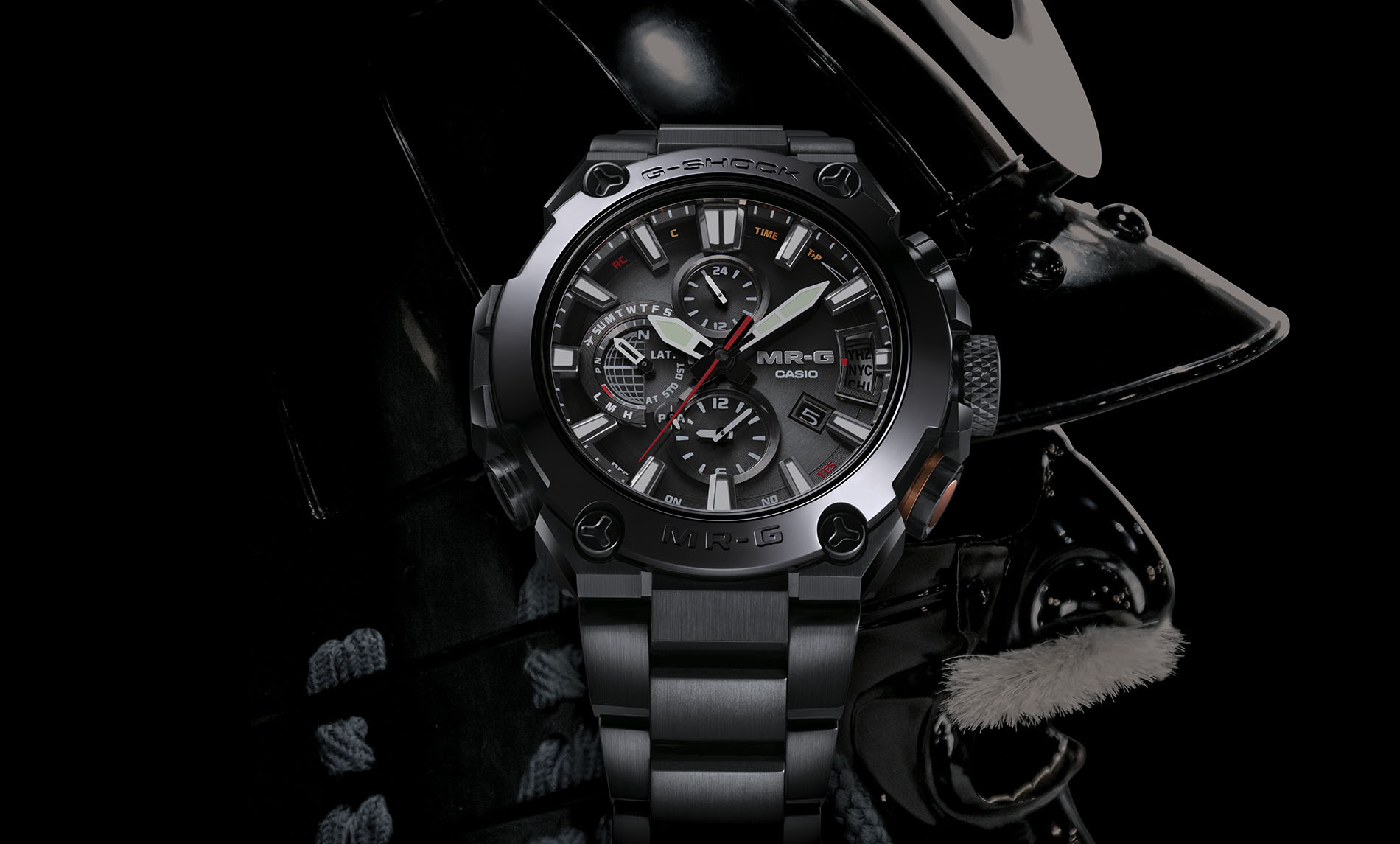
  • Casio G-Shock Bangkok CentralWorld opens door

    Casio G-Shock Bangkok CentralWorld opens door

    Watch brand Casio G-Shock Thailand has opened a store in CentralWorld Bangkok.

    The opening marks the brand’s 35th anniversary and features innovative technology and interactive zones filled with exclusive rare collaborative pieces. The interactive areas include the Tough Test Zone where you can throw your watch at a wall; 3D hyper-visual movies with videos of shock-resistance testing; a G-Shock bar allowing visitors to touch and try every model; and a fast-view giant digital touchscreen catalogue.

    Senior VP of Casio & Hardline Viroj Sukpitak said: “It’s a concept store built with the user-experience in mind. Exclusively for Thailand, G-Shock has created a space that encompasses everything G-Shock, showcasing an extensive product range and the latest inline watches.”

    ‘Absolute Toughness’ is the concept behind the timepieces and the store, which reflects the latest streetwear fashions.

  • Pomelo Fashion launches online shop in Malaysia

    Pomelo Fashion launches online shop in Malaysia

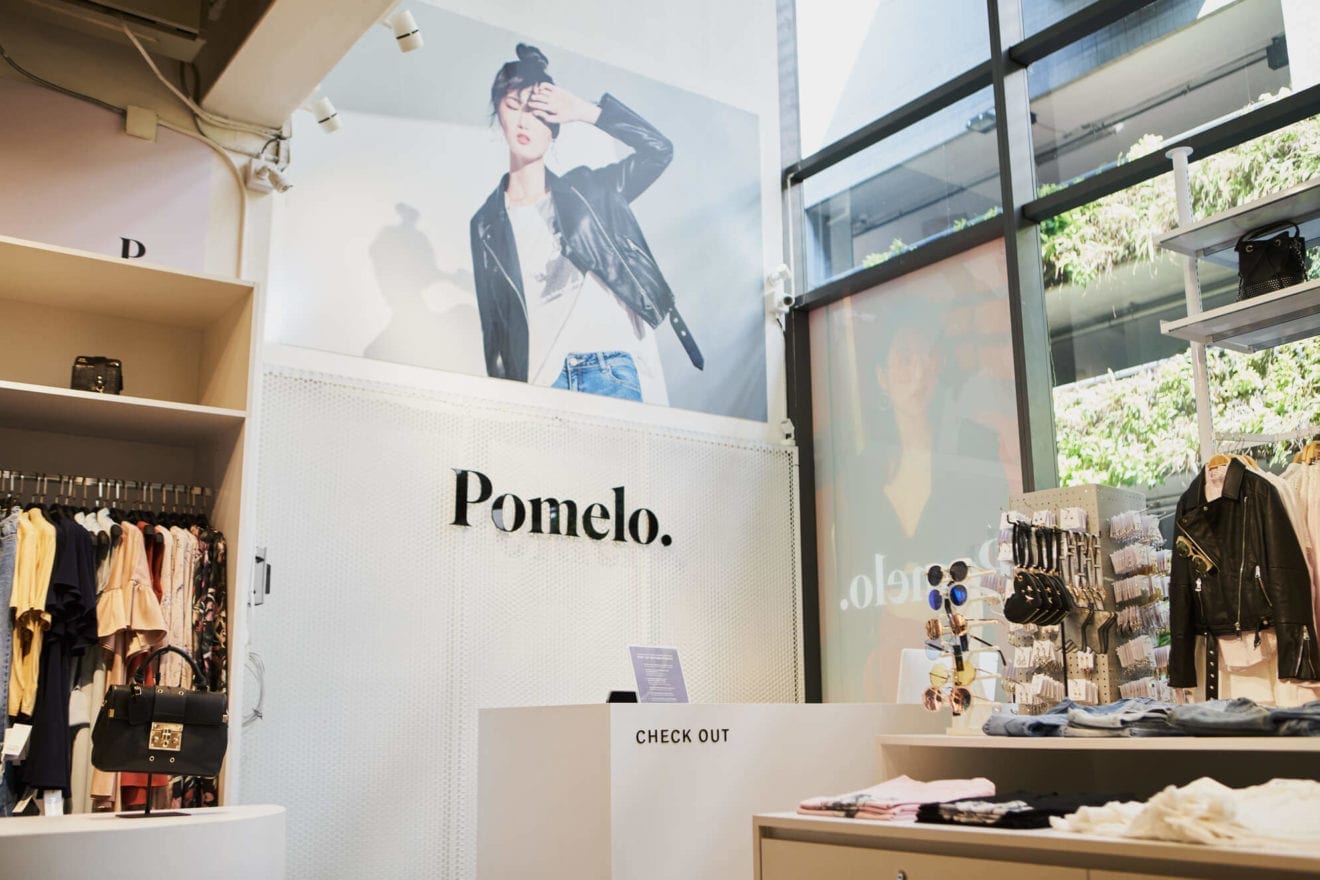
    Digital fashion brand Pomelo pursue its plan to expand its online-to-offline business model in Southeast Asia as it today announces its expansion into Malaysia to further strengthen its e-commerce presence in the region.

    Fashion consumers across Malaysia can now enjoy access to the brand’s latest offerings on a dedicated Pomelo Malaysia website and Pomelo App at any time.

    Driven by the online shopping behavior in Malaysia, the brand aims to meet the needs of the market with its ever-growing assortment of fashion products, enhanced delivery services and multiple payment options to provide them with the best possible online shopping experience.

    Pomelo stays true to its On trend. Online. On the go. philosophy offering its Malaysian consumers a wide assortment of trends for all styles and occasions.

    Indeed, added to their over 100 new weekly styles, seasonal and festival collections will be available to consumers including Ramadan, Chinese New Year, and Pomelo’s sustainable line Purpose.

    Southeast Asia is a booming market which reflects on the habits of the region’s inhabitants. In an effort to fit to today’s customers’ lifestyle, Pomelo invested in operations and logistics to bring its client a seamless and convenient online shopping experience. With this aim in mind, the company offer shoppers across Malaysia speedy delivery and easy returns.

    For the first time, Pomelo is launching 700 drop off locations all over Malaysia, with plans of expanding to nearly 2,000 locations – allowing customers ultimate convenience when making returns. Customers will get to enjoy free returns all year round as well as multiple payment options including cash on delivery (COD).

    Southeast Asia remains a strategic market for Pomelo and since its first launch in 2013, the brand has continued to expand in the region, with dedicated sites in Malaysia, Singapore, Thailand, Indonesia, and Australia.

    The brand also has an international site enabling fashion consumers to access the great assortment of Pomelo products in over 50 countries across the globe.

  • Cali-Mex makes debut in Thailand

    Cali-Mex makes debut in Thailand

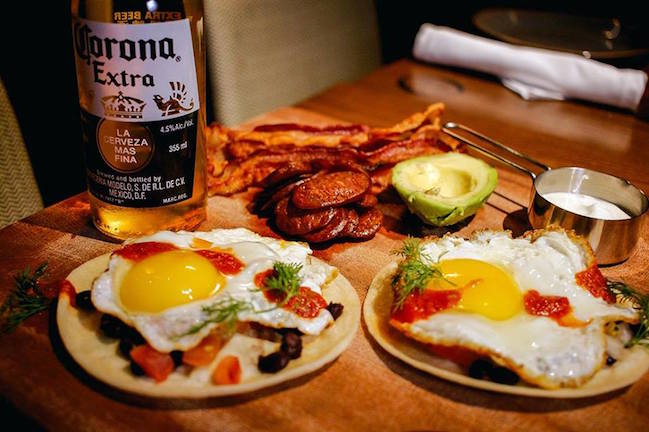
    The ground-floor venue at Sukhumvit Soi 22’s Holiday Inn is set to be the first of 20 outlets planned for Thailand within the next three years. A 150-seat flagship on Sukhumvit Soi 11 is scheduled to open in December.

    Along with Californian-Mexican cuisine, Cali-Mex offers Thailand’s first beer taps at the table, charging by volume.

    View the gallery below :

  • Cafe Amazon makes debut in Middle Eastern

    Cafe Amazon makes debut in Middle Eastern

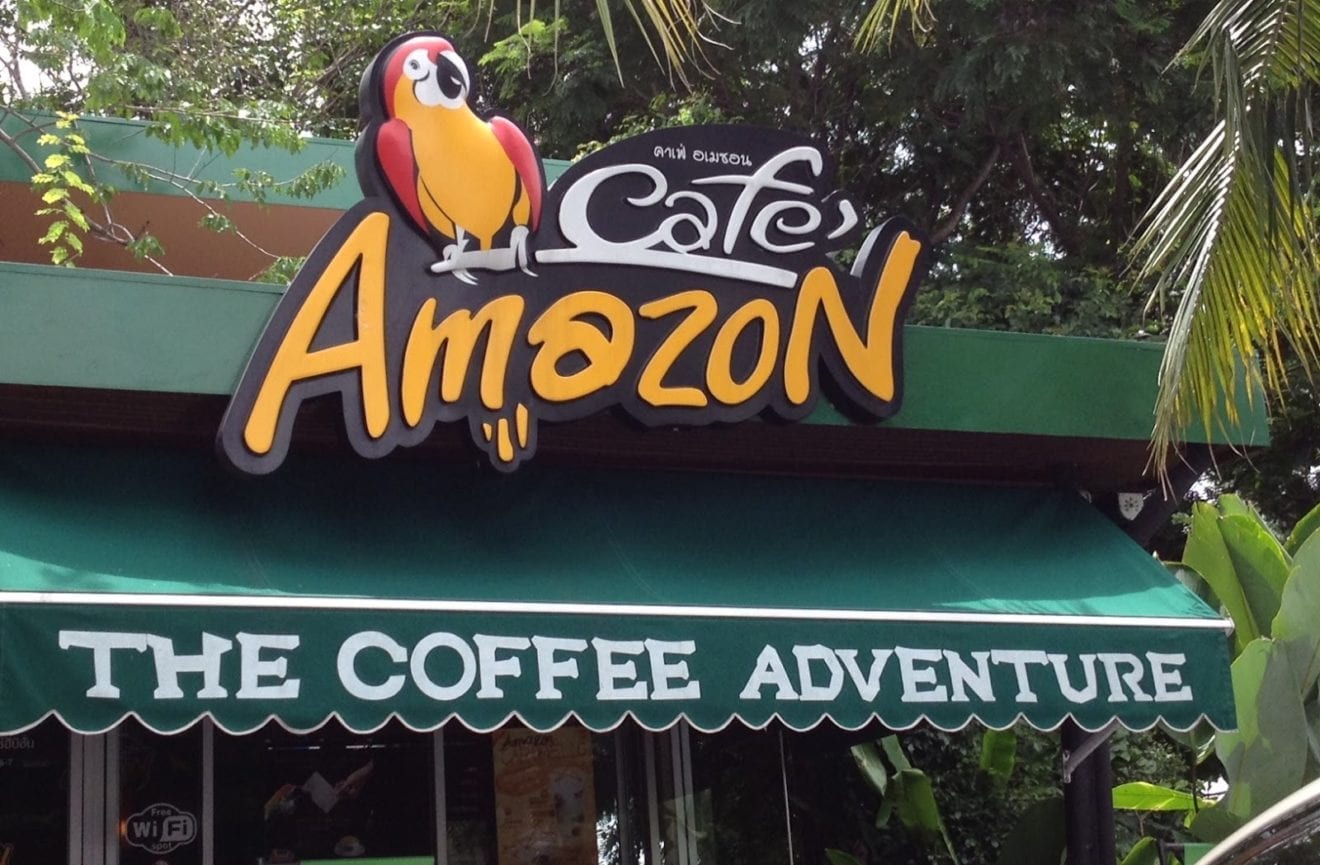
    The launch of the Cafe Amazon Muscat store, in partnership with Oman Oil Marketing, will help PTT to study local market preferences for coffee, food, decor and atmosphere before making expansion plans.

    PTT currently operates 2557 branches of Cafe Amazon, most of them located in Thailand and run out of petrol stations.

    The brand has been subject to considerable expansion over the past four years in business, and now has a presence in Japan, Myanmar, Laos, Cambodia and the Philippines, as well as the new Cafe Amazon Muscat. Plans are underway to launch in Mainland China later this year.

    PTT is aiming to reach 4000 outlets by 2023, with branches in 14 countries.

  • Massive expansion for Central Group Vietnam

    Massive expansion for Central Group Vietnam

    Thai retail conglomerate Central Group is planning to triple its Vietnamese businesses in the next five years.

    With the planned investment of US$500 million, the retailer is expanding its stores and shopping malls in the country to as many as 750, along with new retail formats.

    “We are very strong in Vietnam in food business which is the primary need of consumers, but we are also preparing for the future, for the needs consumers are going to have [beyond] food,” Central Group Vietnam CEO Philippe Broianigo said in Bangkok this week.

    Central has already tested the market with its cosmetics retail concept Hello Beauty, DIY store Home Mart, and LookKool gift shop which has already expanded to 26 stores.

    New shops will open within its Big C-anchored malls to draw in grocery shoppers, and will soon expand to other venues, according to Broianigo.

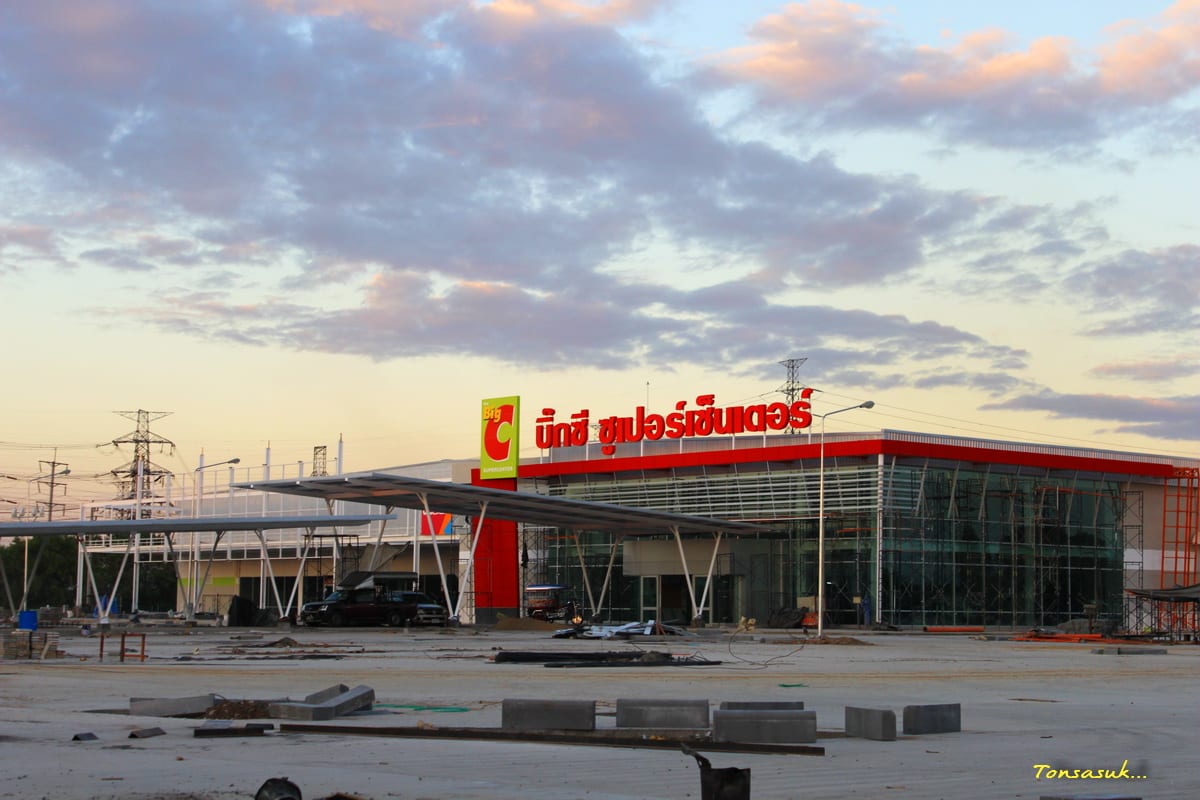
    Established in July 2011, Central Group Vietnam has built its portfolio via acquisitions of electronics retailer Nguyen Kim, supermarket chain Big C and fashion e-commerce platform Zalora which was converted into Robins online.

    Last year, sales grew by double digits, reaching $1.3 billion.

  • Uniqlo plan to double its store in SEA

    Uniqlo plan to double its store in SEA

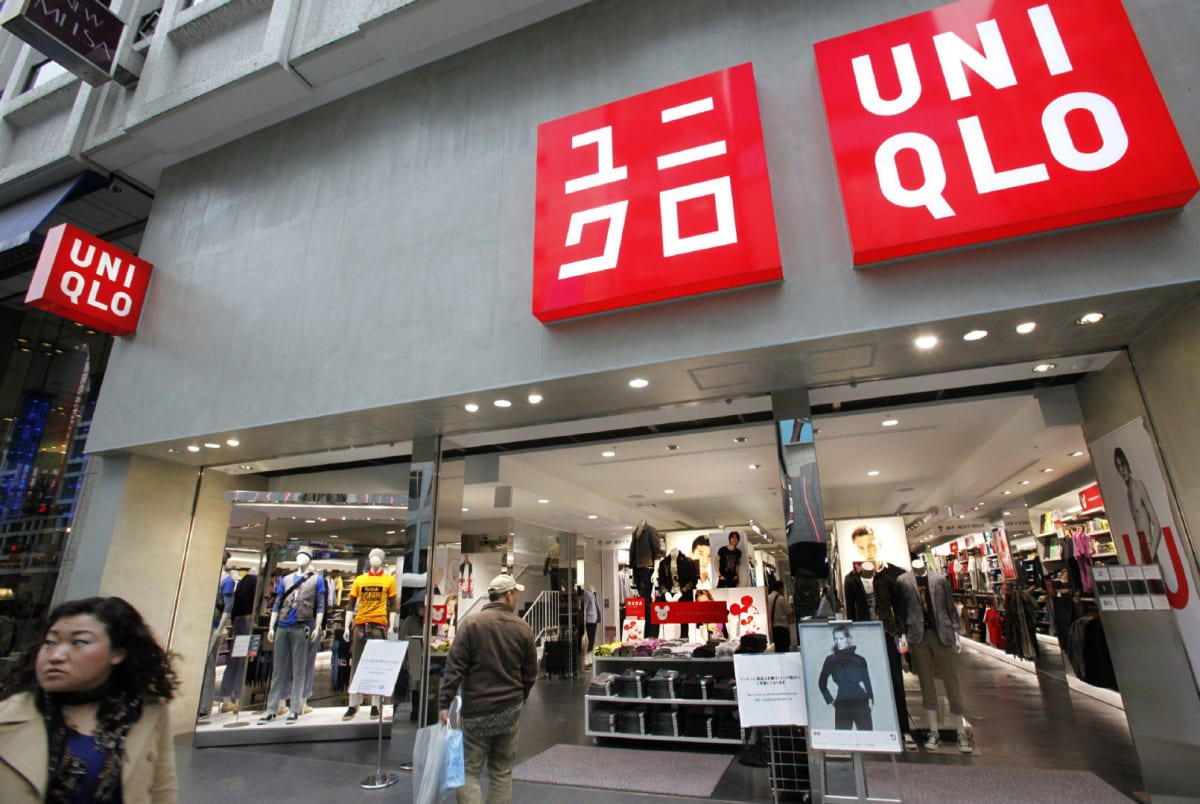
    Japanese apparel giant Fast Retailing is eyeing massive expansion in Asia-Pacific.

    The Uniqlo Southeast Asia and Oceania store network is set to double by 2022 to about 400 stores, Fast Retailing’s group senior VP Satoshi Hatase said in an interview.

    The company plans an emphasis on stand-alone suburban stores as it expands its Southeast Asian footprint, seeking to move beyond its traditional shopping mall locations.

    “We opened our first roadside store in Asean in Thailand in March, and it has been a huge success,” he said, adding that stand-alone stores in suburban locations were the key to Uniqlo’s original growth in Japan.

    Regionally, Uniqlo has now reached a level of recognition where “the timing is right” for suburban stores, he said.

    Fast Retailing executives in Thailand, Malaysia and the Philippines are talking with leasing agents to identify suitable sites for such stores.

    In Southeast Asian markets, middle- and high-income consumers are the ones which will fuel the Japanese company’s growth.

    “Lower-income people cannot buy Uniqlo [yet],” Hatase said. But in 10 years, “a significant number of Asean people will be able to”.

    Fast Retailing has previously said it aimed to triple its sales in the region to 300 billion yen (US$2.7 billion) in the year to the end of August 2022. Last year’s regional sales were 100 billion.

    Fast Retailing already has stores in Australia, Malaysia, Singapore, Indonesia and the Philippines. Its next target in the region is Vietnam.

    “We want to have stores in all countries [in the region],” Hatase said, especially Vietnam, Laos and Myanmar.

  • @Cosme cosmetics debuts in Bangkok

    @Cosme cosmetics debuts in Bangkok

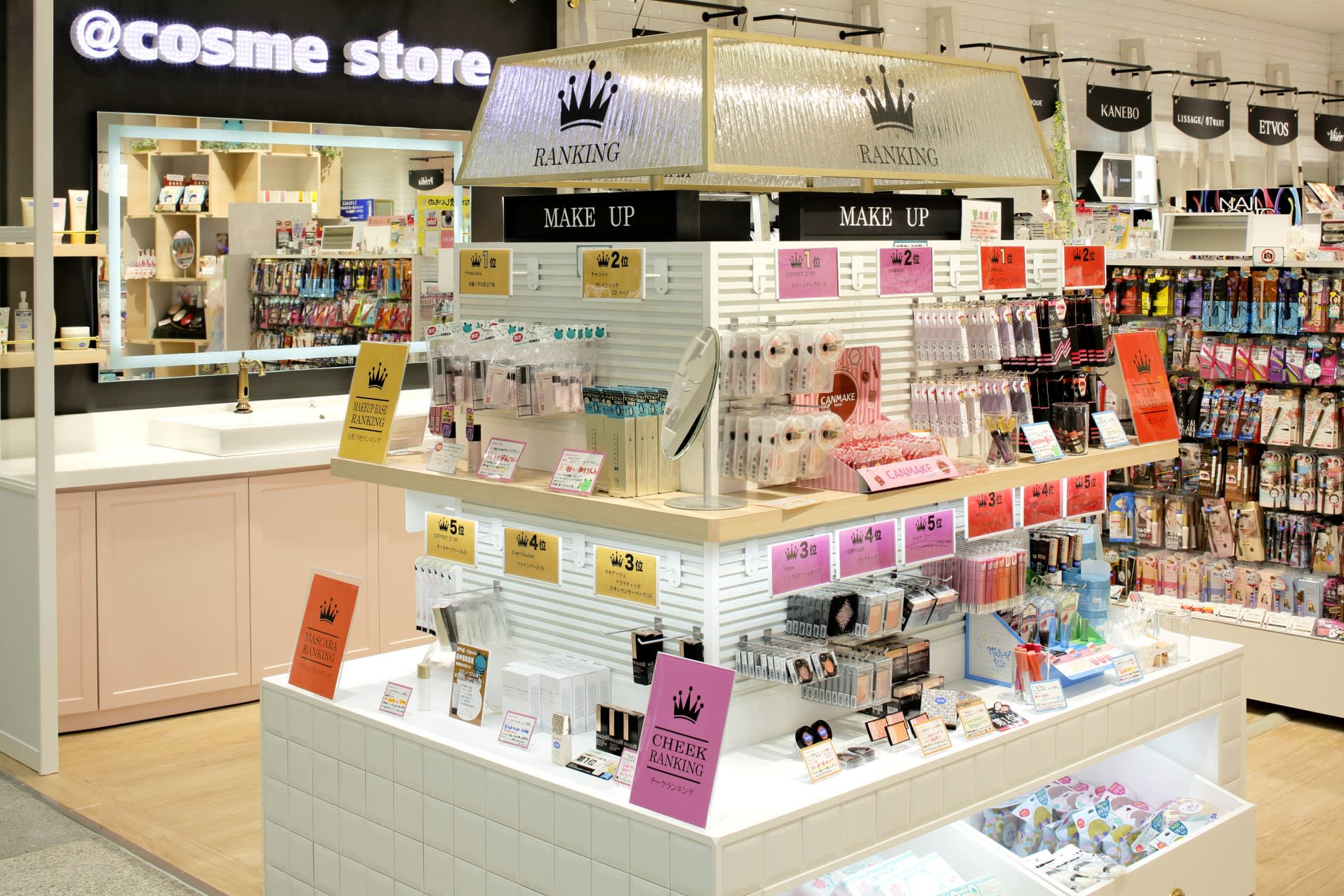
    Japanese company istyle cosmetics is partnering with Siam Piwat to open @Cosme stores in Bangkok.

    The joint venture in which istyle holds 70 per cent is called istyle Retail Thailand and will operate five @Cosme stores in the country.

    The first Thai @Cosme store is set to open at the new development IconSiam by the end of this year, and the second will open at Siam Center.

    “We have studied the Thai market and found that Bangkok’s GDP is high and consumers in Bangkok, compared with consumers in other countries in this region, are the top spenders on beauty and cosmetic goods,” said Kei Sugawara, director, CFO and senior VP of global at Istyle Inc.

    “The @Cosme retailing concept that merges online consumer engagement with offline sales is extremely innovative and will be exciting for Thai consumers. Next to that, this joint venture will facilitate the arrival in Thailand of many new, high quality Japanese beauty brands that have not been available to consumers in Thailand,” said Usara Yongpiyakul, CEO of Siam Piwat Retail.

    The joint venture expects the total sales earned by @Cosme stores to reach Bt300 million (US$9 million) in the first three years.

    Currently, @Cosme has stores in Hong Kong, Japan, and Taiwan.

    Thailand is among several new markets istyle is planning to expand in during the next three years with a goal of 50 to 60 new stores planned.

  • One step closer to Makro Siem Reap commercial centre

    One step closer to Makro Siem Reap commercial centre

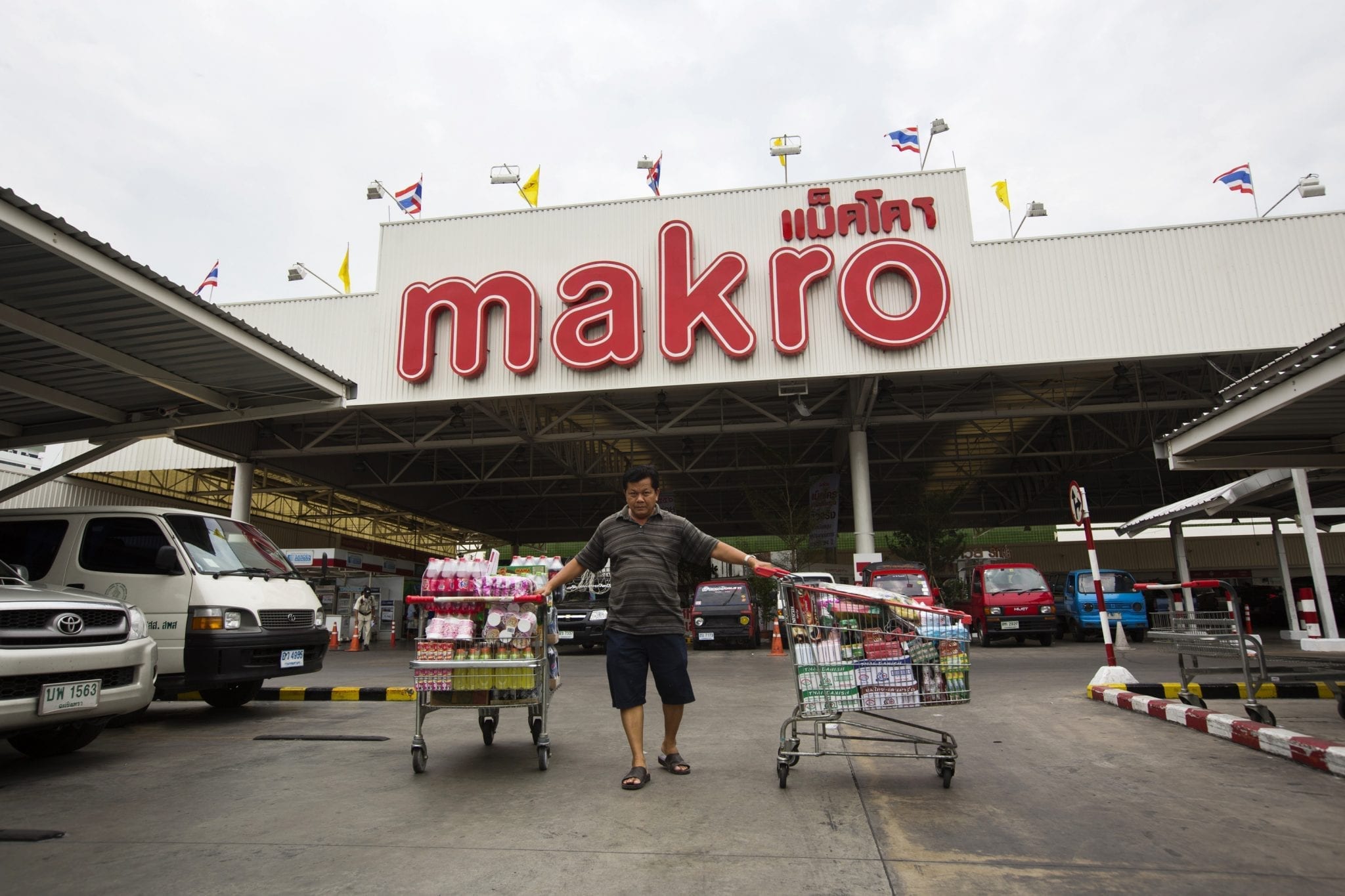
    Thai cash-and-carry brand Makro is set to build a large development in Siem Reap.

    The Council for the Development of Cambodia has approved the building of a Siem Reap commercial centre which will be anchored by Makro.

    Associate director of CBRE Cambodia James Hodge said that the development reflects the modernisation of the national retail market that is following in Phnom Penh’s footsteps to develop a modern format retail to meet consumer demand.

    “Certainly a provincial town or city that benefits from high numbers of tourists will also interest retail developers. They see an opportunity to tap into another source of potential customers,” he said.

    Costs for developing the mall have been estimated at US$19 million, and will involve the creation of 179 local jobs.

    Regarding the impact on local businesses, Hodge said: “Businesses may respond by considering prices, the quality of the service or environment they offer to customers. Usually competition is a good thing for consumers as it ensures businesses remain up-to-date and listen to customers in order to remain relevant”.

  • Thai 7-Eleven number goes down

    Thai 7-Eleven number goes down

    Thai 7-Eleven operator CP All has reported slowing profit growth, despite increased revenue.

    Net profit growth of 2.8 per cent was its weakest quarterly result in years, according to Thomson Reuters. Its net surplus was 4.78 billion baht (US$144.2 million). In the same period a year ago, growth reached 10.8 per cent.

    The company’s gross margin slipped a half percentage point to 27.7 per cent due to higher sales of alcohol, cigarettes and game cards, which have low margins.

    Total sales across the 10,000-strong Thai 7-Eleven store network was 129.7 billion baht, up 7.5 per cent, but the company was impacted by an increase in the minimum wage, rising power prices and higher supply chain costs.

    CP All expects to have 13,000 stores by 2021.

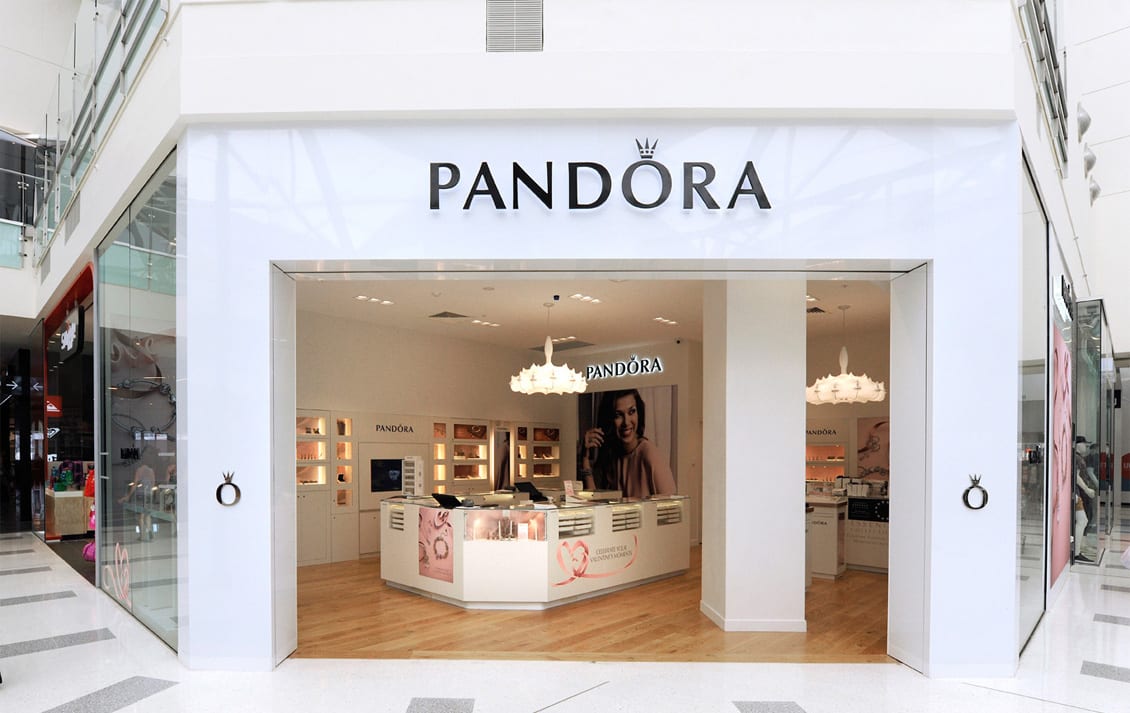
  • Pandora Thailand to axe staffs

    Pandora Thailand to axe staffs

    Danish jewellery manufacturer Pandora has announced it will cut 397 employees in organisational adjustments to align functions across the company and protect profitability.

    The proposed organisational changes are expected to reduce annual costs by around US$23.34 million from 2019, and will affect 218 employees based in Thailand.

    “We have made important progress on our 2022 strategy since we launched it last year, and are on the right long-term direction for Pandora,” said CEO Anders Colding Friis.

    “The adjustments we announce today will reduce complexity and free up resources that we can add to our strategic priorities. The adjustments are also – together with our procurement program – necessary to protect our profitability.

    “Sadly, the changes mean that good employees will lose their jobs, and we are supporting them in the best possible way.”

    The jewellery manufacturer also announced changes to “strengthen cooperation” between sales, marketing and merchandising; implement a centralised operations and supply chain structure to streamline manufacturing; and shift more resources to strategic priorities such as digital and e-commerce.

    Grey market

    The changes come less than a month after the company committed to reducing its retail prices in China in order to combat an emerging ‘grey market’, potentially losing revenue in a large area of growth for the company – having grown by double or triple digits each year since entering the Chinese market in 2010.

    The reduction amounted to an average of 15 per cent off retail prices, both on the online store and the Tmall flagship store.

    “This price reduction across our jewellery assortment is one element in our strategic programme to limit grey market trading of our products in China,” said Kenneth Madsen, president of Pandora Asia-Pacific.

  • The great differentiator in retail industry

    The great differentiator in retail industry

    The retail industry is competitive, it’s relentless and the success of brands and retailers depends on how firmly they deal with their competition. One way to stay ahead of the curve is the incorporation of technology in a brand’s operating model.

    Technology is changing the shape of the global retail industry as also the way many retailers and businesses operate. In retail, technology gives brands the platform to better satisfy their customers by helping them concentrate on consumer needs.

    According to a Walker study, customer experience will overtake price and product as the key brand differentiator by 2020 and 86 percent of consumers will pay more for a better experience. The challenge in serving the modern customer for most retailers, therefore, lies in bringing about the right balance between technology and humans.

    Retailers with the foresight to understand the potential of technology without getting lost in its complexities, and merging it with human interaction, have always been able to grow faster and bigger. Simply put, technology is beginning to play an increasingly important role in the management of complex retail operations all over the world. To stay ahead of the game, retailers are taking the help of different technologies to lead the way in changing two aspects: their points-of-sale and their points-of-supply.

    As retail markets continue to grow and become complex, it is becoming increasingly tough for businesses to keep a track on new developments and then to figure out how these developments can be combined into their operating models in order to come up with a winning proposition – both for themselves as well as their consumer. This is one of the many reasons that retailers need technology.

    Other important factors for retail brands to transform their IT capabilities include:
    – Increasing the company’s ability to respond to the evolving marketplace through enhanced speed and flexibility
    – Collecting and analysing customer data while enhancing differentiation
    – Working effectively; retailers need one system working across stores (or even across national borders) to make sure the most effective use of stock and improve business processes

    Technology in Retail

    High tech innovations help retailers stay competitive in key categories including consumer convenience, price, size and speed. High tech tools help in manufacturing products in bulk, ensuring fulfillment of consumer demands with greater speed and ease both at the warehouses/ stores and on the sales floor.

    Technology also balances inventory assortments, manages ordering and tracks pricing. Customer tracking tools increase customer satisfaction and promote loyalty by enhancing shoppers’ in-store experience.

    For example, in-store sensors and beacon technology can record behavioral and demographic data to a business’s cloud computing system, offering insight into the customers’ psyche. This data can then guide product, layout and display strategies. The data gathered systems can analyse customer browsing and buying patterns, which then be used to personalise in-store experiences for consumers. IoT beacons can also help customers quickly find items in a store and notify them of offers and discounts via their smartphones.

    On the executive level too, technology plays a positive role in strategy and decision making, saving time and adding convenience and profits to the business.

    Personalisation & CRM Through POS Systems: Thanks to modern technology, cloud-based POS systems aid business owners in the automation of daily tasks. These include payment and checkout like interactive signage, employee attendance, self-service applications like customer check-in. POS systems also help in the overall optimisation of processes like tracking inputs from different access points, implementation of a reservation system (in case of a restaurant) and developing a customer loyalty program.

    These smart register terminals provide reports, calculate discounts, offer coupons, capture and match tally of customer profile information with ease to avoid chaos at the billing counter. They use a signature capture technology for credit card transactions which retains receipts electronically.

    Use of POS technology has served towards making the payment process easier and contactless. RFID and NFC technology provide customers with the bonus of making a purchase using their smartphones and smartwatches.

    It is important for retail businesses to streamline these processes to develop a system which is informative and error-free.

    Inventory Management: According to stores.org, “Retailers will continue to explore ways to use IoT in the coming year for everything from keeping better tabs on their inventory to managing losses from theft and connecting with shoppers.

    With the help of technology, managers can track inventory in an organised manner through its purchase cycle and offer real-time information and updates about the product to consumers. Technology is also already helping in informing managers of the status of the store stock – whether it needs replenishing or not.

    Features like ‘Electronic Data Interchange (EDI)’ help in maintaining direct computer-to-computer transactions from the store to the vendors’ databases and ordering systems. The wireless hand-held inventory units keep a check on the entire database at the headquarters by downloading and help in downloading the data regularly.

    The Universal Product Code (UPC), is used for product identification system using bar code and unique numbering for organising the goods category wise. Automatic replenishment manages restocking of what’s been sold. Customer Relationship Management (CRM) software allows retailers to track customers.

    Price Auditing: Despite being a time consuming and costly process, price auditing is another important aspect for retailers which ensures that the consumers are not being charged extra or less. Auditing has been streamlined to a large extent by the introduction of technology as products can now be scanned at the time of purchase. Th is creates more accurate pricing, saves store employees a lot of time and creates better trust between the store and the customers.

    Impact of Technology on the Retail Industry

    The dawn of e-commerce had dealt a huge blow to the traditional retail – that is until retailers discovered the advantages of Omnichannel retail. With the advent of new technology, retailers are now raising the industry from the simple concept of buying and selling and taking Omnichannel to another level altogether.

    “Retailers will continue to adopt emerging technologies in 2018 to close the gap between the digital and physical worlds, and to learn more about consumers. Mobile will become an increasingly important part of the retail equation as stores also evolve. And throughout the industry, retailers will attain more data about their shoppers and use artificial intelligence to enhance their marketing and merchandising. Personalisation in retail will play a important role in 2018.

    Retailers will use data and AI platforms to better engage customers with personalized shopping experience both online and in the store. More retailers will use AI-based capabilities and technologies to better match shoppers with products. They will be able to access personal shopping history, demographics, page views and clicks then use AI to offer better recommendations and individually tailor their marketing,” says Sunil Nair, Sr. Vice President IT & Business Solutions, SPAR India (Max Hypermarkets).

    Indians as customers are more digitally aware now than ever before, and this number will increase over the next few years. More Indians getting into the digital space would mean more opportunities and challenges for us retailers in terms of getting through to the right audience in a manner that converts them into loyal customers. Upcoming technologies are going to make way for the Indian Retail Industry to make a digital breakthrough and provide exactly what the digitally-aware customers would want,” he adds.

    “India is one of the biggest consumer market in terms of mobile devices. Coupled with an efficient distribution and logistics setup, the retail industry is set for exponential growth. The real time analytics could bring in efficiencies in inventory management, product placements, supply chain, deliveries, and even product development for the right consumer market. The two hot technologies that are becoming very popular are ‘Robotics & Drone Deliveries’ in retail are yet to get a serious consideration in Indian market,” says Chetan Chaturvedi, CIO, Head – IT, Reliance Market Retail Ltd.

    “With the availability of new technologies each consumer today can be viewed as a unique individual with clearly identifiable preferences. Therefore, Indian retail needs to move from one-size-fits-all approach to a highly-customized, consumer-centric
    approach. The way retail is currently structured, this requires a both a big paradigm and structural shift,” adds Abhishek Lal, Sr. Director E-commerce – Emerging Markets, adidas Emerging Markets.

    “AI has become one of the biggest technological developments in recent years. With its ability to help turn large and diverse data sets into enriched information that can help improve speed, cost and flexibility across the value chain. In fashion, AI helps brands and retailers with predictive forecasting, capacity planning and merchandising. Consumers enjoy the benefi ts of better product availability,” says Manoj Patel, Dep. CIO, House of Anita Dongre Ltd.

    How IOT is Shaping the Industry

    “Retailers will make greater use of beacons, sensors and the Internet of Things devices to drive the in-store experience in 2018. IoT will be the tool that can finally bridge the gap between the digital and physical worlds as it finally offers the ability to obtain and use data in stores. Retailers will be able to use these devices to gather more information about consumers in the store and convert that into data that can also be used online and through mobile. They will pilot more IoT programs to enhance store entry, customer interaction, improve merchandising and offer more rapid checkout. We are in the process of implementing IOT for inventory management, improving in-store experience through personalised marketing and energy management,” explains Nair.

    “IoT adaptation varies from company to company. For beauty and cosmetics retail, it would help in recognizing customer sentiments through camera sensors, analysing in-store traffic and converting them as shoppers in real time. IOT can help out in building virtual assist to ‘try on’ makeup look before actually buying the final products. We are working on that,” says Tarun Bali, Head IT, Quest Retail Pvt. Ltd., The Bodyshop.

    “IoT is key for this consumer facing industry and it would create a huge impact in our customer offerings. There is use of sensors which capture Image/ Video/ Product information which are critical elements for retailers. Organizations need to store IoT data and use in for better operating decisions,” Piyush Chowhan, Chief Information Officer, Arvind Fashions Ltd.
  • DHL eCommerce in Thailand Boosts Efforts to Fight against Illegal Wildlife Trade

    DHL eCommerce in Thailand Boosts Efforts to Fight against Illegal Wildlife Trade

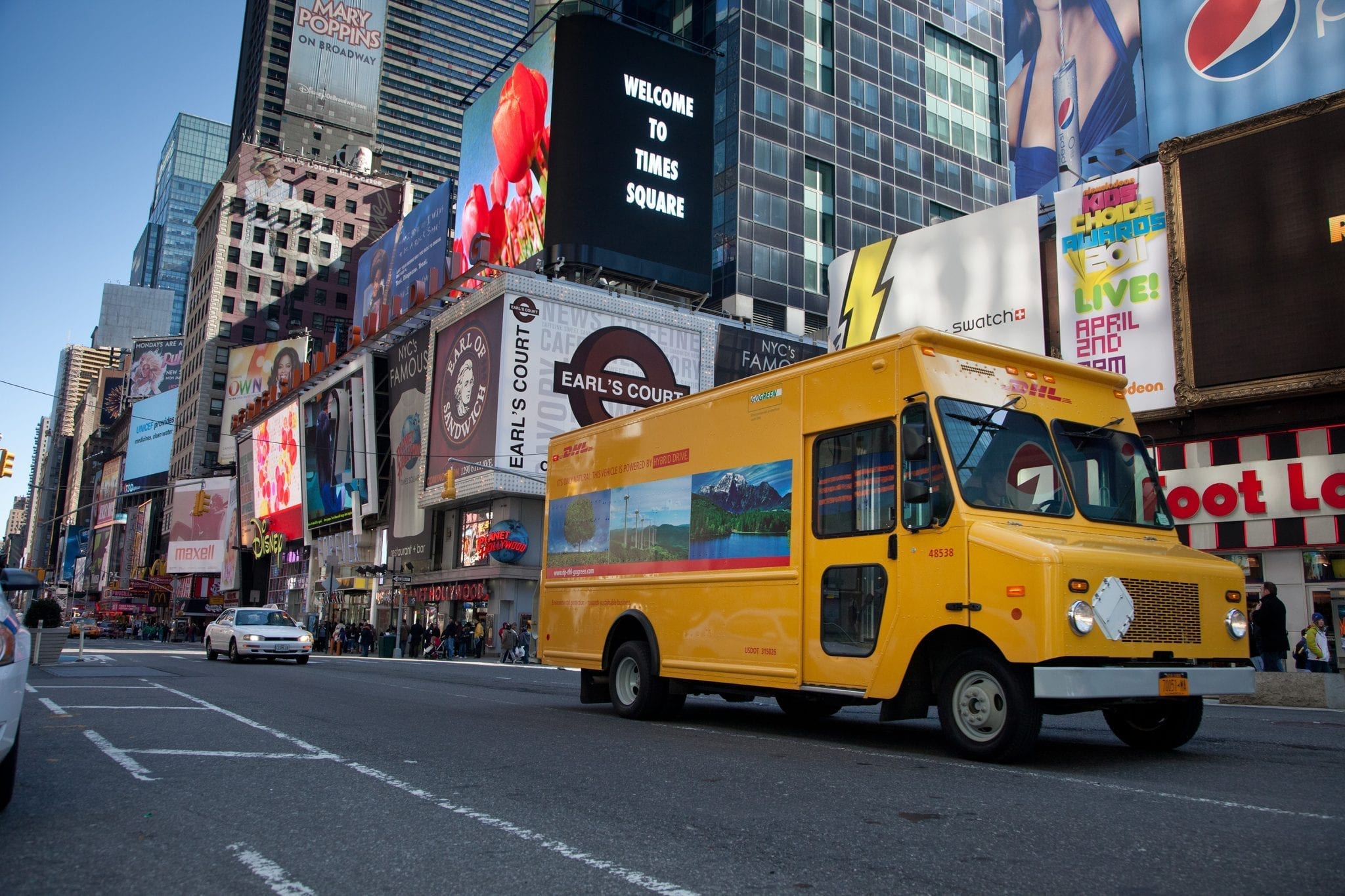
    In order to help combat the shipping and transport of illegal wildlife products, TRAFFIC, through the the USAID-funded Wildlife Trafficking Response, Assessment and Priority Setting (Wildlife TRAPS) Project, delivered a capacity building workshop in Bangkok yesterday for staff at DHL eCommerce in Thailand to learn how they can play a key role in helping prevent the trafficking of wildlife.

    The workshop covered the local and global implications of wildlife trafficking crimes, the role of the CITES convention in regulating the international wildlife trade, common wildlife trafficking trade routes, the modes and methods used by wildlife traffickers for shipping illegal products, and risks to the transport and logistics sector. During the workshop, participants discussed potential vulnerable points along their supply chains in Thailand and ways to strengthen their company’s operations, staff and customers’ awareness, and reporting mechanisms for wildlife trafficking.

    “Today’s workshop raised awareness of how wildlife is threatened around the world, gave us a clear understanding of the potential impacts from wildlife trafficking to our core business, and helped us understand what actions could be taken to strengthen our operations against the wildlife trafficking,” said Mr Wittaya Khoryiamklang, DHL Transport Manager.

    “Leadership from companies like DHL plays a very important role in tackling wildlife trafficking. Only through long term and positive collaborations between the private sector, government, and NGOs we can achieve tangible impacts to stop wildlife crime.” Said Mr Somkiat Soontornpitakkool, Director of the CITES management authority of Thailand, who attended the workshop.

    Following the workshop, staff were awarded certificates of participation along with informational resources for further learning. In the coming months, TRAFFIC will continue to provide technical guidance to DHL in Thailand to support the implementation of  those action points identified during the event.

    “Wildlife trafficking is a transportation-intensive activity and workshops like this can catalyze positive action on the ground to help companies to stay free from unwittingly transporting illegal wildlife products. The Deutsche Post DHL Group is already a signatory of the United for Wildlife Transport Taskforce Buckingham Palace Declaration, so today’s event could be seen as a practical step in helping to implement those high level commitments” said TRAFFIC’s Monica Zavagli, Wildlife TRAPS Senior Project Officer.

    Thailand ranks second in wildlife trafficking instances through the air transport sector globally[1], and in recent years has been on the front lines of many large-scale illegal wildlife seizures, intercepting shipments of rhino horn, ivory, rosewood, and pangolin scales, among other commonly traded wildlife products.

    Many in the transportation sector are recognising the need to take action against wildlife trafficking. Recently, Etihad developed a new 20-minute online module designed to inform its employees of the business risks associated with the illegal wildlife trade and ways to prevent them. In addition, the USAID Reducing Opportunities for Unlawful Transport of Endangered Species (ROUTES) Partnership has conducted trainings across Africa, the Middle East, and Asia to train airport and airline employees in key wildlife trafficking hubs.

  • Ralph Lauren sales decline, and Asia saves it

    Ralph Lauren sales decline, and Asia saves it

    Fashion label Ralph Lauren sales reached US$1.4 billion for the first quarter of this fiscal year, driven by sales in Asia and Europe.

    Ralph Lauren sales in Asia increased 19 per cent to US$248 million on a reported basis and by 16 per cent in constant currency, driven by strength in both retail and wholesale channels. Samee-store sales in Asia increased 6 per cent in constant currency, reflecting growth in both the brick-and-mortar and digital-commerce operations.

    By comparison, European revenue in the first quarter increased 8 per cent, while North America declined by 2 per cent.

    Ralph Lauren, executive chairman and chief creative officer for the company said, “I continue to be inspired and energised by the passion our teams have for our brand and our company. This passion, along with Patrice’s [Louvet, president and CEO] partnership over the last year, the clear plan he and the team laid out in June, and the initial progress in this quarter, gives me confidence in our future as we celebrate 50 years in business.”

    Louvet added: “We are off to an encouraging start to the new fiscal year on both the top and the bottom line… we are on track to return the company to long-term, sustainable growth and value creation.”

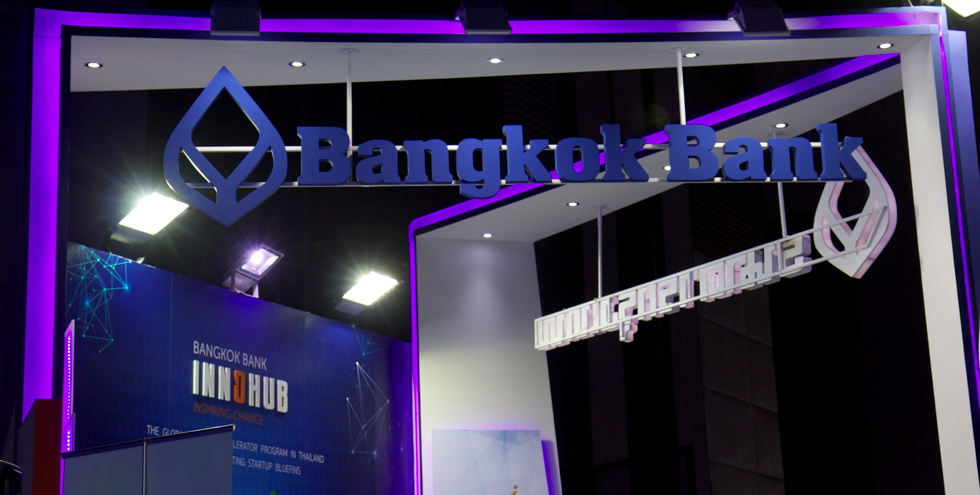
  • Bangkok Bank seeks nod to grant more loans in Vietnam

    Bangkok Bank seeks nod to grant more loans in Vietnam

    The Vietnamese branch of Bangkok Bank has sought permission to lend more as it nears the 15 percent annual growth limit.

    Tharabodee Serng-Adichaiwit, senior vice-president and general manager of the Vietnamese branch, said the bank has adjusted its lending growth target to 30 percent by the end of this year, after it already reached 13 percent in the first six months.

    The report stated, rapid, steady economic growth of neighboring countries has made the Thai bank’s loan outlook for the upcoming months promising.

    The 15 percent loan growth cap by Vietnam’s central bank applies to both local and foreign banks. The credit growth limit was introduced last year to better regulate inflation, exchange rate, and interest rates.

    However, institutions can submit a request form to exceed this threshold and the regulator will determine this on a case-by-case basis.

    Other banks have also sent their requests to boost credit growth by more than 15 percent, Tharabodee said.

    Vietnam’s economy has sustained and built on last year’s gains with an impressive 7.08 percent growth in the first half of 2018, the highest rate since 2011.

    The World Bank had forecast in a recent report that Vietnam’s economy could expand by 6.8 percent in 2018, revising upwards its previous estimate of 6.5 percent. It has estimated the nation’s GDP growth at 6.6 percent in 2019 and 6.5 percent in 2020.

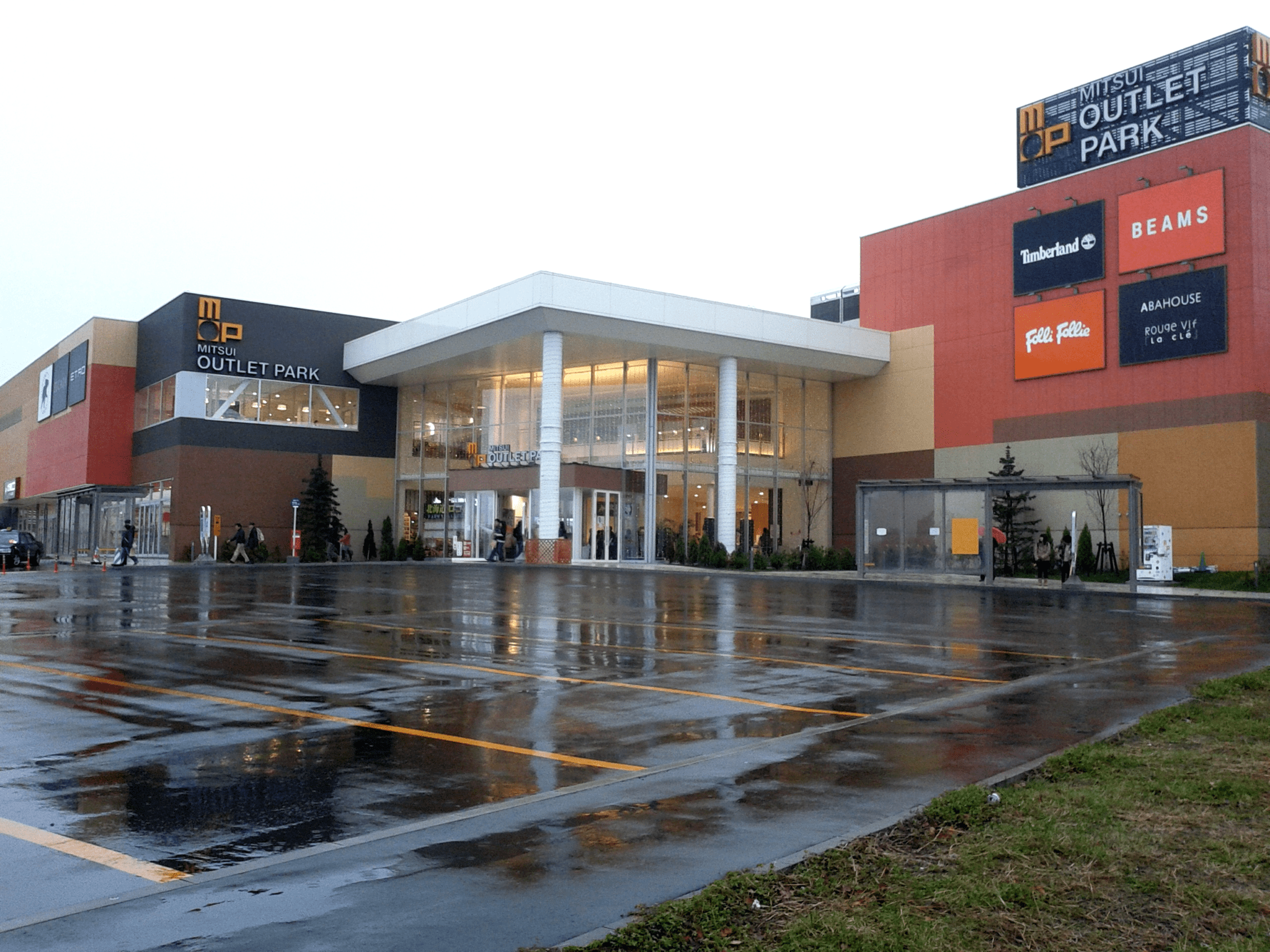
  • Mitsui Fudosan plan to open more store

    Mitsui Fudosan plan to open more store

    Japan’s largest factory outlet operator is considering opening a similar park in Thailand.

    The firm, Mitsui Fudosan Retail Management, is the developer of Mitsui Outlet Park, which attracts increasing numbers of Thai visitors each year. 120,000 Thai nationals are expected to visit the park this year, compared to 80,000 last year and 60,000 in 2016.

    Kazuo Iida, the GM for the firm’s tourism sales promotion department, said, “We’re interested in opening the Mitsui Outlet Park in Thailand, but the plan is just in the consideration process.

    “The number of Thais who visit Mitsui Outlet Park ranks fourth after China, Hong Kong and Taiwan,” he explained. “The number of Thais who visit Mitsui Outlet Park will outpace Taiwanese visitors for third place in the near future.”

    With the outlet park set to open a third-stage expansion at the end of October, it is moving towards becoming the outlet mall with the most stores in Japan, according to Iida.

    The group operates 13 outlet malls in Japan and two branches in Taiwan and Malaysia.