Tag: Thailand

  • Leica Thailand opens second global cafe

    Leica Thailand opens second global cafe

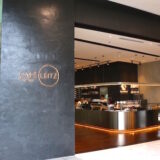
    Leica Thailand distributor A-List Private has opened a lifestyle cafe for the Leica community – Cafe Leitz by Pacamara.

    The cafe, opened in partnership with Thai coffee brand Pacamara, is located in a 214sqm space on EmQuartier’s mezzanine level. Modelled on a similar cafe in London it is just the camera brand’s second such cafe in the world.

    The central Bangkok venue is a meeting place for Leica Thailand enthusiasts to share knowledge, techniques and experiences. Leica specialists are on hand to discuss and reveal on how to use some of the cameras’ more advanced functions professionally and options that the Leica cameras possess.

    The cafe was designed in a modern style featuring relaxed colours like black, white, gray and brown, sure to be familiar with any Leica user.

    A-List MD Danai Sorakraikitikul said there will be experiential activities for customers, such as the opportunity to try out Leica cameras. It will also host workshops and serve as a gallery for photography exhibitions by upcoming photographers from the Leica Akademie.

    “Visitors will see, smell, taste, hear and feel the Leica experience,” he said.

    View the gallery below (6 images) :


  • Shopee For Men launched in Thailand

    Shopee For Men launched in Thailand

    Shopee Thailand has launched a new in-app shop, Shopee For Men.

    The shop is a one-stop portal for male shoppers to access more than 20,000 products from more than 300 retailers, including top brands such as Asus, Bosch and Converse.

    Shopee will run Super Men’s Day on the 23rd of every month, featuring special deals and flash sales on popular men’s products.

    According to a Nielsen study, Thai men are shopping online more often than women and spending about 15 per cent more on average, per purchase. Shopee says that trend is mirrored on its platform, with categories such as motor, sports & outdoor and men’s apparel the most popular.

    Agatha Soh, head of marketing at Shopee Thailand said the Shopee For Men has teamed up with leading brands such as Unilever, Nivea for Men, Warrix, Gatsby, G-Shock, Electrolux, American Tourister, and Asus.

    “With a huge variety of products across various categories, Shopee For Men provides a comprehensive assortment designed to meet all male users’ needs.”

    Shopee For Men will also provide zero-interest instalments on selected electronics, sports and lifestyle items.

    “Through Shopee For Men, we aim to increase our community of male users and take another stride to become the number one online shopping destination in Thailand,” Soh said.

  • Kasikornbank Joins Visa’s B2B Connect Project in Thailand

    Kasikornbank Joins Visa’s B2B Connect Project in Thailand

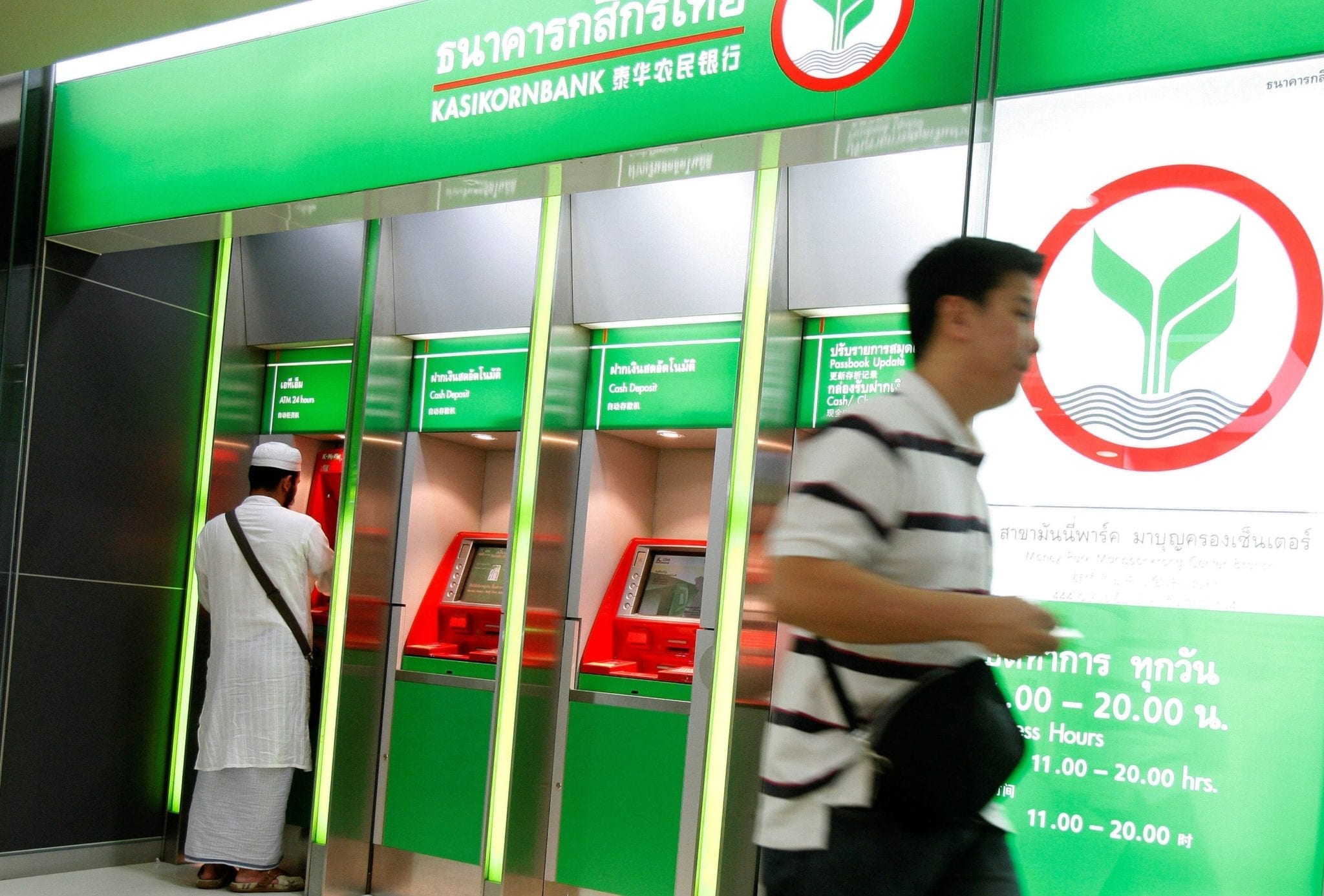
    Visa’s blockchain-based B2B Connect project is gaining steam, with Thailand’s fourth-largest bank, Kasikornbank, joining the fold.  The bank will be the first Thailand bank to use the technology, joining other well-respected financial institutions such as the U.S. Commerce Bank, Shinhan Bank in South Korea, the Union Bank of Philippines, and the United Overseas Bank in Singapore.

    Kasikornbank may not be the largest financial institution in Thailand, but it still has substantial $96 billion in assets.  The bank was established in 1945 with a registered capital of only five million baht.

    The move shouldn’t come as too surprising, considering the fact that Thailand as a nation is much more pro-cryptocurrency, especially in the context of Asia.  For example, China, the largest economy in the region, has banned ICOs completely, even while its state-owned banks have implemented blockchain technology to optimize its operations.

    In contrast, the Bank of Thailand has revealed just last month that it actually plans on issuing its own state-issued cryptocurrency.  The Bank of Thailand has also even allowed local banks much more leeway in terms of cryptocurrency – such as allowing them to issue tokens, invest in cryptocurrency markets through subsidiaries, and even provide crypto brokerage services.

    While Japan and South Korea have expressed positive sentiments about cryptocurrency before – such as Japan declaring that bitcoin is a legal form of payment, and the mayor of Seoul expressing interest in developing his own cryptocurrency – the amount of regulation involved has allowed Thailand to become an international hub when it comes to cryptocurrency.

    While Thailand’s economy might not be as powerful as its neighbors, it still has been drawing in cryptocurrency enthusiasts and companies internationally.

    Suripong Tantiyanon, Visa’s Thailand country manager, praised the decision, pointing out that Visa B2B will help guide the country when it comes to “security, governance, and distributed ledger technology”. He believes that Visa will be an industry leader in this space.

    Visa’s B2B program was already launched last year but is obviously making great progress in Asia already.  The platform is built on Chain, which was actually acquired by Stellar recently.  The platform is meant to enter the corporate cross-border payment sector, which many analysts believe will grow tremendously over the years and is one of the main ways that many cryptocurrency enthusiasts believe the cryptocurrency sector will grow, with institutional money helping lead the charge to mass adoption.

    The idea is that blockchain technology will allow for faster and cheaper transactions, which will save banks massive amounts of money.  Visa also believes that blockchain technology allows for the cross-border payment sector to be more transparent than ever, as well. Kasikornbank is the first Thailand bank to join the platform.

  • Soft Start Predicted For Thai Stock Market

    Soft Start Predicted For Thai Stock Market

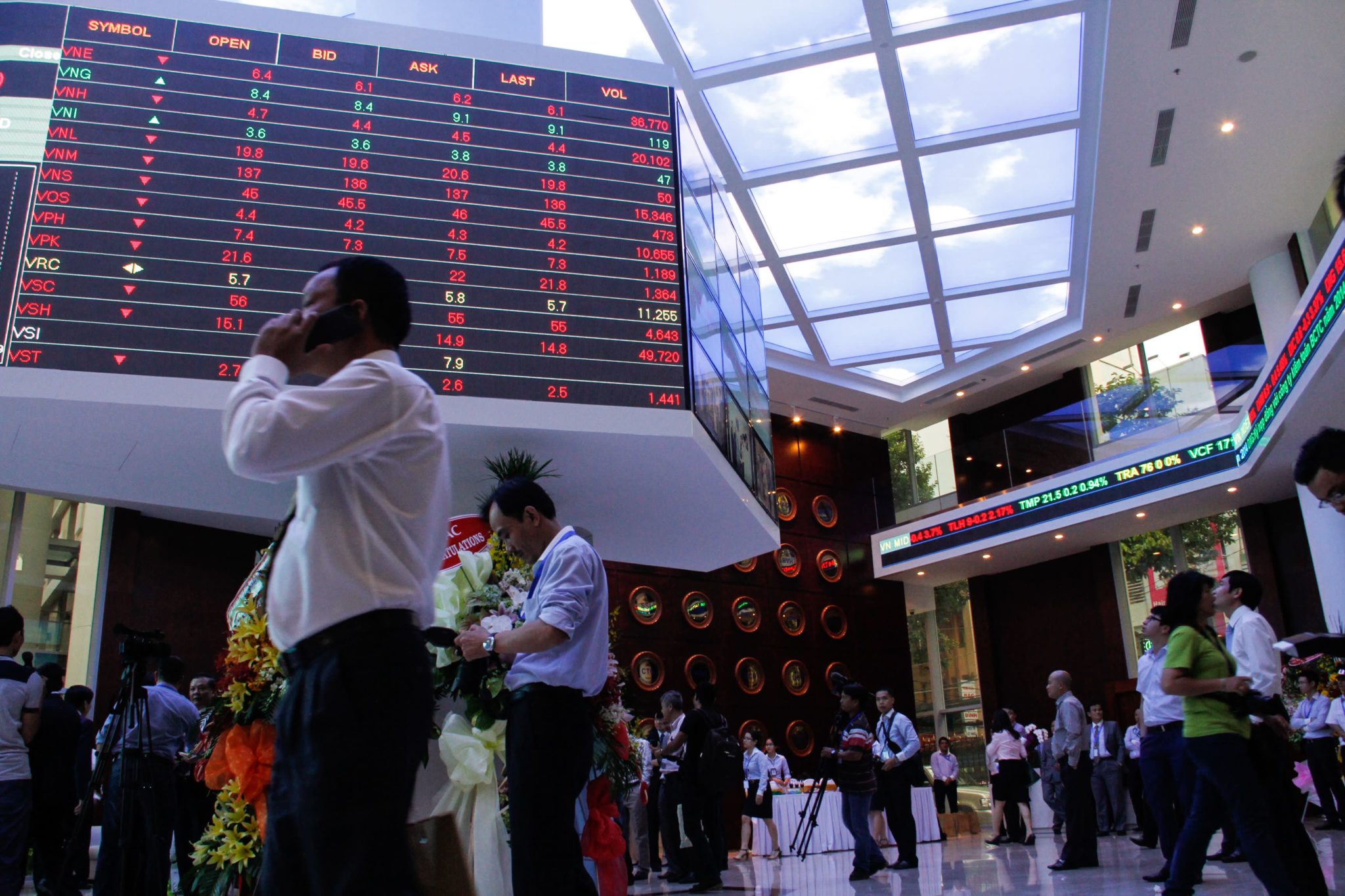
    The Thai stock market has moved lower in back-to-back trading days, sliding almost 10 points or 0.6 percent along the way. The Stock Exchange of Thailand remains just beneath the 1,750-point plateau and it’s tipped to open in the red again on Wednesday.

    The global forecast for the Asian markets is murky, with little movement expected ahead of the FOMC interest rate decision later today. The European markets were up and the U.S. bourses were mostly lower – and the Asian markets figure to split the difference.

    The SET finished slightly lower on Tuesday following mixed performances from the financial shares and the energy producers.

    For the day, the index dipped 1.43 points or 0.08 percent to finish at 1,747.99 after trading between 1,745.73 and 1,756.85. Volume was 12.141 billion shares worth 42.321 billion baht. There were 906 decliners and 441 gainers, with 531 stocks finishing unchanged.

    Among the actives, Advanced Info shed 0.25 percent, while Thailand Airport added 0.76 percent, Beauty Community lost 0.85 percent, Bangkok Expressway skidded 1.71 percent, Krung Thai Bank collected 0.50 percent, PTT Exploration and Production fell 0.65 percent, PTT Global Chemical jumped 1.57 percent, Siam Commercial Bank picked up 0.34 percent, Siam Concrete advanced 0.44 percent and PTT, Kasikornbank, Charoen Pokphand Foods, Banpu, Bangkok Bank and Bangkok Medical all were unchanged.

    The lead from Wall Street offers little guidance as stocks opened slightly higher on Tuesday before fading in afternoon trade – although the tech-heavy NASDAQ remained in the green.

    The Dow shed 69.84 points or 0.26 percent to finish at 26,492.21, while the NASDAQ added 14.22 points or 0.18 percent to 8,007.47 and the S&) fell 3.81 points or 0.13 percent to 2,915.56.

    The uncertainty on Wall Street comes as traders look ahead to the Fed’s monetary policy announcement. The Fed is widely expected to raise interest rates by a 25 basis points, although traders will pay attention to the accompanying statement for clues about the outlook for rates.

    Fed Chairman Jerome Powell’s subsequent press conference is also likely to attract attention, with the central bank expected to raise rates by at least once more this year.

    In economic news, the Conference Board noted an unexpected improvement in consumer confidence in September as its index hit an 18-year high.

    Crude oil prices climbed on Tuesday after OPEC declined to increase production after upcoming U.S. sanctions against Iran take hold. U.S. West Texas Intermediate futures for November delivery gained $0.20 or 0.3 percent to $72.28.

  • KBank joins rush to tap postal network in Thailand

    KBank joins rush to tap postal network in Thailand

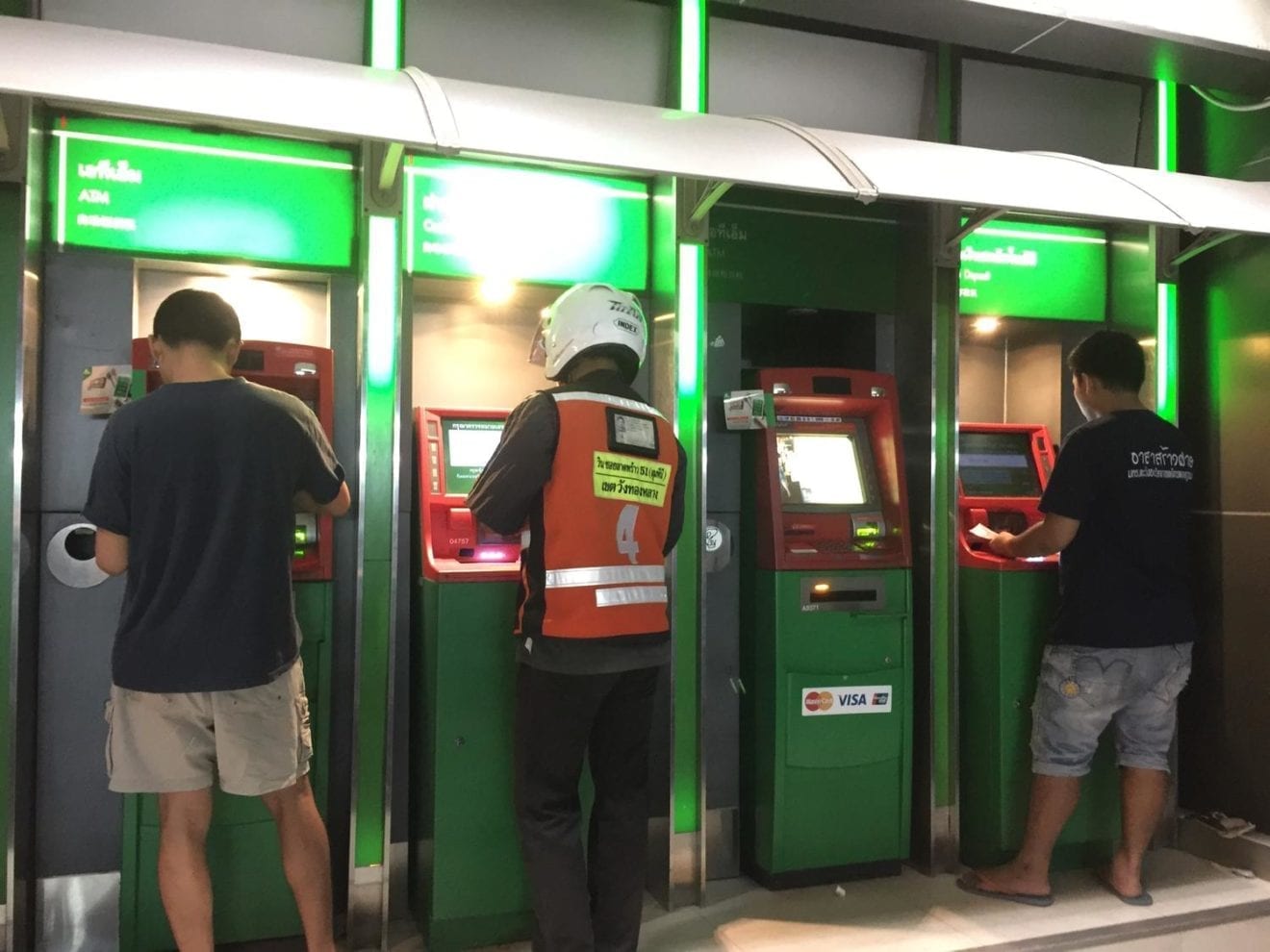
    Kasikornbank (KBank) and Thailand Post, a state-owned enterprise, yesterday sealed a business deal that saw one of the country’s biggest banks appoint the postal operator as a banking agent.

    KBank became the first of the large banks to enter such an arrangement with Thailand Post.

    “We aim to service 250,000 online vendors across the country under this deal, which will allow them to send out their parcels and deposit money with Thailand Post’s branches across the country,” said Patchara Samalapa, KBank’s president.

    Patchara indicated that Kasikornbank was looking at broader gains from the initiative, saying that with the bank’s large deposit base it did not need to attract more deposits.

    In the first stage of service, the bank’s customers can deposit up to Bt20,000 per transaction – or up to Bt40,000 a day – via 964 Thailand Post branches. The service costs Bt10 until the end of the year, before rising to Bt20.

    The bank targets 150,000 transactions derived from the banking agent channel by the end of 2018. The volume of transactions is expected to reach 600,000 in the first three years of operation.

    Cash withdrawal and money transfer services would be offered next year should the central bank give the green light, Patchara said.

    “The use of banking agents is cheaper for us than setting up full bank branches nationwide, but that does not mean than we plan to shut down some bank branches,” he said.

    Smorn Terdthampiboon, president of Thailand Post, said that doing business with Kasikornbank would improve its logistics business in the face of more competitors entering in the market.

    “We did not set out to make more revenue from it since it is not our core business, but we aim to provide a better service for our customers,” she said.

    Some seven small commercial banks have appointed Thailand Post as a banking agent since 2011, and its Bank@Post service has grown about 13 per cent annually.

    Smorn said the logistics business in Thailand is growing due to the increased popularity of shopping online.

    Traditionally, Thailand Post provided a basic service of sending letter from senders to receivers. Now, the dispatch of goods accounts for the biggest share of the agency’s business, at more than 40 per cent. Mail delivery makes up about 30 per cent, with the rest of the revenue from money services and sales of parcel packaging items and stamps, she said.

    Thailand Post has 1,300 branches nationwide and 3,000 more come under its postal network operated by private entities.

    Parcel delivery has grown about 20 to 30 per cent annually, as people were shopping online more, Smorn said.

    Some other large banks had also sought business partnerships with Thailand Post, she added. Thailand Post targets revenue of Bt30 billion this year, up from Bt25 billion last year. Last year it made a profit of Bt4.2 billion and this is expected to rise to Bt4.5 billion this year, Smorn said.

  • Thai Bankers Association explains mobile banking outage

    Thai Bankers Association explains mobile banking outage

    The Thai Bankers Association (TBA) has explained that an Internet banking outage between August 31 and September 1 was due to human error, and has made known that six guidelines have been set to ensure the stability of the digital system.

    President of Information Technology for the TBA, Somkid Jiranantrat indicated the outage on August 31 was the result of a command error by an agent of Kasikorn Bank. The flawed action was severe enough to eject Kasikorn Bank from the central system shared by the nation’s commercial banks while also impeding the system as a whole. On September 1, over 40,000 erroneous bank transfers were logged at an average rate of 1,000 requests per every nine minutes, again causing the system to shut down.

    In eliminate the possibility of such errors, TBA and ITMX, the central network handler, have come out with six guidelines. The first is to increase mobile accommodations two fold to reduce bottle necks during peak hours. The second is more stringent control over changes by individual banks. The third is to double ITMX’s capacity. The fourth is to establish a committee between banks and ITMX, which will set conditions for the temporary ejection of a bank from the system. The fifth is to create a more general interface in monitoring the system and the sixth is to reconsider the nation’s mobile banking structure.

    Kasikorn Bank’s mobile banking system can accommodate a maximum 6,000 requests per second with peaks at present hitting only 4,000 requests per second.

  • U-Tapao Rayong-Pattaya International Airport joins with AIS to develop Smart Terminal Pioneering

    U-Tapao Rayong-Pattaya International Airport joins with AIS to develop Smart Terminal Pioneering

    U-Tapao Rayong-Pattaya International Airport has entered into a partnership with AIS to support and develop its air transport system through the introduction of new innovations. AIS will take part in the pre-construction period and the opening of the Passenger Terminal 3, upgrading the airport to become the Bangkok’s third major commercial airport in the future. It will serve passengers connecting to Don Muang International Airport and Suvarnabhumi Airport in line with the Eastern Economic Corridor (EEC) Plan, which is one of key strategies of the Thailand 4.0 initiative.
    U-Tapao Rayong-Pattaya International Airport has entrusted AIS to provide integrated digital solutions for the development of the second passenger terminal into a Smart Terminal. The initial phase is centered on 2 key goals: 1) improve passenger services through the U-Tapao Application that provides all aviation information including flight status, airport transfers from/to the airport, and car parking. In addition, the app will provide a map notifying service spots that complementthe navigation systems within the airport via Augmented Reality (AR) technology. This new service is designed to allow passengers to enjoy maximum convenience for the first time in Thailand; 2) enhance the terminal management system with Video Analytics technology, which is comprised ofa digital closed-circuit camera network and complemented by an AI-based image processing program and Big Data for application in the development of a Face Recognition system to verify persons in the airport. The Face Recognition system will raise the standard of security and allow for the identification of both suspicious persons and objects, as well as VIPs. Moreover, Heat Map Analytics will be adopted to identify the volume of passengers in the airport areas in order to enhance the efficiency of the security system and the airport’s management and services.Rear Admiral Luechai Sri-eamgool, U-Tapao AirportAuthority Director, says: “We are delighted with the public-private partnership to deploy digital technology in upgrading services and management of Passenger Terminal 2 into a Smart Terminal. This is in accordance with the government’s Digital Economy policy to develop U-Tapao Airport as Bangkok’s third commercial airport. In addition, the development project is a part of the EEC framework that serves passengers connecting with Don Muang International Airport and Suvarnabhumi Airport. Finally, U-Tapao Airport aims to be the major aviation hub of the region.”

    U-Tapao Rayong-Pattaya International Airport is thus partnering with Advanced Wireless Network Company Limited (AWN), a subsidiary of AIS – Thailand’s No. 1 mobile network and digital technology provider- to develop a Mobile Application and Video Analytics as well as computerized and IT systems for airport communication services in the second passenger terminal. The goal is to increase the service capability of the airport through the effective deployment of digital technologies. The airport needs to provide convenience and deliver the ideal experiences for users with its integrated services. Moreover, the airport will increase its efficiency in safety and security as well as building management systems.

    Mr. Yongsit Rojsrikul, Chief Enterprise Business Officer, adds: “As a leading digital life service provider, AIS is providing thevery best communications service to Thais. Another key goal of the company is to apply digital technology in its utmost capacity to strengthen all aspects of the country. Through the partnership with U-Tapao Airport, AIS has invested in the development of 2 systems which will be ready for service in the last quarter of this year. AIS expects it will be a model for the development of airport passenger terminals into full-range Smart Terminals in the future. We believe that the EEC is crucial to revolutionizing the country’s economy, and that a partnership between the public and private sectors is required to make concrete developments and drive Thailand’s sustainable economy.

    “Today, AIS is very glad and proud of being entrusted by U-Tapao International Airportand be its partner in adopting digital technology for upgrading the services and management system of the Passenger Terminal 2,” concludes Mr. Yongsit.

  • IconSiam Bangkok due to open November 9

    IconSiam Bangkok due to open November 9

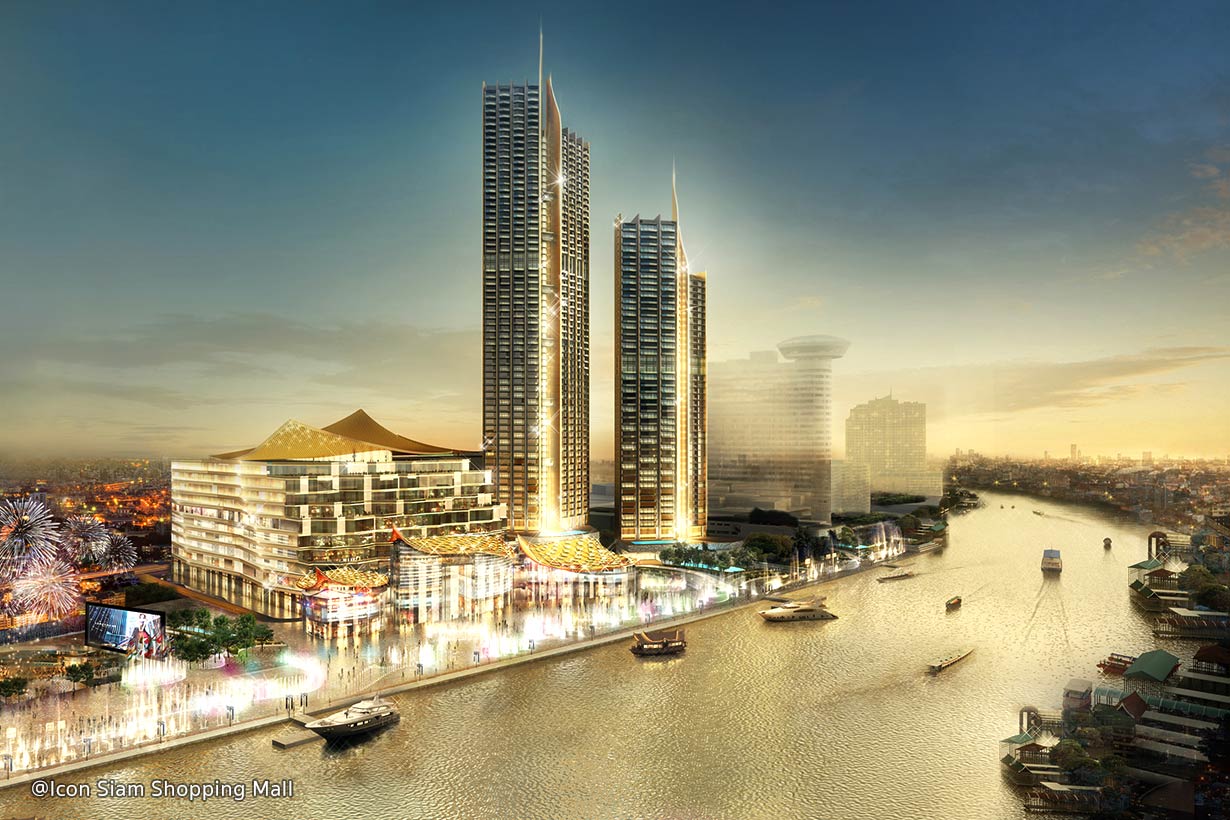
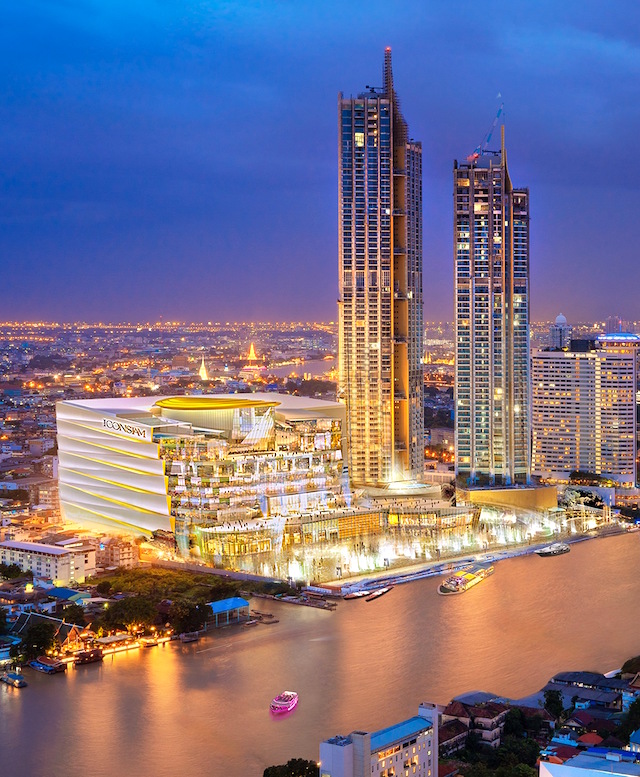
    Bangkok’s massive IconSiam development will open on November 9, its developers have confirmed.

    The US$1.67 billion complex being constructed on a 400-metre-long stretch of the Chao Phraya River will feature 14 flagship stores of internationally renowned brands, many of them taking space in the ultra-luxury 25,000sqm glass pavilion called IconLuxe, located next to the river and featuring the longest pillarless glass facade in the world.

    The development will be home to two shopping centres, whose tenants will include 188 brands and store concepts from around the world making their debut in Thailand, including duplex maisons for luxury brands.

    IconSiam CEO Supoj Chaiwatsirikul says IconSiam will represent “a completely new business model for destination development” in Thailand.

    “We are committed to making IconSiam a new national landmark and an exciting global destination. We have therefore placed particular emphasis on becoming the location of choice for the flagship stores of the world’s finest brands as well as introducing many firsts and innovations at the various outlets.”

    The development will comprise a 750,000sqm mega-destination featuring not only two shopping precincts, but theme parks, a museum, hotel and apartment towers.

    “IconSiam will excite visitors with a rich diversity of offerings, including art and culture, in addition to extraordinary dining and shopping possibilities,” said Chaiwatsirikul. “The project is co-designed and co-activated in collaboration with enterprises of all sizes and with people from all walks of life, and the benefits of the project are shared among all parties.

    “We have made every participant in IconSiam – whether they be outlets selling products, or designers and artists showcasing their creations, or even neighborhood communities helping in our operations – an inseparable part of our business model and they play a part in shaping our development.”
    Flagships line up

    Flagship stores at IconSiam will include the largest Adidas Original store in Asia, H&M-owned fashion label Cos, an Aland lifestyle concept store from Korea, and local accessories brand Naraya. H&M will open a three-level store.

    UK retailer JD Sports will open its first Thai store at the development and Nike’s store will be the first in Asia with a Kicks Lounge.

    The retail development is anchored by Thailand’s first Takashimaya department store from Japan which plans to introduce 170 brands into the market for the first time.

    Details have yet to be released about world-class restaurants and a rooftop bar planned for the complex. Besides those, IconSiam will feature seven food and beverage zones, each with a different atmosphere and concept. Tenants will include Singapore’s Jumbo seafood restaurant and Taiwan’s Harbour restaurant.

    Fitness First will open its largest Thai venue yet.

    Opening festival

    Chaiwatsirikul says IconSiam has budgeted THB1 billion (US$31 million) on an opening and launch festival, including extensive international communications.

    “Because IconSiam will be a showcase for the very best that Thailand has to offer and serve as a platform to propel Thai brands, products, artists, artisans and Thai culture onto the global stage, we are investing heavily to make IconSiam globally visible. We want IconSiam to be a magnet for the country, capable of drawing hundreds of thousands of international and local visitors a day, and to bring honour to Thailand,” he said.

    Meanwhile, the development’s two luxury residential towers remain under construction. The 70-floor, luxury Magnolia Waterfront Residences with 379 residential units is 90 per cent complete, while the 52-floor, super luxury The Residences at Mandarin Oriental Bangkok with 146 units is 80 per cent complete.

    IconSiam is being developed by three Thailand companies: shopping centre operator Siam Piwat, which owns Siam Center, Siam Paragon and Siam Discovery; residential developer Magnolia Quality Development Corporation; and multinational conglomerate Charoen Pokphand Group.


  • India rice prices recover; low Thai rates dampen Vietnamese offers

    India rice prices recover; low Thai rates dampen Vietnamese offers

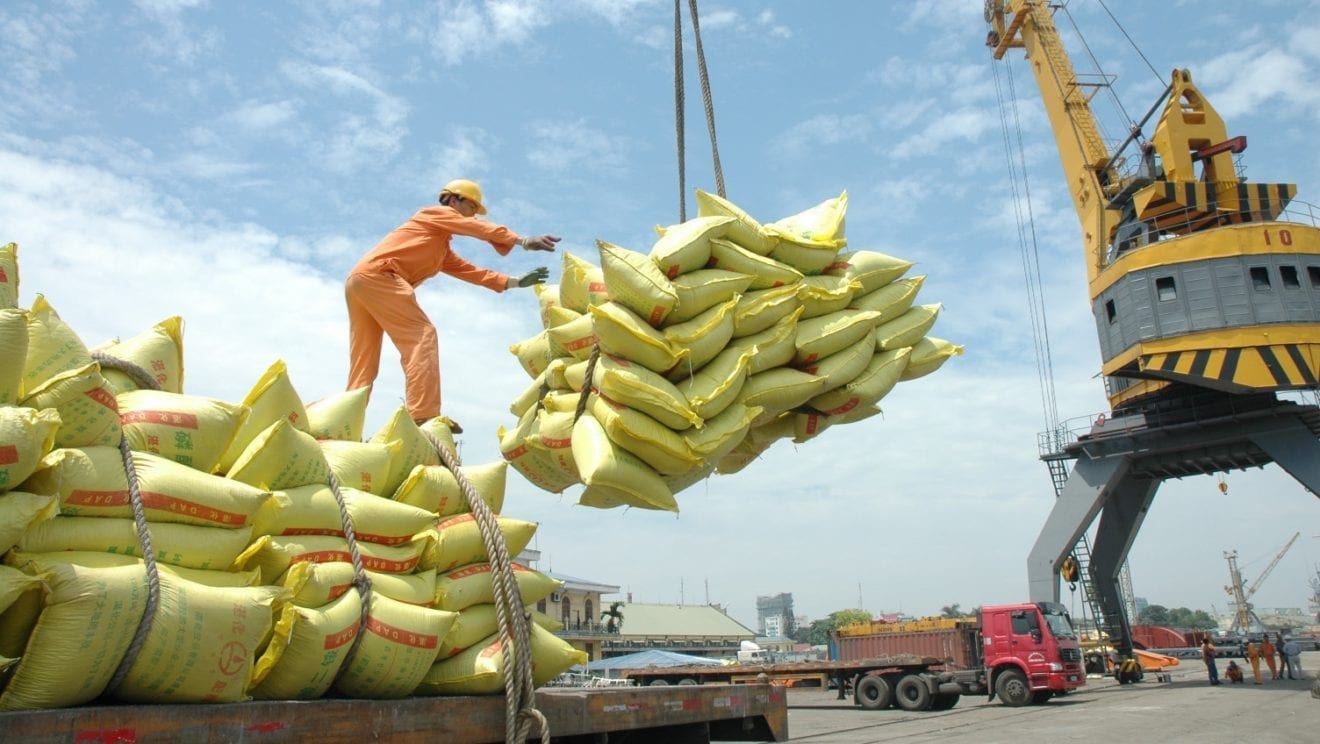
    Rice export prices in India recovered this week after demand improved, while rates for the Vietnamese variety eased.

    Rates for top exporter India’s 5 percent broken parboiled variety edged up by $2 per ton to $373-$377 per ton this week, from their lowest in 17 months last week.

    “Enquiries from African buyers have risen in the last few days,” said an exporter based at Kakinada in the southern state of Andhra Pradesh.

    Another exporter, based in Mumbai, said Indian rice was currently competitive due to rupee depreciation.

    The Indian rupee has lost more than 13 percent of its value so far in 2018, and plunged to a record low earlier this week, increasing exporters margins.

    Meanwhile, in neighbouring Bangladesh, rice output from the summer-sown crop ‘Boro’ hit 19.5 million tonnes, exceeding the target of 19 million tonnes, as farmers raised acreage to cash in on higher prices, data from the Bangladesh Bureau of Statistics showed.

    Last year, the country’s Boro rice crop, which accounts for more than half of the country’s typical annual rice production, fell to its lowest in seven years after floods destroyed crops.

    In Vietnam, traders offered benchmark 5 percent broken rice at $395-$405 a ton, slightly lower than last week’s $400-$405 range.

    Despite potential demand from the Philippines in the aftermath of Typhoon Mangkhut, which damaged paddy in the country, prices for the Vietnamese variety did not go up since Thai rates were lower.

    “If we increase prices further, people will just go and buy Thai rice,” a Ho Chi Minh City-based trader said.

    The south-Asian country, which has already completed the harvest of its two major crops, exported 4.5 million tons of rice in the first eight months, meeting around 70 percent of the whole-year projection of 6.5 million tons set out by the government.

    A trader estimated Vietnam’s current autumn-winter mini crop could yield around 1.8 million tons, half the volume of a major crop, with most of the rice likely to be kept for domestic consumption given the next harvest will not be until March 2019.

    In Thailand, benchmark 5 percent broken rice prices were quoted at $390-$393 per ton, free on board (FOB) Bangkok, unchanged from last week.

    While demand was flat, it would pick up in the near future due to natural disasters in the region, especially in the Philippines and Indonesia, traders said.

  • US-based Simon Property inked Siam Piwat deal

    US-based Simon Property inked Siam Piwat deal

    US-based shopping mall operator Simon Property is planning expansion of its outlet malls format into the Southeast Asian market.

    The company has operated an outlet in Malaysia’s Johor since 2011, and opened a new property in Genting Highlands, near Kuala Lumpur, last year. Its first premium outlets in Thailand will open in Bangkok by the end of next year in collaboration with local property developer Siam Piwat.

    Simon Property’s director for international development and finance Uchenna Akujuo said the company’s success in the development of premium outlets, of which 29 out of 100 are outside the US, has stemmed from its strong relationship with top global brands, and revealed that Asia and Southeast Asia remain a strategic focus.

    “We are bringing to Thailand and Bangkok high-quality brands and a shopping experience. We understand the needs of customers and tenants. We are able to leverage different customers all over the world whether in Asia, North America or Europe,” he said.

    The company’s joint venture with Siam Piwat will see it developing three locations in Thailand within the next five years.

    Siam Piwat first executive VP for business development and investment Chollachat Meksupha said the company will invest around THB4 billion (US$123 million) into the first outlets.

  • Morrisons seals supply deal with Big C

    Morrisons seals supply deal with Big C

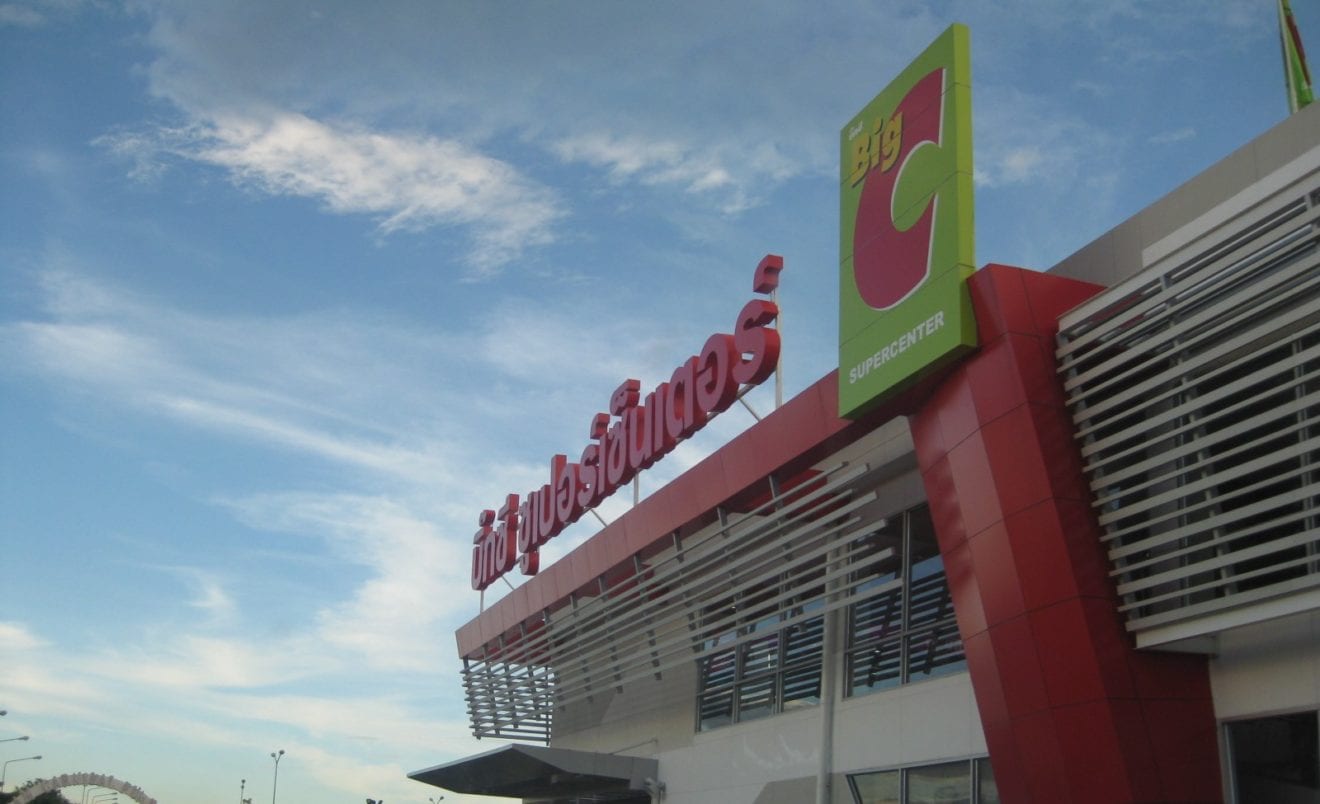
    UK supermarkets group Morrisons has secured a supply partnership with Thai grocery chain Big C.

    The firm will be sending 100 branded products to feature on Big C shelves in what represents a major international partner for Morrison’s, which otherwise has a minor presence in Gibraltar and the Channel Islands. The company also previously supplied its own-label products to a Hong Kong e-commerce platform British Essentials.

    Morrison’s CEO David Potts has stated the company is not currently pursuing an international strategy – the partnership with Big C is the result of unexpectedly fast growth in the company’s wholesale business.

    Morrison’s revenues increased 4.5 per cent over the past half year compared to the same period last year. While same-store retail figures grew 2.1 per cent, its wholesale business grew 2.8 per cent.

  • AirAsia incorporate’s new subsidiary in Thailand

    AirAsia incorporate’s new subsidiary in Thailand

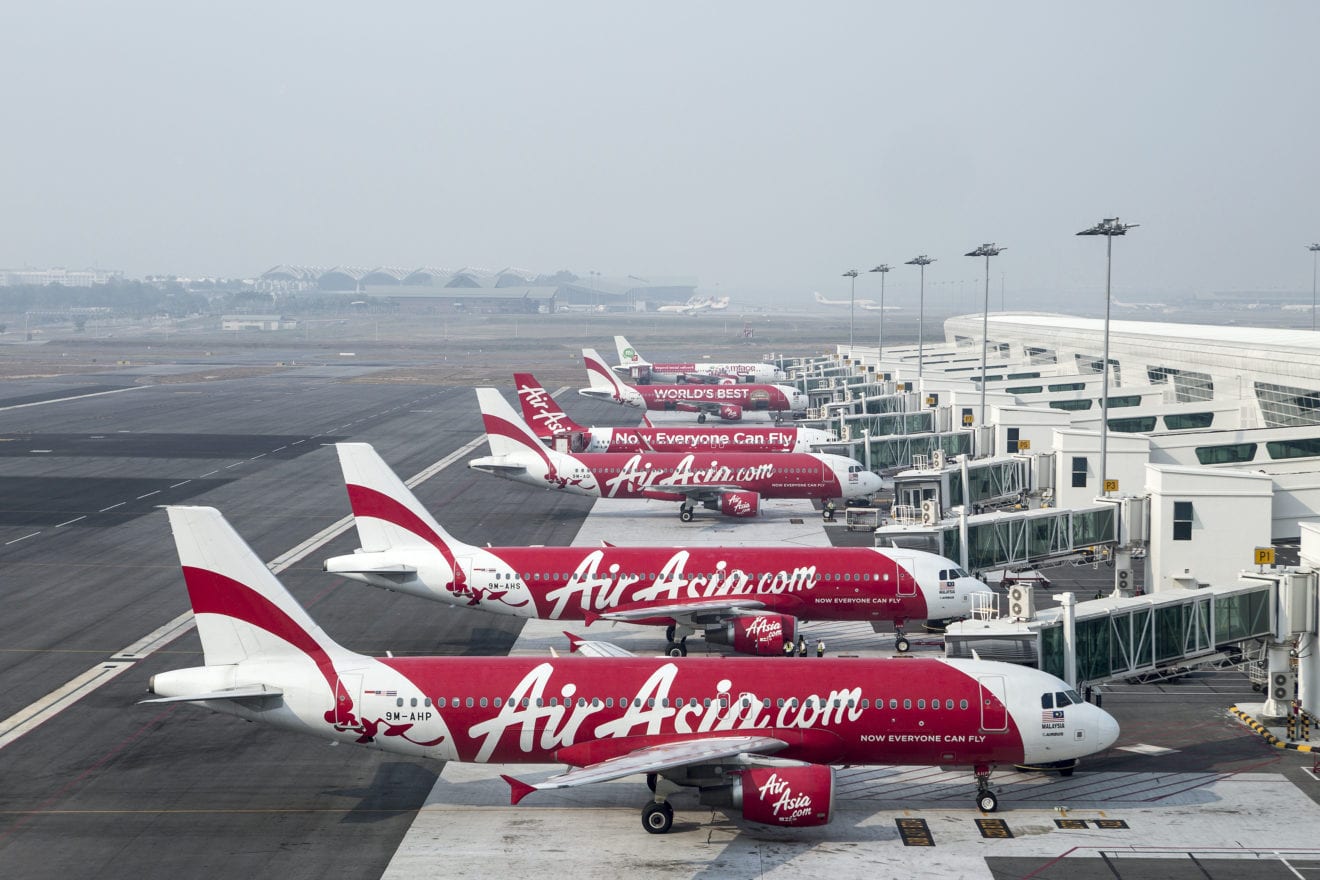
    AirAsia Group Bhd has incorporated a subsidiary in Thailand named AirAsia Group (AAGIHQ) Ltd which will be providing consultation and services to the company’s subsidiaries and associate companies.

    The group told the stock exchange that AAGIHQ was incorporated with a total issued share capital of THB20.0 million (approximately RM2.5 million).

    AirAsia holds 199,997 ordinary shares out of the 200,000 issued share capital of AAGIHQ while three other individuals hold one ordinary share each.

    The stock gained 0.97% to close at RM3.13 with 6.48million shares done

  • E-commerce set to take 10 per cent of Thai retail sales

    E-commerce set to take 10 per cent of Thai retail sales

    Analysts are predicting e-commerce will account for 10 per cent of Thai retail sales within five years, according to a report.

    The observations have been sparked by the imminent entry of JD Central – a partnership between Chinese online services giant JD and local firm Central Group.

    Head of customer strategy for JD Central Jirasak Chirathivat said that the Thai retail business will be stimulated by higher competition, big data, AI and voice commands. “Price is not the only factor for consumers; experience and express delivery are also key motivations,” he said.

    “We are in the process of investing in a second logistics centre that serves countrywide delivery. We aim to achieve the standards seen in China, where JD.com delivers before 11am in the morning when users place their orders before 11pm the night before.”

    JD Central plans to offer 1 million products online, working with Tencent Thailand and Pomelo, each of which list JD as a shareholder.

    Pomelo’s CEO David Jou said e-commerce in Thailand still has room to grow, as it represents only 3–5 per cent of the total retail market compared with 30–35 per cent in China and 15 per cent in India.

  • How ASEAN could benefit from the US-China trade war?

    How ASEAN could benefit from the US-China trade war?

    ASEAN has been urged to find ways for its member states to join hands together to cushion any possible fallout from the trade war between the United States and China.

    Against the backdrop of an escalating trade war between the US and China, Deputy Minister of International Trade and Industry Dr Ong Kian Ming is advocating greater cooperation between ASEAN countries to package the region to foreign investors instead of focusing on country specific promotion.

    He said Malaysia and it’s Asean counterparts should look at ways as a comprehensive unit to take advantage of this situation as investors might be interested in relocating and investing more in Malaysia as a result of this trade war.

    Drawing reference to the strong two way cross border trade linkage in terms of investment and expertise exchange between Johor and Singapore, Ong said Malaysia should replicate this with other countries.

    He also noted that interest from Chinese companies to invest in Malaysia, coming through the Malaysian Investment Development Authority, has risen since last year.

    Instead of setting hub in Malaysia, Ong added that Chinese companies could use Malaysia as a connecting point to tap into the Asean market.

    He opined that the trade war between US and China is less than likely to find a resolution in the short term and Malaysia, being an open economy will be affected by the trade duel.

    In that light, Malaysia should be open to investments and ratify trade agreements such as RCEP and CPTPP, which are yet to be signed in order to strengthen its stance on remaining open to trade.

    “As tariffs have gone down, the non-tariff measures has also gone down. That is why we need to have a greater push among the governments in Asean with the help of the business sector to come in and advice the government on the challenges they face so that we can remove or reduce some of the regulatory red tape with regards to the non-tariff measures,” he said referring to non-tariff barriers.

    Ong said in that regard, ASEAN is working together to compile a database of non-tariff measures so that the trade bloc could gather some of the regulatory and bureaucratic issues faced by companies when setting shop in another ASEAN state.

    International Trade and Industry Minister Darell Leiking urged all the relevant agencies in Malaysia to strive to reduce bureaucracy so as to facilitate more investments into the country.

    He also asked for all chambers of commerce within ASEAN to stand together and start trading with each other during a meeting with members of the Malaysia-Thailand Chamber of Commerce (MTCC) earlier last week.

    Retailers across the region do not see any immediate impact on their business; however, it is worth monitoring exchange rates, as RMB value might represent a variable to consider while working on price architecture.

  • Takashimaya Bangkok is opening soon

    Takashimaya Bangkok is opening soon

    The long-awaited Takashimaya Bangkok department store will open in November.

    The Japanese retailer’s seven-story shop will be a key anchor of the IconSiam shopping centre under construction on the banks of the Chao Phraya River.

    IconSiam says the store will have 36,000sqm of space, offering “an authentic Japanese experience with modern, playful and exciting twist”.

    Kenji Horiguchi, MD of Siam Takashimaya (Thailand) says the store will deliver a new experience to customers who like authentic Japanese items.

    “With an extensive selection of quality products to serve people of all ages, the store carries more than 500 brands, 180 of which are well-known Japanese brands and 80 new to Thailand,” he said.

    An entire floor is dedicated to Japanese food, including a supermarket selling high-quality ingredients and premium restaurants.

    “As a highlight of this floor, Hokkaido Dosanko Plaza, a local specialty shop, will excite shoppers with fresh produces, sweets and delicacies,” said Horiguchi. There is also a tourism booth located on this floor for the island of Hokkaido.

    Another floor of Takashimaya Bangkok will be devoted to beauty products and perfume along with beauty-related services. There will be floors for women’s and men’s clothing.

    The last floor provides kid’s products, home products and restaurants.

    “The department store, preserving a Japanese charm, has chic cafes on each floor for shoppers to take a break after the shopping spree,” said Horiguchi.