Tag: Thailand

  • AEON Mini Marathon #2 will be held in March

    AEON Mini Marathon #2 will be held in March

    AEON Thailand Foundation together with Ramathibodi Foundation invites all runners and health lovers to take part in “AEON Mini Marathon #2”, to raise funds for the Ramathibodi Foundation in “New innovation to beat cancer”. The AEON run is divided into 2 types which are – the 10.5km mini marathon, and the 5km walk-run for health. The winner will get a trophy cup and medals for all participants.

    For everyone who interested to join the charity event on Sunday, March 18, 2018 from 04.00 am. – 07.30 am at Rama 8 Park, registration costs 500 baht for 10.5 km run and 400 baht for 5 km walk-run. You can also register for the event online, pr for more information, please call 02-689-7188 Thailand number.

  • Thailand Central Group to pursue online growth

    Thailand Central Group to pursue online growth

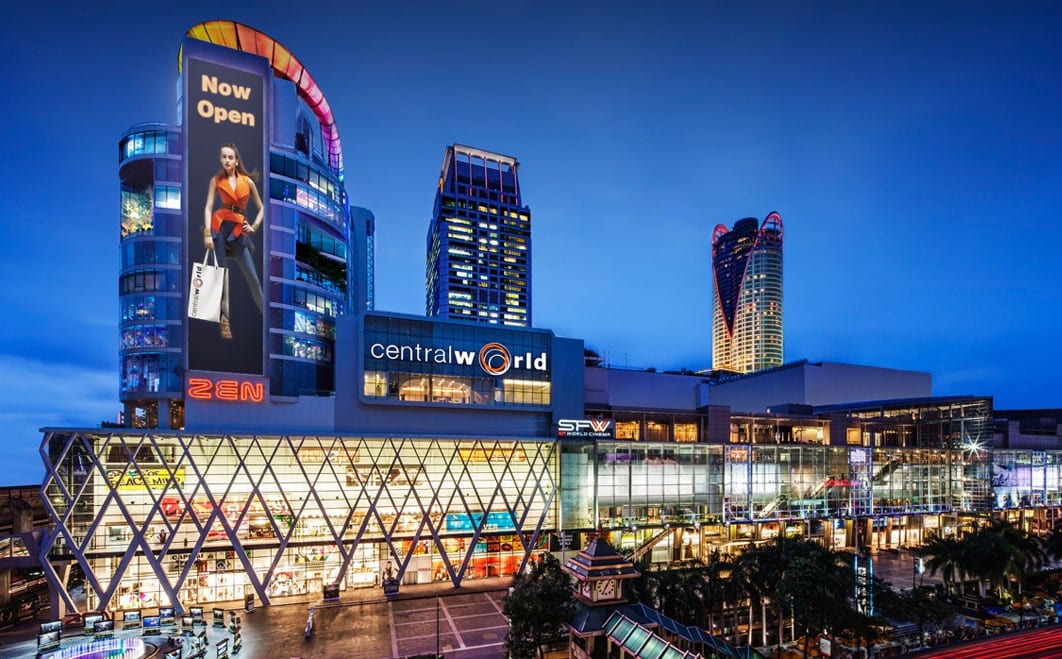
    The company with the biggest grip on Thailand’s brick-and-mortar retail market is expecting a partnership with China’s JD.com Inc. to pursue online growth.

    Central Group, which controls Thailand’s biggest operator of shopping malls and department stores, expects online sales to account for as much as 15 percent of its revenue in five years, from 2 percent now. The partnership with JD will help it compete in South East Asia’s booming e-commerce market and also open up businesses opportunities in China, Chief Executive Officer Tos Chirathivat said in an interview.

    With an empire that also includes hotels, supermarkets and restaurants, Central Group is counting on online growth to help drive sales. The company first announced its $500 million joint venture with JD in September 2017, teaming up with China’s second-largest e-commerce operator. Tos estimates that online retail in Thailand could rise fivefold to 10 percent of the market as the country of nearly 70 million develops and access to the web spreads through smartphones.

    “We obviously want to be the leading player in the 10 percent so it doesn’t really matter what kind of percent of the group it is,” Tos said in the Jan. 3 interview at his Bangkok office. “The important thing is to be the leader in the market itself.”

    Central Group and JD are competing in an increasingly crowded market, with Alibaba Group Holding Ltd. expanding in South East Asia through Lazada while Amazon.com Inc. kicked off with a beachhead in Singapore last year.

    Southeast Asia is home to more than 600 million people and the region’s internet economy, which includes e-commerce, online travel and ride-hailing, may grow fourfold by 2025 from an estimate of $50 billion in 2017, according to a joint research report by Google and Temasek Holdings Pte.

    While Central Group is a privately-held investment arm of the Chirathivat family, the company controls a number of publicly traded businesses. Central Pattana Pcl is a mall developer, Central Plaza Hotel Pcl operates resorts and restaurants, Robinson Pcl has a chain of department stores and COL Pcl does office supplies.

    All four gained in 2017, with Central Pattana surging 50 percent in 2017, Central Plaza jumping 47 percent and COL more than doubling, all outperforming Thailand’s benchmark SET Index.

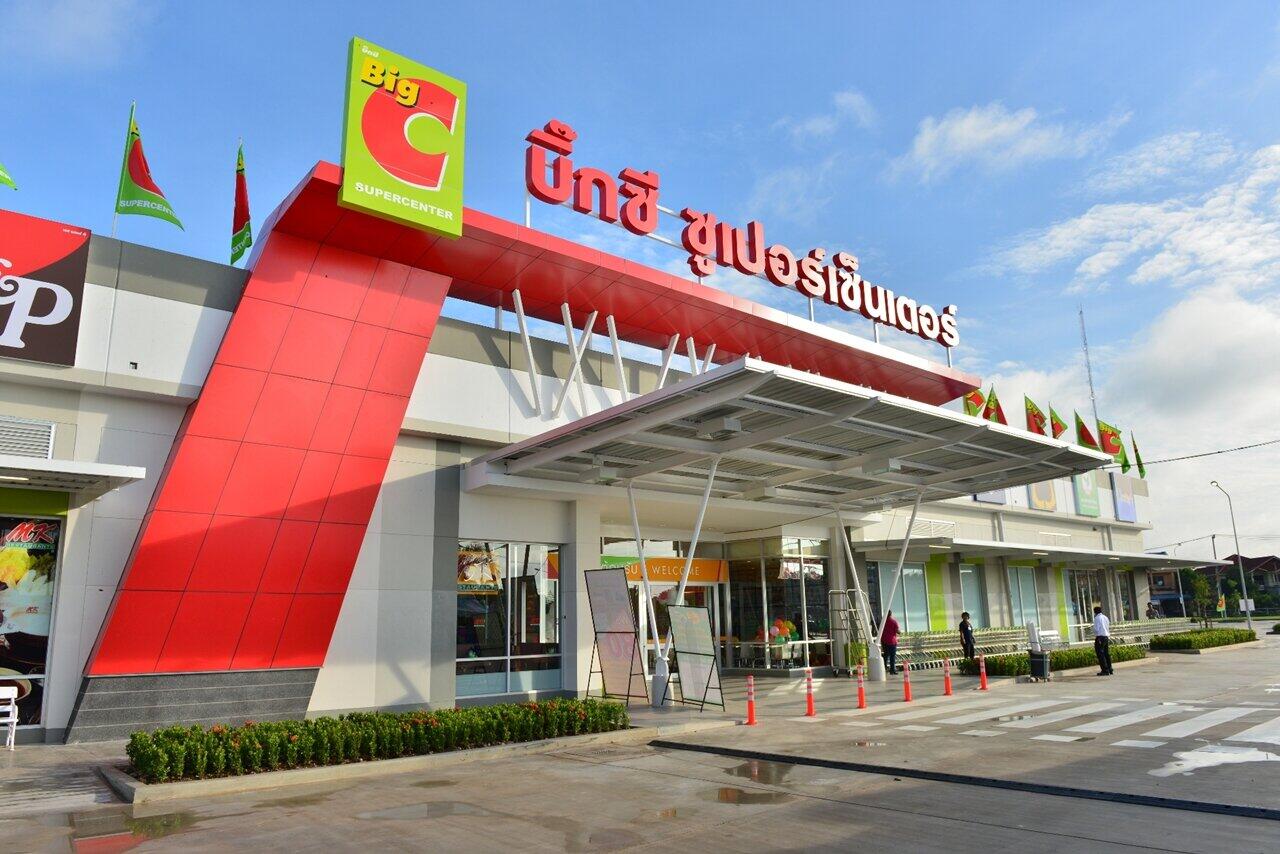
    Outside the country, Central Group owns Italian luxury department store La Rinascente, Danish retailer Illum and in 2016 acquired the Big C hypermarket chain in Vietnam.

    Central Group is targeting annual revenue growth of 13 percent in 2018 based on the company’s five-year strategy plan, said Tos. That number may be higher with mergers and acquisitions, and the company could consider deals in the billions of dollars if the opportunity is right, he said.

    Local sentiment is helping the company, with consumer spending in Thailand picking up after the October cremation of late King Bhumibol Adulyadej ended the nation’s yearlong mourning period.

    “If the trend continues like this then this year should be good,” said Tos.

  • COCA Restaurant returns to Malaysia after years of absence

    COCA Restaurant returns to Malaysia after years of absence

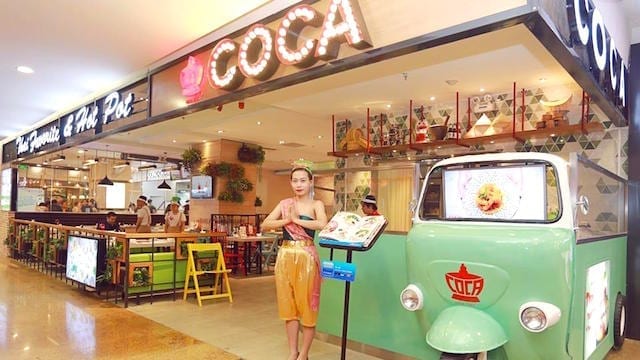
    Thai dining chain Coca Restaurant is returning to Malaysia with plans to open four outlets in the next three years.

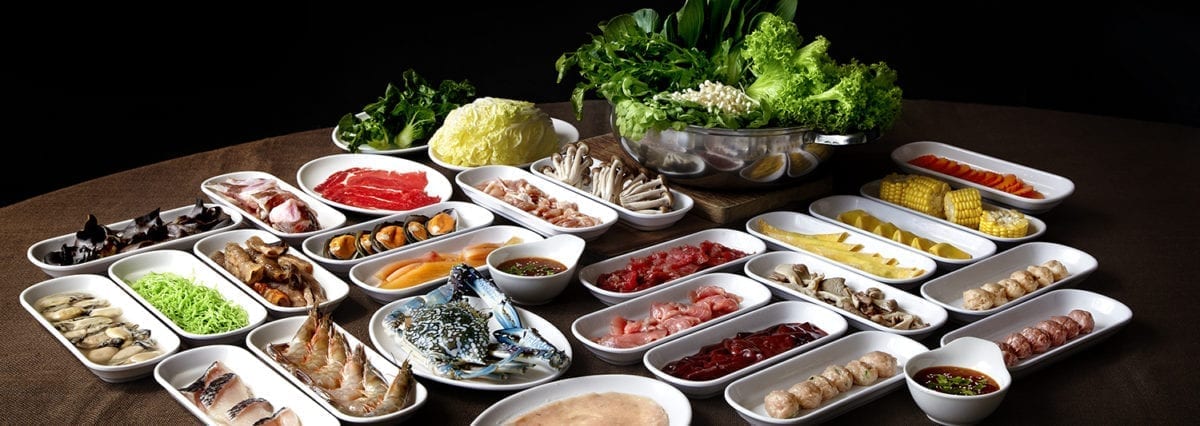
    First up will be an outlet in the Bangsar Shopping Centre in Kuala Lumpur seating about 100 diners and serving an à la carte menu of Thai/Cantonese cuisine along with Coca’s signature hot pot, creative stock broths (including one being created exclusively for Malaysia) and suki sauce.

    Chefs will focus on freshness, including live seafood and premium beef.

    Absent from Malaysia for seven years after a 20-year stretch, Coca returns with a change of partnership and a new strategy to open in upmarket malls as well as introduce freestanding restaurants – a strategy it has used over the past seven years in Thailand, Singapore, Japan, Vietnam and Indonesia.

  • Calling Thailand’s brightest start-ups: entries open for Visa’s Everywhere Initiative

    Calling Thailand’s brightest start-ups: entries open for Visa’s Everywhere Initiative

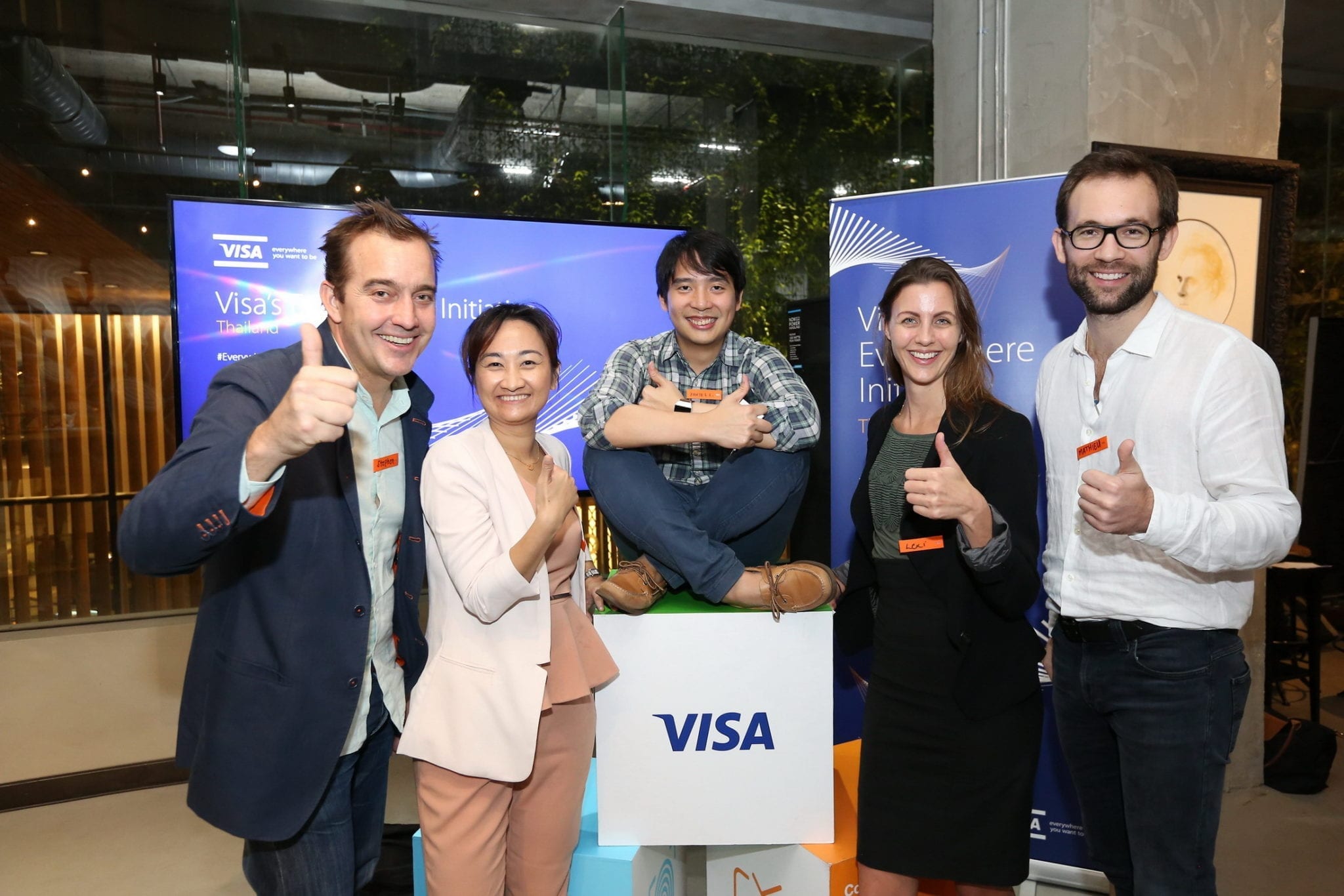
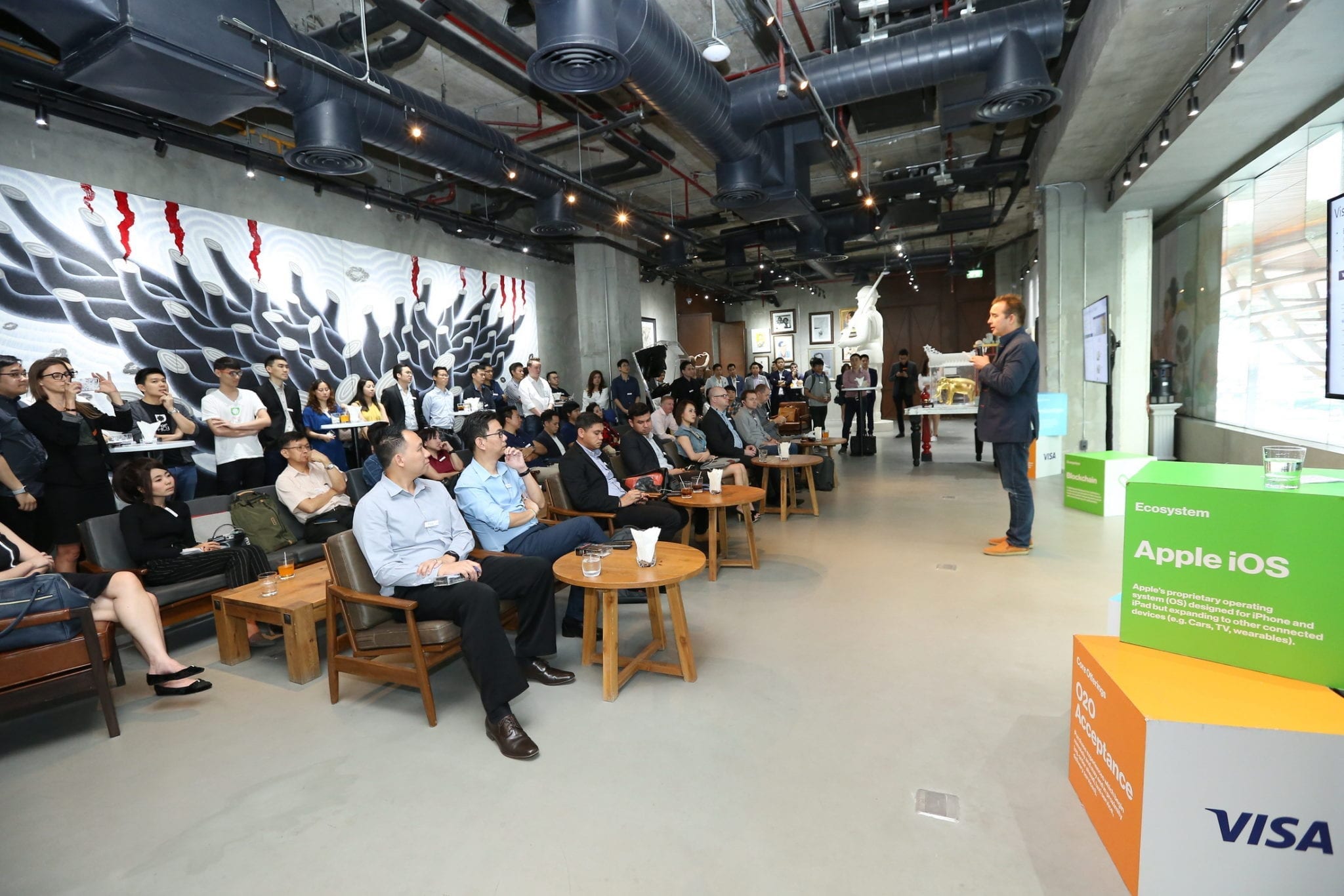
    Visa, the world’s leader in digital payments, has today launched the inaugural Visa’s Everywhere Initiative in Thailand, aiming to attract Thailand-based start-ups who are tackling some of the toughest payment-related problems in the commerce industry.

    Visa’s Everywhere Initiative is a global innovation program that challenges start-ups to build the next big thing in payments and accelerate the future of commerce, leveraging Visa’s world-class network. The 2018 global program kicks off with the Thailand competition.

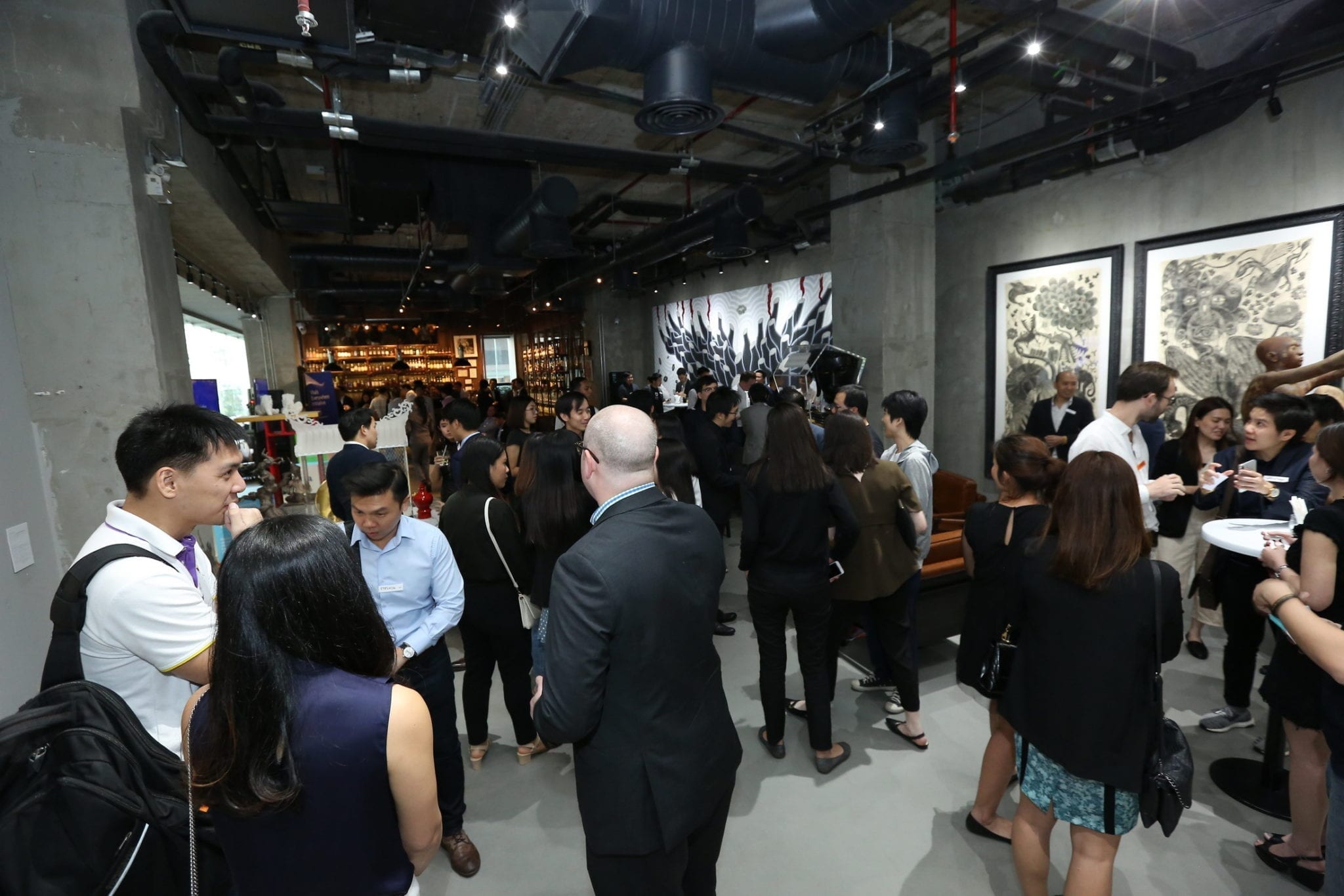
    Suripong Tantiyanon, Country Manager, Visa Thailand announced the program’s three challenges to the start-up community at Visa’s Everywhere Initiative Open House in Thailand. The winner of this challenge will receive THB 1 million in funding as well as mentorship, exposure to Visa’s partners, as well as access to facilities and experts at Visa’s Innovation Center in Singapore.

    The competition is open for entries from yesterday to February 9. To enter, start-ups must submit a solution for one of the three challenge briefs incorporating Visa APIs, a suite of Application Program Interface available through Visa Developer Platform.

    Suripong Tantiyanon, Country Manager, Visa Thailand said: “The goal of Visa’s Everywhere Initiative is to accelerate the digital economy by providing Visa capabilities to enterprising innovators in Thailand. Using Visa Developer Platform, Visa wants to enable co-creations among many of our banking and technology partners. We look forward to seeing many creative solutions in this year’s competition.”

    The program received great interest from the startup community, with many signing up for the Visa’s Everywhere Initiative Open House.

    The program’s challenges are:

    • How can start-ups innovate to create relevant and rewarding digital payment experiences for international tourists visiting Thailand?
    • How can start-ups leverage social media platforms to accelerate commerce and scale access to financial services?
    • How can start-ups innovate to make digital payments easy to access and capable of adding value for merchants?

    The finalists will be invited to pitch their solutions to a panel of industry leaders, including Visa executives, on March 9 in Bangkok. The grand prize includes THB 1 million in funding, mentorship, exposure to Visa partners and access to facilities and experts at Visa’s Innovation Center in Singapore.

    Jessada Sookdhis, President of Thai Fintech Association, said: “We are delighted to support Visa’s Everywhere Initiative, which will help enrich the burgeoning fintech ecosystem in Thailand, bringing solutions to the greater population by solving real needs, and driving wider adoption of electronic payments.”

    Visa’s Everywhere Initiative was created in 2015 to harness the creativity and talent within the startup community worldwide. To date, nearly 2,100 startups have participated, and have collectively raised over $2 billion in funding. The program has selected more than 131 finalists and 36 overall winners. More than 40 countries and regions that have hosted Visa’s Everywhere Initiative including the US, China, Australia, New Zealand, Europe, the Middle East, and Latin America.

  • ASEAN Tourism Ministers Stir the Pot for Gastro Tourism in Southeast Asia for 2018

    ASEAN Tourism Ministers Stir the Pot for Gastro Tourism in Southeast Asia for 2018

    The ASEAN Tourism Forum ended on a high 26 January, with ASEAN tourism ministers itemising a list of achievements for the region’s robust travel and tourism sector.

    Lauding the completion of a strong VisitASEAN@50 campaign in 2017, which generated a better than expected response, ASEAN’s 10 tourism ministers were optimistic about new marketing campaigns for ASEAN tourism in 2018 and beyond.

    The ministers revealed the following new priorities.

    There will be a new emphasis on promoting the many aspects of gastronomic travel, as outlined in the minsters’ Joint Declaration on Gastronomy and Tourism. The declaration notes that, “gastronomic tourism helps to create a strong sense of place for branding and marketing destinations, and also assists in maintaining and preserving local heritage and identity, and protecting biodiversity”.

    Cruise tourism will be developed further due to its high economic impacts. There will be renewed focus on the effectiveness of destination management, specifically environmental and social issues and the welfare of local communities that cruise tourism touches.

    Cross border bus and coach traffic will also be promoted further, following an agreement by ASEAN Transport Ministers to ease restrictions. The ministers noted that recommendations from studies on recognising domestic driving licences in neighbouring ASEAN countries could boost tourism significantly, especially if there were road enhancements along major tourism corridors.

    Ministers noted that the quality of work supplied by tourism professionals throughout Southeast Asia will continue to rise, in part, due to the completion of all 242 ‘toolboxes’ for job training. Jakarta will host a permanent secretariat in order to improve and unite tourism industry standards across ASEAN.

    Positive Legacy of VisitASEAN@50 Campaign
    The Tourism Ministers at ATF were buoyed by public and travel industry response to VisitASEAN@50 campaign in 2017. Based on preliminary figures from member states, ASEAN is expected to receive 125 million international visitors, exceeding the target of 121 million international tourist arrivals to the region set for VisitASEAN@50.

    If confirmed, this new record will indicate a growth of 8.4 per cent from 2016. Arrivals were dominated by intra-ASEAN travel, accounting for 42 per cent of total international arrivals.

    Targets for length of stay and revenue were also achieved, with ASEAN averaging 7.98 days of stay for international tourists, generating an estimated US$93 billion from tourism in 2017.

    “As we celebrate this most recent success,” said Weerasak Kowsurat, Minister for Tourism and Sports of Thailand, who chaired the Ministers’ meeting, “we still recognise the scale of the task before us and the urgency in enhancing our competitiveness to achieve sustainable development. We must therefore ensure that we unite to create the synergy which brings about inclusive growth and that none of us is left behind.”

    ATF 2019 will be held in Halong Bay, Viet Nam in January next year. The 2020 edition will be in Brunei Darussalam.

  • UNIQLO Thailand to Open First Roadside-Type Store in March

    UNIQLO Thailand to Open First Roadside-Type Store in March

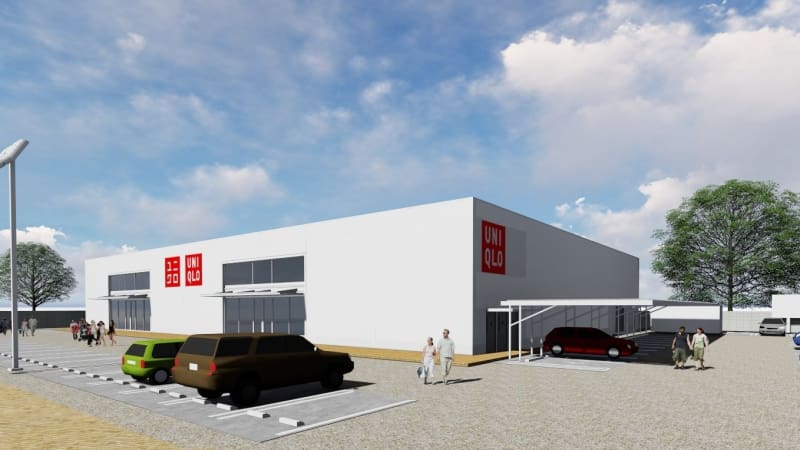
    UNIQLO announced it will introduce a new type of store – its popular roadside store model – to Southeast Asia, with the first store of the region to be launched in the bustling east Bangkok at Phatthanakan Road on Friday, March 23 this year.

    UNIQLO Phatthanakan roadside store will showcase the brand’s full assortment of LifeWear in men’s, women’s and kids’, as well as provide a brand new, world-class shopping experience for customers in Thailand with the new format.

    “We are honoured, and excited to bring our first roadside-type store from Japan to the Southeast Asia region. We believe this new store format will deliver greater convenience for our customers, where each store will serve as a focal point that brings communities together”, said Satoshi Hatase, CEO, UNIQLO Southeast Asia. “Eastern Bangkok, like some other places in Southeast Asia, is ideal for this type of store. Spacious parking space exclusively for UNIQLO customers from the neighbourhood and a considerate store design make the roadside-type store a great place for customers to drop by for a visit with the whole family”, he added.

    A UNIQLO roadside-type store usually features ample parking space for customers, and becomes the centre point of its community through considerate, localised store design. Historically, roadsidetype stores have played a very important role in UNIQLO’s growth throughout Japan, and the model has also been very successful outside Japan, including Korea and Taiwan.

    While carrying on the tradition of a UNIQLO roadside store, UNIQLO Phatthanakan will take the needs of its local customers into consideration to create a truly community-focused store that provides great happiness and convenience through a unique mix of services and products.

    UNIQLO Phatthanakan store will feature an extensive range of the latest line ups for women, men, kids and babies, across a sales area of approximately 1,440 square metres. The store, located at Phatthanakan Road, will open on Friday, March 23 2018.

  • Indonesia Ranks Higher in 2018 Global Talent Competitiveness Index

    Indonesia Ranks Higher in 2018 Global Talent Competitiveness Index

    Indonesia improved its ability to attract professionals and keep the existing skilled workforce, the annual Global Talent Competitiveness Index showed on Wednesday (24/01).

    The report was released during the World Economic Forum by graduate business school Insead, which has campuses around the world.

    For the study Insead cooperated with staffing company Adecco Group and telecommunications services provider Tata Communications.

    Indonesia ranked 77th out of 119 countries, which is a leap from last year’s 90th position.

    According to the study, Indonesia has strong employability, as through vocational education and technical training it prepares domestic talents to match the skills needed by the economy.

    Despite the position rise, however, the largest economy in Southeast Asia still lags behind Singapore, which ranks second, Malaysia (27th), the Philippines (54th) and Thailand (70th).

    The Global Talent Competitiveness Index considers four “pillars” called “enable” (reflecting a country’s regulations and markets), “attract” (reflecting a country’s capability to lure resources), “grow” (reflecting the ability to improve self-competence through education and training), and “retain” (reflecting an ability to maintain domestic and overseas talent).

    The report said Indonesia has a lot of homework “to catch up on all the pillars” to cultivate a talent pool large and competitive enough to support its growth in the competitive global economy.

    The index drew data from public sources: the United Nations Educational, Scientific and Cultural Organization (Unesco) for quantitative data; the World Bank’s World Governance Indicators and Doing Business Report for composite indicator data; and the World Economic Forum’s Executive Opinion for survey data.

    This year’s report highlighted the critical role diversity plays in linking talent policies to innovation strategies to increase talent competitiveness.

    “Eventually, diversity has come to be understood as an essential enhancer of corporate productivity and performance. Recruiting the best talent is essential. But evidence shows that diversity can actually trump talent,” Alain Dehaze, chief executive officer of Adecco Group, said in a statement.

    According to the report, diversity can be a national resource, as it will create innovative and competitive working environments, especially in the era of automation, which makes people with different knowledge and experience join together in problem solving.

    “If there is a high diversity of social mobility … then the richness of knowledge, perspective and networks pushes economic performance even higher via increased innovation,” Insead said in the report.

    Developed, high-income countries continue to top the ranking, 15 of them being European countries with well-developed education systems, flexible business regulators, employment policies highlighting adaptability, social protection and internal and external openness.

  • Lat Phrao to have newest Le Tao cafe

    Lat Phrao to have newest Le Tao cafe

    Thailand’s latest Le Tao cafe has officially opened at Central Plaza Lat Phrao, with celebrities cooking for charity at its launch event.

    The Japanese cheesecake and bakery concept arrived in Thailand two years ago, courtesy of DB Group managing directors Dolnapa Tumwattana and Kwanchai Ongkamongkol.

    Actors Varodom “Kimmon” Khemmonta and Suradet “Bas” Piniwat from Deun Kiaw Deun helped make pancakes at the store’s launch. A strawberry pancake by Kimmon and chocolate pancake by Bas were auctioned, raising THB50,000 (US$1570) for Siriraj Hospital.

    From Otaru city on Hokkaido Island, Le Tao spread throughout Japan with its combination of the culture of Japanese dessert-making with Western baking. Pancakes take up to 15 minutes to bake, and are topped with maple syrup, chocolate or strawberry sauce plus fruit on request, and served with fresh cream and vanilla ice cream. The Le Tao Pancake offers a cheese flavour.

    Other popular desserts include cheesecake, milk roll, cheese served in a cup, and cookies stuffed with cheese.

    Le Tao also has branches at Siam Paragon, The EmQuartier and Central Bang Na in Bangkok.

  • Centara begins construction of their second COSI lifestyle hotel

    Centara begins construction of their second COSI lifestyle hotel

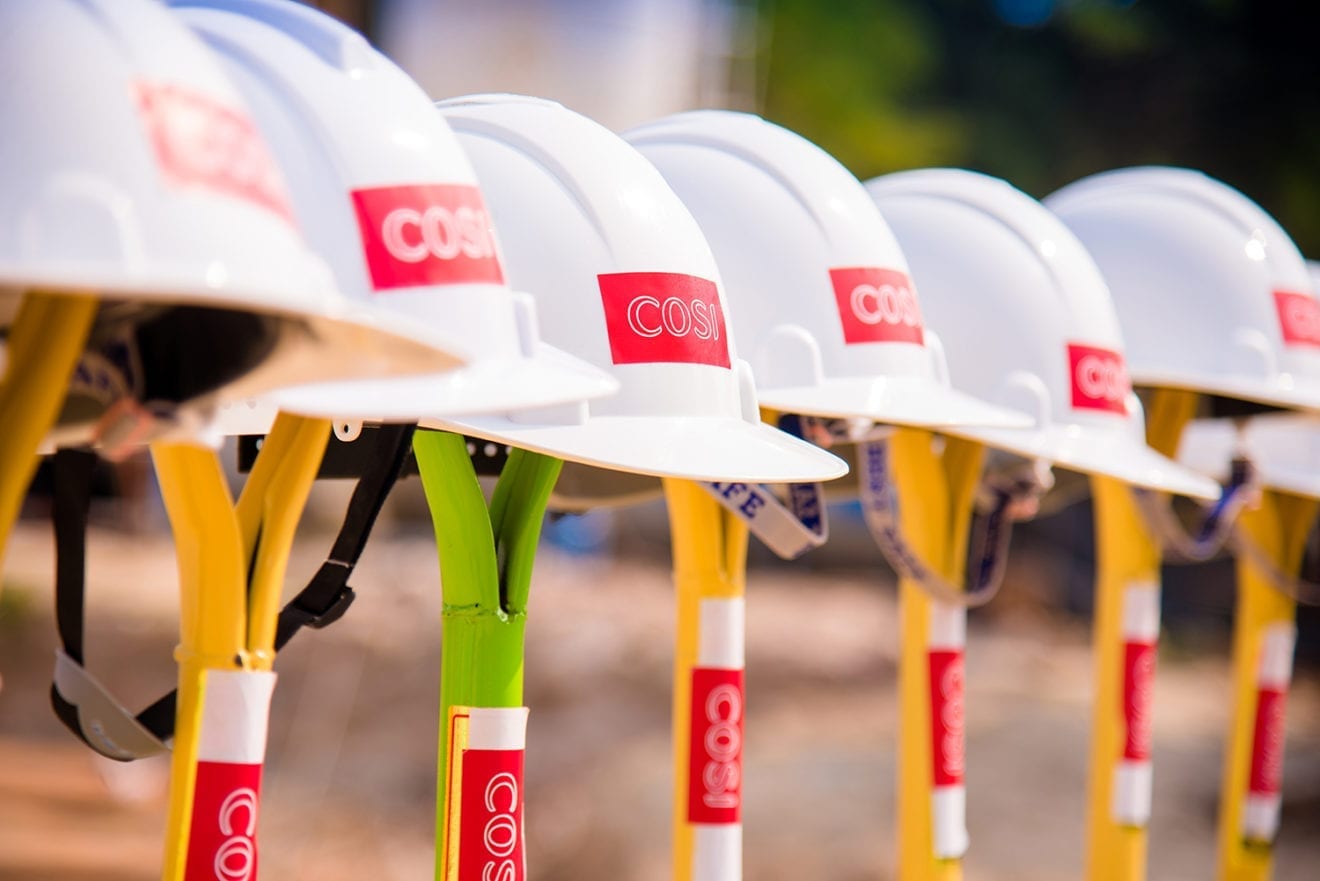
    Centara Hotels & Resorts recently broke ground in North Pattaya for another COSI hotel. COSI is a new brand designed for the modern, connected lifestyle of a growing travel market segment.

    It offers friendly, simple and affordable accommodations, with innovations like smartphone integration, self-service check-in, and a unique 24-hour lifestyle café concept with more freedom and flexibility. The first COSI hotel opened in Samui in December.

    COSI Pattaya Naklua Beach will offer 282 hi-tech rooms, all with Smart TVs. Free Wi-Fi and convenient USB ports are in every room and throughout the hotel. COSI also features a swimming pool, laundromat, and the all-hours “Hub”, a social hangout and digital playspace, with integrated WYSIWYG (What You See Is What You Get) Café.

    Guests can enjoy free food and drink there using the daily credits they get with their stay. The location is a short walk to the beach and 5-minutes’ drive to Central Festival Pattaya. The hotel will open in 2019.

    The development of the COSI brand is an integral part of the company’s ambitious, five year expansion plan. Within that timeframe, Centara expects to add close to 40 more COSI hotels to its portfolio, all situated in resort and city locations throughout Thailand and Asia.

  • King Power Group to relaunch Bangkok complex

    King Power Group to relaunch Bangkok complex

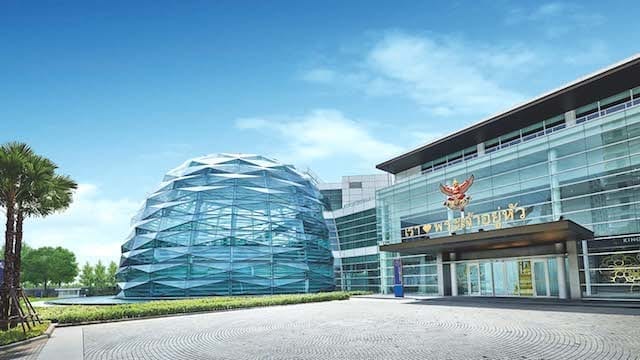
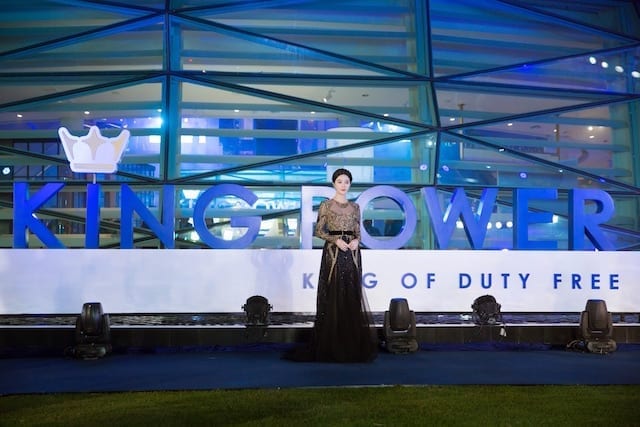
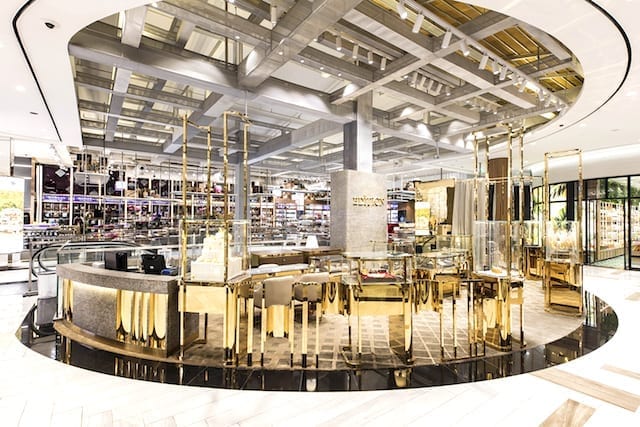
    After a revamp, Thailand travel retailer King Power Group has staged a grand re-opening of its Bangkok duty-free shopping and lifestyle complex King Power Rangnam.

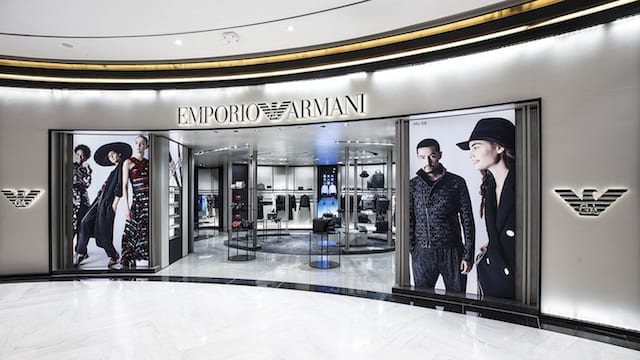
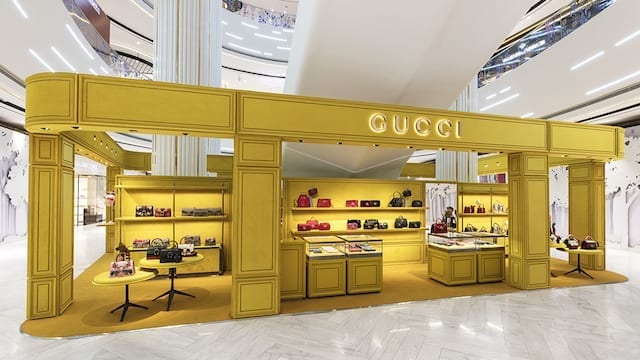
    Redeveloped at a cost of THB2.5 billion (US$74 million), the 22,000sqm landmark offers luxury brands, beauty products, watches, sunglasses and souvenirs. Local specialty products showcase Thailand’s One Tambon [district], One Product (Otop) community program, including handicrafts, food, cotton and silk garments, pottery, fashion accessories and household items.


    There is also a street-food showcase as well as international restaurants, while there are venues for conferences and events.

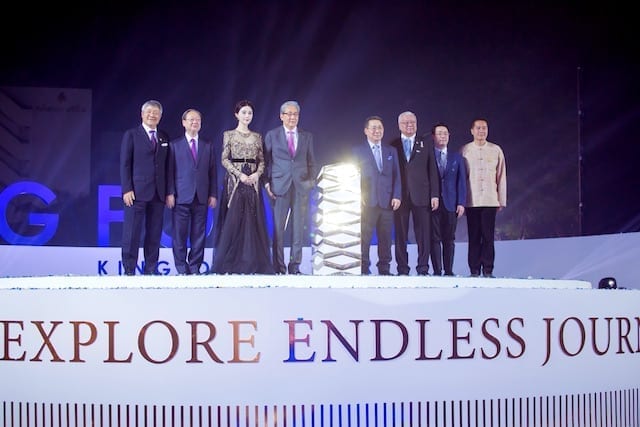
    Thai celebrities attending the grand opening ceremony including King Power’s new global ambassador, Chinese actress Fan Bingbing. Features of the event included a flying acrobatic balloon show from the UK and a multimedia theatrical, art, light, sound and special effects spectacular by Thai choreographer Professor Joe–Sutheesak Bhakdidheva.

    Officiating guests at the opening ceremony of King Power Rangnam were Thailand’s Deputy Prime Minister H.E. Mr Somkid Jatusripitak, CEO of King Power Group, Mr Aiyawatt Sriwaddhanaprabha, Global Ambassador, Ms Fan Bingbing & guests.
    King Power’s new Global Ambassador, Chinese actress Fan Bingbing.

    “The re-opening of King Power Rangnam will herald a new era for Thailand’s duty-free business,” says King Power Group CEO Aiyawatt Sriwaddhanaprabha.


  • Jaymart cryptocurrency to “feel lovely” in launching day

    Jaymart cryptocurrency to “feel lovely” in launching day

    Thailand’s J-Ventures, a subsidiary of electronics retailer Jaymart, is to launch a cryptocurrency on Valentine’s day as means of raising US$20 million.

    There are no clear regulations in Thailand at this time relating to cryptocurrencies, which can be traded on the Thailand Digital Asset Exchange (TDAX) and Thailand Bitcoin Exchange (BX).

    J-Ventures says it will hold an ICO (Internet Coin Offering) of 100 million JFin tokens, each with a face value at launch of 20 cents, from February 14 to 28.  A further 200 million virtual tokens will be kept in reserve for later use.

    The Jaymart cryptocurrency will be accepted as currency in Jaymart stores and traded on the two exchanges.

    The funds raised in the offering will be used by another Jaymart subsidiary J Fintech to develop a digital lending platform using blockchain technology

    “Jaymart’s loan service business has a large growth potential,” explained J-Ventures CEO Thanawat Lertwattanarak. “Therefore, we need to create an ecosystem, develop a customer database and provide a new channel for people to access loans more easily.”

  • Thai tycoons’ deals in Vietnam pose risks to domestic market

    Thai tycoons’ deals in Vietnam pose risks to domestic market

    Thai tycoons have been seeking business opportunities in Vietnam’s beverage, retail and construction materials markets over the past five years in a bid to take advantage of the country’s 95 million population and expanding middle class, according to experts.

    Local consumers consider the products more affordable than imports from Japan and South Korea, and better quality than cheaper items from China.

    Among the leading investors from Thailand is the beer-to-property empire of Thai magnate Charoen Sirivadhanabhakd.

    Most recently, the tycoon’s Thai Beverage bought a majority stake worth $4.84 billion in Vietnam’s top brewer, Sabeco SAB.HM.

    Thai Bev’s local unit, Vietnam Beverage Co Ltd, won the 54 percent Sabeco stake on offer at an auction last month after global brewing giants stayed away.

    The deal is a big step for Charoen, the son of a Bangkok street vendor, who is emerging as one of Asia’s biggest power players in brewing.

    The Sabeco deal is expected to help Thai Bev tap into Vietnam’s beer market, worth about $6.48 billion last year, where a young population and booming economy counter the drawbacks of political resistance, a high minimum bid price and a cap on foreign ownership.

    In Vietnam, Charoen already owns nearly 20 percent in the country’s biggest-listed firm Vinamilk VNM.HM through Fraser & Neave. He has also acquired the Metro supermarket chain as well as other consumer goods and convenience stores in the country.

    Together with Charoen, many other tycoons from Thailand have bought stakes in Vietnamese businesses.

    In April 2016, Central Group sealed a deal to acquire Big C Vietnam, one of the biggest supermarket chains in the country, which pulls in more than 50 million customers annually.

    France’s Casino Group sold its entire stake in Big C to Central for 1 billion euros ($1.14 billion), according to the French retailer.

    In 2015, Central Group also acquired a 49 percent stake in major Vietnamese electronics retailer Nguyen Kim, which has a network of 21 stores across the country and posted sales of $400 million in 2014.

    The Thai conglomerate has also purchased online fashion marketplace Zalora’s operations in Vietnam in a move to combine e-commerce with its existing department stores, supermarket chains and shopping malls around the country.

    This investment interest stems from the Vietnam’s economic expansion, rising middle class and market potential, experts said.

    The so-called “middle and affluent class” earning $714 a month or more in Vietnam will double to 33 million people, about a third of the population, by 2020, the Nikkei Asian Review reported, citing Boston Consulting Group.

    Economist Vu Vinh Phu said the local retail market holds a lot of potential for Thai investors. While Thailand’s modern retail system is saturated, accounting for 65 percent of the market, the proportion is just 20 percent in Vietnam, he said.

    The deals have helped Thailand become one of the biggest foreign players in Vietnam’s mergers and acquisitions (M&A) market. Vietnam’s M&A market attracted a 10-year record in foreign investment by reaching $5.2 billion in 2015, and rose again to over $ 5.8 billion in 2016, according to the latest data from the Vietnam M&A Forum.

    However, expanding Thai investment also poses risks to Vietnam’s economy, economists said.

    Economist Le Dang Doanh said that Thai retailers obviously give priority to suppliers from their own country, and can overcharge commissions and fees to Vietnamese suppliers, pulling local products off the shelves.

    “This is a risk to our economy, and we should be more cautious,” he said.

    Echoing Doanh, economist Phu said Thai investors could push their own products by expanding their businesses in a closed system from production to distribution in Vietnam.

    “Most families in Hanoi and Ho Chi Minh City use Thai products ranging from home appliances to electronic products,” he said. “It is a threat to Vietnam, as the domestic market may be lost to Thai retailers.”


  • For Thailand, a ‘Go Local’ move to spread tourism benefits

    For Thailand, a ‘Go Local’ move to spread tourism benefits

    The Thai government has approved a series of tax deduction measures to promote seminars, leisure travel and MICE events in 55 second-tier tourist provinces nationwide all through 2018.

    These will support the Tourism Authority of Thailand (TAT)’s latest Go Local campaign, a landmark project to promote the kingdom’s secondary destinations, spread tourists between urban and rural areas, and even out traffic between peak and non-peak periods.

    Go Local targets to improve the ratio of visitors – both domestic and foreign – to main cities vs secondary cities from 64:36 to 60:40. The aim is also to bring 10 million tourist arrivals into secondary cities and communities, generating an estimated 10 billion baht (US$312 million) in tourism revenue in 2018.

    As part of the campaign, TAT will cooperate with domestic tour operators and travel agents to offer incentives such as discounted meals when buying local tour packages covering secondary destinations. Travellers will also be exempt from personal income tax for the amount paid out to tour operators, hotel operators or homestay operators for domestic tours to the 55 provinces, but not in excess of 15,000 baht.

    Moreover, TAT will target Stock Exchange of Thailand-listed companies with a corporate tax exemption on income equal to 100 per cent of expenses for seminars and accommodation rooms, transport and other expenses incurred for conducting staff training seminars in the 55 provinces.

    TAT will also introduce the TAT Plus discount card, which can be used in participating retail and dining merchants in secondary destinations as well as domestic airlines.

    Other efforts include cooperating the Thai Restaurants Association, chefs, credit card companies and provincial authorities to promote the consumption of local food and purchase of local raw materials; as well as partnering attractions such as museums and theme parks to organise activities that celebrate the local culture.

    Yuthasak Supasorn, TAT governor, said: “When local communities grow, the country grows. With travel and tourism now widely recognised as a major contributor to grassroots economies, job creation and income distribution, we are now taking specific measures to ensure that the benefits are better distributed across the breadth and depth of the entire kingdom.”

    A Go Local Directory will be launched to provide specific information on dining, travelling and accommodation for getting tax deductions.

  • Say Chiizu stretchy cheese toast opening outlets across Singapore

    Say Chiizu stretchy cheese toast opening outlets across Singapore

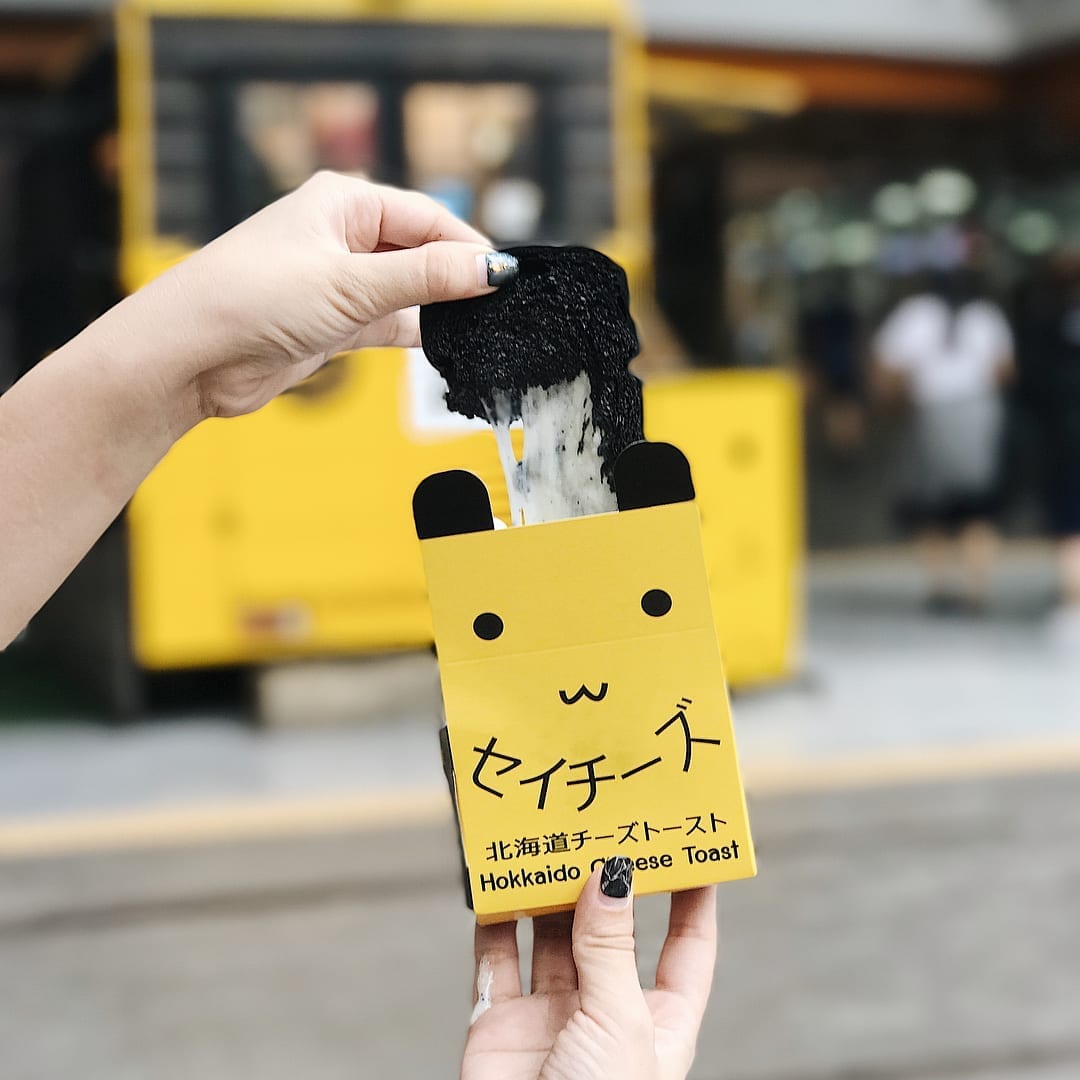
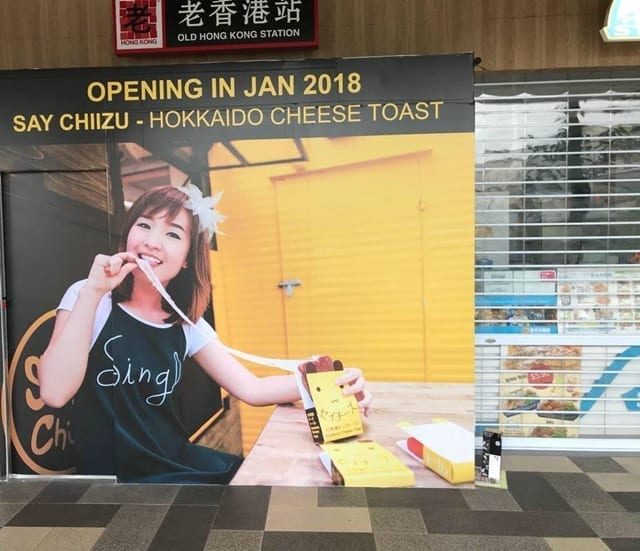
    Thailand’s Say Chiizu cheese toast is stretching all the way to Singapore, with takeaway kiosks being set up at four malls next week.

    Its cheese is made on the company’s own farm in Thailand which has cows and machinery imported from Japan, hence its main product being called Hokkaido cheese toast. Its special formula combines three types of cheese to produce its special taste and super-stretchable texture.

    Its Hokkaido milk toast comes in five flavours: charcoal, chocolate, strawberry, matcha and original.

    As well as its toast, Say Chiizu offers snacks such as Pizza Cheese Fries, BBQ Pull Chicken/Pork Cheese Fries, Cheese Fries and Classic Fries.

    Its drinks line-up includes yuzu, matcha, strawberry and peach cheese teas.

    Say Chiizu’s first outlet opens at VivoCity on Monday, followed by 313 @ Somerset on Tuesday, White Sands Shopping Centre on Wednesday and The Clementi Mall on Thursday.

    The brand is aiming to open 10 outlets in SIngapore by the end of the year, including a sit-down cafe at Bugis next month.

  • Exploring the Chatuchak market easier with newest launched app

    Exploring the Chatuchak market easier with newest launched app

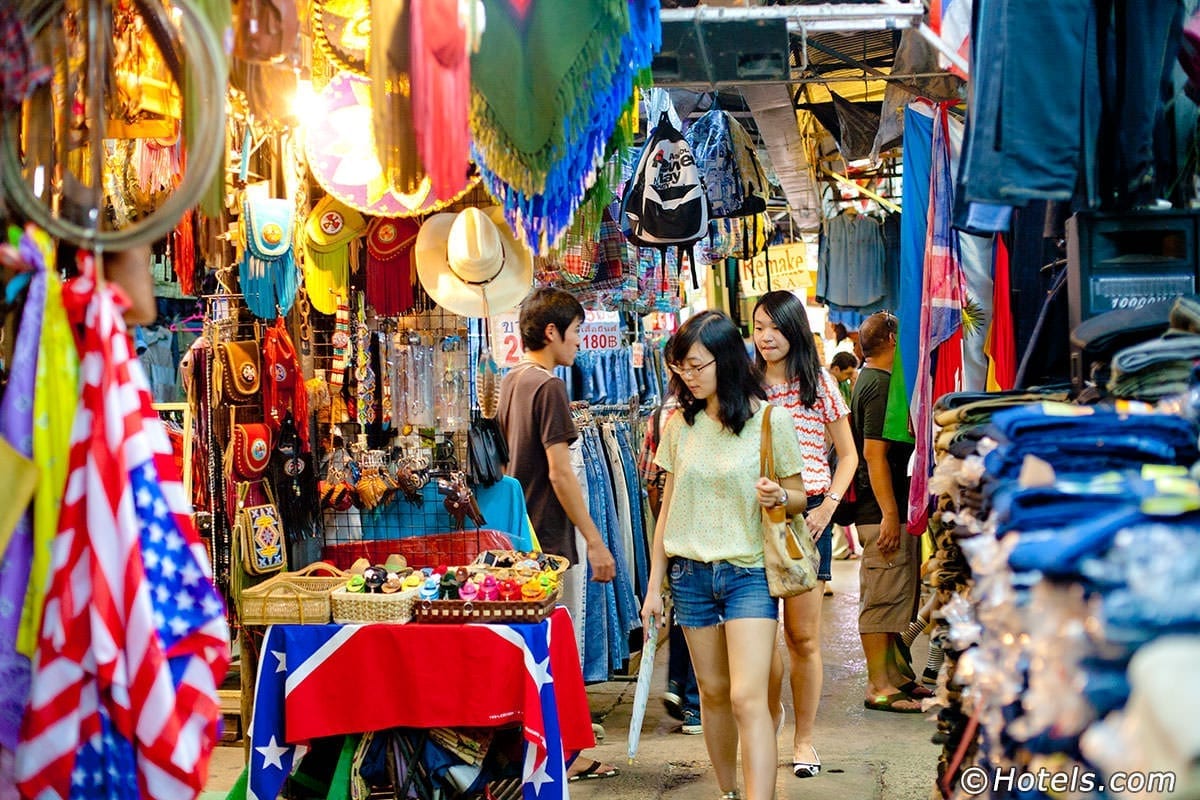
    Bangkok’s Chatuchak weekend market has launched a mobile app as a guide to its 8000 shops and restaurants.

    The Chatuchak Guide also offers special offers, promotions and discounts.

    Developed by Digital Ventures, a subsidiary of Siam Commercial Bank, in collaboration with State Railway of Thailand, the app aims to provide the market’s retailers with an online presence to attract both local and international shoppers.

    App users can search for shops by name or type, while a “live” map helps prevent users becoming lost in the market as well as find the shop they want to visit. They can also set up a shopping map by placing pins on shops they want to visit, or they can explore using the app’s recommendations.

    Other features include The Spirit of Chatuchak, a video featuring each shop in the historic market, plus information on where to find toilets, meeting points, ATMs and other services. There is also the Flash Sale & Promotion section with special offers and discounts.

    The app can be downloaded for use on both Android and iOS, and is available in English, Chinese and Thai.