Tag: Thailand

  • Awards to recognise eCommerce merchants

    As Southeast Asia eCommerce merchants set benchmarks in a booming industry, their efforts are about to be celebrated with the launch of annual awards.

    Based in Kuala Lumpur, online shopping aggregator iPrice Group has launched the iPrice eCommerce Merchant Awards (iEMA) 2016 in partnership with eTail Asia, a service for eCommerce professionals, and Trusted Company, a review platform for eCommerce businesses in emerging markets.

    The first awards ceremony will be held in conjunction with the annual eTail Asia conference at Marina Bay Sands, Singapore, on March 8 next. The inaugural iEMA 2016 will feature country and regional winners in two categories – Most Popular eCommerce Merchant of the Year and Highest-Quality eCommerce Merchant of the Year. Merchants do not have to submit entries as all qualifying merchants are automatically enlisted.

    “Based on studies by Google and Temasek, the Southeast Asian eCommerce market is expected to see exponential growth from US$6 billion to about US$90 billion in 2025,” says iPrice Group CEO David Chmelar.

    “With new players in the eCommerce industry coming up every left, right and centre, it is imperative we highlight excellence in the sector in hopes to further inspire and encourage both existing and upcoming merchants to excel further in Southeast Asia.”

    Consumer choice

    Finalists and winners for the awards will be chosen by consumers via the iEMA 2016 microsite. People can vote only once, with January 31 the deadline.

    Meanwhile, in an effort to also recognise special initiatives by eCommerce merchants that might have escaped attention, a third category has been set up to highlight efforts by businesses that have undertaken projects to support a social or non-profit organisation. This will be judged by a panel of experts from the eCommerce sector with only one overall regional winner being chosen. The judging panel comprises Chmelar, Asia Venture Group CEO/founder Tim Marbach, Worldwide Business Research GM Danny Levy, Trusted Company co-founder/MD Frederick Krass, Google Vietnam head of marketing Anh Nguyen and 500 Startups managing partner Khailee Ng.

    Submissions for this award are being accepted from for both consumers and eCommerce merchants through the iEMA 2016 website.

    Voting is being accepted at the iEMA 2016 microsites for Hong Kong, Indonesia, Malaysia, Philippines, Singapore, Thailand and Vietnam.

    iPrice Group is a Southeast Asian metasearch engine that enables shoppers to find products, compare prices and save. It seamlessly connects them to hundreds of eCommerce merchants in the region.

  • Thailand tourism breaks records and welcomes 30 millionth visitor to the kingdom

    Thailand tourism breaks records and welcomes 30 millionth visitor to the kingdom

    Mr. Yuthasak Supasorn, Governor of the Tourism Authority of Thailand (TAT) said, “This has been an amazing year for tourism in amazing Thailand as shown by the huge numbers of visitors. We have reached 30 million and the high season has only just kicked off. We know that more people will be coming to enjoy the cool weather and holiday festivities. Thailand has so much to offer the world and we know that the Thai people make every visitor feel as welcome as we made Ms. Huang Junyi feel today.”

    Ms. Huang Junyi receives a certificate naming her as “Thailand’s Luckiest Visitor – The Amazing, Smashing Success” from Mr. Yuthsak Supasorn, TAT Governor

    Ms. Huang Junyi,“Thailand’s Luckiest Visitor – The Amazing, Smashing Success”, was greeted at Suvarnabhumi Airport with a fantastic welcoming ceremony co-hosted by the Tourism Authority of Thailand (TAT), Thai Airways International and True Corporation.

    Ms. Huang’s prize will be two economy-class return tickets to Thailand from her original destination, which are valid for a year. She will also be given a voucher for a five-night stay in one of Thailand’s luxury hotels in Bangkok, Pattaya or Hua Hin as well as a mobile phone with a 4G sim card and seven days of Internet usage and a certificate naming her as “Thailand’s Luckiest Visitor – The Amazing, Smashing Success” so that she can remember this day forever. The lucky 30 millionth visitor was also given an exclusive limousine transfer from the Airport to her accommodation in Bangkok.

    This is the second time that Ms. Huang Junyi has travelled to Thailand. During this trip, she will be spending 10 days in Bangkok and Pattaya.

    The “Thailand’s Luckiest Visitor” campaign was launched in 2015 to welcome and reward every millionth visitor to Thailand from June to December. The campaign was a great success and garnered interest from the public and media organisations across the world, boosting Thailand’s tourism sector and brand image. It has been brought back in 2016 to welcome the 30th and 31st million visitors and will continue till the end of 2016.

    In 2016, Thailand is projecting total international tourism revenue of 1.62 trillion Baht (USD 46 billion), representing a year-on-year increase of 11.68% over 2015.

    To boost tourism numbers, various initiatives have been put in place to encourage tourists to visit and spend. This includes the waiver of tourist visa fees for visitors from 19 countries from 1 December, 2016, to 28 February, 2017, and the price of visas issued on arrival will be halved. To encourage more domestic travel, a long New Year holiday of four days including 31 December, 2016, and 1 to 3 January, 2017, has been confirmed.

  • Thailand’s green material Industry and the green building trend

    Thailand’s green material Industry and the green building trend

    In the midst of today’s environmental movement, green buildings (buildings designed to be environmentally friendly through more efficient use of resources) are popping up more and more in Thailand.

    Using data from green building credentialing bodies like the U.S. Green Business Council (USGBC), which developed the Leading in Energy & Environment Design (LEED), and the Thai Green Building Institute (TGBI), which developed Thailand’s Rating of Energy and Environment Sustainability (TREES), EIC found that the number of certified green buildings and buildings in the process of accreditation in Thailand has risen substantially, increasing from six buildings in 2007 to 243 buildings in 2015.

    With EIC’s estimate of 294 green buildings in 2016, the average annual growth rate for green buildings in Thailand is 54%. Thailand’s green building area increased from 40 thousand square meters in 2007 to 4.3 million square meters in 2015, and it is estimated that it will reach 5.0 million square meters by the end of 2016, pushing average growth to 71% per year (Figure 1).

    Green buildings in Thailand consist of office buildings (around 40%), retail stores and shops (around 30%), and other structures such as factories, residential buildings, hotels, and schools (around 30%) (Figure 2).

    Although the costs of building green are higher than construction costs for conventional buildings, it is the benefits they offer that are responsible for the expansion of green structures today.

    The average cost of building green in Thailand is 20,700 baht per square meter, which is about 5.2% higher than the average conventional building cost of 19,700 baht per square meter (Figure 3).

    This is because building green involves more restrictions in choosing materials and in designing building systems, as well as additional fees for obtaining LEED or TREES credentials. However, owners can gain both monetary and non-monetary advantages from green buildings. Monetary benefits include a decrease in building management expenses like electricity and water costs that can be reduced by 10% or around 90 baht per square meter per year, and up to about 21% or 180 baht per square meter per year by the fifth year after the completion of the project (Figure 4). These numbers are comparable to the decrease in energy costs of  well-known green building Energy Complex.

    The Energy Complex building contains 192 thousand square meters of utility space and has reduced building management costs per year by about 28 million baht, or about 146 baht per square meter per year.  Another monetary advantage for green building owners is increased rents. Rents for green buildings are around 30% higher than those of conventional buildings in the same area, or about 230 baht per square meter per month (Figure 4). Non-monetary benefits include significantly higher worker productivity in green buildings compared to conventional buildings, deduced from sick day records and illnesses caused by sick building syndrome.

  • Chevrolet Sales Thailand Hands Out 500 One World Futbols

    Chevrolet Sales Thailand Hands Out 500 One World Futbols

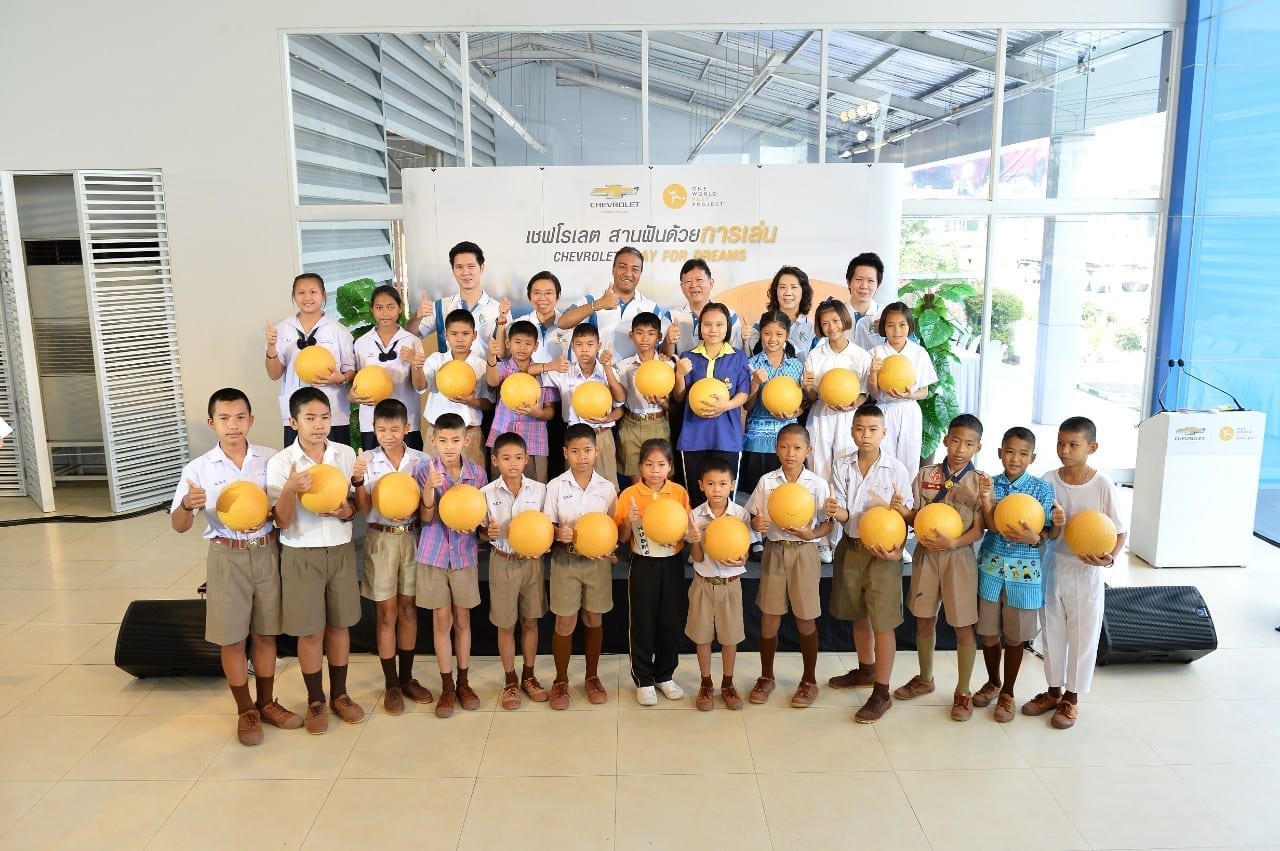
    Chevrolet Sales Thailand recently donated 500 One World Futbols and numerous books to 25 schools within the province of Nakhon Pathom. The donations were facilitated through a coordinated effort with local dealership Chevrolet Chor Erawan Nakhon Pathom.

    Chevrolet Thailand and Chevrolet Chor Erawan Nakhon Pathom also coordinated a Chevrolet Play for Dreams corporate social responsibility (CSR) activity that saw two customers take delivery of brand-new Chevrolet Colorado pickup trucks.

    “Play is a fundamental human activity that can inspire children and adults alike. Thanks to the support offered by Chevrolet Chor Erawan Nakhon Pathom, we are able to engage with young students today, fueling their ingenuity and imagination for the future of Thailand,” said Wail Farghaly, Managing Director of GM Thailand and Chevrolet Sales Thailand.

    Chevrolet has thus far donated a total exceeding 24,000 One World Futbols throughout Thailand as part of its One World Play Project. The Play for Dreams event enabled students to get an up-close look at the new Colorado while receiving their futbols.

    Two of Chevrolet Chor Erawan Nakhon Pathom’s customers, Karun Khiaothongnoi and Prapas Bunpen, took delivery of their new Colorados in the presence of several executives, including Farghaly; Nataporn Jiramahapoka, Director of Sales and Network Development, Chevrolet Sales Thailand; Wiwat Chanwaowarm, Managing Director, Chir Erawan AutomobileNakhonpathom; Kanya Chanwaowarm, Assistant Managing Director, Chir Erawan Automobile Nakhonpathom; and Thanachart Chanwaowarm, Retail Operator, Chir Erawan Automobile Nakhonpathom.

    “We had a very successful launch of the new Colorado and have received many positive reviews from dealers, customers and the media. Today, we’re delighted to welcome Mr. Khiaothongnoi and Mr. Bunpen to the Chevrolet Colorado ownership family, and through a combination of the quality of the product, connectivity, and Complete Care program, we hope that they become customers for life,” Farghaly added.

  • Thai Airways International Shares Take A Dive Last Week

    Thai Airways International Shares Take A Dive Last Week

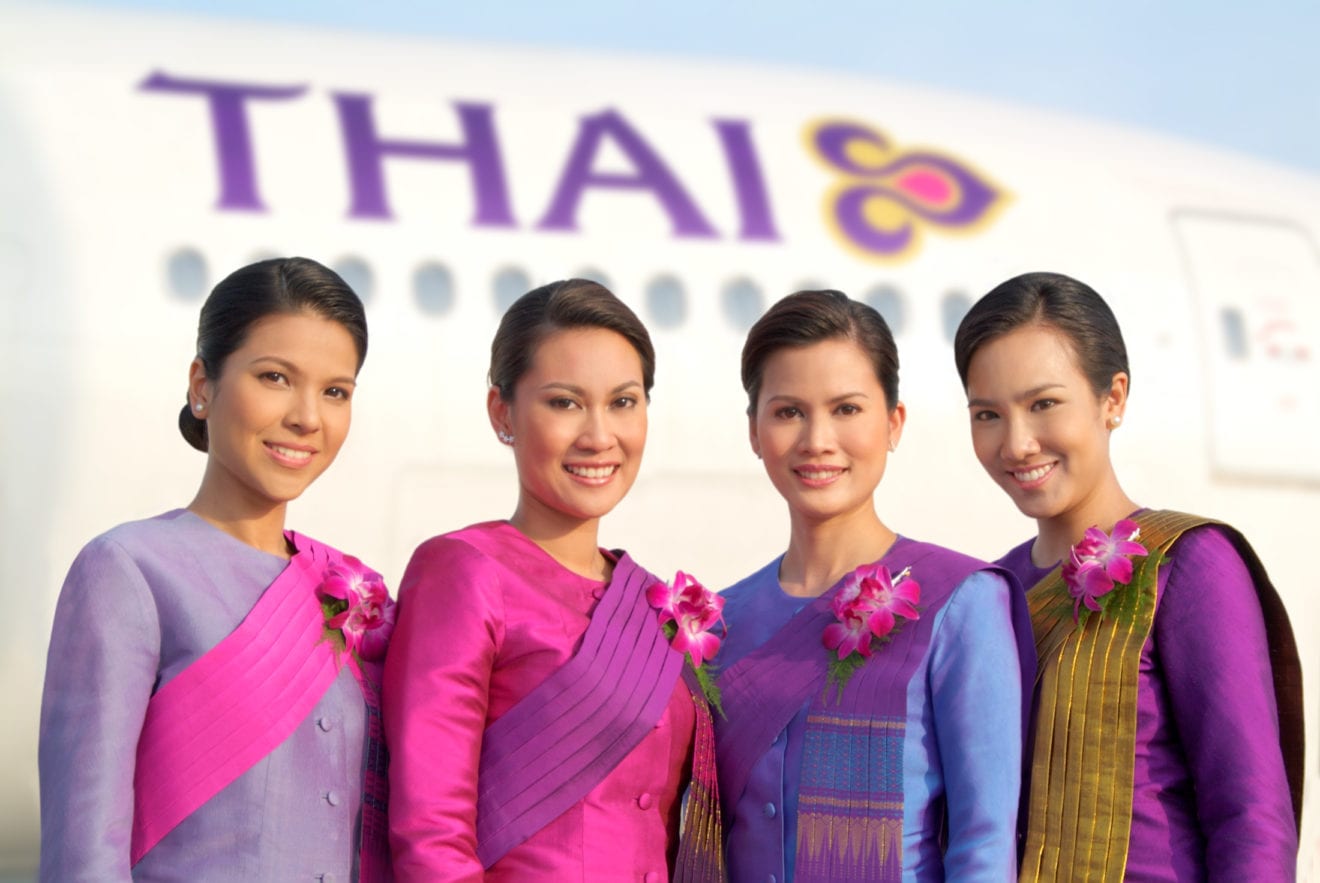
    The President of Thai Airways Charamporn Jotikasthira has told reporters that the full-year target of 180 billion baht is unlikely to be achievable.

    A report posted with regard Thailand’s crackdown on China’s so-called zero-dollar tours has led to a sharp decline in Chinese tourists. These tours were offered below cost, with operators making big profits through kickbacks from affiliated souvenir shops and service providers from which travelers were forced to buy at inflated prices.

    Thai Airways revenue from Chinese passengers has dropped by 25% over the past several months because of this crackdown.

    There are obviously other factors involved as Charamporn also said many economizing steps have not yet been fully implemented, suggesting that the full-year cost-cutting target may also be missed.

  • Thai Kasikornbank Eyes Regional Expansion, Plans 2nd Branch in Laos

    Thai Kasikornbank Eyes Regional Expansion, Plans 2nd Branch in Laos

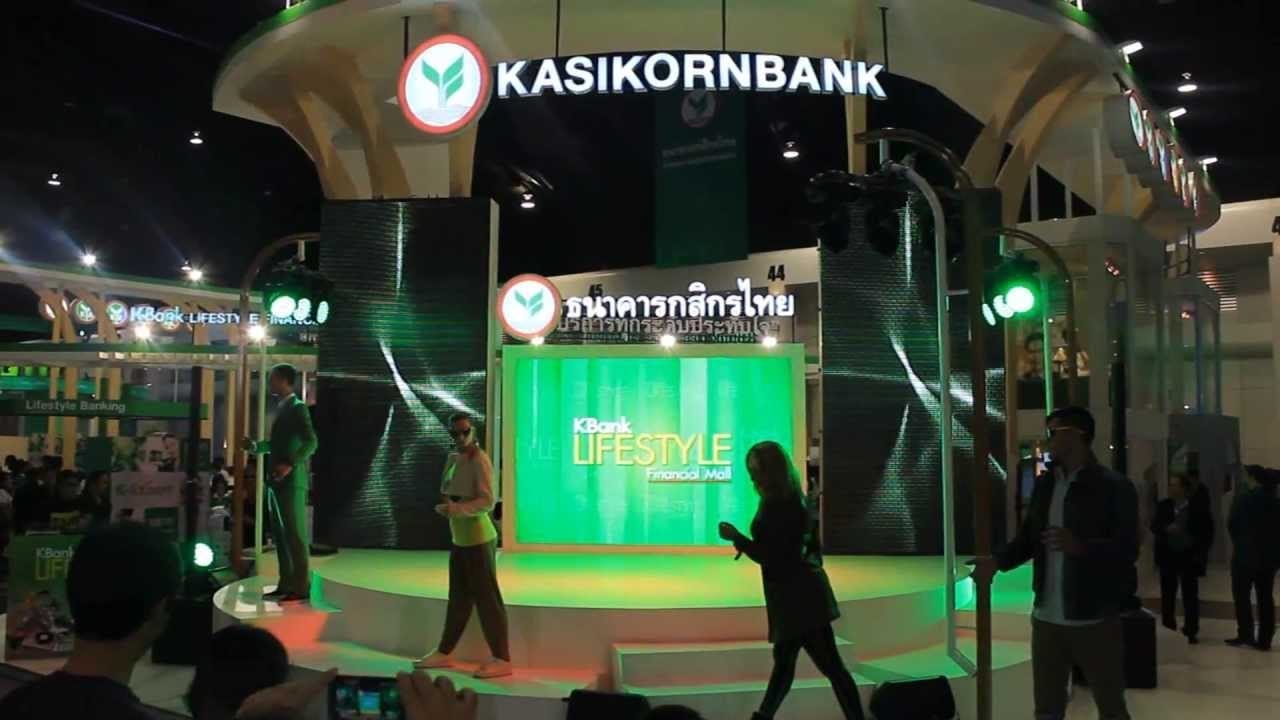
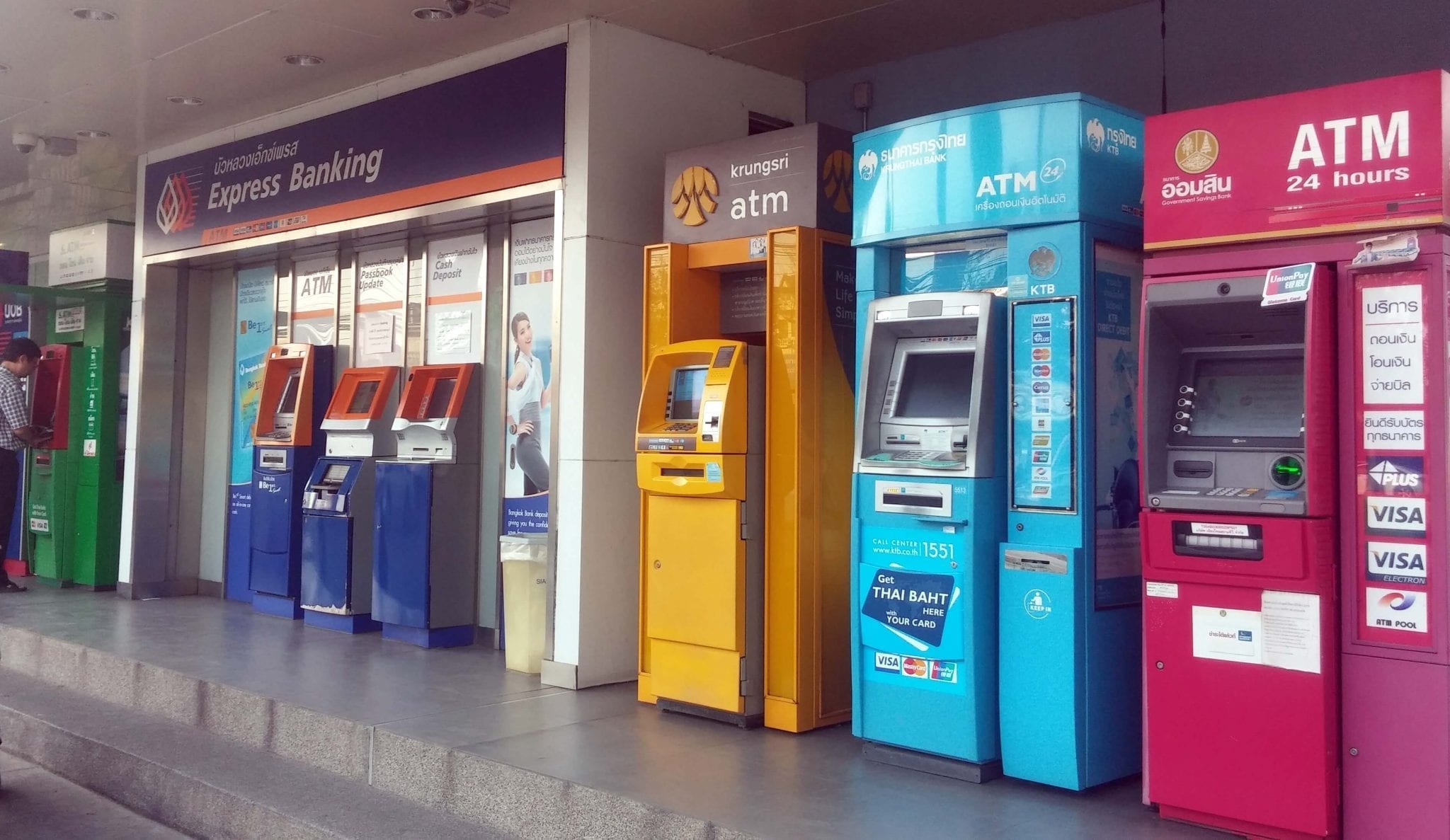
    Thailand’s Kasikornbank said on Tuesday (29/11) it plans to open a second branch in Laos and upgrade the status of its local bank in China in 2017 as part of a regional expansion.

    With assets of $68 billion, Thailand’s fourth-largest lender by assets is looking to open branches in Vietnam, Indonesia and Myanmar by 2018, Kasikornbank president Kattiya Indaravijaya said in a news conference.

    Loans and assets from foreign operations accounted for less than 5 percent of the bank’s current total loan portfolio, and the proportion is expected to gradually increase over the next few years, she added.

    Like other major Thai banks, Kasikornbank is looking to expand its business in fast-growing economies in Southeast Asia to help offset a slowdown in the domestic market.

    Kasikornbank is aiming at a loan growth of 4-6 percent in 2017 — assuming the Thai economy would grow 3.3 percent next year — and expected its non-performing loans to make up 3.3-3.4 percent of total loans, Kattiya said.

    In the first nine months, the bank’s loans grew 5 percent, versus a target of 6-7 percent for the whole of 2016, she said.

    The bank targets loan growth from retail clients at 5-7 percent next year when the number of it retail customers is expected to rise to 14.1 million, up 5-6 percent on year, the bank’s president said.

    Loan growth for large companies and small to medium sized firms is targeted at 4-6 percent next year, she said.

    Kasikornbank aimed to spend 4 billion baht on developing information technology (IT) next year to maintain its leading position in digital banking, the bank’s president in charge of IT, Teeranun Srihong, said.

  • Shilla Duty Free opens 25,000sq m Phuket store

    Shilla Duty Free opens 25,000sq m Phuket store

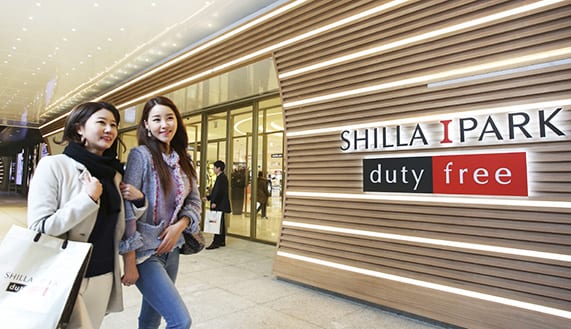
    The Shilla Duty Free conducted a soft opening of its new downtown store in Phuket, Thailand at the weekend, which has allowed it to take the next step in its ‘diverse global expansion strategy’, it says.

    As reported, the store was slated to open originally in August, but the South Korean TR operator was actually able to officially add the Kathu district store to its growing international store network on 19 November. The retailer first opened a store outside Thailand in 2012 with its Changi Airport concession in Singapore. Since then Shilla has opened in Macau also.

    This time Shilla has partnered with two local companies (Gems Gallery and The Mall) to operate the store under a ‘GMS Duty Free’ joint venture first agreed in 2013. However the store fascia with carry ‘The Shilla Duty Free’ company name.

    Shilla says it is in charge of ‘general operation of the store including MD and store operation’.

    TWO-STOREY 25,000SQ M STORE

    “Gems Gallery, sole market leader of Phuket’s jewellery market, and The Mall, operator of top-of-the-class department stores and shopping malls in Thailand, are in charge of sourcing of Thailand local goods and marketing,” reveals Shilla.

  • Samsung Pay, partner banks launch offers for Thai customers

    Samsung Pay, partner banks launch offers for Thai customers

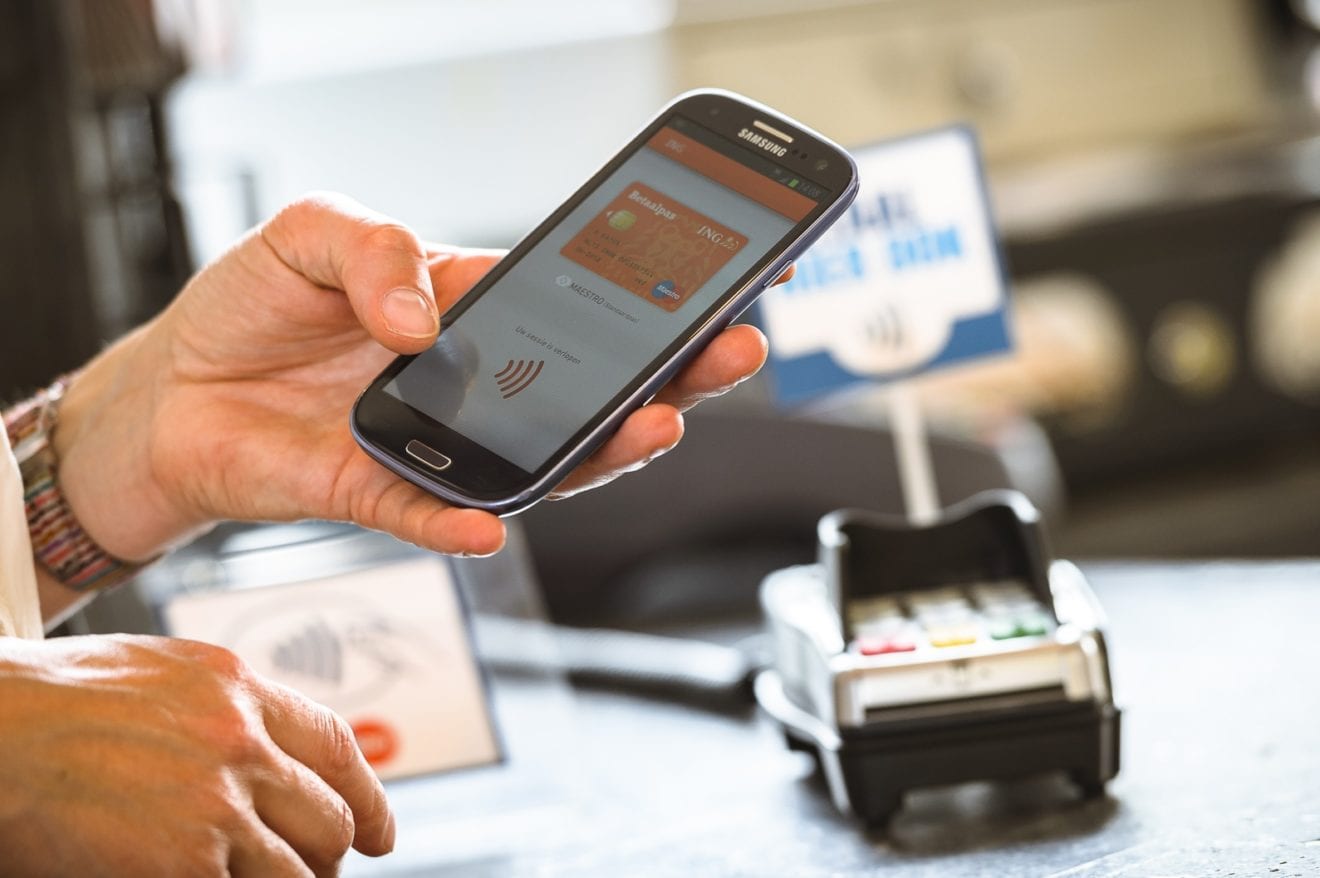
    Samsung Pay and its financial partners have introduced exclusive offers for customers who make payments using a partnered credit card via Samsung Pay, The Nation reports. The offers are provide in partnership with Citibank, Kasikornbank, KTC, and SCB.

    Citibank card owners will have access to 5-fold reward point increase for every payment transaction of THB 1,000 or more. Kasikornbank card users will receive THB 100 cash back on every payment of THB 100. KTC card holders will receive 5 percent cash back with special privileges from participating shops, while SCB users will get THB 100 cash back for payments of THB 200.

    Samsung Pay went live in Thailand on 27 October. The platform enables customers to use their smartphone as credit cards. Supported payment gateways and credit cards for Thai users are Visa and MasterCard issued by six financial institutions namely Bank of Ayudhya, Citibank, KasikornBank, KTC, Siam Commercial Bank, and soon Bangkok Bank.

    In Thailand, Samsung Pay is compatible with the Galaxy S7, Galaxy S7 edge, Galaxy S6 edge+, Galaxy Note 5, Galaxy A7 (2016) and Galaxy A5 (2016) smartphones.

  • Tech boost for Asia’s rice sector

    Tech boost for Asia’s rice sector

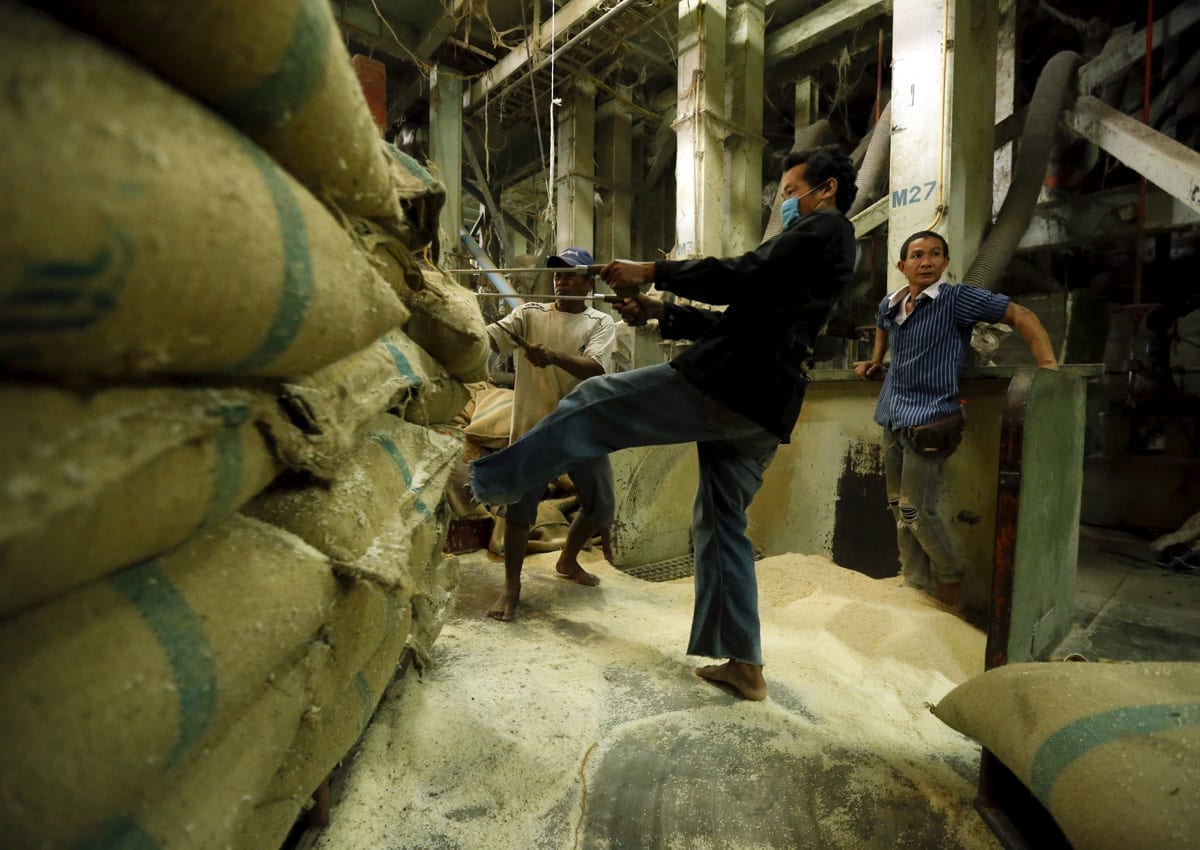
    A new initiative to provide rice breeders across the Asia Pacific region with advanced technologies is expected to help improve crop yields, sustainability and profitability in the vital agricultural sector.

    ‘Rice Action Agenda,’ introduced by the The International Rice Research Institute (IRRI) for the 16-member countries of the Council for Partnership on Rice Research in Asia, calls on parties to share germplasm, collaborate on investments, and exchange rice-breeding techniques.

    Bruce Tolentino, deputy director-general of the Philippine-based IRRI, says the new agenda is “crucial to developing the rice sectors” of the participating countries. He says the new agenda was a response to concerns about diminishing rice stocks in India and Thailand — the two top global exporters.

    IRRI noted in February that the combined rice stocks of India and Thailand were set to decline by almost three-quarters by the third quarter of 2016 as compared to 2013 numbers, mostly due to environmental reasons such as droughts.

    “Fears of another rice crisis early this year was the impetus for the Rice Action Agenda,” Tolentino said.

    Under a 10-point action plan the agenda will introduce superior, higher yield rice varieties; upgrade rice research and breeding pipelines; increase research into global rice varieties; invest in rice education and increase the sustainability of rice cultivation systems.

    The plan also calls for reducing crop losses using mechanised technologies; reforming policies to increase production efficiency; increasing investments in agricultural infrastructure; strengthening food security for consumers and working to implement the ASEAN Rice Breeding Initiative.

    IRRI proposes that participants take advantage of three programmes — the CGIAR Research Programme on Rice, the Sustainable Rice Platform, and the ASEAN+3 Rice Genetics and Breeding Platform. The last includes a suite of tools for fast-tracking germplasm development, including genotyping and molecular markers, high-throughput phenotyping, and breeding informatics.

    Tolentino notes that participating countries are expected to carry out the new Rice Action Agenda using internal funding sources. “The goal is for each of the member countries to adopt the recommendations into each of their own national rice-sector strategies and fund implementation from their own fiscal budgets.”

    Rajeev Varshney, a geneticist at the International Crops Research Institute for the Semi-Arid Tropics, Patancheru, India, tells SciDev.Net that rice is the “most important crop for food as well as nutrition security in Asian countries.”

    According to Varshney, the agenda is a “great opportunity to bring the entire value chain of actors together.” By combining the various programmes proposed in the plan, participants should be able to “make the rice sector stronger.”

  • Myanmar opens talks with Thailand on reciprocal banking access

    Myanmar opens talks with Thailand on reciprocal banking access

    The central banks of Thailand and Myanmar agreed Sunday to start talks on granting access to designated banks in each other’s markets, marking a small step forward in the financial integration of the Association of Southeast Asian Nations.

    For Thailand, Myanmar is the third country to enter bilateral discussions on bank access, following Malaysia and Indonesia; for Myanmar it is a first.

    Under the ASEAN Banking Integration Framework, countries can enter into bilateral deals allowing banks that meet certain criteria to become “Qualified ASEAN Banks” that operate in each other’s markets on the same terms as local banks.

    “The expansion of a banking presence through QAB will enable greater efficiency and reduce costs for bankers and customers alike,” Bank of Thailand Gov. Veerathai Santiprabhob told bankers who were in Bangkok for the 21st ASEAN Banking Conference on Monday.

    With Myanmar opening up its economy after nearly 50 years of isolation and the ASEAN Economic Community kicking off last year, banks in  Thailand and Myanmar have been growing more active in each other’s markets.

    Myanmar’s largest lender, Kanbawza Bank, opened a representative office in Bangkok in August, becoming the first Myanmar bank to venture abroad.

    Last year, Thailand’s Bangkok Bank was among the first of nine banks to be granted a foreign banking license in Myanmar. Other big Thai banks were not granted licenses in the first round, but have opened representative offices in Myanmar in anticipation of the next opportunity.

    “It’s good that the Bank of Thailand signed the QAB agreement with Myanmar,” said Predee Daochai, president of Kasikornbank, which now has a representative office in Myanmar. “We would like to open a bank there,” he said.

    The time frame for the negotiations and details such as the number of banks to be designated QABs have yet to be decided.

    While trade and investment have been increasing in the region in the wake of deregulation and elimination of tariffs, “much work remains with regards to financial connectivity” in the region, Veerathai said.

  • 2C2P to Work with Diners Club International to Increase Acceptance

    2C2P to Work with Diners Club International to Increase Acceptance

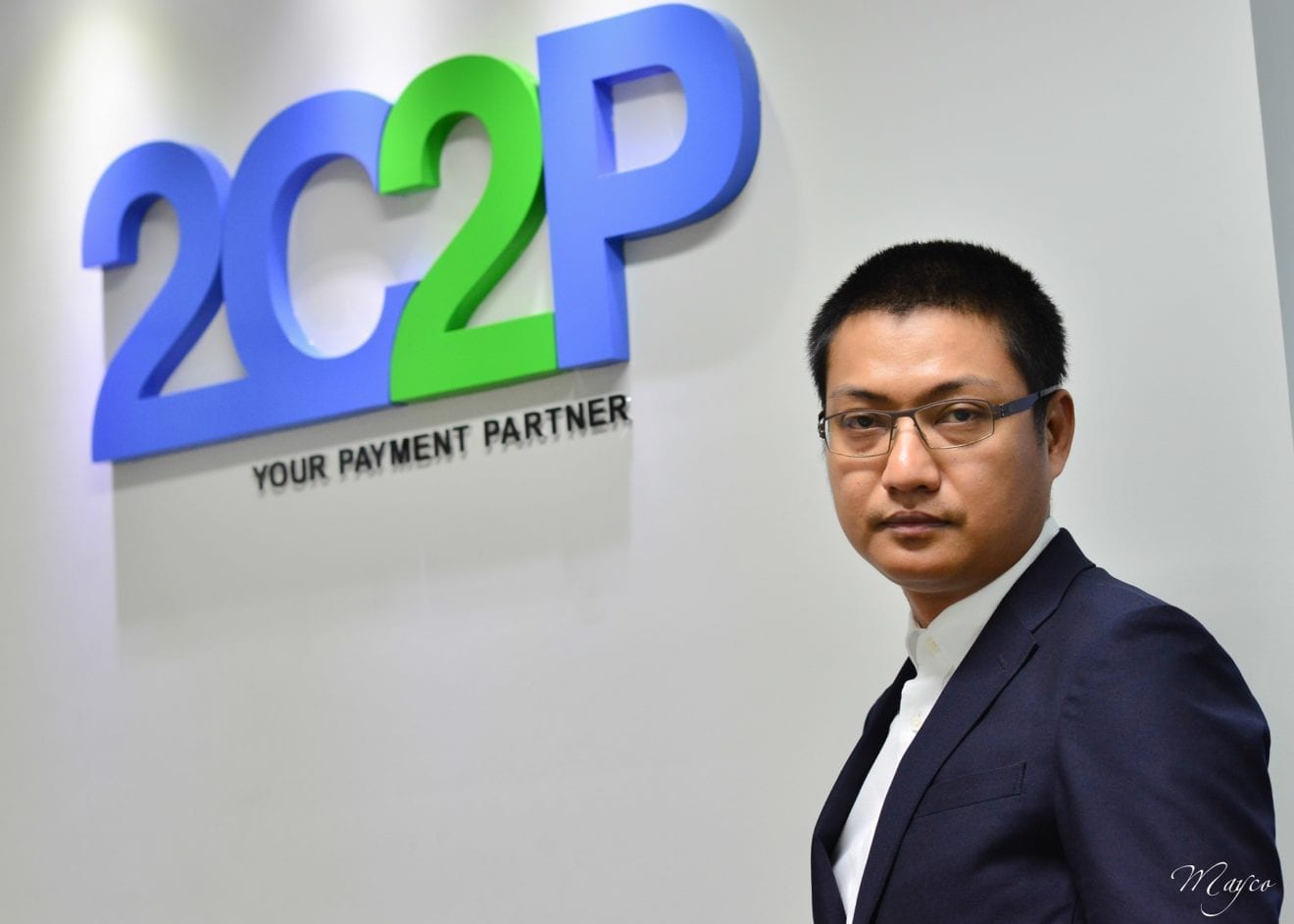
    2C2P, the leading Southeast Asian (SEA) payments services company, and Diners Club International, a subsidiary of Discover Financial Services and part of the Discover Global Network, announced that 2C2P is a global acquirer for all cards running on the Discover Global Network. 2C2P’s SEA merchants can now tap Diners Club International, Discover and other Discover Global Network cards as an additional payment method. 2C2P will increase acceptance in the SEA region allowing Discover Global Network cardholders to use their cards at an increased number of merchants in the region. 

    2C2P will provide its merchants with single-source electronic payment services for the acceptance of Discover Global Network, which includes Discover cards from the United States, Diners Club International as well as its affiliate cards such as BC Global Card from South Korea, Elo Card from Brazil and RuPay from India.

    Aung Kyaw Moe, founder and Group CEO of 2C2P, said: “With the rise in global online retail and tourism, this agreement opens up key international travel and entertainment markets such as Asia, Europe and the U.S. to our Southeast Asian merchants. Cardholders from Discover Global Network can now enjoy payments access to the region’s travel, transport, tourism, retail and e-commerce brands.”

    “Discover Global Network continues to increase our merchant acceptance footprint in Southeast Asia through working with companies such as 2C2P because this region has an increasing number of Discover Global Network cardholders as a result of our Diners Club and RuPay networks,” said Ricardo Leite, vice president, Discover Global Network. “2C2P specializes in e-commerce travel merchants, an important sector to our cardholders.”

    McKinsey estimates the annual revenue of the global payments market is expected to increase by six percent from 2015 to 2020, exceeding US$2 trillion by 2020. The Asia Pacific region, including China, accounts for approximately 55 percent of the industry’s revenue growth worldwide. 

    Discover Global Network is the third largest payments network in the world1. With over 39 million merchant acceptance locations and 1.9 million ATM and cash access locations across 185 countries and territories, Discover Global Network includes Discover, Diners Club International, PULSE and affiliated networks.

    “2C2P continues to look for market-leading partners around the world, to deploy its best-in-class online payments processing solutions and make it easier for consumers to transact with the payment instrument of their choice,” added Aung.

  • Banana acquires 44 Bangkok outlets

    Banana acquires 44 Bangkok outlets

    A Bangkok IT store in a shopping mall in Bangkok. The stores will complete their transfer to Banana in the first quarter of 2017.

    Com7, the Bangkok-based IT chain store under the Banana brand, has taken over 44 BKK shops from Bangkok Telecom 999 for 184 million baht in a drive to accelerate its expansion into the mid- and entry-level segments.

    “This is our first acquisition for the purpose of pursuing growth,” said Sura Khanittaweekul, chief executive of Com7.

    The move is a reflection of how medium-sized IT retail chain stores in Thailand are trying to survive the hyper-competitive handset sales market.

    Small retail chains are being forced to close their shops because they cannot compete directly with cash-rich large stores.

    The process of transferring BKK’s shops will begin on Dec 1 and is expected to be completed in the first quarter of 2017, Mr Sura said.

    Com7 will operate the acquired 44 stores under the BKK brand, most of which are located in high-density areas. At least 10 BKK shops (out of the 44 acquired stores) compete directly with Com7.

    BKK Telecom 999 sold 44 branches out of its 80 shops.

    Mr Sura said the acquisition will enable Com7’s expansion strategy to grow faster, as the company need not build its own stores, which takes time and planning.

    The average size of a BKK shop is 30-70 square metres, while the average size of a Banana shop is 100 sq m.

    He said the acquisition of the BKK shops will enable Com7 to penetrated untapped mid- and entry-level markets, with handsets priced below 10,000 baht each.

    “Returns on the acquisition can be expected over the next 3-4 years,” Mr Sura said.

    Most Com7 branches are situated in prime locations in department stores serving premium customers with high purchasing power.

    Thailand’s smartphone market is quite mature. There is still an extensive demand in the mid-level handset segment in the replacement market.

    Com7 aims to expand its retail shops to 500 branches by 2017, up from 365.

    In August, Com7 launched bananastore.com to extend its sale channels online to capitalise on new-generation customers who lead the digital lifestyle trend.

    “We aim to have 1 billion baht in total sales revenue in 2017,” Mr Sura said.

    Com7 expects revenue to grow 10% to 17 billion baht this year. Of the total, 35% will come from sales of mobile phones, 30% from computers, 10% from tablets and the rest from accessories.

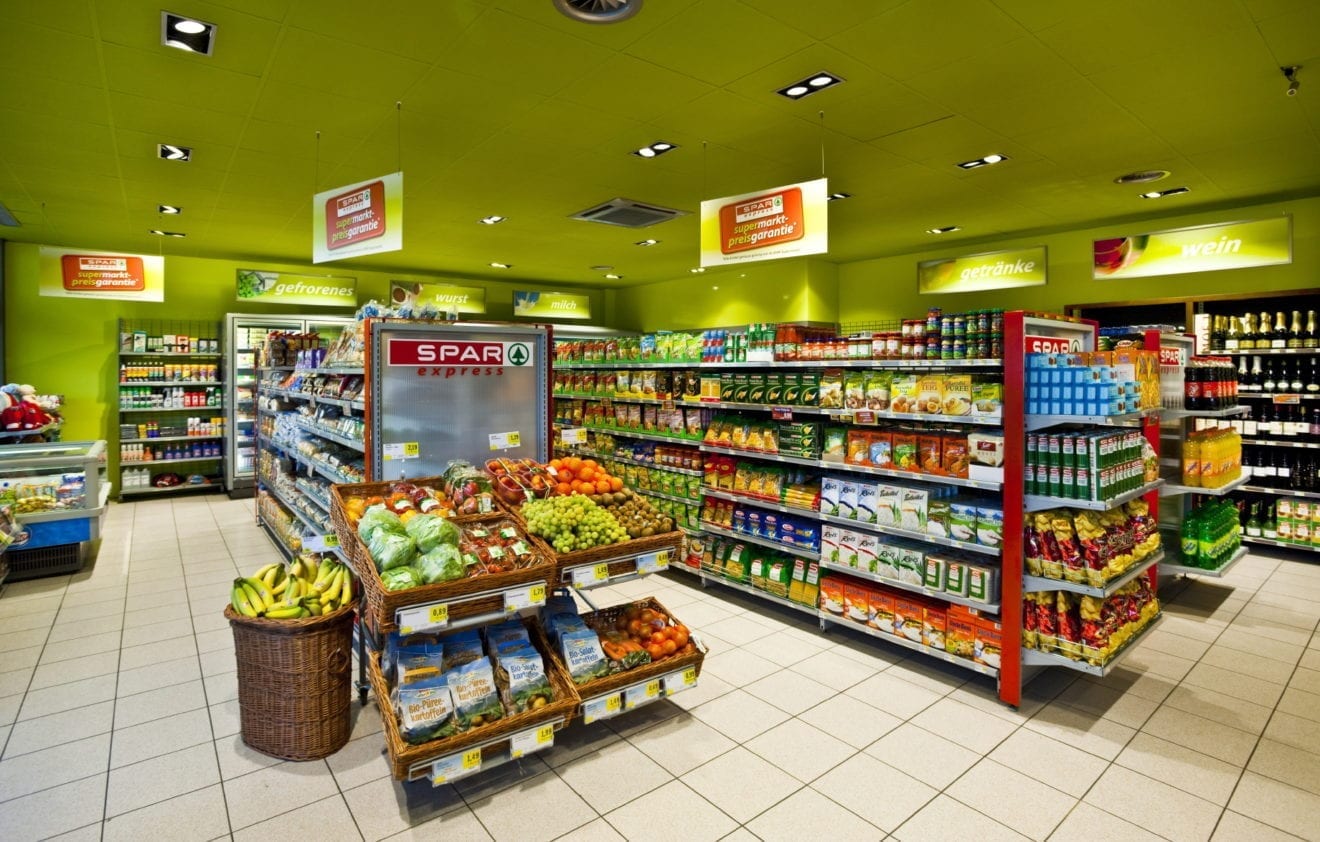
  • Spar to open 300 stores in Thailand

    Spar to open 300 stores in Thailand

    Spar International and Bangchak Retail Company (BCR) have announced a new partnership to open 300 Spar stores in Thailand by 2020.

    The US$78.9m investment was announced on 28 November, with BCR to open seven new stores in 2016, and 50-80 new stores each year from 2017.

    “The launch of Spar in Thailand in partnership with BCR represents a significant and important step forward in Spar’s ongoing expansion into Asian markets,” Tobias Wasmuht, managing director of Spar International said at the official announcement of the new partnership. “It brings together our internationally tried and tested retail expertise particularly in convenience and supermarket formats with the extensive knowledge of the Thai market. The partnership is a true example of the Spar ethos in which through working together all shall benefit.”

    BCR managing director Viboon Wongsakul said the Thai company was exciting about the new offering for customers in Thailand.

    “We plan to bring local retailing to the next level and will dedicate the resources necessary to have a significant presence in the market in the shortest possible time-frame,” he said.

    The partnership will see both Spar and BCR focus on sourcing produce locally, with Spar International working on developing its own brand of products.

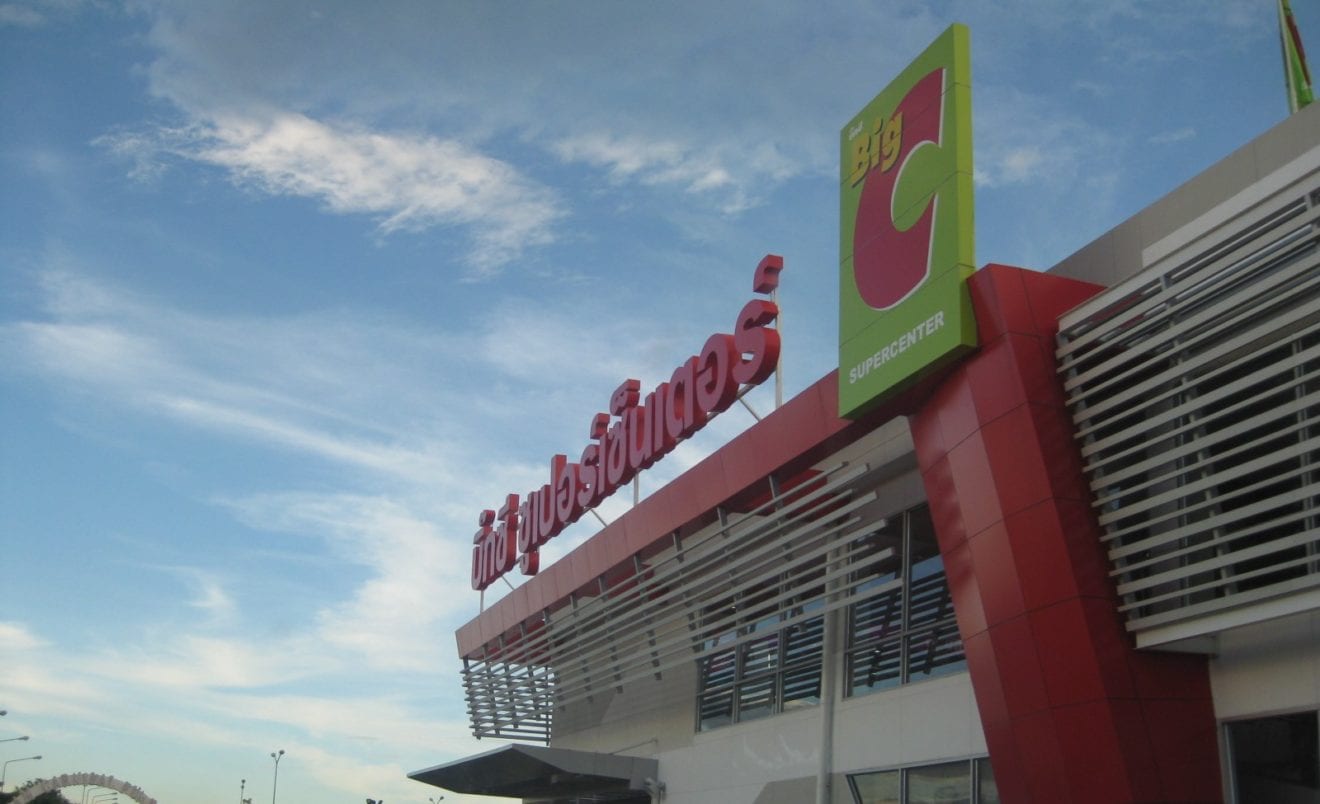
  • Expansion plan from Big C parent company

    Expansion plan from Big C parent company

    Berli Jucker (BJC), the owner of Big C Supercenter, will allocate TB10 billion (US$280 million) to expand the Big C hypermarket chain.

    It plans to opening 213 stores and renovate 54 outlets next year.

    BJC executive VP for group strategy and investor relations Oliver Gottschall says the company will make an aggressive expansion of the Big C network through Thailand, spending TB8 billion to open nine Big C hypermarkets, four Big C Market outlets and 200 Mini Big C stores, as well as renovate 54 outlets. The remaining TB2 billion will be reserved as cash flow.

    As previously reported, MM Mega Market, BJC’s wholesale business, has been merged with Big C’s hypermarket business in a bid to promote expansion and management efficiency. BJC closed its Ogenki beauty/drugstores to focus on Big C’s Pure drugstore chain.

    Two MM Mega Market stores in the Nong Khai and Sa Kaeo provinces are expected help expose Big C’s retail network to cross-border trade through their strategic locations near Laos and Cambodia.

    BJC has more than 700 retail branches under various formats in Thailand, mostly under the Big C brand, and more than 100 branches in Vietnam.

    BJC CEO Aswin Techajareonvikul says Big C’s revenue dropped 20 per cent to TB22.7 billion in the third quarter of this year because of the gradual reduction of cigarette and liquor sales. Net profit rose 14.6 per cent year-on-year to TB1.53 billion.

    During the nine-month period, Big C posted a net profit of TB5.27 billion on revenue totalling TB92.6 billion. Nine-month revenue declined 7.3 per cent, attributed to the economic slowdown.

    Gottschall says the rise in net profit in the third quarter came from Big C restructuring, with low-profit products being replaced with more fresh food.

    During the first nine months, BJC posted a net profit of TB2.77 billion on revenue totalling TB97.4 billion. For the third quarter, net profit was TB1.8 billion and total revenue stood at TB33.5 billion.

  • Jamie’s Italian expands to Thailand

    Jamie’s Italian expands to Thailand

    Thailand’s first Jamie’s Italian restaurant has opened at the newly ­renovated Siam Discovery in Bangkok.

    It is being run by Hotel Properties in partnership with the mall operator, Siam Piwat.

    Jamie’s Italian began as a joint venture between UK celebrity chef Jamie Oliver and his mentor, Italian chef and restaurateur Gennaro Contaldo. The first restaurant opened in Oxford in 2008 and there are now 42 outlets in the UK and more than 25 internationally, including in Australia and Singapore.

    Jamie's Italian Stratfor

    As with all Jamie’s Italian outlets, the Siam Discovery restaurant is committed to sourcing free-range, higher-welfare meat, and sustainable and ethically produced ingredients. All the recipes are Italian classics with a Jamie Oliver twist, including pasta made on site every day.

    The restaurant is working with Thai farmers and suppliers.

    Meat Plank, recommended menu

    Menu highlights at Jamie’s Italian Siam Discovery include antipasti planks, a sharing dish served on wooden boards supported by tins of tomatoes and offering a selection of meats, cheeses, vegetables and pickles.

    The Jamie's Italian Burger, a signature main dish

    Oliver’s cook books and the restaurant’s signature napkins are on sale, as well as gifts.

    Jamie's Italian Spring Summer App Menu Shoot

    Jamie’s Italian Spring Summer App Menu Shoot

    With 184 covers, the restaurant features rustic, reclaimed timber refectory tables, zinc tables and vintage upholstered lounge chairs, with monochromatic and hand­-painted floral tile flooring. The dining area is illuminated with brass spotlights, vintage enamel shades and a textured-glass chandelier.

    Guests can view the open kitchen, watch their antipasti planks being made at the antipasti counter in the main dining room, or relax at Jamie’s Bar.

    Jamie’s Italian Siam Discovery_Interior Design 4

    Jamie’s Italian Siam Discovery_Interior Design 3

    Jamie’s Italian Siam Discovery_Interior Design 1

    Jamie’s Italian Siam Discovery_Interior Design 2