Tag: Thailand

  • Smith & Wollensky restaurants going global

    Smith & Wollensky restaurants going global

    US steakhouse Smith & Wollensky, famously described by the New York Times as “the steakhouse to end all arguments”, is expanding its global presence, setting its sights initially on such cities as Bangkok, Hong Kong, Seoul, Singapore, Taipei and Tokyo, as well as Dubai and Mexico City.

    This follows Irish investment company Danu Partners acquiring Smith & Wollensky Restaurant Group (SWRG) from Bunker Hill Capital this year. Its first overseas restaurant was opened in London.

    “Our teams in the US and London have worked closely together to build a robust infrastructure, and this is a perfect platform on which to build a global business,” says Leonard Ryan of Danu Partners. Joining the team will be international development executive Oliver Munday, who in the past 20 years has worked at growing US restaurant brands internationally.

    “Having completed transactions in more than 30 countries with multiple restaurant brands including Hard Rock, Margaritaville and Planet Hollywood, Oliver brings the contacts and expertise needed to allow us to reach our full potential on the international stage,” says SWRG president/CEO Michael Feighery .

    “Smith & Wollensky occupies a special place among the great US fine-dining restaurant brands, and there is global demand for such a classic American steakhouse experience,” says Munday. “We will be entertaining only a handful of select markets … but interest is already strong.”

    Since Danu Partners bought Smith & Wollensky it has embarked upon a program of reinvestment, which as well as expansion includes upgrades of its restaurants in the US.

    Established in 1977 with its headquarters in Boston, Smith & Wollensky Restaurant Group has seven locations in the US. The restaurant has received such accolades as the Grand Award of Excellence from Wine Spectator and an Award of Excellence from Distinguished Restaurants of North America.

    An investment holding company based in Dublin, Danu Investment Partners was founded in 2009 and covers a range of business sectors, with a focus on the hospitality sector.

  • Big year-end discounts on way

    Big year-end discounts on way

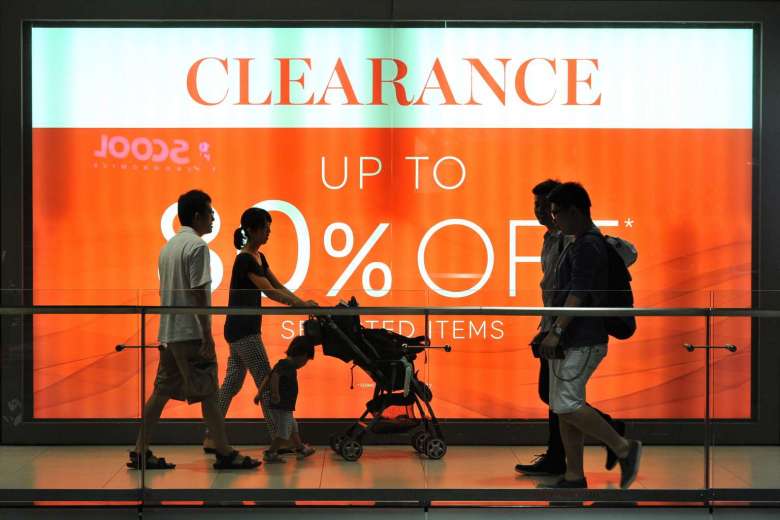
    The government seeks cooperation from retailers and wholesalers to cut product prices to help reduce consumers’ expenses and stimulate the economy in the final month of the year.

    The government is set to team up with wholesalers and retailers, which together have 13,500 branches nationwide, to cut product prices by 20%-80% to help reduce consumers’ expenses and stimulate the economy in the final month of the year.

    Commerce Minister Apiradi Tantraporn said the Internal Trade Department has been assigned to discuss with retailers and wholesalers, including hypermarket and supermarket operators, the possibility of holding special promotions to spur spending among Thais and tourists during December.

    “The ministry has cooperated with retailers and wholesalers to organise various activities to cut living costs since late 2015,” she said. “The campaign for this year-end promises special events with discounts as high as 80% for certain items.”

    Mrs Apiradi insisted the discounts will be given to brand-new products, not those currently on sale. Products that will feature in the campaign include food and beverages, consumer goods, electrical appliances, garments and accessories.

    The Business Development Department has also been instructed to talk with retail outlets under its supervision to participate in the year-end special discount programme, particularly for items like milled rice, instant noodles, vegetable oil, seasonings, detergent, dishwashing liquid, fabric softener, toothpaste and shampoo.

    She said the ministry has also asked for cooperation from department stores and retail outlets to hold special events or sales promotions to stimulate rice purchases to help local rice farmers.

    Retailers and wholesalers who are expected to participate in the scheme include the Thai Retailers Association, Siam Makro, the operator of Makro cash-and-carry store chain, Ek-chai Distribution System, the operator of Tesco Lotus hypermarkets, Big C Supercenter, Central Department Store, Robinson Department Store, Central Food Retail, the Mall Group, Tang Hua Seng, CP All, Foodland supermarket, Aeon (Thailand), Saha Lawson, Central FamilyMart, CPF Trading and TCC Logistics & Warehouse.

    In a separate development, the savings and credit cooperatives of employees of Thai Airways International Plc (THAI) will support direct sales of rice from farmers, said Mrs Apiradi.

    Flt Lt Kanok Thongpurk, vice-president of THAI, said farmers will be allowed to sell their products through all channels of THAI employees’ savings and credit cooperatives as well as THAI offices both in the provinces and Bangkok, including Don Mueang and Suvarnabhumi airports.

    Meanwhile, the Public Warehouse Organization and agricultural cooperatives have been instructed to open their spaces for farmers to sell their grain.

  • Thai cash and carry chain Makro in $86m acquisitions, expands in SE Asia

    Thai cash and carry chain Makro in $86m acquisitions, expands in SE Asia

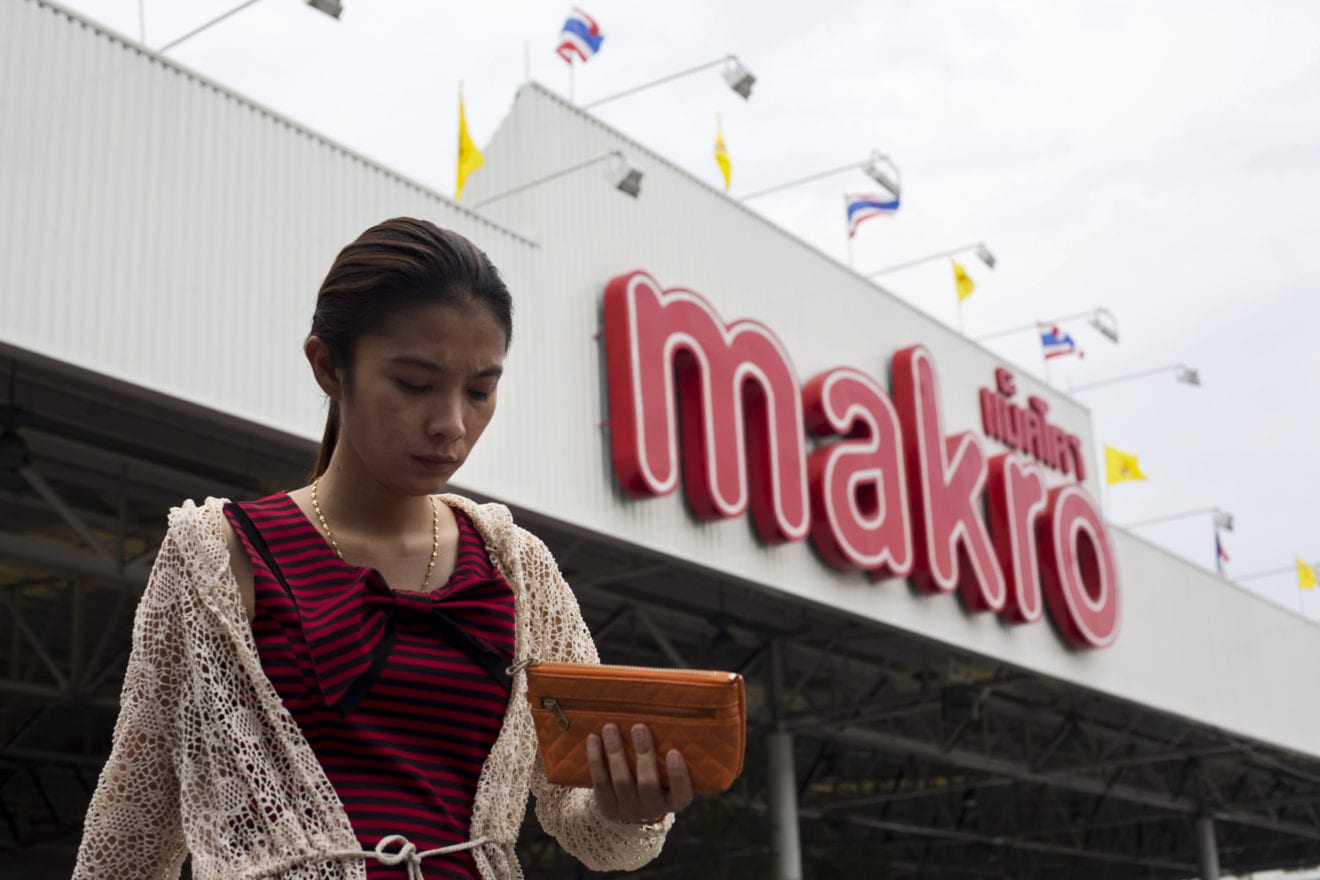
    The Thai cash and carry operator said, in a regulatory filing, it will be buying 80 per cent each in these targeted companies, which are Indoguna (Singapore) Pte Ltd, Indoguna Dubai LLC and two Hong Kong-based firms Lordly Company Limited and Just Meat Company Limited.

    Siam Makro said it would use its own capital and bank loans to facilitate the acquisitions.

    The transactions are expected to “support Siam Food in expanding its business with respect to providing food services solutions to premium food supplies in Singapore, the United Arab Emirates and Hong Kong and in accelerating an expansion of the business to ASEAN countries,” the company stated.

    The targeted firms are engaged in a business related to Siam Food and Siam Makro operation, which is importing, exporting and distributing raw and frozen premium food supplies including Halal products and sausage and salami processing.

    In conjunction with the aim to expand in Asia, Siam Makro has also set up a $2 million joint venture in Cambodia, registered as Makro Cambodia Limited in September 2016, in which it holds 70 per cent equity.

    Siam Makro had said earlier this year that it was looking at the possibility of investing 6 billion baht to open 20 stores domestically during the year, and 3 billion baht to expand elsewhere in Southeast Asia, possibly in Cambodia, Laos and Vietnam.

    The cash and carry chain’s parent company, CP All – controlled by business conglomerate Charoen Pokphand Group, operates the 7Eleven retail outlets in Thailand. CP All is reportedly planning to bring down its major holding of 97 per cent in Siam Makro.


  • Two Thai clans stay on Forbes rich list

    Two Thai clans stay on Forbes rich list

    The Chearavanont and Chirathivat families are among the 50 richest Asia families in 2016 as ranked by Forbes Asia magazine. Families in the top five of this year’s list are in businesses that span technology, livestock, real estate and oil and gas, the magazine reported in its latest issue published yesterday. Leading the list for the second year in a row is South Korea’s Lee family, the founder of Samsung Group, with a combined wealth of US$29.6 billion, up from $26.6 billion last year.

    Thailand’s Chearavanont family, which controls the Charoen Pokphand Group (CP Group), rose to second place with US$27.7 billion in wealth, moving up from fourth place and $19.9 billion last year.

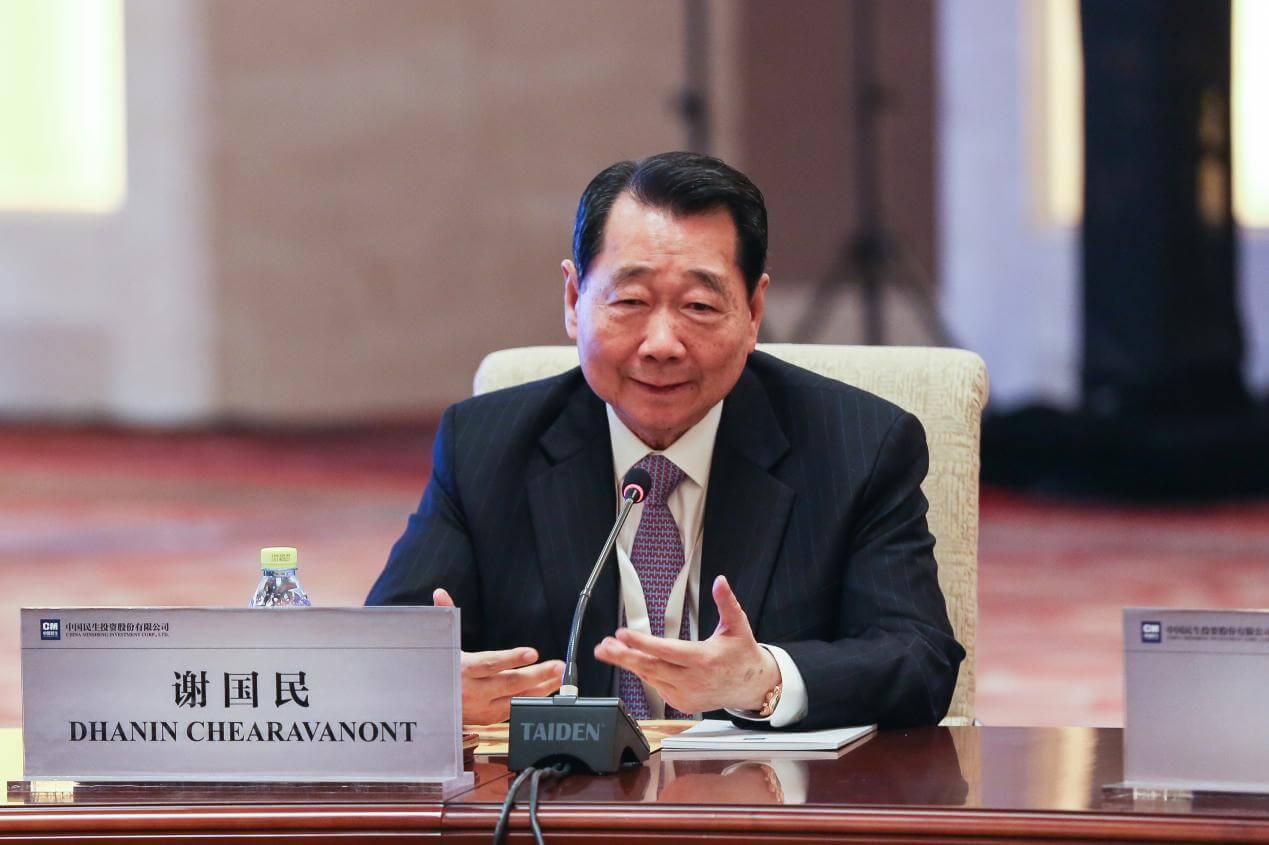
    CP Group led by billionaire Dhanin Chearavanont operates various businesses ranging from poultry, telecom and retail under the 7-Eleven convenience chain in Thailand.

    Third-richest are the Ambanis of India’s Reliance Group with a combined net worth of $25.8 billion, followed by the Kwok family of Hong Kong with $25.2 billion, Asia’s richest real estate family. The Lee family from Hong Kong ranks fifth with $24.7 billion.

    The Chirathivat family, which owns giant retail businesses in Thailand under the Central Group, retains the 14th spot with $13.8 billion. Its combined wealth grew from $11.7 billion last year.

    Headed by chief executive Tos Chirathivat, Central Group just restructured its organisation by recruiting professionals to run the group’s operations, including property, trading, food and online, which have combined sales revenue of about 320 billion baht this year.

    Slipping from this year’s list is the Ratanarak family, a Thai clan that controls Bangkok Broadcasting’s Channel 7 and ranked 45th with $3.5 billion in net worth last year.

    The reports notes that Indian families stood out on the 2016 Forbes list of Asia’s richest families, with 17 of the top 50 families hailing from India.

    Many of these Asian families’ conglomerates have worldwide footprints. Collectively, the top 50 families are worth US$519 billion.

    “Sources of Asian wealth are broadening. You can see that among the rich families here, and even within many of the families — no particular sectors of the economy dominate,” said Tim Ferguson, editor of Forbes Asia.

    The minimum net wealth to qualify for the list was $3.4 billion, up from $2.9 billion a year ago.

  • ITU Telecom World Awards 2016 winners announced

    ITU Telecom World Awards 2016 winners announced

    ITU today announced the winners of its prestigious ITU Telecom World Awards, which recognize excellence and innovation in ICT solutions with social impact. The Awards were announced by ITU Secretary-General Houlin Zhao at a buzzing ceremony in the presence of H.E. Air Chief Marshal Prajin Juntong, Deputy Prime Minister and Acting Minister of Digital Economy and Society, Air Chief Marshal Thares Punsri, Chairman NBTC and ITU elected officials at the close of ITU Telecom World 2016. 

    “It is tremendously exciting to see so many ideas, innovations and so much talent and creativity all in one place,” Zhao said. “I hope that winning our Award and having their innovative solutions recognized by global experts will help these talented innovators grow and scale up their businesses, contributing fresh ideas and vision to our digital economy. I wish them every success.” 

    “We are making education accessible to all children around the world,” said Alex Masika, head of business development at BRCK, the maker of rugged wireless and mobile wifi devices in Kenya and the winner of Telecom World 2016’s Global SME Award. “I am happy that the impact we are making has been recognized.”   

    Winners, who took turns pitching their innovations during the event, were selected by an expert jury. ITU Telecom World Awards were open to all exhibitors and sponsors at ITU Telecom World in Bangkok. The awards were presented in three different categories: 

    • The Global SME Award, recognising the most promising innovative solution from an SME.
    • Thematic Awards – open to SMEs and large corporations — for the most promising innovative solutions with social impact in eEducation, eHealth, eGovernment and disaster prevention/communications.
    • Host Country SME Award for the best solution chosen by Thailand.

     Recognition of Excellence Certificates were presented for the best innovative exhibitor within each National Pavilion.

    The ITU Telecom World 2016 Award winners and finalists are:

    • Global SME Award Winner: BRCK, Kenya, represented by Alex Masika 
    • Global SME Award Finalist: gnúbila (be|ys group), France, represented by David Manset
    • Global SME Award Finalist: ulalaLAB, Korea, represented by Sophia Park       
    • Thematic Award Winner eHealth: Neofect, Korea, represented by Kyuhee Lee
    • Thematic Award Winner eEducation: Academic Bridge, Rwanda, represented by Mariam M. Muganga
    • Thematic Award Winner eGovernment: Nile Center for Technology Research – E15 Project, Sudan, represented by Elwaleed Bashir Ahmed
    • Thematic Award Winner Disaster Recovery/Prevention: MasterCard, USA, represented by Umar Hashmi
    • Host Country Award Winner Finalist: ServisHero Co.,Ltd, Thailand, represented by Khun Noppol Toochinda
    • Host Country Award Winner Finalist: Anywhere 2 go Co.,Ltd.(Claim Di), Thailand      
    • Host Country Award Winner: PRO-toys Co., Ltd., Thailand, represented by Boonchai Wongbawornkiat


    Recognition of Excellence Certificates:

    • Bangabandhu Satellite Launching Project, Bangladesh, represented by H.E. Begum Tarana Halim, Minster for Posts & Telecommunications
    • 3D Factory Co.,Ltd., Korea, represented by Sang Hyun Park
    • Academic Bridge, Rwanda, represented by Mariam M. Muganga
    • BESTCOMP GROUP, Azerbaijan, represented by Najafova
    • Bisa, Ghana, represented by Dennis Addo
    • BRCK, Kenya, represented by Alex Masika
    • Fedironics Intelligent Metering Company, Nigeria, represented by Emmanuel Ifediora Ugochukwu
    • Ministry of Transport, Thailand
    • Protonics, Zimbabwe, represented by Chingore
    • NexTech, Japan, represented by Kento Takahashi
    • Potevio Company Limited, China, Luo Lin
    • Telecommunications Infrastructure Company, Iran, represented by Susan Ayerman 

    The ITU Telecom World Awards will continue to play an integral part at future ITU Telecom events, supporting innovative ICT solutions with social impact. For more information on ITU Telecom World 2016 click here.

    ITU Telecom World heads next to Busan, Republic of Korea, where it will take place from 25-28 September, 2017.

  • ITU Telecom World 2016 highlights importance of collaboration across ICT ecosystem

    ITU Telecom World 2016 highlights importance of collaboration across ICT ecosystem

    ITU Telecom World 2016 wrapped up proceedings today at IMPACT Convention and Exhibition Center, Bangkok, following an action-packed programme of showcasing, debate, networking and Awards. 

    The event, which was formally opened in the presence of H.R.H Princess Maha Chakri Sirindhorn, Kingdom of Thailand and  General Chan-o-cha Prayut, Prime Minister, Kingdom of Thailand included big names, countries and SMEs from around the world and welcomed over 8,800 participants.  

    Among the high-level guests in attendance were: H.R.H. Tapouto’a Ulukalala, the Crown Prince of Tonga; Xavier Bettel, Prime Minister of Luxemburg; Charlot Salwai Tabimasmas, Prime Minister of Vanuatu; Debretsion Gebremichael Deputy Prime Minister of Ethiopia; and Mukhisa Kituyi, Secretary General of UNCTAD.  

    Some 250 Exhibitors, including 107 exhibiting tech-SMEs and 60 partners and sponsors took part in the event. Over 330 leaders from 90 countries joined the debates, including top-level representatives from Hungary and the Republic of Korea – past and future ITU Telecom World host countries. 

    “From its high-level Forum debates to the activities on the show floor, ITU Telecom World has successfully moved towards becoming the truly inclusive international platform connecting tech-SMEs with global governments and industry leaders,” said ITU Secretary-General, Houlin Zhao. “The dialogues, showcases, networking and other activities I have joined this week have given all our community and stakeholders – be they senior government officials, international organizations, leading corporate players or SMEs – the chance to examine issues vital to accelerating ICT innovation, and explore the many ways in which ICTs can help meet the SDGs.” 

    “Thailand is pleased to be the host of the very successful ITU Telecom World 2016,” said Air Chief Marshal Prajin Juntong, Deputy Prime Minister and Acting Minister of Digital Economy and Society. “I have received positive feedback from Thai participants that the event has been extremely useful in showcasing Thailand’s thriving digital economy and society and, importantly, demonstrating innovations and entrepreneurship which are key drivers for national development today. The event and speakers have provided many lessons and case studies on how the government’s forward looking and inclusive digital economy policies are being turned into action by the private sector including SMEs and start-ups.” 

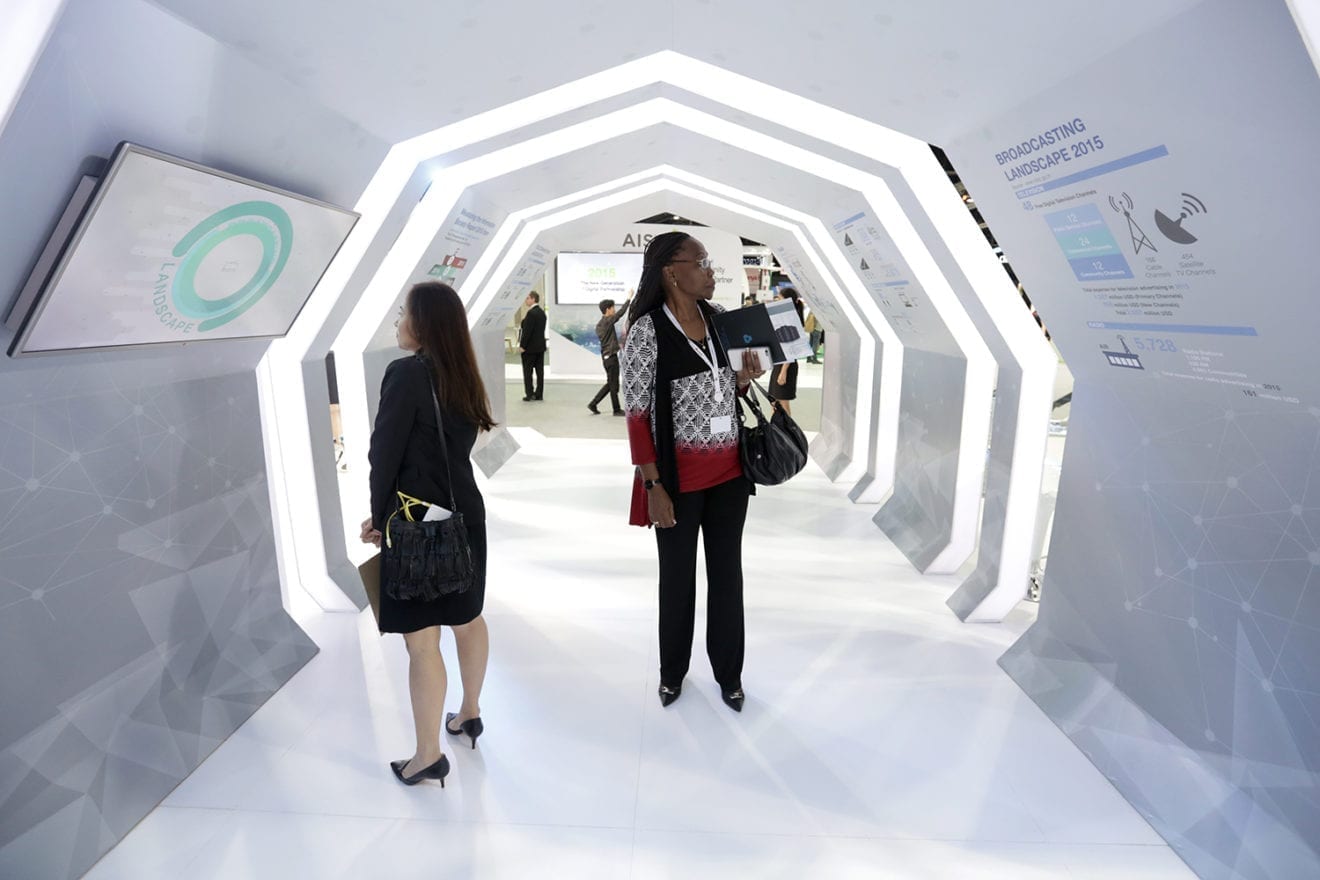
    The Exhibition featured the types of technology driving our digital economy, from 5G and cloud computing to smart devices, smart city solutions and national broadband plans, as well as investment and partnership opportunities from around the world. 

    Reflecting the significance of ICT across key verticals, ITU welcomed new vertical sectors to the event, such as MasterCard, Honda or Toyota, joining debates in sessions such as the Connected Car or Cashless Future. 

    Leadership Summit & Forum debates 

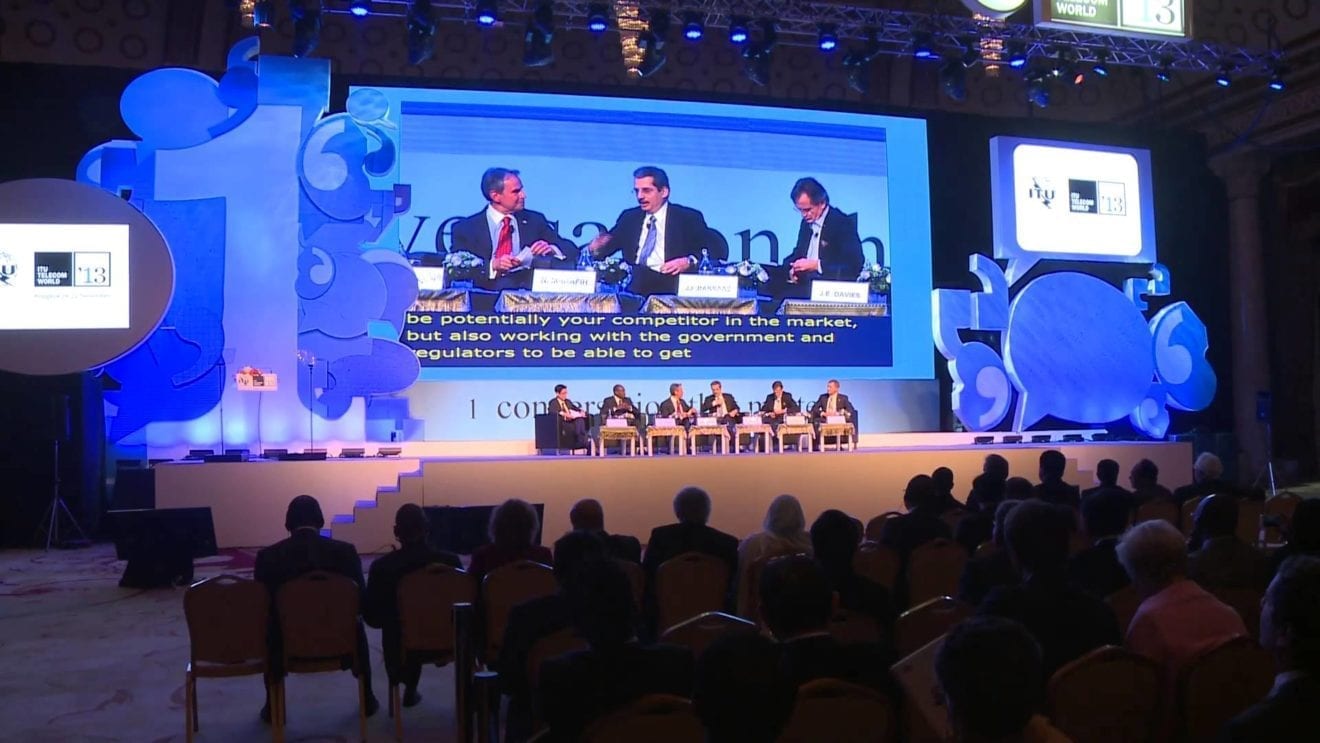
    162 speakers from 55 countries took part in plenaries, panel debates, workshops, high-level roundtables and networking sessions in the Forum and at the Leadership Summit. Speakers spanned heads of state and governments from across the globe, leaders from the ICT industry and key verticals, SMEs, entrepreneurs and innovators to international organizations and academia. They provided truly global perspectives and viewpoints from developed and developing countries alike. 

    Discussions launched with the Leadership Summit, on 14 November, which brought highly influential participants together to share views and explore why working together is so important for growing the digital economy. Forum sessions delved into an exciting set of topics such as AI, how ICTs can meet the UN’s Sustainable development goals (SDGs), the connected car, digital financial inclusion and fiscal incentives and taxation in the industry. 

    Other debate highlights included the B2G and B2B dialogues, which brought together tech-SMEs and large companies for an open exchange; the Ministerial Roundtable on the crucial role of governments in advancing digital economy; Economic and Industry Roundtable, bringing together global ICT consulting firms, R&D entities, regional and international organizations; and the Asia Pacific Exchange on Broadband Regulation and Policy (co-hosted with Huawei).  

    The event showcased sponsored sessions on topics spanning 5G, reaching the next billion, digital financial services, towards a digital Nigeria and enabling third network services for the digital economy. Key players included Huawei, KT, Japan’s MIAC, GTI, China Mobile and TDIA, Intel, MasterCard, GSMA/GSA, Nigeria and MEF.  

    Panel lunches hosted by the Smart Africa Alliance and CITRA, helped facilitate networking and discussion, along with high profile networking occasions, such as the Leaders Lunch, sponsored by Huawei, or Korea night sponsored by ITU Telecom World 2017 host, Republic of Korea’s MSIP. Networking breaks sponsored by Rohde & Schwarz and URCA of the Bahamas helped ensure conversation continued between Forum sessions. 

    Global Platform 

    As the international platform connecting ICT SMEs with corporations and governments, it was no surprise that high-level participants used the opportunities and influential audience that the event offered to conclude many important agreements between business and business (B2B), business and governments (B2G) and business and governments to UN, as well as launching new reports.  

    ITU Telecom World Award 

    The Event Closing and ITU Telecom World Awards Ceremony brought ITU Telecom World 2016 to a close on the final day of the event and also saw the much-awaited announcement of the winners of the ITU Telecom World Awards. During the week of the event, finalists pitched their ideas and innovations to judges and a global audience. In keeping with ITU Telecom World’s focus on SMEs and their role within the broader ICT ecosystem, these Awards recognized excellence and innovation in ICT solutions with social impact from SMEs and corporations alike. The winning entries included: 

    • Global SME Award: BRK, Kenya
    • Host Country SME Award: ServisHero, Kingdom of Thailand
    • Thematic Award (eGovernment): Nile Center for Technology Research (NCTR)
    • Thematic Award (eHealth): Neofect, Republic of Korea
    • Thematic Award (eEducation): Academic Bridge, Rwanda
    • Thematic Award (Disaster Prevention/Recovery Communications): MasterCard, United States 
    • ITU co-hosted events  
    • The event also welcomed perspectives from across ITU and its membership and partners, who used the international platform which the event provides in order to hold a series of important co-hosted events. A series of closed meetings took place a day before the official opening. These were the advisory boards meetings of the Smart Sustainable Development Model Initiative (SSDM) and m-Powering Development Initiative, 7th Private Sector Chief Regulatory Officers (CRO) meeting, 8th Chief Technology Officers (CTO) Meeting.  
    • For the first time this year, the event proposed an extensive program engaging with academia in the global debate. Activities included the ITU Secretary General Academia Consultation, 2nd Brainstorming Meeting of Impact Study on ICT4SDGs, ITU Kaleidoscope Academic Conference 2016, World Standards Cooperation Academic Roundtable, organized in cooperation with International Organization for Standardization (ISO) and the International Electrotechnical Commission (IEC).  
    • Important side-events working on technical standards included the 4th APT and ITU Conformance and Interoperability (C&I) event – IPTV Testing, Third ITU Test Event on Compatibility of Mobile Phones and Vehicle Hands-Free Terminals, and showcasing of the implementation of recommendation ITU-T X.1255 promoting interoperability of heterogeneous systems via digital labelling. A strong gender equality agenda focused events, such as EQUALS: the Inaugural Meeting of the Global Partnership for Gender Equality in the Digital Age, Mentorship Sessions: Promoting Women’s Digital Entrepreneurship, and the Gender Equality and Mainstreaming in Technology (GEM-TECH) Awards, a joint ITU/UN Women prize recognizing outstanding efforts in using the power of information and communication technology (ICT) to empower women and girls was conferred during a prestigious ceremony at Telecom World. 

    Event Baton passes to Republic of Korea 

    For 2017, ITU Telecom World will head to Busan, Republic of Korea, focussing on the creative digital economy and fostering SME growth. Telecom World 2017 will take place from 25-28 September. ITU warmly invites Member States, regulators, and heads of international organizations, global media, digital experts and visionaries, leading ICT corporations and cutting-edge tech-SMEs from the region and across the globe to save the date and prepare to join us at the event. 

    Key Telecom World 2016 Statistics

    • Over 8,800 Participants
    • 250 exhibitors, including 107 exhibiting SMEs, 60 partners and sponsors from 37 countries
    • 162 speakers from 55 countries in the Leadership Summit and Forum
    • 338 Leaders from 95 countries, split between public and private sectors
    • 7 Agreements/Contracts signed during the period of ITU Telecom World 2016 between Governments, Regulatory Bodies and Private Entities.
    • 235 accredited media attended from 17 countries
  • Central Group Vietnam plans $30m investment

    Central Group Vietnam plans $30m investment

    Thailand’s Central Group plans a $30 million investment for its Vietnam expansion in the next five years.

    Central Group Vietnam will double the number of supermarkets as well as develop 13 commercial complexes by 2021.

    The Thai-based retailer has been expanding rapidly in Vietnam since 2013 targeting middle class customers.

    Since then, the group has acquired several operations to gain a strong foothold there.

    Last year, it acquired 49 per cent of electronics retail chain Nguyen Kim, followed by fashion eCommerce marketplace Zalora Vietnam.

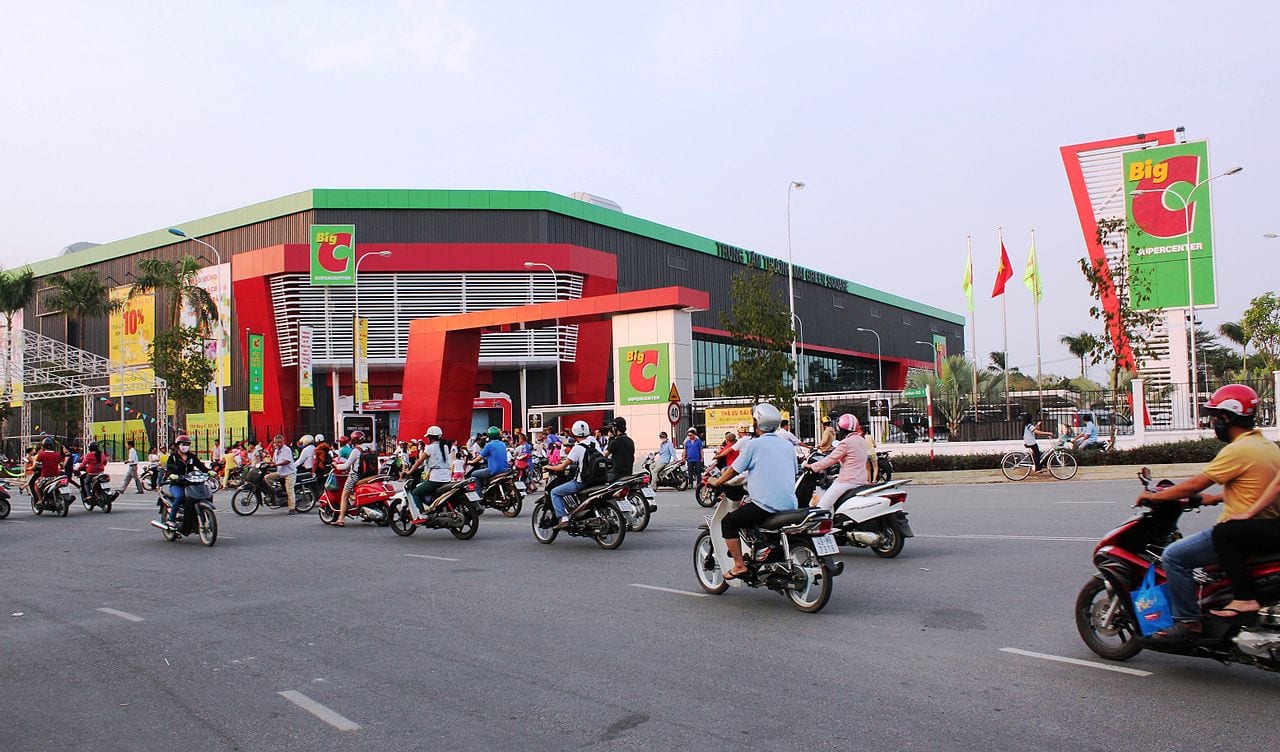
    This April, Central bought out Big C Vietnam from the French group Casino in a deal worth $1.14 billion. The retail chain has 33 supermarkets nationwide which serves more than 50 million customers annually.

    With the population of more than 90 million, Vietnam has the world’s second-fastest growth per person since 1990, behind only China. In terms of retail growth, the country ranks in the top five in Asia and 11th globally.

  • ‘Forever in Thai Hearts,’ an exhibition hosted by Thailand’s Ministry of Culture

    ‘Forever in Thai Hearts,’ an exhibition hosted by Thailand’s Ministry of Culture

    Thailand’s Ministry of Culture, assigned by the government, joins hand with Siam Paragon to host ‘Forever in Thai Hearts,’ a photo exhibition portraying historical moments of Thai nation to mark the Royal Funeral of His Majesty King Bhumibol Adulyadej. Locals and visitors are invited to join a vowing campaign by recording their pledges to carry on his legacy and royal teaching. All images and video clips are to be included in ‘The People’s Archives’ memorial book. This exhibition runs from 19-30 November 2016 at Lifestyle Hall, 2nd Floor, Siam Paragon.

    On this occasion, General Thanasak Pratimaprakorn, Deputy Prime Minister, presided over the opening ceremony on 19 November 2016. Joining the opening ceremony were Vira Rojpojchanarat, Minister of Culture, Chadatip Chutrakul, Executive of Siam Paragon, Thanpuying Angkarb Boonyatthiti, Khunying Charmaree Snidvongs Na Ayudhya and M.L. Kwanthip Devakul. As the highlight of the opening ceremony, the song ‘Kao Dern Tor Pai ’ or ‘Moving Ahead’ composed by Dolchai Boonyaratavej with the melody written by Pongpoon Pibulkasetkij was performed by Chitralada School Choir to encourage everyone in moving forward with conscience and hope.

    General Thanasak Pratimaprakorn, Deputy Prime Minister, pointed out that “In making a memorial book titled ‘The People’s Archives’ and a documentary ‘Forever in Thai Hearts,’ the government has assigned Ministry of Culture to collect images and video clips contributed by public sectors, various organizations and medias. Aiming to preserve and publish Thailand’s historical moments related to the passing of the late monarch, highly revered by all Thais, we have received great feedback from people across the country. Over 30,000 images and video clips including images reflecting the sense of deepest respect and appreciation to His Majesty the Late King Bhumibol Adulyadej, images of mourners from near and far traveling to pay their respects before the royal remains as well as messages of condolences and heartfelt gratitude were shared via our provided platforms. Hence, we have also chosen images uploaded to Facebook , Line application and email to be exhibited at ‘Forever in Thai Hearts’ exhibition at The Bangkok National Museum since 28 October 2016.

    “To offer wider opportunities for both Thais and foreigners in expressing their boundless gratitude to the late monarch and witnessing these historical moments, Ministry of Culture together with Siam Paragon has organized ‘Forever in Thai Hearts’ exhibition at Lifestyle Hall, Siam Paragon. On this occasion, 100 unseen images are specially curated to be on display.

    Joining the Ministry of Culture, Mayuree Chaipromprasith, executive of Siam Paragon, added, “The passing of our revered King Bhumibol Adulyadej is the greatest loss and despair in the lives of all Thais nationwide. As his royal subjects, we would like to express our deep-felt gratitude and humble loyalty by organising ‘Forever in Thai Hearts’ photo exhibition. This exhibition narrates the story of a deep mutual bond between the longest serving monarch and his people through images and films portraying his lifelong works and devotion. We also would like to invite everyone to join a vowing campaign by recording the ‘do-good-deeds, follow-the-King’s-teaching’ videos, all of which are to be included in ‘The People’s Archives’ memorial book. In this exhibition, each participant will receive a portrait of His Majesty the Late King Bhumibol Adulyadej.”

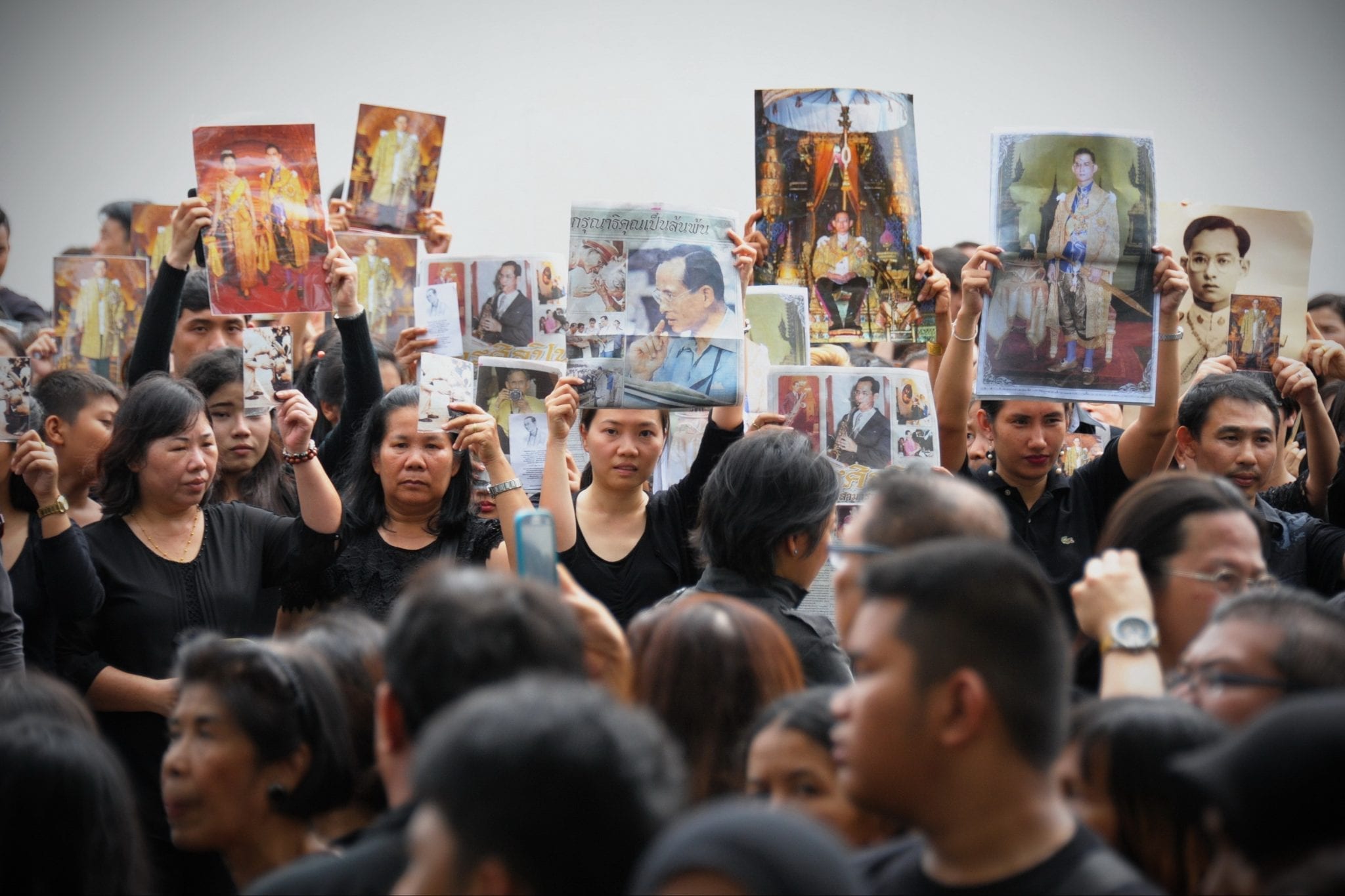
    Nopakun Kunsujarid, the President of Bangkok Photographic Society, one of photographers whose image was included in the exhibition said, “I took this picture on 22 October 2016 when massive mourners filled Sanam Luang to capacity in order to join the historic mass singing event being filmed by MC Chatrichalerm Yukol. That heartfelt tribute to the Late King on that day was another momentous day in our history that Thai people across the nation united as one. From this picture, many mourners are seen holding both new and old portraits of His Majesty the Late King Bhumibol Adulyadej. People were smiling and being helpful to each other. The passing of our revered king united everyone together again. As a photographer, I intended to communicate these emotions as best as I could.

    Adul Tanthakosai, whose image was also on display stated, “This picture was taken on 14 November at the festival of the Illuminated Boat Procession known as the sacred ‘Lai Reua Fai’ festival in Nakon Panom Province. I was impressed by the unity of locals. Not only had they come to participate in the festival, but also to express their profound appreciation to His Majesty the Late King Bhumibol Adulyadej through lighted candles and the formation of Thai number ‘9’. Many people cannot travel to pay their final respect at the Grand Palace in Bangkok, so they took this chance to do their part in this festival as a token of humble loyalty.”

    Tanakrit Kalaseranee, also added, “I wished to take pictures that demonstrate deepest emotion of mourners coming to pay their final respects to the royal remains as well as pictures of those working as volunteers, so I chose to capture moments from a prime spot inside the walls of Royal Palace where the majestic Chakri Maha Prasat Throne Hall stood tall as a background. This image was taken on 15 November 2016 and it truly conveys my true feeling. The image of students assisting elderly people on their wheelchairs portrays the value of togetherness, sincere gratitude and unconditional love we all share.

    Please be invited to witness and be part of ‘The People’s Archives’ in remembrance of His Majesty the Late King Bhumibol Adulyadej by joining the ‘Forever in Thai Hearts’ exhibition taking place on 19-30 November 2016 at Lifestyle Hall, 2nd Floor, Siam Paragon.

  • Thai farmers receive government loans to stabilize market prices

    Thai farmers receive government loans to stabilize market prices

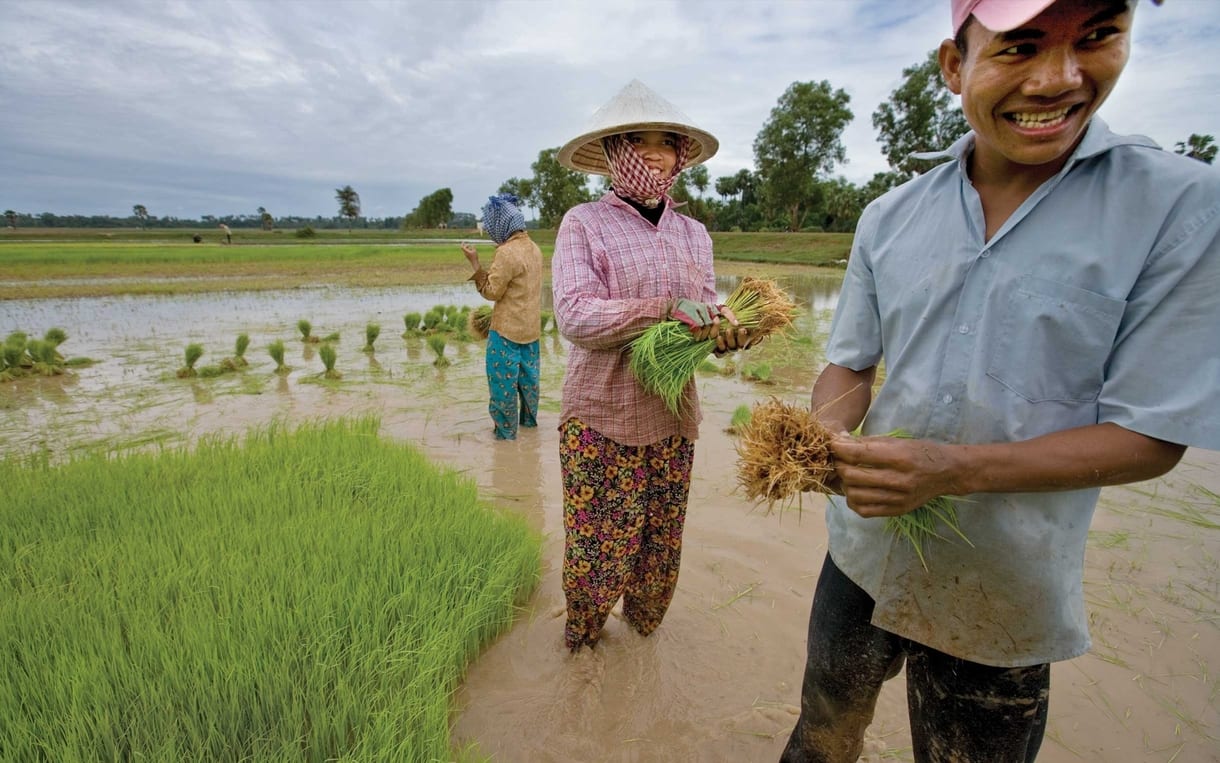
    Thailand is the world’s second largest rice exporter, and it is confronted by a fall in prices that has mostly affected the rice farmers, with prices hitting a thirteen months low. Now the Thai Government has taken action and has proposed a set of measures with would help alleviate the pressure from the country’s rice farmers.

    According to Thailand’s Minister of Commerce Apiradee Tantraporn, rice farmers will receive 10,500 baht, or 299 US dollars, for every tonne of white paddy stored. The measure is aimed at all Thai farmers, with those who store Thai Pathum Thani fragrant rice to receive 11,300 baht, that is 322 US dollars, per tonne.

    “The overall budget is set at 18 billion baht ($514 million). This is to help relieve grievances farmers are facing while the main crop is being harvested,” Mrs. Apiradee Tantraporn told journalists.

    Last week, the government announced it would offer loans worth 1,3 billion US dollars to jasmine rice farmers, if they store the grain for at least six months to slow down market supply.

    Another measure the government has taken is easier access to open rice paddy markets. Mrs. Tantraporn said this is in order to boost competition among rice farmers and for their benefit, in the middle of this period’s price depression. According to state officials, in the province of Udon Thani’s retail centres and PTT gas stations, markets will be opened in the next weeks. Here the farmers will be allowed to sell their rice and negotiate the prices directly with the buyers, circumventing the need for intermediaries.

    Action is also taken in Lopburi and Sukhothai, where the government and other agencies have joined forces in order to promote and allow farmers to sell their rice directly. In Sukhothai, milled rice was on sale at up to 40% discount prices, while in Lopburi, the Si Sa Ket police was put together a market for farmers to sell the rice to their families and police staff.

    In total, there will be no less than  109 open markets organised in 44 provinces, all with the sole purpose to to help farmers sell rice paddy directly to consumers.

  • Thailand takes a long-term gamble on Isaan region

    Thailand takes a long-term gamble on Isaan region

    If all goes according to plan, Thai Prime Minister Prayuth Chan-ocha will make a media splash next year with the launch of a 60 kilometer stretch of dual-track train line between Nakhon Ratchasima and Khon Kaen provinces in northeast Thailand.

    Work on the short spur — part of a larger project to upgrade the region’s freight transport to Thailand’s main deep sea port — is being speeded up to be completed before the next election. But whether the planned publicity stunt will win Prayuth’s coup-installed government popularity in the country’s poor northeast region remains to be seen.

    Prayuth’s government is banking on heavy investments in infrastructure to both stimulate growth during the current economic doldrums and strengthen Thailand’s competitiveness in the future. While most economists concur that the expenditure on infrastructure is long overdue, some say a lot more could be done to help the country’s rural poor in the short term. And most of Thailand’s rural poor live in the country’s northeastern region, known locally as Isaan.

    Isaan was the only region to reject the draft of a military-guided constitution in the Aug. 7 referendum, with 51.4% of the people voting against it compared with a nationwide 61.40% endorsement. Isaan, accounting for one third of Thailand’s 67 million population but only 10% of its gross domestic product, is also the power base of the Pheu Thai Party, whose de facto leader is Thaksin Shinawatra, the populist politician and the present regime’s number one enemy. Prayuth and his officers originally came to power after a May 2014 coup, toppling Thaksin’s sister, former Premier Yingluck Shinawatra.

    Prayuth, using his sweeping powers under an interim constitution, has fast-tracked at least 20 megaprojects that will cost the country an estimated 2 trillion baht ($57 billion) over the next six years. Of that amount about 10% will be spent in Isaan — primarily on a new motorway linking Bangkok to Nakhon Ratchasima, Isaan’s largest city, and an expanded dual-track train link connecting Khon Kaen, Isaan’s second largest city, to Nakhon Ratchasima and on to the port of Laem Chabang on the eastern seaboard southeast of Bangkok. A single track already exists, but is too congested to serve as an efficient freight link for the Isaan region to transport its main crops to markets abroad. A third megaproject, a so-called Sino-Thai high speed train between Bangkok and Nakhon Ratchasima, has yet to receive cabinet approval.

    “The fact that the government is seriously interested in infrastructure is something, anyway, because if you trace the history we haven’t been investing enough in infrastructure here,” said Somchai Lertlarpwasin, director of the Bank of Thailand’s North Eastern Regional Office. “If the government puts 200 billion baht in the region over six years, it’s over 2% of the gross regional product in the northeast, so it means that you’ve lifted up GRP by 2% already, not even accounting for the crowd-in effects.”

    Retail boom

    There have been some “crowd-in” effects already. Nakhon Ratchasima, also called Korat, is fast becoming a shopping paradise for people in the region and from farther afield in neighboring Cambodia and Laos. All three of Thailand’s largest Bangkok-based department store chains have invested in massive outlets in the city, which will boast 1 million sq. meters of retail space by late next year.


    The Mall has had an outlet in the city since 1996, and recently invested 100 million baht to build an extension that includes a “Snow Zone,” treating Issan customers to a winter wonderland of ice skating, sledding and snowball-throwing. The Mall’s expansion was driven by increased competition, the advent of the ASEAN Economic Community earlier this year and the government’s approval of the new motorway to the capital which will halve travel time to Korat to around 2.15 hours.

    “Korat’s prospects are bright. If the government had not committed to investing in infrastructure it might have been harder to persuade the board to invest in the expansion,” said Preecha Limoua, general manager of The Mall’s Nakhon Ratchasima Branch. The department store’s Snow and Ice Planet is proving a new tourist attraction for the city. “Cambodian families are already coming here to see the snow. It is the only snow in Isaan.”

    Terminal 21, owned by Siam Retail Development, will open a 250,000 sq. meter outlet in December, boasting the city’s first observation tower on the outside and a replica of the Eiffel Tower on the inside. Central Group plans to open a Central Grand Plaza outlet with 320,000 sq. meters of retail space in September 2017. The Mall Korat, with its snow zone extension launched in October, now occupies 360,000 sq. meters. There is also a Makro, eight Tesco-Lotus convenience stores and several Big C locations, while Sweden’s Ikea and Japan’s Aeon are both reportedly looking for locations in the city.

    Klang Plaza, a local department store chain that opened its first outlet in Korat 50 years ago, has three outlets already and is investing in a fourth near the city’s railway station. The local chain, which operates under the motto “The Korat Department Store,” is not afraid of the upmarket competition from Bangkok, given its strategy of concentrating on supermarkets and stationery supplies and keeping its outlets within walking distance from Korat’s city communities. “Korat can handle 10 department stores,” said Pairat Manasilp, vice president of Klang Plaza Company.

    Korat grows, Issan flounders

    Korat province has a population of 2.7 million people, and a GDP of about 250 billion baht, the highest in Isaan. Only 250 kilometers northeast of Bangkok, Korat is an obvious gateway to the northeast and a logistical hub. It is already an industrial hub. U.S.-based Seagate Technology Company has a huge HRD disk drive factory in Korat, employing more than 12,000 people. The province is best known, however, as a hub for food processing using Isaan’s main commercial crops — rice, tapioca and sugar. Isaan accounts for half of Thailand’s exports of the three crops, which employ more than 700,000 Isaan families.

    In the long run, the dual track rail line running from Khon Kaen to Laem Chambang will provide a vital and cheaper transport link for these commodities that could make them more price competitive abroad.

    “The problem with Thailand is transportation costs. We don’t have efficient transport like trains,” said Hassadin Suwattanapongchet, president of the Nakhon Ratchasima Chamber of Commerce. Rail currently accounts for only 2% of Thailand’s goods transport, although freight is about half the cost of road transport per ton and is less polluting.

    Work has commenced on the dual track line, but it will take four to five years before the connection to Laem Chabang port is completed. “That’s a long time. People cannot imagine what it will be like in five years, so if the government can last for five years some people will be grateful,” Hassadin said. Villagers to be displaced by the new motorway have long opposed the project, but their opposition has been silenced by Prayuth’s edict.

    While Korat’s prospects look bright, the rest of Isaan is still suffering. Since last year, the region’s farmers have been hit by a triple whammy of declining demand for their commodities in China, low commodity prices worldwide and drought.

    All commodity prices except sugar are down, while sugar cane has also suffered in the aftermath of the 2015-16 drought. The price of tapioca, which is exported mainly to China, has dropped from 2.30 baht per kilogram last year to 1.40 baht now. Other than short-term measures, such as paying cash to farmers to compensate for low prices, the government has seemed stumped by the challenges facing regional agriculture. For instance, the Federation of Thai Tapioca Growers has been urging the government to strengthen efforts to promote of the use of tapioca in ethanol fuel and plastics, but so far, the official response has been slow.

    The region’s rice, tapioca and sugar cane farmers were the target of populist measures under the previous two elected governments designed to boost their incomes. A controversial rice pledging scheme under Yingluck’s government, promising to buy rice at 40% above market prices, was particularly popular but crashed down in scandals over corruption allegations. It seems unlikely that Prayuth’s transport projects, due for completion years from now, will win him similar kudos. The former Army Commander-in-Chief has made it clear he would be willing to become prime minister after the next election, albeit as an appointed one.

    “The government can invest in the motorway, or a high-speed train, or whatever, but the fact remains that most of the people here are farmers and the price of their crops — rice, tapioca and sugar — are low, so the people will have no money to drive cars on the motorway, or ride the high speed train, or shop in department stores,” said Pornchai Amnuaysap, senior adviser to the tapioca growers’ federation. “They will just stay at home and try to survive.”

  • Vinamilk enters Thai market

    Vinamilk enters Thai market

    The Vietnam Dairy Products Joint Stock Company (Vinamilk), Vietnam’s largest milk producer, has selected Top Most Enterprise (TME) – a Thai company – to distribute Vinamilk products in Thailand, a dairy product market worth about $1.7 billion/year.

    Siwat Thamaranothai, TME’s managing director, told the Bangkok Post that he suggested TME serve as the Thai distributor after enjoying Vinamilk yoghurt during a trip to Vietnam.

    The company launched Vinamilk yoghurt in the Thai market at selected modern retail chains such as Lawson convenience stores and The Mall and Foodland supermarkets three months ago.

    This product is priced at 17-19 baht, higher than other brands. TME expects to cover all distribution channels in the second quarter of next year.

    Most Enterprise also plans to launch Vinamilk UHT milk.

    Vinamilk was the only dairy company in Vietnam to make the list of the Top 300 most dynamic companies in Asia, as recently voted upon by the Nikkei Asian Review.

    Its products are now sold in nearly 200 stores in 45 provinces in Vietnam and in more than 43 countries, such as Cambodia, Thailand, South Korea, Japan, China, Turkey, Russia, Canada, and the US.

    The company has also bought a 22.8 per cent stake in Miraka from New Zealand, 70 per cent in Driftwood in the US, and 51 per cent in Angkor Milk in Cambodia, as well as a subsidiary in Poland as a gateway to Europe.

    It plans to build a new milk powder plant in Vietnam next year and will expand production at its New Zealand plant, which is operating at full capacity.

  • SSP wins contract to operate eight F&B concessions at Phuket International Airport

    SSP wins contract to operate eight F&B concessions at Phuket International Airport

    SSP Group, a leading operator of food and beverage outlets in travel locations worldwide, has consolidated its position in the Thai market with a number of new contract wins.

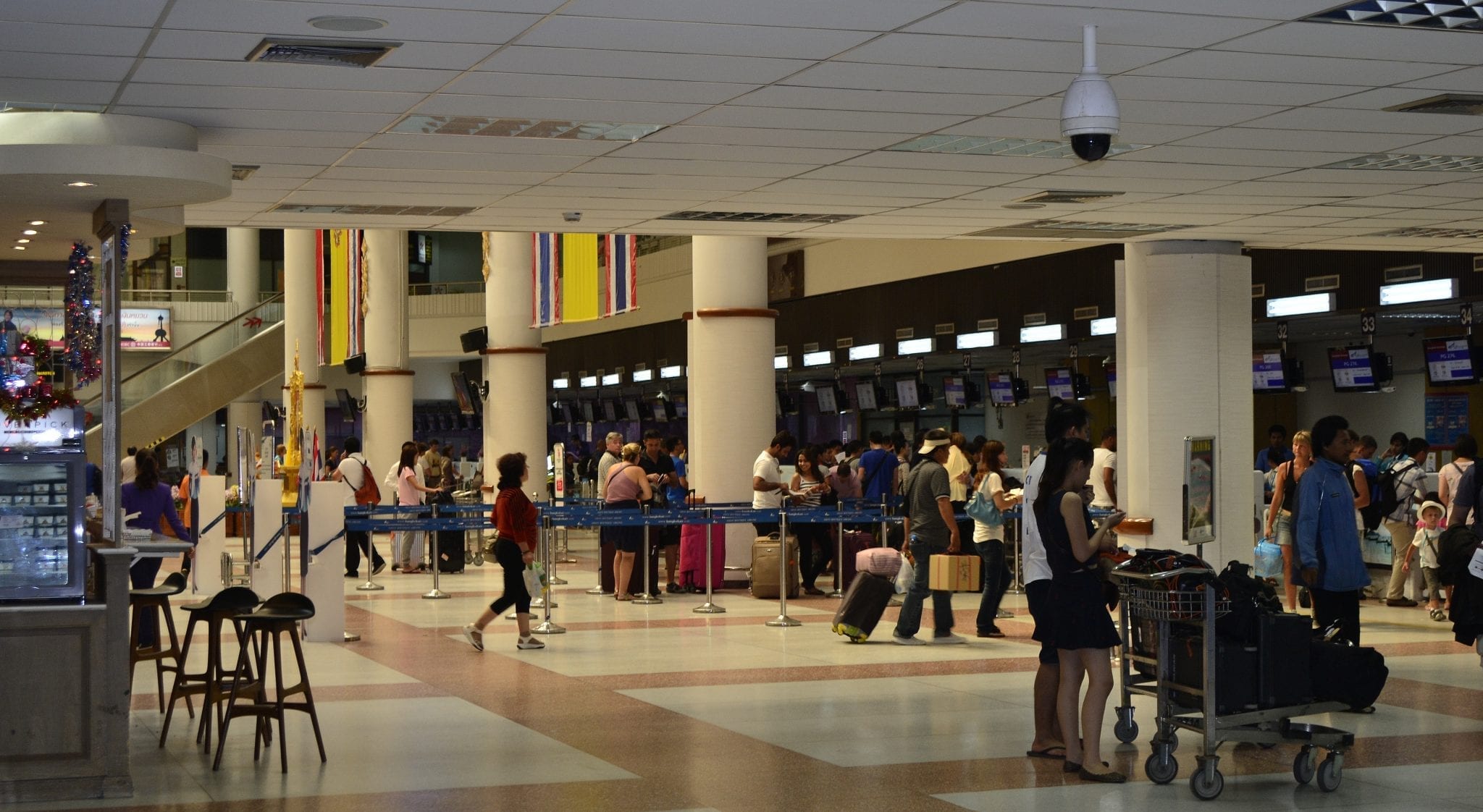
    At Phuket International Airport, SSP has been awarded a four-year contract to operate eight concepts in the new international Terminal 2. Valued at approximately 1.5 billion THB (£33 million*) the new deal will make SSP the leading concessionaire at the airport.

    Landside, SSP will run all food and beverage operations on the mezzanine floor. Its offer will include Burger King, Bill Bentleyn Pub, Ajisen Ramen, Thai Express, Airport Kopitiam, Dairy Queen and The Coffee Club. Airside, passengers will be able to choose from Burger King and Bill Bentley Pub.

    Commenting on the win, Chris Rayner, CEO SSP Asia Pacific said; “We have been running food and beverage concessions in Thai airports, where we are the clear market leader, since 1995 in cooperation with our Thai partner Minor Food Group. SSP Thailand’s strong track record in delivering great brands, great customer service and great sales all contributed to us being awarded the contracts in Phuket, and we are delighted to be building on our success in this strategically important region.”

    Separately, at Suvarnabhumi Airport, SSP has extended all its existing contracts by four years. It has also extended its contracts at Chiang Mai International Airport by two years until July 2018.

    Phuket brand line-up:

    Thai Express is the world’s largest chain of modern Thai restaurants. Serving traditional Thai cuisine in a relaxed and yet contemporary environment, today the brand can be found at over 30 locations from China and Malaysia to Vietnam and Singapore.

    Japanese brand Ajisen Ramen is the country’s leading ramen restaurant and can now be found across the Asian continent. It serves a range of Asian dishes in a format that is simple, tasty and healthy as well as convenient.

    Founded in 1954, the Burger King brand is the second largest fast food hamburger chain in the world. The original home of the Whopper, the Burger King system operates more than 14,000 locations in approximately 100 countries and U.S. territories.

    Bill Bentley Pub is a classic English pub, styled to create the warm welcome of the traditional local.

    Airport Kopitiam, is a bespoke SSP concept which draws inspiration from the ever popular café culture of Malaysia. Its menu features simple meals, including kaya toast and white coffees.

    Founded in the 1940s in Illinois, USA Dairy Queen is famous for its dessert treats and much more. Today it is hugely popular across Asia.

    The Coffee Club, which originated in Australia, is a growing coffee chain in Asia Pacific with over 400 stores across nine countries including Thailand.

  • Packaged food in Thailand – impulse and health to drive premium segments

    Packaged food in Thailand – impulse and health to drive premium segments

    After a period in the economic doldrums, Thailand looks set to be a potential opportunity for domestic and international food manufacturers marketing premium wares. Poorna Rodrigo surveys what is driving demand for premium products in south-east Asia’s second-largest economy.

    A string of political crises may have weakened consumer spending in recent years but Thailand’s economic growth accelerated in 2015 and the country’s GDP in the first half of 2016 was faster still, suggesting south-east Asia’s second-largest economy could again present a lucrative opportunity for premium packaged food markets.

    And there is optimism among industry watchers about demand for packaged premium brands despite the possibility the wave of bomb blasts this summer could affect tourism, which is a driver in the trend of premiumisation and some concerns over the levels of household debts in Thailand.

    The appetite for packaged premium brands remains strong and is expected to grow – and trends including impulse and health are expected to be key to the development of the more premium parts of the market.

    Overall, packaged food sales (retail and foodservice including premium) soared from US$8.06bn in 2011 to US$11.07bn in 2015, according to data from UK-based market researcher Euromonitor International, with sales projected to continue to grow through 2020, albeit at a slower pace.

    The rate of growth in the sales of more upmarket products is predicted to rise, according to Yongyut Ongwattanapat, a Bangkok-based senior manager at US market research company Nielsen. “Premium food grew at four per cent, while the non-premium category grew around six per cent in 2014. Premium food sales are expected to grow around six to seven per cent within the next two years,” Ongwattanapat says.

    Reflecting the growth in the size of Thailand’s middle-class, the increase in premium goods sales is shaping Thailand’s fast moving consumer goods industry, Ongwattanapat explains. One common theme persuading consumers to pay more for premium foods is the ability of brands to “convey functional benefits” Ongwattanapat says. For example, products claiming to have lower or less sugar, high in fibre and protein, organic, and 100% juice content are becoming more appealing to Thai consumers.

    A spokesperson from Euromonitor says the urban lifestyle of many modern Thai consumers is encouraging them to spend more, despite higher living costs and debts. For example, World Bank data says out of 67.9m people overall, nearly 10m live in the capital Bangkok. New product launches are well received, as “adventurous tastes drive consumer willingness to spend on new experiences,” the spokesperson says. “Impulse and indulgent packaged food products” have been instrumental in boosting retail value sales growth, the spokesperson adds.

    Fonterra, the New Zealand dairy giant, has a growing business in Thailand, with its foodservice-oriented business, Anchor Food Professionals, central to its strategy for growth in the category. Anchor Food Professionals supplies a range of dairy products to foodservice and convenience store outlets in Thailand. That part of Fonterra’s operations in Thailand “has seen double-digit growth in the past few years”, Paul Richards, managing director of Fonterra’s branded business in the country, says. Richards points to one category benefiting from growing demand for convenience. “There’s huge potential in the premium segment of the bakery category where more Thai consumers with higher incomes demand greater variety and western-influenced options,” Richards says.

    Looking at other factors industry watchers see as driving demand for premium food, data from UK-based market intelligence firm Mintel suggests wealthier consumers are becoming more interested in ethical food. According to Mintel’s 2016 Asia and Pacific (APAC) consumer lifestyle study, this year 31% of urban Thai consumers prefer products that carry an environmental certification from a credible government or non-profit organisation, Jane Barnett, the firm’s head of insights for South Asia-Pacific  says. This means having a “stamp of approval” from a known organisation works well with consumers, Barnett says, adding this cohort of consumers is willing to pay more.

    She continues: “Forty per cent of metro Thai consumers are willing to pay a premium for products that are safe to use, such as products that have no additives and 27% would pay a premium for products that are natural for example organic or uses pure, naturally-sourced ingredients.”

    A growing fondness for healthier food is also opening doors for foreign investors: 66% of metro Thai consumers hope to achieve eating a healthier diet in 2016, according to Mintel data. Barnett believes “more opportunities for imported health foods in the market will arise”.

    According to Dee Richmond, general manager of AgriSource Company Ltd, a food and agriculture firm based in Bangkok, there is increased interest in quality from Thai food manufacturers in US pulse-based food products such as peas, beans, chickpeas and lentils

    “We have not yet seen very many new products yet, but there are a record number of research and development trials with US pulses taking place in snacks, canned foods, and other value-added products,” she says. “We are also seeing increased availability of US pulse ingredients, including pulse starch, pulse flours, and pulse protein.” Dry pulses provide a hard-to-beat nutritional profile for food processors looking for healthy ingredients, being rich in protein, soluble and insoluble fibre, antioxidants, vitamins, minerals and low in fat and oil content, she adds.

    This premium health-based positioning is even extending to snacks. Bangkok-based snack maker Hanami Foods Company Ltd, a subsidiary of Friendship Company Ltd, sells the Snack Jack extruded green pea snack, while Modern Food Industries (India) Ltd, based in Thailand’s central Pathum Thani province, also produces green pea-based snacks.

    However, the growth in demand for more premium products has also seen some food companies misusing ‘premium’ labelling, forcing the Thai ministry of public health to implement additional controls, according to Siradapat Ratanakorn, a regulatory affairs consultant and food technologist at the Bangkok-based south-east Asian leading law firm Tilleke & Gibbins International.

    “If a food company wishes to claim ‘premium’ on a food label, it needs permission from the Food and Drug Agency, who decides these requests on a case-by-case basis,” Ratanakorn says. For organic products, certification from an official government agency body or approved by an authorised agency official is necessary, he adds.

    Thailand has lagged the growth of some of its neighbours in recent years but there have been signs the country’s economy is getting stronger. There are some concerns about whether Thailand’s high levels of tourism will be affected by the bomb blasts this summer, while household debts could dampen growth. But the continued growth in the country’s urban middle class looks set to drive incomes and, trends including impulse and health, could present opportunities at the more premium end of the market.

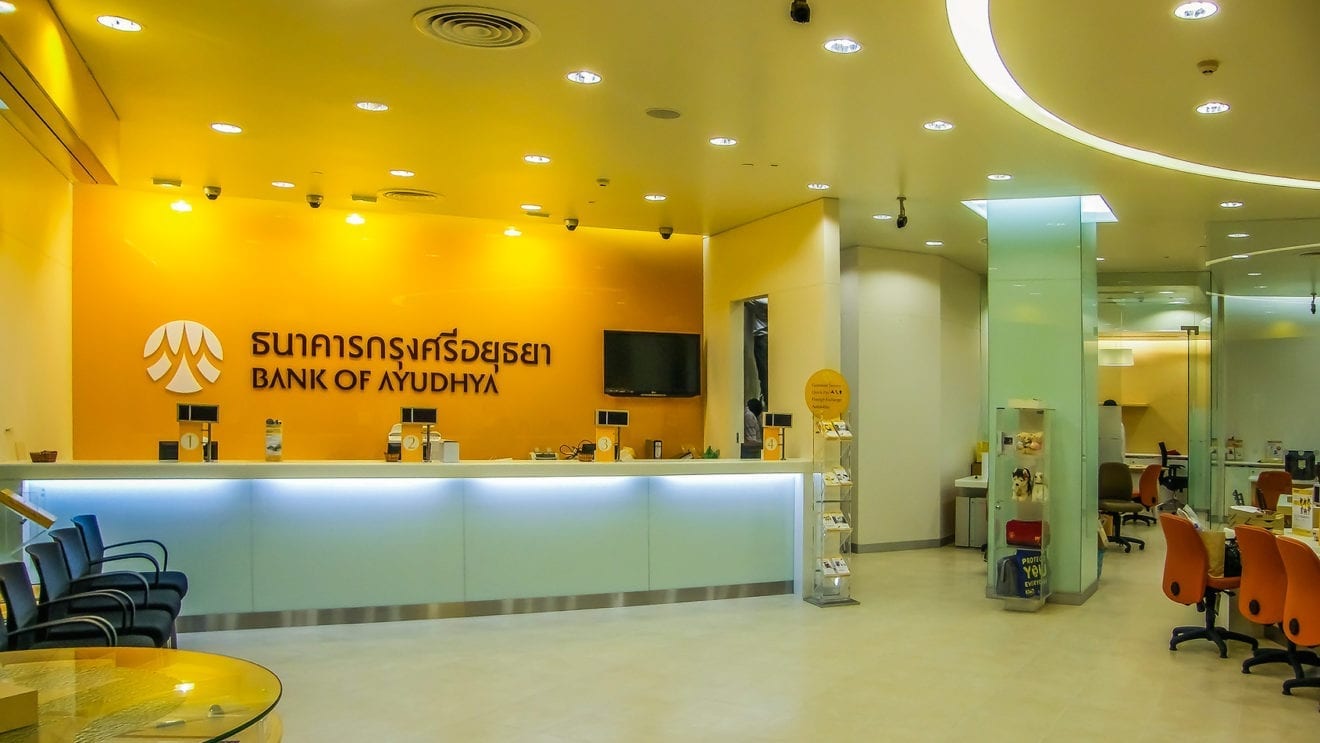
  • Thailand’s Bank of Ayudhya books 11% Q3 profit rise

    Thailand’s Bank of Ayudhya books 11% Q3 profit rise

    Bank of Ayudhya PCL, Thailand’s fifth-largest lender, said on Friday its quarterly net profit rose 10.6 percent from a year earlier, boosted by higher net interest income as a result of strong loan growth from retail clients.

    Bank of Ayudhya, controlled by Japan’s Mitsubishi UFJ Financial Group Inc, raised its 2016 loan target range to 8 per cent to 9 per cent, from 5 per cent to 6 per cent, after consolidating loans from Cambodia subsidiary Hattha Kaksekar, it said in a statement.

  • No Incentives for Hybrids in Thailand

    No Incentives for Hybrids in Thailand

    The Thai government rejects Toyota’s request to include hybrid vehicles in investment-incentive packages about to be offered for electric vehicles.

    Industry Ministry Permanent Secretary Somchai Harnhirun says the Board of Investment (BOI) will not include hybrids because government policy is to promote international-standard automobiles.

    The cabinet agreed in August to waive import tariffs on battery-electric vehicles (BEVs) and to give BOI incentives to investors who set up assembly plants for BEVs and produce critical parts such as batteries and motors within five years.

    Toyota Motor Thailand Senior Vice President Suparat Sirisuwannagkura argues the government should include hybrid vehicles in its promotion policy to keep them no more than 5% more expensive than pure internal-combustion-engine vehicles.

    Suparat argues hybrid technologies share some core technologies such as batteries and motors that producers could develop further for plug-in hybrid vehicles, BEVs and fuel-cell vehicles (FCVs) in the future. Moreover, EVs still have many limitations, especially in battery technology, and automakers may eventually bypass them and leapfrog to FCVs.

    Suparat says Toyota’s facility in Thailand has the capacity to develop more HEVs in the near future, “But a production volume of more than 100,000 vehicles and batteries a year will be tough to achieve without government support.”

    The Nation English-language newspaper reports Somchai told a seminar held by the Thailand Development Research Institute (TDRI) that the government does not pick winners.

    “We want to see real investment,” Somchai says. “We won’t be giving away our taxes for free, but we want a commitment as to what they will produce in the future.”

    TDRI researchers told the seminar the government must revamp the automobile excise tax structure to accurately reflect emission-release levels and be technology-neutral. They say that would make next-generation vehicles more competitive, increase buyer demand and make Thailand attractive as a manufacturing base for critical EV parts.

    TDRI President Somkiat Tangkitvanich says as global automotive trends tilt toward environmentally friendly vehicles, Thailand’s traditional non-alignment of energy and industrial policies could hinder the future of its local auto industry.

    A report quotes research fellow Wichsinee Wibulpolprasert saying Thailand’s ambition to develop EVs is unlikely to be realized any time soon because the domestic car market is not yet ready and its focus remains largely on conventional vehicles.

    She says while the government wants to generate a fleet of up to 1.2 million EVs and increase the number of charging stations to 690 by 2036, there are no clear policies on renewable energy and the environment.

    “The number of EVs and charging stations is just the final result,” Wichsinee says. “What is desperately needed for Thailand’s future automotive development is a solid background and fundamentals, which are renewable energy and environmentally friendly industry development plans.

    “EVs are an upcoming technology for the world’s automobiles, but the current situation is that excise tax for eco-friendly vehicles and conventional ones still overlap, making EV retail prices unattractive for buyers.”

    More importantly, Wichsinee says, the government has yet to launch any schemes to create a production hub for core components of EVs, such as batteries and motors, which are the building blocks of high-tech vehicles.

    She says that when the government waived customs duty for related components for assembling hybrids during 2011-2013, which cut retail prices by TB20,000 ($574), it boosted sales from 9,256 units in 2010 to 69,911 units in 2015.

    “The government should develop and stimulate demand for HEVs and PHEVs in the short run, with more tax incentives to support massive production,” she says.