Tag: Tiffany

  • European Luxury Groups Shed €250 Billion as China Demand Slumps

    European Luxury Groups Shed €250 Billion as China Demand Slumps

    European luxury groups shed approximately €250 billion in market value this year as spending across mainland China slowed sharply. The decline forced earnings misses at LVMH, Kering and Hermes after a prolonged property downturn and financial market weakness eroded high-end consumption.

    Europe’s six largest listed luxury houses, including Richemont, Prada and Moncler, absorbed combined market capitalisation losses of €251 billion. LVMH lost €131.6 billion in value, while Hermes surrendered €93.3 billion as Chinese retail sales growth averaged under 0.5 per cent monthly over the past six months.

    Contracting Sales Across Major Houses

    Third-quarter disclosures pointed to widespread deterioration in client demand. Sales at LVMH’s fashion and leather goods division dropped by a mid-teens percentage among Chinese shoppers worldwide.

    Kering experienced an even sharper contraction. Group revenue from Chinese consumers fell between 15 and 20 per cent during the third quarter, worsening from the mid-teens decline recorded in the previous three months.

    Hermes recorded a 2 per cent decline in global ready-to-wear and accessories revenue. The house faced headwinds from falling equity prices in China alongside tighter regulatory scrutiny on overseas capital.

    Tax Pressures and Market Contraction

    Chinese authorities enacted a 20 per cent tax targeting dividends and interest income generated from offshore trusts. The policy took effect this week, adding fiscal pressure on affluent domestic shoppers who drive personal luxury sales.

    Financial markets offered no buffer. The CSI 300 index dropped 19 per cent over four months, erasing more than US$2 trillion in value as investors pulled back over domestic consumption trends and technology equity volatility.

    Broader consumer sentiment weakened alongside personal balance sheets, as the property slump and falling stock markets undermined domestic demand.

    Divergence in Luxury Resilience

    The downturn did not cut evenly across every luxury brand. Hermes expanded sales of Birkin bags and top-tier leather goods by 10.8 per cent globally, sustained by ultra-wealthy buyers.

    Fine jewellery also held up. LVMH’s Tiffany and Kering’s Boucheron produced double-digit percentage revenue increases during the quarter, outperforming ready-to-wear lines and standard footwear.

    Labels reliant on aspirational middle-class shoppers absorbed the heaviest hits. Kering struggled directly as shoppers postponed entry-level purchases, whereas houses anchored strictly to ultra-high-net-worth allocations preserved margin stability.

    Pressures Spread Beyond Asian Borders

    American spending failed to offset the drag from mainland China. Citi credit card transaction figures showed luxury purchasing falls of at least 4 per cent across July, August and September.

    Rising fuel costs and cooling stock performance curtailed discretionary outlays in the United States. Kering confirmed mounting strain on American household expenditure heading into the November elections.

    For luxury operators in Asia, capital allocations will shift from aggressive footprint expansion toward cost controls and productivity gains per square metre.
  • LVMH Fashion Sales Drop 5 Percent in Third Quarter

    LVMH Fashion Sales Drop 5 Percent in Third Quarter

    LVMH posted a 5 percent drop in third-quarter organic sales across its core fashion and leather division. Spending by Chinese shoppers deteriorated sharply.

    Total group revenue rose 1 percent on an organic basis to 18.5 billion euros ($20.7 billion). Market analysts had forecast 1.3 percent growth.

    Fashion and leather goods generate nearly half of group revenue. The unit’s contraction landed well below consensus estimates of a 1.8 percent decline. Flagship labels Louis Vuitton and Dior took the brunt of the downturn. Regional sales across Asia excluding Japan dropped 5 percent over the quarter.

    Chinese Spending Reverses Regionally

    Weakness in mainland China offset gains in other markets, including a 5 percent sales increase in the United States. Chinese consumers generate roughly one-fifth of global luxury purchases. That exposure hit regional department store concessions and flagship boutiques as footfall and basket sizes retreated.

    Recent regulatory pressure in China, including a tax crackdown on wealthy individuals, dampened appetite for high-ticket discretionary purchases. In mainland retail centers, luxury operators report tighter consumer budgets and reduced conversion rates across apparel and leather goods.

    “In the third quarter specifically, Asia was penalised by a sharp macro-led deterioration in Chinese consumer sentiment, with a tangible impact on discretionary expenses.”

    Hard Luxury Loses Momentum

    Slower demand spread into categories that previously showed resilience during broader retail pullbacks. Organic sales growth in the watches and jewellery unit, which includes Bulgari and Tiffany, slowed to 6 percent in the third quarter after posting 9 percent growth during the first half of the year.

    Hard luxury typically attracts shoppers seeking store-of-value assets during economic uncertainty. Slower momentum at Tiffany and Bulgari shows that even affluent shoppers across Greater China are delaying watch and jewellery transactions.

    Mall Landlords and Margin Pressure

    For high-end landlords across Shanghai, Beijing and Hong Kong, falling sales at anchor fashion tenants threaten revenue-share lease terms. Premium malls lean heavily on Louis Vuitton and Dior flagships to generate customer foot traffic. Softer sales volumes reduce landlord yields on turnover rents.

    Rival luxury conglomerates face identical pressure across their regional store networks. European luxury groups have shed roughly 330 billion euros in combined market capitalization this year. Marketing budgets and store renovation schedules across second-tier Asian cities now face immediate scrutiny.

    Three Years of Slower Growth

    The latest trading update extends a three-year luxury demand deceleration across Asia. Following a brief post-pandemic rebound in travel retail, Chinese outbound tourism shifted toward closer regional destinations where luxury price differentials have narrowed.

    LVMH shares fell more than 3 percent in US trading following the update. Investors and retail operators now track whether upcoming fourth-quarter holiday trading and Chinese New Year bookings stabilize inventory levels across luxury flagship networks.

  • Experience Luxury Dining: Tiffany & Cos Inaugural Blue Box Cafe in Southeast Asia to Open in Singapore

    Experience Luxury Dining: Tiffany & Cos Inaugural Blue Box Cafe in Southeast Asia to Open in Singapore

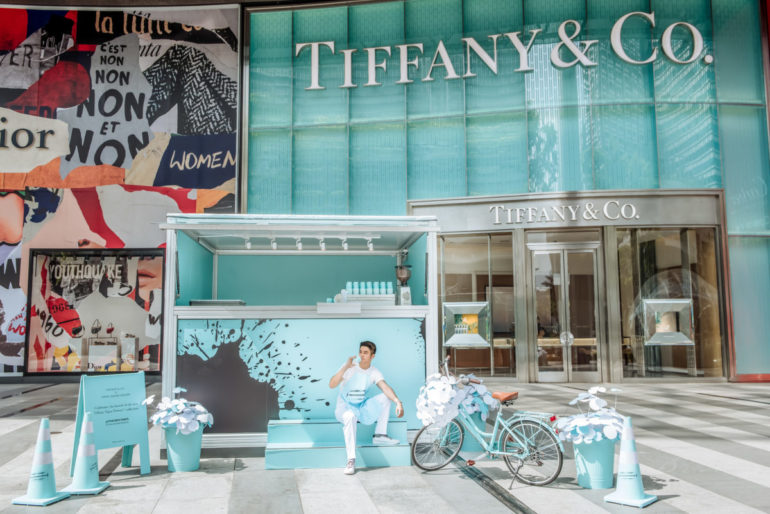
    Tiffany & Co, the prestigious luxury jeweller, announced their plans to launch their first-ever Blue Box Cafe in Southeast Asia. Set to make its debut in Singapore’s flagship store next month, this move is meant to elevate the brand’s presence within the region.

    Details of the Blue Box Cafe

    Slated to open its doors in mid-July, the Blue Box Cafe will take over the top floor of the recently revamped Ion Orchard store. Taking inspiration from its original New York-based Blue Box Cafe, the Singaporean outpost will boast an American-French menu. This gastronomic offering is the brainchild of Julien Royer, renowned chef and owner of Odette, a three-Michelin-starred restaurant.

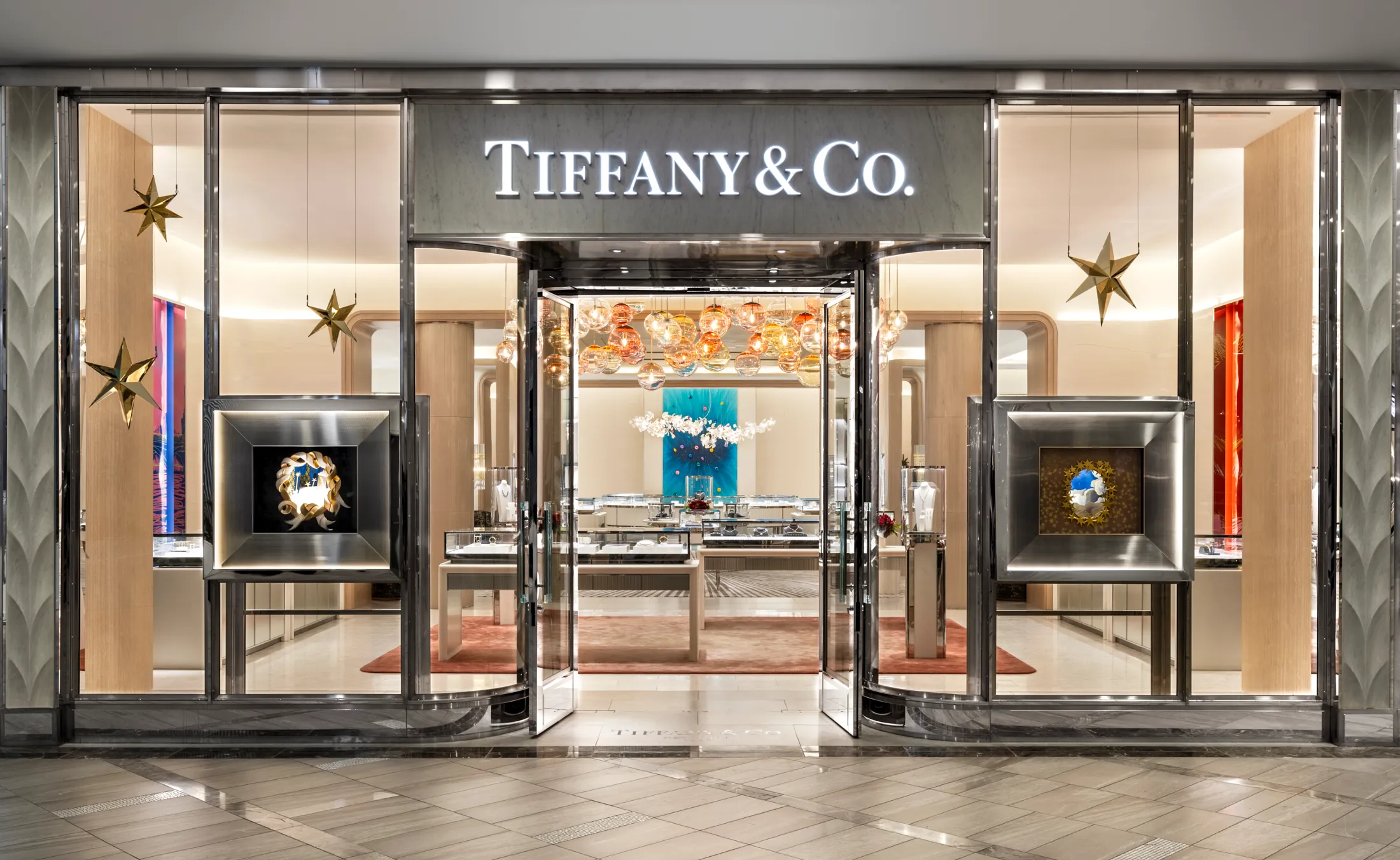
    The Ion Orchard branch of Tiffany & Co has recently undergone a significant facelift and is now the only triplex boutique of the brand in Singapore. The store’s refurbishment began in September of the previous year. Its design shares similarities with Tiffany’s Landmark flagship store in New York, featuring a dynamic light installation by British architect, Hugh Dutton, gracing the store’s facade.

    Highlights of the Renovated Store

    This boutique not only houses the first Tiffany watch salon in Singapore, but it also encompasses private VIP suites, and the Schlumberger Gallery. This exclusive space showcases the works of notable jewellery designer, Jean Schlumberger.

    In addition to these offerings, the store also features artworks by ceramic artist Peter Lane and exhibits the Monumental Bronze-Mounted Vase. This historic masterpiece, created in 1898, is the work of Louis Comfort Tiffany, after whom the brand is named.

    Yeo Mui Hong, CEO of Orchard Turn Developments, expressed his pride in housing the first Blue Box Cafe in Southeast Asia at Ion Orchard. He affirmed the company’s commitment to enhancing the shopping experiences of its patrons and members. This introduction of the Blue Box Cafe follows the successful opening of a similar cafe earlier this year at Tiffany & Co’s Lee Gardens boutique in Hong Kong.

    Questions & Answers

    What is the Blue Box Cafe?
    The Blue Box Cafe is a dining concept by luxury jeweller Tiffany & Co. The cafe is designed to complement the shopping experience with a unique gastronomic offering.

    Where will the first Blue Box Cafe in Southeast Asia be located?
    The first Blue Box Cafe in Southeast Asia will be located on the top floor of the Tiffany & Co store in Ion Orchard, Singapore.

    What unique features does the renovated Ion Orchard store offer?
    The renovated Ion Orchard store houses Singapore’s first Tiffany Watch Salon, private VIP suites, and The Schlumberger Gallery, showcasing creations by jewellery designer Jean Schlumberger. It also features a kinetic light installation on its facade and several noteworthy art pieces.

  • Unlock Luxury: Tiffany & Co Launches Expanded Flagship Store and Blue Box Cafe in Hong Kongs Lee Gardens

    Unlock Luxury: Tiffany & Co Launches Expanded Flagship Store and Blue Box Cafe in Hong Kongs Lee Gardens

    Tiffany & Co, esteemed luxury jewellery brand, has broadened its reach in Hong Kong with the inauguration of a flagship store at Lee Gardens, introducing a fresh retail experience.

    The boutique, situated in Causeway Bay, extends over two floors and more than 770 square meters. It boasts specialized areas for high jewellery, watches, home accessories, and exclusive client appointments.

    Upon entering the 414 square meter ground floor, customers are greeted with an impressive display of Tiffany’s esteemed jewellery collections. These include the HardWear, Lock, Knot, and T ranges. Adding a touch of exclusivity, a dedicated high jewellery salon is also housed on this floor.

    The boutique’s interior exudes elegance, featuring metallic finishes, soothing color palettes, and bespoke design elements. A particularly eye-catching highlight is the exquisite orchid mural, which adorns a private salon space.

    The first floor, spanning 359 square meters, provides a multi-faceted experience for the clientele. It encompasses a watch salon, a home & accessories section, and the novel Blue Box Cafe which is set to open its doors next month. The brand also revealed the integration of artworks by notable artists Gregor Hildebrandt, Shim Moon Seup, Vik Muniz, and Sho Shibuya.

    The upcoming Blue Box Cafe will serve as a culinary treat for the customers, offering a unique, Japanese-inspired dining experience. The cafe will utilize local ingredients in its offerings, which will span across breakfast, teatime, and an all-day menu.

    The Causeway Bay store follows the opening of the first Tiffany Blue Box Cafe in Asia, which was launched in Hong Kong’s Tsim Sha Tsui last year. This marks the brand’s second cafe venture in the market.

    Questions & Answers

    **What does the new Tiffany & Co boutique in Causeway Bay offer?**
    The new boutique offers dedicated spaces for high jewellery, watches, home accessories, and private client appointments. The store also houses a new Blue Box Cafe and features artwork from renowned artists.

    **What will the new Blue Box Cafe offer to customers?**
    The Blue Box Cafe will provide a Japanese-inspired dining experience, featuring local ingredients across breakfast, teatime, and an all-day menu.

    **How many Blue Box Cafes does Tiffany & Co have in Hong Kong?**
    With the opening of the Blue Box Cafe in the Causeway Bay boutique, Tiffany & Co now operates two cafes in Hong Kong; the first one is located in Tsim Sha Tsui.

  • New York Luxury Brand Tiffany & Co. Amplifies Presence in Thailand with Opulent IconSiam Store

    New York Luxury Brand Tiffany & Co. Amplifies Presence in Thailand with Opulent IconSiam Store

    Tiffany & Co, the renowned luxury jeweller from New York, has further extended its presence in Bangkok by inaugurating a new boutique in IconSiam. This marks the esteemed brand’s third establishment in the capital city of Thailand.

    A Distinctive Boutique

    The latest addition to Tiffany’s outlets stands out as the first in Southeast Asia to showcase a façade inspired by Favrile glass, a creation of Louis Comfort Tiffany. Mr. Tiffany, the company’s inaugural art director, developed this unique type of glass in the late nineteenth century.

    Boasting an area of 256 square meters, the boutique has been tastefully designed with plaster walls that are complemented by ceilings adorned with gold leaf. Complementing this opulent interior are customized furniture pieces replete with hand-woven upholstery.

    Exquisite Collections

    The recently opened boutique provides a dazzling showcase for a wide array of Tiffany’s collections. These include the HardWear, Knot, Lock, and T collections from Tiffany. Alongside these, the boutique displays an array of high jewellery pieces, engagement rings, and home accessories.

    All About Love

    A special space within the boutique, named ‘All About Love’, presents an enchanting display of engagement rings. The ivory and silver walls of this section, combined with a diamond-inspired display, create a mesmerizing backdrop for these symbols of commitment.

    Private Salon

    The boutique also houses a private salon, designed for those seeking a more intimate shopping experience. Decked with bespoke furniture and orchid-patterned wallpaper, the salon offers a tranquil escape from the bustling city outside.

    Continued Investment

    The opening of this boutique is indicative of Tiffany & Co’s ongoing commitment to investing in Thailand. This comes after the company’s establishment of previous boutiques in Bangkok.

    Operating over 300 stores worldwide, the company employs more than 14,000 individuals. Since its founding in 1837, Tiffany & Co has become globally recognized for its premium jewellery, watches, and luxury accessories.

    Questions & Answers

    What is unique about the new Tiffany & Co boutique in IconSiam, Bangkok?
    The boutique is the first in Southeast Asia to feature a façade inspired by Favrile glass, a creation of Tiffany’s first art director, Louis Comfort Tiffany.

    What collections can customers expect to find at the new Tiffany & Co boutique?
    Customers can explore a diverse range of collections, including the HardWear, Knot, Lock, and T collections from Tiffany, alongside high jewellery, engagement rings, and home accessories.

    What kind of shopping experience does the new Tiffany & Co boutique offer?
    The boutique offers a luxurious and intimate shopping experience, with a special section called ‘All About Love’ for engagement rings and a private salon for customers desiring a more private shopping environment.

  • Shimmering New Tiffany & Co. Store: A Jewel-Inspired Architectural Masterpiece in Beijing

    Shimmering New Tiffany & Co. Store: A Jewel-Inspired Architectural Masterpiece in Beijing

    Tiffany & Co, the renowned jewelry company, recently unveiled its newest flagship store in the Taikoo Li Sanlitun district of Beijing. The store’s unique facade, designed to imitate a piece of jewelry, is the handiwork of MVRDV, a noted architecture firm.

    A Jewel of a Store

    Boasting a floor area of 1,000 square meters spread across four levels, the boutique features a 20-meter curved exterior composed of frosted, translucent glass fins. These fins are tinted in Tiffany’s iconic icy blue shade, further enhancing the store’s visual appeal.

    The creators at MVRDV have shared that the innovative design of the store was conceptualized to interact with the changing daylight, thereby endowing the building with a surreal, ethereal presence. The key visual reference for this pioneering concept is Tiffany’s signature Bone Cuff.

    Jacob van Rijs, a founding director at MVRDV, explained, “The dense glass fins, when viewed from an angle, amplify the light’s effects, accentuating the shape of the facade. As you approach the building, you can catch glimpses of the jewelry inside through the spaces between the fins. The light filtering through and reflecting off the translucent glass creates a delicate, ever-changing interplay.”

    An Opulent Interior

    Inside the store, visitors are welcomed into a luxurious space adorned with a champagne-gold leaf ceiling and crystal chandeliers. The walls feature handcrafted, gilded treatments that add intricate texture and detail throughout the store.

    Moreover, the design of the store was crafted with an emphasis on sustainability. The glass used in the construction is made from recycled materials. Furthermore, the store is fully demountable, which means its fins and brackets can be removed and reused once their life cycle has ended.

    Questions & Answers

    What was the inspiration behind the design of Tiffany & Co’s new store in Beijing?
    The store’s design was inspired by Tiffany’s signature Bone Cuff, and it is intended to interact with changing daylight, giving the building an ethereal presence.

    What materials were used to construct the store’s unique facade?
    The facade of the store was constructed using translucent, frosted glass fins that were tinted with the brand’s iconic icy blue shade.

    How does the store contribute to sustainability?
    The store’s design focuses on sustainability by using glass made from recycled materials. Additionally, the store is fully demountable, which allows its components to be repurposed at the end of their lifespan.

  • Tiffany Chen Takes the Helm at Coles 360: A New Era of Retail Media Innovation Begins

    Tiffany Chen Takes the Helm at Coles 360: A New Era of Retail Media Innovation Begins

    Tiffany Chen has recently been named General Manager for Coles 360, ushering in a fresh period for the retail media arm of Coles Group.

    Tiffany Chen’s Appointment

    The new appointment comes along with Coles 360’s transition into its next developmental phase. Michael Courtney, the Chief Customer Experience Officer at Coles, expressed his faith in Chen’s retail media expertise and its potential to guide the business’s future path. Chen’s extensive international experience and nuanced understanding of both Coles and the Australian retail media market, according to Courtney, equips her to spearhead the next phase of the enterprise and bolster the outcomes for the supplier partners of Coles 360 starting this year.

    Courtney emphasized Coles 360’s clear vision, which is to establish a gold standard for retail media performance in Australia. He voiced his confidence in Chen’s leadership skills, coupled with the existing momentum, to elevate their network to unforeseen heights.

    Chen’s Role and Past Experience

    As Coles 360 embarks on a series of enhancements, including amplified reporting and measurement, scalable performance capabilities, and the burgeoning of advertising offerings, Chen steps in. Her experience spans a decade of work with McKinsey & Company, a global management consulting firm. As a founding member of the company’s Retail Media Network practice, Chen has supported numerous businesses in the development and global scaling of their retail media networks.

    Chen expressed optimism in Coles 360’s position to generate new opportunities for partners and design more effective strategies to engage customers as the new year commences. She expressed her enthusiasm towards expanding upon the already robust foundations and contributing to the next chapter of retail media innovation.

    Impact on Coles Group

    Coles 360 continues to be a significant contributor to the growth of Coles Group, yielding measurable brand and performance results for supplier partners. Coles Group has also recently announced additional developments, including acquiring site leases with the approval of the Australian Competition and Consumer Commission (ACCC).

    Questions & Answers

    What is the vision for Coles 360 under Tiffany Chen’s leadership?
    The vision for Coles 360 is to set the benchmark for retail media performance in Australia. Chen’s international experience and understanding of Coles and the Australian retail media market are expected to guide the business’s future direction.

    What improvements does Coles 360 plan to undertake?
    Coles 360 plans on a series of enhancements, which include amplified reporting and measurement, scalable performance capabilities, and the development of advertising offerings.

    What role did Tiffany Chen play at McKinsey & Company before joining Coles 360?
    Before joining Coles 360, Chen was a founding member of McKinsey & Company’s Retail Media Network practice, where she supported businesses in building and scaling their retail media networks globally.

  • Louis Vuitton and Tiffany Exit Japan’s Regional Retail Scene, Handing the Spotlight to Coach

    Louis Vuitton and Tiffany Exit Japan’s Regional Retail Scene, Handing the Spotlight to Coach

    In a noteworthy shift that underscores the evolving landscape of retail, major luxury brands are retreating from department stores in Japan’s less urban areas, leaving store managers grappling with the challenge of maintaining customer interest. This trend signifies a significant change in consumer behavior and retail strategy in the region.

    Luxury Brands Exit Small-Town Market

    American jewelry giant Tiffany recently shuttered its outlet on the first floor of the Keisei Department Store in Mito, marking a dramatic shift in the availability of high-end shopping options in Ibaraki Prefecture. This closure followed the December exit of France’s iconic Louis Vuitton from the same location, leaving a conspicuous void in the luxury offering for residents and visitors alike.

    Once a bastion of luxury retail in the outskirts of the greater Tokyo metropolitan area, the department store now features blank spots where these high-profile brands once showcased their goods. With two of the only directly operated luxury outlets in the region gone, the lingering question remains—what will fill the luxury space now absent from Mito’s retail scene?

    The Ripple Effect on Local Retail

    The departure of these prestigious labels is sending ripples through local retail operations as managers strive to adapt to a market increasingly shifting towards a preference for urban shopping experiences. Store managers are now left in a precarious position: how do they keep customers engaged when the allure of luxury is sidelined? The fading presence of such brands challenges the traditional department store model that has long been a staple in Japanese retail.

    As consumer priorities evolve, this trend could encourage a much-needed pivot in the strategies employed by these stores, perhaps giving room for more niche brands or localized offerings. Perhaps we’ll see that what loses in luxury may gain in unique experiences—who knows? Maybe a sushi-tasting event could become the next big draw!

    Looking Ahead

    While the departure of major luxury brands from suburban department stores is alarming for some, it also opens the door for innovation within the retail sector. As consumer dynamics change, traditional retailers will need to rethink their approach to remain relevant. With globalization and digital shopping continuing to gain traction, Mito and similar locales may have to adapt in ways previously overlooked.

    Questions & Answers

    What does the closure of Tiffany and Louis Vuitton outlets signify for the retail landscape in Japan?
    The closures highlight a shift in consumer behavior, with luxury brands retreating from smaller markets, reflecting a growing preference for urban shopping experiences.

    How are department store managers responding to the loss of luxury brands?
    Store managers are tasked with finding ways to keep customers engaged, potentially by shifting focus to niche products or unique experiences.

    Could the departure of luxury brands lead to new opportunities for local retailers?
    Yes, this trend might encourage local retailers to innovate, leading to an increased emphasis on personalized shopping experiences and localized offerings.

  • Tiffany & Co. Opens Luxurious New Store In Hong Kong, Merging Vintage Design With Contemporary Craftsmanship

    Tiffany & Co. Opens Luxurious New Store In Hong Kong, Merging Vintage Design With Contemporary Craftsmanship

    Tiffany & Co., the renowned luxury jewelry retailer, has unveiled its latest retail space on Canton Road, Hong Kong. The store design harmoniously fuses vintage design elements with contemporary craftsmanship, as a tribute to the brand’s illustrious history.

    Store Design and Features

    Covering 2325 square feet, this new retail outlet presents a unique facade. It is embellished with a mosaic of azure tiles that take inspiration from the mosaic artistry of Louis Comfort Tiffany from the early 20th century.

    The store’s interior greets visitors with a centrepiece installation, the “Bird on a Rock”. This iconic piece, introduced by Jean Schlumberger in 1965, remains a potent symbol of the Tiffany brand after nearly six decades.

    The interior design of the store seamlessly marries opulence with heritage. This is evident in the custom wall coverings, enriched with textured and gilded metal leaf finishes. Furthermore, the store is adorned with champagne gold leaf accents throughout, adding to its exclusive ambiance.

    Customer Experience

    The store also houses a private salon, aimed at providing an intimate experience for its valued customers. The salon features a wallpaper with a soft pink orchid motif, providing a soothing, elegant atmosphere. The room is lit by handmade plaster lamps and furnished with a cream quartzite-inset coffee table. Also, handwoven fabric upholstery enhances the aesthetics of the salon, providing an inviting and comfortable environment for customers.

    Questions & Answers

    Where is Tiffany & Co.’s newest store located?
    The latest Tiffany & Co. store has been opened on Canton Road in Hong Kong.

    What is the design inspiration for the new store?
    The store’s design takes inspiration from the early 20th-century mosaic work of Louis Comfort Tiffany, seamlessly blending heritage design elements with modern craftsmanship.

    What unique features does the store offer to customers?
    The store offers a unique customer experience with a private salon that features a soft pink orchid motif in its wallpaper, handmade plaster lamps, a cream quartzite-inset coffee table, and handwoven fabric upholstery.

  • French jeweler Tiffany opens store in HCMC

    French jeweler Tiffany opens store in HCMC

    Luxury jewelry brand Tiffany & Co. has opened a store in Ho Chi Minh City, two years after opening its first in Vietnam in Hanoi.

    The store in District 1, which had a soft opening last week, is part of a strategy by the 186-year-old jeweler to increase its presence in Asia after being acquired by France’s LVMH in 2021.

    The store is run directly by the company as against the Hanoi one, which a distributor operates.

    According to residence and citizenship advisory firm Henley and Partners, HCMC had the ninth fastest growth rate globally in the number of millionaires last year.

    Vietnam’s biggest city saw their numbers rise by 84% to 7,700 individuals, it said in its 2023 World’s Wealthiest Cities Report.

    As of last year HCMC had 15 people with a net worth of $100 million and three billionaires.

    It is ranked the 67th wealthiest city in the world.

  • Tiffany unveils new campaign “About Love” starring Jay Z, Beyonce

    Tiffany unveils new campaign “About Love” starring Jay Z, Beyonce

    Tiffany & Co. announced today that powerhouse couple Beyoncé and JAY-Z will star in its latest campaign celebrating modern love. Synonymous with the world’s greatest love stories since 1837, Tiffany’s debut of “ABOUT LOVE” marks the latest evolution of the luxury jeweler’s new creative direction. The campaign is the result of a close collaboration and a shared vision between both the Carters and Tiffany & Co.

    As the first time the couple has appeared in a campaign together, “ABOUT LOVE” is an exploration of connection and vulnerability. The Carters’ love story is illuminated by the iconic Tiffany Diamond and set against the backdrop of Jean-Michel Basquiat’s Equals Pi (1982). As part of a private collection from its creation until now, this campaign marks the work of art’s first public appearance, propelling Tiffany’s long-standing tradition of working with New York creatives forward. Ushering in a new brand identity, this campaign embodies the beauty of love through time and all its diverse facets, forging a new vision of love today.

    Worn in a campaign for the first time in history, the Tiffany Diamond weighs 128.54 carats and boasts an unprecedented 82 facets. Seen on Beyoncé throughout “ABOUT LOVE,” it is considered among the most important gemstone discoveries of the 19th century. Unearthed in 1877 in the Kimberley Mines of South Africa, founder Charles Lewis Tiffany purchased the rough diamond in 1878, solidifying the brand’s reputation as a diamond authority. House icons including designs from Jean Schlumberger and the Tiffany T collection are also featured throughout. Most notably, JAY-Z wears Jean Schlumberger’s legendary Bird on a Rock brooch, reconstructed as a pair of one-of-a-kind cuff links. Jean Schlumberger was best known for dressing high society’s elite in the 1960s and ’70s, so it is appropriate that his unmistakable designs live out his legacy on one of today’s greatest creative forces.

    A film by acclaimed director Emmanuel Adjei has also been created and features a musical performance of the classic song “Moon Rivers.” Made famous in the 1961 film Breakfast at Tiffany’s the iconic tune is reimagined with vocals by Beyoncé, captured by JAY-Z on a Super 8 camera. The couple selected the Orum House in Los Angeles to serve as the setting for the film, in which nostalgic flashbacks are interwoven with cinematic, dreamlike visuals. Basquiat’s Equals Pi appears once again as a common Tiffany Blue thread throughout the narrative. The accompanying “ABOUT LOVE” print campaign was shot by Mason Poole and styled by June Ambrose and Marni Senofonte.

    “ABOUT LOVE” reflects Tiffany’s continued support of underrepresented communities. As a part of the house’s partnership with the Carters, Tiffany & Co. is proud to pledge a USD $2 million commitment towards scholarship and internship programs for Historically Black Colleges and Universities (HBCUs). Additional details on this initiative are forthcoming.

    “ABOUT LOVE” launches globally in print on September 2. The accompanying film will launch on Tiffany.com September 15 and will be amplified through global media activations. The campaign will further unfold later this year with additional films created by acclaimed director Dikayl Rimmasch and second unit director, Derek Milton.

  • How LVMH plans to reshape Tiffany

    How LVMH plans to reshape Tiffany

    French luxury goods group LVMH LVMH.PA plans to overhaul Tiffany & Co’s vast merchandise lineup to focus more on gold and precious gems while going more upmarket with its silver bangles after closing the $15.8 billion takeover of the U.S. jeweller this month.

    Six sources including two people with inside knowledge of Tiffany’s operations told Reuters the owner of Louis Vuitton would also likely revamp the appearance of the jeweler’s stores and boost its presence in Europe and Asia.

    More than a third of Tiffany’s 320 shops are in the United States and two sources described some of them as out-of-date, shoddy and in need of refurbishing.

    “LVMH can give Tiffany the kind of time and money needed to make some big investments in the product range and in stores worldwide, and wait for those to pay off in the medium term,” one of the sources said.

    At a town hall in New York for Tiffany’s 14,000 employees on Jan. 8 – a day after LVMH installed a new leadership team – the group’s new bosses laid out their initial plans to focus on high-end, sparkling jewelry, said one person who attended it. The group is also considering building out Tiffany’s lineup in watches, another source familiar with its thinking said.

    Unlike such rivals as Richemont-owned CFR.S Cartier and Van Cleef & Arpels, as well as fellow LVMH brand Bulgari, Tiffany’s products range from $150 silver pendants to diamond necklaces priced in the tens of millions.

    Silver jewelry has gross margins of around 90% and offers a perfect entry point for younger, less wealthy shoppers, but top industry names also need the medium- to the high range – with a price tag above $100,000 – to create an aura of exclusivity, experts say.

    In a video message to employees during the town hall, LVMH boss Bernard Arnault, who is also France’s richest man, said he wanted to elevate Tiffany’s standing, even if that took time.

    “We will also prioritize Tiffany’s long-term desirability over short-term constraints,” Arnault said, according to a person who attended. At one point brandishing one of Tiffany’s signature robin’s egg blue boxes, Arnault underscored the label could count on cash-rich LVMH’s resources.

    The world’s biggest luxury goods group, also home to Moet Chandon champagne, was shaken by the COVID-19 pandemic and sales in airport stores plunged, but its biggest labels have stayed the course.

    The mood among some of Tiffany’s workforce is anxious nonetheless.

    A senior store employee in Europe said the jeweler would benefit as a more sophisticated, exclusive brand under LVMH, but also worried about the group’s reputation as a demanding owner.

    “If a store doesn’t quite work, they just shut it down,” this person said, speaking on condition of anonymity.

    Arnault is known for dropping in on stores unexpectedly – including at a Tiffany store in Seoul after the deal was announced in late 2019, where he pointed out blips such as a cleaning product that had been left out on a stand and a pink Post-It note saying “not available” that had been put up on a product, people familiar with the group said.

    LVMH and Tiffany declined to comment. LVMH is due to report full-year 2020 results later on Tuesday.

    After a bruising court battle midway through the acquisition process, which ended with Tiffany and LVMH renegotiating the price tag slightly downwards, Arnault had soothing words for the U.S. jeweler.

    He told the town hall Tiffany’s resilience in recent months had exceeded LVMH’s expectations, one of those presents said.

    The group had previously called Tiffany’s prospects “dismal” due to poor management during the COVID-19 crisis.

    Tiffany regained some ground through online sales and in China in its last quarter. Jewelry as a whole, one of the fastest-growing luxury sectors in recent years, has resisted more than other areas during the pandemic.

    Tiffany is less exposed than rivals to Asia-Pacific – a major driver for luxury sales – which accounted for 28% of its worldwide sales of $4.4 billion in 2019. Europe stood at 11%.

    LVMH will scrutinize store performance and locations and could use its clout to get better leases or find better showcases freed up by other brands within the group.

    New York-based Tiffany, founded in 1837, achieved world fame with the 1961 movie “Breakfast at Tiffany’s” starring Audrey Hepburn, but a fresh marketing push could help the brand.

    Alexandre Arnault – one of four Arnault children with roles at LVMH and now Tiffany’s executive vice president, in charge of product and communication – told the town hall he would focus on advertising campaigns and luring young customers.

    The 28-year-old helped LVMH acquire luggage maker Rimowa and gave it a hipster edge while CEO there, through collaborations with Dior that made it sexy for the runway.

    The young Arnault will work alongside new CEO Anthony Ledru, who ran Vuitton’s global commercial activities but is also known for rolling out its high-end jewelry line and had a previous stint at Tiffany and also at Cartier.

    He takes over from Alessandro Bogliolo, who had already overseen a multi-year renovation of Tiffany’s flagship New York store on Fifth Avenue, and the purchase of an 80-carat-plus oval diamond to be set in a necklace that will become its most expensive piece of jewelry.

  • LVMH completes $20 billion acquisition of Tiffany, replaces leadership team

    LVMH completes $20 billion acquisition of Tiffany, replaces leadership team

    LVMH Moët Hennessy Louis Vuitton SE installed new management at Tiffany & Co., as the French conglomerate seeks to place its imprint on the U.S. jeweler and steer it through the pandemic.

    LVMH executive Anthony Ledru is returning to Tiffany, where he previously oversaw North American operations, as chief executive, effective immediately. Alexandre Arnault, the son of LVMH CEO Bernard Arnault, was appointed executive vice president of product and communications. Michael Burke, the CEO of Louis Vuitton, will become Tiffany’s chairman.

    Tiffany’s current CEO Alessandro Bogliolo will depart on Jan. 22. Reed Krakoff, the chief artistic director, and Daniella Vitale, executive vice president and chief brand officer, also will leave after a short transition.

    LVMH completed its $15.8 billion acquisition of the U.S. jeweler on Thursday after months of wrangling over the price that led to both companies suing each other. Bernard Arnault threatened to pull out of the deal, arguing that the Covid-19 pandemic had harmed Tiffany’s business. In the end, he agreed to pay a 2.6% discount to the original price.

  • Tiffany beats profit estimates on soaring China demand

    Tiffany beats profit estimates on soaring China demand

    Tiffany & Co, which is being bought by French luxury giant LVMH, beat Wall Street expectations for quarterly profit on Tuesday as the U.S. jeweler benefited from an over 70% rise in sales in China and a recovery in demand at home.

    The results bode well for the upcoming holiday season for the jeweler and other luxury retailers in general, which have been hit hard by the pandemic. They also underscore the growing importance of sales within mainland China to offset dependence on tourism, especially on Chinese tourists visiting fashion hubs like Milan and Paris.

    “We had a strong third quarter …. which speaks volumes about the enduring strength of the Tiffany brand and gives us confidence as we enter the important holiday season,” Chief Executive Officer Alessandro Bogliolo said, nodding to “the successful completion of the merger transaction with LVMH in early 2021.”

    Tiffany and LVMH ended a bitter legal battle last month and agreed to a new deal that would see the French firm buy out the U.S. jeweler at a slightly lower price of $15.8 billion, or at a discount of $425 million.

    Tiffany said sales in the Asia-Pacific region rose 30%, while sales in the Americas region declined 16% – much smaller than the 46% drop seen in the preceding quarter.

    Tiffany forecast a mid-single-digit percentage decline in holiday quarter sales, while analyst had predicted a 3% drop. It also expects a high-single-digit percentage increase in earnings for the current quarter.

    The health crisis also forced the New York-based retailer to invest in its online business and to introduce curbside pick-up at certain stores. This helped e-commerce sales surge 92% in the quarter.

    Best known for its diamond engagement rings, Tiffany could face more challenges ahead as COVID-19 cases are surging in much of the U.S. and across the world, spurring Britain and other countries in Europe, and many American states, to go into another lockdown.

    As of Oct. 31, most of Tiffany’s 320 retail stores worldwide were fully or partially opened, in accordance with local government guidelines, it said. As of Nov. 20 though, approximately 60% of Tiffany’s retail stores in Europe were temporarily closed.

    But analysts remain optimistic.

    “Q3 results also reiterate our confidence that the Tiffany brand will continue to shine through the holidays,” said CFRA analyst Camilla Yanushevsky.

    According to a CFRA site traffic analysis of Alexa Internet’s data, there is “growing traffic momentum” to tiffany.com entering the all-important holiday season, Yanushevsky added.

    Shares of the company were up marginally on low volumes in premarket trading.

    Excluding certain item, Tiffany earned $1.11 per share, surging past the average expectation of 66 cents.

    Tiffany’s net sales fell about 1% to $1.01 billion in the third quarter ended Oct.31, but beat expectations of $980.71 million, according to IBES data from Refinitiv.

  • Tiffany sees earnings bump during legal case

    Tiffany sees earnings bump during legal case

    In the midst of a legal stoush with one-time suitor LVMH, luxurious chain Tiffany has seen constructive gross sales momentum carry it by means of the final two months.

    Though worldwide web gross sales fell barely, working earnings grew 25 percent during August and September in comparison with the identical interval final 12 months. And e-commerce gross sales continued to point out resilience, making up virtually 13 percent of complete gross sales for the interval – virtually double the August – September interval final 12 months.

    “While we still expect full-year results to be substantially impacted by Covid-19, we are very pleased with the way the business has rebounded following the first quarter and continues to rebound in the third quarter, especially in Mainland China, and to recover in the United States,” stated Tiffany chief government Alessandro Bogliolo

    The enterprise does, nonetheless, anticipate fourth-quarter gross sales to be below these seen final 12 months, however expects greater earnings to proceed.

    The earnings announcement got here because the enterprise continues its legal battle with LVMH, which dedicated to buying Tiffany & Co. however pulled out on the grounds the enterprise had been mismanaged during the pandemic and that the French authorities had requested it to delay the acquisition – one thing Tiffany claims by no means amounted to a legal restraint.

    “LVMH’s specious arguments are yet another blatant attempt to evade its contractual obligation to pay the agreed-upon price for Tiffany,” Tiffany’s chairman Roger Farah stated in a press release final month.