Tag: tmall

  • Musinsa: Powering Korean Fashion Invasion in China with Dual Tmall Presence

    Musinsa: Powering Korean Fashion Invasion in China with Dual Tmall Presence

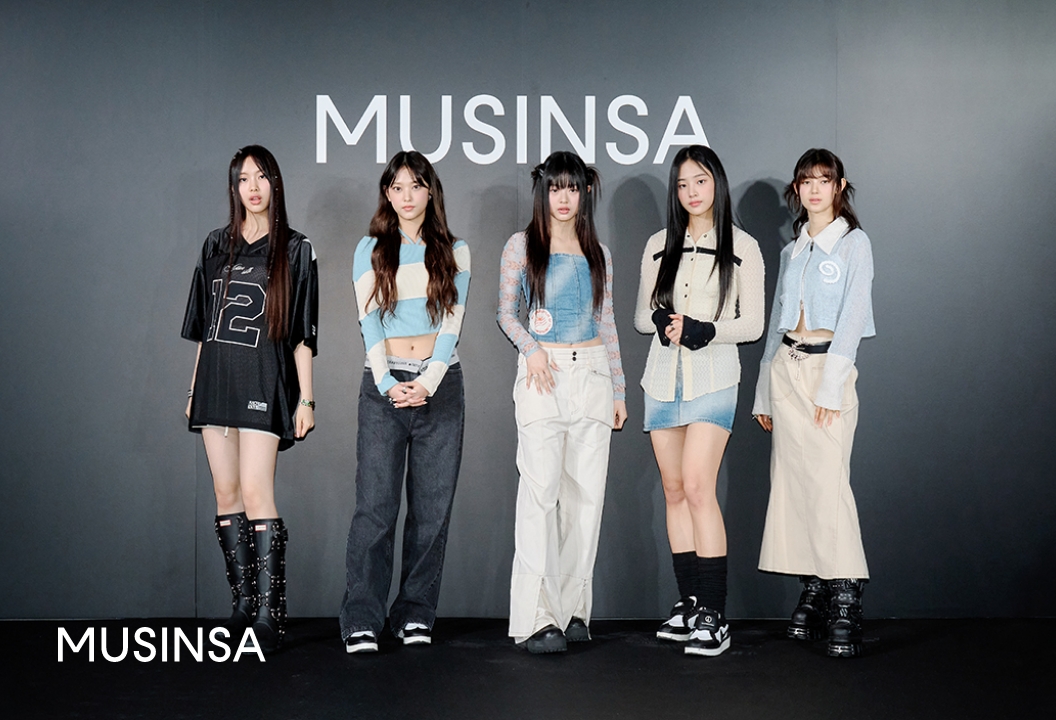
    South Korean fashion marketplace, Musinsa, is advancing its business strategy in China by launching on Tmall Global, the cross-border e-commerce platform owned by Alibaba Group. This step builds upon Musinsa’s initial foray into the Chinese market last year through the domestic Tmall marketplace. This dual-platform presence gives Musinsa the advantage of permeating both the local Chinese e-commerce ecosystem and the cross-border shopping channel.

    Musinsa’s aim is to assist small and mid-sized Korean fashion brands who have traditionally encountered high barriers to China’s market entry, such as regulatory complexity, logistical hurdles, and the high costs associated with establishing local operations. By leveraging the platform model, these brands can sell their products directly to Chinese consumers without the need to establish a local entity. Musinsa is also in a position to extend comprehensive services to participating brands. These services include platform integration, logistics coordination, marketing, and customer service.

    Content-Led Curation Strategy and Promotional Initiatives

    Musinsa is adopting a content-led curation strategy to introduce Korean fashion trends to Chinese consumers. Alongside this, the company is outlining various marketing initiatives. These include co-branded campaigns with Tmall Global, promotional events, and livestream shopping activations.

    Musinsa had already made headway into the Chinese market through a joint venture with Anta Sports, establishing Musinsa China to expand through both online and offline channels. The company launched its flagship store on Tmall last year, introducing its modern basic casual wear brand, Musinsa Standard, as well as Musinsa Store.

    A representative from Musinsa China stated that the opening of the online flagship store was the first step towards introducing competitive emerging Korean brands to China’s younger generation. The representative also indicated that Musinsa would utilize its vast experience in the fashion industry and localization strategies to quicken the global expansion of K-fashion.

    Questions & Answers

    What is Musinsa’s plan for the Chinese market?
    Musinsa plans to aid small and medium-sized Korean fashion brands in accessing the Chinese market by providing a platform for them to sell directly to Chinese customers.

    What services is Musinsa offering to participating brands?
    Musinsa is providing comprehensive services including platform integration, logistics coordination, marketing, and customer service.

    What is Musinsa’s strategy to promote Korean fashion trends in China?
    Musinsa is adopting a content-led curation strategy to introduce Korean fashion trends to Chinese consumers and is planning various marketing initiatives such as co-branded campaigns with Tmall Global, promotional events, and livestream shopping activations.

  • Tmall launches perfume advising services

    Tmall launches perfume advising services

    Alibaba’s online business-to-consumer retail platform Tmall has launched a perfume advising service, seeking to help consumers with perfume selection and use, the e-commerce giant said in a news release.

    Yves Saint Laurent, Valentino and Prada have piloted the service on their Tmall flagship stores, allowing its customers to chat with “certified perfume consultants,” receive advice on picking a daily scent or receive gifting tips.

    Close to 200 consumers tried out the service on its launch, including many male consumers buying perfumes for Valentine’s Day, the company said.per

    More brands plan to roll out the service in the coming months, said Alibaba

  • H&M closes Shanghai flagship after Covid lockdowns

    H&M closes Shanghai flagship after Covid lockdowns

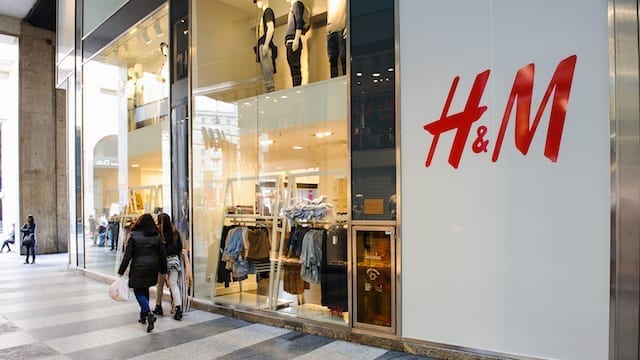
    H&M has shut its flagship Shanghai store, its latest closure in China where consumer demand has slumped amid COVID-19 lockdowns and the fast-fashion retailer has borne the brunt of a backlash against companies that refuse to use Xinjiang cotton.

    Although it was open earlier this month, the three-storey building in downtown Shanghai was on Friday boarded up with its H&M signage gone.

    The world’s second-biggest fast-fashion retailer entered China in 2007 with the opening of the Shanghai flagship store and rapidly expanded. It had more than 500 stores in mainland China early last year but its website currently only lists 376, including the flagship Shanghai store.

    The company declined to comment, citing a blackout period prior to its first-half earnings report on June 29.

    Although nearly a month has passed since Shanghai lifted a strict two-month lockdown, consumers have yet to return to malls in significant numbers.

    Chinese consumers have also beat a retreat from its products after a letter in which H&M expressed concerns about allegations of forced labour in the Xinjiang region came to light in 2021.

    Other brands that publicly disavowed Xinjiang cotton such as Inditex’s, Zara, Nike and Adidas have also suffered with Chinese netizens calling for boycotts and Chinese celebrities refusing to work with them.

    But the backlash against H&M, the first foreign retailer to express concerns, has been particularly harsh. Unlike other brands, its products remain unavailable on major Chinese e-commerce sites such as Tmall and JD.com.

    UN experts and rights groups estimate over a million people, mainly Uyghurs and other Muslim minorities, have been detained in recent years in a vast system of camps in China’s western Xinjiang region.

    Many former inmates have said they were subject to ideological training and abuse in the camps. China denies all accusations of abuse.

  • Farfetch launches flagship on Tmall Luxury Pavilion

    Farfetch launches flagship on Tmall Luxury Pavilion

    Farfetch is launching a Tmall Luxury Pavilion flagship store to enable thousands of luxury brands to reach Chinese consumers as part of its localization strategy in the region.

    The integration of Farfetch on Tmall means that Alibaba Group’s 779 million consumers will have access to products from more than 3,500 luxury brands, 90 percent of which did not previously have a presence on Tmall.

    Judy Liu, managing director of Farfetch Greater China, said in a statement: “This is an important and exciting milestone in our partnership with Alibaba and creates an incredible opportunity for luxury brands to expand into the China market at a time when international travel has been curtailed and luxury customers are unable to travel to their most loved brands’ boutiques in Europe.

    “This launch is just the beginning in our partnership as we work together to help brands and retailers fully digitize their businesses online and offline through our Luxury New Retail strategy, both in China and globally.”

    The new storefront occupies a premier position on the Tmall Luxury Pavilion’s homepage with one of the five main navigation buttons and a premium permanent banner, explained Alibaba.

    To celebrate the launch, Farfetch has partnered with well-known celebrities and influencers in China to promote the storefront. There will also be social engagement campaigns and an advertising campaign across key social media platforms.

    Janet Wang, general manager of Tmall Luxury, added: “The launch of the Farfetch Tmall flagship is a very exciting moment for China’s booming online luxury market. Underpinned by Alibaba’s digital ecosystem, the Farfetch flagship store is greatly expanding the luxury product offerings to more than 779 million Chinese consumers on our platform.

    “In partnership with Farfetch, we will continually enhance our product selection, marketing strategies, and membership services for our consumers. We aim to set the standard in the industry and lead the digitization of luxury shopping.”

    The launch follows the strategic partnership between Alibaba Group, Farfetch, and Richemont announced in November 2020 to accelerate the digitization of the luxury fashion industry. The Luxury New Retail initiative aims to leverage Farfetch’s and Alibaba’s state-of-the-art omnichannel retail technologies, including a full suite of enterprise solutions powered by the two companies, to serve the needs of luxury businesses.

    These solutions will serve both mono-brand and multi-brand distribution strategies for luxury brands, including fully-connected e-commerce websites and apps, omnichannel retail technology, and access to the Farfetch and Tmall Luxury Pavilion marketplaces via a single integration.

  • Tmall seeks to boost engagement with Chinese Gen Z luxury consumers

    Tmall seeks to boost engagement with Chinese Gen Z luxury consumers

    High-end Chinese e-commerce platform Tmall Luxury has implemented new features to boost its brands’ appeal for Gen Z consumers in the region.

    The three new features include a daily live streaming service on luxury topics, a content-rich magazine channel featuring fashion news, and an upgraded membership program offering personalized services. The features are a response to the strong spending power for luxury items exhibited by consumers within the Gen Z age group, spending on average US$3600 annually on high-end goods.

    Data collected by Tmall Luxury shows that four-fifths of its user base are below the age of 35, with the number of luxury consumers aged 18–25 age group more than doubling between July 2018 and June last year. The emerging consumer dynamic has attracted top brands in the category such as Valentino and Balenciaga to collaborate with the platform.

    “By providing Tmall’s unparalleled analytics and insights on luxury consumption in China, we empower luxury brands with a deeper and more accurate understanding of local consumer preferences,” said Alibaba VP and GM of Tmall luxury, fashion and FMCG Mike Hu. “These insights allow luxury brands to precisely tailor their communications to Chinese young audiences while staying true to their brand identities.”

    Almost 200 brands have opened flagship stores on the Tmall Luxury platform.

  • Tmall seeks to boost engagement with Chinese Gen Z luxury consumers

    Tmall seeks to boost engagement with Chinese Gen Z luxury consumers

    High-end Chinese e-commerce platform Tmall Luxury has implemented new features to boost its brands’ appeal for Gen Z consumers in the region.

    The three new features include a daily live streaming service on luxury topics, a content-rich magazine channel featuring fashion news, and an upgraded membership program offering personalized services. The features are a response to the strong spending power for luxury items exhibited by consumers within the Gen Z age group, spending on average US$3600 annually on high-end goods.

    Data collected by Tmall Luxury shows that four-fifths of its user base are below the age of 35, with the number of luxury consumers aged 18–25 age group more than doubling between July 2018 and June last year. The emerging consumer dynamic has attracted top brands in the category such as Valentino and Balenciaga to collaborate with the platform.

    “By providing Tmall’s unparalleled analytics and insights on luxury consumption in China, we empower luxury brands with a deeper and more accurate understanding of local consumer preferences,” said Alibaba VP and GM of Tmall luxury, fashion, and FMCG Mike Hu. “These insights allow luxury brands to precisely tailor their communications to Chinese young audiences while staying true to their brand identities.”

    Almost 200 brands have opened flagship stores on the Tmall Luxury platform.

  • Victoria Beckham Beauty range launched on Tmall Global

    Victoria Beckham Beauty range launched on Tmall Global

    Victoria Beckham Beauty has launched a flagship store on Alibaba’s Tmall Global platform, marking the brand’s debut in China.

    The Victoria Beckham Beauty online store features a wide range of skincare and makeup products, including the brand’s exclusive skincare line Power Glow Set, on Tmall Global platform.

    To celebrate the launch, the brand has signed up one of China’s biggest influencers, Viya, to Livestream on Tmall Global.

    “You can’t be a successful global brand without a solid China business – it’s just not possible these days,” said Sarah Creal, co-founder and CEO of Victoria Beckham Beauty. “So when we began to think about expanding to China, we knew that we wanted to partner with Tmall Global because it represents the best.

    “We’re focused on building a strategic luxury beauty brand that is very modern, forward-thinking and fresh, and this is the next key step to our growth strategy,” she said

    Sarah met Victoria Beckham during a makeup collaboration with Estee Lauder in 2016 and teamed up to create the cosmetics brand last year.

  • Sephora launched Tmall flagship store in China

    Sephora launched Tmall flagship store in China

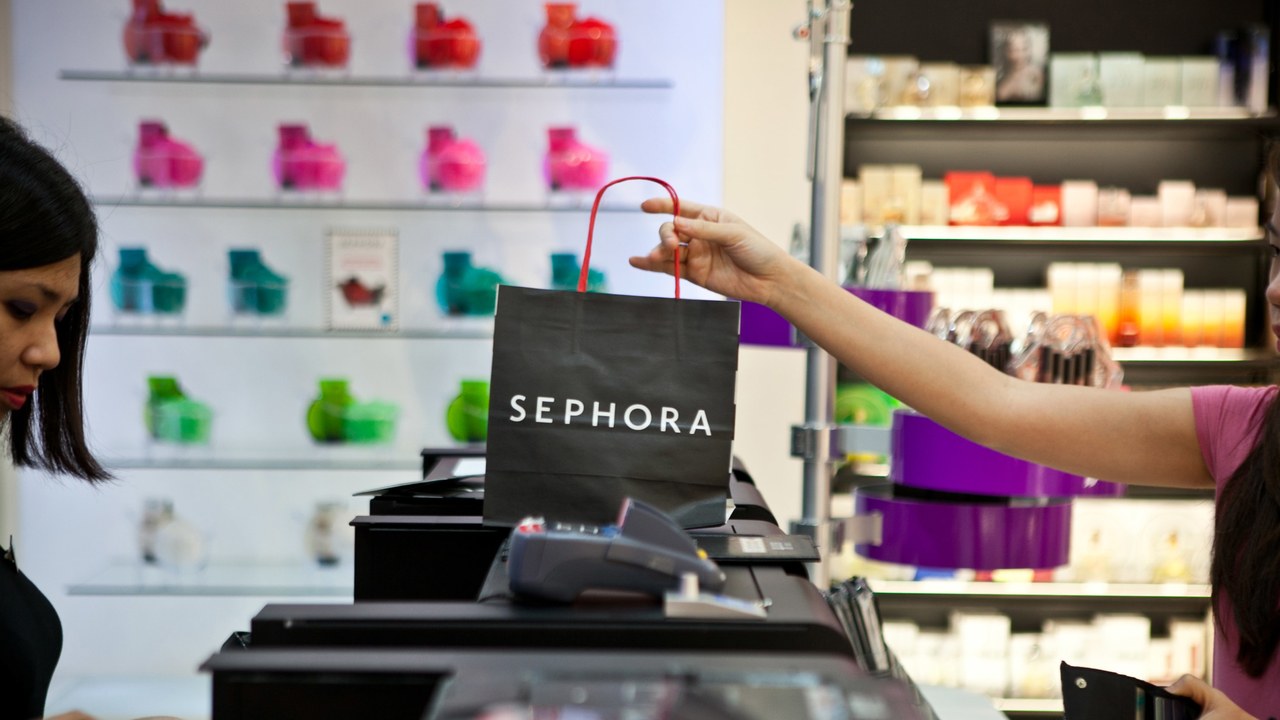
    Sephora China has launched a flagship store on Alibaba’s B2C platform Tmall Global.

    The Sephora Tmall Global flagship features a selection of beauty brands including Fenty, perfume house Bon Parfumeur, and skincare brands like Farmacy and Dermalogica. The cross-border store also introduced a series of beauty lines’ China debut such as Natasha Denona and Sunday Riley.

    As part of the launch, the beauty retailer unveiled its first showroom presenting cross-border beauty products with “cloud shelves” in a physical Sephora store.

    “Through the synergy of online and offline channels, consumers can access overseas brands to fulfill their emerging and evolving needs,” said Benjamin Vuchot, president of Sephora Asia. “This initiative is very special to us, as we are celebrating the 15th anniversary of Sephora China this year.

    “The opening of the Sephora Tmall Global flagship store offers a great opportunity for Sephora to continue reinforcing its commitment to the China market, by catering to the Chinese consumer’s ever-changing trends and evolving needs to enhance their beauty power,” Vuchot said.

    The Sephora Tmall Global flagship houses 600 products from 25 overseas beauty brands in the country.

  • Ikea online E-commerce store opens on Tmall

    Ikea online E-commerce store opens on Tmall

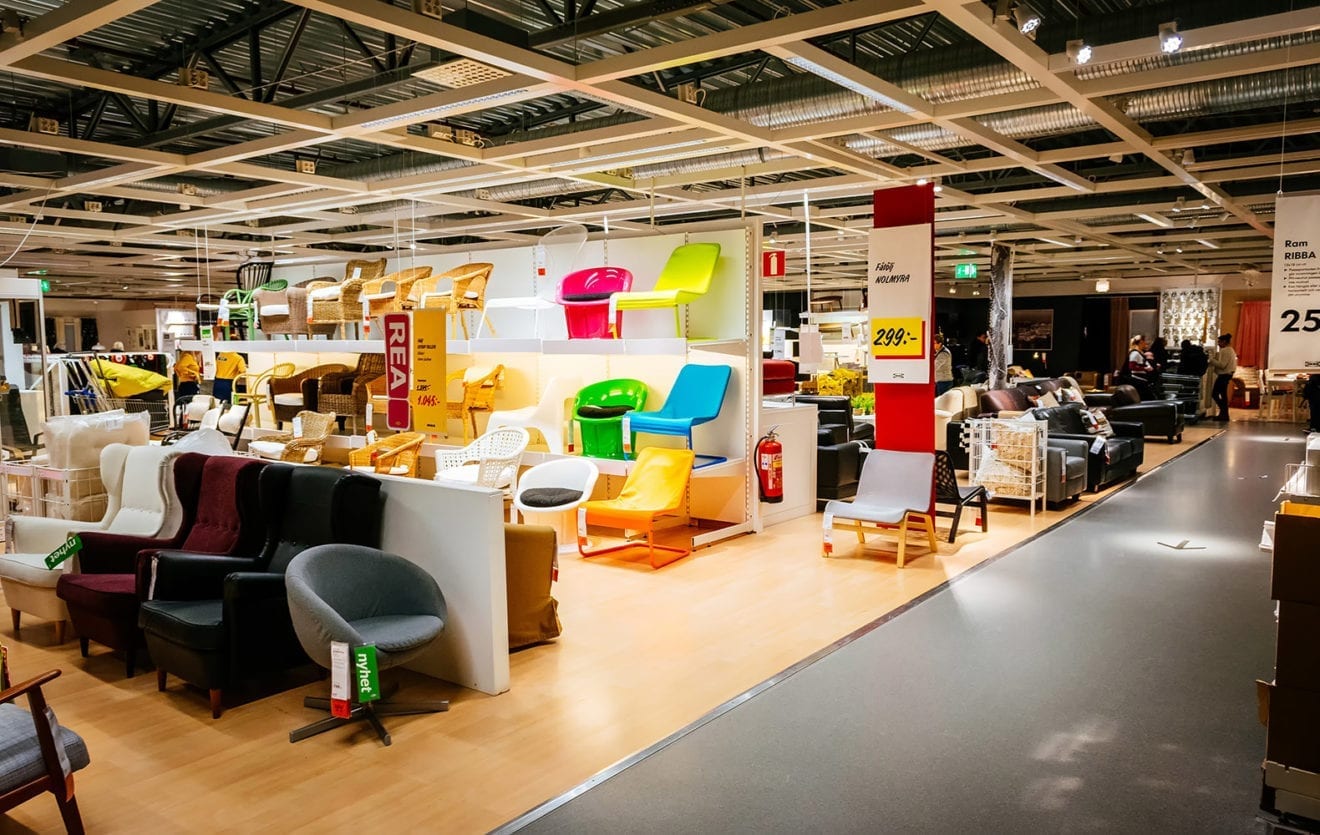
    Ikea has launched a flagship store on Alibaba’s marketplace Tmall, the first third-party platform the brand has partnered within Asia, and after leaving Amazon last year.

    Initially, with a six-month trial across the Chinese provinces of Jiangsu, Zhejiang and Anhui, and the city of Shanghai, the Ikea online flagship store features more than 3600 products.

    “At Ikea, we are very proud of our [physical] stores, but we are always eager to learn how to improve our service,” said Jon Abrahamsson Ring, MD of Inter Ikea Systems BV. “We are happy about this collaboration with Alibaba. I’m convinced that we will learn a lot and develop even better ways to meet our customers.”

    The launch of the Ikea online store on Tmall is part of the brand’s strategy to broaden the ways it reaches Chinese customers, making the brand more accessible.

    The coronavirus outbreak had no influence on the timing of the Tmall launch, an Ikea spokesperson confirmed.

    Ikea shut half of its 30 stores in China earlier this year due to the coronavirus outbreak. Recently, Ikea China is slowly returning to its normal business as the brand is reopening some of its stores across the country.

  • Tmall Global offers relief package to merchants worldwide

    Tmall Global offers relief package to merchants worldwide

    Alibaba’s B2C platform Tmall Global is offering support to its merchants during the coronavirus epidemic, including waiving services fees.

    The firm’s annual service fee for the first half of 2020 will be waived for all Tmall Global merchants on board before this coming July. It will also provide its shop setup tool Winpool Smart Edition to all its merchants free of charge.

    “It has always been Alibaba’s mission to make it easy to do business anywhere, and now it’s the time to commit,” said Tmall import and export GM Alvin Liu. “Tmall Global will stand firmly with merchants from all over the world, supporting them and uniting as one to overcome challenges and difficulties at this special moment.”

    Along with the fee waivers, Tmall Global will reduce or exempt warehouse rent and logistics costs. lower the threshold for merchants’ automatic settlement obligations, reduce agency service fees, provide low-interest loans to merchants, and optimize its rules and regulations to allow more flexibility.

    Tmall Global’s move follows the rollout of 20 measures by Alibaba Group and subsidiary Ant Financial to support Chinese SMEs during the outbreak.

  • Kenzo opens on Tmall Luxury Pavilion

    Kenzo opens on Tmall Luxury Pavilion

    Luxury fashion brand Kenzo has launched a flagship store on Tmall Luxury Pavilion, marking the brand’s first partnership in China with an e-commerce provider.

    This also makes Kenzo the first LVMH-owned fashion label to open a standalone store on Alibaba Group’s dedicated platform for luxury and premium brands.

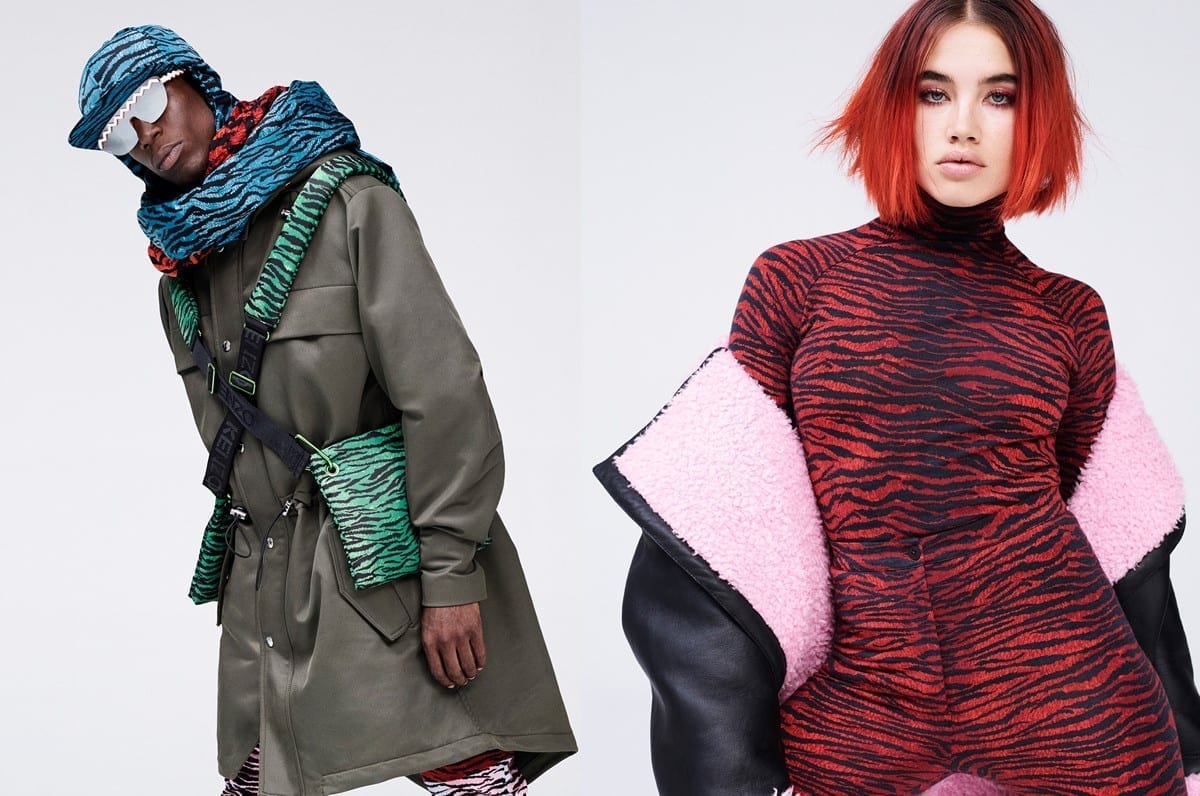
    Kenzo’s flagship store features items from its ready-to-wear, footwear, bags and accessories collections. The brand also launched its kung fu-inspired Chinese New Year capsule collection on the Pavilion, featuring Kenzo’s Kung Fu Rat character, a nod to the zodiac animal of the new lunar year.

    Two items from the new capsule,  a red cap and a zipped card case, also made their global debut on the Pavilion.

    To engage young shoppers, the brand also released a Kung Fu Rat-themed animation and interactive racing game inspired by 1950s comics and martial-arts movies from the 1970s. Pavilion users can play the game, featuring Kung Fu Rat and his Chinese-zodiac companions in a race across a hand-painted landscape, to win special perks and benefits.

    As part of the launch, Kenzo is also offering some of its first Pavilion customers special-edition boxes for purchases as well as interest-free, flexible payment options via Ant Financial’s consumer-lending service, Huabei.

  • Cartier flagship opens on Tmall Luxury Pavilion

    Cartier flagship opens on Tmall Luxury Pavilion

    Cartier flagship has opened on Alibaba’s premium Tmall Luxury Pavilion, becoming the first Richemont-owned business to launch a standalone boutique on the site.

    “The Tmall Flagship boutique marks a milestone within the Maison’s longstanding presence in China, reflecting the inheritance of the pioneering spirit embedded in the Maison’s DNA,” said Cyrille Vigneron, president and CEO at Cartier International.

    He said the Cartier flagship’s launch will provide significant opportunities for the brand to embrace China’s fast-moving retail environment in order to further strengthen its commitment to Chinese clients, given the increasingly complex e-commerce landscape of the market.

    Besides a wide collection of jewelry, timepieces, and accessories, the Cartier flagship on Tmall features the global debut of two exclusive collections: the Juste un Clou small model bracelet with diamonds and the Guirlande chain wallet bag.

    The brand offers special services including red box engravings and door-to-door Cartier Bellboy delivery services for the first 288 clients.

    To celebrate the launch, Cartier Tmall has created a hashtag #Let’s Cartier on Weibo and unveiled its grand opening ceremony this February with Tmall Super Brand Day.

  • Japan’s RMK aims for Chinese consumers with Tmall Global launch

    Japan’s RMK aims for Chinese consumers with Tmall Global launch

    Japanese cosmetics brand RMK has launched a flagship store on Chinese e-commerce platform Tmall Global.

    The move has been described as part of RMK’s broader focus to tap the lucrative Asia-Pacific beauty market and create a stable platform for beauty brands in China.

    Shagun Sachdeva, a consumer insights analyst at GlobalData, says RMK is already available in Japan, Taiwan, Hong Kong and South Korea.

    “The calculative move to tie up with Tmall Global has been made to indulge in omnichannel retailing with an aim to increase its presence in the high-value Chinese market and get access to a wider customer base,” he said.

    According to GlobalData, the Cosmetics and Toiletries market in China is growing at a steady pace and is almost double than that of in Japan last year.

    GlobalData’s 2018 fourth-quarter consumer survey revealed that 63 percent of Chinese consumers prefer online channels to buy beauty and grooming products.

    “The strategic decision to expand seems to be driven by rising popularity and growing demand of Japanese beauty products among Asia-Pacific consumers owing to perceived safety, better quality and multi-functionality,” said Sachdeva.

    “The brand has grabbed the opportunity of looking at the high intensity of J-beauty products being imported in China or bought by Chinese visitors in Japan. With the launch on Tmall Global, the company aims to target such customer base first and then include more products in its range soon.”

  • Coach, Kate Spade parent strikes strategic alliance with Tmall China

    Coach, Kate Spade parent strikes strategic alliance with Tmall China

    US-based luxury retail company Tapestry has entered into a strategic alliance with Alibaba’s Tmall platform to boost the sale of its Coach, Kate Spade, and Stuart Weitzman products online in China.

    The partnership, announced last week, will see Tapestry unveil flagship stores for its suite of luxury brands on Tmall later this month, where it will offer exclusive products and personalized content and services to Chinese shoppers.

    The partnership reflects a step forward in Tapestry’s ChinaNext strategy, which aims to grow the company’s China business and gather digital learnings that can be leveraged in other markets.

    Currently, less than 20 percent of Tapestry’s revenue comes from China. The company is looking to increase that figure by tapping into Tmall’s active user base of over 750 million shoppers.

    “Tapestry is committed to the Chinese market. We have a leadership position in China and all of our brands have a tremendous opportunity for further growth,” Jide Zeitlin, Tapestry CEO and chairman, said in a statement.

    “Given Tapestry’s focus on customer experience, creating innovative strategic partnerships with leaders such as Tmall helps us to connect our unique lifestyle brands with the important fashion and digitally savvy Chinese consumer,” he said.

    Beyond the new digital flagships, Tapestry is also working with Alibaba on intellectual property rights protection. Coach is a member of the Alibaba Anti-Counterfeiting Alliance and leverages the e-commerce company’s tools, technology and cooperation initiatives to protect its brand.

  • Starbucks and Alibaba Launch Voice Ordering and Delivery through Tmall Genie

    Starbucks and Alibaba Launch Voice Ordering and Delivery through Tmall Genie

    Starbucks is taking another step toward evolving the digital customer experience for customers in China by launching voice ordering and delivery capabilities within Alibaba’s smart speaker, Tmall Genie. Customers can now order their favorite Starbucks beverages and food simply by using their voice for delivery within 30-minutes. Leveraging Alibaba’s on-demand food delivery platform, Ele.me, the voice ordering capabilities for Starbucks, further extend the customer experience within Starbucks digital ecosystem.

    The launch of the new service marks the one-year anniversary of Starbucks and Alibaba’s strategic partnership which advances the New Retail infrastructure and digital power in China – one of the fastest-growing markets in the world for coffee consumption. The announcement also builds on several significant collaborations between the two companies that enable a seamless Starbucks Experience for Chinese customers, such as establishing back-of-house kitchens, Star Kitchens, within Alibaba’s Freshippo supermarkets in China.

    “We are thrilled to provide our cutting-edge Artificial Intelligence technology through Tmall Genie to serve Starbucks digitally-savvy customers in China,” said Miffy Chen, general manager at Alibaba A.I. Labs which leads the development of Tmall Genie. “Earlier this year, we launched food order and delivery service through Ele.me in response to our users’ needs for on-demand local services. We’re excited to introduce an even more diverse and enriched experience on our platform through Starbucks voice ordering and provide a direct benefit to Chinese consumers within their daily routine.”

    “The Starbucks feature through Alibaba’s Tmall Genie ushers in a new era of digital customer engagement for Starbucks, leveraging ground-breaking digital technology to create an unprecedented experience that elevates our connection with customers to new heights,” said Molly Liu, vice president and general manager, Digital Ventures, Starbucks China. “We are focused on ensuring that Starbucks voice ordering is truly personal, and we look forward to offering our customers more convenient moments and new opportunities to engage with Starbucks on a single integrated platform as they move throughout the day.”

    Through Alibaba’s Tmall Genie, customers place an order using their voice and can track their order in real-time within the 30-minute delivery timeframe.

    Starbucks® Rewards members also can earn Stars and receive membership updates, including benefits, on the Tmall Genie. Soon, members will be able to receive personalized recommendations when using voice commands to place orders that are tailored to previous order preferences and popular items from Starbucks seasonal menu. As another added benefit, Starbucks fans in China can also listen to the latest Starbucks in-store playlists through Alibaba’s music streaming app, Xiami Music.