Retail News CRM

Tag: tmall

  • Everlane launches on Chinese Tmall Platform

    Everlane launches on Chinese Tmall Platform

    US fashion brand Everlane has opened a store on Alibaba’s cross-border e-commerce marketplace Tmall Global.

    The Tmall Global store will offer Chinese consumers access to Everlane’s latest products, including womenswear, menswear, shoes, and accessories. It is the San Francisco-based label’s first sales channel in China, apart from its own site.

    The brand is known for championing sustainable practices and its ethos of “radical transparency,” revealing the costs behind each product – from materials and labor to transport and duties – and offering it to consumers at a price below the traditional retail markup. When shoppers look at the Tmall Global product page for its Day Market Tote, for example, they will see the leather bag costs about RMB807 (US$112.9) to make and is sold at RMB1514 – nearly half the traditional market price, according to Everlane.

    “China is one of the most thoughtful and sophisticated consumer markets in the world,” said Everlane’s founder and CEO Michael Preysman. “The Chinese consumer cares about beautiful quality at a great price and cares about the planet and their impact on the world. We want to help support their vision and offer beautiful basics that are also ethically made.”

    “As the consumer demand for ethical clothing and sustainable products grows, we believe Everlane will welcome a new era of shopping on the platform,” said Tmall Global deputy GM Yi Qian.

    “Everlane has pioneered the idea of radical transparency in their supply chain by showing their costs and factories, and we look forward to partnering with them closely to bring their products and stories to Chinese consumers.”

  • Tmall designers line up for New York Fashion Week

    Tmall designers line up for New York Fashion Week

    Alibaba Group’s B2C platform Tmall has announced its lineup of designers that will hit the runway at New York Fashion Week this September.

    In addition to the runway shows, Tmall will host a pop-up exhibition featuring cross-over collaborations riding the “China Cool” trend. Featured brand collaborations will include Chinese confectionery company Hsu Fu Chi and clothing brand Tyakasha; Chinese snack brand Qinqin and fashion brand Mukzin; Dove Chocolate and Hefang Jewelry; and home furniture brand Ziinlife and Chow Tai Seng jewellery.

    “The concept behind our ‘Tmall China Cool’ pop-up exhibition is a celebration of the design and creative powerhouse that China is becoming today. ‘China Cool’ is a trend we are seeing that blends the cutting-edge of fashion and innovation with a respect for authenticity and heritage,” said Tmall and Taobao marketing GM Bo Liu. “We have worked with both Chinese and international brands to pioneer new experiences and cross-over collaborations that are at the forefront of this trend and will be showcased in this New York Fashion Week exhibition.”

    The “Tmall China Cool” showcase will take place Wednesday, September 4 – the first day of NYFW: The Shows – and will feature a slate of Chinese designers including Peacebird, Threegun, RiZhuo and emerging designers Songta and I-am-chen.

    Tmall’s partnership with NYFW: The Shows aims to cultivate and showcase fashion talent and creative culture in China.

    “We are thrilled to be back at New York Fashion Week with another exciting line-up of Chinese design talent this year,” said Tmall Fashion GM Jessica Liu. “Tmall has always been a gateway to renowned international brands and retailers that are looking to access China. At the same time, we have empowered homegrown talent from China to grow their brands and develop their creativity and originality.

    “This year, we are also working with brands to leverage our new trend forecasting capabilities so they are able to strengthen their position as innovative brands and capture consumer interest. Today, the fashion scene in China is more vibrant than ever and we look forward to showcasing the spirit of innovation as well as the creative talent of our ‘Tmall China Cool’ designers at New York Fashion Week.”

  • Tory Burch opens store on Tmall Luxury Pavilion

    Tory Burch opens store on Tmall Luxury Pavilion

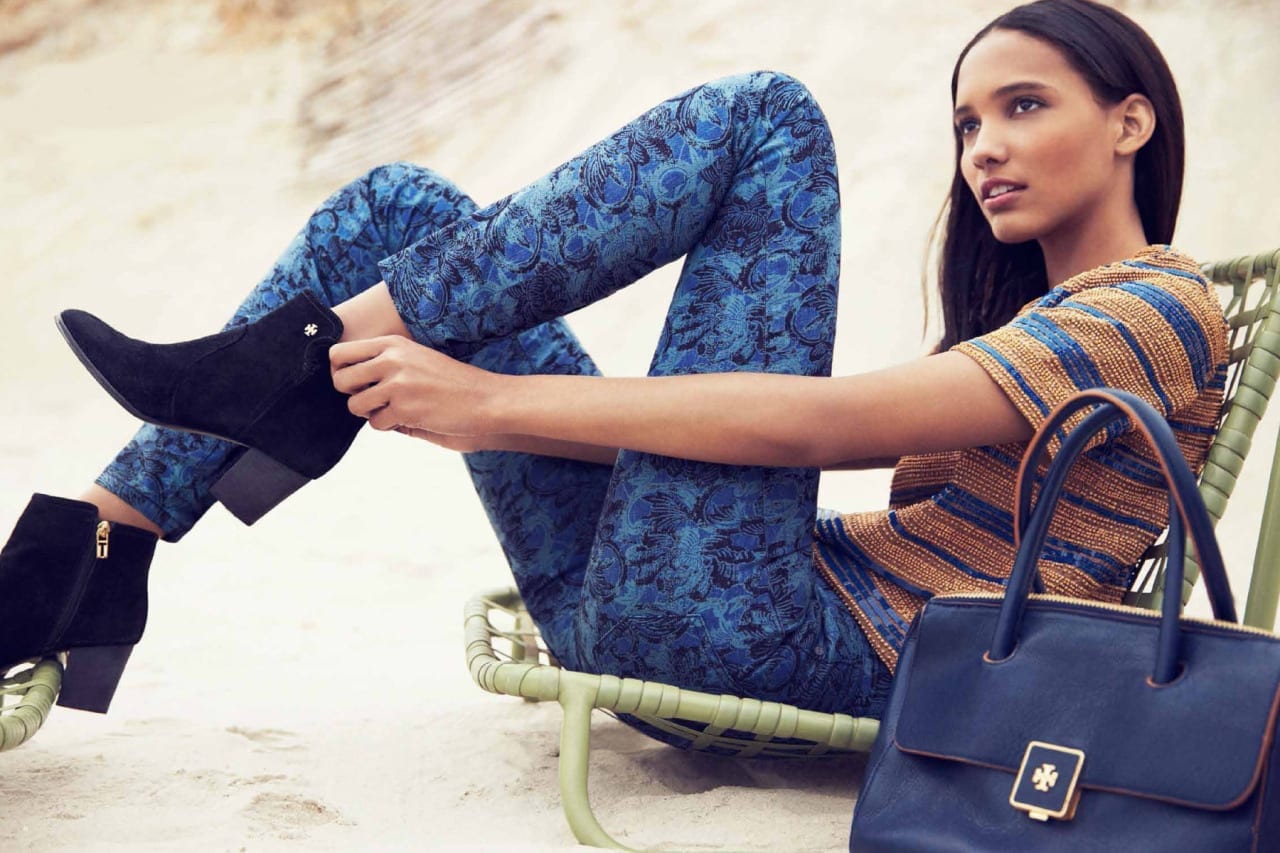
    American fashion brand Tory Burch has opened a flagship store on Tmall Luxury Pavilion, Alibaba Group’s dedicated channel for luxury and premium goods.

    Chinese consumers can now find Tory Burch’s clothing, shoes, bags, accessories and watch collections on the Pavilion – the label’s first third-party e-commerce store in the country, it said in a statement.

    To mark the opening, the brand exclusively debuted seven items on the platform, including its Katya Tunic Dress, Ella Printed Logo Tote and Poppy Canvas Espadrille, as well as products from its Chinese Valentine’s Day capsule collection. The capsule includes four handbags, a card case and the brand’s signature ballet flats in pink and red.

    Tory Burch also released an interactive tool for consumers to share their sentiments with one another on the romantic holiday, which falls on August 7 this year. Using the augmented reality-powered “AR Buy+” function on Mobile Taobao, consumers can scan any heart-shape in their surroundings to access a special page that allows them to send personalized letters to their loved ones. Meanwhile, from July 26 to August 9, the fashion brand will launch a Chinese Valentine’s Day-themed pop-up installation in China’s northern Harbin city.

    “To have an iconic brand like Tory Burch join Tmall is a testament to the platform’s ability to attract and engage with the 700 million-plus consumers on our platforms for premium fashion and lifestyle brands from around the world,” said Jessica Liu, GM of Tmall Fashion and Luxury. “We look forward to partnering with them closely to bring special products and creative activations to Chinese consumers.”

    The flagship opening comes as Tory Burch expands its retail footprint across the country. The brand now operates 34 stores in China, including five new boutiques launched this year, including in Guangzhou, Hangzhou, Nanning and Chengdu.

    Launched in 2017, Tmall Luxury Pavilion now offers more than 115 brands, ranging from apparel and beauty items to watches and luxury cars, including Chanel, Bottega Veneta, Valentino, Alexander McQueen, Burberry, Tod’s, Versace, Stella McCartney, Marni, Moschino, Gentle Monster, Michael Kors, MCM, Breitling, Maserati, LVMH-owned Rimowa, Guerlain, Givenchy, Tag Heuer and Zenith. Tmall said it wants to double that number by next March.

  • Michael Kors launches on Tmall Luxury Pavilion

    Michael Kors launches on Tmall Luxury Pavilion

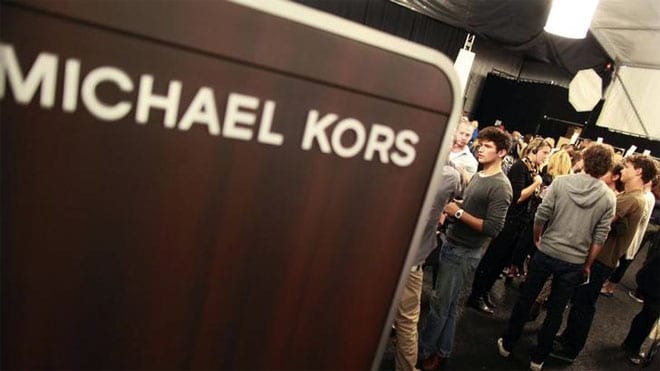
    US fashion brand Michael Kors is to launch a digital flagship store on Alibaba’s Tmall and the Tmall Luxury Pavilion.

    The launch marks Michael Kors’ first e-commerce channel in China, apart from its own site, offering consumers the full line of clothing sold offline, as well as a selection of handbags and footwear. The brand said Tmall would be its main destination for debuting products in China, including new items that will be exclusive to the platform – not sold anywhere else in the world.

    John D Idol, chairman and CEO of Capri Holdings, the parent of Michael Kors, Versace and Jimmy Choo, said consumers are becoming more digitally engaged with luxury shopping in China and Tmall Luxury Pavilion is the perfect venue for the Michael Kors brand to communicate its vision.”

    The label will hold a series of events in the coming months, including during New York Fashion Week in September, to celebrate the flagship’s grand opening. On Chinese Valentine’s Day, on August 7, Michael Kors will launch a capsule collection featuring graffiti-inspired clothing, handbags, footwear, jewellery and wristwatches, samples of which are pictured below

    “Michael Kors is an iconic, beloved brand and we are delighted to partner with it as it looks to accelerate its momentum in the Chinese market. This collaboration will bring both exciting products and elevated shopping experiences to the more than 700 million Chinese consumers on our platforms,” said Jiang Fan, president of Taobao and Tmall.

    Launched in 2017, Tmall Luxury Pavilion now offers more than 115 brands, ranging from apparel and beauty items to watches and luxury cars, including Chanel, Bottega Veneta, Valentino, Burberry, Tod’s, Versace, Stella McCartney, Moschino, Gentle Monster, Giuseppe Zanotti, MCM, Maserati, and LVMH-owned Rimowa, Guerlain, Givenchy, Tag Heuer and Zenith.

    Tmall wants to double that number by the end of next March.

  • Tmall offers new tools for retailers to revamp online storefronts

    Tmall offers new tools for retailers to revamp online storefronts

    Alibaba’s marketplace Tmall has rolled out a suite of tools for brands to customize their online storefronts and offer a more personalized experience for shoppers.

    The platform’s “Flagship Store 2.0” solution pulls both analytics and popular technologies together into the Tmall app, offering brands new tools to revamp their existing flagship online storefronts and provide each consumer a personalized page based on their previous shopping patterns. It also allows brands to display and order offline specials and inventory through their newly designed online stores.

    “We aim to offer new tools to all brands and merchants on our platform to transform their operations with digital technology,” said the president of Taobao and Tmall Jiang Fan. “By supporting players on our marketplace to push the New Retail boundary, we will reinforce Tmall’s position as the go-to platform for innovative e-commerce and brand new shopping experiences”.

    This is the most significant upgrade of Tmall’s flagship stores since its PC-based launch in 2008. With Flagship Store 2.0, Tmall is opening its back end to independent software vendors so they can develop new virtual shopping spaces for online store operators. At the same time, Tmall will start including 3D and augmented reality product-display technology in its apps, allowing customers to, for example, see how a piece of furniture will look in their own living room or let them “try on” lipstick in a virtual mirror before placing an order.

    Another feature of the Flagship Store 2.0 solution is the ability to connect brands’ Tmall flagship online storefronts to their offline outlets. This means online shoppers can browse and purchase from a similar product assortment as offered at the brands’ physical locations. The seamless integration can bolster store traffic, both online and offline.

    The use of demographic analytics and a shopper’s history by brands means customers will get a unique, more individualized product recommendations on the platform, along with privileges based on their Tmall membership status.

  • Tmall Offers New Tools to Revamp Storefronts, Customize Customer Experience

    Tmall Offers New Tools to Revamp Storefronts, Customize Customer Experience

    Tmall has rolled out a suite of tools for brands to customize their online storefronts and offer a more-personalized experience for shoppers.

    Called “Flagship Store 2.0,” the solution from Alibaba’s premier marketplace pulls together into the Tmall app both analytics and technologies that have proven popular with customers elsewhere in the group ecosystem. Tmall’s goal is to offer brands new tools to revamp their existing flagship store and offer each consumer a personalized page based on their previous shopping pattern. It’s also giving brands a New Retail twist, letting them display and order offline specials and inventory through their newly designed online stores.

    “We aim to offer new tools to all brands and merchants on our platform to transform their operations with digital technology. By supporting players on our marketplace to push the New Retail boundary, we will reinforce Tmall’s position as the go-to platform for innovative e-commerce and brand new shopping experiences,” said Jiang Fan, president of Taobao and Tmall.

    This is the most-significant upgrade of Tmall flagship stores since their PC-based launch in 2008. Back then, brands opened simple, modular storefronts. Over time, Tmall added some customization and options for content creation – short videos, animations and livestreaming – to engage and educate consumers and build a strong online shopping community.

    With Flagship Store 2.0, Tmall will open its back end to independent software vendors (ISVs), so that they can develop new virtual shopping spaces for online store operators. The idea is to let brands build stores that have their own, distinct “look and feel.” At the same time, Tmall will start including 3D and augmented reality (AR) product-display technology in its apps. That will allow customers, for example, to see how a piece of furniture will look in their own living room or let them “try on” lipstick in a virtual mirror before placing an order.

    Another feature of the Flagship Store 2.0 solution is the ability to connect brands’ Tmall flagship stores to their offline outlets. This means online shoppers can browse and purchase from a similar product assortment as offered at the brands’ physical locations. The seamless integration can bolster store traffic, both online and offline.

    The use of demographic analytics and a shopper’s history by brands means customers will get a unique, more-individualized product recommendations, along with privileges based on their Tmall membership status. With more discretionary income and a higher demand for exclusivity, Chinese consumers across the spectrum are showing stronger desire for a memorable experience with each purchase. They not only want high-quality products at a reasonable price, they are also seeking a fun, interactive experience.

  • Tmall Global launches new English-language website

    Tmall Global launches new English-language website

    Tmall Global today launched its first English-language website to attract more merchants and businesses from around the world to join China’s largest cross-border online shopping platform.

    The portal makes it easier for sellers of all sizes to capitalize on burgeoning demand from Chinese consumers for high-quality imported products.

    Tmall Global already features 20,000 international brands in over 4,000 categories from 77 countries and regions. This outreach aims to make Tmall more appealing to small, medium-sized and niche brands from other countries with products that would sate the demands of China’s post-1995 generation.

    The website details Tmall Global and the solutions it offers to overseas merchants entering the China market. It includes steps on how to open a flagship store on Tmall Global and tap direct import tools, such as Tmall Overseas Fulfillment (TOF), a new initiative launched later last year to provide international merchants a low-cost, low-risk way to take a first step toward selling to China before making a more full-fledged market entry.

    The portal also provides tools that streamline the process to join Tmall Global. Businesses wanting to open a flagship store can fill out a questionnaire and input basic information about their operation. That information will be pre-screened, and qualifying applicants will be contacted within 72 hours. Apart from offering assistance during the onboarding process, Tmall Global will also advise merchants on how to optimize their operations after they establish a presence on the platform.

    “Tmall Global’s mission is to connect high-quality international brands across the globe with Chinese consumers. We believe the launch of this English-language website will expedite the process for brands and merchants to introduce their products to Chinese consumers. The website will widen our reach to merchants, especially to those medium and small sized businesses around the world,” said Yi Qian, Deputy General Manager of Tmall Global.

    In addition to English, Tmall Global plans to launch other language versions of its entry portal for merchants, including Spanish, Japanese and Korean.

    Tmall Global has notched significant growth in the past year and looks to continue the strong momentum. In 2018, the number of new flagship store openings on Tmall Global doubled from the previous year, and that growth rate is expected to accelerate further this year.

  • Tmall and VF Corporation Deepen Partnership in China

    Tmall and VF Corporation Deepen Partnership in China

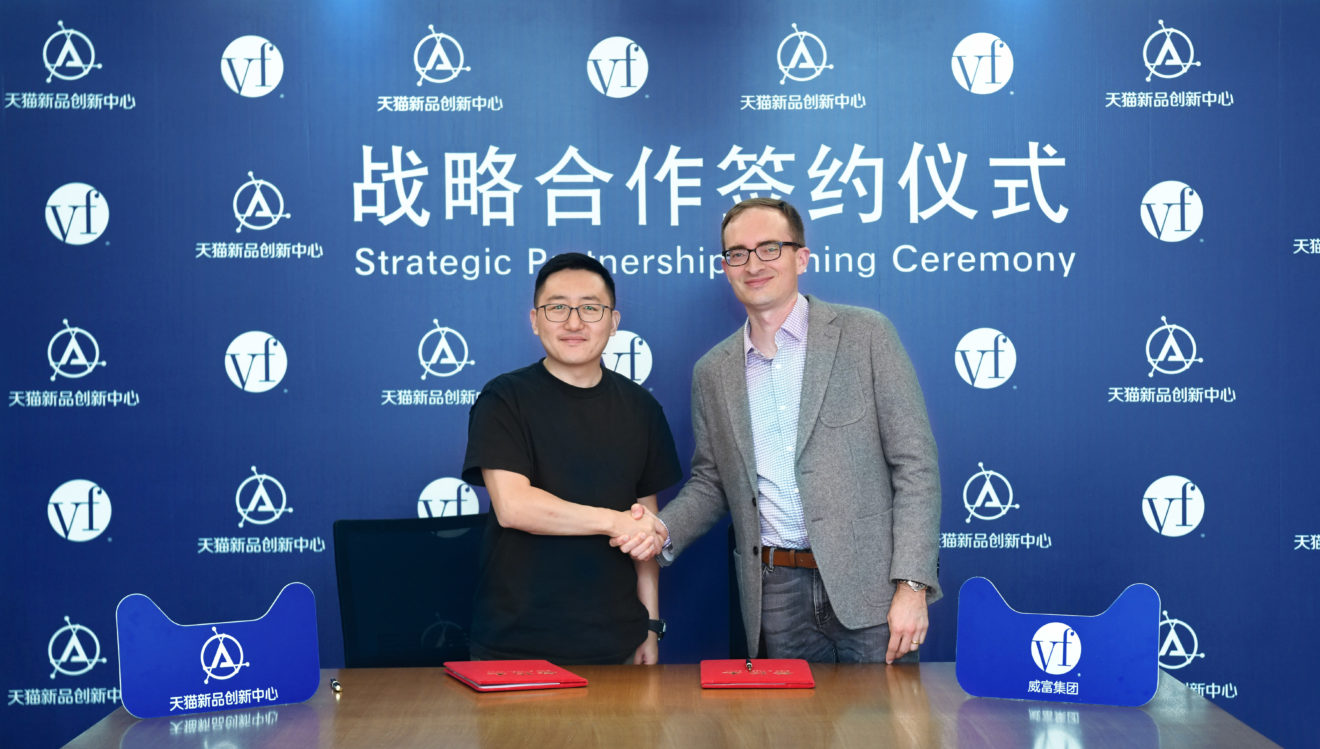
    Tmall, China’s largest B2C platform under Alibaba Group, has formed a strategic partnership with VF Corporation (“VF”) to expand the global leader’s offerings of branded lifestyle apparel, footwear and accessories in China.

    Under the agreement, Tmall Innovation Center (“TMIC”), the dedicated retail innovation arm of Tmall, will provide VF data-driven consumer analytics from the 654 million annual active consumers across Alibaba’s marketplaces, enabling it to tailor products for Chinese consumers. VF is the parent company of apparel brands Vans, The North Face and Timberland and is the first TMIC high-level partner in the apparel category.

    “With Tmall’s unparalleled customer insights, strong technical support and in-depth market knowledge, we are eager to work with the world’s leading companies to help them bring their best products into the China market in the most-effective and efficient way. Through our partnership with VF, we are committed to helping VF create products that can precisely match the appetite of the Chinese consumer,” said Liu Bo, general manager of Alibaba’s Marketing Platform Business.

    The partnership will focus on identifying new consumption trends, pre-launch testing, consumer profiling, and post-launch tracking to optimize product design, range and assortment to uncover unmet needs of Chinese consumers.

  • H&M’s & Other Stories Launching on Tmall

    H&M’s & Other Stories Launching on Tmall

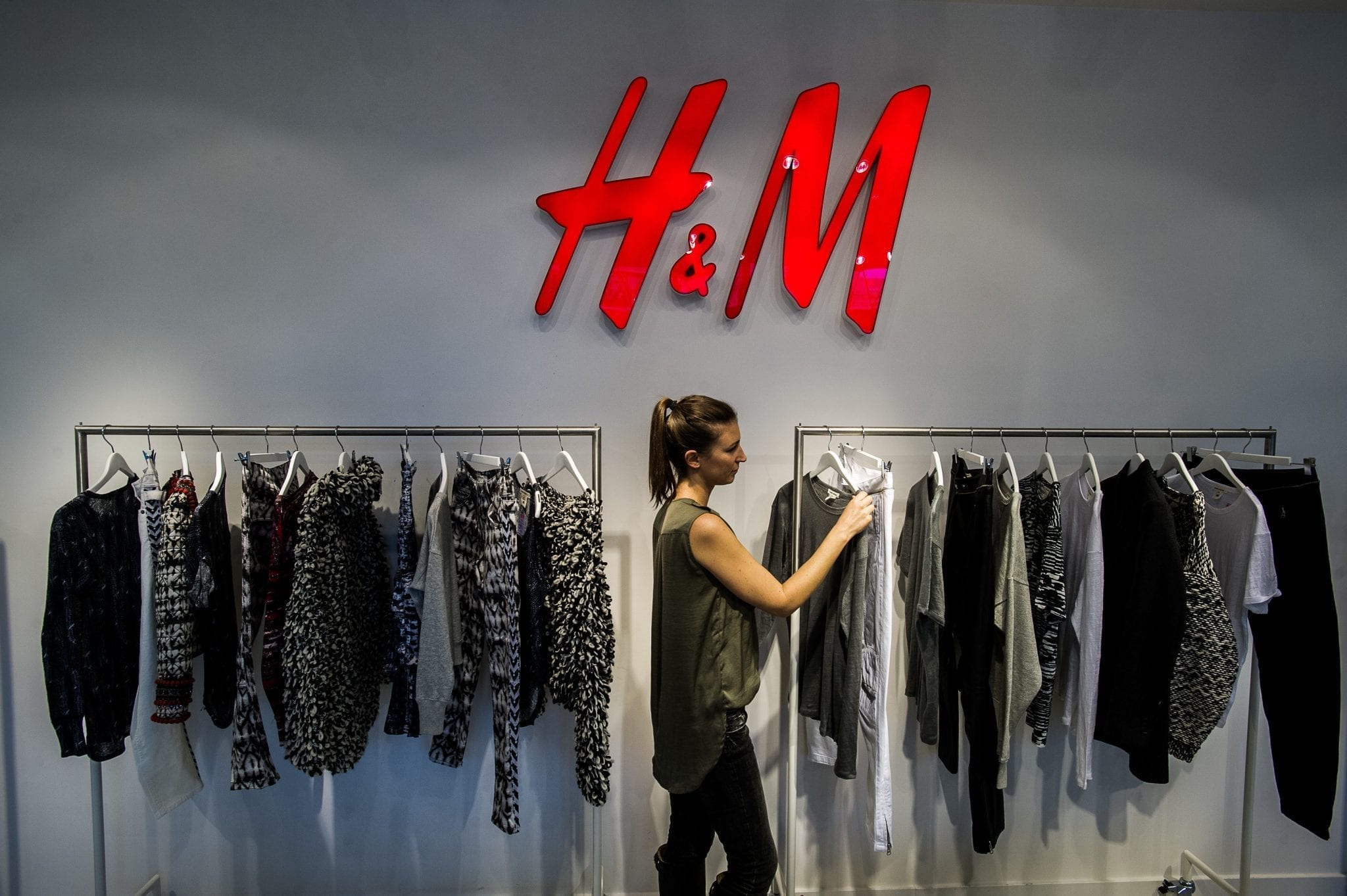
    H&M Group’s womenswear brand & Other Stories will launch a Tmall flagship store in the fall, making the Alibaba Group-owned B2C online marketplace the label’s first official sales channel in China.

    The Tmall store will offer collections designed by its three ateliers in Paris, Stockholm and Los Angeles, ranging from shoes, bags and jewelry to accessories and ready-to-wear items, according to a release.

    “This collaboration marks another important milestone in our long-standing partnership with H&M Group brands, and we look forward to continue working together to bring elevated shopping experiences to Chinese consumers,” said Jessica Liu, GM of Tmall Fashion and Luxury.

    & Other Stories will be the fourth H&M brand to join Tmall, following the Swedish fashion group’s namesake H&M brand and home-accessories brand H&M Home last year. H&M’s street-style label Monki opened a flagship store in 2016. The fast-fashion giant also owns denim lines Weekday and Cheap Monday, boutique-style label Cos, as well as the fashion-and-lifestyle brand Arket.

    “We look forward to the launch this autumn and can’t wait to get to know our Chinese customers and seeing their interpretations of our wardrobe treasures,” & Other Stories MD Sanna Lindberg said.

    Launched in 2013, & Other Stories operates 70 stores worldwide, while its online shop currently delivers to 15 countries in Europe, the U.S. and Korea.

  • New Zealand Food Basket launches Tmall Store

    New Zealand Food Basket launches Tmall Store

    Some of New Zealand’s most popular food and beverage brands now have direct access to Chinese customers through a new flagship on the online marketplace, Tmall.

    The online flagship, which opened last week, is the result of a joint venture between Tmall Fresh and New Zealand Food Basket Ltd, a consortium of 18 food and beverage brands.

    “It will significantly improve our reach and shorten the supply chain in a way that each brand couldn’t achieve alone,” Nicola O’Rourke, chairperson of the consortium, said.

    Nine brands were available for sale at launch – Babich, Vogel’s, Rockit, Future Cuisine, Pāmu, Zealong, Fiordland Lobster and Oha Honey – while the remaining nine brands are set to begin selling on the marketplace in June.

    They include Zespri, Sanford, Lewis Road Creamery, Kāpiti, Sealord, Alliance, Shott Beverages, Wild Catch and Cherri.

    Tmall is owned and operated by Alibaba, China’s biggest e-commerce company, with nearly 700 million monthly active users.

    The flagship store is expected to boost awareness of the brands in a market where demand for New Zealand products is high, but it can be difficult for even big companies to get cut-through.

    “Together, we want to help these brands deepen their engagement with the Chinese consumer, so shoppers in China can gain a greater appreciation of the premium high-quality products that New Zealand offers,” Maggie Zhou, Alibaba’s managing director for Australia and New Zealand, said at the signing ceremony in Shanghai last week.

    According to New Zealand’s official data agency, Stats NZ, in 2018, China was the country’s single-biggest export market, accounting for around one in every five dollars of sales of goods and services.

    At $16.6 billion, New Zealand’s export to China for the year ended September 30, 2018, was $2.6 billion more than Australia and nearly double the sales to the US.

  • Food brands team up on Tmall in New Zealand

    Food brands team up on Tmall in New Zealand

    Some of New Zealand’s most popular food and beverage brands now have direct access to Chinese customers through a new flagship on the online marketplace, Tmall.

    The online flagship, which opened last week, is the result of a joint venture between Tmall Fresh and New Zealand Food Basket Ltd, a consortium of 18 food and beverage brands.

    “It will significantly improve our reach and shorten the supply chain in a way that each brand couldn’t achieve alone,” Nicola O’Rourke, chairperson of the consortium, said.

    Nine brands were available for sale at launch – Babich, Vogel’s, Rockit, Future Cuisine, Pāmu, Zealong, Fiordland Lobster and Oha Honey – while the remaining nine brands are set to begin selling on the marketplace in June.

    They include Zespri, Sanford, Lewis Road Creamery, Kāpiti, Sealord, Alliance, Shott Beverages, Wild Catch and Cherri.

    Tmall is owned and operated by Alibaba, China’s biggest e-commerce company, with nearly 700 million monthly active users.

    The flagship store is expected to boost awareness of the brands in a market where demand for New Zealand products is high, but it can be difficult for even big companies to get cut-through.

    “Together, we want to help these brands deepen their engagement with the Chinese consumer, so shoppers in China can gain a greater appreciation of the premium high-quality products that New Zealand offers,” Maggie Zhou, Alibaba’s managing director for Australia and New Zealand, said at the signing ceremony in Shanghai last week.

    According to New Zealand’s official data agency, Stats NZ, in 2018, China was the country’s single-biggest export market, accounting for around one in every five dollars of sales of goods and services.

    At $16.6 billion, New Zealand’s export to China for the year ended September 30, 2018, was $2.6 billion more than Australia and nearly double the sales to the US.

  • Tmall Reinforces Go-to Platform Status for Product Debuts

    Tmall Reinforces Go-to Platform Status for Product Debuts

    Alibaba Group’s Tmall today announced it will launch a dedicated gateway for customers to discover new products through the Taobao mobile app, looking to cement its position as the “go-to” platform for such launches.

    From Wednesday, customers clicking on the “Tmall” icon in their Taobao app will be directed to the “Tmall New Products” channel, which includes a full array of new features, such as Tmall’s “Most Sought-after New Items,” “The Next New Things,” “Limited Editions” and “New Flagships.” Working with brands and key opinion leaders, the channel will provide customers with in-depth information and recommendations on new products.

    Tmall has long been an effective platform for showcasing new products, a one-stop shop for consumers to find the hottest new items online, and a creative, experiential channel to interact with and learn more about new products.

    The new channel for product launches is powered by Tmall’s already impressive suite of marketing tools, such as “Hey Box” and the Tmall Innovation Center (TMIC). In the past year, 82% of new products tailored by TMIC became a top-three “hot” item in its category within 30 days of launch. TMIC has also reduced the product development cycle by half, to an average of nine months.

  • Fashion Brand Alexander McQueen joins Tmall

    Fashion Brand Alexander McQueen joins Tmall

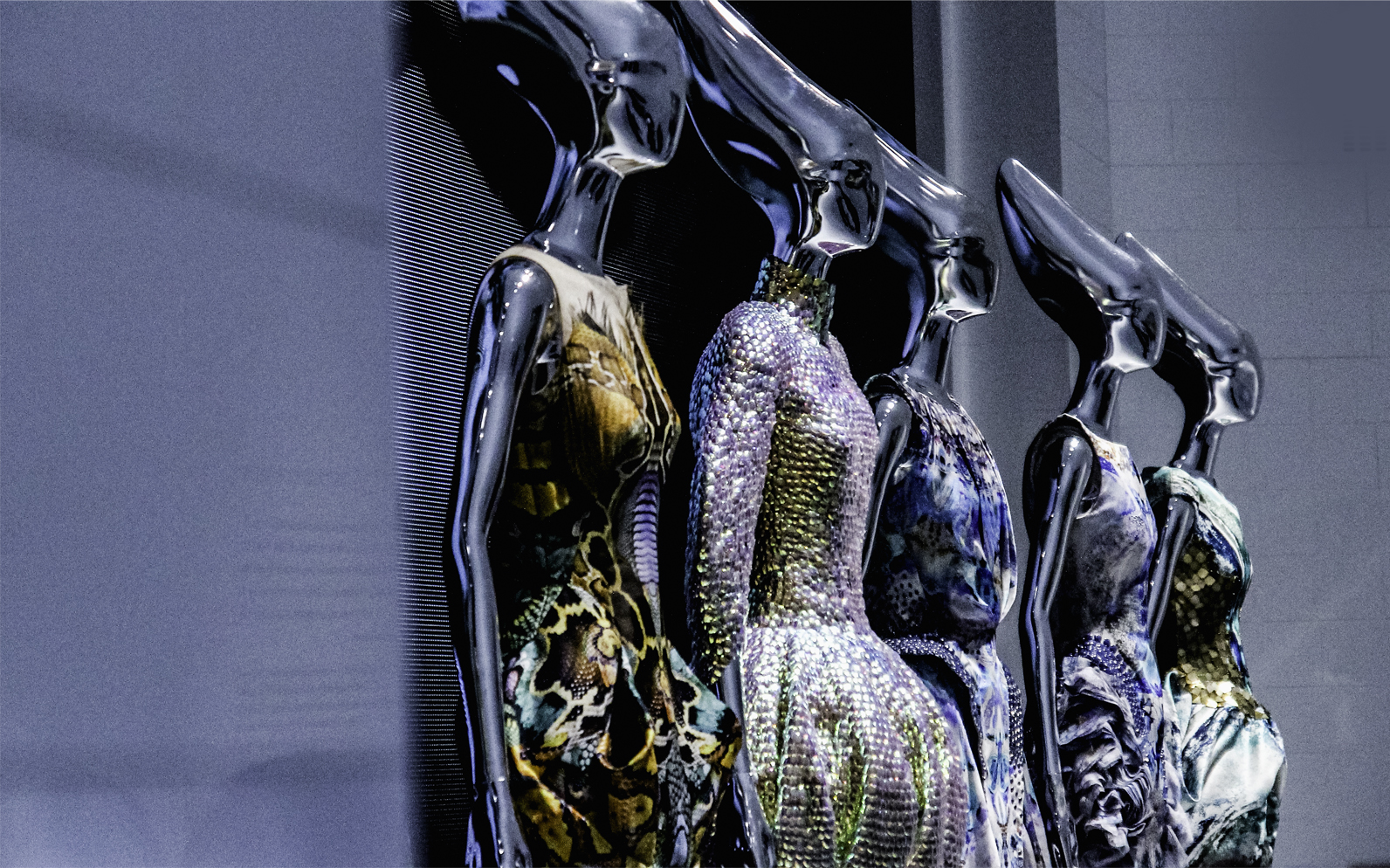
    British fashion house Alexander McQueen — known for its unique tailoring and audacious designs — has soft-launched a virtual store on the Tmall Luxury Pavilion, Alibaba Group’s platform for luxury and premium brands.

    It will be the first online store in China that’s directly run by the house itself, rather than through a local partner, giving it full creative control over the look and feel of the site, the Pavilion said.

    The luxury brand was founded in 1992 by the late Lee Alexander McQueen, known for combining a respect for traditional craftsmanship with provocative, darkly romantic designs. Today, his eponymous label remains hugely influential, seen as synonymous with modern British couture. Following his death in 2010, Sarah Burton was appointed creative director of the house. Burton, who worked alongside McQueen for 14 years, currently oversees the creative direction of all the brand’s collections.

    The Alexander McQueen brand oversees a network of 73 directly operated brick-and-mortar boutiques, as well as several franchises and specialty stores worldwide, with flagships stores due to open in Shanghai and Hong Kong in 2019, per its parent Kering Group.

    The Tmall Luxury Pavilion Alexander McQueen store will officially launch on April 16, featuring items that incorporate images from the John Daekin Archive as part of the designs. The archive manages the work of John Daekin, the 20th-century British photographer who captured the lives of his artist and poet friends in London’s bohemia, Soho.

    Alexander McQueen is the third Kering-owned luxury brand to join the Pavilion, following Hong Kong-based jeweller Qeelin and Italian fashion house Bottega Veneta. Launched in 2017, Tmall Luxury Pavilion now offers more than 100 brands, ranging from apparel and beauty items to watches and luxury cars, including Valentino, Burberry, Tod’s, Versace, Stella McCartney, Moschino, Giuseppe Zanotti, MCM, La Mer, Maserati, LVMH-owned Rimowa, Guerlain, Givenchy, Tag Heuer and Zenith.

    Sherry Lang, MD of Tmall’s luxury division, said the Pavilion helps maisons and premium brands engage with China’s younger generation of consumers, delivering the same brand exclusivity and tailored shopping experience online that they would get in a brick-and-mortar store.

    “We also want to help luxury brands expand their reach in smaller cities and rural areas, where purchasing power is growing, but offer limited access to luxury goods,” said Lang. “The Pavilion is well-positioned to fill that gap.”

    The growth of the Pavilion comes as Chinese consumers drive global high-end spending, with Mainland China’s luxury sales growing 20 per cent to €23 billion ($25.8 billion) last year, according to Bain & Co. The consulting firm forecasts that by 2025, Chinese consumers will account for 46 per cent of the global market, up from 33 per cent last year.

  • Tmall Global Unveils New Initiatives to Boost China’s Imports

    Tmall Global Unveils New Initiatives to Boost China’s Imports

    Tmall Global today unveiled two key initiatives that further Alibaba’s plans to bring $200 billion worth of international goods into China over the next five years and help businesses of all sizes enter the China market. The initiatives – the Centralized Import Procurement (CIP) and Tmall Overseas Fulfillment (TOF) – are import solutions offered by Tmall Global to help international brands accelerate their entry into China and capitalize on hot demand for high-quality products.

    As the biggest cross-border platform in China, Tmall Global not only helps brand open up flagship stores on the platform, but also offers direct import services that can help bring international goods, from companies of all sizes sell into the Chinese market, benefiting Chinese consumers with an expanded choice of imported products.

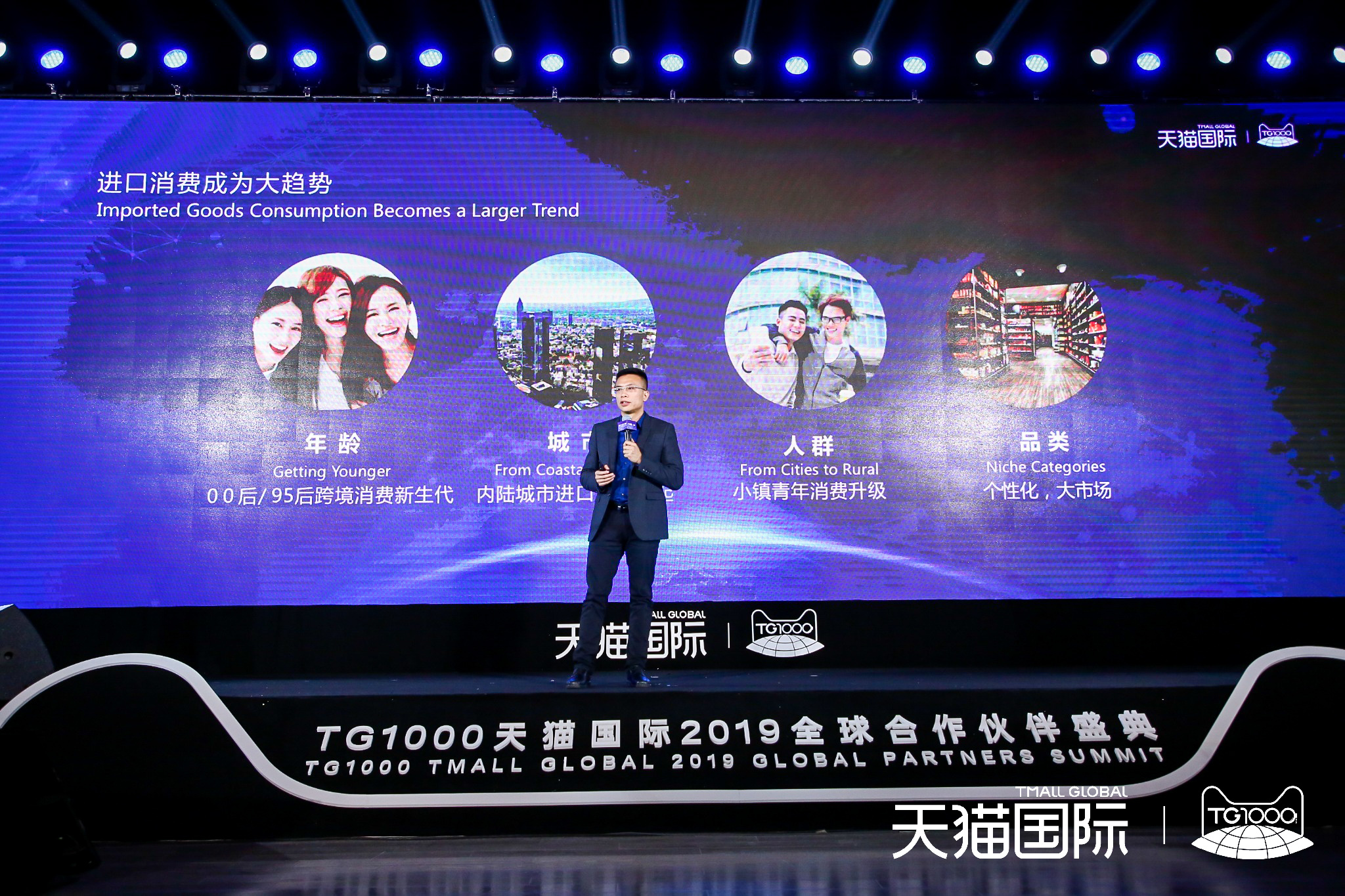
    “These new initiatives on Tmall Global, supported by the entire Alibaba ecosystem and benefiting both current and future partners, are needed enhancements as we strive to meet the rising demand of Chinese consumers for high-quality international products,” said Alvin Liu, General Manager of Tmall Import-Export, at the Tmall Global 2019 Global Partners Summit. At the China International Import Expo in November last year, Alibaba pledged to bring $200 billion worth of international goods into China over the next five years through its platforms.

    Alibaba unveiled the CIP program today as a key part of Alibaba’s new retail business. By leveraging the six procurement centers Alibaba has set up across the globe, the program sources imported goods for all the online and offline outlets within the Alibaba ecosystem, including technology-driven grocery chain Freshippo (also known as

    “Hema” in Chinese), Tmall Supermarket and Intime Department Store. The program is a quick and low-risk way for international brands to enter China, allowing them to reach the nearly 700 million active users on Alibaba platforms.

    TOF is a consignment solution that allows brands to place a small batch of products at one of the TOF centers to be sold on the Tmall Global platform. This gives businesses around the world a chance to try out and fine tune their product assortment before making a full entry into China. TOF centers are currently available in Japan, South Korea and the US, with plans to expand into Europe later this year.

    To support these new initiatives, Alibaba’s smart logistics network, Cainiao, will continue to expand its network of bonded warehouses in China, with an aim to triple its total size to three million square meters in three years.

    “Over the years, Tmall Global has added a full suite of innovative and value-added services to help overseas brands succeed in the China market, including plugging them in to the entire Alibaba economy. The consumer insight from our ecosystem provides Tmall Global partners a complete view of their customers’ engagements even if they do not have operations in China. These market entry and in-market expansion programs are our key differentiators and have created unique benefits for international brands,” said Liu.

    Tmall Global data shows China’s demands for imported goods is gaining strong traction across age groups, regions and categories. Those born after 2000, or

    “Generation Z,” is the fastest-growing consumer group on the platform. The platform is attracting more shoppers in less developed regions, and Tmall Global has successfully propelled the growth of three categories: anti-hair loss products, beautyfrom- within products such as collagen drinks and trendy footwear in 2018.

    China’s “Generation Z” is also fueling demand for pet products and beauty devices. In 2018, the number of pet-related brands on Tmall Global doubled from the previous year, and sales of beauty devices on the platform also quadrupled from a year earlier. Recognizing young Chinese consumers’ love for content, Tmall Global will continue to offer brands a raft of content-generating tools to boost brand awareness. By tapping into Alibaba’s own digital-media channels, such as Taobao Livestream, brands can directly speak to Chinese consumer through multiple touchpoints, including livestream services, videos and testimonials by popular influencers and key opinion leaders.

    According to Chinese data-analytics firm Analysys, Tmall Global is the biggest crossborder platform in China. The platform offers Chinese consumers over 20,000 overseas brands and over 4,000 product categories from 77 countries and regions.

  • Tmall Global Unveils New Initiatives to Boost China’s Imports

    Tmall Global Unveils New Initiatives to Boost China’s Imports

    Tmall Global today unveiled two key initiatives that further Alibaba’s plans to bring $200 billion worth of international goods into China over the next five years and help businesses of all sizes enter the China market.

    The initiatives – the Centralized Import Procurement (CIP) and Tmall Overseas Fulfillment (TOF) – are import solutions offered by Tmall Global to help international brands accelerate their entry into China and capitalize on hot demand for high-quality products.

    As the biggest cross-border platform in China, Tmall Global not only helps brand  open up flagship stores on the platform, but also offers direct import services that can help bring international goods, from companies of all sizes sell into the Chinese market, benefiting Chinese consumers with an expanded choice of imported products.

    “These new initiatives on Tmall Global, supported by the entire Alibaba ecosystem and benefiting both current and future partners, are needed enhancements as we strive to meet the rising demand of Chinese consumers for high-quality international products,” said Alvin Liu, General Manager of Tmall Import-Export, at the Tmall Global 2019 Global Partners Summit.

    At the China International Import Expo in November last year, Alibaba pledged to bring $200 billion worth of international goods into China over the next five years through its platforms.

    Alibaba unveiled the CIP program today as a key part of Alibaba’s new retail business. By leveraging the six procurement centers Alibaba has set up across the globe, the program sources imported goods for all the online and offline outlets within the Alibaba ecosystem, including technology-driven grocery chain Freshippo (also known as “Hema” in Chinese), Tmall Supermarket and Intime Department Store. The program is a quick and low-risk way for international brands to enter China, allowing them to reach the nearly 700 million active users on Alibaba platforms.

    TOF is a consignment solution that allows brands to place a small batch of products at one of the TOF centers to be sold on the Tmall Global platform. This gives businesses around the world a chance to try out and fine tune their product assortment before making a full entry into China. TOF centers are currently available in Japan, South Korea and the US, with plans to expand into Europe later this year.

    To support these new initiatives, Alibaba’s smart logistics network, Cainiao, will continue to expand its network of bonded warehouses in China, with an aim to triple its total size to three million square meters in three years.

    “Over the years, Tmall Global has added a full suite of innovative and value-added services to help overseas brands succeed in the China market, including plugging them in to the entire Alibaba economy. The consumer insight from our ecosystem provides Tmall Global partners a complete view of their customers’ engagements even if they do not have operations in China. These market entry and in-market expansion programs are our key differentiators and have created unique benefits for international brands,” said Liu.

    Tmall Global data shows China’s demands for imported goods is gaining strong traction across age groups, regions and categories. Those born after 2000, or “Generation Z,” is the fastest-growing consumer group on the platform. The platform is attracting more shoppers in less developed regions, and Tmall Global has successfully propelled the growth of three categories: anti-hair loss products, beauty-from-within products such as collagen drinks and trendy footwear in 2018.

    China’s “Generation Z” is also fueling demand for pet products and beauty devices. In 2018, the number of pet-related brands on Tmall Global doubled from the previous year, and sales of beauty devices on the platform also quadrupled from a year earlier.

    Recognizing young Chinese consumers’ love for content, Tmall Global will continue to offer brands a raft of content-generating tools to boost brand awareness. By tapping into Alibaba’s own digital-media channels, such as Taobao Livestream, brands can directly speak to Chinese consumer through multiple touchpoints, including livestream services, videos and testimonials by popular influencers and key opinion leaders.

    According to Chinese data-analytics firm Analysys, Tmall Global is the biggest cross-border platform in China. The platform offers Chinese consumers over 20,000 overseas brands and over 4,000 product categories from 77 countries and regions.