Tag: tmall

  • Lotte.com opens Tmall storefront

    Lotte.com opens Tmall storefront

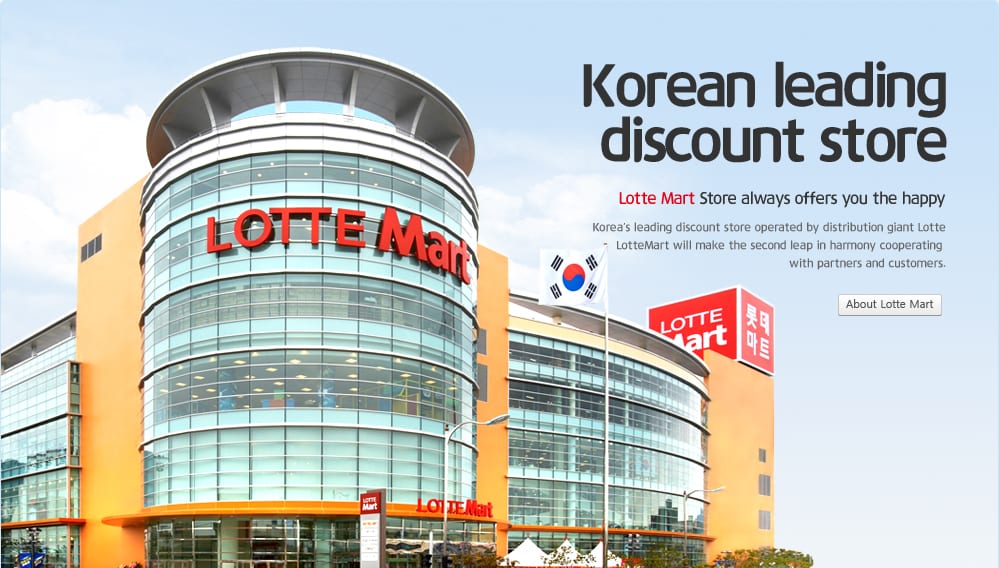
    Korean retailer Lotte Mart has opened a shop front on China’s Tmall.

    The Lotte Mart store on Tmall Global, is the first Korean discount store to have an online presence on the popular Chinese online shopping mall.

    Lotte Mart has launched with an offer of 16 selected Korean products popular with Chinese customers, including beauty products such as shampoo and bathing goods, ginseng and Tongkeun Oxford blocks.

    The range will be expanded to between 100 and 120 products by the end of March.

    Lotte.com will manage the Tmall site operations and marketing while Lotte Mart will manage product sourcing.

    Tmall Global Mobile Lotte Mart page 315

    Lotte Mart will monitor sales to Chinese tourists in its offline department stores and duty free outlets to guide product selection for the new Tmall store.

    Lotte.com opened a Global Lotte.com site in February 2014, serving overseas purchasers. Chinese shoppers account for 75 per cent of the Global Lotte.com sales, despite the site serving 19 international markets. Sales to Chinese shoppers are increasing by an average of 40 per cent each month this year.

    Lotte.com says Chinese shoppers trust the quality of Korean products with the most popular categories Korean cosmetics and baby products such as diapers and wet tissues.

    Tmall is a business to consumer online store managed by Alibaba, China’s largest eCommerce group. Tmall Global specialises in foreign brands and foreign companies targeting Chinese residents.

  • Neteven to help Europeans sell on Tmal

    Neteven to help Europeans sell on Tmal

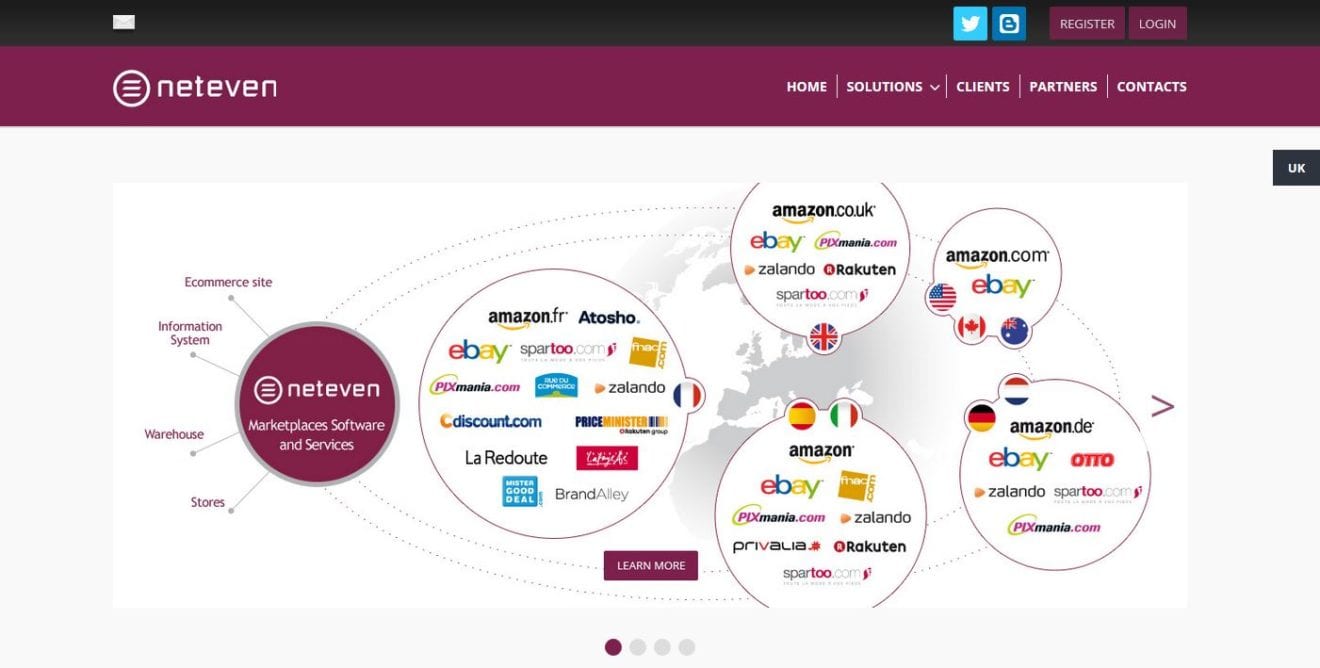
    Online marketplaces management solution provider Neteven has partnered with China’s Tmall Global to help European brands sell to Chinese consumers online.

    The partnership with Alibaba Group’s Tmall Global marketplace will allow European brands to launch their business across China’s vast consumer market.

    It opens the way for brands and retailers in fashion, home and garden, kids, accessories and many more categories to sell their products to the Chinese market and drive incremental revenues.

    Neteven says its has worked closely with Tmall Global in order to launch “a fully managed solution” which includes the technical integration of the Tmall Global marketplace within Neteven’s platform and the adapted services for brands.

    Launched in April 2008, Tmall provides a premium shopping experience for Chinese consumers seeking quality branded merchandise. Tmall Global allows international brands and retailers to sell on China’s largest third-party platform, with very few localisation constraints. For example, overseas companies without Chinese business licenses are eligible to apply to sell on Tmall Global. Orders can be fulfilled and shipped from outside of China, and customer payments are settled in the preferred origin currency such as US Dollars, Euros, etc.

    For the past 10 years, Neteven has collaborated with leading brands and marketplaces to provide its clients with a comprehensive offering. Thanks to the API integration of Tmall Global within Neteven’s software, European brands and retailers have now access to the most effective entry point for China e-commerce market.

    Greg Zemor, Neteven CEO, says more than half of Neteven’s clients are based outside of France.

    “All our European clients use our solution to trade locally, in Europe or in the US. The logical next step was to open their distribution to the largest and fastest growing e-commerce market in the world – China. Beyond technology, we needed to offer the market a good value proposition.”

    Shaoming Yang, head of Tmall Global Europe said Europe is a key strategic focus for Tmall Global. “Our aim is to help brands and retailers reach Chinese consumers that are eager for their products. To extend our reach we work with trusted and respected organisations such as Neteven to build an ecommerce ecosystem that works for both consumers and brands.”


  • Domestic online giants to overtake MNC rivals as China’s favourite retailers

    Domestic online giants to overtake MNC rivals as China’s favourite retailers

    New consumer research shows that domestic online retailers are becoming as popular as multi-national brands amongst shoppers in China. eCommerce brands such as TMall (Alibaba Group) and JD.com (invested by Tencent) are now increasingly trusted businesses, offering far more than just cheap prices and convenience. At their current rate, one of them will likely take the top spot in the next two years, according to OC&C Strategy Consultants Greater China.

    Although sportswear brands, Adidas and Nike, once again topped the latest rankings in Second Mover Advantage – The OC&C Retail Proposition Index China 2014 (The Index), Tmall now appears in the top three for the first time. In total, four of the top ten places are now occupied by Chinese online-only retailers – TMall, JD.com, YHD.com and Taobao. The rankings are based on the views of over 2,000 consumers across China who rated retailers against criteria including, trust, value for money and product suitability.

    The growth in popularity of eCommerce retailers means that the Chinese retail landscape is starting to become more like other global markets where generalist, online-only players such as Amazon, tend to be dominant.

    “As retail execution and consumer expectations increasingly mirror what we see in Western markets, it may only be a matter of time before a pure online-only player becomes the most popular retail brand in China,” said Jack Chuang, Associate Partner at OC&C Strategy Consultants Greater China. “Chinese consumers are becoming more confident and independent in their shopping habits and exercising greater choice between retail brands, particularly online.”

    “This means that foreign retailers are losing their inherent advantage over their Chinese counterparts as the high-profile, trusted brands of choice with shoppers. The era of relying on their brand strength and its implied trust is coming to an end. Retailers will need to respond by tailoring their products specifically to the local target market.” he added.

    The growth of eCommerce in China will continue over the next few years. The evidence from The Index highlights that the key challenge for traditional bricks and mortar retailers will be developing an attractive multi-channel offering (online as well as offline) to consumers. Some retailers in western markets are starting to fight back against the competition from online-only retailers and, in the long-term, this will likely also be a feature of the Chinese market.