Retail News CRM

Tag: tmall

  • China’s Top Boutique Openings in 2015

    China’s Top Boutique Openings in 2015

    IMG_2022

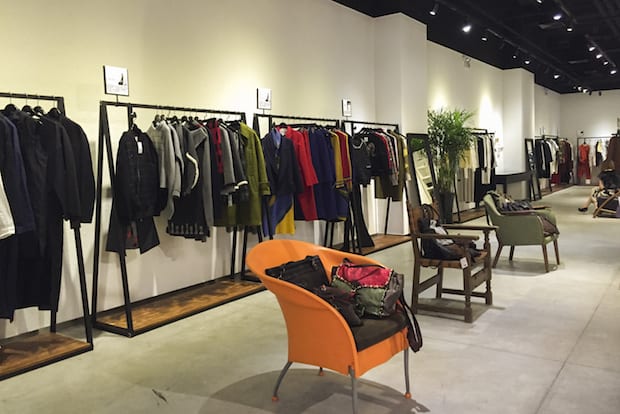
    Last year is yet another in a line of several that proved tough for the luxury retail industry in China. The anti-graft campaign has continued in full force, causing some shoppers to steer clear of flashy, high-cost purchases, while online shopping has driven many malls around the country to close. Still, 2015 was a big year for several international high-end labels, independent boutiques, and department stores that entered China for the first time or were revamped to give consumers an updated look. Here are six brands that made headlines in the style sector this year.

    Fei Space
    _DSC0251

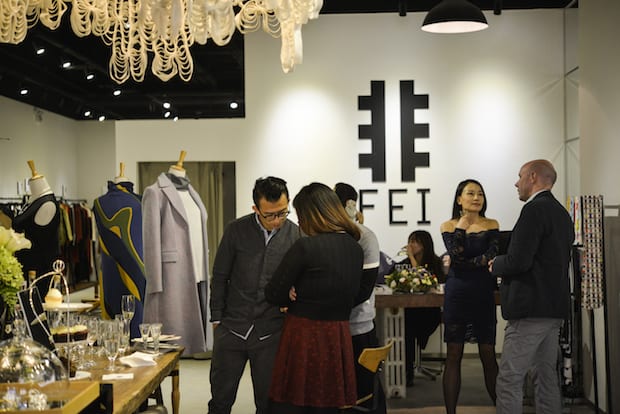
    Formerly located in 798 Art District, Fei Space is a culmination of local designers and stylish brands from around the world. Shoppers may also recognize the boutique for its pop-up store in Beijing’s U-Town mall that featured past-season collections from Topshop and Topman. Now that the official Topshop has opened in Galeries Lafayette (see below), the new Fei Space now is primarily focused on Chinese independent designers and some casualwear, such as Beijing-based American workwear brand Taciturnli and Shenzhen designer VMajor. It’s located in the Grand Summit mall, an evolving shopping center in the capital’s embassy district that includes a multitude of high-end Chinese boutiques and local health food chains aimed at the discerning shopper.

    Triple Major Beijing
    triple_major

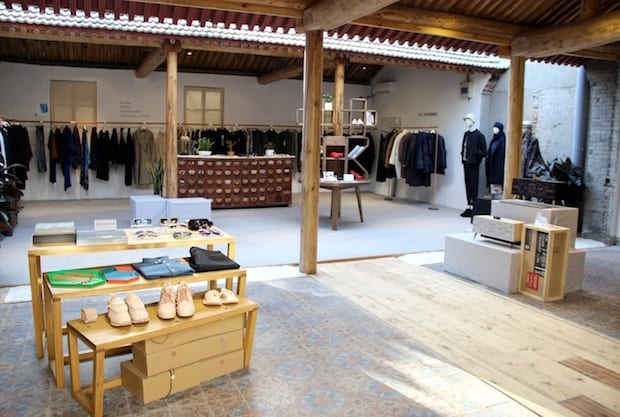
    The year was off to a good start as far as openings go—Triple Major wowed media with its expansive new store in Beijing’s developing Dashilar district, which was designed in part to reflect the building’s former use: a Chinese pharmacy. Owner Ritchie Chan moved the concept store featuring both international and local brands from its home in Beijing’s central hutongs to an area that’s quickly transforming into a hub for young creatives with no shortage of locally-owned third-wave coffee shops, art galleries, and small, artisan boutiques.

    Topshop at Galeries Lafayette
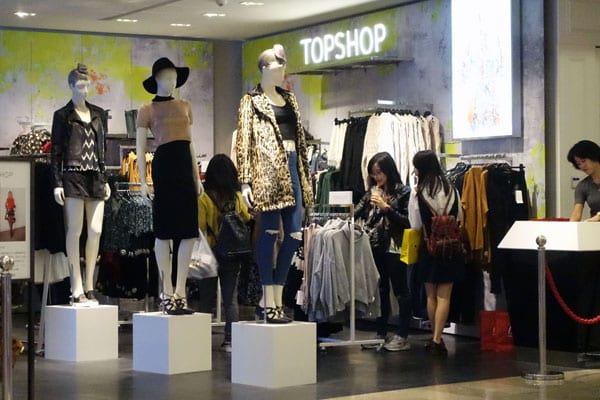
    The new Topshop location at Galeries Lafayette in Beijing. (China Daily)

    The new Topshop location at Galeries Lafayette in Beijing. (China Daily)

    Topshop has been open in Hong Kong for a few years, but only this year has the brand decided to put roots in the mainland, namely in the French department store Galeries Lafayette, a mall that has been struggling to attract shoppers in Beijing’s Xidan area. This version is tiny compared to its flagship and blends in on a floor mainly reserved for Asian independent labels.

    Tommy Hilfiger
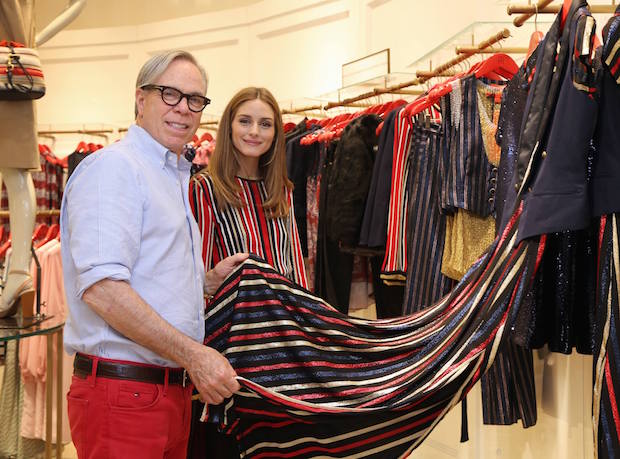
    Tommy Hilfiger (L) with socialite Olivia Palermo (R) at the brand's new store opening in Beijing. (Tommy Hilfiger/Facebook)

    Tommy Hilfiger (L) with socialite Olivia Palermo (R) at the brand’s new store opening in Beijing. (Tommy Hilfiger/Facebook)

    Tommy Hilfiger kicked off opening its largest store in Beijing’s In88 shopping center with a football-themed runway show in the spring, hoping to gain Chinese fans by pushing an all-American aesthetic.

    JNBY Concept Store
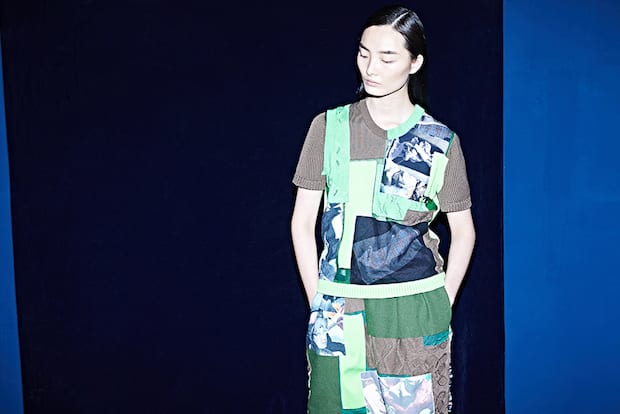
    A look from JNBY's latest collection. (Courtesy Photo)

    A look from JNBY’s latest collection. (Courtesy Photo)

    The JNBY Concept Store is nothing new outside of China, but Beijing gained its first in the new Grand Summit mall this year along with an art exhibit in cooperation with Beijing’s UCCA to kick things off. Fans of the international, Hangzhou-born brand that’s known for supporting independent Chinese designers with high-end clothing for adults and children also get a selection of contemporary jewelry and handbags and artisan chocolate.

    Macy’s (Tmall)
    Macys

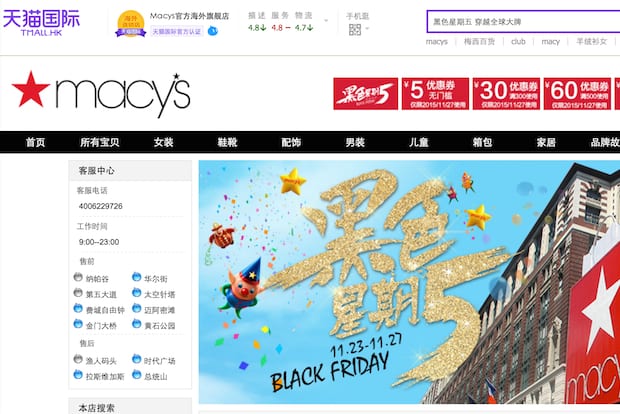
    Macy’s entered China this year on more official terms when it opened its shop on Alibaba Group’s Tmall, becoming the first U.S. department store to do so. It steered away from opening a brick-and-mortar shop, unlike its competitors who have done so and struggled, like the UK brand Marks & Spencer. M&S closed a chunk of its stores in Shanghai and instead opened a brand new space in Beijing’s business district shopping center, The Place.

    Michael Kors
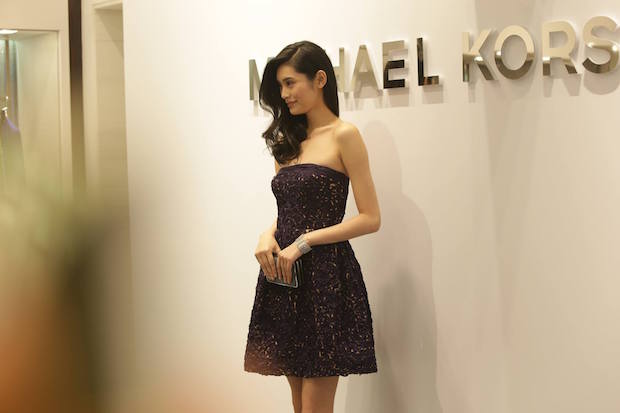
    Model Ming Xi makes an appearance at the Michael Kors opening in Beijing. (Michael Kors/Facebook)

    Model Ming Xi makes an appearance at the Michael Kors opening in Beijing. (Michael Kors/Facebook)

    Huamao Shopping Center in Beijing acquired a 9,000-square-foot Michael Kors flagship store last month, which was celebrated with a photo exhibition done in collaboration with Vogue China. The new shop is now the largest in Asia, followed by the Shanghai flagship that opened last year alongside a high-profile campaign to attract jet-set Chinese consumers.

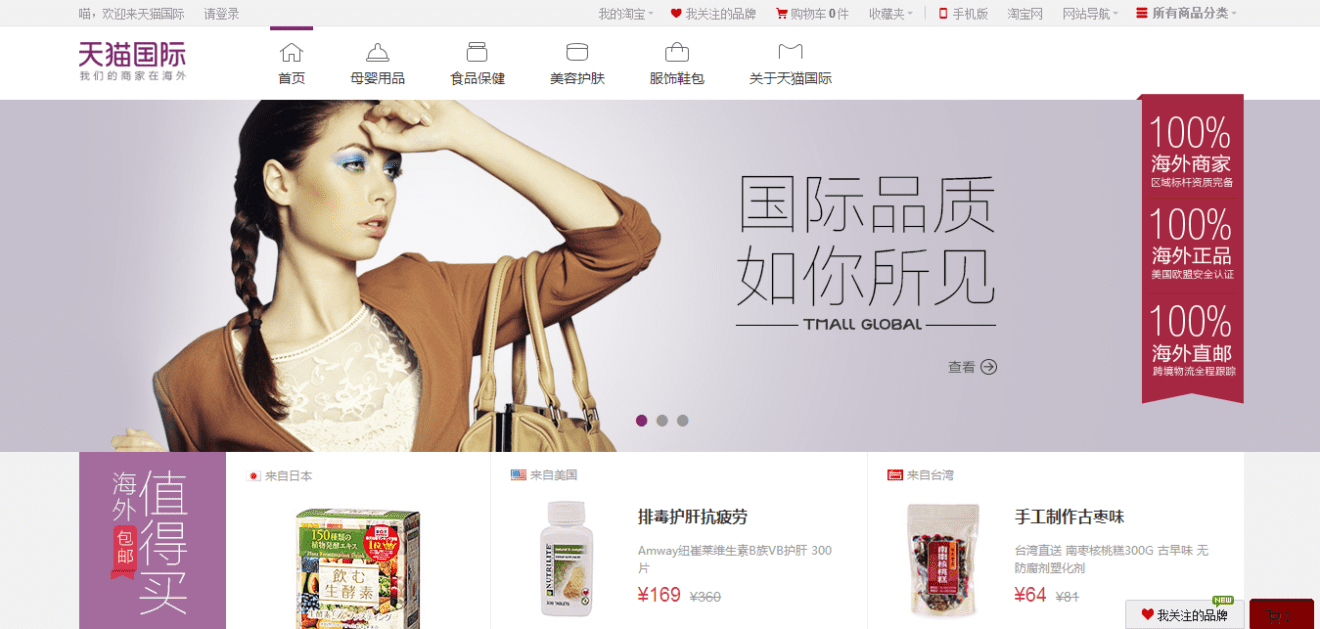
  • Peru to have Tmall Global shopfront

    Peru to have Tmall Global shopfront

    Peru and China have signed an agreement allowing Peruvian products to be sold directly to Chinese consumers online.

    Peruvian producers will set up stores on Alibaba Group’s Tmall Global via a country shopfront, much like Tmall has created with Germany, Australia, the US, Korea, the Netherlands, Thailand and other nations.

    The agreement will take Peruvian exporters closer to Chinese consumers and the value chain of Peruvian products will be fully developed, said VP of the Peruvian Association of Exporters, Eduardo Amorrortu during Monday’s contract signing ceremony.

    “Ecommerce has been developing very rapid. It has had a great impact on the economy and traditional modes of consumption have changed,” said VP of the Association of Chinese Companies in Peru (AECP), Kong Aimin.

  • BCBGMaxAzria opens Tmall store

    BCBGMaxAzria opens Tmall store

    BCBGMaxAzria, the US premier lifestyle fashion brand has partnered with B2C cross-border eCommerce solutions provider VoyageOne to expand its online footprint in China.

    “We are pleased to launch of BCBG on Tmall. We are very optimistic about the opportunity in China,” says Max Azria, founder, chairman and CEO of BCBG Max Azria Group.

    BCBGMaxAzria’s flagship line is now available to Chinese online shoppers on Alibaba’s Tmall Global through VoyageOne’s platform. BCBGMaxAzria can now efficiently integrate, sell, and manage its online selling process across multiple marketplaces in China.

    “BCBGMaxAzria is a truly an American flagship designer brand and completely understands the complexity of cross-border eCommerce landscape in China and the need for a proven technology and solution delivery mechanism by which BCBGMaxAzria seamlessly integrate, launch and manage its online footprint in China,” said Dennis Zhang, VoyageOne CEO.

    “We’re extremely pleased to partner with BCBGMaxAzria to delivering true online shopping and customer service experiences through a single platform while help them grow their online business in China.”

    Michelle Magallon, SVP of digital commerce & omnichannel with BCBG Max Azria, says China is an important international market for the brand.

    The BCBGMaxAzria Winter 2015 collection is already available at Tmall’s Hong Kong and China stores.

  • HKTDC Design Gallery Wan Chai relaunched

    HKTDC Design Gallery Wan Chai relaunched

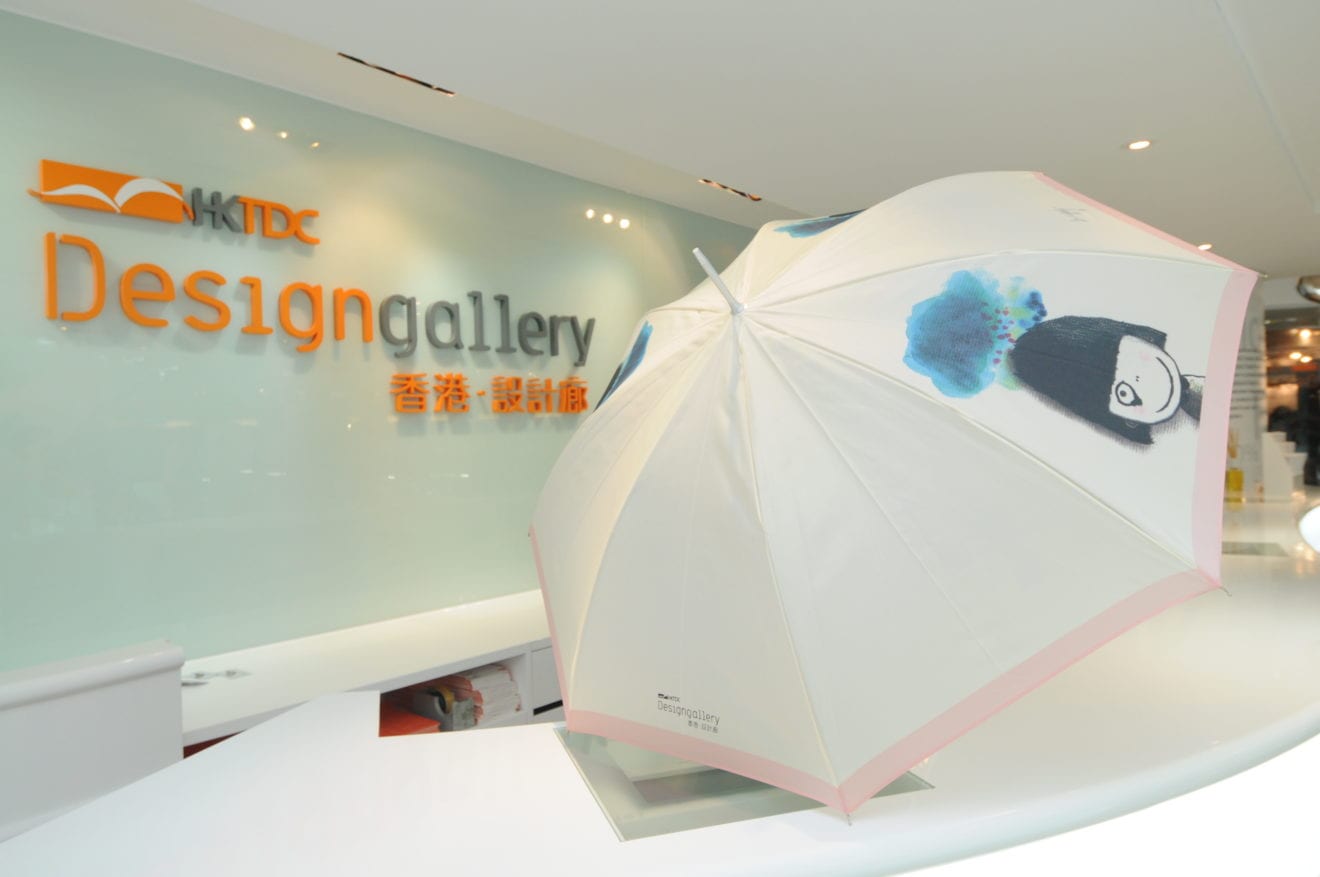
    The Hong Kong Trade Development Council has unveiled a revamped HKTDC Design Gallery shop at the Hong Kong Convention and Exhibition Centre.

    HKTDC executive director Margaret Fong was joined by famous Hong Kong actor Moses Chan and many of the city’s top designers at an opening ceremony yesterday.

    The store was created to promote products invented back in 1991.

    The diverse variety of products on offer highlights the extraordinary creativity of Hong Kong designers in areas ranging from jewellery, watches, electronics and fashion to home products, gifts and children’s items.

    The revamped HKTDC Design Gallery Wan Chai shop showcases nearly 5500 innovative products from more than 230 Hong Kong designers and brands in eight distinctly designed zones.

    Hong Kong designer brands feature in DG Discover; handbags and accessories in DG Vogue; environmentally friendly products in DG Green; baby and children’s products in DG Mini; home goods and gifts in DG Delights; electronic and digital goods in DG Smart; high-end luxury products such as jewellery, watches and leather and cashmere goods in DG Luxe; and collaborative creations by Hong Kong designers and international brands that combine the best of East and West in DG Plus.

    Featuring minimalist geometric shapes and a circular motif, the design of the revamped HKTDC Design Gallery shop creates a vibrant atmosphere to engage customers and elevate brand image. Light wood colours, grey gradients and black linear accents are used to create a comfortable, contemporary environment. The DG Luxe zone is distinguished from other areas of the shop by the use of dark wood colours and deep grey fabric lining.

    At the opening ceremony, Fong said that thanks to the support of local residents, visitors and traders, the shop has been attracting more than 1 million customers each year.

    Apart from new Design Gallery shops in Beijing, Shanghai, Chengdu, Wuhan and other mainland cities, Fong also spoke about the HKTDC’s strategy of collaborating with department stores and lifestyle shops to set up “shops in shops” in Hong Kong and on the Chinese mainland, to bring the best Hong Kong brands to more customers.

    Fong said the HKTDC is also establishing online shops on leading Hong Kong eCommerce platforms such as ShopThruPost, YesStyle and Zalora, as well as Taobao, Tmall and JD.com on the Chinese mainland, in an effort to develop eCommerce opportunities for Hong Kong businesses.

    Between now and December 2015, customers who make a one-time purchase of HK$300 or more at any HKTDC Design Gallery shop in Hong Kong will be entitled to lifetime membership with the DG Club. Members are entitled to a special shopping discount and can earn points to redeem for exclusive gifts or instant cash rebates. To celebrate the re-launch of the HKTDC Design Gallery Wan Chai shop, members will be awarded double points for purchases made between 16 and 18 November 2015.

    The HKTDC Design Gallery Wan Chai Shop is located on the ground floor of the Hong Kong Convention and Exhibition Centre, 1 Harbour Rd, Wan Chai.

  • Xiaomi Brand Dominates Singles Day In China

    Xiaomi Brand Dominates Singles Day In China

    Celebrated every Nov. 11, Singles Day is a tradition that dates back to 1993 which initially involved bachelors from Nanjing University who would like to go out, meet, and party with others. The celebration soon included single women and became a huge holiday in China where single individuals go out in massive meet-and-greet events.

    Singles Day is China’s version of USA’s Black Friday, where Chinese businesses spur sales by offering attractive deals and huge price cuts on their products. Xiaomi, already a popular smartphone brand that offers cheap smartphones and other mobile devices, initiated its Singles Day strategy from Nov. 1, offering daily promos and sweet deals and ultimately culminated its run on the big day itself, according to Digital Trends.

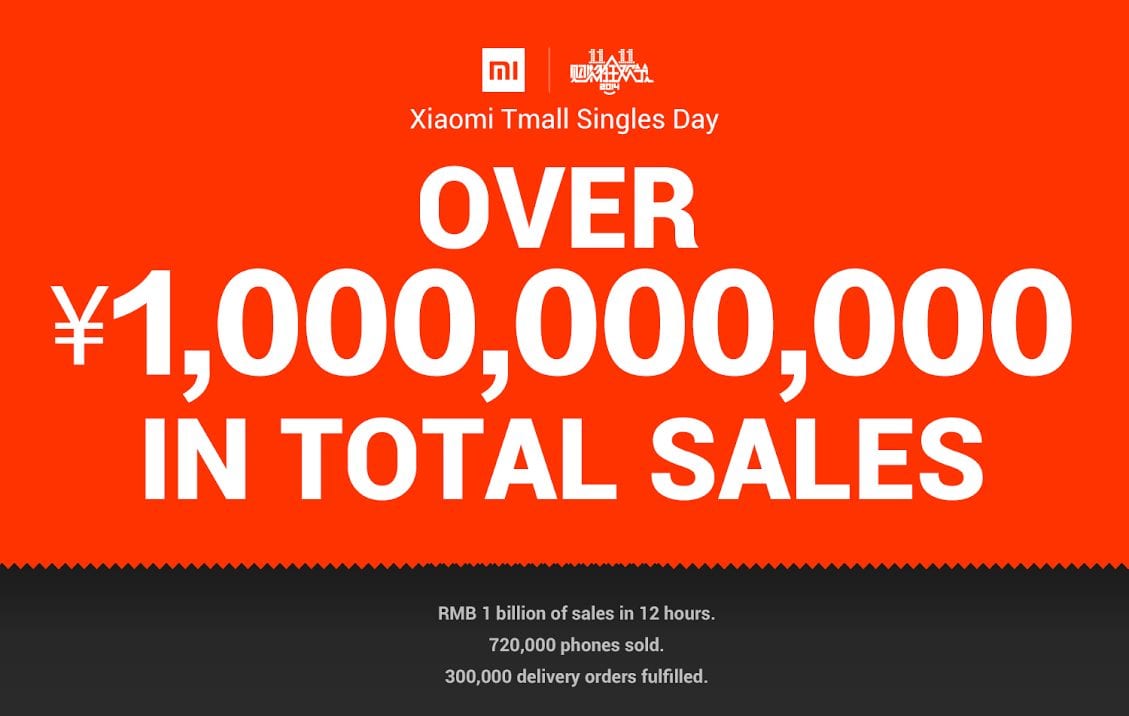
    During the build-up, Xiaomi even provided a teaser on a new smartphone. The strategy proved to be successful, as the smartphone maker immediately raked in $16 million by 12:12 am on Nov. 11. Thirteen minutes later, sales reached $31 million. Two minutes before 1:30 am, Xiaomi already has $63 million in the bank. By the end of Singles Day, Xiaomi’s sales reached a whopping $188 million.

    According to a statement by the China-based smartphone manufacturer, the $125 Redmi Note 2 was their bestselling smartphone. Xiaomi’s smartwatch, the Mi Band Pulse, was the company’s most popular device, which did not come as a surprise, given its $16 price tag.

    Xiaomi’s success is based on its strategy of providing cheap smartphones with high-end features, and China is its biggest market. Recently, top competitor Huawei has overtaken Xiaomi as China’s top smartphone vendor in the last quarter, CNBC reports.

    Meanwhile, China-based online market company Alibaba also broke its own record on Singles Day. The e- ommerce giant clocked in $14.3 billion in sales via its online payment service. On last year’s Singles Day, Alibaba registered $9.3 billion in sales. This year’s figure represents a 60 percent jump from the previous year, indicating the company’s continued growth in a crowded Chinese market.


  • Alibaba goes Dutch

    Alibaba goes Dutch

    Alibaba says new relationships sealed with Dutch organisations in recent days will help continue to lay the groundwork for European expansion of its eCommerce businesses.

    Alibaba Group says it has established several partnerships and collaboration agreements with Dutch organisations including airline KLM and the Dutch Consulate.

    Announced during a visit to Alibaba’s campus in Hangzhou, China, by a delegation of Dutch companies and government officials, the agreements included the launch of a Holland “pavillion” onTmall Global, an Alibaba online marketplace that provides a streamlined sales and logistics channel for overseas companies to sell directly to Chinese consumers.

    Alibaba, which is positioning its shopping websites as a cost-effective gateway to China for foreign brands and merchants, has in recent months established a number of online pavillions showcasing the products of countries such as the US, UK, France and South Korea. Built in partnership with the Dutch Consulate, the Holland pavilion on Tmall Global will feature popular Dutch brands such as Nutrilon, Hero Baby, Philips and Friso, Alibaba said in a statement.

    Meanwhile, Dutch supermarket chains Albert Heijn and Attent have launched new flagship stores on Tmall Global, while Alibaba’s travel website, Alitrip, has announced agreements with KLM and theNetherlands Board of Tourism & Conventions. The latter struck a deal with Alitrip to establish a destination page for Chinese travellers on the website and to “explore new ways of collaboration,” according to Alibaba.

    KLM agreed to launch an Alitrip.com flagship store selling airline tickets and other services to Chinese travellers.

    The visiting Dutch delegation included Dutch King Willem-Alexander, who is touring the PRC as part of an official state visit. Alibaba Group executive chairman Jack Ma, who hosted the delegation with other Alibaba executives, said in a speech that “Holland is a nation that can make impossible possible… Alibaba is also a company that loves to take challenges, loves to innovate, and loves to try new things”.

    “Many people said 16 years ago our dream was impossible, but we have made it a reality today,” Ma said. “Now we have over 120 million people shopping on our marketplaces each day, where they have access to products and fresh produce from far-away countries around the world such as Holland.”

    Alibaba, which dominates China’s eCommerce market, has said that increasing the size of its global e-commerce operations is a key long-term strategy. The company has been beefing up its European ties, this month announcing the expansion of its London office and the establishment of a new office in Milan, with locations in Germany and France to follow. Ma was recently appointed as a business advisor to UK Prime Minister David Cameron.

    Alibaba also plans to highlight international eCommerce and cross-border shopping during its upcoming 11.11 Global Shopping Festival, a massive 24-hour sale to be held Nov. 11. More than 80 Dutch brands currently offer products and services on Alibaba’s Tmall and Tmall Global marketplaces, and many will participate in Tmall’s 11.11 festival promotions, the company said.

  • Coca-Cola Tmall flagship opens

    Coca-Cola Tmall flagship opens

    Coca-Cola, one of the world’s most iconic beverage brands, is opening a flagship store on Alibaba Group’s Tmall online marketplace.

    The Coca-Cola Tmall store comes just in time for the Global Shopping Festival, the world’s biggest online sale, on November 11.

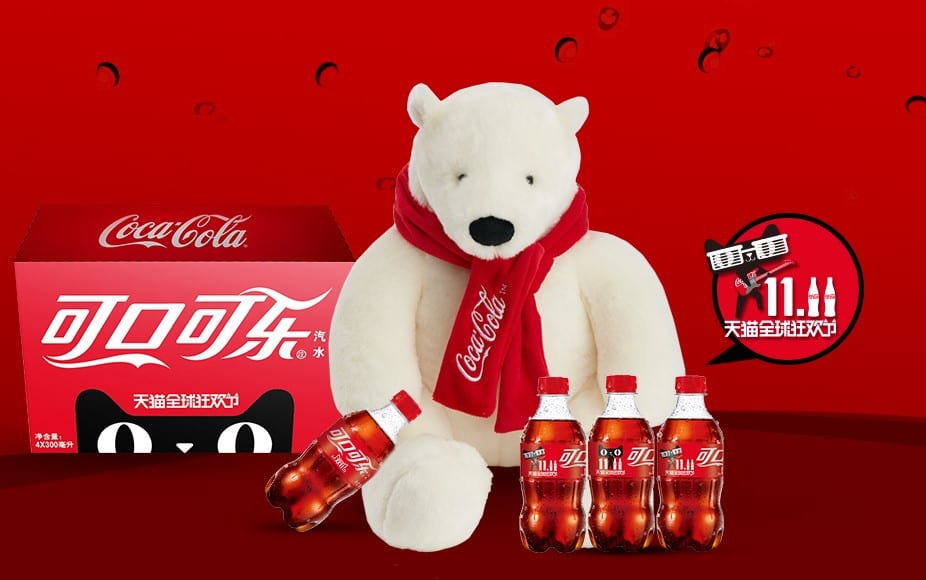
    Coca-Cola has designed special packaging for the 24-hour 11.11 festival and its shop, now in trial operation in preparation for an official launch in early November, is already pre-selling four-packs of Coke priced at RMB 29 yuan (US$4.60) containing bottles adorned with images of Tmall’s cat mascot or the 11.11 festival logo.

    The shop will soon sell other Coca-Cola brands including Sprite, Fanta and Minute Maid, as well as related merchandise like the beverage company’s classic polar bear dolls, according to Coca-Cola.

    Coke and Alibaba have also agreed to collaborate on branding, marketing, offline services and the launch of exclusive products, according to a Chinese language press release issued by Alibaba. The collaboration shows a commitment by both parties to “embrace change and adapt to e-retail,” said Henrique Braun, Coca-Cola president of greater China & Korea, noting that the internet “has gradually changed people’s lives and consumer behavior.”

    The addition of Coke to its roster of merchants and brands participating in the 11.11 festival is a coup for Alibaba. The company has emphasised this year’s shopping bonanza is meant to be a global event, with overseas and global retailers selling directly to Chinese consumers through Tmall and consumers all over the world buying goods on Alibaba’s AliExpress international marketplace.

    Alibaba expects more than 5000 international brands from 25 countries and regions to participate in festival this year.

    To whet shoppers’ appetites for the sale, Alibaba and Coca-Cola plan to give away five million bottles of 300ml Cokes. Starting from November 1, the bonus bevvies will be distributed randomly to consumers who order other merchandise through Tmall.

    • Original reporting by Alizila, an independent but Alibaba-funded news resource on Alibaba’s global activities.
  • Stradivarius launches the chain’s new website in China – stradivarius.cn

    Stradivarius launches the chain’s new website in China – stradivarius.cn

    The chain has 65 bricks & mortar stores in China and also sells its products online via both its own website (www.stradivarius.cn) and the T-Mall platform

    An event celebrated in Shanghai’s Union Building provided the backdrop for presentation of Stradivarius’s new website in China, which reinforces the brand’s e-commerce presence in this market. Stradivarius gained an initial foothold in the Chinese e-commerce market last April when it launched online sales via the T-Mall platform, on which the rest of the Inditex Group’s brands are also represented.  Just eight months later, on 8 September, Stradivarius direct online sales platform, www.stradivarius.cn, went live, adding to the chain’s network of 65 stores in China.

    The Shanghai event, dubbed “The Event Paper: Asia edition”, took place on the top floor of the Union Building, a neo-renaissance building dating to 1916. From its rooftop terrace, the guests were able to enjoy stunning views of the Bund, the Chinese financial capital’s most cosmopolitan district.

    The party was attended by international top model Liu Wen, the leading lights from the Asian press and it girls from all over the world. Moreover, Cate Underwood, the star of the brand’s FW15 collection campaign and DJ, took care of the music. A dedicated event report can be downloaded from the Stradivarius website.

  • Metro opens on Tmall

    Metro opens on Tmall

    German hypermarket retailer Metro has opened a flagship store on Alibaba’s Tmall.com, reports Inside Retail Asia.

    Metro Group has entered into a strategic alliance with Alibaba Group’s Tmall.com platform to offer German goods to Chinese consumers, according to the report.

    The firms said they are committed to exploring further collaboration opportunities in sourcing and supply chain, Inside Retail Asia said.

    Metro said its new cross-border e-shop platform will further tap the potential of the Chinese consumer market, where it already operates more than 80 stores.

    “The online storefront will sell products of Metro Group’s sales divisions’ private labels as well as supplier brands from Germany. In the first phase, over 100 products in the categories of dairy, canned foods, coffee, and chocolate from Metro Cash & Carry Germany, as well as cosmetics goods from Real are to be offered online,” Metro said in a statement.

  • Korea Fashion Week extends Alibaba’s trade cooperation

    Korea Fashion Week extends Alibaba’s trade cooperation

    Chinese e-commerce giant Alibaba Group launched its Korea Fashion Week with its Taobao, Juhuasuan and Tmall online platforms in Seoul.

    Alibaba pledged to strengthen its exploration of overseas markets and to ink agreements with overseas brands to jointly explore the market, the report said.

    Imported Korean products have achieved annual sales of more than 10 billion yuan (US$1.6 billion) on Alibaba’s online retail platforms, according to statistics released by the company. Best-selling imports include beauty products, women’s clothing, daily life goods and baby products, accounting for 60% of the total market for imported Korean goods, according to statistics.

    The two nations have repeatedly announced moves to boost bilateral trade. In March, the two signed a free trade agreement. In addition, South Korea became one of the top destinations for Chinese tourists traveling abroad, the report said.

    In mid-May, Alibaba chair Jack Ma visited Seoul for the opening ceremony of the group’s Korean shop, indicating more Korean brands and products can reach Chinese consumers through the Alibaba platform.

    Samsung C&T, South Korea’s largest conglomerate with interests in construction, electronics, chemicals, finance and numerous other fields, has already moved three of its apparel brands — Beanpole, Rapido and Mvio — into the Chinese market through Tmall. It plans to cultivate China as its second domestic market, Samsung said.

    Samsung has annual revenue of US$30 billion.

    South Korea’s Eland Group began cooperating with Juhuasuan and Tmall in 2013, and reached sales of over 300 million yuan (US$47 million) last year. The group is expected to double sales to more than 600 million yuan (US$94 million) this year.

    The popularity of Korean TV dramas in China has sustained demand for Korean clothing, with 80% of the 4.32 million Chinese tourists to South Korea in 2013 shopping for clothes, shoes and bags.

    More than 200 Korean fashion brands have joined the Alibaba fashion week in Seoul, with most of them aiming to enter the Chinese market via the Alibaba retail platform. Zhang Jianfeng, president of Alibaba’s retail group, said he hopes to introduce Korean brands to Chinese consumers through their cooperation.

  • Sainsbury’s lands in China through tie-up with ecommerce giant Alibaba

    Sainsbury’s lands in China through tie-up with ecommerce giant Alibaba

    Sainsbury’s has launched in China through a partnership with Alibaba’s Tmall website five years after first exploring an entry into the country.

    The grocer began testing the waters in China this week, Retail Week has learned, and is initially focusing on selling “high-quality ambient product” to tap into the growing demand in China for premium organic ranges.

    China’s online grocery market is forecast to grow five-fold to almost $180bn (£115bn) by 2020, according to IGD. It will be worth almost $70bn more than the other top nine online grocery markets combined in 2020.

    However, confidence in the growth prospects of the Chinese economy has taken a hit of late as fears grew the economy’s growth was slowing quicker than expected.

    Chinese consumers are placing a growing emphasis on the provenance of products after a series of food supply scandals in the country.

    In January last year Walmart recalled a donkey meat product in China after tests by The Shandong Food and Drug Administration revealed it contained DNA of other animals, including foxes.

    Sainsbury’s is selling own-brand long-life British milk from a Devonshire dairy on its Tmall website. Other products being sold include a baby range and the components of British afternoon tea, including speciality teas, coffees and biscuits.
    A Sainsbury’s spokeswoman said: “‘We are trialling a small number of ambient products for sale on the Alibaba platform, including So Organic and Taste the Difference lines, for sale through the Chinese online market.”
    It is understood Sainsbury’s is not planning to open any physical stores in the country.

    Sainsbury’s first sent a six-man team to China in order to explore the possibility of opening stores in China in 2010.

    However, plans were shelved, and it is believed top executive Darren Shapland stood down as a result in 2011. Shapland had been asked to study the possibility of overseas expansion, including China.

    The Sainsbury’s spokeswoman said it was too early to say how the launch is progressing, but the grocer may release initial results as early as next week.

  • US wine giant Robert Mondavi to launch online in China

    US wine giant Robert Mondavi to launch online in China

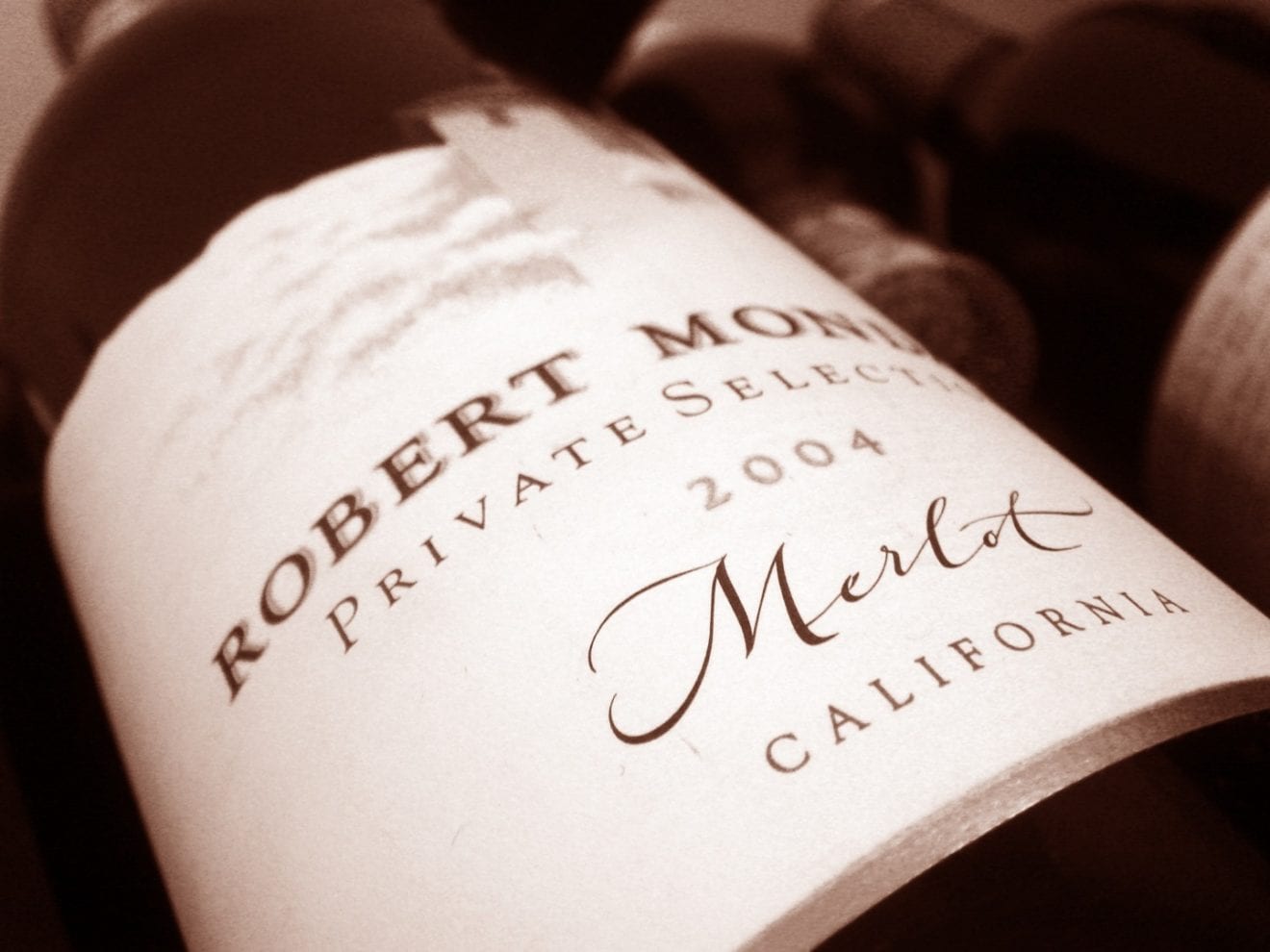
    Famed Californian winery Robert Mondavi is to join Alibaba Group’s Tmall.com online shopping marketplace to reach more consumers in China, the world’s largest wine-consuming market.

    Robert Mondavi says its exclusive Tmall flagship store will be the California company’s first and only online sales channel in China. The outlet will sell US-bottled labels such as Robert Mondavi Winery, Robert Mondavi Private Selection, Woodbridge by Robert Mondavi, and Twin Oaks by Robert Mondavi. The Robert Mondavi brand is owned by alcoholic beverage maker Constellation Brands, which bills itself on its website as the world’s top premium wine producer.

    Philip Kingston, senior vice president of international for Constellation Brands, said the company in recent years has “seen a very encouraging uptake in Chinese tourists visiting our wineries in California, as well as wine sales in China.”

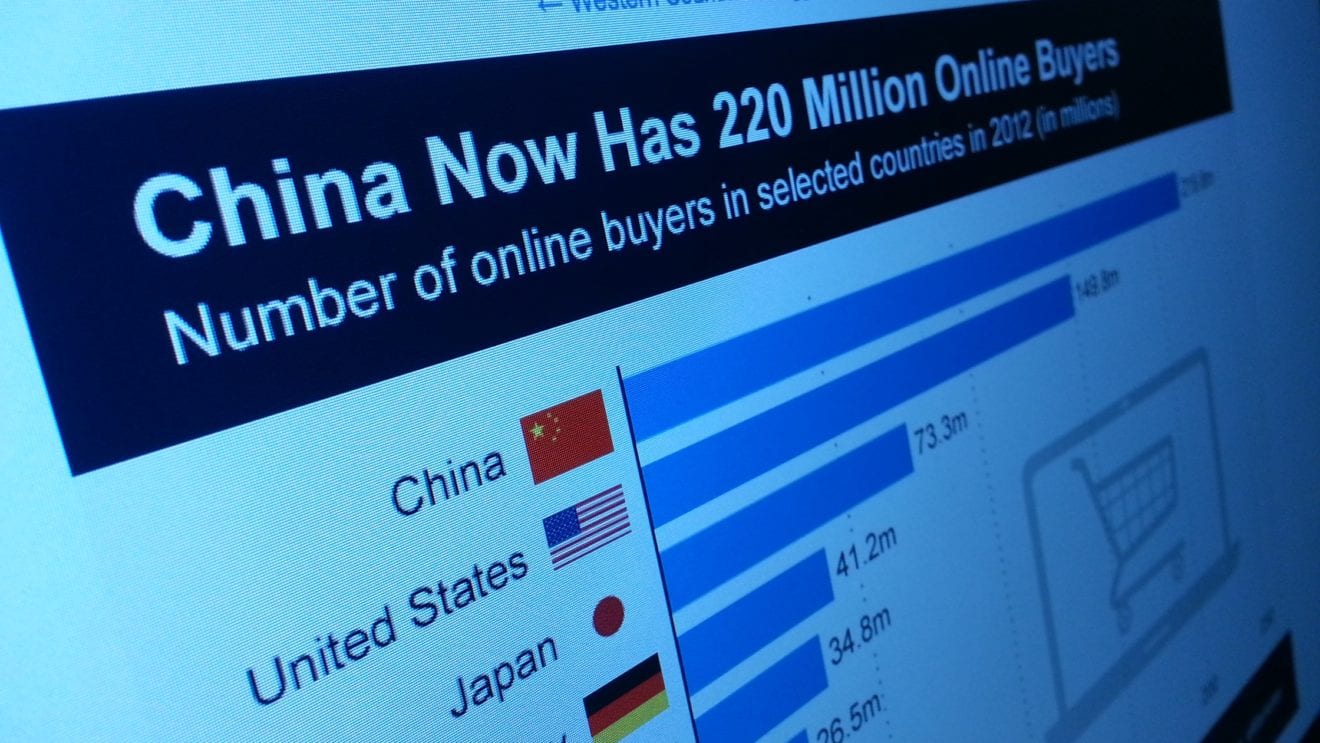
    Opening a store on Tmall – China’s largest B2C online marketplace and part of Alibaba Group, whose retail shopping sites in the PRC have 367 million annual active buyers – “allows us to sell our wines to Chinese consumers in a marketplace which we believe will build our brand,” Kingston said in a statement.

    “It also strengthens our presence in China as we expect to benefit from Alibaba’s sophisticated data-analytics capabilities and extensive customer insights.”

    The growth and sheer size of China’s consumer class in recent years has made the country a top market for the world’s vintners. China’s wine consumption in 2014 was more than double that of second placed US, according to data from research firm IWSR.

    Tmall said with the opening of the Robert Mondavi Wines flagship store, it was launching a  “Tmall Vineyard Direct” program, promising to connect with more wineries around the world to allow them to sell directly to Chinese consumers through Tmall. Gary Clubb, head of Tmall international business development, said  “working directly with the winery itself is key to a robust supply chain and allows us to leverage the power of the Alibaba ecosystem to pioneer innovative sales and marketing campaigns to the 367 million buyers on our platforms”.

    Tmall has been aggressively recruiting Western retailers and brands selling products in a range of categories, from fast-moving consumer goods to apparel, to build up Alibaba’s cross-border online sales.

  • Ffan: Wanda’s online store goes live

    Ffan: Wanda’s online store goes live

    Nearly a year after three giant Chinese companies teamed up to take on Alibaba, the newly-mintedeCommerce store finally and quietly launched this week.

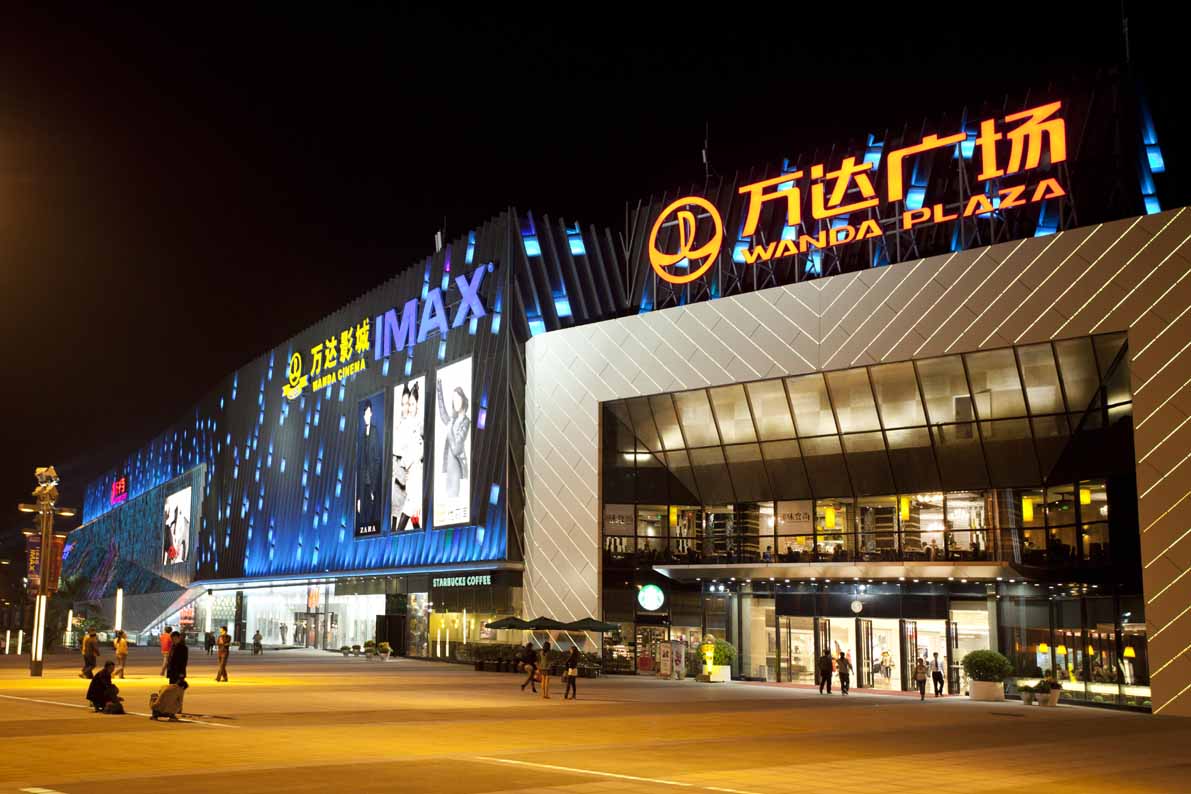
    The site, Ffan, is the result of a billion-dollar joint venture between Tencent, Baidu, and Wanda Group, a conglomerate best known for its chain of movie theatres and malls.

    The joint venture started with US$814 million in its pocket in August 2014, with Wanda holding a 70 per cent stake, and Tencent and Baidu splitting the remainder evenly. In January, it secured venture capital funding to the tune of US$161 million.

    Local commerce

    The new estore is designed to take on Alibaba’s eCommerce dominance, with a focus on helping people buy local products and services. That’s why visitors to Ffan can choose their city to see local deals.

    Baidu declined to comment on today’s launch and Tencent has yet to reply to Tech in Asia’s inquiry.

    At first glance, Ffan looks odd and rather bare. The only two product categories on the top navigation bar are “food” and “movie tickets.” Browsing through the city-specific food section reveals that most of the products are from retailers at Wanda’s shopping malls across the country. Indeed, users can browse through the Ffan site or accompanying mobile app according to their nearest mall.

    Wanda – a private company which boasted assets of RMB 534.1 billion yuan (US$85.6 billion) in 2014 – has reportedly been plotting a leap from offline retail to ecommerce for several years, but today’s launch doesn’t reveal much that should worry Alibaba or arch-rival JD right now. It’s not a general ecommerce store like Alibaba’s Tmall or JD, and the offerings are slim.

    Sill, Wanda has the reach – across malls, cinemas, hotels, resorts, theme parks, and several other areas – to challenge Alibaba in terms of the fast-growing interest on the web for local, on-demand products and services.

  • E-commerce market in China is big enough for multiple players

    E-commerce market in China is big enough for multiple players

    Cross border e-commerce is gaining traction worldwide, partly because of rising business from China. Despite the rise in global players, US online retailer Amazon is not afraid of the competition.

    Amazon has felt the wind of late comers. Alibaba has brought the war onto Amazon’s home turf, recruiting small US businesses to join its sales network after its debut on the New York Stock Exchange last year.

    Amazon’s senior vice president of international consumer business Diego Piacentini says the market is big enough for multiple players.

    “Business is not sport, where there is one winner. Business has multiple winners,” Piacentini said.

    “The size of the business, particularly e-commerce, would be so large. There is room for global players. Amazon is going to be one of them, absolutely, Alibaba and Tmall is one of them and many others.”

    Besides talking the talk, Amazon has beefed up its operation in China since last year. It opened direct mail to China from six of its global locations. Amazon also set up a Chinese e-commerce website and increased its overseas purchases in China to bolster local sales.

    “For countries like China or India, they are not exposed to many years of modern retail, e-commerce, or mobile commerce. You can expect in the next few years, that the vast majority of retail activities in China and India would happen online,” Piacentini said.

    Last year, 18 million Chinese consumers spent US$213 billion overseas—more than double Amazon’s annual sales. For any global commerce site, such potential is hard to ignore.

  • Food fight! The next battle for China e-commerce

    Food fight! The next battle for China e-commerce

    A number of e-commerce firms in the mainland are inking deals to import foreign delicacies, reflecting growing consumer worries over a series of domestic food scandals.

    JD.com, the mainland’s largest online direct sales company, announced on Monday the launch of a new channel dedicated to selling a range of authentic Australian food products, including milk, meat and fruit, as well as wine from Treasury Wine Estates. Australia is the latest entrant to JD.com’s online ‘country malls’, which already include France, South Korea and Japan.

    “Chinese consumers are increasingly enthusiastic about trying, buying and using products from all over the world” said JD.com founder and CEO Richard Liu.

    Online supermarket Yihaodian opened a similar exclusive channel for Canadian seafood and meat earlier this month in an agreement with Agriculture and Agri-Food Canada (AAFC). Alibaba, meanwhile, already leads the way in terms of foreign food products. Last week, the e-commerce giant announced it added 11 more countries to its Tmall Global site, a platform dedicated to foreign brands. Food is Tmall’s most popular product category, according to Alibaba.

    The transaction volume of imported goods purchased online could reach $245 billion in five years, with more than 200 million Chinese consumers engaging in cross-border shopping, said a recent report from Accenture and AliResearch, Alibaba’s research arm.

    The taste for imports comes as no surprise given the country’s ongoing battle with food hygiene. Last week, authorities seized a batch of smuggled frozen meat that was 40 years old. Scandals like these explain why 75 percent of Chinese have no confidence in domestic food safety, a March survey by the China Food and Drug Administration (CFDA) showed.

    “Food safety issues, an increased focus on health and wellness, and a growing willingness to spend on children have made organic or fresh fruits, meats and vegetables, and baby-related products top spending priorities this year,” Boston Consulting Group (BCG) in a report on Monday.

    While JD.com was unable to share top-selling brands, it told CNBC that dairy and wine had traditionally been two of the biggest selling categories of Australian products.

    A two-speed market

    E-commerce trends are only a partial reflection of Chinese consumption, consulting firm BCG noted.

    China has a “two-speed consumer market,” where middle to upper-middle-class and affluent households, known as high-speed consumers, make up the bulk of digital shoppers, it said. Forty percent of these consumers shop online frequently-at least once a week-compared with 20 percent of less affluent households, i.e. the low-speed consumers.

    Wealth gaps account for the difference between the groups, BCG explained.

    “The average affluent household is expecting nearly 11 percent income growth; the average aspirant household, only 6 percent. This 5 percentage point difference, given the vast disparity in income levels between these two groups of consumers, translates into a 20-fold difference in actual earnings.”