Tag: tmall

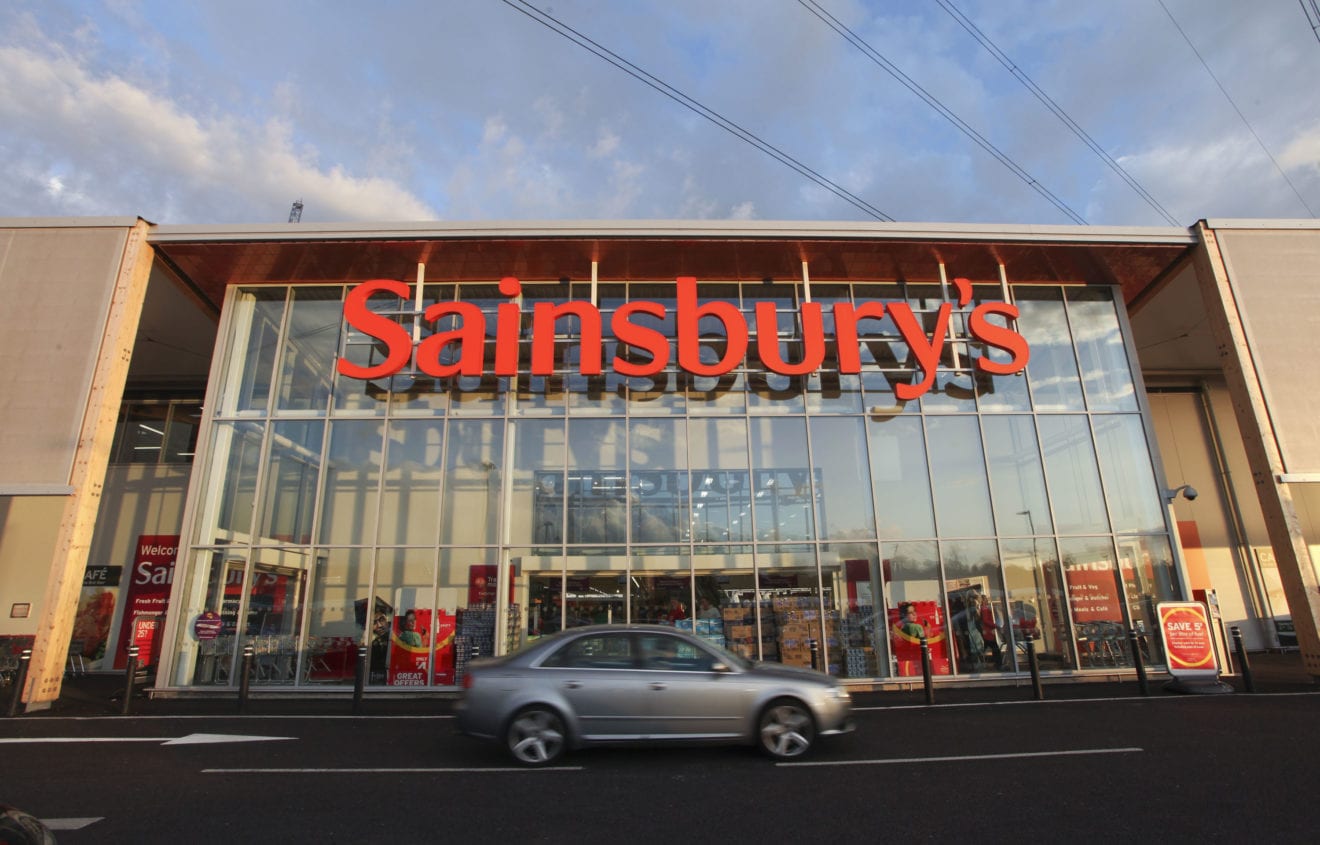
  • Sainsbury’s taps into China’s love of British products through Tmall

    Sainsbury’s taps into China’s love of British products through Tmall

    The move comes after the British retailer trialled the web marketplace for less than a year and claimed the test was a success. It will now sell over 100 own-label products across four categories—British breakfast, drinks, organic and baby—on Tmall, and has plans to add further ranges later this year.

    With online Chinese sales dominated by key promotional sales events, Sainsbury’s was the only international retailer to be given a “Super Brand Day” on Tmall during the annual 8.8 Tmall Global Shopping Festival on August 8.

    “Many customers want to replicate tastes and occasions that they have enjoyed or heard about through international travel. Products to make a British breakfast and English afternoon tea have therefore proved hits,” said John Rogers, chief financial officer of Sainsbury’s,

    Rogers added that granola, tea, shortbread and UHT milk have been among the sales channel’s top-selling lines to date.

    Our trial with Tmall has enabled us to learn a lot about China’s huge digital market, including the importance of sales events such as Singles’ Day and 8.8,” he added..

    Alibaba’s expertise in the rapidly growing Chinese digital consumer market will be a huge asset to us as we grow and develop our business in China.”

    Amee Chande, Alibaba’s managing director in Britain and Ireland, said that a famous British brand like Sainsbury’s was “a key addition to our ecosystem” as it built brand awareness, directly engaged a new audience and met the evolving food demands of Chinese consumers.

    Our collaboration is introducing the large and growing Chinese consumer class to a new range of products to enhance their daily lives,” said Chande.


  • Inamall launch opens doors for RI businesses

    Inamall launch opens doors for RI businesses

    The launch of a marketplace dedicated to Indonesian-made products on Chinese e-commerce giant Alibaba’s platform will open doors for local small and medium enterprises (SMEs) to break into the Chinese market.

    Over the weekend, Trade Minister Thomas Lembong and a number of officials took part in officiating Inamall in China, which is currently accessible through Alibaba’s subsidiary marketplace Tmall Global. Prior to the announcement, Inamall had reportedly been active since last year.

    Inamall will feature exclusively Indonesian-made products, with a particular emphasis on food and beverages. Some Indonesian brands that have entered this marketplace include coffee brands Kopi Luwak and Kapal Api, along with snack products ranging from Kusuka chips to Inaco Nata De Coco.

    Through the partnership with Alibaba, Indonesia now has a direct access to a lucrative online market, which would allow Indonesian producers to sell their products directly to Chinese consumers without the hassle of distributors.

    Indonesian ambassador to China and Mongolia Soegeng Rahardjo elaborated during the event that since Inamall’s soft launch last year it has been visited by up to 400 million Chinese users, thus highlighting the extensive interest in Indonesian products in the People’s Republic.

    The interest, Soegeng noted, arose because members of the Chinese public had less faith in their local products because of safety issues, especially when it comes to food and beverage products. With this perception by Chinese people, Indonesian products will get a better foothold in their market.

    “But the challenge now is how [Indonesian vendors] are able to maintain the quality of their goods, maintain their capacity and ensure the continuity of their production so that outside markets are able to consistently come back to an Indonesian product,” he said during the Inamall launch in Hangzhou last week, as reported by Antara.

    Adding to that, the director of the Indonesian Chamber of Commerce and Industry (Kadin) in China, Liky Sutikno, noted that Inamall would enable Chinese consumers to develop emotional connections with Indonesian products, enough for them to buy again and again if they adore the product, thus creating precious brand loyalty.

    At the same event, the managing director of the Global Alibaba Group, K. Guru Gowrappan, noted that Alibaba’s intentions in Indonesia are to help build the country’s e-commerce ecosystem so that local SMEs will be able to thrive.

    Alibaba had already begun to extend its reach into the Southeast Asian e-commerce market, with its recent purchase of a controlling stake in Singapore-based platform Lazada earlier this year.

    Commenting on this partnership, the Communications and Information Ministry’s e-business director general, Azhar Hasyim, said that having their products able to transcend borders directly into a market like China would be massively beneficial for Indonesian SMEs.

    In terms of online traffic, Azhar says that with many Indonesians being familiar with Chinese websites and online services, the market exposure could increase as a result on both sides.

  • China’s large retailers report slower growth in 2015

    China’s large retailers report slower growth in 2015

    China’s large retailers registered slower growth last year, with brick-and-mortar stores under continuous pressure due to booming e-commerce, a report showed Thursday.

    The sales volume of the country’s top 100 retailers topped 4.13 trillion yuan ($613.6 billion) in 2015, up 22.4 percent year on year, down by 3.8 percentage points compared with 2014, according to a report released by China General Chamber of Commerce, a retail industrial guild and retail market data provider.

    Among them, brick-and-mortar stores posted a continuous slowdown in growth, with sales only rising 3.2 percent year on year.

    Chinese Internet giant Alibaba’s T-mall e-commerce platform was the top seller last year, followed by JD.com and Suning.com.

    The report pointed out that foreign retailers saw their market share in China decrease further last year, with fewer foreign players making it into the top 100, and slower sales growth.

  • Digital edge for Retail Asia Expo

    Digital edge for Retail Asia Expo

    Trending technology and the fast-changing tastes and behaviours of consumers and the market will all be in the spotlight at the eighth Retail Asia Expo (RAE), the award-winning flagship industry event in Asia for retailers.

    Organised by Diversified Communications Hong Kong and at Hong Kong Convention & Exhibition Centre (HKCEC) from June 14 to 16, the event will explore such topics as B2C sales to China, mobile wallets, cloud-based retail technologies, cross-border eCommerce and ePayments, the digitisation of retail, re-platforming, proximity marketing, online retail strategy with global standards, and innovative technologies from Israel.

    Products, ideas, software and strategies will also feature in exhibits and seminars.

    For internet retailing, exhibitors will showcase advanced internet retailing technologies, back-end support software, supply-chain management technology, electronic payments, and online sales and marketing software. Providers that have confirmed their participation include Apsis, CCDI, Cegid, Intel, iSappos and Million Tech.

    Augment Paris HQ will showcase its innovative augmented reality technology, which is being developed into apps to provide a new shopping experience, while China’s online commerce giant Alibaba Group will host three seminars in the show’s new Internet Retailing Theatre.

    Rex Cheuk, head of Tmall Global – Hong Kong/Macau, Alibaba Group, will host a keynote session covering such topics as online merchant recruitment and store promotion; Thomas Chan, associate director of AliCloud International Hong Kong/Macau, Alibaba Group, will talk about integration of eCommerce and mobile shopping via the cloud platform; and Alipay senior business development manager Simon Leung will present case studies and insights into mobile wallet use.

  • China still driving Alibaba sales

    China still driving Alibaba sales

    In posting its strongest revenue growth for the past four quarters, Alibaba has rounded off its fiscal year on a positive note.

    Although growth at the international division picked up strongly, it is China that has underpinned the group’s success.

    Alibaba sales jumped 39 per cent to 24.2 billion yuan (US$3.7 billion) in the three months ended March. Net income rose 85 per cent to 5.3 billion yuan.

    Despite the more challenging economic headwinds in China, Alibaba’s revenue from its various retail platforms in the country surged by 41 per cent over the quarter. Part of this is down to the growing audience, with active buyers across the various marketplaces growing by 16 per cent to an astonishing 423 million customers. Mobile platforms also saw growth with the number of monthly active users rising by 17 per cent to just over 410 million.

    This uplift was boosted by the rise in average revenue per buyer which increased by almost 11 per cent over the same period in the prior year. For mobile users the increase was even sharper, up by just under 109 per cent on the prior year.

    Much of this success can be attributed to three main factors:

    The first is reach. Here, Alibaba’s investment is allowing it to reach large swathes of the Chinese population – including in rural areas through its Rural Taobao platform – in a way that other eCommerce firms struggle to do. That it now has a presence in over 14,000 rural villages is a major advantage when it comes to growing its user base.

    The second factor is customer engagement and understanding. While many of its platforms are based around eCommerce, they are much more than just distribution systems. Taobao, for example, has a strong community element where consumers can look for news, understand trends, and interact with brands. This helps to drive up activity and user engagement which, in turn, aids sales conversion.

    The third factor is the group’s continued success with Western brands expanding into China. Arguably Alibaba is now the Chinese partner of choice for foreign firms, both because of its distribution network and its capability in providing intelligence and insight into consumer trends and habits. This ability to attract Western brands has made Tmall the destination for many Chinese shoppers. It is notable that in March alone, more than 100 new international brands joined the Tmall Global platform.

    As successful as Alibaba is in China, it has found international more challenging. However, the group is now taking a more selective approach to expansion, focusing on embryonic or underdeveloped eCommerce markets where its expertise can drive growth. The stake acquired in Lazada, an eCommerce platform in Southeast Asia, is typical of this strategy. Expect more such investments over the coming year.

    Despite its dominance in China, Alibaba’s growth prospects remain good – especially as it builds its content and entertainment business, and expands into services like cloud computing.

  • How big brands can make online marketplaces work

    How big brands can make online marketplaces work

    Online marketplaces, those giant shopping sites like eBay and Amazon Marketplace, can be a mixed blessing for brands and merchants.

    Marketplaces offer retailers broad exposure to millions of consumers, as well as delivery, payment and other solutions. Still, most marketplaces leave merchants wanting in one very important aspect: brand control. While the platforms provide virtual shelf space for listing products, merchants are generally limited to one-size-fits-all templates for their online storefronts—thus restricting their ability to set themselves apart from rivals with brand-building presentations and content.

    Not all marketplaces are created equal, however. In China, where marketplaces are overwhelmingly favored by online shoppers, e-commerce leader Alibaba Group has been returning branding power to merchants through the company’s Tmall.com B2C marketplace.

    Tmall, which positions itself as China’s top online destination for domestic and foreign branded merchandise, has developed a suite of tools that allows merchants to customize their Tmall.com storefronts with the logos, fonts and colors for which they’re known the world over, as well as with videos, interactive features and other content. Moreover, merchants can combine these tools with Alibaba’s trove of data on shopping behavior to tailor their storefronts to individual consumers visiting their e-shops at any given moment.

    This approach gives merchants far more than a place on the internet to list and sell products. It offers them the ability to present their brands as effectively as they do on their company-run websites, boosting their opportunity to reach consumers among Alibaba’s 400-million-plus active buyers and build lasting customer relationships. Merchants “have total control,” said Paul Fu, the San Mateo, California-based head of Alibaba’s User Experience Design team.

    This is a significant departure from the “one webpage to serve them all” marketplace model. Tmall offers as many as 55,000 different storefront templates across about 30 different business sectors for merchants to choose from. Another 3,000 templates exist for product pages, and there are a thousand designs for marketing material such as e-mails and SMS alerts, according to Fu. If these packaged solutions don’t satisfy certain merchants, they can design their own right down to the page breaks and <p> tags, and then upload the code to Tmall.

    Major international brands have used this enhanced flexibility to build unique and engaging Tmall storefronts. For example, GoPro, the U.S.-based maker of wearable video cameras, produced a series of videos that appear on its storefront showing GoPro cameras being used in extreme situations, such as geologists staring into the mouth of a volcano or snowboarders doing double backflips as they race down a mountain.

    The Tmall storefronts of other household names such as Starbucks, L’Oreal, Maserati and Zara also offer fully branded experiences that experiences that mirror the look and feel of their corporate e-commerce sites, including multipage navigation according to product category and even full brand histories. Still others take the experience a step further in an attempt to boost the time consumers spend on their pages. Case in point: L’Oreal in the past has given consumers easy-to-follow guides and tips for using its beauty products.

    L’Oreal engaged consumers with hair-coloring tips posted on the company’s Tmall storefront.

    Fu says that Tmall storefronts are based on so-called “responsive” design, which means they look as good on mobile devices as they do on the web. But customization options for Tmall storefronts go even deeper.

    Using consumer data collected by Tmall, merchants can present not just personalized product recommendations based on shopping history to storefront visitors, they can also offer different homepages tailored to particular types of shoppers. For example, German personal-care brand Nivea displays three different storefronts on Tmall depending on whether a shopper is a first-time visitor, new buyer or loyal fan. First-time visitors are shown low-cost products that may tempt them to experiment with the brand. Fans, meanwhile, see sets of higher-value products bundled together as a way to boost their total purchase.

    Three different customers, three different mobile presentations. First-time visitors, new buyers and loyal fans all see products tailored specifically to them when they visit Nivea’s Tmall site.

    By making it possible for merchants to tag and manage their customers by attributes and personalize storefronts for each visitor, individual customers are exposed to highly relevant content, which drives higher conversion rates. Fu said after Nivea implemented personalized storefronts, “the data showed that the browsing conversion rate was improved by 70 percent and transactions increased by 150 percent—more than double the previous number of purchases,” he said. Browsing conversion is the rate at which shoppers click through to find out more about a product.

    Fu says Alibaba analyzes buyers based on five different behaviors: attention, interest, decision, action and sharing, all of which are part of the Tmall shopping cycle. A certain product may draw the attention of a shopper, which prompts him or her to click through to the seller’s store where they can learn more about the item. Then they decide whether or not to bookmark it or add it to their shopping cart; a purchase constitutes action. Sharing comes after, once a consumer tells a friend about their purchase or leaves a review on a merchant’s Tmall store.

    “We provide this capability for the seller to do these kinds of very sophisticated analyses,” Fu said. “Later, because we opened up this technology and data [to merchants], the seller can come up with their own model to do the analysis.”

    Still more tools are to come. Merchants currently log into a content-management system of sorts that lets them set up and manage their storefronts, including text, photos and slide show placement. They can also choose the products they want displayed as recommendations when a shopper is viewing, say, hand cream or razors or a sweater. Up next is a tool that will allow merchants to create banner advertisements on the fly, rather than turning to a designer to handle what is often a time-consuming task. That’s expected this quarter.

    Tmall also helps merchants synch their online stores with their bricks-and-mortar outlets. Fu said the goal is to make sure all points of sale are linked up, including mobile, desktop and offline. One key advantage for merchants to this so-called “omnichannel” approach is the ability to manage inventory across physical and virtual sales channels. Another is the ability to know a buyer’s location so that the nearest warehouse is used for shipping, which speeds up delivery.

    “All areas of the ecosystem are working together for merchants,” Fu said. “Before they had to figure this out on their own. But now we’ve come up with a system, and built the right tools to help them.”

    * Originally published by Alizila.com – the independent, but Alibaba Group-funded website of news about the Chinese eCommerce giant.
  • Singapore Pavilion on Alibaba’s Tmall helps access China market

    Singapore Pavilion on Alibaba’s Tmall helps access China market

    Local food manufacturers looking to expand into China will now have an easier time with the help of a new initiative by IE Singapore and the Singapore Food Manufacturers’ Association (SFMA).

    Dubbed “Singapore Pavilion”, it is an online store on Alibaba’s Tmall, a major Chinese website for business-to-consumer online retail.

    The initiative will “provide companies with a plug-and-play model, so they can export their products to China more quickly and easily”, said Ms Liane Ong, IE Singapore’s China group director.

    The trade agency said it sees e-commerce as an “important retail channel for Singapore companies to access the huge China market”.

    Ms Ong added that the Singapore brand commands a premium in China, amid rising affluence of Chinese consumers and food safety concerns.

    Despite this, companies wanting to export to China have always faced obstacles, with issues such as product registration and marketing to consumers being key problems, according to Mr Chong Ka Wee, chief executive of Kino Biotech, which owns proprietary brand Kinohimitsu.

    Kino Biotech is one of 45 firms to have signed up under Singapore Pavilion to sell its products and that has helped it save time and cut costs.

    “Normally, for product registration, you would have to go through processes like changing your labelling to adhere to the local regulations,” Mr Chong said. “All these processes can take up to 15 months.

    “Selling through a cross-border e-commerce platform, the product registration process can be simplified and shortened to just one month. The best part is that you can use the existing product labelling and original packaging.”

    Mr Thomas Pek, president of SFMA, said that under the initiative, companies would have to pay an initial deposit of $10,000, and then just $300 a month.

    A single company trying to get online space in Tmall would usually have to pay around $300,000 per year.

    For Mr Chong, an added benefit of joining Singapore Pavilion is getting to raise awareness of the firm’s products as part of a stronger Singapore brand along with those in the industry, and the feedback from Chinese consumers will be valuable in deciding how to expand in China.

    “We may be competitors in Singapore but we can form an alliance overseas as part of the Singapore brand and capture market share together.”

  • Waitrose China launches via Alibaba

    Waitrose China launches via Alibaba

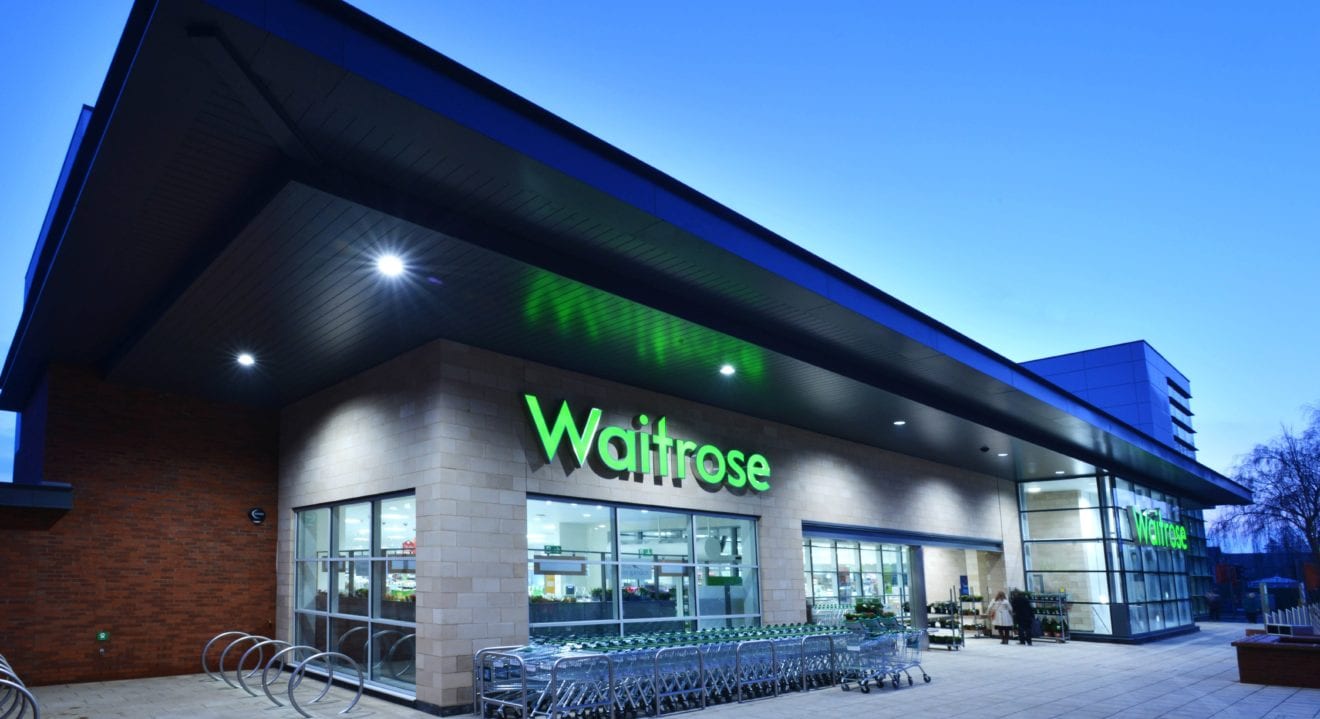
    Upmarket British grocery chain Waitrose has broken new ground in a deal with online marketplace Alibaba, opening the doors for it to export to China.

    Waitrose China will offer products and ranges to buyers across the mainland exclusively through theRoyal Mail Store on Tmall Global, Alibaba Group’s online marketplace. Waitrose arranged the deal through Avenue51, which runs Royal Mail’s store on the platform.

    Royal Mail promotes British companies, and Waitrose will be one of its highest-profile brands with a dedicated page on its online store. There will be 30 products initially, including biscuits, cereals, coffee, nuts and tea, plus beauty, baby and organic ranges.

    “The potential for Waitrose in China is huge, and though this is a relatively modest start it’s our ambition to see it become our biggest international business in the next three to five years,” says Waitrose commercial director Mark Williamson.

  • NZ govt teams up with Alibaba to boost Chinese trade

    NZ govt teams up with Alibaba to boost Chinese trade

    New Zealand has joined the likes of other Southern Hemisphere agricultural nations like Australia, Chile and Peru by forming a strategic alliance with the world’s leading online retailer, Alibaba.

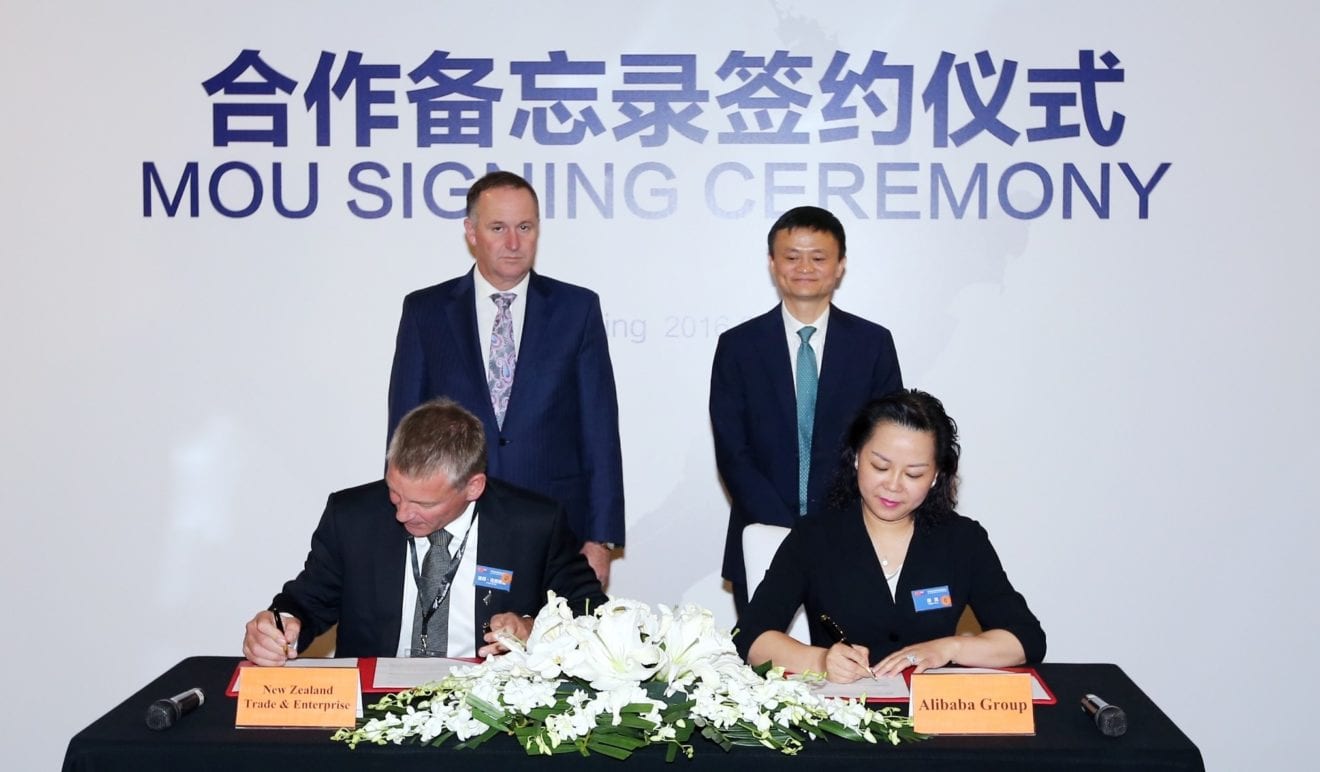
    The Memorandum of Understanding (MOU) between the group and government business development agency New Zealand Trade and Enterprise (NZTE) was signed yesterday to formalize discussions for strengthening trade between the two countries and to support New Zealand brands in China.

    Under the MOU, the parties will explore different collaboration opportunities, including Alibaba providing support for New Zealand companies to enter the Chinese consumer market through its various e-commerce channels, while NZTE will assist local companies to understand and optimize the opportunities Alibaba’s system offers in terms of business growth in China.

    “We are excited to extend our cooperation with the New Zealand Government by collaborating with NZTE to support local businesses to enter China through Alibaba’s platforms,” said Maggie Zhou, Alibaba’s newly appointed managing director for Australia and New Zealand.

    “With our strong networks in China and expertise in e-commerce, we will enable Chinese consumers to benefit from the premium products and fresh foods that New Zealand businesses can offer.

    NZTE chief executive Peter Chrisp said the new arrangement offered significant opportunities for New Zealand businesses to reach more consumers as well as advocating the country’s reputation as a place of “open spaces, open hearts and open minds”.

    “New Zealand businesses are already using Alibaba’s channels to sell a wide range of products including dairy, meat, seafood, fruit, wine, beverage, cereal, skincare and health supplements,” he said.

  • Mei.com & Alibaba Launch the TMALL Luxury Flash-Sale Channel with Star-Studded Live-Streamed Fashion Show

    Mei.com & Alibaba Launch the TMALL Luxury Flash-Sale Channel with Star-Studded Live-Streamed Fashion Show

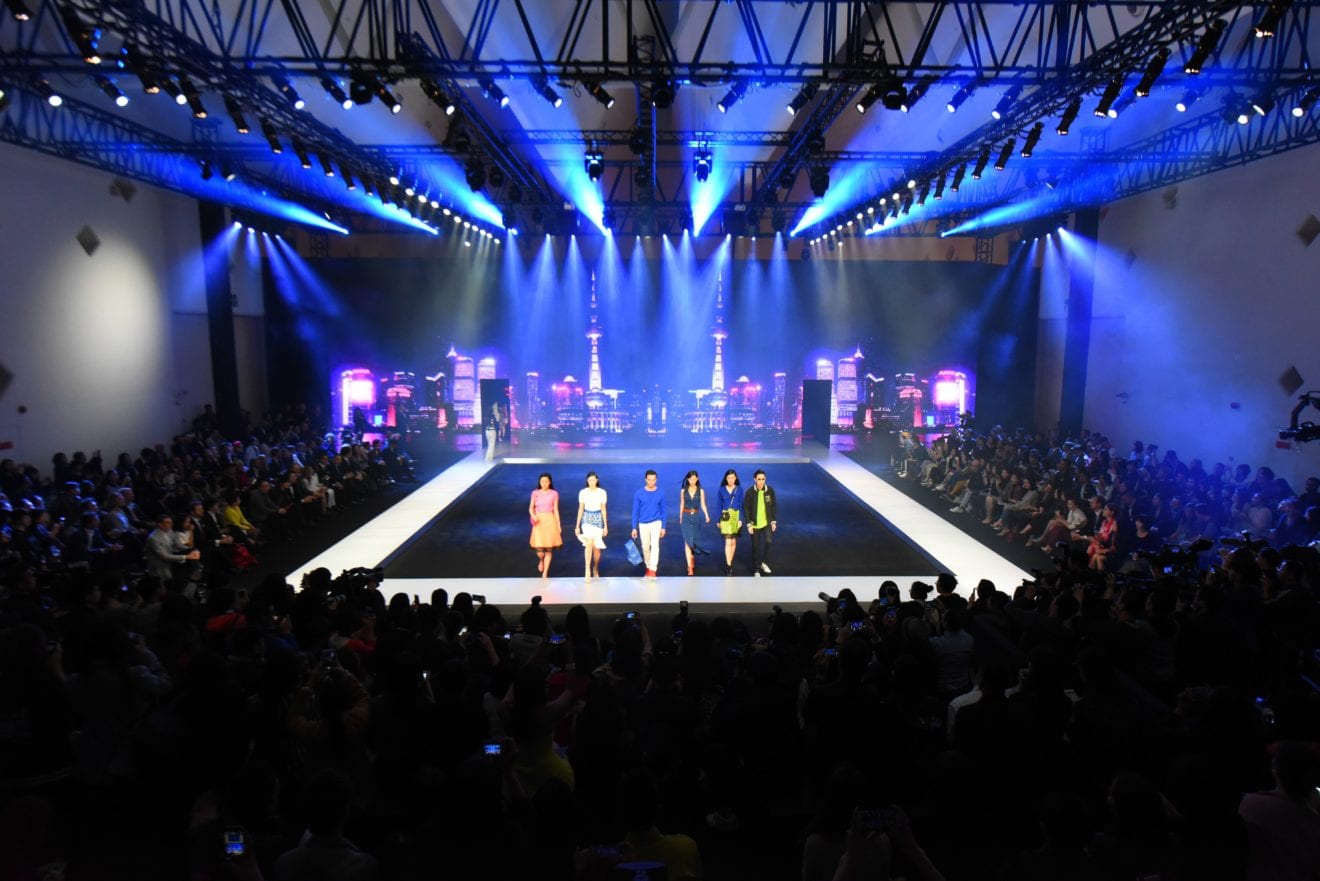
    A live-streamed fashion show featuring 42 looks has marked the launch of a luxury Tmall flash sales channel via app that makes the styles immediately available to shoppers.

    Alibaba Group’s B2C online marketplace Tmall.com has launched the channel through its mobile-phone app, allowing viewers of the live stream to “scan and buy” the runway looks.

    Soft-launched about three months ago, the Tmall channel is being managed by Mei.com, which since 2010 has run a website in China that provides a flash sales outlet for nearly 300 international luxury brands including Armani, Longchamp, Michael Kors, Tumi and Zegna, through exclusive partnerships.

    Mei.com CEO Thibault Villet with Olivia Palermo and Mei.com President Seamon Shi.

    Mei.com CEO Thibault Villet with Olivia Palermo and Mei.com President Seamon Shi.

    Alibaba invested an undisclosed amount in Mei.com in July, saying the site’s relationships with affordable luxury goods merchants would complement Tmall’s roster of high-end retailers such as Burberry, Coach and Hugo Boss. The new flash-sales channel gives Tmall.com shoppers direct access to discounted luxury goods from more than 3000 retailers and authorised distributors.

    “The launch of the channel will further the variety of brands on Tmall and offer China’s burgeoning middle class a one-stop shopping platform,” says Alibaba Group CMO Chris Tung.

    Millions of consumers across China watched the fashion show. It featured clothing and accessories, including 30 womenswear looks, 10 menswear looks, and a finale including two children’s looks.

    Actor Peter Sheng, famous for his role in the China web series Go Princess Go, made his runway debut in the show wearing a Carven suit. American socialite Olivia Palermo styled one of the runway looks and was a front-row attendee of the show wearing the look herself.
    Trendsetters and tastemakers attending the event also included singer Chris Lee and runway model and pop star Tia Ray, who also performed.

  • Farah China to launch next year

    Farah China to launch next year

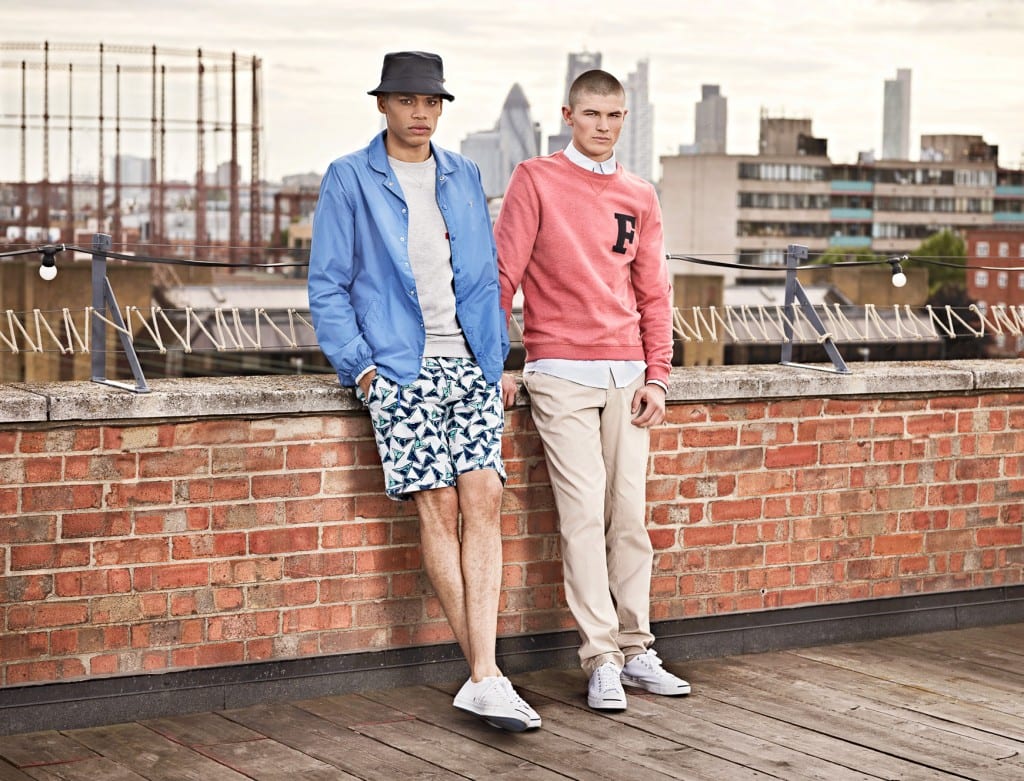
    Perry Ellis International has signed an agreement with MRH SpaRotica Groupe (MRH) to introduceFarah China next year.

    The brand will be launched in department stores, free-standing stores and specialty outlets as well as online with third-party eCommerce platforms such as Tmall. The first free-standing Farah store is planned to open early next year.

    With street credibility, the Farah has creative brand ambassadors from art, music and modern culture who are empowered to become product developers, storytellers and educators inspiring millennials. The products are sold internationally through major retailers and company-owned stores, as well as online.

    “This is our first agreement for Farah in greater China and represents a major step in the expansion of the brand outside of the United Kingdom and Europe,” says Perry Ellis International chairman/CEO George Feldenkreis.

    MRH president/CEO Richard Kisembo says the company is confident of the impact Farah can make in China. “We believe in brands that make emotional connections with consumers, and Farah will stand out for its modern classics.”

    Perry Ellis International is a designer, distributor and licensor of men’s and women’s apparel, accessories and fragrances. It owns a portfolio of brands including: Axist, Ben Hogan, Cubavera, Grand Slam,  Jantzen, John Henry, Laundry by Shelli Segal, Manhattan, Original Penguin by Munsingwear, Perry Ellis, Rafaella and Savane. The company also licenses trademarks from third parties, including Jag and Nike for swimwear, and Callaway, Jack Nicklaus and PGA Tour for golf apparel.

    Based in Shanghai, MRH curates and invests in brands through acquisition and licensing. It has retail stores, distributes merchandise through franchisees, and runs eCommerce websites.

  • Online store sells out million-yuan Maseratis

    Online store sells out million-yuan Maseratis

    Italian car-maker Maserati launched its flagship store on Tmall, Alibaba’s online shopping site and the first 100 Maserati SUV Levantes, priced at 999,800 yuan (€137,600), sold out 18 seconds after being put up for advance sale at exactly 3 pm yesterday in China.

    Ultra-luxury cars are suffering from China’s slowest economic growth in a quarter of a century, as well as a government crackdown on ostentatious displays of wealth, but online retailing may provide a window of opportunity for high-end autos.

    The car is Maserati’s first SUV and is due to officially launch in China in July, and Maserati will add 500 cars to the online offering for advance purchase to meet demand.

    Tmall is one of the most popular online shopping sites in China, where buying online is booming. China has 667 million internet users, and it is the world’s largest e-commerce market. Online retail sales in mainland China were worth 3.877 trillion yuan (€530 billion) last year, up by one third on the previous year.

    Slow growth and a general austerity campaign has hit the super-cars, although it did rebound slightly in late 2015 on the back of government tax breaks. The number of imported cars in 2015 dropped 25 per cent year-on-year last year, according to data from China Automobile Trading.

    BMW-owned brand Rolls-Royce saw a decline of 54 per cent in sales last year year-on-year, while Volkswagen-owned Bentley saw its China sales fall 36 per cent last year.

    Maserati’s fellow Italian luxury brand Ferrari said in October that sales in the first three quarters of last year were down 24 per cent to 157 cars.

    Bucking the trend is Porsche, which saw its 2015 China sales rise 24 per cent to 58,000 cars.

    “Compared with mass-market brands, the ultra-luxury car segment has been hit harder by the economic slowdown,” Beijing-based independent industry analyst Zhang Zhiyong told the Global Times newspaper.

    Zhang believes that ultra-luxury cars face limited growth potential in China in the next few years.

    “Entrepreneurs, who are the main consumers of ultra-luxury cars, are more vulnerable to changes in the macro-economy,” he said.

    Gao Mengxiong, sales director of Maserati China, said Maserati’s customers were relatively young. The average age of Quattroporte drivers was 38 years old, while the average age of Ghibli drivers was 32 years of age. The company has already introduced an English-language slogan here – “Levante The Maserati of SUVs”.

    Maserati’s global sales are currently running at around 32,000, below forecasts of 50,000, but CEO Harald Wester said he expects to add around 30,000 cars to sales next year, with China expected to drive strong growth.

  • Tmall driving more than sales for top beauty brands

    Tmall driving more than sales for top beauty brands

    Scores of high-end cosmetics companies are setting up shop on Alibaba Group’s Tmall.com online marketplace as eCommerce continues to gain ground as a critical marketing and sales channel for reaching China’s increasingly sophisticated consumers.

    At the recent Tmall Beauty Awards ceremony in Shanghai, which celebrated the top cosmetics brands operating on the eCommerce platform, Alibaba announced that 29 well-known Western brands and 37 from Japan and Korea had storefronts on Tmall at the end of 2015, including more than 10 joining the platform last year alone such as Lancôme, Bobbi Brown, La Mer, Anessa and Avene. Another 20 cosmetics companies are planning to launch their own presence on Tmall this year.

    Alibaba also announced a cooperation agreement with Korean cosmetics maker AmorePacific Group to expand the latter’s Tmall presence. AmorePacific will add two more storefronts exclusively on Tmall for the Sulwhasoo and IOPE beauty brands in the following months. AmorePacific already operates the Laneige, Innisfree, Mamonde and Etude House e-shops on Tmall, and about 800,000 Chinese consumers have purchased goods from Laneige’s shop over the past three years, according to Alibaba. The brand also sold about 45,000 BB creams, or blemish balms, during Alibaba’s 11.11 Shopping Festival, bringing in US$1.4 million from that product alone.

    Alibaba has similar cooperation agreements with Procter & Gamble, Estée Lauder, L’Oréal and domestic retailer Shanghai Jahwa Corp.

    The eCommerce push by cosmetics companies comes amid strong growth in high-end cosmetics purchases by Chinese consumers. A report from Chinese research firm CBNData, released in conjunction with the awards, noted that total sales of cosmetics products in China climbed nearly 20 per cent to $74.1 billion last year from 2014. Citing independent researchers, CBNData’s report also said that online channels accounted for 36 per cent of that, or $27 billion, with Tmall controlling about a 70 per cent share of the B2C market. Alibaba Group is an investor in CBNData parent China Business Network.

    Tmall Cosmetics GM Mike Hu said total sales generated on all business-to-consumer retail websites in China currently account for 12 to 15 per cent of the entire cosmetics market, and he predicts those channels will grow by another 30 per cent to 50 per cent over the next two to three years.

    Hu stressed that Tmall offers more than just another sales channel to brands. It’s also a platform to promote new products, build a connection with customers and increase business both online and off. According to Hu, over 20 brands have introduced about 160 versions of products that were exclusive to Tmall shoppers, and the brands have launched more than 100 new products via the website in 2015.

    “Two or three years ago, eCommerce played as a sales channel since its significance grew and it helped enhance business,” said Gary Chu, online general manager at Estée Lauder China, said at the awards ceremony. “Now what we are thinking about is how to integrate brand property, content and products into our presence in Alibaba’s ecosystem to meet the needs and demands of the brand.”

    To that end, Estée Lauder has been engaging customers via its so-called Fans communities within the Tmall mobile app. One brand, Bobbi Brown, opened its Fans page last November and now has more than 640,000 followers. It offers make-up tips and sample trials, among other initiatives, to tackle customers’ most common inquiries in order to educate and interact with shoppers, while serving as a bridge to the Bobbi Brown storefront. In addition to the Fans page, the company also used Instagram-like photo sharing on Tmall to generate buzz about Bobbi Brown lipstick ahead of Chinese New Year earlier this month, and Estée Lauder regularly uses the Tmall mobile app to help launch new products.

    Alibaba Group CEO Daniel Zhang said Estée Lauder’s efforts are prime examples of ways brands can engage shoppers with content and convert interactions into business opportunities.

    “All the brands and merchants are the best content producers, and merchants should incorporate products into content that consumers are willing to read and eager to buy,” he said.

    Brands are also using their Tmall storefronts to boost their online-to-offline (O2O) business. So far 54 of them, including Estée Lauder, La Mer and Laneige, have integrated their online and offline membership programs and now allow users to make appointments for skin care treatments in brick-and-mortar stores online.

    Tmall will continue to promote O2O retail to “achieve the goal of same product, same service and same membership” online and offline, Hu said.

    Here are the winners from some of the biggest award categories from last Friday’s ceremony. The winners were chosen based on search popularity, interaction with shoppers, customer reviews, trial reports, sales and services among millions of customers and thousands of brands on Tmall in 2015.

    Most popular brands online: Laneige, Lancôme, Innisfree, Maybelline

    Hot search brands: Bobbi Brown, Avene, Sulwhasoo (which launched on March 1)

    Favorite brands among customers born in the 1990s:Sekkisei, The Face Shop, Hanhoo (Chinese domestic brand)

    Favorite brands among customers holding Alibaba Passport (shoppers spending more than RMB 100,000 ($15,270) annually on Alibaba’s platforms): Shiseido, Whoo, L’Oréal, Clarins, Innisfree

    Favorite brands among male shoppers: JVR (Chinese domestic brand), L’Oréal, NIVEA

    Best-selling brand: Pechoin (Chinese domestic brand)

    Outstanding and popular group: Estée Lauder Group

  • China $1.1T eCommerce Market On Horizon

    China $1.1T eCommerce Market On Horizon

    According to a recent report from Forrester, total eCommerce revenue for China, Japan, South Korea, India and Australia is projected to nearly double in the next five years, from $733 billion in 2014 to $1.4 trillion by 2020. That same report goes on to detail how these five Asian online economies have already outpaced the combined online retail markets in the U.S. and all of Western Europe, with China and India ranking as the two largest and fastest-growing markets worldwide.

    It goes on to point out that the Chinese market already surpassed that of the U.S. in 2015, and China remains the world’s largest eCommerce market, despite seeing its overall economic growth dip below 7 percent for the first time since 2009.

    “While the days of staggering year-over-year eCommerce growth in China are gone,” wrote Lily Varon, lead author of the Forrester report and analyst for eBusiness and channel strategy, “current growth rates are solid and more consistent with other mature markets in the region, like Japan and South Korea.”

    Varon also went on to project that China would continue to lead the region’s market growth, expanding to be nine times larger than Japan’s $122 billion market in 2020 and 17 times larger than South Korea’s $65 billion.

    India is also projected to see online sales expand by five times, fueled by a rapidly increasing number of online shoppers entering the market and per capita online spend continuing to increase. However, in the case of India, Varon noted that the country’s underdeveloped logistics, “challenging” connectivity, as well as a traditionally cash-based culture, would pose significant challenges to online retailers looking to grow the online India market.

    The Forrester report goes on to note an important and defining trend across the region: the dominance of Web-only retailers, such as Rakuten and Amazon in Japan; Taobao, Tmall and Jingdon in China; and Flipkart and Snapdeal in India.

    “Consumers have flocked to online pure-plays rather than their traditional retail counterparts,” Varon wrote. “In very few markets in the region do traditional retailers hold any dominant position or even come close to competing with the Web-only giants.”

    Having noted the significance of Web-only players, Varon shared that omnichannel functionality had not been as robust in Asian markets as it had in the U.S. or U.K. This, though, was starting to shift, as more traditional retailers start to make the move towards eCommerce in Asia. Australian retailers have been forced to play catch-up, with omnichannel offerings, such as click-and-collect, being adopted by global players, like TopShop and Zara, and helping to bring omnichannel services to the local market.

  • Alibaba’s global marketplace attracts 5400 foreign brands

    Alibaba’s global marketplace attracts 5400 foreign brands

    U.S. goods are among the best sellers on Alibaba’s Tmall Global shopping site. More than 5,400 foreign brands from 53 countries are selling goods on Tmall Global, an online marketplace Alibaba Group Holding Ltd. launched in 2014 to take advantage of China’s relaxed rules on consumer purchases from foreign websites.

    Of those 5,400 brands, 4,300 have never sold in China, according to a just-released 2015 China Cross-Border Consumption Report from Tmall Global and Chinese consulting firm CBN Data. Tmall Global allows retailers and brands without a China business license to take orders from Chinese consumers and then send the products through Chinese customers.

    Sales on Tmall Global increased 179% in Alibaba’s fiscal third quarter ended Dec. 31, according to Alibaba’s recent quarterly report. Alibaba did not report the value of sales on the marketplace for foreign goods.

    The new report says U.S. companies are most often ranked among the top 10 in various products categories on Tmall Global, followed by brands from Japan, Germany, Australia and Korea. The fastest-growing categories on Tmall Global are children’s products, nutritional items, cosmetics and snacks.

    Among the retailers selling on Tmall Global are U.S. department store chain Macy’s Inc., the U.K.’s House of Fraser and Sainsbury’s, and Metro Group of Germany. Consumers can also buy Huggies diapers from Kimberly Clark, food products from Danone of France (whose products are marketed under the name Dannon in the United States) and cosmetics from Japanese brands Kao and Shiseido.

    Alibaba has worked with government agencies in 13 countries to set up “pavilions” featuring goods from those nations. For example, the U.S. Department of Agriculture has cooperated with Alibaba on a program to sell cherries from the northwestern United States on Tmall Global.

    During the big Singles’ Day sales that Alibaba promotes every Nov. 11, 95 million consumers visited Tmall Global and 30 million made purchases, the report says.

    Alibaba’s chief rival in China, JD.com Inc., also has created an online shopping mall for foreign brands called JD Worldwide. Among the companies to recently launch on the JD site are luxury brands Tod’s and TAG Heuer.

    China in recent years has made it easier for Chinese consumers to buy goods for their personal use online from foreign companies. The government recently increased the maximum purchase allowed under these cross-border e-commerce regulations from 10,000 yuan ($1,519) to 50,000 yuan ($7,597) per transaction, according to a report on the Chinese luxury market by U.S. consulting firm Bain & Co.

    JD is No. 1 Internet 2015 Retailer China 500, which ranks retailers by their online sales in China. While Alibaba’s China marketplaces account for more than three-quarters of online retail purchases in China, it’s not ranked in the China 500 because Alibaba is not the merchant of record for those sales, instead providing a platform for other merchants to sell.