Retail News CRM

Tag: tmall

  • Meet China’s online super-consumers

    Meet China’s online super-consumers

    Like many college students in China, Song Yang buys most of the things she needs for daily life by shopping on the internet. But while her peers have to satisfy the urge to splurge with the occasional new smartphone or pair of branded sneakers, Song doesn’t worry much about living on a student’s budget.

    A finance major at Beijing’s prestigious Peking University who says she made a “pot of gold” in the stock market after being staked by her parents, Song, 21, spends upwards of $15,000 a year shopping on Alibaba Group’s Taobao e-commerce website. Her purchases range from high-end imported cosmetics, fashion apparel and consumer electronics, to Japanese snacks and organic produce, to furnishings for her family’s new apartment, to parts and gadgets for her father’s car.

    “As long as I have free time, I am on Taobao,” says Song, adding that her binge-shopping habit has resulted in up to 30 packages delivered to her home in a single day. “Whenever I have a new idea, I will search on Taobao,” she said.

    Song is the kind of China super-consumer that retailers dream of connecting with—and Alibaba Group is happy to oblige. In 2014, Alibaba recognized that out of the millions of consumers that shop in the company’s China retail marketplaces, a small percentage had adopted online shopping as a significant part of their daily lives. The company created a membership program called APASS (Alibaba Passport) to cater to their needs by assigning them personal account managers and organizing special events like wine tastings and automobile test drives.

    Alibaba top shoppers

    APASS shoppers are mostly young, internet-savvy and increasingly affluent members of China’s rising middle class. To qualify for the program, consumers must spend a minimum of nearly $15,000 a year online. That’s just the minimum. In fact, the average annual spend among current APASS members is about $45,000. In contrast, American’s millennials—defined as aged 18 to 34 with higher consumption than other demographic groups—spend about $2,000 a year online, according to a recent study conducted by BI Intelligence. During Alibaba’s recent 11.11 Global Shopping Festival, a 24-hour online sale, APASS members spent nearly eight times as much as the average consumer shopping on Alibaba’s platforms.

    Alibaba identifies candidates based on an algorithm that takes into account not only how much e-shoppers spend, but how often they shop online, the range of products purchased, credit record, and engagement in online communities.  If you think this screening limits membership to a very exclusive few, think again: There are about 100,000 APASS members.

    Fostering relationships with top customers is a time-honored marketing tactic. To Alibaba, APASS members are vanguards of an emerging consumer lifestyle in China. “They are opinion leaders who drive the consumption trend among China’s middle class,” said Zheng Dongyang, senior manager of the APASS program. To stay on their radar and cultivate loyalty, Alibaba recently upgraded APASS to foster online communities and to offer members exclusive daily deals from more than 100 top brands including Maserati, Burberry, Fissler and Estee Lauder.

    An APASS member who has recently enjoyed the perks of belonging is Hong Degang, a self-described “consumer electronics geek” who runs a wedding photography studio in the city of Wuhan. Hong, 27, was selected as one of 10 APASS members for a nine-day, all-expenses-paid trip to Italy. The mini-holiday included visits to the venues of eight top Italian brands including wine producer Mezzacorona and luxury carmaker Maserati.

    Alibaba livestreamed parts of these visits on the company’s Tmall app and video site Youku over a nine-day period. A trip to a Mezzacorona vineyard generated 400,000 views, 200,000 likes and 120,000 comments, but it wasn’t just social sharing that was inspired. According to Tmall, total sales of the online shops of the eight featured brands jumped more than fivefold over the livestreaming period compared with sales during the nine days preceding the event.

    Despite his recent exposure to Italian brands, Hong says he’ll likely remain enamored mainly with electronics gear. He says that he owns up to 20 computers and tablets at any given time, and stays immersed in his passion by reading electronics blogs on Mobile Taobao’s news channel every day while spending more than $3,000 a pop to acquire the latest cameras from Sony and Canon. He trades his used cameras and computers in Alibaba’s flea market app, Xianyu.

    “I celebrate 11.11 every day,” Hong jokes, referring to Alibaba’s giant annual online sale.

    Not every APASS member shops purely for the joy of it. Wu Xiaofang, a 41-year-old interior designer who lives in Lishui, a small city located in southern Zhejiang Province, says she is a big online spender and APASS member because she sources products for clients on Taobao.

    Wu designs exclusively for themed country inns and guesthouses that are popular in her mountainous province, so before she shops she determines whether customers want rooms done up in Chinese ancient style, American country style, French classic style or other themes. Everything is purchased online: toilets, shower kits, bathroom faucets, customized beds and wardrobes, curtains, lamps and other furnishings.

    “Taobao can always fill my specific demands,” Wu says. “I can buy second-hand antique French or German furniture on Taobao, and classic, floral-pattern tiles from ancient Chinese buildings. You won’t be able to find this unique stuff elsewhere.”

    She says she has so far finished five “Taobao inns” at a total cost of about $270,000 on all the furnishing—but admits that APASS perks encourage her to shop not just for business but for herself and her family.

    “I think everyone goes through the same journey,” she said. “When you first start online shopping, you are just curious. Later on, you kind of get addicted to it.”

  • Tmall flagship store for Cosmax

    Tmall flagship store for Cosmax

    South Korean cosmetics developer/manufacturer Cosmax Inc is to run an online flagship store on China’s Tmall.com.

    It has signed an agreement with online retail giant Alibaba Group Holding to establish the eCommerce platform to distribute Korean beauty products across China.

    cosmax-tmall

    Under the contract, Cosmax will be Korea’s first multi-shop dealer for various cosmetics brands on Tmall.com, China’s largest third-party platform for brands and retailers.

    The launch of the Cosmax platform is expected to help expedite the China Food and Drug Administration (CFDA) hygiene approval process for Korean cosmetics companies.

    Cosmax, which entered China in 2003, has cosmetics factories in Guangzhou and Shanghai. It earned more than 200 billion won (US$181.1 million) in China alone last year.

  • #Double11 2016 Singles Day Record Proves China’s E-Commerce Might

    #Double11 2016 Singles Day Record Proves China’s E-Commerce Might

    Chinese e-commerce giant Alibaba Group has tallied more than US$1 billion in the first five minutes and US$5 billion in transactions in the first hour of its annual Singles Day sales blitz. That means China’s 2016 Singles Day shopping fest—aka Shuangshiyi or Double Eleven, since it takes place each November 11—retains its title as the world’s biggest online shopping event.

    The final sales tally for the 24 hour global shopping spree: US$17.8 billion in GMV (gross merchandise volume) sales, or in China’s yuan or renminbi currency, RMB 120.7 billion. The vast majority (82%) of that shopping frenzy took place on mobile phones and devices, with $14.6 billion (RMB 98.97 billion) on mobile.

    Last year, Alibaba’s digital shopping platforms racked up a total US$14.3 billion in sales, bypassing the $9.3 billion in #Double11 Singles Day sales in 2014 — meaning the 24-hour shopping spree has almost doubled in two years.

    It’s also a proof point for Ant Financial Services Group, Alibaba’s fintech arm that operates its Alipay mobile payments platform. “The excitement around online shopping continues to build year after year, and it’s emblematic of the way that e-commerce is changing, giving consumers incredible access to products around the world,” said Ant Financial SVP Douglas Feagin to the South China Morning Post.

    Ant Financial this year says it processed 1.05 billion transactions, an increase of 48 per cent from last year. At the peak of the madcap shopping within the first hour, as many as 120,000 transactions per second were processed, Feagin said. Ant brought innovation and speed to the online sales crush. Just as importantly, it helped finance merchants and consumers alike.

    As SCMP reports, “Before the start of the so-called Singles’ Day shopping gala on November 11, Ant Financial’s MYbank unit granted over 50 billion yuan of loans to 1.33 million merchants to help them put their products online.Ant Financial’s Ant Credit Pay was also on hand to grant more than 100 million customers credit to finance their online shopping, Feagin said.”

    At the half-way mark, it was clear that 2016’s event would surpass last year’s record, according to Alizila’s coverage:

    At the 12 hour, 29 minute mark of the sale, total GMV had exceeded RMB 82.4 billion ($12 billion), with mobile accounting for 83.55 percent of the total.  Alibaba Group President Michael Evans had this to say: “With roughly 11 hours to go, we’re in a good place.” More than 14,000 international brands are participating in the sale, he said, and sales from international brands have so far accounted for about 30 percent of total GMV.

    Alibaba #Double11 Singles Day sale

    Virtual reality also played a role this year, with Tmall’s Buy+ billed as the world’s first virtual reality shopping experience. For the price of a 15 cent cardboard VR headset, shoppers could slip their smartphone into the headset and browse products from handbags to shoes to lingerie, and even have virtual models showcase the apparel and accessories on a catwalk.

    Shoppers could browse eight digital stores using VR to assess the goods before buying them. Participating retailers include Macy’s, Target, Costco, P&G, Chemist Warehouse, Freedom Foods, Tokyo Otaku Mode and Matsumoto, part of the over 11,000 international brands that join in the fair.

    The global online shopping event also introduced interactive games and partnerships with over one million brick-and-mortar shops, including a Pokemon Go-like mobile application to catch the Tmall cat mascot in offline locations of Tmall merchants in shopping malls to spur foot traffic to the merchants. In return, consumers can earn special prizes such as free subscriptions to Alibaba’s Youku TV.

    It also teased this year’s 11.11 with teasers including an eight-hour live-streamed “see now buy now” fashion show from Shanghai, where consumers can order anything they see on the catwalk in real time from brands including Victoria’s Secret.

    The goal of this technology is to “improve [the] consumer retail experience, I would say you’re looking at the future of retail. The future of retail is in China, not anywhere else,” Alibaba Group’s co-founder and vice chairman Joseph Tsai told a media briefing on Thursday in Shenzhen, China.

    Leading the 11.11 international sales brigade this year were merchants from the US, Japan, South Korea, Australia and Germany. Most countries have already exceeded the volume of sales recorded for the entire sale last year.

    It’s another astonishing Singles Day,  an annual promotion inviting consumers who are not in relationships to cheer up with some retail therapy — an anti-Valentine’s Day “treat yourself” event invented by Alibaba’s Tmall head, Daniel Zhang, in 2009 to rival America’s Black Friday and Cyber Monday shopping events, and now surpasses both of them combined.

    While 11.11 started with discounts, it has morphed into an event featuring global brands such as Apple and luxury brands such as Burberry and Maserati, which both operate branded Tmall stores.

    As Teng Bingsheng, Associate Professor of Strategy at the Cheung Kong Graduate School of Business (CKGSB) in Beijing, stated in a pre-event press release, “To some extent, people remember that Alibaba initiated the 11.11 shopping festival. However, other brands are quickly gaining their fair share as well. But as long as the whole pie – and Alibaba’s own business – both get bigger, it’s still good news.”

    CKGSB Associate Professor of Accounting Zhang Weining added, “Double Eleven used to last for 24 hours, but this year it will stretch for 24 days. I think Alibaba foresaw that the sales growth rate would slow down this year, in part because more and more e-commerce platforms are running these campaigns and consumers are increasingly attracted to promotions offered prior to the day itself. This new strategy will also ease the pressure on delivery logistics, since sales will be more spread out.”

    Jack Ma Kobe Bryant Alibaba Singles Day 11.11Chairman Jack Ma—who welcomed David and Victoria Beckham and Kobe Bryant (while Katy Perry dropped out for a family emergency) as ambassadors for this year’s event at its countdown gala—said Alibaba’s cloud computing system is “[by] far the most advanced that human beings can realize.”

    Last year, the company processed 140,000 transactions per second via its cloud arm Aliyun during the shopping peak, while payment arm Alipay processed an additional 86,000 transactions per second at peak sale time.


    The company reportedly plans to list in 2017 in either Shanghai or Hong Kong, making it China’s largest IPO since 2010 when the state-owned Agriculture Bank of China offered $22.1 billion worth of shares.

    Brand partners were also vocal about what propelled Single’s Day sales this year: mobile (as Gap attested), personalization (such as Oreo) and virtual reality:

    For its part, Walmart kicked off its Black Friday sales event today, along with Target, in a bid to attract shoppers in the mood for deals. Both retailers’ official in-store Black Friday sales begin at 6 p.m. on Thanksgiving, reprising last year’s schedule despite murmurings that consumer interest in deal blitzing on Turkey-day may be waning.

    While Office Depot and Mall of America announced they’ll be closed on Thanksgiving, Macy’s, Kohl’s and Toys R Us are joining Walmart and Target. Walmart will be “dramatically increasing” inventory to offer nearly 50 percent more Black Friday merchandise this year online than last year.

    Walmart US CMO Steve Bratspies said that “We really pride ourselves on not being the retailer who advertises a great price but then only has a few available for the customers.”

    Walmart deals include a Samsung 50-inch 4K television for $398 and movies that cost $1.99. Target is touting deals like an iPad Air 2 for $274 and 30 percent off apparel and the giant teddy bear for $10 that hijacked social media last year is back with 20 percent more bears!

    Both big-boxers will start with offers over the next two weeks seeding the way for customer engagement as holiday spirit.

    Target returns to its “10 days of deals” program, touting a single big promotion daily starting the weekend before Thanksgiving, while Walmart is offering limited-time Black Friday discounts and holding further price cuts for into December.

    Still, some rang a cautionary note about Alibaba’s sales reporting, as the BBC reported: “Some have questioned the accuracy of the numbers, amid claims of inflated sales data at online retailers across China. Merchants passing off counterfeit goods as genuine is also an industry problem. Alibaba reported 85% of purchases had been made on mobile phones during Singles Day.”

  • Boom quarter for Alibaba Group

    Boom quarter for Alibaba Group

    While China’s economy goes through a sluggish patch, internet shopping mall giant Alibaba Group has announced a sparkling quarter in which profit beat expectations, its fledgling cloud computing business more than doubled sales, and its entertainment income quadrupled.

    “Our results reflect our increasing ability to monetise our 450 million mobile users through new and innovative social commerce experiences,” says CEO Daniel Zhang.

    “Beyond the strong performance of our core commerce business, we are pleased with the continued rapid growth of our cloud computing business. We also see huge potential in our newly integrated digital media and entertainment unit. By combining engaging online experiences with highly relevant content, we delivered impressive financial and operational results for the quarter. ”

    CFO Maggie Wu says the group had robust revenue growth of 55 per for the quarter ended September 30.

    “Our highly profitable and cashflow-generative core commerce business enables us to invest in our future growth areas of cloud computing, digital media, and entertainment and innovation initiatives. We expect each of these businesses to drive long-term value for both our customers and shareholders.”

    At RMB34.292 billion (US$5.142 billion), revenue increased 55 per cent year-over-year, the star sector being digital media and entertainment, which ballooned 302 per cent to RMB3.608 billion. There was also an impressive 130 per cent growth in revenue from cloud computing to RMB1.493 billion, while revenue from innovation and other sources grew 78 per cent to  RMB698 million, and revenue from core commerce rose 41 per cent to RMB28.493 billion.

    Up 23 million

    Mobile monthly active users (MAUs) on its China retail marketplaces reached 450 million in September, an increase of 23 million over June, while annual active buyers reached 439 million, an increase of 5 million from the 12-month period ended in June.

    Customers for its cloud computing business grew to 651,000 from 577,000 in the previous quarter. The operating loss from cloud computing was RMB398 million for the quarter, and adjusted EBITA loss narrowed from RMB158 million in the previous quarter to RMB57 million.

    Alibaba says its Taobao app continues to be the leading social-commerce platform, serving creative content, social-engagement opportunities and personalised shopping recommendations. Livestreamed demonstrations for fashion apparel, cosmetics, maternity/baby products, sports and activewear generated millions of daily views.

    The company says it also achieved high social engagement on the mobile Taobao platform, citing more than 6 million app users sharing their shopping experience with friends each day.

    “We continue to see strength in the consumer electronics category, with robust growth in smartphones and large appliances,” says Alibaba. “In September, Apple recognised our branding reach and distribution capability by appointing Tmall the third-party online platform for the simultaneous launch of the iPhone 7 with Apple in China.”

    In the large appliance category, Alibaba is continuing to work with Haier’s logistics subsidiary RRS, with orders from its marketplaces handled by RRS growing by more than 82 per cent for the quarter.

    Triple digits

    Alibaba has also continued to make strong progress in the FMCG category, with personal care, food, and mother and baby being among the top growth categories. Its Tmall Supermarket has seen its volumes grow by triple digits year-on-year.

    “Multinational FMCG brands are working with us as the partner of choice, not only to drive their transaction volume, but also in the areas of brand building, channel expansion and product launches to grow their presence in China.”

    During the year Alibaba launched innovations around livestreaming, AR and VR to drive consumer engagement. Examples include a livestreamed “See now, buy now” fashion show watched by 7 million viewers on Taobao, Tmall and the Tudou and Youku apps. Alibaba also integrated the omni-channel shopping experience at more than 60,000 offline storefronts, including Gap, Uniqlo and Intime department store.

    A pilot program has been introduced to help global merchants sell beyond China. Hong Kong and Taiwan are the first markets outside the mainland.

    Alibaba Cloud hosts and provides security products and services for more than 35 per cent of China’s websites, says the company.

  • Alibaba tipped to record solid quarterly revenue growth

    Alibaba tipped to record solid quarterly revenue growth

    Alibaba Group Holding, the world’s largest e-commerce company, is expected to report another strong quarter of sales in the three months to September 30, as its preparations intensify for the Singles’ Day online shopping festival next week.

    Analysts estimated New York-listed Alibaba’s total second-quarter revenue for its fiscal year that ends March would increase about 50 per cent year on year.

    “We model total revenue to grow 51.7 per cent to 33.64 billion yuan (HK$38.55 billion) versus [market analysts’] consensus estimate of 33.94 billion yuan,” Alicia Yap, the head of regional internet research at Citi Research, said in a report published ahead of Alibaba’s earnings announcement on Wednesday.

    Yap estimated Alibaba’s gross merchandise volume, the total amount of goods sold through the company’s vast online retail platforms, to have grown 22 per cent year on year to 872 billion yuan in the past quarter.

    Citi maintains a “buy” rating on Alibaba shares, and has raised its target price to US$133, up from the previous US$112.

    In an open letter to shareholders early this month, Alibaba chief executive Daniel Zhang Yong said: “During fiscal year 2016, our China retail marketplaces reached a historical milestone when annual gross merchandise volume transaction surpassed 3 trillion yuan, making Alibaba Group the largest retail ecosystem in the world.”

    In the three months to June, Alibaba reported a 59 per cent year on year jump in revenue to 32.15 billion yuan. The gross merchandise volume transacted on its China retail platforms rose 24 per cent to 837 billion yuan.

    Alibaba, which owns the South China Morning Post, runs four business segments – core commerce, cloud computing, digital media and entertainment, and innovation initiatives.

    Citi estimated Alibaba’s revenue from its core commerce business would reach 28.18 billion yuan in the quarter to September, up from 27.24 billion yuan in the quarter to June.

    That segment comprises the China and international online marketplaces operating in retail and wholesale commerce, including Taobao Marketplace, Tmall.com, Juhuasuan, 1688.com, AliExpress and Lazada.

    Citi predicted Alibaba’s cloud computing revenue would reach 1.56 billion yuan in the three months to September. Led by subsidiary Alibaba Cloud, it had revenue of 1.24 billion yuan in the quarter to June.

    Digital media and entertainment revenue was estimated by Citi to have reached 3.35 billion yuan in the past quarter. This segment, which includes UCWeb and Youku Tudou, had revenue of 3.13 billion yuan in the June quarter

    Alibaba’s innovation initiatives segment was forecast by Citi to have posted revenue of 550 million yuan in the three months to September, compared with 535 million yuan in the June quarter. This segment includes the YunOS mobile operating system and web mapping and navigation software AutoNavi.

    We want to offer a large variety of daily necessities to the city’s consumers

    Daniel Zhang Yong, Alibaba chief executive

    Last week, Alibaba said its introduction of the Singles’ Day shopping extravaganza and the Tmall.hk platform to Hong Kong would ramp up e-commerce services outside the mainland.

    “We want to offer a large variety of daily necessities to the city’s consumers,” Zhang said at the launch of Alibaba’s 11.11 Global Shopping Festival in Hong Kong.

    That kicked off a flurry of activities ahead of Singles’ Day, an annual event held on November 11 that will see billions of dollars of goods transacted on Alibaba’s online retail platforms within 24 hours, making it the world’s biggest online shopping event.

    At last year’s 11.11 festival, Alibaba posted a 60 per cent year on year increase in gross merchandise volume to 91.2 billion yuan.

    Daiwa Capital Markets analyst John Choi said in a report that sentiment on Alibaba was positive as “most investors now seem to have a better understanding of Alibaba’s ecosystem”. Daiwa has a “buy” rating on Alibaba.

  • Alibaba Group promises to redefine retail as it sets the clock ticking for Singles Day shopping festival

    Alibaba Group promises to redefine retail as it sets the clock ticking for Singles Day shopping festival

    Alibaba Group has started the clock on the Global Shopping Festival it will hold on November 11, which is known as Singles Day in the Chinese market where it dominates online shopping.

    The retailer, which trades through marketplace sites including Alibaba.com and TMall, has unveiled its plans for a festival that’s set to include a countdown gala, an eight-hour live streamed fashion show, virtual reality shopping, interactive games and more.

    These are all innovations aimed at enabling almost 100,000 merchants to build their brands, as well as engage with and sell to the hundreds of millions of Chinese consumers it predicts will shop on its marketplaces during the festival.

    Last year’s event, saw goods worth £9.3bn sold via the group’s websites.

    The press launch alone was attended by brands from Macy’s and Costco through to Swisse and eMart. There, Daniel Zhang, chief executive officer of Alibaba Group, said, “11.11 Shopping Festival has become the global retail benchmark over the past seven years, and we have raised the bar again this year to redefine the retail experience for consumers together with our merchants from around the world.”

    Zhang continued, “11.11 has evolved far beyond a 24-hours sales event. From today through November 11, consumers will discover, explore, play, watch, comment, share, recommend and shop across our entire ecosystem with our merchants both online and offline. Leveraging our robust infrastructure, global merchants have been empowered with unprecedented capability to seamlessly engage and serve customers through new technology and new environments.”

    Highlights of the Global Shopping Festival will include a Tmall eight-hour fashion show in Shanghai in which 50 international brands and 160 models will take part. It will be streamed live via Tmall and Taobao mobile apps that viewers can use to pre-order items as they appear on the catwalk.

    Shoppers will be able to use virtual reality to buy, as Alibaba pilots Buy+, billed as the world’s first complete virtual reality (VR) shopping experience. Those who use it will be virtually transported to select retail stores internationally, where they can experience the entire shopping process from product selection to payment, all via VR.

    In the run-up to the event, more than 600 international brands are streaming live broadcasts on Tmall to tell consumers about their brand and the deals and products they’ll be offering on 11.11.

    Katy Perry will headline the 11.11 Global Shopping Festival Gala on November 10.

    The event will link online and offline: Alibaba believes the future of commerce is not online only but will integrate the online and offline experience. A location-based augmented reality mobile, to be released two weeks ahead of the festival, will enable consumers to follow the Tmall Cat across the online and offline retail ecosystem: offline partners include shopping malls in Beijing and Shenzen, Shanghai Disneyland, KFC and Starbucks. Alibaba is also working with more than a million offline shops to present consumers with a joined-up experience.

    The retailer also promises each consumer a personalised shopping experience, thanks to the use of big data that will drive tailored product recommendations, search results, and user-generated content.

    The retailer is also focusing on going global, and aims within 10 years to serve two billion consumers, while supporting 10m small businesses, brands and retailers. The 2016 11.11 Global Shopping Festival includes a ‘buy globally, sell globally’ initiative that focuses on making Alibaba a gateway for international brands and merchants to sell to consumers in China. Meanwhile, it is also piloting approaches to supporting global retailers and brands as they sell beyond China. It is taking its infrastructure, including logistics and payments to Hong Kong and Taiwan – the first steps in its expansion strategy.


  • Pandora goes online in China on Alibaba’s Tmall

    Pandora goes online in China on Alibaba’s Tmall

    PANDORA announced that the Company has launched on Alibaba Group’s business to consumer platform, Tmall.com, providing a further avenue for Chinese consumers to purchase PANDORA jewellery. The launch on Tmall.com is PANDORA’s first online presence in China, which will be followed by the launch of the Company’s own eSTORE in December, 2016.

    Internet retailing in China is becoming increasingly popular amongst consumers, driven by faster internet, greater payment security and increasing convenience. In 2015, internet retailing in China generated sales of CNY 1,795 billion (approximately DKK 1,785 billion), corresponding to an increase of 53% compared to 2014.

    In connection with the launch, Kenneth Madsen, President, PANDORA Asia Pacific, said: “The launch of PANDORA jewellery on Tmall.com is another important step in establishing the PANDORA brand amongst Chinese consumers. Tmall is a clear leader in China’s internet retail space, and is the right business partner for PANDORA to get the broadest approach to the Chinese consumer.”

    The jewellery market in China is the largest jewellery market in the world, which in 2015 had a value of CNY 607 billion (approximately DKK 600 billion), corresponding to an increase of 7% compared to 2014. In the period 2016-2021, the Chinese jewellery market is expected to grow with a compound annual growth rate (CAGR) of 6%.


  • Macy’s plans to launch an e-commerce site in China in 2017

    Macy’s plans to launch an e-commerce site in China in 2017

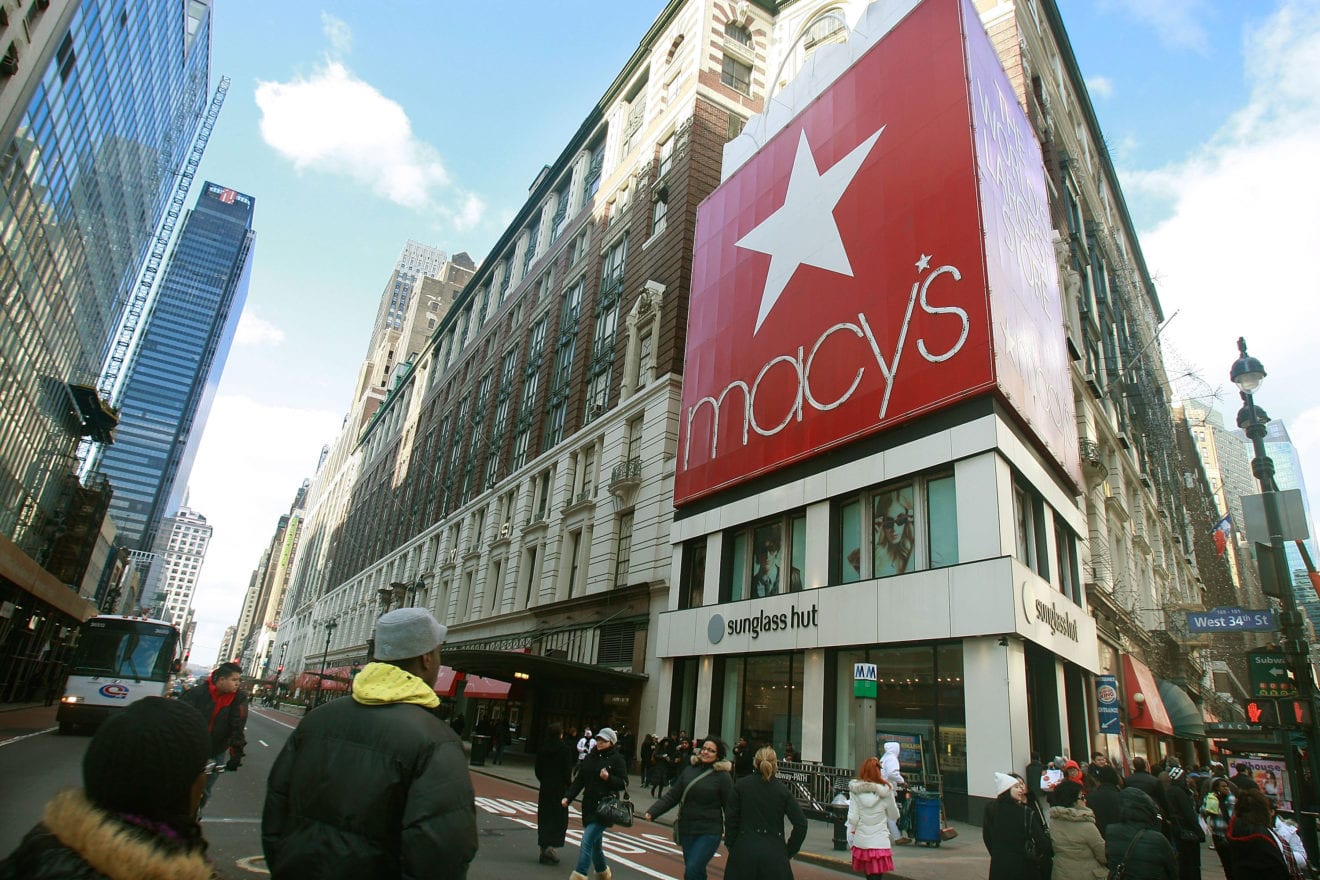
    Macy’s Inc. says it will launch a Chinese e-retail site in 2017 in order to increase its digital presence in the world’s largest e-commerce market. The department store chain announced the plan last week in Shanghai.

    Macy’s began selling online in China last November when it opened a storefront on Tmall Global, a web shopping site for imported products operated by Alibaba Group Holding Ltd. While the retailer did not disclose its sales on Tmall Global, it said more than 300,000 consumers have taken advantage of the social media-like features of Tmall Global to follow Macy’s so they can learn about new products and other information.

    Alibaba says Macy’s has become one of the most popular sellers on Tmall Global where Macy’s sells 1,500 fashion products from such brands as Kipling, Anne Klein, Tommy Hilfiger and Fossil.

    Macy’s also has explored several ways to connect online with young Chinese consumers. For example, the retailer has broadcast live shows online to explain its history and introduce its U.S. stores to Chinese consumers. A Macy’s live online broadcast about last month’s New York Fashion Week attracted about 100,000 Chinese viewers and resulted in some 150 million posts to Chinese social network Weibo, according to Macy’s.

    Many Chinese consumers shop in Macy’s stores when they travel to the U.S. and China is important for the company, the retailer says. However, the Chinese and U.S. markets are very different, Dustin Jones, Macy’s managing director for China, said at the news conference. “Chinese consumers want to know many details, while U.S consumers only want to check out quickly,” Jones said. “We are still learning in China and we will speed up our expansion next year.”

    Macy’s only sells online in China, and does not operate physical stores. Macy’s did not comment on any plans to open stores in China, although Jones said it’s hard to reach Chinese consumers without physical locations.

  • Alibaba Group now Asia’s richest company

    Alibaba Group now Asia’s richest company

    Alibaba Group Holding has surpassed Tencent Holdings and China Mobile in market capitalisation to become Asia’s richest company.

    Alibaba’s market value rose to US$261 billion in New York last week, overtaking Tencent’s US$255.98 billion capitalisation in Hong Kong on Thursday during a trading week shortened by a public holiday.

    China Mobile was the region’s third-largest company, valued at $249.38 billion.

    Alibaba’s shares have risen 28.8 per cent this year to $104.64, making the owner of Taobao.com and Tmall eCommerce platforms the world’s 10th-largest company by value, according to Bloomberg data. The world’s five most valuable companies now gain their revenue from technology or the internet – Apple, Alphabet, Microsoft Corp, Facebook and Amazon.com.

    In Asia, technology and internet-related businesses have displaced oil refineries, manufacturers and banks in the top three spots.

    Samsung Electronics of South Korea is the other technology company among Asia’s 10 most-valuable corporations, valued at $191.76 billion.

    As well as eCommerce, Alibaba has businesses in internet finance, cloud computing, film investment and logistics. The Hangzhou-based company’s second-quarter revenue rose 59 per cent, the strongest since its 2014 initial public offering in New York.

  • Coach Tmall flagship abandoned

    Coach Tmall flagship abandoned

    The official Coach Tmall flagship shop has been abandoned.

    Luxury bag brand Coach Inc says it will replace its shop on Alibaba Group Holding’s business-to-consumer sales site by selling directly through its own website and on its WeChat account, the social-media app run by Alibaba rival Tencent Holdings. Coach has offered coupons and launched a media campaign on WeChat.

    A Coach spokeswoman says the company wants to consolidate resources and will continue to look for innovative ways to leverage digital and social platforms.

    Alibaba says Coach products are still available on TMall from other merchants.

    Selling shoes, purses and accessories, Coach was one of the first US luxury brands to launch an official store on the TMall. It started with a temporary pop-up store from December 2011 to January 2012, opening a full store in 2015.

    Early this month, nearly a dozen trade groups wrote to Alibaba complaining that it was not doing enough to combat counterfeits. And the loss of Coach comes as Alibaba faces added scrutiny from a US trade agency as to whether it should be added to a list of marketplaces that are known for selling counterfeits.
    Alibaba’s Taobao consumer-to-consumer marketplace was on the list years ago, but was removed in 2012.

    Meanwhile, LVMH Moët Hennessy Louis Vuitton SE’s Guerlain has just opened a flagship store on TMall, and MakeUp Forever and Sephora, two other brands under the LVMH umbrella, also have TMall stores. Also, the cosmetics unit of Salvatore Ferragamo will launch its store later this month.

  • Chinese cross-border eCommerce has peaked

    Chinese cross-border eCommerce has peaked

    Chinese cross-border eCommerce has reached a turning point, says new research from Oliver Wyman.

    Spending online offshore by Mainland Chinese reached RMB 120 billion (US$17.963 billion) in 2015 according to iResearch, and is expected to grow more than 60 per cent, reaching 7 per cent of total Chinese eCommerce value by 2018.

    However, Oliver Wyman warns increasing regulation may mean the industry has now reached an inflection point.

    “Chinese consumers are probably the most informed and digitalised in the world,” said Wai-Chan Chan, Oliver Wyman partner and author of the report. “As Chinese consumers travel abroad, they are increasingly aware of offline prices around the world.

    Exhibit 1

    Cross-border eCommerce provides Chinese consumers with access to the best products at the best prices without leaving home. At the same time, companies entering or currently in the market need to consider their positions.”

    The report, titled Shopping Without Boundaries found that one in five online Chinese shoppers made a purchase on cross-border eCommerce platforms in 2015, double the proportion in 2014. This represents more than 3 per cent of total eCommerce transactions in China including both B2C and C2C.

    Today’s cross-border eCommerce businesses expanded out of the Daigou model which involved small businesses abroad who brought or sent products back to China. In 2013, the Chinese government established experimental zones of cross-border eCommerce for better regulation. Shanghai was the first to be selected, followed by 11 further cities by June 2016.

    International brand owners and retailers are taking advantage of the new channels through different models. The most common are platform providers such as Tmall International and self-operated plays such as Jumei. JD Worldwide operates across both models. Vertical specialists have also emerged, including the rapidly-growing Xiao Hong Shu (Little Red Book) that has established itself as a challenger.

    Exhibit 2

    After a strong boom, the report finds that cross-border eCommerce has arrived at a tipping point.

    “The future now seems unclear to many players due to a series of government regulations,” concluded the report. “Covering a wide range of topics such as tax, product safety, manufacturing standards and logistics, these regulations have not been fully defined and leave room for speculation.”

    “While cross-border eCommerce still presents great opportunities, companies may want to have a Plan B in case the market dynamics change completely due to the new regulations,” added Chan.

    The full report details how both incumbents and new brands should review and adapt their strategic approach to China’s cross-border eCommerce market. For example, incumbents need to define what role cross border eCommerce should play in their overall Chinese business while ensuring global price harmonisation.  New entrants, need to select a product that appeals to online shoppers in China.

  • Lazada to join Tmall.com for 2017 Asean expansion

    Lazada to join Tmall.com for 2017 Asean expansion

    Lazada, a leading e-commerce platform in Southeast Asia owned by Alibaba Group, is gearing up to tap into the burgeoning cross-border e-commerce market next year, in a move set to create greater opportunities for small and medium-sized enterprises in Asean and China.

    The company will join forces with Alibaba’s Tmall.com platform and its logistics and payment systems to drive the market, said Alessandro Piscini, chief executive of Lazada Thailand.

    Global marketing research firm Nielsen forecasts that Thailand’s online retail e-commerce market, excluding online travel, will reach US$3 billion by 2020, up from $1 billion in 2015.

    Online retail e-commerce market in Southeast Asia is expected to value at $20 billion in 2020, up from $5 billion last year.

    The e-commerce market will be driven mainly by middle-income earners and the growing number of internet users, according to Nielsen.

    The number of internet users in Thailand is projected to exceed 50 million by 2020, up from 40 million in 2015.

    Mr Piscini said the synergy between Alibaba and Lazada can be used to support local retailers and manufacturers in expanding to cross-border markets successfully.

    Chinese retailers and manufacturers will also be able sell their products in Thailand through Lazada’s website.

    Lazada also plans to work with Ant Financial, the Alibaba affiliate that runs Alipay and other financial services in China, to facilitate online payment service to local retailers and merchants, Mr Piscini said.

    He explained Lazada plans to combine its six websites in Southeast Asia into a single website within two years, and continue sales through one retail e-commerce channel.

    Lazada Thailand’s marketplace platform accounts for 85% of sales revenue, with the remaining 15% from its own marketplace platform selling products from its own website.

    To help local merchants and retailers boost their sales, Lazada will conduct an online festival from Nov 11 to Dec 12.

    “We expect sales volume at this year’s event to be 3-5 times higher than last year’s event,” said Mr Piscini.

    Lazada has expanded the range of products sold at its marketplace to over 2 million items.

    Its best-selling products include cosmetics, fashionable clothes and IT gadgets. “We are focusing more on the high-growth product segments like auto accessories and pet care products,” said Mr Piscini.

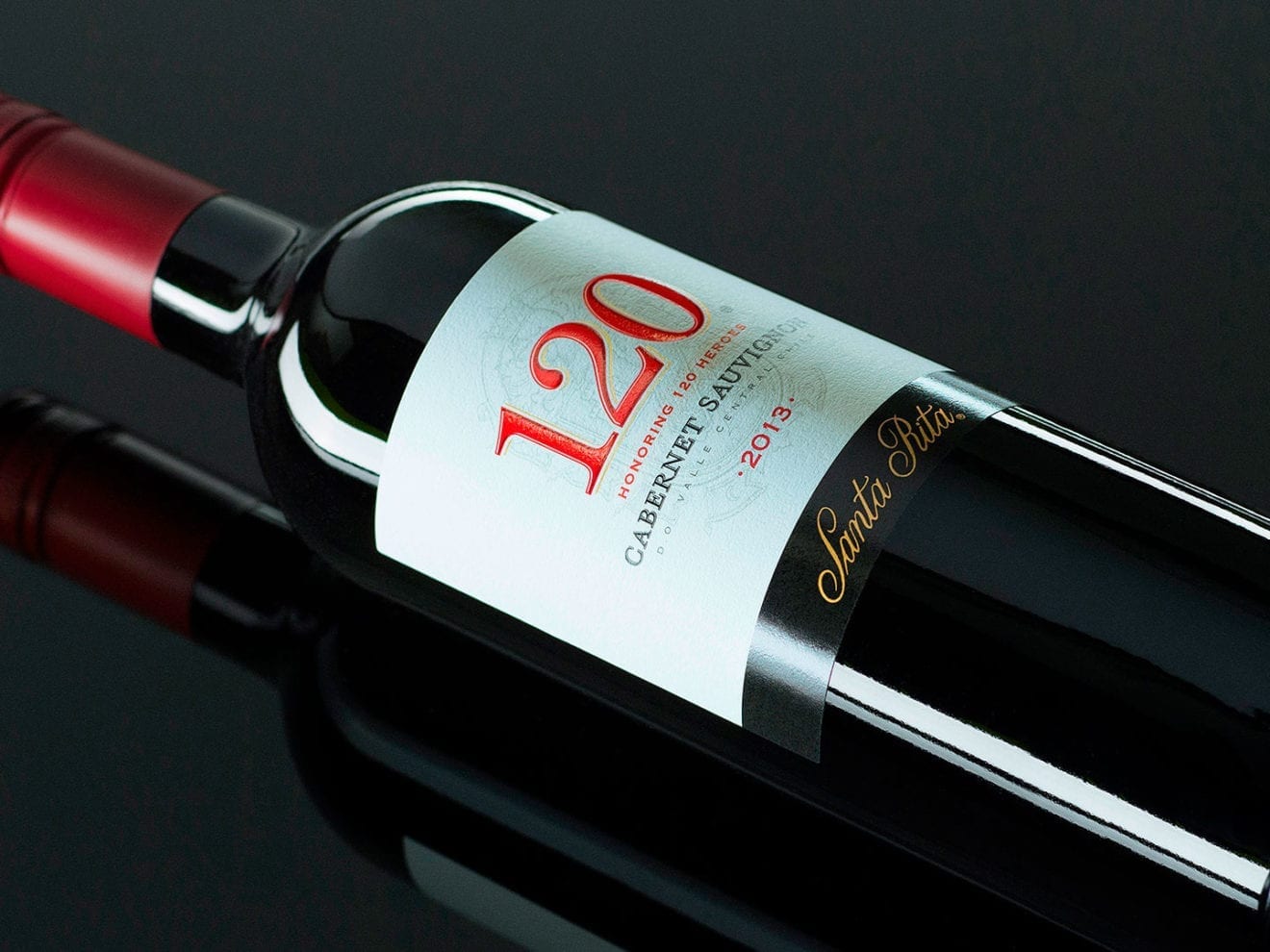
  • Santa Rita launches on Tmall

    Santa Rita launches on Tmall

    The Alibaba Group which operates Tmall is the biggest e-commerce platform in China with more than 400 million users and 120 million clicks per day. Tmall is Alibaba’s B2C online retail platform that has recently listed other big brand wine accounts, such as Wine Australia, Mondavi andASC Fine Wines.

    Earlier this year, Jack Ma, founder and executive chairman of Alibaba Group announced the launch of the first ever ‘Wine Day’. Hoping to emulate the success of ‘11.11 Singles Day’ which recorded a massive US$14.32 billion in sales in just 24 hours, this event, called the “9.9 Wine & Spirits Festival”, took place today at 9am CST.

    The Santa Rita online flagship store will offer key wines from their portfolio along with specific offers and promotions targeted China’s 688 million internet users – most of whom connect to Tmall via their smartphones.

    Terry Pennington, Santa Rita’s east region export director, said the listing was a “significant milestone” in the estate’s route-to-market in China.

    “This opportunity provides an excellent platform not only for retail but one from which we can communicate to and with the many millions of Chinese e-consumers our brand heritage, values and story,” he said.

    Established in 1880, Santa Rita is one of Chile’s oldest and most renowned wineries and owns over 2,500 hectares in the wine valleys of Limarí, Casablanca, Leyda, Maipo, Colchagua, Apalta, Maule, Rapel and Curico.

    Brands in the Santa Rita portfolio include 120, Secret Reserve, Reserva, Medalla Real, Floresta, Pehuen, Triple C and Bougainville with the top wine being Casa Real.

    Santa Rita is part of the Santa Rita Estates (SRE) stable comprising three key wine brands: Santa Rita and Carmen from Chile and Doña Paula from Argentina.

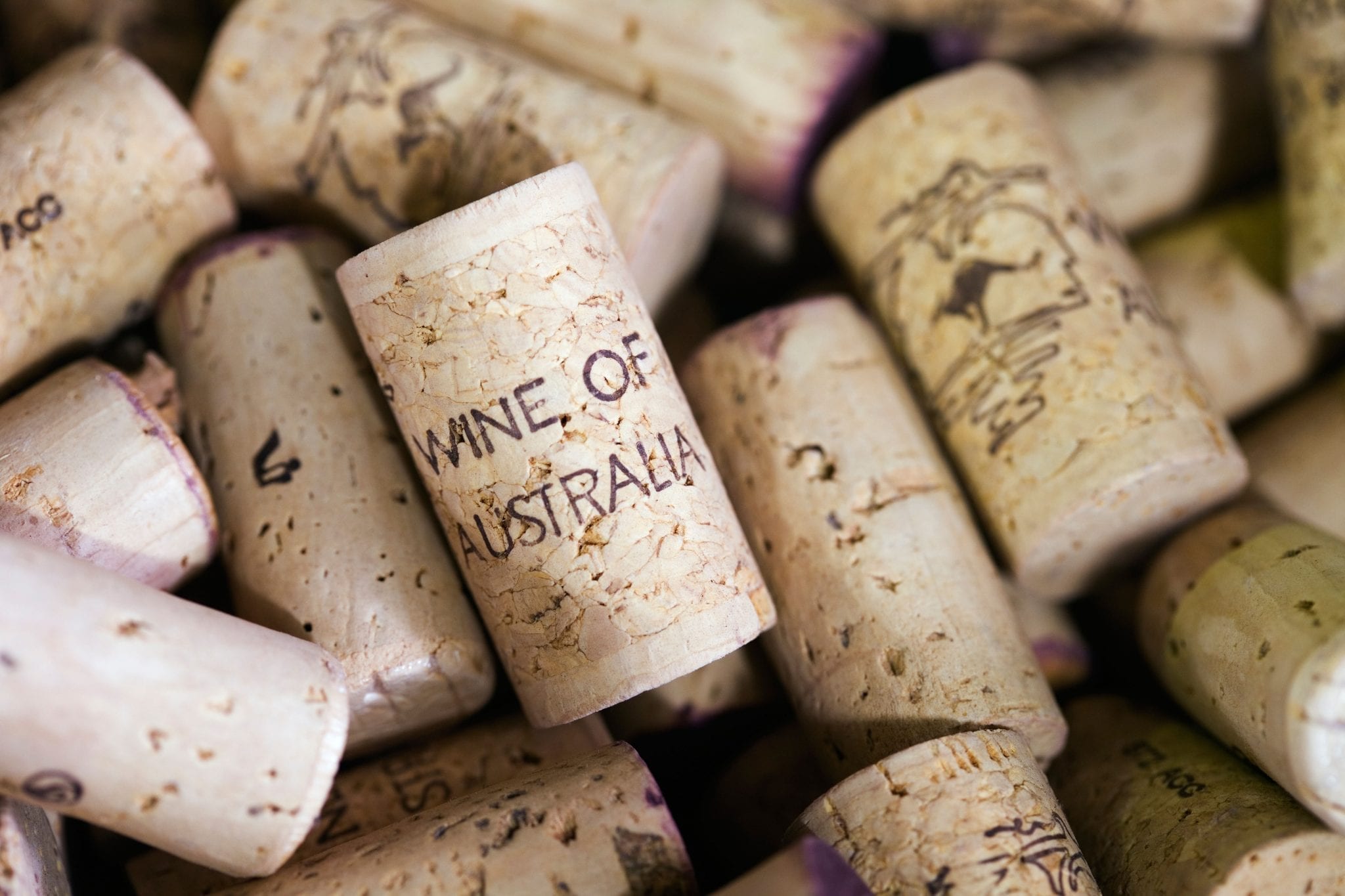
  • Wine Australia store launched on Alibaba

    Wine Australia store launched on Alibaba

    Australian wines are set to get a big boost in China from e-commerce giant Alibaba Group’s latest venture.

    An online “flagship store” featuring Australian wine has been launched on Alibaba’s business-to-consumer platform Tmall.com.

    Alibaba’s online retail sites cater to 434 million Chinese consumers, and the group generates half of China’s online wine sales.

    The new store on Tmall, supported by Wine Australia and operated by Chinese online retailer Vinehoo.com, will initially stock 10 brands from eight Australian wine regions, followed by another 20 brands in coming months. The first brands to be featured include Brokenwood, Coriole, John Duval, Pikes and Voyager Estate. Wine Australia does not select the brands. Wine Australia chief executive Andreas Clark said Alibaba was a significant player in Chinese e-commerce — a massive company with great reach. “The muscle they can bring, potentially, to further increasing Australian wine sales is vitally important,” Mr Clark said.

    China’s food and wine culture is still evolving, he said, and more Chinese consumers are looking online for premium products.

    “Our support of Tmall’s flagship Australian wine store helps us capitalise on this growing interest in Australian wine and gives us the opportunity to further reinforce the message with consumers that wines of Australian provenance are of the highest quality,” Mr Clark said.

    Alibaba’s managing director for Australia and New Zealand, Maggie Zhou, said Australian wines are considered world-class, and come at varied price points, so the opportunity to sell to China’s growing middle class is significant. Mainland China is now Australia’s second most valuable export market after the US.

    Total Australian wine exports to mainland China in fiscal 2016 rose 50 per cent to $419 million. Exports of wine priced at $10 or more per litre grew 71 per cent to $169m.

  • Laura Ashley to expand to China

    Laura Ashley to expand to China

    After several attempts at cracking the market, Laura Ashley will finally launch in China.

    The British retailer, owned by Malaysia-based MUI Group, will open a website via the Alibaba-owned Tmall website and will have a concession within the first House of Fraser store in China set to open this autumn.

    Laura Ashley finance director Seán Anglim said its long-term aim was to find a Chinese franchise partner.

    “China is not easy as evidenced by how many have got in and how many have come out,” Anglim said.

    “It is all about finding the right partner and doing it at the right time.”

    Laura Ashley currently has franchise partners in 30 countries outside the UK and an online store in six.

    The company also has ambitions to establish new online stores in Hungary and the Czech Republic in coming months.

    The Chinese move comes after the retailer this week reported a £25.8 million profit before tax and exceptional items for the 74 week period to June 30 – a 12.6 per cent increase on the 2015 figure.