Tag: tourism

  • Beijing approves blueprint for ‘Greater Bay Area’

    Beijing approves blueprint for ‘Greater Bay Area’

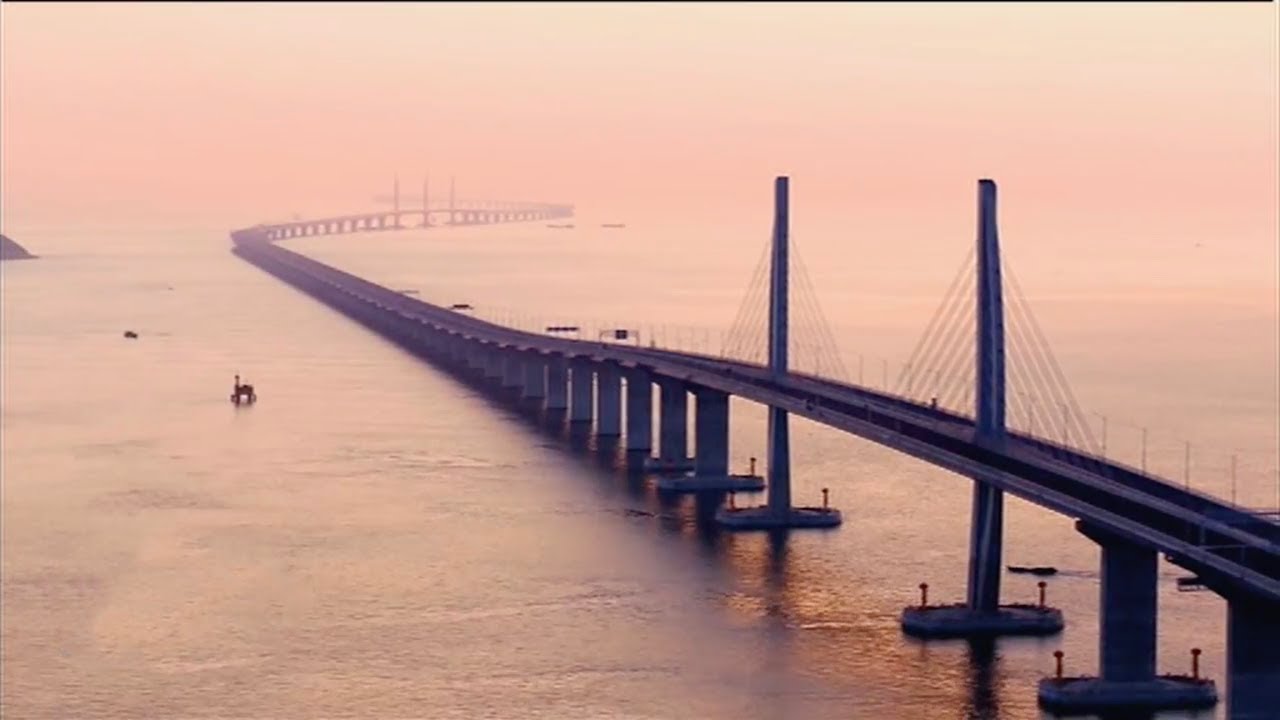
    Chinese Vice-Premier Han Zheng, the point man on Hong Kong and Macau affairs, recently gave the green light to the official document on the “Greater Bay Area” following extensive consultations with local governments, a Beijing source said. “No party or agenda, including even environmental protection, will be left behind by this all-inclusive blueprint,” the official said.

    More than three years in the making, the Greater Bay Area was first mentioned in a development action plan jointly outlined by China’s top authorities on economic planning, commerce and foreign affairs to create a new economic growth engine by pooling together Hong Kong, Macau and nine neighbouring cities in Guangdong province.

    The mega zone covers 56,500 square kilometres, has a combined population of about 67.6 million and accounted for 12.5 per cent of the country’s gross domestic product in 2016.

    Hong Kong leader Carrie Lam Cheng Yuet-ngor has taken part in discussions on the scheme since August last year, becoming the city’s first chief executive to join a leading group under China’s cabinet, the State Council.

    Authorities were now working on the implementation plan, Zhang said in an interview with state broadcaster CCTV which was aired on Saturday night.

    Hong Kong, Macau, Guangzhou and Shenzhen would be the central cities in the bay area, and each had their own unique positioning, he said.

    Hong Kong will be the international finance, navigation and trade centre, as well as a transport hub. It will have the role of pushing finance, trade, logistics and professional services towards the high-end market.

    Macau will be an international tourism city and a platform for trade with Portuguese-speaking countries. Guangzhou will take a leading role as a national central city while Shenzhen will take a leading role as a special economic region and an innovative city, he said.

    The planners hope the advantages these four cities enjoy can complement each other and offset the challenges brought by gaps in the legal and economic systems.

    The international network and mature market economy of Hong Kong and Macau could have big potential when combined with the vast hinterland and market Guangzhou enjoyed, he said.

    “Under the new circumstances, Hong Kong and Macau still have their unique position and advantages that cannot be replaced,” Zhang said.

    He revealed for the first time that there were almost 100,000 Hong Kong residents and nearly 20,000 Macau residents who had applied for a new identity card that would grant them access to a wide range of social and public services on the mainland. The arrangement was introduced on September 1 last year.

    There were high expectations that Beijing would reveal the blueprint when Premier Li Keqiang said in March last year there would be an announcement soon. But the central government has since been embroiled in a trade war with its biggest trading partner, the United States.

    Sources said that the tussles over political interests and dominance among the Greater Bay Area parties was a reason behind the delay and meant the central government had to step in to coordinate.

    “But the most important question here is whose model to follow and whether the tussle is about Hong Kong converting mainland cities or the other way around?” said an academic who has direct knowledge of the blueprint’s planning.

    “Mainland cities are hesitant to follow Hong Kong’s model in case they lose official powers.”

    An internal study by an official think tank seen by the Post said the crux of the Greater Bay Area integration was about putting “one country, two systems” into practice but differences in economic, tax, customs and legal systems that would ensure Hong Kong and Macau’s high degree autonomy have remained key challenges.
  • Starbucks opens its Coffee Sanctuary in Bali

    Starbucks opens its Coffee Sanctuary in Bali

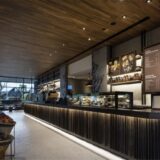
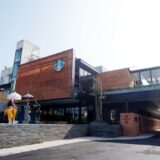
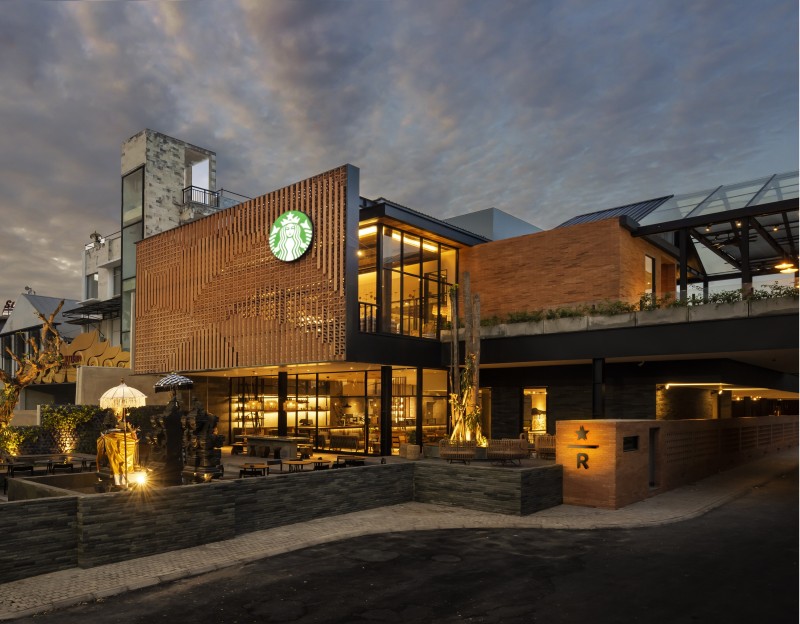
    Starbucks has opened its largest Southeast Asian location in Bali. The 20,000sqft Starbucks Dewata Coffee Sanctuary builds on 16 years of innovation in design, customer experience and community impact for the brand in Indonesia, where there are 370 Starbucks outlets nationwide. Customers can enjoy Starbucks handcrafted core and Reserve beverages within the store’s locally-inspired design that celebrates Indonesian tradition.

    The store pays tribute to the role that Indonesia, the fourth largest Arabica coffee-growing region in the world, plays in the Starbucks business. Sumatran coffee has been a staple offering at Starbucks since 1971.
    “We began sourcing Indonesian coffees more than four decades ago and have always been struck by the sense of community and care for the coffee journey at every step,” said Starbucks Coffee Company CEO Kevin Johnson.

    View the gallery of the new outlet below (8 images) :

    “The Starbucks Dewata Coffee Sanctuary amplifies our passion for the coffee journey, our ongoing commitment to Indonesia’s rich coffee culture, and our tireless pursuit of fostering moments of connection between our partners and customers. The Coffee Sanctuary marks the 10th Starbucks Reserve Bar store in Indonesia, one of 185 stores around the world, with the majority in Asia. This is Starbucks at its best, and we are proud to open the doors of this unique experience in one of Southeast Asia’s most dynamic markets.

    Visitors enter the store through an arabica coffee farm, try their hand at coffee bean de-pulping and washing during harvest season, dry and rake green coffee beans, visit budding seedlings in the nursery, take in the store’s locally-inspired design featuring traditional Balinese craft and Indonesian art, and enjoy the more than 100 Dewata-exclusive handcrafted beverages, food and merchandise, including the Lavender Latte.

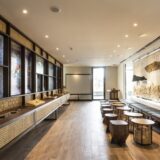
    The  Starbucks Dewata Coffee Sanctuary store’s expansive interior is inspired by traditional Balinese houses with free-flowing, connected rooms designed to promote discovery from one space to the next.

    “Bali has an envied reputation as one of Asia’s top travel destinations and Indonesia is one of coffee’s most extraordinary coffee origin regions,” said Starbucks Indonesia director Anthony Cottan said.

    “So we’re excited to invite customers here to ignite their senses and explore the seed-to-cup coffee journey at this unique Coffee Sanctuary. We’re very pleased to further strengthen the longstanding partnership between Starbucks and [licensee] PT Sari Coffee Indonesia with this truly one-of-a-kind Starbucks store, inspired by and filled with the finest examples of Indonesian art, design and craftsmanship.”

    To support the future of coffee, Starbucks Indonesia has committed to donating 100,000 coffee seedlings to farmers annually.

  • November Singapore retail sales stagnant

    November Singapore retail sales stagnant

    November Singapore retail sales were static, rising just 0.2 per cent year on year after removing motor vehicles from the data. On a month-on-month basis, sales rose 1.4 per cent, again after disregarding motor vehicles. Perhaps the most interesting figure was the share of total retail sales which occurred online, reaching 6.6 per cent. In September, online accounted for 4.9 per cent of sales, in October 5 per cent. The November figure suggests the Singles Day shopping promotions on November 11 had a significant impact in Singapore.

    The worst-performing retail category in November Singapore retail sales was computers and telecommunications equipment, slumping 22.1 per cent year on year, which Statistics Singapore attributes to strong sales of phones in November 2017 due to the launch of new models.

    The optical goods and books categories posted sales declines of 4.6 per cent, while food retailers and supermarkets & hypermarkets fell by 3.7 per cent and 1.4 per cent, respectively.

    Department stores registered an increase of 8.7 per cent in sales, while medical goods & toiletries sales rose by 4.8 per cent.

    Turnover of fast-food outlets, restaurants and other eating places (such as cafes) increased between by 2.5 per cent and 4.5 per cent year on year in November. However, sales of food caterers decreased 2 per cent.

  • MAHB’s record profits come at a cost to the Malaysian economy and tourism

    MAHB’s record profits come at a cost to the Malaysian economy and tourism

    Against a backdrop of a challenging economy and falling profitability in corporate Malaysia, Malaysia Airports Holdings Berhad (MAHB) won a major Malaysian award last week, topping billion ringgit companies for giving its shareholders the best three-year returns in its class.

    MAHB’s net profit more than tripled in 2017 to RM237 million from RM73 million in 2016 – itself nearly double from RM40 million in 2015 – and it is set to break yet another record this year.

    In the write-up that accompanied the award, the sharp increase in profits was attributed to two reasons: an increase in Passenger Service Charge (PSC) and growth in passenger numbers coming through its airports.

    The write-up unabashedly stated that MAHB owed its vastly improved performance to its structural dominance and described MAHB as a structural monopoly.

    Kudos to MAHB. But then, it is not difficult to keep showing such numbers when you are a monopoly.

    Nevertheless, unjustified price increases, such as the PSC hike imposed by MAHB, will lead to unintended consequences when its clients, who have no choice but to use its services, are eventually squeezed out of business. Then, everything will collapse – Malaysia’s tourism arrivals, billions in tourism receipts and revenues to MAHB’s own coffers (a fact it has failed to acknowledge).

    MAHB rewards itself with excessive monopoly profits, yet it provides the Malaysian public with embarrassingly low service levels.

    AirAsia X Malaysia CEO Benyamin Ismail said, “In addition to the RM50 PSC it already imposes, MAHB is now demanding an additional RM23 from each passenger travelling through klia2. The millions of passengers departing from klia2, more than 90 percent of whom fly with AirAsia, will attest to the long walks they have had to endure to reach their gates in what is a passenger-unfriendly airport with inferior facilities yet unjustified high charges.

    “Furthermore, since klia2 opened, there have been constant flight disruptions and cancellations due to major apron and runway defects, unscheduled closure of runways, ponding of water on the best of days and fuel pipeline ruptures.

    “We were sued after we refused to collect the extra RM23 that MAHB has imposed for the sole benefit of its shareholders. We will vigorously fight this suit. We will not be part of this scheme to burden the travelling public by making them pay more for below par services.”

    Benyamin added that while the operating results of klia2 itself were not immediately apparent, AirAsia estimates that MAHB’s returns on capital are well in excess of the level of the cost of capital set by regulators.

    AirAsia Malaysia CEO Riad Asmat said, “The overall tourism sector, one of Malaysia’s biggest revenue earners, and the interests of millions of Malaysians who have been able to fly because of the low fares pioneered by AirAsia, are being threatened by MAHB’s price hikes. We urge the regulators and policy makers to rebuff this unfair and unreasonable attempt by MAHB to use its monopoly to enrich itself further by revisiting and rescinding the decision to raise the PSC.

    “MAHB has argued it needs more profits to operate smaller loss-making airports on behalf of the government, but it is obvious from its exponential growth in profits over the last three years – even after taking into account losses in its Turkish operations – that this is not the case.

    “The additional RM23 to be collected will amount to more than RM100 million a year that will go straight to MAHB’s bottom line rather than to the government. MAHB will continue to be among the most profitable Malaysian companies for many years to come. But this will come at a cost to the wider Malaysian economy and at the expense of engines of growth such as AirAsia and AirAsia X.”

    Riad also referred to MAHB’s defence of its decision to charge the extra RM23 in PSC from each travelling passenger, saying it is “bound by Article 15 of the Chicago Convention of 1944.”

    “This would almost be laughable if it were not so serious. MAHB is falling back on a convention ratified in 1944, when Japan still ruled Malaya and when Frank Whittle was testing the jet engine and when only the well-heeled could fly.

    “For all these reasons, we shall not accede to MAHB’s demands and we will take our battle both to the people and to the court of law.”

  • Now tourist can claim VAT refund in downtown Bangkok

    Now tourist can claim VAT refund in downtown Bangkok

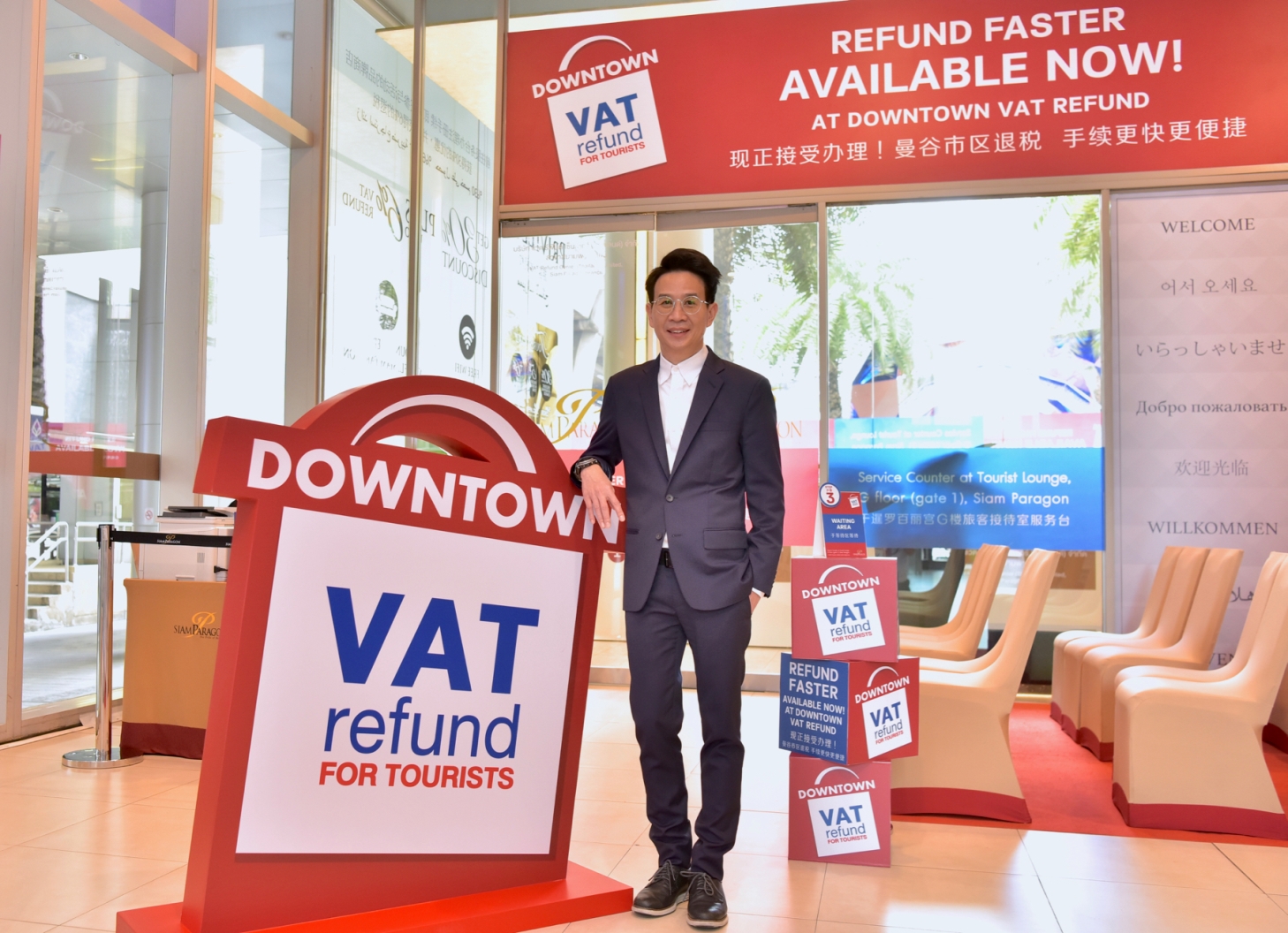
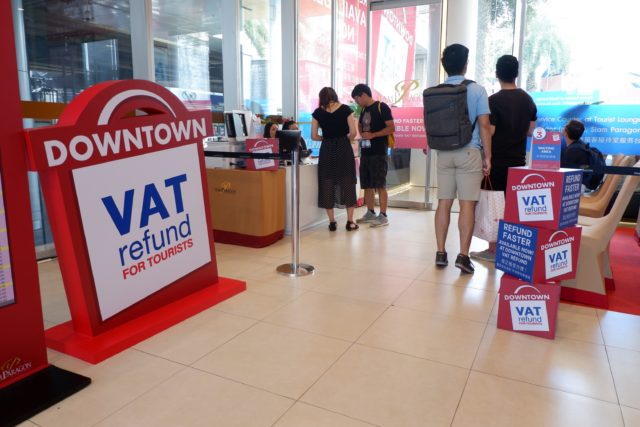
    According to the announcement by the government’s Reveue Department regarding ‘Downtown VAT Refund for Tourist’, the campaign has kickstarted an initiative to set up counters in numerous locations across central Bangkok to help tourists proceed with VAT refund upon shopping at permitted VAT refundable retailers. VAT refund will be returned to tourists in the form of cash in Thai Baht, encouraging them to continue shopping in Thailand with ease and convenience. Apart from helping tourists, the campaign is initiated to promote growth and balanced income distribution to small businesses.

    As one of the founding parties of VAT Refund Center (Thailand) Co.,Ltd, Siam Piwat Co., Ltd. is proud to be the official partner and the representative to assist tourists with VAT refund processes in these 5 locations across Central Bangkok; Siam Paragon, CentralWorld, Central Chidlom, Robinson Sukhumvit,  and The Emporium. As one of the partnering department stores, Siam Paragon has completed all preparations to help and service incoming tourists at the highest capacity.

    Senior Executive Vice President for Siam Piwat Co., Ltd. retail business development division Charnchai Cherdchoowongtha-nakorn said, “Siam Paragon is delighted to fully support the government’s policies and work with the Revenue Department. ‘Downtown VAT Refund for Tourist’ is set up to be a key area on G Floor where tourists can find conveniently, as it is located by one of our entrances connected to BTS Skytrain and taxi stops. Additionally, adept, knowledgeable and service-minded staff have been assigned to accomodate tourists with paperwork and essential procedures in order to fully and successfully comply with policies from the Revenue Department.”

    “Not only will shopping tourists of Siam Paragon, Siam Center, and Siam Discovery find it convenient to proceed with VAT refund at Siam Paragon, all tourists who have purchased goods, in accordance with all policies by the Revenue Department are welcomed to complete all necessary procedures at our department stores. The convenience of VAT refund at Siam Paragon is extremely helpful for those who have purchased in the popular shopping destination Siam as hundreds of SME businesses, small retailers and corporations are located in the area, covering an vast space of 2,000,000 sqm, with over 20 hotels to accommodate international tourists in more than 3,000 rooms available – with extra support from Bangkok’s BTS Skytrain system, connecting Ratchathevi and National Stadium to Siam station.”

    “According to statistics, out of 400,000 – 500,000 shopping tourists per day at One Siam, an average of 938 VAT Refund Form ( P.P. 10) have been filled each day from shops and retail spaces in Siam Paragon, totaling to a signification amount of 342,494 applicants.”

    “Based on Siam’s all-round advantages, we are confident that our VAT refund counter on G Floor of Siam Paragon will be the key point of service for all international tourist groups. Not only will these counters help tourists in making better decisions about visiting Thailand, the amount of amount refuned back to them will potentially be spent on additional purchases in Thailand. Consequently, it would help boost our economy. I can see this initiative having positive influence on the number of Thailand-bound tourists – more by volume and frequency,” Charnchai stated.

    The initiative of establishing VAT refund counters directly impacts the tourism industry on multiple levels: 1. Amount of retained money which tourists have spent after receiving VAT refund helps small retailers and businesses, which, in turn, strengthens Thailand’s economy; 2. The growth in sales volume and sales value is proportional to the rate of economic growth and revenue from tourist spending; 3. A significant decline in VAT refund at Suvarnabhumi and Don Muang Airport reflects positive a sign of service improvement; 4. VAT refund for tourists promotes better opportunities for local retail shops to generate more sales.

  • Flood of new passengers to stoke demand for jet fuel in Vietnam

    Flood of new passengers to stoke demand for jet fuel in Vietnam

    Vietnam’s jet fuel demand will surge to a record this year as its tourism booms and the country’s airlines are rapidly expanding. The country is on track to have 38 million international passengers and 16 million visitors this year, according to data from CAPA Centre for Aviation. That is up from 18 million passengers and 8 million visitors in 2015, according to the data.

    “Aviation demand in Vietnam is booming… Fuel consumption in Vietnam will reach a record high this year and will keep rising for the years to come,” said Tran Hoai Nam, vice president of Vietjet, Vietnam’s biggest private airline.

    He added Vietnam’s growth in foreign arrivals was the highest in Southeast Asia, rising 8.7 percent annually.

    The surge in traffic has translated into a rush of jet fuel demand in Vietnam. Through November, the country has imported 1.87 million tonnes of the fuel, according to customs data, equal to 14.8 million barrels, and up 18 percent from the same period last year.

    “For 2018, jet fuel demand in Vietnam is estimated to be increased by about 20 to 25 percent in comparison with 2017, mostly due to the increase in consumption of the international flights,” said a Hanoi-based trader at one of country’s jet fuel suppliers, who asked to remain unidentified due to company policy.

    Vietnam currently consumes about 18 million barrels of jet fuel per year, according to data from Petrolimex Aviation.

    By 2035, Vietnam will have 150 million airline passengers per year, nearly four times what it was in 2015, according to a 20-year forecast from the International Air Transport Association (IATA).

    Over the same period, India will have 442 million passengers, 3.6 times what it was in 2015, while China will have 1.3 billion passengers, 2.7 times what it was in 2015, IATA said.

    In November, Vietnam issued an aviation licence to Bamboo Airways, which would be the country’s fifth airline after Vietnam Airlines, Jetstar Pacific Airlines, Vietjet Aviation VJC.HM and Vietnam Air Services Co.

    Bamboo is expected to launch its first flights within weeks. It signed a provisional deal in July to buy 20 of the wide-body 787-9 jets from U.S. manufacturer Boeing and agreed a memorandum of understanding with Europe’s Airbus for up to 24 of the narrow-body A320neo jets in March.

    VietJet, which currently operates 60 Airbus jets, has signed a $6.5 billion (5.2 billion pounds) agreement to buy 50 new jets.

    Vietnam’s jet fuel imports will continue to surge as the country only has two refineries, Dung Quat in the central province of Quang Ngai and Nghi Son in Thanh Hoa Province, near to the capital Hanoi, which only started operations this year.

    “Both Dung Quat and Nghi Son refineries are primarily catered towards the production of gasoline and diesel, and thus, jet fuel yield is relatively low at 5 percent,” said Peter Lee, an analyst at Fitch Solutions Macro Research.

    Nghi Son, once fully operational, will produce about 4.6 million barrels of jet fuel per year, said a source at the refinery. Dung Quat can produce as much as 2.3 million barrels per year, according to the company website.

    “Vietnam will be reliant on imports to meet most of its jet fuel demand going forward,” Lee added.

    Vietnam imports most its jet fuel from refineries in Singapore, Thailand and China, trade data showed.

    Despite the steep growth outlook for Vietnam’s aviation sector, passenger growth might may be uneven as the country grapples with capacity constraints at its airports.

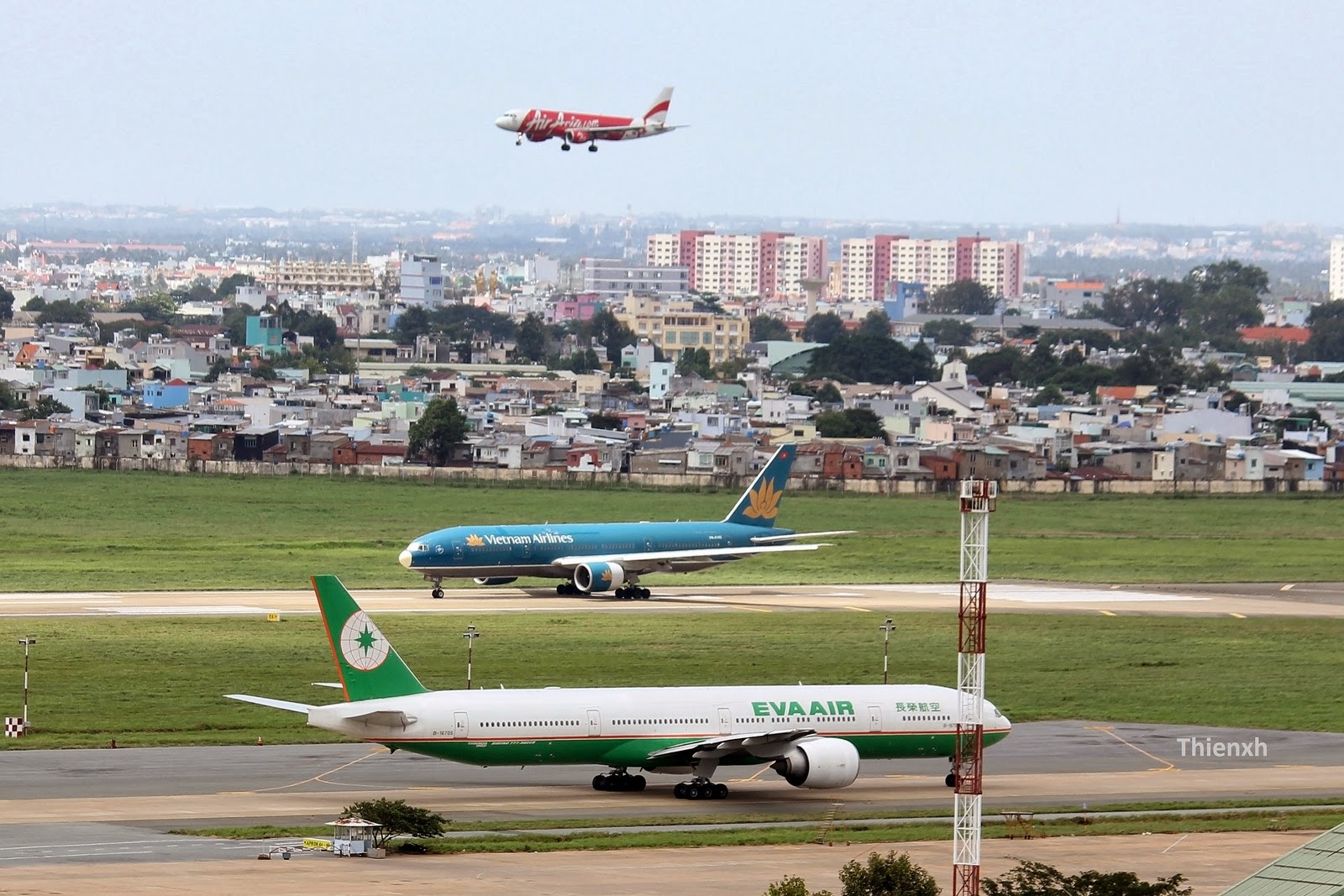
    Vietnam’s biggest airport Tan Son Nhat, serving Ho Chi Minh city in the south, receives about 10 million more passengers per year than it is designed to serve.

    The government is planning a second international airport at Long Thanh, 40 km (24 miles) east of Ho Chi Minh City, that will serve 25 million passengers a year starting in 2025.

  • ICONSIAM to launch event to boost Thai’s tourism

    ICONSIAM to launch event to boost Thai’s tourism

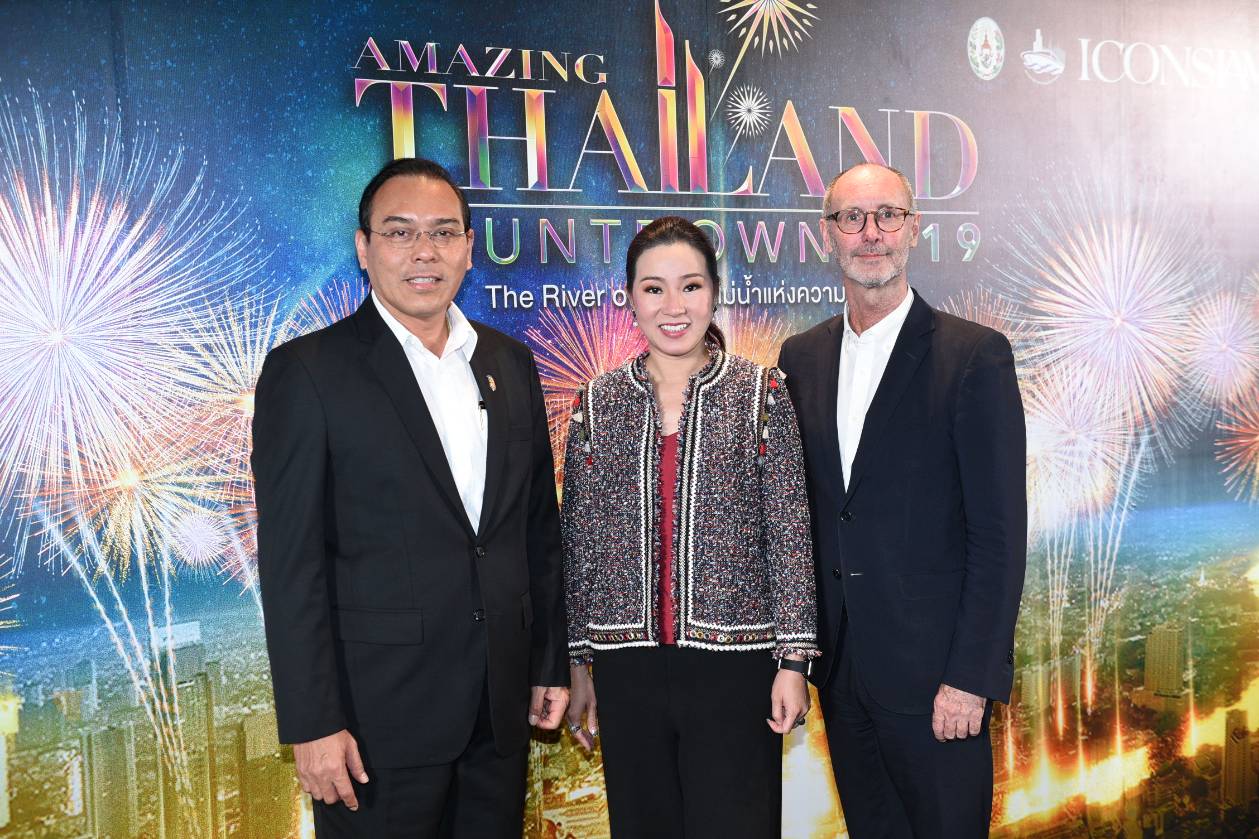
    Amazing Thailand Countdown 2019 at ICONSIAM is a truly amazing event of the country with a great collaboration of entities from the public and private sectors and surrounding communities to organize a New Year Celebration in a scale never before seen along the Chao Phraya riverside, the place that has become the NATIONAL ICONIC LANDMARK and ICON of Eternal Prosperity.

    Amazing Thailand Countdown 2019 under the theme of “The River of Prosperity” will make the New Year Celebration sensational on Monday, December 31, 2018, from 18:00 hrs. This New Year Celebration is jointly organized by the Tourism Authority of Thailand and ICONSIAM in collaboration with The ICONSIAM Superlux Residence Corporation Limited, The ICONSIAM Residences Corporation Limited. In addition, our partners both from the public and private sectors are also actively involved—including Association of Chao Phraya Commerce, Marine Department, Siam Commercial Bank, TRUE Corporation Public Company Limited, Kasikorn Bank, Thai Shipping Association, Bangkok River Partners, and Chao Phraya Riverside Communities.

    According to Yuthasak Supasorn, Governor of Tourism Authority of Thailand (TAT), said that “Amazing Thailand Countdown 2019 is a major event that TAT has consistently organized over the years at various destinations throughout the country. The purpose is to promote Thailand as the ultimate destination for Thai and overseas tourists alike. It’s also an effective way to help stimulate the economy and distribute income to people in every region in the country. More importantly, it supplements our effort to make tourism sustainable. This year we’ll organize the event in 5 different regions: Bangkok, NakornPanom, Chiangrai, Rajburi, and Satul.

    In Bangkok, TAT and ICONSIAM plus other partners have mapped out a plan to make the upcoming event a grand New Year Celebration by the Chao Phraya River on December 31, where the venue will be at the River Park of ICONSIAM. This very venue is characterized by diversity comprising, for example, a unique way of life and local culture that would satisfy all tourists alike. Furthermore, local business entrepreneurs and hotels on both sides of the River will take part in this celebration in various forms such as lighting and colouring their premises, and overnight Buddhist praying. Another spectacular event is a fireworks display along the Chao Phraya River which will brighten the water current and create a favourable image of Thailand as an attractive tourist destination for all people throughout the world.

    Tourism is a major income earner for the Thai economy. As such, TAT’s mission is to promote tourism in Thailand and, as a result, engaged in an extensive public relations activities both at home and overseas. It is anticipated that over one million people shall attend the New Year Celebration that will transmit to the world a favourable image of Thailand as a vibrant and dynamic country. Equally important is that substantial spending will keep the money flowing into our economy.”

    Moreover, Narong Chearavanont, Chairman of the Board of The ICONSIAM Superlux Residence Corporation Ltd., added that “we are proud to have organized the “Amazing Thailand Countdown 2019” with TAT and other partners. It is an effective way to present the beautiful image of the Chao Phraya River to the world and ICONSIAM as a riverside destination on the Chao Phraya River. We are honored to have been selected by TAT to organize the event. We are grateful for the active involvement of our partners who are committed to making the New Year Celebration event grand, impressive, and memorable for all tourists.” Here are major highlights of the upcoming Amazing Thailand Countdown 2019.

    A display of fireworks made from Thai sticker rice. These fireworks are an innovation that is      eco-friendly. This fireworks display is based on the concept of “The River of Prosperity.” It demonstrates the history of the Chao Phraya River pertaining to our way of life, tradition, and legends of Siam as a country. This 5-minute fireworks display is composed of 5 Acts.

    Act 1 – “The River of Prosperity” is a fireworks display in silver, gold, and bronze colours held together consecutively. Based on the beliefs of people, the three elements symbolize prosperity. As such, the first second of the New Year is to make the Chao Phraya River bright, beautiful, peaceful and prosperous as it has been over the years.

    Act 2 – “The Siam Treasure” is a fireworks display of multiple shapes and colours that reflect a close interconnection between our tradition, a way of life and the Chao Phraya River. Not only that the River was essential in daily human activities, it was also what people utilized for transportation, a naval route for diplomatic corps coming in to establish diplomatic relations with Siam, a way to transport products and conduct trade since Ayutthaya to present, a way to perform religious rites, and an attractive scenes that capture imagination of overseas tourists and generate income for our country.

    Act 3 – “The Blossom of Joy” is a fireworks display that creates excitement in more ways than one. The display is accompanied by Thai folk songs that reflect our uniqueness as fun-loving, friendly, and smiling people. Any overseas tourist visiting Thailand will become impressed with, for example, reciprocity of Thai people. Such an impression is enough to start a happy New Year by the Chao Phraya River-a bloodline of Thailand.

    Act 4 – “One World” is a fireworks display that highlights the flags of all countries. It also represents their connectivity through tourism, trade, education, cultural exchange based on equality that will flourish from the start of the New Year and in the years to come.

    Act 5 – “Thailand” is a fireworks display of the tricolours of the Thai flag along the Chao Phraya River. The tricolours of red, white and blue collectively represent our national identity as an independent country shielded by our solidarity and unity.

    The upcoming display of 5-Act fireworks will take place along the Chao Phraya River from                    5 different locations. The brightness of the fireworks can be seen within the vicinity of 1,400 meters, which is the longest and grandest display of fireworks ever on the Chao Phraya River.    The vicinity encompasses Peninsula Hotel, Millennium Hilton Hotel, Shangri-La Hotel, Mandarin Oriental Hotel, and Royal Orchid Sheraton Hotel. It is expected that over one million people will watch this display of fireworks within the 2-km vicinity.

    Furthermore, there will be a “Khon” performance (a type of Thai drama) at the event in honour of it being recognized by UNESCO as a World Heritage. The Khon performance will be a New Year present for visitors.  It will be magnificent owing to the great number of performers, composition, details relating to Thai classical dance, warrior costumes and weapons. All of these protocols are truly our cultural treasures that are worth watching.

  • Tourists from China are back to Korea, but not like before

    Tourists from China are back to Korea, but not like before

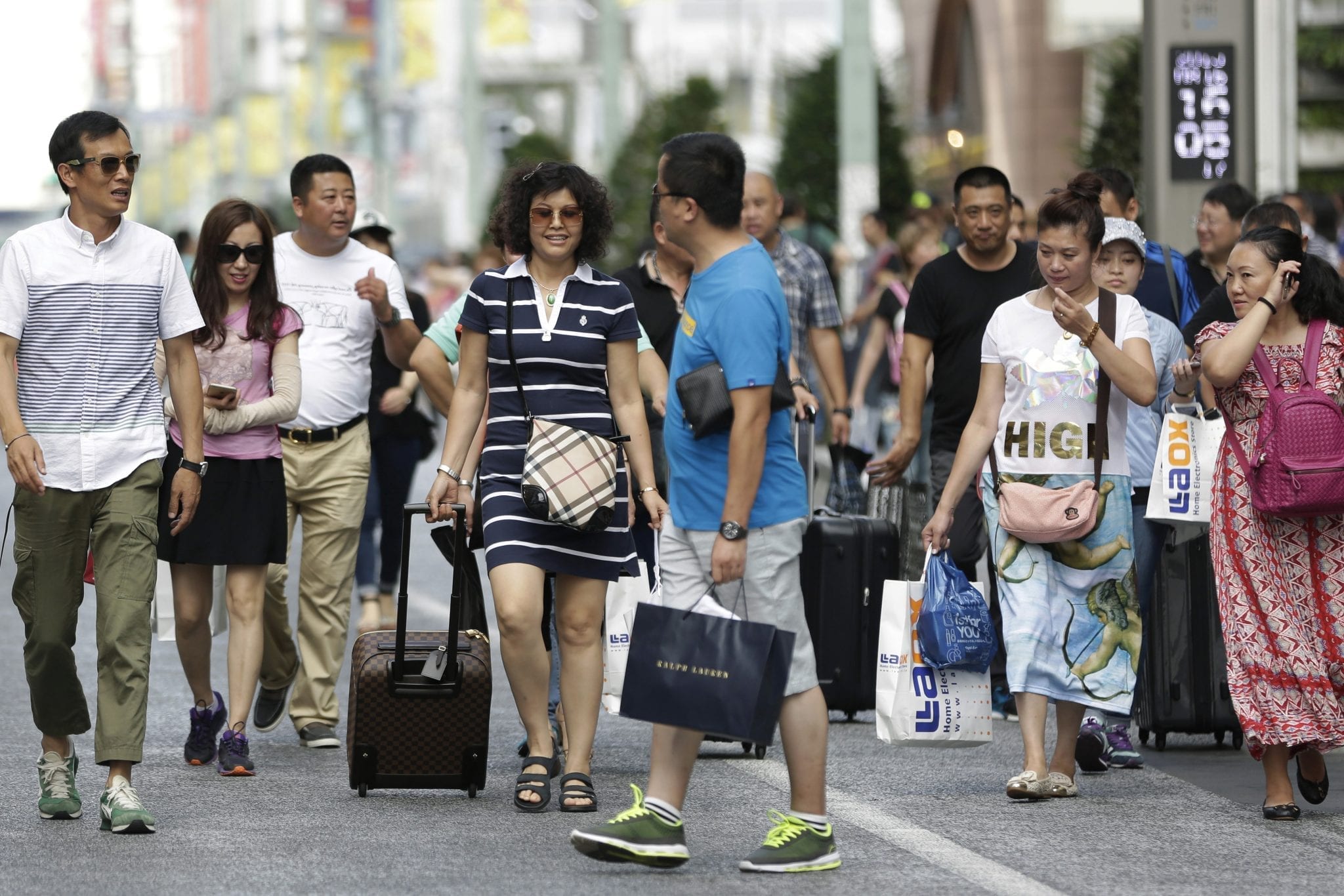
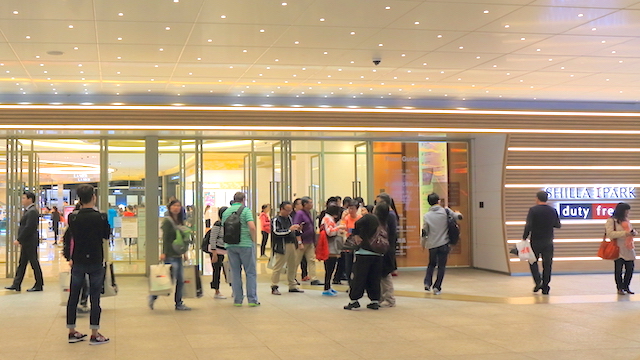
    Chinese group tours, which helped fuel local retail sector growth in recent years, have yet to make a full comeback despite the easing of restrictions by Beijing, Korean duty-free store operators said on Sunday. The assessment came as official data from the Bank of Korea showed that 475,000 Chinese nationals visited the country in October, up 37.6 percent from a year earlier.

    Local tax-exempted outlet operators like Lotte Duty Free and Shilla Duty Free, as well as the umbrella Korea Duty Free Shops Association (KDFA), said that most Chinese customers were individual travelers and so-called “daigongs,” rather than “youkers,” or group travelers.

    Daigongs are small-scale merchants who buy products here on behalf of customers back home.

    Chinese authorities clamped down on group tours to Korea in March 2017 after Seoul allowed the deployment of a U.S. anti-missile defense system on its soil, despite objections from Beijing. China has since partially lifted restrictions, but the number of group tours has not returned to past levels.

    Lotte said that it had almost no youkers, who enter the country on a group visa, and that most shoppers were individual travelers or small merchants.

    It said that before the frictions caused by the U.S. Terminal High Altitude Area Defense’s deployment, there were 7,000 to 8,000 youkers daily at its main duty free store in downtown Seoul. This dropped to around 2,000 after the uproar and then to zero.

    Shilla said it did receive 820 youkers in October.

  • Which tourists spend the most overseas?

    Which tourists spend the most overseas?

    Overseas spending by South Korean tourists ranks among the top of advanced economies, research data showed on December 5. Figures provided by the Korea Economic Research Institute, affiliated with the Federation of Korean Industries, put the proportion for South Korea at minus 1.9 percent in 2016, ranking it the fifth highest among 32 member states of the Organization for Economic Cooperation and Development (OECD).

    The institute derived the proportion by subtracting overseas expenditures by South Koreans from foreigners’ spending in South Korea and measured the sum’s ratio against household spending.

    Higher numbers in the negative means that local citizens spent more abroad that what inbound foreigners spent.

    Results showed Norway topped the list with minus 4.3 percent, followed by Lithuania (minus 2.7 percent), Belgium (minus 2.5 percent) and Germany (2.3 percent).

    In the case of Japan, the number turned positive in 2014 and came to 0.6 percent in 2016.

    “The outflow of spending is the result of choices by local and foreign consumers of tourism services,” the institute said. “It indicates weaknesses in the competitiveness of the domestic tourism industry.”

    The institute cited a report last year from the World Economic Forum that said South Korea’s competitiveness in prices fell from 84th in 2007 to 88th in 2017.

    “(This) was one of the important elements that undermined South Korea’s competitiveness in the tourism business,” it said.

  • Thai Airways taps Worldpay for payments innovation

    Thai Airways taps Worldpay for payments innovation

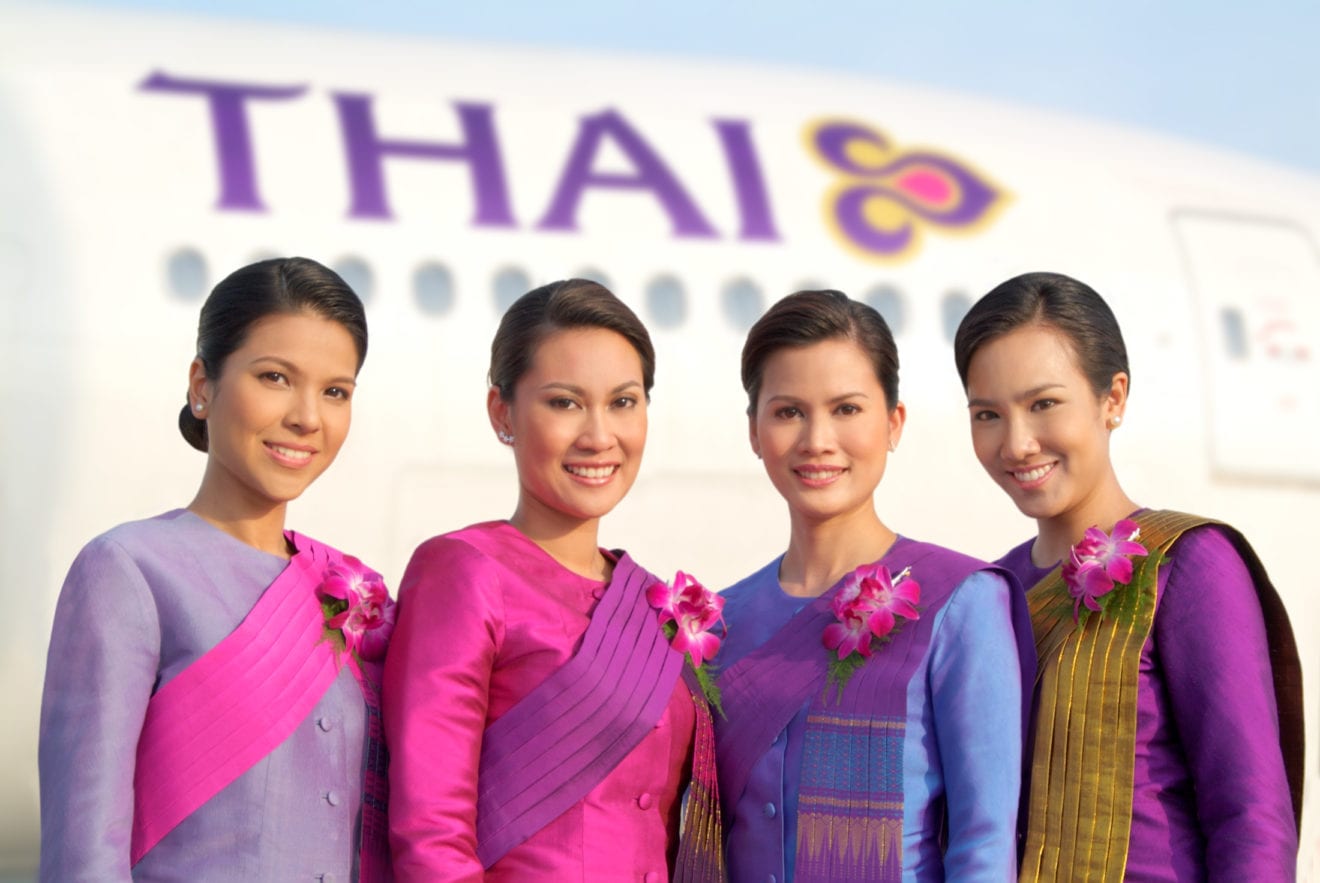
    Thai Airways International (THAI), the flagship carrier airline of Thailand, has selected Worldpay, Inc. (NYSE: WP; LSE: WPY) as its international payments partner, as it targets overseas growth. To support its sustainable growth strategy, THAI needed an experienced partner to help it manage the complexities of cross-border payments and optimise the online booking journey across both mobile and desktop.

    Worldpay, a leader in card and alternative payments with global coverage, was selected for its international reach and unrivalled experience in the airline industry. Worldpay works with 88 of the world’s biggest airlines and has more than 25 years of experience in the sector. Consumer preferences are changing: while flights have traditionally been booked using credit cards, alternative payment methods (APMs) are growing in popularity. With 28 percent of Thai consumers using bank transfers as their preferred method for shopping online, the ability to offer local payment options will allow companies to make the most of Southeast Asia’s second largest economy.

    Additionally, global mCommerce penetration is set to rise from 38 percent in 2018 to 49 percent in 2022, which suggests that mCommerce is on track to overtake desktop sales by 2023. To adapt to this shift, Worldpay will support THAI in widening its breadth of payment methods and transaction currencies to appeal to the changing purchasing patterns of customers. THAI will initially focus its payment optimisation efforts on Australia and Europe – two key markets for the company. In Australia, the carrier’s passenger traffic is growing by two percent year-over-year, while in Europe passenger traffic is growing at a rate of 2.5 percent each year.

    A range of APMs such as iDEAL, Trustly, SOFORT, and Giropay will be rolled out over the coming months to make it easier for European travellers to book online. The THAI payment team will then expand their initiatives to India, China, and the rest of Asia Pacific. Worldpay will also help THAI execute their commercial strategy through advanced data analytics capabilities, which provide rich insight into transaction approval rates and payment costs. This data will enable the airline to expedite new sales strategies and optimise their payments infrastructure with cross-border operations.

    Wiwat Piyawiroj, THAI Executive Vice President, Commercial comments: “Tourism is booming in Thailand, with a 7.7% increase in domestic flights year-over-year for our service. Yet the market is also incredibly competitive, so it is vital to ensure we can best service our customers and their needs. Thanks to Worldpay, we will be able to offer a variety of payment methods that caters to the tastes of travellers all over the world, making it easier for them to book the holidays they want. As we grow, Worldpay will be a vital strategic payments partner and key to our continued success.”

    Phil Pomford, general manager for Asia Pacific, Global Enterprise eCommerce at Worldpay, said: “With global passenger numbers on track to double over the next 20 years, and Thailand forecast to enter the top 10 aviation markets by 2030, it is a hugely exciting time for THAI. We are delighted to support our partner as they continue to grow. Travellers are continuously evolving the ways in which they buy flights, and airlines must keep pace to match these shifting patterns. The airline industry has never been more competitive, and we look forward to helping THAI capitalise upon the opportunities ahead.”

  • Hamleys Japan in talk for theme park JV

    Hamleys Japan in talk for theme park JV

    Chinese-owned, British headquartered toy store chain Hamleys has entered the Japanese retail market, opening two theme-park styled outlets. Hamleys Japan is targeting 4 million visitors to each store within the first year, with a view to opening 30 stores in the territory over the next five years.

    The new stores have opened in Yokohama (at 32,300sqft) and Fukuoka (at 58,100sqft) in partnership with local video games firm Bandai Namco in a £300 million (US$381.7 million) venture. Each store features around 6000 products on sale and entertainment facilities such as merry-go-rounds, games corners and infant play spaces.

    Hamleys CEO Ralph Cunningham said Japan represents “an exciting and important market” and is key to Hamleys’ continued international growth strategy.

    “We look forward to bringing smiles to the faces of children and families all over Japan and delivering the unique Hamleys in-store experience to this fantastic market.”

  • Vietnam needs more hotels as tourism blooms

    Vietnam needs more hotels as tourism blooms

    The “golden age of tourism” in Vietnam presents robust hotel development opportunities in Vietnam’s biggest cities. Troy Griffiths, deputy managing director of real estate consultant Savills, said Ho Chi Minh and Hanoi are “under-hoteled per population, per travel and per airlift capacity”.

    “Hotel is a particularly dynamic sector at the moment as Vietnam is experiencing a golden age of tourism, with international tourism rising 20-30 percent year-on-year and more Vietnamese travelling than any time before,” Griffiths said.

    “There’s a demand for five-star hotels which will be really a strong asset class for the future,” he added.

    As of November, 14.12 million foreigners visited the country, up 21.3 per cent year-on-year and exceeding last year’s 12.9 million, according to the General Statistics Office.

    South Koreans dominated the surge at 46.5 percent, followed by Hong Kong (32.8 percent), Finland (29.6 percent), mainland China (26.9 percent), Taiwan (15.6 percent), and Denmark (15.4 percent).

    In the same period, domestic travelers rose 20.91 percent.

    “Hanoi and HCMC had been pretty quiet in the past as they went through a bit of a bad phase, when international visitors would pass and go straight to Da Nang, Phu Quoc and Nha Trang.

    “Now we see they are actually coming to Hanoi and HCMC because they are both very charming cities for international tourists,” Griffiths said.

    “And their stay is lengthening. That means more five-star demand.”

    Vo Quoc Phuong Trang, head of hotel investment consultancy at real estate service firm Jones Lang LaSalle (JLL), also said that Hanoi and HCMC, with their steady economic and tourism growth, would continue to draw foreign investors in the high-end hotel segment, which Trang said has low risk but offers steady revenue.

    A report released in July this year by global consulting firm Grant Thornton stated that increasing numbers of well-to-do Vietnamese citizens are choosing to stay in five-star hotels and spend lavishly when they travel within the country.

    Vietnamese citizens accounted for 19.2 percent of 4-star and 5-star hotels guests in 2017, according to the report. Although this is a slight decrease from last year’s figure of 20.8 percent, the number of domestic guests staying at upscale hotels had increased for three consecutive years from 2014 to 2016.

    The country has seen a strong influx of international hotel brands and hotel management companies in the last few years. From 30 hotels with international brand names in 2010, the number had increased to 79 at the end of last year, according to Savills.

    There has been a particularly big jump this year with recent announcements by Mandarin Oriental and Movenpick in HCMC and Best Western Premier in the central province of Quang Binh, it said.

    The emergence of Vietnamese hotel operators is also a highlight in the local hospitality landscape.

    “Vietnamese hotel developers are also getting mature. They are acquiring international knowledge and becoming a really strong force in their own right as we have already seen across the resort cities with Vingroup, FLC, BIM and Sun Group,” Griffiths noted.

    Savills’ third-quarter report shows that the 5-star segment in Hanoi continued its strong performance in Q3 though the high travel season for foreign tourists lasts from the beginning of Q4 to April.

    Occupancy rate of five-star hotels in the capital city was highest, at about 80 percent, followed by four-star hotels (65 percent) and three-star hotels (59 percent).

    Average revenue of five-star hotels was $100/room/night, double that of four-star and three times that of three-star properties, the report said.

    Data said, ten out of 19 high-end hotels in the best locations in HCMC have foreign owners. These include Sheraton, Caravelle, InterContinental, Asiana Saigon, and Sofitel.

    In Hanoi, nine of 16 high-end hotels have foreign firms as major owners such as Melia, Sheraton, Sofitel Metropole, Nikko, and Pan Pacific being the major names.

  • Genting sues The Walt Disney Co for cancelled theme park contract

    Genting sues The Walt Disney Co for cancelled theme park contract

    Genting Malaysia Bhd’s share price fell as much as 18.6% today on news that it is suing Twenty-First Century Fox Inc and The Walt Disney Co for more than US$1 billion (RM4.19 billion) for terminating their contract to develop a Fox-branded theme park at Resorts World Genting in Malaysia. The Fox theme park is a key selling point of the Malaysian casino resort group’s multi-billion ringgit Genting Integrated Tourism Plan.

    Genting Malaysia told Bursa Malaysia today it is suing Fox Entertainment Group, LLC, Twentieth-Century Fox Film Corp, FoxNext, LLC (collectively known as FOX), Twenty-First Century Fox, Inc (21CF) and The Walt Disney Co for the termination of a memorandum of agreement (MoA) relating to the theme park project.

    The Walt Disney Co is in the process of acquring Twenty-First Century Fox.

    Genting Malaysia was the most actively traded counter on the local stock market today, closing 16.7% lower at RM3.00 with some 276.3 million shares traded. It opened lower at RM3 and fell as much as 67 sen from its last adjusted closing price of RM3.60, to trade at a low of RM2.93.

    In a filing with Bursa Malaysia, Genting Malaysia said it has filed legal proceedings in the US against FOX, 21CF and Walt Disney, in response to a notice issued by FOX in which it terminated the MoA and claimed about US$46.2 million (about RM193.6 million) in accelerated payments.

    “Genting Malaysia denies that FOX had grounds to terminate the MoA, denies any liability resulting therefrom, and has pursued cause of action against FOX for breach of contract, and breach of the implied covenant of good faith and fair dealing, among others,” it said.

    The group has also pursued cause of action against Disney and 21CF for inducing breach of contract and for interference with contract.

    The group said it intends to fully enforce its rights under the MoA, claim for the cost of its investments and consequential and punitive damages that in total will exceed US$1 billion, and such other reliefs to be determined by the court.

    Genting Malaysia said the litigation is not expected to impact its current business operations. It said the validity of the causes of action as well as the availability and extent of Genting Malaysia’s damages cannot be ascertained at this juncture.

    To recap, Genting Malaysia entered into the MoA dated June 1, 2013 with Twentieth-Century Fox Licensing & Merchandising, a division of Fox Entertainment Group, Inc. Genting Malaysia was granted a licence to use certain intellectual property rights associated with Fox theatrical motion pictures in connection with the design, development, construction and operation of what was to be called the Twentieth-Century Fox World Theme Park. The MoA was subsequently amended on June 10, 2014 and June 9, 2017.

  • Duty-free sales may hit all-time record this year

    Duty-free sales may hit all-time record this year

    Korea’s duty-free sales are likely to set a new annual record this year despite Chinese group tour traffic not having fully recovered.  According to the Korea Duty Free Shops Association, duty-free store operators made $1.44 billion in October, a 28.6 percent increase year on year. This takes Korea’s total duty-free revenue between January and October to $14.3 billion, surpassing 2017’s full-year revenue of $12.8 billion.

    “The local duty-free market was 14 trillion won [$12.4 billion] in size last year – some forecast this year will reach a new all-time record of 18 trillion won,” said a source at one of Korea’s largest duty-free store operators.

    The growth is meaningful considering that Chinese group tours are not fully back in the market.

    Industry watchers and analysts attribute the increase in duty-free sales this year to “daigongs,” or individual Chinese merchants that purchase Korean goods and resell them at home.

    Before Chinese group tours were banned in March 2017 after Korea’s deployment of the U.S. Terminal High-Altitude Area Defense antimissile system, they were a major source of revenue for local duty-free stores. As traveling to Korea for Chinese became more difficult, the reselling business began to grow.

    “Revenues are going up this year but we’re still waiting for group tours to come back,” said another source at one of top three duty-free companies.

    Sales increases are generally good news, but industry watchers warn that operating profits will not grow as fast as revenues. Attracting daigongs entails high marketing costs. New duty-free outlets opened in Seoul this year, which means competition to pull in daigongs may become more intense.

    Signs suggest restrictions on group tours from China are easing. Some online tour agencies have started marketing group tour packages to Korea on their websites. Last week, China’s largest online tour agency Ctrip posted Korean tour products on its website, but erased them the same day.

  • Thailand: fourth-most-profitable global tourism destination

    Thailand: fourth-most-profitable global tourism destination

    According to the UN World Tourism Organization, Thailand outranks every other nation in Asia when it comes to tourism spend. Last year, it collected $57 billion in international tourism receipts, nearly doubling Macao ($36 billion), Japan ($34 billion), Hong Kong ($33 billion), and China ($33 billion).

    Globally, the only countries that out-earn Thailand in terms of tourism dollars are France ($61 billion), Spain ($68 billion), and the United States—which handily takes the gold medal, at $211 billion.

    It all comes down to volume. Foreign arrivals could hit 40 million next year, which is more than half the country’s population.

    “In Thailand, you’ve got something for everybody,” says Rebecca Mazzaro, a specialist for bespoke outfitter ATJ. “From the private island with the private villa to amazing street food meals that only cost a couple bucks, it has a diversity and variety that exists in few other markets. It’s no surprise lots of people are going—and spending,” she says.

    A Coming Luxury Boom

    Though gaps in the WTO’s data make it difficult to ascertain the per-visitor spend in each of these countries, given recent and forthcoming developments, that number is likely to be rising.

    “There’s no question that historically Bangkok—and Thailand in general—has always been perceived as a value destination,” says John Blanco, general manager of the forthcoming five-star Capella Bangkok. “But there has been a real effort to shift that perception.”

    Mastercard’s annual Global Destination Cities Index recently ranked Bangkok as the most-visited city in 2017 for the third year in a row.

    The study, based on undisclosed public data sources, rather than cardholder transactions, indicates that travelers shell out $173 for a day in the Thai capital, compared to $537 in Dubai or $286 in Singapore.

    This year, it forecasts travelers will spend an additional 14 percent more.

    By next year, the city will have gained even more opportunities to spend, such as superlative new resorts from Four Seasons, Rosewood, Mandarin Oriental, and Waldorf Astoria, plus a $1.6 billion Bal Harbour-esque mixed-use retail development called Icon Siam.

    “There’s a lot more meat on the bone now,” Blanco says of luxury offerings in the capital.

    Dino Michael, global head of Waldorf Astoria Hotels and Resorts, agrees. “We’ve been noticing the upscaling of Bangkok for a few years,” he tells Bloomberg. “The consumer has become more sophisticated; the dining scene has become more sophisticated.”

    Among Bangkok’s selling points, he says, are strong infrastructure and airlift, a “depth and breadth of tourists,” and an ingrained culture of hospitality. For tourists and brands thinking about charting the region, Michael adds, “It’s world renown—and an obvious starting point.”

    The Pitfalls of Popularity

    There may be a price to pay for popularity, particularly on Thailand’s beaches and islands.

    Already, throngs of partygoers on commercial yachts have done so much damage to the pristine marine ecosystem of Maya Bay—the picturesque backdrop to Leonardo DiCaprio’s 2000 film The Beach—that the area closed for four months earlier this year to recover.

    Unable to bounce back fast enough, it’s now being closed indefinitely. That follows similar measures in nearby Koh Khai and Koh Tachai islands, where coral was being destroyed at devastating rates.

    In Phuket, Mastercard’s 12th-most-visited destination in the world, there’s been a sharp decline in the local turtle population, correlated with the rise in beachside pollution. It’s led 70 hoteliers to band together to promote sustainability and encourage better etiquette among travelers.

    And in Thailand’s north, the dramatic growth of tourism has led to a sobering spike in unethical wildlife tourism, often centering around elephants and tigers.

    The capital, meanwhile, has stayed largely out of the way of these visitor-related troubles—perhaps because it’s hard(er) to justify bad behavior in a city with 40,000 Buddhist temples.

    “Of course, red light tourism is alive and well—like it or not,” says Catherine Heald, founder and chief executive of Asia outfitter Remote Lands. “But ultimately, tourism has really lifted the local economy.”

    At $57 billion a year, there’s no denying that.