Tag: tourism

  • Philippines island Boracay reopens for test run following huge cleanup

    Philippines island Boracay reopens for test run following huge cleanup

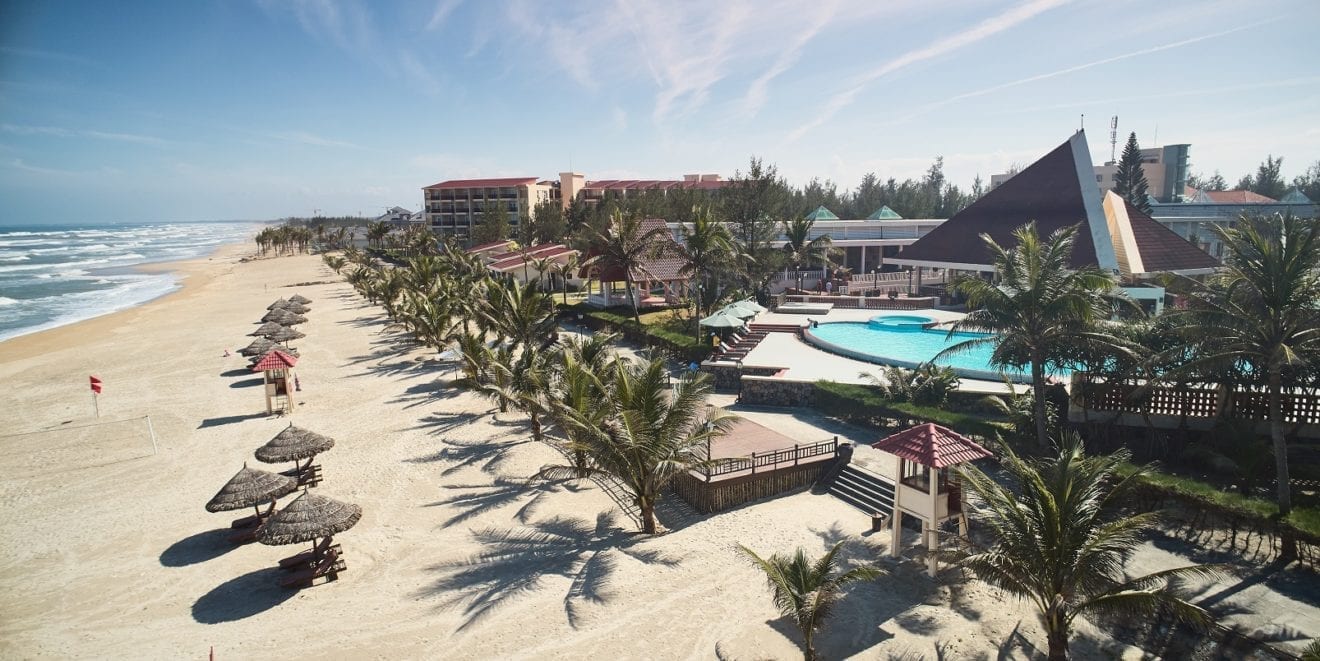
    Boracay, one of the world’s most famous beach destinations, has reopened for a limited-numbers test run almost six months after closing for a cleanup operation to reverse the fortunes of the resort island once labeled a “cesspool” by Philippines President Rodrigo Duterte. The sun was out to welcome a small group of tourists from the province of Aklan, where the island is located, and other parts of Western Visayas. The group was invited to test the newly improved facilities, which include a comprehensive overhaul of the island’s outdated and insufficient sewerage.

    The resort island, which was shuttered in April for six months for rehabilitation work, is scheduled to reopen further later this month — labeled a “soft opening” by authorities. Its famous white-sand beaches were signed off in August as “very clean” and safe for swimming, according to Environment Secretary Roy Cimatu. While the cleanup has left the beaches immaculate and the waters crystal clear, significant work needs to be done to get the road system up to speed before larger numbers of tourists are allowed back on the island.

    Tourists asked to manage expectations

    On Monday, Cimatu told  in a Facebook Live-broadcast panel, which featured the four secretaries who make up an inter-agency task force, that the sewerage and drainage for 68 accommodation establishments cleared to open was “100%” complete. The system overhaul cost over 1 billion pesos ($18.5 million), Tourism Secretary Berna Romulo-Puyat said during the discussion. While some road surfaces were not yet completed they would be “significantly finished” — 75-80% — by the wider opening on October 26, Public Works and Highways Secretary Mark Villar said.

    The full rehabilitation could take up to two years, the panel said, and while Romulo-Puyat praised reform efforts she said tourists should “manage expectations” during this period. Interior and Local Government Secretary Eduardo Año told Coren and Webb that almost 200 illegal structures had been demolished, many voluntarily and by their owners.

    Strict laws

    The new-look Boracay will be subject to rigorously enforced by-laws, the panel said, including limits to combustion engine transport, a ban on single-use plastics and offshore zones for watersports, providing a 100-meter (328-feet) swimming area from shore. Deckchairs and tables, as well as beachside entrepreneurs like masseuses and snack and drink vendors, will be banned from the beach, as will the famous fire dancers, who will have to make do with LED lights instead of the kerosene-soaked torches they used before the shutdown.

    The island should be a model of sustainable tourism, Romulo-Puyat said, and the panel stated that following the overhaul the famous island could regain its crown as one of the world’s best beach resorts.

    “We can make Boracay one of the most prestigious tourist destinations in the world,” Año said. Romulo-Puyat added that “when (the rehabilitation) is all done,” Duterte will visit the island, perhaps next year.<

    Economy needs a kickstart

    The island’s residents have been eagerly awaiting the return of the tourists and were thrilled to welcome the advance party — the last six months have been a struggle for many, especially the large numbers who rely on tourism for their livelihoods.

    During the cleanup operation, many of the 11,000 residents participated in the government’s “cash for work” program, which paid a daily minimum wage of 323 pesos ($6). In August, Lilibeth Panganiban, who sells rice cakes on a street corner, told that she’s seen her daily income drop from 1,800 pesos to 500 pesos, or even less.

    Overdue cleanup

    The archipelago nation of the Philippines boasts well over 7,000 islands. Among them, Boracay had become almost a byword for white-sand beach paradise.

    But with the influx of tourists that began in the 1980s, the island has struggled to maintain its idyllic allure. Last year almost 1.7 million tourists, including a significant number of cruise line passengers, visited the island during a 10-month period, according to the governmental Philippines Information Agency. Among the problems caused by the island’s long-running tourism boom were unregulated development, and pipes carrying raw effluence directly into the sea.

    In a survey of the island’s sewerage facilities prior to the closure, the vast majority — 716 of 834 — of residential and business properties were found to have no discharge permit and were presumed to be draining waste water directly into the sea, according to a report by the official Philippines News Agency.

    In February Duterte directly called out the alleged mismanagement of the island, accusing those responsible of turning it into a “cesspool.”

    “As long as there is shit coming out of those pipes draining to the sea, I will never give you the time of the day (to return)” to the island, he said at the time.

  • Golden Week : Chinese Millennials go for Insta-spots in HK

    Golden Week : Chinese Millennials go for Insta-spots in HK

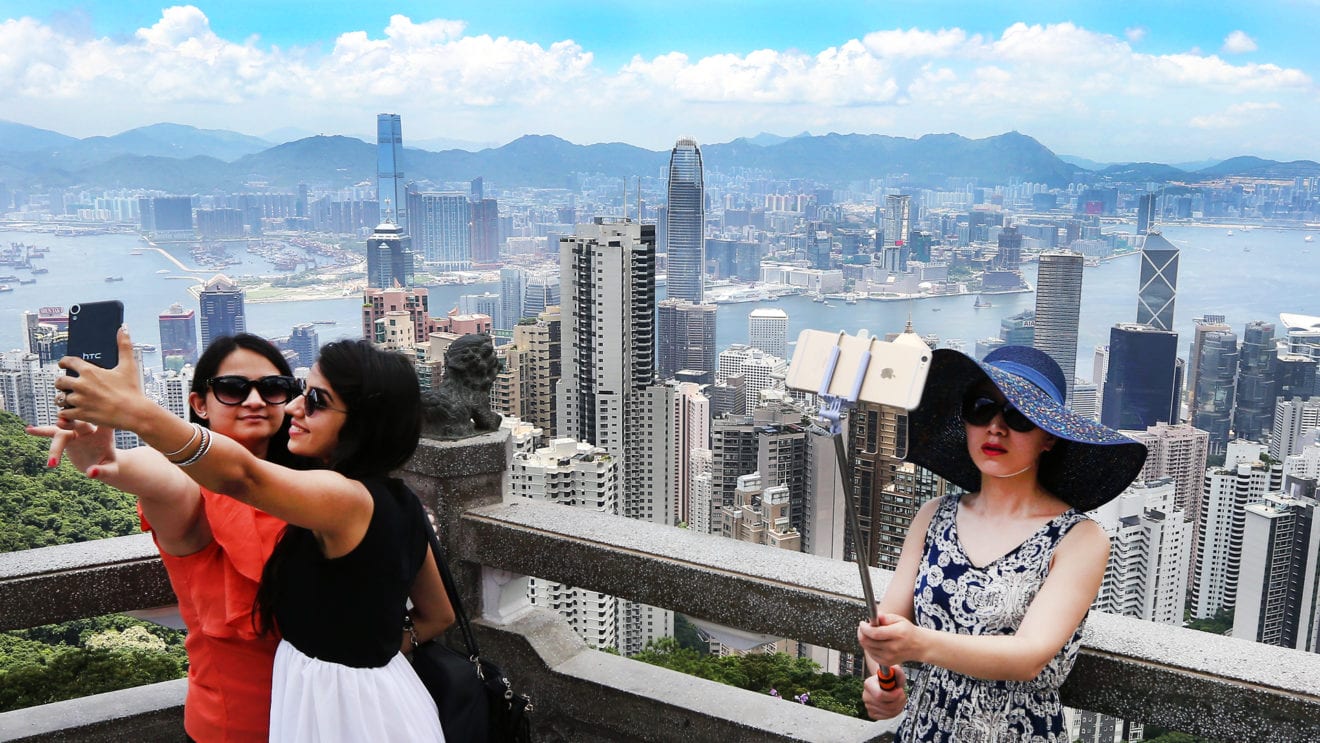
    Hong Kong had its own influx of tourists from Mainland China. But they were not all in search of the city’s more well-trodden sights.

    Media used to report about facts and figures related to shopping expenses and how Chinese travelers were making the fortune of retailers. This year, Millennials and GEN Z contributed to HK differently.

    Tourism Board would be happy to know that HK’s Instagram spots were shared and re-shared on social media framing HK as much more than a shopping destination.

    Among the preferred spots:

    • The Rainbow Thief : When captured at an appropriate angle, a colorful building opposite with a mural design titled the “Rainbow Thief” forms the perfect backdrop.
    • Montane Mansion : The claustrophobic 46-year-old Montane Mansion is an urban photographer’s dream, as it seemingly melds into the Oceanic Building and the Yick Cheong Building on either side, forming a mishmash of juxtaposing windows, air conditioning vents and hanging laundry.
    • The Choi Hung Estate : The fresh palette of paint tones that fade into each other on the facade lives up to its namesake, and has pulled in the social media-savvy crowds.
    • The Sai Wan Swimming Shed : only one swimming shed remains in Hong Kong, on the far western edge of the island.
  • Skilled staff shortage cramp Vietnam’s upscale hotels

    Skilled staff shortage cramp Vietnam’s upscale hotels

    Upscale Vietnam hotels are struggling to hire and retain skilled staff, as even those with hospitality training switch careers.

    Nguyen Huu Tho, chairman of Vietnam Tourism Association, estimated a 40 percent staff shortage in the hospitality industry.

    The hospitality industry is booming as tourist arrivals increase year after year and hotels spring up all over the country to meet rising demand.

    This also means a high demand for more staff, but hotels are struggling to find them, says Kenneth Atkinson, executive chairman of Grant Thornton Vietnam, market research firm.

    HotelJob.vn, one of the leading hospitality search services, is currently inviting applications for over 9,500 jobs, from janitors to managers.

    In tourism hotspots like Phu Quoc Island and Sapa, hotels are unable to get the staff they need, he said.

    In fact, many hotels all over the country are experiencing challenges in sourcing skilled Vietnamese persons to fill vacant positions, he said, adding that the shortage often results from people not continuing to pursue a career in hospitality despite being trained in the industry.

    The shortage has resulted in strong competition between upscale hotels in travel hot spots that are having trouble retaining staff. The high labor turnover in the industry is making things very difficult for hotel managers.

    In Nha Trang, the famous beach city in central Vietnam, the CEO of 4-star Rosaka Hotel, Nguyen Anh Vu, said he had to recruit new staff every month as they switch easily to whichever hotel is offering better wages and benefits.

    “Even lowering the standard doesn’t help me to recruit enough people,” Vo said.

    Nguyen Thi Hoa Le, chairwoman of the Peace Tour Company, said that even if staff at Phu Quoc are paid salaries 1.5 times higher than the average in other areas, it is very difficult to keep them.

    Low esteem

    One of the reasons for the skilled staff shortage is that the hospitality industry in Vietnam is not an attractive career path to many.

    “Many Vietnamese people commence in hospitality and then leave for other industries,” said Craig Douglas, chairman of the HR working group under the Advisory Board for the Vietnam National Administration of Tourism.

    “In many countries around the world, young people are excited and proud to work in hotels, but this is not generally the case in Vietnam, where service industries are somehow not regarded in the same way,” he said.

    Douglas also said that there is a shortage of qualified training schools relative to the growth in staff requirement at existing and new hotels.

    The average staff per room required for upscale hotels is between 1.3 and 1.5, he said.

    That means almost 25,000 employees are needed to service all 4-star and 5-star hotels that are operating or being built in Phu Quoc alone, he added.

    But, Le said, there is only one training school for tourism on the island.

    Le said that to have enough employees in Phu Quoc, she has to recruit staff from all over the country and invite experts to come and train them.

    ASEAN employees

    When there are no Vietnamese candidates available, employers will look to other employees from ASEAN countries like the Philippines and Malaysia, who have better language skills and are more price competitive, Atkinson said.

    The Mutual Recognition Arrangements for Tourism Professionals under the ASEAN Economic Community, which was established in 2015, has made it easier for hotels to employ staff from those countries, he added.

    He said hotels have to hire good staff in all circumstances, because a lack of skilled staff will make it difficult to provide quality service to the guests, Atkinson said.

    “If guests do not get the standard of service that they require then the industry will get a bad name internationally, which will negatively impact on the flow of foreign visitors and returning visitors to Vietnam,” he added.

    Last year, there were over 68,200 upscale hotel rooms, accounting for 13.4 percent of the total, according to the Vietnam National Administration of Tourism (VNAT).

    VNAT statistics also show a significant upsurge in the number of foreign visitors to Vietnam over the last few years.

    By the end of August this year, 10.4 million foreign visitors came to the country, up 22.8 percent year-on-year.

  • Indonesia Gov’t to Offer Microloans to Tourism Sector SMEs

    Indonesia Gov’t to Offer Microloans to Tourism Sector SMEs

    The government will start disbursing subsidized loans to micro, small and medium enterprises by end of this month to increase revenue from the sector and boost the country’s foreign exchange reserves.

    The government previously only allocated such loans towards migrant workers and SMEs in the trade, agricultural, service, manufacturing and fisheries sectors. It has earmarked Rp 120 trillion ($8.3 billion) for SMEs this year, or 12 percent more than last year.

    “We expect SMEs in tourism to encourage optimization of the development of the sector, especially in the 10 priority tourist destinations and 88 national tourism strategic areas,” Iskandar Simorangkir, deputy for macro-economic coordination and finance at the Coordinating Ministry for Economic Affairs, said at a press conference in Jakarta on Wednesday (08/08).

    Tourism contributed around $16.8 billion to Indonesia’s foreign exchange last year, second only to the palm oil sector. The government seeks to increase this by 20 percent to around $20 billion this year.

    President Joko “Jokowi” Widodo’s administration has been promoting new tourist destinations in Indonesia, known as the “Ten New Balis.” These include Borobudur Temple in Central Java; Jakarta’s Thousand Islands; Lake Toba in North Sumatra; Tanjung Kelayang in Bangka Belitung; Tanjung Lesung in Banten; Mandalika in West Nusa Tenggara; Bromo-Tengger-Semeru National Park in East Java; Labuan Bajo in East Nusa Tenggara; Wakatobi in Southeast Sulawesi; and Morotai in North Maluku.

    The loans will be disbursed by 41 banks and nonbanking institutions and carry an interest rate of 7 percent. In comparison, state-controlled lender Bank Rakyat Indonesia charges 17.5 percent interest on unsubsidized microloans, while its peer, Bank Mandiri, charges 18.75 percent.

    Businesses such as travel agencies, art studios, souvenir centers, tour guides, tourism transportation services, food and beverage providers, accommodation establishments and handicraft industries can apply for loans of up to Rp 500 million under the program.

    The Ministry of Tourism is optimistic that it will meet its target of attracting 17 million foreign visitors to Indonesia this year, especially with international events such as the 2018 Asian Games and the annual meetings of the World Bank and International Monetary Fund.

    Jokowi asked ministers last month to seek ways to develop the tourism sector across the archipelago as part of efforts to narrow the country’s current-account deficit and bolster the rupiah.

    The currency has lost 6.21 percent of its value against the greenback since the beginning of the year as investors leave emerging markets due to higher US interest rates and a looming trade war between the United States and China.

    Bank Indonesia has spent approximately $13.6 billion of its foreign exchange reserves between February and June to defend the currency. Its foreign exchange reserves stood at $118.3 billion in July.

  • Asia Pacific leads world tourism growth together with Europe

    Asia Pacific leads world tourism growth together with Europe

    Tourist arrivals worldwide climbed by +6% in the first four months of 2018, compared to the same period last year, according to new figures from the UN World Tourism Organisation (UNWTO).

    This not only continued the strong 2017 trend, but exceeded UNWTO’s early forecast for 2018.

    Growth was led by Asia and the Pacific (+8%) and Europe (+7%). Africa (+6%), the Middle East (+4%) and the Americas (+3%) also recorded sound results. Earlier this year, UNWTO’s forecast for 2018 was for a growth rate between +4-5%.

    “International tourism continues to show significant growth worldwide, and this translates into job creation in many economies,” said UNWTO Secretary-General Zurab Pololikashvili. “This growth reminds us of the need to increase our capacity to develop and manage tourism in a sustainable way, building smart destinations and making the most of technology and innovation.”

    From January to April 2018, international arrivals increased in all regions, led by Asia and the Pacific (+8%), with sub-regions South-East Asia (+10%) and South Asia (+9%) driving results.

    The world’s largest tourism region, Europe, also performed strongly during the four-month period (+7%), led by the destinations of Southern and Mediterranean Europe, and Western Europe (both +8%).

    Growth in the Americas is estimated at +3%, with strongest results in South America (+8%). The Caribbean (-9%) is the only sub-region to experience a decrease in arrivals during this period, weighed down by some destinations still struggling with the aftermath of the hurricanes of August and September 2017.

    The limited information coming from Africa and the Middle East points to +6% and +4% growth, respectively, confirming the rebound of Middle East destinations and the consolidation of the growth in Africa.

  • Korean’s overseas card spending hits record high in first quarter

    Korean’s overseas card spending hits record high in first quarter

    Overseas card spending by Koreans hit a fresh record high in the first quarter on rising outbound tourists, central bank data showed Thursday.

    In the January-March period, a record $5.07 billion worth of purchases were made abroad, up 11.4 percent from three months earlier, according to the data by the Bank of Korea. From a year earlier, the Q1 tally marked a 26 percent increase.

  • Overseas spending by Korean travellers sets new record in Q1

    Overseas spending by Korean travellers sets new record in Q1

    South Korean travelers’ spending overseas hit a record high in the first quarter this year as people went on trips during winter school breaks and extended holidays, statistics from the central bank showed on 6 May.

    Some 7.43 million South Koreans went abroad in the first three months, up 14.1 percent from the same period last year, setting a new record, according to the Bank of Korea. The period coincided with winter vacation and the extra-long lunar New Year holiday that combined with two weekends and a bridge off-day.

    The travelers spent US$8.5 billion, US$1.12 billion more than in the first quarter of last year. The latest number beats the previous record of US$8.21 billion in the fourth quarter last year. A monthly record was set in January with US$3.24 billion in spending.

    A strong local currency apparently encouraged overseas trips, especially to relatively close destinations such as Japan, Taiwan and Vietnam.

    The travel sector deficit in the first quarter increased from US$1.13 billion in the same quarter last year to US$4.87 billion this year. The level or deficit this year, however, is US$50 million less than the previous quarter, marking the first contraction in five quarters.

    Spending by foreign visitors to Korea contributed to the contraction. They spent US$3.63 billion while in the country in the first quarter this year, an increase of US$340 million from the previous quarter. In March, the incoming visitors spent US$1.4 billion, the biggest amount since December 2016.

    A total of 3.36 million foreigners came to Korea in the first three months, down 9.1 percent from the same period the previous year. The number of Chinese travelers dropped 30.5 percent, but people from Japan increased 2.5 percent.

  • AirAsia ties up with Sarawak Tourism Board to boost visitors

    AirAsia ties up with Sarawak Tourism Board to boost visitors

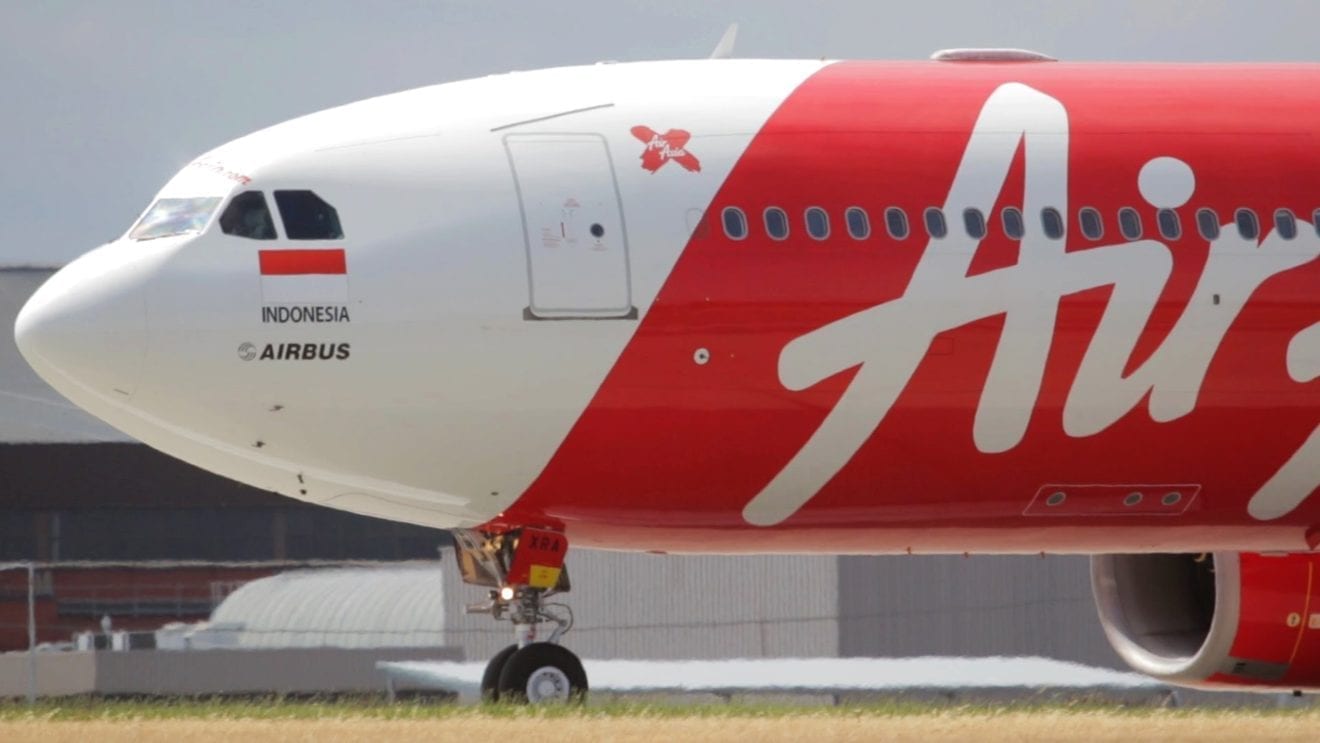
    AirAsia has partnered with Sarawak Tourism Board (STB) as one of the airline partners for the upcoming Borneo Jazz Festival (BJF) and Rainforest World Music Festival (RWMF). These festivals would be held in Miri from 11 to 13 May 2018 and Kuching from 13 to 15 July 2018 respectively.

    In a statement to A+M, AirAsia’s spokesperson said that the partnership is in line with the airline’s continuous effort to boost visitors to Sarawak. In addition, a regional contest over ten countries will be held via its social media platform to further drive awareness for the BJF and promote Miri as a tourist destination.

    The airline will also be reaching out to all 23 countries it is operating in, to promote not just the festivals, but also the diverse cultural identities, traditions and eco-tourism attributes in Sarawak.

    “We are pleased to partner with Sarawak Tourism Board as one of the airline partners for the both internationally-acclaimed festivals while further strengthening our commitment in East Malaysia. We hope this partnership will encourage more visitors to the beautiful state,” Spencer Lee, head of commercial, AirAsia Malaysia added.

    “The Sarawak Tourism Board is excited to partner with AirAsia, whose many flights to and throughout Sarawak have bolstered our tourism industry greatly, making it easier for tourists to be able to traverse the length of Sarawak at ease, moving from one grand attraction to another. This is evident during festival seasons as well,” Mary Wan Mering, acting chief executive officer of Sarawak Tourism Board said.

    The airline also plans to promote Sarawak as a whole to the world through its robust connectivity in and out of Sarawak. Currently, AirAsia operates more than five direct routes and over 26 fly-through connections to Miri. Meanwhile, the airline also operates more than 12 direct route and over 41 fly-though connections to Kuching. These connections include countries such as Australia, Japan, New Zealand and China among others.

  • Vietnam’s tourism needs urgent reform to take off

    Vietnam’s tourism needs urgent reform to take off

    Vietnam’s tourism industry is booming and is fast becoming the driving force behind economic growth – but it also faces calls for reform to keep up with high standards.

    The “smoke-free” industry has witnessed spectacular success in the past few years with higher growth rate every year.

    Last year, nearly 13 million foreign visitors came to our shores, earning the country more than VNĐ500 trillion (US$22 billion). That’s up 30 per cent and 20 per cent year-on-year, respectively.

    Over the decade, the number of international visitors to Việt Nam has tripled while revenue has increased by nine times.

    Việt Nam’s tourism ranked sixth in the top 10 fastest growing tourism destinations globally and was crowned the best performer in Asia in 2017. The industry last year contributed 7.5 per cent to the nation’s GDP.

    With such impressive achievements, tourism has been identified a key economic sector by 2020. It can help boost the development of other sectors including construction, real estate, retail, education and job opportunities

    A Politburo resolution on developing tourism and seeing it evolve into a major player in Việt Nam’s economy was introduced last year.

    The nation hopes to welcome 17-20 million foreign arrivals and 82 million domestic tourists by 2020. Tourism revenue is expected to reach $35 billion, contributing 10 per cent to the country’s GDP by then, and the industry may create four million jobs, including 1.6 million direct jobs.

    Bottlenecks

    Tourism is forecast to maintain strong development in the next few years thanks to the Government’s support policies, determination of provincial authorities and dynamic development of both businesses and communities.

    However, such rapid expansion is exposing many challenges and if the industry cannot be restructured to break bottlenecks it could be beaten by overdevelopment.

    “Rapid increase in the number of visitors to Việt Nam in the short term is putting the industry under great pressure of transport infrastructure, human resource and destination management capacity,” said Nguyễn Quý Phương, director of Travel Management Department under the Việt Nam National Administration of Tourism.

    Phương said infrastructure deficiencies, particularly overloaded airports, will likely make tourists worn out due to long waiting while the lack of adequate human resource and public management capacity in destinations will affect service quality.

    In reality, airports in major cities such as Hà Nội, HCM City, Huế and Đà Nẵng, are facing the overload trouble.

    Half of the people who visited from overseas last year flew into Tân Sơn Nhất International Airport in HCM City. It was built to accommodate 25 million passengers per  year, but in 2016, 32 million came through its doors.

    According to Travel and Tourism Competitiveness Index 2017 of the World Economic Forum, Việt Nam’s tourist service infrastructure ranked 113th out of 136 economies, airport infrastructure 61st, ground traffic 71st, IT platform 80th, clean and safe environment 82nd and international openness (mainly visas) 73rd.

    “Urgent attention should be paid to upgrade of transport infrastructure, including seaports in the context of increasing demand for cruise tourism, as well as improvements in visa and immigration procedures,” Phương said.

    Vũ Thế Bình, deputy chairman of Việt Nam Tourism Association, also stressed the need to create a greater experience for visitors, highlighting the problems with visas.

    Việt Nam has granted visa waivers for visitors from 24 countries while applying electronic visa to citizens of 46 countries. However, according to Bình, these numbers are still feeble compared with Thailand which awards free-visa for tourists of 67 countries and Indonesia which waives visa for citizens of 169 countries and territories.

    “Not only that, also procedure of visa exemption applied for foreigners is quite complicated, creating inconvenience and displeasure for both foreign visitors and travel companies,” Bình was quoted as saying on the Thời báo kinh tế Việt Nam.

    Collective economic sector

    For a long time, Việt Nam’s tourism has been developed in a spontaneous manner.

    Individuality is key, and many regions hope to promote their own unique brands to showcase to the world but they mostly do so in keeping with the national strategy.

    Important things to consider include tourists’ needs, promotional campaigns, infrastructure, human resources and management.

    According to Trịnh Thị Mỹ Nghệ, vice chairman of Hà Nội City Tourism Association, tourism is not a  single industry but a collective one relating to other sectors and subjects.

    “Good infrastructure, management, safety, hygiene and friendly citizens are all surface factors to attract visitors,” Nghệ said.

    “Travel companies design and sell products to tourists and the local authorities are responsible for organisation and management of destinations.

    “Apart from visiting beautiful landscape, foreign tourists coming to Việt Nam want to learn more about Vietnamese culture, meet and experience the local living,” she said, adding that responsibility of businesses and community is to study customer demand to design attractive products.

    Tourism development also requires inter-regional coordination. Việt Nam has developed several successful regional tourism brands such as the connection of the eight Northwestern provinces and cluster of the three central provinces (Thừa Thiên-Huế, Đà Nẵng and Quảng Nam).

    The Government is also urged to improve the business environment to ensure the deep participation of private businesses and community in the national tourism development strategy.

    Việt Nam hopes for around 16 million foreign visitors, 80 million domestic arrivals and VNĐ620 trillion in total tourism revenue in 2018. These are considered achievable goals but collective efforts among management agencies, businesses, communities and professional organisations are needed to ensure sustainable development in the future.

    But as the country evolves, one thing that each and everyone can do, is welcome our visitors with the traditionally Vietnamese smile.


  • Centara appoints new VP of Human Resources to support expansion

    Centara appoints new VP of Human Resources to support expansion

    Centara Hotels & Resorts, Thailand’s leading hotel operator, announced the appointment of Rujapa Hamnilrat as Vice President Human Resources. Ms.Rujapa has over 20 years of experience in human resources in consulting, general administration and organisational development for leading companies such as Accenture, Kimberly-Clark, and Robert Bosch.  Before joining Centara she was the Learning & Development Lead, of Asia Pacific Region, for PepsiCo Services Asia Ltd.

    She holds a master’s degree of Science in Analysis, Design and Management of Information Systems from The London School of Economics and Political Science in the UK. The appointment will support Centara’s ambitious plans to double in size over the next five years, expanding its footprint further into Asia, the Middle East, and Africa.

    Rujapa said “I am really excited for the opportunity to work for Centara.  While I will be focusing on success, long-term stability and ongoing development of people at Centara, I am very aware of the present opportunities within this industry, and am looking forward to being part of the success of this five-year journey and beyond.”

    “We are fortunate to have Rujapa join our team” said Thirayuth Chirathivat, Centara’s CEO. “Her knowledge and experience will be important for our strategies to expand and improve our operating capabilities, and I know she will contribute invaluably to the success of Centara Hotels & Resorts.”

  • Bali ready to welcome more tourists

    Bali ready to welcome more tourists

    Indonesian private-sector company Bandara Internasional Bali Utara plans to build a new international airport in northern Bali to accommodate growth in foreign tourist arrivals.

    The airport will be built offshore to avoid interference with rice fields, temples and villages.

    Bali receives around 6 million foreign tourists annually, with most visiting the southern part of the island where the only international airport is located.

    Bali Governor I Made Mangku Pastika has met with President Joko “Jokowi” Widodo on several occasions and they have agreed to build a new airport in Bali on a reclaimed island off Buleleng district.

    “One advantage of building an airport offshore is that we do not need to waste time on land acquisition, which is often very expensive,” Freddy Numberi, a former environment minister and now strategic advisor to Bandara Internasional Bali Utara (BIBU), said at a press conference in Jakarta on Thursday (22/02).

    The project is currently awaiting approval by the Ministry of Transportation.

    BIBU is partnering with Airports Kinesis, a Canada-based airport development consulting company, which also helped design Kertajati Airport in West Java.

    “Bali’s northern airport will be funded privately by investors from Canada and the Middle East, involving a total investment of $2 billion,” said Shad Serroune, chief technical officer at Airports Kinesis.

    Beside opening opportunities for overseas investors, BIBU also hopes to attract local investors who may be interested in the project.

    “Basically, we’re open to anyone who wants to inject money into this project, even the regional government,” BIBU operations director Tulus Pranowo said.

    “But at the moment, we’re purely a privately owned company,” he said, confirming that they plan to build the airport without funding from the state budget.

    Responding to a question of when the airport construction project will break ground, Tulus said BIBU was still waiting for the Transportation Ministry to stipulate the exact location before the company will proceed to the next step.

    According to the Transportation Ministry, Bali’s Ngurah Rai International Airport can only accommodate 17 million arrivals per year, while the provincial government hopes to attract 35 million to boost tourism development.

  • Chinese tourists drive WeChat Pay growth in Philippines

    Chinese tourists drive WeChat Pay growth in Philippines

    Chinese tourists are helping drive the growth of cashless payments using Tencent’s WeChat in the Philippines, according to its Filipino partner, Asia United Bank.

    Chinese tourist arrivals are projected to hit 1 million. Staying in the country for 8 days on average, WeChat Pay in the Philippines can generate up to P48 billion in revenue, said AUB vice president and credit card business head Mags Vazquez Surtida.

    “The transaction counts are increasing. The transaction values are increasing. We can see more merchants. We see the growth happening on a daily basis,” Surtida said.

    WeChat Pay is accepted in 1,000 retail outlets in the Philippines, including hotels and restaurants, Surtida said. The number of daily transactions recently reached up to 2,500 in the run-up to the Chinese New Year, twice the average per day, she said.

    The value of single transactions were as high as P90,000, recorded in Boracay. Diners spend P6,000 to P12,000 while shoppers pay P4,000 to P7,000 using WeChat Pay, she said, Surtida said.

    Surtida said AUB hoped to grow the number of WeChat Pay merchants in the Philippines to 5,000 by March.

  • Chinese tourists take over the world

    Chinese tourists take over the world

    A rising tide of travelers from China is spreading out across the region, out-shopping, outspending and out-eating every other nation.

    They are filling hotels, tour buses and cruise ships. They are overwhelming airports and train stations, and they are sending home petabytes of pictures that encourage their compatriots to join the global invasion.

    Their ranks are being swollen by millions of others from around Asia, a generation who would rather raise their status with a foreign adventure than with a luxury bag.

    “People’s personal brands are being defined by the places they visit,” said Simon Russell, chief executive officer of London-based luxury travel group Scott Dunn, which last month bought rival Country Holidays Travel from Singapore to expand its Asian clientele.

    China already accounts for more than a fifth of the money spent by outbound tourists, twice as much as the next-biggest spender, the U.S., according to the United Nations World Tourism Organization. And the Chinese have barely started — only around 5 percent of them even have passports, and the government is issuing about 10 million new travel documents every year.

    As with Japan in the 1980s, citizens of nations that get rich, go places. The emerging nations of Asia-Pacific will add more than 50 million new outbound travelers in the five years ending in 2021, according to Mastercard Inc.

    Overwhelmingly, they come from a smartphone-addicted generation that is rewriting the rules. The ubiquitous flag-following Chinese tour groups are giving way to what the industry calls FITs — free, independent travelers — who are using the internet to plan itineraries, book flights, translate signs and chronicle their exploits.

    The shift is transforming the region, unleashing more than $100 billion in infrastructure spending for bigger airports and jet fleets, new railways, hotels and theme parks. The effects of this boom include soaring property prices, stress on the environment and an avalanche of apps and innovations that reimagine the way we experience the world.

    By 2021, Chinese tourists will spend $429 billion abroad, according to a report by CLSA. And they are spreading out. Weekend jaunts to the shops in Hong Kong or the casinos in Macau are being usurped by new favorite destinations. During the next three years, Japan, Thailand, the U.S. and Australia top the must-visit list, according to the report, with other destinations in Southeast Asia — especially Singapore, Indonesia, Malaysia and the Philippines — following close behind.

    For developing nations, that is putting a strain on infrastructure, underpinning the biggest airport-building program in the region’s history.

    Thailand does not have a single international airport that isn’t way over its designed capacity, and long lines at immigration are common. At least 178 new airports are planned in Asia-Pacific, according to Visa Inc., and hundreds of existing facilities are being expanded or upgraded.

    The result is a second revolution in tourism in the region — one that is being fueled by social media: the opening up of more islands, cities and remote locales to divert vacationers from the overcrowded and increasingly jaded tourist hotspots of the 1990s and 2000s.

    Indonesia has a plan to create “10 Balis,” targeting places like the former World War II battleground of Morotai Island for new holiday destinations. Thailand, which heavily promotes tourism under the banner “Amazing Thailand,” has teamed up with Japan to build a high-speed railway that would open up places along the route to the north of the country. Neighbor Malaysia is countering with its own cross-country rail project to the coasts of Kelantan and Terengganu, states promoted this year in the capital’s international airport under a “Joyful Malaysia” campaign.

    At the heart of the changes transforming the industry is the nexus of internet, smartphone and big data.

    The link is the smartphone, the tourist’s connection with the web, a fact that has drawn dozens of startups to join the fray in Asia.

    With visitors wielding tablets and smartphones, hotels and airlines are realizing they do not need to fill planes and rooms with technology and content – they just need to give the customer control. The phone becomes the room key, the menu, the bill.

    “There is absolutely no point in providing what people already have,” said Hubert Viriot, chief executive officer of Yotel Ltd., which opened its first Asian hotel in Singapore in November. “Everybody has a smartphone.” The London-based chain runs city-center properties with hundreds of small, high-tech, budget rooms that include features such as mood lighting and app-based electronic keys.

    Viriot sums up the attitude of the new generation of traveler: “I don’t need 10 guys on the ground floor with the gold keys to tell me how to travel. I’ve got a smartphone. I’ve got apps, social media. I know how to travel.”

    The ubiquity of the technology means it is now embedded into every strata of the market, from Yotel’s high-density hubs to luxury island eco-lodges that you need a seaplane to reach.

    Asia has long been on the map for well-heeled travelers. Hotelier Adrian Zecha started the first Aman Resort in 1988 in Phuket, Thailand, for an elite club of jetsetters. Four Seasons Holdings Inc. officially opened its first ultra-small boutique resort in Chiang Rai in Thailand in 2006.

    Zecha, who left Aman Resorts Group Ltd. in 2015, is looking to exploit a new niche he calls “affordable” luxury through his Azerai brand, which opened its first property in Luang Prabang, Laos, last year.

    “I noticed a new generation of younger people that is growing in numbers for whom taking holidays signifies an aspect of their lifestyle,” Zecha said. “They might not be as wealthy as my Aman junkies, so my challenge is affordability.”

    From spa clinics like The Farm at San Benito in the Philippines to exclusive eco-resorts like Bawah Island in Indonesia, Asia offers hundreds of possibilities for super-luxury globetrotters. And developers are eyeing hundreds more. There are more than 13,000 uninhabited tropical islands in Indonesia and the Philippines alone, almost twice as many as all the islands in the Caribbean. Some, like Siroktabe, can be rented as a private desert island for a true Robinson Crusoe experience.

    But the biggest money is to be made in drawing hordes of tourists together to one location, whether it be a casino resort in Singapore, an ancient temple in Cambodia, a giant theme park in China or the latest super-cruise ships like Royal Caribbean Cruises Ltd.’s Ovation of the Seas, which can cater to more than 4,000 passengers as it sails the seas around China each summer.

    retailThat is when the real power of all the collected data comes into its own.  By knowing where a traveler is, how they like to eat, what they like to buy, which hotels they prefer and so on, travel platforms can begin to move beyond providing a passive service and start actively influencing your holiday.

    A passenger whose flight has been delayed and who has not bought a meal since they left home three hours ago might get a phone notification offering a 10 percent discount at the restaurant they are about to walk past after going through immigration. An airline could raise fares on a particular route after learning that pictures of that destination are suddenly trending on social media.

  • Finland becomes the first country to offer Chinese travelers a completely cashless experience

    Finland becomes the first country to offer Chinese travelers a completely cashless experience

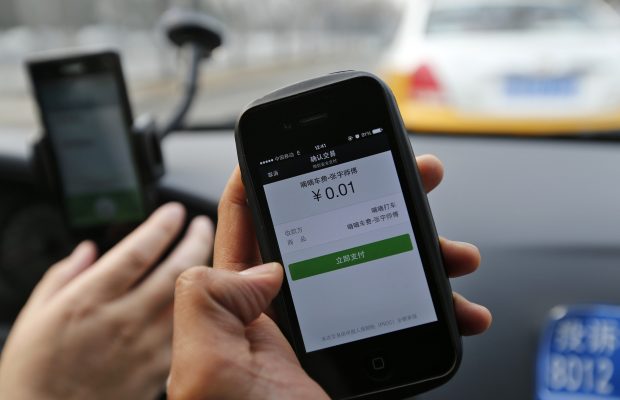
    Alipay, the world’s largest mobile payment and lifestyle platform, operated by Ant Financial Services Group, today announced that a group of Chinese travelers have concluded the first ever cashless journey to Finland, with all transactions throughout their trip made via their Alipay accounts. From booking flights, making local retail purchases in Helsinki, and dining out, to visiting museums, experiencing recreational activities, and managing transportation, as well as receiving an instant tax refund at the airport, Finland becomes the first country outside China where Alipay users can make all payments with their smartphones, and enjoy their trip without worrying about cash and language barriers, just as they would at home in China.

    To encourage future seamless, cashless journeys, Alipay has also teamed up with Lähitaksi, one of Finland’s major taxi companies. Alipay will be made available on all 1,250 Lähitaksi taxis in Helsinki and the city’s surrounding towns before the Chinese Lunar New Year holidays later this month.

    “More and more Chinese travelers have been asking whether our taxis accept Alipay, which is why we decided to launch this payment method and provide our Chinese passengers a better experience during their time in Helsinki,” said Heidi Säynäjoki, Marketing Manager of LähiTaksi. Since 2017, Alipay has also been made available at the Airport Taxi in Helsinki and in taxis and buses operated by local taxi company Santa Line across Finland’s northernmost region, Lapland.

    The group of eight Chinese tourists who visited Finland were selected from an online social media campaign initiated by Alipay at the end of 2017. The selected group commenced on a 6-day trip, visiting the cities of Rovaniemi and Helsinki in mid-January to experience the cashless journey, flying Finnair and staying in Nova Skyland Hotel in Rovaniemi and IHG’s Holiday Inn Helsinki’s City Centre, leveraging Alipay’s in-app outbound tourism service platform to find nearby merchants, collect coupons and enjoy exclusive offers. All the merchants accept Alipay for online reservation and onsite spending. Finnair became the first airline in the world to accept mobile payments for in-flight purchases when it began accepting Alipay on flights between Helsinki and Shanghai in January 2017.

    Zoe Cai, 28, a housewife and frequent overseas tourist from Guangdong Province, said, “I didn’t expect us to be able to use Alipay almost everywhere in Finland. I brought some cash with me, but the only place I got to use it was in a supermarket in Rovaniemi. At first, we were surprised when so many merchants accepted Alipay, but after this experience, we may be surprised if a merchant doesn’t accept Alipay when we travel next time.”

    Retail shops in popular overseas destinations have benefited from the rise of China’s middle-class over the last decade. An increase in disposal income has led to a greater interest to travel abroad, where Chinese tourists enjoy experiencing different cultures, exotic cuisines and new adventures. Alipay has now become a must-have tool for overseas merchants to provide Chinese tourists with a seamless traveling experience.

    Paavo Virkkunen, Executive Vice President of Finland’s national tourism board Visit Finland, said, “Alipay was first made available in Finland in December 2016. I am glad to see it is widely accepted among Finnish merchants today, and it demonstrates Finland’s commitment to ensure that Chinese visitors leave our country with an unforgettable experience.” Official statistics of Visit Finland show that China is Finland’s fifth largest source of tourist arrivals. ePassi is Alipay’s local partner in providing tailor-made solutions for various types of Finnish merchants to accept Alipay across the country.

    Alipay is focused on upgrading the overseas Chinese travelers’ experience throughout their visit, enabling a cashless journey via mobile payment, thus omitting language and currency barriers. It offers Chinese consumers their most preferred payment method and offers greater convenience during their travels, particularly when making transactions with overseas bricks-and-mortar merchants. Alipay is now accepted by merchants across 38 countries and regions who connect with travelers via the Alipay marketing platform and accept payments in stores and online.

  • Who’s travelling to Japan?

    Who’s travelling to Japan?

    Japan’s tourism bonanza shows no signs of abating. The country welcomed a record 28.6 million visitors from abroad in 2017, an increase of 19.3% on the year. Travelers also spent significantly more: 4.4 trillion yen ($39.68 billion), up 17.8%.

    So, where are all of these people coming from? Where are they going? And what are they spending their money on?

    The numbers clearly show geographical proximity is a major factor. Mainland China was the No. 1 source of visitors to Japan last year, accounting for 7.35 million, or 25.6% of the total. South Koreans were close behind at 7.14 million, or 24.8%.

    Back in 2007, only 942,439 Chinese tourists came to Japan. But over the next decade, the figure soared by 680.5%.

    Traffic from Taiwan and Hong Kong was also brisk in 2017: the former accounted for 4.56 million visitors, or 15.9%, while the tally from the latter came to 2.23 million, or 7.7%.

    Although China has played a big role in the tourism boom, it is only part of the story.

    Japan has seen exponential growth in the number of tourists from South East Asia. In terms of sheer growth rate from 2007 to 2017, Vietnam actually led the pack, with an 868% increase over 10 years. Arrivals from Thailand surged 489.3%, while those from Indonesia jumped 448.7%.

    What is interesting is also to see where do they go. As for where international travelers stayed in 2017, the usual destinations came out on top: Tokyo, Osaka, Hokkaido and Kyoto. But in terms of growth from the previous year, Tokyo ranked only 33rd out of the country’s 47 prefectures, with Osaka placing 22nd, Hokkaido 26th and Kyoto 19th.

    Oita Prefecture, in the Kyushu region, logged the biggest rise in overseas visitors. Known for its popular hot springs, Beppu Onsen and Yufuin, the prefecture appears to be capitalizing on tourists’ growing tendency to favor uniquely Japanese experiences over shopping.

    Next up was Saga Prefecture, which is now served by more direct, budget flights from Asian cities. Saga is adjacent to another popular destination, Fukuoka Prefecture, making the area a convenient option with ample accommodations.

    At No. 3 was Aomori Prefecture, in the northeastern Tohoku region. This was partly thanks to international carriers: China’s Okay Airways opened a direct flight from Tianjin to Aomori in May, and Korean Air also increased its flights. “Overseas tourists are going to places like open air hot springs by the seaside or hotels with no electricity for visitors — destinations even Japanese people don’t visit that much,” said Akihiko Tamura, commissioner of the Japan Tourism Agency.

    Few will be surprised to find that Chinese tourists topped the spending ranking, forking out an average of 230,382 yen per person in 2017. The bulk of that money went toward shopping.

    Visitors from the U.K. and Australia, meanwhile, spent the most on food and drinks as well as hotels. Visitors from Spain, France and Italy shelled out the most on transportation.

    South Koreans, on the other hand, placed at the bottom of the rankings for hotels, food and drinks, transport and shopping — and, naturally, overall spending. Yet this does not mean they are frugal travelers: since Japan is only a brief flight away, they tend to stay for shorter periods than tourists from other countries, limiting their spending.