Tag: tourism

  • Fall in Chinese tourists drags retail-sector sales in Taiwan

    Fall in Chinese tourists drags retail-sector sales in Taiwan

    Revenue generated by Taiwan‘s retail sector fell in the first half due to a fall in the number of Chinese visitors, who tend to buy expensive home appliances or luxury goods, the Ministry of Economic Affairs said.

    The number of Chinese visitors in the past six months fell about 40 percent from the same period last year, which had an adverse effect on local private consumption and retail sales, Department of Statistics Deputy Director-General Wang Shu-chuan said.

    Although the total number of foreign arrivals only fell 5.7 percent year-on-year, meaning that an increase in travelers from other countries offset the decline, they failed to make up for the reduced consumption generated by Chinese visitors, Wang said.

    Retail sales for the first half fell 0.4 percent year-on-year to about NT$2 trillion (US$65.88 billion), the ministry said.

    The local home appliances business sustained the most visible impact, with sales falling by NT$11.9 billion year-on-year for the six-month period, the ministry said.

    Meanwhile, sales generated by the local wholesale sector rose 5.7 percent from a year earlier to NT$851.9 billion last month on the back of strong demand for machinery, communications chips, memory chips and chemical materials, at a time when the global economy has been on the road to recovery, the ministry said.

    In the first half, sales in the wholesale sector rose 5.1 percent from a year earlier to NT$4.79 trillion, while revenue of the local food/beverage sector grew 2.7 percent to NT$224.9 billion.

  • Tourism Ministry to Lure More Asia Pacific Tourists

    Tourism Ministry to Lure More Asia Pacific Tourists

    Tourism Ministry claimed that they will keep adding the number of international flight routes especially from Asia Pacific to Lombok, West Nusa Tenggara. One of the potential markets targeted is South Korean tourists.

    Tourism Ministry’s Asia Pacific deputy assistant Vincent Djemadu said that the potential tourists from Asia Pacific to Indonesia are high in number. They are mostly attracted to Indonesia’s nature and culture.

    Nationwide, in a year there are at least 350 thousand Korean tourists choose Indonesia to spend their holiday. Vincent mentioned that this year the figure will increase to 500 thousand tourists.

    “At present, nationally, the existing market is roughly 350 thousand tourists per year. It will most likely increase up to 500 thousand by the end of this year,” Vincent said in Praya on Saturday (29/7).

  • Tourism market offers opportunities for start-up businesses

    Tourism market offers opportunities for start-up businesses

    Vietnam’s tourism market offers huge opportunities for start-up companies if they promptly seize technological trends to create special and unique tourism products, heard a workshop in Ho Chi Minh City on July 20.

    A report delivered at the workshop, jointly organised by the Saigon Innovate Hub (SiHub) and the Start-up Vietnam Foundation (SVF), showed that tourism has been identified as a spearhead economic sector in the near future, with the target of luring 17-20 million international tourists and serving 82 domestic holidaymakers by 2020.

    Nguyen Quoc Ky, Director General of the Vietravel Company, underlined the need for research and development of start-up companies in tourism to secure domestic market share.

    Participants stressed that amid the technological boom, start-up companies need to grasp the market’s trends and continuously innovate to offer highly competitive products, otherwise they will be merged or closed.

    Sharing the view, SVF Managing Director Pham Duy Hieu said start-up companies should enable staff members to show their creativeness, thus offering products that can satisfy, even surprise customers.

    At the workshop, delegates discussed measures to develop Vietnam’s tourism, including incentives to lure tourists and investment in infrastructure, building overseas tourism promotion offices and promoting regional connection.

    In 2016, Vietnam’s tourism sector welcomed 10 million foreign arrivals and served 62 million domestic holidaymakers, representing 4.3-fold and 5.3-fold increases from the figures in 2001, respectively.

  • The Boom Is Here As Indonesia Tourism Tops Asean Growth

    The Boom Is Here As Indonesia Tourism Tops Asean Growth

    Yahya has overseen new strategies to increase tourism in established areas and welcome foreign visitors from new target markets and countries, developing infrastructure in outer regions and rebranding dry marketing.

    The improvement can be seen with a massive increase in foreign tourists visiting the archipelago this year. Data from the Central Statistics Agency (BPS) shows 4.2 million foreign tourists visited Indonesia from January to June, a 19.34 percent increase from the same period a year earlier which saw 3.52 million visitors.

    Tourist visits in April skyrocketed with a 26.75 percent increase on the same period in 2016. Indonesia welcomed 1.14 million visitors this April, up from 902,000 recorded the year earlier.

    Indonesia is outpacing regional players – including tourism giant Thailand – in growth.

    Data published by The Business Times found growth in Singapore’s incoming visitors from January to April this year increased only 4.4 percent on the previous year. The slowing in growth contributed to a 2 percent decline in revenue for the local hotel industry in the same period, reaching just SGD$1.06 million (US$766,837).

    According to a report from Chinese state news agency Xinhua, foreign arrival figures in Malaysia contracted 0.5 percent so far in 2017 on a year on year basis. The result follows a push into Chinese and Indian markets from the Malaysian tourism authority and a target of 31 million visitors for the year.

    Thailand, which has long been a favourite of tourists from around the world, has continued to grow. Data from the Thai Ministry of Tourism and Sports shows foreign arrivals increased by 2.91 percent in the first four months of the year compared to the same period a year earlier. This translates to 12.02 million visitors from January to April 2017, up from 11.68 million foreign tourists a year earlier.

    In Indonesia’s industry, recent data from BPS shows foreign visitors increased 26.66 percent in May this year from the same month a year earlier. This equates to 1.16 million visitors in 2017 compared to 905,000 a year earlier.

    Booming growth in Chinese tourism is the highest contributor, making up 13.19 percent of all foreign tourists. Visitors from Singapore made up the second largest group with 9.83 percent, followed by Australian tourists contributing 7.91 percent. Indian visitors made up 4.19 percent of visits.

    Tourism Minister Yahya said 40 percent of all foreign tourists in Indonesia visit Bali, while 30 percent head for the capital city of Jakarta, 20 percent visit the Riau Islands and the remaining 10 percent holiday elsewhere in the archipelago.

    Bali has long been a favourite, with tourists flocking to the island’s beaches, resorts and inland jungles. Visitors to Jakarta typically come for business or shopping purposes.

    Increasing foreign tourism has been significantly assisted by a renewed effort in developing infrastructure in several regions with high tourism potential which have previously been underappreciated.

    Support for these regions includes the construction of new railways and roads and developing airports into international facilities to offer better access.

    The Ministry of Tourism has also established fresh branding strategies for key locales, including Medan, Bandung, Yogyakarta, Surabaya, Banyuwangi, Raja Ampat, Makassar and Lombok.

    The ministry hopes to welcome 20 million foreign visitors to the country by 2019, using the ‘3A’ principle which focuses on attention, accessibility and amenities. This principle reflects the ministry’s efforts to improve three key aspects of the industry, to provide better access and convenience with sufficient facilities and accommodation while also boasting excellent attractions to ensure each visitor enjoys his or her trip to Indonesia.
  • Over 1 million passengers travel through Bali airport

    Over 1 million passengers travel through Bali airport

    State-owned airport operator PT Angkasa I said that over 1 million passengers have traveled through Balis Ngurah Rai International Airport during the homecoming flow of post-fasting travelers since 10 days (D-10) before the Lebaran D-Day to D+4.

    Head of Public Relations of PT Angkasa Pura I at I Gusti Ngurah Rai International Airport, Arie Ahsanurrohim, stated in Denpasar on Saturday that the passengers recorded during the period were those for domestic and international routes.

    Arie added that the movement of passengers was calculated based on regular and unscheduled flights.

    He explained that the unscheduled flights were the ones used by former US president Barack Obama and Malaysian Prime Minister and family when they visited during the Lebaran holiday season.

    Meanwhile, related to the flow of Lebaran homecoming, Arie explained that the movement at the local airport was quite unique compared to other airports in Indonesia, which are mostly dominated by the flow of departing passengers.

    At Ngurah Rai Airport, the flow of departure and the arrival of passengers were high or only slightly different, considering Bali as a tourist destination where many tourists spend the long Lebaran holidays.

    Data from Integrated Monitoring Lebaran Command Post at the airport mentioned on H+4 or on Friday (June 30) that the number of domestic passenger arrivals reached 19,174 people, up 10.6 percent compared to the same period in 2016.

    Passengers departing from the airport reached 21,573 people, or jumped 14 percent compared to the same period in the previous year.

    The number of those arriving and departing through the international routes increased with arrivals recorded at 16.3 thousand, or up by 16 percent, and departure at 17.7 thousand, or up by 14 percent.

  • AirAsia X enters U.S. market with flights to Honolulu

    AirAsia X enters U.S. market with flights to Honolulu

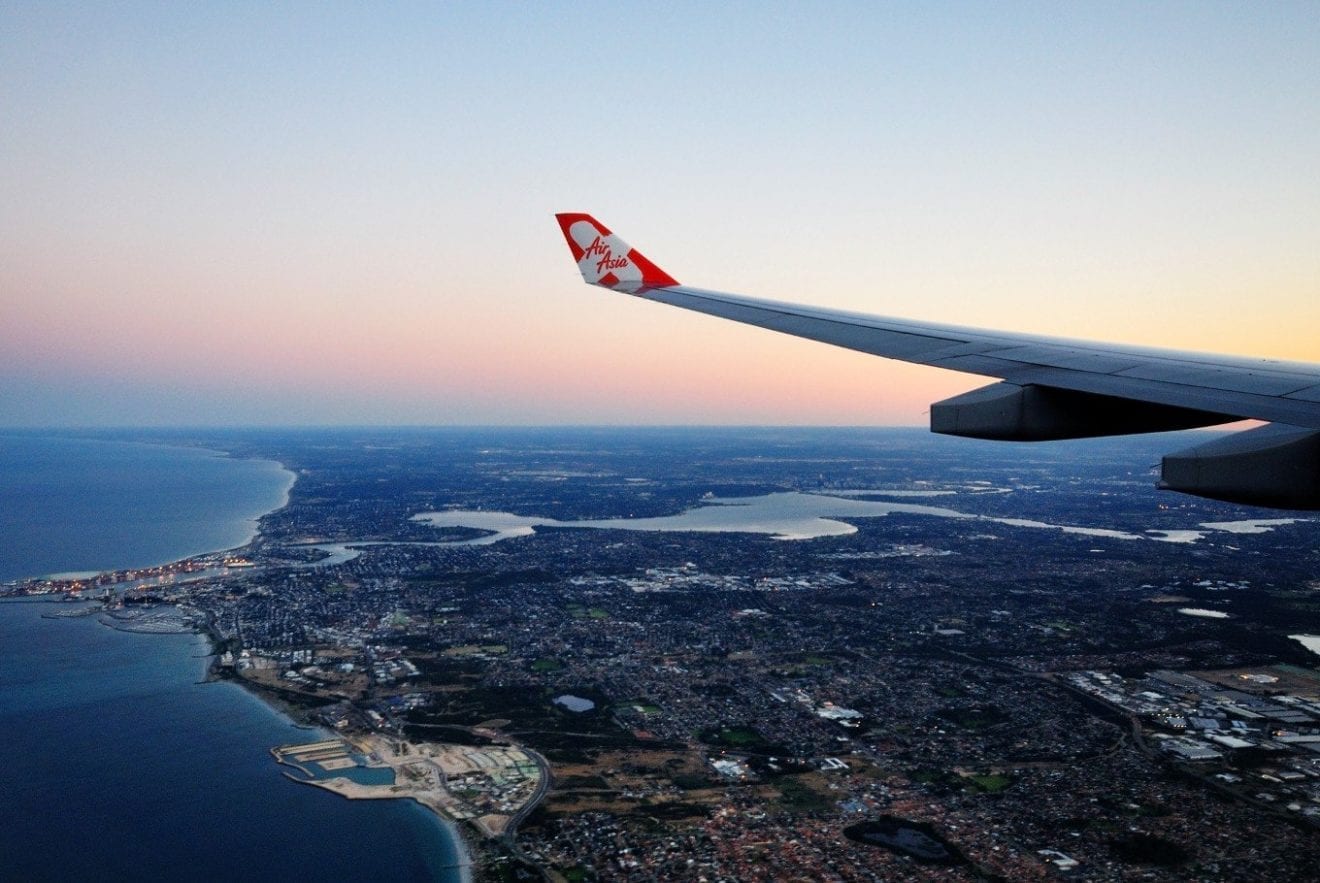
    Low-cost airline AirAsia X entered the U.S. market Wednesday, arriving in Honolulu on an inaugural flight for a new route between Malaysia and Hawaii.

    The AirAsia X flight departed Kuala Lumpur, Malaysia, and stopped in Osaka, Japan, before landing at Honolulu International Airport. The new flight will operate four times per week utilizing Airbus A330-300 aircraft with 12 premium flatbeds and 365 economy seats.

    “We are here to democratize air travel for everyone so flying long haul would no longer be a luxury only a few could enjoy,” AirAsia X Group Chairman Tan Sri Rafidah Aziz, who held a news conference at The Royal Hawaiian hotel after landing in Honolulu, said in a statement. “This landmark route to Hawaii is a bold new chapter in that quest to help more people travel farther for less.

    “But this is just the beginning, and soon our guests will be able to enjoy flights to even more destinations in the US as we continue to grow our international footprint.”

    AirAsia X, an affiliate of the AirAsia Group, operates in 24 destinations in Asia, Australia, New Zealand and the Middle East.

  • Tourism plans in Mekong Delta called too ambitious

    Tourism plans in Mekong Delta called too ambitious

    Thirteen provinces and cities in Mekong Delta received 7.6 million travelers in 2016, including 900,000 foreign travelers, or 10 percent of total foreign travelers to Vietnam.

    Under the plan for Mekong Delta tourism development, the region would have turnover of VND25 trillion by 2020, or VND15.3 trillion higher than last year’s turnover.

    Some experts commented the plan is too ambitious, because the number of travelers to Mekong Delta has not increased sharply like other regions. With the overlap in tourism products, poor infrastructure and services, and bad marketing, Mekong Delta tourism agencies should not set a high target in the number of travelers.

    An analyst commented that there could be a ‘one for all’ tour, in which travelers visit one locality to experience all the products of the whole region.

    If travelers visit My Tho, they will not need to go to Can Tho, and if they visit Can Tho, they can go straight to Chau Doc or to Cambodia, and there would be no need to stop over in neighboring localities.

    My Tho and Ben Tre’s tourism has become nearly saturated as all tourism resources such as don ca tai tu (amateur music in southern Vietnam), hand rowing and craft villages.

    Travel firms report that travelers to Mekong Delta stay for 1-2 nights or go home within the day. While the central region can exploit its advantages to provide resort tourism or MICE, Mekong Delta has few large groups of 500-1,000 MICE travelers because of the lack of hotels and services.

    Nguyen Thi Hoa Le, CEO of Hoa Binh Tourism JSC, said that provinces and cities need to provide tourism products with ‘specific taste’.

    She has urged local authorities to make heavier investments in infrastructure and services. “All localities want to develop tourism, but how they can attract more tourists if they hesitate to make big investments?” she said.

    Some businesses think Mekong Delta has become less attractive because of rapid modernization. Many rural areas have lost the charm of the southern countryside.

    In Tien Giang and Can Tho provinces, for example, there are floating markets, an original characteristic of the southern region. However, the markets have become smaller as people now have other modern trade channels.

  • Chinese tourism in Thailand to get slowly better

    Chinese tourism in Thailand to get slowly better

    It is not just the South Korean duty free and travel retail market that is suffering from a dearth of Chinese travellers – Thailand has also seen falling traffic according to travel retail analyst, research and category expert, Counter Intelligence Retail, but for very different reasons.

    Metrics from CiR’s traffic modelling and forecasting tool, Business Lounge, show that from peak growth of +101% in July 2015 (compared to July 2014 year-on-year) rates have been falling steadily ever since.

    By December 2016 there was zero growth and in the first quarter of 2017 the trend was negative overall at -2%.  “What this data from CiR Business Lounge tells us is that after a golden period of Chinese travel easily outstripping general international demand to Thailand, the situation has reversed – and since December 2016 international traffic to the country has been stronger,” says Garry Stasiulevicuis, President of Counter Intelligence Retail.

    Political stability and ‘tours’ ban influence Chinese demand

    As political stability returned, so did international traffic – from the Chinese in particular. In 2015, Chinese tourism was up by +66% (from a low base in 2014), while 2016 saw a more measured rise in Chinese PAX at +32% YoY. Nevertheless, this represents 1.3m extra Chinese arrivals to the country – a boon for duty free and travel retailers. The Chinese market is the largest source of tourists in Thailand.

    While Chinese growth rates have been falling since July 2015, they were well ahead of international levels. However, a September 2016 ban on so called ‘zero-dollar’ tours (cheap group packages where tourists are herded to specific hotels and shops and unable to do much independently) Chinese numbers to Thailand have dropped dramatically.

    The death of Thailand’s King Bhumibol Adulyadej a month later and official year-long mourning has also meant the cancellation of a number events and ‘full moon’ parties which affected the tourism sector.

    The ‘zero-dollar’ tours ban is a joint campaign with the Chinese authorities and it has resulted in the impounding of more than 2,000 tour buses. Backed by Tourism Authority of Thailand, the initiative is designed to improve tourism quality levels so that Chinese travellers have a better experience once the market purge is completed. TAT expects this will eventually result in renewed and sustainable growth from its largest source market.

    CiR sees some hopeful signs

    Forecast data from Business Lounge offer some hope to travel retailers in Thailand. Based on scheduled capacities from China, the data indicates that while seat numbers have stayed below 2016 up to May, from this month (June) the trend is set to improve.

    Helping FITs to Thailand will be low-cost carriers. As previously mentioned by CiR, growth in China’s LCC sector has been buoyant in recent years and this continues to be the case for traffic into Thailand. In July for example, carriers such as Spring Airlines, Juneyao Airlines & Sabaidee Airways have increased available capacity by about +43%.

  • Over two million Chinese tourists to visit Indonesia in 2017

    Over two million Chinese tourists to visit Indonesia in 2017

    The number of Chinese tourists visiting Indonesia is estimated to reach more than 2 million tourists in 2017, an official said. Charge d’Affaires of the Embassy of the Peoples Republic of China in Jakarta Sun Weide said here on Tuesday that the tourism cooperation between Indonesia and China continues to grow.

    The Chinese Embassy has recorded around 560,000 Chinese tourists to have visited Indonesia during the first three months of this year.

    “The number of Chinese tourists visiting Indonesia is estimated to reach more than two million this year,” Sun Weide said in a press conference followed by an iftar at the Chinese Embassy in Jakarta.

    Last year, 1.45 million Chinese tourists had visited Indonesia. The number was the second largest after Singapores with 1,47 million tourists.

    It is estimated that the visiting Chinese tourists had contributed around two billion US dollars of foreign exchange to Indonesia last year, he said.

    Cooperation in the tourism sector between Indonesia and China has been robust, he said.

    On the same day, delegation from Guizhou Province of China held a conference to promote its tourism potential in Jakarta.

    Ren Xiang Sheng, Guizhou Provincial Secretary in southwestern China, said the increased cooperation in the fields of tourism and culture has become part of efforts to strengthen Chinas One Belt and One Road (Obor) initiative.

    In 2016, more than one million tourists had visited Guizhou, a region dotted with picturesque mountain in China. Out of one million visiting tourists, 128,000 were Indonesians.

    Indonesian Ministry of Tourism has estimated that the number of Chinese tourists visiting Indonesia will reach 2.4 million in 2017, surpassing Singaporeans who were estimated to top around 2.275 million in the same year.

    Achieving its 12 million tourist visit target in 2016, Indonesia has set a target to attract 15 million tourist in 2017.

  • Indonesia may lose 50,000 tourists because of Qatar crisis

    Indonesia may lose 50,000 tourists because of Qatar crisis

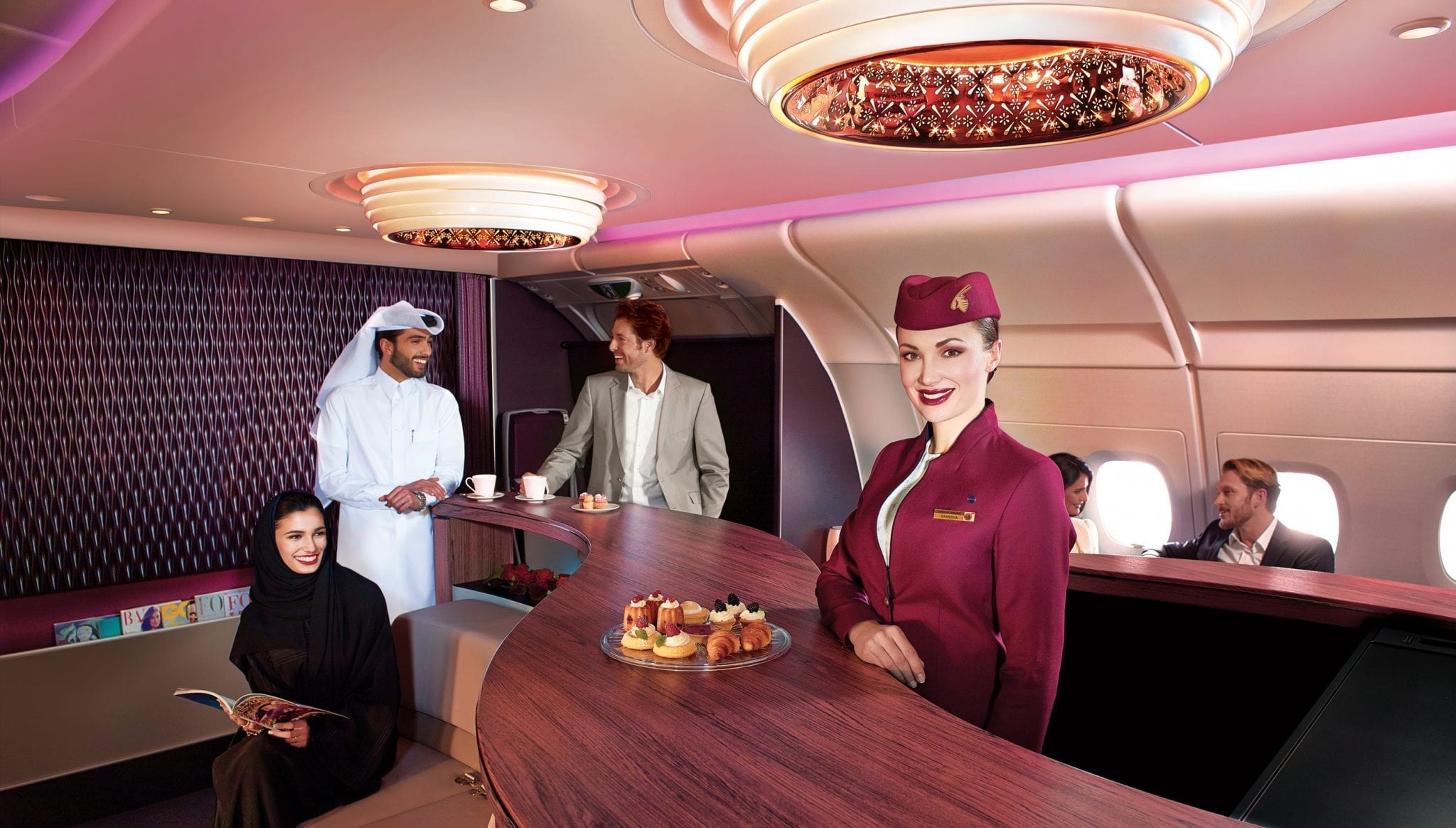
    The Indonesian government is predicting that the recent severing of ties between several Arab countries and Qatar would deal a blow to the archipelago’s tourism industry, with 50,000 expected tourists not showing up because of the crisis, a senior official said on Tuesday.

    That is the number of visitors Tourism Minister Arief Yahya said Qatar Airways, for the most part, would have brought to Indonesia this year.

    “Given that seven months are left in the year 2017, we estimate we will lose about 50,000 foreign tourists as a result of the boycott of Qatar,” Arief told reporters at the State Palace on Tuesday.

    In order to reduce the expected loss, Arief said his ministry would coordinate with the Transportation Ministry to transfer the license given to the Qatari airline to other airlines, such as Emirates and Etihad.

    “First of all, I will ask the Transportation Ministry to transfer the aircraft license given to Qatar Airways to other airlines. We have no option as they Qatar Airways could not fly their aircraft anyway,” Arief said.

    Qatar Airways said on its official website it had suspended all flights to Saudi Arabia.

    Saudi Arabia and several of its allies on Monday cut relations with Qatar, accusing it of supporting extremism.

  • How to Make Post-Truth Work for Tourism Businesses

    How to Make Post-Truth Work for Tourism Businesses

    A political environment of post-truth, confirmation bias and alternative facts can work well for tourism business marketers who are brave and have finely tuned customer antennae.

    She observes that people are more likely to believe things that confirm their existing positions than information that contradicts them. In the last couple of years consumers and voters have stopped feeling the need to apologize for such post-truth biases.

    “So are we saying it is OK to not tell the truth in marketing? No we aren’t!” says Childs. “But if you know who your customers are and what your brand values are, then you can make a decision on what to comment on and, just as importantly, how to comment.”

    Childs says that a good example of this is the response that some US destinations have made to the potential impact from the attempted travel ban on some (mostly Muslim) markets.

    Travel brands that feel they know their customers have responded boldly. “They have identified that they have more to lose than gain by keeping silent. They have therefore launched communication campaigns that reflect their own alternative position on these issues,” says Childs.

    She cites the clever move by San Francisco (You’re #AlwaysWelcome Here) and Los Angeles (#EveryoneIsWelcome) to launch tourism campaigns setting the record straight. Both emphasize that everyone is welcome, regardless of ethnic, cultural and sexual orientation.

    But brands which have a customer base across the political divide can also exploit this trend. Jet Blue’s “Reach Across the Aisle” and Heineken’s Worlds Apart online adverts fight the belief that disagreement and entrenchment are the new normal. The brands celebrate people that put aside personal and political differences. The message? Our brand believes unity is better than division.

    Childs says both Jet Blue and Heineken position themselves as brands that clear up misunderstanding and remind us of our common humanity. “That’s a powerful message for any brand. It’s like taking a stand without taking a stand.”

    However, she warns that companies should not jump on the latest trend bandwagon. Don’t be cynically opportunistic. It could backfire.

    “It’s that tiny sliver in time, when the thorniest, most divisive issues of the day become safe enough – but not so safe that they’re passé – for brands to speak out, take a position and reap endless buzz,” says Jonah Sachs, the CEO of branding agency Free Range Studios.

    Understanding your customers allows you to work out what you have permission to say and what you don’t,” says Childs. “Think about how your customers would react to this issue and what they would expect you to say about it,” she advises.

    MyTravelResearch.com goes into the importance of branding, persona building and understanding customers in clear detail in their Marketing Plan Blueprint and Five-Step Tourism Marketing System.

  • ASEAN Sustainable Tourism Awards Launched

    ASEAN Sustainable Tourism Awards Launched

    Sustainable tourism operators in Southeast Asia can now enter the new ASEAN Sustainable Tourism Awards (ASTA), which have been launched as part of ASEAN’s Tourism Strategic Plan 2016-2025.

    Twenty sustainable tourism winners – two from each ASEAN member state – will receive a package of benefits that will raise their business profile substantially. Winners will be highlighted on their NTO’s website and will receive exposure as a national best practice operator during press conferences and trade shows such as ATF, TRAVEX, ITB and WTM.

    In addition, winners will be highlighted on ASEAN’s website www.aseantourism.travel. They will be invited on stage to receive a trophy and recognition during the sustainable tourism awards event, which will be part of the ASEAN Tourism Forum in Chiang Mai, January 2018.

    Some of the key objectives of the awards are to boost the profile and importance of sustainable tourism businesses in Southeast Asia, promote responsible tourism in all ASEAN countries, combat seasonality, and rebalance tourist flows towards best practice tourism experiences, said Mr Sounh Manivong, Director General of Tourism Marketing Department, Ministry of Information, Culture and Tourism, Lao PDR.

    “The diversity and quality of ASEAN’s sustainable tourism options are amazing,” said Mr Manivong.  “The aim of the awards is to prove it — and encourage green tourism practitioners to keep doing a great job.”

    Of the two winners in each country, one will be “rural”, one will be “urban”, to reaffirm that city operators can be sustainable as much as rural ones.

    The awards will take place every two years with a dedicated theme decided jointly by ASEAN NTOs. The inaugural awards 2017-18, which are now open, is themed “nature-based tourism.”

    Mr Manivong said such a theme also applies to urban tourism businesses as they may include experiences such as cycling, educational visits to urban parks, walking tours, or tree planting, to name a few examples.

    Applications will be assessed by NTOs in the applicant’s country.

    The deadline for submissions is 15 August 2017. Results will be announced in December and the award ceremony will take place during ATF 2018.

  • Indonesia Offers Ease of Business in Tourism Sector

    Indonesia Offers Ease of Business in Tourism Sector

    The Indonesian Government provided a guarantee in the ease of business for the investors who plant their assets in special economic zones.

    In the tourism sector, Tourism Minister Arief Yahya explained that the government plans to restore a number of infrastructures such as the airports, the network of highways that lead to the tourist spots, and other public facilities.

    “The ease of business will be for the ones in the economic zones,” Arief said on Thursday, May 25.

    The government will also attempt to fix the management system in tourism areas. This is corroborated by the fact that, in a number of cases, investments are not able to enter a location because of overlapping regulations which are a direct result of mismanagements.

    Ideally, according to Arief, a tourist location should only be managed by one authority. He viewed that it would slash the bureaucracy process and affect the process of managing a tourist location.

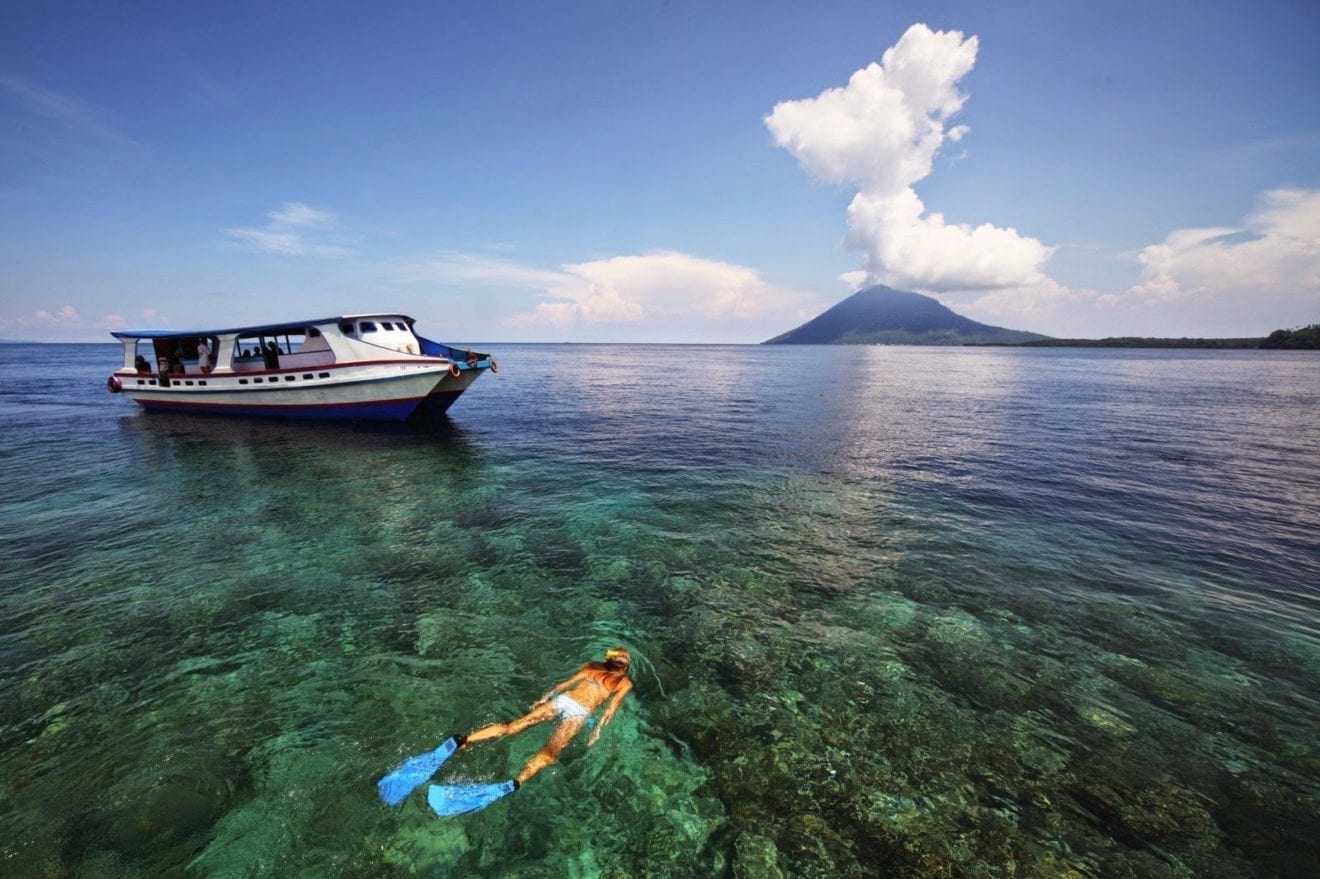
    “Regarding the Bunaken area, we will have a meeting to discuss the resolution of the special zone with the Coordinating Minister of Maritime Affairs,” Arief explained.

  • Florentia Village opens in Hong Kong

    Florentia Village opens in Hong Kong

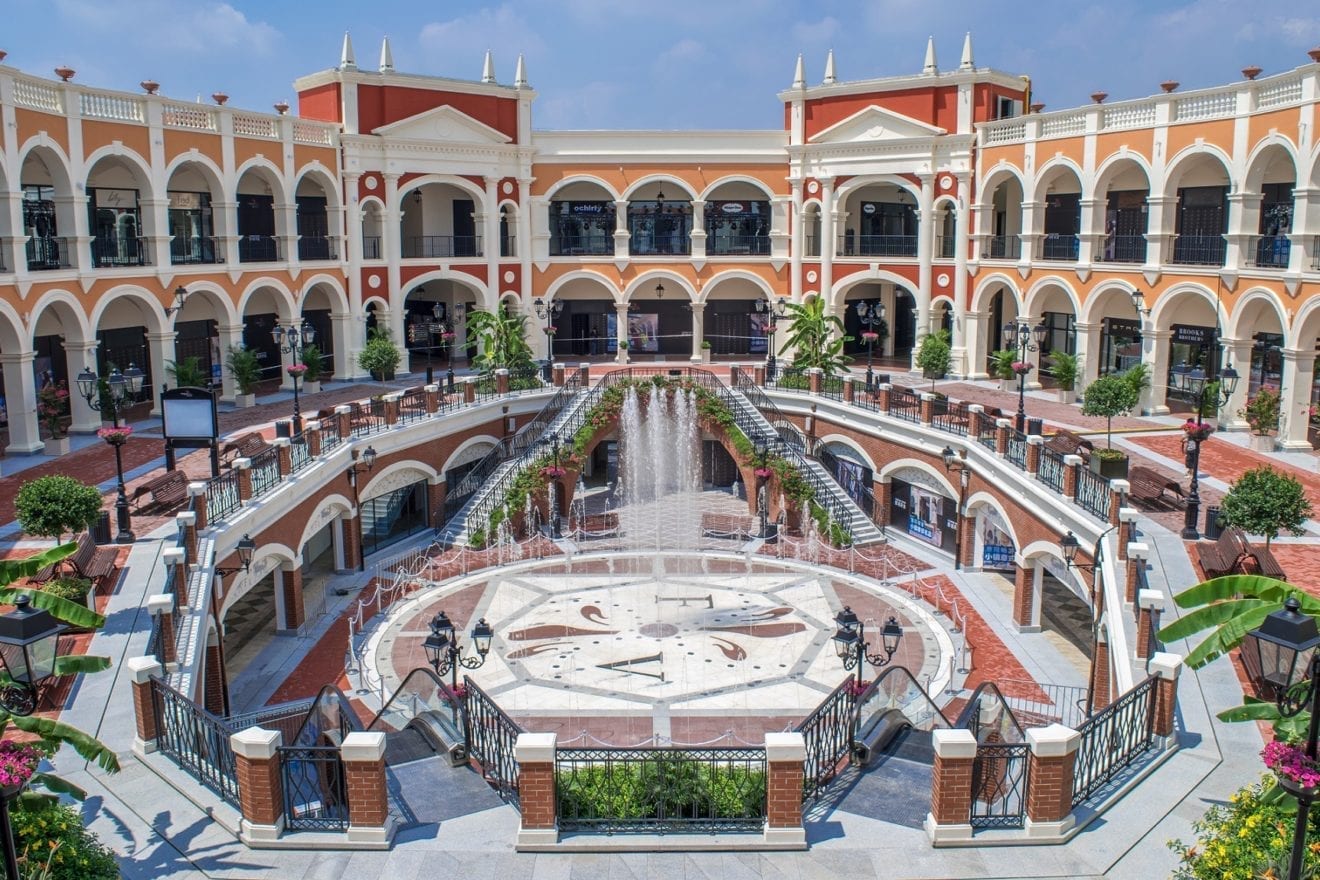
    Despite the decline of tourist arrivals into Hong Kong last year and challenges in the luxury retail sector, Italian-owned mall operator RDM has just opened its first Hong Kong outlet.

    Located in the KC100 complex near Kwai Hing MTR station, Florentia Village is hoping to attract 500,000 customers this year thanks to its proximity to the airport and mainland immigration checkpoints.

    The 60,000-sqft boutique-style mall comprises upscale luxury brands, such as Prada, Salvatore Ferragamo, Versace and Kenzo.

    Of its visitors, the mall is forecasting 50 per cent to be mainlanders, 25 per cent Hong Kongers and the remaining 25 per cent international travellers and expats.

    With three existing malls in China – Shanghai, Tianjin and Guangzhou – RDM is confident their brand name will travel.

    “Our brand is growing fast in China, so having the same type of operation in a different approach with a very strong mix of luxury brands, we are sure to attract customers from China visiting Hong Kong,” said Maurizio Lupi, managing director of RDM Asia.

    In China the mall is expecting double-digit turnover growth. Here in Hong Kong, perhaps the optimistic figures from December 2016, when mainland visitor numbers increased 6.1 per cent to 3.95 million, may bear out Lupi’s certainty.

  • Vietnamese-French entrepreneur interested in local tourism startups

    Vietnamese-French entrepreneur interested in local tourism startups

    Vietnamese-French businessman Pascal Pham said he plans to invest in tourism startups in Vietnam. Club director of leading French communications group Skyboard, Pham said the first element that alerted him to Vietnam was the extraordinary Vietnamese diaspora in Silicon Valley and Europe.

    “We live in a global world, in France for example, a Vietnamese was the co-founder of Sparrow which was bought by Google for $25 million. We need to be connected to be successful, from Europe to the U.S., from the U.S. to Southeast Asia.”

    The second element was the excellent training computer scientists receive here in Vietnam, making it “a strong international culture and an interesting territory to audit.”

    The local culture in Vietnam is unchanged but opportunities are growing while risks remain unchanged. Young people are better trained, the economy is part of a growing region, and the appetite for success is confirmed by major groups such as tech giant FPT motivating interest in Vietnam, Pham told.

    “I want to invest in innovative tourism because it is the DNA of our start-up incubator in Paris,” said Pham.

    He is also interested in the Vietnam Innovative Startup Accelerator (VIISA), a mechanism that gave him the opportunity to discover the first steps of the innovation ecosystem and create an incubator in Europe a few years ago.

    Asked for advice about raising funds for Vietnamese startups, the lecturer from the Sorbonne University said they need a balanced team of expert marketers, good engineers and an international vision from the beginning.

    In order to go globally, Vietnamese startups should prepare a tested and effective economic model that does not follow existing models, and make good use of their resources and technology.

    A co-founder of the Paris-based T3 Business Forum, which represents tourism, transport and technology startups, Pham said Vietnamese startups can benefit indirectly from a new inflow of capital under new French President Emmanuel Macron’s plan to create a huge sovereign fund for startups with Germany.

    Southeast Asia has to convert its appeal into success stories in new technologies, and FPT has been leading the way.

    “With a strong common goal, Vietnam can become a powerful leader in this exciting quest. Networks are the most underestimated asset. I’m here to bring my network,” he said.