Tag: tourism

  • Tourism exec welcomes new Cebu Pacific routes in Clark

    Tourism exec welcomes new Cebu Pacific routes in Clark

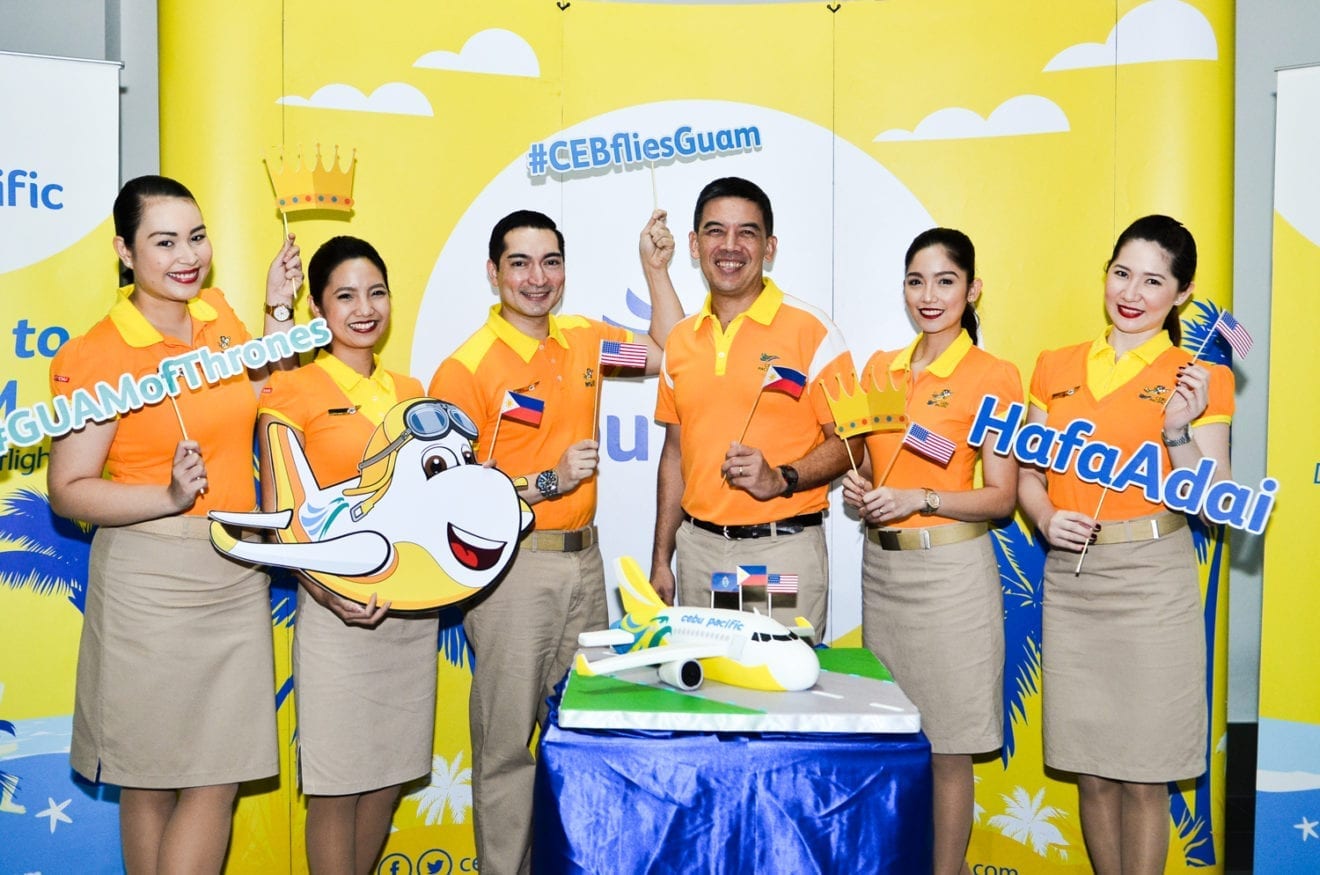
    The Department of Tourism (DOT) in Central Luzon welcomed the two new routes of Cebu Pacific which will commence on May 15. Ronnie Tiotuico, DOT-Central Luzon director, said the new routes will attract passengers from Central and Northern Luzon. “This is good for our tourism.

    People from Central and Northern Luzon will no longer have to travel to Metro Manila to get to their favorite destinations in Boracay and El Nido in Palawan,” Tiotuico said.

    Cebu Pacific set the new flights in line with its program to strengthen its domestic route network geared towards making inter-island travel more accessible to residents outside Metro Manila. Starting this May 15, Cebu Pacific’s wholly-owned subsidiary, Cebgo, will be flying daily between Clark and Caticlan (Boracay) and three times weekly on Monday, Wednesday, and Friday between Clark and Busuanga.

    “We believe that by opening these new routes, we are enabling more residents from Central and even North Luzon to travel to Palawan and Boracay — two of the world’s best islands, without having to make the trip to Metro Manila to catch their flights. Aside from boosting domestic tourism, our new routes will also enhance trade and investment as we also make available our cargo services,” Alexander Lao, Cebgo president and chief executive officer, said.

    Lao said that Cebu Pacific has remained true to its commitment of making air travel safe, affordable, reliable, and fun-filled for everyone. “Rest assured, we will continue expanding our network to enable even more of our kababayans to travel with our trademark lowest fares, not only within the Philippines, but also to international destinations,” added Lao. Cebu Pacific also operates flights out of four other strategically placed hubs in Manila, Davao, Kalibo, and Iloilo.

    The airline’s extensive network covers over 100 routes and 66 destinations, spanning Asia, Australia, the Middle East, and United States of America. F

  • Festival tourism market now being tapped

    Festival tourism market now being tapped

    Festivals take place throughout the year in different localities, but they are not organized in a professional way to achieve international stature. Meanwhile, tourism sites do not pay appropriate attention to festival tourism, though they can see the number of tourists increases in festival seasons.

    Da Nang, with one of the most beautiful beaches on the planet, is a rendezvous for travelers thanks to the Da Nang International Firework Competition (DIFC).

    However, as Huynh Van Hung, director of the Da Nang City Culture & Sports Department, said, since DIFC is a competition, letting off fireworks is the only activity of the event, while there was no extra activity on the occasion.

    DIFC only lasted two days and is organized once every two years. According to Ngo Quang Vinh, director of the Da Nang Tourism Department, a survey in 2015 found that after a firework competition, the Han Market’s management board reported a twofold increase in revenue.

    Da Nang has changed its approach. Having realized the great potential of festival tourism, the city’s authorities decided to turn DIFC into DIFF (Da Nang International Firework Festival) this year, which lasts from April 30 to June 24.

    As such, Vietnam, for the first time has a festival lasting throughout the summer.

    This is the biggest firework festival in SE Asia with five places for firework performances and a series of associated events, which all have made Da Nang busy throughout the summer.

    Da Nang hopes it would become an attractive destination point for about 2 million travelers in summer thanks to the ‘firework city’ brand.

    Among tourism complexes, Sun World Ba Na Hills can best exploit the potential of festivals to attract travelers. Visitors to the leading resort in Vietnam in any season can enjoy the festive atmosphere.

    In spring, Ba Na is brilliant with the colors of hundreds of flowers in Spring Flower Festival. In summer, the Wine Festival and beer- B’Festival are held. In autumn and winter, visitors will be able to enjoy the Halloween Festival and Christmas season.

    In 2016, the resort received 2 million visitors.

  • AirAsia, Tourism Malaysia team up to promote tourism

    AirAsia, Tourism Malaysia team up to promote tourism

    AirAsia and Tourism Malaysia are teaming up to attract tourists to Malaysia under a two-year agreement.

    In a statement, the low-cost airline said they would focus on developing activities to promote the country to all 10 Asean countries, China, Japan, South Korea, India, Sri Lanka, Bangladesh, Nepal, Maldives, Saudi Arabia, Iran, Australia and New Zealand.

    The agreement will include efforts in terms of brand advertising, promotional activities and campaigns; familiarisation trip for consumer, trade, media, travel agencies to Malaysia; synergy in planning between tourism development and air transportation to provide better connectivity; market intelligence sharing and assistance for developing the tourism sector; and joint roadshows between both parties to market Malaysia to trade partners.

    In conjunction with this partnership, AirAsia is offering a 5% special discount on top of all existing promotions exclusively for UnionPay cardholders.

    This discount is available for booking starting now until July 4, 2017, with travel period from May 5, 2017, to June 5 2018.

    AirAsia and Tourism Malaysia signed a memorandum of agreement (MOA) for the partnership on Wednesday in Shanghai.

    Tourism Malaysia was represented by its deputy director general (promotion) Datuk Seri Abdul Khani Daud and AirAsia Bhd by its head of commercial Spencer Lee.

    The signing ceremony was witnessed by Tourism and Culture Minister Datuk Seri Mohamed Nazri Abdul Aziz, who was in Shanghai to lead Malaysia’s participation at the inaugural ITB China travel trade fair at the Shanghai World Expo Exhibition and Convention Centre.

    “Connectivity is the heart of tourism, and this partnership between Tourism Malaysia and AirAsia will combine our marketing efforts, resulting in a stronger awareness and branding for Malaysia as a tourist destination,” Abdul Khani said.

    “We look forward to stronger customer demand and confidence in Malaysia as an ideal holiday destination.”

    Lee said AirAsia looked forward to work closely with Tourism Malaysia to provide travellers with better connectivity into and within Malaysia while allowing them to travel from one destination to another seamlessly.

    “Through this partnership, we aim to generate wide awareness and publicity on Malaysia as a preferred leisure and business destination, and boost the country’s tourist arrivals and receipts. This effort is in line with the national objectives, as seen through the newly implemented e-visa entry for China and India, making tourist entry into Malaysia easier and convenient,” he said.

    It has been reported that the Tourism and Culture Ministry faced financial constraints, with its advertising and promotion budget being slashed year after year over the last few years. The budget last year was RM167mil, down about 40% from 2012.

    In April, Parliament passed a bill to introduce a tourism tax, which is expected to provide a sustainable fund every year to develop the tourism industry.

  • Juul-Mortensen is awarded Singapore Tourism accolade

    Juul-Mortensen is awarded Singapore Tourism accolade

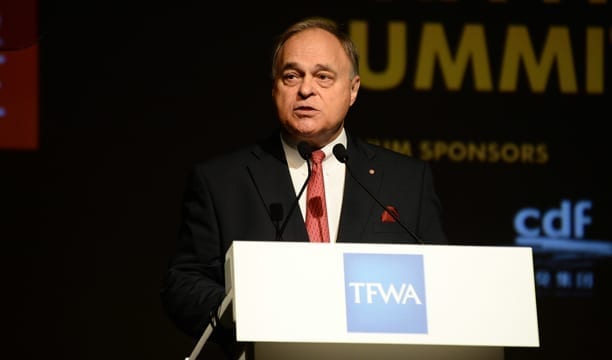
    The President of Tax Free World Association (TFWA) Erik Juul-Mortensen has been named as the Singapore Tourism Board’s (STB) Best Business Event Champion at its recent prestigious Singapore Tourism Awards.

    The STB says the award was made in recognition of his ‘instrumental role at TFWA’ amongst several other category awards which recognise the best and most significant contributions made by individuals and organisations to Singapore’s tourism sector.

    Commenting after the awards ceremony, Erik Juul-Mortensen said: ‘I am honoured to receive this accolade and am thrilled to see recognition that TFWA Asia Pacific Exhibition & Conference is valued not only by our duty free and travel retail industry, but also by its host, Singapore.

    “I would like to thank all the TFWA team that work so hard to ensure that standards are constantly high at our flagship event in Asia, as well as our colleagues across the industry who support it year after year.

    “Singapore has proved, over and over again, to be a successful and popular venue for the TFWA Asia Pacific Exhibition & Conference and we were also very pleased that TFWA was named Best Exhibition Organiser at the 2016 Singapore Tourism Awards for TFWA Asia Pacific Exhibition & Conference 2015.”

    Adding his comments, Oliver Chong, Executive Director, Communications & Marketing Capability, Singapore Tourism Board said; ‘The Singapore Tourism Awards aim to raise industry standards through showcasing the best of what Singapore has to offer.

    “We would like to congratulate Best Business Events Champion recipient Mr Erik Juul-Mortensen, whose efforts have enhanced Singapore’s appeal as an attractive, compelling business events destination.”

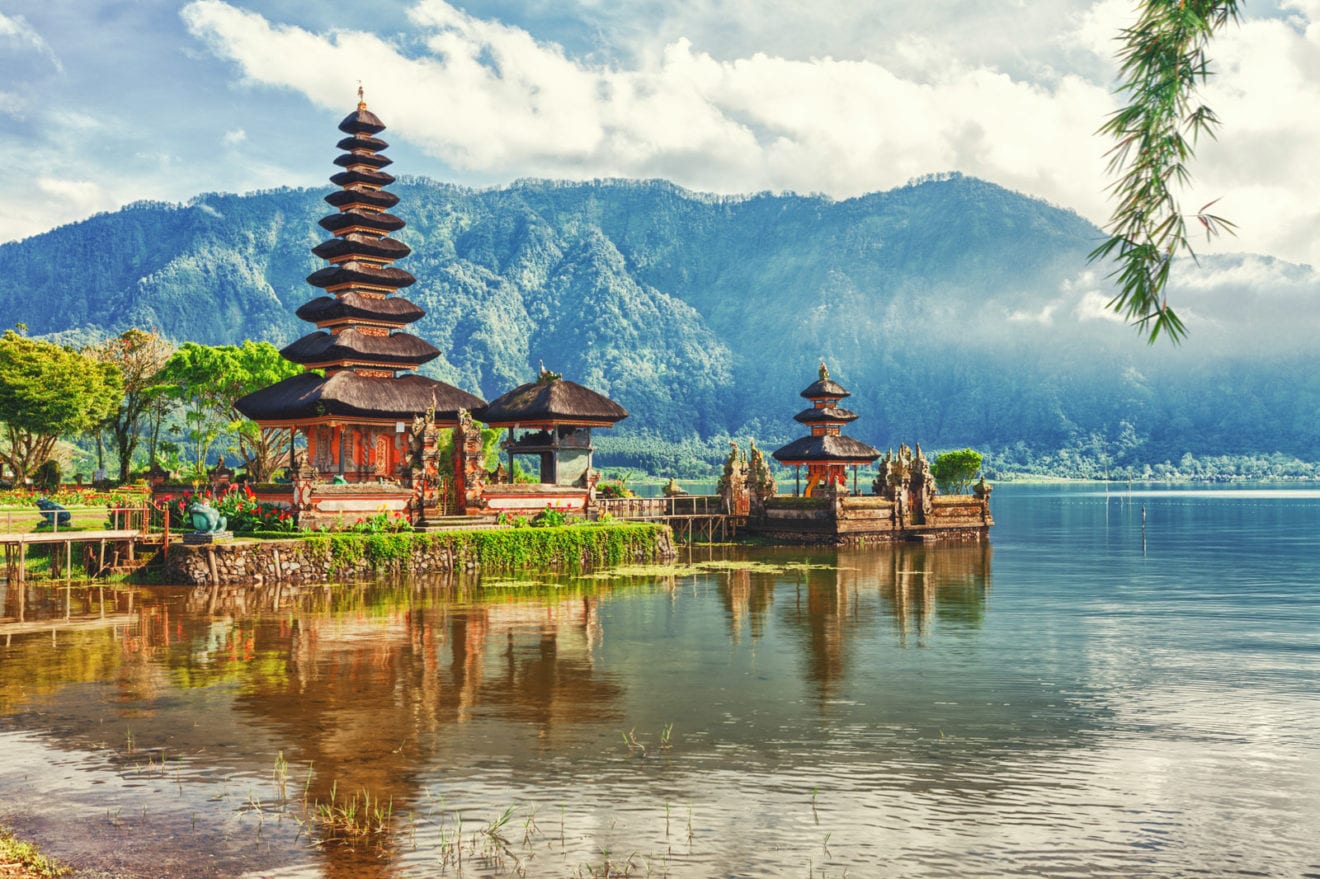
  • Growing flight frequency of Mideast airlines to benefit Bali tourism

    Growing flight frequency of Mideast airlines to benefit Bali tourism

    The Bali branch of the Indonesian Association of Tour Operators (Asita) said increase in the flight frequency planned by major Mideast airlines – Qatar Airways and Emirates Airlines between Middle East and Bali would significantly contribute to the islands tourism growth.

    Qatar Airways said through its Instagram it would increase flights to three times between Doha to Bali starting May 7, 2017.

    “Now there will be more reasons to see the yet untouched beauty of Bali,” the airline wrote in its social media account that drew more than ten thousands of comments.

    Earlier this month, another major airline from that region, Emirate Airlines of the United Arab Emirates already announced plan to increase flight frequency to twice everyday from Dubai to Bali starting July 2 this year.

    The increase in the flight frequency by the two world class airlines would further draw foreign tourists to Bali, Chairman of the Bali branch of Asita Ketut Ardana said here on Monday.

    Ardana said the recent holidaying visit of Saudi King Salman bin Abdulaziz Al Saud to Bali has added to the attraction of Bali for tourists from Middle East.

    “Bali is already attractive but with the visit of the Saudi King and his large entourage made Bali more attractive for holiday makers from Middle East,” he said.

    The increase in the flight frequency by the two airlines would facilitate the transport of tourists from that region to Bali, he added.

  • Visa and Thailand Ministry of Tourism and Sports Celebrate 20 Years of Cooperation

    Visa and Thailand Ministry of Tourism and Sports Celebrate 20 Years of Cooperation

    Kobkarn Wattanavrangkul, Minister of Tourism and Sports, recently welcomed Chris Clark, Visa Group Executive for Asia-Pacific, at the Ministry of Tourism and Sports. During the visit, Mr. Clark thanked Ms. Kobkarn for the 20 years of cooperation between Visa and Thai tourism authorities, and discussed opportunities to further strengthen their partnership and drive tourism in Thailand.

    The long-standing partnership between Visa, the global leader in payments, and Tourism Authority of Thailand has resulted in a number of high-profile campaigns, boosting sustainable tourism revenues.  

    This year also marks the 18th anniversary of “Amazing Thailand Grand Sale”. Subsequently, campaigns such as “Thailand Spectacular Year End” and “Thailand Splash and Spice” were introduced to provide consistent attractions for visitors throughout the year.  

    Most recently, Visa launched the “Not a Tourist: See Thailand through Local Eyes” campaign that invited residents of Thailand to share photographs of local activities, foods, and places on social media to encourage tourists to experience Thailand at a deeper and more meaningful level.

  • Cebu Pacific joins Davao tourism program

    Cebu Pacific joins Davao tourism program

    The Cebu Pacific (CEB) has announced its participation in the largest travel event and tourism campaign in Davao region, the Visit Davao Fun Sale (VDFS). The carrier’s move is in support of the VDFS, which was launched four years ago, to promote Davao and peripheral areas in southern Mindanao as safe, enjoyable and exhilarating travel and adventure destinations for both local and foreign tourists.

    As part of the seven-week activities, CEB is flying-in top adventure travel bloggers and digital influencers from Singapore, Japan and South Korea to visit Davao and check out attractions such as the beaches in Mati City, Aliwagwag Falls and Eden Eco Adventure Park, go dolphin-watching off the coast of Mati, white-water rafting in the Davao River, pub-crawling in Davao’s city center, or shopping at the Aldevinco Center. “CEB takes pride in having the most flights to and from Davao. But more than the flights, we need to do our part to help entice tourists to fly to Davao and experience what the region has to offer.

    Davao and adjacent provinces have so much to offer tourists from all walks of life — from thrill-seekers to laidback travelers, families on vacation, barkadas on a getaway and even solo backpackers,” said JR Mantaring, CEB’s vice president for Corporate Affairs.

    Cebu Pacific has the most extensive domestic route network among Philippine carriers, with direct, inter-island connections to major tourist destinations. The carrier operates flights out of six strategically placed hubs in the country in Manila, Cebu, Davao, Clark, Kalibo, and Iloilo. Operating a hub in Davao, CEB has 141 flights to and from Davao, with six direct domestic routes (Cebu, Bacolod, Cagayan de Oro, Iloilo, Zamboanga and Manila) and a direct flight to Singapore. The airline’s extensive network covers over 100 routes and 66 destinations, spanning Asia, Australia, the Middle East, and United States of America.

    Launched in 2014, the Visit Davao Fun Sale is a partnership between local governments in the region, the Department of Tourism, other national government agencies and private enterprises to promote tour packages and unique experiences to tourists such as food and delicacy must-tries, as well as leisure and wellness activities. This year’s tours include special packages for Davao City, Island Garden City of Samal, Sta. Cruz in Davao del Sur where one of the trails to Mt. Apo is located, and the Hamiguitan Range and Wildlife Sanctuary. Since its launch, VDFS has helped push tourism growth in the region to double-digit levels, capping 2016 with 100,000 tourist arrivals. VDFS 2017 runs from April 16 to May 31.

  • Google offers support to tourism SMEs

    Google offers support to tourism SMEs

    Smartphone adoption in Vietnam is now at 72 percent and the same as in the US, but a far higher proportion of Vietnamese travelers use smartphones to research hotels and travel than people in the US do, according to Google’s 2016 Consumer Barometer report.

    The proportion of people using smartphones for researching hotels in Vietnam stands at 48 per cent, much higher than the US’s 18 per cent, while 42 per cent research overland travel compared to 25 per cent, and 37 per cent research flights against 18 per cent in the US.

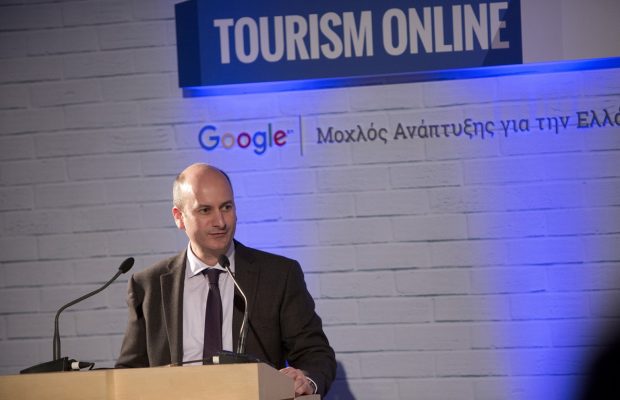
    “The key to current and future success for travel businesses lies in getting mobile right,” Ms. Ha Lam Tu Quynh, Head of PR & Communications at Google Asia Pacific, told a recent conference on “Solutions for the Development of Vietnamese Tourism Businesses” in Ho Chi Minh City.

    Vietnam welcomed 10 million tourists last year, a 26 per cent increase from 2015, and the industry contributed 6.6 per cent of GDP, with the target for 2017 being 10 per cent of GDP.

    The conference heard tips and tools to help over 30 small and medium sized enterprises (SMEs) in Vietnam’s travel industry win on mobile.

    “Mobile has transformed the way we live our lives,” Google noted in the report. “It’s speed and convenience has changed everything from shopping to entertainment. Mobile has also changed the way we travel. Tourism in the past used to mean paper maps and hefty guide books, but now you can carry all the information you need in your smartphone, not to mention all the stages of booking flights and hotels before you step on the plane.”

    In the mobile world, time is money so slow sites or apps lead visitors to head elsewhere. A study by DoubleClick revealed the stark finding that 53 per cent of consumers will abandon a site if it takes longer than three seconds to load.

    Businesses can also receive good support from Google via consultancy sessions with accredited Google Developer experts or discounts from Google’s special deals with market-leading website designers.

    Mr. Trinh Quang Chung, Head of Google Industry, said “every Vietnamese business is an online business now, because that’s where consumers are spending an increasing amount of their time.

    For any travel business looking to attract consumers in mobile-first Asia, not being present on mobile, or offering a slow and inconvenient experience means giving competitors who are set up well an immediate advantage.

    Mobile helps Vietnamese small businesses find customers across oceans without needing to hop on a plane themselves – which is why we’re offering a range of tools and programs to help Vietnamese businesses make the most of mobile.”

  • Indonesia Promotes Tourism in Japanese Festival

    Indonesia Promotes Tourism in Japanese Festival

    The Indonesian government participated in the “Singen-ko Festival 2017” held in the Yamanshi Prefecture, Japan, to promote the tourism sector and investments in Indonesia.

    Indonesia was represented by state-owned airline PT Garuda Indonesia, assigned to strengthen the Indonesia-Japan diplomatic relationship.

    “The Garuda Indonesia team is led by Garuda Indonesia Commissioner Jusman Syafeii Djamal, accompanied by House of Representatives Commission X member Niko Siahaan, and a number of local celebrities, such as Donna Agnesia, Okky Lukman, Indra Bekti, and Vincent,” Indonesia’s special envoy for investment affairs Rachmat Gobel said on Monday, April 10, 2017.

    According to Gobel, Indonesia’s involvement in such cultural festival is a strategic way to strengthen ties between Indonesia and Japan. In addition, Garuda has served Japanese wine products from Yamanase on its flights. Therefore, Gobel said Indonesia must seize the opportunity to attract more Japanese investors.

    Data from the Investment Coordinating Agency revealed that Japan is the second largest investor with a total investment value of US$5.4 billion after Singapore in 2016. Japan has made investments in almost all sectors, such as manufacturing, infrastructure and automotive.

    In addition, Japan recorded a surplus of USD 25 billion in current trade balance in February 2017, increasing from USD 588.6 million in January. Official data from the Japanese government showed that the surplus increased by 18.2 percent when compared to last year. Bloomberg forecasted that the current account surplus reached USD 22.5 billion.

    Japan has maintained its trade balance surplus for years, thanks to positive trade balance and strong revenues from overseas investments.

  • Indonesia attempted to promote its marine tourism to new hights

    Indonesia attempted to promote its marine tourism to new hights

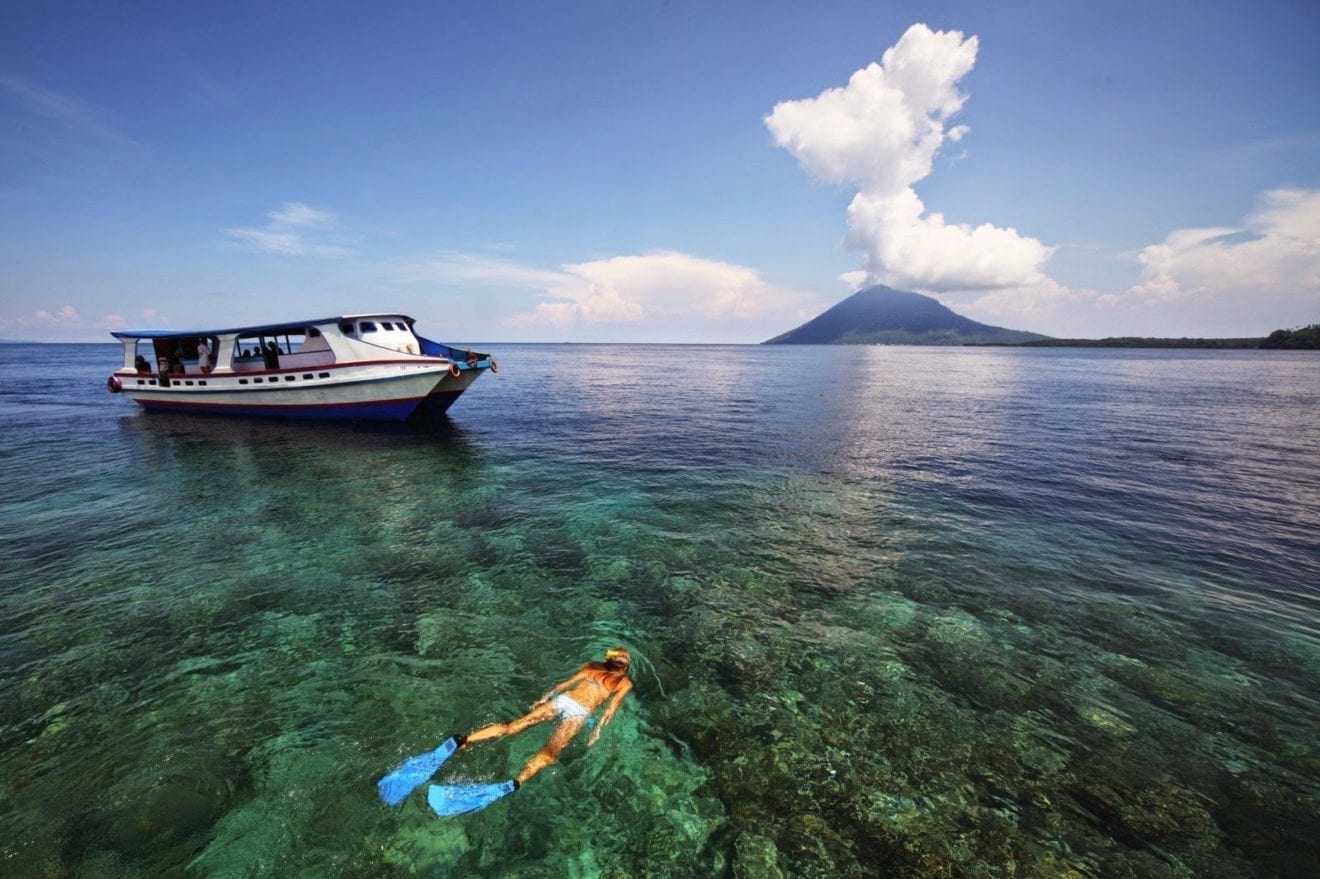
    Indonesia has promoted its marine tourism to the New Zealand, a country well-known for its sailing community.

    I Gde Pitana, Deputy Minister for Overseas Promotion at the Tourism Minister, said on Monday, April 3, 2017, that the Wonderful Indonesia promotion targeting yacht owners was aimed at promoting the Wonderful Sail 2 Indonesia by introducing a sailing route to the Sail Sabang 2017 event.

    Through the promotion, Pitana explained, the Tourism Ministry will disseminate information related to the sailing route, permit, stay duration, selected locations, and the perfect time for yachters to visit Indonesia.

    Yachters usually arrive in Auckland, Whangarei and Opua in April to enjoy New Zealand’s climate. The Indonesian government attempt to capitalize on the opportunity to promote its marine tourism.

    “Based on the tradition that has been maintained for decades, we can conclude that the opportunity to do the promotion activity in New Zealand is in March, April, or May, because after these months, they [yachters] will be heading to north to Sidney, Cairns and Darwin and pass Indonesia to Asia,” Pitana explained.

    Pitana claimed that after the conducting promotion activities in 2016, New Zealanders have shown enthusiasm to visit Indonesia.

    Vinsensius Jemadu, deputy assistant for Asia and Pacific development at the Tourism Ministry, said that the Wonderful Indonesia promotion activities for yachters in Auckland, Opua and Whangarei is scheduled to be held from March 30 to April 5, 2017.

  • Healthcare Tourists in Malaysia Mostly from Countries Such as Indonesia

    Healthcare Tourists in Malaysia Mostly from Countries Such as Indonesia

    In January, International Living (IL), an authority on global retirement and relocation opportunities, had put Malaysia in sixth place for its “10 Best Places to Retire” list. Part of the Annual Global Retirement Index, Malaysia received high scores in the “Healthcare” and “Fitting In” categories — the latter was due to the fact that the country was a melting pot of world communities, according to IL senior editor Dan Prescher.

    Last year, Malaysia welcomed more than one million healthcare tourists, who contributed more than RM1 billion in hospital revenue, said Malaysia Healthcare Travel Council (MHTC) chief executive officer (CEO) Sherene Azli.

    “There has been an overall growth in tourists for medical tourism. “From 643,000 travellers in 2011, the number rose to 859,000 in 2015. In terms of revenue, we recorded RM527 million and RM914 million for 2011 and 2015, respectively,” she said.

    “If we take other medical revenue into account, healthcare travel contributed between RM3 billion and RM4 billion to the country’s economy in 2015.” She said the travellers were mostly from Indonesia, India, China, Japan, the United Kingdom (UK), Australia and Middle Eastern countries.

    Among the treatments they sought were in cardiology, orthopedics, oncology, neurology, dental and fertility treatments, cosmetic surgery and rehabilitation services. MHTC is an agency under the Health Ministry that has been entrusted with the responsibility of promoting the country’s healthcare travel sector, which is a National Key Economic Area.

    This year, the MHTC aims to achieve RM1.3 billion in revenue, and potentially contribute RM5 billion to the nation’s gross domestic product through other medical travel revenue, including dental, cosmetic, wellness, logistics and hospitality services.

    “MHTC has also identified Indonesia, Vietnam, Myanmar and China as core markets based on the volume of healthcare tourists received, as well as growth potential of the respective markets.

    “Additionally, we have representatives in Indonesia (Jakarta), Myanmar (Yangon), Vietnam (Hanoi and Ho Chi Minh City), China, and most recently, India, to gain faster access to our core markets and facilitate potential visitors with enquiries and healthcare travel assistance.”

    She said the MHTC planned to increase its market penetration in those countries while aggressively raising the country’s profile in secondary markets like Bangladesh, Australia, the UK and the Middle East. The number of healthcare tourists from India, for example, had doubled in less than five years, she said.

    “In 2011, there were over 18,000 Indian travellers who sought various treatments in Malaysia. That figure rose to more than 39,000 in 2015 at a rate of 116 per cent.” She said healthcare tourism in the country had moved from strength to strength in the last few years.

    “The country was named Medical Travel Destination of the Year at the Medical Travel Awards for two consecutive years in 2015 and 2016 by the International Medical Travel Journal. “Malaysia was also named ‘Best Country in the World for Healthcare’ by IL’s Global Retirement Index for three consecutive years, from 2015 to 2017,” Sherene added.

    Sherene herself had been honoured as one of 50 outstanding women in healthcare at this year’s World Health and Wellness Congress in February — another global milestone for the country. To further attract foreign tourists to our shores for healthcare tourism, the MHTC has embarked on a “Malaysia Loves You” campaign in February.

    Launched by Health Minister Datuk Seri Dr S. Subramaniam, it aims to promote Malaysian healthcare in several key areas, namely quality, accessibility, affordability and ease of communication. At the same time, Sherene said the campaign hoped to increase global awareness on Malaysia’s potential as a leading healthcare travel destination.

    “We believe that Malaysia has all the qualities in international healthcare tourism. To top it off, it is easy for travellers to communicate with health professionals here, be it in English, Tamil, Hindi or Chinese.”

    Malaysian Society for Quality in Health (MSQH) CEO Kadar Marikar said the accreditation received by Malaysian hospitals and healthcare providers had raised travellers’ confidence in the country as a healthcare tourism destination.

    “Foreign patients will be well-assured of safe care when they seek medical care in MSQH accredited facilities. The accreditation process focuses on patient care with measurable safety outcomes, while minimising the risk of adverse events.

    “Accreditation of healthcare facilities and services in Malaysia by MSQH since 2000 has helped put in place the Standards of Services. Among others, it focuses on putting the right structures and processes, minimising risks as well as measuring performances to ensure safe patient care and outcome.”

    The MSQH accreditation programme is internationally-recognised by the International Society for Quality in Healthcare (ISQua). Kadar said the four-year accreditation programme also helped to build tourists’ confidence in healthcare industry providers.

    To boost the arrival of foreign patients to Malaysia and bolster their confidence in local healthcare facilities, he said medical healthcare/medical tourism facilitators should have a strong presence to assist patients.

    “We need to develop and certify professional medical tourism facilitators to make sure they are knowledgeable in the field.” International Islamic University Malaysia Associate Professor Noor Hazila Abd Manaf of the Department of Business Administration agrees.

    Noor Hazila co-authored a paper entitled “Medical Tourism Service Quality”, on the local healthcare tourism industry that focused on service quality, perceived value, overall satisfaction and future intention of medical tourists in Malaysian hospitals.

    “Malaysia already has a strong footing in the accreditation of its hospitals through MSQH. “The government has also established the MHTC, a one-stop centre to promote the country’s medical services abroad.

    “Although a relative newcomer, the results of promoting the industry can be seen from the increasing number of international patients coming to the country,” she said. Noor Hazila said her report aimed to identify important constituents of medical tourism, which might assist policymakers and hospital managers in understanding the industry better.

    “In order for Malaysian hospitals to continue competing on the global front and attracting more international healthcare tourists, it needs to follow the examples of leading medical tourist hospitals by widely publicising the outcome of their services on their websites as a means of communicating their technical competency.

    “For example, India’s Apollo Group of Hospitals publicises a 90 per cent success rate in more than 500 liver transplants they performed. “Similarly, Thailand’s Spine Institute at Bumrungrad International claimed a 95 per cent rate of success in its website for its spinal endoscopic surgeries performed on more than 600 patients.”

    Revealing information on technical competence, she said, could give patients a sense of assurance in quality. “However, browsing the websites of Malaysian medical tourism hospitals show a gap in the dissemination of such information.”

    Aside from this, she said it was also important for service providers to ensure a high quality of service from its medical staff.

    Tech and experience, a winning combination for Sunway Med

    Since winning the International Hospital of the Year award in Madrid, Spain, last year, Sunway Medical Centre has seen a steady growth in international patients.

    The award was presented by the International Medical Travel Journal. Sunway Healthcare managing director Lau Beng Long said the hospital recorded an 18 per cent increase in the number of international patients from 2015 to last year, with 13 per cent increase in revenue.

    “We found that there is a 30 per cent increase in healthcare tourist traffic and 12 per cent increase in expatriate patients.”

    He attributed the hospital’s success to its “people, our technology and our product”.

    “There are a couple of factors, I believe, have enabled us to clinch this award. We differentiate ourselves in the market by positioning it as the one-stop centre not just in medical services, but also the entire supply chain of medical tourism experience”.

    Sunway Medical Centre is strategically located in Sunway Resort City, which is a stone’s throw away from Sunway Hotel, Sunway Theme Park, Sunway Shopping Mall and Sunway University. This provided a comprehensive solution for patients who need a healing environment.

    “We also have a dedicated international patient centre team, which provides one-stop services for our international patients, ranging from providing treatment options, to cost estimate, hotel and transport booking, interpreting services and so on.

    “We serve international patients from more than 130 countries, and are recognised for orthopedics, digestive health, neurology, ENT and urology. “Last year, we set up our cancer, radiosurgery and nuclear medicine centre, which provides comprehensive solutions for cancer treatment. “

    He said Sunway Medical Centre was also the first hospital in Southeast Asia to have received the accreditation from the Australian Council on HealthCare Standards. “Ultimately, people are our best asset. We take pride in our specialists, majority of whom are trained overseas in Australia, the United States and the United Kingdom, and also our dedicated nursing and allied health teams.

    “With technology and experienced, SunMed is the first private hospital in Malaysia to perform total joint knee replacement surgery using computer navigation, deep brain stimulation for Parkinson’s Disease, endoluminal grafting for abdominal aortic aneurysm, cornea transplant, etc.

    “Overall we see a balanced distribution of patients coming for different treatments.” On the profile of medical tourists visiting the hospital, he said most of the patients were from neighbouring countries.

    “Again, we are seeing a fair distribution of patients from Southeast Asia, South Asia, North Asia, Middle East and the West. “Top of the list are patients from Indonesia, China, Bangladesh, Yemen, India, Australia, Pakistan, the US, Japan and Maldives.

    “A majority of our foreign patients are aged 30 and over. The length of stay will vary based on their treatment and procedure.” He said the hospital was currently undergoing an expansion.

    “Upon completion of Tower C in the second quarter of this year, there will be 600 beds at Sunway Medical Centre’s facilities, with 180 consultation suites and 1,470 parking bays.

    “We are also growing our services to strengthen our centres of excellence, recruiting more consultants and nurses to provide competent care, upgrading our facilities, and introducing more technology,” he said.
  • Thai street-food apps help tourists

    Thai street-food apps help tourists

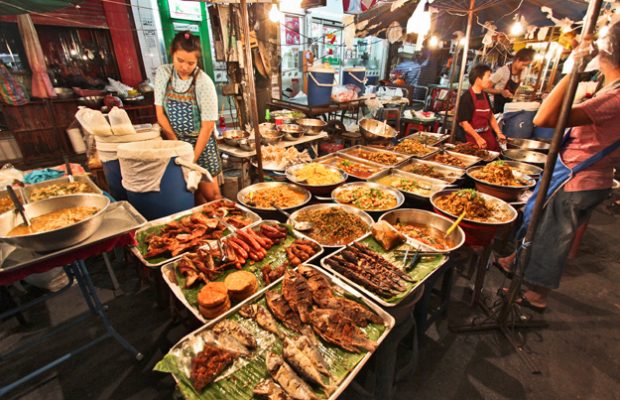
    Three Thai street-food apps have been launched offering tourists details of the nation’s top roadside eateries.

    Street Food Bangkok, Street Food Chiang Mai-Chiang Rai and Street Food Phuket have been launched simultaneously to promote Thai food to foreign visitors as well as enhance Thailand’s tourism image. It is a venture of the Ministry of Foreign Affairs in co-operation with the Thailand Foundation, an independent agency founded in 2007 to promote better understanding of Thailand.

    The Thai street-food apps, both Android and iOS, are free for foreign visitors to download and all information is available in English or Chinese.

    The Bangkok Street Food App includes information on street food from 120 shops and stalls, covering 25 types of dishes.

    Street Food can be searched by dish or by location, and users can save favourite stalls to a quick-access menu. The descriptions usually include information on the restaurant’s history and owners, as well as their particular take on their speciality dish.

    The apps link with Google Maps to help users find their preferred outlet. The name and directions to each restaurant are given also in Thai script so visitors can show it to their taxi driver.

    The database may be expanded in the future under the second phase of the program.

  • Macau dining, retail recovering

    Macau dining, retail recovering

    Macau dining revenue is rising with more than half the city’s restaurants surveyed by the Statistics and Census Service (DSEC) reporting improved sales in January.

    And retail was also buoyant, with 53 per cent of retailers reporting increased January sales, up by 11 points from December.

    The data shows growth by 61 per cent of restaurants and similar establishments, up a substantial 27 points from December.

    However, 28 per cent of restaurants covered reported a drop revenue, down by 16 points from December.
    In retail, all leather goods retailers reported higher year-on-year sales.

    Restaurant managers say they expected slower business after the Lunar New Year, with 56 per cent anticipating increased or stable revenues for February. However, 44 per cent predict lower receipts.

    Retailers are also expecting less February business, the DSEC saying that only 17 per cent anticipate higher sales, an eight-point decline.

    For its Business Climate Survey, the DSEC covered 167 restaurants and similar establishments, as well as 135 retailers.

  • Papua focuses on developing tourism in Biak and Supiori

    Papua focuses on developing tourism in Biak and Supiori

    The Papua administration has focused on developing tourism in the districts of Biak Numfor and Supiori.

    “So far, two regions have become a priority for tourism development, notably the districts of Biak Numfor and Supiori,” Ysh Is Matutina, head of the tourism office of Papua, stated here, Thursday.

    Tourism development has been carried out since 2016.

    Several tourist attractions and destinations in Supiori have been identified by the local tourism offices of Papua and Supiori.

    The development is aimed at attracting more domestic and foreign tourists.

    In Biak Numfor, the priority is to develop the Sausapor Beach. Several other tourist attractions and destinations are also being developed.

    Meanwhile, the number of foreign tourists visiting Biak Numfor District, Papua Province, increased to 3,399 people in 2016, as compared to 1,779 in the previous year.

    The increase was the result of intensified tourism promotion activities carried out by the Biak District administration, Enias Rumbewas, spokesman of the Biak Numfor district government, noted recently.

    Foreign tourists from Japan, the Netherlands, Australia, China, and several European countries, among others, visit Biak.

    The number of domestic tourist arrivals also surged from some 28 thousand in 2015 to 30 thousand in 2016.

    Among the existing tourist attractions in Biak are the World War II wreckage, maritime scenery, and its unique cultural diversity regularly showcased at the Biak Munara Wampasi festival.

    This year, the festival will be organized in July and will feature activities, such as traditional snap mor fishing, Mansusui boat race, and a visit to the Padaido/Aimando islands.

    The Biak Numfor district government has allocated funds worth Rp1 billion through the local Tourism Office to ensure the success of the cultural festival.

    Last year, the festival was held on Jul 1-4 to showcase traditional Japanese “katana” vintage samurai swords from World War II.

  • Bali to intensify tourism promotion in Saudi Arabia

    Bali to intensify tourism promotion in Saudi Arabia

    The Bali provincial administration will intensify tourism promotion in Saudi Arabia following a vacation of King Salman bin Abdulazis al-Saudi on the island.

    “Logically, when their King came here, his people would also like to visit. Moreover, the royal family seemed to very much enjoy their vacation in Bali,” Cokorda Bagus Pemayun, secretary of the Bali tourism office, said here, Sunday.

    The Kings visit was fresh air for Balis tourism because there had been a difficulty in attracting Middle Eastern tourists to Bali so far, he said.

    He believed the Kings visit has changed a perception of the Saudi people about Bali, and therefore it would be a golden opportunity for Bali to explore the Saudi market.

    The fact that the King and his family decided to extend their visit to Bali showed that King Salman al-Saud and his family felt happy with their vacation in Bali, he added.

    King Salman bin Abdulaziz al-Saud left Bali for Japan on Sunday at 11:15 a.m. local time after enjoying an eight-day holiday on the island.

    The Saudi King was holidaying in Bali from March 4 to 12, after paying a state visit to Jakarta on March 1-3, which is considered to be historical as a Saudi king had lasted visited Indonesia 47 years ago.

    The Bali tourism official has seen the Kings visit as a major tourism promotion for Bali.

    Middle Eastern tourists are in general high spender, with an average spending of US$ 1,800 per person per visit, compared to US$1,2000 per visit by other foreign tourists.

    The Arabs usually spend 10.08 days per visit, which is also much longer than other foreign tourists.

    “They usually come during Hajj pilgrimage season and summer,” he noted.

    Over the last five years, the number of Middle Eastern tourists visiting Bali, has increased by an average of 38.7 percent a year, he remarked.