Tag: tourism

  • ASEAN Tourism Ministers Stir the Pot for Gastro Tourism in Southeast Asia for 2018

    ASEAN Tourism Ministers Stir the Pot for Gastro Tourism in Southeast Asia for 2018

    The ASEAN Tourism Forum ended on a high 26 January, with ASEAN tourism ministers itemising a list of achievements for the region’s robust travel and tourism sector.

    Lauding the completion of a strong VisitASEAN@50 campaign in 2017, which generated a better than expected response, ASEAN’s 10 tourism ministers were optimistic about new marketing campaigns for ASEAN tourism in 2018 and beyond.

    The ministers revealed the following new priorities.

    There will be a new emphasis on promoting the many aspects of gastronomic travel, as outlined in the minsters’ Joint Declaration on Gastronomy and Tourism. The declaration notes that, “gastronomic tourism helps to create a strong sense of place for branding and marketing destinations, and also assists in maintaining and preserving local heritage and identity, and protecting biodiversity”.

    Cruise tourism will be developed further due to its high economic impacts. There will be renewed focus on the effectiveness of destination management, specifically environmental and social issues and the welfare of local communities that cruise tourism touches.

    Cross border bus and coach traffic will also be promoted further, following an agreement by ASEAN Transport Ministers to ease restrictions. The ministers noted that recommendations from studies on recognising domestic driving licences in neighbouring ASEAN countries could boost tourism significantly, especially if there were road enhancements along major tourism corridors.

    Ministers noted that the quality of work supplied by tourism professionals throughout Southeast Asia will continue to rise, in part, due to the completion of all 242 ‘toolboxes’ for job training. Jakarta will host a permanent secretariat in order to improve and unite tourism industry standards across ASEAN.

    Positive Legacy of VisitASEAN@50 Campaign
    The Tourism Ministers at ATF were buoyed by public and travel industry response to VisitASEAN@50 campaign in 2017. Based on preliminary figures from member states, ASEAN is expected to receive 125 million international visitors, exceeding the target of 121 million international tourist arrivals to the region set for VisitASEAN@50.

    If confirmed, this new record will indicate a growth of 8.4 per cent from 2016. Arrivals were dominated by intra-ASEAN travel, accounting for 42 per cent of total international arrivals.

    Targets for length of stay and revenue were also achieved, with ASEAN averaging 7.98 days of stay for international tourists, generating an estimated US$93 billion from tourism in 2017.

    “As we celebrate this most recent success,” said Weerasak Kowsurat, Minister for Tourism and Sports of Thailand, who chaired the Ministers’ meeting, “we still recognise the scale of the task before us and the urgency in enhancing our competitiveness to achieve sustainable development. We must therefore ensure that we unite to create the synergy which brings about inclusive growth and that none of us is left behind.”

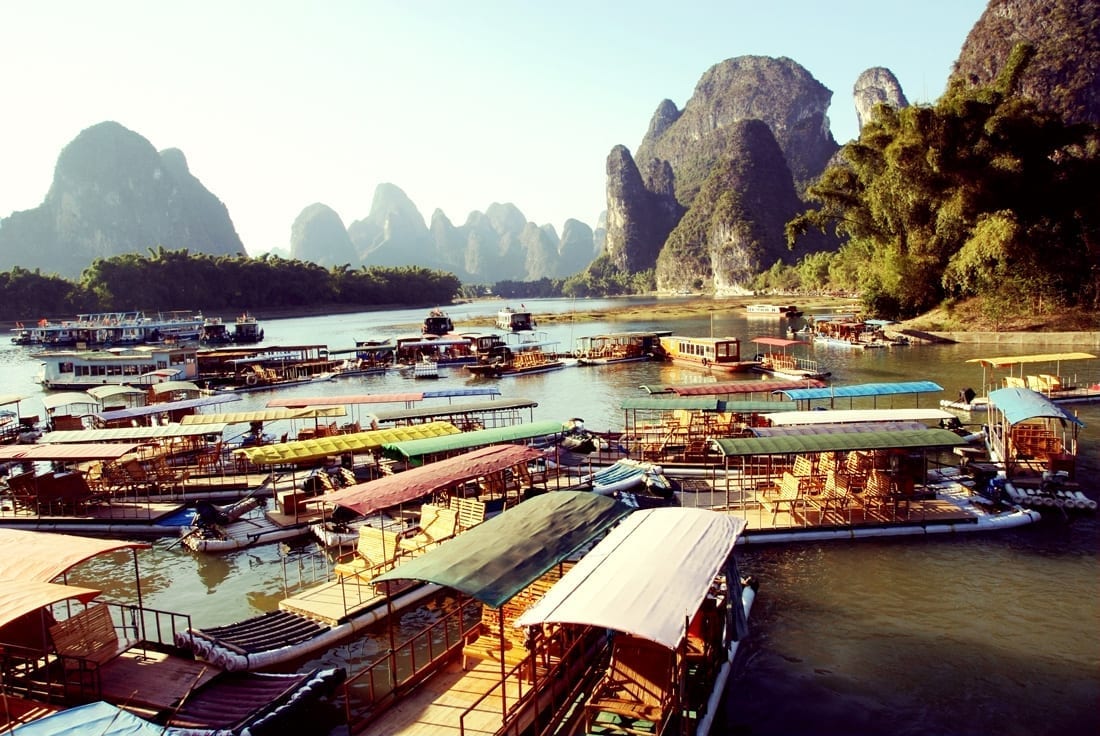
    ATF 2019 will be held in Halong Bay, Viet Nam in January next year. The 2020 edition will be in Brunei Darussalam.
  • Outrigger Konotta Maldives Resort Announces New Package

    Outrigger Konotta Maldives Resort Announces New Package

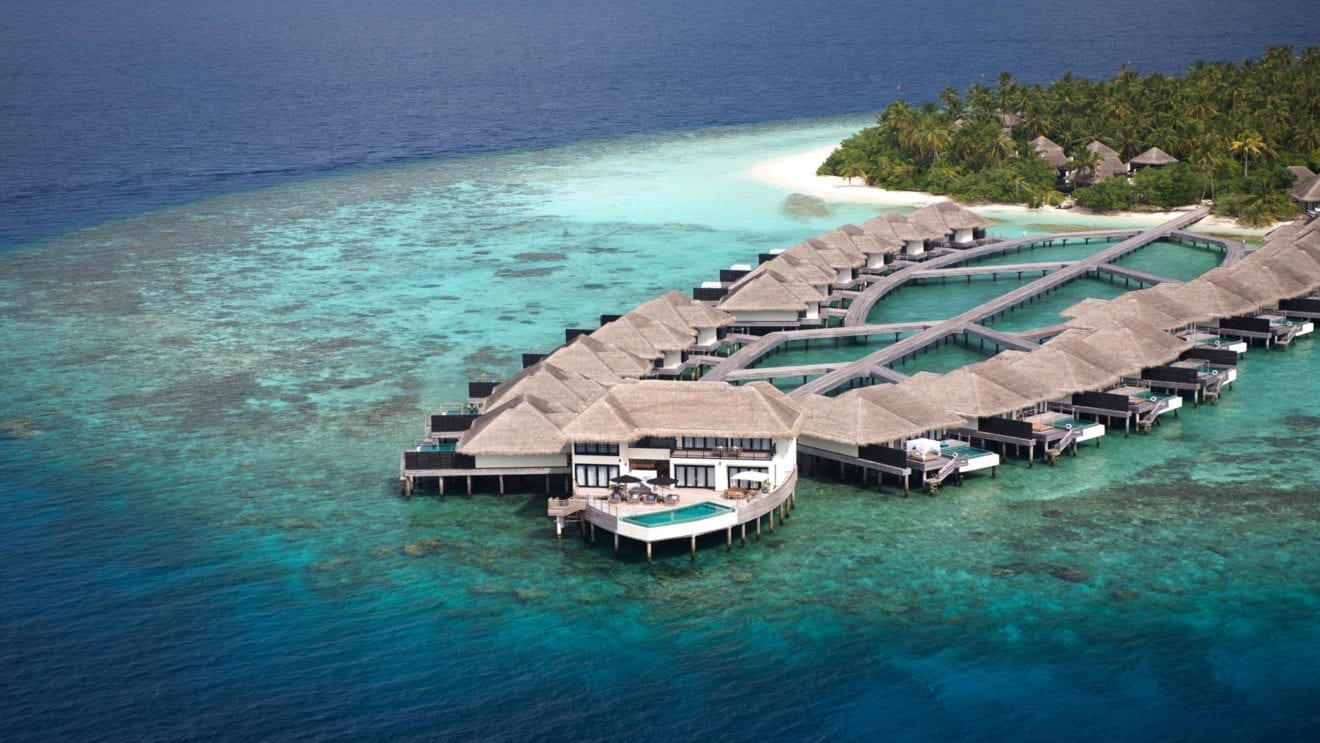
    The Outrigger Konotta Maldives Resort has announced three new exciting developments for holidaymakers: a new mega value-added Family Getaway experience, an improved All-Inclusive (AI) offering, and a new All-Inclusive Plus (AI+) package.

    The Family Getaway Experience gives a family of four to six their own private 282 sqm two-bedroom luxury pool villa with complimentary transfers by flight and speed boat from Male to the Outrigger in the beautiful south of the Maldives.

    “Our Family Getaway and all-inclusive options really allow guests to switch off from their busy lives and rejuvenate surrounded by pristine natural beauty,” says John Allanson, the resort’s General Manager.

    On site, parents can fully relax with two hours of baby sitting per day offered by the resort.

    There are great activities available. Kids can enjoy beach games, yoga, meditation, “Little” chef and “Teen” chef lessons, paper arts and craft classes, and designing their own t-shirt.

    Children eat free in the Blue Salt restaurant on the same meal plan as their parents.

    Adults have multiple options such as spa treatments, group yoga, cooking classes, the art of barbecuing, scuba diving, paddle boarding, or jet skiing.

    Activities for the whole family include a myriad of wonderful options such as swimming across the equator, family picnic on a remote island, snorkelling trips, dolphin quest, semi-submarine excursions, learning about the stars, and a private family movie night.

    Guests can do good while on holiday. They can join resort’s in-house marine biologist and participate in the island’s coral conservation and education activities, part of Outrigger’s worldwide OZONE program.

    Many of the options are included in the Family Getaway Experience. Others involve a surcharge.

    All-Inclusive and the New All-Inclusive Plus
    The Outrigger in the Maldives has also ramped up its AI offering and created a new AI+ special package. Both let couples and families relax without worrying about extras.

    The enhanced All Inclusive package now includes breakfast, lunch and dinner at The Deck and Pool Bar as well as the main Blue Salt international restaurant. It includes a great selection of wines, beers, cocktails, teas and coffees from any outlet from 11am daily.

    With a new and generous meal and activities credit system, guests can experience an array of themed dinners at Driftwood, enjoy Japanese dining in Nala Rah, have private in-villa dining or have a barbecue on the beach.

    Many non-motorised activities are also included.

    For US$99++ per person per night, experience freedom with AI+ which gives all of the above benefits plus minibar refills, great discounts on private destination dining, reductions on spa treatments and full enjoyment of the chef’s premium dining experiences at The Deck, Blue Salt, Driftwood and Nala Rah (Japanese).

    Guests also enjoy exceptional discounts on private yoga and gym sessions and on the sommelier’s premium wine selections.

    “Families can create their own private luxury world in the azure Indian Ocean at the Outrigger,” says General Manager Allanson. “Unmatched luxury is just a step away with our Family Getaway and all-inclusive options.”

  • Phú Yên ready for an explosion of tourism

    Phú Yên ready for an explosion of tourism

    Investors should turn the potential of central coastal Phú Yên Province into money, Prime Minister Nguyễn Xuân Phúc said on Friday.

    Speaking at the largest investment promotion conference held in the province, Phúc asked the locality to continue to use tourism as its development momentum.

    “The province should attract big and prestigious investors while diversifying and improving tourism quality,” he said. “It should also enhance links with other localities inside and outside the country.”

    Phú Yên has a north-south road system, railway, airways and seaway. It also has diversified natural resources, including sea economic sectors, hi-tech agriculture, agro-forestry, minerals and renewable energies.

    Phúc highlighted the advantages of the province and its dynamic authorities in welcoming “sunrise” development.

    The PM said he valued the province’s efforts in developing economic infrastructure and improving the investment environment.

    “With its advantages and hard-working people, Phú Yên can surely achieve sustainable and rapid development in the central and Central Highlands regions,” he said.

    Phúc urged Phú Yên to ensure stability, transparency and equal competition in accessing resources and business opportunities. It should also pay attention to start-ups, especially by young people in the rural areas.

    “Phú Yên was requested to follow the country’s reform flow as well as taking advantages of the Fourth Industrial Revolution in management, building e-governance and removing bureaucracy,” he added.

    The province was asked to quickly resolve investment barriers, while improving its provincial competitiveness index (PCI) and public administrative performance index (PAPI) and become known as trustworthy.

    He said Phú Yên should enhance regional associations, especially with Bình Định, Khánh Hòa, Lâm Đồng and Đắk Lắk which could supplement advantages for the province.

    It could also mobilise social resources to attract investment of clean and hi-tech industries.

    He expected the province to develop seafood and prevent illegal exploitation. Businesses and investors should protect the environment and traditional culture.

    Secretary of the provincial Party Committee, Huỳnh Tấn Việt, said the province had strong commitments to helping investors.

    Between 2011-17, Phú Yên received 284 investment projects, including 19 foreign direct investments with total registered capital of US$6 billion.

    “The province will give priorities to sea eco-tourism, culture and building distinctive tourism products,” Việt said.

    “Phú Yên will also focus on key sectors of finance, logistics, information and telecommunications; support industries, energy and agro-forestry processing.”

    Việt added that the province would seek investment in urban infrastructure, housing and real estate and establish special cultivation areas with post-harvest and processing technologies.“Investors in the province are our citizens. Their success will be ours,” he added.

    At the event, the provincial People’s Committee approved 17 investment licences worth a total of  VNĐ12.4 trillion ($558 million) and signed memoranda of understanding with others.

    These have been big scale projects, contributing to the province’s development and providing jobs for local people.

    On the same day, PM Phúc attended the inauguration of the Đà Rằng- Sông Chùa Bridges to ease congestion at the south of Tuy Hòa City and expanding Phú Yên Urban Area.

    The Ministry of Culture, Sports and Tourism also announced the PM’s decision to approve development planning of Xuân Đài Bay National Tourism Area by 2030.

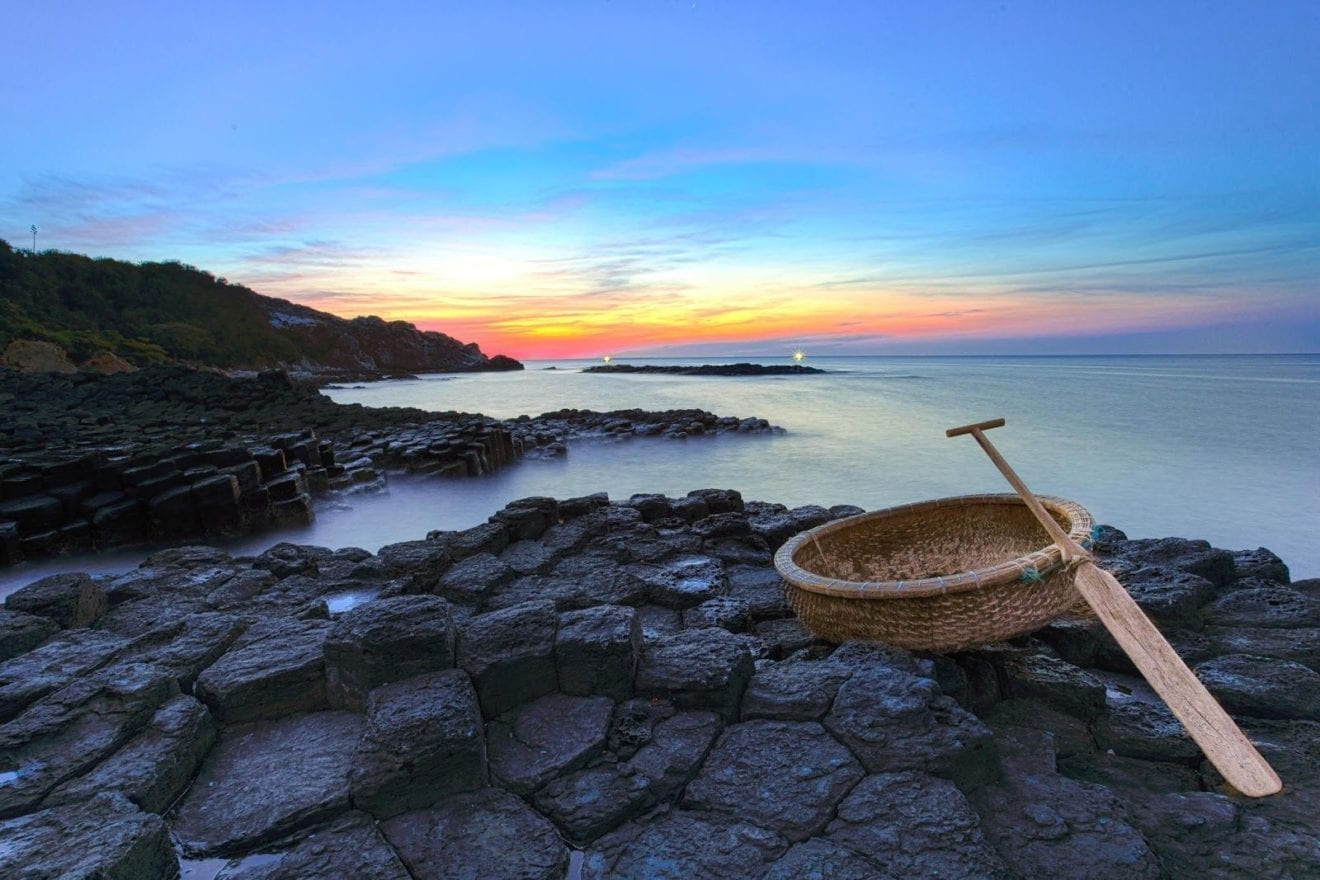
    Accordingly, Phú Yên will develop the area based on its advantages of the Gành Đá Đĩa (Sea Cliff of Stone Plates) to develop national tourism products.

    More than 500 delegates, including those from 260 domestic and international enterprises attended the conference.


  • Japan’s proposed departure tax draws mixed views

    Japan’s proposed departure tax draws mixed views

    Japan’s planned introduction of a “departure tax” on international travelers has received a mixed response, with many questions yet to be answered about how the revenues will be spent.

    Hopes are high that the recent tourism boom will continue beyond the 2020 Tokyo Olympics and Paralympics, when the government aims to attract 40 million visitors to the country that year.

    But the surge in visitors is also making it imperative for debt-ridden Japan to secure enough funding to improve infrastructure and services for foreign tourists in a country that prides itself on its “omotenashi” hospitality.

    Some visiting tourists appear supportive of the move to require each passenger to pay 1,000 yen (S$11.85) every time they depart Japan by air or sea. But other travelers, including Japanese going abroad, are unconvinced how they are going to benefit from it.

    “Paying a tax does not sound good,” said Ms Wang Pei Hsien, a 47-year-old tourist concluding a six-day visit from Taiwan.

    “But if I can get better services here, I think it is OK,” she said before flying out of Tokyo’s Haneda airport.

    The ruling coalition of the Liberal Democratic Party and Komeito party included the introduction of the new tax for international travelers in their reform package approved earlier this week.

    To spur spending by foreign tourists like Ms Wang, who bought clothes, children’s toys and medicine in Japan, the ruling bloc decided to simplify the existing tax-free system.

    Currently, at least 5,000 yen needs to be spent on general goods such as home appliances or on disposable items such as cosmetics and medicine to qualify for the tax exemption.

    But the plan is to enable foreign shoppers to combine them to reach the 5,000 yen threshold.

    Japan has seen a surge in foreign visitors in recent years, with the number already hitting a new record in 2017, exceeding the previous high of over 24 million last year.

    In 2016, the number of departures from Japan stood at around 40 million, meaning that had the departure tax already been in place it would have generated revenues of some 40 billion yen.

    “It all comes down to how the money collected is going to be spent,” said Ms Yumi Hori, a 27-year-old Japanese who was at Haneda waiting for her flight to Canada. “I wish wi-fi connections were better here.”

    Her view was echoed not only by other travelers but also officials and tourism industry professionals.

    The government is seen as hurrying to seize the opportunity to step up preparations for hosting the Olympics and Paralympics, even though experts say it should also look beyond the event to boost tourism.

    Since the idea of the departure tax emerged earlier this year, a panel of experts drew up a report on how to secure funding to make Japan a “tourism-oriented” country.

    In the report to the Japan Tourism Agency, the panel said a tax of 1,000 yen or lower should be “viable,” after studying examples from other countries and weighing the potential impact on foreign travel demand.

    Australia, for instance, charges AUS$60, or about 5,200 yen, when a person leaves the country, while South Korea requires each air passenger to pay 10,000 won, or about 1,000 yen, and 1,000 won when departing by sea.

    As recent brisk travel demand from Asian countries has been supported by low-cost carriers, economists say the introduction of the departure tax may have some impact, a concern raised by the travel industry.

    Mr Takayuki Miyajima, senior economist at the Mizuho Research Institute, said it could test Japan’s seriousness about boosting inbound tourism, a must for its longer-term economic growth.

    “The tax revenue should be used to build infrastructure and enhance connectivity to regional areas for foreign tourists, which will help revitalize these areas,” Mr Miyajima said.

    “But Japan also needs to tackle its increasingly severe labor shortage, especially in the services sector, and spending money to do something about it could be an option.”

  • Tourism sector likely ended 2017 on strong note

    Tourism sector likely ended 2017 on strong note

    Ask hotel owners and others in the tourist industry about last year and the prospects for 2018 and they will likely give you a thumbs-up; ask retailers and you might get a big frown.

    The two sectors are intertwined to a great extent, yet their fortunes have veered widely over the past 12 months. While visitor numbers have kept surging and are tipped to go even higher this year, the cash registers at local shops remain muted, with sales flat and recording only marginal increases.

    The rise in tourist visits has been striking, with 2017 ending on a strong note, bolstered by growing arrivals from China. Preliminary estimates from the Singapore Tourism Board (STB) show that 13.05 million visitors came here in the first three quarters of last year, up 5 per cent on the same period in 2016.

    Arrivals from China shot up nearly 10 per cent to 2.49 million, as the STB’s efforts to better engage Chinese visitors and reach out to more second-tier cities appear to be paying off.

    Arrivals from Indonesia, which has traditionally been Singapore’s top source market, were lower than China’s at 2.17 million but still up 2 per cent on the same period in 2016.

    The STB had forecast arrivals of 16.4 million to 16.7 million for last year as a whole, while tourism spend was expected to come in at between $25.1 billion and $25.8 billion. However, if arrivals had continued at this pace in the last quarter of 2017, Singapore could have surpassed the threshold of 17 million visitors.

    Ms Selena Ling, OCBC Bank’s head of treasury research and strategy, said: “Visitor arrivals growth should remain healthy into 2018, as the easing headline GDP growth (in China) is unlikely to fully curb the Chinese appetite for overseas travel.”


    Mr Vishnu Varathan, head of economics and strategy at Mizuho Bank, said that Chinese government restrictions on travel to South Korea could also mean spillover benefits for Singapore.

    However, both economists highlighted that global competition for the tourist dollar is heating up, which could present a challenge for Singapore.

    STB data shows that total room revenue for the first nine months of last year fell 2 per cent year-on-year to $2.39 billion while revenue per available room (RevPAR) was flat at $201. The increased supply of rooms meant the industry-wide average room rate dipped around 1 per cent to $233 while the average occupancy rate edged up 1 percentage point to 86 per cent.

    Economy hotels had the biggest growth in RevPAR, clocking a more than 5 per cent increase to about $85. Economy and luxury hotels were the only segments to register increases – albeit marginally – in average room rates.

    CBRE Hotels (Asia-Pacific) projects occupancy for last year as a whole would have reached around 85 per cent, up almost one percentage point from 2016.

    “This has been driven by a strong growth in visitor numbers, which will exceed 17 million,” said CBRE Hotels executive director Robert McIntosh. “However, these visitors are spending less time here so the growth in arrivals has resulted in a lower rate of growth in room nights sold. The result is that room rates have declined marginally and therefore the revenue per room has been flat.”

    The supply of new hotel rooms is expected to taper off in 2018, which should provide some relief.

    “Occupancy is likely to fall slightly and room rates are forecast to stabilise,” said Mr McIntosh. “The declines of the last few years appear to have stopped, provided the economy and the visitor numbers can keep growing.”

    Corporate demand will also likely pick up next year, he added, although companies are increasingly placing employees on short-term projects, which means a reduction in the length of stay.

    The picture is slightly less rosy for the retail industry, which is dealing with headwinds such as high operating costs and competition from online shopping. Sales in the third quarter rose 0.9 per cent year-on-year, a decline from the 1.4 per cent in the second quarter.

    Ms Ling said: “This suggests that there may not be significant cheer for the peak year-end season on the domestic consumption front, especially since many Singaporeans usually travel during the school holidays, in addition to medium-term structural changes like e-commerce.”

    Mr Varathan noted that the improving Singapore economy has yet to filter down to the headline retail figures, at least not compellingly.

    Nonetheless, the pick-up in economic growth and “exuberant” stock market conditions could have boosted retail sales for certain segments, he added.

    For instance, sales of luxury goods such as watches and jewellery have risen more than 5 per cent for the January to October period in both real and nominal terms.

    Mr Varathan warned that “rising energy prices and food costs could start to dent discretionary income, especially if rising interest costs begin to be felt by households with financing commitments” in 2018.

    One potential bright spot for retailers could be tourism spend, which could help to dispel some of the gloom. In the first half of last year, tourist shopping receipts jumped by a solid 20 per cent, while total tourist receipts rose at a lower 10 per cent. The Chinese emerged as the biggest spenders.

  • What Hong Kong should do to boost our tourism sector

    What Hong Kong should do to boost our tourism sector

    People from other places may find it hard to imagine, but Hong Kong, although such a small city, can accommodate more than 50 million tourists each year. Of course, most of them are from the mainland.

    But the government should think of how to overhaul our tourism industry and rebuild Hong Kong into a place for cultural nourishment and entertainment activities, rather than just a big shopping mall.

    Chief Secretary Matthew Cheung said more than 52 million tourists visited Hong Kong in the first 11 months of 2017. That’s a 3 percent increase from the same period last year.

    He revealed in his blog that visitors from the mainland and the rest of the world both registered increases. The number of overnight visitors went up by 5 percent in the first 10 months of 2017, from the same period a year ago.

    More than 70 percent of the tourists came from the mainland, while those from other countries including Taiwan, South Korea, Japan and Europe just accounted for 30 percent.

    Hong Kong’s tourism industry, which employs more than 280,000 people, remains heavily dependent on mainland tourists, even after the sector has been hit hard by Chinese President Xi Jinping’s far-reaching anti-corruption campaign since 2012, which caused big-spending mainland shoppers to stay away from the territory. 

    But there are signs they are returning to the city this year. In fact, tourists from across the border treat Hong Kong as their supermarket rather than a place for leisure activities, given the perception that the quality of products and level of consumer protection in the city are higher than those on the mainland.

    But this over-reliance on mainland tourists has distorted the development of local tourism as landlords turn shopping malls originally intended to cater for the needs of the local community into attractions for mainlanders. Such orientation has not only affected the daily lives of local residents but has also turned Hong Kong into a shopping mall city, with malls housing similar retail shops and restaurants offering the same goods and services in all districts from Central and Mong Kok to Sheung Shui and Tung Chung.

    Chief Executive Carrie Lam’s administration understands the challenges facing the tourism industry, but it has not veered away from its old strategy of pouring money into hardware rather than building the city’s “soft power” to highlight the city’s uniqueness as a former British colony and China’s global gateway.

    One of the government’s biggest mistakes in trying to boost the city’s tourism industry is its decision to invest another HK$5.45 billion in Hong Kong Disneyland for its expansion plan. The investment only benefited Walt Disney while Hong Kong is left holding an empty bag as other Disneyland resorts in the region, i.e., in Shanghai and Tokyo, proved to be tough rivals.

    The government should instead promote its own uniquenes through a light show featuring our old districts.  We could, for example, try to bring back nostalgic memories of the old Hollywood Road in Central, showcasing the old office building of Wah Kiu Yat Po newspaper, the Dr. Sun Yat-sen Historical Trail, and other aspects of our storied past.

    While those buildings no longer exist in the real world, we could make use of new technologies such as augmented reality or virtual reality that allow tourists to visit the past by using their mobile phones or other smart devices.

    Perhaps, the government can partner with the newspaper society to come up with gimmicks like giving away old copies of Chinese newspapers – with the tourists’ pictures published on the front page – as souvenirs as well as a reminder of our rich history of press freedom.

    Such a model can be replicated in other different districts of Hong Kong to highlight the colorful tapestry of our culture and society that is older than the British colonial period.

    Another initiative to revive our tourism industry is to sponsor international sporting, cultural and entertainment events. The West Kowloon Cultural Zone could play a leading role in boosting our tourism industry by promoting Hong Kong as a cultural and entertainment hub.

    The government said it will come up with a comprehensive development plan for our tourism industry with new attractions and offerings. It’s about time we did.

  • Indonesia to promote tourism in Melbourne

    Indonesia to promote tourism in Melbourne

    The Tourism Ministry is going to host Business Gathering event on Dec. 14-15 in Melbourne, Australia.

    The ministry has invited travel agents, tour operators and media to take part in this event.

    “The distance between Australia and Indonesia is not that far and Australians are very interested in destinations in Indonesia. Moreover, 90 percent of them have their own holiday schedule and high buying power for holiday tour packages,” said the ministry’s deputy minister for overseas promotion I Gde Pitana.

    “Our target is to inform the Australian people that Bali is safe now; the eruption has come down. The distance between Mount Agung to Denpasar is 65 kilometers. Bali Promotion is back. If nothing gets in the way, the 15 million target can be achieved,” Pitana added.

    During the gathering, the ministry will conduct a presentation about destinations in Indonesia and entertain visitors with traditional dance performance and souvenirs.

    “Melbourne is chosen because it’s the best business and shopping center in Australia,” told the ministry’s deputy assistant for Asia-Pacific tourism promotion, Vinsensius Jemadu.

    The number of tourism visits from Australian tourists is the four highest in Indonesia.

    This year, the ministry is aiming to welcome 1,816,000 tourists from Australia, an increase by 29 percent from last year’s target, which was 1.4 million people. (kes)

  • Tourism kicks up Hong Kong retail sales

    Tourism kicks up Hong Kong retail sales

    Continuing revival of inbound tourism and optimistic consumer sentiment drove a 3.9 per cent increase in Hong Kong retail sales in October.

    And two consecutive months of solid increases has lifted the year-to-date increase to 1.2 per cent.

    Official Census and Statistics Department figures estimate the total value of retail sales in October at $37.5 billion. The month’s rise followed a revised 5.7 per cent figure for September.

    C&SD said that after netting out the effect of price changes over the same period, the volume of retail sales in October increased by 3.6 per cent year-on-year and by 5.7 per cent in September.

    As expected, sales of jewellery, watches and luxury gifts drove the revival, rising 8.4 per cent year-on-year. Sales of medicines and cosmetics rose 9.9 per cent, of food, alcoholic drinks and tobacco by 8.5 per cent, apparel sales by 7 per cent and department store sales by 6.2 per cent.

    Sales of electrical goods and photographic equipment fell 2.2 per cent and of books, newspapers, stationery and gifts by 2.4 per cent.

    A government spokesman indicated that the favourable income and employment situation, together with the ongoing recovery of inbound tourism, should continue to render support to retail business in the near term.

  • All about tourism in Asia

    All about tourism in Asia

    Leading insurance company, AIG brought together expert panelists from leading organisations Agoda, Hong Kong Airlines and Sunflower Travel to talk about the latest travel trends, habits and risks for travellers from Hong Kong.

    All of the panelists confirmed that their data shows the top destination for all generations of Hong Kong travellers is Japan.

    Meeting these demands, Hong Kong Airlines, has increased its flight departures to Japan and is now the carrier with the most flights from Hong Kong, providing 85 per week.

    Data analysis from Agoda, showed that over the last five years, the demand for Japan has dramatically increased with up to 40% of Hong Kongers choosing this as the number one holiday destination.

    Safety of a country is the main priority for people in Hong Kong. In the last two years, Eastern Europe and Russia have become popular destinations for travellers looking for safer and visa-free long-haul destinations.” Dennis Owen, General Manager of Branding and Social Media at Hong Kong Airlines added, “The top overseas destinations are Japan, Taiwan and Thailand. In 2018, we will see other up and coming destinations including the Maldives, which we have just launched direct routes to following the demand. Other popular destinations will include long-haul travel to the USA.”

    A recent survey by MoveHub, identified Hong Kong citizens as the world’s biggest travellers, taking over 10 holidays a year. According to ESD Life, people from Hong Kong spend 70% of their annual leave travelling overseas.

    Business Monitor International research showed that outbound departures from Hong Kong increased by an estimated 4.7% year-on-year and forecasts that this will keep increasing each year.

    “Social media is playing a huge role in helping the younger generation define their travel choices. People trust people, friends and families over brands. They see their friends posting on social media and want to go to those places. There has also been a significant increase in Hong Kong travellers booking their flights using their mobiles, especially since the screens have become larger and it is easier than ever to use the booking apps. Hong Kongers are price savvy and will book their trips overseas around airline promotions to secure a good deal. In 2018, we expect to see a growing trend for in-depth travel with people focusing on one place to visit rather than multiple destinations. Interest in visiting secondary cities will also increase, especially in countries like Japan,” added Dennis Owen, from Hong Kong Airlines.

    Peter Allen, Managing Director at Agoda Outside, commented, “A large proportion of our customers booking online are Millennials, aged between 31-40 years old. We have found that people in Hong Kong are planners and book their travel up to seven weeks in advance, earlier than any other market in the region. We can also see that they are booking traditional hotels, spending an average of HKD $1,000 per night for short-haul accommodation. Travellers are choosing mid-range hotels with 3 – 3.5 stars however, when travelling to longhaul destinations, they will choose to upgrade to 4 – 4.5-star properties. We are also beginning to see a rapid increase in Hong Kongers booking non-hotel accommodation, especially when visiting Japan during the summer holidays. One reason for this is visitors are wanting to experience how locals are living and will opt for an apartment instead.”

    According to Terrence Leung at Sunflower Travel, “The group travel sector in Hong Kong is dominated by people aged 40 plus with more disposable time and income. With the emerging trend for authentic experiences, retirees are looking for extraordinary journeys, including luxury river cruises along the Amazon and fly-cruises to Antarctica with an average travelling time of 9-12 days for long-haul trips. We also work closely with primary and secondary schools in Hong Kong, arranging educational student group trips to nearby destinations including Singapore, Taiwan, Korea and Japan. The Hong Kong Government is very passionate about this and supports students visiting and learning about other countries.”

    Commenting on new travel trends in the market, Catherine Mak from AIG added, “AIG is always adapting to the way people are travelling. Over the last year, we have noticed a demand for people looking to be protected when taking part in marathon-running holidays. In response to this growing trend, we have adjusted our Travel products.”

  • Chinese tourists still missing in Korea, but improvement may be on the horizon

    Chinese tourists still missing in Korea, but improvement may be on the horizon

    According to reports, the long-stagnant economic relationship between South Korea and China, prompted by tensions over the controversial missile defense system that was deployed is showing early signs of a revival, especially in sectors such as investment, tourism, and retail.

    Myeongdong, a well-renowned shopping street in Seoul, was often packed with Chinese tourists, but after the two countries’ relationship went sour, Myeongdong became more and more deserted. Recently a slight increase of Chinese tourists at Myeongdong are noticeable.

    A report by the Seoul-based Aju Business Daily published on Monday noted that a 25-people tour group from Shanghai will arrive at Jeju Island in South Korea around November 28, the first tour group from China to South Korea since political disputes cut off organized commercial tourism between the two countries. It did not give details about the organizers and participants of the tour.

    China’s trade with South Korea also rose by 11.4 percent year-on-year in the first ten months of this year, customs data showed on November 8.

    According to an Aju Business Daily report published on October 26, in the first nine months of this year, South Korea received about 3.19 million visitors from China, down almost 50 percent compared to a year ago.

    As revival signs emerged over recent days, South Korean retailers rolled up their sleeves to cater to Chinese consumers. For example, in mid-November, the Seoul-based Shinsegae duty-free store welcomed some Chinese Internet celebrities to help advertise some of their products, with the aim of attracting more Chinese customers to the country.

    Furthermore, the Seoul-based Shilla duty-free store has also designed a special app for Chinese tourists where they can exchange their tax bills for shopping coupons.

    A customer service staff member from Utourworld.com Inc, a Shanghai-based travel agency specializing in overseas tourism, said that the company canceled all its tours to South Korea around May and has not yet restarted them. She also said she is not sure whether those tours will be re-launched in the future.

    China CYTS Tours Holding Co, also a travel agency, made similar comments.

    Shanghai-based Spring Airlines, said that his company is running 32 flights to South Korea in the 2017 winter/spring season, compared with 46 flights in the same period in 2016.

    “Recently, we have not  added new routes to South Korea .

    A representative from Lotte China, whose business has slumped a lot due to the company’s deep involvement with the THAAD issue, said that so far, the company’s business in China has not seen any significant improvements. She also said that the company is formulating new plans concerning the Chinese market, but has not confirmed the plans yet.

    Time will heal the situation slowly.

  • Vietnam’s ‘Little Paris’ tells tourists to be ‘decent’ and ‘civilized’

    Vietnam’s ‘Little Paris’ tells tourists to be ‘decent’ and ‘civilized’

    Lam Dong Province, home to the popular highlands resort town of Da Lat, has issued a list of rules for tourists that includes a dress code and shopping guidelines.

    The code of etiquette, drawn up by the province’s tourism department, asks visitors to be “civilized, decent and responsible”, Tuoi Tre newspaper reported.

    They should wear suitable clothing, respect cultural differences, avoid littering and stealing, and queue in line when they are shopping or buying tickets.

    The purchase of undocumented goods and wildlife products is deemed “inappropriate” behavior, the rules state.

    Hotels, restaurants and other services are also warned not to overcharge, sell copycat or low quality products, or pester customers.

    The code of conduct is based on a national set issued by the tourism ministry in March this year, and will be printed in Vietnamese and English in time for the annual Da Lat Flower Festival in late December.

    Lam Dong received around three million visitors in the first half of this year, of which foreign travelers increased 44.3 percent from a year ago to more than 204,400.

    The Central Highlands province is best known for Da Lat, which is often dubbed “Little Paris” due to its colonial history.

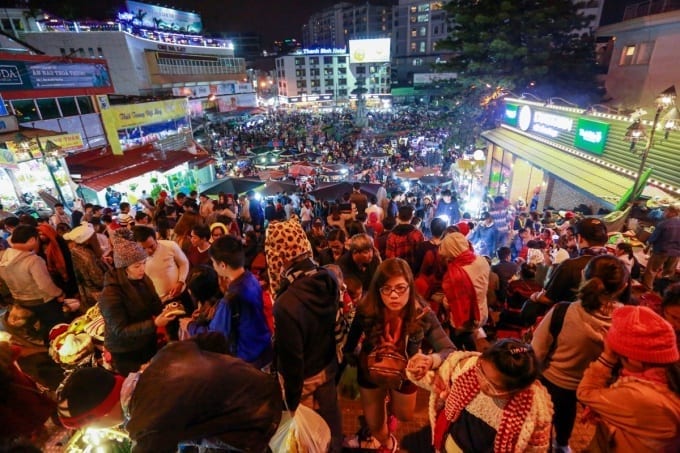
    But like many places across Vietnam, Da Lat has both benefited and lost out to the recent travel boom.The mostly quiet and charming town, surrounded by pine trees, flowers and vegetables farms, is famous for its cool climate and has gained in popularity both as a romantic getaway for lovers and an oasis in a country that usually sweats all year round.

    Its center is covered in garbage on big holidays, when complaints of thefts and rip-offs are not uncommon.

    This year, Da Lat has reported multiple cases of local gangsters and racketeering gangs colluding with businesses to scam travelers, usually on strawberry farms or in souvenir shops.

    The gangs have reportedly threatened to assault tour guides and drivers from several travel companies who have refused to lure tourists into their traps.

    The issue got physical in May when a tourist was beaten after trying to return a product, prompting the government to order immediate measures be taken to protect visitors from these new groups of gangsters.

  • Saigon says delayed first river bus will launch in late November

    Saigon says delayed first river bus will launch in late November

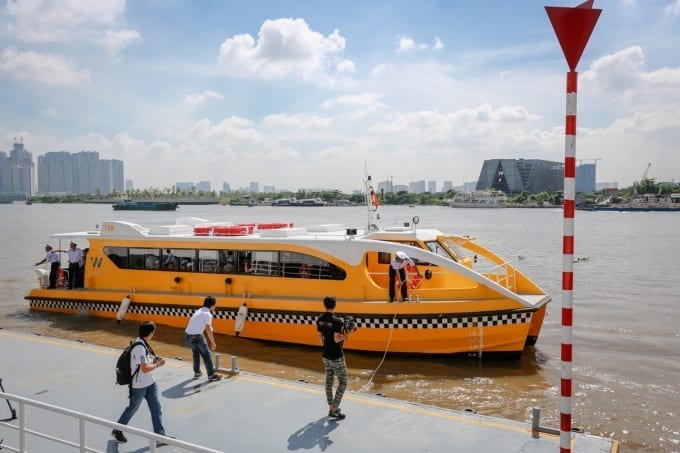
    Saigon’s first river bus service will hopefully be up and running later this month, according to local authorities.

    The service will cruise 10.8 kilometers (6.7 miles) from Bach Dang Wharf in District 1 to Linh Dong Station in Thu Duc District, passing through District 2 and Binh Thanh District.

    With 12 stops in total, the entire trip will take half an hour, cutting a third off the time it would take to travel by road and costing just VND15,000 (66 U.S. cents).

    The first river bus was due to launch this summer, but the city has kept passengers waiting on the dock. In August, it said that construction delays would not allow the first river bus to set sail until October.

    The city’s transport department explained that as it is the city’s first river bus, it wants to make sure the service is as user-friendly and convenient for passengers as possible.

    However, the only passengers to have experienced the service thus far are those recruited by the city for two test runs.

    Saigon has more than 1,000km of inland waterways, so the river bus service should ease traffic and attract more tourists, director of the city’s transport department Bui Xuan Cuong told local media in August.

    A second route from Bach Dang Wharf to District 8 is scheduled to open in early 2018. The two routes are said to have cost an estimated VND120 billion ($5.28 million).

    In April, the city’s municipal administration approved two more routes connecting the downtown with new urban areas in District 7.

    In September, the city also agreed to a plan tabled by a private firm to add three more routes connecting the city’s downtown with the outlying districts of Can Gio and Cu Chi, as well as the stunning Con Dao Island, which is administered by the southern province of Ba Ria-Vung Tau and lies 230 kilometers (143 miles) away from Saigon.

  • AirAsia partners Tourism Malaysia for travel fair

    AirAsia partners Tourism Malaysia for travel fair

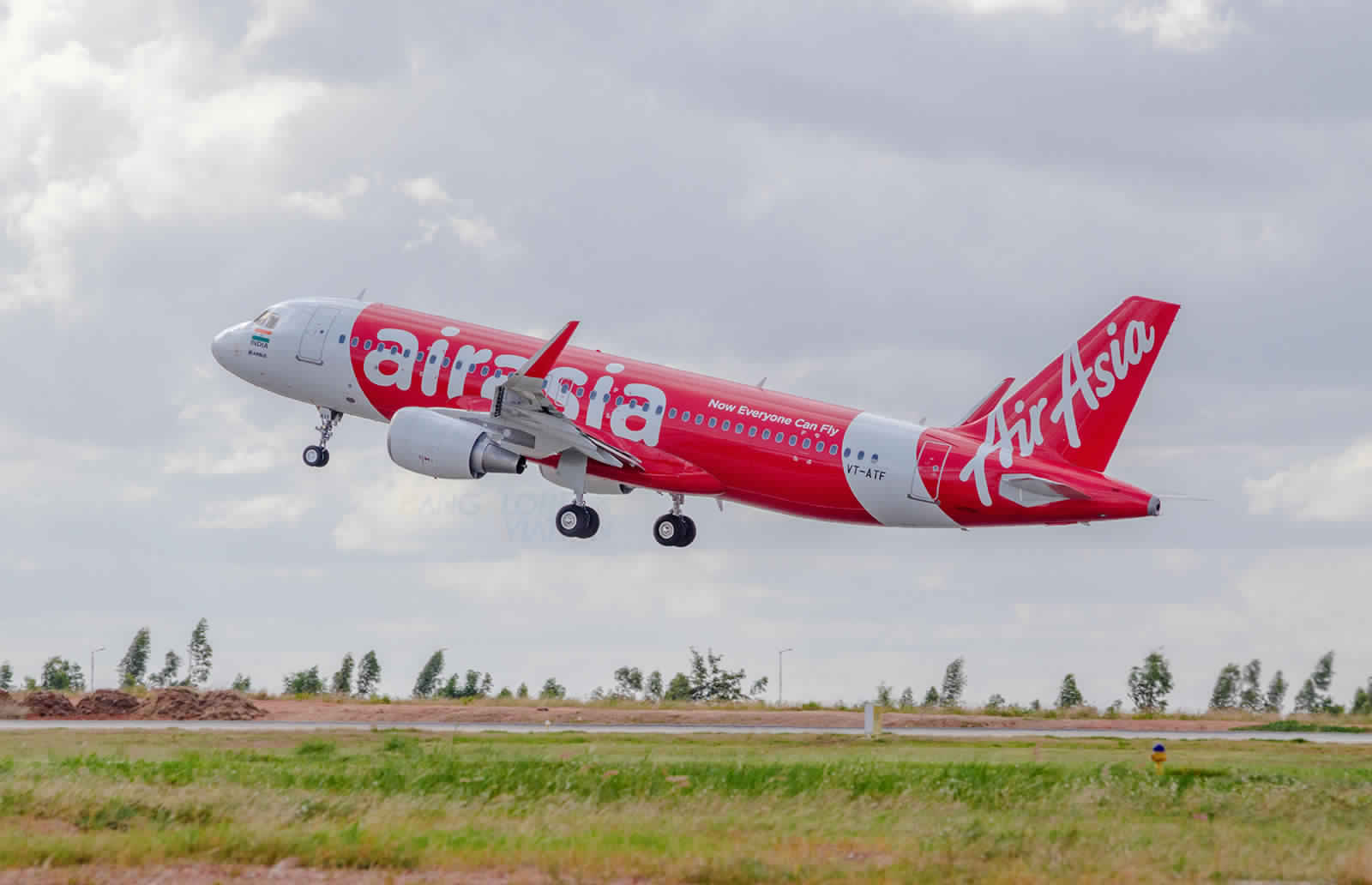
    Low-cost airliner AirAsia has announced the launch of a travel fair in Hyderabad, packed with offers, being organised in association with Tourism Malaysia.

    This fair is aimed at promoting tourism between India and Malaysia and thereby contribute to the socio-economic development of both the nations.

    During the initiative, interesting deals and offers are likely to be offered at the fair where guests can avail themselves up to 20 per cent off on their flight tickets. The offer is valid on bookings made between November 3 and November 5 for travel between November 6, 2017 and April 30, 2018.

    This discount is applicable on flights from Bhubaneshwar, Bangalore, Kolkata, Cochin, Hyderabad, Chennai, Trichy, Vishakhapatnam to Kuala Lumpur.

  • Platinum Group sees gold in Chinese tourism

    Platinum Group sees gold in Chinese tourism

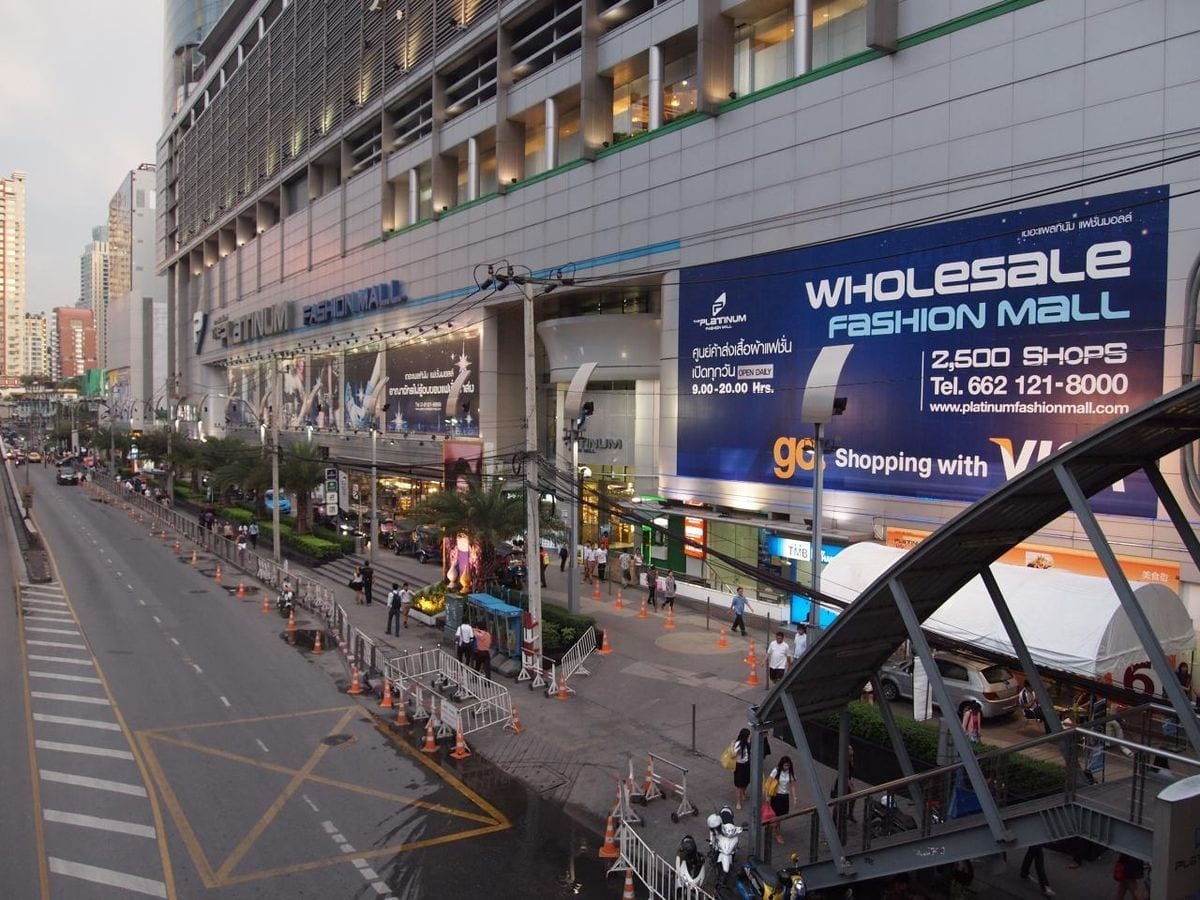
    Mall company The Platinum Group is banking on Chinese tourism to support a retail shopping centre it plans to open next year.

    With a wholesale fashion mall in Bangkok that attracts about 15 million people annually, the group is investing about THB6 billion (US$180 million) in the project, says president Chanchai Phansopha.

    “We want to transform the company from an operator of a wholesale fashion mall into a commercial property developer,” he says. The Bangkok project is part of a wider, THB11-billion investment plan that will also add hotel and office space over five years.

    Thailand last year had nearly 9 million Chinese visitors who spent an above-average $176 a head daily.

    Chanchai says he foresees double-digit growth in sales and profit, with the new mall, The Market, expected to boost revenue at least 30 per cent in 2019.

  • Indonesia focuses on attracting more Asia-Pacific tourists

    Indonesia focuses on attracting more Asia-Pacific tourists

    Indonesia is currently channeling its efforts to attract foreign tourists from Asia-Pacific countries. Deputy for Foreign Tourism Marketing Development of the Ministry of Tourism I Gde Pitana noted in a written statement in Jakarta on Friday that his office is focusing its foreign tourism marketing program this year on markets in the Asia-Pacific region.

    “Targeted countries include China, Australia, Japan, South Korea, India, and other markets,” he revealed.

    Several promotional initiatives have been prepared, for instance, by undertaking more activities in the form of exhibitions and sales missions.

    Pitana stated that from January to December 2017, his office has prepared 54 activities in the form of 30 exhibitions and 24 sales missions.

    Festivals will be promoted through 30 activities and familiarization trips of 51 activities.

    Meanwhile, promotional activities implemented in the Asia-Pacific markets until July 2017 include participation in the Incentive Travel Convention Meeting in China, Hanatour International Travel Show, International Travel Expo in Hong Kong, and ADEX Australia.

    Furthermore, in the second semester of 2017, Indonesia will participate in several important events, such as the PATA Travel Mart, JATA Tourism Expo, China International Travel Mart, and MATTA Fair.

    “The same activities were also held in the European, Middle East, American, and African markets to exploit their potential,” Pitana noted.

    It will participate in nine exhibition events, with one each in July, August, and September; as well as two exhibitions in October; and four in November 2017.

    Among the international exhibition events is the largest exhibition WTM London and World Halal Tourism Summit.

    Pitana expects to see an increase in participation and synergy among the local government, tourism business players, and other tourism stakeholders to support the international tourism marketing program in 2018.

    “Several activities involving collaboration with the local governments include with the Aceh government for the MATTA Fair and ITB in Berlin and with the Yogyakarta provincial government in the Vietnam Travel Mart. We hope that participation and synergy between the central and local governments would strengthen cooperation with associations and other elements, such as the media, academia, and community, in 2018 ” Pitana added.