Retail News CRM

Tag: tourist

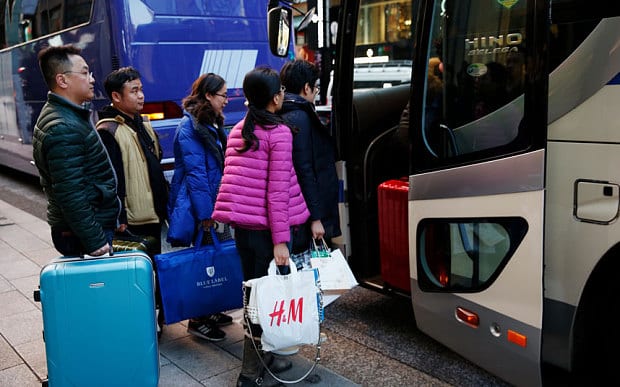
  • Chinese tourists prefer Australia, Japan and Singapore: Survey

    Chinese tourists prefer Australia, Japan and Singapore: Survey

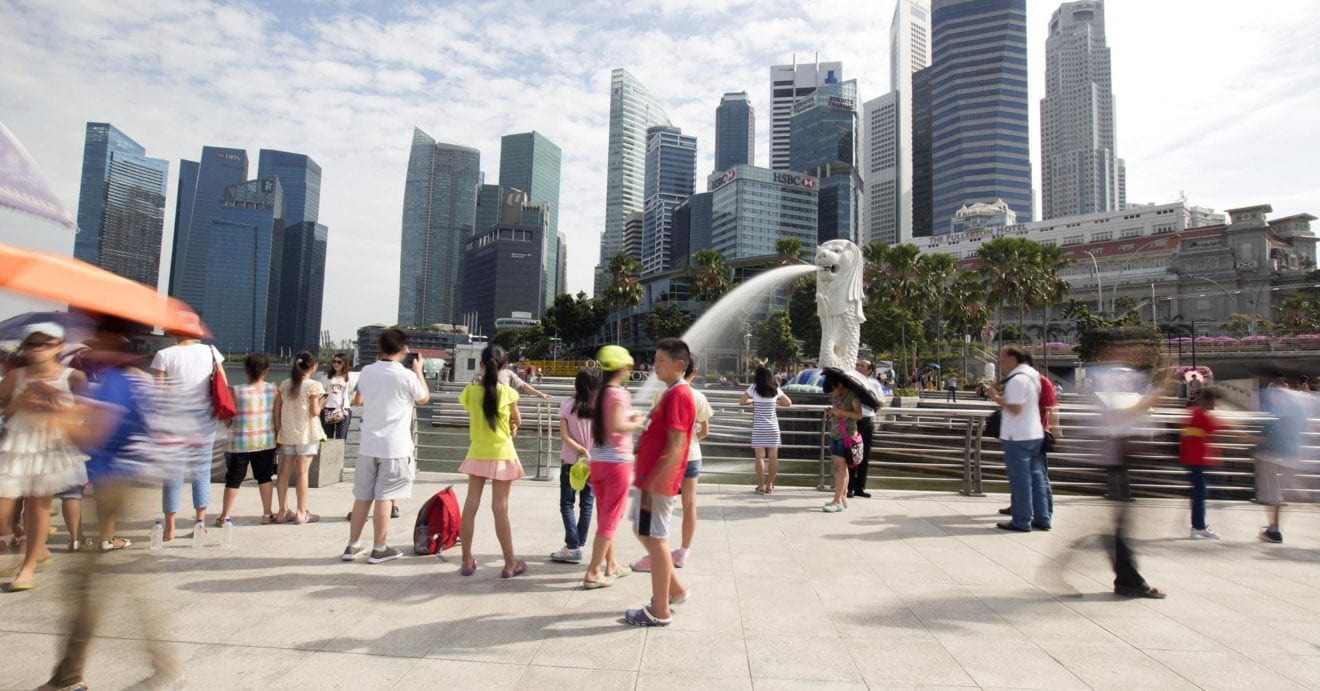
    Mainland Chinese tourists prefer visiting Australia, Japan and Singapore over Hong Kong, a survey has found, citing a preference for outdoor and nature activities in these places. Consultancy firm Kantar, which polled 300 people from Beijing, Shanghai, Guangzhou and Shenzhen, found that 52 per cent of respondents were interested in Australia as a holiday destination, followed by 40 per cent for Japan, 38 per cent for Singapore, and 35 per cent for Hong Kong.

    Some 22 per cent said they were keen to visit Taiwan, compared to 21 per cent who favoured South Korea, 15 per cent for Indonesia and 9 per cent for India.

    “Urban Chinese holidaymakers are looking for a diversity of experiences – nearly nine in 10 say that having lots to do is either important or very important to them,” stated the report, released last month.

    “The dominance of nature in the minds of urban Chinese leisure travellers may, at face value, present a challenge for retailers, malls, theme parks and other places.”

    The report stated that the trend could be an indication for businesses on potential growth directions.

    Despite Hong Kong not being the top destination for Chinese tourists in the poll, official figures showed visitor arrivals in the city – driven mainly by mainlanders – soared to a record high of 65.1 million last year, up 11.4 per cent from 2017.

    About 51 million tourists from across the border visited the city in 2018, a rise of 14.8 per cent from the previous year.

    But the Tourism Board has admitted that 2019 could be a “bumpy and unpredictable” year. Chinese tourists now see the city as a short-term destination, and they prefer Southeast Asia or Europe for long holidays.

    The board said Chinese tourists also craved “in-depth” travel in Hong Kong rather than the usual hotspots. One of the board’s strategies this year will be to attract mainland and overseas visitors to places such as the Geopark, the Ha Pak Nai mudflat in Yuen Long and Lau Fau Shan.

    The Kantar report also stated: “Hong Kong outperforms Singapore on most factors, but when it comes to perceptions of safety and cleanliness, Singapore dominates all [Asia-Pacific] markets, though it is held back by its lack of nature and outdoor [activities].”

    It acknowledged that Hong Kong had a “relative abundance of natural attractions” compared to the Lion City.

    On preferences for nature and outdoor activities in the eight destinations listed in the survey however, only 22 per cent of respondents indicated an interest in what Hong Kong had to offer, compared to 62 per cent for Australia, 42 per cent for Japan, 32 per cent for Indonesia, 31 per cent for Taiwan and 29 per cent for Singapore.

    In the category of sporting events, only 27 per cent said they were interested in those held in Hong Kong, with 47 per cent for Japan, 43 per cent for Australia, 30 per cent for Singapore, and 28 per cent for South Korea.

    Kantar’s group director, Mike Underhill, suggested that to boost Hong Kong’s attractiveness as a tourism haven, unique sporting events could be held, such as a mountain marathon.

    “I’m not saying it’s an easy thing to do, but if such an event is created, it will [capitalise on] an emerging trend among Chinese tourists to help grow a niche sector, thereby raising the perceived uniqueness of Hong Kong.”

    Jenny Zhang, 29, an accountant from Beijing, is among those for whom Hong Kong does not rate highly as a destination.

    “I would choose other places because I have visited Hong Kong several times already. But if I am in transit here to somewhere else, I would visit the city,” she said. “The world is huge and there are many places I have not been to. I love to see natural attractions and take in the culture of other places.”

    Asked to rank the eight destinations in the survey, Zhang placed Hong Kong in last place. Her top choices were Australia, Japan and Indonesia.

    But Chen Peng, 36, from Tianjin is among those who still enjoy coming to Hong Kong after visiting the city six times. This month, he took his daughter to Disneyland for the first time.

    “My wife loves Japan and so I would choose Japan as my top choice. For me though, Hong Kong is my No 1 choice,” he said.

    “When I come, I mostly go shopping with my wife and meet friends. I would go to Harbour City and Central.”

  • Indonesia Prepares New Strategy to Meet 2019 Tourist Arrival Target

    Indonesia Prepares New Strategy to Meet 2019 Tourist Arrival Target

    When President Joko “Jokowi” Widodo set out to double Indonesia’s foreign tourist arrivals within the five years of his presidency, many were skeptical. Now, the target seems to be within reach. Combined government efforts that included the massive development of airports and tourist destinations, aggressive digital promotions and a visa-free policy have, along with the weakening rupiah, attracted 16,2 million foreign tourists to Indonesia last year, which is 71 percent more than four years ago.

    Still, some setbacks were unavoidable. A series of volcanic eruptions, earthquakes and tsunamis over the past 12 months, as well as the tragic crash of Lion Air flight JT-610 into the Java Sea near Jakarta, resulted in the government missing its target to woo 17 million foreign tourists last year.

    Industry players worry that the bad image created by these disasters would take long to erase and thus undermine the country’s ability to attract 20 million foreign tourists this year.

    “Indonesia is situated on the Ring of Fire; we could not predict or prevent any disaster. What we need now, is to work extra hard to ensure that the world knows that when disaster strikes here, all tourists and local residents are well cared for,” said Elly Hutabarat, chairwoman of the Indonesian Travel Agent’s Association (Astindo).

    She cited Mexico as an example of a country that had just been hit by an earthquake, but still managed to quickly revive its tourism industry.

    “We see Mexico, which had just experienced an earthquake, is responsive and is able to give up-to-date information to the world. Such efforts are able to quickly revive their tourism industry,” Elly said.

    Border Tourism, Low-Cost Terminals

    The government has not given up, as the tourism industry could potentially generate $20 billion in foreign exchange revenue this year, which is crucial to plugging the country’s persistent current-account deficit.

    Guntur Sakti, head of communications at the Ministry of Tourism, said the government has implemented a strategy to meet this year’s tourist arrival target by developing border tourism, hub tourism and the renovation of airport terminals to cater to low-cost carriers.

    The government’s border tourism plan is aimed at making it easier, faster and cheaper for tourists to visit Indonesia from neighboring countries.

    Malaysia, Singapore and the Philippines also have a similar cultural heritage and history as Indonesia.

    “The potential from border tourism is massive, especially from neighboring countries,” Guntur said.

    Through the hub tourism strategy, the government expects to attract a larger number of foreign tourists that travel to the capitals of neighboring countries, specifically Bangkok, Kuala Lumpur and Singapore.

    The government estimates that more than 11 million foreign travelers – excluding Indonesians – transit at Singapore’s Changi Airport annually before continuing their travels to other countries for business or leisure. Guntur said this represents a massive potential for Indonesia.

    He added that tourists frequently transit in Singapore or other cities in the region because of limited direct flights to Indonesia from Europe, the United States and even parts of East Asia.

    For instance, about half of all Chinese tourists heading to Indonesia must transit in Singapore or Malaysia before reaching the archipelago, while 80 percent of tourists from Thailand and Malaysia are able to reach the country via direct flights.

    The government also plans to renovate several terminals at Soekarno-Hatta International Airport outside Jakarta to exclusively accommodate low-cost carriers.

    Terminal 1 at the airport will soon only cater to passengers of low-cost airlines traveling to domestic destinations, while Terminal 2 will cater to passengers of low-cost airlines on both domestic and international flights.

    Many countries have built terminals or even whole airports to specifically accommodate low-cost airlines. This lowers the airport’s operating budget, which in turn helps to reduce airport taxes and airline ticket prices, which ultimately attract more foreign tourists.

    Guntur said at least 70 percent of foreign tourists use low-cost carriers to travel to Indonesia.

    “To realize our strategy and attract more tourists, we are working with state-owned airport operator Angkasa Pura to renovate Terminal 1 and 2 at Soekarno-Hatta Airport. We’ve noticed many countries operate several terminals that cater to full-service carriers and low-cost carriers separately,” he added.

    The number of passengers traveling to Indonesia on low-cost carriers grows by about 55 percent annually, while the number of passengers arriving on full-service airlines only increases by about 7 percent per year, according to tourism ministry data.

    Ten New Balis

    The government also actively promoted its “10 New Balis” program last year to develop and promote several destinations beyond Bali, Indonesia’s most popular destination.

    The 10 New Balis include Mandalika in Nusa Tenggara, Thousand Islands in Jakarta, Tanjung Lesung in Banten, Tanjung Kelayang in Bangka Belitung, Borobudur Temple in Central Java, the Bromo Tengger Semeru National Park in East Java, Labuan Bajo in East Nusa Tenggara, Wakatobi in Southeast Sulawesi and Morotai in North Maluku.

    The project, spearheaded by the tourism ministry, has also established programs to develop each of the destinations by building 5,000 homestays, improving infrastructure, increasing financing for tourism to around Rp 2.5 trillion ($177 million), implementing sustainable tourism in 16 destinations, developing 10 special economic zones and developing nomadic tourism.

  • New integrated resort in China by Fosun

    New integrated resort in China by Fosun

    Fosun bets on integrated resorts to address the needs of Chinese travelers, who are showing interest in these types of experiences. Fresh from its Hong Kong initial public offering last month, Fosun Tourism Group is making good on its intention to use the proceeds to develop two new integrated resorts in China, announcing properties under the Thomas Cook Group brands Casa Cook and Sunwing.

    The two projects are in Lijiang, Yunnan province, famous for its UNESCO World Heritage old town, and Taicang, Jiangsu province, 30 minutes from Shanghai.

    Fosun Tourism chairman and CEO Jim Qian told Skift he is seeing different segments emerging in China’s domestic travel market. While this is already the norm in mature western markets, it’s just starting in China, and there’s a need to offer local travelers a choice of hotel brands and a variety of experiences, said Qian.

    In so doing, Fosun is turning to what’s in the family, its own Club Med and its Thomas Cook China joint venture. The Lijiang Albion International Resort will also have a Club Med, which has “a different positioning” from the boutique, design-led Casa Cook, he said.

    The whole development in Lijiang is spread over at 350,000 square meters (382,765 square yards). It is located near the Baisha old town, which lies closest to the majestic Yulong Snow Mountain, and is the only land permitted for massive development.

    How it will be sensitive to the tranquil and preserved ancient surroundings remains to be seen. For now, its website says it aims to attract mid- to high-profile guests by offering the total package, including a Club Med snow-themed resort, a guesthouses town, riverside shows, heritage towns, outdoor activities, health and wellness.

    “We will deliver a lot,” said Qian. “I believe in the future when a family goes on a holiday, they don’t just want to stay in the room.

    “Nowadays in China, we have more resort hotels in destinations such as Sanya, but most are actually business hotel brands moving from the city to the beach. I don’t think that kind of hotel is suitable for a family holiday. We will introduce the real beach or holiday resort to a destination.”

    Not much is known of Fosun’s other resort project in Taicang except that it is smaller at 145,000 square meters (158,570 square yards).

    Both are expected to be completed in stages from late 2020.

    Fosun Tourism, whose slogan is Everyday is Foliday (short for Fosun holiday), having tested destination development and management with its fully owned Atlantis Sanya, is keen to bring the experience to bear on the projects.

    “We have the experience in the construction of resort destinations, and we know how to make foreign brands suitable for the Chinese market,” said Qian.

    Fosun Tourism also believes the timing is good. It pointed out the per capita tourism expenditure in China in 2017 was about $575, which was below the global average of $741. “This implies the great potential for the growth of China’s tourism market,” it said.

    Besides, it claimed to be in a stronger position now, announcing ahead of its annual results to be released in March that it expects a net profit of at least 350 million yuan ($52 million) in 2018, compared with a net loss of 295 million yuan ($44 million) in 2017.

  • Chinese outbound tourists powering mobile payment growth

    Chinese outbound tourists powering mobile payment growth

    Chinese outbound tourists are taking China’s mobile payment industry to foreign markets, according to Nielsen. The research company’s report, 2018 Trends for Mobile Payment in Chinese Outbound Tourism, shows that mobile payment transactions by surveyed Chinese tourists surpassed the percentage paid with cash for the first time. Nearly 70 per cent of Chinese tourists paid with their mobile phones while abroad.

    Several factors encourage Chinese tourists to use mobile payment abroad, with the most important being that they have already become accustomed to this fast and convenient payment method in their home country.

    Merchants around the world have gradually recognised the importance of mobile payment for Chinese tourists and are witnessing benefits from better understanding of Chinese tourists’ habits and preference. Among the merchants surveyed at popular tourist areas in Singapore, Malaysia and Thailand that adopted Alipay, nearly 60 per cent saw growth in foot traffic and revenue.

    Many merchants surveyed said mobile payment is a safe, reliable and effective payment method that resonates with Chinese shoppers. Of the merchants that adopted Alipay, 71 per cent said they would recommend the mobile payment platform to peers.

    “Our store is located in an area frequented by Chinese tourists and they are our main customers. If we didn’t have mobile payment as an option, we would lose a lot of customers”,  said a Malaysian merchant cited in the white paper.

    “The outbound travel craze among Chinese tourists offers an important opportunity to expand mobile payment globally, while mobile payment outside of our home market has a broad space for development,” observed Gao Zilong, COO of self-service QR-code payment firm Inspiry International.

  • Retail meets art in HK for Chinese New Year

    Retail meets art in HK for Chinese New Year

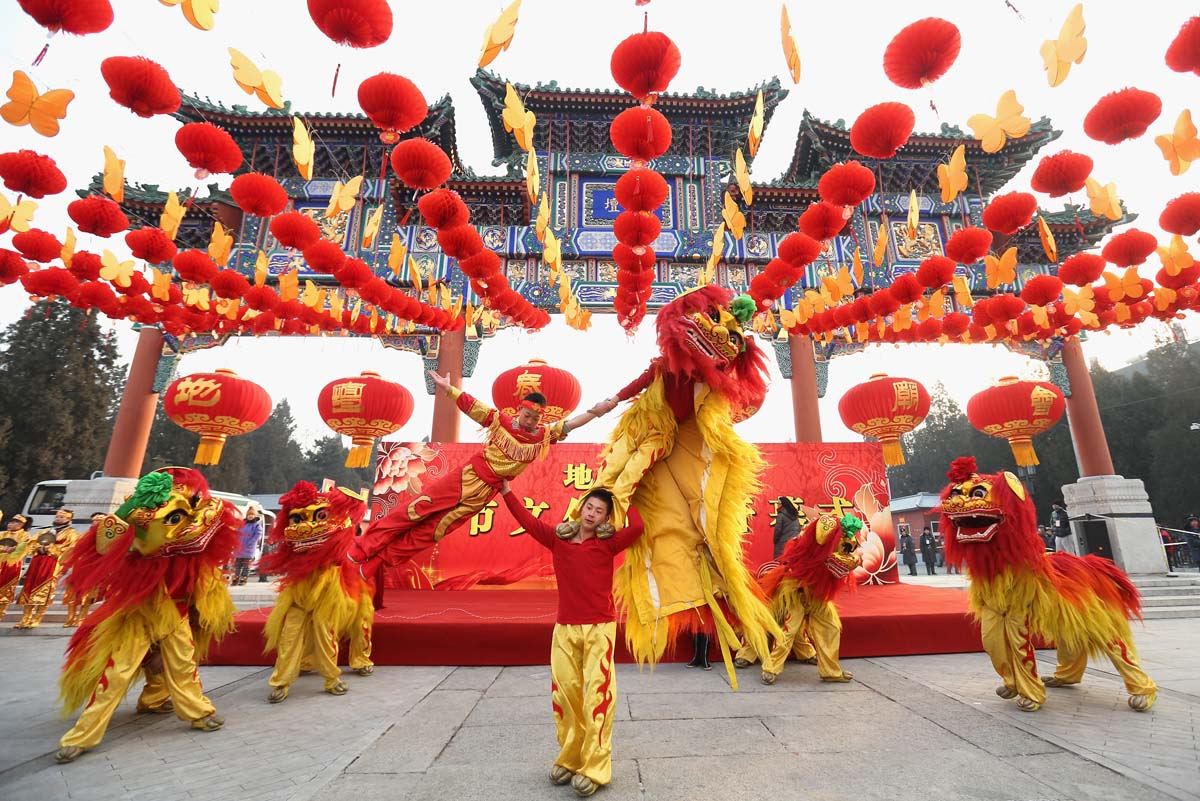
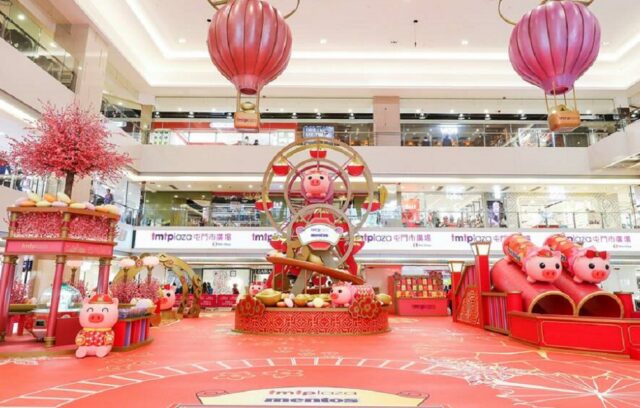
    Next week it Chinese New Year. It officially begins on February 5th, 2019, and ends on February 19th. This year will be the year of the Pig. It is the most important festival for Chinese people, so the city is fully decorated with festive installations. The retail world celebrates it with decorations and promotions. In Hong Kong, all shopping malls have already unveiled their gigantic installations.

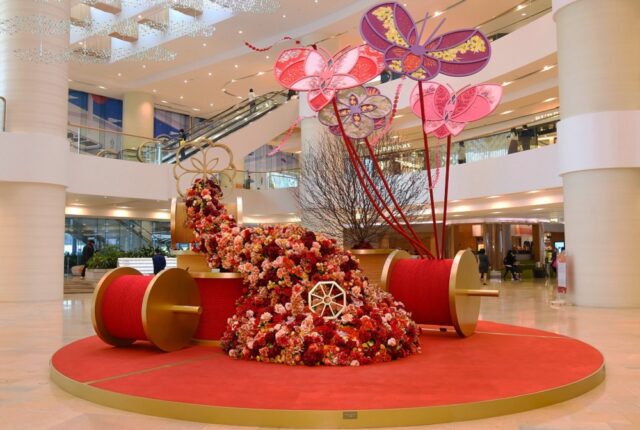
    In the financial heart of the city,  the floral pinwheels have turned IFC into the Garden of Fortune.

    Dedicated to providing memorable and engaging experiences for guests beyond shopping and dining, the Chinese New Year is no exception for IFC mall as it presents The Garden of Fortune, a splendid installation featuring pinwheels to welcome good fortune and embrace new changes along with incorporating floral elements for a contemporary spin.

    From 26 January to 17 February 2019, shoppers can visit the interactive display and enjoy music performances to ring into an auspicious new year.

    Pinwheels have long been a symbol of luck with fascinating roots in Chinese culture. Traditionally associated with welcoming wealth, pinwheels are constructed using a variety of bright colors to greet the god of fortune, which are believed to bring prosperity and blessings to both homes and businesses. Playing on the Chinese tradition that pinwheels attract good luck, The Garden of Fortune is embellished with this auspicious symbol.

    The pinwheels are designed in the shape of peach blossoms, peonies and begonias – flowers that represent prosperity and fortune in Chinese culture – to empower guests with positive vibes as they walk through the Garden of Fortune.

    Upon entering the installation, guests are invited to play an interactive pinwheel game to start the new year with blessings to share and bestow upon friends and loved ones. ifc mall has collaborated with young local calligrapher, Rita Lee, to create downloadable “fai chuns” to share with family and friends after completing the game.

    Lee started learning Chinese calligraphy at the age of 6 and has nurtured her talent with over 20 years of experience. She is known for blending different styles to create art that balances the tradition of Chinese calligraphy with contemporary flair. “I’m excited about this partnership with ifc mall as it allows me to use my craft to extend blessings to all Hong Kongers who visit the Garden of Fortune,” says Lee. “The installation’s fusion of traditional pinwheels with modern floral elements also reflects the same juxtaposition in my style of calligraphy.”

    Pacific Place has built “Where Fortune Takes Flight” to welcome the Chinese New Year 2019. Queenie said that her design ideas come from the traditional Chinese New Year Candy box and chocolate from her childhood. Thus, they became the patterns of the kites, flying in the shopping mall. Queenie used vibrant colors and energetic brush strokes to draw on the kites, symbolizing a colorful and fruitful new year.An exquisite spring garden filled with blossoming flowers and over 60 flying kites, symbolising “Where Fortune Takes Flight”. Exclusively designed by Queenie Law, the kites soar to the highest heights and spread Chinese blessings throughout the mall and into the new year ahead.

    In Tsim Sha Tsui, Harbour City will welcome the Year of the Pig with the “HAPPIG New Year” celebration, featuring a seven-metre tall gigantic “Wishing Treasure Bowl” at Ocean Terminal Forecourt from 25 Jan to 19 Feb 2019.

    The treasure bowl is structured with multiple frames, on which colorful ropes were tied delicately to create geometrical festive patterns from cherry blossoms to gold coins.

    The contemporary design is a stylish take on the Chinese New Year classic, wishing everyone joy and fortune for the Year of the Pig.

    Newly introduced this year is an interactive wishing experience, inviting visitors to win a lucky pouch by taking part in a mini game and donating HK$20 near the“Wishing Treasure Bowl” installation.

    Each lucky pouch contains a Good Fortune Card with predictions for the coming year, and a “Wishing Gold Coin” which can be deposited into “Make a Wish Piggy Bank” for making a wish. The coin will roll through a lucky tunnel connecting the piggy bank to the gigantic “Wishing Treasure Bowl”, bringing fortunate blessings to everyone for the New Year.


  • Who visited Korea in 2018?

    Who visited Korea in 2018?

    Chinese visitor arrivals in South Korea rose 14.9 percent year-on-year in 2018 to 4,789,512, according to new Korea Tourism Organization figures. Chinese arrivals in December 2018 rose 25.2 percent year-on-year. The results confirm a sustained recovery in Chinese tourism from March 2018 as Korean-Chinese relationships improved in the wake of the THAAD anti-missile system dispute that had devastated Chinese tourism for the previous year.

    For the first two months of 2018 Chinese arrivals slumped 43.7 percent, heavily influencing the year-end result.

    However, the 2018 performance was still far short of pre-THAAD levels. In 2016, 8,067,722 Chinese visited South Korea, 68 percent more than the 2018 tally and a 46.8 percent share of total arrivals, compared to last year’s 31.2 percent.

    Japanese market buoyant but political concerns rise

    The Japanese tourism market was buoyant in 2018, rising 27.6 percent to 2,948,527, a 19.2 percent share of arrivals. December saw a 33.5 percent rise year-on-year.

    The combination of concerted Japanese visitor growth and a strong yen has been reflected in increased duty free spending. A report by The Korea Herald said that January 2019 sales to Japanese consumers at Lotte Duty Free’s flagship store in Myeong-dong, Seoul (the country’s biggest travel retail door) had surged 31 percent year-on-year, compared to 15 percent for all nationalities.

    The same report said that Shinsegae Duty Free’s Myeong-dong store posted a 53 percent rise in sales to Japanese shoppers during the same period, while overall turnover at the flagship fell 1 percent.

    But prospects for a continued boom in Japanese tourism may be marred by a worsening political dispute, this time between South Korea and Japan. A military row began on 20 December following an encounter between a Japanese plane and a South Korean destroyer.

    The Japanese claimed that the South Korean warship aimed its fire-control radar at the aircraft while the Koreans contend that the ship was rescuing a North Korean ship drifting in international waters.

    Several more ‘fly-buy’ incidents since then have escalated tensions, leading to fears that the row could “snowball into crisis”, as CNN wrote.

    Departures of Korean nationals (along with Chinese and Japanese the key components of the Korean travel retail industry consumer mix) rose 8.3 percent year-on-year in 2018 to 28,695,983 and 3.8 percent in December to 2,495,279. The year ended much weaker than it began – five of the first six months saw double-digit increases, all of the final six months were under 6 percent.

  • Tourists devote a quarter of budget to shopping

    Tourists devote a quarter of budget to shopping

    Retail shopping continues to be the largest expense for tourists from China, according to a survey from Nielsen and Alipay, accounting for almost a quarter of total spend. The 2018 trends of Chinese mobile payment in outbound tourism survey revealed that retail spending took up 24.6 per cent of Chinese tourists average spend, followed by accommodation, dining and tourist attractions.

    Interestingly, the report found that Chinese millennials are no longer the single most dominant user of mobile payments.

    “In 2017, 55 per cent of Chinese tourists born between 1960-1979 used mobile payments while travelling overseas – significantly lower than the proportion of millennial tourists,” the report reads.

    “In 2018, the usage rate rose to 68 per cent, almost equalling their younger peers.”

    Average budget for the typical Chinese tourist increased 15 per cent to AU$9,382 over the year, and a familiarity with mobile payments drove increased spend, with 56 per cent of surveyed merchants claiming improved sales after adopting mobile payment system Alipay.

    However, a study by Coresight research in October 2018 found that, while Chinese tourists were travelling more often they were spending around 18 per cent less in the retail environment – a figure driven by a recorded 24 per cent decline in average shopping trip spend.

  • Korea Grand Sale gears up for kick off

    Korea Grand Sale gears up for kick off

    Korean tourism authorities were set on January 14 for the official opening of the Korea Grand Sale, an annual event for foreign shoppers with events, promotions and sales across the country. This year’s event, jointly hosted by the Ministry of Culture, Sports and Tourism and the Visit Korea Committee, will be held from January 17 until February 28.

    The theme of this year is “Travel, Taste, Touch,” and will offer benefits of varying degrees from 51,497 businesses. According to the ministry, around 850 enterprises will hold sales, including discounts of up to 97 percent on flights to Korea from airlines including Air Seoul.

    Up to 25 percent discount will be provided at eateries at the top-notch hotels across the country.

    According to a survey on what foreigners did while visiting Korea conducted by the ministry, 72.5 percent of all foreign visitors in 2017 said shopping, while 58.2 percent said eating and tourism.

    A tourism program featuring restaurants with over 50 years of history — including “Cheongjinok,” “Ureok,” “Hadongkwan,” “Joseonok” and “Yeolchajib” will be held with Korean celebrity chefs as guides. Other packages include Korean food and temple food for foriengers, and ski packages.

    For those who need assistance, a welcome center will be open throughout the festival period at Cheonggye Plaza in Jongno-gu, Seoul from 12 p.m. to 8 p.m. Tour guides will circulate popular tourist areas like Hongdae or Dongdaemun, accompanied by interpretation services.

    A welcome booth for foreigners will operate at Incheon International Airport and Gimpo International Airport from February 1-8, to coincide with the Chinese and Korean Lunar New Year holidays.

    At the welcome center, Korea Tour Card will be given free to the first 50 visitors every day. The 10,000th visitor will receive a coupon for a stay at a local hotel.

  • Hanoi, HCMC hotel rooms getting expensive

    Hanoi, HCMC hotel rooms getting expensive

    Hotel room rates in Hanoi and HCMC, at around $110 a night, are the second most expensive in Southeast Asia behind only Singapore. Real estate services firm CBRE Vietnam said at a recent conference that the performance of the four- and five-star hotel segments was very strong in 2018 due to limited supply but constantly increasing demand.

    By the end of the year the average rent in this segment reached $112.6 in Hanoi and $114.1 in HCMC. High-end rooms in Hanoi number 7,770, of which two thirds are in the five-star category, and their average occupancy rate last year was 78.4 percent.

    Most of them are concentrated in the downtown area and Ba Dinh, a central district where most government offices and embassies are located.

    CBRE said in recent years sharing economy models like AirBnB have been trending, with AirBnB supply in Hanoi and Ho Chi Minh City topping 24,000 units compared to 17,500 four- to five-star hotel rooms.

    “However, despite the rapid growth of this model, room-sharing has not a clear impact on business in the four-five-star segment.”

    As of 2017 there were 118 five-star hotels/resorts in Vietnam, almost twice the number in 2013.

    They had an occupancy rate of over 75 percent, 5 percentage points up from 2016, according to global consulting firm Grant Thornton.

    Vietnam National Administration of Tourism (VNAT) statistics show an upsurge in the number of foreign visitors to Vietnam in the last few years. Last year 15.5 million came to the country, a 20 percent rise from 2017.

  • Beijing approves blueprint for ‘Greater Bay Area’

    Beijing approves blueprint for ‘Greater Bay Area’

    Chinese Vice-Premier Han Zheng, the point man on Hong Kong and Macau affairs, recently gave the green light to the official document on the “Greater Bay Area” following extensive consultations with local governments, a Beijing source said. “No party or agenda, including even environmental protection, will be left behind by this all-inclusive blueprint,” the official said.

    More than three years in the making, the Greater Bay Area was first mentioned in a development action plan jointly outlined by China’s top authorities on economic planning, commerce and foreign affairs to create a new economic growth engine by pooling together Hong Kong, Macau and nine neighbouring cities in Guangdong province.

    The mega zone covers 56,500 square kilometres, has a combined population of about 67.6 million and accounted for 12.5 per cent of the country’s gross domestic product in 2016.

    Hong Kong leader Carrie Lam Cheng Yuet-ngor has taken part in discussions on the scheme since August last year, becoming the city’s first chief executive to join a leading group under China’s cabinet, the State Council.

    Authorities were now working on the implementation plan, Zhang said in an interview with state broadcaster CCTV which was aired on Saturday night.

    Hong Kong, Macau, Guangzhou and Shenzhen would be the central cities in the bay area, and each had their own unique positioning, he said.

    Hong Kong will be the international finance, navigation and trade centre, as well as a transport hub. It will have the role of pushing finance, trade, logistics and professional services towards the high-end market.

    Macau will be an international tourism city and a platform for trade with Portuguese-speaking countries. Guangzhou will take a leading role as a national central city while Shenzhen will take a leading role as a special economic region and an innovative city, he said.

    The planners hope the advantages these four cities enjoy can complement each other and offset the challenges brought by gaps in the legal and economic systems.

    The international network and mature market economy of Hong Kong and Macau could have big potential when combined with the vast hinterland and market Guangzhou enjoyed, he said.

    “Under the new circumstances, Hong Kong and Macau still have their unique position and advantages that cannot be replaced,” Zhang said.

    He revealed for the first time that there were almost 100,000 Hong Kong residents and nearly 20,000 Macau residents who had applied for a new identity card that would grant them access to a wide range of social and public services on the mainland. The arrangement was introduced on September 1 last year.

    There were high expectations that Beijing would reveal the blueprint when Premier Li Keqiang said in March last year there would be an announcement soon. But the central government has since been embroiled in a trade war with its biggest trading partner, the United States.

    Sources said that the tussles over political interests and dominance among the Greater Bay Area parties was a reason behind the delay and meant the central government had to step in to coordinate.

    “But the most important question here is whose model to follow and whether the tussle is about Hong Kong converting mainland cities or the other way around?” said an academic who has direct knowledge of the blueprint’s planning.

    “Mainland cities are hesitant to follow Hong Kong’s model in case they lose official powers.”

    An internal study by an official think tank seen by the Post said the crux of the Greater Bay Area integration was about putting “one country, two systems” into practice but differences in economic, tax, customs and legal systems that would ensure Hong Kong and Macau’s high degree autonomy have remained key challenges.

  • Starbucks opens its Coffee Sanctuary in Bali

    Starbucks opens its Coffee Sanctuary in Bali

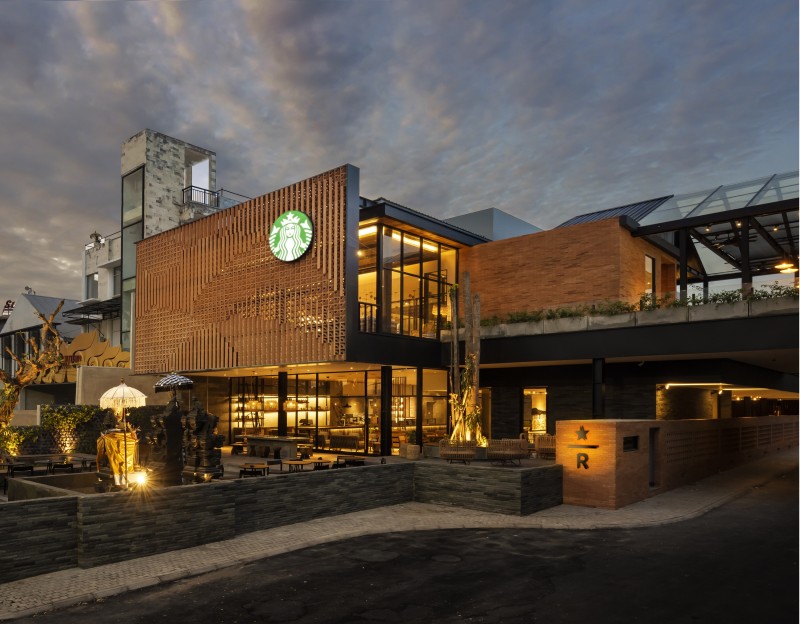
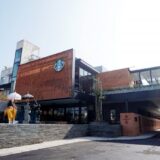
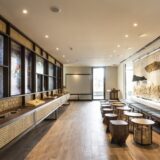
    Starbucks has opened its largest Southeast Asian location in Bali. The 20,000sqft Starbucks Dewata Coffee Sanctuary builds on 16 years of innovation in design, customer experience and community impact for the brand in Indonesia, where there are 370 Starbucks outlets nationwide. Customers can enjoy Starbucks handcrafted core and Reserve beverages within the store’s locally-inspired design that celebrates Indonesian tradition.

    The store pays tribute to the role that Indonesia, the fourth largest Arabica coffee-growing region in the world, plays in the Starbucks business. Sumatran coffee has been a staple offering at Starbucks since 1971.
    “We began sourcing Indonesian coffees more than four decades ago and have always been struck by the sense of community and care for the coffee journey at every step,” said Starbucks Coffee Company CEO Kevin Johnson.

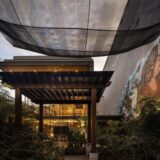
    View the gallery of the new outlet below (8 images) :

    “The Starbucks Dewata Coffee Sanctuary amplifies our passion for the coffee journey, our ongoing commitment to Indonesia’s rich coffee culture, and our tireless pursuit of fostering moments of connection between our partners and customers. The Coffee Sanctuary marks the 10th Starbucks Reserve Bar store in Indonesia, one of 185 stores around the world, with the majority in Asia. This is Starbucks at its best, and we are proud to open the doors of this unique experience in one of Southeast Asia’s most dynamic markets.

    Visitors enter the store through an arabica coffee farm, try their hand at coffee bean de-pulping and washing during harvest season, dry and rake green coffee beans, visit budding seedlings in the nursery, take in the store’s locally-inspired design featuring traditional Balinese craft and Indonesian art, and enjoy the more than 100 Dewata-exclusive handcrafted beverages, food and merchandise, including the Lavender Latte.

    The  Starbucks Dewata Coffee Sanctuary store’s expansive interior is inspired by traditional Balinese houses with free-flowing, connected rooms designed to promote discovery from one space to the next.

    “Bali has an envied reputation as one of Asia’s top travel destinations and Indonesia is one of coffee’s most extraordinary coffee origin regions,” said Starbucks Indonesia director Anthony Cottan said.

    “So we’re excited to invite customers here to ignite their senses and explore the seed-to-cup coffee journey at this unique Coffee Sanctuary. We’re very pleased to further strengthen the longstanding partnership between Starbucks and [licensee] PT Sari Coffee Indonesia with this truly one-of-a-kind Starbucks store, inspired by and filled with the finest examples of Indonesian art, design and craftsmanship.”

    To support the future of coffee, Starbucks Indonesia has committed to donating 100,000 coffee seedlings to farmers annually.

  • November Singapore retail sales stagnant

    November Singapore retail sales stagnant

    November Singapore retail sales were static, rising just 0.2 per cent year on year after removing motor vehicles from the data. On a month-on-month basis, sales rose 1.4 per cent, again after disregarding motor vehicles. Perhaps the most interesting figure was the share of total retail sales which occurred online, reaching 6.6 per cent. In September, online accounted for 4.9 per cent of sales, in October 5 per cent. The November figure suggests the Singles Day shopping promotions on November 11 had a significant impact in Singapore.

    The worst-performing retail category in November Singapore retail sales was computers and telecommunications equipment, slumping 22.1 per cent year on year, which Statistics Singapore attributes to strong sales of phones in November 2017 due to the launch of new models.

    The optical goods and books categories posted sales declines of 4.6 per cent, while food retailers and supermarkets & hypermarkets fell by 3.7 per cent and 1.4 per cent, respectively.

    Department stores registered an increase of 8.7 per cent in sales, while medical goods & toiletries sales rose by 4.8 per cent.

    Turnover of fast-food outlets, restaurants and other eating places (such as cafes) increased between by 2.5 per cent and 4.5 per cent year on year in November. However, sales of food caterers decreased 2 per cent.

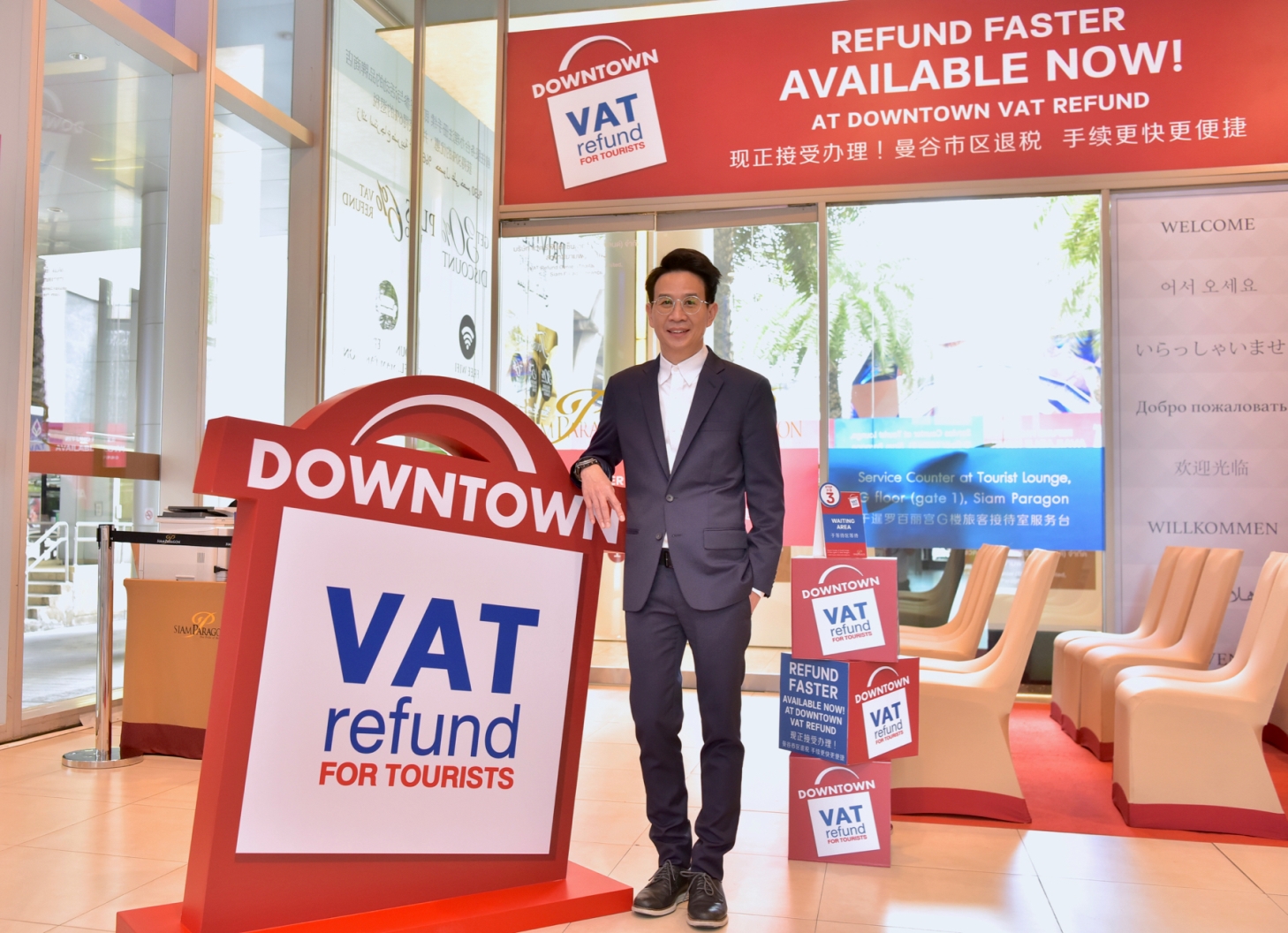
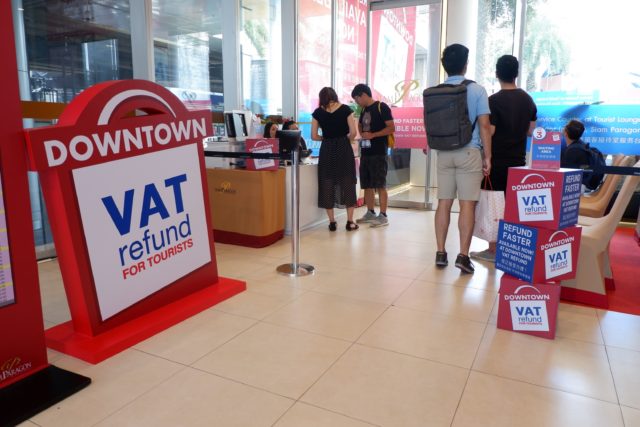
  • Now tourist can claim VAT refund in downtown Bangkok

    Now tourist can claim VAT refund in downtown Bangkok

    According to the announcement by the government’s Reveue Department regarding ‘Downtown VAT Refund for Tourist’, the campaign has kickstarted an initiative to set up counters in numerous locations across central Bangkok to help tourists proceed with VAT refund upon shopping at permitted VAT refundable retailers. VAT refund will be returned to tourists in the form of cash in Thai Baht, encouraging them to continue shopping in Thailand with ease and convenience. Apart from helping tourists, the campaign is initiated to promote growth and balanced income distribution to small businesses.

    As one of the founding parties of VAT Refund Center (Thailand) Co.,Ltd, Siam Piwat Co., Ltd. is proud to be the official partner and the representative to assist tourists with VAT refund processes in these 5 locations across Central Bangkok; Siam Paragon, CentralWorld, Central Chidlom, Robinson Sukhumvit,  and The Emporium. As one of the partnering department stores, Siam Paragon has completed all preparations to help and service incoming tourists at the highest capacity.

    Senior Executive Vice President for Siam Piwat Co., Ltd. retail business development division Charnchai Cherdchoowongtha-nakorn said, “Siam Paragon is delighted to fully support the government’s policies and work with the Revenue Department. ‘Downtown VAT Refund for Tourist’ is set up to be a key area on G Floor where tourists can find conveniently, as it is located by one of our entrances connected to BTS Skytrain and taxi stops. Additionally, adept, knowledgeable and service-minded staff have been assigned to accomodate tourists with paperwork and essential procedures in order to fully and successfully comply with policies from the Revenue Department.”

    “Not only will shopping tourists of Siam Paragon, Siam Center, and Siam Discovery find it convenient to proceed with VAT refund at Siam Paragon, all tourists who have purchased goods, in accordance with all policies by the Revenue Department are welcomed to complete all necessary procedures at our department stores. The convenience of VAT refund at Siam Paragon is extremely helpful for those who have purchased in the popular shopping destination Siam as hundreds of SME businesses, small retailers and corporations are located in the area, covering an vast space of 2,000,000 sqm, with over 20 hotels to accommodate international tourists in more than 3,000 rooms available – with extra support from Bangkok’s BTS Skytrain system, connecting Ratchathevi and National Stadium to Siam station.”

    “According to statistics, out of 400,000 – 500,000 shopping tourists per day at One Siam, an average of 938 VAT Refund Form ( P.P. 10) have been filled each day from shops and retail spaces in Siam Paragon, totaling to a signification amount of 342,494 applicants.”

    “Based on Siam’s all-round advantages, we are confident that our VAT refund counter on G Floor of Siam Paragon will be the key point of service for all international tourist groups. Not only will these counters help tourists in making better decisions about visiting Thailand, the amount of amount refuned back to them will potentially be spent on additional purchases in Thailand. Consequently, it would help boost our economy. I can see this initiative having positive influence on the number of Thailand-bound tourists – more by volume and frequency,” Charnchai stated.

    The initiative of establishing VAT refund counters directly impacts the tourism industry on multiple levels: 1. Amount of retained money which tourists have spent after receiving VAT refund helps small retailers and businesses, which, in turn, strengthens Thailand’s economy; 2. The growth in sales volume and sales value is proportional to the rate of economic growth and revenue from tourist spending; 3. A significant decline in VAT refund at Suvarnabhumi and Don Muang Airport reflects positive a sign of service improvement; 4. VAT refund for tourists promotes better opportunities for local retail shops to generate more sales.

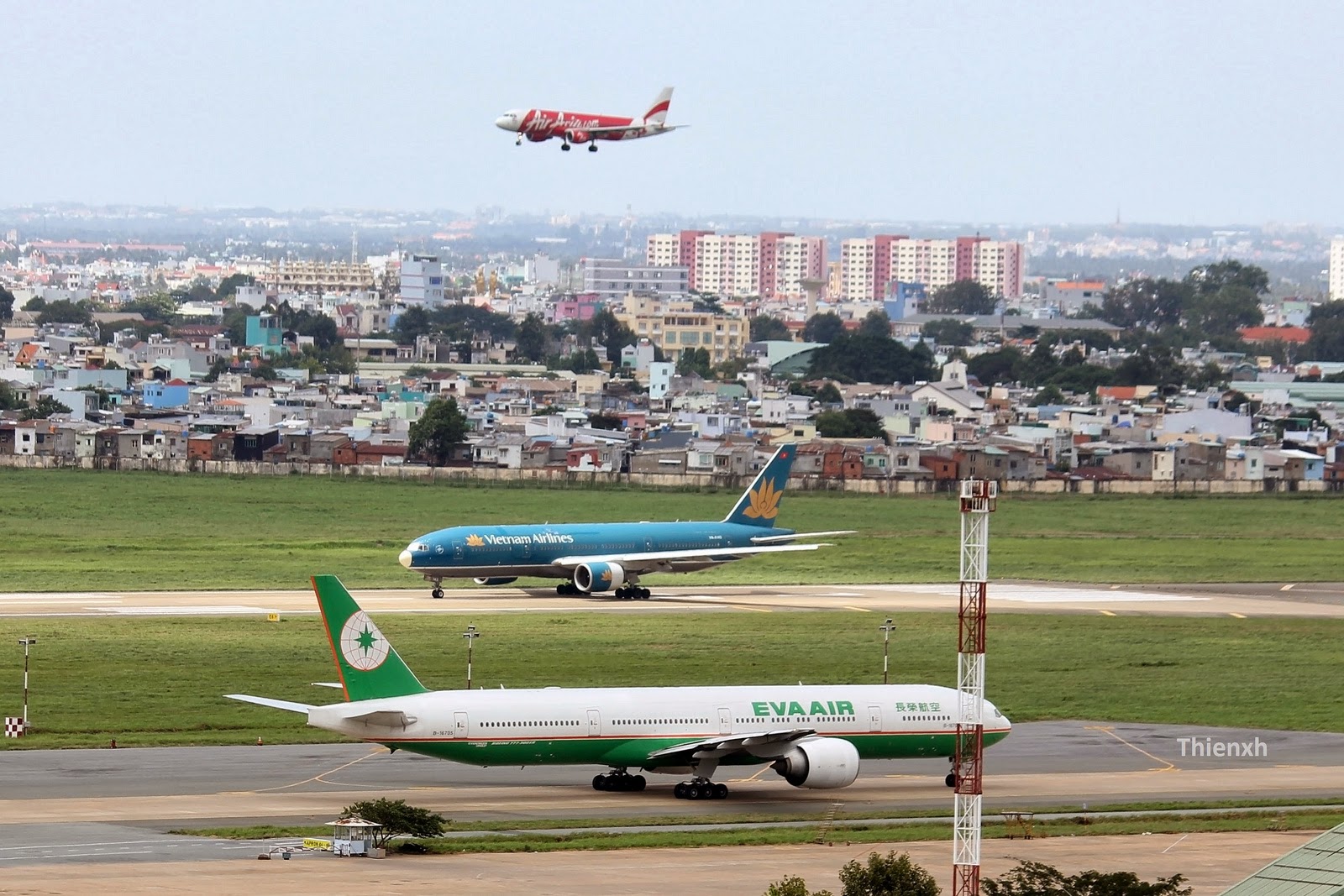
  • Flood of new passengers to stoke demand for jet fuel in Vietnam

    Flood of new passengers to stoke demand for jet fuel in Vietnam

    Vietnam’s jet fuel demand will surge to a record this year as its tourism booms and the country’s airlines are rapidly expanding. The country is on track to have 38 million international passengers and 16 million visitors this year, according to data from CAPA Centre for Aviation. That is up from 18 million passengers and 8 million visitors in 2015, according to the data.

    “Aviation demand in Vietnam is booming… Fuel consumption in Vietnam will reach a record high this year and will keep rising for the years to come,” said Tran Hoai Nam, vice president of Vietjet, Vietnam’s biggest private airline.

    He added Vietnam’s growth in foreign arrivals was the highest in Southeast Asia, rising 8.7 percent annually.

    The surge in traffic has translated into a rush of jet fuel demand in Vietnam. Through November, the country has imported 1.87 million tonnes of the fuel, according to customs data, equal to 14.8 million barrels, and up 18 percent from the same period last year.

    “For 2018, jet fuel demand in Vietnam is estimated to be increased by about 20 to 25 percent in comparison with 2017, mostly due to the increase in consumption of the international flights,” said a Hanoi-based trader at one of country’s jet fuel suppliers, who asked to remain unidentified due to company policy.

    Vietnam currently consumes about 18 million barrels of jet fuel per year, according to data from Petrolimex Aviation.

    By 2035, Vietnam will have 150 million airline passengers per year, nearly four times what it was in 2015, according to a 20-year forecast from the International Air Transport Association (IATA).

    Over the same period, India will have 442 million passengers, 3.6 times what it was in 2015, while China will have 1.3 billion passengers, 2.7 times what it was in 2015, IATA said.

    In November, Vietnam issued an aviation licence to Bamboo Airways, which would be the country’s fifth airline after Vietnam Airlines, Jetstar Pacific Airlines, Vietjet Aviation VJC.HM and Vietnam Air Services Co.

    Bamboo is expected to launch its first flights within weeks. It signed a provisional deal in July to buy 20 of the wide-body 787-9 jets from U.S. manufacturer Boeing and agreed a memorandum of understanding with Europe’s Airbus for up to 24 of the narrow-body A320neo jets in March.

    VietJet, which currently operates 60 Airbus jets, has signed a $6.5 billion (5.2 billion pounds) agreement to buy 50 new jets.

    Vietnam’s jet fuel imports will continue to surge as the country only has two refineries, Dung Quat in the central province of Quang Ngai and Nghi Son in Thanh Hoa Province, near to the capital Hanoi, which only started operations this year.

    “Both Dung Quat and Nghi Son refineries are primarily catered towards the production of gasoline and diesel, and thus, jet fuel yield is relatively low at 5 percent,” said Peter Lee, an analyst at Fitch Solutions Macro Research.

    Nghi Son, once fully operational, will produce about 4.6 million barrels of jet fuel per year, said a source at the refinery. Dung Quat can produce as much as 2.3 million barrels per year, according to the company website.

    “Vietnam will be reliant on imports to meet most of its jet fuel demand going forward,” Lee added.

    Vietnam imports most its jet fuel from refineries in Singapore, Thailand and China, trade data showed.

    Despite the steep growth outlook for Vietnam’s aviation sector, passenger growth might may be uneven as the country grapples with capacity constraints at its airports.

    Vietnam’s biggest airport Tan Son Nhat, serving Ho Chi Minh city in the south, receives about 10 million more passengers per year than it is designed to serve.

    The government is planning a second international airport at Long Thanh, 40 km (24 miles) east of Ho Chi Minh City, that will serve 25 million passengers a year starting in 2025.

  • Tourists from China are back to Korea, but not like before

    Tourists from China are back to Korea, but not like before

    Chinese group tours, which helped fuel local retail sector growth in recent years, have yet to make a full comeback despite the easing of restrictions by Beijing, Korean duty-free store operators said on Sunday. The assessment came as official data from the Bank of Korea showed that 475,000 Chinese nationals visited the country in October, up 37.6 percent from a year earlier.

    Local tax-exempted outlet operators like Lotte Duty Free and Shilla Duty Free, as well as the umbrella Korea Duty Free Shops Association (KDFA), said that most Chinese customers were individual travelers and so-called “daigongs,” rather than “youkers,” or group travelers.

    Daigongs are small-scale merchants who buy products here on behalf of customers back home.

    Chinese authorities clamped down on group tours to Korea in March 2017 after Seoul allowed the deployment of a U.S. anti-missile defense system on its soil, despite objections from Beijing. China has since partially lifted restrictions, but the number of group tours has not returned to past levels.

    Lotte said that it had almost no youkers, who enter the country on a group visa, and that most shoppers were individual travelers or small merchants.

    It said that before the frictions caused by the U.S. Terminal High Altitude Area Defense’s deployment, there were 7,000 to 8,000 youkers daily at its main duty free store in downtown Seoul. This dropped to around 2,000 after the uproar and then to zero.

    Shilla said it did receive 820 youkers in October.