Tag: trading

  • More Filipinos adopt online trading at stock mart

    More Filipinos adopt online trading at stock mart

    Online accounts at the Philippine stock market grew 27.8 percent to 302,516 from 236,669 in 2015, according to the annual Philippine Stock Exchange (PSE) report.

    PSE reported also that the total number of stock market accounts, which include both online and traditional accounts, was at 8.5 percent, from 712,549 accounts in 2015 to 773,187 at the end of 2016.

    “Technology has played a big role in the growth of our investor base over the years. We are pleased to see that more Filipinos have continued to adopt online trading to invest in the stock market,” said PSE President and CEO Ramon S. Monzon.

    Investors with online accounts trade themselves, typing in their buy or sell orders on their online trading platform whereas investors with accounts in traditional stock brokerage firms have to call their broker to place their orders.

    The minimum required amount to open an account and the broker’s fee of online stock brokerage firms are usually lower compared with their traditional counterpart. Online investors are typically provided research materials by their online broker while investors of traditional firms also get research reports and they can discuss their investing options with their broker.

    The continued growth in online accounts also translated to higher trading activity. In 2016, 53.7 percent of total market transactions, measured in terms of number of trades, were accounted for by online accounts.

    This was the first year that online transactions were responsible for more than half of the market’s total transactions. Online trades registered a 41.4 percent growth in value turnover, which translated to a 9.3 percent share in the market’s total value turnover.

    Of the total stock market accounts, 98.2 percent, or 759,952, were held by local investors while the remaining 1.8 percent or 13,595 were accounts of foreign investors.

    The PSE’s 2016 Stock Market Investor Profile survey showed that among the retail investors using online and traditional brokering, 43.7 percent earn less than P500,000 annually. This was followed by investors earning above P1 million at 31.1 percent while investors with an annual income of Php 500,000 to Php 1 million made up 25.2 percent of the total retail investors.

    Meanwhile, close to 40 percent of investors were aged 30 to 44. The 45- to 59-year-old investors covered 26.4 percent of the total count and those who are 60 and above comprised 19.3 percent. The young millennials or those between 18 and 29 had accounted for 14.8 percent of investors.

    In terms of geographic location, a total of 96.1 percent of retail investors are based locally while the rest are based overseas.

    The concentration of retail investors continue to be in Metro Manila, which accounted for 70.6 percent of investors. Luzon cornered 16.4 percent of investors with Visayas and Mindanao making up for 6.2 percent and 2.9 percent, respectively. Overseas-based investors comprised 3.9 percent of retail accounts.

    “We are pleased with the continued growth of stock market investors in the market. Clearly, we have a long way to go and we at the PSE will continue our financial literacy programs to demystify stock market investing and make investing as understandable and accessible as bank or insurance products,”. Monzon said.

    In the past year, the PSE has intensified its market education efforts by doubling the number of its free seminars both in Metro Manila and in Cebu. To cater to the increasing number of tech-savvy Filipinos, PSE has been regularly conducting free webinars to discuss basic and intermediate topics. These webinars attract close to 500 participants per session.

    Online retail investors younger, more spread across the country

    The PSE survey results showed that close to three quarters of online retail investors are aged 18 to 44 years. Among online investors, 21.7 percent are in the 18 to 29 year old range, 52.9 percent are 30 to 44 years old, 18.4 percent are 44 to 60 years old, while the remaining 7.0 percent were 60 years and above.

    In terms of location, retail online investors are also less concentrated in Metro Manila compared to the geographical distribution of total stock market accounts. For online accounts, Metro Manila investors only accounted for 57.0 percent of the total online accounts, with Luzon, Visayas and Mindanao online investors making up a much bigger share of 26.0 percent, 6.8 percent and 4.2 percent, respectively. The share of overseas-based clients is also higher at 5.9 percent for online accounts.

    The survey also showed that online traders invest even with lesser incomes. Those earning P500,000 or less annually comprise 60.3 percent of the total online trading population. Meanwhile, 23.7 percent of online traders earn between P500,000 to P1 million per year and the remaining 16.0 percent have incomes of more than P1 million annually.

    “The numbers show that more investors are finding out that participating in the stock market is actually an affordable investment. We are also happy that our online brokers have been able to reach out to more Filipinos outside of Metro Manila towards making stock market investing more inclusive,” Monzon added.

  • 500 Startups funds Stockbit, a social network for stock trading

    500 Startups funds Stockbit, a social network for stock trading

    Indonesia’s Stockbit bills itself a “social network for stock traders.” Individual traders sign up for customizable stock market information and analytics. Basic features are free, while paying subscribers get more in-depth intelligence.

    The site’s been growing and adding features since 2012. The company just closed an investment from 500 Startups, it said in a release today. It’s a pre-series A round, and the sum is undisclosed.

    The new investment is supposed to fuel the launch of a new a feature that lets community members follow more experienced stock traders and copy their investment moves in an automated process.

    “Our proposition is simple. Just copy, let the best do the rest,” is how CEO Wellson Lo explains the feature. You can allocate a fixed amount, say US$5,000, and this amount will be invested by mirroring the person you are following. Trading “leaders,” as the people you can follow are called, also benefit. They get a share of the profits you make.

    It’s been in development since last year and will become available on Stockbit’s iOS and Android apps soon, though there’s no set launch date yet.

    Traders wanted

    Public participation in the stock market is extremely underrepresented in Indonesia, argues Wellson. Less than 0.3 percent of the adult population have a stock trading account. In Singapore, it’s 39 percent and more than 20 percent in China.

    Part of the reason is a knowledge gap, which Stockbit hopes to address by making it simple for novice traders to learn and reap benefits without risking too much.

    Back in 2015, after Stockbit last raised funds, including from local VC firm Ideosource, Wellson had told Retail News that the startup had 15,000 registered users, while paid subscribers were still only in the hundreds. The user base has about tripled since then, according to Stockbit.

    There’s an ongoing effort by the Indonesian Financial Services Authority to raise awareness about investment opportunities on Indonesia’s public markets, a development Stockbit hopes to be able to leverage for its growth.

    500 Startups partner Vishal Harnal says Stockbit is already the largest and most active community of stock traders in the country, which gives the startup an advantage over potential competition.

    Besides Stockbit, there are trading information sites like Idsaham or Infovesta, but those sites merely aggregate stock information and don’t yet offer analytics tools. Bareksa can be seen as a possible competitor, as it offers a variety of financial analytics tools and also aggregates information about the Indonesian Stock Exchange, among other functions.

    Algomerchant from Singapore has a similar solution, offering a mix of social networking and analytics. However, Algomerchant lets you subscribe to a set of trading algorithms, not individual people, explains Wellson. Stockbit’s social trading model is most comparable to Covestor in the US.

  • Sadleirs Global Logistics accredited as an ‘Australian Trusted Trader’

    Sadleirs Global Logistics accredited as an ‘Australian Trusted Trader’

    Sadleirs Global Logistics has announced that it is the ‘first’ national customs brokerage and international freight forwarder to be fully accredited as an ‘Australian Trusted Trader’ by the Australian Border Force.

    As one of Australia’s oldest family businesses (Sadleirs was founded in 1895), the certification is another pioneering milestone for the company. Sadleirs was selected due to its strong security practices and very long history of compliant behaviour.

    The ‘Australian Trusted Trader’ is a trade facilitation initiative and Authorised Operator (AEO) programme that recognises businesses with a secure supply chain and compliant trade practices. It also provides accredited businesses with a range of trade facilitation benefits. Through this recognition, Sadleirs will now have a dedicated contact within the Australian Border Force, receive a priority service and prioritised examination clearance.

  • FedEx Trade Networks expands in Malaysia

    FedEx Trade Networks expands in Malaysia

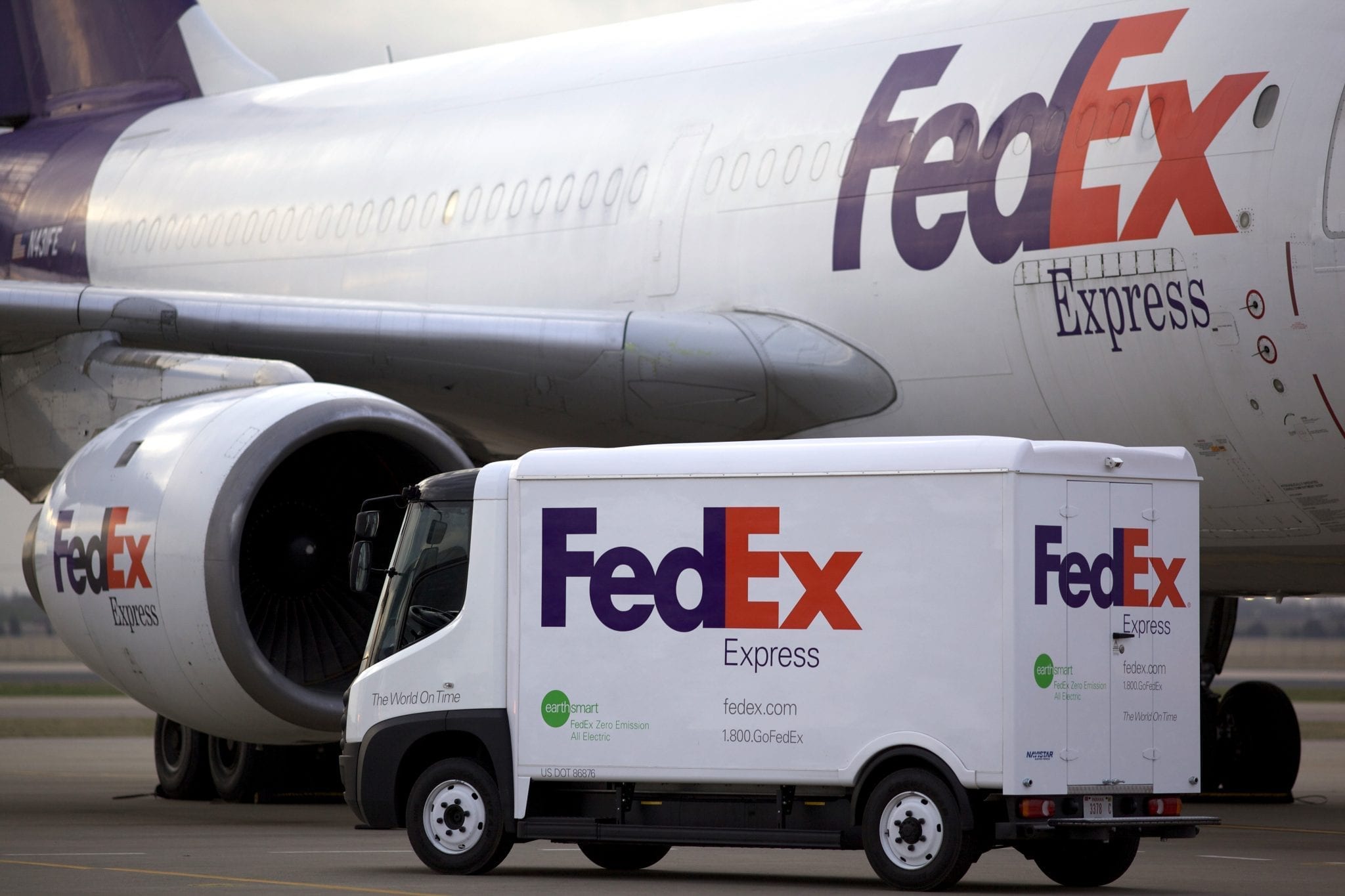
    FedEx Trade Networks, a premier international freight forwarder, announced the opening of a new office in Malaysia. Based in Penang, the additional facility highlights the continued expansion of FedEx Trade Networks to meet the growing market demand.

    “With our network stretching into Malaysia, we are well positioned to proactively respond to customer needs and support them in simplifying the complexities of international shipping,” said Udo Lange, executive vice president and COO, FedEx Trade Networks.

    The new FedEx Trade Networks office is strategically located in Penang’s central business district, with close proximity to the airport and the seaport as well as the city’s key infrastructure facilities. FedEx Trade Networks offers a comprehensive portfolio of services, covering e-commerce, international air and ocean freight forwarding, surface transportation (domestic and cross-border), customs brokerage, trade and customs advisory services as well as other value-added services, including My Global Trade Data, the company’s online suite of information management tools.

    “The world requires a new type of freight forwarder that understands how to turn global logistics into strategic advantages,” said Lange. “FedEx Trade Networks makes the complexities of global shipping simple, striving to provide customers with unparalleled supply chain visibility and logistics transparency to help move their businesses forward.”

    Penang is one of the most urbanised and industrialised states in Malaysia with a high concentration of key industries and sectors, including high tech, electronics and electrical products, industrial goods as well as aerospace, retail and e-commerce. Home to multinationals as well as small and medium enterprises, the city is one of the leading industrial sectors in the world.

  • Nearly 70 million more shares listed on UpCoM

    Nearly 70 million more shares listed on UpCoM

    Unlisted Public Company Market (UPCoM) welcomed the listing of nearly 70 million shares of five companies on Monday, with share value registered for trading equal to VNĐ693.4 billion (US$31 million).

    The five companies are 36 Corporation (G36), Sài Gòn-Nghệ Tĩnh Bear Joint Stock Company (SB1), Hà Nội Water Manufacturing Joint Stock Company No 3 (NS3), Quảng Ngãi Water Supply Sewerage and Construction Joint Stock Company (QNW) and Bridge Joint Stock Company No 12-Cienco 1 (C12).

    Listings on UPCoM have witnessed a surge recently. On December 20, five companies were also listed on UPCoM, with total share value equal to VNĐ328.6 million.

    The market appeared to be more attractive to investors as many large companies had listed or planned to list on UPCoM, following the regulation that State-owned enterprises which were public companies must register for trading on UPCoM following equitisation, in case they did not meet requirements for listing on the official exchanges.

    UPCoM was founded in 2009 and currently more than 400 firms are listed on the market, with capitalisation value doubling the Hà Nội Stock Exchange.

    However, its trading value was modest at around one fourth of the northern bourse. More than 140 stocks did not see transactions conducted in the past one month, partly due to investors’ hesitancy over transparency.

  • Big appetite for online platform to trade funds

    Big appetite for online platform to trade funds

    Most local and mainland retail investors will trade funds on an online platform if the Hong Kong Exchanges and Clearing sets up and operates one, according to a Hong Kong Investment Funds Association survey.

    The poll showed that 81 percent of mainlanders would like to use such a scheme – where funds can be bought and sold like stocks – and 51 percent of Hongkongers would opt for it.

    HKIFA surveyed 950 mainland and local retail investors in October. Some 70 percent of respondents were Hongkongers.

    It said setting up such a trading platform will enable fund managers to offer diversified wealth-management services to investors, most of whom are currently investing only in stocks.

    At the moment, about 70 to 80 percent of investments in funds are done through banks, which determine the service fees and commissions for their services.

    HKIFA chief executive Sally Wong Chi-ming said introducing competition via a new channel for selling funds will help bring down service fees, benefiting retail investors.

    She noted that though foreign experience suggests that having a new sales channel will not necessarily wean fund investors from banks, it’s the new investors who may be lured to try out funds.

    Wong said HKIFA has been in talks in the past two years with HKEx and local brokerages for the establishment of a fund-trading platform. Many markets in the region – including Taiwan, Korea, Thailand and Australia – have set up such a platform.

    She said talks with HKEx are focused on operations, with the bourse operator looking at prospects of setting up one.

    HKEx needs to update its fund- trading system, which is more diversified than the one used in trading standardized equity products, said Wong.

    HKIFA will also work with the Securities and Futures Commission, the local securities regulator, to formulate related regulations to help set up the platform.

    The SFC has to clarify numerous issues, including the online fund transaction process, the boundary between recommendation and solicitation, and the circumstances that will trigger suitability testing, said Wong.

    The SFC will soon issue a circular relating to suitability.

  • Luxury goods feature in UK accord for South Korea trade talks

    Luxury goods feature in UK accord for South Korea trade talks

    The pending talks with South Korea follow similar dialogues the UK has opened with Australia, China, the Gulf Cooperation Council, India, New Zealand and Norway

    London: The UK and South Korea are set to to begin regular trade talks, with luxury brands a particularly promising topic, as Britain prepares to expand its commercial reach once it has left the European Union.

    A formal working group of ministers from the two countries will meet as many as four times a year to discuss removing barriers to commerce and prospects for “future, ambitious trade opportunities” after the UK exits the EU, the British government said in an statement on Sunday.

    Prime Minister Theresa May has promised to make the UK a leader in liberalising trade around the world after Brexit. Yet Britain is unable to strike its own free-trade deals — or even being formal negotiations — while still a member of the EU.

    “We want to take advantage of all the opportunities available to us to ensure that Britain becomes a global leader in free trade,” UK International Trade Secretary Liam Fox said in an emailed statement. “The agreement of this latest trade dialogue shows that government is preparing for Brexit, not prevaricating.”

    The pending talks with South Korea follow similar dialogues the UK has opened with Australia, China, the Gulf Cooperation Council, India, New Zealand and Norway in the six months since voters chose in a referendum to leave the EU. Trade and investment between the UK and South Korea is worth about 10.9 billion pounds ($13.6 billion) a year, according to British estimates. The UK is the fifth-largest foreign direct investor in South Korea.

    The UK government said in its statement that South Korea is an especially promising market for luxury brands such as Burberry Group Plc, which has 70 stores in the country, and high-end automakers Jaguar Land Rover and Bentley. Other sectors with strong potential include renewable energy and nuclear decommissioning.

    “What we’re doing is putting in place plans to ensure the UK remains open for business and trade links continue to strengthen,” Fox said. “Important like-minded free trading partners like Korea and others are telling us they’ve heard that message loud and clear. Korea itself is a prime example to the world of how free and open trade can lift countries out of poverty to prosperity.”

  • Nomura Goes Live with BDO Unibank Trading Platform

    Nomura Goes Live with BDO Unibank Trading Platform

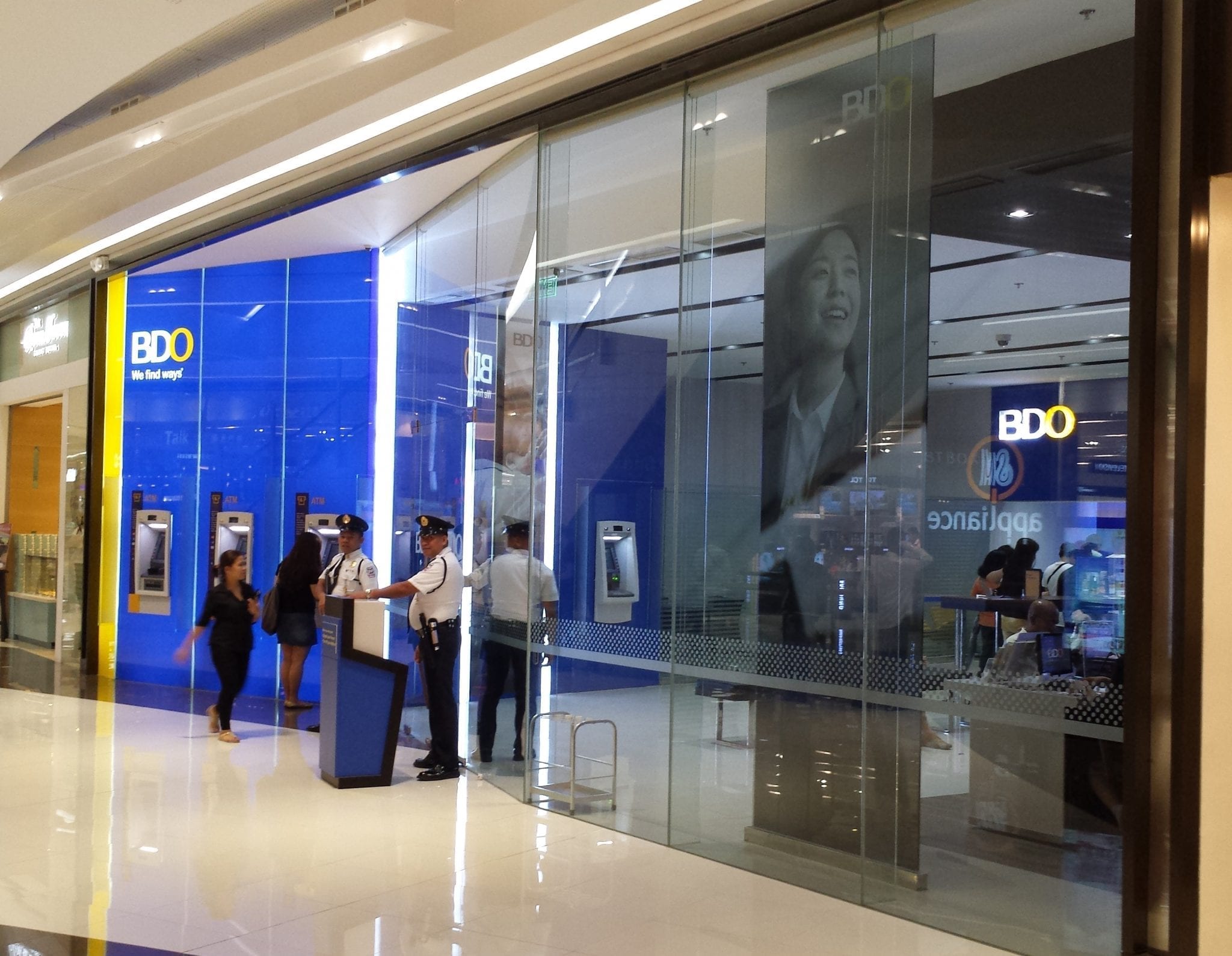
    Nomura Holdings and Philippine bank BDO Unibank, the country’s largest bank, have announced that their joint venture, BDO Nomura Securities, has officially commenced operations.

    Offering online trading services for stocks listed on the Philippine Stock Exchange (PSE), BDO Nomura has been set up to provide investors in-depth market research, quick execution time and competitive rates. Additionally, the platform offers ease of use through simple and paperless online application and fund transfers through the customer’s BDO Deposit Accounts.

    The joint venture with BDO is Nomura’s second retail operation in the region, following a successful one in Thailand, and is in line with Nomura’s strategy to develop local retail brokerage businesses in Southeast Asia. BDO owns 51 percent of the joint venture company, while Nomura holds 49 percent.

    Philippines Richest

    BDO is a full-service universal bank which provides a wide range of corporate and retail banking services and has one of the largest distribution networks, with more than 1,000 operating branches nationwide.

    The bank is owned by retail and banking magnate Henry Sy, who according to Forbes is the richest man in the Philippines.

    The securities dealer and broker with a seat in the PSE is headed by Koichi Katakawa.

  • Gamified Trading App TradeHero’s Brand Acquired by Ayondo

    Gamified Trading App TradeHero’s Brand Acquired by Ayondo

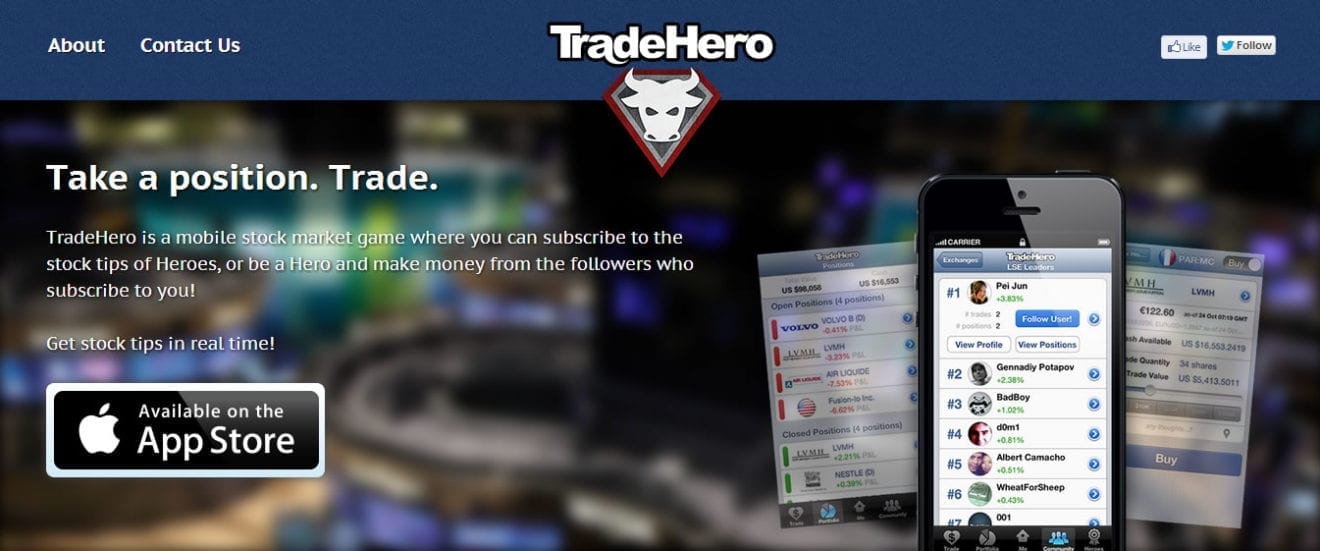
    Ayondo, a social trading technology developer for the financial services industry, has acquired the TradeHero brand, a Singapore-based trading gamification app.

    The acquisition for TradeHero’s brand outside of China and the United States, expands ayondo’s footprint in Singapore nearly a year after it announced a partnership with KGI Fraser Securities Pte Ltd to launch KGI Contrax, a platform for investors to trade Contracts for Difference (CFD).

    Robert Lempka, CEO of the ayondo Group, says: “For ayondo, mobile technology is a big part of the Group’s strategy for expansion and growth. The TradeHero brand is extremely well established in Asia and was the missing piece in our product range. Following Top Traders and taking social trading to the next level, in offering fully automated execution is exactly what is in ayondo’s DNA.”

    Dominic Morris, co-founder of TradeHero and the new Head of Innovation for ayondo Group, adds: “ayondo and TradeHero share the same vision, that is to democratise the world of investing through easy-to-use disruptive technology and knowledge sharing.”

    The team of TradeHero’s mobile technology specialists built the foundation for ayondo’s Singapore based Mobile Lab, where the group’s latest research and development takes place. The group is engaged in advanced negotiations with a SGX-listed company on a Reverse Takeover (RTO) transaction. This could result in ayondo being the first fintech company to be listed on the Singapore Exchange (SGX) and the head office being moved to Asia’s fintech hub.

  • Finance Magnates’ 2016 Summit Kicks Off in Downtown London

    Finance Magnates’ 2016 Summit Kicks Off in Downtown London

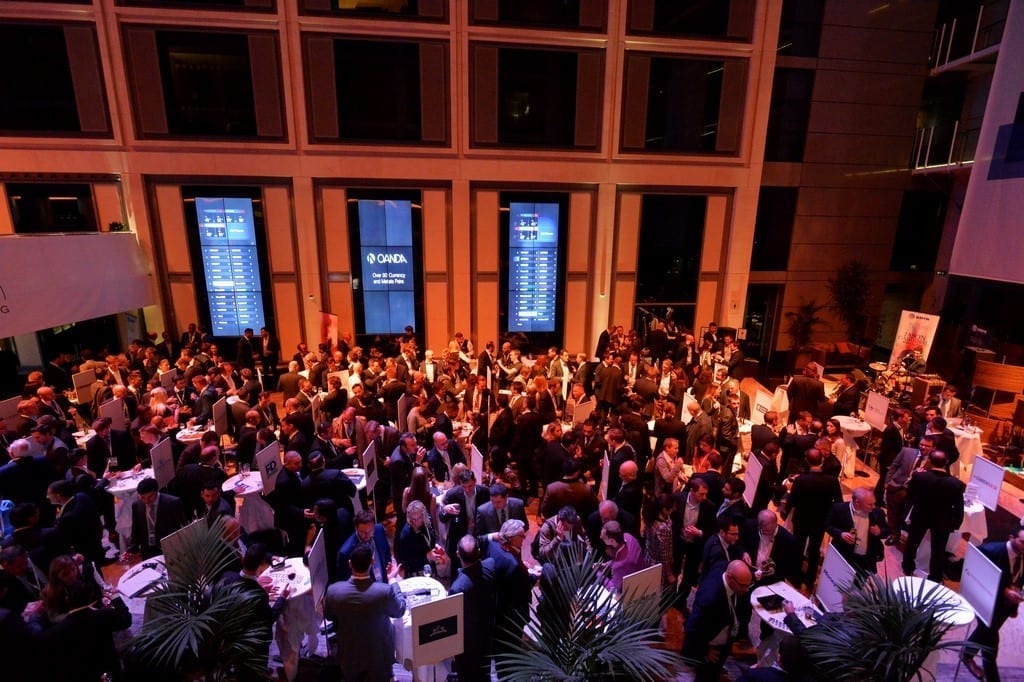
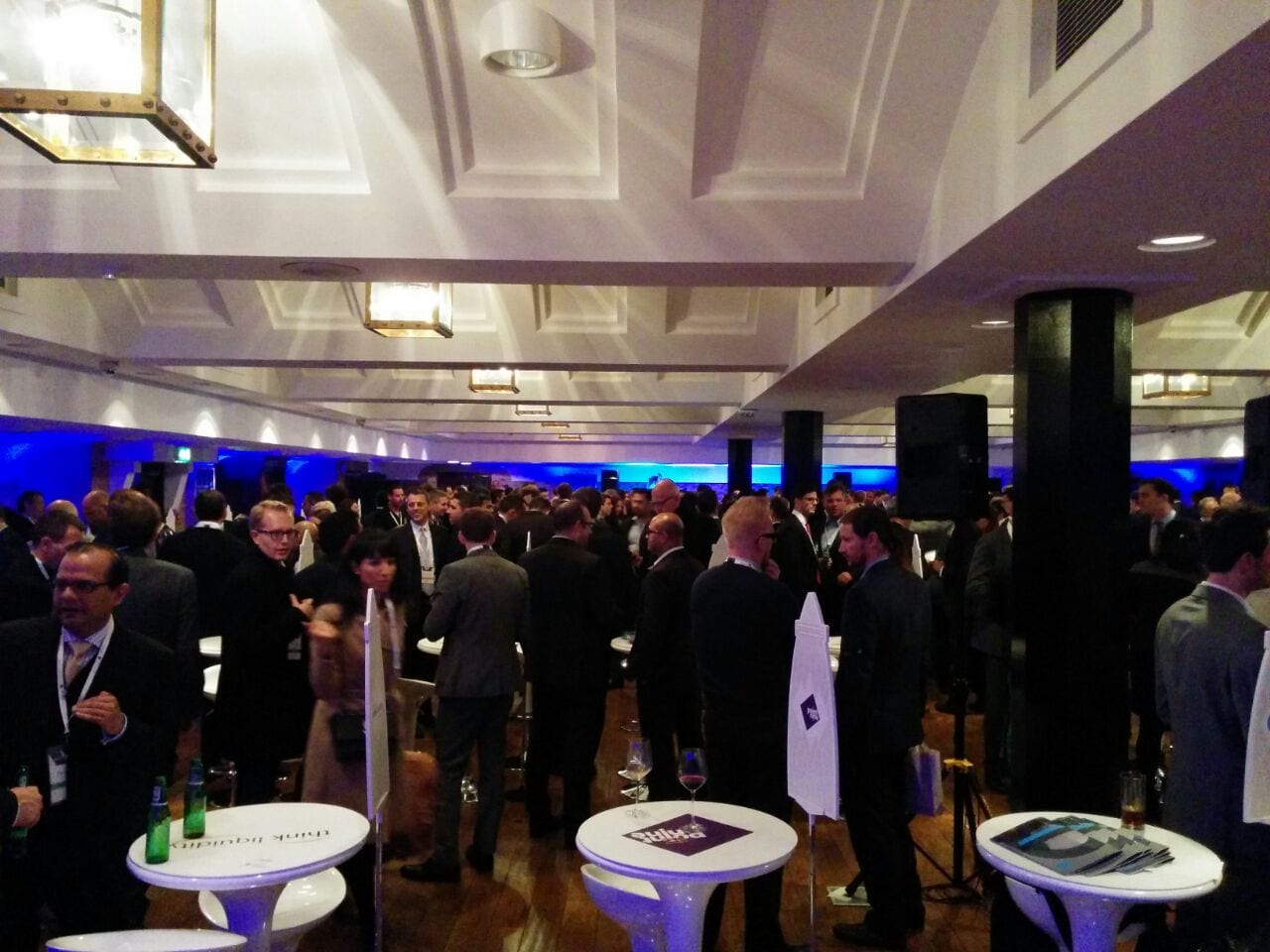
    The highly anticipated Finance Magnates London Summit kicked off today at The Brewery in the heart of the online trading industry. For five years now Finance Magnates has been hosting the prestigious event that has seen over two thousand attendees on an annual basis.

    2016 has been a very unique year for the foreign exchange and broader financial industry with two seismic events potentially redefining the current status quo. With the Brexit referendum in the UK and the victory of President-elect Donald Trump in the US, the industry seems primed for a shakeup, and the biggest names and players worldwide are now together under one roof to discuss the issues.

    Summit Kicks Off

    The event began with the Networking Blitz Opening Party today, which saw over 1,000 individuals attend. The Blitz is the first part of the two-day Summit, which features over 2,000 attendees and 90 exhibitors at a prestigious London venue. Industry elites were able to enjoy a wide range of refreshments and entertainment, as well as several attractions such as in the Institutional Lounge and more.

    second

    What to Expect on Day 2

    Looking beyond today, the second day of the summit features a full schedule of panels, seminars, and workshops, including roundtable discussions between some of the industry’s most recognizable figures. Attendees will be able to explore and immerse themselves in a wide range of topics, including the adoption of data driven market intelligence, blockchain technology, the influence of the upcoming MiFID II regulation, retention management, and much more.

    In addition to a plethora of different topics and events, the Finance Magnates London Summit will also include multiple workshops and exclusive product launches. Attendees are invited to take part in each of these presentations, which will be capped by the Finance Magnates Awards ceremony tomorrow evening. The winning brokers, providers, and other groups will be announced at the ceremony – only London Summit registered attendees, the gold standard of the executive level of the global industry, are given the privilege of participating in the voting process, ensuring a truly transparent and representative competition.

    third

  • Eastern Indonesia’s economy propelled by commodities pickup

    Eastern Indonesia’s economy propelled by commodities pickup

    Provinces in the eastern part of Indonesia are seeing robust economic growth in the third quarter thanks to higher commodity prices, but without diversification away from commodities the regions may not sustain such rapid growth, economists say.

    While the nation’s overall economic growth was 5.02 percent in the July to September period yearon-year (yoy), provinces in eastern Indonesia saw higher growth, namely Maluku and Papua with 13.72 percent, Sulawesi with 6.67 percent and Bali and Nusa Tenggara, both with 5.04 percent, according to data from the Central Statistics Agency (BPS).

    President Joko “Jokowi” Widodo said he wants to spread economic contributions from the eastern part of Indonesia to the whole archipelago and pledged to boost infrastructure development in the regions.

    However, economists said the government’s efforts to build infrastructure on the outskirts of the country had yet to bear fruit as they required more time before affecting the local economies. Instead, the rising prices of mining commodities have become the main reason for the spike in growth in eastern parts.

    “Improvements in commodity prices, such as gold in Papua, caused the jumping growth,” University of Indonesia (UI) economist Lana Soelistianingsih said on Monday following the data release.

    The BPS data also showed that the overall growth of the nation’s mining sector reversed its minus 0.72 percent yoy contraction in the second quarter to become a 0.13 percent gain in the third quarter, thanks to the higher production of some mining commodities like gold, BPS head Suhariyanto said.

    The eastern part of Indonesia still relies heavily on the mining sector so that most provinces, such as Papua, Maluku, Central Sulawesi and several areas in Kalimantan, see their economic growth spike when prices and production increase, said Center for Reform in Economics (CORE) research director Mohammad Faisal.

    “Other areas, like South Sulawesi, recorded growth because of their diversified economies,” he said. “Bali, on the other hand, is supported by its tourism sector so that when the overall economy slows down, it is still able to post growth.”

    With the projected stable increase in commodity prices going forward, economists expressed optimism that economic growth in the area can be improved, although concerns over its sustainability remain.

    “The growth will be sustainable if those provinces can transform and diversify their economies. If they’re still commodity dependent, the growth won’t sustain,” Faisal said.

    Apart from the mining sector’s reversal of fortune, the top three sectors that booked the highest growth in the third quarter include information and communications, financial services and transportation and warehousing, according to BPS data.

    In quarter-on-quarter, transportation and warehousing, agriculture, forestry and fisheries, as well as the construction sector, were at the top of the list.

    In West Nusa Tenggara and Maluku, the regions that posted the most growth in the third quarter, the marine industry is enjoying growth, especially in the shrimp and seaweed aquaculture industries, according to the Indonesian Chamber of Commerce and Industry (Kadin). Bengkulu, Lampung and Java are also seeing growth in the same sector.

  • LeoSat pre-signs first customer for LEO network

    LeoSat pre-signs first customer for LEO network

    Low-earth-orbit satellite network operator startup LeoSat Enterprises has signed up its first customer – a globally operating financial trading company.

    LeoSat is building a constellation of up to 108 low-earth-orbit communications satellites that aim to provide fiber-like speeds with lower latency than traditional satellite and terrestrial networks.

    The financial trading company customer plans to take advantage of this low latency to improve its automated algorithmic trading efficiency.

    LeoSat can offer an average round trip latency of less than 93ms from London to Tokyo and under 119ms from Singapore to London, by using optical inter-satellite links to create fiber-like symmetry at Gigabit speeds.

    Data is also encrypted and secured from end-to-end across the network, with no terrestrial touch points to expose the data.

    “We are excited to be in a position to announce our first customer almost four years ahead of the commercial launch of our system and while doing so, also venture into a market sector where traditional satellite systems have never had any suitable product offering,” LeoSat chief commercial officer Ronald van der Breggen said.

    “In addition to it being proof of our claim to be a game changer in the satellite communication industry, we take this customer contract as a very strong endorsement of our plans to offer global, low-latency, high-throughput satellite capacity, using a Low Earth Orbit constellation.”

    He said the company has already seen a high level of interest from the finance, enterprise, government and energy sectors ahead of the planned launch.

  • Bahrain-Indonesia trade ties discussed

    Bahrain-Indonesia trade ties discussed

    Bahrain Chamber of Commerce and Industry (BCCI)’s chairman Khalid Almoayed alongside a number of board members and Acting CEO have met the Indonesian ambassador to Bahrain, Chilman Arisman.

    The meeting hailed the deep-rooted relation between the Kingdom of Bahrain and the Republic of Indonesia and discussed the promising sectors and incentives offered to investors.

    Almoayed underlined the importance of reinforcing the exchange of business delegations and holding business events to bridge the knowledge gap between Bahraini and Indonesian business owners and stimulate trade, partnership, and investments.

  • Trade Expo Indonesia Targets 14,700 Potential Buyers

    Trade Expo Indonesia Targets 14,700 Potential Buyers

    The Trade Ministry is targeting the Trade Expo Indonesia (TEI) 2016, which will be held on October 12-16, to be able to attract 14,700 domestic and foreign potential buyers.

    “We provide 1,100 outlets,” Director General of National Export Development of The Trade Ministry Arlinda said in a press conference in Jakarta on Wednesday, August 24, 2016.

    Arlinda said there are currently 4,000 potential buyers who have confirmed to attend the expo.

    The Trade Expo 2016 comprises of six leading sector zones, namely manufacture, furniture and home decoration, food and agriculture, creative industry and investment.

    The TEI promotion has been intensively conducted in domestic and abroad.

  • IDX Expresses Optimism in Economic Growth

    IDX Expresses Optimism in Economic Growth

    The Indonesian Stock Exchange (IDX) expressed optimism that the companies listed on the IDX would provide positive results as the national economy was predicted to grow by above 5 percent.

    “In 2015, more than 75 percent of stock issuers at the IDX booked profits. Indeed, some of them in the commodity sector recorded somewhat significant drop. Meanwhile in 2016, we believe that the economic growth will be above 5 percent,” IDX president director Tito Sulistio said in Jakarta on Wednesday, April 13, 2016. Tito added that the Bank Indonesia (BI) rate cut to 6.75 percent and the potential of capital inflow following tax amnesty policy were among the factors that would support the national economic growth.

    “Hopefully, the tax amnesty [policy] will work. Therefore, it is expected that Indonesia will see a capital inflow of about Rp 3,000 trillion (US$220.6 billion) to build infrastructures that are important for the economy. The fund could also be invested in the capital market,” Tito explained.

    He promised that he would encourage domestic companies to obtain funds for expansion by, for instance, holding IPOs. Tito added that the IDX would call on state-owned companies to conduct privatization through the IPO mechanism.

    Earlier, IDX director of corporation assessment Samsul Hidayat said that a number of regional development banks planned to hold IPO in order to increase their capital and distribute credit to wider consumers. In addition to banks, Samsul revealed that a number of state-owned construction subsidiary companies, such as PT Waskita Beton Precast, mulled to hold an IPO.