Tag: travel

  • Singapore and Hong Kong to Create Air Travel Bubble

    Singapore and Hong Kong to Create Air Travel Bubble

    Travelers between the two cities will soon be able to make trips without the need for quarantine, stay-home notice or controlled itinerary.

    Singapore and Hong Kong have reached an in-principle agreement to establish an air travel bubble, following discussions between Hong Kong’s Commerce Secretary Edward Yau and Singapore’s Transport Minister Ong Ye Kung,

    While the bubble allows leisure trips, travelers must still produce negative Covid-19 test results and travel on dedicated flights, according to details announced by Singapore’s Ministry of Transport (MOT) in a press release on Thursday.

    It is a safe, careful but significant step forward to revive air travel, and provide a model for future collaboration with other parts of the world, Ong said about the agreement, which will be fleshed out in the coming weeks.

    Singapore has already set up reciprocal green lanes for essential and official travelers from Brunei, China, Japan, Malaysia and South Korea, although these require controlled itineraries. It has also opened its borders unilaterally to general visitors from Brunei, New Zealand, Vietnam and most of Australia.

  • Vietnam Airlines losses soar as Covid-19 grounds flights

    Vietnam Airlines losses soar as Covid-19 grounds flights

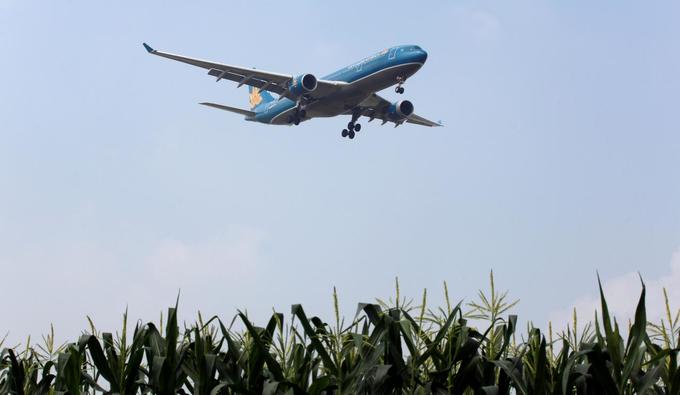
    Vietnam Airlines has reported losses of VND10.7 trillion ($464 million) in January-September, hit hard by Covid-19. The national flag carrier recorded revenues of VND23.9 trillion in the first nine months of this year, down 58.3 percent year-on-year, it said in a press release on Tuesday.

    During this period, the carrier transported 10.2 million passengers, down 41.2 percent from a year ago.

    The airline has blamed its loss on the pandemic’s impacts on the aviation industry. It said it has cut sales, financial and management expenses, reduced salaries of pilots and flight attendants as well as increased the operation of repatriation flights as part of efforts to reduce costs and boost incomes.

    The carrier’s third-quarter revenues fell 68 percent year-on-year after the second Covid-19 outbreak hit the country in late July, said Tran Thanh Hien, the airline’s chief accountant. The third quarter was usually the highest revenue earner of the year as summer travel peaked, Hien noted.

    The second outbreak forced Vietnam Airlines to cancel 22 new domestic routes during the peak period. So far, it has resumed 11 of these and is considering the viability of resuming the rest in the fourth quarter, always a low travel period.

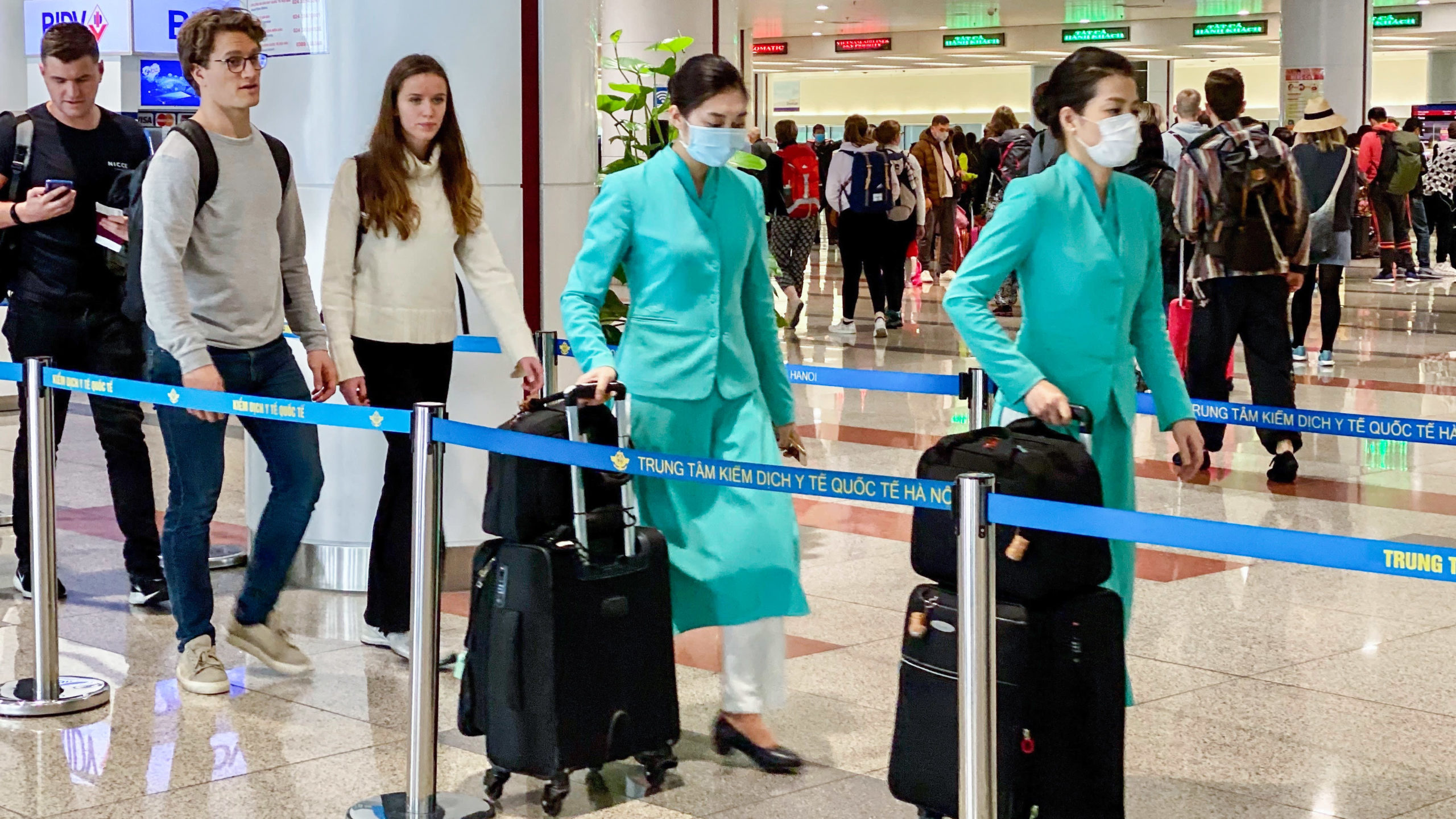
    The national carrier currently operates more than 60 domestic routes with an average of 300 flights per day. It has resumed one-way flights to Japan and plans to reopen routes soon to mainland China, Taiwan, Laos, and Cambodia.

    As of last month, the airline said its cash reserves had gone down to just VND1.9 trillion.

    The airline has estimated this year’s total loss at around VND15.2 trillion on revenues of VND55.7 trillion.

  • US$1bil loan offer for AirAsia data

    US$1bil loan offer for AirAsia data

    An American lender is willing to loan AirAsia US$1bil for the data of its customers it has accumulated from its business over the years. AirAsia Group Bhd CEO Tan Sri Tony Fernandes did not reveal the name of the potential US lender but spoke on how its data-driven new “super app” would become an equal contributor to group profit with its airline business in five years.

    “The airline has created this amazing business, ” he said, adding that post-Covid, the app has seen 50 million unique visitors every month.

    “We didn’t rush into the digital age as we started this journey two years before the Covid-19 outbreak, ” he told the media.

    The contribution forecast is based on AirAsia flying 300 aircraft in five years.

    He said there was a cash-raising potential to be done at the airasia.com and airline levels.

    “The first lot of financing will be announced by the end of this month, ” he said.

    Fernandes said that all pillars of the airasia.com app have already broken even except the fintech segment of the digital business because of the interchange fees it has to pay credit card companies. However, it has secured a money lending license from the Housing and Local Government Ministry to add another element towards the app’s fintech business.

    In a statement yesterday, AirAsia said it’s airasia.com Asean super app provides over 15 types of products and services under three main pillars, which are travel, e-commerce, and fintech.

    Fernandes believes the app can be a competitor to some of the established apps in Asean like Grab and Gojek and will provide competition in a fierce segment like food delivery.

    In the lucrative food delivery business, restaurants would not have to pay a commission to airasia.com like they do for other food delivery apps, but pay instead to the food deliverer, which translates to a commission rate of between 3% and 9% per delivery.

    “Now, everyone can travel, experience, shop, eat, enjoy rewards, and more with the new airasia.com super app. From travel needs to everyday lifestyle essentials, there is something for everyone, ” said airasia.com CEO Karen Chan.

    Fernandes said AirAsia would not be taking delivery of new planes as there is a lot of excess aircraft within the industry.

    “No one is going to fly the same size of fleets they did pre-Covid-19 for a couple of years, I imagine.

    “My guess is that we would be able to fly 180 planes by end-2021 for the entire group.

    “It depends on when the borders re-open for all our markets, ” he said. AirAsia has 245 planes currently.

    In fact, Fernandes said the airline would be returning 22 planes this year to its lessors.

    “I don’t see us getting to a position where we want to buy planes for a number of years.

    “Even when you want to buy planes, there will be cheaper second-hand planes out there, ” he said.

    As for travel, Fernandes said leisure travel would likely bounce back ahead of business travel.

    “Leisure, budget, short-haul business travel will bounce back to pre-Covid-19 level and we are already seeing it.

    “In Thailand, we are 95% of the capacity of pre-Covid-19. In fact, by Q4 we will be 10% ahead of where we were.

    “When the borders re-open, (the business) will bounce back really fast, ” he said.

  • AirAsia adding services in super app

    AirAsia adding services in super app

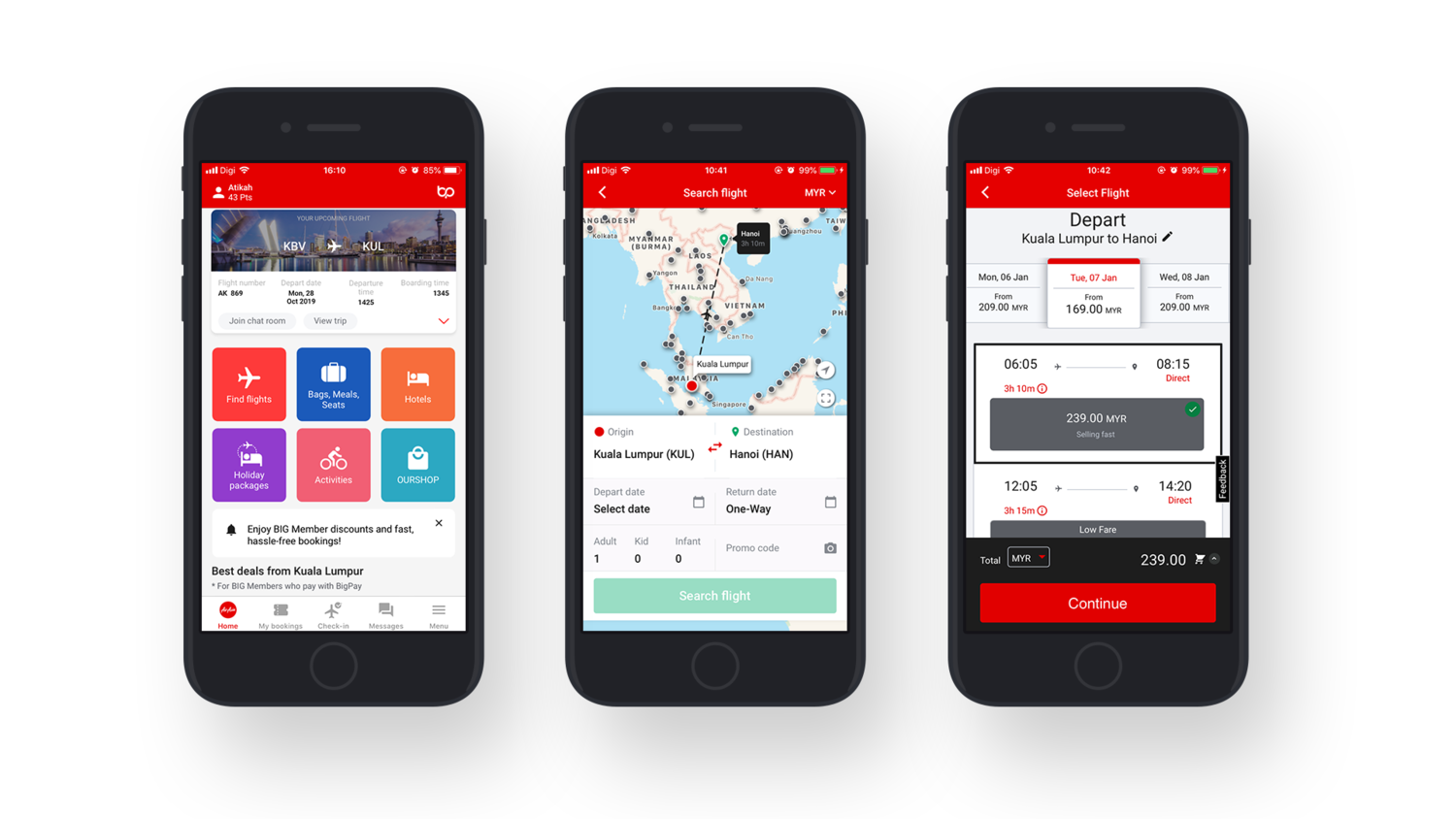
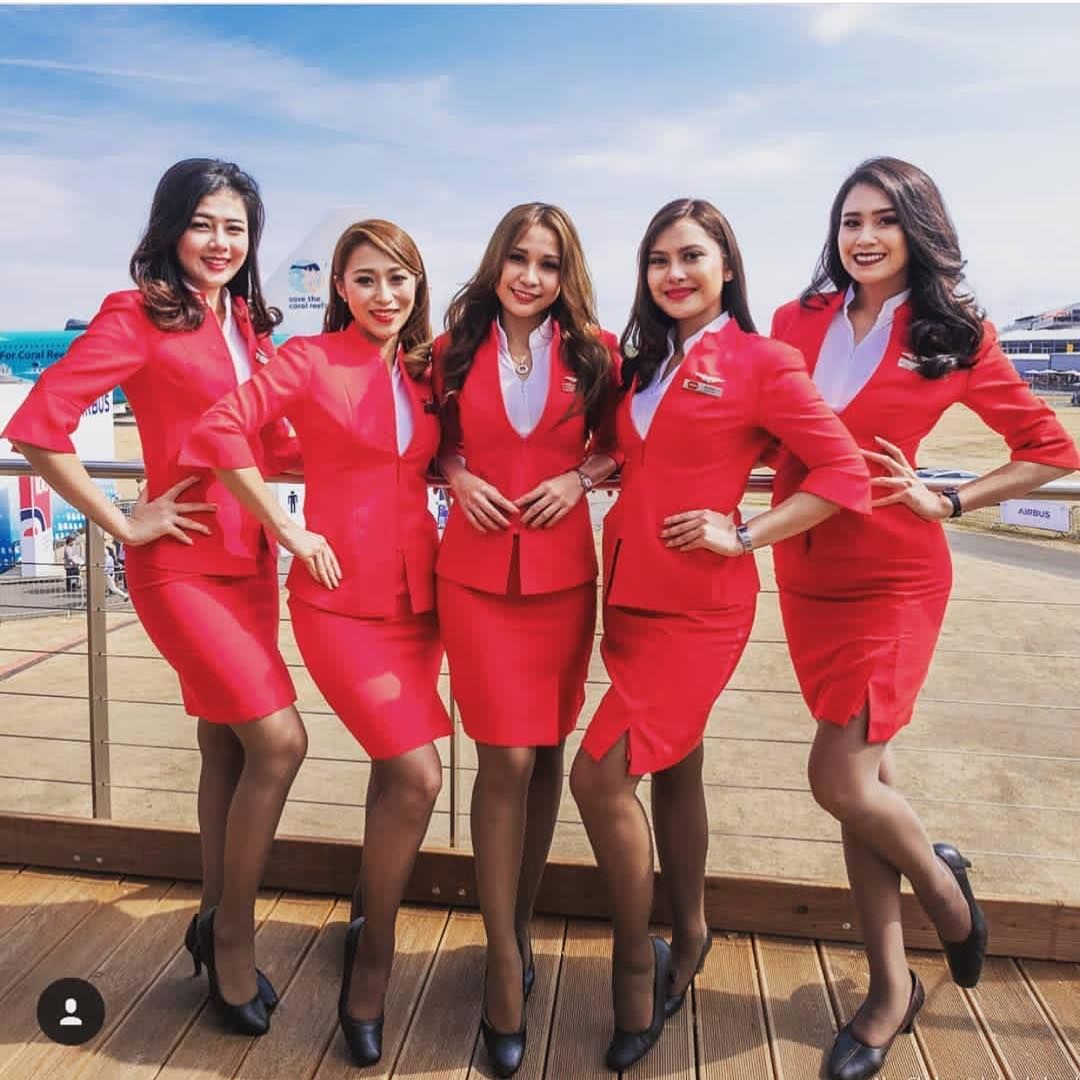
    AirAsia Group announced on Thursday that it is building a super app off its existing mobile application and website to provide services such as e-commerce, delivery, and payments. The app is to be available next month in Thailand and ASEAN.

    AirAsia chief executive Tony Fernandes said the idea to build a super app came before the pandemic, but new revenue streams are desperately needed after most of AirAsia’s fleet has been grounded for months because of travel restrictions. The company suffered losses of US$238 million in the second quarter of this year.

    “This journey didn’t start during the pandemic but it was accelerated because of the outbreak,” Mr Fernandes said. “This is not a Plan B, this was always our Plan A, but we still think aviation will definitely come back.”

    The new platform will be accessible through AirAsia.com and AirAsia’s mobile app on Oct 8, including digital services under subsidiary AirAsia Digital.

    These services include BigPay, a digital payment app; Teleport, a wholly-owned logistics, e-commerce, and delivery business; and Santan, a food and beverage franchise. Mr Fernandes said these services are already earning revenue for AirAsia except for BigPay, which is in negotiations with regulators to set its rates.

    Teleport came to Thailand in 2019 through a joint venture, while BigPay is available in Thailand and can transfer money to Thai bank accounts. Santan is only available in Malaysia or on AirAsia flights.

    “AirAsia’s roots are from moving people from A to B and moving cargo from A to B, and that is the basis of AirAsia Digital and the basis for our platform AirAsia.com,” Mr Fernandes said.

    The app will also allow users to book hotels and flights (from airlines other than AirAsia) and offers a travel and lifestyle rewards program. The company ended its partnership with Expedia and is offering its own travel booking service.

    AirAsia’s new venture will face stiff competition from existing super apps Grab and Gojek, which are both spending billions in venture capital to expand their presence in Southeast Asia. Grab and Gojek are in talks for a merger, which if completed would create a virtual monopoly for ride-hailing and food delivery in Asean.

    Grab is valued at about $14 billion, while Gojek was valued last year at almost $10 billion. Neither company is publicly traded.

    AirAsia, which is listed on the Malaysian stock exchange, has a market capitalization of $624 million.

    “We are nowhere near the size of Grab or Gojek, but AirAsia’s not about being dominant in one country, but providing an Asean product,” Mr Fernandes said.

    The AirAsia app hopes to differentiate itself by leveraging the data it has collected from millions of passengers, while also stressing its cross-country appeal for cross-border travelers in Asean.

    “I don’t believe we are here to compete, but here to complement,” Mr Fernandes said. “Airlines always see us as competitors, but we complemented the full service and created a new market that was not there — before, only a few people could fly, now everyone can fly, and in the same way we will complement the market.”

    He said the platform will also be open to new partners and services, not just those owned directly by AirAsia Digital.

    Michael Araneta, associate vice-president of IDC Financial Insights, said traditional businesses like AirAsia can find success with a super app by leveraging existing customer bases and technical resources.

    “AirAsia has shifted to being a lifestyle company and already has spent considerably on developing technology,” he said. “The company might not need to invest a substantial additional amount to turn their tech offerings into a super app.”

    Users of AirAsia’s super app will benefit from usage points that convert to discount flights and other related partner services supporting its core business, Mr Araneta said.

    During a pandemic, users cannot take advantage of these flight privileges as much.

    Mr Araneta said a winning super app is one that leverages considerable real-time data and various partners to provide relevant benefits to its customer base.

  • Vinpearl loss triples as pandemic hits tourism

    Vinpearl loss triples as pandemic hits tourism

    Vinpearl Jsc, the hospitality and entertainment arm of conglomerate Vingroup, saw first-half losses triple year-on-year due to the impacts of the coronavirus pandemic.

    The operator of premium resorts and theme parks recorded a loss of nearly VND5.1 trillion ($220 million), up from VND1.69 trillion.

    Its debt to equity ratio rose to 22.57 at the end of H1 from 2.2 a year earlier.

    The rising loss and debts were the result of the pandemic crippling the tourism and hospitality industries in Vietnam since the first quarter.

    In March Vinpearl shut down some of its resorts and golf courses amid travel restrictions and dwindling demand.

    The company recently raised VND865 billion through three-year bonds. In 2018 and 2019 it had issued a total of VND14.3 trillion worth of bonds.

    The company operates 43 resorts and hotels nationwide with over 17,000 rooms, golf courses, theme parks, and a safari park.

  • Bamboo Airways announces first ever Hanoi-Con Dao Island direct service

    Bamboo Airways announces first ever Hanoi-Con Dao Island direct service

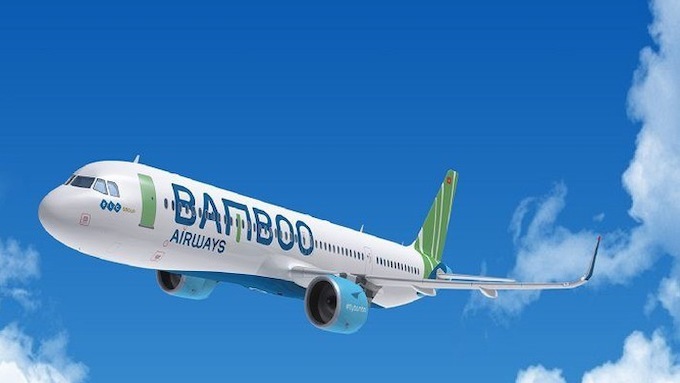
    Bamboo Airways will launch the first-ever direct flight from Hanoi to Con Dao Island, a tourism hotspot off the southern Ba Ria-Vung Tau Province, on September 29. There will be two round trips daily.

    The airline will also begin daily flights to Con Dao from the northern port city of Hai Phong and central Vinh Town from September 29. It will use twin-engine Embraer jets with 120 seats on all three routes.

    Nguyen Ngoc Trong, deputy director of Bamboo Airways, said the airline would carry a maximum of 100 passengers on a flight to ensure safety amid the Covid-19 pandemic.

    Vietnam Air Services Company, commonly known as VASCO, a subsidiary of Vietnam Airlines, is the only airline currently operating regular flights to the island, flying from Ho Chi Minh City and the southern city of Can Tho.

    Con Dao has a 3C classification, meaning it can only receive ATR 72 and other similar aircraft. It closes at night since it lacks a runway lighting system.

    Property developer FLC, the parent company of Bamboo Airways, has sought to invest in a lighting system so that the airport could operate at night.

    Con Dao received 400,000 visitors last year.

  • AirAsia Seeks Up to $600 Million Cash Injection to whitstand Crisis

    AirAsia Seeks Up to $600 Million Cash Injection to whitstand Crisis

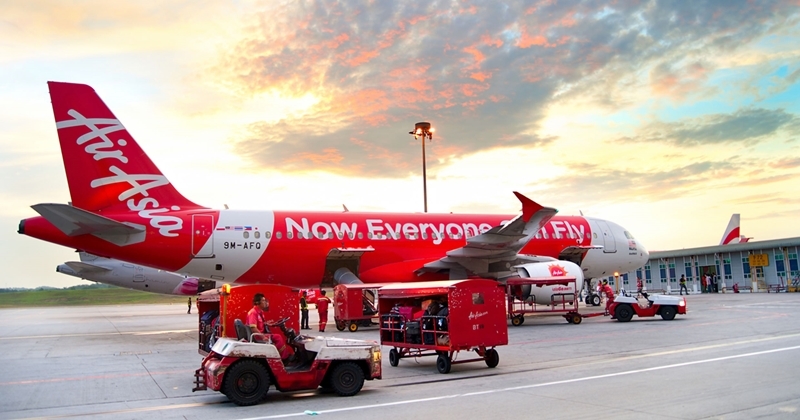
    AirAsia Group is seeking to raise as much as 2.5 billion ringgit ($600 million) by the end of the year as it tries to survive a business slump exacerbated by the coronavirus pandemic.

    The Subang, Malaysia-based budget carrier may borrow up to 1.5 billion ringgit from banks and another 1 billion ringgit from investors, a spokeswoman said Tuesday. AirAsia is also in talks with local and foreign investors including private equity firms, strategic partners, and conglomerates, she said, confirming an earlier report that cited Group Chief Executive Officer Tony Fernandes.

    Airlines around the world are losing money after grounding thousands of planes as countries shut borders and restrict people’s movements. AirAsia, which last month posted its largest quarterly loss on record, resumed domestic operations in late April but its long-haul unit, AirAsia X Bhd., still isn’t flying. Auditor Ernst & Young said in July their ability to continue as going concerns may be in “significant doubt.”

    South Korea’s SK Group said in June that it was in talks to buy a small stake in AirAsia, without providing further details. AirAsia has also cut the salaries of management, trimmed jobs, and deferred plane deliveries in an attempt to shave costs by 30% this year.

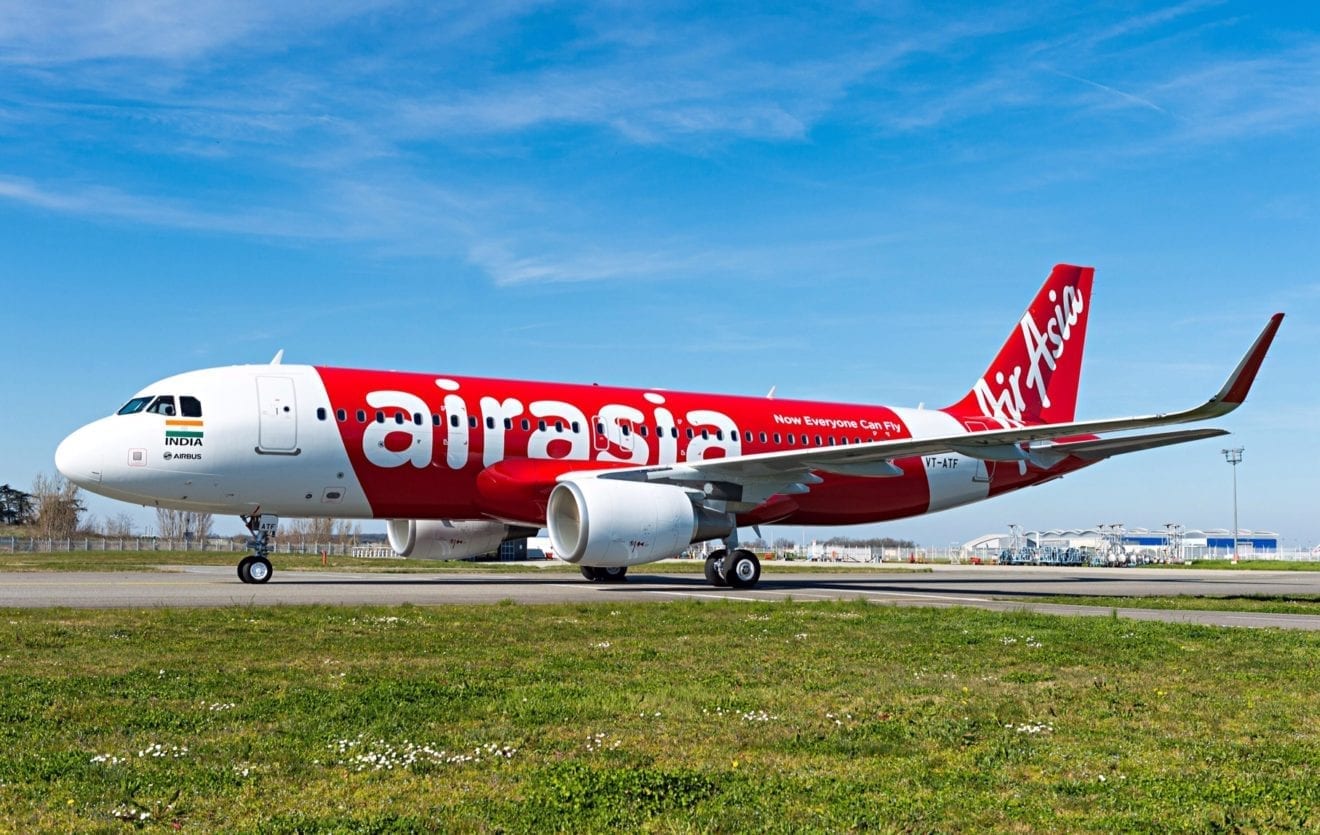
    AirAsia is also evaluating its operations in Japan and will make a decision very soon, the company’s spokeswoman said Tuesday. Its India venture remains as is, she said without elaborating. The airline is looking to consolidate and strengthen its business in Southeast Asia, even if that means exiting Japan and India, Reuters reported earlier.

    AirAsia said last month that it needs to reach agreements with major creditors to restructure outstanding debt because it faces “severe liquidity constraints” that threaten its ability to resume flying and continue as a going concern.

    The long-haul budget unit and its AAX Leasing Two Ltd. have received a claim from BOC Aviation Ltd. regarding $23 million of outstanding amounts due under lease agreements, according to an exchange filing Friday. AirAsia X, which said it is seeking legal advice, leases four aircraft from BOC.

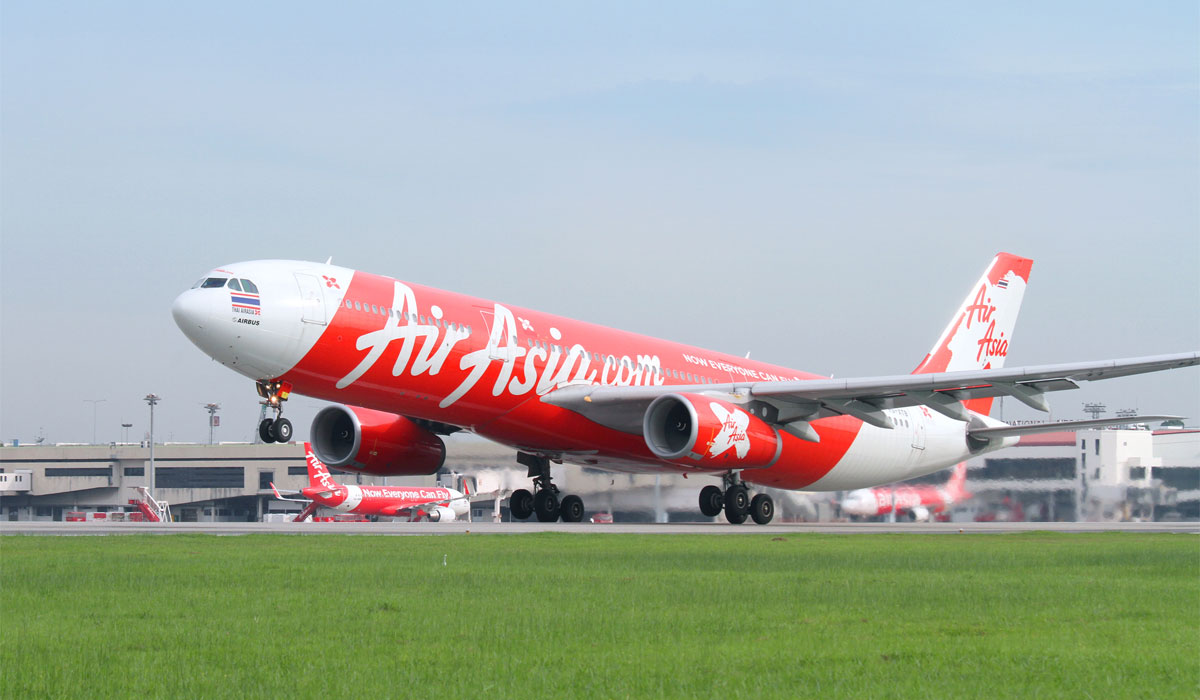
    AirAsia is one of Airbus SE’s major customers for A320s while AirAsia X is the world’s biggest customer of Airbus A330neo planes. AirAsia X has 78 of the aircraft on order, according to Airbus’s website, and has already deferred the delivery of some A330neos.

  • International flights resumption fails to enthuse Vietnam tourism firms

    International flights resumption fails to enthuse Vietnam tourism firms

    Vietnamese tourism companies are not enthused about the possibility of flight resumption to six Asian destinations because they don’t expect large numbers of tourists to board these flights.

    Nguyen Cong Hoan, deputy CEO of Hanoi Redtours, said that flights to these destinations will mostly serve businesspeople, workers and students and not tourists.

    “Although this shows that the Vietnamese government is opening up the doors to other countries, tourism will not see immediate benefits because the mandatory 14-day quarantine policy will discourage tourists,” he said.

    Hoan was commenting on a plan by Vietnam aviation authorities to resume commercial flights to Guangzhou (mainland China), Seoul (South Korea), Tokyo (Japan), Taipei (Taiwan), and Cambodia and Laos as early as later this month.

    The Civil Aviation Authority of Vietnam (CAAV) said this plan, if approved, will bring in about 5,000 passengers a week to Ho Chi Minh City, Hanoi and Can Tho City.

    Phan Dinh Hue, CEO of Ho Chi Minh City-based tourism firm VietCircle, said people only travel when they feel safe, and amid the ongoing pandemic, not many are willing to take the risk contracting the virus on a flight.

    People also do not want to be “trapped” in a destination if it is locked down, as happened to many last month when there was an outbreak in Da Nang City, he added.

    What tourism companies want now is a chance to reboot domestic travel. Nguyen Quoc Ky, chairman of leading tourism company Vietravel, said authorities need to establish a map of safe travel destinations in the country to boost demand and help tourism companies survive.

    Hoan of Hanoi Redtours proposed that authorities in each locality assess the Covid-19 situation in their area and make appropriate decisions.

    If there were no Covid-19 cases recorded in a locality, tourism and entertainment activities should be allowed, he said.

    He added that in the long run, if the resumption of international flights does not result in a surge of community transmissions of the novel coronavirus, the government could remove the 14-day quarantine policy. Only then would tourism companies be able resume their international operations.

    The Covid-19 pandemic has seriously damaged Vietnam’s tourism sector. Tourism revenues in the first eight months fell over 54 percent year-on-year to VND13.1 trillion ($569 million), according to the General Statistics Office.

    Foreign arrivals fell 67 percent to 3.77 million in the period.

    Last year, Vietnam welcomed 18 million foreign tourists, up 16.2 percent year-on-year.

  • Rimowa opens Hong Kong flagship

    Rimowa opens Hong Kong flagship

    Premium luggage brand Rimowa has opened its first flagship store in Hong Kong, located at Lee Gardens. Occupying 192sqm, the store offers a selection of premium luggage, including the Original, Classic, Essential, and Hybrid collections

    The store’s facade features floor-to-ceiling glass windows and strong vertical lines incorporating lighting that “pays homage to the brand’s renowned groove design while also evoking the densely packed, iconic skyline of Hong Kong,” the company said.

    The Rimowa Lee Gardens store interior follows the minimalist design, using modern elements such as a bold pink ceiling, grey walls and floor, metallic displays, and contemporary track lighting.

    The store features a ‘sticker wall’ made from mirrored vertical metal panels. The design resembles a traditional Chinese painting known for its hanging scrolls. The sticker collection celebrates cities from across the globe and designs created in collaboration with the brand’s worldwide network of artists.

    Rimowa Lee Gardens also houses a Client Care counter where customers can schedule product servicing, and receive and inspect repaired luggage.

  • AirAsia to start charging customers for checking in at airport counters

    AirAsia to start charging customers for checking in at airport counters

    Cash-strapped budget airline AirAsia Group Bhd said on Tuesday it would begin charging customers a fee to check-in at airport counters, in part to encourage them to minimize physical contact with staff during the coronavirus pandemic.

    Travelers who do not check-in via the airline’s website, mobile app, or airport kiosk will be charged 20 Malaysian ringgit ($4.83) for domestic flights and 30 Malaysian ringgit for international flights, though some exceptions will apply.

    AirAsia Group Chief Operations Officer Javed Malik said the fees would help motivate travelers to make use of the airline’s investment in digital technology.

    “In view of the Covid-19 pandemic, these self-check-in facilities have become very crucial in minimizing physical contact between our guests and staff,” he said in a statement.

    AirAsia last month reported the biggest quarterly loss in its history due to the devastating impact the pandemic has had on travel demand, with revenue down 96%.

    The airline said it had applied for bank loans in its operating markets and had been presented with proposals from investment bankers, lenders, and potential investors to raise capital.

    The new AirAsia check-in fees are well below European budget carrier Ryanair Holdings’s PLC 55 euro ($65.95) charge for airport check-in, which was put in place before the pandemic.

    US low-cost carrier Spirit Airlines charges $10 for boarding passes to be printed at the airport, according to its website.

  • Green light for carrier KiteAir likely delayed until 2022

    Green light for carrier KiteAir likely delayed until 2022

    The Planning and Investment Ministry has suggested that the PM delays his approval to new carrier KiteAir’s investment proposal over Covid-19 impacts. The establishment of the new airline would add to the business woes wreaked on the local aviation industry by the pandemic, the ministry said in a document recently sent to Prime Minister Nguyen Xuan Phuc. “A suitable time for a new carrier would be 2022 when the market has recovered.”

    The ministry added that the current priority and focus should be the restoration of domestic and international aviation markets and support for existing carriers.

    Earlier, in July, the Transport Ministry (MoT) had also proposed that the government not license any new carrier, including KiteAir, till 2022, when the local aviation market is expected to recover.

    Based on the MoT’s proposal, Deputy PM Trinh Dinh Dung in July “agreed in principle” with the temporary suspension as proposed by the MoT. Dung, however, assigned the MPI, as an investment proposal appraisal agency, to report to the PM about the KiteAir investment proposal which was already submitted by hospitality group Thien Minh.

    The MPI had said earlier that KiteAir has a sufficient legal basis to have its investment proposal appraised. The MoT, meanwhile, had said the establishment of the new carrier was in line with the orientation and development plans of the industry.

    But in April, amid the Covid-19 pandemic, the PM requested ministries to review and consider the establishment of any new carrier, including KiteAir, given the new context.

    KiteAir, which planned to take off in the second quarter of 2020, was to be headquartered in the central province of Quang Nam with a charter capital of VND1 trillion ($43 million), invested in by Thien Minh, a leading Vietnamese hospitality group.

    It planned to operate six short-haul ATR-72 aircraft with a capacity of 78 seats in the first year of operation and expand the fleet to 30 jets by the fifth year, including 15 narrow-body Airbus A320/321 aircraft.

  • The airline founder building Asia’s next super app

    The airline founder building Asia’s next super app

    AirAsia’s founder Tony Fernandes is building what he hopes will be the region’s next “super app” as he deals with the coronavirus travel downturn. He wants to rival the likes of Grab, GoJek, and WeChat with an all-in-one app for food delivery, shopping, payments, entertainment, and travel. As the airline’s boss, he has been looking at new ways to generate income while his planes were grounded. AirAsia has struggled during the pandemic and cut 30% of its staff.

    Mr. Fernandes said he has spent his time during the travel slump improving the AirAsia app and the company’s payments platform BigPay.

    “The downturn was a blessing in disguise in some ways as it allowed us to focus more on it. Running an airline takes up a lot of our time but we have been given the opportunity and time to focus on our digital business.”

    AirAsia already has a “rich database” of over 60 million users as its starting point. The AirAsia app, which also offers users a messaging service, has set its sights on super apps like Singapore-based Grab, Indonesia’s GoJek, and China’s Meituan.

    “AirAsia has always been a digital company. We were one of the first airlines to sell online. It’s in our bloodstream,” added Mr. Fernandes, who is also a major shareholder of English football club Queen’s Park Rangers (QPR).

    “I know a super app sounds like a lofty target but Grab and GoJek also started out small as food or mobility apps. Plus people also questioned me the same way when I said I wanted to start AirAsia.”

    Mr. Fernandes’ airline has now grown to become Asia’s biggest budget carrier. Last year AirAsia launched its own record label called RedRecords in partnership with Universal Music. The aim is to discover stars from South East Asia who will appeal to a Western audience. The first major signing, Thai pop star Jannine Weigel, has already built up millions of followers across social media.

    “Boy have we got something special with the record label. The Koreans have shown how Asian music can appeal to a global audience with K-pop and there is huge potential for southeast Asia.”

    “This also helps us engage with a younger audience and gives lots of content for our app.”

  • AirAsia X to implement further payroll cut next month as losses swell

    AirAsia X to implement further payroll cut next month as losses swell

    AirAsia X Bhd’s net loss for the second quarter ended June 30, 2020 (2QFY20) widened to RM305.24 million, 47.4% more than the RM207.11 million it recorded a year ago as the airline bore the full brunt of travel restrictions implemented to curb the Covid-19 pandemic.

    AAX sees more turbulence ahead due to uncertainties surrounding the lifting of travel restrictions, which have grounded most of its aircraft fleet.

    The low-cost carrier revealed that its severe liquidity constraints persisted. “In the short term the company will need to seek agreement with major creditors to restructure outstanding liabilities, which have accrued during the period since the start of the Covid-19 pandemic, in order to continue as a going concern,” AAX said in its quarterly financial result announcement.

    Meanwhile, the carrier continues to seek payment deferrals and concessions from its suppliers, lessors, and lenders. “Further payroll reductions will be implemented in the next month to reflect the significantly lower level of operations both at the current time and also when the company is able to start operating again,” it added.

    However, the quarter’s performance was an improvement over the preceding quarter’s in which the long-haul low-cost carrier posted its largest-ever net loss of RM549.7 million due to large foreign exchange losses and losses from the hedges against higher crude oil prices.

    Quarterly revenue shrank to barely RM91.44 million compared with the RM1.01 billion reported a year ago as AAX operated only 16 scheduled flights throughout the three months versus 4,824 a year ago.

    Its total cash balance contracted almost 30% to RM252.04 million from RM357.96 million at the end of last year. Deducting pledged deposits, its cash pile stood at RM211.94 million, a drop from RM307.85 million previously.

    The airline’s current liabilities ballooned by nearly 31% to RM3.38 billion from RM2.58 billion as at end-2019. The spike in its current liabilities was mainly attributed to trade and other payables, which rose to RM1.31 billion from RM823.81 million.

    “AAX will not be able to restart scheduled operations until international borders reopen and, in recognition of the current degree of uncertainty and the timing of the lifting of restrictions, the company has stopped selling tickets for future travel dates,” said the carrier.

    Shares in AAX closed unchanged at 6.5 sen today, giving the airline a market capitalization of RM269.63 million. Year-to-date, the counter has plummeted by more than half from 15.5 sen.

  • AirAsia’s 1Q e-commerce sales leap 118%

    AirAsia’s 1Q e-commerce sales leap 118%

    Budget airline AirAsia Group Bhd saw revenue from its e-commerce platform, AirAsia.com, rose 118% year-on-year in the first quarter of this year as it rolled out new offers, promotions, flights and hotel bundle packages.

    “As travel continues to gradually resume, more activities are authorized… which in turn will support the growth of our non-airline business divisions, particularly in the lifestyle, e-commerce and media verticals,” said AirAsia.com chief executive officer Karen Chan in a statement today.

    AirAsia anticipates that its airline and ancillary revenues will gradually stabilize as non-airline revenues become a key driver of growth and business priority.

    “In the future, we foresee our non-airline revenues will outperform our airline performance which is why our focus is on offering innovative products that encompass travel, lifestyle, e-commerce and media verticals, in both the B2B and B2C segments,” said Chan.

    “While Asean is our home and domestic travel is our short-term focus, we look forward to the reopening of international borders to realize the potential of AirAsia.com,” she added.

    In anticipation of international borders reopening soon, Chan said AirAsia is in final stages of discussions with key international airlines to connect their European and MEA networks directly with AirAsia’s vast Asean network.

    “These strategic partnerships will complement our existing partnership with Kiwi.com, which provides a virtual interlining and connectivity optimization engine to offer a one-stop-shop, best-price-guaranteed service for our customers.”

    The airline wants to position AirAsia.com as a leading one-stop travel and lifestyle e-commerce platform in Asean, offering products from flights, hotels, travel activities, shopping and more.

    Chan said AirAsia has always regarded Asean as its playground, connecting its 640 million people to 160 destinations across Asia and the Pacific. “But with the pandemic still at large and continued restrictions to cross-border travel, we are looking at creative ways to overcome these limitations.”

    For now, the focus for AirAsia.com is to promote domestic travel until international borders reopen and travel restrictions are relaxed.

    “Given AirAsia’s dominant market position (with over 73% market share in capacity in Malaysia), we are using our position of strength to stimulate domestic air travel where there is demand.

    “Going back to our DNA which is all about making travel affordable for everyone, we will continue to innovate with more exciting products, leveraging on our one-stop travel shop ecosystem and focusing on our business divisions which are most relevant given current market conditions,” said Chan.

    “Based on our recent market survey, close to 45% of travelers want to travel immediately post lockdown. Flight searches on our website have increased by more than 150% post-hibernation period and as of June 2020, AirAsia.com receives 1 million daily active users.

    “Our domestic travel promotions have been very well-received. We sold over a million seats group-wide in July and we continue to ramp up capacity. With restrictions on activities being lifted, we hope to achieve a load factor of 70%-80% by the third quarter of 2020,” she said.

    Chan noted that the aviation industry, being one of the heaviest impacted by the Covid-19 pandemic, is undergoing a period of consolidation — fare rationalization will be a natural outcome.

    “We continually review our products and innovate to best meet our customer’s needs, at unbeatable prices. We survived for 18 years in a hyper-competitive industry and became the leader of the low-cost carrier segment by providing the best prices, best Asean connectivity and best customer experience.”

    Under its recently-launched Unlimited Flight Pass in Malaysia and Thailand, AirAsia sold more than 200,000 passes and has received many requests for the product to be introduced in other markets.

    “We are closely monitoring the domestic travel situation in all of our markets (that AirAsia operates) and are looking forward to extending the Unlimited Flight Pass to other markets such as Indonesia and the Philippines when flight restrictions have eased,” said Chan.

    To date, AirAsia.com partners close to 400 hotel chain properties and over 100 independent hotels across Malaysia, Thailand and Indonesia.

    In Malaysia, AirAsia.com is working closely with the Malaysian Association of Hotels to collaborate with more hotels, and hopes to increase its partnerships with independent hotels in Kuala Lumpur, Langkawi, Penang, as well as Sabah and Sarawak.

    AirAsia shares closed up one sen or 1.52% at 67 sen today, bringing a market capitalization of RM2.24 billion. A total of 11.91 million shares were traded.
  • Flight restart in June offers little reprieve to Cebu Pacific

    Flight restart in June offers little reprieve to Cebu Pacific

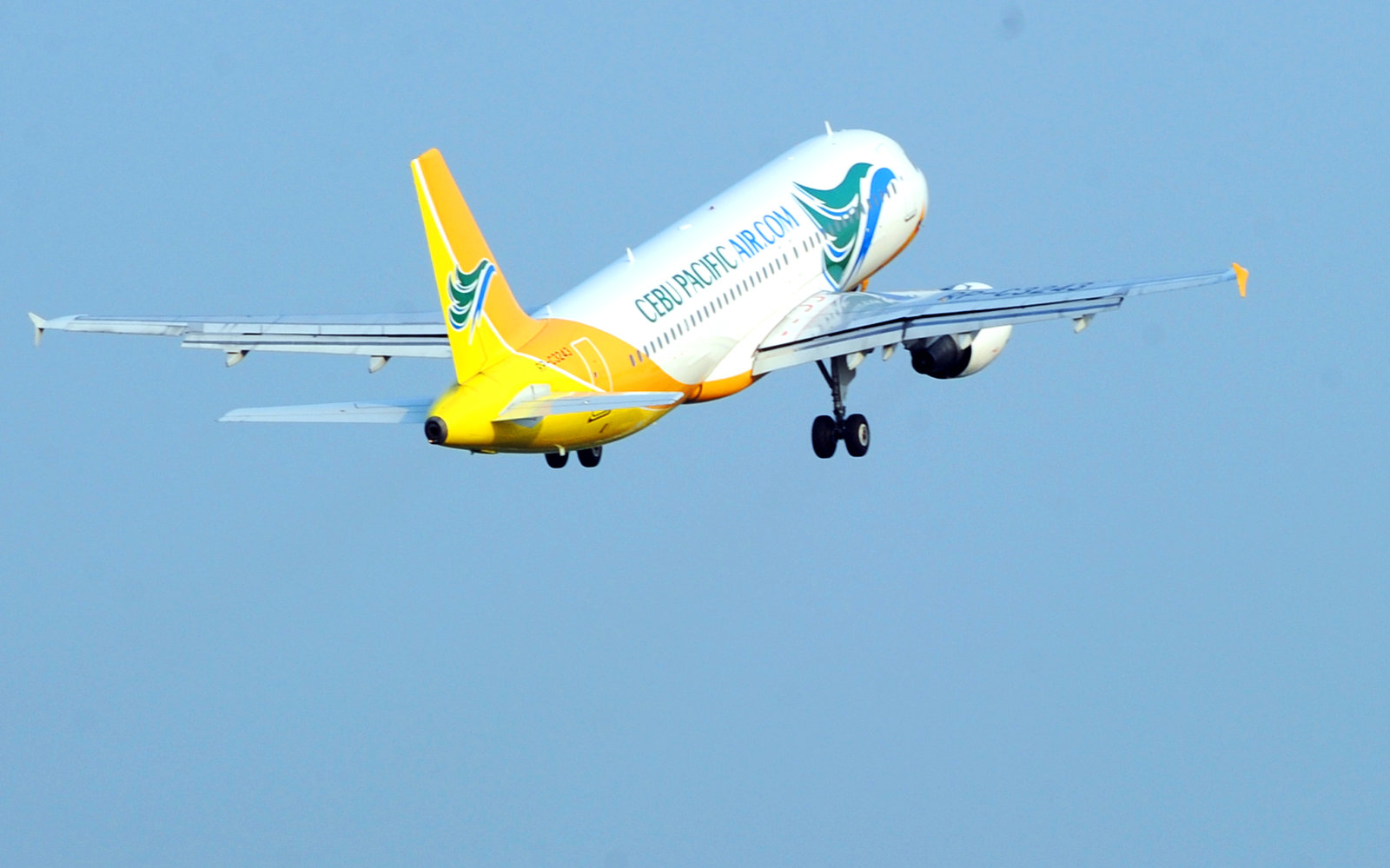
    Gokongwei-led Cebu Air Inc. took a turn for the worse on the first half of the year as losses mounted due to the coronavirus pandemic that kept most of its fleet grounded. A gradual recovery is seen from reopening routes.

    In a disclosure on Wednesday, the budget carrier reported net losses amounting to P9.14 billion from January to June this year, a massive reversal of the P7.15 billion profits the same period a year ago. Losses worsened from the first three months of the year, when during the latter part of the period, the government declared a sweeping community quarantine that closed down airports and enforced travel barriers to contain the virus spread. The shutdown’s impact was so severe, Cebu Pacific slashed its workforce by a quarter.

    “While some sporadic arrangements for sweeper flights to assist with stranded tourists did occur, for the most part, the Group’s operations were virtually nil until April when some cargo flights within the Philippines and eventually to countries like Japan, Thailand, China, Hong Kong recommenced,” the company said.

    As the Philippines began to ease quarantine controls last June, Cebu Pacific returned flights to 25 of its 78 domestic routes in seven hubs located in areas under general community quarantine, providing relief to the bleeding. “The Group will continue to expand its operations as more local governments welcome flights into their cities,” the airline said.

    Broken down, revenues for the first six months plummeted 61.2% annually to P17.33 billion. Of that amount, P11.51 billion was generated from passenger flights, down a bigger 65.5% on-year as passenger traffic more than halved to 4.5 million from last year.

    Earnings from revenue operations, meanwhile, slipped 21.7% year-on-year to P2.22 billion in the same six-month period, incurred as a result of a 52.4% drop in cargo volumes. Ancillary revenues decreased by 57.7% annually to P4.9 billion.

    On the flip side, earnings also sank 32.2% from year-ago levels to P35.89 billion “mostly driven by the suspension of the Group’s operations due to the COVID-19 global pandemic,” Cebu Pacific said. The peso appreciation, as well as a decline in global oil prices, also helped temper disbursements by lowering imported fuel costs.

    Broken down, January-June expenditures from flying dropped 53.6% on-year to P8.15 billion, that from aircraft servicing shrank 48.8% annually to P2.17 billion, maintenance costs by 13.9% to P561.08 million, and costs from foreign exchange swings by 11.5% year-on-year to P8.17 billion.

    “The Group’s cash requirements have been mainly sourced through cash flow from operations which was significantly reduced due to the current COVID-19 situation,” Cebu Pacific said, even as the airline assured investors of its “strong” financial position.

    The budget carrier, as well as other local airlines, have pleaded to the government for a direct financial rescue to prevent collapse and layoffs. The Duterte administration, however, has rejected cash intervention to salvage firms, opting to let banks lend them money instead.