Tag: travel

  • AirAsia ‘super app’ to help struggling airline rebound from pandemic

    AirAsia ‘super app’ to help struggling airline rebound from pandemic

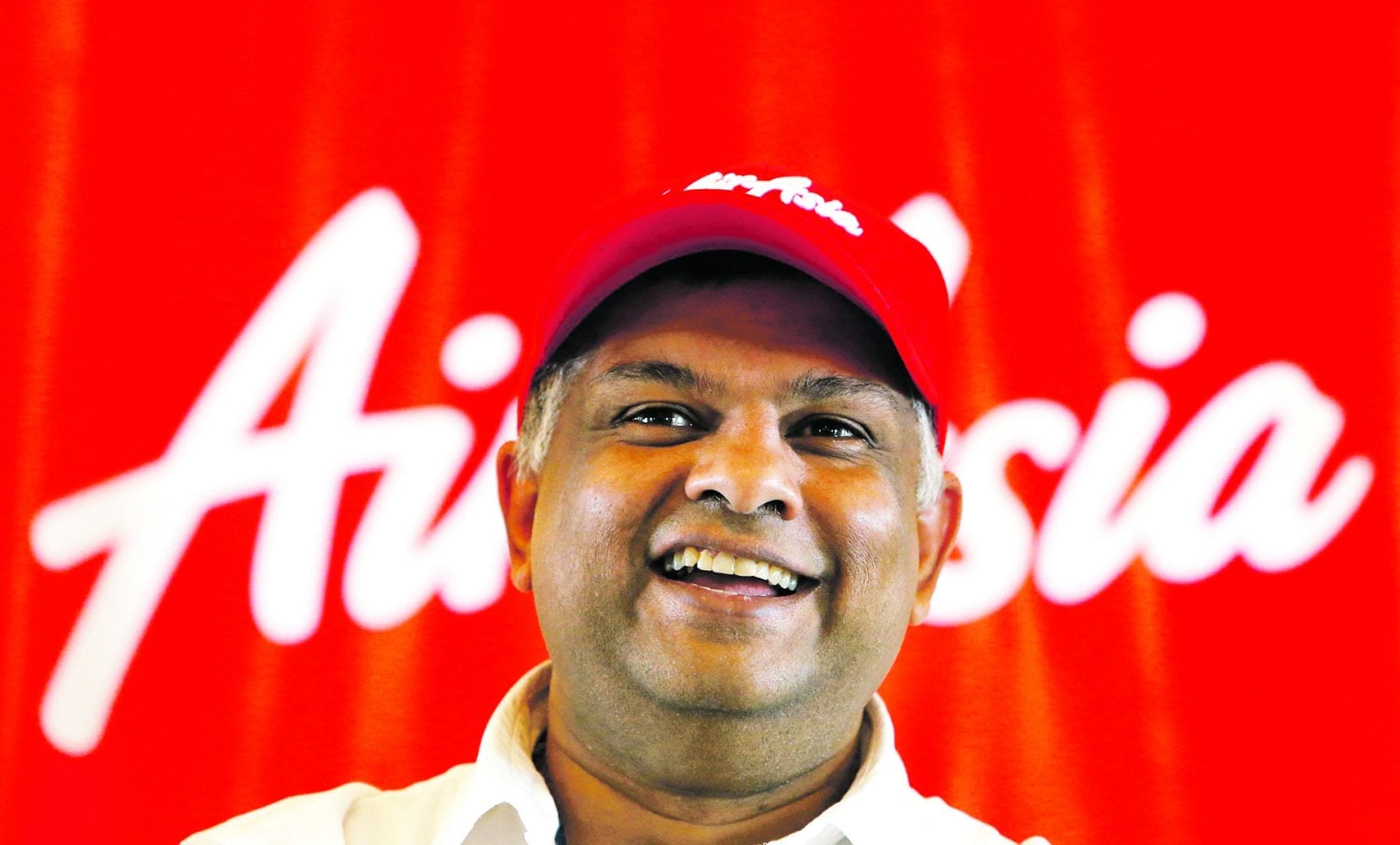
    AirAsia Group Bhd chief executive officer, Tan Sri Tony Fernandes, said the global pandemic and country lockdowns that ensued last year served as a great opportunity for the company to work on growing its “super app”.

    The group’s website airasia.com has already been providing airline and travel-related services. However, in October last year, it unveiled the rebranding of the “super app”, combining 15 types of products and services under three pillars — travel, e-commerce and fintech.

    According to Japan’s NHK World’s interview with Fernandes recently, the app now has 16 million users a month.

    He said the airline is in a good position to succeed given its growing know-your-customer (KYC) data and wants a non-airline business to rival his airline business in a few years’ time.

    “One of the greatest assets of an airline is data. It’s KYC. It’s passport information. We have ID information. We have strong loyalty card information. People who fly have a bit more money, so there is also credit card information.

    “If you take a Grab or a GoJet, they are generally transacting at a lower value, they may not have as much information as we do over the last 19 years. So knowing what you want, we can personalize a lot of things and I think that’s one of our advantages,” he said in the video interview dated Feb 1.

    The airline industry has been hit the hardest in the wake of the Covid-19 pandemic as many flights are forced to be halted and plane fleet temporarily grounded, plummeting business performance and forcing many to be out of job.

    Fernandes said his aim is for the airline to continue attracting customers at a low price while making money, and then take the opportunity to sell other things digitally to the customers. He added that he hopes to hire back all the staff that had to be let go during the pandemic.

    The budget airline saw its worst quarter during the second quarter of last year at the peak of lockdown measures in Malaysia and around the region, as revenue dipped 96% to RM118.96 million as of June 30, 2020 compared with RM2.92 billion in the previous year while it registered a net loss of RM992.8 million versus a net profit of RM17.3 million a year earlier.

  • AirAsia expects to resume flying to most routes by the end of 2021

    AirAsia expects to resume flying to most routes by the end of 2021

    The outlook for the global aviation industry is improving as more countries begin rolling out mass immunization programs against Covid-19, AirAsia boss Tony Fernandes said Tuesday.

    As one of Asia’s top budget airlines, AirAsia expects to resume flying to “a large part” of its routes by the end of 2021 but passenger capacity is not expected to return to pre-coronavirus pandemic levels until 2023, according to Fernandes.

    “It’s been the toughest challenge,” he said,” as part of the network’s coverage of the Davos Agenda. “But I think the outlook’s getting better.”

    “The most important thing is there’s a huge amount of demand out there and we just have to wait for borders to open and I think we’re one of the first kind of businesses that will recover, from an airline perspective, because we’re very strong in domestic and regional,” he said

    The coronavirus pandemic has crippled the global travel and tourism sector. It’s sent many airlines into survival mode as they undertake mass layoffs, cancel orders, retire some of their existing fleet,s and cut down routes.

    In December, the International Air Transport Association (IATA) said airlines will suffer a net loss of $118.5 billion for 2020 and an expected net loss of $38.7 billion in 2021.

    AirAsia is also struggling. In November, the company reported a fifth straight quarterly loss between July and September and is in the process of raising funds through loans and investors. Fernandes said the company is looking at raising up to 2.5 billion Malaysian ringgit ($618 million) for the whole group. That includes AirAsia’s digital business and the logistics unit — both of which are performing well, according to Fernandes.

    “We’re a little bit behind schedule than we wanted to be but the amount’s exactly where we want to be. We are very confident that this capital that we’ll raise will take us well into 2023,” he said, adding that the company will emerge with a better cost structure, a strong digital business, and good demand for the airline.

    The AirAsia stock is down almost 22% so far this year.

    Fernandes also said AirAsia is in talks with Airbus and that the airline’s long-term order book remains. “We’re going to have to defer some of it to a later date,” he said, adding, “We don’t want to change that for short-term decisions.”

    AirAsia is one of Airbus’ largest customers since the airline made a switch from Boeing years ago. Reuters reported that since then, AirAsia has ordered a total of more than 660 Airbus jets including planes yet to be delivered.

    The CEO explained the competitive landscape for airlines has changed due to the pandemic. Some carriers have either reduced capacity or left the market altogether. Cost-cutting measures from AirAsia are expected to improve the company’s margins, he said.

    Budget airlines that fly shorter routes and sell on-demand services are expected to recover quicker than carriers that fly to intercontinental destinations and rely on first and business-class travel, according to Fernandes.

    He said business travel will take a longer time to recover as more people would opt to conduct business meetings virtually. “Time is a great healer. Eventually, business travel will come back but there’ll be an element that will say ‘well I can do it from Zoom,’” Fernandes added.

  • Singapore Airlines hopes to be world’s first airline fully vaccinated against COVID-19

    Singapore Airlines hopes to be world’s first airline fully vaccinated against COVID-19

    Singapore’s national carrier is hoping to become the world’s first airline to get all of its crew members vaccinated against COVID-19.

    Singapore Airlines confirmed to CNN Travel that all of their crew members — including pilots, gate agents, flight attendants and anyone whose job requires contact with the public – have been offered free coronavirus vaccines by the Singaporean government.

    The country has purchased the Pfizer vaccine, which requires two shots.

    “We are grateful to the Singapore government for making the aviation sector a priority in the country’s vaccination exercise,” the airline’s CEO, Goh Choon Phong, said in a statement that was emailed out to the whole company on January 18.

    “This reflects the sector’s importance and the crucial role we play in both Singapore’s economic recovery and the fight against the pandemic.”

    According to the airline, 5,200 SIA employees have already signed up to get their shots. Inoculations will begin in a few days.

    Phong, alongside Singapore’s transport minister Ong Ye Kung, was among the city-state’s first citizens to get vaccinated. He has received the first of his two shots, and reports that “the procedure was painless and fuss-free.”

    Once vaccinated, crew members will be subject to less scrutiny and fewer coronavirus-related security measures. For example, flight crew who are currently tested on the seventh day after their return to Singapore will be exempt from this test going forward.

    Singapore’s response to the pandemic has been largely successful due to border closures and a national contract-tracing app. The country has had 59,113 confirmed cases of the virus and only 29 deaths, according to data from Johns Hopkins University.

    Still, citizens of the city-state have expressed an interest in being able to travel again. A much-hyped “travel bubble” with Hong Kong was indefinitely postponed in December when Hong Kong had a spike in virus cases.

    The annual Henley Passport Index placed Singapore second in the world — just one point behind nearby Japan — for passport power. Singaporeans can enter 190 countries or territories around the world without needing a visa.

  • AirAsia Group plans to raise US$113 million in private share sale

    AirAsia Group plans to raise US$113 million in private share sale

    AirAsia Group announced it plans to raise $113 million in a private share sale to improve its financial performance and to address its cash flow position. The company said in a stock exchange filing that the sale would be used “expeditiously for working capital purposes, as well as marketing expenses and technology expenditure for the initiatives under AirAsia Digital.

    AsiaAsia, like other airlines around the world, has been struggling to survive as the COVID-19 pandemic has severely curtailed air travel. The company reported a fifth consecutive quarterly loss in November. The proposed sale includes the issuance of up to 20 percent of its total existing shares, or 668.4 million shares, to be placed with third-party investors to be identified later, the airline group said in the filing. AirAsia said it will continue to explore other fundraising options or corporate proposals to improve the group’s financial performance in the longer term.

    The company said this latest share sale will “not fully address the group’s current financial concerns as the estimated gross proceeds…would not be sufficient to meet its long-term cash flow requirements. However, the proposed private placement will serve as an interim measure to address the immediate cash flow requirements of the group while the management of the company continues to explore other available options and/or corporate proposals to be undertaken with the intention to improve the group’s financial performance in the longer term”.

  • Vietravel Airlines to start flying next Monday

    Vietravel Airlines to start flying next Monday

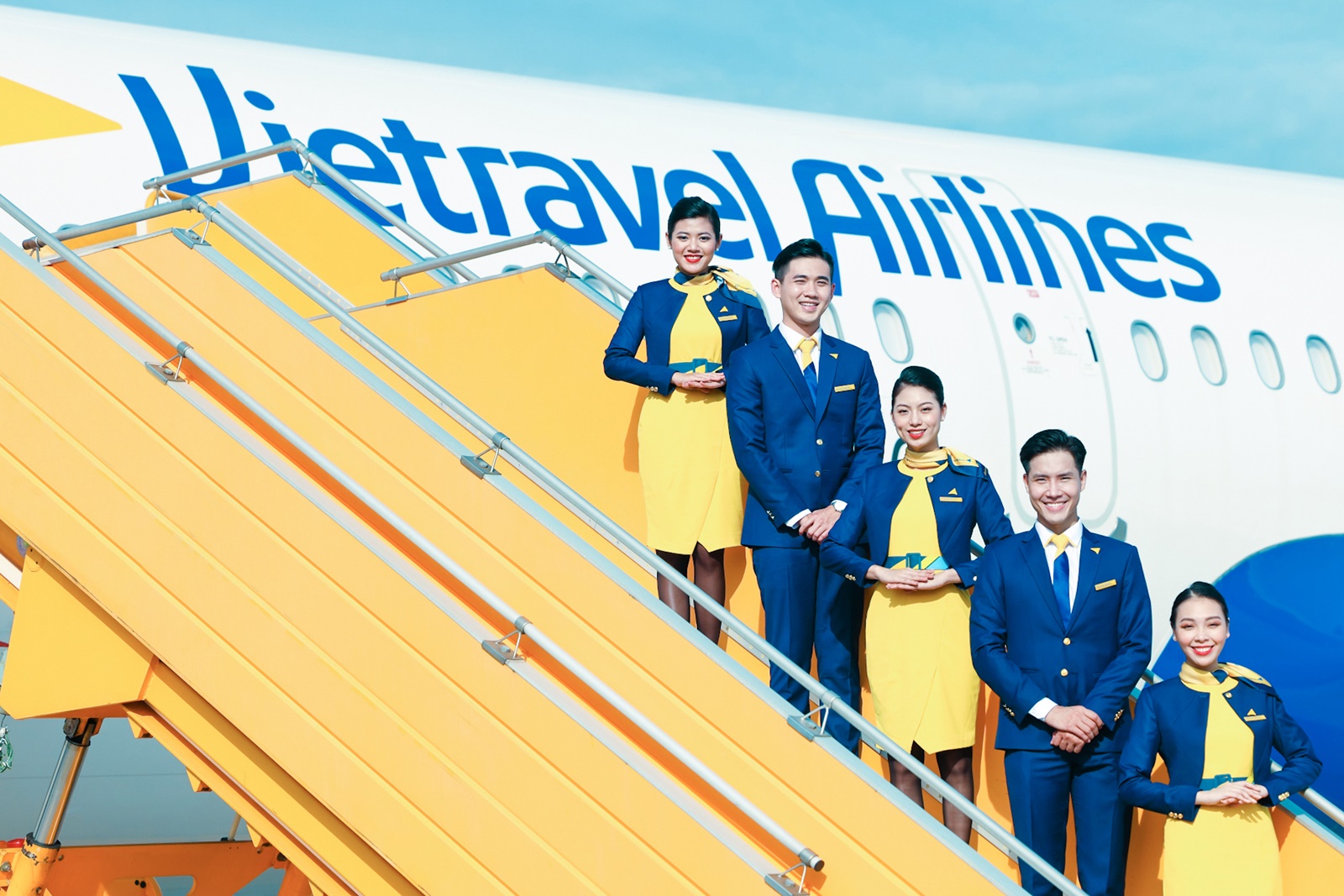
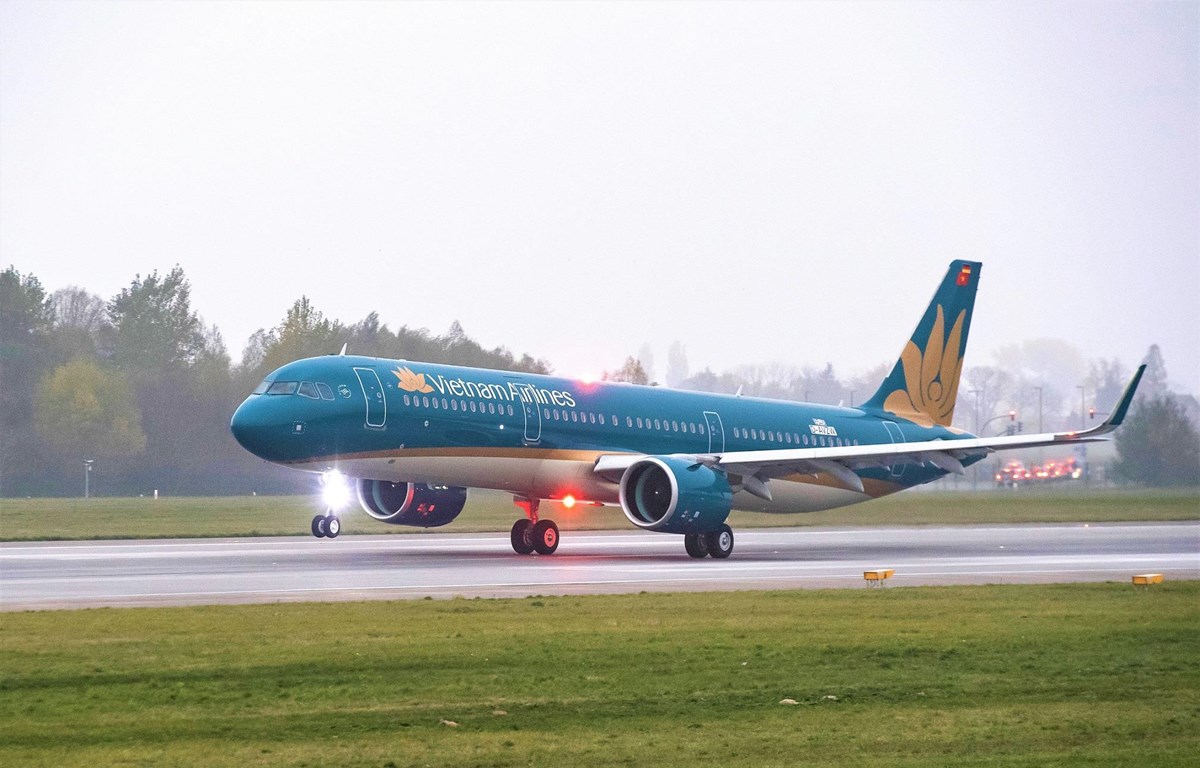
    Vietravel Airlines is scheduled to make its maiden flight on January 25, and began ticket sales on Tuesday, its CEO, Vu Duc Bien, said.

    Vietnam’s newest carrier will operate one or two flights a day each from HCMC and Hanoi to major tourist destinations like Nha Trang, Phu Quoc, Da Nang, and Hue.

    It has a fleet of two Airbus A321CEO aircraft and a third is expected to arrive on January 21 to meet the increased travel demand during the Lunar New Year Tet in mid-February.

    The carrier hopes to break even in its second year of operations.

    Vietravel Airlines has hired some 200 pilots and flight attendants and is looking to expand its fleet to 30 to prepare for international operations, flying to Southeast Asia, especially Thailand, the Middle East, and Northeast Asia, markets that Vietravel, the travel company that owns it, serves.

    It is the sixth carrier in what is a fiercely competitive aviation market after Vietnam Airlines, Vietjet, Jetstar Pacific, Vietnam Air Services Company, and Bamboo Airways.

  • AirAsia founder Tony Fernandes claims governments ’ Covid-19 coordination ‘horrific’

    AirAsia founder Tony Fernandes claims governments ’ Covid-19 coordination ‘horrific’

    “The coordination on Covid-19 is horrific,” AirAsia Group Bhd founder and group chief executive officer Tan Sri Tony Fernandes laments and claims in a direct swipe at world governments’ on how the global pandemic has been managed and its impact on the travel and aviation industries.

    BBC has today quoted Fernandes as saying that in his history of running an aviation business, he has never seen something so poorly coordinated.

    “It’s like nothing I’ve ever heard,” he said. “The United Nations, with the travel industry, should have come up with some standard protocols” earlier in the pandemic, but politics had got in the way, according to him.

    “Governments are petrified of their people, and they’re taking a very, very, very conservative view. They all want to be in control.

    “I just think that everyone’s… scared and just reacting in a very jingoistic and nationalistic way. I think countries are going to say, unless you’re vaccinated they’re not going to let you in without quarantine,” Fernandes said.

    The BBC report, which also quoted International Air Transport Association (IATA) director-general Alexandre de Juniac, said the world’s airlines need another US$70 billion (about RM283.5 billion) to US$80 billion of government support to get through the crisis caused by the coronavirus pandemic.

    de Juniac was quoted as saying the figures were “on top of the US$170 billion already granted”.

    It was reported that June 2021 is when he expects the first significant easing of travel restrictions, as the impact of vaccines begins to be felt.

    “Government travel restrictions and a huge fall in passenger confidence meant global demand for flights fell about 60% last year, according to IATA figures.

    “That means 2020 saw about 1.8 billion passengers fly, instead of the 4.5 billion in 2019. In an industry where profit margins were already thin it means airlines are estimated to have already lost US$118 billion, with worse set to come,” BBC reported.

  • Vietjet eyes aircraft purchases as it relies on vaccine rollouts to revive air travel

    Vietjet eyes aircraft purchases as it relies on vaccine rollouts to revive air travel

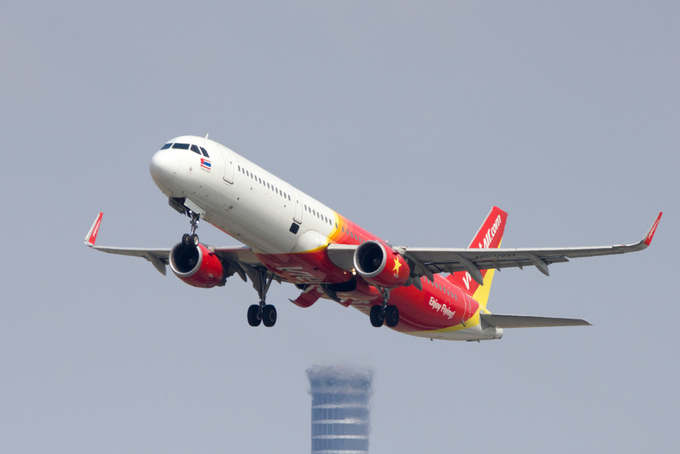
    Budget carrier Vietjet Air plans to expand its investment in new aircraft and technical facilities this year after reporting a small profit in 2020 despite the Covid-19 pandemic.

    “In 2021, we expect to continue to receive new modern planes and will invest in maintenance and training facilities, and the investment will be higher than in 2020,” Vietjet CEO Nguyen Thi Phuong Thao said in an interview recorded on Jan. 9 and broadcast on Thursday at the Reuters Next conference.

    Vietjet said separately on Wednesday it raised $28 million via a bond issuance last month to fund its development plans in 2021. It did not provide further details about the bond sale.

    Vietnam has been successful in containing the coronavirus with a series of quarantine and tracking measures. With just over 1,500 infections and 35 deaths in total, it has resumed economic activities earlier than much of Asia.

    While all international commercial flights have been suspended since late March, domestic air travel has been subjected to few restrictions.

    Vietjet’s cargo transport in 2020 rose 75 percent from 2019, she said, adding that its overall domestic operations recorded positive growth in 2020, without giving comparative figures.

    With the early Covid-19 vaccine roll-out around the world, Thao expects the global aviation industry to recover rapidly.

    Vietjet’s Thai unit increased its aircraft fleet to 15 last year, while its market share there also increased, she added.

    “Air travel demand is extremely high for business, investment, education and healthcare purposes, and we have been actively conducting flights to repatriate Vietnamese people from overseas,” Thao said.

    She said the company is considering options to raise funds for its investment plans for this year, though she did not name an amount.

    “Our debt-to-equity ratio is 1.0, compared with over 3.0 for the aviation industry, so we have room to mobilize funds for our development,” Thao said.

    The airline continued to take delivery of Airbus SE narrow- body jets last year despite some supply chain interruptions at the manufacturer but Boeing Co did not meet its delivery schedule, she said.

    Vietjet has 200 737 MAX jets on order, according to Boeing, but the plane has not yet returned to service in Asia following a near two-year global grounding.

  • Philippine Airlines suspends all UK flights

    Philippine Airlines suspends all UK flights

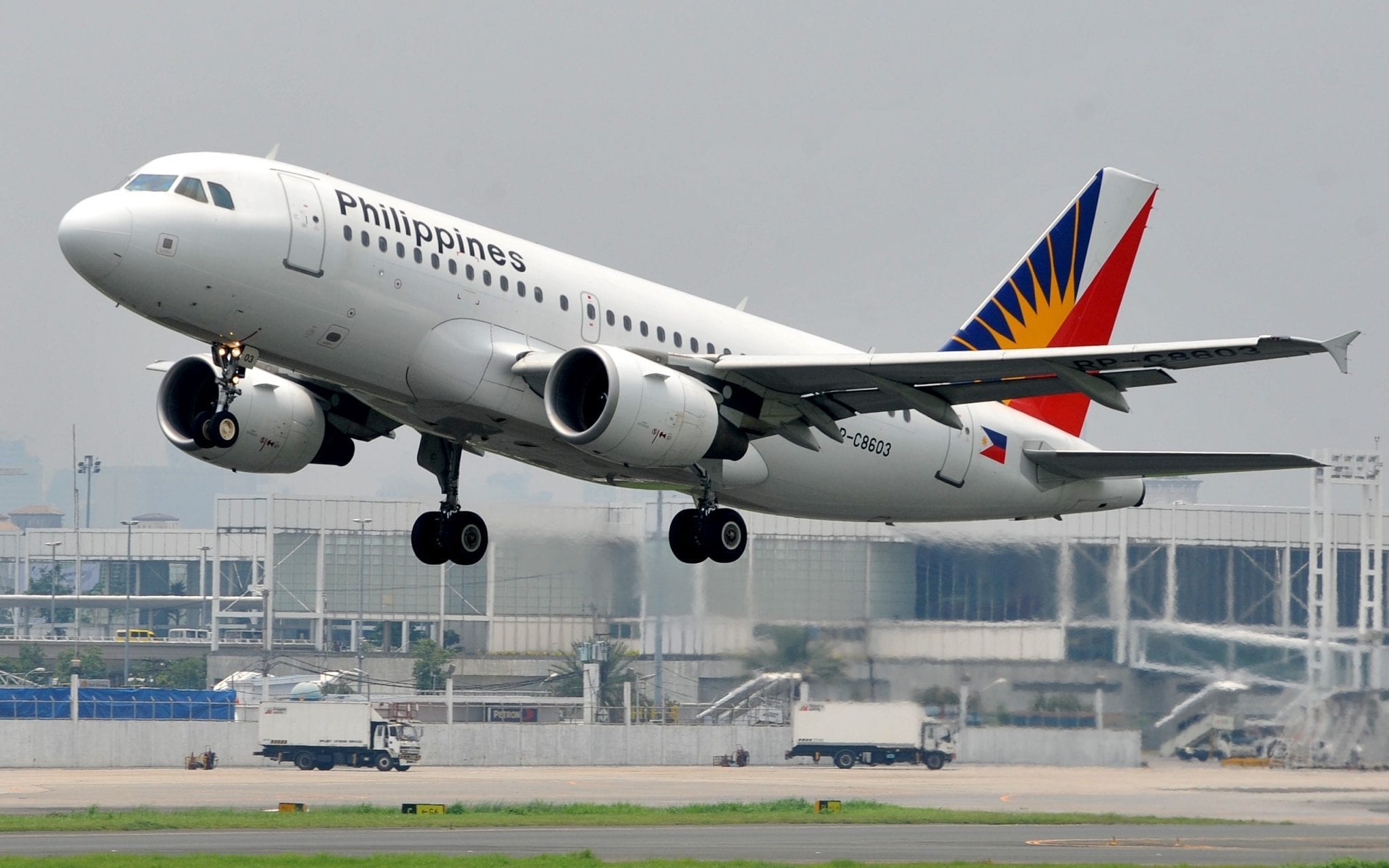
    Philippine Airlines has suspended flights to and from London till the end of February 2021 as Britain battles a new coronavirus strain, said a report.

    The airline said it supports all measures that seek to curb any potential increase in Covid-19 cases during the holiday season and beyond.

    Passengers already in transit and those who arrived in the Philippines from the UK before December 24 will be allowed to enter the country, but they must undergo stricter quarantine and testing protocols, the report cited Presidential spokesman Harry Roque as saying.

  • Thai AirAsia says latest virus outbreak has dented business

    Thai AirAsia says latest virus outbreak has dented business

    Thai AirAsia Co Ltd (TAA) said the latest Covid-19 outbreak in Thailand has dented the already weak travel sentiment in the country after the company witnessed a whopping 50% plunge in its domestic flight booking numbers this month.

    “Travel sentiment has plunged lower than last year. This is different this time because people are voluntarily skipping their travel plans even without a nationwide lockdown order from the government,” TAA largest shareholder Tassapon Bijleveld was quoted by the Bangkok Post as saying.

    Tassapon is also an executive chairman of Asia Aviation, a company that owns a 51% stake in TAA, while the remaining 49% stake is held by AirAsia Investment, an investment arm of AirAsia Group Bhd.

    Accoring to him, TAA’s domestic flight numbers shrank by more than 50% as it had to merge and cancel many flights, with the average load factor taking a nosedive this month.

    He added that some flights had only 20 to 30 passengers, a sharp contrast to the resurgent market two months ago.

    “We were just rebounding from the first lockdown last year. Despite hardly any profits, at least we could have had a consistent revenue stream from the domestic market. But this outburst of new cases destroyed us,” said Tassapon.

    Tassapon said most airlines expect the market will continue to be severe in February. He warned that the weak travel sentiment could cause some airlines to cease operations.

    He said the pessimistic outlook for next month is despite the Chinese New Year holidays, citing that “travellers may not increase domestic trips if people are worried about the outbreak”.

    “This could be the quietest Chinese New Year we’ve ever had,” he noted.

    Reuters previously reported that Thailand, which had largely controlled the virus by mid-2020, saw a second wave of outbreaks beginning in December.

    “The government has declared 28 provinces, including Bangkok, as high-risk zones and asked people to work from home and avoid gathering or travel beyond provincial borders, as infection numbers climbed after an outbreak was detected last month at a seafood market near the capital,” said the report dated Jan 4.

    The pandemic-battered aviation industry has adversely impacted most airlines in Thailand financially, as they have received no financial support from the government, particularly the soft loans they have been requesting since last year.

    Eight airlines that teamed up to send the financial aid proposal to the government last year do not have plans to discuss the progress of that proposal as they have already clearly stated their concerns, said Tassapon.

    He said the group conveyed all information to the Thailand’s prime minister and three finance ministers, as well as banks that were assigned to help airlines. But, there has not been any response since.

  • Vietnam not considering international flight resumption

    Vietnam not considering international flight resumption

    Vietnam is not considering a resumption of international commercial flights with the Covid-19 situation remaining intense globally and vaccine distribution uncertain.

    The pandemic has been complicated by the appearance of a new coronavirus variant, with no certainty a vaccine would be distributed on a large scale this year, Deputy Minister of Planning and Investment Tran Quoc Phuong told press Monday.

    Resumption of tourism activities would only occur when deemed safe, he stressed.

    Vietnam suspended commercial international flights in late March last year to contain the spread of the novel coronavirus.

    However, the country still allows a limited number of flights for experts, businesspeople, workers and overseas Vietnamese, who are all quarantined by up to 14 days upon arrival.

    Phuong said authorities are struggling to contain illegal immigration as travel demand spikes ahead of the Lunar New Year holiday, or Tet, which falls in February this year.

    Foreign arrivals last year fell nearly 79 percent to 3.84 million, according to the General Statistics Office.

  • AirAsia and Penang Tourism Collaborate to Provide More Value Deals for Domestic Tourists

    AirAsia and Penang Tourism Collaborate to Provide More Value Deals for Domestic Tourists

    AirAsia and Penang Global Tourism (Penang State Tourism Bureau) have announced a new collaboration that will offer more travel options and value-added services to domestic tourists visiting Penang.

    The partnership will see airasia.com, the Asean super app pair-up with Penang Global Tourism Board to offer travelers a variety of Penang travel bundles as well as a joint marketing effort.

    Penang State EXCO For Tourism And Creative Economy (PETACE), YB Yeoh Soon Hin said, “We are observing a positive rebound on tourism activities and we are working towards accelerating the recovery of tourism, supporting jobs and the economy and increasing tourism receipts. Partnering with key travel players like airasia.com will assist us to amplify our efforts and to offer more diverse travel and tourism products by leveraging on their wide product offerings.

    “I am proud to say that Penang is at the forefront once again in assuring safe travels to our visitors. In July 2020, Penang launched the ‘Penang Responsible Tourism’ campaign. Furthermore, we have also launched the COVID-19 safety accreditation program to strengthen preventive measures undertaken by Penang’s tourism industry players. These initiatives are the first-of-its-kind in Malaysia, intending to instill confidence in travelers when visiting Penang.”

    “To further reiterate, Penang is the first in Malaysia to kickstart the “Penang Responsible Tourism” campaign and the accreditation program.”

    airasia.com Chief Commercial Officer, Amanda Woo said, “We would like to thank Penang Global Tourism Board for working with us to provide more value for travellers. Now, visitors to Penang can conveniently plan their trip with all the exciting offers made available through this collaboration under one platform on airasia.com. We hope people will take the opportunity to explore and enjoy more of what Penang has to offer.

    “We are also expanding our network from Penang to Kota Bharu with three times weekly flights which commenced yesterday, while the new route from Penang to Sibu is set to kick off in January 2021. We hope the added connectivity will provide much-needed accessibility for the Northern travelers, as well as to revive the domestic tourism industry. ”

  • Thai Airways Launches Scenic Fly By and Over Buddhist Attractions

    Thai Airways Launches Scenic Fly By and Over Buddhist Attractions

    Proving the ‘flights to nowhere’ trend is taking off, Thai Airways has given religious tourists a bird’s-eye view of 99 holy places across Thailand. Olivia Palamountain reports.

    Led by “celebrity fortune-teller and religion history expert” Dr Khata Chinbunchon at the end of November, the “Thai Magical Flying Experience Campaign” from Thai Airways gave Buddhists the chance to see 99 sacred sights from the air, complete with chanting.

    Passengers on the Thai Airways flight from Bangkok received Buddhist prayer books and a special in-flight meal while flying over temples in 31 provinces before returning home. Tickets ranged in price from 5,999 baht (£149) to 9,999 baht (£248).

    The sacred sights included Bangkok’s Wat Arun and Wat Phra Kaew (commonly known as the Temple of the Emerald Buddha), Phra Samut Chedi in Samut Prakarn, Wat Phra Boromma That Chaiya in Surat Thani and UNESCO-listed heritage sites in Sukhothai and Ayutthaya, in the kingdom’s central plains.

    Part of a plan to boost domestic tourism, the initiative comes hot on the heels of similar offerings from the likes of Qantas, China Airlines and Eva Air, all of which have launched their own series of scenic and themed flights over the past few months. Globetrotter has also reported on Covid-secure luxury cruises to nowhere, recently launched in Singapore.

    Tourism accounts for up to 20 percent of GDP in Thailand, and in a blow to the national carrier, the kingdom has remained shut to foreign travellers throughout the pandemic. However, the airline had been struggling even before coronavirus turned travel upside down. Estimates suggest it is now buried under £6 billion worth of debt.

    Still, Thai Airways has been a pioneer of creative initiatives that boost revenue. The airline has put bags made from life vests and slide rafts on sale, opened an airline-themed café selling in-flight meals in Bangkok, and a food stall selling dough fritters. It has also opened its Airbus and Boeing flight simulators to the public.

    In the autumn, Thailand reopened its borders to international travelers with the launch of a new 90-day Special Tourist Visa (STV).

  • Vietnam Airlines seeks shareholder loans

    Vietnam Airlines seeks shareholder loans

    Vietnam Airlines Group has called an extraordinary shareholders’ meeting next week to source low-interest loans to accelerate Covid-19 recovery.

    At the meeting, to be held on Dec. 29, the flag carrier will seek loans from its shareholders that comprise the government with an over 86 percent stake, Japanese aviation company ANA Holdings with 8.7 percent, and other organizations and individuals.

    The National Assembly in November approved a plan for the central bank to refinance Vietnam Airlines and rollover loans. The airline had earlier asked for a relief package of VND12 trillion.

    The group will also seek shareholder approval to issue more shares to existing stakeholders and so increase its capital.

    Vietnam Airlines Group, consisting of the carrier and subsidiaries Pacific Airlines and Vietnam Air Services Company (VASCO), posted a loss of VND10.75 trillion ($464 million) for January-September as the Covid-19 pandemic slashed its number of flights.

    It has forecast the figure would rise to VND15.2 trillion for the whole year.

    All Vietnamese airlines have fallen victim to Covid-19 this year with the number of flights plunging 36 percent year-on-year to 19.

  • Hotels continue to suffer Covid-19 impacts

    Hotels continue to suffer Covid-19 impacts

    Vietnam’s third Covid-19 outbreak last month has exacerbated the problems of low occupancy and plunging revenues for hotels and resorts nationwide.

    Average daily rates in October slumped 25 percent year-on-year, said Mauro Gasparotti, director of real estate consultancy Savills Hotels Asia Pacific.

    In HCMC, occupancy has hovered under 20 percent since the April lockdown, compared to 72 percent during the same period last year.

    The latest outbreak in HCMC last month followed the second one that hit July and August with hundreds of cases, all linked to Da Nang City, which badly affected the high season for the hospitality industry, Gasparotti said.

    Savills data shows that overall, the resort market is barely crossing the 25 percent occupancy mark, except for some located in drive-to destinations where it is 10 to 15 percentage points higher than the national average.

    “The market is in a slow recovery. Even though local demand has delivered a strong rebound, it has not proven steady enough to support hotel and resort performances.”

    While expectations for 2021 are positive, they are mainly focused on the third and fourth quarter when it is anticipated that travel restrictions will be eased and corporate guests and independent travellers from neighbouring counties will be able to return, partially supporting recovery of the hotel and resort market, he added.

    In the first 11 months of this year, foreign arrivals hit 3.8 million, down 76.7 percent year-on-year, according to the General Statistics Office.

  • How low-cost airline AirAsia is transforming itself into a publisher

    How low-cost airline AirAsia is transforming itself into a publisher

    Sumit Ramchandani, the chief executive of AirAsia Media Group, explains to The Drum why the low-cost airline has pivoted to e-commerce, fintech and lifestyle pillars. With international business travel and the tourist industry on hiatus for much of 2020 (and surely 2021), AirAsia has had to alter the way it does business to keep itself flying.

    It has formed the AirAsia Media Group to consolidate its adtech, content and media-related solutions. AirAsia is keen to offer brands a new way of integrating adtech and data, focused on travellers and pop-culture in Asean.

    AirAsia is therefore able to play an important role in engaging travel consumers. It owns a wide variety of omnichannel media assets, its own first-party data and can rely on a workforce of over 20,000 employees, known affectionately as Allstars; more than 1,000 of whom are influencers in their own right.

    “It made sense for us to come up with a unique set of media offerings under AirAsia Media Group for marketers and unify them under a single group so as to maximize leverage from our ecosystem,” says Ramchandani.

    “With the AirAsia Media Group we intend to help solve the challenges related to media efficacy and attribution while offering solutions that eventually drive business results for our advertising partners.”

    He continues: “We see the media group as the engine to collate all our omnichannel advertising assets with our self-service adtech platform and enrich it with our intent-driven first-party data to create a results-oriented proposition for our advertising partners, from online to in-the-air, from origin to destination.”

    AirAsia’s target customers are diverse, from locals to international travelers to the pop-culture scene, says Ramchandani. This diversity is on display in the airline’s core market of Association of Southeast Asian Nations (ASEAN), where it partners with both agencies and brands, looking to drive transparency and measurable business outcomes from their marketing investments in this region.

    “Our partnership is either through direct buys based on campaign briefs or partnering for growth through our RedCarpet Channel Partnership. We believe that, as a publisher, we are in a unique position to drive full-funnel marketing and offer a strong conversion platform to showcase business results,” he explains.

    “Some of the clients we are currently partnering with include leading e-commerce players in fashion and lifestyle, established travel technology platforms, a rapidly growing local upstart in the automotive space and more.”

    From the ad inventory standpoint, AirAsia claims to have quadrupled its stock of quality media assets, all enriched with its targeted audience solution.

    Its RedCarpet channel partnership allows the airline to connect the dots across its online and offline ecosystem, inflight announcements and Allstars, to drive marketing results for advertising partners.

    “We are also progressing on a series of exciting new initiatives to enrich our engagement from our community base via content, chat and games,” says Ramchandani. “In addition to the above, in partnership with Universal Music Group (UMG), we are in the initial stages of a unique offering that combines fans, travel and talent in a manner that’s never been done before.”

    The partnership with UMG has seen the birth of RedRecords, a music label which will sign new artists from Asia. The label recently concluded an integrated campaign for singer Jannine Weigel, with the debut of her first single Passcode. The aim was to expand awareness for her first single through AirAsia Media Group’s ecosystem within Asean and establish Wiegel as an Asean star.

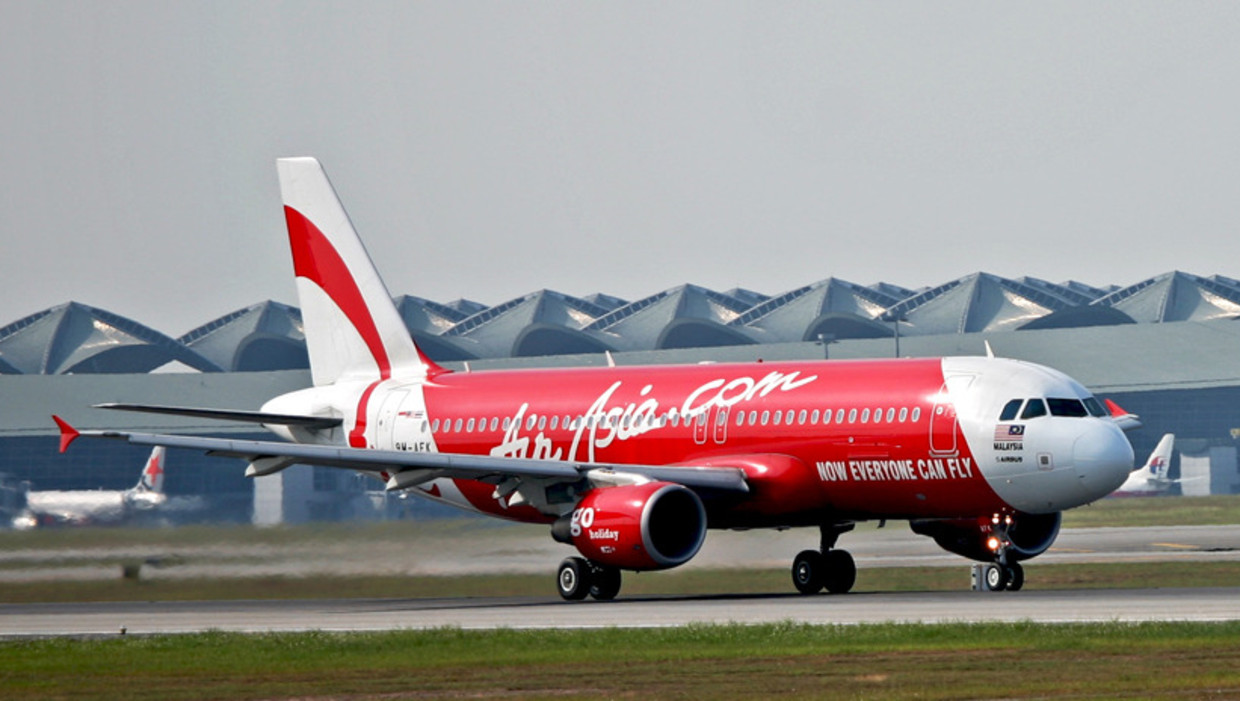
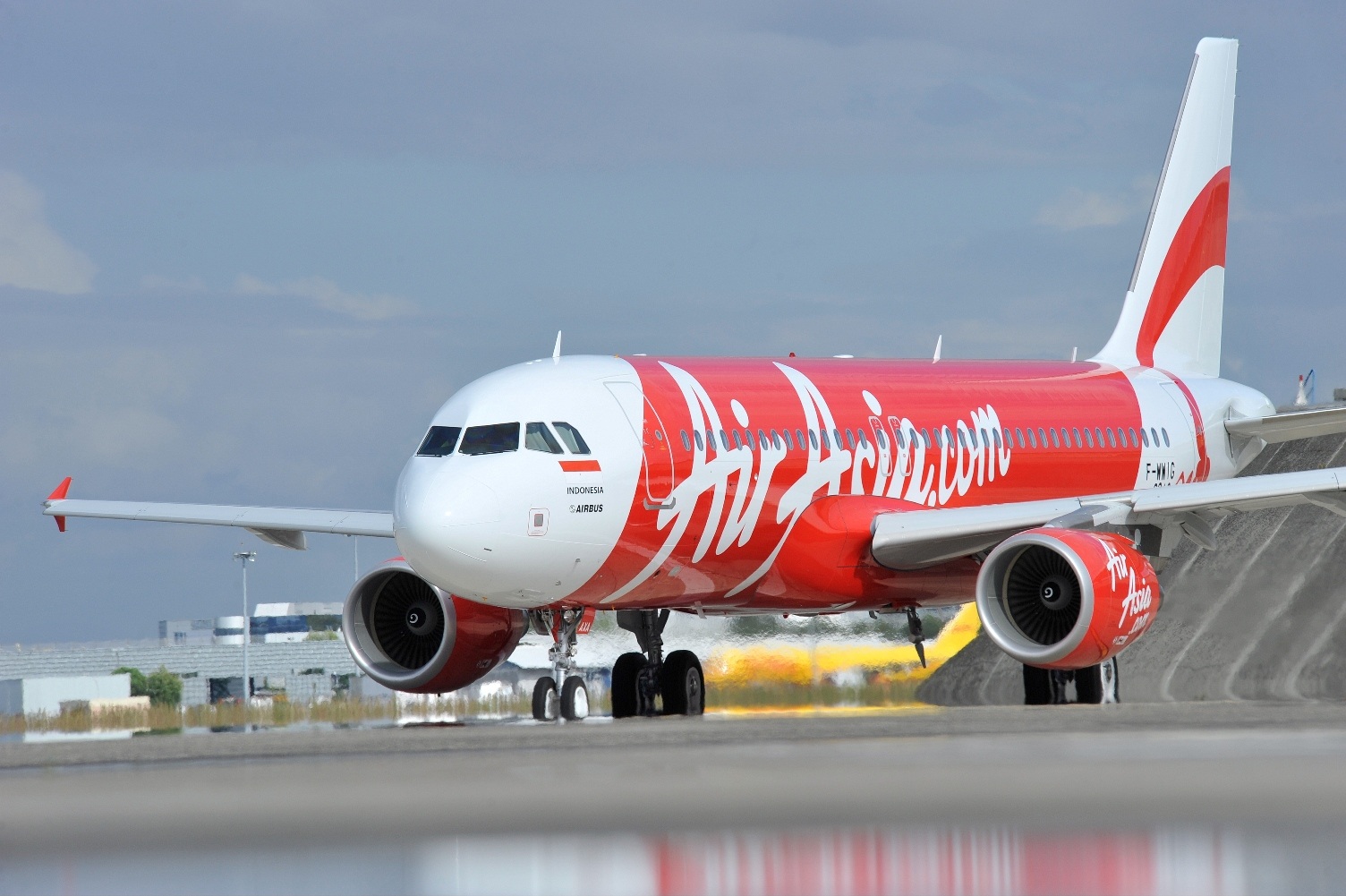
    The channel mix included digital media, which included homepage mastheads to that provided the volume and quality impressions, in-flight media, which included a slew of assets from branded livery on one of AirAsia’s Airbus A320 aircraft to meal tray backs, & in-flight music and announcements.

    Customer relationship management tools were also utilised as emails, airasia.com super app push notifications, while a branded channel used ‘Connect’, AirAsia’s in-app interactive chat and community channel.

    “In under a month, we managed to over-deliver on our reach target by 140% with a total of 2.9 million impressions at an engagement rate of 1.3% (36% above the category benchmark). During the campaign, Passcode owned 18.9% share of voice (SOV) on airasia.com, which was highest compared to any other campaigns running at that time,” Ramchandani claims.

    The focus for AirAsia now is to grow across Thailand, Indonesia, Philippines and Singapore. While ad inventory continues to remain as a hygiene, AirAsia is increasingly looking at redefining ads through its RedCarpet channel partnerships as the core of its 2021 strategy.

    Through the airasia.com super app ecosystem, the airline wants to look at creating more avenues for brands to find business growth, says Ramchandani.

    “After successfully forming channel partnerships with coffee brand ChekHup in Malaysia and Walch (hand washed and disinfectants) in Singapore, we are now in advanced discussions with some exciting brand solutions with regional partners in the fashion beauty and FMCG verticals,” he explains.

    “We also look forward to partnering with marketers and showcase how the AirAsia ecosystem can help achieve their marketing goals around quality data and leading up to conversion.“