Tag: travel

  • Singapore Relaxes Border Restrictions for Travellers

    Singapore Relaxes Border Restrictions for Travellers

    The city-state will reopen its borders to fully vaccinated travelers from certain countries and is removing stay-home requirements for short-term visitors from several countries.

    Fully vaccinated travelers from Germany and Brunei will be able to come to Singapore without serving a stay-home notice, under a new Vaccinated Travel Lane arrangement announced on Thursday.

    At the same time, all travelers from Hong Kong and Macau, Mainland China, New Zealand and Taiwan, regardless of vaccination status, can enter without serving a stay-home notice, the Civil Aviation Authority of Singapore (CAAS) said.

    Vaccinated Travel Lane visitors will have to meet a set of criteria that includes taking designated flights that serve only vaccinated travelers, not transiting elsewhere, and undergoing PCR tests while in Singapore. Those who arrive on flights not under the Vaccinated Travel Lane will be subject to prevailing quarantine measures upon arrival, CAAS said.

    In response to the relaxed border measures, Singapore Airlines will operate five weekly Vaccinated Travel Lane flights from Frankfurt and Munich beginning September 7.

    Lufthansa, will also increase its flights to Singapore to three weekly, up from one currently – two of these will be for the designated Vaccinated Travel Lane.

    Separately, the Ministry of Transport announced that Singapore and Hong Kong have agreed not to pursue further discussions on the air travel bubble, owing to differences between the two cities in their strategy for managing the Covid-19 pandemic.

    «Both parties agreed that it would not be possible to launch or sustain the air travel bubble in its present form,» the announcement said.

  • Samsonite pivots more backpack

    Samsonite pivots more backpack

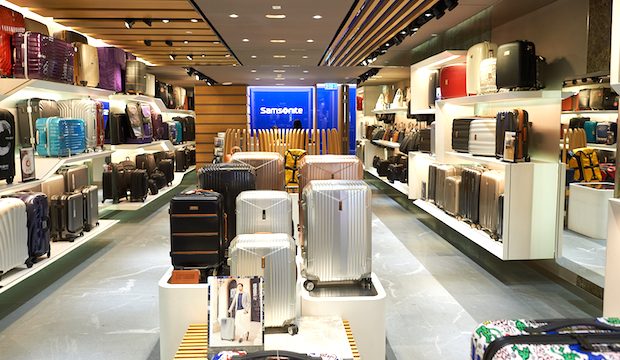
    Samsonite International SA said it’s speeding up its shift toward the emerging non-travel segment as the coronavirus pandemic devastates the global luggage business.

    With expectations that travel won’t return to normal levels for more than a year, the world’s top luggage maker is relying on backpacks, business cases and women’s bags to cushion the blow. The segment now makes up close to half of the company’s sales, up from 40% a year ago.

    “What has Covid done? It has accelerated our portion of ‘Beyond Travel,’” Paul Melkebeke, the company’s newly appointed president for APAC & Middle East, said in an interview Monday. “These were old trends that were already underlying, but with Covid it just has gone a lot faster.”

    Samsonite, based in Mansfield, Massachusetts, is facing its worst year since listing on the Hong Kong exchange in 2011, as the pandemic has hit retailers and the airline industry particularly hard. The owner of brands ranging from Tumi to American Tourister saw revenue drop 58% for the first nine months of the year. Its shares have tumbled 28% in 2020.

    Samsonite has taken aggressive steps to streamline the organization. It has closed more than 10% of its company-owned stores this year through September, according to its quarterly statement.

    “We have been obliged to say goodbye to some of our people,” Melkebeke said. “But everything was there to focus on our management and make sure that we are strong enough to bring it to the other side.”

    While he remains “bullish” on the future of travel, Melkebeke said he’s “100% certain” the industry can’t return to normal levels by the end of next year. That will likely need to wait for the widespread deployment of vaccines to bring Covid-19 under control.

    In the quarter ended September, Samsonite’s core travel brands were down 67% compared with the previous year, while its non-travel brands such as Gregory, Speck, and eBags fell a more moderate 27%.

    With the social distancing restrictions in place, people are turning to more outdoor activities, benefiting Samsonite’s backpacking brands such as Gregory and High Sierra, Melkebeke said. Samsonite is also developing antiviral technologies for its products to address consumers’ concerns about the virus.

    “Don’t forget when you travel with the plane, there’s a moment when you give your luggage away, you collect it on the other side, and you have no idea what has happened with that,” said Melkebeke. “The hygiene factor might be something that will be there forever.”

  • Cebu Pacific flight cancellations from August 6 to 20

    Cebu Pacific flight cancellations from August 6 to 20

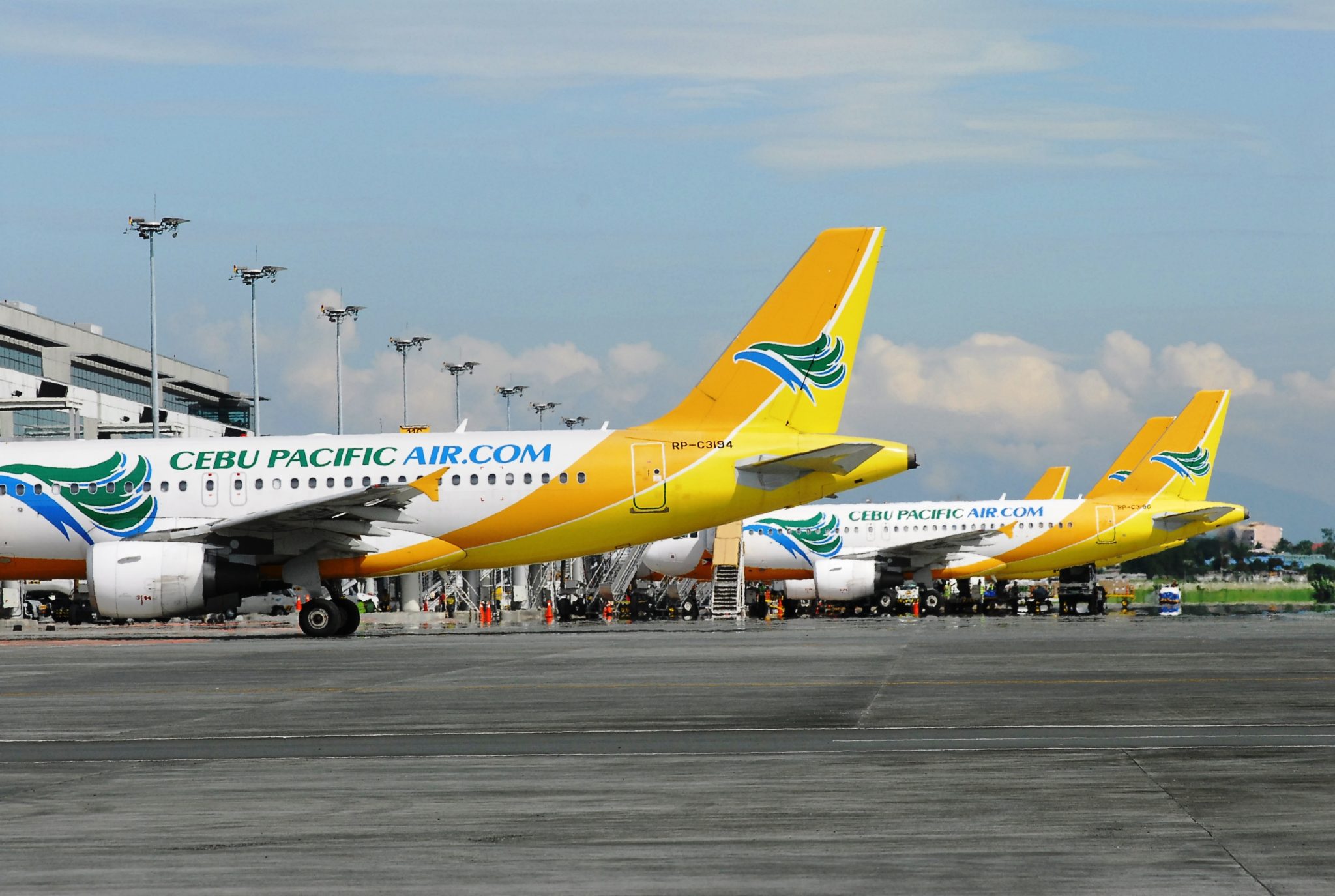
    Budget carrier Cebu Pacific on Saturday released the schedule of its flight cancellations from August 6 to 20, amid the enhanced community quarantine (ECQ) in Metro Manila.

    Flight cancellations have been made after the government allowed only essential travel during the two-week strict lockdown period in the National Capital Region.

    Cebu Pacific earlier released the schedule of its canceled flights from July 31 to August 5, during the general community quarantine “with heightened restrictions” in NCR.

    The following Cebu Pacific and Cebgo flights are cancelled:

    “Affected passengers have been informed via contact details provided in the booking. They may select their preferred option through the Manage Booking portal on the Cebu Pacific website until 30 days from date of departure,” Cebu Pacific said.

    Likewise, the airline said affected passengers may opt to do the following:

    • Rebook for travel within 60 days no additional cost, following CEB’s permanent removal of change fees. Fare difference waived.
    • Store the amount in a virtual CEB wallet valid for two years and use this to either book a new flight or pay for add-ons (e.g. baggage allowance, seat selection, etc.)
    • Refund: the process may take up to two months from the date of request.

    “CEB will continue to operate other domestic and international flights as scheduled,” it said.

    “This is a developing situation. Some flight changes may take place in the coming days,” it said.

    “Before going to the airport, passengers are advised to check?the travel requirements, safety protocols,?and frequently asked questions (FAQs)?on the CEB website,” it added.

  • Thai AirAsia suspends flights, cuts pay packets

    Thai AirAsia suspends flights, cuts pay packets

    Thai AirAsia (TAA) has suspended all flights this month and deferred paying its staff either wholly or partially until September.

    The airline, regarded as one of the most robust domestic carriers, has faced a financial crunch from consistently low passenger volumes since the Covid-19 pandemic began early last year. All domestic airlines including this one also suffer from a lack of cash flow.

    The airline stopped flying after the restrictions were launched last month. It says all flights will stay grounded for now after efforts to secure loans were in vain.

    Another factor in the decision to keep flights grounded is that the latest lockdown order includes travel restrictions. The wider aviation business in the country is also facing depleted liquidity and cash flow.

    TAA announced a deferment of the whole or part of the salaries of its employees as part of an effort to ease cost pressures.

    The July salaries for executives will be paid in September. Active employees at operational levels will be paid 50% of their July salaries this month and the rest in September. Inactive employees will receive 25% of their salaries in September as well.

    The TAA said it will temporarily cease operations this month and hopes the situation will turn around next month. Once the airline has secured a loan, operations will resume.

    Also, Thai Lion Air, another budget carrier, said it is looking to offer financial assistance to its staff after it suspended flights on July 21.

    Meanwhile, the International Air Transport Association (IATA) called on governments to take action to address the high cost of Covid-19 tests in many jurisdictions.

    It also urged flexibility in permitting the use of cost-effective antigen tests as an alternative to more expensive PCR tests.

    According to IATA’s most recent traveller survey, 86% of respondents are willing to get tested. But 70% also believe that the cost of testing is a barrier to travel, while 78% believe governments should bear the cost of mandatory testing.

    “The IATA supports Covid-19 testing as a pathway to reopen borders to international travel,” said IATA Director-General Willie Walsh.

    In addition to being reliable, testing needs to be easily accessible, affordable, and appropriate to the risk level. Too many governments, however, are falling short on some or all of these, he said.

  • AirAsia group says Q2 was improved

    AirAsia group says Q2 was improved

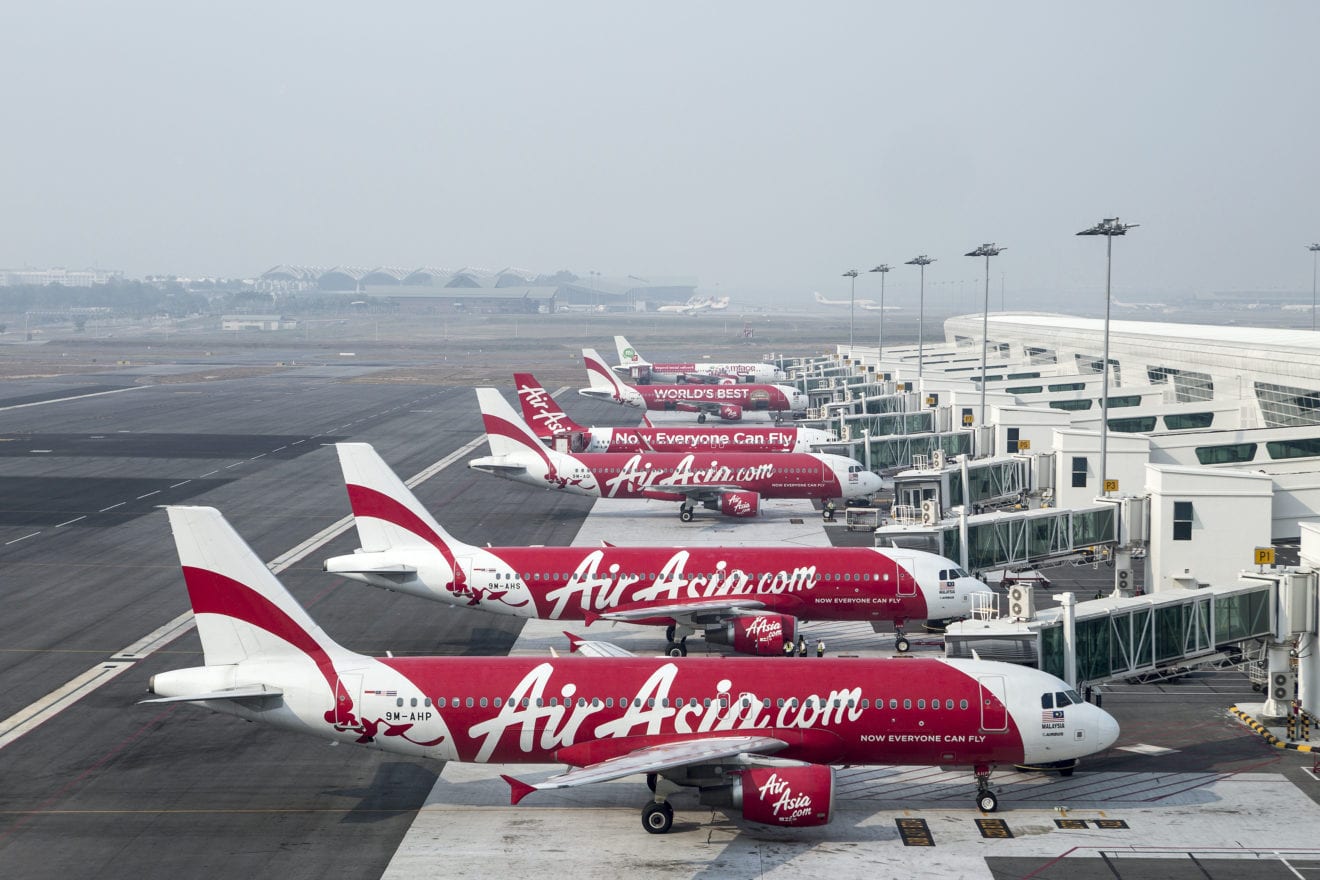
    AirAsia Group said its operating statistics for the second quarter of the 2021 financial year were improved during the quarter. All four key operating entities of AirAsia posted year-on-year (YoY) improvements during the quarter, on the back of a low base in the corresponding quarter last year as the group’s fleet were hibernated for the most part of 2Q2020 following the hit of the COVID-19 pandemic since late 1Q2020.

    As for quarter-on-quarter (QoQ) performance, AirAsia Philippines saw a 2 percent increase in number of passengers carried and 4 percentage points (ppts) increase in load factor to reach 78 percent, while AirAsia Indonesia’s load factor increased by 11 ppts QoQ. AirAsia said it remains committed to strengthening its domestic foothold while awaiting positive developments on international air travel. Expectation of high vaccination rates in ASEAN countries by the end of this year is lending confidence on upcoming recovery, enhanced by the group’s short-haul model in addition to leaner and more stabilised operations.

    AirAsia Malaysia’s operations remained constrained QoQ due to a lockdown and interstate travel restrictions imposed from January 2021. AirAsia Malaysia carried 64 percent higher number of passengers YoY on 54 percent higher capacity, subsequently resulting in a 4 ppts increase to a healthy load factor of 64 percent. The ongoing subdued operations are expected to persist until Malaysia reaches herd immunity by the fourth quarter of this year. The government has recently set a new target of vaccinating all adults by October 2021.

    AirAsia Indonesia posted substantial YoY growth against the same quarter last year. Though the number of passengers carried showed a mild 1 percent dip QoQ, load factor grew by 11 ppts to 67 percent in 2Q2021 due to more stringent capacity management. AirAsia Indonesia was operating approximately 70 percent of pre-pandemic domestic capacity in May 2021 and demonstrated strong signs of recovery before it had to enter hibernation mode in early July in support of the containment efforts by the government as infection cases increased.

    AirAsia Philippines’ strong rebound seen in 1Q2021 further increased in 2Q2021, posting a 2 percent higher number of passengers carried QoQ and 4 ppts higher load factor to record a solid 78 percent. Monthly breakdown showed that load factor was as high as 83 percent in June 2021, boosted by active capacity management. This was despite running a limited number of charter and passenger flights due to community quarantine restrictions and despite flying only from its Manila hub.

    AirAsia Thailand more than doubled the number of passengers carried YoY and reported a 9 ppts increase in load factor to 61 percent in 2Q2021, boosted by higher demand during the Songkran festival in April 2021 and on the back of low base effect in the same quarter last year. On a QoQ basis, despite having successfully resumed all domestic routes by the end of 1Q2021, AirAsia Thailand’s recovery was short-lived due to the new COVID-19 wave that began in mid-April 2021. AirAsia Thailand posted a 26 percent QoQ decline in passengers carried, most significantly in June. Nevertheless, load factor was held firm at 78 percent in June, attributed to active capacity management.

  • AirAsia Indonesia To Suspend Flights For One Month

    AirAsia Indonesia To Suspend Flights For One Month

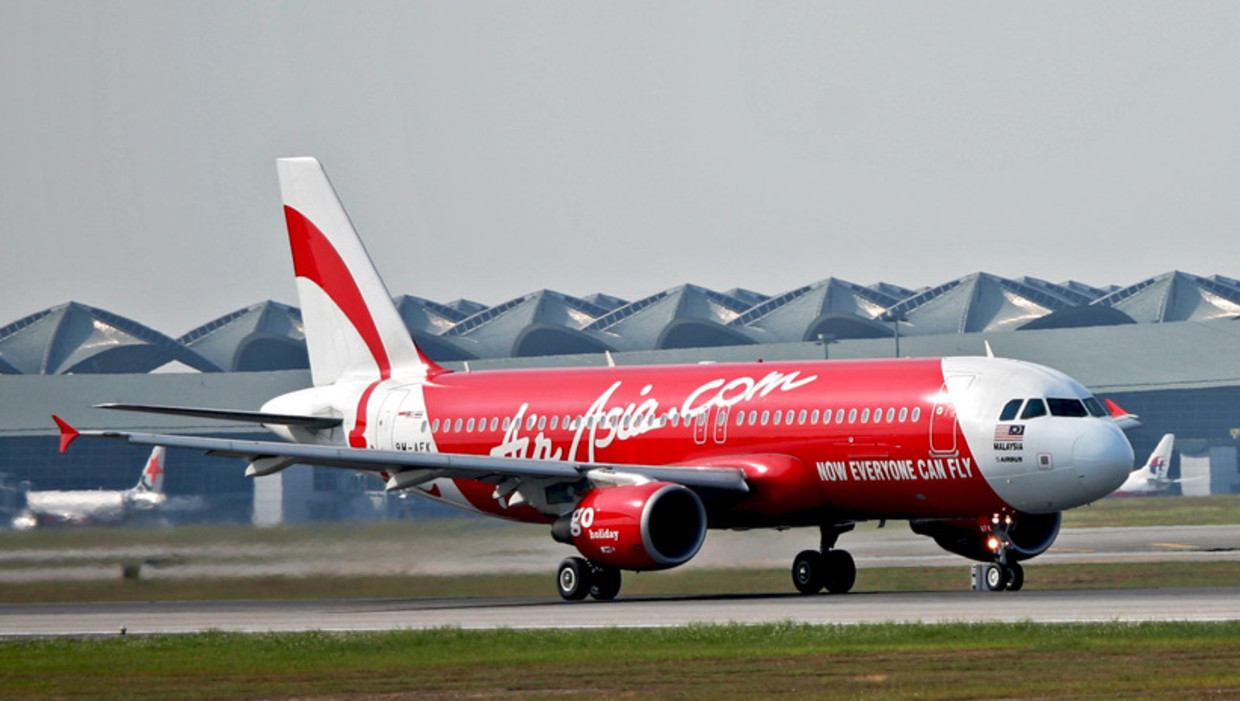
    On Saturday, July 3rd, AirAsia Indonesia announced that it would be suspending its operations for at least a month due to the worsening COVID-19 situation in the country. The airline has called its suspension a form of support for the Indonesian government’s efforts in tackling the virus.

    According to a statement issued by the AirAsia Group subsidiary, all scheduled flights on the airline’s domestic Indonesian and international routes will temporarily stop operating from July 6th to August 6th, 2021.

    “AirAsia remains committed to serving charter and cargo flights to support repatriation missions, delivery of goods and other essential interests by implementing strict health and safety protocols.”

    AirAsia is taking a flexible approach to existing bookings and reservations on canceled flights. For bookings on flights during the suspension period, passengers can convert tickets into a credit account which is valid for up to 730 days (two years). They can also change their flight schedule to another date until 31 October 2021, which can be done an unlimited number of times at no additional cost.

    While new daily case counts had been ‘stabilizing’ around five to six thousand during the month of May, this figure has significantly jumped over the month of July. New daily case counts are now exceeding 20,000 and continue to climb. Indeed, case counts began to climb in late May and early June – weeks after many Indonesians traveled and celebrated in marking the Islamic holiday Eid al-Fitr.

    A prominent epidemiologist from the University of Indonesia, Dr. Pandu Riono, describes the situation in the country as “herd stupidity.”

    This label was given due to what Dr. Riono calls mixed messaging and poor decision-making from the government, combined with the general public’s refusal to follow health protocols and reluctance to receive jabs.

    As we’ve seen in many other cases around the world, the suspension of flights could be extended further, depending on the country’s COVID situation. If case counts and hospitalizations continue to rise, we can expect more canceled flights in an effort to contain the situation.

    “AirAsia always puts the safety and security of every passenger and all of its employees first. We will continue to evaluate the development of the situation and are ready to re-open our scheduled flight services at any time if the situation improves.”

    With this in mind, AirAsia customers are advised to periodically monitor the airline’s travel advisory information, available on the AirAsia app, as well as on the airline’s social media channels.

  • Cebu Pacific cautiously optimistic on 2022 recovery

    Cebu Pacific cautiously optimistic on 2022 recovery

    Budget carrier Cebu Pacific, operated by Cebu Air, Inc., is sticking to its forecast of returning to pre-pandemic levels next year, saying it is “cautiously optimistic” given the current pace of vaccine rollout in the country.

    “To be honest, initially, when it started rolling out and we were monitoring the inoculation rate, we were pleasantly surprised with the 130,000 a day. Now, with the A4 (priority) and private vaccinations, we’re cautiously optimistic,” Candice A. Iyog, Cebu Pacific vice-president for marketing and customer service, said at an online briefing on Thursday.

    “We’d like to stick to what we’ve said before, 2022, but again so many things can still happen,” she added.

    Cebu Pacific currently operates flights to 32 domestic destinations.

    To recall, the number of flights Cebu Pacific had in 2020 was 71% lower at 41,804. The number of passengers it carried last year also dropped 78% to five million.

    Ms. Iyog said flights from Manila to Boracay will be five times daily starting June 21, while flights to Bohol will also operate daily.

    As of June, it operates flights to Dubai, Hong Kong, Seoul, Tokyo, and Singapore.

    “When demand comes back, there will be higher expectation from us to be more digital and to provide more contactless options for our passengers because we understand that ‘contactless’ is somehow part of safety,” Ms. Iyog noted.

    “Yesterday (June 16), we successfully launched our new website and our iOS and Android booking channels,” she added.

    The airline has partnered with GCash, GrabPay, and PayMaya for cashless payment options for new bookings.

    The budget carrier will be implementing starting July this year a new policy for passengers who want to make voluntary changes to their flights.

    “Starting July 1, the travel fund option for voluntary flight changes will only be available for passengers who pre-purchased the CEB Flexi add-on during initial booking as this new and improved product allows passengers to cancel their flights for free, up to two hours before departure, and store the value of the booking in a Travel Fund for as low as P499,” Cebu Pacific said in a statement on Wednesday.

    “The amount in this virtual wallet is valid for two years and may be used to book new flights or purchase other add-ons such as seat selection, additional baggage allowance, or travel insurance,” it added.

    As for passengers who want to change their bookings voluntarily without purchasing CEB Flexi, the budget carrier said: “They can make use of the Unlimited Rebooking option of CEB and rebook as many times as they want up to two hours before their scheduled time of departure.”

    The low-cost carrier said it permanently removed change fees since March.

  • Bamboo Airways to trial digital health pass

    Bamboo Airways to trial digital health pass

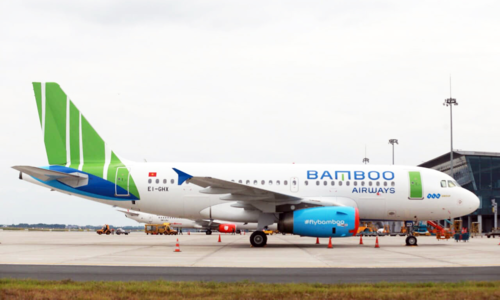
    Bamboo Airways officially entered into cooperation with the International Air Transport Association (IATA) to trial the IATA Travel Pass, laying a solid foundation for the airline’s reopening of international routes.

    In coordination with IATA, Bamboo Airways will begin preparations to trial the IATA Travel Pass on international flights in the coming months. With this move, Bamboo Airways demonstrates its commitment to relaunching international routes, opening borders safely as well as reviving the battered tourism industry.

    IATA Travel Pass is a digital health wallet where passengers can upload and share their Covid-19 tests and vaccination certificates for travel. Health information is an essential factor for both governments and carriers to conduct safe flights during and after the pandemic.

    The IATA Travel Pass is considered a safer and more effective solution compared to current paper-based procedures, especially when it comes to a multitude of test and vaccination data that needs securing.

    The app has been developed with the highest levels of data privacy and security, so passengers always remain in control of their Covid-19 health information. Besides, governments can be confident that passengers who are OK to Travel are in full compliance of Covid-19 travel requirements, said Nick Careen, IATA senior vice president for Airports, Passenger, Cargo and Security.To create the digital health wallet, passengers download the IATA Travel Pass app, and register a digital identity using their passports. Once passengers have been tested and/or vaccinated, labs will securely send data to the individual’s app. It then verifies this information and checks that passengers meet the travel requirements for their destination. If they do, they will receive an “OK to Travel.” Passengers can also choose to share this with airlines and authorities.

    By ensuring passengers meet Covid-19 health requirements for their destination, Travel Pass will facilitate more seamless transportation, playing a crucial role in the reopening of international routes in the near future.

    As of June, more than 60 airlines in the world have announced the pilot of IATA Travel Pass, including Singapore Airlines, Qatar Airlines, Air New Zealand, Air Serbia, Emirates, Etihad, Ethiopian Airlines, Iberia, Korean Air, Malaysia Airlines, Qantas, et

    As a member of IATA, Bamboo Airways is closely collaborating with the body, authorities and related units to pilot the Travel Pass app in line with government regulations on “digital health passports” or “vaccine passports”. With this trial, Bamboo Airways aims to establish an area to check the compliance of passengers at the airport and provide the government with valid information to ensure safe flights and repel the pandemic.

    Bamboo Airways is promoting the digital transformation process and effectively fulfilling the market demand and practical requirements of a “new normal” phase.

    “Alongside the valuable partnership with IATA, it’s our conviction that Bamboo Airways will substantially contribute to the revival and sustainable development of aviation in the future,” said Dang Tat Thang, CEO of Bamboo Airways.

    Thang believes the tech solution would be the cornerstone of international routes reopening, especially Bamboo Airways’ non-stop flights connecting Vietnam and the U.S.

    Bamboo Airways has successfully conducted many repatriation charter flights from South Korea, Japan, Taiwan, Australia, the Philippines, Poland, Norway, etc. The airline is also completing procedures to launch non-stop flights to many countries in Asia-Pacific, including Australia, exploit the European market, and gather pace in the operation of non-stop flights connecting Vietnam and the U.S. as soon as the government allows. Complying with the Civil Aviation Authority of Vietnam on the three-phase plan for restarting international routes, Bamboo Airways has prepared a corresponding scheme and suitable strategy based on close observation of the market and pandemic.

    At the same time, Bamboo Airways is implementing Covid-19 vaccinations for all employees and related affiliates.

    Bamboo Airways strictly complies with disease prevention measures as guided by the National Steering Committee for the Prevention of Covid-19, the Ministry of Health, the Steering Committee of the Ministry of Transport, and the Civil Aviation Authority of Vietnam, including temperature screenings at the airport, providing hand sanitizers and masks at check-in areas, departure gates and on planes, spraying disinfectant after flights, regularly maintaining HEPA filters on aircraft, etc.

    As of now, Bamboo Airways’ Covid-19 prevention process is considered the most comprehensive and effective, achieving an absolute level of 7/7 by Airlines Ratings.

    Bamboo Airways currently operates over 60 domestic and international routes, transporting 7.5 million passengers on safe flights. The airline has also maintained the highest on-time flight rate in Vietnam’s aviation market in three years up to 2021.

    The airline’s international 5-star standard-oriented service has been recognized by domestic and international passengers and media with a customer satisfaction rate of 4.5/5. Bamboo Airways was honored as Vietnam’s Best Airline, Asia’s Leading Regional Airline, and the favorite airline voted for by golfers.

  • Oriental Watch profit soars as Chinese shop at home instead of travel

    Oriental Watch profit soars as Chinese shop at home instead of travel

    Most readers would already be aware that Oriental Watch Holdings’ stock increased significantly by 37% over the past three months. As most would know, fundamentals are what usually guide market price movements over the long term, so we decided to look at the company’s key financial indicators today to determine if they have any role to play in the recent price movement. Specifically, we decided to study Oriental Watch Holdings’ ROE in this article.

    Return on equity or ROE is an important factor to be considered by a shareholder because it tells them how effectively their capital is being reinvested. In short, ROE shows the profit each dollar generates with respect to its shareholder investments.

    The ‘return’ is the profit over the last twelve months. That means that for every HK$1 worth of shareholders’ equity, the company generated HK$0.05 in profit.

    So far, we’ve learned that ROE is a measure of a company’s profitability. Depending on how much of these profits the company reinvests or “retains”, and how effectively it does so, we are then able to assess a company’s earnings growth potential. Generally speaking, other things being equal, firms with a high return on equity and profit retention, have a higher growth rate than firms that don’t share these attributes.

    On the face of it, Oriental Watch Holdings’ ROE is not much to talk about. We then compared the company’s ROE to the broader industry and were disappointed to see that the ROE is lower than the industry average of 8.5%. However, we were pleasantly surprised to see that Oriental Watch Holdings grew its net income at a significant rate of 42% in the last five years. So, there might be other aspects that are positively influencing the company’s earnings growth. Such as – high earnings retention or efficient management in place.

    Next, on comparing with the industry net income growth, we found that Oriental Watch Holdings’ growth is quite high when compared to the industry average growth of 8.5% in the same period, which is great to see.

    The basis for attaching value to a company is, to a great extent, tied to its earnings growth. What investors need to determine next is if the expected earnings growth, or the lack of it, is already built into the share price. This then helps them determine if the stock is placed for a bright or bleak future. Is Oriental Watch Holdings fairly valued compared to other companies? These 3 valuation measures might help you decide.

    The three-year median payout ratio for Oriental Watch Holdings is 45%, which is moderately low. The company is retaining the remaining 55%. So it seems that Oriental Watch Holdings is reinvesting efficiently in a way that it sees impressive growth in its earnings (discussed above) and pays a dividend that’s well covered.

    Moreover, Oriental Watch Holdings is determined to keep sharing its profits with shareholders which we infer from its long history of paying a dividend for at least ten years.

  • Singapore and Hong Kong Set Review Date for Travel Bubble

    Singapore and Hong Kong Set Review Date for Travel Bubble

    An announcement on the launch date for the travel bubble is expected in early July, following a review by both sides.

    The latest developments come in view of the COVID-19 epidemic situation in Singapore, which has been stabilizing since early June, the Hong Kong government said in an announcement on Thursday.

    Both consider that it is prudent to keep the developments under review to ensure the epidemic situation is sufficiently stable before deciding in early July on the way forward for the ATB, the announcement said.

    The travel bubble between two business hubs, planned since October 2020, has been beset by numerous delays.

    On Thursday, Singapore also announced the easing of curbs to control the spread of Covid-19, to take place from June 14.

    The city-state brought back stricter social distancing measures in early May amid growing community infections, but new cases have since stabilized in the low single digits.

  • Vietnam Airlines cleared for 12 repatriation flights from US

    Vietnam Airlines cleared for 12 repatriation flights from US

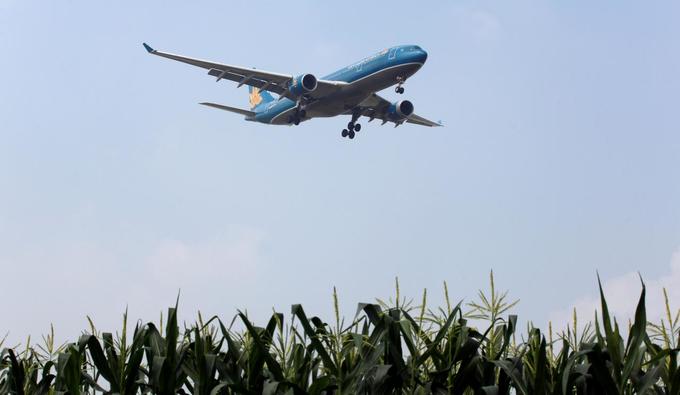
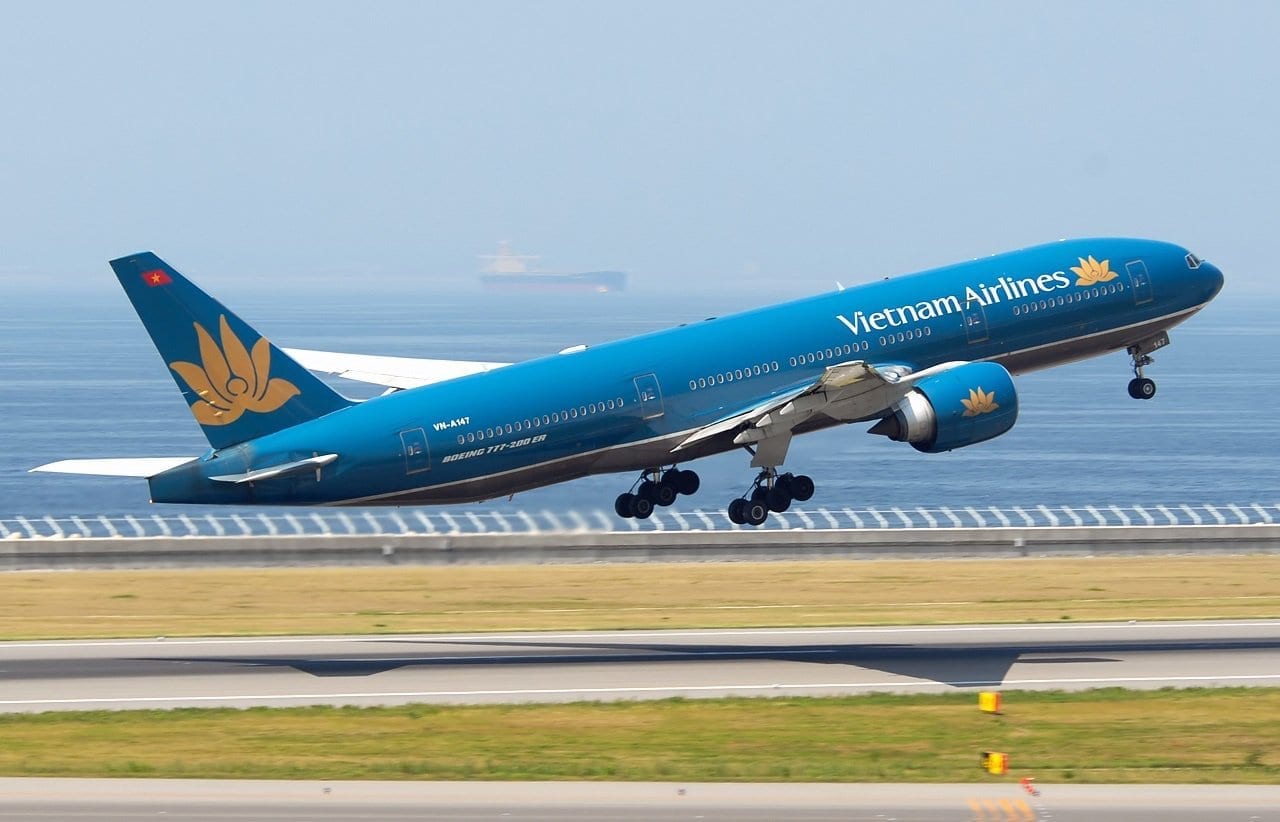
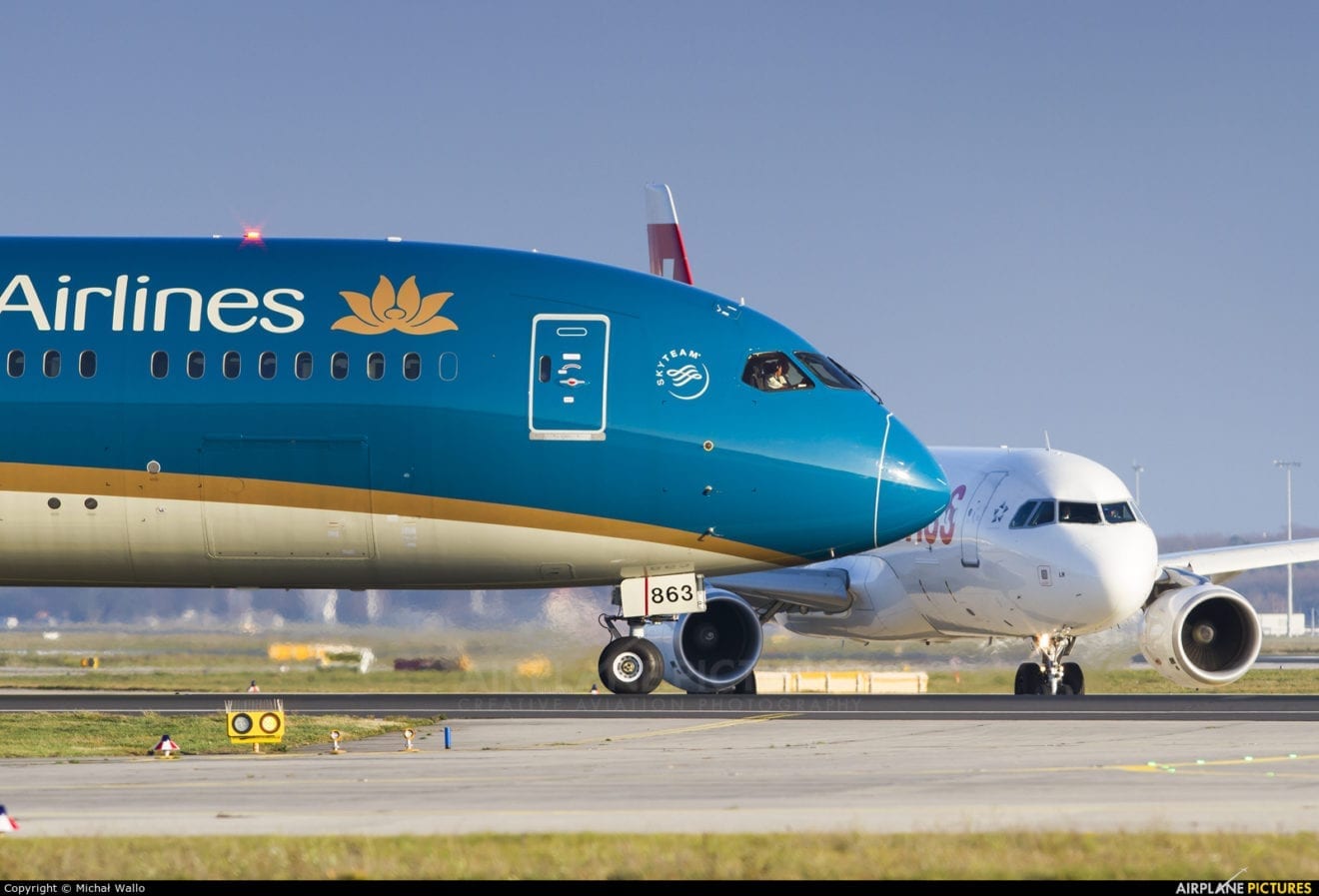
    National flag carrier Vietnam Airlines has received permission from U.S. authorities to conduct 12 repatriation flights this year, the first of which is scheduled for this month.

    The first flight will leave Hanoi on June 22 for Washington D.C. with a stop in Alaska before returning to Vietnam on June 24.

    The airline will use its biggest wide-body aircraft – the Boeing 787 or the Airbus A350 for these flights.

    It remains the only Vietnamese carrier to receive flight permits from the U.S. Transportation Security Administration (TSA), which is said to have stringent requirements. The examination process for the 12 flights took one month.

    Vietnam Airlines expects the flights to help evaluate the possibility of conducting regular flights between the two countries after the Covid-19 pandemic has been contained.

    Last year, it conducted 20 flights between Vietnam and the U.S. to serve Vietnamese citizens and U.S. experts, and to transport goods.

  • Bamboo Airways on 5-star roadmap

    Bamboo Airways on 5-star roadmap

    Dubbed the most intriguing airline startup in 2020 by Forbes, Bamboo Airways is now among three leading carriers in Vietnam, proving an ideal option for a 5-star oriented flight experience.

    Inspired by its founder’s dream of exploring the sky at the age of 19, Bamboo Airways was established as the torchbearer leading Vietnamese airline service to the next level. Hence, the international 5-star rating has become Bamboo Airways’ ultimate goal since its earliest days.

    Bamboo Airways adheres to its target of quickly updating service quality and getting 5-star certification by 2023. Therefore, the airline has entered into official cooperation with Yates and Partners, the world’s premier aviation and hospitality consultancy with the most experience in 5-star service consultation and guest experience design. Bamboo Airways has taken drastic actions in achieving its initial goal, even during this period of turmoil for both domestic and international aviation.

    Only 10 airlines have achieved the international 5-star rating in the world, accounting for roughly 4 percent. That number demonstrates the level of difficulty in reaching the 5-star rating as encountered by every airline, even in countries with the most developed aviation industry.

    Each carrier will identify and promote one or several decisive strengths. Qatar Airways takes the top spot in the “World’s Best Business Class” category. Singapore Airlines leads in the “World’s Best Cabin Crew” and the “World’s Best First Class.” Meanwhile, Hainan Airlines is rated the “World’s Best Business Class Amenities” airline.

    Bamboo Airways has identified two of its initial goals on the 5-star roadmap, which are “the airline with the best customer service” and “airline with best business lounges.”

    “5-star human” resources

    In the roadmap towards an international 5-star rating, numerous strict flight attendant requirements are mapped out regarding standard TOEIC score, appearance, BMI (Body Mass Index), female attendant number, etc.

    Bamboo Airways has selected and provided standardized training courses for its very first cabin crew, passing numerous criteria like communication skills, English proficiency, customer service, first aid…

    Flight attendants must reach a height above 1.7 meters (for males), and above 1.6 meters (for females) with an arm reach of at least 2.12 meters. The airline also focuses on criteria for appearance, customer interaction, problem-solving skills, taking women’s tenderness as the basic standard for customer service on each flight.

    “Bamboo Airways always prioritizes the sense of hospitality and responsibility when selecting its ‘sky ambassadors’. As Bamboo Airways aims to provide “more than just a flight” experience, its flight attendants need to provoke passengers’ feelings of trust, being secured and cared for through words, actions and professional problem-solving skills,” said Le Dang Khoa, captain of Bamboo Airways’ cabin crew.

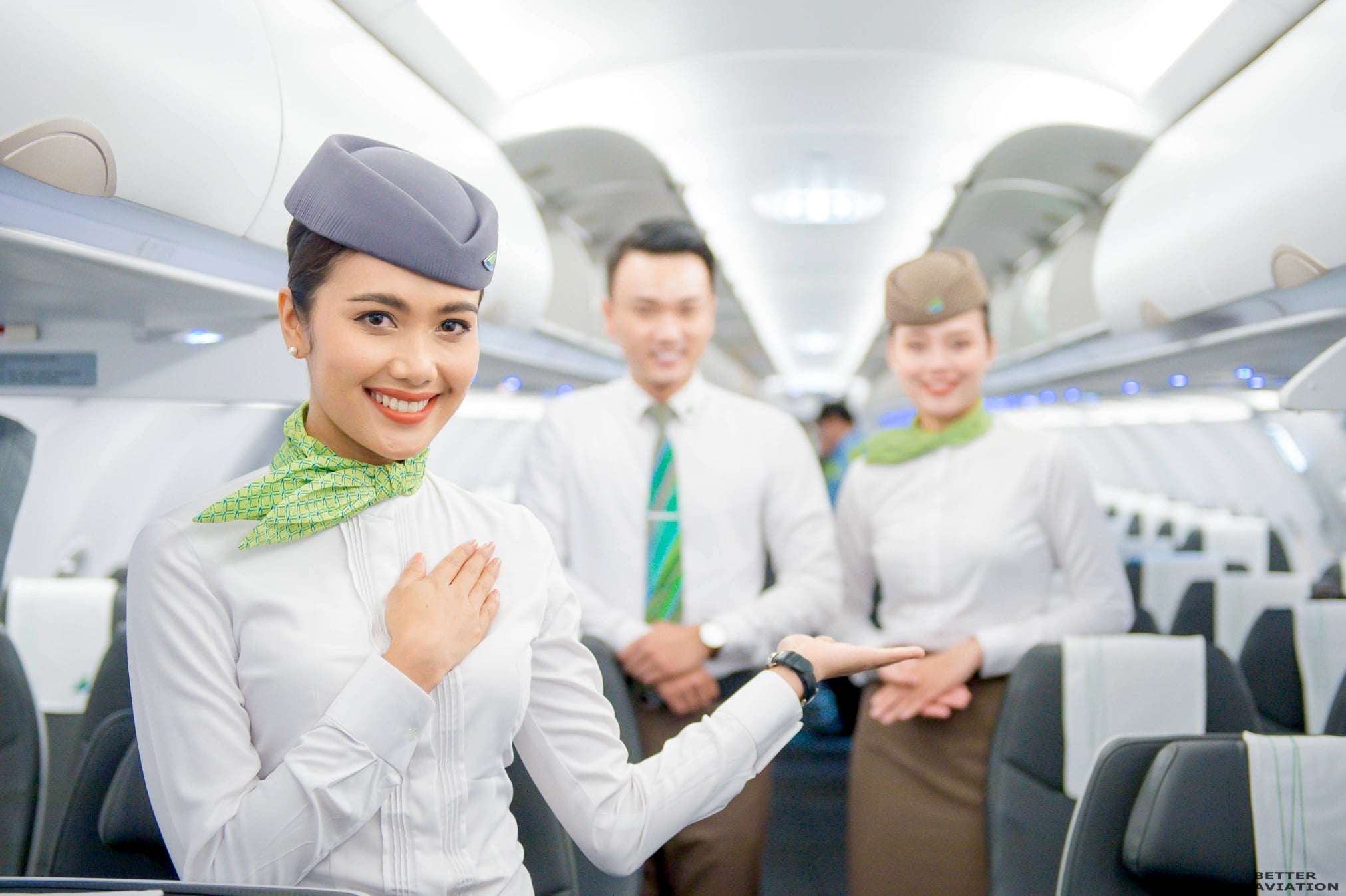
    A hand on the heart with a broad smile has become the symbol of Bamboo Airways at every customer touchpoint, from ticket offices, waiting rooms to boarding gates.

    First Vietnamese private airline to operate business lounges

    In addition, Bamboo Airways has put its business lounge system into operation. In 2020, Bamboo Airways became the first Vietnamese private airline to launch a business lounge at Noi Bai International Airport and Con Dao Airport.

    The business lounge is a crucial customer touchpoint at airports for not only carriers but also business enterprises. Now, more and more leading banks in Vietnam aim to operate business lounges at airports to provide customer services for VIP guests.

    Acknowledging the importance of this customer touchpoint, Bamboo Airways has standardized its 5-star oriented business lounge service at airports. It offers first-class amenities and services, from restaurant-quality dishes, smoking and working areas to stunning runaway views.

    Despite the demanding period for the aviation industry, Bamboo Airways has constantly developed and expanded its lounge system at numerous domestic airports such as in Quy Nhon, Phu Quoc, etc. to provide consistent 5-star oriented services to customers.

    Even in the process of fleet expansion, the customer experience factor remains Bamboo Airways’ priority when choosing aircraft, apart from other factors that control the exploitation of resources.

    For instance, Bamboo Airways is a pioneer in utilizing Embraer jets in Vietnam. Built by the world’s third-largest manufacturer of civil aircraft, Embraer 190 and 195 not only attribute to Bamboo Airways’ monopoly on routes connecting Con Dao but also turns the airline into the first and only carrier to provide business class services to Con Dao.

    Bamboo Airways has made substantial investments in fleet expansion and pilot training courses to achieve excellent service quality. In 2019, Bamboo Airways welcomed the first Boeing 787-9 Dreamliner to its fleet, becoming the first Vietnamese private carrier to operate wide-body aircraft.

    Besides modern narrow-body aircraft like the A320NEO and A321NEO, Bamboo Airways expanded its fleet to 30 aircraft with the constantly upcoming Boeing 787-9 Dreamliners, aiming to increase capacity and service quality.

    Highly evaluated core value and service mindset

    According to aviation experts, passenger expectations regarding an airline service derives from the carrier’s prestige.

    In cooperation with Bamboo Airways, the chairman of Yates and Partners highly evaluated the airline’s core value and service mindset, which are important factors for any carrier in the path towards the international 5-star rating.

    Consultants of Yates and Partners will accompany Bamboo Airways on a long-term roadmap, supporting the airline in setting international 5-star service standards at all customer touchpoints, including standards for business and economy class services, F&B strategies, catering services on each flight, personnel training for staff and cabin crew on domestic and international flights.
  • Vietnam Airlines to sell 11 aircraft

    Vietnam Airlines to sell 11 aircraft

    National flag carrier Vietnam Airlines has said it will auction 11 Airbus A321 CEO aircraft manufactured in 2004, 2007 and 2008.

    The sale, which is set to take place this year, is part of its program to replace old-generation aircrafts that have been used for over 12 years. It also aims to increase its cash flow at a time of trouble for the pandemic-hit aviation sector.

    The carrier had sold nine aircraft last year and five in 2019. It had a fleet of 107 aircraft at the end of last year, including 51 Airbus A321 CEO aircraft.

    The carrier posted its largest quarterly loss ever in Q1 at VND4.97 trillion ($216 million), pushing its accumulated loss to VND14.22 trillion, marginally surpassing its charter capital.

    If its performance continues in the same vein, the airline’s HVN ticker on the Ho Chi Minh Stock Exchange (HoSE) might be delisted. It has already received a warning from the bourse on April 15.

  • Launch of direct Vietnam-US flight routes a challenging journey

    Launch of direct Vietnam-US flight routes a challenging journey

    Acquiring flight slots at U.S. airports is only the beginning of a challenging journey to making the Vietnam-U.S. direct route a reality, experts say.

    Private carrier Bamboo Airways recently acquired slots to operate regular direct flights from Ho Chi Minh City to San Francisco and Los Angeles starting September.

    The airline plans to begin charter flights starting July and regular flights in September with four flights a week.

    The flights would be operated using the long-haul Boeing 787-9 Dreamliner aircraft. The carrier said it was rushing to complete the final steps in the process of building its personnel apparatus, including pilot and flight crew training, to get ready for operating direct flights to the U.S.

    While the latest development stirs new hopes for direct flights between the two countries, something that airlines and officials have been discussing and working on for nearly two decades, there are still many hurdles to overcome.

    Aviation expert Nguyen Thien Tong said that apart from flight slots, each Vietnamese airline will need to acquire various safety permits from U.S. agencies before getting the go-ahead for direct flights.

    Vietnam Airlines, with decades of experience in the industry, seems to be the most promising candidate to secure these permits, while Bamboo Airways, having operated for only two years, might face stiff challenges in proving its capability to conduct such long direct flights, he told VnExpress International.

    Last September, national flag carrier Vietnam Airlines had became the first Vietnamese airline to secure permits from the U.S. Department of Transportation for direct flights to the U.S.

    The airline last month received licenses from the Civil Aviation Authority of Vietnam (CAAV) to operate the Airbus A350 aircraft to the U.S. It had already acquired a permit for the Boeing 787.

    Last year, Vietnam Airlines conducted over 20 charter flights between the two countries.

    But, for regular flights, various permits are needed from the Federal Aviation Administration (FAA), the Transportation Security Administration (TSA) and the U.S. Customs and Border Protection (CBP).

    The TSA is one of the toughest obstacles with its stringent requirements. It will send experts to examine Vietnamese airports before proceeding further.

    A CAAV official told local media that the current fleet of Vietnam Airlines and Bamboo Airways with their Boeing 787-9 and the Airbus 350 won’t be able to fly directly to the U.S. at full capacity (over 300 seats).

    For long direct flights, the Boeing 777x and Airbus A350-1000 are needed, but the two carries do not own such jets, he said.

    Apart from concerns over technical challenges, experts have also questioned the profitability of Vietnam-U.S. direct flights.

    Vietnam Airlines CEO Le Hong Ha said the carrier might have to bear a loss of $30-50 million a year in the first five years of operating direct Vietnam-U.S. flights.

    Bamboo Airways chairman Trinh Van Quyet had earlier calculated that the airline could earn VND8 billion ($346,700) a month from direct flights with return ticket prices of around $1,300.

    But it is difficult to confirm those figures, especially as U.S. airlines, such as United Airlines and Delta Air Lines have launched and suspended direct flights to Vietnam after making losses, Tong said.

    There are currently no direct routes between the two countries, and passengers have to transit through Hong Kong, South Korea or Taiwan, taking 18-21 hours in all. A direct flight would shorten the travel time to 15-17 hours.

    Tong also said that with the ongoing Covid-19 pandemic it is unclear when a regular direct route will be established.

    Americans are among the top foreign visitors to Vietnam, with 687,226 arrivals in 2019, and an ethnic Vietnamese population of over 2.1 million in the U.S. is also expected to be a steady source of travel demand.

  • Singapore-Hong Kong Travel Bubble Hits Snag

    Singapore-Hong Kong Travel Bubble Hits Snag

    The arrangement for quarantine-free travel between the two cities was due to begin on May 26, following two previous postponements. Singapore is reassessing plans for a travel bubble with Hong Kong after the city-state moved to reintroduce tighter social distancing measures amid a growing cluster of Covid-19 cases tied to a large public hospital. The number of cases in the cluster stands at 40 and is linked to the India variant.

    We will monitor the situation and we will review and assess whether or not there will be any changes,» Lawrence Wong, the minister who co-chairs the Singapore government’s virus taskforce, said.

    The travel bubble has already been delayed several times from its scheduled start in November 2020, as a result of infection outbreaks.

    According to the terms of the agreement, the travel bubble will be closed for two weeks if the seven-day moving average of the daily number of unlinked local cases is more than five in either Singapore or Hong Kong.

    On Tuesday, Singapore authorities announced stricter rules on social gatherings, to last till May 30, to stem the spread of Covid-19 in the community. Gatherings are now limited to groups of five, down from eight previously.

    Offices are also to implement a flexible working and more people are to work from home – only 50 percent of staff are allowed at the workplace at any one time, down from 75 percent at present.