Tag: travel

  • Bamboo Airways hikes capital yet again

    Bamboo Airways hikes capital yet again

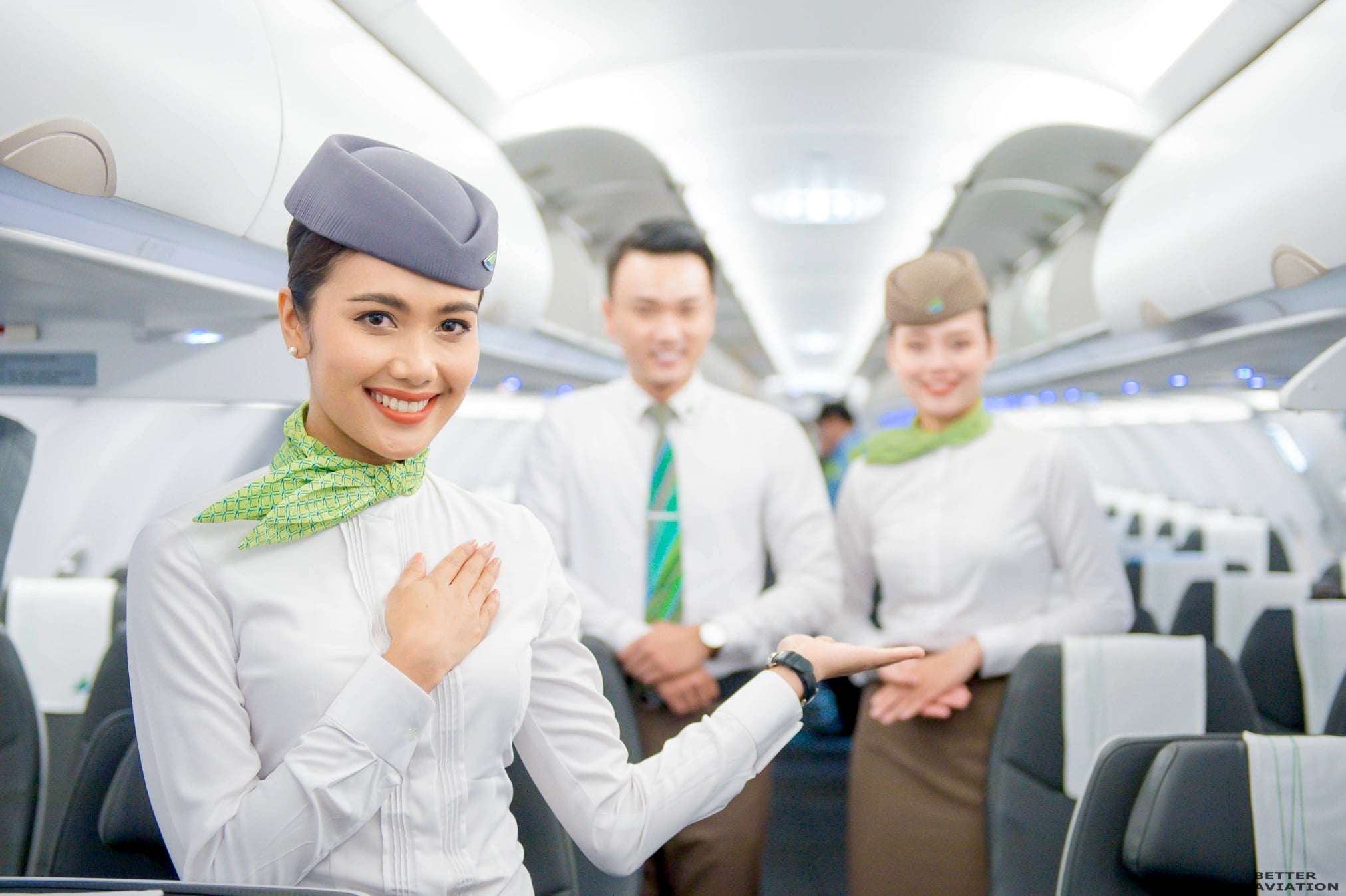
    Private carrier Bamboo Airways has increased its charter capital by 28 percent to VND16 trillion ($695 million), the highest in the industry.

    Since it was set up in May 2017 with a capital of VND700 billion, this is the airline’s seventh hike.

    Its chairman, Trinh Van Quyet, said this month the airline is considering an initial public offering of shares in the U.S. this year to raise $200 million.

    It is expected in the third quarter, with the company likely to offer a 5-7 percent stake.

    It also plans to expand its fleet from 30 aircraft to 40.

    Last year, Bamboo Airways carried over seven million passengers to account for a 20 percent market share, and hopes to increase it to 30 percent this year.

  • Cebu Pacific Raises $250 Million As Gokongwei’s Airline Prepares For Travel Recovery

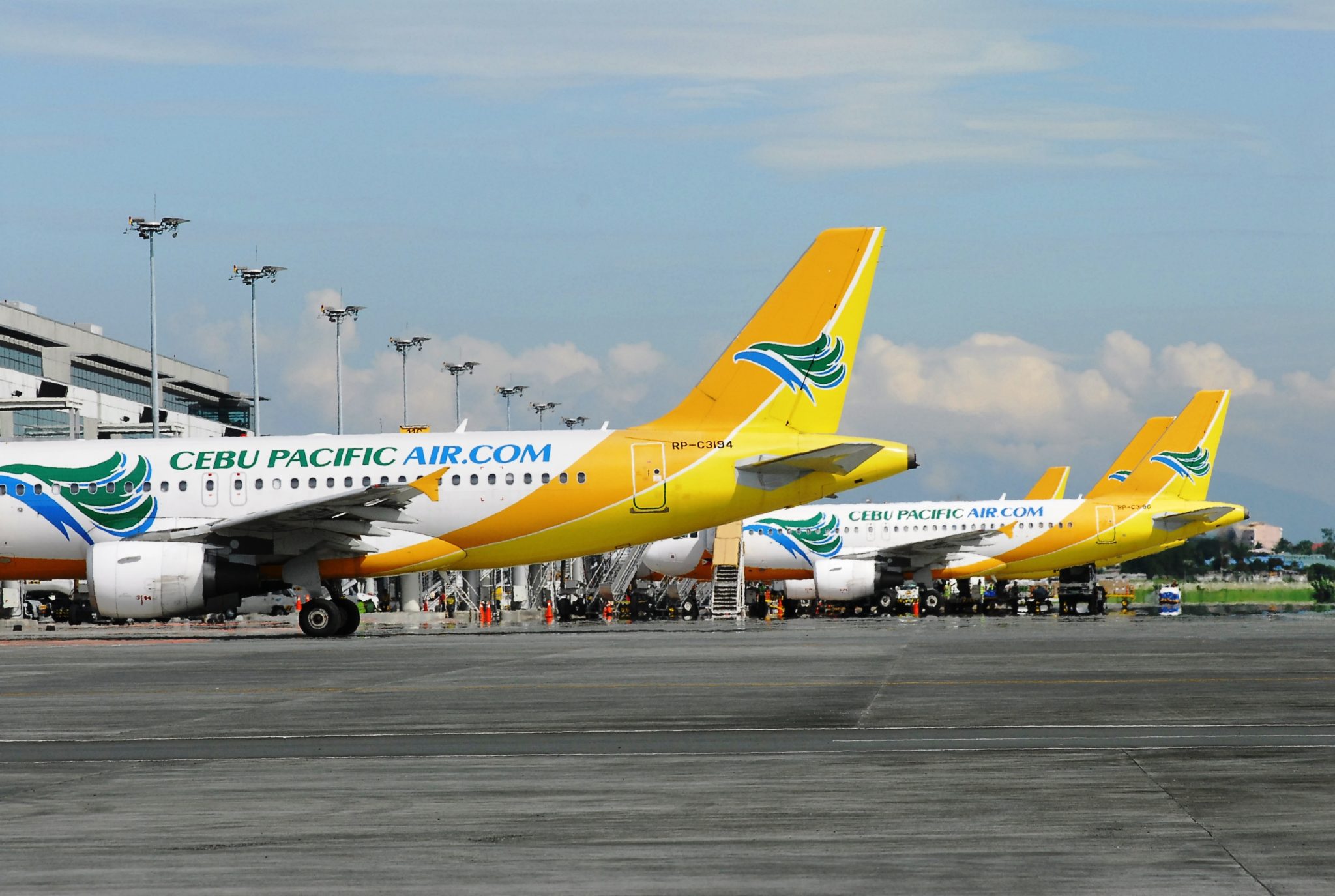
    Cebu Pacific Raises $250 Million As Gokongwei’s Airline Prepares For Travel Recovery

    Cebu Pacific Air, the low-cost airline controlled by Philippine tycoon Lance Gokongwei and his siblings as part of JG Summit Holdings, said it has raised $250 million through the sale of convertible bonds to the International Finance Corp. and U.S. private equity firm Indigo Partners.

    The bonds can be converted into 318.75 million common Cebu Pacific shares at 68 pesos a piece, according to a filing with the Philippine Stock Exchange. The company didn’t disclose the specific investments made by IFC through its IFC Emerging Markets Fund and by Indigo partners through its Philippine subsidiary.

    The funds will provide the carrier some much-needed capital. Cebu Pacific, just like most travel-related businesses, suffered a net loss of 22.2 billion pesos ($459.4 million) last year as passenger traffic dropped 78% to 5 million. Both international and domestic travel came to an abrupt halt as the Philippines grappled with the Covid-19 pandemic. The country is among the hardest hit by the deadly virus in Southeast Asia.

    “At Cebu Pacific Air, our focus has been on bringing the vaccine into the country and getting back to regular travel,” Gokongwei told attendees to the 2021 Forbes Asia CEO Webinar late last month.

    The funds raised from the convertible bond issue form part of the the $500 million the airline aims to raise as it restructures operations in preparation for a vaccine-led recovery in the travel industry.

  • Thailand’s Nok Air extends time to file restructuring plan

    Thailand’s Nok Air extends time to file restructuring plan

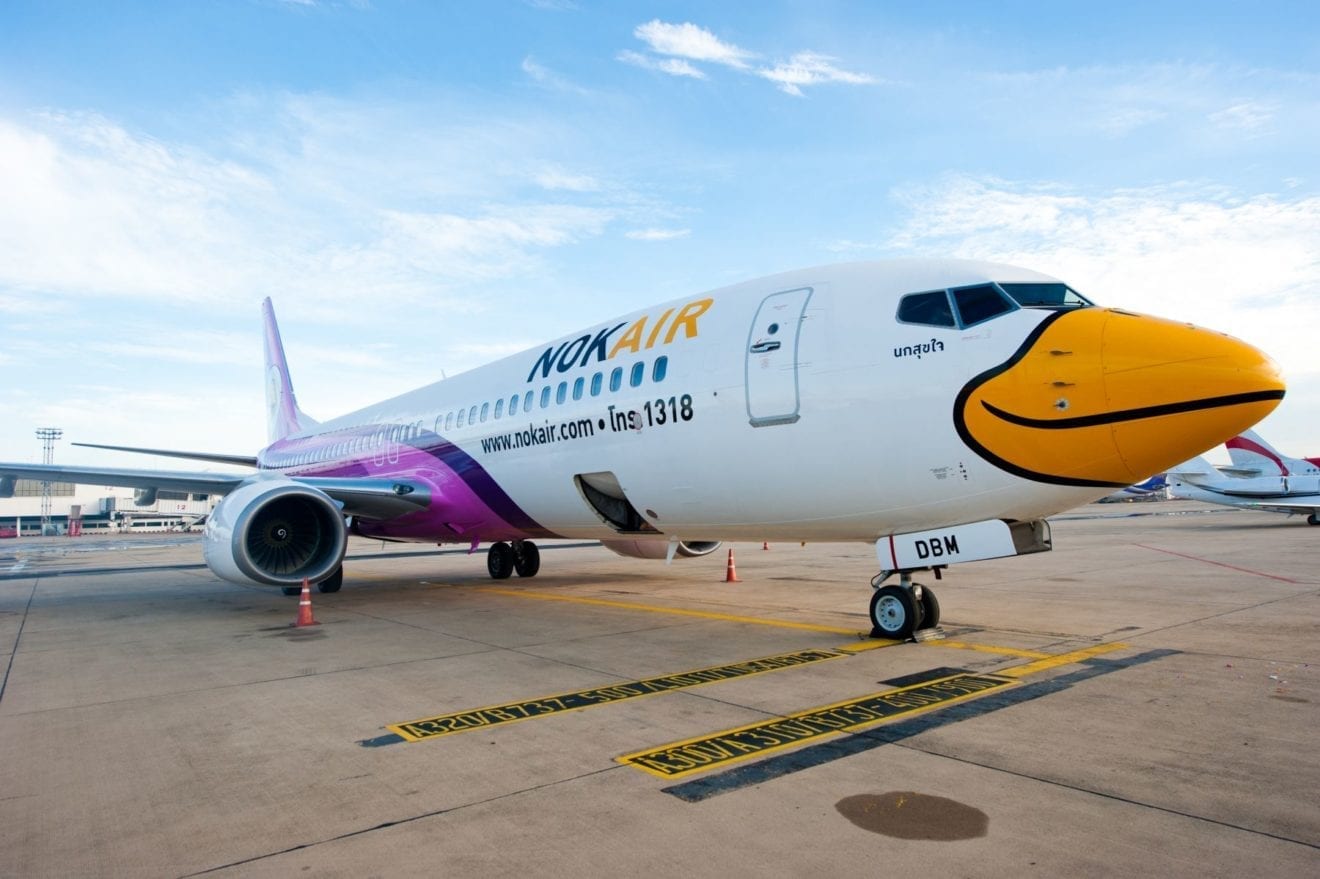
    Nok Air has said in a stock market filing that it has been granted an additional month to file its final restructuring plan, with the new deadline falling on May 15, 2021.

    “This extension is needed to collect additional information required in order to prepare a complete and comprehensive rehabilitation plan to ensure that it will be appropriate for the airline business during the COVID-19 pandemic situation and will receive the approval at the creditors’ meeting,” the low-cost carrier said.

    The airline filed for restructuring in July 2020 and was officially admitted to the procedure on December 15, 2020. According to Thai law, it was initially granted three months to submit a final rehabilitation plan to the Central Bankruptcy Court. It already extended the deadline once, through April 15, 2021. The second extension is also the final one permitted.

    Nok Air underlined that in addition to complex and ongoing negotiations, the previous deadline would have fallen during the celebration of the Thai New Year (Songkran).

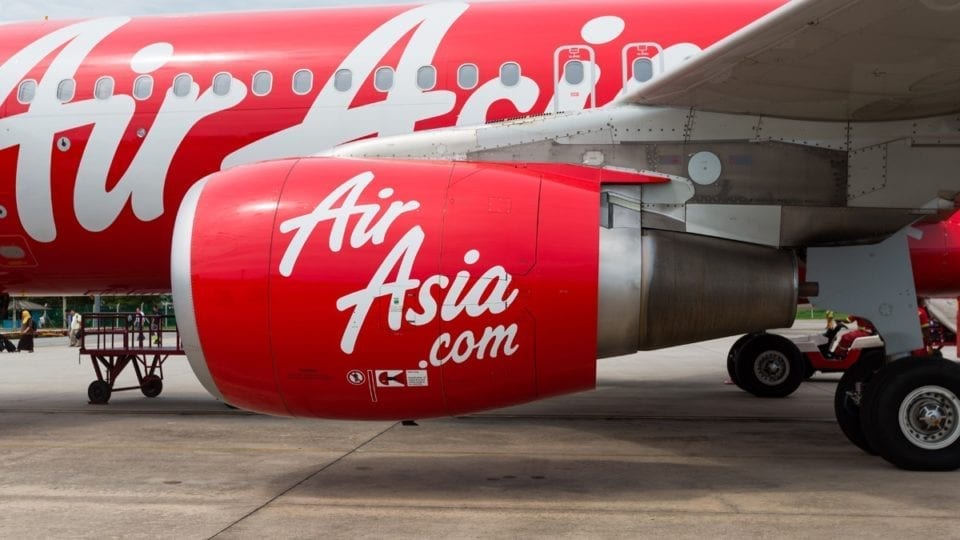
  • AirAsia announces free rescheduling on all flight bookings till May 15

    AirAsia announces free rescheduling on all flight bookings till May 15

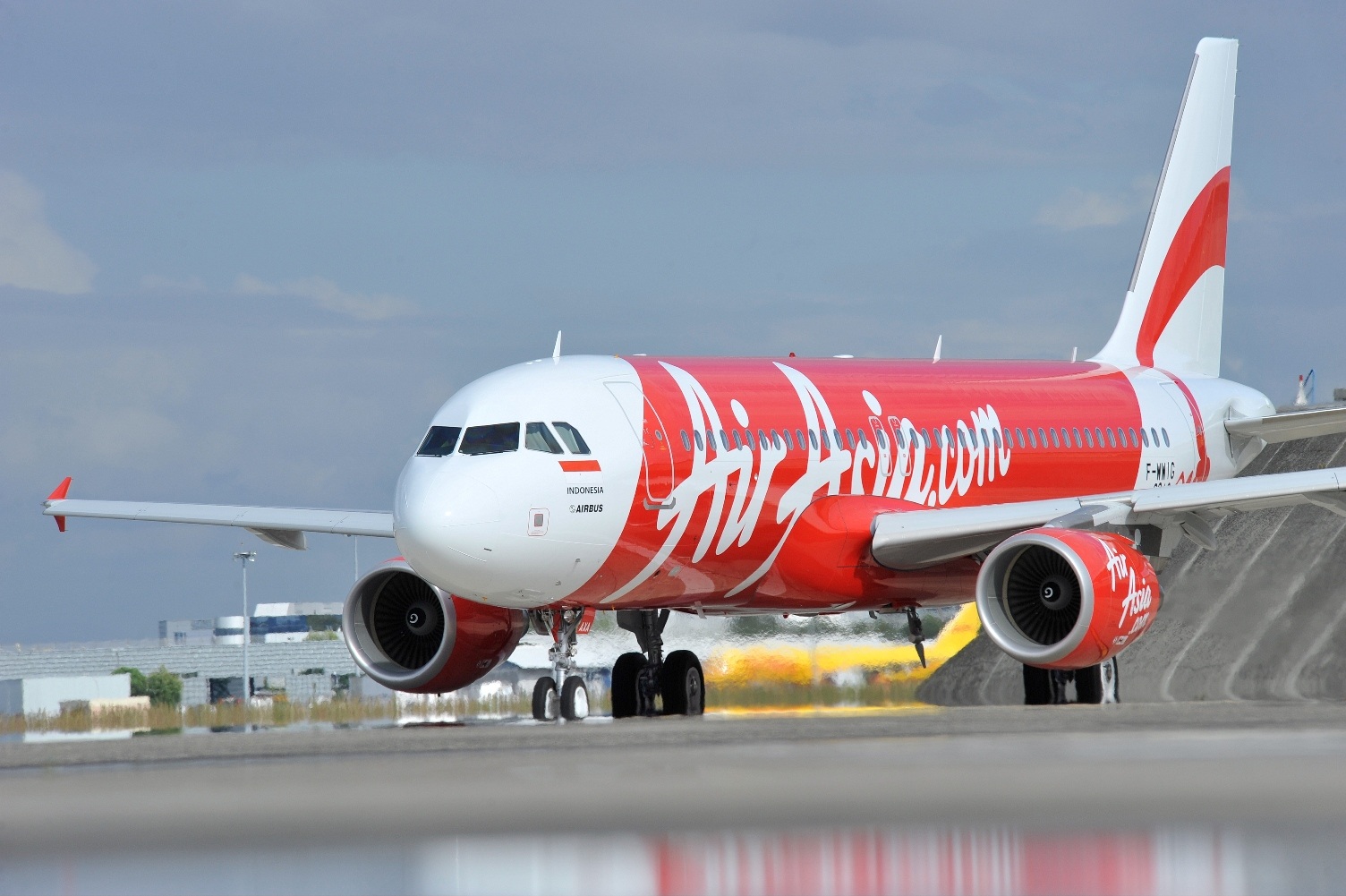
    AirAsia India has announced free rescheduling on all flights for bookings till May 15, 2021.

    In a statement, the airline said that guests can now make unlimited changes for all bookings and changes made till May 15, irrespective of the travel dates, without incurring any flight change fees.

    “To ensure that its customers continue to have the greatest flexibility if their travel plans change with increased uncertainty and travel restrictions, the airline has extended this offer on its new website www.airasia.co.in as well as other major booking channels,” it said.

    The airline said that it left no stone unturned in adopting a multi-layered approach to offering safe and seamless travel for guests from booking to check-in and arrival.

    All aircraft undergo deep cleaning and sanitation, while cabin disinfection takes place before each flight, it said.

  • Trip.com to raise US$1.09bn in Hong Kong listing

    Trip.com to raise US$1.09bn in Hong Kong listing

    Syndicated lending in Asia Pacific plunged to the slowest quarter in eight years as the coronavirus pandemic took its toll with several countries imposing lockdowns and grinding a range of business activities to a halt.

    Loan volumes in Asia Pacific (ex-Japan) dropped 39% to US$68.92bn in the first quarter from US$113.79bn a year ago, while deal flow shrunk to 221 from 377 loans completed in the same period, according to Refinitiv LPC data.

    The volumes for the first three months of 2020 represent the lowest quarterly tally since the first quarter of 2012 when lending in Asia Pacific slumped to US$62.21bn from 231 deals in the aftermath of the 2011 eurozone crisis.

    “Overall, the market has been off to a really slow start and outlook for Q2 is uncertain and changing by the day,” said Bryan Liew, regional head, loan syndications, ASEAN at Standard Chartered Bank in Singapore. “I think we will see more caution and maybe asset repricing.”

    The market volatility from Covid-19 has forced borrowers to shelve fundraising, acquisition, and capital expenditure plans, and seek covenant amendments or waivers from lenders. Every market across the region posted declines with Singapore being the worst hit, nose-diving over 84% year-on-year to US$1.09bn in the first quarter of 2020.

    Two financial sponsors terminated their proposed acquisition of New Zealand-listed dental service provider Abano Healthcare Group, dealing a blow to a NZ$190m (US$107m) five-year loan for the buyout that had been in syndication since November.

    Earlier this month Australian retail property group Vicinity Centres suspended a A$300m (US$176m) seven-year loan until further notice. Lenders to Singapore-listed Eagle Hospitality Trust issued a notice of default and mandatory prepayment on a US$341m loan signed last May. MGM China Holdings asked lenders in February to waive the leverage covenants on a HK$9.75bn (US$126m) loan for the next 12 months after Macau’s government closed all casinos for 15 days that month.

    Although G3 currency bond issuance from Asia Pacific (ex-Japan) has ground to a halt since March 11, the volumes for the first quarter posted only a 5.81% year-on-year decline to US$96.32bn. Bankers expect some bond issuers to turn to loans, which historically have been more resilient during times of crisis.

    “The coronavirus-induced market volatility will create a heightened focus for all corporates on what their funding strategy is going to be for the next 12 months,” said Gavin Chappell, head of syndications Australia at ANZ in Sydney. “I think we will see some transactions that couldn’t have been done in other markets come into the bank market.”

    In a report released on Monday, rating agency S&P warned of a risk of recession across Asia Pacific, likening the current situation to that during the 1997-98 Asian financial crisis. It noted that corporate and institutional borrowers in the region, unlike their US peers, continue to borrow a huge amount from banks rather than from other sources.

    Credits from the hardest-hit industries of aviation, tourism and hospitality, among others, are grappling with challenges, while cash-strapped companies with impending debt maturities in other sectors are also facing the heat.

    “We often see a polarisation effect during times of market disruption – strong credits in stable sectors continue to receive support from their relationship banks, while weaker credits or those in volatile sectors may struggle to raise financing or see their terms become less competitive,” said Andrew Ashman, head of loan syndicate Asia Pacific at Barclays in Singapore.

    The outcome pf syndication for Chinese travel agency Trip.com Group’s US$1.2bn loan will provide a gauge of sentiment. Singapore Airlines, Australia’s Qantas Airways, Air New Zealand and Hong Kong’s Cathay Pacific Airways took steps to lock liquidity with support from their governments and other lenders.

    StanChart said it will commit US$1bn in financing for manufacturers and distributors in the pharmaceutical industry and healthcare providers, as well as non-medical companies that have volunteered to add manufacturing capabilities for goods such as ventilators, face masks, protective equipment, sanitisers and other consumables.

    NOT ALL GLOOM AND DOOM

    Leaders of the Group of 20 major economies pledged on March 26 to inject over US$5trn into the global economy to keep Covid-19 from tipping the world into a recession. Whether this and other stimulus measures are enough to help borrowers survive through the crisis remains to be seen.

    “As perception of credit risk goes up, so too should credit spreads,” said Ashish Sharma, head of loan syndications Asia Pacific at HSBC in Hong Kong. “But as interest rates have come down, and given quantitative easing by a number of central banks, some of the stronger borrowers may see their overall interest cost come down with the significant decline in benchmark rates, even if their credit spreads go up.”

    It is not all gloom and doom, however, with event-driven financings providing the silver lining. Thai billionaire Dhanin Chearavanont’s Charoen Pokphand Group is raising a bridge loan of about US$7.5bn for its proposed acquisition of Tesco’s Asian business, the largest from the South-East Asian country. Freeport Indonesia is preparing launch of a US$2.8bn five-year loan for copper smelter in East Java into general syndication as early as April.

    Vodafone Hutchison Australia and TPG Telecom are forging ahead with a larger A$5.25bn loan for their proposed merger, returning to the loan market after cancelling a A$4.75bn facility that backed the exercise last year.

    “When the situation hopefully settles, the level of activity should come back up,” said HSBC’s Sharma. “Even though things may not be back to exactly as they were in January, there should be opportunities in the loan market, particularly in M&A financing and other financings to help rebuilding in various economies.”

    StanChart’s Liew is also optimistic of the region’s prospects and expects a pick-up of activities from the third quarter.

    “Fundamentally, the outlook in Asia remains intact with three of the largest economies – China, India and ASEAN – all in growth mode and several at the start of industrialisation,” he said.
  • Bamboo Airways warned for overselling tickets

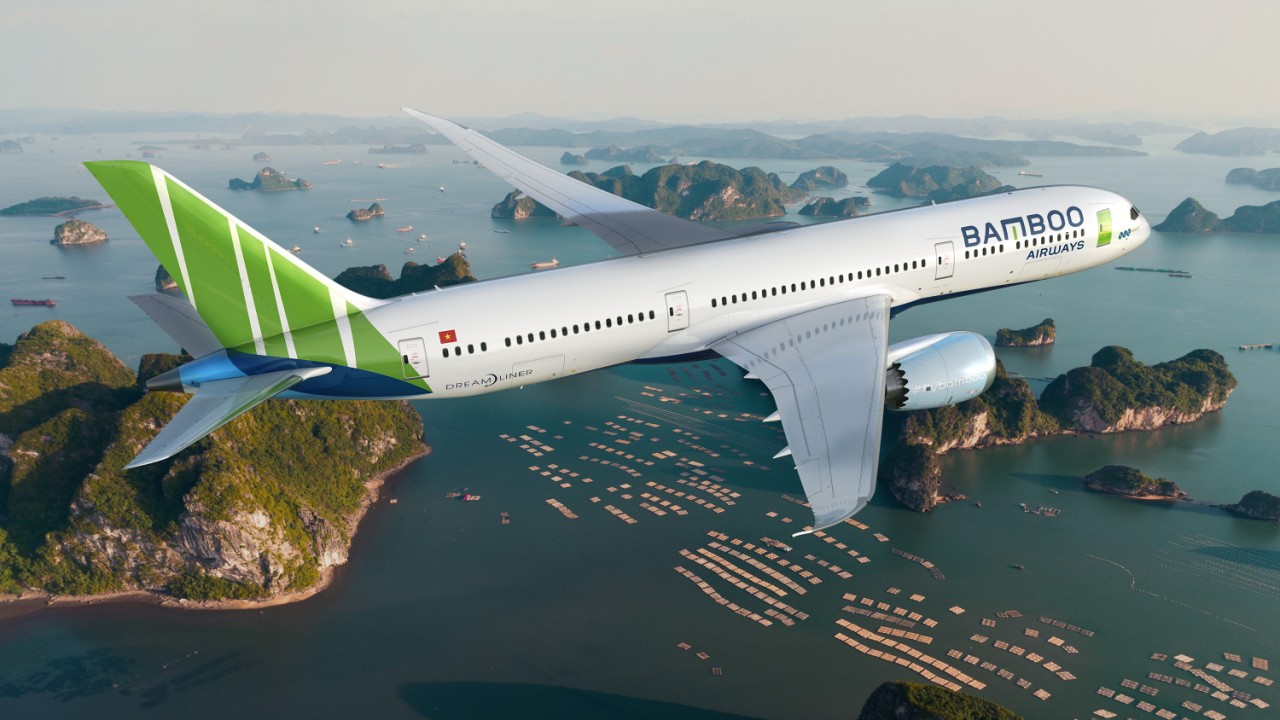
    Bamboo Airways warned for overselling tickets

    Vietnam’s aviation authorities have ordered Bamboo Airways to stop selling tickets for the wrong flight slots after many passengers complained of canceled and delayed flights.

    Each airline has an allocated number of flight slots, meaning a specific period of time wherein an aircraft can take off or land at an airport depending on the latter’s capacity, but Bamboo Airways has sold tickets for slots that it does not have, according to the Civil Aviation Authority of Vietnam (CAAV).

    In recent weeks customers have been complaining about Bamboo Airways frequently canceling or delaying flights, especially on the Hanoi-Da Nang route.

    On March 4, the budget carrier published a public apology over its changing of schedules, blaming it on maintenance work happening at the Noi Bai International Airport.

    However, a representative of Noi Bai airport said the maintenance work had finished earlier and that flight schedules were not affected by it.

    The CAAV has informed Bamboo Airways that if it ignored the warning and continued to offer tickets for the wrong flight slots, the carrier will not get more slots for six months.

    In January, Bamboo Airways, Vietjet, and Vietnam Airlines all received warnings for selling tickets for the wrong slots for the annual Tet (Lunar New Year) holiday.

  • Tourism recovery can take off alongside flights resumption

    Tourism recovery can take off alongside flights resumption

    Tourism companies see a proposed plan to gradually resume international flights as a necessary first step for their sector to recover from the pandemic-inflicted slump. Nguyen Minh Man, head of marketing at the HCMC-based TST Tourist Co., said that a slow and careful reopening of Vietnam’s borders can form a strong foundation to resume tourism activities.

    “This is a golden time for the tourism industry to prepare their human resources and products to recover and achieve a breakthrough next year,” he added.

    Nguyen Cong Hoan, deputy director of Hanoi Redtours, said that although the flight resumption won’t be able to “save” Vietnamese tourism this year, it will be a necessary first step for recovery.

    International flights will first help resume trade and business activities, which will boost demand for niche tourism segments such as golf and luxury tourism, and after that, other popular segments will start to recover, he said.

    “If vaccinated passengers can enter the country in September, that would be an ideal time to travel to Vietnam’s warm beaches or visit terraced fields during the harvest.”

    The Civil Aviation Authority of Vietnam (CAAV) is considering the resumption of international flights starting July, with Japan, South Korea and Taiwan the first destinations, each side operating four flights a week.

    All passengers will be quarantined upon arrival as per the Health Ministry protocol. It is expected that around 6,000 to 7,000 passengers would enter the country each week from the three Asian destinations.

    The CAAV has proposed that starting September, vaccinated foreign passengers into the country are allowed into the country without requiring centralized quarantine.

    Vietnamese carriers are eagerly awaiting the government’s green light to take to the skies again.

    Budget airline Vietjet resumes regular flights to Thailand, Japan, South Korea, and Taiwan this month, serving Vietnamese citizens wishing to study and work abroad, as well as stranded foreigners wanting to return home.

    On return trips, the carrier will only carry Vietnamese citizens being repatriated or foreign experts with permission to enter the country as per government regulations.

    Meanwhile, national flag carrier Vietnam Airlines has said it will reopen international commercial flights connecting Hanoi and HCMC with several Asian destinations including South Korea, Japan, and Australia this month.

    However, tourism companies are not too optimistic about a quick recovery. Hoan of Hanoi Redtours said that for this year and the next, domestic travel will be the main revenue source for his company, and prospects for international travel will only look up in 2023 as the earliest.

    “We are seeing rising numbers of individual and company trips bookings domestically, and this will be our main focus for the time being. Until the Covid-19 situation is well under control globally, we should not pin our hopes on international travel.”

    Vietnam closed its national borders and canceled all international flights in March 2020. Since then, only Vietnamese repatriates, foreign experts, and highly-skilled workers are being allowed in under strict conditions.

    The number of foreign visitors to Vietnam in the first quarter fell 98.7 percent year-on-year to 48,000 with travel restrictions in place to mitigate the impacts of Covid-19.

  • AirAsia Group airlines anticipate strong recovery in 2Q

    AirAsia Group airlines anticipate strong recovery in 2Q

    The AirAsia group is something of a bellwether for the Southeast Asian airline industry due to its footprint in a range of countries in the region. So the widely varying rates of recovery for the group’s members give important indicators of the outlook for both the AirAsia empire and the broader Southeast Asia region.

    The brutal period that AirAsia has endured during the COVID-19 pandemic is highlighted by the RM5.9 billion ($1.4 billion) annual loss it reported for 2020.

    But looking ahead, the airline believes there is reason for near term optimism, as demand is projected to improve in its most important domestic markets. Some are bouncing back strongly towards pre-COVID levels, while others are in weaker condition as they prepare to emerge from the latest lockdowns.

    But the general trend is upward in the second quarter. The group’s view is that there is even light at the end of the tunnel for its international operations, which have suffered most during the pandemic.

    Granted, it is in AirAsia’s interests to paint a positive picture as it seeks to reassure financial markets during what is still a pivotal period for the airline. Nevertheless, it certainly has grounds to predict general improvement as it moves towards midyear and beyond.

  • Mastercard expands digital convenience and security for premium cardholders in Asia

    Mastercard expands digital convenience and security for premium cardholders in Asia

    Focusing on digital convenience and security, Mastercard is delivering more perks in more markets for premium cardholders in the Asia Pacific region with a comprehensive online portal, hassle-free e-commerce insurance and enhanced benefits.

    As people make a lasting shift to online spending, Mastercard has created a seamless and secure digital experience for Platinum, Titanium, World and World Elite cardholders wherever and whenever they choose. The journey begins right at home, where cardholders can shop online with peace of mind.

    Mastercard’s e-commerce insurance protection automatically covers incomplete or non-delivery of items and the delivery of wrong or improperly functioning items from local and international online sellers. Mastercard has expanded this benefit to more markets and offers coverage of up to US$1,000 per year. Cardholders get the convenience of a digital claims process, eliminating the need to send paper forms.

    Via the Mastercard Travel and Lifestyle Services portal, cardholders can access special deals, redeem lifestyle benefits and search, book and pay for trips all in one place. Certain card types can also enjoy digital access to Priority Pass airport lounges and complimentary data roaming when travel resumes.

    Cardholders can make direct reservations and enjoy 1-for-1 deals at more than 400 restaurants with Mastercard’s One Dines Free program in 10 markets. Premium credit cardholders can also book staycations, explore local activities and enjoy up to 10% discounts with Mastercard online travel partners Agoda and Klook.

    “While global travel has yet to return to normal, there is pent-up demand for when the time comes and great opportunities in the meantime for domestic tourism in many places,” said Sandeep Malhotra, Executive Vice President, Products & Innovation, Asia Pacific, Mastercard. “With these enhanced benefits in Asia Pacific, Mastercard is offering a range of digital tools and solutions to help premier cardholders shop, pay and travel with even more safety, security and flexibility.”

    For card issuers, the expanded program enhances benefits that can be offered to cardholders and improves the overall cardholder journey as part of Mastercard’s industry-leading initiatives to drive digital commerce with frictionless and secure payment experiences.

    See the Priceless Specials site for the full range of offers and experiences – from travel, dining and culture to sports, shopping and entertainment – curated by Mastercard.

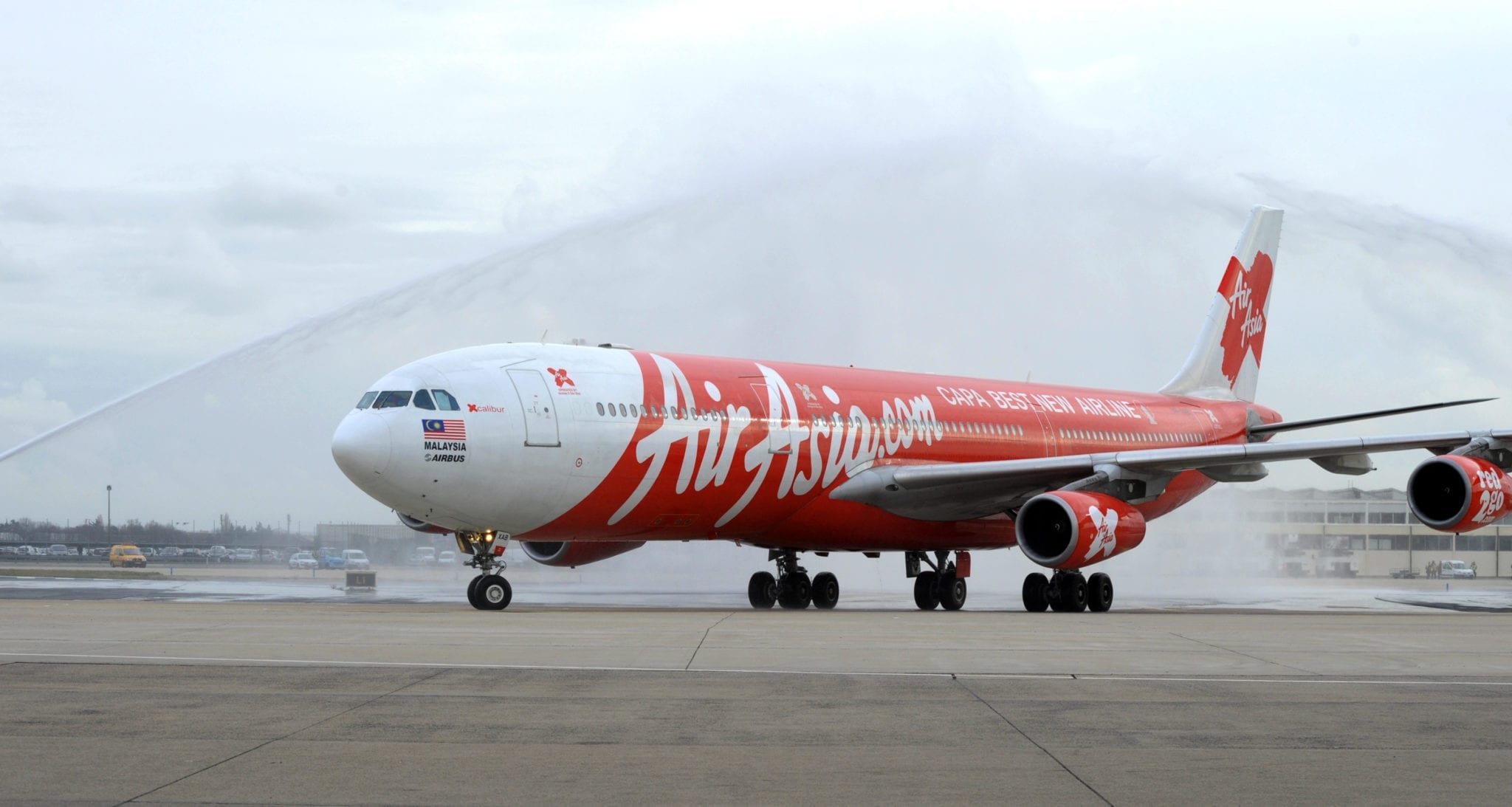
  • AirAsia Rounds Out Punishing Year With Record Loss

    AirAsia Rounds Out Punishing Year With Record Loss

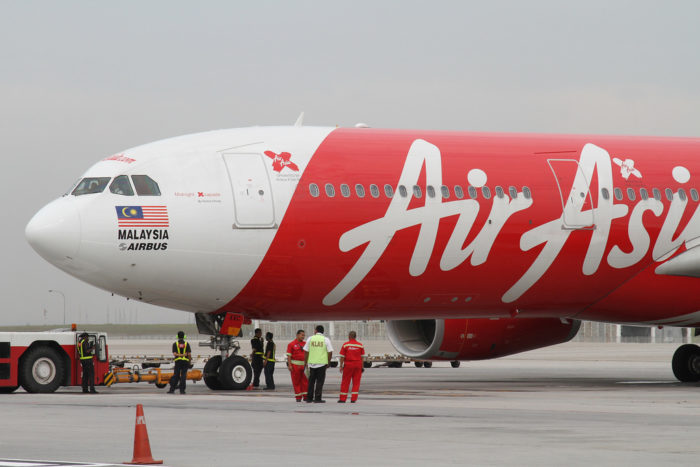
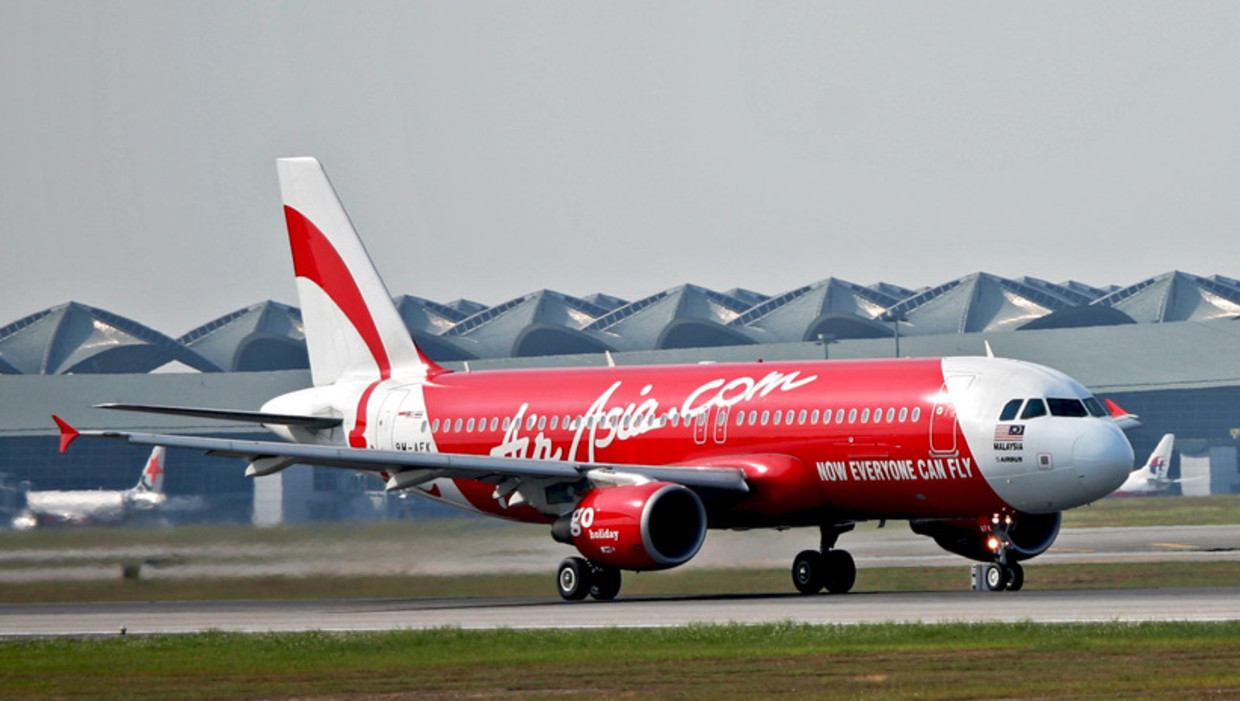
    AirAsia was under pressure even before Covid-19 plunged aviation into crisis. Auditor Ernst & Young had questioned the ability of the airline and long-haul unit AirAsia X Bhd. to continue as going concerns, based on their 2019 financial reports. At the time, the carrier — a major buyer of Airbus SE’s A320 aircraft — was struggling with excess capacity in Southeast Asia as airlines rapidly added planes and competition intensified. More recently, AirAsia’s Japanese unit collapsed and it sold its stake in AirAsia India Ltd.

    The company has sought to raise up to 2.5 billion ringgit through debt and equity. In February, Hong Kong financier Stanley Choi increased his stake to almost 9% for about $27 million. Choi told Bloomberg News he was confident that AirAsia could recover from the challenges facing the industry.

    The airline said Monday it is close to finalizing commitments from banks for loans and is in talks with “a number of parties” for investments, including joint ventures.

    AirAsia has branched out into other businesses, with a strong emphasis on digital operations. Chief Executive Officer Tony Fernandes said this month the company’s so-called super app would have a turnover of $250 million this year. The app can be used for things such as shopping, booking flights and ordering food.

    Logistics arm Teleport will soon start delivering vaccines in Malaysia and the region, AirAsia said. It plans to convert two A320 aircraft into cargo planes.

  • Japan Billionaire Launches Recruitment for Moon Travel

    Japan Billionaire Launches Recruitment for Moon Travel

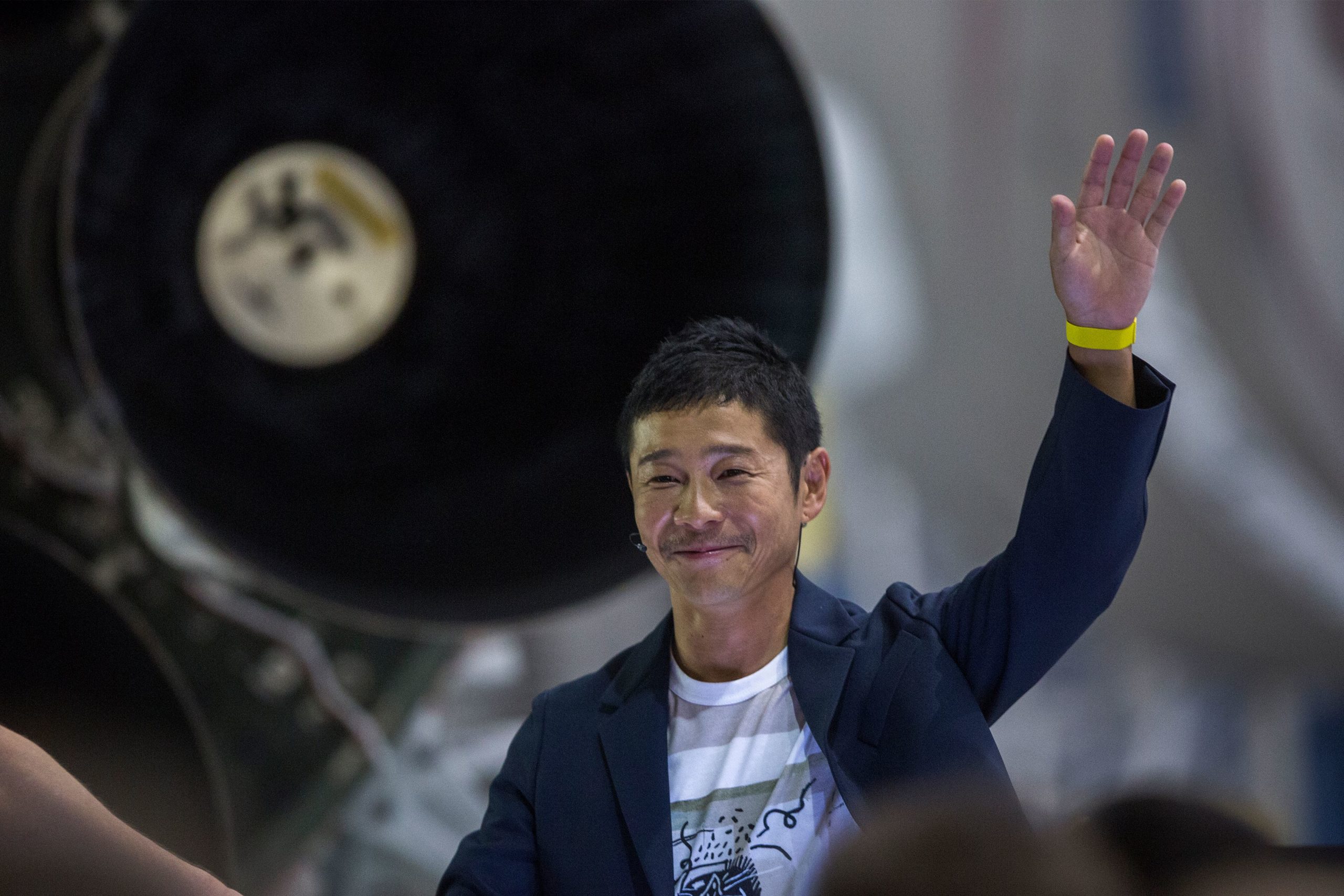
    Japnese billionaire entrepreneur Maezawa Yusaku is once again tapping into the public sphere to further his personal pursuits, this time for the recruitment of co-travelers in a trip around the moon.

    Eight crew members will be chosen for a private SpaceX flight around the moon in 2023, according to the founder of Japanese digital retail giant Zozo in a video posted on Twitter.

    Including Maezawa himself, the six-day trip will involve 10 to 12 people in total. Screening of applicants kicks off on March 21 with the final interviews and medical check targeted for May.

    According to Maezawa, the crew members will be selected based on how they use the trip to «push the envelope» in their respective fields and their willingness to support fellow crew members.

    Maezawa added that he was looking for people of all backgrounds and that that he hoped they would make the trip «fun» together.

    This is not the first time that the high-profiled Maezawa has attracted public interest.

    Last year, he randomly selected 1,000 of his Twitter followers to donate more than $9,000 each to test for actual boosts in happiness from monetary gains. In 2017, he paid $110.5 million for 1982 Jean-Michel Basquiat painting Untitled – an amount that broke his last record set in May 2016 for a mother untitled Basquiat valued at $57 million.

  • Thai Airways announces staff cuts in desperate bid to avoid bankruptcy

    Thai Airways announces staff cuts in desperate bid to avoid bankruptcy

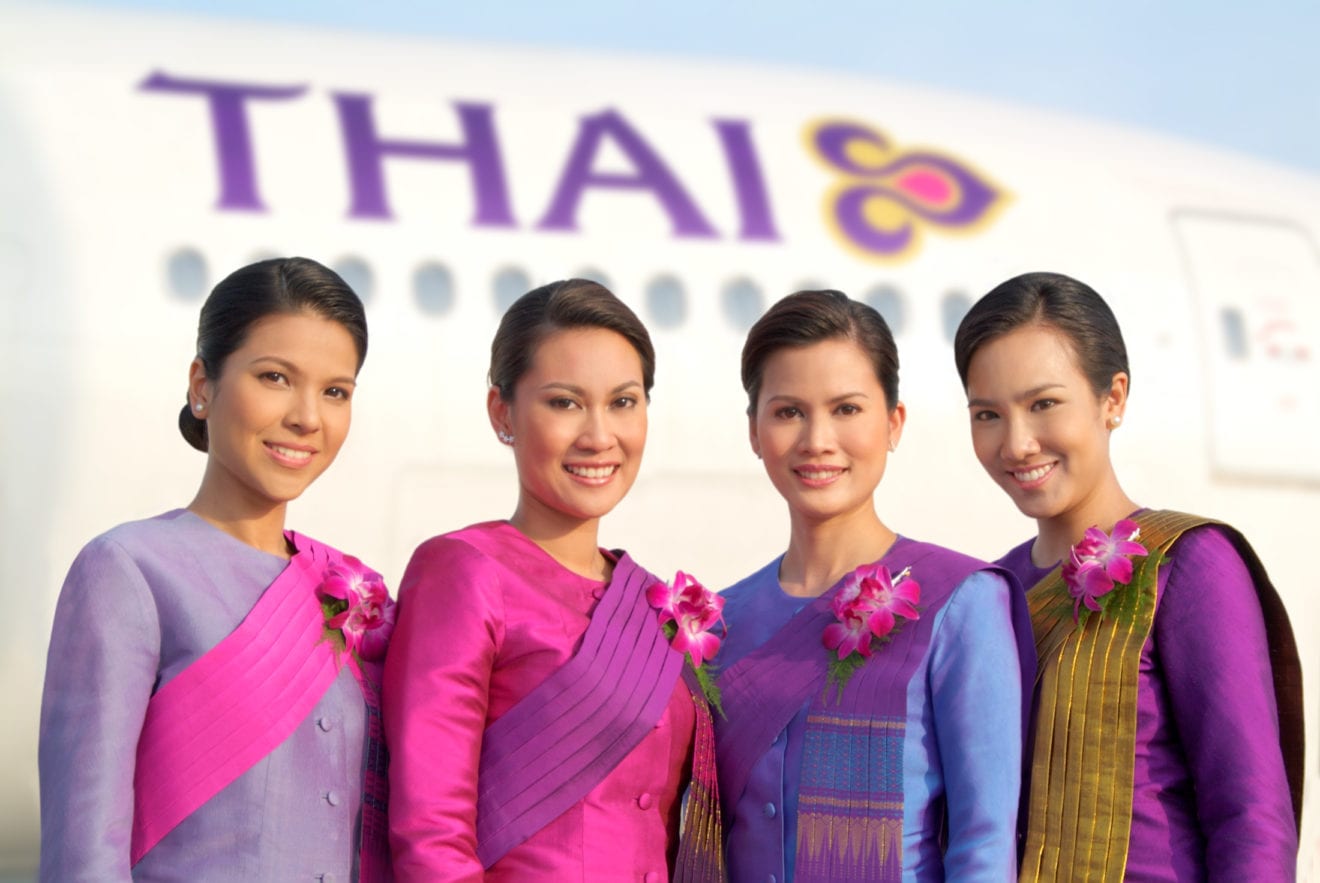
    Thai Airways says it has cut around 240 executive positions as part of its bankruptcy restructuring process.

    The airline said: “The number of executive positions has been reduced from 740 to about 500”, also confirming that the number of supervisory levels would go from eight to five to increase efficiency.

    Thai Airways, like most of its rivals around the world, has slashed capacity as travel restrictions and falling demand make many commercial routes unviable during the coronavirus pandemic.

    The airline will submit its restructuring plan to the Central Bankruptcy Court on 2 March and the plan is expected to be voted on by creditors in May.

    If a majority of creditors vote against it then the airline will go ahead with bankruptcy procedures.

    Acting president Chansin Treenuchagron said: “A successful restructuring will require cooperation from all parties, including creditors and employees.”

    Thai Airways employs around 21,000 people and is Thailand’s national carrier, an important part of its vital tourism industry.

  • AirAsia offers cheap flights to Boracay, Bohol, Palawan

    AirAsia offers cheap flights to Boracay, Bohol, Palawan

    AirAsia is offering discounted one-way flights to several destinations in the Philippines. Cebu to Davao flights can be availed for as low as P98, while Manila flights to Cagayan de Oro, Cebu, Kalibo, and Tacloban can be booked for only P288.

    For as low as P317, travelers from Manila can book flights to Caticlan (Boracay), Bohol, Davao, Iloilo, General Santos and Puerto Princesa.

  • AirAsia’s private placement will prove its capabilities to raise funds

    AirAsia’s private placement will prove its capabilities to raise funds

    Airasia Group Bhd’s private placement exercise will prove the airline’s capabilities to raise funds among the investors if it is done within the stipulated timeline, MIDF Amanah Investment Bank Bhd Research (MIDF Research) said.

    The research house added that this will bring a sigh of relief to the cash-strapped company.

    “If the private placement is completed within the stipulated timeline, it will prove that there are still lingering confidence remaining in the group among the investors, allowing it to raise funds despite its current predicament.

    “However, we would like to stress that this exercise only serves as a stopgap measure to partially address the group’s financial concerns,” it said in a recent report.

    MIDF Research cited AirAsia’s management had previously indicated a conservative estimate that the group needs between a capital RM2 billion and RM2.5 billion to tide them over comfortably until the end of the financial year 2021 (FY21).

    AirAsia is expected to raise RM250 million through the first tranche of its private placement involving 369.85 million shares priced at 67.5 sen each. This represents a discount of 9.82% to the group’s five-day volume-weighted average price.

    MIDF Research said the full placement exercise is expected to raise gross proceeds of up to RM451.51 million, considering that it was stated in its previous announcement — a large portion of the raised amount or circa 62% is earmarked for working capital expenses and fuel hedging settlement.

    “Furthermore, about 17% of the fund will be allocated to grow the group’s digital pillar via AirAsia Digital’s subsidiaries, which is in line with the group’s strategic pivot to become a digital lifestyle company,” it noted.

    The research house believes AirAsia may need to go through another few rounds of fundraising exercises, exposing its current shareholders to more potential dilution in the future.

    It added that the worrying level of Covid-19 infections in Malaysia and other the group’s key markets are alarming and dampening the recovery trajectory this year.

    “Furthermore, with other air operator certificates (AOCs) under the group in similar distress, it is probable that AirAsia will step in to inject liquidity to maintain the respective AOCs capital adequacy.

    “To note, Philippines AirAsia Inc (PAA) and PT Indonesia AirAsia (IAA) are currently in various stages of bank loan applications,” it said.

    The research house has maintained its earnings forecasts on AirAsia for now — as all the potential adverse impacts to the extent have been well priced in — and reiterated its ‘Sell’ call on the group by maintaining the target price (TP) of 37 sen per share.

    It added that the TP has taken into account the potential enlarged share base to 4.01 billion shares from the private placement exercise, which is an additional 20% of new shares from its current share base of 3.34 billion.

    “Although recovery for the aviation sector and air travel is expected to gradually take place in 2021, it remains an uphill battle for AirAsia given it is struggling financially to remain afloat in the current pandemic-laden operating environment.

    “Key risks to our call include faster than expected travel demand recovery, worsening pandemic, stricter Movement Control Order imposed on air travels, and further round of equity fundraising,” it said.

    Public Investment Bank Bhd (PublicInvest Research) has maintained its ‘Underperform’ call on AirAsia, with an unchanged TP of 39 sen.

    It added that overall, key operating statistics for its FY20 were below expectations, with passengers carried and available seat kilometers only accounting for 83% and 75% respectively.

    “AirAsia’s 4QFY20 results and passenger yield data are expected to be released in two weeks’ time, which we believe will continue to be under pressure due to lower passenger traffic and loss in revenue,” it noted in a recent report.

    AirAsia has announced its 4QFY20 operating statistics recently, with its passenger volume for the consolidated AOC operations (Malaysia, Indonesia and Philippines) declining 30% quarter-on-quarter (QoQ).

    The group said this was mainly dragged by the reimplementation of interstate travel restrictions in Malaysia, where seat capacity was reduced by 55% QoQ.

    Nevertheless, its IAA and PAA units showed a QoQ rebound in both passenger traffic and seat capacity as domestic travel restrictions eased, while its passenger load for the consolidated AOCs.

  • AirAsia to raise RM250mil via private placement

    AirAsia to raise RM250mil via private placement

    Low-cost airline, AirAsia Group Bhd is expected to raise approximately RM250mil through the first tranche of its private placement involving 369.85 million shares valued at 67.5 sen each.

    The issue price, which was fixed yesterday, represented a discount of 9.82% to the company’s five-day volume-weighted average price of 74.85 sen up to Feb 9.

    “The actual number of placement shares to be placed out under the first tranche will depend on the final acceptance by the identified places.

    “Any placement share not placed out under the first tranche will be included in the subsequent tranches, ” said RHB Investment Bank Bhd in a filing to Bursa Malaysia on behalf of AirAsia.