Tag: travel

  • AirAsia clarifies high fares

    AirAsia clarifies high fares

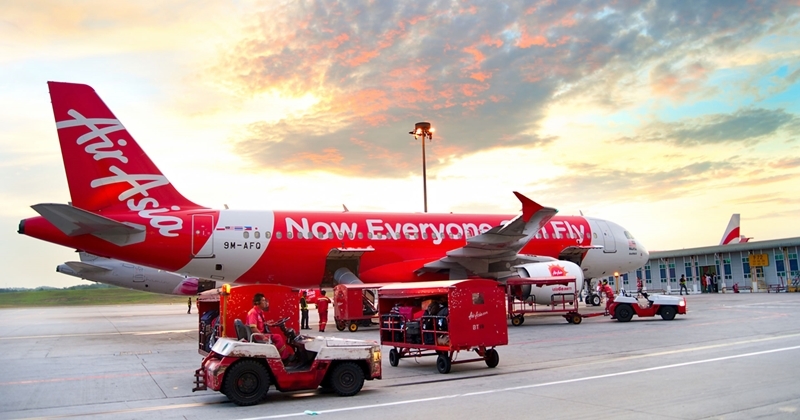
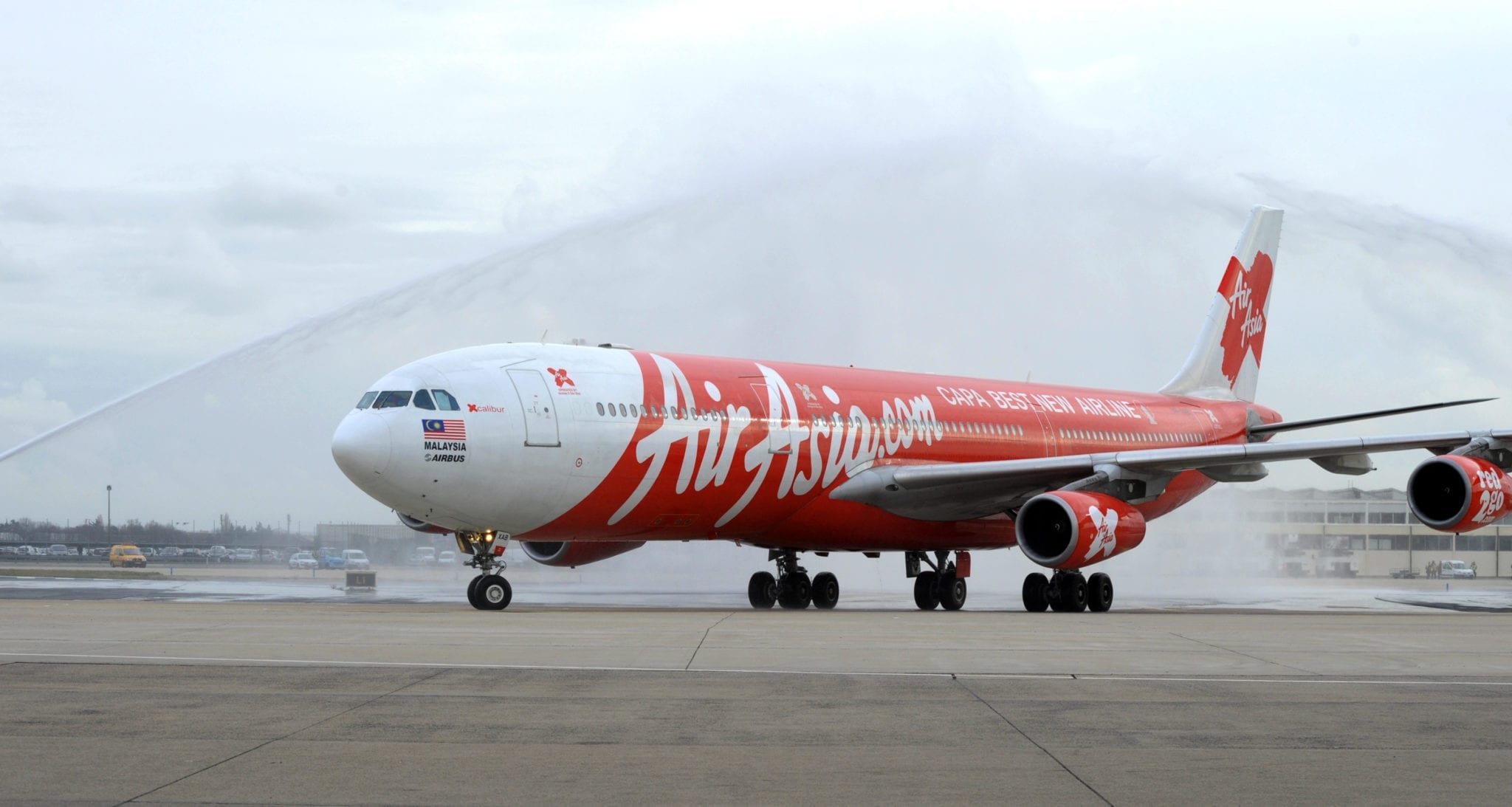
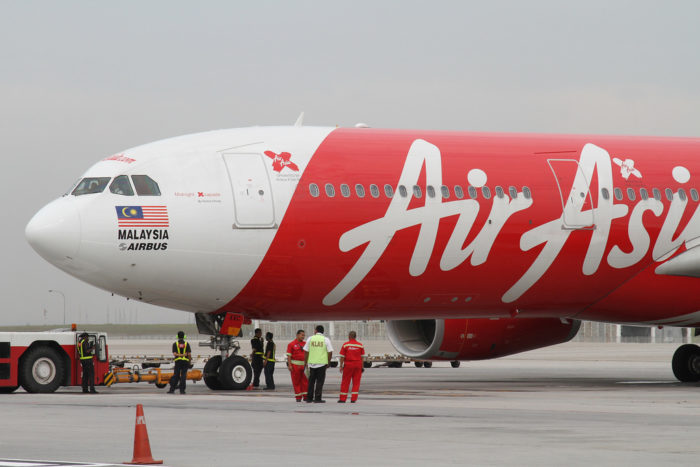
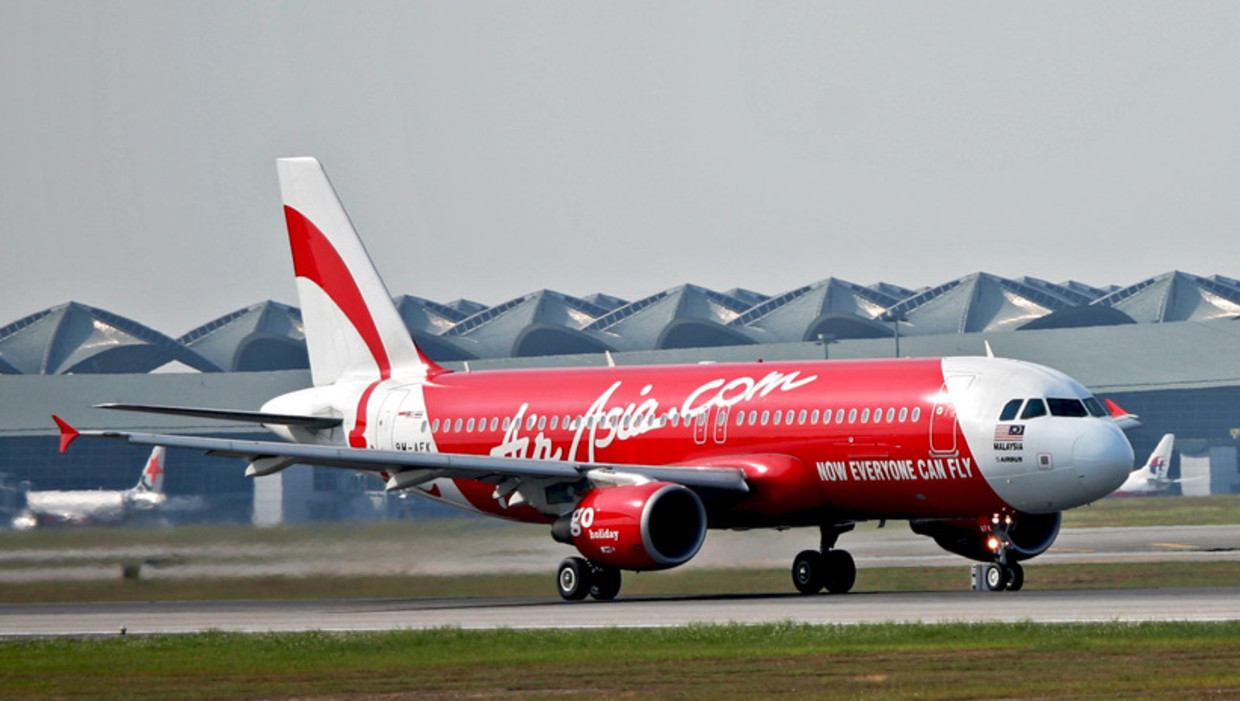
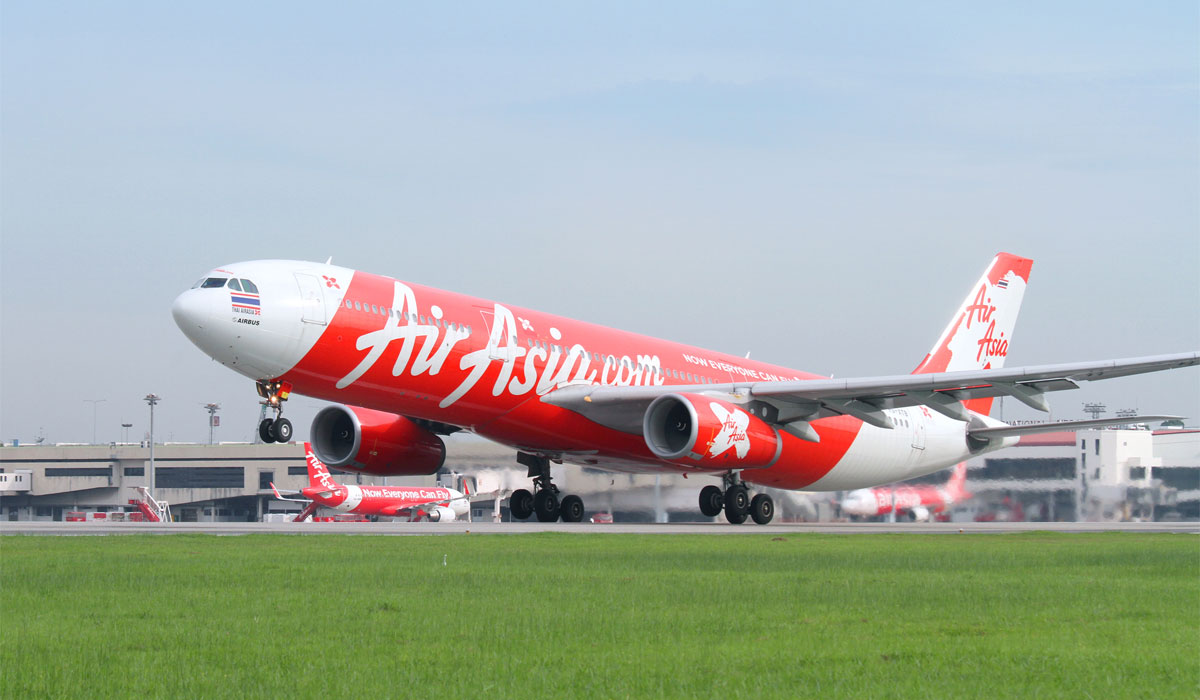
    AirAsia has denied that its airfares between the Peninsula and Sarawak are high as well as its unavailability for the Christmas and state election period.

    The low-cost airline operator said it has engaged continuously with the Ministry of Transport Sarawak (MoTS) and submitted applications to permanently increase its scheduled flight frequencies from Peninsular Malaysia and Sabah into Sarawak on several occasions since early this year, including the latest request submitted last week which included the operation of extra flights for the upcoming holiday season, Christmas and Chinese New Year.

    The airline said it received confirmation from MoTS and the Sarawak State Disaster Management Committee (SDMC) today for an additional 42 weekly flights from Peninsular Malaysia and Sabah into the state for a limited period from Dec 4 to Jan 5, 2022.

    This has brought the fares down from around RM1,000 one way to below RM200 for a Kuala Lumpur to Kuching flight and these were very quickly snapped up, it said.

    “AirAsia wishes to clarify its position with regards to the views and concerns expressed on social media that the airline is charging high fares for flights between Peninsular Malaysia and Sarawak for the upcoming Christmas and holiday season that coincides with the state election scheduled for Dec 18”, it said in a statement.

    Chief Executive Officer of AirAsia Malaysia Riad Asmat said as a low-cost carrier, the airline is in a volume business to pass on the lowest fares to its guests.

    “AirAsia’s operation is all about economies of scale where we need to achieve a high passenger volume so that costs can be spread among a sizable number of passengers, allowing us to offer travelers low fares and giving them great value for money.

    “Historically, our average fare for flights between Sarawak and Peninsular Malaysia has been around RM160 per one-way passenger. This takes into account the highest fares and the lowest, including when we offer zero fare promotional sales,” he said.

    Riad said AirAsia’s pricing model is similar to other airlines around the world and is based on supply and demand.

    “In abiding with the limited flight frequencies imposed by the SDMC resulting in a reduced supply of flight seats, AirAsia’s demand-based dynamic pricing mechanism has inevitably derived prices seen as unfavorable to buyers at this time. It must be remembered that this is also the same mechanism that we used to offer guests promotional fares from as low as RM99 one way earlier in October,” he said.

    He added that as a general rule, fares will be higher, closer to the travel date, and during peak holiday periods when their flights are already near full.

    “Buyers have already taken up to 90 percent of our capacity on most flights. The limitation on the number of flights available in the market is a key factor that has pushed the prices higher across all airlines”.

    Riad said for the record, AirAsia used to fly over 300 weekly flights into Sarawak pre-Covid, connecting Kuching, Sibu, Miri, and Bintulu to Kuala Lumpur, Penang, Johor Baru, Kota Kinabalu, and various other destinations in Malaysia.

    “Just for Kuala Lumpur – Kuching alone, we used to fly between 12 and 15 flights daily on this hugely popular route before Covid, but with the latest approval today, AirAsia will be flying 5 daily flights between Kuala Lumpur and Kuching which is a 67 percent reduction in our capacity due to the restrictions by SDMC.

    “We comprehend that demand is there but at the moment we are unable to meet it until more flight approvals are given,” he said.

    Riad also expressed AirAsia’s sincere appreciation to SDMC and MoTS for the additional flight approval for the Christmas holiday season.

    “However, we would like to appeal to MOTS and SDMC to also approve our request for extra Chinese New Year flights, and to remove frequency restrictions on all the approved flights entirely to enable us to better manage cost efficiency and lower the fares for passengers.”

    AirAsia, Riad said has always pledged its full commitment and support towards the full reopening and resumption of travel and tourism activities in Sarawak.

    They were also looking forward to keep working closely with all relevant regulators, the federal and state governments, civil aviation and health authorities, and tourism bodies to ensure the highest conformity to standard operating procedures for every flight.
  • AirAsia rebuilds capacity in core Malaysian domestic market

    AirAsia rebuilds capacity in core Malaysian domestic market

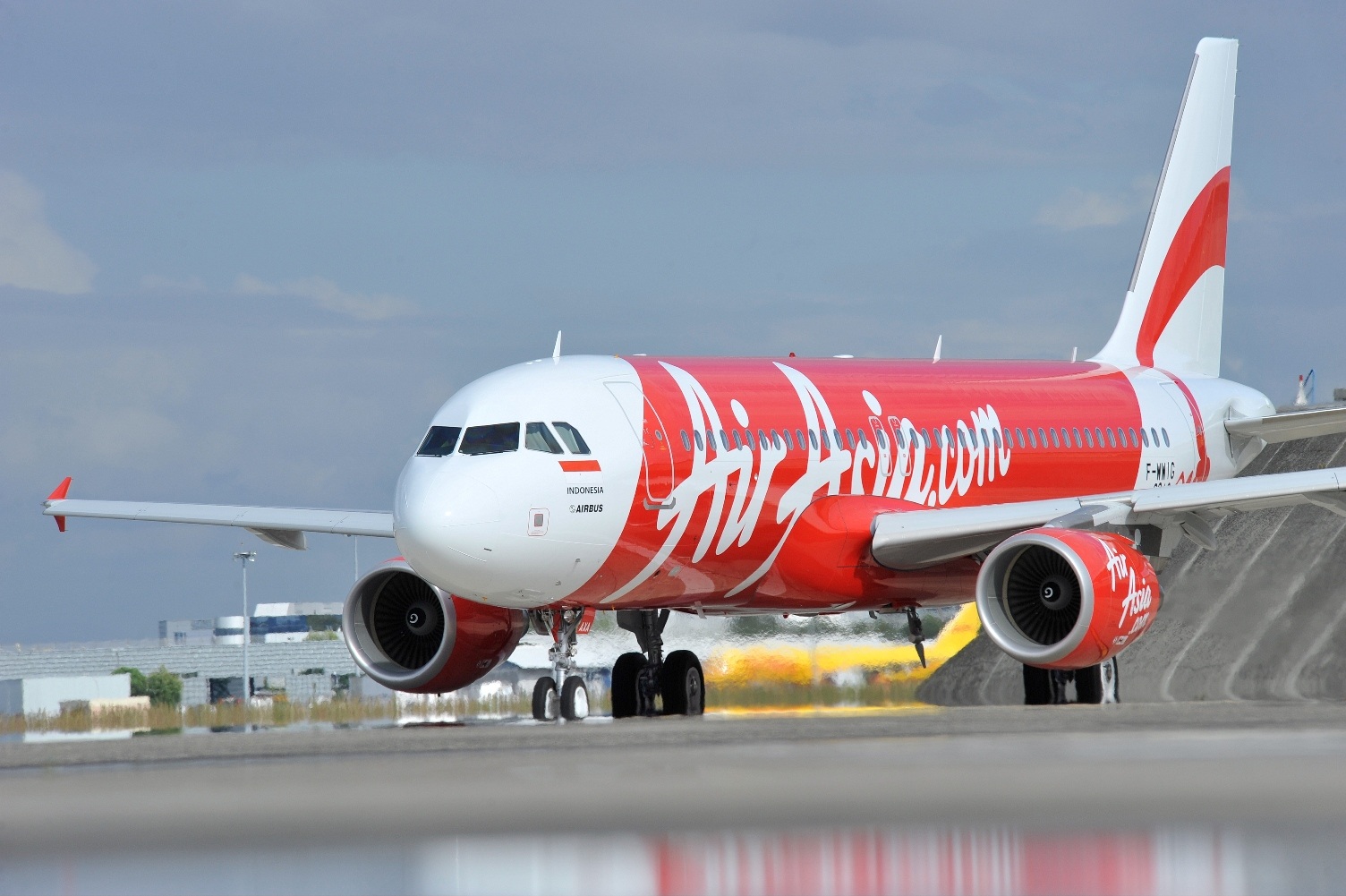
    For AirAsia there has been a welcome recovery in Malaysian domestic demand in the last part of 2021 as internal travel restrictions ease in the group’s most important market.

    Third-quarter operating statistics made a fairly grim reading for AirAsia. The effects of the COVID-19 delta variant caused the governments in the group’s major Southeast Asian markets to impose limitations on domestic travel. This was particularly true in Malaysia and Thailand, where the AirAsia units based in those countries had to suspend most of their remaining operations.

    In Malaysia, the number of new daily cases peaked at more than 600 in late Aug-2021, according to the Our World in Data website. However, the daily case count had fallen again to 173 by 24-Nov-2021.

    At the same time, Malaysia’s vaccination rate continues to climb, with 76.3% of the population fully vaccinated as of 25-Nov-2021. The fully vaccinated rate for eligible adults is above 90%.

    These two factors combined – daily case numbers and vaccination rate – prompted the government to lift many of its interstate travel restrictions in the fourth quarter.

    For AirAsia, this means its Malaysian domestic operation can ramp up, which is important, given that the airline’s international operations remain largely halted.

  • AirAsia X narrows operating losses in quarter to 30 September

    AirAsia X narrows operating losses in quarter to 30 September

    Long-haul, low-cost carrier AirAsia X has reported an operating loss of MYR82.5 million ($19.6 million) for the first quarter of its 2022 financial year. The carrier generated revenue of MYR99.3 million for the three months ended 30 September, and a net loss of MYR149 million, it says.

    The carrier did not provide corresponding figures for the same period in 2021, given that it changed its financial year. Still, its performance improved across key metrics.

    In the three months to 30 September 2020, it generated an operating loss of MYR498 million, revenues of MYR60 million, and a net loss of MYR308 million. The airline adds that it remains largely grounded, apart from a “limited number of cargo and charter flights.”

    AirAsia X also provided some details about Thai AirAsia X (TAAX) and Indonesia AirAsia Extra, in which it holds 49% stakes, during the three months to 30 September.

    TAAX suffered a net loss of MYR353 million, while Indonesia AirAsia Extra generated a net profit of MYR12.3 million.

    The group adds that there is “meaningful uncertainty about the reopening of international borders,” which affects its prospects. Earlier this month, AirAsia X received crucial approval from creditors for debt restructuring, following a series of court-convened meetings on 12 November.

    This paved the way for restructuring and recapitalization, which it hopes to wrap up in early 2022.

    The carrier has labeled the restructuring a “wide and deep reset,” that covers all creditors.

    “With the completion of this exercise, AirAsia X will be one of the very few airlines worldwide that has no gearing and a restructured cost base that is significantly below that of its competitors in the region and will be

  • Tune Protect and AirAsia to unveil travel protection for foreign travellers into Langkawi and Thailand

    Tune Protect and AirAsia to unveil travel protection for foreign travellers into Langkawi and Thailand

    In an industry first, Tune Protect and AirAsia have launched the Covid Travel Pass as an added convenience for air travelers to meet the mandatory insurance coverage set by the governments for fully vaccinated international travelers flying into the countries. Kicking off with Langkawi, Malaysia, and various tourist destinations in Thailand, the service will be expanded to include other countries and destinations in due course.

    Currently, travelers flying AirAsia into Langkawi, Malaysia, and destinations in Thailand can subscribe to the Covid Travel Pass when booking their flight tickets on the AirAsia super app, post-flight purchase subscription options are also available before travelers depart. The introduction of the Covid Travel Pass plans is timely as they also meet the year-end travel needs of AirAsia’s guests who wish to head to their much-awaited holidays and the impending opening of regional and international borders.

    The Covid Travel Pass plans are complete with enhanced COVID-19 coverage to satisfy the Malaysian government’s requirement for international travelers coming into Langkawi to have mandatory insurance coverage of USD 80,000 while for Thailand, the required mandatory coverage is USD 50,000.

    “As Malaysia and Thailand open their international borders, AirAsia is prepared to meet the rise in the pent-up travel demand especially towards the end of the year as a peak travel period. Traveling today comes with a new set of protocols and we want to reassure our guests that we are ready to welcome them with the right travel protection products provided by Tune Protect while observing strict and disciplined protocols to ensure the safety of our passengers in-flight and beyond so that they can have total peace of mind,” said Bo Lingam, Group CEO of AirAsia Aviation.

    AirAsia has spent a period of downtime in travel over the past one-and-a-half years to further improve and revamp its flight procedures and processes. In the highest interest of safety and well-being of all its guests and employees, AirAsia will accept only fully vaccinated guests onboard its flights, and likewise, ensure only fully-vaccinated employees will operate flights and be on duty at the airport terminals.

    Despite mostly not flying for a good part of the past 18 months, all AirAsia’s aircraft are properly maintained according to procedures set by the manufacturer. AirAsia has set up an in-house maintenance, repair, and operations (MRO) unit called Asia Digital Engineering that provides services not only to AirAsia but also other airlines. Likewise, all its pilots and cabin crew are regularly sent for mandatory refresher courses and ongoing retraining so that they are always on top of their job.

  • Cebu Pacific announces P1 seat sale for 11.11

    Cebu Pacific announces P1 seat sale for 11.11

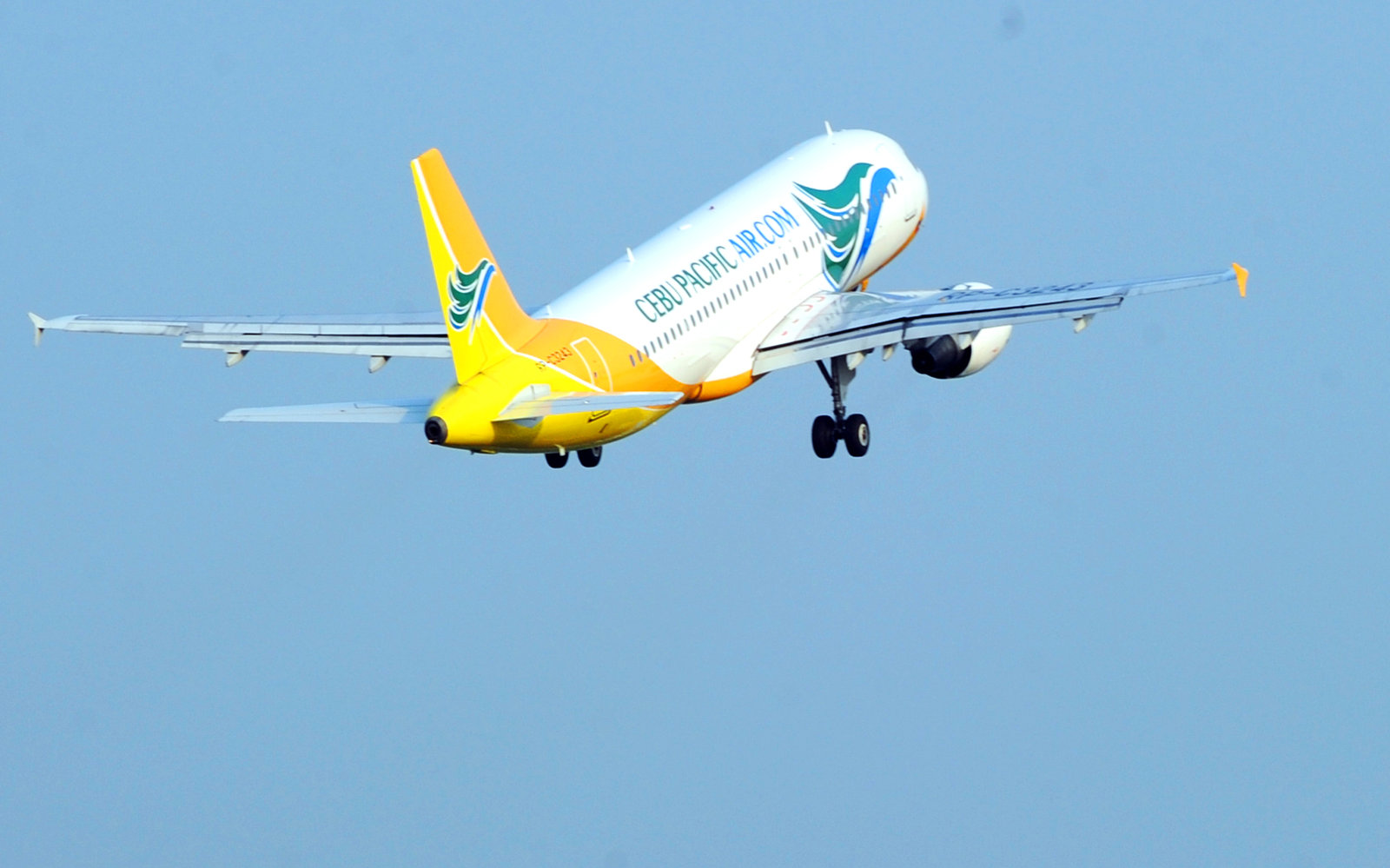
    Cebu Pacific on Wednesday announced an 11.11 seat sale for as low as P1.

    In an advisory, the airline said the promo offer would begin at 12 midnight on November 11, 2021 and end on November 14, 2021, covering the travel period from July 1 to September 30, 2022.

    “Passengers can enjoy Cebu Pacific’s lowest base fare for as low as P1 to over 56 domestic routes and 20 international routes,” the airline said.

    Cebu Pacific vice president for marketing and customer experience Candice Iyog said that the airline welcomes the safe reopening of domestic destinations.

    “We remain cautiously optimistic while we continue to do what we can to support the recovery of the travel and tourism industry,” she said.

  • Vietnam Internet economy to expand 31 pct

    Vietnam Internet economy to expand 31 pct

    Vietnam’s Internet economy is expected to grow by 31 percent this year to $21 billion this year despite little or no contribution from the online travel market.

    It is set to reach $57 billion by 2025 after growing at 29 percent a year, according to the e-Conomy Southeast Asia 2021 report by Google, Temasek and Bain & Co.

    This means Vietnam will draw level with Malaysia this year and exceed it by 2025.

    It is now only below Indonesia ($70 billion) and Thailand ($30 billion) among the six major economies in Southeast Asia.

    It added eight million new digital consumers between the start of the pandemic and the first half of this year, 55 percent of them from non-metro areas.

    “Stickiness of adoption remains high as digital consumption has become a way of life,” the report said, pointing out that 97 percent of the new consumers are still online.

    The value of the online travel sector is set to plunge by 45 percent this year, but other sectors are headed for double-digit growth, led by e-commerce at 53 percent.

    Digital merchants are becoming tech-savvy and likely to become even more so in the future.

    Thirty percent of them said they would not have survived the pandemic if not for digital platforms.

    Digital financial services are also becoming critical enablers, with 99 percent of digital merchants now accepting digital payments.

    The country saw deal values in the Internet economy quadruple year-on-year in the first half of the year to nearly $1.37 billion from 89 deals.

    “Vietnam remains a very attractive innovation hub with more incubators, accelerators, and innovation labs than most other markets in the region,” the report said.

    The latest deal saw a group of investors led by insurance company AIA invest $258 million in e-commerce company Tiki.

  • Airfares lowest in five years

    Airfares lowest in five years

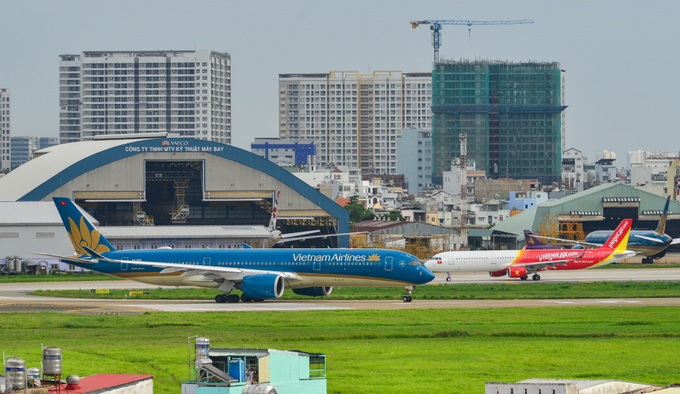
    Domestic airfares are at their lowest levels in five years as demand remains low. Hoa of the central Quang Nam Province said: “I had to pay only VND370,000 ($16.37) for a flight from Chu Lai (in the central provinces of Quang Nam) to HCMC, a rate I have not seen in the last five years.”

    Hoa in Hanoi said a return ticket between the capital and Phu Quoc Island is now around VND1.1 million while even several years ago the cheapest fare was only VND1.5 million.

    Thu, who runs a travel agency in Hanoi, said a one-way ticket for a flight between Hanoi or HCMC to some central provinces now costs VND314,000-450,000, the lowest in five years.

    “But the number of passengers is still very small, except on key routes like HCMC-Hanoi, HCMC-Da Nang and Hanoi-Da Nang.”

    Surveys by VnExpress found that fares from HCMC to the Central Highlands town of Da Lat and the central town of Nha Trang are VND358,000, and to some other destinations are VND483,000.

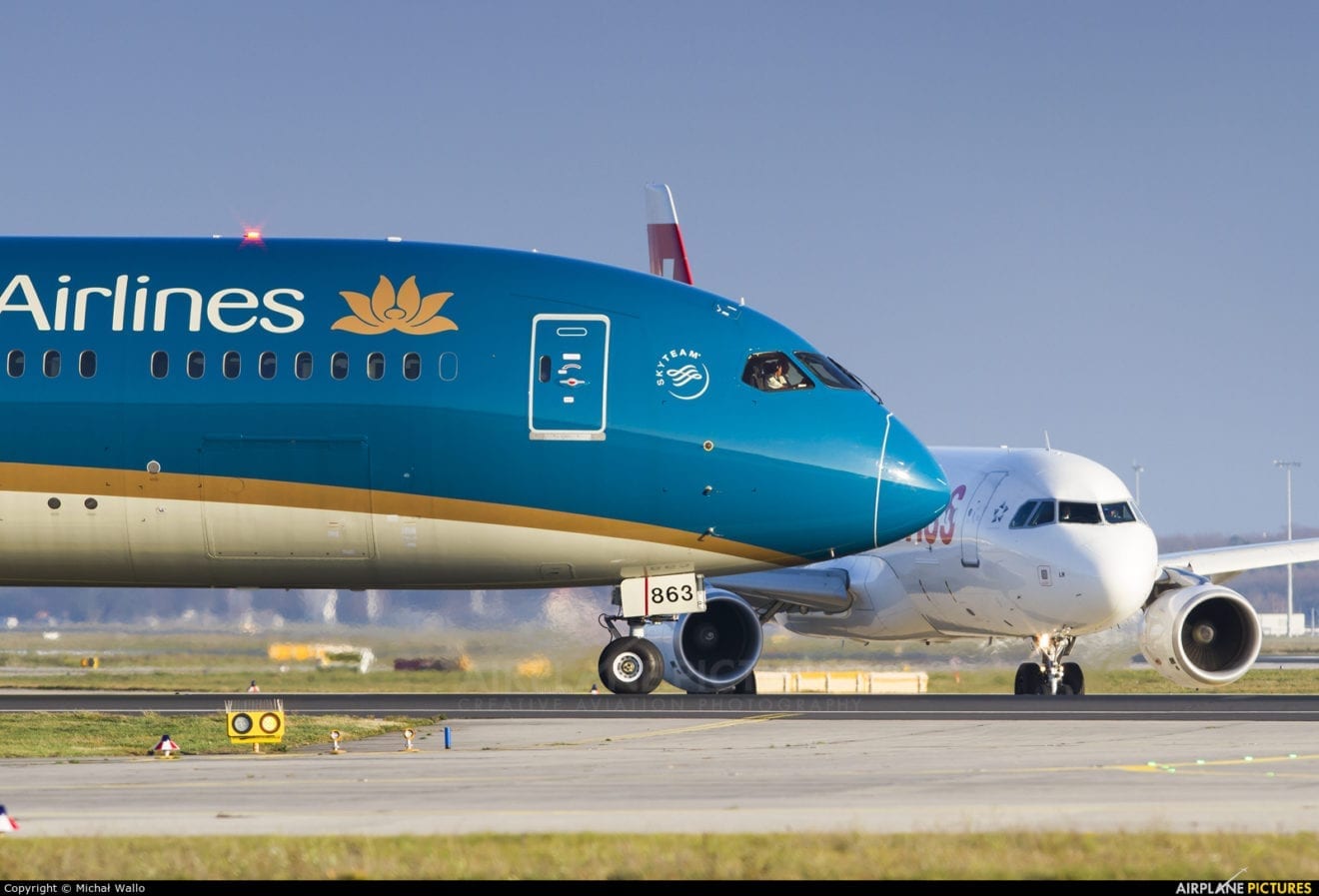
    Vietjet Air sells a one-way ticket for a flight between HCMC and Hanoi at VND544,000, and Vietnam Airlines and Bamboo Airways at VND1.1-1.8 million, down 15-20 percent from a year ago.

    Carriers said they have yet to attract many customers because people are still worried about the Covid-19 threat and the stringent air travel requirements.

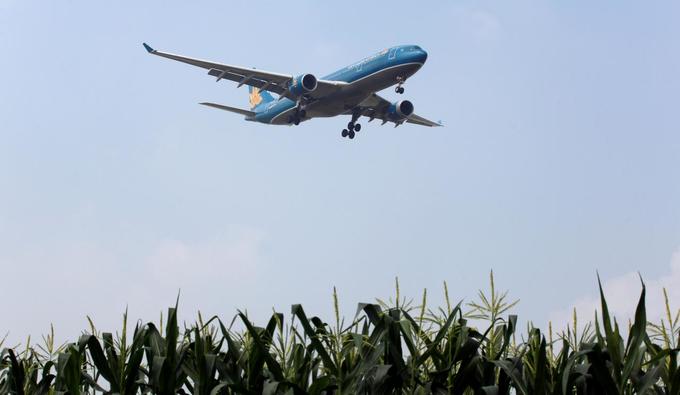
    A Vietnam Airlines spokesperson said: “We have resumed flights on 38 domestic routes and six international one. The number of passengers is still low, but flights between HCMC and Da Nang, and between HCMC and Hanoi are 80 percent full”.

    Vietjet said it would resume flying on 48 domestic routes by Nov. 30. It currently offers free rapid Covid tests for passengers departing from HCMC and Hanoi.

    Recently the Civil Aviation Authority of Vietnam proposed the resumption of international flights to 15 countries and territories in four phases between now and July.

    Vietnam closed its doors to foreign tourists and canceled all international flights in March last year to contain Covid, since then allowing entry only for Vietnamese repatriates and foreign experts and highly-skilled workers.

  • Singapore Expands Travel Lane Scheme to Switzerland

    Singapore Expands Travel Lane Scheme to Switzerland

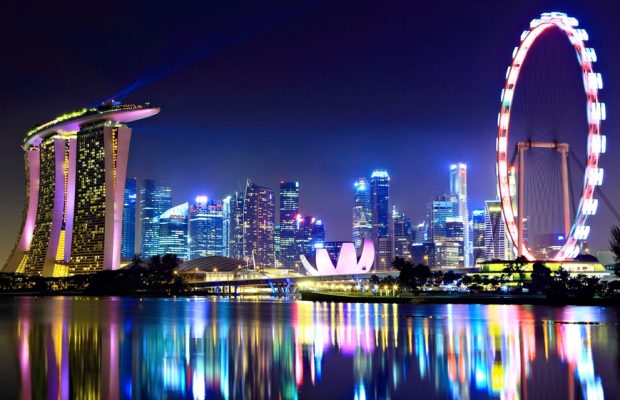
    Singapore will be adding two countries to the Vaccinated Travel Lane (VTL) scheme, under which travelers will only need to take a Covid-19 swab test after arrival and before departure in Singapore.

    Vaccinated travelers from Switzerland and Australia will be able to enter Singapore without serving stay-home notices from November 8, the Civil Aviation Authority of Singapore (CAAS) announced on Tuesday evening.

    All Singapore Airlines flights from Switzerland to Singapore will be offered under the VTL program from November 8, with flight SQ345 operating daily between the two financial centers.

    The Alpine nation is among Singapore’s top investment and trading partners, and there are around 1,000 Swiss companies and around 3,000 Swiss expatriates in the city-state, CAAS noted.

    Switzerland’s borders are open to all travellers from Singapore. Australia plans to open its borders to skilled workers and international students by year’s end, authorities said on Wednesday.

    We are in discussions with other partners, including our regional neighbors, to reopen safely to each other, and restore our close connectivity, S. Iswaran, Transport Minister, said.

    The VTL scheme currently includes Germany, Brunei, Canada, Denmark, France, Italy, the Netherlands, Spain, the United Kingdom and the United States, with South Korea to be added on November 15.

    With the announcement of the new VTLs, Singapore will also be expanding its daily quota of VTL arrivals from 3,000 to 4,000,

  • AirAsia to reopen all Malaysian routes, push for overseas flights

    AirAsia to reopen all Malaysian routes, push for overseas flights

    AirAsia sees brighter skies ahead after Malaysia lifted interstate travel restrictions, with the low-cost carrier also pushing to restart international flights to Thailand, Sri Lanka and the Maldives as early as next week, its president told Nikkei Asia.

    Bo Lingam, AirAsia Group’s president for airline operations, said in an interview Monday that the company is “very relieved” with the government’s decision to reopen domestic borders as it will benefit both the carrier and its workforce.

    The airline aims to go big on domestic travel by reaching a pre-pandemic capacity of 39 local routes and 169 daily flights by late November, according to Bo.

    “We will open all domestic destinations that we were flying pre-COVID by the end of next month, involving over 45 aircraft,” he said.

    The comments came after the federal government on Monday allowed interstate travel nationwide. The airline was hit hard by the coronavirus pandemic, with hundreds of its employees retrenched and aircraft idled after domestic and international borders were closed and travel limited.

    The government of Prime Minister Ismail Sabri fully reopened state borders in the Southeast Asian country for the first time this year, allowing millions of residents to travel for business and leisure. Fully vaccinated Malaysians can also head overseas without police approval.

    Air travel is indispensable in Malaysia as the country’s states are spread across the Malay Peninsula as well as the island of Borneo to the east across the South China Sea.

    “The resumption of domestic service will be extremely good financially, for the airline as we would be able to pay pending bills from our suppliers who have been very nice to us to date,” Bo said.

    He added that the carrier is also looking to begin commercial international flights to Thailand, Sri Lanka and the Maldives as soon as next week.

    “We have applied for permissions in these countries and expect to receive them next week, after which we can sell tickets and fly passengers,” he said.

    AirAsia’s share price jumped almost 10% on Monday, settling at 1.28 ringgit — the highest since February 2020 and outpacing the Bursa Malaysia index’s gain of almost 1%. On Tuesday, the airline’s shares fell 3% to 1.25 ringgit at midday.

    The airline’s net loss in 2020 ballooned to 5.1 billion ringgit ($1.2 billion) from red ink of 315.8 million ringgit in 2019. Revenue also plunged from 11.9 billion ringgit in 2019 to 3.1 billion ringgit last year.

    For the first half of 2021, the airline reported a net loss of 1.3 billion ringgit from 1.8 billion ringgit net profit during the same period of last year. Revenue, meanwhile, tumbled to 686.8 million ringgit from 2.5 billion ringgit.

    AirAsia was recently granted a federal government-guaranteed 500 million ringgit loan under a framework introduced to assist companies directly affected by the pandemic. The loan was part of the 2 billion ringgit fundraising exercise mooted by the airline’s founder Tony Fernandes last year.

    The airline carried 19 million domestic passengers in 2019 but that plunged to 6.3 million last year. It has flown less than 1 million passengers between January and October this year as controls on movement were strengthened to curb the third and fourth waves of coronavirus infections.

    Bo also said the airline would reinstate some 300 employees currently on furlough to operate the domestic flights. Since last year, the airline has reduced head count by not renewing contract workers, retrenchments and furloughs.

    “We would exhaust employees under furlough first, then look at rehiring those we had laid off as the capacity grows,” he said.

    Experts say that while the return of interstate travel is undoubtedly a plus for AirAsia and competitors including Malaysia Airlines, it is far from a panacea.

    Brendan Sobie, an independent analyst at Sobie Aviation, believes domestic passenger traffic could approach pre-pandemic levels by the end of this year, though heavy competition and overcapacity — similar to the industry situation before the pandemic — will weigh on further growth for the carrier.

    “All airlines in Malaysia were unprofitable in 2019 and while domestic demand may now recover, many of the issues from prior to the pandemic have not been resolved, making a return to profitability difficult,” he said.

    Shukor Yusof, an aviation consultant at Endau Analytics said the surge in domestic travel demand would help AirAsia, though “it won’t be anywhere enough to fix its battered bottom line.”

    While Shukor said the Malaysian travel resumption itself is not an indication of a revival for the airline industry in Southeast Asia, he does view AirAsia as the carrier with the best long-term potential for post-pandemic growth.

    “It’s a critical stage as key countries for tourism — Indonesia, Thailand, the Philippines — are still struggling to control the virus and there’s little coordination amongst ASEAN members to find a solution to allow intraregional air travel,” he said.

    According to Sobie, Malaysian carriers need a recovery in both international and domestic travel to heal financially.

    “There is now light at the end of the tunnel and the overall sentiment is more positive but the road to recovery will be long and filled with twists and turns,” he said. “The darkest days should be behind AirAsia but the outlook remains relatively challenging.”

  • The Ritz-Carlton Residences to arrive in Hanoi

    The Ritz-Carlton Residences to arrive in Hanoi

    The first Ritz-Carlton branded residences in Vietnam is set to open in late 2023. Masterise Homes and Marriot International on May 10 announced the signing of an agreement for The Ritz-Carlton Residences, Hanoi, a standalone luxury branded residential project that marks the debut of the Ritz-Carlton brand in Vietnam, slated to open in late 2023.

    The Residences at the Grand, Hanoi will be situated in the heart of the prestigious Hoan Kiem District, along popular Hang Bai Road and near Hoan Kiem Lake, one of the city’s most beloved landmarks. The anticipated 104-unit branded residences will feature one-bedroom Premier, two-bedroom Classic, and three-bedroom Presidential suites, to suit each resident’s needs and preferences.

    The project features award-winning architects, designers, and project management consultants. Once complete, the residences will be the country’s first Ritz-Carlton Residences and the fifth in Asia Pacific following Singapore, Bangkok (Thailand), Colombo (Sri Lanka), and Kuala Lumpur (Malaysia). The agreement leverages the long-term strategic partnership between Masterise Homes and Marriott International, combining the expertise of a pioneer in luxury real estate products and services in Vietnam and the global hotel management company, owner of the Ritz-Carlton brand.

    Jason Turnbull, deputy managing director cum CFO Masters Homes, commented: “The Ritz-Carlton Residences, Hanoi at The Grand is an ultra-luxury development set to offer an enduring legacy for residents and expected to be a masterpiece that matches the beauty of the facade’s classical architecture and modern design combined with the legendary service of The Ritz-Carlton. This project expects to change how we look at ultra-luxury living and elevate Vietnam’s position on the global real-estate map.”

    In line with the long-standing tradition of service excellence synonymous with The Ritz-Carlton brand, homeowners will be able to enjoy world-class amenities complemented by the legendary service from the Ladies and Gentlemen of The Residences. Its prominent location offers the best of the city within close proximity and allows residents to enjoy the vibrancy of Hanoi’s Old Quarter streets, and return to the comfort and privacy of their residences in mere minutes.

    “We are thrilled to continue working with Masterise Homes to amplify our luxury presence in Vietnam with the signing of The Ritz-Carlton Residences in Hanoi – embracing the growing demands for branded living in this burgeoning cosmopolitan city,” said Rajeev Menon, president, Asia Pacific (excluding China), Marriott International.

    “Vietnam is a dynamic market and we look forward to bringing the brand’s refined style and legendary services to residents in Vietnam.”

    The Residences at The Grand, Hanoi is the second Marriott branded residences in Vietnam, following the milestone dual- branded Grand Marina, Saigon announced earlier this year, which operates under two brands within the Marriot Bonvoy portfolio – JW Marriott and Marriott Hotels.

    The Ritz-Carlton Hotel Company, L.L.C., of Chevy Chase, MD., part of Marriott International, Inc., currently operates more than 100 hotels and over 45 residential properties in 30 countries and territories. With 100 years of history, an unshakeable credo and corporate philosophy of un-wavering commitment to service, both in their hotels and in our communities, The Ritz-Carlton has been recognized with numerous awards for being the gold standard of hospitality.

    Masterise Homes, a member of Masterise Group, is a pioneer in bringing world-class excellence to the development, operations, and management of luxury real estate products and services, in the Vietnamese market and beyond. With a one-of-a-kind portfolio comprising the largest Branded Residences in South East Asia, Masterise Homes demonstrates world-class capabilities via a strategic partnership with Marriott International, the largest hotel brand in the world featuring the iconic brands of Marriott, JW Marriott and Ritz-Carlton.

  • Airlines want minimum fares, no one else does

    Airlines want minimum fares, no one else does

    While economists fear having lower limits for airfares will distort competition, some airlines worry safety is at stake. If fares do not make up even the fuel costs of a flight, aviation safety would be affected, Dang Ngoc Hoa, chairman of Vietnam Airlines, said at a meeting held on Monday to get feedback from economists on proposed minimum fares.

    The Civil Aviation Administration of Vietnam (CAAV) has proposed minimum fares of VND320,000-VND750,000 ($14.06 – $32.95) for domestic flights between November 1 and October 31 next year to help airlines overcome the difficulties caused by the Covid-19 pandemic.

    Too low prices would weaken all airlines, Hoa said. Many countries like China and India have floor prices for air tickets, he pointed out.

    He said amid the pandemic fares are very low at just 40 percent of those in 2018-19, and 250 airplanes are parked in airports, some of which are running out of parking space.

    But despite the low fares, airlines have to keep operating to maintain parking space, minimum cash flows and planes, he said.

    During the first Covid outbreak in March 2020, there were three flights a day in total, while during the fourth wave starting in April 2021, especially July-August, “there were no flights”, he said.

    All carriers have been hit and most airlines are facing losses, he said.

    Vietnam Airlines made a loss of VND7 trillion ($301.7 million) in the first half of the year, while private airlines reported losses of a trillion dong, he added.

    But despite his impassioned argument, economists at the meeting said minimum fares are not acceptable.

    Can Van Luc, chief economist of BIDV, said floor prices could cause confusion and be unfair to both state-owned and private enterprises, and even violate the Law on Prices and the Law on Enterprises.

    Nguyen Sy Dung, former deputy head of the Office of the National Assembly, said: “it is unfair to impose a floor price on air tickets”.

    If minimum fares are applied, a three-star airline must sell at the same price as a five-star airline, and no customer would spend money to travel in the former, he pointed out.

    “We might kill an airline through price policy. It’s unacceptable”.

    In a recent communication to the Ministry of Transport, three airlines agreed to apply floor prices airfares while two others disagreed.

    The Department of Transport admitted that since costs and services are not comparable, it would be difficult to determine common minimum fares applicable to all airlines.

    In the first seven months of this year Vietnamese carriers carried 13.7 million passengers, down 57.7 percent from the same period in 2019.

  • Full flight load to Langkawi signals strong rebound for domestic air travel

    Full flight load to Langkawi signals strong rebound for domestic air travel

    AirAsia’s inaugural service from Kuala Lumpur to Langkawi on Thursday (Sept 16) morning under the travel bubble recorded a 100% flight load, the carrier says, signifying a strong rebound for domestic air travel.

    The low-cost carrier said the maiden flight, the first of nine scheduled daily flights from Kuala Lumpur, left KLIA2 at 9.50am utilising an Airbus A321neo.

    “Aside from Kuala Lumpur (63 flights weekly), AirAsia also has flights to Langkawi departing from Penang (14 times weekly), Johor Baru (seven times weekly), Ipoh (three times weekly) and Kota Baru (three times weekly), making a total of 90 weekly flights,” it said in a statement.

    AirAsia Malaysia chief executive officer Riad Asmat said over 200,000 seats to Langkawi were sold in less than a week.

    “To facilitate this movement, we have prepared extensively and implemented robust and comprehensive health and safety protocols to ensure all of our guests can travel safely, with our 100% vaccinated crew and frontliners.

    “After months of preparation, we are thrilled to get the country flying again and are ready to scale up our operations to meet overwhelming demand.

    “We hope more travel bubbles will be established across the country soon in line with the accelerated vaccination roll-out, and eventually across the region when it is safe to do so,” he added.

  • AirAsia Group to bring back 4 aircraft by the end of 2021

    AirAsia Group to bring back 4 aircraft by the end of 2021

    AirAsia Group updated its 2021 fleet plans. The parent company of five airlines across Malaysia, Indonesia, Thailand, the Philippines, and India aims to end 2021 with 235 aircraft.

    AirAsia Group forecast that all its airline entities will see a gradual pick up in domestic in Q4 2021, led by the global increase in vaccination rates and relaxation of rules for air travel. The group has already noticed promising trends in its load factor, which reached 68% in Q2, 2021, compared to 59% in the same period of 2020.

    The company predicted that the “robust short-haul business model”, as well as lean operations coupled with “pent-up demand”, should ensure AirAsia Group a “quick recovery upon relaxation of travel restrictions,” the group stated in briefing slides.

    “We expect to see a strong resurgence in the visiting friends and relatives as well as the leisure and spontaneous travel markets first,” AirAsia Group said.

    To meet the forecast demand for air travel, the group decided to update its fleet plan. In May 2021, it estimated it would have 231 aircraft by December 2021, now the company‘s plans have changed. AirAsia Group now aims to bring back 4 aircraft, bringing the total number to 235 jets by the end of 2021.

    According to the company, “two third-party leases” of unspecified type aircraft will rejoin the group’s fleet in Q4 2021. Meanwhile, another two Airbus A320 jets, which were temporarily grounded amid pandemic, will return to active operations in Q1 2022.

    “Our network plans are continuously revised to reflect the latest recovery timeline following the ongoing pandemic impact,“ the group added.

    However, the company will still fly 10 jets fewer than in end-2020.

  • Carriers in dire straits and need support

    Carriers in dire straits and need support

    Vietnamese carriers are confronting major financial challenges as revenues plunge and debt soars. They need urgent government intervention to improve their cash flow, a report says.

    Since Covid-19 entered the country early last year, airlines revenues have plunged by 80-90 percent, according to a recent report by the Vietnam Aviation Business Association (VABA).

    National flag carrier Vietnam Airlines posted a loss of nearly VND5 trillion ($219 million) in the first quarter, the highest quarterly loss ever, and the Ministry of Planning and Investment has said that the company is on the verge of bankruptcy.

    Budget airline Vietjet is short of VND10 trillion to cover its expenses, and startup airline Bamboo Airways shares the predicament.

    The VABA report proposes that the government extends its support on airlines’ loans to include those registered since June 10 last year.

    The current support, including a delay in payment and a reduction in interest, only applies to loans recorded before that date.

    The report also proposes that the support lasts for three to six months after the government announces that the Covid-19 pandemic has ended or the country turns to “a new normal.” The carriers need time to recover after the pandemic has been contained, the report says.

    In the first seven months of this year, Vietnamese carriers served 13.7 million passengers, down 32 percent year-on-year, according to the General Statistics Office.

  • Philippines AirAsia to resume international flights by 1Q22

    Philippines AirAsia to resume international flights by 1Q22

    Philippines AirAsia intends to restart international flights by the first quarter of 2022 after resuming domestic services in the fourth quarter of 2021, says chief executive officer Ricky Isla.

    He told The Philippine Star newspaper that the airline’s priority is to rebuild its domestic network from Manila Ninoy Aquino Int’l, manage capacity, and control costs. “What is important is (that) we have to maintain our cost of operations. That’s the reason why we’re concentrating right now mostly on our Metro Manila hub.”

    The airline will look to restart flights from its hub at Clark in mid-to late 4Q21. “We will most likely reopen with our Clark trips towards the peak season of November and December,” he told The Philippine Star. “The best time is when there is already what you call a good herd immunity in Manila and Central Luzon like Clark. Then we will be confident that we will be extending also our Clark hub as our point of destination,” he said.

    The AirAsia Group unit has been conducting only essential flights recently in light of the government’s directive to place the capital Manila, officially called the National Capital Region (NCR), under quarantine with heightened restrictions from July 30, 2021, to August 5, 2021, and enhanced quarantine from August 6 to 20, 2021. This has meant that only people authorized to be outside their residences were allowed to travel into and out of the NCR, including Cavite, Bulacan, Laguna, and Rizal. Inbound travel to Iloilo City, Iloilo Province, and Cagayan de Oro City was also suspended from August 1 to 7, 2021, to manage the spread of the Delta variant of COVID-19.

    From August 21, 2021, the airline is scheduled to resume domestic services from Manila to 12 domestic cities, namely Bacolod, Cagayan de Oro Laguindingan, Caticlan, Cebu, Davao, General Santos, Iloilo, Kalibo, Puerto Princesa, Panglao, Tacloban, and Zamboanga, the ch-aviation schedules module shows.

    From October 1, it is scheduled to resume services to seven domestic points from Clark, including Cagayan de Oro Laguindingan, Caticlan, Cebu, Davao, Iloilo, Puerto Princesa, and Tacloban, according to ch-aviation data.

    Isla said the company also sought to strengthen its cargo business. “Cargo also has to expand its customer experience. Before, it was just airport to airport, now you have airport to your point-of-destination, and airport up-to-the-household,” he said.

    Before the latest lockdown, AirAsia had carried 171,543 passengers between April and June 2021, an increase from 168,527 passengers carried in the first quarter of 2021. Year on year, this represented a 489% jump from the 29,111 passengers carried in the second quarter of 2020. The carrier has operated more than 600 chartered repatriation flights since last year.

    Philippines AirAsia reported that 92% of its flight operations team, including pilots and cabin crew, plus 86% of its ground staff, have been vaccinated against COVID-19.