Tag: travel

  • AirAsia boosts domestic and international flights

    AirAsia boosts domestic and international flights

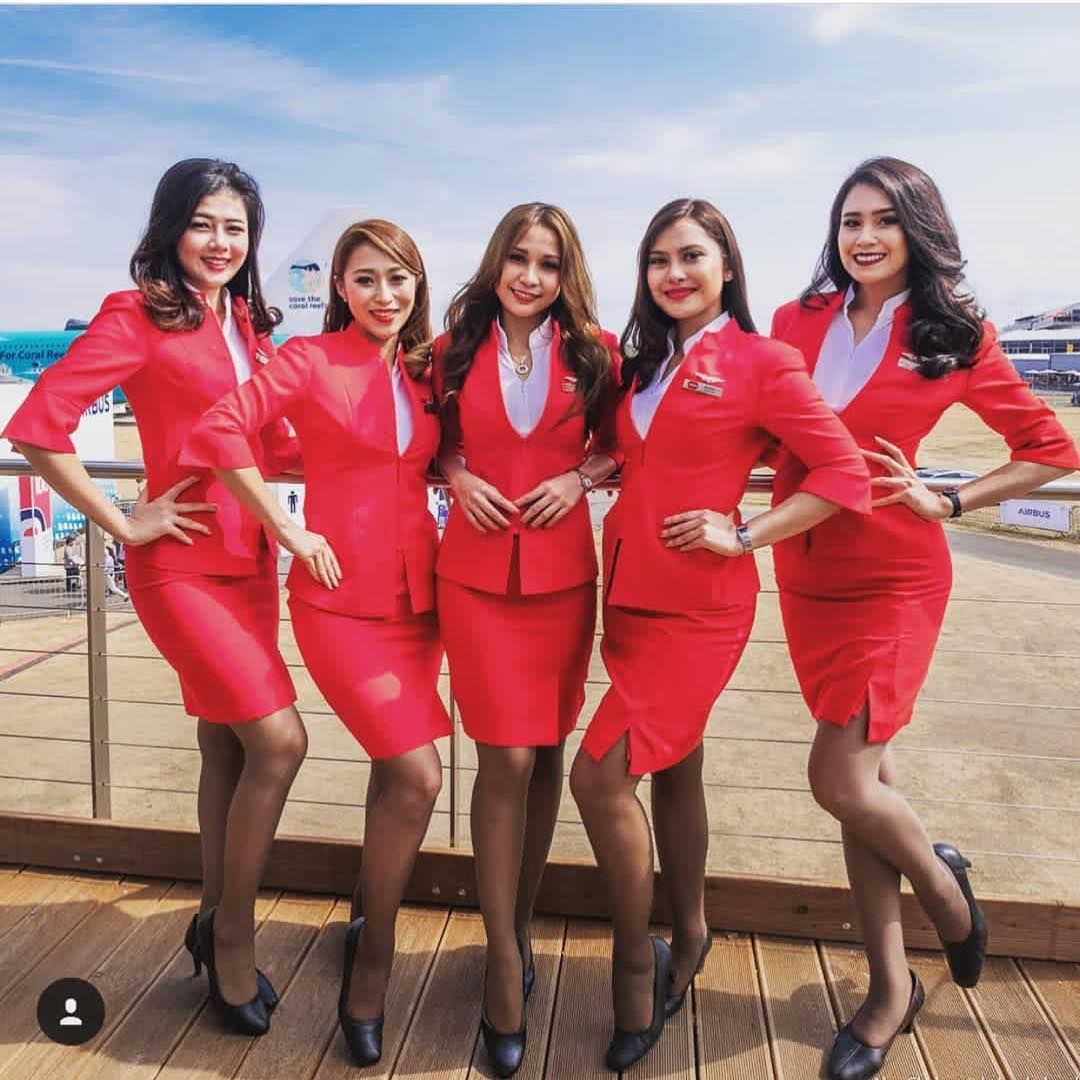
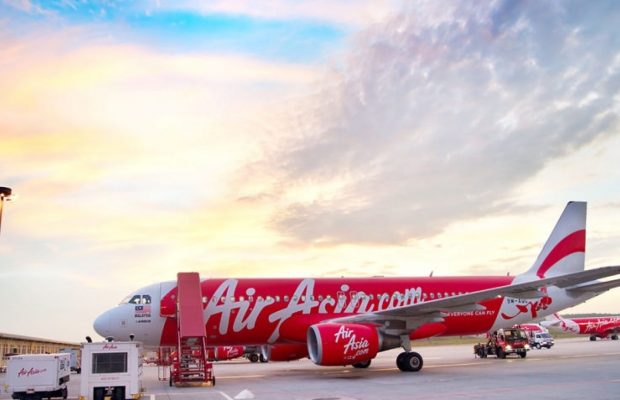
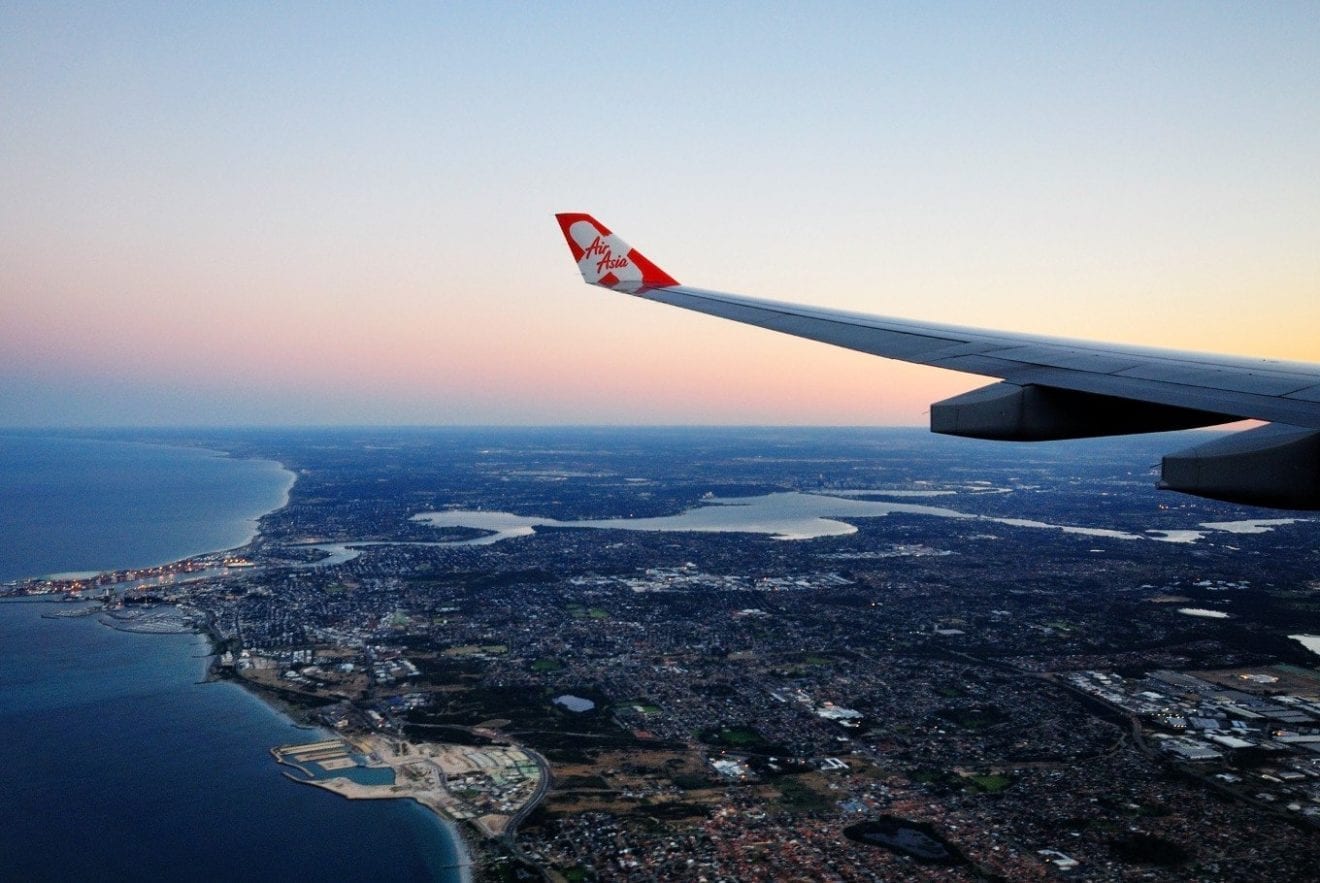
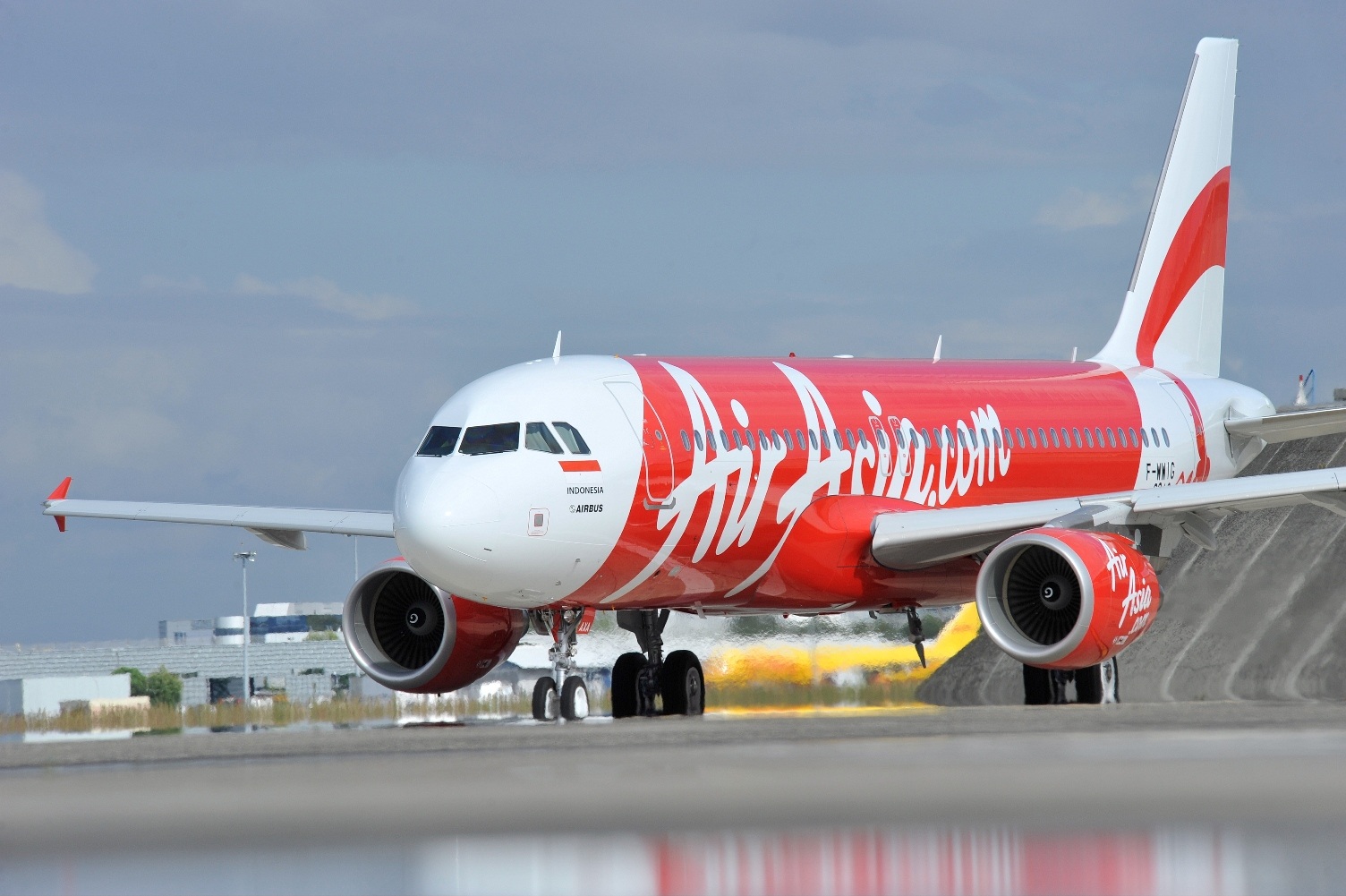
    AirAsia gears up for the nation’s reopening by adding more international routes to cater for significant pent-up demand ahead of Malaysia reopening borders to international travel 1 April.

    With the continued easing of travel restrictions, the airline group increased domestic flight capacity in Malaysia by 156% since October 2021, when it kickstarted the Langkawi travel bubble scheme.

    It has also increased international flights by 50% since the Malaysian government’s 8 March announcement confirming the reopening of borders on 1 April.

    Currently, the airline has 75 aircraft operating flights across the group serving Thailand, the Philippines, Indonesia, Cambodia, Singapore and Vietnam.

    AirAsia Aviation Group CEO Bo Lingam said:  We’re thrilled to be resuming more flights in all of our core markets in Malaysia, Thailand, the Philippines and Indonesia and to be adding additional services to some of AirAsia’s most popular international destinations, including Bali, Manila, Bangkok, Ho Chi Minh City, Phuket and more, starting in April. Domestic flying also continues to soar across the group. We have recently  launched four new domestic routes in Malaysia from Kuching to Langkawi, Penang to Sibu, Johor Bahru to Bintulu and Kota Kinabalu to Kuala Terengganu this year.

    “While our domestic services across the group have grown by 156% in recent months due to significant consumer demand, and by 50% for international, we expect to return to 100% or more of pre-Covid domestic and international flying by the end of this year.”

    To spur travel demand and bookings to destinations such as  Singapore, Vietnam, the Philippines, India, Thailand, Indonesia, the Maldives, Brunei, Cambodia, Sri Lanka, Laos, Bangladesh, the airline group is pegging fares as low as MYRM89 one-way, while domestic routes are on sale from just MYR39 one-way.

    Travelers can book cheap fares through the ‘Flights’ option in the AirAsia Super App from now until 27 March 2022 for travel between 1 April and 25 March 2023.
  • Travel firm temporarily stops Russia tourist services

    Travel firm temporarily stops Russia tourist services

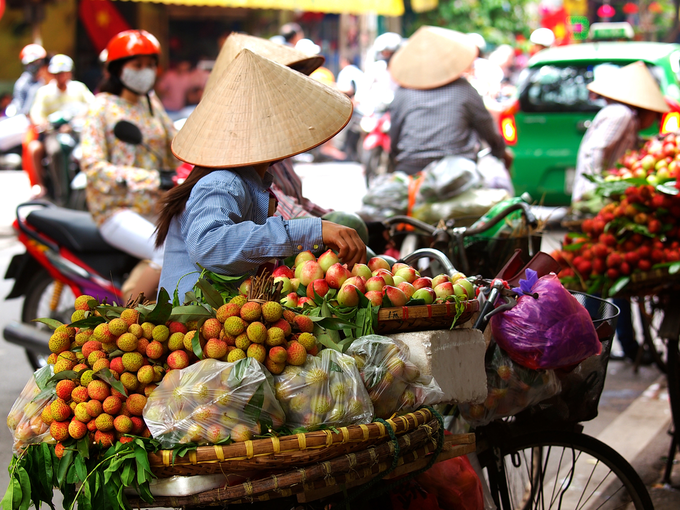
    The largest Vietnamese travel agency for Russian tourists has temporarily suspended its services for the market as a fallout of Western sanctions imposed on Russia.Anex Vietnam Travel and Trading announced the suspension after taking more than 300 Russian tourists home Thursday.

    Bui Quoc Dai, Deputy Director of Anex Vietnam, said they made the decision after Russian authorities advised the country’s airlines to halt all international flights (except from and to Belarus) following Western sanctions.

    “We will stop conducting tours for customers from Russia at least until March 28, when Russian authorities are scheduled to announce further changes,” Dai said.

    Earlier this month, the Russian federal agency for aviation transport FAVT told Russian airlines “which have planes registered abroad under leasing contracts with foreign partners” to halt most international flights between March 6-8. It cited the “high level of risk for planes to be detained abroad” as a reason for the recommendation.

    Dai noted that the number of Russian tourists had fallen sharply since the end of February after Russia launched its “special military operation” in Ukraine. He said his firm has racked up losses despite receiving nearly 6,000 Russian visitors since last December, as they were unable to fill charter flights.

    Vietnam tour operators specializing in Russian and Eastern European markets have also warned that the devaluation of the Russian ruble would affect the inbound market.

    In 2019, Vietnam received a record 646,000 tourists from Russia, making it the sixth-largest tourism market after mainland China, South Korea, Japan, Taiwan, and the U.S.

  • AirAsia brings back fuel surcharge

    AirAsia brings back fuel surcharge

    AirAsia Malaysia will be reintroducing fuel surcharge beginning March 8 for all its domestic and international flights.

    The reintroduction of the fuel surcharge by AirAsia is to offset the escalating jet fuel prices, which has exceeded US$120 per barrel. AirAsia has not been charging fuel surcharge since it was abolished in 2015. The airline said it has been absorbing the oil price increase over the years.

    The fuel surcharge will be applicable for new flight bookings made on and after March 8. All bookings made before March 8 will not be affected.

    The fuel surcharge rates for all domestic routes within Malaysia is RM10 while rates for international routes within one to two hours is RM25.

    The rates for international routes for two to three hours, three to four hours and more than four hours are RM35, RM50 and RM60, respectively.

    AirAsia Malaysia Chief Executive Officer Riad Asmat said airlines the world over are affected by the rising oil prices and the continuous upward spiral caused by the situation in Eastern Europe and other external factors have made it imperative for the airlines to reintroduce the fuel surcharge, despite the low-cost operator’s best efforts to resist it for as long as it could.

    “Since we last abolished fuel surcharges in 2015 when the global fuel price was as low as US$48 a barrel, we have faced numerous occasions when the fluctuations have caused other airlines to start imposing surcharges.

    “However, at AirAsia, we have been absorbing past increases in oil prices to continue to provide the best value to our guests. Unfortunately, the current situation where the oil price has shot up more than 160 per cent than what it was in 2015 has made it no longer sustainable,” he said in a statement today.

    Riad hoped that the fuel surcharge will only be a temporary measure.

    He said AirAsia will continue to ensure its fares remain as low as possible despite the fuel surcharge.

    Even when faced with the devastating Covid-19 pandemic, AirAsia still managed to deflect the rising operational costs and continued to offer low fares to the people, he explained.

    “We will continue to monitor the situation and at the same time capitalise on technological and digital innovations as ways to keep costs at bay and make air travel affordable for everyone.”

    AirAsia removed its fuel surcharge twice in the past. It first introduced a fuel surcharge in 2005 and abolished it in 2008, and later reintroduced it in 2011.

    In 2015, the jet fuel price was at its high of US$78 per barrel but AirAsia removed the fuel surcharge as soon as the price went down to around US$48 per barrel that year.

  • AirAsia Group loses appeal in airport case

    AirAsia Group loses appeal in airport case

    The Court of Appeal of Malaysia has dismissed attempts from AirAsia (AK, Kuala Lumpur Int’l) and AirAsia X (D7, Kuala Lumpur Int’l) to set aside a High Court ruling in favour summarily – without a full trial – of Malaysia Airports Holdings over outstanding passenger service charge (PSC) payments, Malaysia’s Daily Express and The Edge Markets reported.

    A three-member bench unanimously confirmed on March 3 that the High Court was correct in granting the state-run airport operator a summary judgement for a total of MYR41.55 million ringgit (USD9.95 million) against the two low-cost carriers, comprising the outstanding charges, late payment fees, and costs.

    The airlines had lodged three appeals each in an effort to strike out the rulings, and so the appeals court ordered them to pay additional costs of MYR10,000 (USD2,400) per appeal, totalling MYR60,000 (USD14,400).

    Malaysia Airports’ claim against AirAsia and its long-haul affiliate is for alleged unpaid passenger service facilities charges at the rate the Malaysian Aviation Commission (Mavcom) regulator set in 2016 and amended in 2017 and 2018.

    According to the plaintiff, the defendants had signed a contract on these fees and other conditions for the use of Kuala Lumpur Int’l Airport, rules that were also revised in 2017. The two carriers deny having accepted the terms of the contracts, however, claiming they had raised objections to the plaintiff but had been ignored.

    The Capital A (formerly AirAsia Group) airlines have argued that the rate for the charges in the current regulations is a ceiling rate, not a fixed rate, and that the amount payable was to have been negotiated between the parties.

    “We are of the opinion, and we agree with the findings of the learned High Court judge, that AirAsia’s actual dispute is not one between two aviation service providers but between AirAsia and [Mavcom] itself, because it is the commission that had prescribed the applicable PSC rate, and [Malaysia Airports] collects the same. Specifically, AirAsia’s actual dispute is against the decision of the commission to equalise the PSC rates” between Kuala Lumpur Int’l terminals one and two, the appeals court ruling said. “Accordingly, AirAsia should have addressed its PSC dispute by judicial review against the commission’s statutory decision to increase the rate.”

    AirAsia X has also been the target of a Malaysia Airports Holdings lawsuit initiated in October 2020 to demand payment of MYR78.16 million (USD18.7 million) in alleged lapsed charges related to the long-haul low-cost carrier’s debt restructuring scheme. Malaysia Airports is a secured creditor of AirAsia X, it has argued, so it should have been excluded from the carrier’s debt reshuffle. Nevertheless, the airline obtained court approval in December 2021 to restructure the debt.

  • Airlines resume hiring as they embark on recovery

    Airlines resume hiring as they embark on recovery

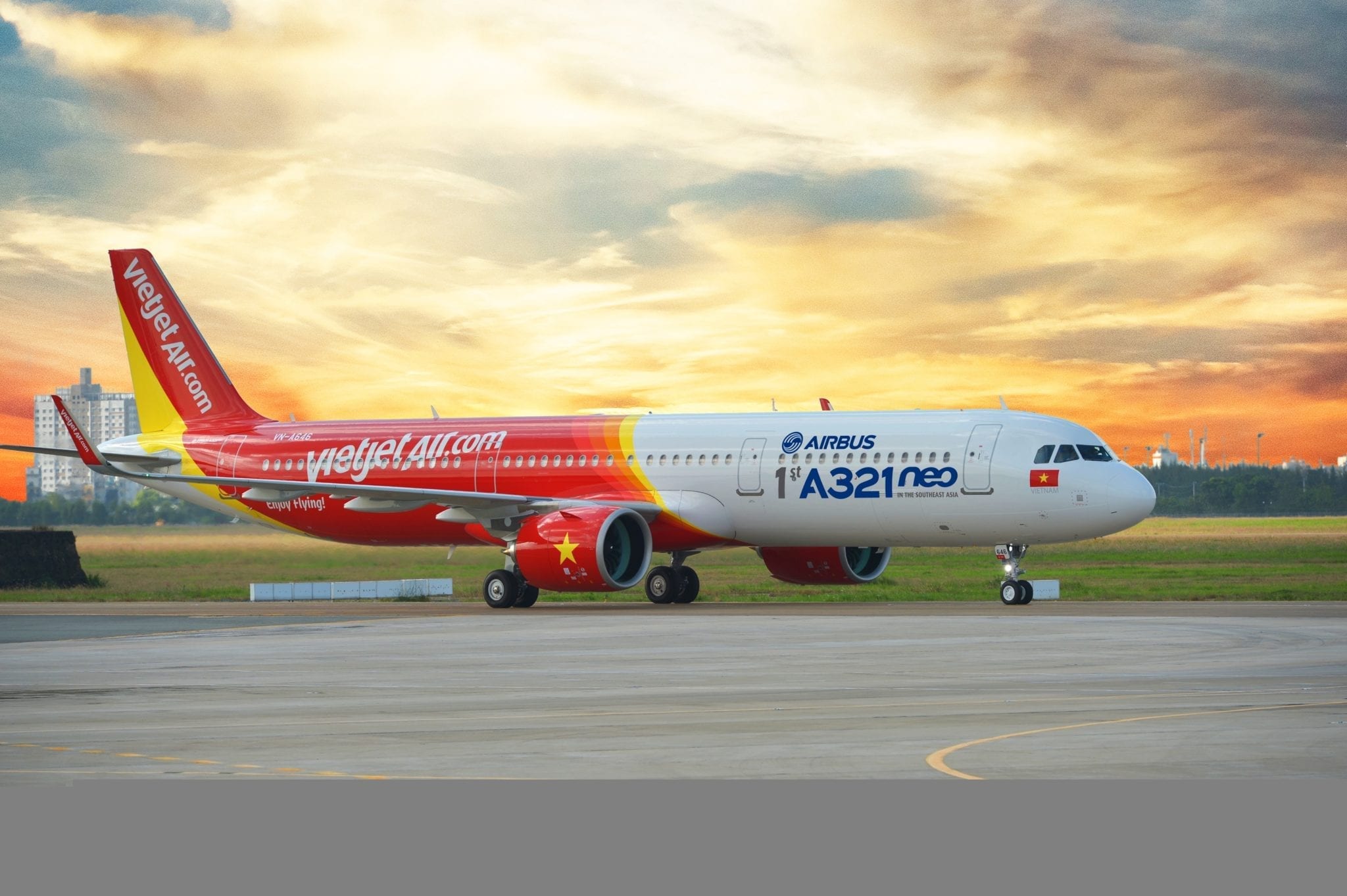
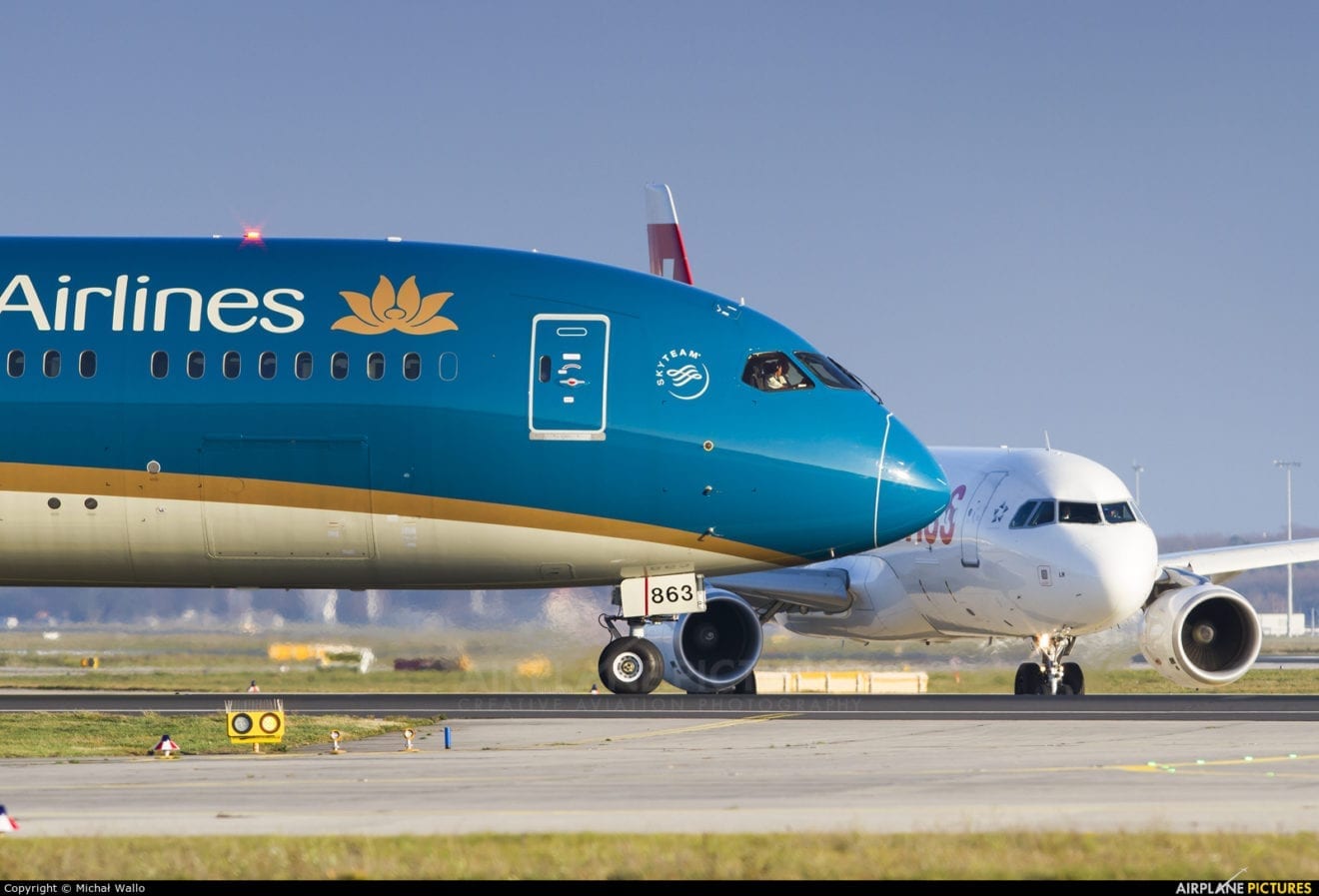
    Bamboo Airways, Vietjet and Vietravel Airlines have started hiring again after an extended recruitment freeze due to Covid-19. Bamboo Airways has posted hiring announcements for many positions, including pilots, flight engineers and cabin crew aid plans to expand its fleet and destinations.

    The airline is offering captains a monthly salary of US$13,300 for flying wide-body Boeing 787s and $10,450 for narrow-body Airbus and Embraer jets, which are higher than pre-pandemic levels. Nguyen Ngoc Trong, its deputy general director, said the carrier is seeking permission to expand its 30-strong fleet by five to 10 aircraft each year.

    It operated at maximum capacity during the nine-day Tet, or Lunar New Year, holidays in early this month, and plans to launch new services to the US and Europe in the second quarter of this year, he added.

    Budget airlines Vietjet has also posted notices seeking captains and co-pilots for Airbus A320Fs and A330s.

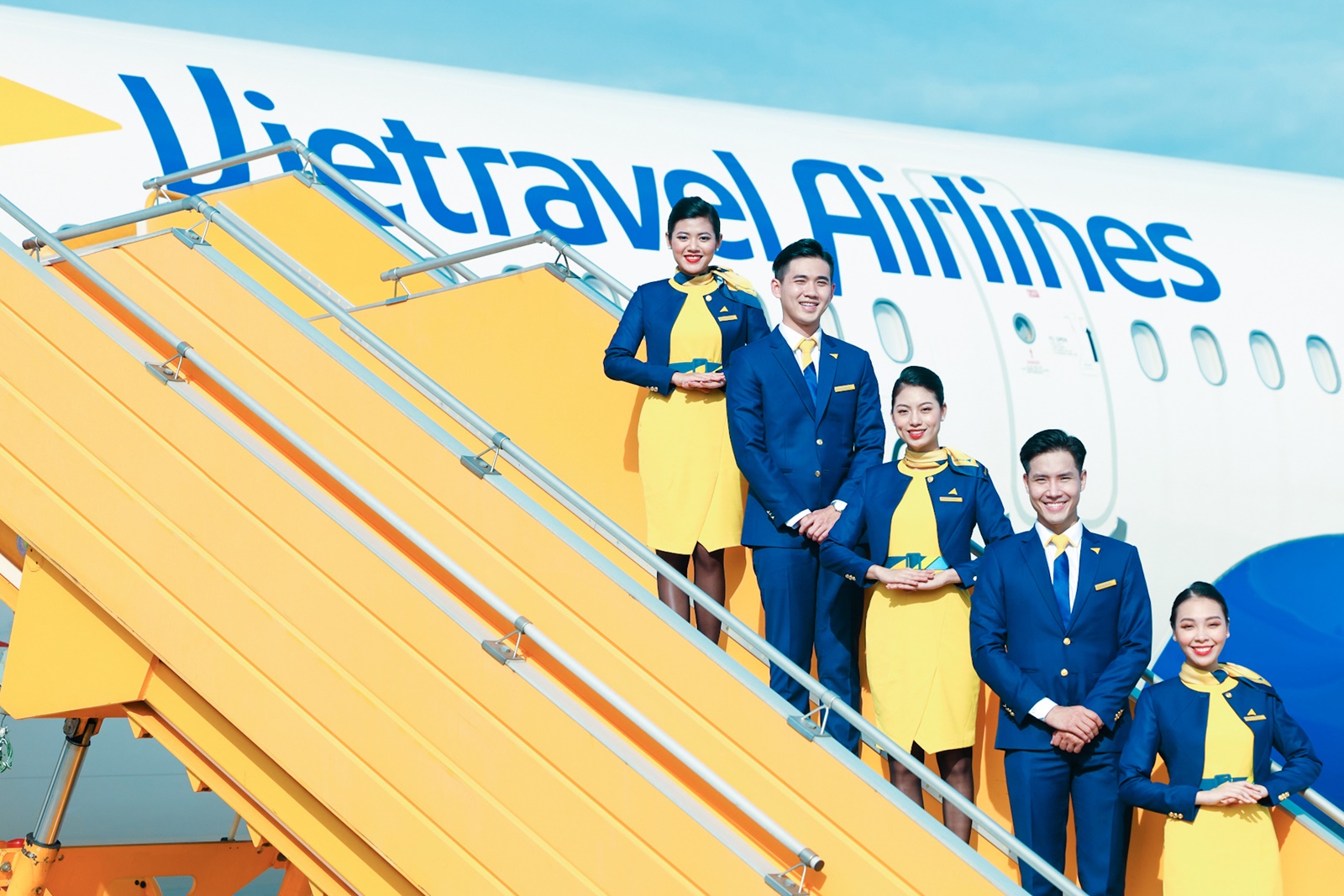
    Vietravel Airlines is hiring pilots for its Airbus A320/A321 fleet as well as cabin crew.

    Representatives of Vietravel Airlines said the recruitment is to “ready for the expansion of the fleet” and “launch new routes to northeast and southeast Asian nations in the third quarter.”

    But human resources could be scarce this year as airlines resume hiring after their Covid-19 woes, they added.

    Vietnam has resumed commercial flights to 20 of 28 countries and territories that it operated direct flights to before the pandemic.

    The country also ended all restrictions on international flights on Feb. 15.

    From March 15, Vietnam will reopen inbound and outbound tourism under new normal conditions, with foreign tourists allowed to visit the country without booking tour packages.

    In the best case scenario, Vietnam’s aviation industry would transport 42-43 million passengers in 2022, or around 50 percent of pre-pandemic numbers, Bui Minh Dang, deputy head of the air transportation department at the Civil Aviation Authority of Vietnam, said.

  • AirAsia India unveils ‘FlyAhead’ service for fliers to take earlier flight

    AirAsia India unveils ‘FlyAhead’ service for fliers to take earlier flight

    AirAsia India has unveiled its new ancillary service, ‘FlyAhead’. With the ‘FlyAhead’ service, guests wishing to take an earlier flight will be able to seamlessly opt for this facility.

    The ‘FlyAhead’ service has been launched for a nominal fee of INR 1,500 for guests booked on standard fares and INR 500 for guests booked on Corporate and SME fares. Guests who reach the airport six hours or more prior to their scheduled flight departure can opt for the FlyAhead service at the AirAsia Airport Counter.

    Change fees, which are typically INR 3,000 would be waived for all guests opting for the AirAsia FlyAhead service and fare differences typically charged by airlines would also not be applicable.

    Speaking about the initiative, Dr. Ankur Garg, Chief Commercial Officer, AirAsia India, said: “AirAsia India has consistently developed innovative, future-proof solutions prioritizing the ease and comfort of our guests. Led by our core value of being ‘Guest Obsessed,’ our latest offering ‘FlyAhead’ is a new ancillary service which provides guests a flexible and convenient option to reach their destination ahead of schedule.”

  • AirAsia prepares regional routes to spur intra-Asean travel

    AirAsia prepares regional routes to spur intra-Asean travel

    AirAsia aims to spur intra-Asean travel with new regional routes, while Thai AirAsia hopes the Red War football match in July will drive demand from neighbors to Thailand.

    The company is working on new destinations in Thailand, Indonesia, and Malaysia to replace the Chinese market, said Tony Fernandes, chief executive of Capital A, formerly AirAsia Group, which also owns Thai AirAsia via the AirAsia Aviation Group.

    He said he already discussed with Thailand’s ministers regarding new international routes besides well-known destinations, such as Jakarta to Hua-Hin.

    However, the implementation in Thailand will largely depend on Covid-19 tests and other travel regulations which remain the most critical obstacle for the industry.

    Tassapon Bijleveld, executive chairman of Asia Aviation, the majority shareholder of Thai AirAsia (TAA), said the airline is preparing bundle packages for Manchester United and Liverpool football tournaments which combine match tickets and airline tickets.

    The game will attract a number of sports fans, particularly from neighboring countries as the viral situation should have subsided by July.

    He said every country in Southeast Asia has to cooperate to ensure seamless tourism which can help offset the lack of travelers from China, Japan, and South Korea who might resume international travel in the second half.

    TAA plans to operate international flights to Singapore, Malaysia, and Vietnam next month with a target of 70-80% load factor in order to avoid losses.

    He said travel regulations are the main concern for the airline as travel demand could not strongly rebound despite the reopening, so mandatory RT-PCR tests must be removed by the first half.

    “We have to get back to the real world. The government must be brave because the current viral situation is not that severe compared to the previous waves as more Thais are already inoculated,” Mr Tassapon said.

    Capital A also focuses on the growth of airasia Super App, its travel and lifestyle platform, which officially launched in Thailand on Monday.

    Varut Vutipongsatorn, country head of airasia Super App (Thailand), said it has built the foundation for the platform over the past year. This year it will expand business throughout the country, starting with the Northeast.

    The goals in Thailand are to add 1-2 new services each year, increasing air travel bookings as well as bundle packages between air tickets and hotels by 20 times and 40 times, respectively, within 2026.

    This year, food delivery will expand its service nationwide, while door-to-door delivery within each province under airasia Xpress and a ride-hailing taxi service will start from March.

  • Vietravel reaps profit in Q4 after consecutive loss

    Vietravel reaps profit in Q4 after consecutive loss

    Tourism company Vietravel reported VND228 billion ($10 million) profit in Q4 of 2021, after four consecutive quarters of loss.

    It posted net revenues of VND190 billion in Q4, down 60 percent compared to the same period of 2020.

    “Company activities regained positive changes due to the fact the pandemic was gradually brought under control. Simultaneously, the company had restructured its financial investment,” Vietravel said.

    However, Vietravel reported an accumulated loss of more than VND256 billion for the whole 2021, tripling year-on-year, as its core activities of tourism and aviation suffered from Covid-19.

    At the end of last year, Vietravel had sold a 55.58 percent stake in Vietravel Airlines to an unspecified investor as it seeks more funding amid Covid financial pressures.

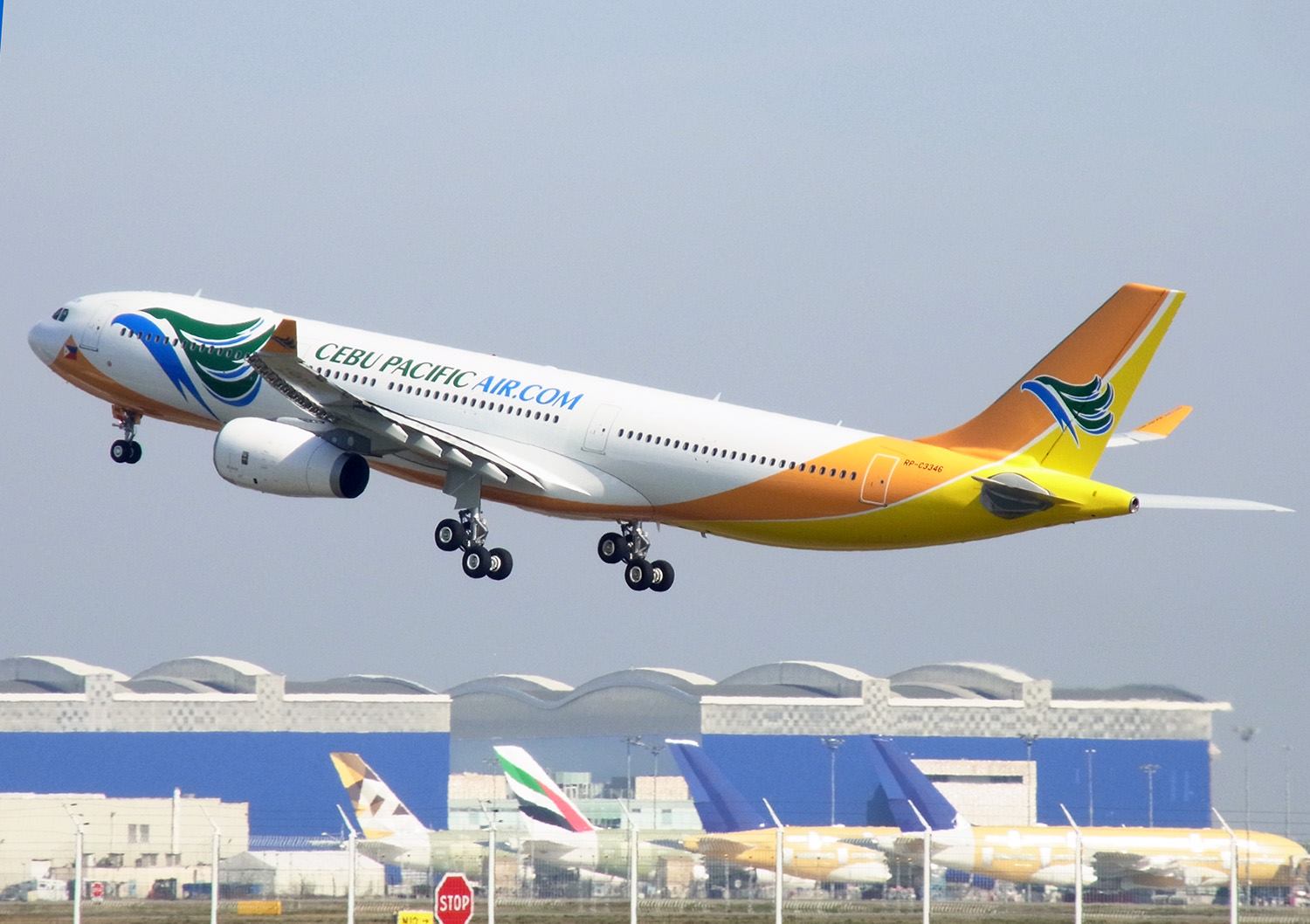
  • Cebu Pacific says more domestic destinations ease travel requirements

    Cebu Pacific says more domestic destinations ease travel requirements

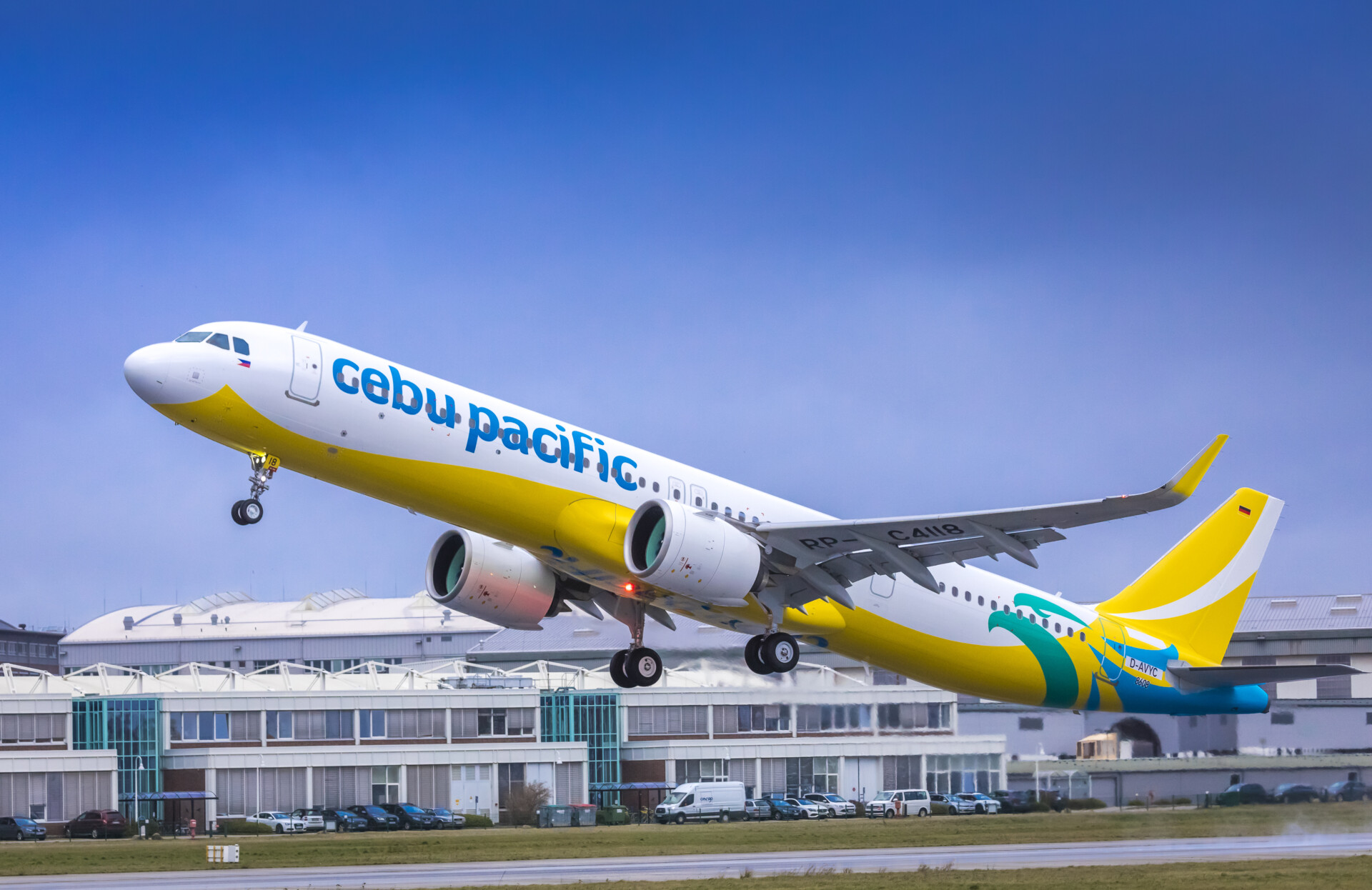
    Airline Cebu Pacific said a number of local destinations were open to leisure travelers and no longer required COVID tests for fully vaccinated individuals.

    In a statement, Cebu Pacific said the 19 destinations were: Bohol, Boracay, Butuan, Camiguin, Cagayan de Oro, Cebu (Cebu City and Mandaue City), Clark, Maguindanao Province, Davao, Dumaguete, General Santos, Iloilo, Legazpi, Manila, Naga, Ozamiz, San Jose, Tacloban, and Tuguegarao.

    “This is a welcome development, and we appreciate the various local government unit’s efforts to further ease travel for everyJuan, especially for fully vaccinated individuals,” said Xander Lao, chief commercial officer at Cebu Pacific.

    “This will jumpstart the return of tourists and pave the way for the recovery of the local tourism industry, which we are also ready to support with a ramp-up in flight frequencies as needed,” he added.

    According to Cebu Pacific, LGU requirements may include vaccination certificates, vaccination cards, government-issued IDs, travel permits from S-Pass, confirmed accommodations, and registration to specific contact tracing applications.

    It noted that Butuan and Cagayan de Oro require fully vaccinated travelers to simply upload their vaccination status via S-Pass.

    For Legazpi, fully vaccinated travelers must report to their LGUs for symptoms screening and profiling. Traze app must also be downloaded.

    Clark requires travelers to present a valid ID and any travel document required by the LGU while Cebu province, Lapu-Lapu City and Davao do not require arriving fully vaccinated guests to present any travel documents for entry.

    A person is considered fully vaccinated two weeks after the second dose in a two-dose series, or after receiving a single-dose vaccine, Cebu Pacific said.

  • Cebu Pacific provides added protection through CEB Travelsure

    Cebu Pacific provides added protection through CEB Travelsure

    The Philippines’ leading airline, Cebu Pacifi upgrades its CEB Travelsure “Basic Protect” insurance product to now include “COVID Protect”, to inspire travel confidence amidst the current situation. CEB is the first local carrier to offer this type of enhanced coverage in one product.

    Starting January 13, 2022, CEB Travelsure “Basic Protect” becomes even more comprehensive as it now covers COVID-related hospitalization and treatments, on top of up to PHP 2,500,000 medical expenses benefit, in case of an injury or other illnesses, and up to PHP 2,500,000 personal accident coverage during the trip.

    CEB Travelsure “Basic Protect” may be availed by passengers with domestic and international itineraries, as long as their trip starts in the Philippines, for as low as PHP 492 round-trip.

    CEB Travelsure is underwritten by Insurance Company of North America (a Chubb Company). Chubb is the world’s largest publicly traded property and casualty insurance company.

    Passengers can conveniently avail themselves of CEB Travelsure when booking flights on the CEB website or select as an add-on up to two hours prior to their flight via the ‘Manage Booking’ portal on the Cebu Pacific website. Insured passengers will receive their group policy Confirmation of Cover with the details of the travel insurance benefits via email. Customers should contact Chubb directly if they have specific questions about their insurance coverage.

    Chubb also offers a 24/7 Emergency Medical and Travel Assistance Hotline.

    CEB TravelSure is the airline’s comprehensive travel insurance plan which provides extensive trip protection with coverage for costs related to having injuries, illnesses, loss of personal belongings, trip cancellations, emergency assistance, and other unforeseen travel circumstances (subject to the full terms & conditions of the Group Policy). For more information, passengers may visit: https://www.cebupacificair.com/pages/plan-trip/add-ons/travelsure

    CEB has attained 100% vaccination rate for its active flying crew through its very own employee vaccination program, JG Summit COVID Protect, and various partnerships with local government units in the country.

    The airline has been rated 7/7 stars by airlineratings.com for its COVID-19 compliance as it continues to implement a multi-layered approach to safety, in accordance with global aviation standards. These include daily extensive cleaning and disinfection protocols for all aircraft and facilities, on top of its contactless flight procedures. Its jet fleet are equipped with hospital-grade HEPA filters, known to eradicate viruses with 99.9% efficiency.

  • AirAsia CEO says international travel will bounce back strongly despite omicron impact

    AirAsia CEO says international travel will bounce back strongly despite omicron impact

    International travel is likely to recover soon despite progress being slowed by the omicron variant, according to AirAsia chief executive Tony Fernandes.

    “I do believe that we’re at the beginning of the end,” he said “Squawk Box Asia” on Monday, noting that the recovery has already begun in earnest.

    “The good thing is, this time last year, we had no planes flying. Now, we’ve got a large chunk of our fleet flying domestic Malaysia, Thailand, and Indonesia,” he said, adding that demand has been “very, very robust.”

    International travel will get back to pre-Covid levels around six months after borders begin to reopen, he predicted and said he hopes borders will start to open again in March.

    After a flurry of announcements about quarantine-free travel in Asia last year, several countries including Thailand and India reinstated restrictions for some arrivals, as omicron drove up caseloads.

    Fernandes also acknowledged that China continues to be a “big question” in terms of reopening, given that the country is still pursuing its zero-Covid policy.

    Separately, Fernandes said the company’s ride-hailing business has done “incredibly well” and “far exceeded” expectations since its launch in August 2021.

    He said AirAsia’s strategy is “exactly the same” as the one it used when the company entered the low-cost airline market years ago — high efficiency that results in lower prices for consumers.

    As a late entrant, AirAsia Ride could observe what models were successful, and did not have to spend a lot of money on research, development or tech, he said. It also acquired part of Indonesian start-up Gojek’s Thailand operations.

    “The market is still very, very calm.”

  • Waze users say they are not always being alerted about speed traps

    Waze users say they are not always being alerted about speed traps

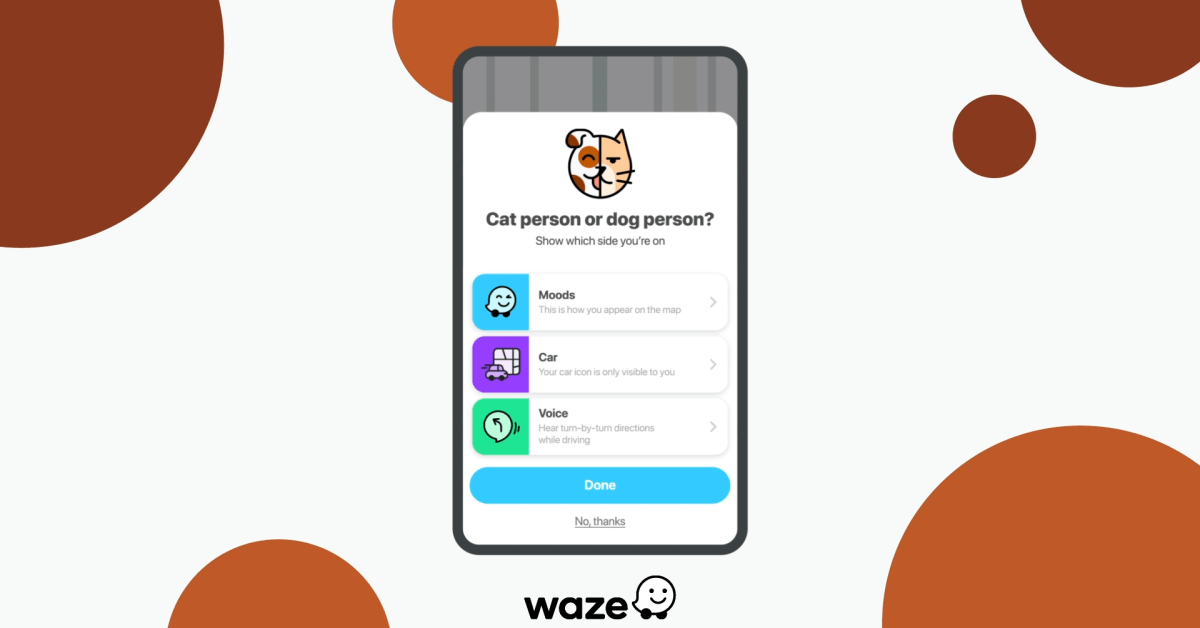
    Google Maps is the most popular mapping and navigation app in the U.S. Google also owns Waze which it purchased for a price believed to be in the $1.1 billion to $1.3 billion range. Like Maps, Waze is an app that delivers turn-by-turn directions to help users safely and quickly get from point “A” to point “B.” However, Waze uses information that is crowdsourced to help enhance the data that users receive.

    The information crowdsourced includes police presence, accidents, traffic jams, and more. While Google has taken some features from Waze and added them to Google Maps (such as showing the speed limit on the screen, and the ability to report accidents, and police presence), there are still some major differences between the two apps. Waze’s navigation is mostly suited for cars while Google Maps provides directions for those walking, driving, biking, or taking public transportation.

    In addition, the Waze UI is less detailed than Google Maps as it focuses on the driver experience instead of listing places to go, things to do, and hotels to stay at every destination (which you’ll find on Google Maps). Waze also requires an internet connection while Google Maps will work even if you’re offline. If you drive along rural roads in the U.S. and use Waze, you might want to have Google Maps installed just in case you find yourself in an area without an internet connection.

    Waze users have recently been experiencing inconsistency, especially when dealing with police reports and speed traps. These users say that they are no longer receiving a speed trap alert when they drive toward a location where one was previously reported. While the speed trap does appear on the display as you move closer to it, there is no alert which means that in order to know that a police trap is ahead, the driver has to take his eyes off of the road and put them on the display.The Waze help page includes a question from a Waze user which asks, “I have alerts and notifications selected but I no longer get notified (about police and speed traps) and .. wondering if Waze is no longer allowed to do this? Or is anyone else experiencing this?” A Googler  responded that “People should still be receiving these alerts, we’re not aware of any bugs surrounding this at the moment.”

    He goes on to say, “Do keep in mind that there is a bit of a delay (some minutes) for these to appear. Also, if several people downvote the report when they get it, it becomes more likely that the report will disappear quite quickly. There is also a system that determines how trustworthy reports are from each user. While not too likely, it could always be that someone’s reports don’t actually get shown to other users based on their history.”

    Another thing to consider is that these alerts are directional. A notification alert about a temporary speed trap that you report will most likely not result in a notification for Waze drivers motoring in the opposite direction from you, even though it will be viewable on the app.

    The big issue here is the inconsistency of the feature. One Waze user pointed out that she is hearing the app alert her by saying “police ahead, but only “50% of the time.” Hearing that the odds of receiving an alert about a speed trap before driving into that trap is the same as picking heads or tails is not going to placate Waze users who depend on the app for that early warning so that they can slow down in time and avoid receiving a ticket from their friendly neighborhood police officer.

  • AirAsia India, SpiceJet make discount offers to spur ticket bookings

    AirAsia India, SpiceJet make discount offers to spur ticket bookings

    Domestic airlines AirAsia India and SpiceJet launched disco­unt schemes on Monday, offering tickets upwards of Rs 1,122. Bookings can be made between De­c­ember 27 and 31 and the discount is for tickets between Jan­uary 15 and April 15.

    The move is ex­pe­cted to stimulate forward bookings amid the Omicron scare that has led to increased curbs across states. While travel dem­and in Dec­ember remains str­ong and airlines continue to see around 380,000 daily passeng­ers, forward bookings are looking weak. Additionally, airlines are offering waivers in date change and rescheduling fees to provide better travel flexibility to customers.

    “We have not seen an impact in December but clearly Omicron is a dampener. With rising cases, people are in a wait-and-watch mode,” said a travel industry executive. Generally, airlines launch such offers for travel beginning February or March when demand gets weak, but this time around forwarding bookings are slow given Covid-19 uncertainties, he added.

  • Vietravel sells majority stake in airline

    Vietravel sells majority stake in airline

    Tourism company Vietravel has sold a 55.58 percent stake in Vietravel Airlines to an unspecified investor as it seeks more funding amid Covid financial pressures.

    “Vietravel is no longer the parent company of Vietravel Airlines,” it stated recently.

    In a filing last month, Vietravel revealed it held a 99.5 percent stake in the carrier.

    Chairman of the leading tourism firm Nguyen Quoc Ky said in early May that selling a stake in Vietravel Airlines was part of a plan to restructure Vietravel into a holding company.

    He called for investors to fund the airline.

    As the airline only began to operate this year, it is still recording losses, which could affect Vietravel’s business figures, which are also low due to Covid-19, the company stated.

    Vietravel posted a loss of VND293.3 billion ($12.78 million) in the first half this year, tripling year-on-year.

    Its stock is limited to trading on Fridays due to its delay in publishing results.

  • Vietravel Airlines to resume domestic flights

    Vietravel Airlines to resume domestic flights

    Vietravel Airlines will reopen domestic flight ticket sales next Monday to tap year-end travel demands, after remaining grounded for about three months owing to pandemic restrictions.

    The carrier, which belongs to leading tourism company Vietravel, announced it will reopen ticket sales from 9 a.m. Monday, with the first flight taking off next Thursday.

    The flights will depart to and from Hanoi, Ho Chi Minh City, and beach tourist hotspots such as Da Nang, Nha Trang, Phu Quoc and Quy Nhon.

    The company said it will gradually increase its flight frequency from now to the end of the month to meet higher travel demand during the year-end peak season, including the upcoming Tet (Lunar New Year) holiday two months from now.

    Vietravel Airlines was launched at the end of Dec. 2020 and was one of the airlines that allowed to operate amid the turbulence created by the pandemic.

    After about half a year of operation, the carrier had to reduce its frequency and also closed operations since late August due to Covid-19 resurgence. It resumed business on Oct. 18.

    According to the new restructuring plan, Vietravel plans to operate as a holding company instead of engaging in operating activity itself.

    The company has invested additional capital in the carrier this year, raising its total investment from VND700 billion (over $30 million) to VND1.3 trillion (over $56 million) for the 2021-2025 period.

    The Civil Aviation Authority of Vietnam has said that domestic carriers will increase flight frequency in the coming time.

    Budget carrier Vietjet Air has increased its frequency to six flights a day on each of the Hanoi-HCMC, Hanoi-Da Nang, and Da Nang-HCMC routes.

    Another budget carrier, Bamboo Airways, will increase its frequency to 4-5 daily flights on the Hanoi-HCMC route from mid-December.

    National flag carrier Vietnam Airlines will operate about 140 flights per day on nearly 40 domestic routes. On the Hanoi – HCMC route, Vietnam Airlines operates five flights per day and its affiliate Pacific Airlines flies two flights per day. From Dec. 15, each airline will increase frequency on this route with one more flight per day.