Tag: travel

  • Vietnamese airlines recovering in 2023

    Vietnam Airlines and Vietjet Air reported profits again in the first quarter of this year, while Bamboo Airways neared the break-even point, thanks to the Tet travel peak.

    Analysts said increased international flights due to Vietnam’s Lunar New Year holiday festival (Tet) in late January were the cause of the uptick in the previously-ailing air industry.

    According to newly released financial statements, Vietnam Airlines posted a consolidated pre-tax profit of VND19.3 billion (US$817,800) in the first quarter of this year, compared with a loss of VND2.6 trillion in the first quarter of last year.

    The gains halted the streak of 12 loss-making consecutive quarters since Covid-19 emerged.

    The national flag carrier’s revenues doubled to VND23.64 trillion, the highest since the beginning of 2020 and close to the pre-pandemic levels of 2019.

    A manager at Vietnam Airlines said the better business performance mainly stemmed from the company’s effective tapping of Tet holiday travel, and the recovery of international flights, especially to and from China.

    In markets such as the U.S., Europe and Australia, the airline gained high seat occupancy rates.

    After incurring losses in 2022, Vietjet Air made a pre-tax profit of VND243 billion in the first quarter of this year. That figure came out of a consolidated revenue of VND12.9 trillion, its highest revenue in the last 12 quarters.

    Vietjet Air’s revenue from the international market increased, accounting for 45% of its total revenue from passenger transport.

    Among domestic airlines, Vietjet Air has pioneered opening new routes to India, Kazakhstan and Australia since the second half of last year.

    Vietjet operated 31,300 flights, transporting nearly 5.4 million passengers in the first quarter, up 57% and 75% respectively.

    Meanwhile, the number of passengers transported by Vietnam Airlines surged by 63% to 5.1 million.

    Domestic carriers’ improved performance was also partly due to lower fuel prices and exchange rate differences.

    In the last quarter of last year, both Vietnam Airlines and Vietjet operated below cost as the fuel price of Jet A1 and interest rates were high. The price of jet fuel last year sometimes exceeded $160 per barrel and averaged $130.

    According to Vietnam Airlines, the average price of Jet A1 fuel in the first three months of the year downed to US$110.69 per barrel.

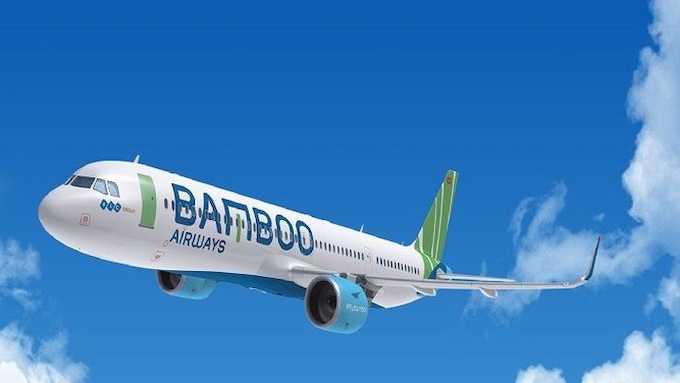
    Bamboo Airways has not announced business results in the first quarter of this year. At an extraordinary shareholder meeting in early April, Bamboo Airways chairman Nguyen Ngoc Trong said the airline was close to breaking even in the first quarter, with its fleet of 30 aircraft operating at full capacity.

    He said Bamboo Airways “will get off the ground in 2024 and be profitable from 2025.” Bamboo Airways is expected to obtain 6-8 new aircraft in the coming months to expand its international flight network.

    Bamboo Airways is working with partners in China to open new routes from now to the end of the third quarter. Meanwhile, it will increase the frequency of many routes to Southeast Asia and Northeast Asia in the second half of the year.

    Vietjet Air will get more new wide-body and narrow-body aircraft, increasing the total to 87 by the end of this year, and launch new routes to India, Japan, and South Korea.

    Vietravel Airlines plans to receive 3 more aircraft to double its fleet.
  • Vietravel Airlines to get three more planes in Q3

    Vietravel Airlines to get three more planes in Q3

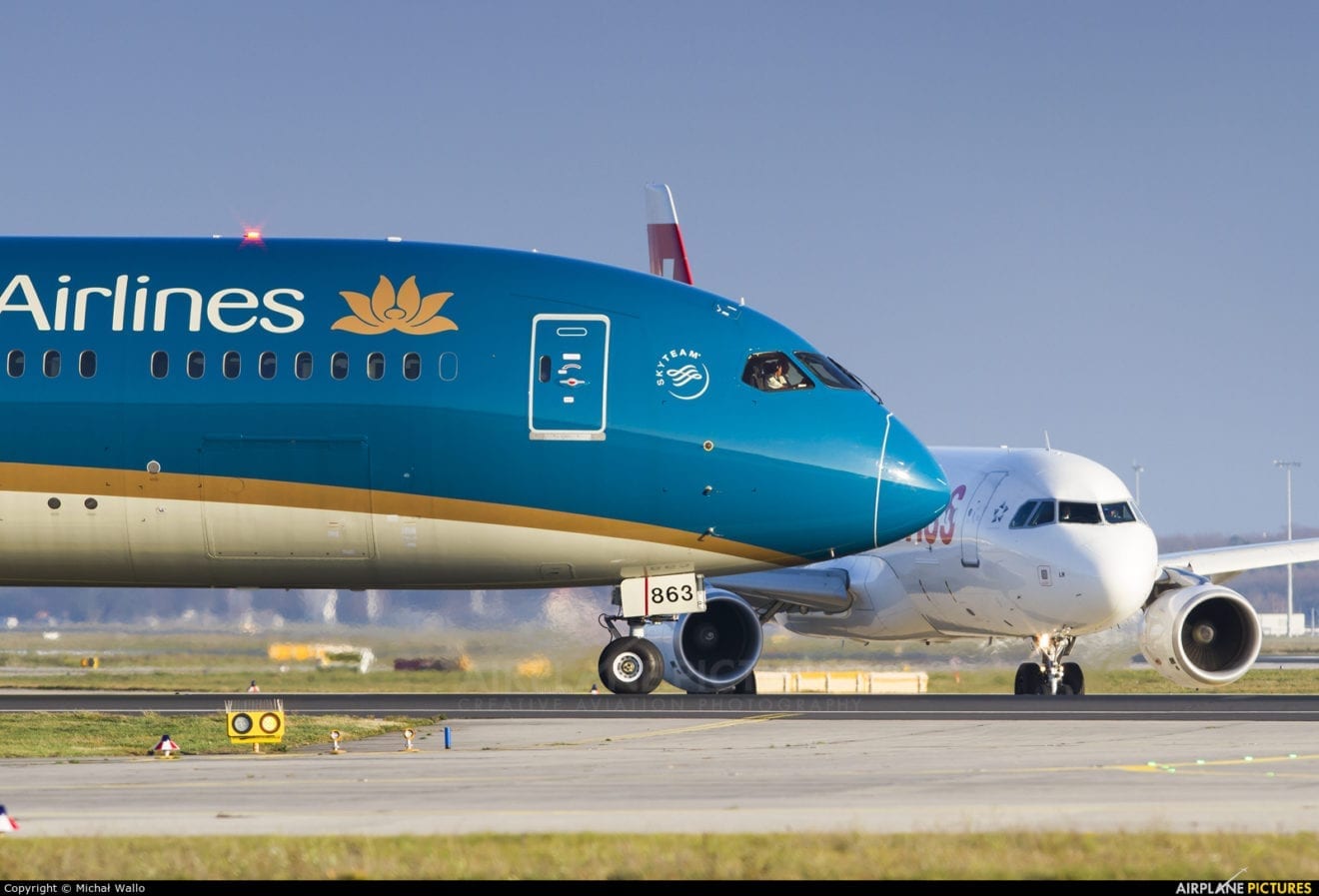
    Vietravel Airlines is expecting to expand its fleet to six by adding three more aircraft in the third quarter following a plan set out from the early days of its establishment.

    The move in association with a recruitment program slated for May in Ho Chi Minh City aims to help the carrier be ready for its market expansion targets.

    The airline, which debuted in late 2020, is currently operating six domestic routes connecting Hanoi, Ho Chi Minh City and major tourist destinations of Da Nang, Phu Quoc and Quy Nhon, along with two international ones connecting Hanoi, HCMC and Bangkok.

    It is also partnering with a company from the Republic of Korea to provide 11 charter flights on the Daegu-Cam Ranh route in the period from March 28 to May 7 with one flight every five days.

    As of the first quarter of 2023, Vietravel Airlines had operated over 11,600 flights safely and carried close to 2.5 million passengers, with an average occupancy rate of 93.7%.

  • Bamboo Airways shareholders shoot down capital increase plan

    Bamboo Airways shareholders shoot down capital increase plan

    Shareholders of Bamboo Airways, at an extraordinary general meeting on Monday, rejected plans for a private placement of shares to increase charter capital.

    The proposal for a VND9.57-trillion ($405.5 million) issue to increase the capital to VND28 trillion, restructure loans and swap debts for shares based on agreements with creditors was rejected by 56.4% of shareholders.

    Bamboo Airways chairman Nguyen Ngoc Trong said he would hold discussions with major shareholders and submit a plan for increasing the charter capital at the next annual general meeting.

    Trong said that in the first quarter of this year, with its fleet operating at full capacity, the airline would almost break even.

    It is expected to get delivery of six to eight aircraft this year and 10 more in 2024-25, he said.

    “Bamboo Airways will become profitable by 2025.”

    He said 2026 or 2027 would be an optimal time for it to make an IPO.

    The carrier now flies to 21 out of 22 airports in Vietnam, and in April would add Ca Mau to its destinations.

    Internationally, it has been resuming services to Europe and Australia post-Covid.

  • AirAsia X expands China network

    AirAsia X expands China network

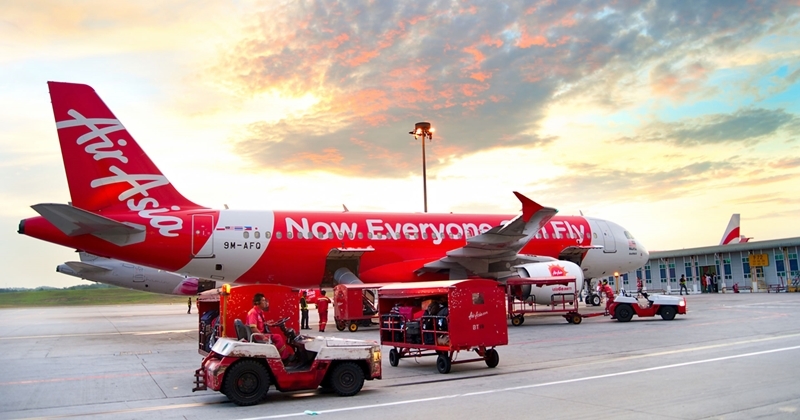
    AirAsia X (AAX) continues to expand its China network with two weekly flights to Beijing restarting last week after almost a three-year pause.

    The flight from Kuala Lumpur lands at Beijing Daxing International Airport at 0105, while the return flight from Beijing arrives in Kuala Lumpur International Airport (Terminal 2) at 0830.

    AirAsia X Malaysia CEO Benyamin Ismail said: “Our service resumption to Beijing reflects our commitment to boosting our network in China, which has historically been one of our biggest and most popular markets and providing our guests with more options to travel affordably to and from Beijing from Kuala Lumpur.”

    Flights will ramp up from twice weekly on Thursday and Saturday to four weekly flights starting 1 June 2023 to meet growing forecast demand, further boosting travel and tourism in the region.

    “More expansion in China is on the horizon for AAX as we plan to relaunch more routes and introduce more unique, less travelled destinations in China in the near future,” he concluded.

    Flight Schedule between Kuala Lumpur (KUL) and Beijing-Daxing (PKX):

  • Cebu Pacific to launch Laoag flights in May

    Cebu Pacific to launch Laoag flights in May

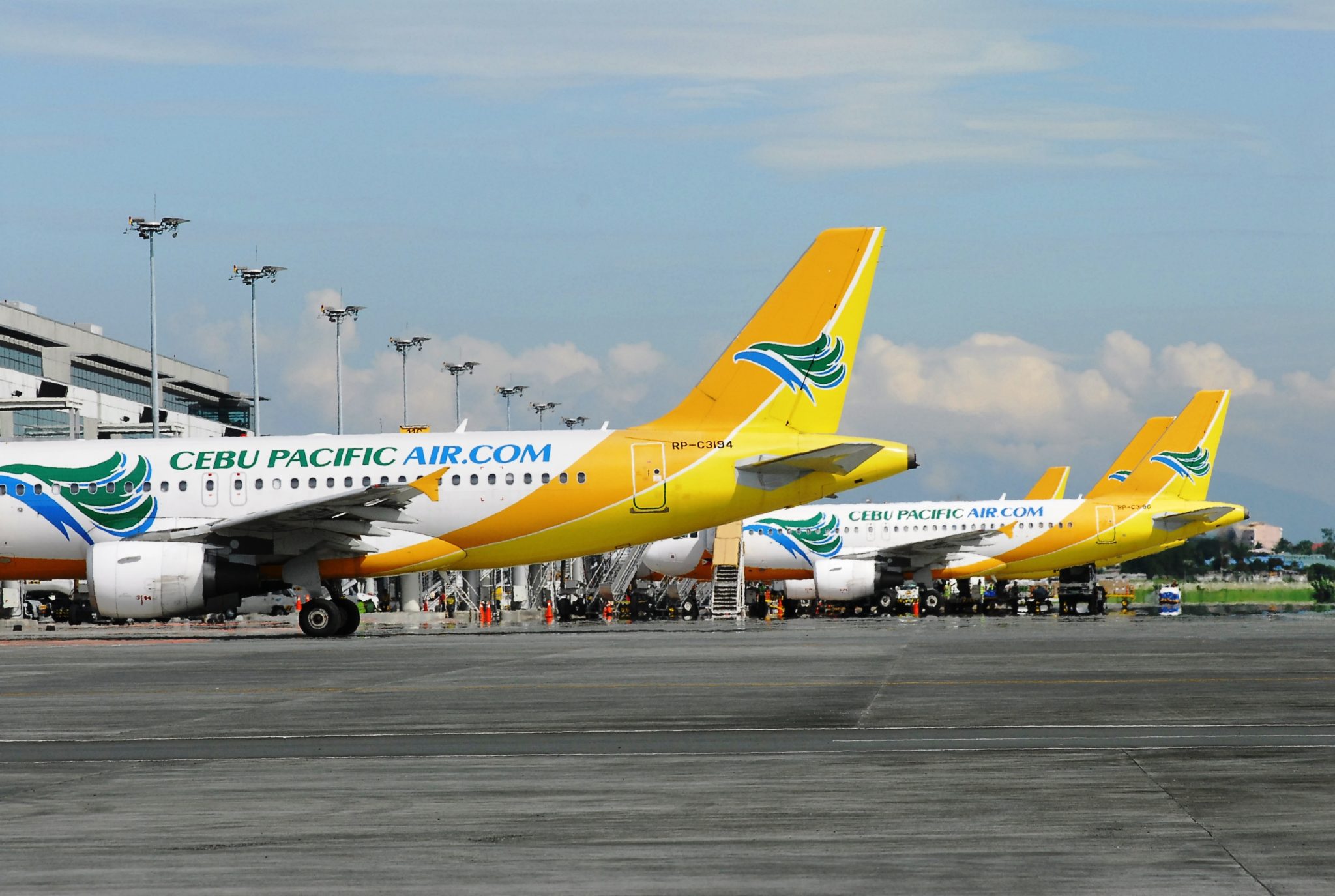
    Budget carrier Cebu Pacific is set to mount flights to the Ilocos Norte capital of Laoag starting May 22, making it the 35th domestic destination in the airline’s network.

    Cebu Pacific said flights from Manila to Laoag will be daily, as the airline seeks to tap travelers seeking to explore the Ilocos region.

    “Laoag plays a crucial role in preserving the country’s rich history and culture, and we are excited to finally be able to bring more Juans to this beautiful city,” President and Chief Commercial Officer Xander Lao said in a statement.

    “We hope the launch of the Laoag route will encourage more people to travel and experience the Ilocos region,” he added.

    The carrier reported a P14-billion net loss in 2022, marking an improvement from the P24.9-billion net loss incurred in the previous year as it cut its operating loss by about half to P11.4 billion.

    The company is set to add 11 more aircraft to its fleet this 2023, seeking to return to profitability within the first quarter of the year.

    Shares in Cebu Air Inc., which operates the carrier, were trading up by P0.05 or 0.12% at P41.70 apiece as of 11:59 a.m. on Wednesday.

  • AirAsia X continues to recover quarter by quarter

    AirAsia X continues to recover quarter by quarter

    Malaysian long-haul low-cost AirAsia X is returning to recovery, reporting improvements in revenues, profits, and costs after some very difficult years during the Covid crisis. The carrier expects to benefit this year from the relaunch of its most profitable routes and gradually grow the fleet again, it said on February 22. AirAsia X continues to recover quarter by quarter.

    After changing the accounting period for its financial year 2022 from July instead of January, FY22 includes six quarters between July 2021 and December 2022. This makes comparisons with previous years meaningless. The net profit for FY22 was RM 33 million, with revenues of RM 878.2 million, as it carried 417.195 passengers at a 78 percent load factor. Almost all of that was generated in the second half of 2022 when lockdowns and travel restrictions in most of its key markets in Asia were lifted. The airline already reported a profit for its September quarter.

    As far as a fifth or sixth quarter says anything, they at least confirm that the airline is further recovering. Revenues grew from RM 100.1 million in Q5 (July-September) to RM 339.3 million in Q6 (October-December), with a net profit from RM 25.1 million to RM 153.5 million. For reference, in Q4 (October-December) FY19, AirAsia X produced an RM-95.8 million net loss, revenues of RM 1.196 billion, and carried 1.6 million passengers.

    Passengers carried grew significantly quarter on quarter, from 79.557 to 337.638. That positively affected revenues per available seat kilometer (RASK), which improved from RM 17.62 to RM 19.96. In contrast, costs per available seat kilometer (CASK) excluding fuel went down from RM 6.95 to RM 1.42. AirAsia X resumed services to Australia (Perth, Melbourne, Sydney), New Zealand (Auckland), Japan (Tokyo Haneda and Sapporo), Taiwan (Taipei), Saudi Arabia (Jeddah), and Indonesia (Bali) in the final quarter of 2022, growing the network to fourteen destinations.

    AirAsia X has high hopes for the reopening of China, although bookings are currently below expectations. It recently resumed services to South Korea (Busan) and will launch flights to Turkey later this year. Istanbul was already announced as a new destination in June last year.

    The airline currently operates a fleet of seven Airbus A330-300s with seven more to join shortly but has an appetite for three more. “As we rise up to meet the ever-thriving demand for flights, we are diligent in ensuring that aircraft within the Company’s fleet will be operational within the stipulated timeline, with all safety requirements met. As we speak, we are also in varying degrees of engagement with third-party aircraft lessors for the induction of additional aircraft within its fleet. By the year 2024, we expect to have a total of seventeen A330

  • AirAsia Looks to China to Drive Budget Airline’s Recovery

    AirAsia Looks to China to Drive Budget Airline’s Recovery

    AirAsia parent company Capital A expects China’s reopening to international travelers in January to drive the recovery of its airlines this year.

    AirAsia’s four airlines — Malaysia-based AirAsia, Indonesia AirAsia, Philippines AirAsia, and affiliate Thai AirAsia — plan to rapidly ramp up capacity to China from less than 1 percent of 2019 levels in December, according to Diio by Cirium schedules, to 90 percent by August, Capital A said in a fourth-quarter earnings presentation on Wednesday. And, barring any unexpected events or waning travel demand, they will fly 11 percent more capacity to China in November than they did four years earlier. The rapid return to China will support the group’s recovery to roughly 85 percent of 2019 capacity levels this year.

    The group said its China capacity plans demonstrate its “confidence and commitment” to the market. Capital A CEO Tony Fernandes added that China’s reopening would “further boost” the company’s recovery.

    China ended its no-Covid policy, and dropped most border restrictions in January. Since then, airlines from around the world have moved to resume flights that were suspended during the pandemic. All Nippon Airways, Cathay Pacific Airways, KLM, Singapore Airlines, and Swiss Air, to name a few, are all resuming flights in the next few months. And Singapore Airlines even called out China as partially driving the strong travel demand in the market.

    The easing of China’s restrictions is especially important for AirAsia. The country was the largest source of international visitors to Thailand, and in the top three for international visitors to Malaysia and the Philippines in 2019, each country’s data show. That makes China a critical market for the budget airline’s success. Flights to and from China made up nearly 17 percent of the four AirAsia airlines’ combined capacity in 2019, Diio data show.

    As part of AirAsia’s recovery to China, it plans at least five new routes to the country this year. This includes service to Shenzhen on Indonesia AirAsia, and a new Kuala Lumpur-Guangzhou nonstop on AirAsia.

    Even without China, Capital A posted strong results in the fourth quarter as the Asian travel recovery accelerated. Group revenues increased 77 percent from 2019 to 2.4 billion Malaysian ringgit ($537 million); airline revenues were down 34 percent from three years earlier to 2.1 billion Malaysian ringgit. The group posted an operating loss of 198 Malaysian ringgit. Airline unit revenues, measured in revenue per available seat kilometer, were up 134 percent compared to 2019, while unit costs excluding fuel were up 106 percent. Capacity across the group’s four airlines recovered to 57 percent of 2019 levels in the December quarter.

    Capital A’s much vaunted AirAsia Super App for travel continued to make gains in the fourth quarter. Revenues increased 41 percent year-over-year to 138 million Malaysian ringgit, and the segment was earnings before interest, taxes, depreciation, and amortization (EBITDA) positive at 100,000 Malaysian ringgit. However, despite the public push, the Super App results reinforce the fact that airlines, not travel technology, remain Capital A’s core business — airline revenues were more than 15-times higher than Super App revenues.

    The group’s plan to merge its Indonesia, Malaysia, Philippines, and Thailand units into a single holding company, AirAsia Aviation Group, is forecast for completion by March.

    AirAsia’s airlines operated 126 of 205 total Airbus A320 and A330 aircraft at the end of December. The group aims to fly 150 aircraft by the end of March, and fully reactivate its fleet by the end of September. AirAsia has 362 A320neo family aircraft on order, and expects its first five A321neos in 2024.

    AirAsia’s long-haul brand, AirAsia X, is a separate company and not included in Capital A’s results.

  • Airlines propose scrapping airfare caps

    Airlines propose scrapping airfare caps

    Airlines and some experts have proposed hiking and eventually removing domestic airfare caps to support businesses in difficult times.

    Last year, no domestic airlines were profitable because of higher fuel costs, foreign exchange rates, and interest rates, while airfare caps have been kept unchanged for eight years. On Friday, participants at a conference on supporting the aviation industry said that the caps should be removed.

    Trinh Ngoc Thanh, executive vice president of Vietnam Airlines, said domestic airfare caps were last adjusted in 2015.

    The current maximum fare is VND2.2 million ($96) for routes under 850 kilometers and VND3.75 million for those above 1,280 kilometers.

    Airfare caps are placed only on domestic routes, not on international ones. As a result, the highest airfare of domestic flights is sometimes 40% lower than that of the HCMC – Singapore route, Thanh said.

    Thanh and Nguyen Manh Quan, CEO of Bamboo Airways, proposed that the Ministry of Transport hike the airfare caps and then eventually scrap them to ensure the aviation industry’s sustainable development.

    Quan also proposed the State still apply airfare caps on routes operated by only one airline, but let the market self-regulate routes tapped by at least two carriers.

    Hoai Nam, a Vietnam Tourism Advisory Board member, said: “Removing the airfare caps will help domestic airlines improve revenues and profits during peak periods.”

    He said that at present, no other countries in the world apply airfare caps, and none of the five domestic airlines has a monopoly position, so the caps should be removed as soon as possible.

    However, if the caps are scraped, airlines must not negotiate with one another about airfares, seriously violating the Competition Law and affecting the interests of passengers, Nam added.

    Tran Tho Dat, a member of the prime minister’s Economic Advisory Group, suggested the management agency should come up with a formula for regulating airfares like that for retail prices of gasoline and oil products.

    “If there are no caps, we should create a formula, an open airfare range, to ensure fair competition and people’s interests,” he said.

    In 2021, the Civil Aviation Administration of Vietnam proposed removing airfare caps on routes operated by three airlines or more to increase competition by service quality to serve passengers who are willing to pay higher than the ceiling price.

  • Cebu Pacific restores flight network

    Cebu Pacific restores flight network

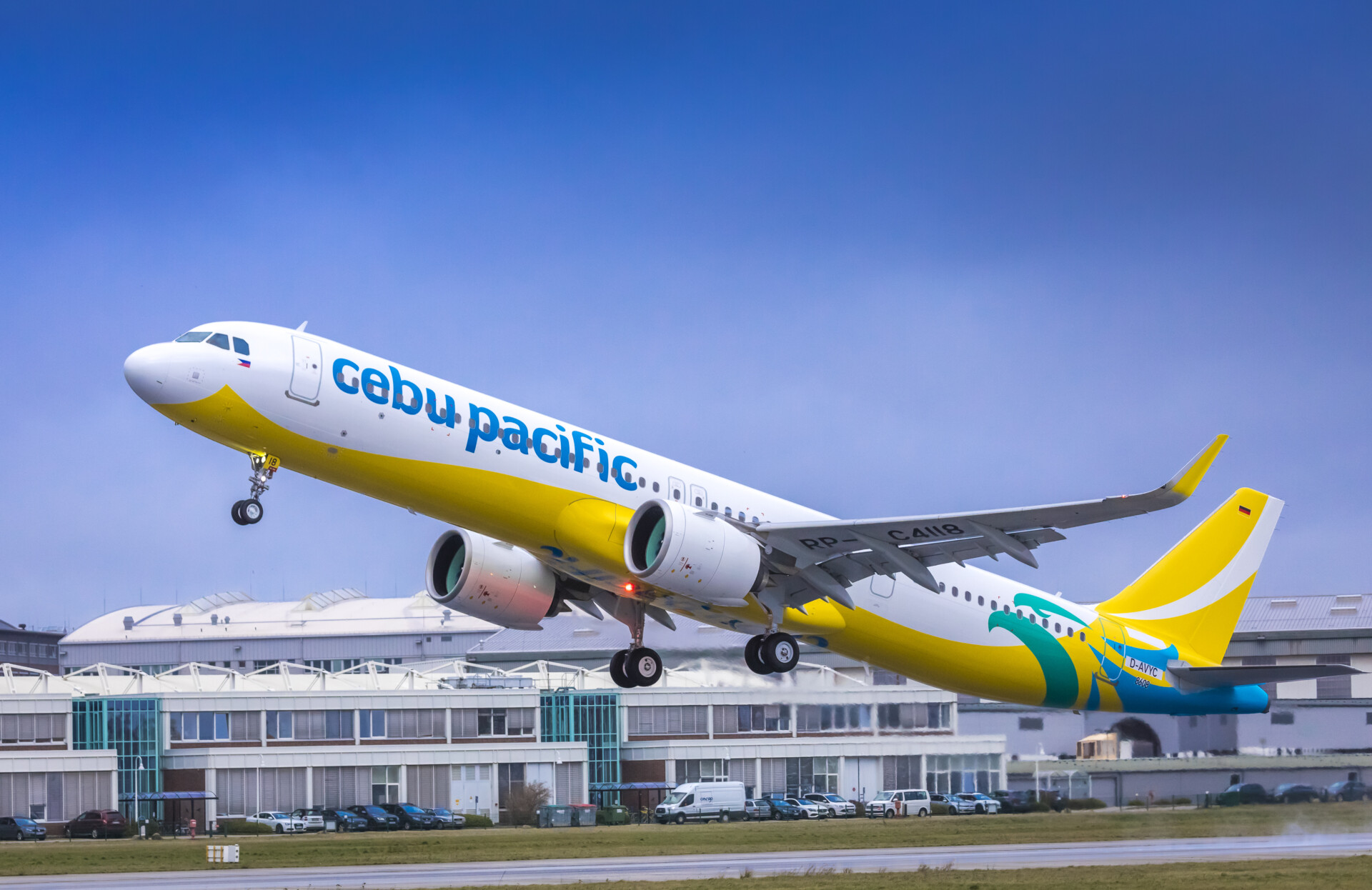
    Cebu Pacific is set to restore 100% of its pre-Covid network and capacity by March 2023. It now flies to 34 domestic destinations and is set to bring back all its 25 international destinations before the end of the first quarter.

    To support the return of domestic flights, the low-cost airline bundles fares to offer passengers a discount of up to 28% on their baggage, seat, and CEB Flexi fees when booking directly through the airline booking website.

    CEB offers three fare bundle options; Go Basic, Go Easy, and Go Flexi.

    On the Go Basic option, you pay for your fare and get one hand-carry baggage weighing up to 7 kg for free. With Go Easy, you can choose your standard seat and check in one piece of baggage weighing up to 20 kg.

    Score the biggest discount on your seat and baggage fees and automatically get a CEB Flexi add-on with Go Flexi. This allows you to cancel your flight, store its amount in your Travel Fund, and get all the benefits of the Go Easy bundle.

    Each fare bundle must be purchased at the initial booking for the discount to apply. CEB Fare Bundles cannot be refunded, transferred to another passenger, or stored in a Travel Fund without a purchased CEB Flexi add-on.

  • AirAsia Malaysia Expands Flights to China

    AirAsia Malaysia Expands Flights to China

    AirAsia Malaysia (AK) has resumed flights to China and unveiled its plans for the country.

    The popular low cost carrier will resume four China destinations from two hubs – Kuala Lumpur and Kota Kinabalu to Macao, Shenzhen, Guangzhou and Kunming, with a total of 10 flights weekly and plans to increase the frequency by up to 27 flights weekly in March.

    The first flight to/from China recommenced on 10 February 2023 to/from Guangzhou with strong load factors both ways.

    Complementing the resumption of the short-haul destinations, AirAsia X Malaysia (D7) will reconnect Kuala Lumpur to Shanghai, Hangzhou and Chengdu with 10 flights weekly starting 1 March 2023.

    “China is an integral market for AirAsia Aviation Group, where we were the largest international low-cost carrier by capacity pre-pandemic,” said Riad Asmat, AirAsia Malaysia CEO. “Based on the impressive load factor of our inaugural flight to/from Guangzhou, the restart of our services will not only provide greater value and accessibility to essential travellers from Malaysia and tourists from China but will significantly boost tourism, trade and economic growth in both countries.”

    AirAsia Malaysia operates flights with Airbus A320 aircraft while AirAsia X Malaysia operates Airbus A330 aircraft featuring flatbed seats in its premium cabin.

    Benyamin Ismail, AirAsia X Malaysia CEO, said, “China will be our next primary market focus as we resume our growth strategy flying our most popular and profitable routes. We have witnessed tremendous success with our services to China in the past where we carried over 1.8 million guests to/from China in 2019 alone. We believe the recommencement of our services to China will be popular for business travellers, international students, those visiting family and relatives as well as stimulating regional demand between two large markets through great value airfares and services.”

    As the entry to China is currently limited to certain visas, travellers are advised to always check the very latest travel requirements of the country they are travelling to.

  • Airlines report losses in 2022

    Airlines report losses in 2022

    Vietnam Airlines and Vietjet incurred losses of VND10 trillion (US$423.7 million) and VND2.17 trillion last year mainly due to higher fuel prices and forex volatility.

    Vietnam Airlines reported consolidated revenues of VND71 trillion, higher than the combined revenues of 2020 and 2021 but only 70% of pre-pandemic levels.

    Last year, its losses of VND10 trillion took its accumulated losses to VND34 trillion.

    Vietjet reported revenues of VND39.34 trillion, more than triple the 2021 figure.

    The average price of jet fuel jumped to $130 per barrel last year from $72 the previous year. At one time in mid-2022 it was selling at over $160.

    The increase in bank interest rates and the soaring dollar also contributed to losses.

    Vietnam Airlines lost over VND2.25 trillion due to exchange rate differences last year as against only VND173 billion the previous year.

    Vietjet incurred exchange rate losses of roughly VND570 billion in the fourth quarter of last year compared with less than VND4 billion in the same period of 2021.

    Two other carriers, Bamboo Airways and Vietravel Airlines, have not released their financial reports for 2022, but experts said they are unlikely to have made profits.

    Vietnamese carriers transported 11 million foreign passengers in 2022, up 22 times from 2021 but down 70% from 2019, the year before the Covid pandemic began.

    They also carried 55 million domestic passengers, up 3.7 times from 2021.

    Many aviation-related service providers reported big profits, however.

    Southern Airports Services JSC (Sasco) reported pre-tax profits of VND230 billion, up 77 times from 2021.

    The profits of Saigon Ground Services (SGN) and Saigon Cargo Service Corporation (SCS) reached VND1 trillion and VND696 billion, respectively.

    The Airports Corporation of Vietnam posted pre-tax profits of over VND8.8 trillion as against less than VND1 trillion the previous year.

  • Vietravel Airlines plans 6-fold increase in charter capital by 2025

    Vietravel Airlines plans 6-fold increase in charter capital by 2025

    Rookie carrier Vietravel Airlines wants to gradually increase its charter capital nearly sixfold to VND7.64 trillion ($323.66 million) by 2025.

    The airline recently made this proposal to the government after two years of operating with a charter capital of VND1.3 trillion. It owns three narrow-body Airbus A321 jets.

    Viettravel made this proposal to boost development and enlarge its fleet, Chairman Nguyen Quoc Ky said.

    “Investing in fleet expansion is important for a new airline to survive and grow,” said Ky. “Only with a large fleet can we make profits.”

    For the last two years Vietravel Airlines has not been profitable but it expects that with a larger fleet it can take advantage of an expected surge in demand after Covid-19.

    The capital increase will come from a combination of shareholder investment, selling stakes to other investors, and financial tools.

    Shareholders of Vietravel Airlines plan to invest an additional VND700 billion by 2025, bringing their total investment to VND2 trillion.

    The airline also plans to increase its charter capital to VND8.25 trillion by 2030.

    Viettravel projects that by 2030, if business is favorable, it could record a VND2.2 trillion in accumulated profit which it could use it to pump up its capital.

  • Cebu Pacific aims to boost demand for Manila – Hong Kong travel

    Cebu Pacific aims to boost demand for Manila – Hong Kong travel

    Cebu Pacific (CEB) said on Sunday it will now fly four times daily to Hong Kong, but hopes to boost demand by offering airfare discounts.

    “After Hong Kong eased requirements for inbound travelers in December, the airline operated Manila-Hong Kong flights 32 times weekly until January due to the anticipated high traffic over the resumption of the destination amid the holiday season,” Cebu Pacific Director for Corporate Communications Carmina Reyes-Romero said.

    Cebu Pacific will fly 28 times weekly for February. The budget carrier hopes Filipinos will “take advantage of the easier travel protocols in Hong Kong,” Cebu Pacific said in an e-mailed statement.

    The airline targets to restore 100% of its pre-pandemic network and capacity in March this year.

    The budget carrier currently flies to 34 domestic destinations and is set to restore all its 25 international destinations in the first quarter.

    “Even better, every Juan can fly to Hong Kong for as low as P499 one-way base fare, made possible by a CEB special seat sale which runs from Jan. 27 to 31, 2023,” the airline said.

    The travel period is from June 1 to Aug. 31 this year.

    “Upon check-in, travelers must present a negative result from an antigen test taken within 24 hours or a negative 48-hour RT-PCR result, and a proof of vaccination of primary doses for non-Hong Kong residents aged 12 or above,” Cebu Pacific said.

    It noted that the test results may also be submitted online through Hong Kong’s health and quarantine information declaration website (https://www.chp.gov.hk/hdf/). Travelers are reminded to keep photos of their test results for 90 days.

    Arriving travelers are also encouraged to take a self-arranged antigen test daily until the fifth day from their arrival.

    Cebu Pacific said that the results of the antigen tests may be reported through the Hong Kong government’s electronic monitoring and surveillance system

  • Cebu Pacific looking to restore Clark flights

    Cebu Pacific looking to restore Clark flights

    Cebu Pacific is working to restore more of its flights in other air hubs in the Philippines, such as Clark International Airport, the budget carrier’s president told reporters last week.

    “We will be happy to resume flights at Clark and the other destinations we used to fly in,” Xander Lao, president and chief commercial officer, said. “Actually, when we said we were back at 100 percent operations, it referred to the seats and not actually to our fleet. From a pacing perspective, we are not there yet. For now, it is a matter of connecting the points and going from there.”

    He continued that on whether there is a possibility of moving some of their flights from the Ninoy Aquino International Airport to Clark International Airport, he said they are open to that idea.

    “Honestly, we welcome any capacity growth that comes from the market, but I think it should come down to the airlines on where they would want to designate flights to,” the Cebu Pacific president remarked. “We think Clark on its own has a lot of potential as it has around 20 million people in its catchment area, but Clark from Manila is very far as it is around 100 kilometers apart. It will be hard to convince businessmen or some passengers to travel that far to an airport.”

    Lao said that it is very good that the government is trying to improve the airport infrastructure in the Philippines, and said that they are excited about its various developments.

  • Vietnam Airlines reports $430M loss on fuel price

    Vietnam Airlines reports $430M loss on fuel price

    Vietnam Airlines reported a loss of VND10.09 trillion ($430.3 million) last year and blamed it on rises in fuel prices and exchange rate volatility.

    Its revenues were worth around VND71 trillion, equivalent to 70% of revenues in 2019 before the Covid-19 pandemic hit but higher than the combined figures of 2020 and 2021.

    As of last year the carrier had accumulated losses of VND34.2 trillion.

    Yet it remains optimistic about 2023 since global markets have been recovering since late 2022 and said it would take measures to address the losses issues.