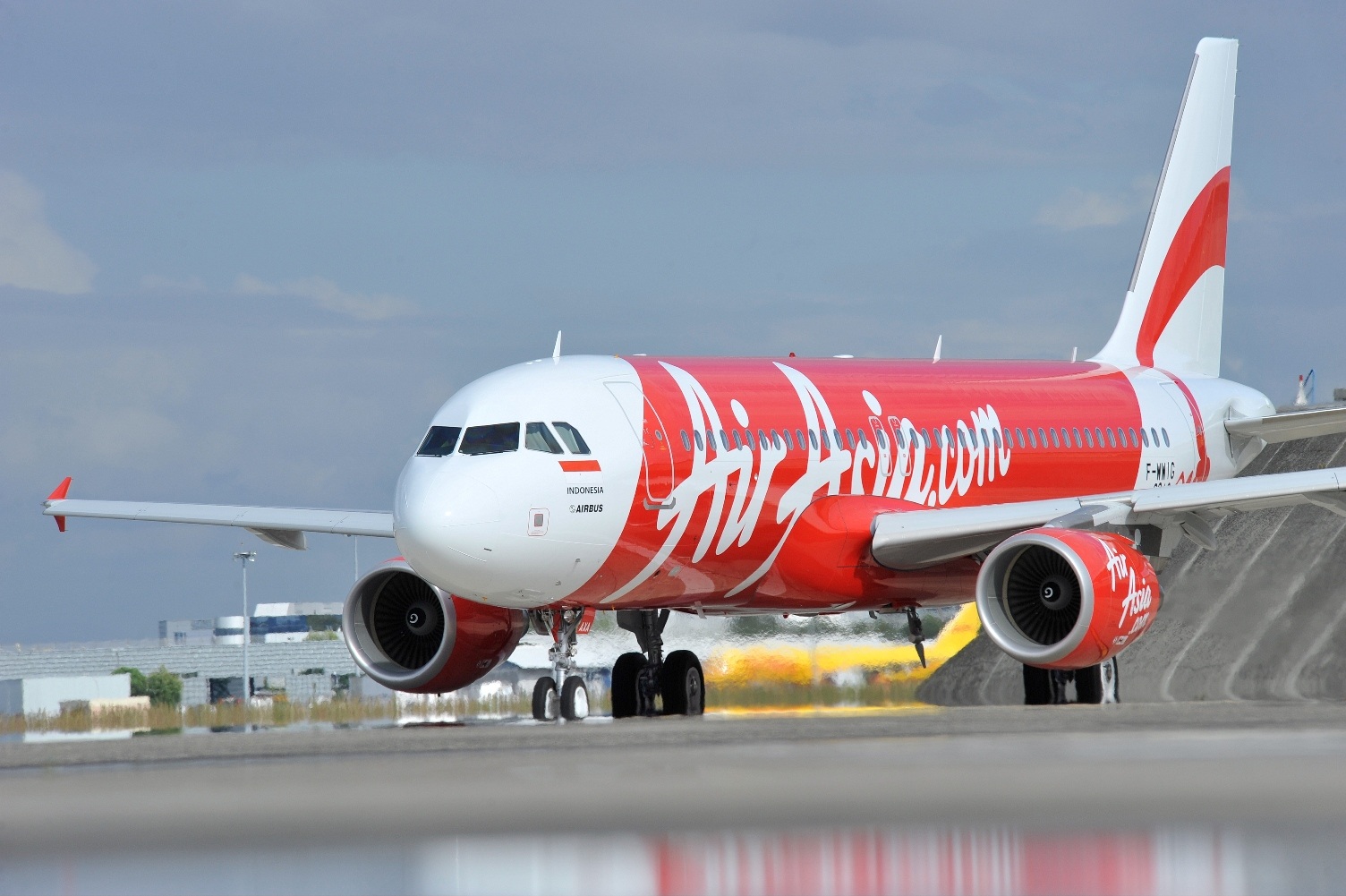
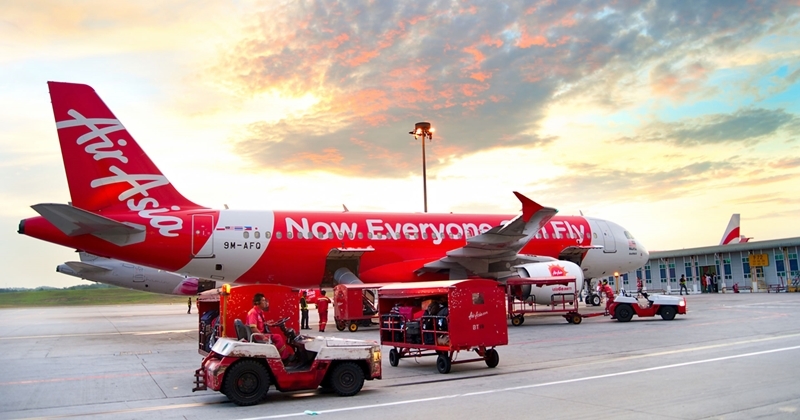
If you plan to travel to any destination in India within September 2023, we have an exciting surprise for you. If you feel like flight tickets are more expensive than your budget, you might be surprised to see the new AIX Connect prices. What is this new price and how can you get access to it? To know all about the recent updates of AIX connect, read till the end!
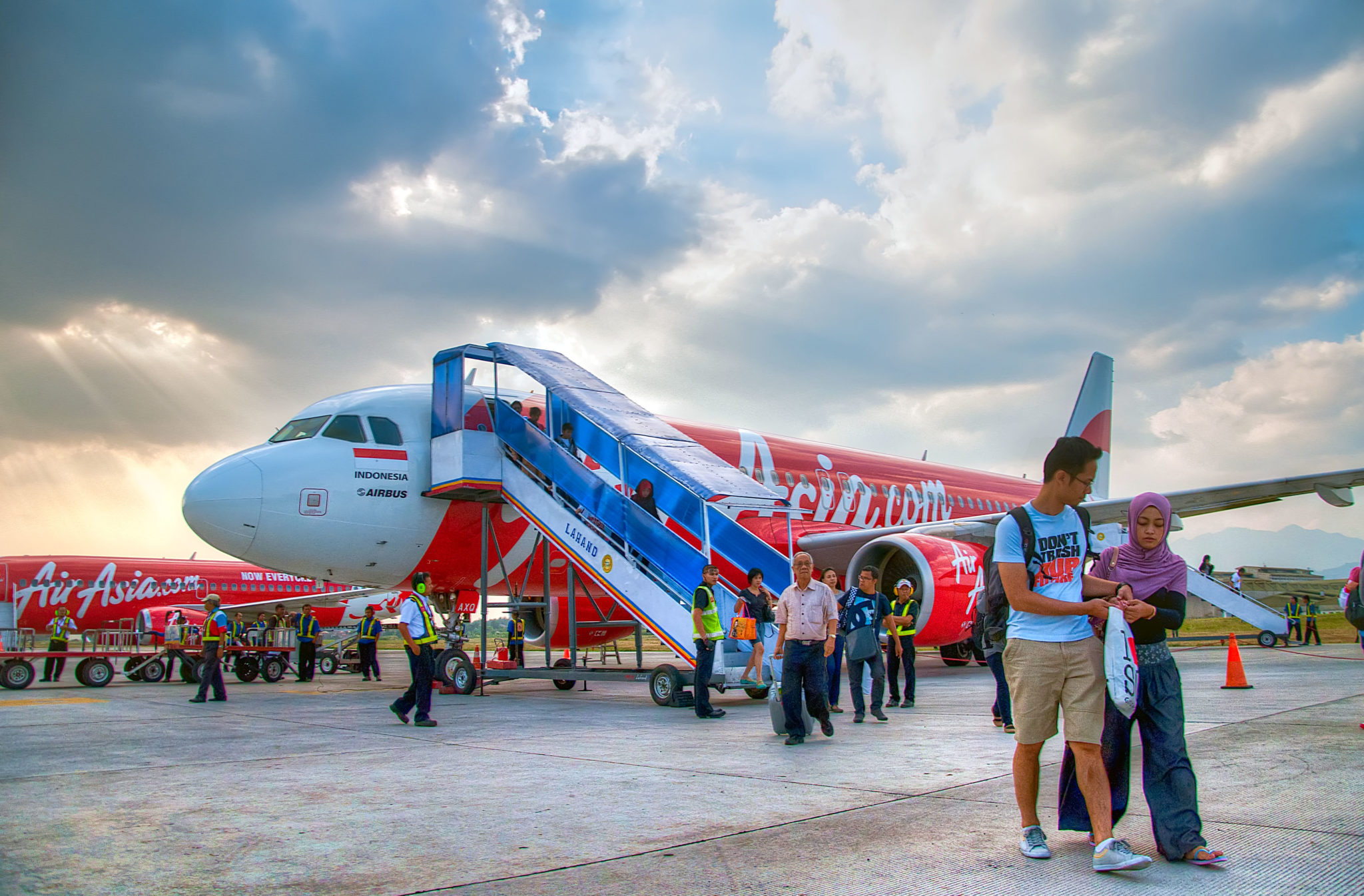
AIX Connect, previously known as AirAsia India, made a grand announcement of its newest discount. The airline launched the #TimeToTravel offer with a huge discount of flat 23% for all the flights on the domestic network. So, if you are in the mood to travel anywhere in India till September of this year, you definitely need to check out this deal.
AIX connect launched #TimeToTravel sale to influence and motivate more people to travel to beautiful destinations. From Kashmir in the North to Kerala in the South and from beaches to mountains to valleys, you can explore it all using this exciting discount by AIX connect.
AirAsia India network has more than 50 direct and 100 connecting flights to 18 places. Whether you are traveling for business purposes or for holidays and vacations, this airline provides great travel experiences to all passengers.
The weather is great right now to enjoy the holidays. India, being the home to such stunning locations, you can travel all around at any moment throughout the year. So, where are you flying to and fulfilling your travel expectations this year?
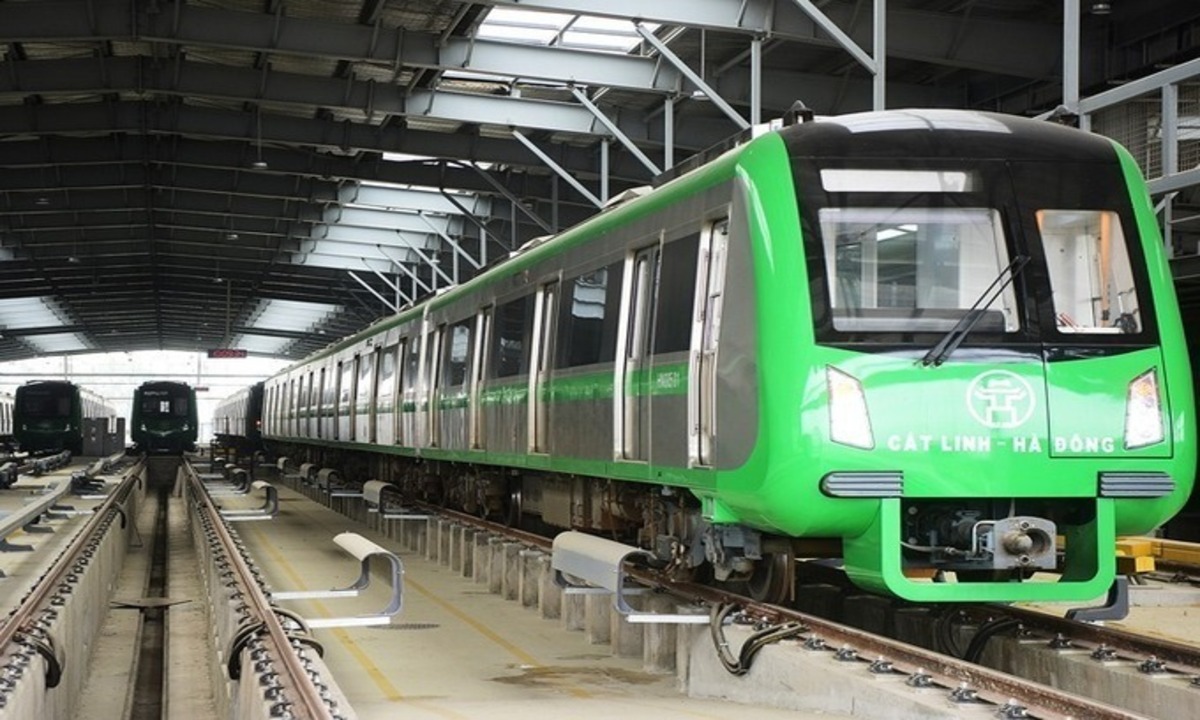
The Cat Linh – Ha Dong Metro Line in Hanoi has received an additional VND911 billion ($38.6 million) capital increase.
The money will come from state coffers, with 24.4% of it from domestic funds and the rest foreign funds, according to a decision signed by Deputy Prime Minister Le Minh Khai.
The Ministry of Planning and Investment and the Ministry of Finance are responsible for reporting the disbursement of this capital to the Prime Minister’s Office.
The 13-kilometer Cat Linh – Ha Dong Metro Line earlier saw its cost increase from VND8.77 trillion in 2008 to VND18 trillion in 2017.
It is one of five metro lines nationwide that has seen cost increases.
The Cat Linh – Ha Dong Metro Line started operating commercially at the end of last year and so far it has served 7.3 million passengers, among them 10,000 monthly subscribers.
The line has recorded a revenue of around $53 billion so far with a monthly growth of 20%.
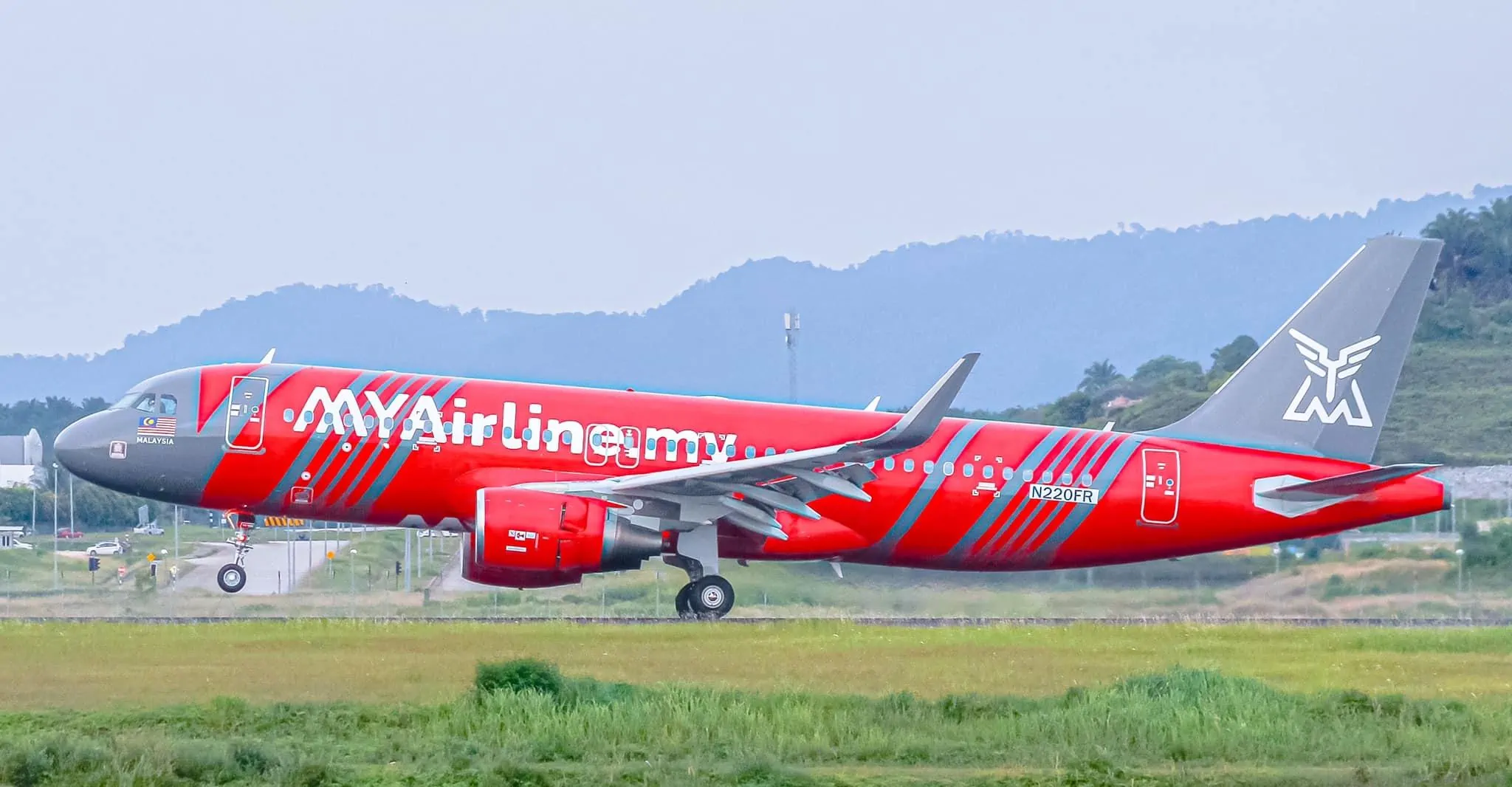
After much anticipation, it’s been revealed that new Malaysian low-cost carrier MYAirline will begin flying in December 2022, with reports having confirmed approvals from the Malaysian Aviation Commission (Mavcom) and Civil Aviation Authority (CAAM) for the company to start selling tickets.
Also, the airline took to its social media pages to hint at its very first flight destinations, which will most likely include Malaysian cities such as Kuching, Kota Kinabalu, and Langkawi, judging by the graphics in its posts.
This comes after the airline’s CEO Rayner Teo said that MYAirline would seek domestic air traffic rights, with flights to begin very soon after approvals.
“We’re hoping to start flying before the end of this year,” he said. “We’re looking at domestic destinations within the Peninsula.”
The airline — which currently has 330 employees and is still hiring — will look to start off its operations with three Airbus A320 aircraft flying from Kuala Lumpur International Airport 2 (KLIA2).
While all of the airline’s planes are currently under lease, Teo also revealed that the airline has the goal of increasing its fleet to 50 aircraft within the next four years.
As an aside, he mentioned that starting the company during the height of the COVID-19 pandemic was crucial to helping it learn from competitors about how to operate such a business and serve its customers better.
“A lot of feedback that we hear is that it’s hard to reach the airline after you have purchased a flight ticket,” heMYAirline explained. “As for us, we’ll ensure that our passengers can communicate with us effectively.”
“We won’t be looking at chatbots, but rather focus on human interaction. On-time performance is also something that we’ll focus on.”
With the travel industry now opening up around the world following the pandemic, flyers in Southeast Asia (especially Malaysia) will more than likely be pleased at the arrival of more competition in the space, especially when considering the many well-documented issues faced by travelers dealing with more established rivals like AirAsia.
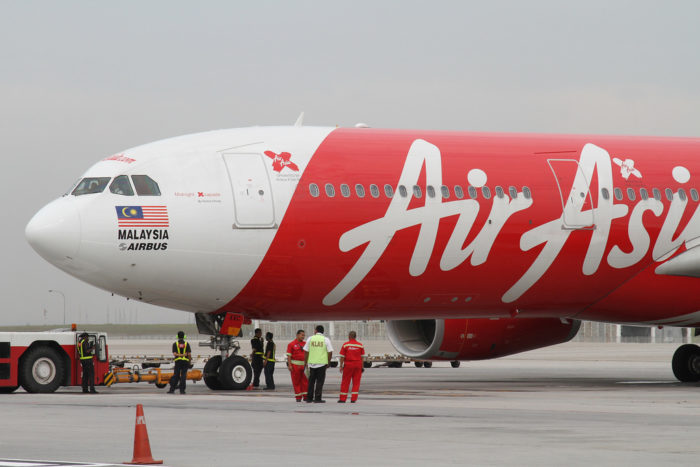
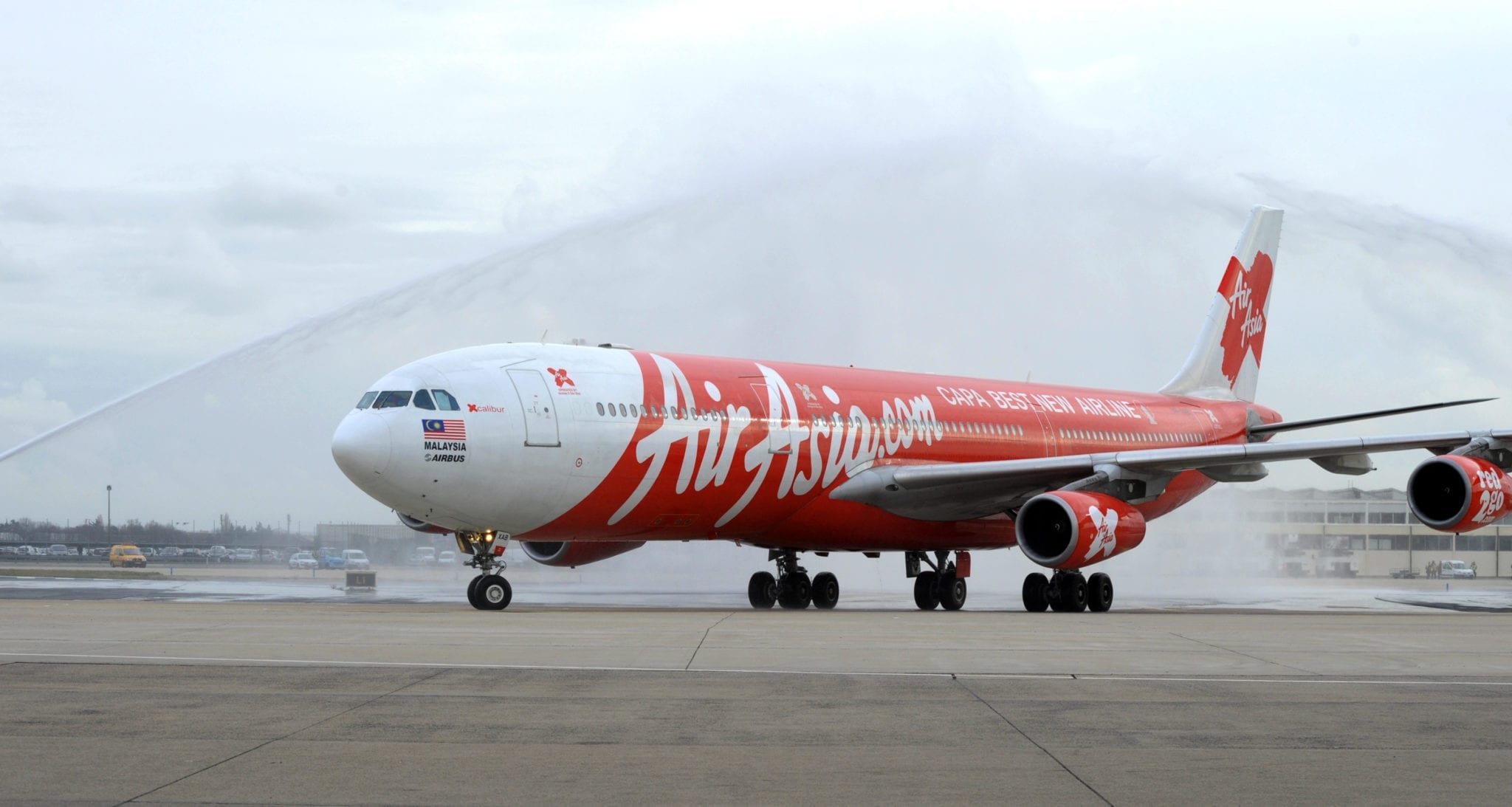
AirAsia X (AAX), the low-cost medium and long-haul airline of AirAsia Group, turned a net profit of RM25.1 million ($5.4 million), its first profit since 2019. AirAsia X restarted its passenger operations in February 2022 and announced the completion of its 17-month-long debt restructuring scheme in March 2022.
In its fifth quarter (5Q22) financial statement ending September 30, 2022, the airline outperformed a net loss of RM652.5 million ($142.6 million) posted in the previous quarter, recording a quarterly revenue of RM100.1 million ($218 million) in 5Q22.
The airline almost tripled its cash balance to RM79.5 million ($17.3 million), up from RM25.1 million ($5.4 million) during the previous quarter.
In a statement, the airline attributed its results to the recovery of key metrics and improved revenues across scheduled passengers, charter flights and ancillary revenues.
“AAX is now well on track in its recovery path even as the airline is compelled to operate in a challenging operational environment dictated by high fuel prices and a weakened Malaysian Ringgit against the US Dollar,” Benyamin Ismail AirAsia X Malaysia CEO said.
Ismail added: “While we are cautious of the strenuous operating conditions, we remain confident that the Company’s recovery is on the horizon, if not already within our reach.”
On the back of its positive 5Q22 results, AirAsia X has resumed previous scheduled passenger flights to Seoul, Delhi and Syndey.
High demand for its mid-range network has also driven the airline to announce the return of its services to some of its popular destinations such as Melbourne, Perth, Auckland, Tokyo-Haneda, Hokkaido-Sapporo, Jeddah and Bali-Denpasar.
Ismail also confirmed that demand on some short-haul routes (Kota Kinabalu and Kuching) exceeded the current available aircraft capacity during the quarter and that the airline will be reactivating more aircraft capacity.
“We look forward to welcoming everyone back onboard with us as we rise up to meet the strong pent-up demand for medium haul air travel across Asia. Importantly I am also thrilled to confirm that we are reactivating more aircraft to service, bringing back furloughed staff by the first quarter of next year and are now recruiting new flight crew once again.”
AirAsia X to double A330 aircraft by the first half of 2023
AAX currently operates a fleet of six A330s from a fleet of nine A330 aircraft.
However, AAX expects to increase its operating fleet to 13 A330 aircraft by the first half of 2023 to meet strong consumer demand.
Tunku Dato’ Mahmood Fawzy, Chairman of AirAsia X stated that the airline expects to reach more than 15 hours of aircraft utilization and introduce daily frequencies to its core markets for selected routes with high demand.
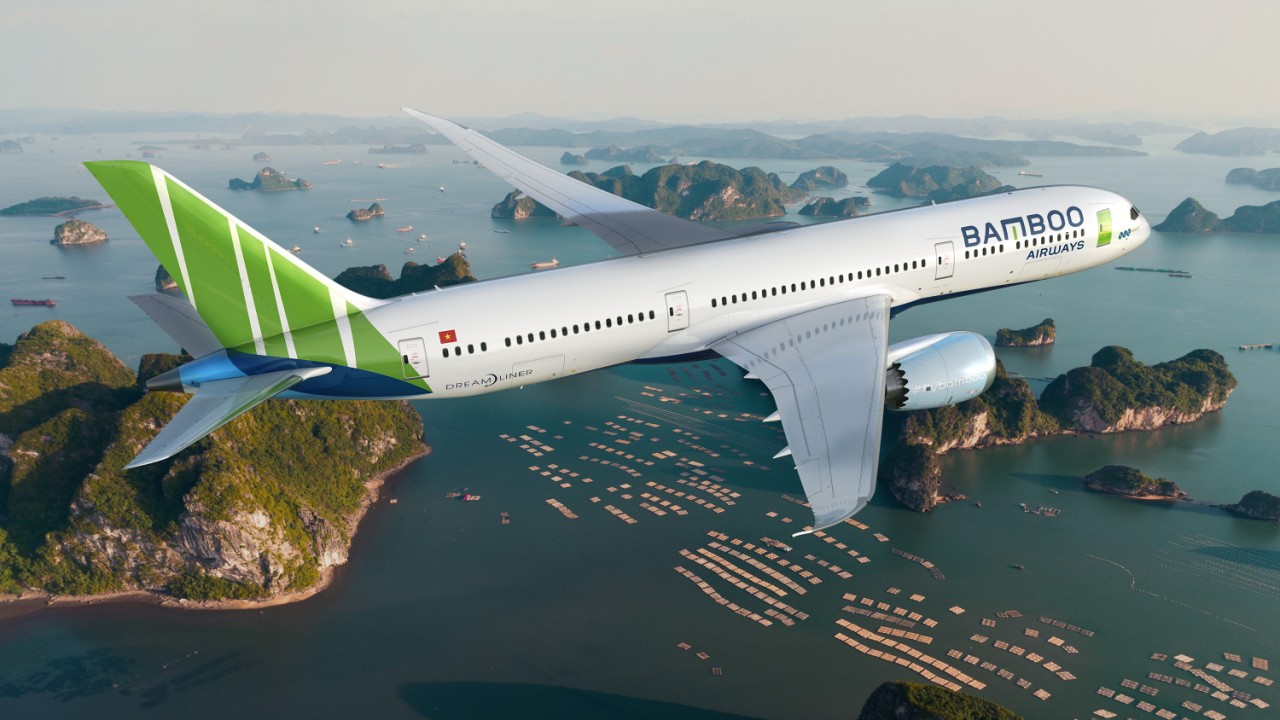
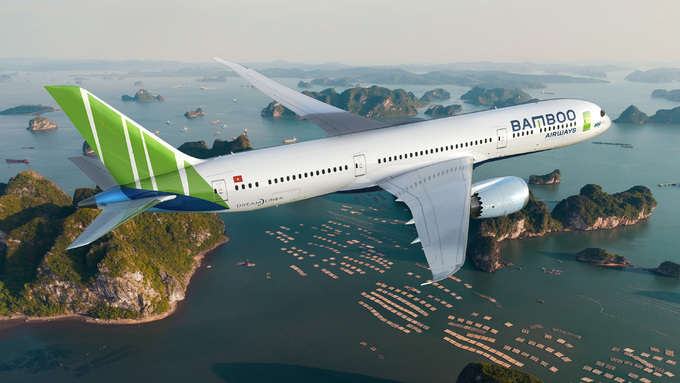
Bamboo Airways posted a loss of VND3.54 trillion ($142.38 million) in the first nine months, exceeding the total loss it recorded last year by 54%.
Its loss has been increasing this year, from VND691 billion in the first quarter to VND1.39 trillion in the second and almost VND1.45 trillion in the third, according to calculations from a financial report of FLC, which owns a 21.7% stake in the airline.
Bamboo Airways went through major restructuring in the second and third quarter after its chairman was arrested in March for alleged stock manipulation.
Nguyen Ngoc Trong, who has been with the airline since its establishment in 2018, became its chairman in August, while Nguyen Manh Quan, who joined the airline in 2020, took over the CEO chair from Dang Tat Thang.
The airline in October moved its Ho Chi Minh City office from FLC’s building in District 3 to a Novaland building in District 1 after the property developer signed a strategic partnership with the airline.
Bamboo Airways said in July that it planned to triple its fleet size to 100 by 2028. The airline at the time operated 29 jets, comprising 21 narrowbody aircraft, three Boeing B787s and five Embraer 190 regional aircraft, according to aviation data website Planespotters.
Malaysia’s MYAirline plans to begin commercial operations by the end of this year, with its CEO saying it can sell cheaper fares than domestic rival AirAsia — the region’s leading low-cost carrier.
CEO Rayner Teo sees demand for low-cost air travel rising as Asia emerges from COVID pandemic restrictions. MYAirline hopes to stand out with cheaper tickets, better real-time customer support and punctual flights.
“We believe we can easily offer cheaper flights based on cost structure,” Teo, also the carrier’s co-founder, told Nikkei Asia in a recent interview at its humble operation center above a shopping mall in Subang Jaya, near the capital Kuala Lumpur.
Although MYAirline is the David to AirAsia’s Goliath, Teo and senior management are confident of their strategy, with some of them having gained experience at the airline owned by the Tony Fernandes-led Capital A.
Kathleen Tan, MYAirline’s chief executive adviser, logged 13 years working for Fernandes, who with another investor led the purchase of AirAsia in 2001 which eventually shook up the region’s travel industry with low cost fares and no frills service.
MYAirline’s cabin operations manager Mohd Izwan Razak, meanwhile, was on AirAsia’s payroll for 17 years. Teo himself worked at the airline for 15 years until July 2019, leaving as the group head of sales.
Teo said he had not planned to fill MYAirline with ex-AirAsia staff, but that he had simply recruited those who had lost their jobs or been placed on furlough, including pilots and cabin crew, over the last two years when airline operations were drastically reduced because of the pandemic.
MYAirline, which has received a license to operate from the Civil Aviation Authority of Malaysia, plans to start with three secondhand Airbus A320s, but aims to increase its fleet size to 50 within the next five years.
“We have signed some attractive deals with very large lessors,” Teo said, though he declined to provide details.
Capital A’s Fernandes has refrained from commenting when asked recently by reporters about the MYAirline venture and the competition it could bring.
Analysts say that MYAirline faces some challenges in competing on cost in an environment that includes established carriers AirAsia and Malaysia Airlines.
“The airline is being marketed as an ultra-low-cost carrier, which is an interesting concept as AirAsia’s average cost per seat is one of the lowest in the industry and hard to beat,” said Shukor Yusof of Endau Analytics.
Separately, Brendan Sobie, an independent aviation analyst, said that the start of MYAirline will intensify competition and bring back the problem of overcapacity that plagued Malaysia before the pandemic. Citing Malaysia Airports figures, Sobie said domestic passenger traffic in the country in August was at just 66% of pre-COVID levels in August of 2019, with international traffic at an even lower 38%.
“There will be some stimulation as fares decline, possibly to pre-COVID levels, but this is hardly sustainable given today’s high fuel cost environment,” he said. “Prior to the pandemic domestic yields were very low and none of Malaysia’s domestic airlines was profitable.”
Teo said the airline will use Kuala Lumpur International Airport as its central hub, plying domestic routes before expanding to international destinations after one year.
A check with the Companies Commission of Malaysia showed that MYAirline has two million shares at one ringgit each, amounting to 2 million ringgit ($430,000) in paid-up capital. Private firms Zillion Wealth and Trillion Cove Holdings — both owned by local businessman Goh Hwan Hua — have stakes of 88% and 10%, respectively, in the airline. Teo owns the remaining 2% share.
According to the website of money lender Trillion Cove, Goh who is listed as its CEO and director, has more than 20 years of experience managing information technology and application-related businesses in Malaysia, Thailand, Singapore and Indonesia. The site said he had been involved in various industries, including e-commerce, e-ticketing, fintech, retail and tourism.
Teo said owning a commercial airline has been a longtime dream of Goh’s.
“He has been asking me for the last seven years about the idea of forming an airline, and my answer has always been the same to him, that there are many ways to waste your money,” Teo said.
“But in October 2020, when he (Goh) asked again, I thought this was the best time” to start preparing, he added, referring to the collapse in the global aviation sector due to travel restrictions and border closures.
Asia’s low-fare carrier, AirAsia, is reportedly offering five million free seats to its passengers to celebrate its rapid comeback. The airlines launched a sale on tickets on September 19. The customers can buy tickets with offers till September 25.
The report further said that the offers will be valid if the travel dates lie between January 1, 2023, and October 28, 2023.
The offer can be availed on the airline’s website and mobile application. It can be availed by clicking on the “Flights” icon on the app or website.
“ We wish to thank our loyal passengers who have had our back through thick and thin with the biggest ever FREE Seats* campaign. Not only have we resumed many of our much-loved routes, but we’re also introducing new and exciting ones for greater value and choice,” Karen Chan, group chief commercial officer, AirAsia.
“This extra special sale was also put together to celebrate our 21st birthday and the gradual reopening of borders worldwide. With all of that, we encourage everyone to take advantage of our Big sale and commitment to always make air travel accessible to everyone. As always, we expect the best value fares will be snapped up fast, which is why we urge value seekers to get in quick,” Chan added.
The offer is available to travelers from several ASEAN countries like Thailand, Cambodia, and Vietnam.
Two months ago, AirAsia gave away free trips to passengers.
Bamboo Airways on Saturday appointed Nguyen Ngoc Trong who has worked for the airline since the early days of establishment as its new chairman.
Trong, 65, took the new position after his predecessor Dang Tat Thang resigned as chairman and general director.
Trong served as the first deputy general director of Bamboo Airways from 2018.
In April this year, he was appointed vice chairman after a series of senior leaders were arrested for allegedly manipulating the stock market.
He has more than 40 years of working experience in the aviation industry and has held many senior management positions at major firms like Vietnam Airlines, Vietnam Airlines Engineering Company, Vietnam Air Petrol Company Limited and Noi Bai Airport Services JSC.
Bamboo Airways currently operates nearly 170 flights a day on 40 domestic and 12 international routes.
The carrier plans to continue launching new international services to tourism markets in Asia, Europe and Australia.
It also plans to increase its fleet to 35 by the end of this year and triple its fleet size to 100 aircraft by 2028.
Capital A Berhad‘s digital businesses airasia Super App achieved a record high growth in average monthly active users (MAU) which stood at 10.6 million in the second quarter of 2022, up 236 percent compared to the same period last year.
Capital A said in a statement on Monday the growth is primarily underpinned by the strong return of travel and increased user acquisition on the mobile app.
Additionally, the number of transactions increased 70 percent for quarter on quarter comparison and climbed five times as compared to the second quarter last year. These were driven primarily by increasing transactions from flights, airasia ride, FlyBeyond, and SUPER+.
Meanwhile, BigPay reached 1.2 million carded users in the second quarter, a 62 percent increase from the same period last year.
This was mainly driven by strong market adoption over the past year and throughout this year in line with the travel recovery and the expansion of product offerings, such as DuitNow payments and transfers, additional remittance corridors, and one of the first digital lending products in Malaysia.
For Capital A’s logistics business, Teleport transported slightly lower cargo tonnage by 27 percent year on year due to the extended lockdowns imposed in China that began in March.
Delivery, on the other hand, improved significantly, up 630 percent year on year.
Teleport achieved a record-breaking total of 1.15 million deliveries in the second quarter. This was in part due to Teleport’s onboarding of a large new ecommerce platform in the second quarter which accounted for 10 percent of delivery volume.
The new platform is expected to boost growth in the industry significantly with Teleport’s robust expansion plans across the region this year.
Capital A consolidated airlines continues to post significant performance improvement, with a notable load factor of 84 percent, akin to its pre-pandemic levels, signalling that air travel revival is well underway.
The consolidated airlines carried over 5.6 million passengers, a 633 percent increase year-on-year and 48 percent increase quarter-on-quarter.
The consolidated airlines flew more than 35,000 flights in the quarter, up 483 percent year on year compared to the same period last year, supported by the growing domestic demand and the resumption of international travel in ASEAN countries.
Correspondingly, available seat kilometres (ASK) rose by 456 percent year on year and revenue passenger kilometres (RPK) increased by 582 percent year on year.
In the second quarter, total operating aircraft for AirAsia Malaysia, AirAsia Indonesia and AirAsia Philippines were 45, 12 and 8 respectively.
AirAsia Malaysia posted a stronger load factor of 84 percent in the second quarter, up by 20 percentage points (ppts) year on year and 10 ppts quarter on quarter.
Passengers carried and capacity increased significantly by 1276 percent year on year and 955 percent year on year to 3.8 million and 4.6 million respectively, with more operating aircraft added to support the huge surge in demand for both domestic and international flights.
Load factor for international flights achieved 81 percent with 31 additional destinations reinstated and the highest number of international passengers carried post pandemic, attributed mainly from Malaysia-Singapore routes, followed by Malaysia-Indonesia and Malaysia-India routes.
AirAsia Indonesia, meanwhile, recorded an encouraging load factor of 77 percent in the second quarter, an increase of 10 ppts year on year.
Domestic flights achieved a healthy load factor at 73 percent while the load factor for international flights was stronger at 86 percent.
Passengers carried and capacity improved by 132 percent year on year and 102 percent year on year respectively, on the back of the resumption of international flights, with 29 percent of the total number of seats sold from international flights.
The number of flights flown has also increased by 102 percent year on year.
AirAsia Philippines, on the other hand, posted the highest load factor among the group’s airlines at 93 percent, which grew by 15 ppts year on year.
In the second quarter, the number of passengers carried increased by 480 percent year on year and capacity expanded 388 percent year on year.
Flight frequencies were added on popular routes to meet strong demand which increased ASKs by 309 percent and the number of flights flown jumped 388 percent year on year.
In June, AirAsia Philippines resumed international routes to Kota Kinabalu, Seoul, Hong Kong and Guangzhou.
In the second quarter, AirAsia Thailand carried over 1.7 million passengers, up 133 percent year on year with a load factor of 75 percent, rising 14 ppts compared to the prior corresponding period.
The airline added flight frequencies and routes to meet rising demand, resulting in an 87 percent increase in flights flown, to a total of 12,326 flights with 25 operating aircraft during the quarter.
More international flights were reinstated during the quarter, operating 19 routes to 8 countries by the end of the second quarter.
As a result, the ASK and seating capacity significantly rose by 116 percent and 90 percent respectively as compared to the same period last year.
Additionally, the average sector length grew by 16 percent, mainly driven by flights from the South Asian market.
Hong Kong’s new health chief reportedly spoke about the possibility of quarantine-free travel by November, in time for the city’s global banking summit.
By the time the Hong Kong Monetary Authority hosts the global banking summit scheduled for November 1 and 2, travelers could experience quarantine-free entry into the city, according to an interview with health chief Lo Chung-mau.
But this could entail other conditions including a screening test, the use of a medical surveillance app and initial restrictions to high risk venues such as bars. Quarantine locations could also change from a fixed list of hotels to home isolation.
Listen to what President Xi Jinping said on Hong Kong’s 25th handover anniversary, Lo said. He talked about ‘four necessities’ and the fourth one is very important – he stressed Hong Kong must maintain its own uniqueness and strengths.
While Lo was seeking to loosen border controls, he was also tightening local conditions including the introduction of registration of a real name for the existing medical surveillance app alongside a new color-based function to bar individuals from local premises, similar to the system used in the mainland China. Hong Kong is also reinstating electronic wristband trackers for those in home isolation.
On whether or not such systems were designed to curb freedoms, Lo denied such claims and instead said they were used to enhance freedoms.
We are really acting out of a kind heart and want to help the travelers, Lo said, adding that restricting entry into high risk venues made a reduction in hotel quarantine possible.
On following mainland Chinese policy, Lo noted differences in Hong Kong’s demographics, medical infrastructure and vaccination rates, underlining that the ‘one country, two systems’ approach also applied to the pandemic. And when asked if Hong Kong was replicating Macau’s model with its color-coded app, Lo said that he «never copied others».
The whole purpose [of the health code] is not to trap people, we only hope to identify those who are really at risk Hong Kong is a very international city, we are different from Macau, we have different needs, Lo said.
According to Lo, internal modeling at the Hong Kong government predicted a rebound from the recent fifth wave of Covid and a peak in September with up to 10,000 patients requiring hospitalization. But he also said that actually achieving zero cases of Covid infections was not possible, adding that Hong Kong needs to find our own zero.
Malaysia’s AirAsia is facing a wave of complaints from customers who say they have still not been refunded for flights that were cancelled or rescheduled during the pandemic.
AirAsia and its subsidiary AirAsia X (AAX), both owned by Capital A Berhad, grounded thousands of flights in 2020 and 2021 after the Malaysian government shut state and international borders to curb the spread of COVID-19.
But months after the low-cost carrier resumed flights following the lifting of interstate and international border restrictions for Malaysians in October, hundreds of customers have taken to social media to complain of poor customer service and long waits for refunds.
Rohana Betak, 60, said she requested a refund of 4,000 Malaysian ringgit ($911) after the airline cancelled her flights between Senai and Kota Kinabalu, the capital of Sabah state, following the introduction of a nationwide lockdown in March 2020.
Betak, who planned to visit the area around Mount Kinabalu, Southeast Asia’s highest peak, with her family in October 2021, said the airline’s automated online customer service only offered her the option of travelling on different dates. Betak decided against accepting the offer due to uncertainty over when restrictions would be lifted and concerns about catching COVID-19. Two years later, she says she is still waiting for her money back.
“In my request, I said it was fine to refund me credits for the booking but instead I was reminded in June 2020 that I must board the flight to Sabah on a different date and there would be no refunds,” Betak told Al Jazeera.
“It was not helpful because instead of offering me at least credit in refunds, it told me I had no other choice but to travel on different dates.”
Rohana Betak, pictured in a pink hat in the back row, says she has been waiting two years for a refund from AirAsia [Courtesy of Rohana Betak]
Travel to Sabah before October 2021 was strictly limited to certain categories of travellers, including those travelling for work and those born in the state. Rohana and her family did not fall under any exempted category.
“When it demanded I get on another flight, I asked if they wanted to send me and my family to our deaths?” Betak said. “It’s so frustrating and I am so tired of trying to get my money back so I’ve accepted that I might not get my money back at all.”
Many of the complaints have been directed towards AVA, AirAsia’s online chatbot, which is the only line of communication between customers and the airline for issues involving bookings or flights.
In particular, some have questioned why it is so difficult to reach customer service to request a refund, even for flights booked since the lifting of pandemic restrictions.
Customer Aulia Chaerisa Salleh said she is waiting for a refund for a flight between Batam and Jakarta that was booked earlier this month after she was informed no seat was available.
“I paid for my ticket and it did not register in the system so I tried to get my refund for my tickets. I tried the AVA live chat but it is not helpful at all. It has been days, I haven’t heard from them,” she said.
Under AirAsia’s current refund policy, the airline offers customers a refund, credit or a new travel date whenever a flight is cancelled or postponed.
AirAsia told Al Jazeera the airline is engaged in ongoing dialogue with consumer regulators across the region to ensure compliance with all local regulations.
“AirAsia Group’s policies are in line with many low-cost operators in the travel industry worldwide and are fully compliant with all regulatory requirements and as a customer-centric airline, we have focused on resolving all customer queries during the pandemic as soon as possible,” a spokesperson said.
The airline group said it has resolved more than 90 percent of refund requests and is committed to resolving a small number of outstanding claims as soon as possible.
“In Malaysia for example, our current refund progress is only left with 0.03 percent of the refund requests we received and we are looking forward to completing the refunds exercise for all outstanding queries within the next few months,” the spokesperson said, adding that the past two years had been the most challenging in the history of commercial aviation.
The spokesperson added that “our passengers remain our number one priority” and the airline will “continue to enhance our services to deliver the very best in terms of safe, affordable and reliable air travel”.
Tan Kok Liang, president of the Malaysian Association of Tour and Travel Agents (MATTA), said the refunds backlog is a short-term issue and its 3,100 members will continue to book with AirAsia as long as requested by customers.
“The problem child is AAX and while air connectivity is crucial for tourism recovery, based on media reports, AirAsia should be held more accountable to all stakeholders,” Tan told Al Jazeera.
The hefty compensation paid out to airline co-founders Tony Fernandez and Kamarudin Maranun, who took home close to 30 million ringgit ($6.8m) combined last year, has also raised eyebrows.
Following the release of Capital A’s Annual Report 2021 last month, some social media users vented their frustrations on Fernandez’s personal Instagram accounts, with one comment slamming AirAsia as “the one and only airline that does not have a customer service phone number.”
Despite the generous executive compensation, AAX, the group’s long-haul carrier, was last year forced to undergo debt restructuring to save itself from liquidation after racking up huge debts during the pandemic.
In March, AAX announced it had completed its debt restructuring after creditors earlier agreed to a deal under which the airline would pay just 0.5 percent of outstanding debt and terminate existing contracts to restructureRM33.65 billion(US$8.1 billion) of liabilities.
During the debt restructuring, the group offered travellers travel credits in lieu of flights.
The Malaysian Aviation Commission (MAVCOM), however, urged the airline to reimburse customers for tickets purchased while threatening to exercise its powers under the Malaysian Aviation Commission Act 2015.
Capital A posted revenue of 1.7 billion ringgit ($387m) in the 2021 financial year, down 47 percent from the previous year, as capacity sank to just 36 percent of 2020 levels.
AirAsia has resumed flights between Kuala Lumpur and Siem Reap, Cambodia. The airline will operate the route with two flights per week on Mondays and Fridays. Flight AK540 is scheduled to depart from Kuala Lumpur International Airport 2 (klia2) at 13:05, arriving in Siem Reap at 14.20. The return flight, AK541, is timed to leave Siem Reap at 14:55, arriving back in Kuala Lumpur at 18:10.
Cambodia was one of the first countries in the region to relax its entry requirements for foreign travel, reopening the Kingdom to fully vaccinated international travellers without the need for quarantine or COVID19 testing at all international gateways and checkpoints in November 2021.
HE Thong Khon, Minister of Tourism, Cambodia, said, “Cambodia is now truly open for all vaccinated tourists and we welcome AirAsia guests back to our great country with open arms. Tourism is a significant driver of our economy and social development, we thank AirAsia for their continued support to stimulate and grow air travel to our key leisure destinations. Cambodia, the Kingdom of Wonder, invites travellers from all walks of life to feel its warmth, safely and hygienically.”
The Siem Reap flights follow AirAsia’s resumption of flights between Kuala Lumpur and Phnom Penh, the Kingdom’s capital city, in January.
“Prior to COVID19, Siem Reap was one of the most popular destinations in ASEAN as a key tourist hub for globetrotters from all over the world,” said Riad Asmat, CEO AirAsia Malaysia. “AirAsia started the route in 2018 and flew close to 170,000 passengers in 2019. We are confident that these new services will continue to be very popular in the future. In response to strong demand, we are also planning more flights and destinations in Cambodia with services to Sihanoukville scheduled to take flight on 2 June. AirAsia welcomes the initiatives taken by the Cambodian government to ease travel restrictions to allow more seamless travel to Cambodia. We look forward to flying more leisure seekers from near and far to the country soon.”
For entry into Malaysia, all international tourists and travellers are required to take a pre-departure COVID19 test within 2 days of departure and purchase COVID19 travel insurance (for short-term foreign visitors). Unvaccinated or partially vaccinated travellers are required to spend 5 days in quarantine.
For entry into Cambodia, there are no pre-departure, post-arrival COVID19 tests or quarantine requirements for fully vaccinated travellers. Travellers are only required to show proof of being fully vaccinated. Fully vaccinated travellers from Malaysia who wish to travel to Cambodia must meet the requirements set by the Cambodian Government prior to purchasing their flights and upon arrival.
Online travel booking company Trivago has been ordered to pay $44.7 million in penalties by the Australian Federal Court for misleading consumers over hotel prices.
The court found that in January 2020, the company deceived consumers through misleading misrepresentations of hotel room rates on its website and in television advertisements.
Trivago had used an algorithm to determine which travel booking site paid the highest cost-per-click fee and highlighted them on its website.
Between December 2016 and September 2019, the company admitted to receiving $58 million in cost-per-click fees from offers that weren’t the cheapest choice available for a given hotel. This had caused consumers to overpay on hotel booking sites, losing out on almost $38 million dollars.
Australian Competition and Consumer Commission (ACCC) chair Gina Cass-Gottlieb said this penalty sends a strong message not just to Trivago, but to other comparison websites.
“The way Trivago displayed its recommendations when consumers were searching for a hotel room, meant consumers were misled into thinking they were getting a great hotel deal when that was not the case.
“Trivago also misleads consumers by using strike-through prices which gave them the false impression that Trivago’s rates represented a saving when in fact they often compared a standard room with a luxury room at the same hotel,” she said.
Accommodation Association CEO Richard Munro welcomed the decision of the Federal Court and added: “After surviving Covid and closed borders, the harsh reality is that many of our members rely on a portion of their bookings generated through these platforms, and can find themselves stuck between a rock and a hard place.”
He further encouraged Australian travellers to book directly with local accommodation providers or through local travel agents.
The Civil Aviation Authority of Vietnam says carrier Bamboo Airways is operating normally, unaffected by the recent arrest of its ex-chairman Trinh Van Quyet.
The carrier’s key personnel, including pilots, cabin crew, and technical staff are complying with all regulations, it reported to the Ministry of Transport Thursday, after an emergency meeting with the airline’s management.
The meeting happened a day after the arrest of real estate giant FLC and Bamboo Airways chairman Trinh Van Quyet for alleged manipulation of his company’s share prices by using 20 different trading accounts to create fake demand.
Quyet is the largest shareholder of the airline, holding 55.5 percent of its charter capital, or VND3.89 trillion ($170.3 million). Bamboo Airways has a charter capital of VND7 trillion.
The aviation authority also assured that in the case Quyet’s assets were frozen, the carrier would still operate normally operational, as it meets the government’s minimum capital requirement of VND700 billion.
But it will keep a close watch on the carrier for the next three to six months to ensure safety and assess the impacts of Quyet’s arrest.
“The Civil Aviation Authority of Vietnam will support Bamboo Airways when necessary to help the airline overcome current difficulties, and maintain development,” it said.
On Thursday, FLC deputy chairman and Bamboo Airways’ general director Dang Tat Thang replaced Quyet as the airline’s new chairman until shareholders and the board of directors make a final decision.
Thang continues to retain his position as general director.
AirAsia is expecting an increase of more than 70 international flight volumes per week for the first week of border reopening starting on April 1.
AirAsia Malaysia chief executive officer Riad Asmat said the international flight number is expected to reach 250 weekly by the end of April.
“AirAsia welcomes the announcement by the Malaysian government to fully open international borders on April 1, we are ready.
“I believe the seamlessness of travel will happen sooner than later,” he told reporters in a media briefing on the airline’s preparation for border reopening here today.
He said since resuming its operations with travel bubbles and a focus on domestic services, the gradual resumption of international flying is already well underway in tandem with borders gradually reopening around the world.
With the continued easing of travel restrictions, the airline group has increased its domestic flight capacity by 156 percent since October 2021 kickstarted with the Langkawi travel bubble, and by 50 percent for international flights since the announcement of borders reopening in April is made by the government on March 8, 2022.
A total of 75 aircraft are operating currently group-wide, he said. This is also supported by the reopening of other countries like Thailand, the Philippines, Indonesia, Cambodia, Singapore and Vietnam, said Riad.
While the airline currently has a number of international services already operating, the announcement of the nation’s reopening will provide a welcome boost to support additional capacity in many of its core international markets in line with significant pent-up demand.
Meanwhile, AirAsia Aviation Group Ltd chief executive officer Bo Lingam said the airlines earnings is expected to go back to pre-Covid level presumably by the end of the year with the hope that the fuel price goes down by then.
“AirAsia applauds the governments around the region for their decision to reopen borders and remove travel restriction with minimal testing requirements.
“We are thrilled to be resuming more flights in all of our core markets in Malaysia, Thailand, the international destinations including Bali, Manila, Bangkok, Ho Chi Minh City, Phuket, and more, starting in April.
Domestic flying also continues to soar across the group with four new domestic routes launched in Malaysia, from Kuching to Langkawi, Penang to Sibu, Johor Bahru to Bintulu, and Kota Kinabalu to Kuala Terengganu this year, he said.
“Regionally, we have seen similarly encouraging developments for domestic and international services in Thailand, the Philippines and Indonesia. We will continue to review our network which evolves based on a number of factors including demand,” he said.
He added that new services will be announced in due course as the world continues to gradually reopen.
“While our domestic services across the group have grown by 156 per cent in recent months due to significant consumer demand, and by 50 per cent for international, we expect to return to 100 percent or more of pre-COVID domestic and international flying by the end of this year,” he said.