Tag: travel

  • AirAsia Philippines gears up for holiday season

    AirAsia Philippines gears up for holiday season

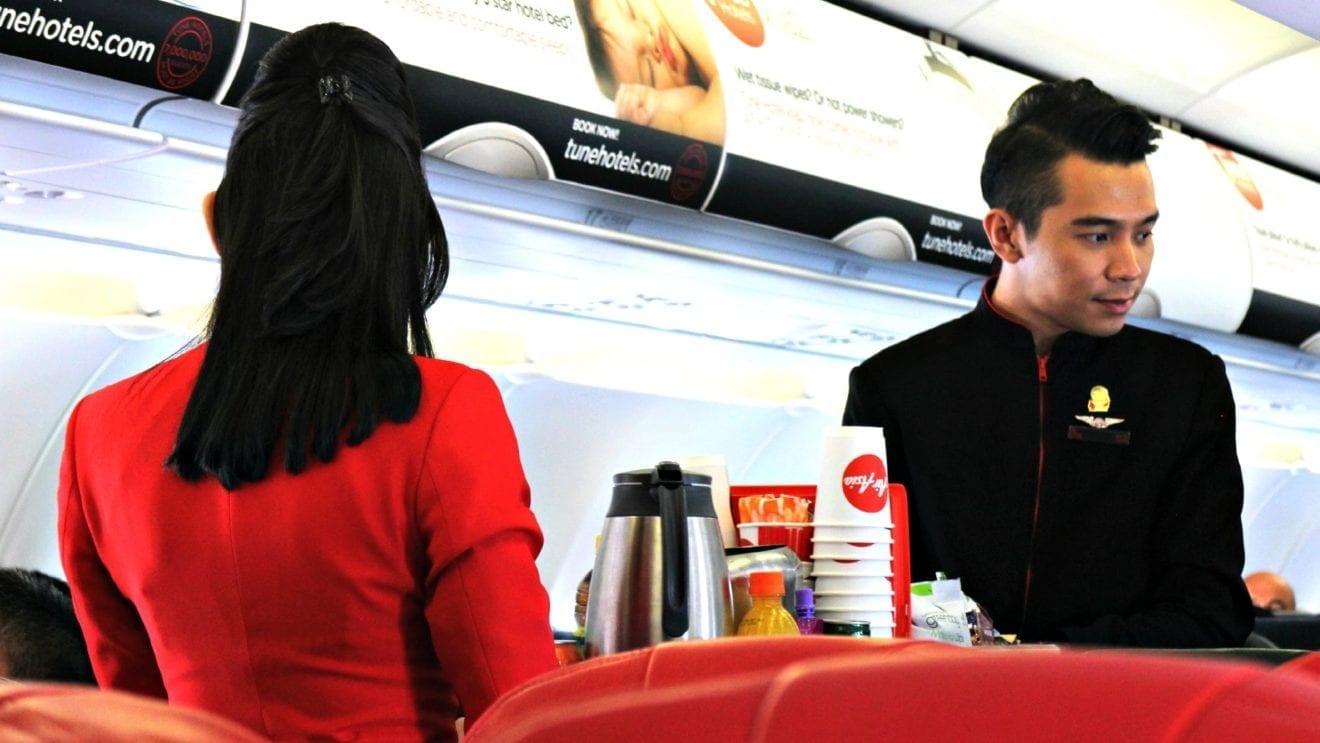
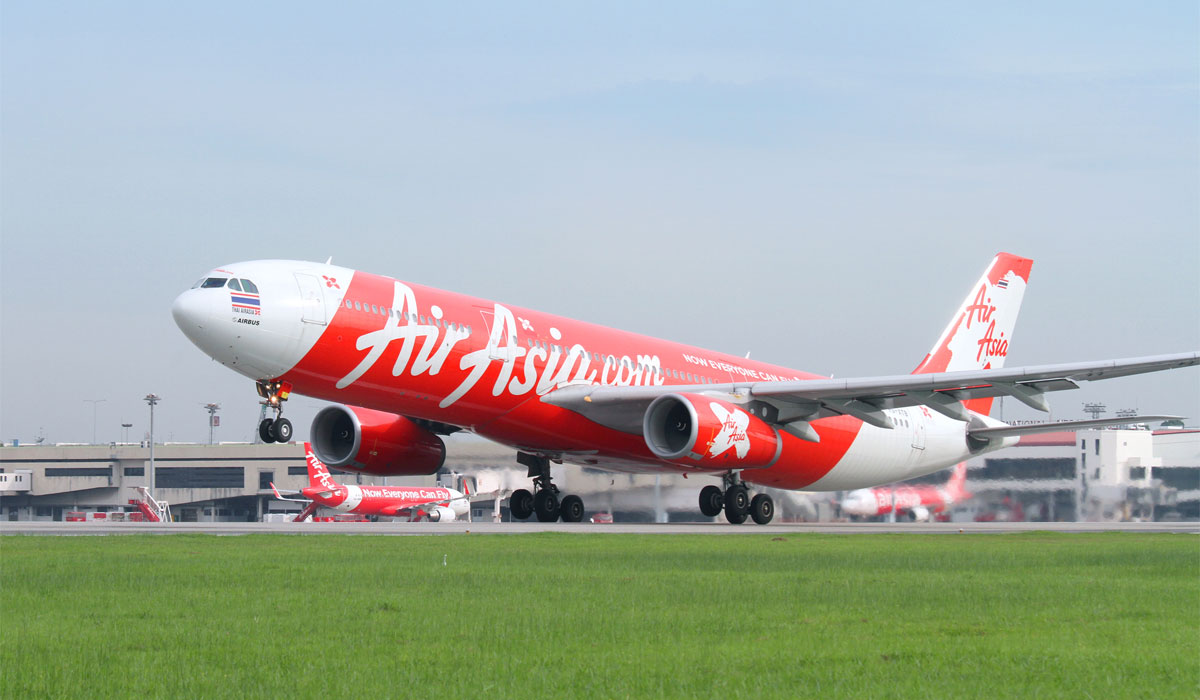
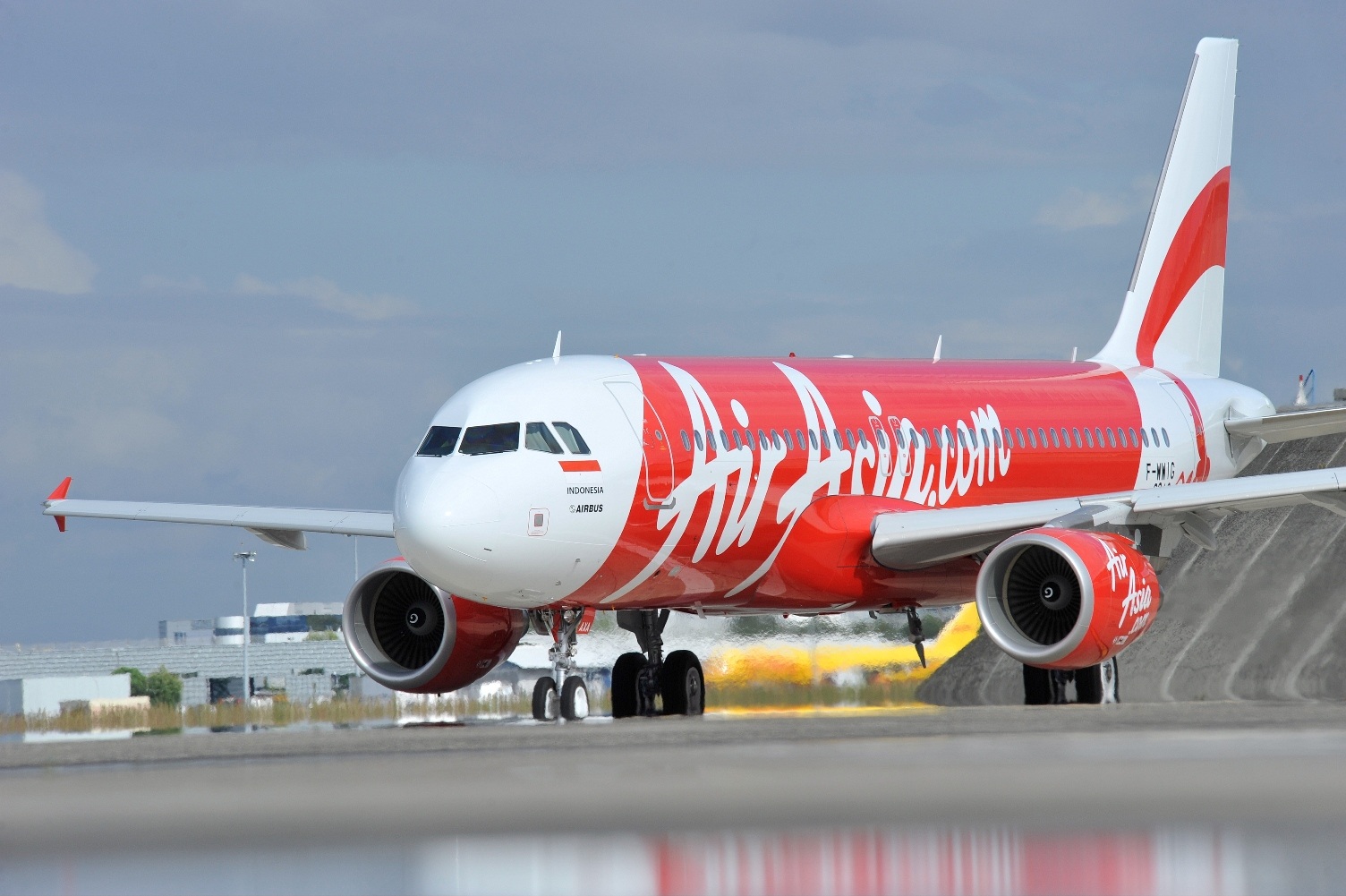
    AirAsia Philippines is gearing up for the holiday season and expects a surge in air passenger traffic after the foreign traveler vaccine certificate requirement was lifted.

    The Department of Health Circular 2023-06 applies to all airports and seaports in the country and states that all arriving international travelers will be accepted regardless of their vaccination status. The circular took effect on Aug. 12, 2023, and follows the Transportation Department’s earlier announcement of the scrapping of face masks for public transportation.

    AirAsia spokesperson Steve Dailisan said the latest development is timely with the upcoming “Ber” months (referring to September, October, November and December), which are usually the busiest time for airlines and peak season for travel in the country.

    He said the lifting of the vaccine certificate travel requirement is a significant step towards making travel more seamless and will encourage travelers, regardless of their vaccination status, to experience the Philippines.

    The Department of Tourism aims to achieve 4.8 million international tourist arrivals this year, and AirAsia is committed to helping achieve this target by providing exceptional services and value deals for flights and other travel-related services through its Airasia Superapp.

  • Air New Zealand’s ‘Mission Next Gen Aircraft’ calls for airports

    Air New Zealand’s ‘Mission Next Gen Aircraft’ calls for airports

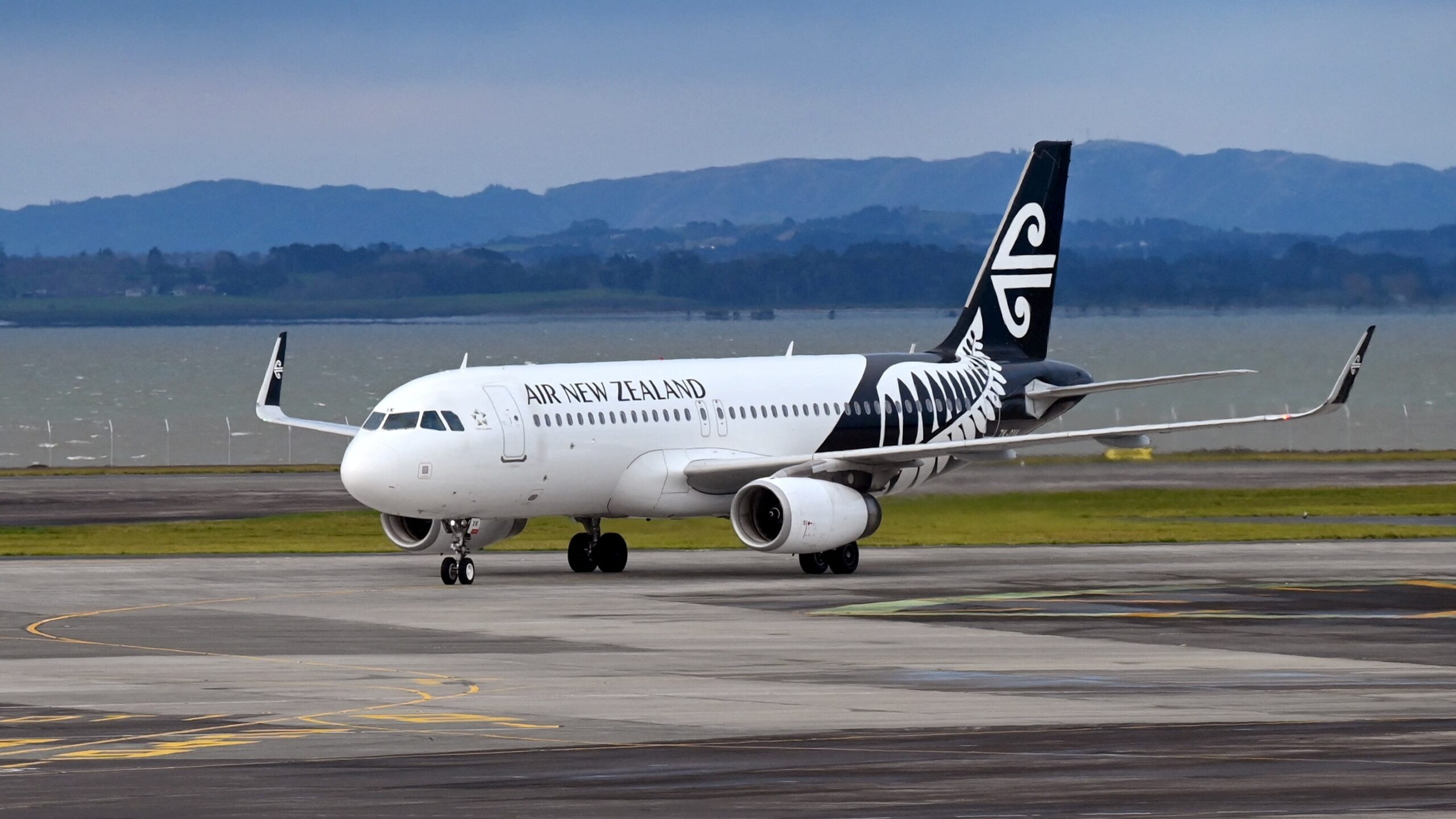
    Air New Zealand is looking for two airports to further support its efforts towards decarbonization and has opened an expression of interest as part of selecting a route to fly its commercial demonstrator aircraft from 2026. 

    The move is part of the airline’s ‘Mission Next Gen Aircraft’ launched in December last year, where the carrier announced partnerships with Eviation, Beta, VoltAero and Cranfield Aerospace with plans to launch the first-zero emissions demonstrator flight by 2026. 

    Air New Zealand is working towards its ambition of flying next-generation aircraft on its domestic network from 2030. The airline will work with its partners to develop the technology and associated infrastructure required to make this a reality. The commercial demonstrator aircraft will be either electric, hybrid or hydrogen fuel celled, initially operating as a cargo-only service. The airline said it will announce the type of demonstrator aircraft it will use from 2026 by early next year. 

    “Decarbonising aviation is not easy, and we’ve got a lot of work ahead of us, but we’re committed to reducing our emissions as quickly as we can, and this process is another step in the right direction,” said Kiri Hannifin, Air New Zealand’s chief sustainability officer. 

    “While we’re looking forward to bringing two frontrunner airports on board, it’s also important to note that all airports in New Zealand play an important role as we work towards bringing next-generation aircraft into our network here in Aotearoa at scale.  

    “The selected airports will be leaders in supporting the implementation of this new technology and will be the conduit of information between airports across the motu as we drive the change required in advance of our larger fleet replacement needs from 2030.” 

  • Singapore, Japan to collaborate on green air lanes

    Singapore, Japan to collaborate on green air lanes

    A recent dialogue saw a mutual agreement between Singapore and Japan’s aviation authorities to work together towards initiating greener air lanes between the two countries.

    At the 2nd Singapore-Japan Dialogue on Aviation Collaboration, the Civil Aviation Authority of Singapore (CAAS) and the Japan Civil Aviation Bureau (JCAB) shared the same view that the concept of an ‘aviation green lane’ should encompass airline operations, airport processes and air traffic management (ATM).

    The two are planning green ATM measures on all flights between Singapore and Tokyo, which will save fuel, cut carbon emissions, and reduce flight times. This follows a successful one-month trial in June 2023 whereby CAAS and JCAB implemented green ATM for one daily passenger service.

    Another initiative proposed for greener air traffic management is expanding the multi-regional trajectory-based operations (TBO) project to more air navigation service providers (ANSPs). Last month, ANSPs of Singapore, Japan, Thailand, the United States and Boeing saw the first successful multi-regional TBO demonstration flight, part of a 3-year collaboration to advance the concept and bring about significant benefits for airspace users, including greater flight efficiencies and reductions in carbon emissions.

    CAAS said these ATM concepts would complement the current push for SAF, which it considers he key element to achieve carbon neutrality for aviation, but the two warned that there would have to be sufficient supply and competitive pricing in the Asia Pacific region.

    Mr Han Kok Juan, Director-General of the CAAS, explained that the collaboration on green ATM establishes tangible measures that can be immediately implemented and translate to immediate fuel and carbon emission savings.

    “These measures can be scaled up to cover more flights and serve as a pathfinder for wider adoption by more countries. With the successful conclusion of the green ATM trial and the extension of green ATM measures to all flights between Singapore and Tokyo, Singapore and Japan show that green ATM can complement sustainable aviation fuel as a key feature of an aviation green lane.”

    On other important areas, the two civil aviation authorities will share best practices on fostering a positive safety culture and leveraging technology to overcome manpower shortage and raise productivity.

    The two have also agreed on the necessity to resume flights and city links to meet strong demand with plans to restore direct flights between Singapore and Okinawa from November 2023.

    The two sides first signed a strategic framework agreement in December 2022 to advance their civil aviation collaboration. As of July 2023, the number of weekly flights between Singapore and Japan has recovered to over 65 percent of pre-Covid level in 2019, with 122 weekly passenger services operated by six air carriers on city links to Tokyo, Osaka, Nagoya, Fukuoka and Sapporo.

  • AirAsia Doubles Passengers In 2Q And Powers Capital A Growth

    AirAsia Doubles Passengers In 2Q And Powers Capital A Growth

    Today Malaysia’s Capital A Berhad (Capital A) announced its operating statistics for the second quarter of its financial year 2023. The announcement details the performance of Capital A’s aviation, digital, logistics and aviation services segments from April 1st to June 30th, 2023 (2Q2023).

    With the operating segments so closely interconnected, a strong performance in Aviation drives equally strong performances throughout the Capital A group. That was certainly the case in 2Q when the four consolidated airlines virtually doubled the passengers carried in the same quarter last year.

    AirAsia Malaysia, AirAsia Thailand, AirAsia Indonesia and AirAsia Philippines carried 14.2 million passengers in 2Q, compared to 7.2 million in 2Q 2022. Across the aviation group, 16.2 million seats were available, and this capacity management resulted in a load factor of 88%, up from 82% last year.

    The consolidated AirAsia airlines operated 146 of their 166 activated aircraft and have now recovered to 73% of capacity and 74% of passengers carried compared to the pre-pandemic first half of 2019. The group operated 88,900 flight stages with an average length of 1,165 kilometers (724 miles) and, at the end of the quarter, was operating 146 aircraft from its total fleet of 210 aircraft.

    In terms of individual airlines and their share of group passenger traffic, AirAsia Malaysia (MAA) led the way with 6.45 million at a load factor of 87%, followed by AirAsia Thailand (TAA) with 4.64 million at 89%, AirAsia Philippines (PAA) with 1.63 million at 91% and AirAsia Indonesia (IAA) with 1.52 million at 84%.

    MAA used 66 aircraft to fly 40,385 stages, TAA used 44 to fly 28,475, PAA used 15 to fly 9,921, and IAA used 21 to fly 10,119. IAA had the longest average stage length of 1,433 kilometers (890 miles), followed by MAA, TAA and PAA with 908 kilometers (564 miles).

    Summarising the quarter, Capital A said the domestic performance was incredibly strong and the international market remained buoyant with favorable load factors. It added that more aircraft have now been allocated to international routes in response to the strong resurgence in demand.

    Capital A has three businesses in its Aviation services segment: Asia Digital Engineering (ADE), Santan and Ground Team Red (GTR), which each supply services to the operating airlines and external customers. ADE is the maintenance, repair and overhaul provider in the region.

    In 2Q, it completed 22 base maintenance checks, up from 12 in the same period last year, which was made possible by adding two additional maintenance lines in Senai, Malaysia. Its line maintenance activities grew by 179% year-on-year, with 98% performed on narrowbody aircraft and just 2% on widebodies.

    Santan is the group’s inflight service provider, selling 4.8 million units in 2Q, up 189% YoY. Among those, 98% were perishable and non-perishable food and beverage items, with the balance from sales of duty-free and merchandise products. Capital A said the surge in demand was directly attributable to the increase in flight frequencies and the higher number of passengers carried by the group’s airlines.

    GTR is the group’s affiliated ground handling services company, and in 2Q, it managed 37,000 flights, of which 94% were AirAsia branded, and handled 5.7 million passengers. GTR also managed 16,787 tonnes of cargo, up 39% YoY due to the increased belly hold capacity as more flights operated on domestic and international routes.
  • AirAsia Philippines drops mask rule

    AirAsia Philippines drops mask rule

    AirAsia Philippines has ended wearing face masks on all domestic flights following the government’s decision to lift the state of public health emergency under Presidential Proclamation 297, filed by the Department of Transportation.

    Meanwhile, wearing face masks for flights to international destinations remain subject to the existing health protocols in the destination country. AirAsia destinations Malaysia, Thailand, Japan, South Korea, and Taiwan lifted the face mask requirement as early as Q1 2023.

    AirAsia Philippines country head for communications and public affairs and spokesperson Steve Dailisan said deep cleaning and aircraft sanitation will continue after each flight.

    “We want our guests to feel secure when they fly with AirAsia. Although it is no longer a policy, guests and crew may wear face masks whenever necessary. However, we also want to reiterate that our aircraft are equipped with High-Efficiency Particulate Air (HEPA) filters which filter and block 99.97% of airborne particles, including known bacteria and viruses”.

    Guests can book a PHP257 one-way base fare for domestic and international flights and a PHP2,293 fare for other international destinations flying thru Kuala Lumpur, to Sydney, Perth, and Melbourne, for travel until 30 September 2023.

  • HCMC hotel business gloomy as foreign tourists keep away

    HCMC hotel business gloomy as foreign tourists keep away

    Hotels in Ho Chi Minh City are suffering from low occupancy rates due to a sharp drop in international visitor arrivals and domestic tourists’ preference for traveling to beaches.

    In May, amid a wave of hotel closures and conversions into office buildings, the Norfolk Hotel in District 1 with over 100 rooms stopped operating.

    In mid-June many hotels in tourist areas such as Bui Vien Street, Bui Thi Xuan Street and Le Thanh Ton – Ly Tu Trong in District 1 temporarily closed due to lack of customers.

    The latest accommodation market report by real estate consultancy Savills Vietnam said hotel occupancy rates in the second quarter were down 8 percentage points quarter-on-quarter.

    All segments suffered as foreign visitor arrivals to the city fell by 13% quarter-on-quarter. The rate of overnight guests in the city was only 19%, the lowest in the country.

    Hotels are currently relying on business guests since the city is a transit point between various provinces and cities.

    Troy Griffiths, deputy general director of Savills, said recovery in international tourism has been slower in Vietnam than other countries in the region.

    He pointed out that the number of visitors from China, the second biggest market, was 78% down in the first half from 2019, the year before Covid.

    Trang Minh Ha, chairman of investment firm North Stars Asia, said the third quarter, when it is the rainy season, is the low tourist season in HCMC, and so occupancy and room rates would continue to be low.

    The number of hotels that close permanently or temporarily could rise sharply, he said.

    The economic difficulties post-pandemic, boring and monotonous tourism products and Vietnam’s difficult visa policies have kept tourists away, he said.

    The city needs to strengthen programs on attracting visitors to compete with countries such as Thailand, Singapore and Indonesia, he said.

    “HCMC’s hotel industry is waiting for an optimistic signal from the economy for recovery. However, the market may have to wait until the end of 2024 for a solid positive signal.”

  • Thai AirAsia back flying to Colombo

    Thai AirAsia back flying to Colombo

    AirAsia Thailand (FD) celebrated its inaugural flight, Sunday, flying from Bangkok (Don Mueang) to Colombo, the capital city of Sri Lanka.

    Operating the direct flight four times a week (Monday, Wednesday, Friday and Sunday) the low-cost airline uses an A320 on the route with 180 seats.

    FD140 de departs Bangkok Don Mueng Airport (DMK) and 1945 and arrives in Colombo at 2200. FD141 departs Colombo at 2300 and arrives in DMK at 04005 on the following morning.

    Booking website Kayak quotes a one-way Bangkok (DMK)-Colombo (CMB) on AirAsia at USD107. Roundtrip fares between the two cities average USD470 based on prices quoted by Thai Airways International and SriLankan flying between Bangkok (BKK) and Colombo (CMB) is more than double AirAsia’s roundtrip fares (DMK-CMB).

    Sri Lanka is a major destination for Buddhist faithful from across the globe as it is home to numerous well-known religious locations, many registered as World Heritage Sites, the best known of which is the Temple of the Sacred Tooth Relic in the city of Kandy.

    Other attractions include the forest-enveloped Sigiriya, often called the Machu Picchu of Asia due to its remote location. For other leisure seekers, Sri Lanka offers pristine nature experiences along the train route from Kandy to Ella, considered one of the most scenic train rides worldwide as it carves through valleys and tea fields. Tourists are usually drawn to the Ceylon tea plantation to learn about the process and enjoy a cuppa. Dimah is the most famous tea brand and offers tours with a tasting session at the plantation’s estate in the hill country of Nuwara Eliya.

    Marking the resumption of the route post-pandemic, AirAsia offers a promotional fare from Bangkok (Don Mueang) to Colombo, Sri Lanka, pegged a THB2,990 one-way (USD85). Bookings are open until 16 July 2023 for travel from 9 July to 28 October 2023 via the AirAsia Superapp.

  • Bamboo Airways CEO resigns after two months

    Bamboo Airways CEO resigns after two months

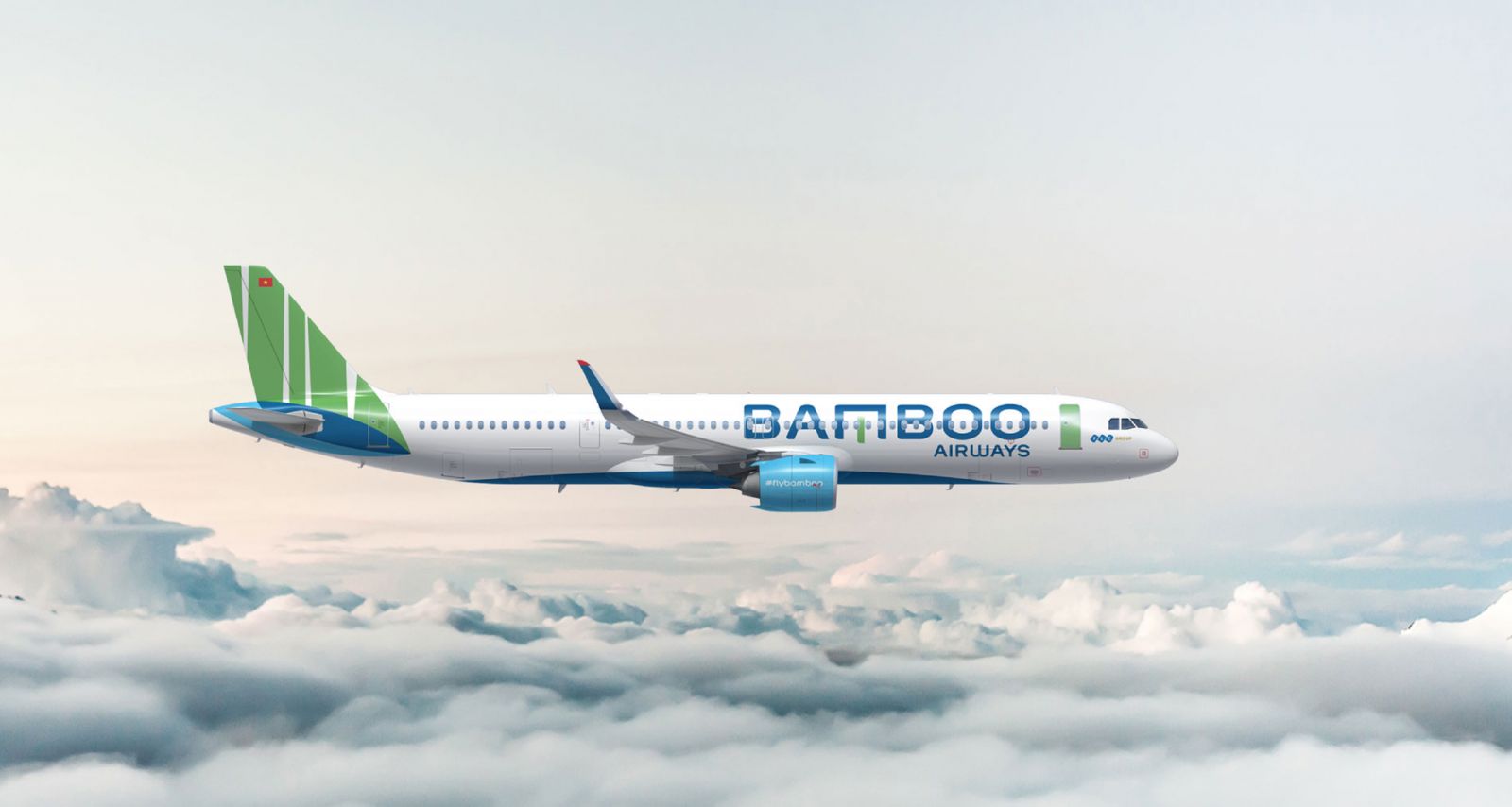
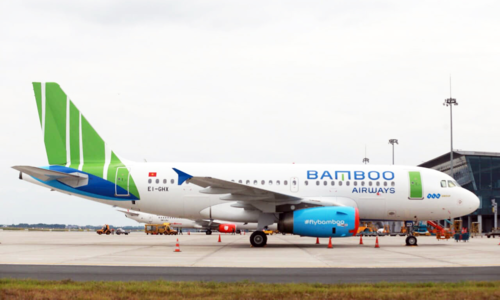
    CEO of Bamboo Airways Nguyen Minh Hai has resigned less than two months after assuming the position.

    Following his resignation announced by the carrier on Tuesday, deputy chairman Nguyen Ngoc Trong will be the airline’s acting CEO.

    Hai was named Bamboo Airways’ CEO in late May, replacing Nguyen Manh Quan.

    Hai, 51, has a bachelor’s degree in tourism business management from Vietnam National Economics University and 25 years’ experience in the airline industry. He was deputy general director of Vietnam Airlines between April 2015 and January 2019.

    In a meeting last month, Hai informed the carrier’s shareholders the company would be restructuring under a new investor, the Him Lam Corporation. He said making Bamboo Airways profitable to satisfy investor demands was a top priority.

    And then also last month, Bamboo Airways accepted the resignation of four members: chairman Oshima Hideki, standing deputy chairman Nguyen Ngoc Trong, and two deputy chairmen Doan Huu Doan and Phan Dinh Tue.

    The new chairman of Bamboo Airways is Le Thai Sam, who now holds over 50% of the airlines’ shares. The company has said the changes in personnel are part of its restructuring.

  • Vietnam Airlines struggles to get flight slots in foreign airports

    Vietnam Airlines struggles to get flight slots in foreign airports

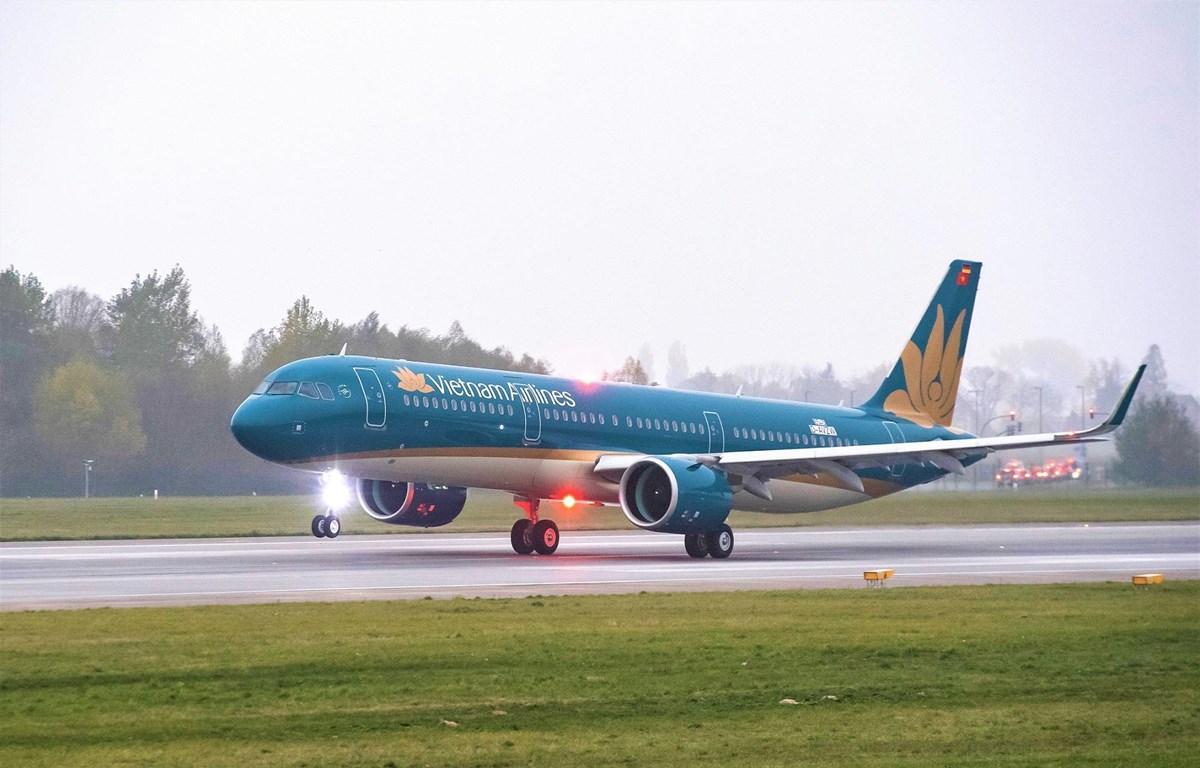
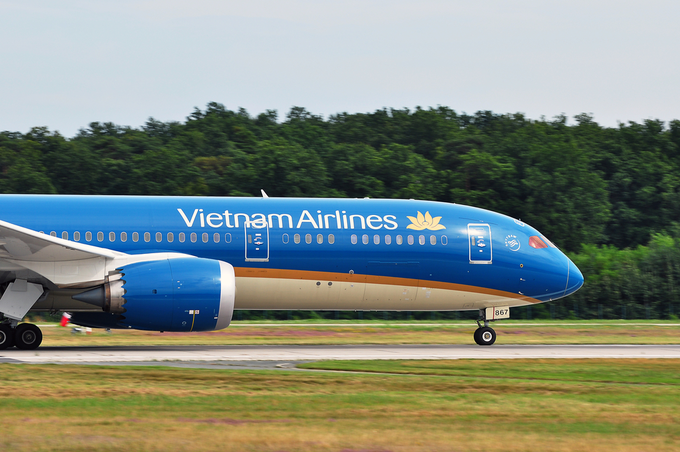
    Vietnam Airlines is unable to get the number flight slots it needs at airports in the U.K., India and China.

    After a period of absence due to Covid-19, the carrier has lost many flight slots in London, chairman Dang Ngoc Hoa said at a meeting with the Ministry of Transport officials Monday.

    India only provides 28 slots at its four big airports for international airlines since it seeks to protect domestic carriers, he said.

    Requests for more slots in Chinese airports too have been rejected, he said.

    The number of foreign passengers flying on Vietnamese carriers is only 60% of pre-pandemic levels, he said.

    Other challenges, such as fuel prices doubling at certain times from 2019 levels, have been slowing down Vietnam Airlines’ recovery efforts, he said.

    He sought the ministry’s assistance to get more slots in foreign airports.

    Minister of Transport Nguyen Van Thang at the meeting ordered aviation authorities to support the carrier.

    If required, the ministry would dispatch officials to other countries to negotiate slots, he added.

  • AirAsia hosts its first ever Sustainability Day as it champions immediate action towards greener skies

    AirAsia hosts its first ever Sustainability Day as it champions immediate action towards greener skies

    AirAsia opened a new chapter in its efforts to drive industry engagement and spark greater collaboration by hosting its inaugural Sustainability Day, themed ‘Doing More with Less’.

    Led by Capital A Chief Sustainability Officer Yap Mun Ching, the event saw in-depth exchanges on topics that address AirAsia’s pathways to decarbonization, as well as challenges and opportunities in the implementation of these strategies. The line-up of speakers, comprising AirAsia technical heads and subject matter experts, tackled topics including how AirAsia is factoring ESG considerations into the deployment of its fleet assets, prospects in switching to greener biofuels, opportunities for ESG financing and managing talent to meet its future growth needs.

    Delivering the opening and closing messages of the day respectively were AirAsia Aviation Group Ltd (AAAGL) Chairperson Tan Sri Jamaludin Ibrahim and AAAGL Sustainability Adviser Prof. Tan Sri Dr. Jemilah Mahmood.

    Capital A Chief Sustainability Officer, Yap Mun Ching said: “Today marks the first time we are bringing all our key stakeholders from government officials, regulators, financial institutions, aviation analysts, business partners and the media, to advance their understanding of the intricacies of aviation sustainability. As we rebuild our business post-pandemic, we are broadening and deepening our sustainability agenda by incorporating robust ESG practices into our strategic priorities so that we recover stronger and better.

    “Since aviation is a hard-to-abate sector, decarbonization in aviation requires collaborative efforts not only from airlines but from all industry stakeholders if we are to achieve our goal of reaching net zero by 2050. With reminders in the media almost daily that the world is likely to reach an environmental tipping point earlier than expected, this calls for immediate action by all parties to realise and make accessible the solutions that airlines need to reduce its carbon emissions.”

    In her sharing of AirAsia’s net zero plan, Yap continued: “All airlines are faced with four pathways to decarbonize, namely to upgrade their fleet, step up implementation of green operating procedures, switch to biofuels and offset remaining emissions. AirAsia’s top priorities are in upgrading its fleet to the A321neo, widely acknowledged as the most fuel-efficient aircraft on the market today, and in expanding and deepening its industry-leading fuel-efficiency program.

    “Whether we are using fossil fuels or biofuels, what should precede this question is whether we are using more than is necessary. AirAsia’s fuel efficiency program is one of the best, if not the best in the world. Even as we explore new solutions, we cannot lose sight of our strength which has enabled us to achieve among the lowest cost and emissions per seat in the industry,” she said.

    In a panel discussion, AirAsia’s fleet and flight operations leads delved into how the airline is incorporating ESG considerations into the deployment and utilization of its growing fleet. AirAsia currently has on order 362 new A321neo aircraft which will be delivered between 2024 and 2035. According to AirAsia Senior Manager of Flight Operations Projects, Development & Efficiency Jonathan Sanjay, since 2015, the airline has saved over US$130 million in fuel consumption, while avoiding the associated CO2 emissions. AirAsia is also exploring options to introduce sustainable aviation fuel (SAF) into its fuel mix before 2025.

    The day’s session continued with valuable insights on the role of multiple stakeholders in easing the adoption of aviation biofuels by Christoph Behrendt-Rieken, the Lead SAF Expert of the EU-Southeast Asia Cooperation on Mitigating Climate Change Impact from Civil Aviation (EU-SEA CCCA CORSIA) Project implemented by the EU Aviation Safety Agency; and options in ESG financing by aviation legal specialist Teo Hui Ling, who is also partner at Reed Smith LLP. This was followed by a session on AirAsia’s experience in harnessing diversity, equality and inclusion to create its competitive edge over the last 22 years, before the day’s event ended with a special tour of AirAsia’s engineering complex, RedChain, where participants were introduced to initiatives being undertaken by AirAsia Digital Engineering to revolutionize aviation maintenance, repair and overhaul through digitalization.

    In conjunction with the event, AirAsia also launched its Guide to Aviation Sustainability, a handbook of aviation sustainability terms to make more accessible common concepts associated with the subject. The handbook also highlights outcomes from AirAsia’s own implementation of some of the measures listed. Publication of the booklet was supported by AirAsia’s business partners, namely Avolon, Honeywell, Mirus Aircraft Seating, PETRONAS, Shell Aviation and SITA.

  • Bamboo Airways plans to soar under new management

    Bamboo Airways plans to soar under new management

    Property developer Him Lam, the new owner of Bamboo Airways, plans to build an aviation ecosystem centered around the latter while expanding its presence in Asia.

    Bamboo Airways began flying in 2019 and became the first private carrier to operate wide-body aircraft.

    It quickly expanded its fleet to nearly 30 by the end of 2021 when it held a 20% share of the domestic market and also flew on some international routes.

    But the arrest of its key leaders, including chairman Trinh Van Quyet, for alleged stock market manipulation came as a death blow.

    Him Lam, a south-based developer of condos and a hotel management service provider, took over Bamboo this year.

    A new leadership has been appointed this week to hopefully begin a new chapter.

    “The last five years have been a journey of establishing a brand for the airline,” deputy chairman Nguyen Ngoc Trong said at the company’s annual general meeting on June 21.

    “In the next five years Bamboo Airways will focus on developing efficiency and professionalism.”

    CEO Nguyen Minh Hai said the company seeks to achieve breakeven by next year to turn profitable by 2025.

    Expanding its services to increase revenues is therefore one of its main focuses.

    Revenues soared by 3.3 times last year to over VND11.7 trillion, but the airline still could not break even.

    Hai said a larger fleet is imperative for doing this. The current fleet of 30 aircraft needs to be expanded by eight to 10 a year until 2026, and each aircraft needs to operate more than the current 10 hours a day, he explained.

    Reducing costs is another key task.

  • Philippine Airlines inks deal for nine A350-1000s

    Philippine Airlines inks deal for nine A350-1000s

    PAL and Airbus officials sign the Purchase Agreement for 9 Airbus A350-1000s on the sidelines of the Paris Air Show: PAL President Capt. Stanley Ng (center), PAL Holdings President Lucio Tan III (leftmost), Airbus Chief Commercial Officer Christian Scherer (3rd from right) and Airbus Asia Pacific Pres. Anand Stanley (rightmost)

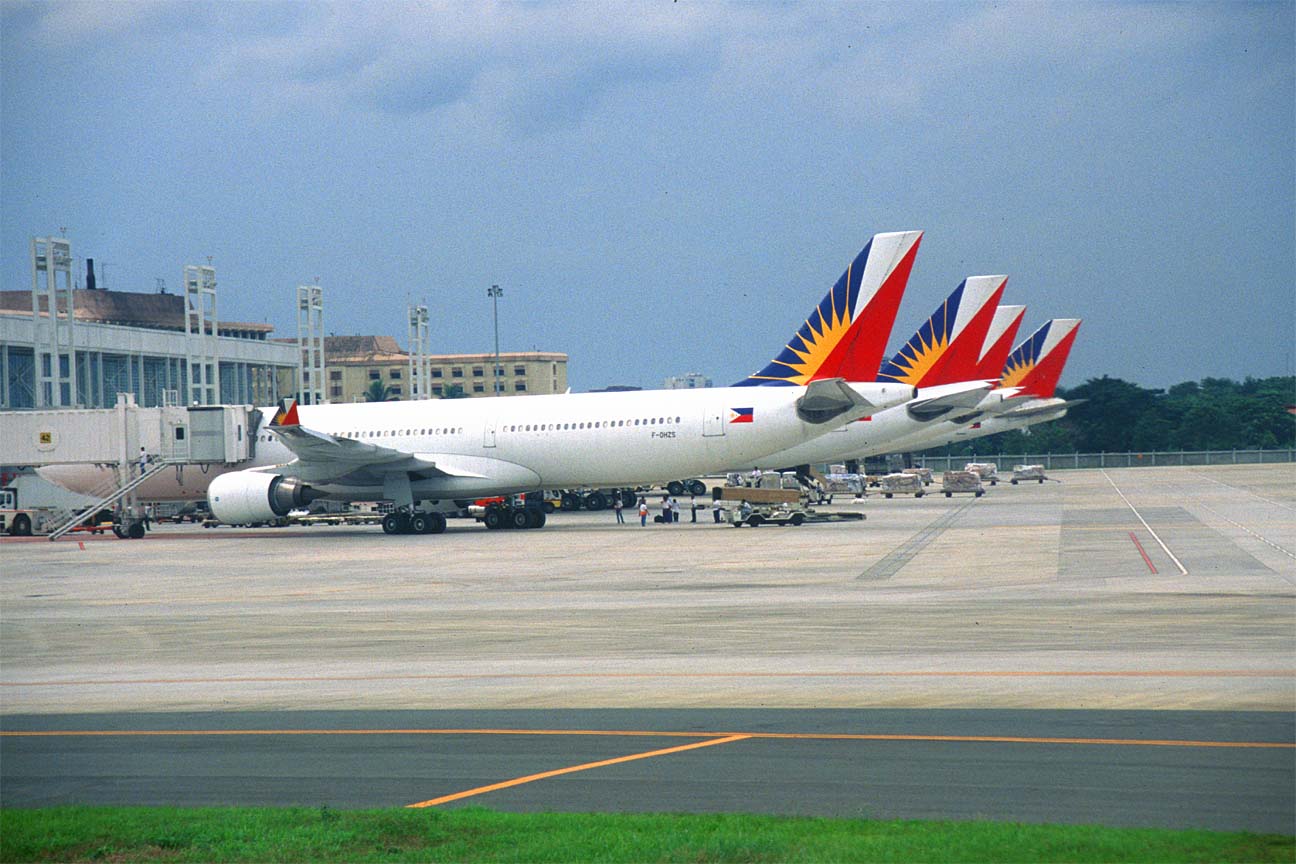
    Philippine Airlines (PAL) and Airbus have finalized a purchase agreement for the firm order of nine A350-1000 aircraft, at the 2023 Paris Air Show held at La Brouget, France this week.

    The A350-1000 will fly on non-stop services from Manila to North America, including to the East Coast of the US and Canada. The new aircraft, able to accommodate 380 passengers in a three-class layout, will join two A350-900s already in service at the airline. Expected time frame for the first delivery was not mentioned.

    Captain Stanley K. Ng, president and chief operating officer of Philippine Airlines, said the order will see PAL operating one of the youngest and most modern widebody fleets in Asia.

    “We selected the A350-1000 to give PAL the power to match capacity closely to predicted demand on both the very longest routes to the North American East Coast but also on our prime trunk routes to the West Coast and potentially to Europe as well. At the same time the aircraft will use significantly less fuel than older aircraft of a similar size, which also brings an important reduction in carbon emissions.”

    Airbus claims the A350 offers the longest range capability of any commercial airliner in production today and is capable of flying 9,700 nautical miles or 18,000 kilometers non-stop. For cargo, it has a payload of 68 tonnes and a capacity of 44 LD3 containers. So far, only Qatar and Virgin own an A350-1000.

  • Former Japan Airlines leader to chair Bamboo Airways

    Former Japan Airlines leader to chair Bamboo Airways

    Oshima Hideki, the former chairman of Japan Airlines, has been appointed chairman of Vietnam’s Bamboo Airways for the 2023-2028 period.

    He is among seven new directors of the airline, according to decisions made at the company’s general meeting on Wednesday.

    Hideki has nearly 40 years of experience in the aviation industry.

    He was previously Deputy General Director of Japan Airlines, Deputy General Director of the Tokyo Narita Airport, and a Project Manager at Haneda Airport.

    Bamboo Airways’ new deputy chairmen are Nguyen Ngoc Trong, Doan Huu Doan and Phan Dinh Tue. The other members of the board of directors are Le Ba Nguyen, Le Thai Sam and Tran Hoa Binh.

    A new board of supervisors, comprised of three members, has also been appointed.

    Bamboo Airways plans to operate 30-36 aircraft by the end of this year, aiming for an occupancy rate of 81.5% and an on-time flight ratio of 90%.

    The carrier is targeting a revenue increase of 15-20% from last year’s VND11.73 trillion ($498.94 million). It also wants to expand its network in Europe, Northeast Asia, Southeast Asia and Australia.

    Bamboo Airways is building an aviation ecosystem for itself by establishing subsidiaries for transportation, ground services, aviation technology and food services.

  • Bamboo Airways’ accumulated loss bigger than Vietnam Airlines, Vietjet

    Bamboo Airways’ accumulated loss bigger than Vietnam Airlines, Vietjet

    Bamboo Airways posted an accumulated loss of VND3.2 trillion ($136 million) last year, higher than that of Vietnam Airlines and Vietjet.

    Although the company saw revenue tripling to VND11.73 trillion, costs still exceeded that figure due to difficulties in the Northeast Asia market and the Russia-Ukraine conflicts, which drove up fuel expenses, according to the company’s financial disclosure.

    Other airlines also posted accumulated loses last year. Vietnam Airlines lost VND2.64 trillion, an improvement from VND10 trillion recorded in 2021, thanks to revenues recovering to 70% of pre-pandemic levels.

    Vietjet posted an accumulated loss of VND1.99 trillion last year. Bamboo Airways leaders, however, are optimistic about the future of the company.

    Chairman Nguyen Ngoc Trong said that the airline nearly reached its breakeven point in the first quarter as its fleet of 30 aircraft operated at full capacity.

    Bamboo Airways is set to post profit in 2025, he added. The airline targets a growth rate of 15-20% this year. It is considering plans to expand its fleet and routes and increase occupancy.

    New routes are being considered to Europe, Northeast Asia, Southeast Asia and Australia.

    The airline is seeking the government’s permission to increase its fleet size to more than 30.

    Bamboo Airways is set to select a new board of directors for the 2023-2028 period on June 21.

    The five directors of Bamboo Airways have asked to resign, and the airline will select a new board of seven directors at the upcoming general meeting.

  • Vietnam Airlines shares face restrictions for delay in filing financial statements

    Vietnam Airlines shares face restrictions for delay in filing financial statements

    Vietnam Airlines’ HVN shares will see trading restrictions from May 12 for failure to file its results in time.

    The carrier has been more than 30 days late in submitting its audited consolidated financial statements for 2022, the Ho Chi Minh Stock Exchange (HoSE) said in a statement.

    At the end of March Vietnam Airlines had sought permission from HoSE to delay the submission, but its request was turned down.

    Now its shares will not be traded for at least two days a week.

    The airline said earlier this month that due to its ongoing restructuring, it needs more time to complete its financial statements.

    If the company fails to submit them 45 days after the deadline, its shares will be restricted.

    HoSE had warned in February that HVN could be delisted if it posted losses for 2022.