Tag: travel

  • Lagardere Travel Retail reopens 88 stores in Wuhan Airport

    Lagardere Travel Retail reopens 88 stores in Wuhan Airport

    Lagardere Travel Retail has reopened 88 stores at Wuhan airport after more than two months of lockdown due to the Covid-19 outbreak.

    According to a statement, Lagardere Travel Retail’s sales are expected to resume as the number of passengers passing through Wuhan Airport gradually increases.

    “Our ability to restart operations at Wuhan Airport is testament to the dramatic improvement in the sanitary conditions in Hubei province,” said Eudes Fabre, CEO of Lagardere Travel Retail China. “I wish to thank our staff and business partners for their patience and stoicism throughout this crisis. This reopening sends a strong message of hope and optimism to all in our industry who are affected by the current epidemic.”

    In appreciation of the medical staff’s work in Wuhan, the company is offering free meals at 16 restaurants and cafes together with shopping privileges for all medical workers flying out of the city this month.

    “Traffic volumes are still below what they were pre-crisis, but we’re already seeing an upward trend. After a long lockdown period, people are keen to travel again and there is pent-up consumer demand which will translate into retail sales,” Fabre added.

    All hygiene and security measures, including temperature screening, regular disinfection and social distancing, are still applied at the Wuhan Airport to ensure the safety of staff and passengers.

  • AirAsia’s burden adds on with asset-light strategy

    AirAsia’s burden adds on with asset-light strategy

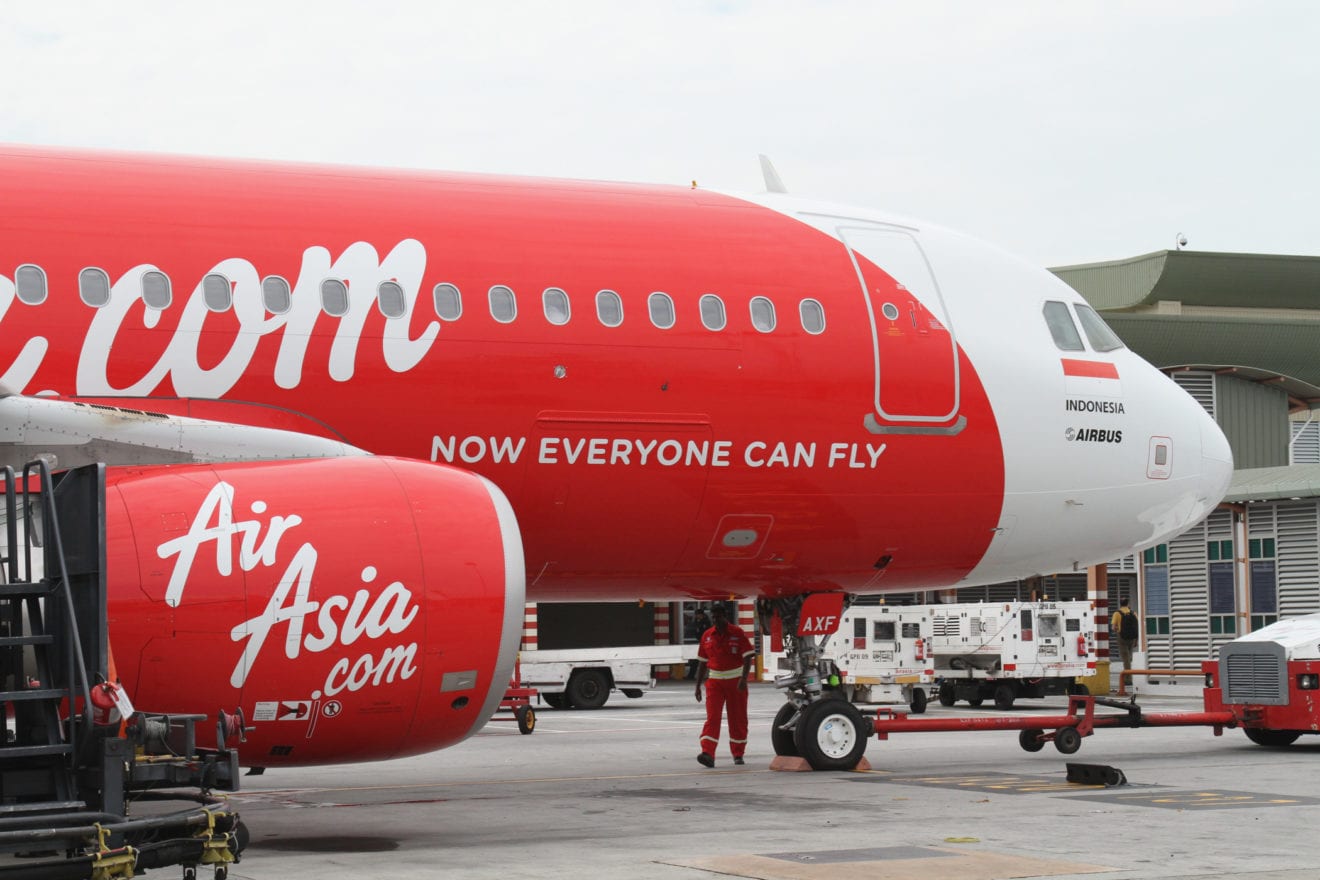
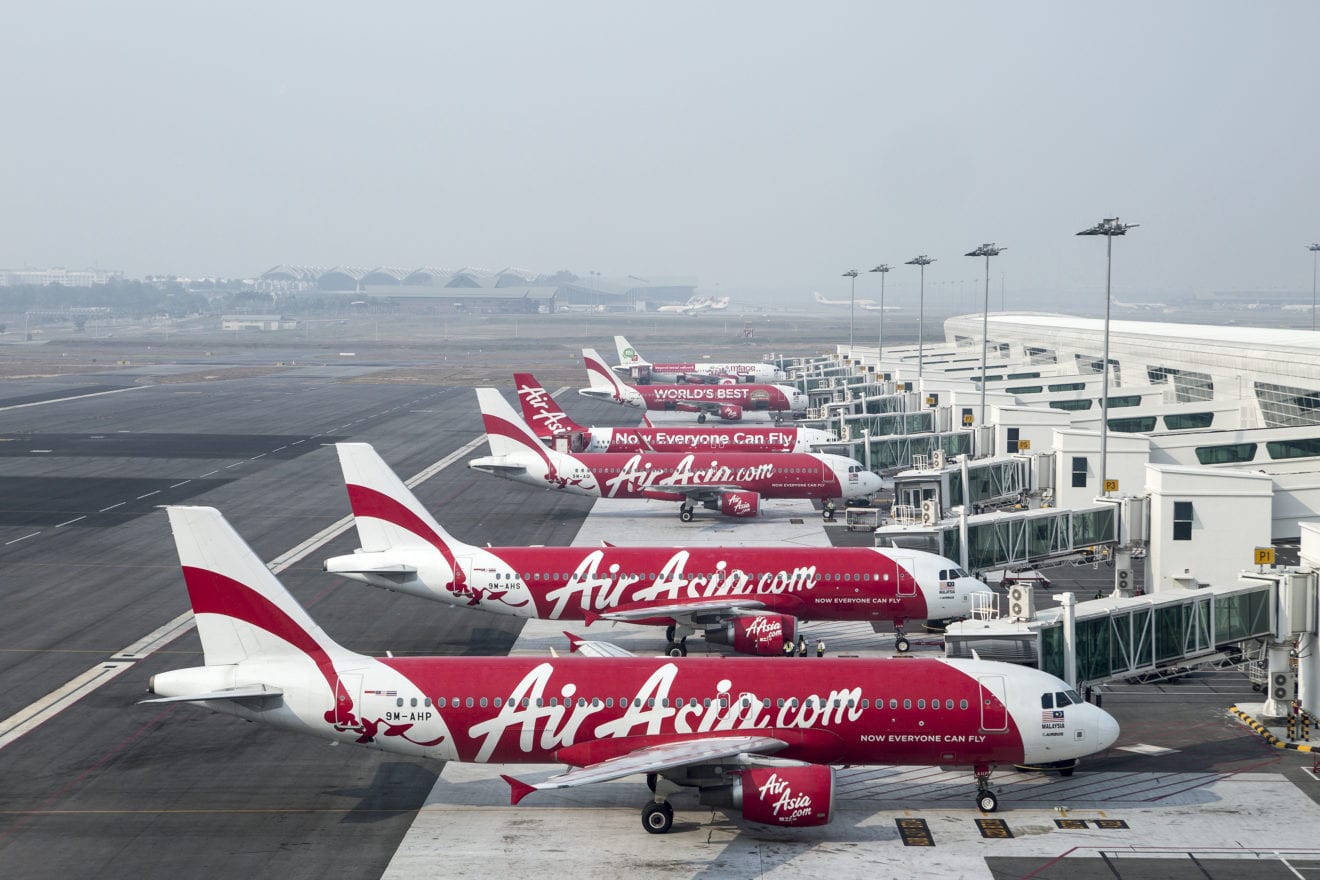
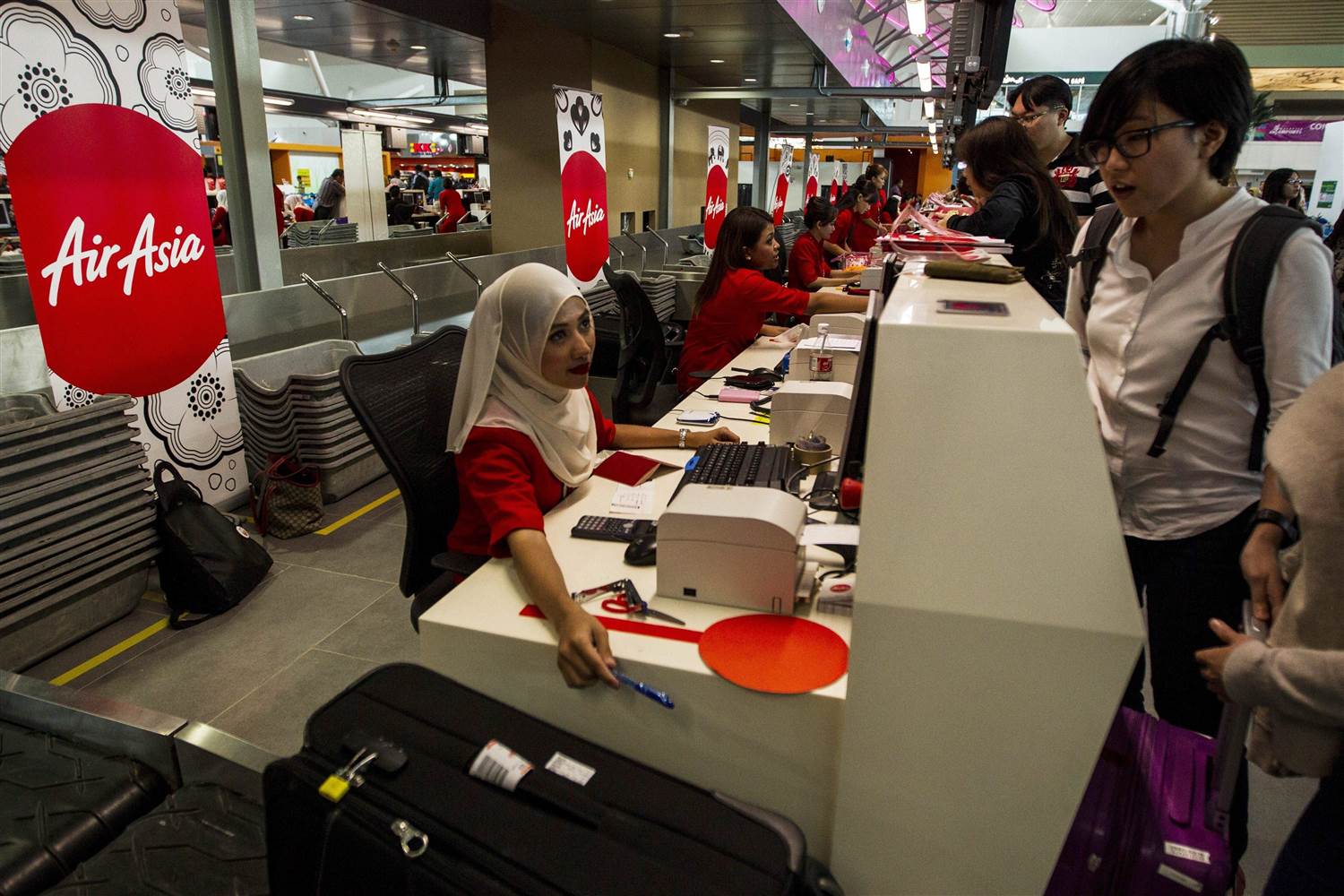
    AirAsia has quite a bit going for it. It has cash, RM2.59bil of it, a strong business model and a brand-name that naturally is a crowd-puller in any markets it ventures.

    However, the low-cost carrier knows it is not in a comfortable position in its course of navigating out of the economic maelstrom in the aviation industry caused by the coronavirus disease (Covid-19) pandemic. Firstly, the airline has high commitments to begin with by moving to an asset-light business model.

    It may be a good way of doing away with the residual risk of owning aircraft but in times of downturns, it is the airlines that will incur additional cost for leases.

    And this is proven with AirAsia’s fourth-quarter results for the financial year ended December 2019, where it dipped further into the red by 35.9% to record a net operating loss of RM373.95mil.

    Based on the 2019 unaudited results, leasing charges comes up to RM505.87mil while staff cost is another RM1.78bil.

    Coupled with other fixed overheads such as rentals and finance cost, the burn rate a month can come up to RM200mil, even with none of AirAsia’s flights in operation.

    The group has temporarily suspended all its international and domestic flights in its Malaysia operations for about a month and also in the region, including the Philippines, Thailand and India.

    In Indonesia, it is significantly reducing the frequency of its international and domestic flights.Assuming that everything is back on track with flights operating at their usual frequencies, AirAsia would be incurring additional expenses such as fuel cost, maintenance and overhaul and user charges.

    Based on the 2019 accounts, this would easily add RM300mil more per month to its cost.

    However, the low-cost carrier would generate some amount of cash flow to mitigate its cost.

    “The drawback is the operating cash inflow would not pick up quickly unless a vaccine is found for Covid-19, ” says an analyst.

    And the RM2.59bil, or whatever that is left now after the first quarter, is the only buffer the airline has when it resumes business operations.

    The group knows it cannot be taking any chances and it needs to raise as much cash as it can, which is why it is seeking out a loan from the government.

    This is also why group chief executive officer Tan Sri Tony Fernandes told Bloomberg Markets that it is going to be an uphill slog, even with his team having a lot of ideas to get going again.

    “No bailout. You don’t need a bailout. Obviously many airlines are looking at loans and we think the cash will last us for the most part of this year.

    “And when the sales return, then we’re okay. It’ll be great to get a loan as well and we’re working on that with our government, ” he told Bloomberg.

    The budget airline knows there is no way it is going to get easy money or cheap loans so the best bet is still the government and Fernandes is confident something will transpire out of the airline’s recent meeting with it.

    After all, AirAsia has a high bargaining power with it ferrying the bulk of passengers into Malaysia and domestic flights, which allows it to boast of accounting for 1.8% of the tourism industry’s contribution to the gross domestic product (GDP).

    The question now is, how much cash does it need and at what price would it come?

    Or will it be easier for shareholders to fork out money for a rights issue considering they have been amply-rewarded in the past two years?

    Shareholders of AirAsia have made a pile of cash over the last 18 months from dividends that the group has been giving out, largely from its strategy to go asset-light.

    The airline declared a record special dividend of 90 sen a share in May last year after it sold its 25 aircraft to US-based private investment firm Castlelake LP for US$768mil (RM3.22bil).

    Back in March 2018, it entered into a sales and leaseback arrangement with BBAM Ltd Partnership involving 79 aircraft and 14 aircraft engines, of which AirAsia received US$1.19bil (RM4.62bil).

    There was another special dividend of 40 sen declared for the third quarter of 2018, on top of the interim dividends of 12 sen each for the first and fourth quarters.

    Just from the two years, shareholders have pocketed RM5.15bil in dividends.

    The sales and leasebacks of the aircraft may have made the group asset-light but the commitments of the lease itself has become a huge burden to the airline.

    On the rumors of a merger between AirAsia and Malaysia Airlines, sources say it is unlikely to happen.

    “Malaysia Airlines’ burn rate is not likely to be as high as AirAsia. AirAsia employs 29,000 people while MAS has far fewer workes.

    “Moreover, AirAsia has commitments to take up new planes while MAS does not. So there really is no push for a merger, ” says an executive familiar with the airline industry.

    Instead, Khazanah Nasional Bhd, which owns 100% of Malaysia Airlines, might want to take a stake in AirAsia if the offer is cheap.

    “But there won’t be any merger. It is during a crisis like this that shows that you truly need a national airline on a standalone basis.

    “With AirAsia temporarily hibernating its planes, Malaysia Airlines is the only one prepared to fly, ” the source says.

    Year-to-date, AirAsia’s share price has declined 50.89% from RM1.69 to 83 sen as of yesterday’s close.

  • South Korean duty-free stores cut hours since travel restrictions

    South Korean duty-free stores cut hours since travel restrictions

    South Korean duty-free stores are electing to temporarily close for business as the coronavirus pandemic continues.

    With the continued idling of airport gateways, the industry has been hit particularly severely, with operators making tough decisions on opening hours that usually run 24/7/365.

    Shilla Duty-Free will shutter its store on the popular Jeju Island on weekends and holidays for the month, while Shinsegae Duty-Free closed yet its fifth outlet out of 19 stores at Incheon International Airport. Shinsegae has also agreed with the airport to stop midnight sales at the remaining stores in operation.

    Lotte Duty-Free and Shilla have also reduced hours at their Incheon Terminal 2 stores, closing at 9.30 pm. Shilla is also expected to shutter its Yongsan downtown store in Seoul.

  • Indonesia AirAsia’s growth halted due to coronavirus and economy

    Indonesia AirAsia’s growth halted due to coronavirus and economy

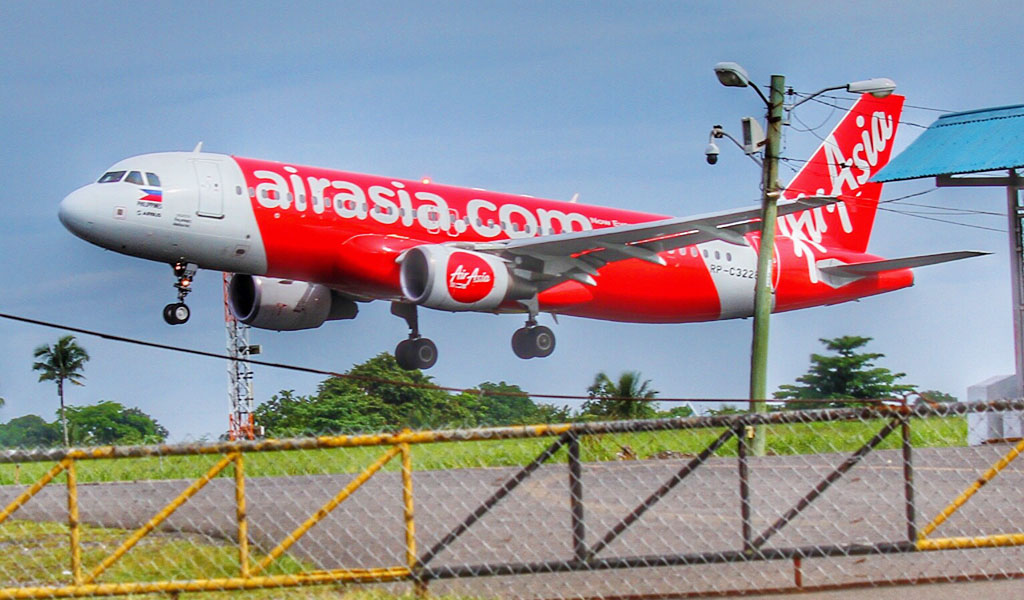
    Indonesia AirAsia has been forced to halt its growth plan for this year, as a result of the coronavirus pandemic and economic challenges faced by Indonesia.

    The plan for 2020 was for the low-cost carrier to increase its market share by adding three new aircraft and launching new services, having recorded a 28% growth in revenue for 2019 as compared to 2018, says parent company AirAsia Indonesia.

    The viral outbreak has led to travel restrictions imposed by neighboring countries and is affecting the demand for domestic and international air travel. AirAsia Indonesia says that Indonesia’s “economic situation has become more challenging”, noting that the exchange rate for rupiah against the dollar is now at more than Rp16,000 ($0.97), and it continues to fluctuate.

    “By considering these factors carefully and deeply, the company is forced to suspend international and domestic flights until the situation improves, and demand for air travel picks up. The measure will certainly have a significant influence on the company’s operating and financial performance in the first half of 2020,” says AirAsia Indonesia.

    Indonesia AirAsia suspended operations on 1 April. Domestic flights are suspended until 21 April and international flights until 17 May.

    Meanwhile, AirAsia Indonesia’s plan to resume trading on Indonesia Stock Exchange (BEI) by offering new shares to the public was also affected, although it did not offer any other details.

    It was suspended from trading in August 2019 for not complying with BEI’s requirement for a company to have at least 7.5% of its paid-in capital available as free float in order to remain listed. As of 29 February, it only had 1.6% of shares available for trade.

    AirAsia Indonesia’s priority for the group over the next six months is to reduce its operating cost base by renegotiating with suppliers and key stakeholders, and to ensure that it can continue to operate during this period, it says. This will then be followed by working to “restore” its finances after the outbreak is declared over.

  • Over 320,000 jobs in Asia-Pacific travel-retail industry under threat

    Over 320,000 jobs in Asia-Pacific travel-retail industry under threat

    Governments across Asia Pacific are being urged to protect more than 320,000 duty-free and travel-retail industry jobs at risk during the coronavirus pandemic.

    The Asia Pacific Travel Retail Association claims that the jobs in the US$36 billion industry may be overlooked by politicians devising financial rescue measures to deal with the economic fallout of the pandemic. It is asking governments to support the industry along with airlines, airports and maritime businesses.

    In a special report, the association outlines the industry’s almost $15 billion contribution to GDP across Asia Pacific.

    “Airport retail and commercial services, including food and beverage, constitute a crucial business sector providing up to 60 percent vital commercial income for airport owners, outpacing aeronautical revenue streams,” read a statement issued by the association.

    “It is the most significant direct contributor to the investment in Asia-Pacific’s aviation infrastructure and ongoing development of world-class national gateways, the region’s hubs to the world.”

    “The dynamics of duty-free and travel retailing are intrinsically linked to the aviation and maritime industries and its viability is entirely dependent on the return in passenger traffic,” said association president Grant Fleming.

    “This means 320,000 jobs are at risk that could be safeguarded if governments extend financial support packages to the industry.”

  • AirAsia seeking govt loan

    AirAsia seeking govt loan

    Airasia may have enough cash to last them for most of 2020 but it is currently seeking out a loan from the Malaysian government to cushion the impact from the challenging economic environment.

    The low-cost carrier’s chief executive officer Tan Sri Tony Fernandes(pic) said there was no need for bailouts and what most airlines were looking for were loans.

    “We think the cash will last us for the most part of this year and when the sales return, then we’re okay.

    “It’ll be great to get a loan as well and we’re working on that with our government. We think liquidity is available in Malaysia and Thailand, ” he told Bloomberg Markets in an interview.

    And amidst the tough environment that airlines are operating in, Fernandes remained optimistic, adding that AirAsia was lucky to have restructured its business a lot and moved towards the digital end.

    He also said the airline’s cost structure is robust enough and the group is restructuring further.

    He admitted that the coronavirus disease (Covid-19) pandemic was currently the worst crisis he has ever been through.

    “We have a lot of ideas to get going again.

    “It’s going to be an uphill slog but we remain optimistic. It’s always better to have more cash.

    “We have enough at the moment but we’ll be very happy to raise some.

    “And it’s about getting our planes flying again, that’s the most important thing right now.

    “Growth will come later, ” he said.

    Fernandes also said that AirAsia had made its representations to the government and he was sure that something would come out.

    “Tourism is 15.8% of the gross domestic product (GDP) and AirAsia itself is 1.8% of that GDP.

    “So we’re sure our suggestions will be listened to, ” he said.

    On its non-airline businesses such as e-wallet, F&B and cargo, Fernandes said the businesses were doing very well and the beauty was, they did not burn a lot of cash on that side.

    He added that they were far from others but the challenging environment currently might give them the chance to catch up.

    Asked about the talks of a merger between AirAsia and Malaysia Airlines, Fernandes said he was not aware of it as AirAsia was just focussed on getting themselves in order as he had never looked at mergers and acquisitions as a solution.

    “But at this point, we’ll keep all options open, but it’s not being discussed at the moment.

    “I think it will be very silly of me and the board to close all options, ” he said.

    On the long haul carrier AirAsia X Bhd, Fernandes said it was doing very well over the last fourth quarter and the beginning of January prior to Covid-19.

    He said it was rationalizing its fleet and most of AirAsia X’s flights have become medium-haul.

    “We’re changing the fleet, we’re bringing down routes to shorter distances and we think we’ll be beneficiaries in some ways because people want to save some money.

    “When we return, a low-cost product would be more viable and we think in the immediate future, travel will be very regional and won’t be cross-continental so we think we’re in a good spot, both AirAsia and AirAsia X, ” he said. Asked if there were any considerations for AirAsia to switch from Airbus’ A330 to Boeing’s 787, Fernandes replied no, stressing that AirAsia has an “interesting relationship” with Airbus and it has a large order book with them.

    “Whether its Boeing or Airbus, I can’t see anyone taking new planes at least for a while. I don’t think any airline is looking at growth right now.

    “The airline industry has to recover, numbers have to come down and business models will have to change. The world is changing but we’re prepared. You can put your head in the sand and cry or you can get up there and do something, ” Fernandes said

  • Cebu Pacific net income doubled in 2019

    Cebu Pacific net income doubled in 2019

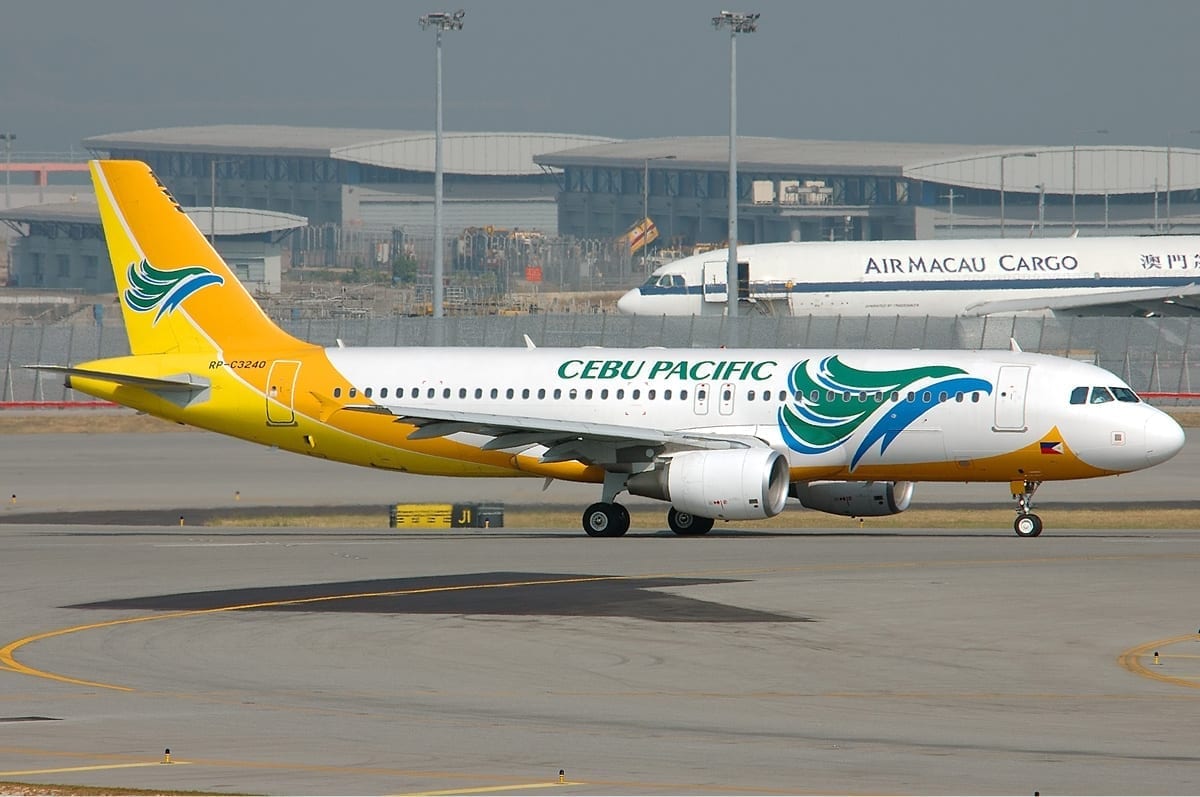
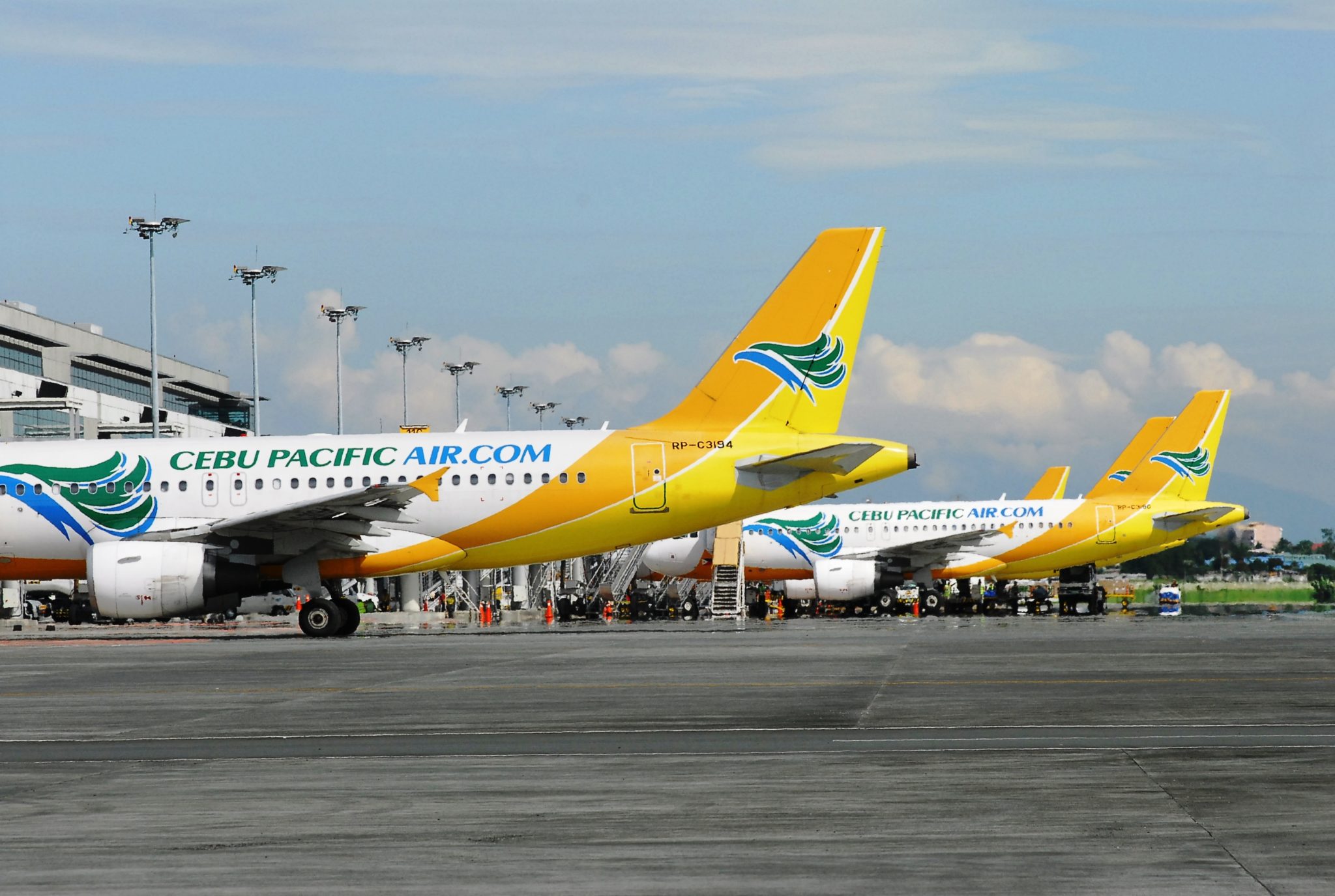
    Cebu Pacific on Wednesday reported a 132.6-percent jump in net income for 2019, before the coronavirus pandemic grounded world travel and plunged airlines into financial turmoil.

    The Philippines’ largest airline posted net income of P9.123 billion last year from nearly P4 billion in the previous year, according to a stock exchange filing. Passenger revenue grew 8.7 percent to P4.3 billion while cargo revenue rose 19.3 percent to P887.8 million.

    Gokongwei-led Cebu Pacific, Philippine Airlines and AirAsia Philippines on Tuesday sought credit relief from Manila, saying their survival was at stake. Flight were suspended throughout the 1-month Luzon lockdown, scheduled to end on April 12.

    “While it is difficult to predict when operating conditions will improve, the Group believes that it remains a going concern, given the measures undertaken, its liquidity position, its access to short and long term funding, and the strong relationships it has with major suppliers,” Cebu Pacific said.

    Cebu Pacific earlier said its senior management took pay cuts to avoid layoffs.

  • Two more AirAsia carriers suspend operations from April

    Two more AirAsia carriers suspend operations from April

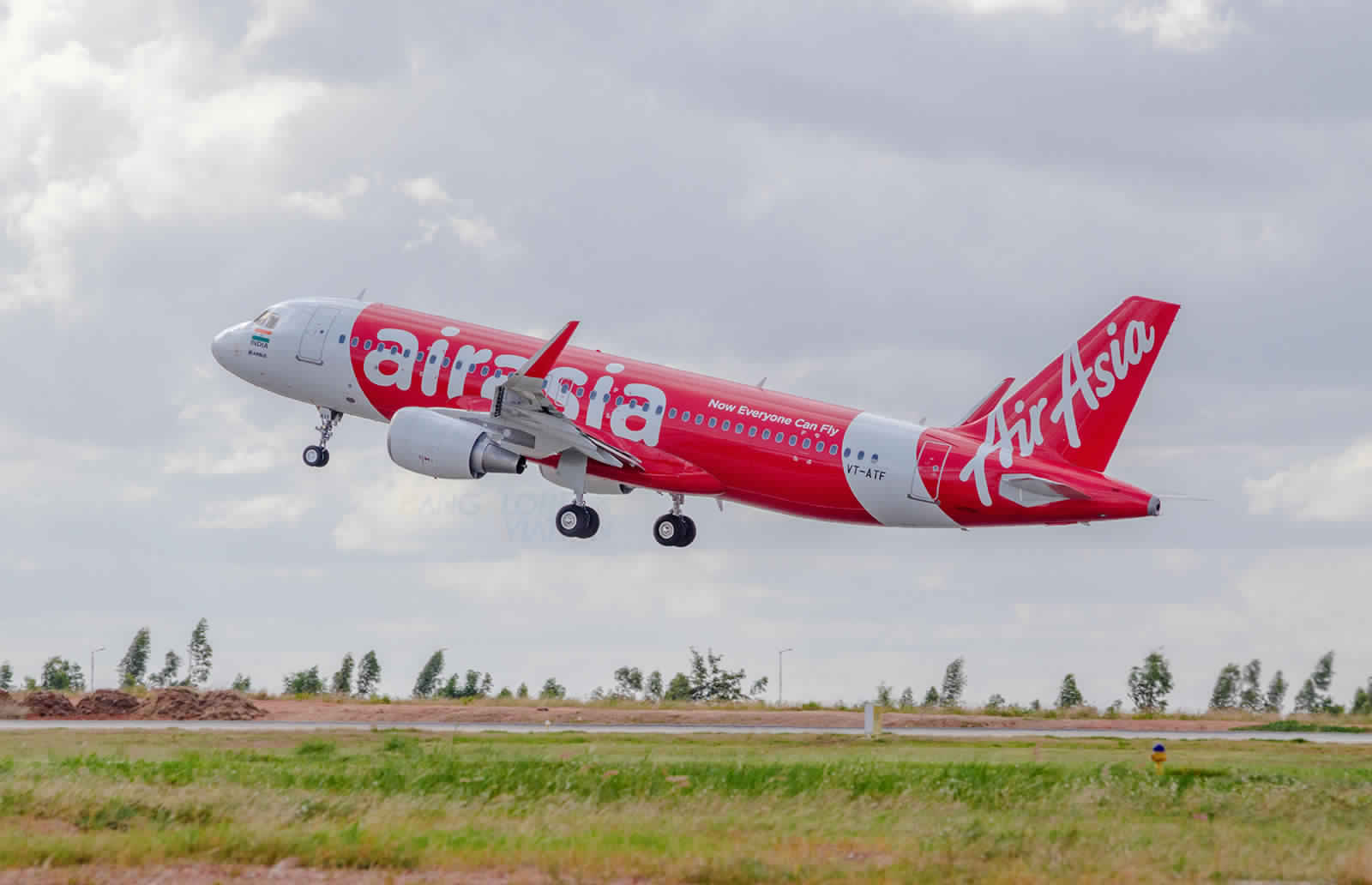
    Indonesia AirAsia and Thai AirAsia are the latest among the AirAsia Group carriers to suspend operations, leaving just AirAsia Japan in service.

    Indonesia AirAsia will suspend domestic flights until 21 April and international flights until 17 May. Thai AirAsia will halt all domestic services during the month of April, having suspended international flights since 22 March. Indonesia AirAsia’s grounding will not have a significant impact on Indonesia, as Lion Air dominates the market.

    The grounding of Thai AirAsia will have a more significant impact on Thailand, as the airline accounts for 19% of Thailand’s total capacity in February.

    Thai AirAsia’s parent Asia Aviation says the airline is implementing cost reduction measures. This includes voluntary pay cuts for management and senior employees, halting non-essential employee travel, and imposing a hiring freeze.

    Asia Aviation expects a reduction in Thai AirAsia’s variable expenses, which makes up around 70% of its total cost. General administrative expenses could also be reduced through a work-from-home scheme for employees.

    To cope with the suspension, the company is building up its liquidity levels. At the end of 2019, its cash on hand and current investments were collectively valued at Bt3.98 billion ($122 million).

    It says: ”Thai AirAsia also has unutilized revolving credit facilities with banks and has the ability to mobilize the liquidity further by way of the credit facility backed by the remaining no-encumbrance owned aircraft and/or other approaches in the future.”

    It discloses that a transaction announced in January, for the sale-and-leaseback of nine aircraft and the outright sale of one, has been completed in March, with net proceeds totaling Bt3.6 billion.

    Moving forward, Thai AirAsia will not take delivery of any aircraft this year and will study the number of aircraft it needs. The parent company adds that any significant capital expenditures will either be suspended or delayed.

  • AirAsia Indonesia suspends all flights starting April 1

    AirAsia Indonesia suspends all flights starting April 1

    Amid the alarming spread of COVID-19 across the country, low-cost carrier AirAsia Indonesia announced on Saturday that it would suspend all its QZ flight code services starting April 1.

    The carrier’s domestic and international routes will be temporarily suspended until April 21 and May 17, respectively.

    “AirAsia Indonesia will continue to monitor the development of the situation and conduct steps to anticipate what’s required to continue our flight services,” read the statement.

    The airline said affected passengers would be notified by email and SMS. Passengers can access support.airasia.com to either reschedule their flight before Oct. 31 at no additional charge, or convert the amount paid for the flight into a credit account that can be used for the next 365 days.

    Those who booked their flights through booking group services, travel agencies or other third parties are advised to contact the respective parties.

    Passengers who need to travel in the near future are advised to reschedule their flight to a date prior to April 1.

    Meanwhile, on March 20 national flag carrier Garuda Indonesia announced that it would continue to operate some of its services, including to Australia and Netherlands.

  • Thai AirAsia X Schedules Airbus A330 Charter Flights To Croatia

    Thai AirAsia X Schedules Airbus A330 Charter Flights To Croatia

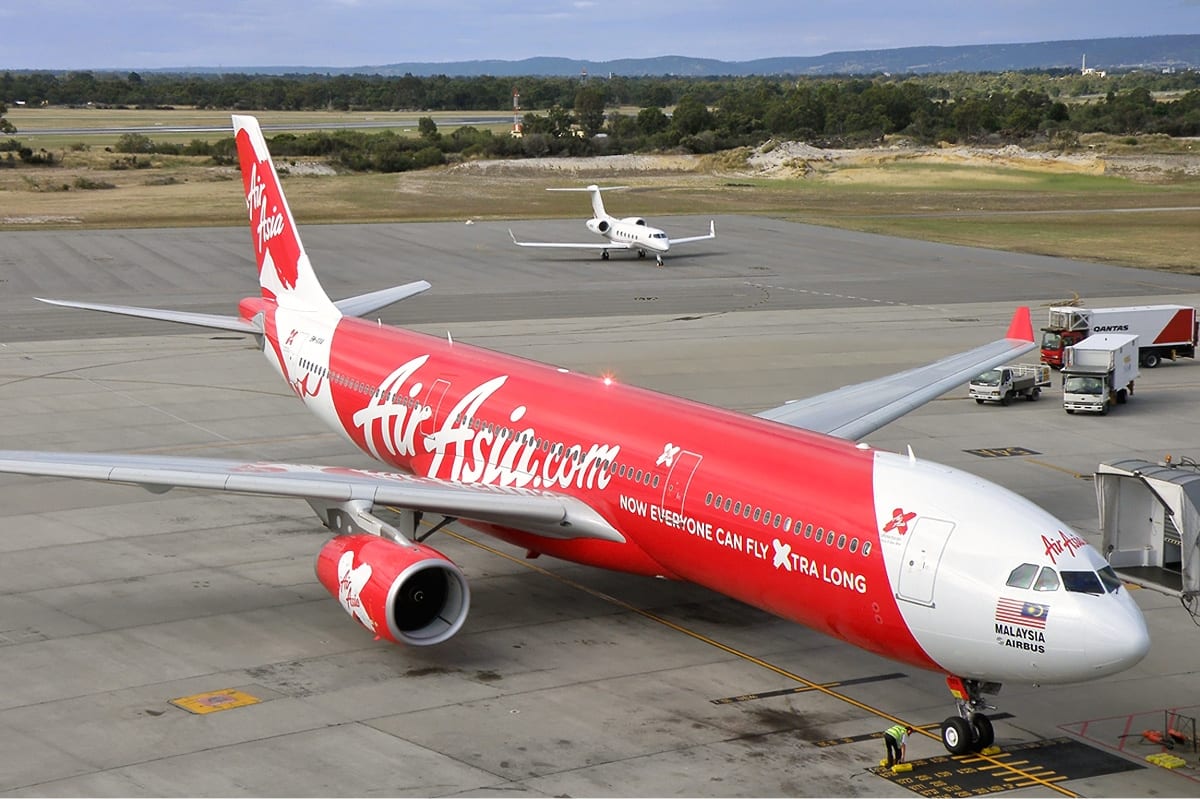
    Bangkok-based long-haul airline Thai AirAsia X has scheduled four charter flights between Bangkok and the Croatian capital Zagreb in May and October. However, seeing that AirAsia recently announced it is suspending almost all flight operations, will these actually go ahead?

    AirAsia is temporarily parking almost all of its fleet as a consequence of severe travel restrictions imposed by countries across the world to which AirAsia affiliate airlines operate.

    Earlier this month, the airline had an incredible promotion called the Big Sale with deals on flights scheduled until 1st of July 2021. Tickets were being sold with either very heavy discounts, or completely free. Passengers only had to pay the tax charge, which on some flights amounted to as little as $2.83.

    Flights from Kuala Lumpur to Seoul in Korea, and to Australia’s Gold Coast, Perth, Melbourne, Sydney, and Taipei in Taiwan, were priced at just $16 during the sale. However, even though these reductions were incredible, they clearly were not enough to stimulate sufficient demand for air travel. Thus, AirAsia is now parking much of its fleet.

    Unlike AirAsia, Thai AirAsia X has actually suspended all flights, not just international ones. The suspension started on the 16th of March and will last for three months. It is therefore unclear whether the scheduled charter flights from Bangkok to Zagreb will even take place.

    Five rotations have been scheduled for the planned Thai AirAsia X charter services from Bangkok to Zagreb.

    The dates are the 1st of May, the 6th of May, the 11th of May, the 13th of October and the 19th of October. Clearly, the scheduling is done to cater for tourist demand outside of the peak holiday season. An Airbus A330 will be operating the flights on all dates.

    Thai AirAsia X is relying on evidence of existing demand to support these charter services. Presently, passengers wishing to reach Zagreb from Bangkok have a variety of connecting options of reasonable affordability.

    For example, for a seven-day journey departing Saturday 3 October and returning Saturday 10 October, options include:

    • Emirates ($750): a 14-hour journey with a stop in Dubai of under two hours
    • Turkish Airlines ($750): a 14-hour overnight journey with a stop of under two hours in Istanbul Airport for (though this might be a very short stopover given the difficulties Istanbul’s new airport is facing)
    • Turkish Airlines ($680): a 15.5-hour daytime journey with a stop in Istanbul of under three hours
    • Qatar Airways ($700): a 15-hour journey with a 1.5 hour stop in Doha
    • Austrian Airlines ($675): a 13-hour journey with a one-hour stop in Vienna
    • Eva Air and Croatia Airlines ($2,000): a 13.5-hour journey with a 1.5-hour stop in Vienna
    • Air France ($785): a 17-hour journey with a three-hour stop in Paris
    • Lufthansa and Croatia Airlines ($785): a 17.5-hour journey with a four-hour stop in Frankfurt

    For a relatively small market, and given that Zagreb Airport is not highly attractive to airlines, this is a highly satisfactory range of services. Stopovers as short as one hour are on offer, and competition from carriers of various alliances keeps prices reasonably low.

    Thai AirAsia X will be entering an already crowded market.

  • Cebu Pacific feels pinch from Philippines quarantine

    Cebu Pacific feels pinch from Philippines quarantine

    Cebu Pacific says the month-long “community quarantine” imposed on Metropolitan Manila and the main Luzon island group recently will free up 90% of its total seat capacity, even as it maintains services from its hubs outside of Manila and the region.

    The 90% capacity figure is based on the suspension of domestic flights departing Manila, and previously suspended services to China, Hong Kong, Macau and South Korea, says Cebu Pacific in a Philippines Stock Exchange disclosure.

    During this period, the airline continues to operate flights from its other hubs that have not been affected by the quarantine order such as Cebu, and is maintaining connectivity “where operationally feasible”.

    Cirium schedules data show that in February, domestic routes accounted for 83% of Cebu Pacific and subsidiary Cebgo’s seat capacity.

    Although it expects a “significant revenue impact” during the quarantine period, operating expenses will fall in tandem, while lower fuel prices provide an additional cost benefit to its reduced fuel consumption.

    Cebu Pacific was unable to provide any earnings guidance for 2020, due to uncertainties caused by the coronavirus pandemic. However, it stressed that it has a strong balance sheet with “over Ps18 billion ($353 million) in cash and cash equivalents” at the end of 2019, and that a net debt to equity level of around 1.25x with a long maturity profile gives the airline room to seek short-term or long-term funding.

    It is also conserving cash and reducing expenses by freezing recruitment and consultancy work, implementing pay cuts for its top management, and suspending salary increases.

    Earlier in February, the carrier estimated that the outbreak will see a “Ps3-4 billion swing on profit” should the outbreak remain unabated over the next six months. The estimate was based on 2003’s Severe Acute Respiratory Syndrome outbreak, which curtailed demand for air travel for six months.

    Cebu Pacific is expected to release its 2019 financial results in the coming weeks.

  • AirAsia grounding most flights from March 28 to May 31

    AirAsia grounding most flights from March 28 to May 31

    AirAsia Group Berhad is suspending most of its flights from March 28 to May 31.

    In a statement on its website, the company said the Covid-19 pandemic had led to unforeseen extensive and increasing border restrictions by various countries.

    “This flight suspension is necessary to ensure the sustainability of the business and is the right thing to do to ensure the well-being of our guests and employees, which will remain the top priority of our business during this challenging time.

    “With governments imposing travel and movement restrictions including movement control order, AirAsia is also playing its part in helping to curb the spread of the virus in order to keep flying safe for everyone.

    “We will continue to evaluate the situation closely and we are prepared to reinstate our services as soon as the situation improves, subject to the necessary regulatory approvals, ” it said.

    All affected guests are being notified by email and SMS.

    They have the option of converting their flight booking into a credit account that is valid for future redemption for 365 days or moving their flights for an unlimited number of times without any charges to another date prior to Oct 31.

    According to the statement, short-haul flights of AirAsia will be suspended for all domestic and international flights from March 28 to April 21.

    As for the medium and long-haul flights, most AirAsia X Malaysia (D7) trips are suspended between March 28 and May 31.

    Meanwhile, the company also announced that both the management and senior employees of AirAsia Group have volunteered a salary sacrifice, ranging from 100% at the very top to 15% to further manage and contain costs.

    “This will help ensure that we can ride out this prolonged period of extremely low travel demand and at the same time minimize the impact on our employees, especially those in junior positions, ” the statement said.

  • AirAsia set to lose over RM1.1 billion

    AirAsia set to lose over RM1.1 billion

    AirAsia Group could report steeper losses in excess of RM1.1 billion in 2020, following its decision to ground its aircrafts worldwide due to the Covid-19 pandemic, according to Affin Hwang Capital.

    The research firm said in a note today that the drastic move highlights the dire operating environment faced by the airline industry.

    In tandem, it reiterated a “sell” on AirAsia’s shares with a lower 12-month price target to RM0.49.

    Meanwhile, Philippines AirAsia, Thai AirAsia, PT Indonesia AirAsia and AirAsia India have similarly reduced their flight frequencies.

    “To further manage and contain costs, the management and senior employees of AirAsia have volunteered for a salary cut, ranging from 100 percent at the very top to 15 percent,” it said.

    AirAsia yesterday announced it was temporarily suspending all international and domestic flights operated by AirAsia Malaysia from March 28 to April 21, 2020. Other airlines within the AirAsia Group will similarly reduce their flight frequencies.

    Affin Hwang Capital expects AirAsia to negotiate with its suppliers to reduce their operating costs, for instance operating leases, airport charges, fuel, operation and maintenance costs.

    “We now expect AirAsia to report larger losses in 2020-2021 after incorporating lower revenue in view of the temporary suspension of flights and dire industry outlook; and lower operating costs arising from savings in staff cost, operating leases, fuel and operations and maintenance expenses,” it said.

  • AirAsia to operate limited number of flights until March 31

    AirAsia to operate limited number of flights until March 31

    Low-cost carrier AirAsia Group Bhd will be operating a limited number of domestic and international flights during the 14-day Movement Control Order period aimed at curbing the spread of the Covid-19 infection.

    When contacted, a spokesperson for the airline said the limited operations are subject to change due to the fluidity of the situation.

    “Affected guests will be promptly notified via email or SMS. AirAsia strongly encourages guests to update their contact details using the “My Bookings” feature on airasia.com to ensure that they receive timely notifications.

    Guests may check on their flights via the “Flight Status” feature, as well as available flights on the airasia.com website and mobile application.

    For the further and latest information on options and eligibility related to Covid-19, guests can visit the Covid-19 “Customer Guide,” the spokesperson responded.

    In a note to investors yesterday, AmInvestment Bank Research said it is projecting a wider loss of RM985.4 million for AirAsia for its financial year ended Dec 31, 2020 (FY20), from RM784.2 million previously. For FY21, the research house is forecasting a smaller net profit of RM258.9 million, from a net profit of RM482.3 million previously.

    It said the earnings downgrade is to mainly reflect a 10% contraction in passengers for FY20, from a 5% contraction previously, against a backdrop of weak demand for air travel currently followed by the cancellation of Visit Malaysia Year 2020 (VMY2020).

    “We believe the cancellation of VMY2020 will add pressure to airlines including AirAsia that are already suffering from the weak air travel demand due to the Covid-19 outbreak. AirAsia has already seen a double-digit year-on-year decline in its passengers since February,” it added.

    The research house cuts its fair value on the budget carrier to 50 sen, from 94 sen previously and maintained its “sell” call on the airline.

    AirAsia shares closed at 52 sen yesterday after dropping nine sen or 14.8%. It saw 48.54 million shares done.

  • AirAsia Updates Rebooking Policy

    AirAsia Updates Rebooking Policy

    AirAsia has updated its rebooking policy so that customers with tickets issued on or before 22 March 2020, with a departure date between 23 March and 31 May 2020, can select from the following two options:

    Unlimited Flight Change: Customers can change their ticket to any travel date before 31 October 2020 on the same route for an unlimited number of times without any additional cost subject to seat availability; OR

    Credit Account: Retain the value of the flight booking in the customer’s AirAsia BIG Member account for future travel with AirAsia to be redeemed within 365 calendar days from the issuance date. The travel date of the new booking can fall on any date within the published flight schedule on airasia.com.

    The above information is only applicable for direct online bookings made via airasia.com. For group bookings or those made with travel agents, the traveler must contact their booking agent directly for further assistance.

    As this is a rapidly changing situation, travelers should make sure that their airline has their correct contact information and should carefully monitor their airline’s website and social media accounts for any new updates.