Tag: travel

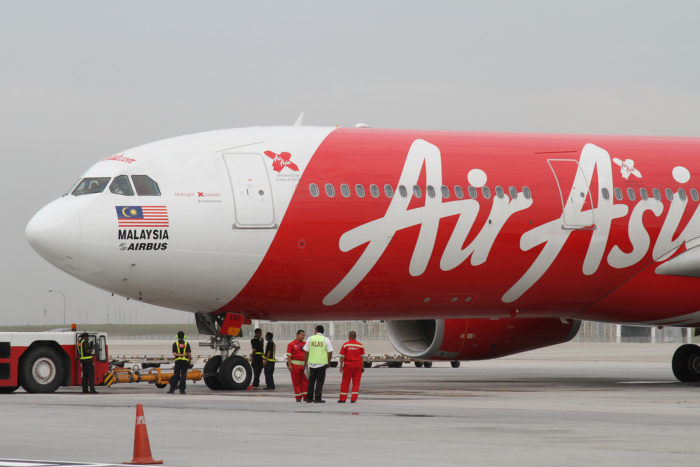
  • Malaysia Airlines and AirAsia limit number of flights till March 31

    Malaysia Airlines and AirAsia limit number of flights till March 31

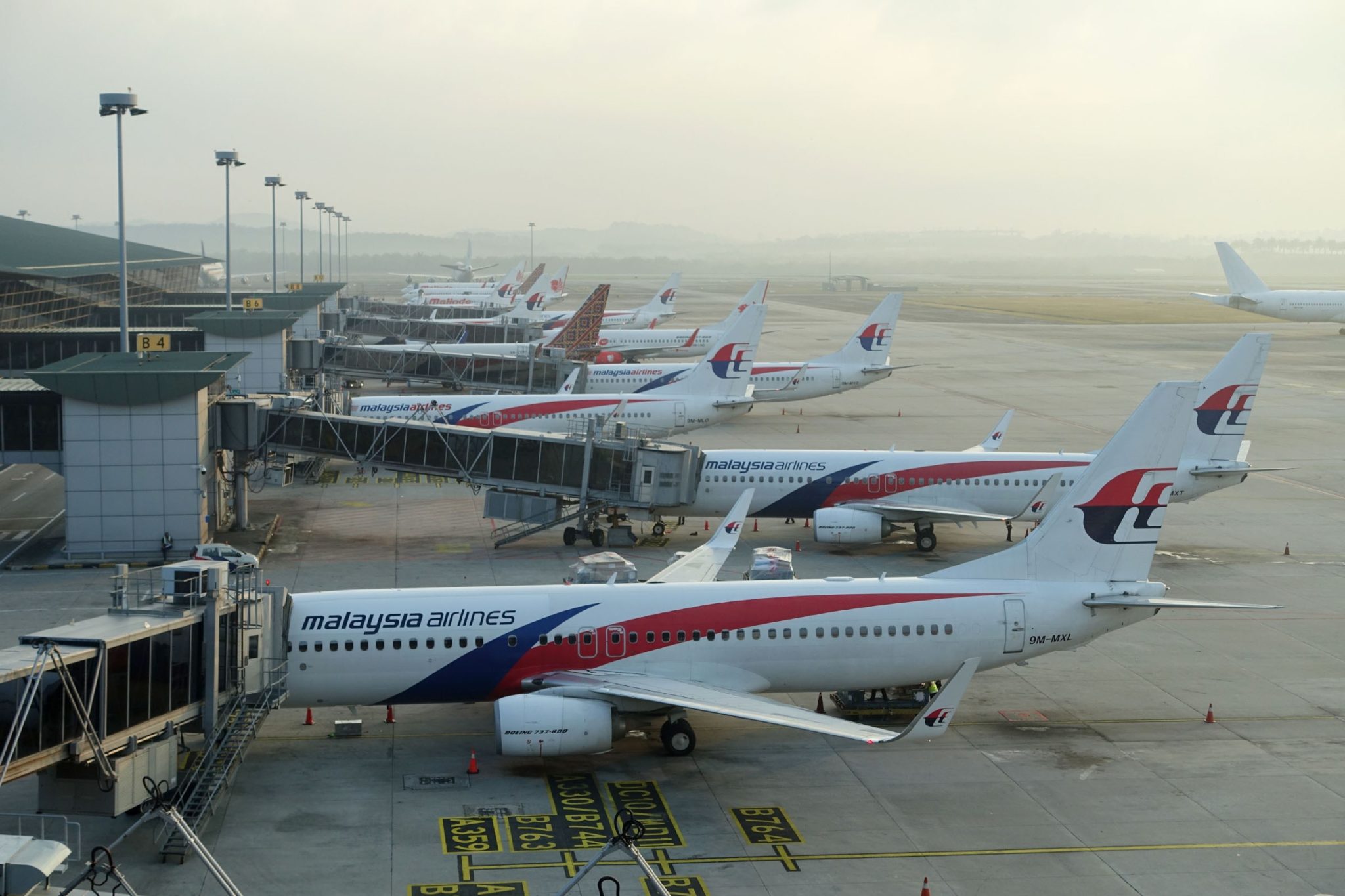
    Malaysia Airlines will significantly reduce its overall network, following the nationwide movement control order from March 18 to 31.

    International flights to India are suspended until the end of the month and flights to the Philippines are suspended between March 21 and 31, following the respective governments’ ban on travel to and from Malaysia.

    Malaysia Airlines group chief executive officer Captain Izham Ismail said the situation has been “rather fluid” since the airline has had to make last-minute cancellations to abide by the restrictions.

    “We are doing our best to re-route passengers via reallocation onto other carriers. We are also adjusting our low-load flights by canceling and merging them to manage costs while managing our customer expectations, ” he said.

    Prior to the order, Malaysia Airlines has suspended services to Saudi Arabia, South Korea, and parts of China (Beijing and Daxing), as well as the Kota Kinabalu-Shanghai route due to border controls.

    The carrier also reduced capacity to Australia and New Zealand due to the self-isolation policy of the two countries.

    To date, the company has canceled over 4,000 flights.

    “Our Global Contact Centre has been at the brunt of this situation with the number of calls peaking at 25,000 daily and up to 2,000 e-mail daily in the past three weeks, ” Izham said.

    He added that it will take the company longer to process refunds due to the sheer volume of requests.

    “I assure them that we are not here to take advantage of the situation. In fact we are one of few airlines that have offered unlimited flexibility in travel date change and waiver of certain fees, ” Izham said.

    Due to the significant capacity cut, Malaysia Airlines and all sister companies under the Malaysia Aviation Group’s back-office operations have also been reduced alongside flight and airport operations.

    A majority of its workforce globally are working from home in line with various governments’ requirements.

    Passengers with bookings may initiate changes online via the Covid-19 waiver assistance form available on the carrier’s website.

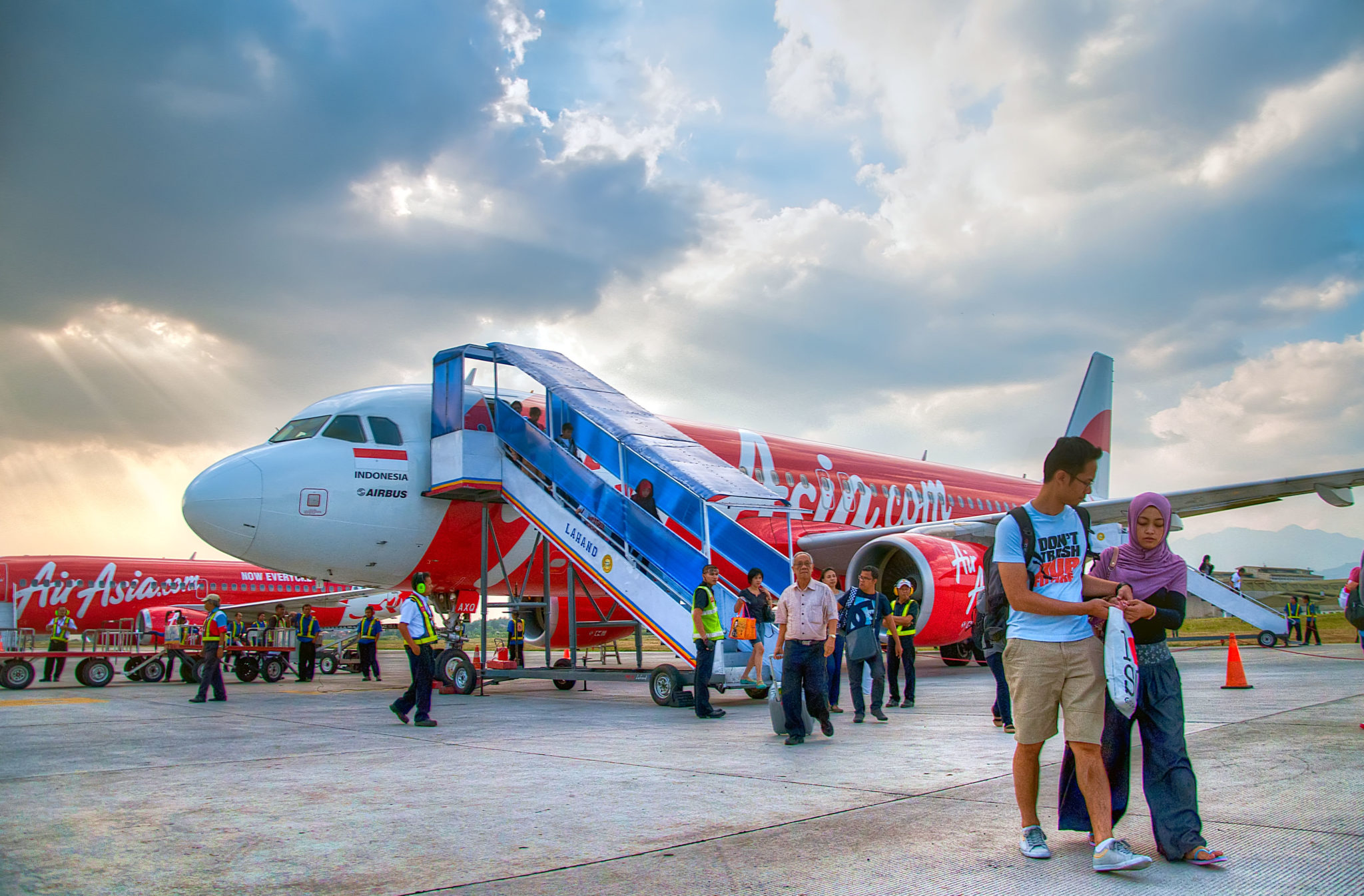
    Meanwhile, AirAsia has also significantly cut down its number of domestic and international flights.

    “AirAsia will be operating a limited number of domestic and international flights from today until 31 March, which are subject to change due to the fluidity of the current situation.

    “Affected guests will be promptly notified via email or SMS. AirAsia strongly encourages guests to update their contact details using the “My Bookings” feature on airasia.com to ensure that they receive timely notifications,” the airline said in a statement.

    For further and latest information regarding options and eligibility related to COVID-19, AirAsia guests can visit the Covid-19 Customer Guide on its website.

    A quick look at their booking page shows that there are only two flights a day from Kuala Lumpur to Kota Kinabalu, Kuching and Penang (and vice versa). Flights to other cities and towns including Johor Baru, Kota Bharu, Alor Setar, Kuala Terengganu, Sibu, Miri and Bintulu have all been suspended until April 1.

    Currently, there is one flight a day to Sandakan, Tawau and Labuan from KL but even these routes may be suspended within the next few days.

  • AirAsia forecasted to widen loss this year

    AirAsia forecasted to widen loss this year

    Airasia Group Bhd’s losses could sink further to almost RM800 million this year as the coronavirus has spelled doom for the global aviation sector.

    It is forecasted to suffer RM796 million losses in the financial year 2020 (FY20), over threefold from a loss of RM261 million in the previous fiscal year, Nomura Securities Malaysia Sdn Bhd said in a research report.

    Nomura transport analysts Ahmad Maghfur Usman and Divya Thomas said the expected figure is substantially wider than the consensus forecast of an RM2 million loss in FY20.

    Unit seat revenue across the group’s affiliates is expected to drop by 11% to 12% year-on-year (YoY) in FY20, compounded by weaker loads and yields between -3% and -5%.

    “Malaysia’s recent move to restrict tourist arrivals is expected to worsen near-term traffic, in our view, with only a modest recovery seen from this coming July, as the recent number of new coronavirus cases has spiked substantially,” the analysts said in the report published yesterday.

    They said AirAsia’s long-haul sister company AirAsia X Bhd (AAX) will likely be in dire need of a cash injection to stay afloat.

    The analysts said a privatization move for the company may not sit well with minority shareholders as they prefer the long- and short-haul low-cost airline entities to remain separate listed entities.

    Ahmad Maghfur and Thomas said an inter-company loan is the only likely avenue for AirAsia to rescue AAX.

    As it is, AirAsia is expected to weather the crisis with a net cash balance of RM2.2 billion as of FY19, based on actual borrowings without significantly deteriorating its balance sheet.

    On a positive note, the analysts said the current crisis would weaken AirAsia’s key competitors’ positions and allow the company to win market share.

    They added that the company’s high cash position would also present acquisition opportunities that could be utilized to lock in fuel price hedges for the longer term.

    Nomura rated AirAsia downwards from ‘Buy’ to ‘Reduce’ with a revised target price from 70 sen to 63 sen a unit, or 10%.

    MIDF Research analyst Adam Mohamed Rahim said AirAsia’s earnings are forecasted to reduce to RM145 million in FY20 due to lower passenger volume.

    Adam did not rule out the possibility of AirAsia redeploying its aircraft for domestic routes, especially during festive periods following the inbound and outbound travel restrictions.

    He said passengers carried in March 2020 will decline under the 14-day movement restrictions order.

    “Based on our preliminary analysis, the drop in total passenger traffic for Kuala Lumpur International Airport 2 (KLIA2) could reach more than -30% YoY for March 2020.”

    “As a result, we have lowered our total passengers carried forecast for FY20 by around -19%,” he said in a report yesterday.

    KLIA2 registered three million passengers in March last year where 66.2% were international passengers

    MIDF revised AirAsia’s target price from RM1.03 to 63 sen per share, but maintained a ‘Neutral’ call.

    Meanwhile, AirAsia said flights to both domestic and international destinations remain operational and are subject to further review with strict compliance on the travel restriction as announced by Putrajaya.

    The company said guests whose flights have been affected will be contacted with service recovery options and assistance.

    “We continue to monitor the public health situation closely and adhere strictly to all advice by all governments, as well as local and international health organizations. AirAsia has and will continue to quickly make adjustments as needed, in response to government travel directives,” president (airlines) Tharumalingam Kana- galingam said in a statement yesterday.

    Guests affected by travel restrictions with international bookings to or from Malaysia made before March 16, departure on or before April 30 only, will be offered move flight or credit account options.

    AirAsia’s office-based staff nationwide have been asked to work from home, while staff from departments crucial to operations will continue to work on rostered duty from segregated locations in accordance with the company’s business continuity plan.

    AirAsia’s share price closed at 62 sen yesterday, down 10.7% or 7.5 sen with a market capitalization of RM2.09 billion.

  • Asian sales hold up for Samsonite International

    Asian sales hold up for Samsonite International

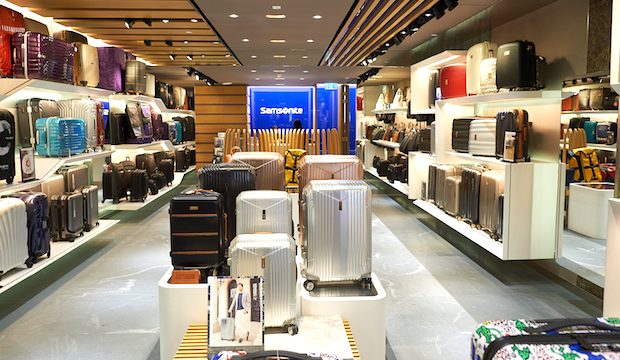
    A soft North American market saw global sales for luggage maker and retailer Samsonite International slip 1.8 percent in the December year – but the company is expecting a tough first half with the advent of coronavirus.

    CEO Kyle Gendreau said the global health emergency has caused travel disruptions worldwide.

    “While the extent and duration of the COVID-19 outbreak remain uncertain, we are reassured by actions taken by governments and health authorities around the world. Nonetheless, the outbreak will have a negative impact on our performance in the first half of 2020.”

    But he said the company is well placed to withstand the upheaval, with more than US$1.2 billion in liquidity and “a strong record of managing through past travel disruptions”.

    Last year’s sales reached US$3.64 billion, with all areas outside North America – where sales fell 8 percent – achieving growth. Sales in Asia rose 1.5 percent, in Europe by 3.2 percent and in Latin America by 2.8 percent.

    “These encouraging results … were achieved notwithstanding headwinds in four key markets, including the US, which was affected by increased tariffs on products sourced from China, and lower foreign tourist traffic, the Hong Kong domestic market, South Korea and Chile.”

    In Asia, the group’s business was impacted by a planned reduction in B2B sales during the first half of the year in China, challenging market conditions in the Hong Kong domestic market and weak consumer sentiment in South Korea. Excluding these impacts, the Group’s net sales for the Asia region increased by 6.8 percent, year-on-year.

    Samsonite International’s adjusted pre-tax earnings fell by 16.9 percent, or $100.1 million, to $492.2 million, primarily due to the effect of lower net sales and a decrease in gross profit margin, which was in part due to the incremental tariffs imposed by the US on products sourced from China.

    Gendreau says the company made steady progress in repositioning Samsonite for sustained growth and improved profitability last year while navigating sales and margin pressures in some of its key markets.

    “We are pleased with the improvements we achieved in controlling costs, managing working capital, generating cash flow and deleveraging our balance sheet. These improvements, along with our dedicated teams, strong brands, global scale and diversified sourcing base and supply chain strengthen Samsonite’s resilience in the face of challenging headwinds and provide us with the capacity to continue investing in the business to deliver sustainable growth and long-term shareholder value,” he said.

  • Google Translate gains a very convenient transcription feature

    Google Translate gains a very convenient transcription feature

    As handy as Google’s crazy popular translation tool has always been, there was something missing that could make all our lives even easier. We’re talking about a real-time transcription feature, which is now a thing on Android devices.

    This does a great deal more than simply turn speech into text on your mobile phone, also translating said text while a person is still speaking without requiring a lot of effort on your part. All you need is the latest version of the official Google Translate app from the search giant’s Play Store, with a dedicated “Transcribe” icon found on the home screen and the option to select your source and target languages located in the language dropdown at the top.

    For the time being, the groundbreaking AI-powered functionality is compatible with English, French, German, Hindi, Portuguese, Russian, Spanish, and Thai, supporting transcriptions in any combination of these languages while Google continues to work on expanding the list in the near future. The company also plans to enrich the Google Translate experience for iPhones and iPads at some point, although no iOS release schedule has been put together just yet.

    In the meantime, Android users should definitely take this feature for a spin once they receive the newest update for their Google Translate app. An internet connection is required for real-time transcriptions to work, allowing you to follow a lecture, for instance, without understanding the language that’s actually being spoken.

    Although you can’t upload an audio file and have Google Translate automatically and seamlessly transcribe it for you just yet, the extremely cool new feature does support pre-recorded audio, which you can play on your computer, as well as live audio sources.

    You can also easily pause and restart your transcriptions by tapping on the mic icon, as well as check out the original transcript before it’s translated, change the text size, and choose the newly released dark theme in the settings menu. In a nutshell, Google appears to have thought of pretty much everything right off the bat here.

  • AirAsia shares drop further, salary cut for top management

    AirAsia shares drop further, salary cut for top management

    AIRASIA Group Bhd’s share price dropped to the lowest level in 48 months despite the low-cost carrier’s move to cut operational costs and shield the company from being battered by the coronavirus outbreak.

    Carriers across the globe are in panic mode as millions of people cancel their flights as the virus wreaks havoc around the world.

    AirAsia’s shares closed yesterday’s trading at 97 sen, down 2 sen from the 99 sen recorded on Monday — compared to around RM4.41 in February 2018. The company’s market capitalization plummeted to RM3.42 billion.

    Shares of AirAsia’s long-haul unit AirAsia X Bhd declined to 7.5 sen.

    AirAsia’s acting CEO Tharumalingam Kanagalingam in an internal memo to the carrier’s staff warned of the need to cut expenditures.

    The carrier had reduced wage costs, suspended Free Munch for all non-operations managers and above; restricted unnecessary duty travel canceled big social events for the year and suspended external training unless required by law or regulation.

    He said the company’s highest earners have agreed to take a pay cut, but did not provide any quantum. In the replacement of traveling, employees should use voice or video conferencing.

    Kanagalingam, who is popularly known as Bo Lingam, said the measures are put in place to reduce costs, conserve funds and protect the future of the business.

    He said the company has reviewed every option to minimize the impact on its employees.

    “These measures are not permanent. Senior management and I will review them periodically until the situation normalizes.

    “But we may need to announce additional measures if things continue for longer or get worse. Your manager or HoD (head of department) will explain this exercise to you in more detail,” Kanagalingam said in.

    In a press statement on Monday, the acting CEO said the cost-containment measures would have zero or minimal impact on most AirAsia employees, especially those in the lower-income bracket.

    He said AirAsia continues to monitor the developments and employ aggressive marketing and education strategies to instill the confidence of flying back in the traveling community.

    “To further spur local and regional tourism, capacity is now being redeployed to domestic and intra-Asean flights. We are also continuously engaging industry stakeholders and tourism authorities for incentives, as well as marketing and promotional collaborations,” he said.

    AirAsia is expected to register a core net loss of RM1.1 billion following lower demand and yields in Malaysia, Thailand and the Philippines on significant exposures to flights to China, Hong Kong and Macau, CGS-CIMB Research said in a note last month.

    An analyst said the market outlook for AirAsia is “definitely grim for 2020”. “This year will be a watershed year. It is a matter of mitigating from deeper losses,” the analyst said.

    Its competitor Malaysia Airlines Bhd has also slashed the salary of the senior management staff by 10% and removed all allowances effective this month.

    The national flag carrier canceled more than 1,600 flights and the figure is expected to rise further.

    Group CEO Captain Izham Ismail said in a video message to the carrier’s staff that MAB has reduced 7.1% of its capacity in the first quarter this year, including 53% of the capacity to China and 23% for North Asia, namely Korea and Japan.

    Malindo Airways Sdn Bhd was reported to have asked its staff to take up to a 50% pay cut and two weeks’ unpaid leave.

    As part of the pay cut, Malindo employees were asked to reduce their number of working days by up to 15 days a month, Reuters reported.

    The International Air Transport Association has projected a total global lost revenue of between US$63 billion (RM265.6 billion) and US$113 billion in the passenger business, more than double than its previous assessment of US$29.3 billion revenue loss.

    Markets in Australia, China, Japan, Malaysia, Singapore, South Korea, Thailand and Vietnam are estimated to see a 23% reduction in passenger numbers that translates to a loss of US$49.7 billion in revenue.

    Last month, the Malaysian Aviation Commission reduced Malaysia’s passenger traffic growth forecast from between 5% and 6% to between 4.6% and 5.7% this year as a direct impact of Covid-19.

  • Google Maps gets a smart new feature perfect for travelers

    Google Maps gets a smart new feature perfect for travelers

    If you’re a frequent traveler who’s always looking for a new place to eat, you might really appreciate this subtle-but-powerful new feature baked into Google Maps.

    New to Google Maps is integration with Google Lens, the powerful image recognition system first introduced in 2017. With the latest update to Maps, the software will enhance listings for restaurants with more information on the menu.

    We already know how competent Google Lens is at identifying text and symbols in images, but this new feature will take things a step further with more information. When user-uploaded pictures include a shot of the menu, the software will kick in and give you more context to help you decide what to eat.

    The interface will give you the option to ‘Explore dishes’. It can identify the most popular items, find images for dishes, or even translate foreign menus to give you a better idea of what a dish will look like.

    The exciting thing about this is that it happens without any work from the restaurant’s end. As long as a reasonably clear photo of the menu exists in Google’s database, your phone should be able to generate these options and context information.

    As you might expect from how heavily it relies on Google services, the feature is only available on Android for now, but like most Maps features, it’ll likely make its way across to the iOS pond before too long.

  • AirAsia offers six million promotional seats

    AirAsia offers six million promotional seats

    Asia’s leading low-cost carrier, AirAsia, is offering guests six million promotional seats, including zero-fare seats, to many popular destinations in Malaysia as well as overseas.

    AirAsia said customers can enjoy the promotional seats for travel beginning March 8, 2020, to July 1, 2021.

    “Booking is open for the public from March 9 to March 15, 2020, while booking for BIG members and BigPay begins on March 8,” it said in a statement today.

    It said BIG members can enjoy discounted domestic flights from as low as RM12 one way to fly from Kuala Lumpur to Johor Bahru, Penang, Langkawi, Alor Setar, and Kota Bharu.

    BIG members can also enjoy fares as low as RM71 one way when they fly AirAsia X from Kuala Lumpur to overseas destinations, including Fukuoka, Seoul, and the Gold Coast.

    Besides Japan, South Korea and Australia, international destinations covered under the promotion include Thailand, Indonesia, Cambodia, Vietnam, India, and Taiwan.

    Meanwhile, free seats are available when one books a SNAP (flight plus hotel) package from RM129 per person.

    airasia.com chief executive officer Karen Chan said AirAsia understands the current sentiments of its customers so it provides ample opportunity for people to book in advance for an affordable getaway with the travel period up to July 2021.

    “The best way to snap the lowest fares and best value travel deals is to plan ahead and book early as with this latest BIG Sale 2020,” she said.

  • Cebu Pacific to cancel South Korea flights from March 3 to April 30

    Cebu Pacific to cancel South Korea flights from March 3 to April 30

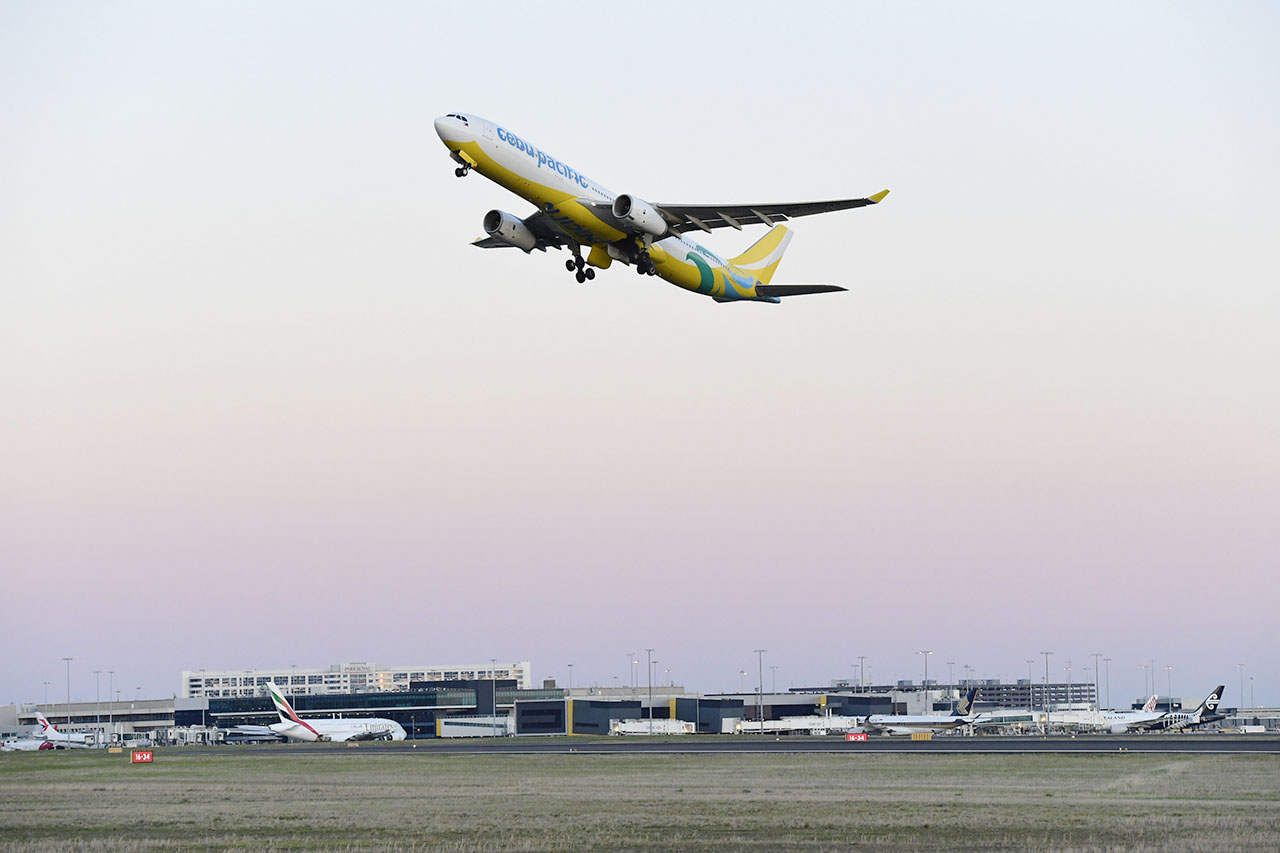
    In line with the government’s travel ban on South Korea, Cebu Pacific will cancel its flights to the East Asian country from March 3 to April 30.

    Cebu Pacific announced Friday that the following flights will be canceled:

    5J 188/ 5J 187 Manila-Incheon-Manila

    5J 128 / 5J 129 Cebu-Incheon-Cebu

    5J 180 / 5J 181 Kalibo-Incheon-Kalibo

    The airline has advised affected passengers to rebook flights to February 29, March 1, or March 2 depending on seat availability, rebook a new flight until June 30, or refund the tickets in full. Passengers can also store the ticket value in a travel fund for future use.

    The Bureau of Immigration has implemented the ban on passengers with a recent history of travel from the coronavirus-hit province of North Gyeongsang in South Korea. The infection began in Its capital Daegu City. This was based on the decision of the Inter-Agency Task Force for the Management of Emerging Infectious Diseases.

    Meanwhile, exempted from the travel ban to Korea are overseas Filipino workers, permanent residents in Korea, and students.

    South Korea has confirmed 571 additional cases of the novel coronavirus Friday, according to the South Korean Centers for Disease Control and Prevention.

    This brings the national total to 2,337 cases, with 13 deaths. South Korea has recorded the largest virus outbreak outside mainland China.

  • AirAsia X offers a year’s unlimited flights for $181 in response to coronavirus

    AirAsia X offers a year’s unlimited flights for $181 in response to coronavirus

    AirAsia X is offering unlimited international flights for a year for just 499 ringgit ($A181) as the coronavirus hits passenger numbers.

    Passengers will be able to fly from the airline’s home base in Malaysia to Australia, Japan, China, India and South Korea as many times as they like.

    The bad news is the deal is not available to Australians, only to Malaysia-based members of the airlines’ BIG loyalty scheme.

    The AirAsia Unlimited Pass went on sale Saturday and will only be available until March 7. Among the various terms and conditions, passengers will still have to pay taxes, airport fees and charges. They will be able to use the pass until March 2, 2021.

    “This is unprecedented,” said AirAsia X Malaysia CEO Benyamin Ismail in a statement. “However, AirAsia has always been known as the disruptor and we want to restore traveler’s confidence amid the current sentiment towards flying.

    “Travelling is still very safe as long as everyone travels responsibly and is kept updated by World Health Organisation (WHO) or respective government’s travel advice.”

    Meanwhile, AirAsia X said it will defer delivery of 78 Airbus A330neo planes and consider other changes to reduce its fleet, as the coronavirus outbreak adds pressure on the loss-making carrier.

    AirAsia X said late on Thursday it might sell two A330s that could fetch up to $US100 million ($153 million) and return five others to lessors early, adding it was already in negotiations with lessors about a targeted 30% cut in lease rates.

    The airline canceled 600 flights for March, according to an investor presentation published after it reported a higher quarterly net loss. AirAsia X flagged lower forward bookings and pressure on fares in the presentation.

    The virus has deepened the challenges facing the airline and sister carrier AirAsia Group, whose Chief Executive Tony Fernandes and Chairman Kamarudin Meranun have both stepped aside for at least two months amid investigations into a corruption scandal. Airbus was alleged to have paid a $US50 million bribe for plane orders.

    Brendan Sobie, a Singapore-based independent aviation analyst, said AirAsia X was highly exposed to China and other markets in North Asia significantly impacted by the coronavirus but the carrier was also in a weak financial position prior to the crisis.

    AirAsia X shares fell by 5 percent on Friday to a record low after it posted a net loss of 95.8 million ringgit in the quarter ended December 31, increasing from an 88.1 million ringgit loss a year ago.

    Flights to and from mainland China accounted for about 30 percent of AirAsia X’s capacity before the outbreak of the virus. It has a fleet of 24 A330 planes.

    The carrier last August reached a revised deal with Airbus to take 78 A330neos and 30 long-range A321XLR narrowbodies, down from earlier plans for 100 A330neos. AirAsia X is Airbus’ biggest customer for the A330neo, a more fuel-efficient version of the older A330 model.

    AirAsia X said delivery of the A330neos would be deferred and it would move toward a dual-fleet strategy with A321s set to replace its A330s on routes of four to six hours when demand recovers.

    “We believe advanced aircraft technology has changed business dynamics as we can now fly narrow-body aircraft longer,” AirAsia X Malaysia CEO Benyamin Ismail said in a statement.

    An AirAsia X spokeswoman said the airline was evaluating market conditions and had yet to confirm the duration of the A330neo delivery deferrals. An Airbus spokesman said the manufacturer does not comment on delivery schedules for individual airlines.

  • AirAsia X cuts 2019 loss despite revenue decline

    AirAsia X cuts 2019 loss despite revenue decline

    AirAsia X narrowed its operating loss to MYR90.1 million ($21.3 million), despite a decline in passenger numbers which affected its total revenue.

    The loss posted in 2019 is an improvement to the MYR204 million loss made in 2018.

    Revenue for the year ended 31 December 2019 declined 4% to MYR4.4 billion, as the number of passengers fell 8.3% to 6.07 million due to capacity cuts it undertook, and weaker travel demand in the first nine months of 2019.

    Total expenses fell 5.8% to MYR4.05 billion, on lower expenditures related to fuel, user charges, and other operating expenses.

    Unit cost without fuel were 1.9 cents, and including fuel, this was 2.5% lower year-on-year to 3.1 cents. While RASK was unchanged at 3 cents, RPKs were down 3%. Seat load factor was flat at 81%, and that seat capacity declined 2%.

    Net loss, however, swelled to more than MYR489 million, on significant increases in finance costs and the adoption of a new accounting standard on leases.

    As of 31 December 2019, the company’s cash and cash equivalents stood at nearly MYR308 million, up from the MYR253 million last year.

    Overseas units in Indonesia and Thailand saw a mixed performance. Indonesia AirAsia X cut its losses while Thai AirAsia X reversed its previously profitable streak.

    Indonesia AirAsia X reduced its operating losses by more than half to MYR36.7 million, after ceasing scheduled services for charter and wet-lease operations at the start of 2019. Revenue for the year stood at MYR76.6 million, while loss before tax was MYR47.3 million.

    Thai AirAsia X posted an operating loss of more than MYR137 million for 2019, reversing the operating profit of MYR48.7 million in 2018. Revenue grew 17.3% to MYR1.79 billion, while loss before tax came in at MYR86.5 million.

    AirAsia X’s Malaysia chief Benyamin Ismail says the airline has seen “significant improvements” in its business performance, as it focused on improving yields in core markets. It also began a Kuala Lumpur-Singapore service to support the route’s strong demand, as well as Kuala Lumpur-Tokyo Narita.

    In its outlook detailed in an investor presentation, AirAsia X plans to cancel unprofitable routes such as Jaipur, Lanzhou and Tianjin, and explore route suspensions as it tries to overcome the challenges from the coronavirus outbreak.

    It notes that China represents a third of its capacity, and this “poses [a] severe impact” on the company. An “aggressive” capacity management will be made in the first half of 2020, with more than 600 flights cancelled in March.

    To stimulate air travel demand and boost its short-term cashflow, it will also conduct aggressive promotions and waive off fees for its FlyThru transfer service.

  • Bamboo Airways suspends S.Korea flights to contain coronavirus

    Bamboo Airways suspends S.Korea flights to contain coronavirus

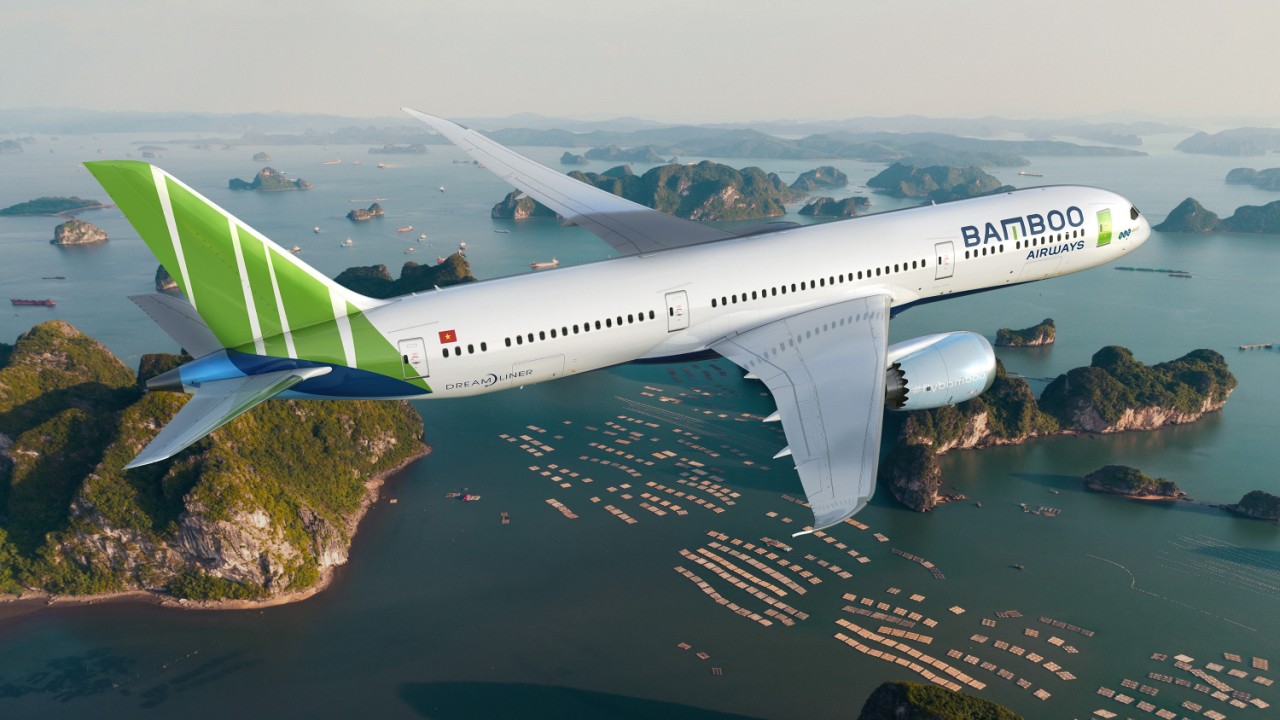
    Vietnam’s private airline Bamboo Airways will suspend all routes to and from South Korea to stem the spread of the novel coronavirus.

    Both routes from central Da Nang and Nha Trang to Seoul’s Incheon International Airport will cease operation starting February 26, it stated Monday.

    The airline is currently operating seven trips a week on each route with the narrow-body Airbus A21neo capable of carrying nearly 200 passengers.

    It stated flight suspension is vital to warding off the coronavirus from South Korea where the number of confirmed cases has reached 763, and death toll 7 as of Monday.

    Last year, South Korea was Vietnam’s second-largest tourism market behind China with 4.3 million visitors, up 23 percent year-on-year.

  • AirAsia Cancels Flights to South Korea Over Covid-19 Coronavirus

    AirAsia Cancels Flights to South Korea Over Covid-19 Coronavirus

    AirAsia Passengers can find the latest updates via Twitter: @AirAsia_Thai and Facebook: facebook.com/airasia. They can contact customer support on Twitter: @AirAsiaSupport, while they can check flight status through “Flight status” on the website: airasia.com.

    Thai AirAsia has canceled all flights to South Korea from March 6-27 due to the Covid-19 coronavirus outbreak. The cancellation in flights comes after the South Korean government issued a travel advisory to its citizens.

    Last week Thailand’s outbound tours were left in limbo after South Korean airlines suspend flights to Thailand amid coronavirus fears. The countries’ Health Ministry urged South Koreans to refrain from traveling to regions with confirmed coronavirus cases.

    South Korea has prioritized guarding against the entry of the virus from regions other than China. Using screening measures for passengers who have traveled to; Thailand, Singapore, Japan, Hong Kong, Taiwan, Malaysia, and Macau.

    AirAsia X has offered three options for passengers affected by this cancellation:

    (1) Passengers can postpone the travel date on the same route for one time within 30 days without additional costs. However, it will depend on seat availability on the flight and the conditions specified.

    (2)  Passengers can keep their points in the AirAsia BIG point reward account for travel in the future. Which must be booked within 90 calendar days from the original schedule. However, passengers can schedule the new travel date after the expiry date if the flight schedule is still available.

    (3)  AirAsia Passengers can request a full refund for all flights to and from South Korea.

    The airline will inform concerned passengers about the cancellation via email or SMS.

    Meanwhile, passengers can request offers via Ava Live Chat at support.airasia.com. In case of booking through a dealer or online travel agent, passengers must proceed with the agent that they had booked with. However, the airline will monitor the situation closely and update information periodically.

  • Philippine airlines are losing Chinese tourists amid coronavirus outbreak

    Philippine airlines are losing Chinese tourists amid coronavirus outbreak

    When Philippine President Rodrigo Duterte pursued closer foreign relations with China, he helped attract planeloads of Chinese tourists to the Southeast Asian nation. Now, the coronavirus outbreak is reversing the trend, much to the chagrin of airline companies.

    Budget carrier Cebu Pacific has put its expansion plans into the Chinese market on hold after the Covid-19 disease triggered the biggest health scare in the region since the Sars (severe acute respiratory syndrome) outbreak in 2003. Cebu Pacific and Philippine Airlines have both canceled all China-related flights until the end of March, and both stocks have taken a beating along the way.

    The country has reported three infection cases, and recorded the first death outside China on February 2. After that, Duterte imposed a sweeping ban on travels to and from mainland China, Hong Kong and Macau to protect the country in one of the most drastic reactions by regional governments. Approvals for visas on arrival have also been tightened.

    “Traveller volumes on China-Philippines routes have fallen,” said Jose Enrique Perez De Tagle, vice-president of corporate communications at PAL Holdings, which owns Philippine Airlines. Mainland Chinese account for about 10 percent of its global passengers, he added.

    Global travel restrictions on Chinese travelers as airlines cut flights to mainland
    15 Feb 2020

    Since Duterte won the presidential election in June 2016, the combative president has embraced closer ties with Beijing despite territorial disputes in the South China Sea. He has also distanced the country from the US, including a decision last week to end the Visiting Forces Agreement, a 21-year pact that allowed US troops to be based in the country for bilateral exercises.

    Mainland Chinese tourists have since become the nation’s second-largest source of tourist arrivals in the Philippines, according to government data. They made up more than one-fifth of the 7.5 million arrivals in the first 11 months of last year, versus 9.1 percent in 2013.

    The Philippines received 1.26 million Chinese tourists in 2018 versus 491,000 in 2015, according to Colliers, citing government data. They spent US$1,130 per person on average, boosting the retail and tourism sectors. In January to November last year, arrivals jumped 40 percent year-on-year, faster than the national average of 10-15 percent, Colliers said.

    Ending Philippines-US military pact will affect South China Sea disputes: analysts
    16 Feb 2020

    The coronavirus outbreak has claimed more than 1,800 lives and infected more than 71,000 people worldwide, mostly in mainland China.

    Before the outbreak, which originated in Wuhan, local carriers were emboldened by the surge in Chinese visitors to consider adding more routes in China to take advantage of the growth.

  • AirAsia offers up to 30% off for flights from KL

    AirAsia offers up to 30% off for flights from KL

    AirAsia Group Bhd is offering 30% off all its flights out of Kuala Lumpur from now until Feb 23, except those operated by AirAsia India and AirAsia Japan.

    The special sale is for travel between Feb 24 and Sept 30.

    In a statement today, AirAsia said the discounted base fares are for short-haul flights from Kuala Lumpur to destinations such as Johor Baru, Bintulu, Kuantan, Maldives, Krabi and Kolkata.

    “Our goal is to make travel more affordable and seamless than ever before as we continue our transformation to become a leading online travel package platform — now offering much more than just airfares,” airasia.com CEO Karen Chan said.

  • Cebu Pacific, PAL to resume Taiwan flights after travel ban lifting

    Cebu Pacific, PAL to resume Taiwan flights after travel ban lifting

    Two local airlines will again mount flights to and from Taiwan after the government lifted the travel ban on the territory.

    Cebu Pacific flights will resume February 17.

    In an advisory, the airline will have one flight from Manila on Monday and only arrival flights from Taiwan beginning February 18.

    On February 21, there will be two flights from Manila and two from Taiwan.

    “We are notifying passengers both on those flights on the resumption of scheduled flights starting Monday,” said Cebu Pacific spokesperson Charo Logarta- Lagamon in a phone patch interview.

    Lagamon said the airline has carried out safety measures since the coronavirus disease (COVID-19) outbreak.

    “Ever since the situation with the COVID-19 broke out, we have implemented precautionary measures — disinfection of aircraft, measures for personnel — and we try as best as we could to keep them in place all through these weeks,” she said.

    Meanwhile, Philippine Airlines announced in an advisory that Taiwan flights will begin February 21. Trips will initially be four times weekly — Monday, Wednesday, Friday, and Sunday — until February 29.

    Daily flights will resume March 1.

    “Passengers originally confirmed on canceled MNL-TPE and TPE-MNL flights now have the opportunity to book on the restored PR890 and PR891 flights,” said PAL.

    Presidential spokesperson Salvador Panelo earlier said that the Inter-Agency Task Force for the Management of Emerging Infectious Diseases lifted the travel restriction given Taiwan’s strict security protocols against the COVID-19.