Tag: travel

  • Vietnam Airlines reports record profit in 2019

    Vietnam Airlines reports record profit in 2019

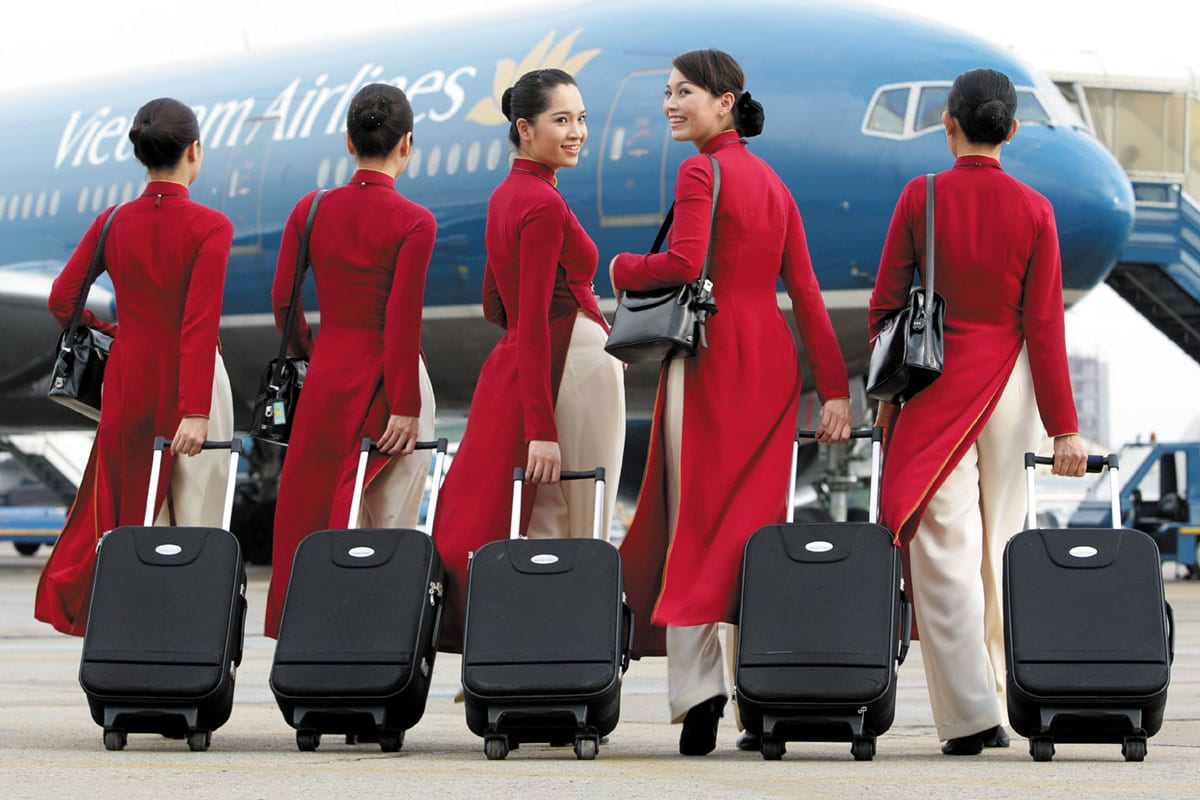
    National flag carrier Vietnam Airlines estimates its consolidated pre-tax profit for 2019 at an all-time high of VND3.37 trillion ($146 million).

    The figure also marks a 10 percent year-on-year increase, Vietnam Airlines said in a press release.

    Its consolidated revenue is estimated at VND101.18 trillion ($4.39 billion) this year, up 2.2 percent year-on-year.

    In 2019, Vietnam Airlines transported 23 million passengers and nearly 346,000 tons of cargo on 134,000 flights. The airline also began operating 22 new aircraft and 10 flight routes, bringing its fleet to above 100 aircraft.

    In 2020, it will focus on retaining its core customer segments and holding share in key markets, the airline said. It expects to invest in 50 additional narrow body aircraft between 2021 and 2015, as well as improving services and digitization of its systems.

    Vietnam Airlines is 86.16 percent state-owned, and Japanese air transportation company ANA Holdings has an 8.77 percent stake. The remaining shares are held by state-owned lender Vietcombank, private lender Techcombank, and other domestic individuals.

  • Vingroup airline expects profits in 3 years

    Vingroup airline expects profits in 3 years

    Vingroup’s Vinpearl Air, a $200 million venture, is seeking to launch its first flight in July with expectations of turning profitable by 2023.

    The new airline could also recover its investment in 5-6 years, according to an evaluation report recently submitted to the Prime Minister by the Ministry of Planning and Investment.

    The airline will have a total investment of VND4.7 trillion ($202.7 million), of which conglomerate Vingroup will contribute VND1.3 trillion ($56 million), or 28 percent. The remaining will be sourced from loans and other sources.

    Vinpearl Air is set to create 500-600 direct jobs when launched and 2,200-2,300 jobs by 2023-2024.

    It will pay a corporate income tax of VND1 trillion ($43.1 million) a year in the first five years of operation.

    Vinpearl Air plans to start off with six aircraft and increase the fleet to 30 by 2024.

    It wants to be based at the Noi Bai International Airport and park its aircraft in Hanoi as well as in other airports in Quang Ninh Province and Hai Phong City in the north, and Da Nang City and Khanh Hoa Province in the central region.

    The Ministry of Planning and Investment has said it supports the establishment of the airline, but asked the airline to provide more detailed financial calculations.

    Apart from Vinpearl Air, Vietravel Airlines and KiteAir are two other airlines seeking permission to fly this year.

    The country now has five commercial airlines: national flag carrier Vietnam Airlines, Jetstar Pacific, Vietjet Air, Bamboo Airways and Vietnam Air Services Company (VASCO).

    Airports across Vietnam served near 116 million passengers in 2019, up 12 percent from 2018, according to Airports Corporation of Vietnam (ACV).

  • Garuda Indonesia is the Most Punctual Airline in the World

    Garuda Indonesia is the Most Punctual Airline in the World

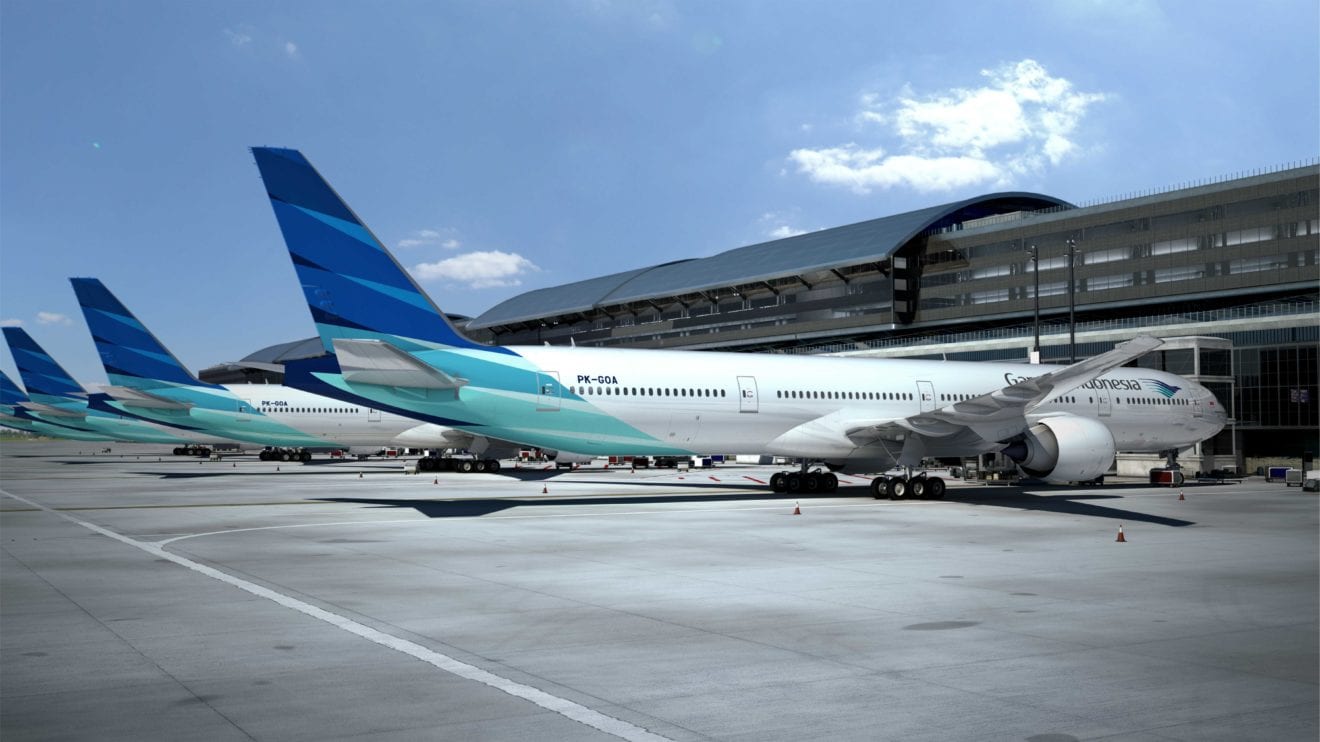
    OAG, the world’s leading provider of travel data and insight, has released the results of its annual Punctuality League 2020, the industry’s most comprehensive ranking of on-time performance (OTP) for the world’s largest airlines and airports. Asia-Pacific airlines dominated the global rankings with nine out of the top 20 most punctual airlines in the world: Garuda Indonesia (1), Skymark Airlines (3), All Nippon Airways (7), Jetstar Asia (8), Singapore Airlines (9), Thai AirAsia (10), Japan Airlines (15), Qantas Airways (18) and Indonesia AirAsia (20).

    Garuda Indonesia takes the top spot globally and regionally with an impressive OTP of 95.01%. Skymark Airlines (OTP 90.12%) ranks in the top three for both the Global Airline and Low-Cost Carrier (LCC) categories. The region’s LCCs performed exceptionally well, with nine carriers ranking in the top 20 for that respective category, including Skymark Airlines (1), Jetstar Asia (2), and Thai AirAsia (3). Solaseed, Jetstar Asia, Thai AirAsia and Indonesia AirAsia all improved their OTPs among ASPAC carriers this year.

    Japanese airport Osaka Itami (ITM) finished as the most punctual Large Airport for a second consecutive year with an OTP of 88.03%. Tokyo Haneda (HND) ranked second in the Mega Airport category with an OTP of 86.60% behind Moscow Sheremetyevo (SVO; OTP 86.87%). Singapore Changi (SIN; OTP 84.03%), Kuala Lumpur (KUL; OTP 75.04%) and Seoul Incheon (ICN; OTP 74.95%) all improved their OTP in the Mega Airport category.

    “Asia Pacific carriers and airports continued to demonstrate exceptional OTP this year, with many LCCs and legacy carriers improving year-over-year performance. The leading performance of Garuda Indonesia, Skymark Airlines, Osaka Itami and Tokyo Haneda on the global stage is commendable,” said Mayur (Mac) Patel, Head of JAPAC for OAG.

  • AirAsia starts exclusive route from Kuala Lumpur to Da Lat, Vietnam

    AirAsia starts exclusive route from Kuala Lumpur to Da Lat, Vietnam

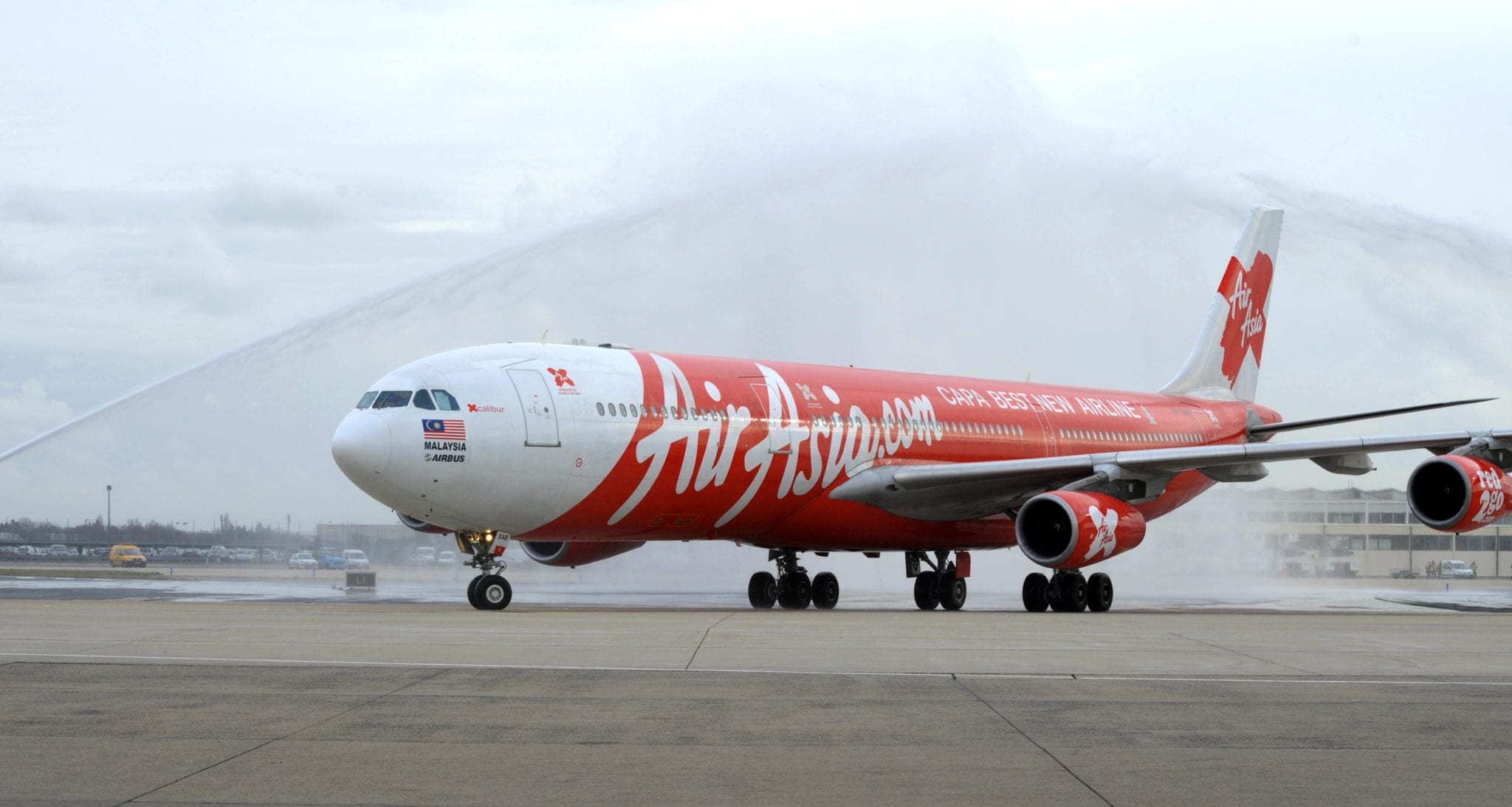
    AirAsia has unveiled its maiden flight to Da Lat, capital of Lam Dong province in the central highlands of Vietnam. The inaugural flight made history as the first international airline to offer direct services between Kuala Lumpur and Da Lat.

    Nattinee Tawanchulee, regional commercial head of AirAsia said: “We now add our latest destination to further expand footprint in Vietnam. This new direct service will provide additional air connectivity to the people in the central highlands of Vietnam to travel across the region, as well as introducing Da Lat as a holiday destination to the world. Also known as the city of eternal spring for its pleasant weather, it welcomes visitors all year round.”

    Da Lat is AirAsia’s seventh destination in Vietnam after Hanoi, Ho Chi Minh City, Da Nang, Nha Trang, Can Tho and Phu Quoc.

  • AirAsia launches bundle deals

    AirAsia launches bundle deals

    AirAsia Group Bhd has continued its journey to becoming the fastest-growing travel and lifestyle platform in Asean with the launch of AirAsia Bundle Deals, through its airasia.com platform.

    AirAsia group chief executive officer (CEO) Tan Sri Tony Fernandes said this launch would further diversify the group’s offerings apart from selling airline tickets, restaurant business Santan, hotel platform, as well as its own music label Red Records.

    “AirAsia has grown a lot from becoming a one-trick pony,” he told reporters at the launch here today.

    With over 100 merchants for the AirAsia Bundle Deals in the Klang Valley currently, he said this would be expanded to other cities and countries including Penang, Singapore, Thailand, and beyond starting next year.

    Fernandes said customers would be able to unlock various lifestyle deals comprising food and beverages (F&B), beauty and services through bundled deals by geo-location for a 90-day pass at only RM20, or easily redeemable with only 2,500 BIG Points.

    Airasia.com CEO Karen Chan said the AirAsia Bundle Deals was not only limited to the general public who visit airasia.com, but in the next phase, it would have a corporate reward solution and corporate purchases for organizations that would like to reward employees.

    “We are pleased to introduce another new lifestyle product as part of our journey in becoming a lifestyle brand. As AirAsia envisions to being beyond just an airline, we are now offering travel, lifestyle, logistics, financial services and more to cater to your lifestyle needs.

    “Customers can indulge with deals such as free hair cut, free facial, free manicure and many buy-one free-one deals made available in different locations,” she added.

    Meanwhile, in conjunction with the launch, airasia.com is offering a 24-hour launch promo of only RM1 from midnight tonight for purchases of AirAsia Bundle Deals. Simply log on to airasia.com/deals to grab the deals.

  • Vietjet CEO among world’s 100 most powerful women

    Vietjet CEO among world’s 100 most powerful women

    Vietjet Air CEO Nguyen Thi Phuong Thao is one of 100 most powerful women in the world this year, according to a Forbes listing. The only Vietnamese woman on the list, Thao was placed 52nd, down eight places from last year. This is the third year in a row she has been included in Forbes magazine’s list of 100 most powerful women in the world.

    The list was compiled based on assets, impact, spheres of influence and media presence, the magazine said.

    It estimated that the budget carrier CEO and the richest woman in Vietnam to have a net worth of around $2.7 billion as of December 13.

    Thao, 49, has done business in Vietnam and abroad in many fields, including finance, banking, aviation, real estate, and retail.

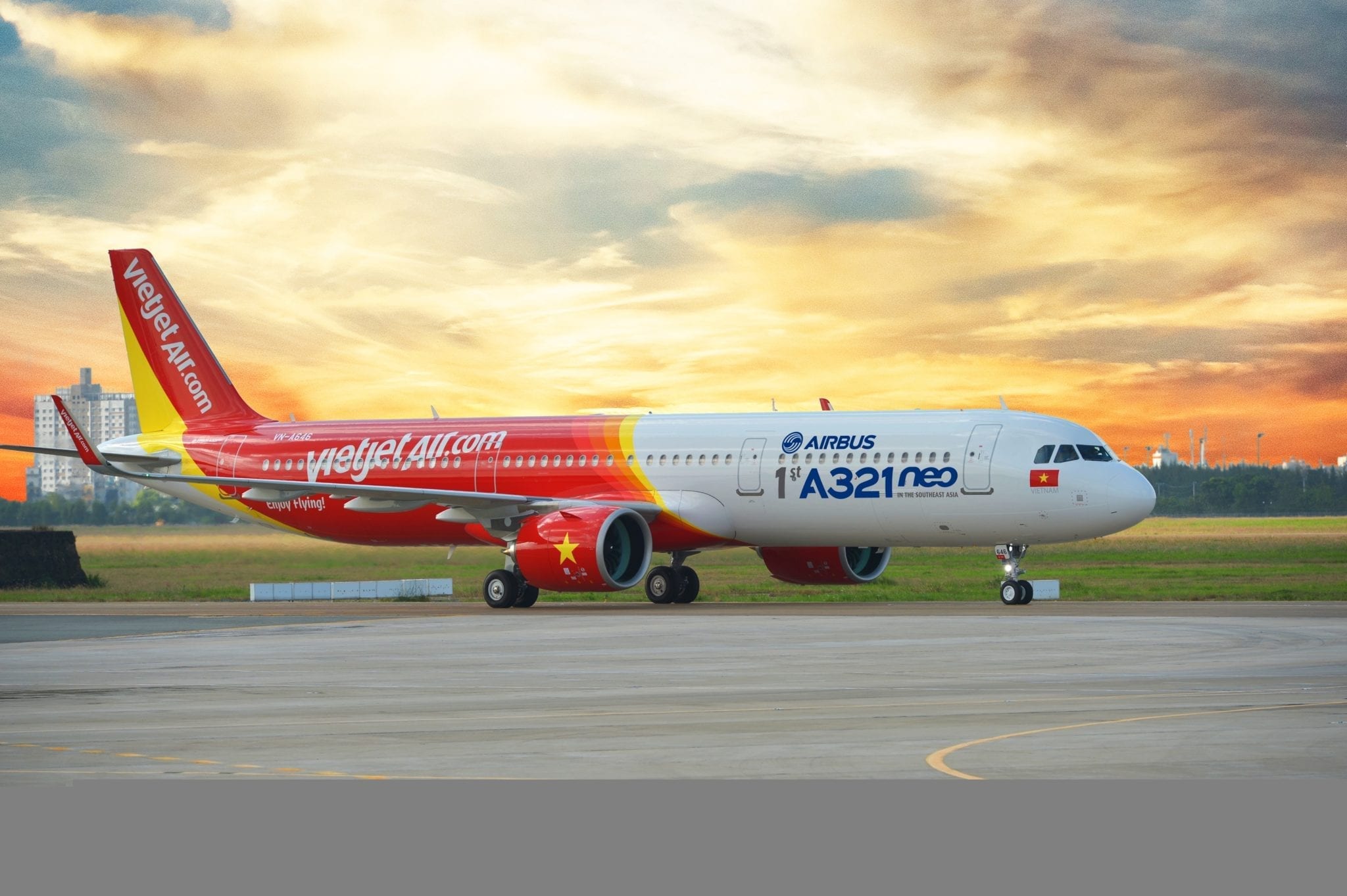
    She launched Vietjet in 2011. The airline now leads the domestic market with a 45 percent share. It operates 385 flights daily within Vietnam and to Japan, Hong Kong, South Korea, Taiwan, Singapore, mainland China, Thailand, Myanmar, and Malaysia.

    The carrier launched its IPO on the Ho Chi Minh City Stock Exchange in February 2017, becoming the first airline in Vietnam to list publicly.

    Vietjet has now surpassed national flag carrier Vietnam Airlines in terms of passengers carried. It has a fleet of 80 aircraft flying to 120 destinations.

    German Chancellor Angela Merkel was adjudged the most powerful woman in the world for the ninth consecutive year. She was followed by French politician Christine Lagarde, who serves as the President of European Central Bank, and Speaker of the U.S. House of Representatives Nancy Pelosi.

  • Vietnam Airlines wants caps removed on domestic ticket prices

    Vietnam Airlines wants caps removed on domestic ticket prices

    National flag carrier Vietnam Airlines has proposed that price caps on domestic air tickets be removed to allow carriers more pricing flexibility.

    The current price ceiling makes it difficult for airlines to diversify their prices, increase profits during certain periods of time like peak seasons, and in turn, lower prices on some routes, Le Hong Ha, Deputy General Director of Vietnam Airlines, said at a tourism forum on Monday.

    Vietnam should abolish the domestic price ceiling, and allow market forces to decide prices. “The aviation market is already operating like a free market, so airlines should be allowed to freely adjust prices based on supply and demand,” Ha said.

    The Civil Aviation Authority of Vietnam (CAAV) supports the proposal, as Vietnam is one of the few countries in the world still have a price cap, said Vo Huy Cuong, deputy head of the authority.

    The CAAV has proposed the removal of the price cap every time amendments or supplements are made to the Civil Aviation Law, but these were not approved because the National Assembly felt it was necessary to protect the interest of many classes of civilians traveling by air, he said.

    If this regulation is not amended, airlines will focus on operating and developing international routes rather than domestic ones, he added.

    In mid-2018, many airlines requested the government to raise domestic price caps because they were losing money on many routes after cost of fuel and labor increased, but this was not approved either.

    Currently, air tickets on routes under 500 km operated to promote socio-economic development have a maximum price of VND1.6 million ($69), ordinary routes under 500 km VND2.2 million ($95), while the highest ceiling is VND3.75 million ($162) for routes of 1,280 km or above.

    According to the government portal, the air distance between the northernmost point of Vietnam to the southernmost point is 1,650 km.

    Local airlines served 50.3 million passengers from January to November, up 10.7 percent year-on-year, according to the General Statistics Office.

  • Cebu Pacific offers discounted fares for some local

    Cebu Pacific offers discounted fares for some local

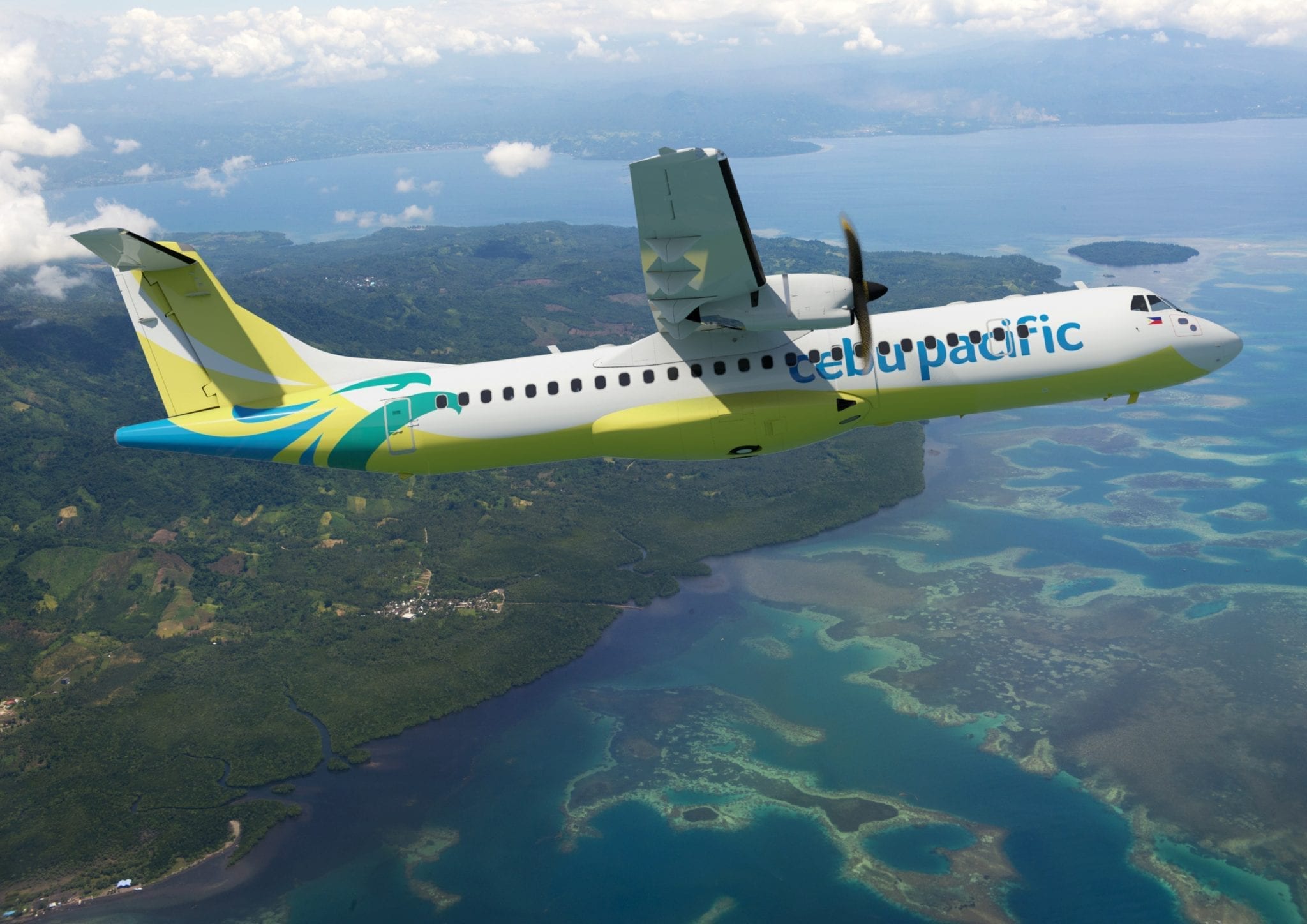
    Cebu Pacific is offering fares as low as P99 for local flights originating from Cagayan de Oro, Cebu and Clark, the airline announced Saturday.

    The so-called seat sale for domestic flights begins Saturday, Nov. 23, and runs until Monday, Nov. 25, with travel period between Jan. 1 and March 31, 2020.

    For international flights, the promo ends on Wednesday, Nov. 27., for travel between Dec. 10, 2019, and May 31 next year.

    The P99 price point is offered for flights departing Cebu for cities such as Bacolod, Boracay (Caticlan), Cagayan De Oro, Clark, Coron (Busunaga), Davao, General Santos, Iloilo, and Puerto Princesa, and more.

    The cheapest flights coming from Manila are P499 heading to Bacolod or Iloilo.

  • Virgin Australia cuts domestic and international routes

    Virgin Australia cuts domestic and international routes

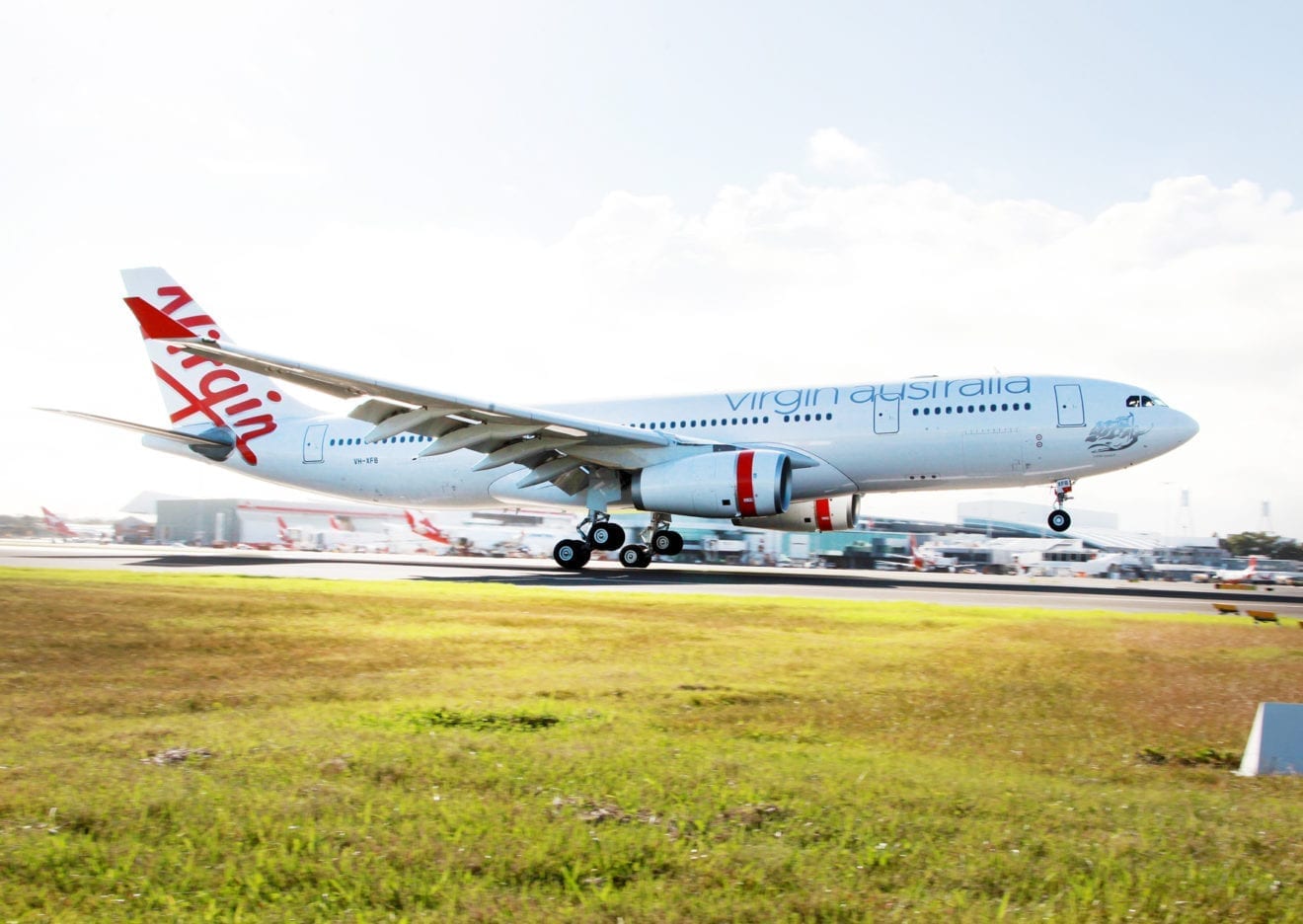
    Virgin Australia Airlines is exiting some domestic and international routes in a bid to cut costs and clawback savings for its bottom line. Flights from Sydney to Christchurch and Hong Kong to Melbourne will stop operating from April and February 2020.

    Domestic routes set to face the chop are Canberra to Perth from 6 December 2019 and Gold Coast to Perth from 19 January 2020.

    Virgin Australia’s low-budget airline Tigerair will also be dropping three domestic routes: Brisbane to Darwin and Proserpine to Sydney will be cut from 3 February 2020, while Tigerair’s Adelaide to Brisbane route will cease from 29 March 2020.

    The major airline will begin dropping earmarked routes from as early as December this year but will also be introducing or re-introducing some routes from early 2020.

    Virgin’s Brisbane to Haneda, Japan route will commence from 29 March 2020 and the Melbourne to Denpasar route will be reintroduced on the same date.

    In today’s statement, Virgin CEO Paul Scurrah said: “Some of today’s changes respond to shifting demand on some routes, and others are about refocusing Virgin Australia and Tigerair Australia on the destinations we feel they are best suited.”

    The changes are designed to lift Virgin Australia’s profitability for the 2020 financial year, according to a statement released today by Virgin.

    “In the Australian context, for airlines, there’s the headwinds that we just can’t control, or can only partially control.

    “Fuel is a big issue for us,” he added.

    “Currency going down is actually really bad for us because most of the bills we pay are in US dollars.”

    The flights between Melbourne and Hong Kong have been cut as a result of political unrest, Scurrah indicated in a statement.

    “Demand for the Hong Kong route has declined in line with the political landscape and we feel this is now best serviced through a single daily Sydney-Hong Kong service.”

    “The Airbus A330 currently operating the Melbourne-Hong Kong services will be re-deployed onto our daily Brisbane-Haneda flights commencing in March 2020, where we expect strong demand,” Scurrah said.

    Virgin is also scaling back the Sydney to Tamworth flights from twice a day to six times a week and the Auckland to Sydney flights from 19 return flights a week to 14.

    It will also add four more flights a week from Sydney to Port Macquarie and replace Tigerair’s Adelaide to Brisbane flights with five extra services a week.

  • Bali gears up for the holiday season with extra AirAsia seats

    Bali gears up for the holiday season with extra AirAsia seats

    The Christmas and New Year holidays always see a spike in both local and foreign visitor arrivals to Bali. And this year is expected to be no different.

    In anticipation of more traffic, local news wires are reporting AirAsia Indonesia would be adding an additional 65,000 seats from December 1 to January 5, 2020.

    Speaking to reporters in Jakarta, Head of Communications at Indonesia’s Transportation Ministry, Baskoro Adiwiyono, said AirAsia Indonesia would also be bringing in an additional fleet of Airbus A320s and adding extra flights for several domestic routes to and from Jakarta.

    The Ministry is expecting a significant increase in seat occupancy rates for flights in mid-December 2019 to early 2020, especially to favorite holiday destinations such as Singapore, Lombok, Bali, and Surabaya. The Jakarta to Bali route, for example, will have an additional two flights per day until December 14.

    “Towards the Christmas and New Year holiday period we plan to increase the frequency of flights from the Jakarta to Denpasar to 13-times per day for the period December 15 to January 5,” said Baskoro.

    Prices tend to increase significantly as the major holidays approach and the Transportation Ministry is encouraging prospective passengers to book early to get the best prices while tickets are still available.

    AirAsia is also suggesting customers check the company’s social media accounts to take advantage of any holiday promotions.

  • Hong Kong International Airport launches online concierge shopping service

    Hong Kong International Airport launches online concierge shopping service

    Hong Kong International Airport has launched an online concierge service called Luxury Reserve.

    The concierge concept allows customers to choose duty-free purchases at home via HKIA’s e-Shop Luxury Reserve and collect it the items at the airport.

    Luxury Reserve features exclusive items and limited editions from more than 40 luxury brands including Alexander McQueen, Breitling, Chloe, Roger Vivier, Saint Laurent, and Stuart Weitzman.

    According to a statement, reservations can be made from two weeks to 48 hours before the customer’s flight departs.

  • AirAsia boosts third-quarter profit 5% amid strong revenue rise

    AirAsia boosts third-quarter profit 5% amid strong revenue rise

    AirAsia Group‘s third-quarter profit rose 4.6% to more than MYR264 million ($63.3 million) as revenue and passenger numbers increased.

    Revenue for the quarter ended 30 September was up 18% at MYR3.07 billion. Group-wide traffic likewise grew 18%, slightly lower than the 19% increase in capacity. This resulted in a two-point load-factor decline, to 84%.

    Expenses related to staff, maintenance and user charges rose amid expansion. Depreciation costs meanwhile grew, reflecting the adoption of a new accounting standard on leases.

    AirAsia made a net loss of MYR67.5 million as it took hits from foreign exchange and fair-value losses on derivatives. The previous year, it had made a MYR804 million net profit in the third quarter.

    On a nine-month basis, AirAsia‘s operating profit halved to MYR707 million, despite a 17% lift in revenue to MYR9.09 billion. Net profit shrunk 96% to MYR99.5 million.

    Across the airline operations, third-quarter EBITDA more than doubled to MYR662 million. The group’s overseas units in Indonesia, Philippines and Thailand all improved their performance, while the one in India narrowed its losses.

    Thai AirAsia‘s EBITDAR rose 20.5% to Bt1.32 billion ($43.7 million), while revenue grew 5.3% to Bt9.42 billion. The airline attributes a Bt761 million loss after tax to exchange-rate effects and notes that unit revenue is under pressure as a result of competitors’ low pricing.

    Indonesia AirAsia‘s third-quarter EBITDA was narrowly positive at Rp415 million ($29,000); revenue swelled 72% to Rp1.83 trillion. Net profit came in at Rp61.2 billion, reversing a Rp214 billion net loss in the same period last year.

    Philippines AirAsia‘s EBITDA came in at nearly Ps1 billion ($19.7 million), reversing a Ps1.32 billion loss in the same quarter of 2018. Revenue jumped 40% to Ps6.23 billion, and the operation’s net loss narrowed to Ps367 million.

    AirAsia India narrowed its EBITDA loss to Rs1.2 billion ($16.8 million), as revenue climbed 58% to Rs7.24 billion. Loss after tax was flat at Rs3.1 billion. AirAsia says the unit’s costs grew in line with capacity increases.

    Meanwhile, AirAsia Japan made a net loss of Y3.71 billion ($33.9 million).

    As of 30 September, the AirAsia Group had MYR2.18 billion in cash and cash equivalents – some MYR4.43 billion less than it had on the same date last year.

    AirAsia Group says newly delivered Airbus A321neos will be deployed on routes with high demand and constrained infrastructure, in an effort to reduce unit cost.

    In 2020, the group will make a net addition of 12 aircraft to its fleet. Malaysia AirAsia will not take any aircraft, while Thai AirAsia will remove three jets. Indonesia AirAsia and AirAsia Japan will each receive three jets, and Philippines AirAsia two. The bulk of the growth will be at AirAsia India, which will add seven aircraft.

    The airline group foresees a “positive… core performance” during the fourth quarter. It says: “As the group repositions the business to adapt to the evolving business environment along with new accounting treatment and restructured aircraft ownership, we look forward to a better year in 2020.”
  • AuMake pivots to sell to Asian tourists

    AuMake pivots to sell to Asian tourists

    AuMake says it will focus on catering to Asian tourists at its Australian outlets, shifting away from its original business model of targeting Chinese shoppers intent on posting their products to the mainland.

    The ASX-listed company’s 16 shops initially concentrated on selling Australian products to “daigou” – residents who frequent the stores, which each have a designated parking area, in order to send bought items to China in parcels.

    “From early 2018 and due to the locations of our stores in Sydney’s CBD, we began to observe the increasing visitation of Asian tourists and their propensity to purchase less well-known and higher margin products relative to daigou,” AuMake executive chairman Keong Chan told shareholders on Wednesday.

    AuMake announced in April that it had acquired the Broadway business, including its six Australian stores popular with foreign tourists, for $14.2 million.

    “AuMake will continue to service daigou however this will increasingly be transitioning offline traffic to the company’s online platforms, to maximise efficiencies and profitability,” Chan said.

  • Vietjet Air signs $140 million loans for fleet expansion

    Vietjet Air signs $140 million loans for fleet expansion

    Vietjet Air has signed a syndicated loan agreement worth $140 million with three foreign banks to fund its aircraft purchase plans.

    The lenders were South Korea’s Woori Bank and KEB Hana Bank; and the Industrial and Commercial Bank of China, the airline said in a statement Tuesday.

    The low-cost airline is eyeing new routes to the Middle East, Eastern Europe and Australia using the 20 Airbus A321XLR aircraft it ordered last month.

    The A321XLRs are scheduled to be delivered from 2023 and the carrier plans to add 10 international routes every year, Thao said.

    Vietjet currently flies 40 domestic and 66 international routes. It operates 385 flights daily within Vietnam and to places such as Japan, Hong Kong, South Korea, Taiwan, Singapore, mainland China, Thailand, Myanmar, Malaysia and India.

  • Chloe opens first Hong Kong travel retail store

    Chloe opens first Hong Kong travel retail store

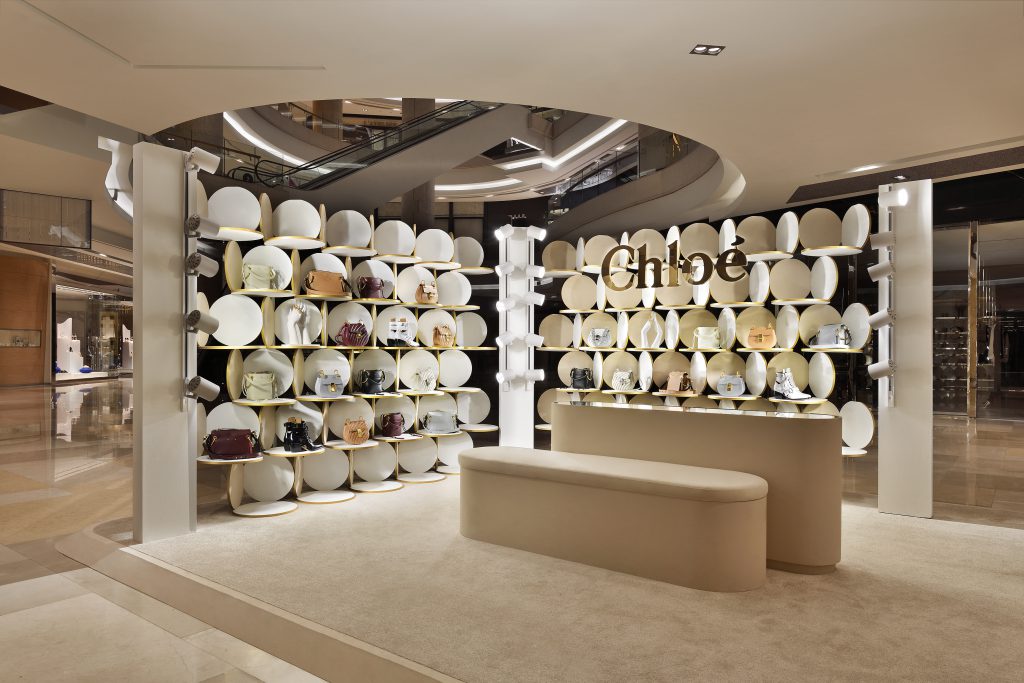
    French luxury brand Chloe has opened its first travel-retail store inside Hong Kong International Airport.

    The opening comes after the brand won a retail concession by the Airport Authority of Hong Kong last year.

    The store offers a selection of accessories including handbags, small leather goods, shoes, sunglasses, and jewelry. It boasts furnishings and decor featuring contrasting soft femininity with touches of burnished brass. The immersive installation is inspired by the brand’s signature atmosphere with a color motif of powdery beige rosé to shades of white and a touch of mustard.

    The store is operated in partnership with global travel retailer Dufry, which has more than 2300 shops around the world.

    Chloe has been accelerating its travel-retail expansion strategy, having opened 10 other stores at other international airports this year so far.

    HKIA is undergoing a transformation in its luxury zone and food court “to heighten and refresh passengers’ shopping and dining experiences”. It aims to further enhance luxury retail brand options, awarding luxury tender contracts to other prestigious brands including Louis Vuitton, Alexander McQueen, Montblanc and Rimowa last year.