Tag: travel

  • Cebu Pacific introduces online chatbot for customer support

    Cebu Pacific introduces online chatbot for customer support

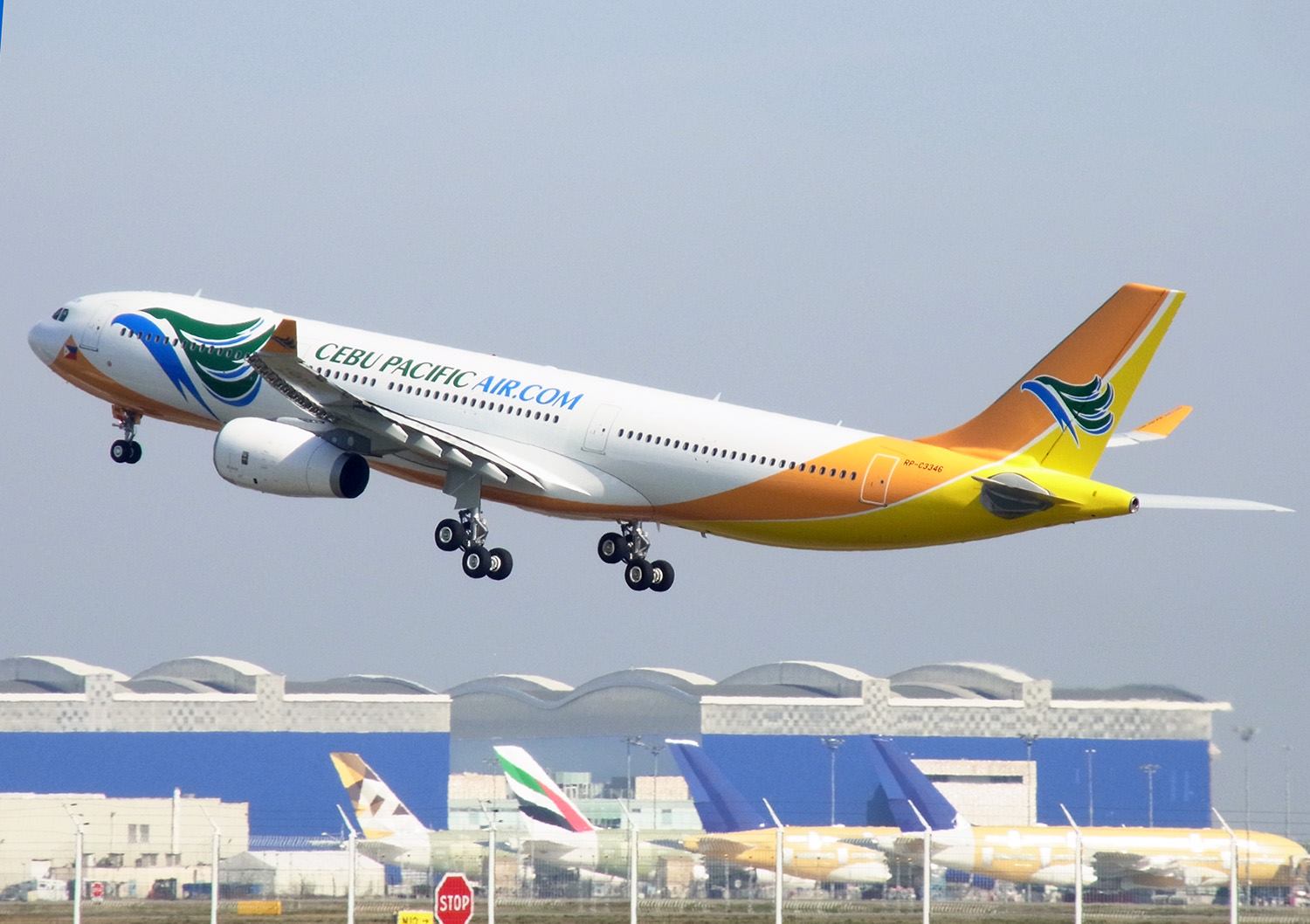
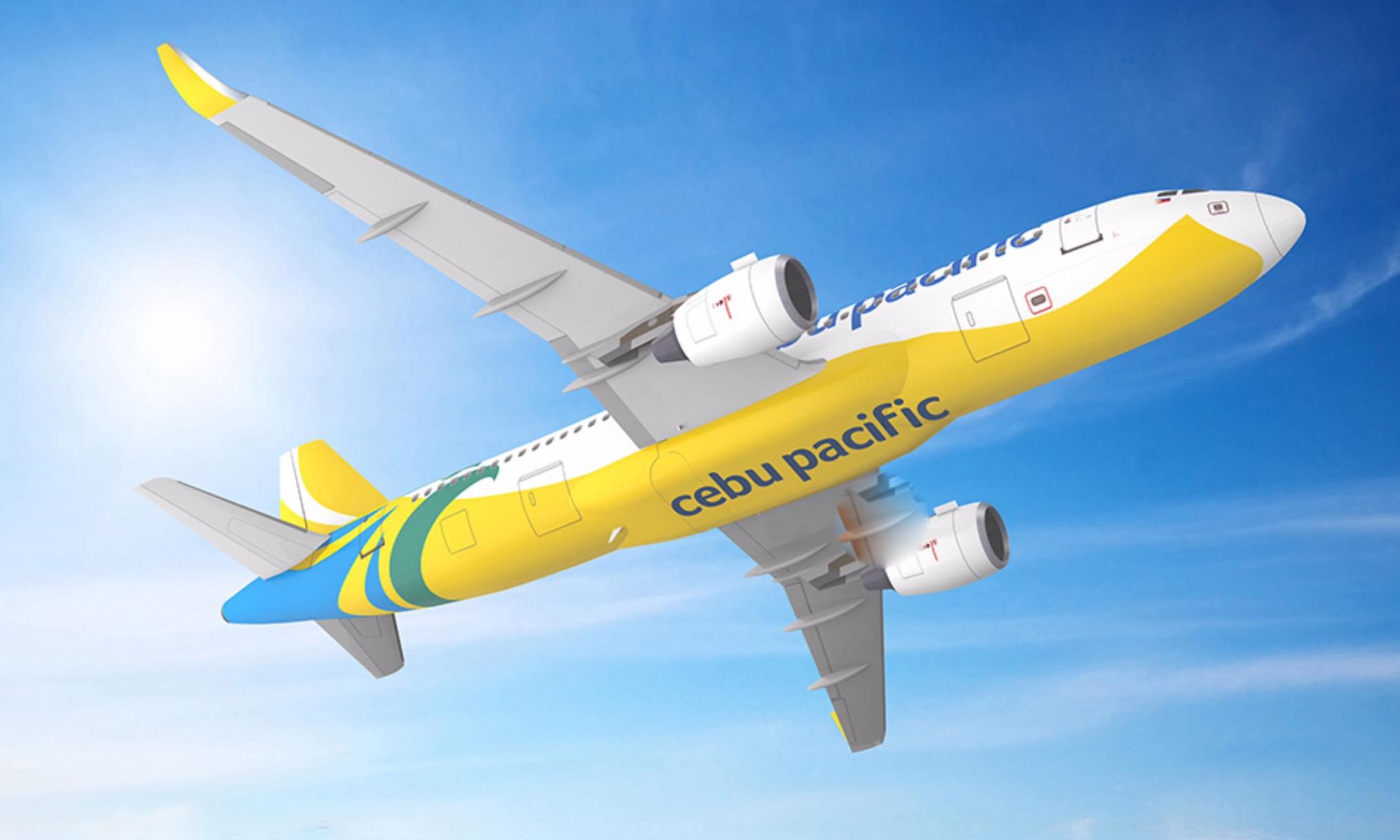
    Philippines-based low-cost carrier Cebu Pacific has launched its online travel assistant, Charlie the Chatbot, to provide 24/7 support for customers.

    Charlie, now available on the airline’s website and official Facebook page, can help answer customers’ frequently asked questions, which include flight bookings, inflight meals, baggage allowance and so on.

    Customers who need help can type in their queries in English one at a time, or choose from a variety of suggested topic options when they open the chatbox.

    Charlie’s capabilities also include assisting passengers with their flight check-in, providing flight itineraries and boarding passes, and sharing details of the airline’s ongoing seat sales and promotions.

    “We’ve always talked about being an enabler of fun and accessible travels, and as part of our thrust to enhance customer experience with the airline, we created Charlie,” said Candice Iyog, vice president for marketing and customer experience at Cebu Pacific.

    “As we officially launch our chatbot, we hope to offer convenience and helpful information within our travelers’ fingertips.

    “Charlie still has a long way to go in terms of learning – just like any chatbot. Rest assured, we are continuously working on expanding Charlie’s knowledge in order to provide our passengers with the best customer experience possible.”

    The airline says Charlie has engaged with more than 393,000 passengers since its inception in January this year.

  • AirAsia announces inaugural flights to Belitung

    AirAsia announces inaugural flights to Belitung

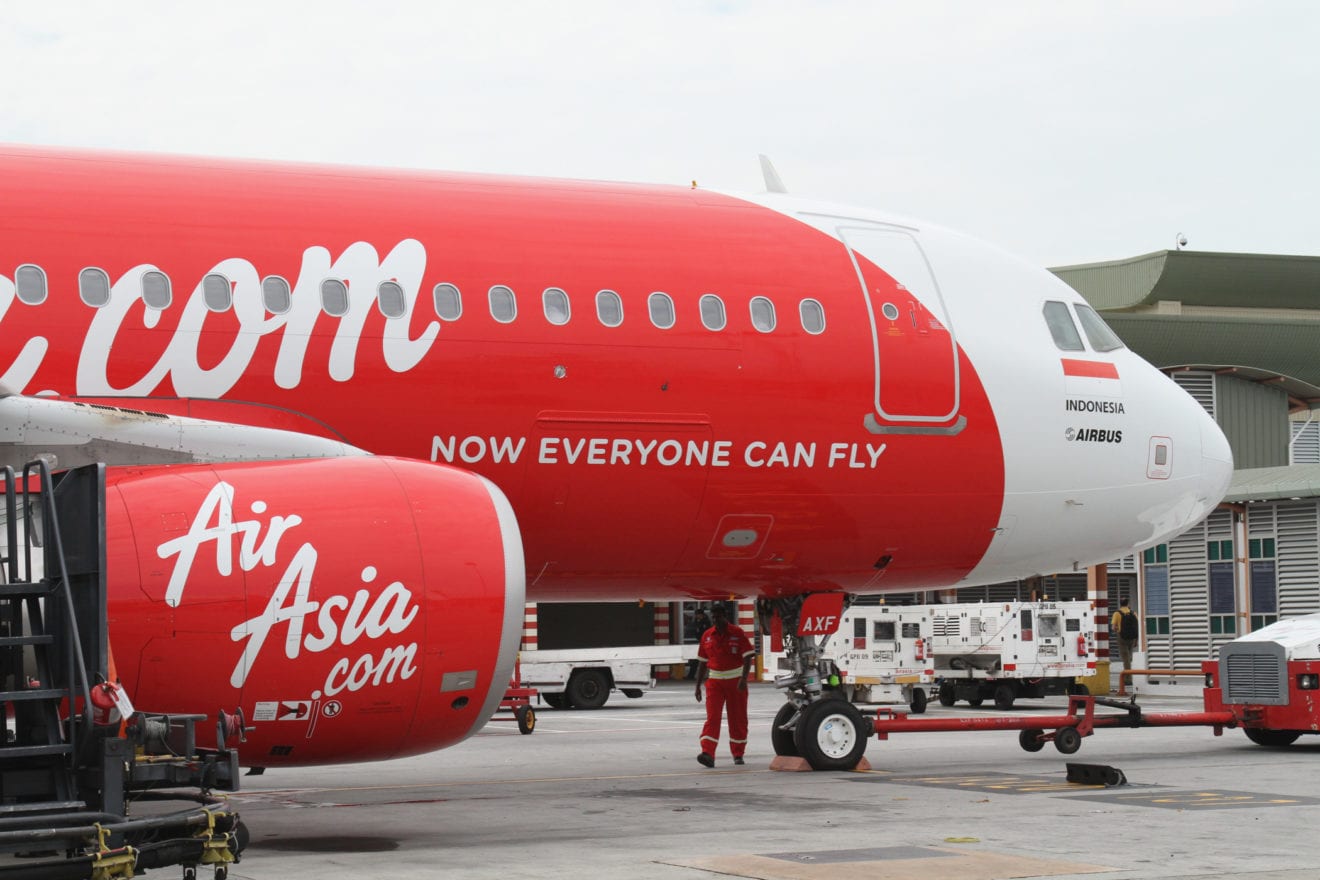
    Low-cost carrier AirAsia commenced flights from Jakarta to Belitung, Bangka Belitung, on Tuesday as well as from Kuala Lumpur, Malaysia, to Belitung on Wednesday.

    The inauguration ceremony on Wednesday was marked by handing out flowers and souvenirs to international passengers arriving from Kuala Lumpur, who then enjoyed a traditional welcome dance.

    The Airbus A320-200 that was used for the flight can accommodate 180 passengers.

    Veranita Yosephine, deputy CEO AirAsia Indonesia, said the inauguration was the continuation of the airline’s commitment to support Indonesian tourism, especially the 10 New Balis or burgeoning tourist destinations in the country.

    “Previously, we’ve launched flights to Lombok, Labuan Bajo and Sorong. We’ve also added five new planes to support operations in these new destinations,” she added.

    AirAsia is offering promotional rates on flights from Jakarta to Belitung that start from Rp 471,000 (US$33.19) and Belitung to Jakarta from Rp 393,000. The price includes a free baggage allowance of 15 kilograms.

    Tickets from Belitung to Kuala Lumpur start from Rp 309,000 and from Kuala Lumpur to Belitung start from Rp 378,000.

    The promotional rates are available for AirAsia BIG members until Oct. 6 on airasia.com and the AirAsia mobile app for a travel period until Feb. 9, 2020.

    Belitung, one of two main islands located off the east coast of Sumatra, is known for its pristine beaches and 1,000-year-old granite rock formations. (

  • AirAsia India Set To Switch Terminals At Mumbai Airport

    AirAsia India Set To Switch Terminals At Mumbai Airport

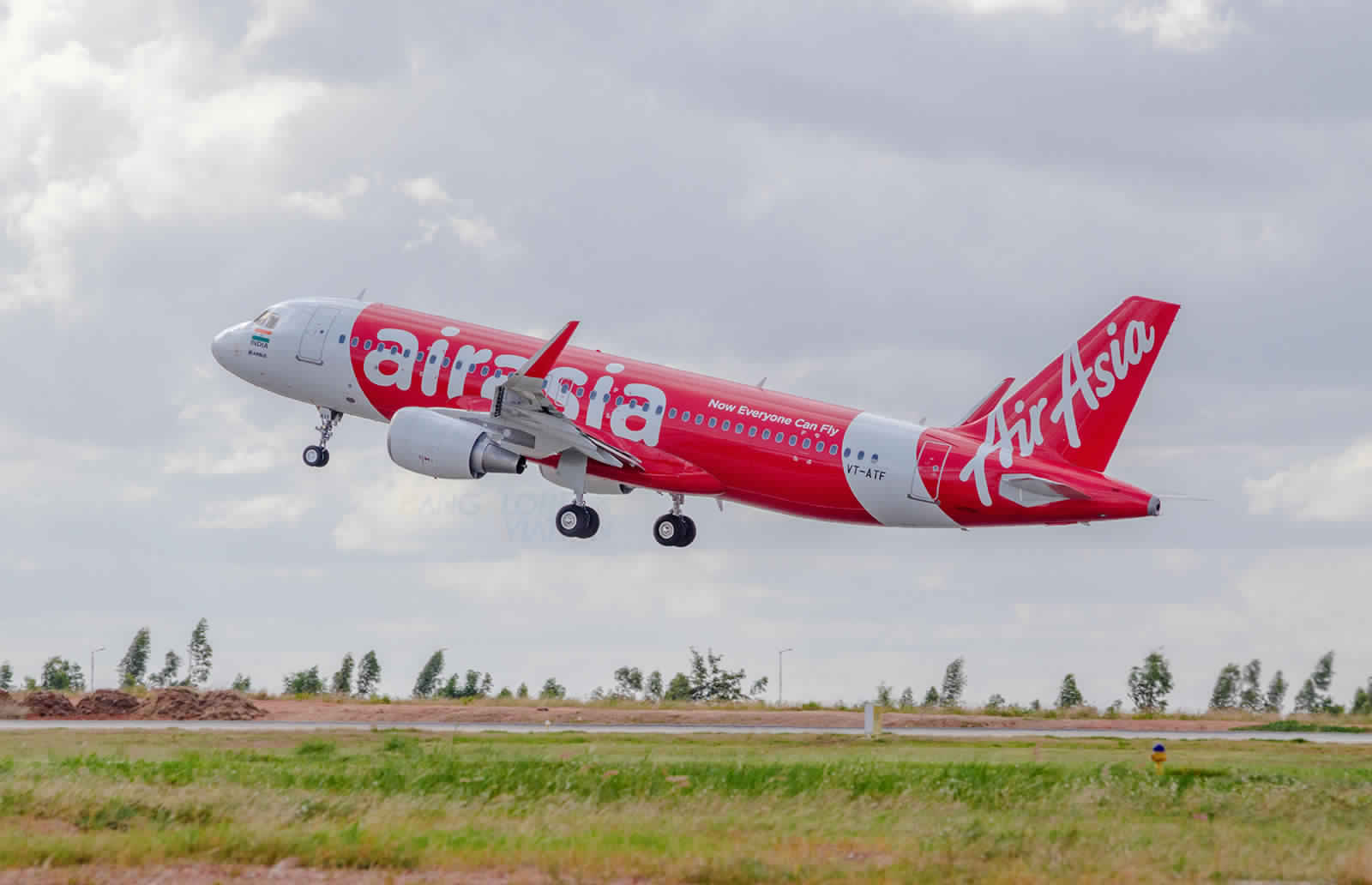
    AirAsia India has made the choice to change from terminal two at Chhatrapati Shivaji Maharaj International Airport, to the domestical terminal one. This will mean passengers who are traveling within India will no longer have to transfer through the international terminal to take a standard domestic flight on AirAsia India.

    Mumbai is a popular destination for airlines. So much so that AirAsia India has been unable to get departure gates from the main terminal one at Chhatrapati Shivaji Maharaj International Airport since they launched back in June 2014. They have, instead, had to operate their domestic service from the international terminal two.

    This had several disadvantages, such as forcing passengers who are transferring from other domestic carriers to a different terminal to take an AirAsia India flight, as well as passing through different security checks that are normally reserved for international flights. And for those not in the know, the two terminals are far apart and require a bus to transfer between them.

    This is set to change however this October, when the airline begins operating from terminal one and can line up with all the other domestic low-cost-carriers.

    “We are pleased to announce that Mumbai will now be our fourth hub in India, and alongside that AirAsia India will shift its operations from Terminal 2 to Terminal 1B from October 15,” said Sunil Bhaskaran, managing director, and chief executive, AirAsia India.

    AirAsia India flies across the sub-continent. Photo: AirAsia

    But moving to a better terminal for passengers is just the beginning, with the move allowing AirAsia India to make Mumbai it’s new fourth hub in the country.

    “Mumbai will become AirAsia India’s fourth hub in the country after Bengaluru, New Delhi and Kolkata,” AirAsia India said in a press statement back in May “AirAsia India will now connect Mumbai to Kochi, Kolkata, Hyderabad, Indore, New Delhi and Bengaluru.”.

    The airline currently flies to 21 destinations across the subcontinent with 23 Airbus A320-200 aircraft. They don’t specifically have any aircraft on order at the moment, but likely that some of the vast 353 Airbus A321neos that are on order to their parent organization will find their way into their fleet.

    They are a subsidiary airline of the AirAsia group, a vast network of low-cost-carriers who’s combined network flies from the United States, to Japan, to Australia and more. AirAsia X, the international arm of the airline, recently took ownership of a brand new Airbus A330neo and is operating the cheapest flatbeds flying in the sky today.

    Needless to say, this move to the domestic terminal sets up AirAsia India for long-haul success in India.

  • AirAsia expands flights in Indonesia

    AirAsia expands flights in Indonesia

    AirAsia launched new services from Kuala Lumpur and Jakarta to the island of Belitung in Indonesia this week. The new four weekly services from Kuala Lumpur will support the Indonesian government’s agenda to develop ’10 New Bali’ destinations.

    It follows the commencement of daily Jakarta – Belitung services that started 1 October.

    AirAsia Indonesia deputy CEO Veranita Yosephine said: “These new routes from Kuala Lumpur and Jakarta continue our trajectory support of the Ministry of Tourism Indonesia’s initiative. This year alone, AirAsia Indonesia has launched new routes from Jakarta to Sorong, from Bali to Lombok and to Labuan Bajo, the gateway to the Komodo islands.”

    The airline recently added Airbus A320 aircraft which are now based in Jakarta and Lombok. By year-end, it will also take delivery of an additional two new aircraft.

    To celebrate the new route, AirAsia is offering an all-in fare from as low as MYR89* from Kuala Lumpur to Belitung, until 6 October for travel until 9 February 2020 for its loyalty program members.

  • AirAsia starts Kuala Lumpur-Belitung flights

    AirAsia starts Kuala Lumpur-Belitung flights

    AirAsia Group Bhd has began flying four times weekly services from Kuala Lumpur to Belitung. This is in addition to the daily flights between Jakarta and Belitung.

    AirAsia Indonesia deputy CEO Veranita Yosephine said AirAsia Indonesia has so far this year, launched new routes from Jakarta to Sorong, from Bali to Lombok and to Labuan Bajo.

    “To facilitate this expansion, the company has grown its fleet to include three new Airbus A320s which are based in Jakarta and Lombok. By year end, we will also take delivery of an additional two new aircraft,” she said in a statement today.

    To celebrate the new route, AirAsia is offering AirAsia BIG members special all-in fares from as low as RM89 from Kuala Lumpur to Belitung, from now until Oct 6, for travel from today until Feb 9, 2020.

    All-in non-member fares meanwhile, will start from RM94 for one-way travel, inclusive of taxes.

    AirAsia shares closed down 3 sen or 1.69% at RM1.74 today, with 8.05 million shares done, bringing a market capitalisation of RM5.82 billion.

  • Lower AirAsia passenger service charge starts today

    Lower AirAsia passenger service charge starts today

    AirAsia’s reduced passenger service charge (PSC) of RM50 starts today at KLIA2 and other international airports in Malaysia.

    This follows Transport Minister Anthony Loke’s announcement last month that the Cabinet has decided to reduce the PSC for passengers traveling outside of Asean from RM73 to RM50 effective Oct 1.

    AirAsia Group president (airlines) Bo Lingam said as the airports belong to the government, the Cabinet has every power to implement changes to the PSC.

    Bo thanked the government for supporting its cause towards a fair PSC and making air travel affordable. “This will hugely benefit not only air travelers but also the tourism industry and economy as a whole, ” he said.

  • Thai Airways adds a sixth weekly flight between Brussels and Bangkok

    Thai Airways adds a sixth weekly flight between Brussels and Bangkok

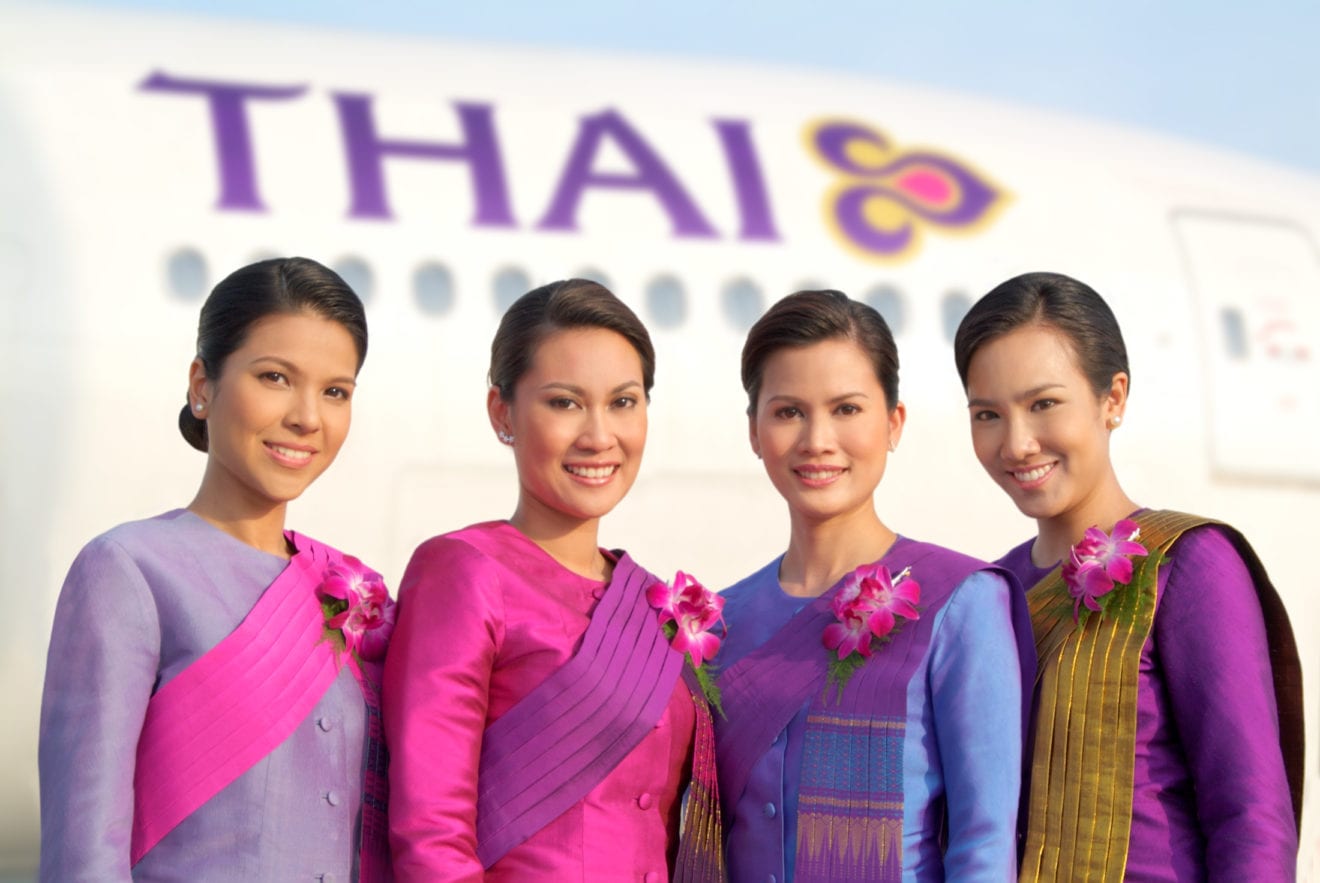
    Thai Airways is very pleased to announce the launch of its 6th weekly non-stop flight Bangkok – Brussels  – Bangkok every Monday.

    As from 28th of October 2019, THAI will operate 6 non-stop flights per week on the route Brussels – Bangkok and return, all operated by Airbus A350-900 including Royal Silk Class (Business) and Economy Class.

    TG934 BKK 00:30 - 07:40 BRU A359 12-4567
    TG935 BRU 13:30 - 05:35+1 BRU A359 12-4567

    Tickets on the new Monday flight can be booked as from today via https://www.thaiairways.be or via any travel agent in Benelux.

  • Bamboo Airways hopes to triple market share to 30 pct

    Bamboo Airways hopes to triple market share to 30 pct

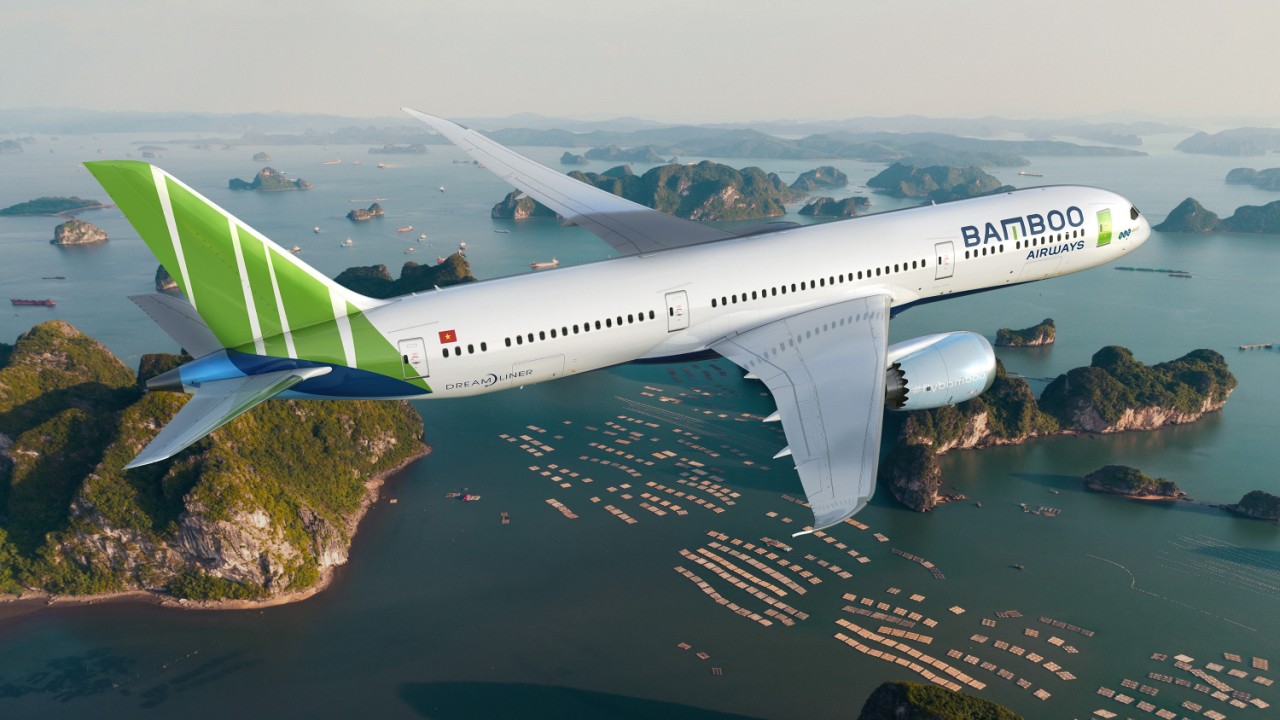
    New kid on the block Bamboo Airways wants to expand its current 10 percent market share to 30 percent by next year. For this, it first plans to expand its fleet and increase the number of domestic routes before starting international services to destinations like South Korea, Thailand and Taiwan.

    Its chairman Trinh Van Quyet last month said it would be the first Vietnamese airline to fly directly to the U.S.

    The carrier is preparing for an evaluation by the International Air Transport Association for issuing a safety certificate, which would allow it to partner with international airlines, the statement said.

    It is preparing to file for permission to operate direct flights to the U.S. using wide-bodied Boeing 787-9 aircraft.

    The firm plans to raise $100 million next year in an initial public offering, Reuters reported recently.

    Its entry has eaten into the market share of other airlines. The passenger market share of national flag carrier Vietnam Airlines and its two affiliates, Jetstar Pacific and VASCO, as of June was down 5 percentage points from last year to 51 percent.

    Budget carrier Vietjet suffered a 2.7 percentage point drop from 44 percent to 41.3 percent.

    Bamboo Airways, which began flying in January, last month received permission from the government to expand its fleet from 10 to 30.

    Vietnam expects the aviation market to grow by 16 percent a year in 2015-20 and 8 percent in 2020-30.

    This means there will be a possible 117 million air travelers by 2023, 85 percent by Vietnamese carriers, which will require 340 aircraft, according to the Civil Aviation Authority of Vietnam.

  • Bamboo Airways eyes fleet expansion

    Bamboo Airways eyes fleet expansion

    Bamboo Airways plans to have a fleet of 100 aircraft by 2024 with the majority of them being Boeing 787-9 or Airbus A321.

    The carrier said in a statement Thursday it would lease the first Boeing 787-9 in October since the 10 it has ordered would not be delivered until the fourth quarter of 2020.

    Bamboo has received permission from the Ministry of Transport to operate 30 aircraft, and it plans to achieve this number by the end of the first quarter of 2020. The airline, which began flying in January, has yet to break even.

    Its chairman, Trinh Van Quyet, has said that with 30 aircraft the carrier could get into the black by the first quarter of 2020. The carrier now flies 10 aircraft on 26 domestic routes besides international charter flights.

    Vietnam hopes to grow its aviation market by 16 percent a year in 2015-20 and 8 percent in 2020-30.

    This means there will be a possible 117 million air travelers by 2023, 85 percent by Vietnamese carriers, which will require 340 aircraft, according to the Civil Aviation Authority of Vietnam.

  • Cebu Pacific holding ‘9.9’ promo fare sale

    Cebu Pacific holding ‘9.9’ promo fare sale

    Cebu Pacific is holding another seat sale from Sept. 9 to 10. The airline did not specify fares but said new destinations will become available every 8 hours starting midnight Sept. 9.

    From 12 a.m. to 8 a.m. all local destinations except Batanes and Marinduque will be on offer.

    From 8 a.m. to 4 p.m. Cebu Pacific will offer promo fares to Japan, Korea, China, Taiwan, Hong Kong and Macau.

    Promo fares to ASEAN destinations, Dubai and Australia will be offered from 4 p.m. to 12 a.m.

    The fares will be valid for travel from April 1 to Aug. 31 next year.

  • Webjet earnings taking a hit from Thomas Cook bankruptcy

    Webjet earnings taking a hit from Thomas Cook bankruptcy

    Digital travel business Webjet is set to feel the pinch of the collapse of British travel company Thomas Cook.

    The online company, which manages the hotel bookings for Thomas Cook’s customers visiting Europe, said it will be impacted by a loss of total transaction value (TTV) in FY20 from Thomas Cook’s demise.

    Webjet has advised that it expected TTV from Thomas Cook to be in the range of $150 million to $200 million (A$221.4 million to A$295.18 million) in FY 2020.

    This is expected to reduce its earnings before interest, tax, depreciation and amortisation (EBITDA) growth this year. An additional $27 million to $33 million of EBITDA was expected in FY 2020, but the impact of Thomas Cook entering liquidation is expected to reduce this guidance by up to $7 million.

    The online travel agent also said Thomas Cook owed it approximately $43.7 million.

    Webjet said, however, that the impairment of any unpaid receivables will be treated as a one-off expense to the income statement and that there will be no material adverse impact on the company’s liquidity because any write-off will be absorbed by existing cash reserves which stood at $211.4 million as of June 30 plus its undrawn debt facilities.

    The online retailer said there will be “no impact on the more than 3,000 hotel contracts Webjet acquired from Thomas Cook in August 2016, which are wholly owned by WebBeds and available for sale to all WebBeds customers.”

    The company added the vast majority of these contracts are currently sold at full margin to non-Thomas Cook customers and have been a key driver of the profitable growth of their European business over the last three years.

    The travel retailer also said there is no change expected to its other expected FY20 earnings drivers indicated in the FY19 results announcement.

    The embattled travel company Thomas Cook has collapsed after last-minute negotiations aimed at saving the firm failed.

  • AirAsia X Launch Flights Between Kuala Lumpur and Tokyo Narita

    AirAsia X Launch Flights Between Kuala Lumpur and Tokyo Narita

    AirAsia is set to capitalize on the growing demand for flights to Japan, with the country experiencing a tourism boom. In a response to increasing numbers of visitors to Tokyo, the Malaysian airline’s low-cost sister company, AirAsiaX is to start flying between Kuala Lumpur and Tokyo Narita airport from November 2019. This route is commencing for the second time around, after a four year absence. Read on to find out what led to this decision, as well as the details regarding the resumed flight route.

    The commencement of the route between Kuala Lumpur and Tokyo Narita comes four years after AirAsia X suspended its flights to this airport. Originally opened in 2014, the Malaysian low-cost airline operated flights between KUL airport and Narita airport for less than a year, before calling a halt in August of 2015.

    The airline endured a tough year in 2015, with significant losses reported as competition in the area increased. This competition came especially from Malaysian Airlines (MAS), and AirAsia X was forced to make some changes to its structures. Its ambitious capacity increases in 2014 could not be sustained and it necessitated the suspension of its flights to Narita airport, in a bid to counter increasing quarterly losses.

    The carrier has, for almost a decade, operated flights to Tokyo Haneda airport. In a statement supplied to Simple Flying, AirAsia X said,

    The trigger for AirAsia X’s resumption of its KUL-NRT route was the increase in demand for flights to Tokyo – stemming from a tourism boom in Japan. Between 2012 and 2017, the country saw a growth of over 200% in tourist arrivals, and the trend is set to continue.

    Japanese Prime Minister Shinzo Abe, has set the goal for tourist arrivals in 2020 at 40 million. This comes in conjunction with two major international sporting events for 2019 (the rugby world cup) and 2020 (the summer Olympics), as well as the depreciation of the yen.

    Overall, these factors have made Japan a major tourist destination. Demand amongst Malaysians for the route has increased as well, with more than 450,000 Malaysian travelers visiting Japan in 2018.

    From the 20th of November, 2019, AirAsia X will resume its route between Kuala Lumpur and Tokyo Narita airport. The airline’s fleet of Airbus 330s will be in use four times a week, flying direct on Mondays, Wednesdays, Fridays, and Saturdays between the two cities. This will be in addition to its seven weekly flights between the Malaysian capital and Tokyo’s Haneda airport.

    Flight frequency for this route may well be increased in the future. Airbus has confirmed that AirAsia X has ordered 12 Airbus A330neos to boost its medium-range capabilities and to operate alongside its A330 fleet of 24 aircraft. This may free up some of its A330’s for increased flights to Japan, positioning the airline well for Japan’s goal of reaching 60 million tourist visitors by 2030.

    With direct return flights from under USD350, and under MYR1500, it is an attractive and affordable option for those flying from Malaysia.
  • New Tumi retail concept opens at K11 Musea

    New Tumi retail concept opens at K11 Musea

    A new Tumi retail concept was unveiled this week, located in K11 Musea at Kowloon.

    Designed in partnership with Hong Kong-based design house Studio Cassells, the focal point of the store is a custom kinetic wall made from 45 sculptures, each resembling a suitcase inspired by Tumi’s 19 Degree Collection. The traditional storefront window is moved to the back, maximising the visual impact of the feature wall.

    The dynamic wall resembles a canvas with artwork projected onto it, which will change during different artist collaborations, mimicking the concept of an exhibition. A luxurious marble interior highlights products like artworks and is an expression of the evolution of Tumi, showcasing innovation and art together, as shared by Victor Sanz, the brand’s creative director.

    Adam Hershman, GM of Tumi Greater China, APAC distribution and travel retail, describes the new Tumi retail concept as “an amazing story-telling opportunity for us where we get to talk about Tumi’s brand values and combine them with the inspiration of this [mall], which is very much art inspired”.

    The Tumi store features a curated selection of its best collections with products it says represent a fusion of the new generation and the legacy of the brand.

    Hershman told Inside Retail Asia that the Tumi shopper at K11 Musea is looking to be seen exploring uniqueness which can be found through its innovative products.

    To celebrate the new store opening, Tumi collaborated with Hong Kong artist Bao Ho (@simplebao) on an exclusive capsule collection that showcases the store’s art-influenced roots. Characterised by a robot in a signature “Bao blue”, the street art-inspired illustrations inject a fun and dynamic energy into the Tumi x Bao capsule collection.

  • Tony Fernandes steps down from all posts except Airasia, Airasia X

    Tony Fernandes steps down from all posts except Airasia, Airasia X

    AirAsia Group Bhd chief executive Tan Sri Tony Fernandes said today he is stepping down from all official board positions except AirAsia Group and AirAsia X Berhad to pave the way for new leaders to move up the company’s ranks.

    On Twitter, Fernandes he made the first decision to step down as the first step in stepping back.

    “As the first step of stepping back and moving the next generation of @airasia leaders into the forefront I will be stepping down of all boards except @airasia group and airasia X,” the tweet reads.

    AirAsia X Berhad, operating as AirAsia X, is a long-haul budget airline based in Malaysia and a sister company of AirAsia.

    Fernandes is listed as a non-independent non-executive director on the board of AirAsia X.

    Last month, Fernandes was appointed as the chief executive of airasia.com, the low-cost airline’s travel and lifestyle e-commerce platform.

  • Kayak Travel Comparison opens Hong Kong Headquarter

    Kayak Travel Comparison opens Hong Kong Headquarter

    Online travel-services comparison site Kayak has established its regional headquarters in Hong Kong.

    The move was made in recognition of Hongkongers’ penchant for bargain holidays and straightforward booking arrangements, according to an email from the firm.

    “Hong Kong is a global city with great accessibility to so many other places,” said Kayak’s senior regional manager APAC Matthew Wong. “[The city] also serves as a gateway for visitors from North America and Europe into Asia, and vice versa. In fact, our 2018 travel-search data showed that Hong Kong is ranked in the top three of the most-frequented stopover cities among North Americans and Europeans traveling to other destinations in Asia-Pacific.”

    Wong added that travelers are becoming more flexible in what they want, citing data showing that multi-city, open-jaw and one-way flight searches are constantly increasing. Also, besides popular destinations such as Tokyo and Taipei, Kayak has seen an increase of interest in the more under-the-radar cities from its users in Hong Kong and Mainland China.

    “Second-tier cities are showing 150- to 300-per-cent year-on-year increase in travel searches, proving an intense uptick in interest,” said Wong.

    Kayak was founded in 2004 by CEO Steve Hafner and CTO Paul English, and now operates in 60 countries and territories using more than 30 languages.