Tag: travel

  • Vietjet is named Forbe’s Vietnam’s Best 50 Listed Companies

    Vietjet is named Forbe’s Vietnam’s Best 50 Listed Companies

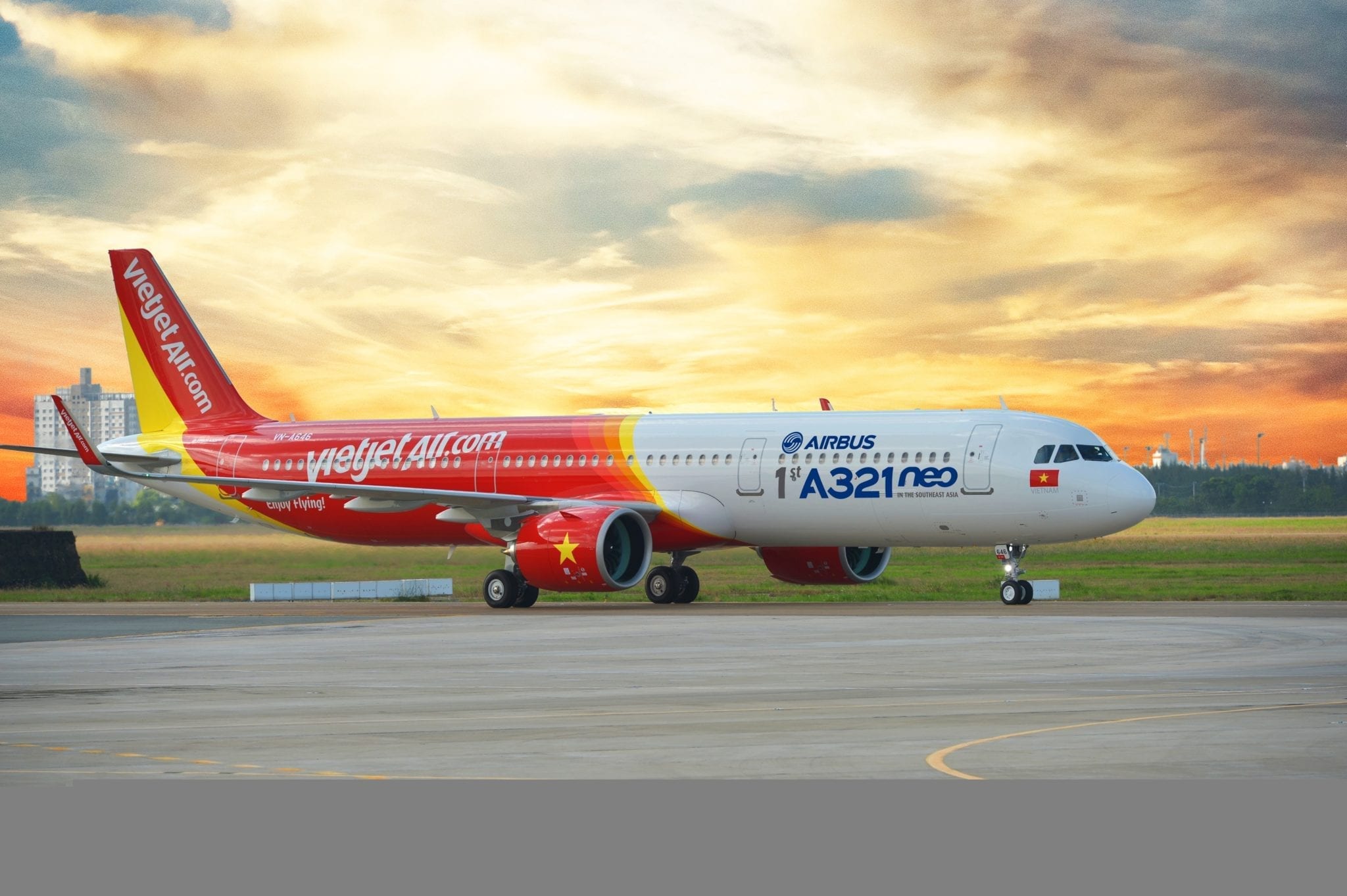
    New-age carrier Vietjet has been named one of Forbes’ Vietnam’s Best 50 Listed Companies. This is the third consecutive year that Vietjet has been included in Forbes’ “50 Best” List since it was officially listed on the Ho Chi Minh City Stock Exchange (HOSE) in February 2017. The award ceremony was held by Forbes Magazine during the Business Forum 2019 in Ho Chi Minh City on August 15.

    Forbes’ seventh “50 best listed companies in Vietnam” gathered leading companies on HOSE and Hanoi Stock Exchanges (HNX), including Vinamilk, Sabeco, FPT, Vietjet, DHG Pharmaceutical, Bao Viet, Mobile World and Vingroup. The chosen companies this year were evaluated by industry standards, based on compound annual growth rate, profit, return on equity, earnings per share growth between 2013 to 2018, branding, quality of corporate management, source of profit and the prospect of sustainable development.

    According to Forbes, the companies chosen this year has shown impressive growth. All 50 companies in this year’s list accumulated VND 127,530 billion (approximately USD 546 million) in profit after tax, an increase of 19.2 per cent year on year. The total capitalisation of the 50 companies reached USD 94 billion, equivalent to 63% of the total market capitalisation on HOSE and HNX.

    The 50 best listed companies in Vietnam this year recognised in particular the growth of the private sector, highlighting companies such as Vietjet, Vingroup, Masan and Hoa Phat. HOSE companies dominated the list with 45 companies, while five HNX companies were included.

    With outstanding business results, Vietjet’s shares have attracted the attention of investors, being listed in VN30 in the first year of its listing. In 2018, Vietjet had year of high and sustainable growth, with its revenue at VND 53,577 billion (approximately USD 2.3 billion) and profit before tax at VND 5,816 billion (approximately USD 249 million).

    In the first six months of 2019, Vietjet’s air transport revenue increased sharply by 22 per cent to reach VND 20,148 billion (approximately USD 863 million), while the pre-tax profit of air transport reached VND 1,563 billion (approximately USD 67 million), up 16 per cent year on year. Consolidated revenue reached VND 26,301 billion (approximately USD 1.1 billion), an increase of 24 per cent, and profit before tax reached VND 2,398 billion (approximately USD 103 million), up 11 per cent year on year. Vietjet operated a total of 68,821 flights and transported 13.5 million passengers in the first half of 2019, accounting for up to 45 per cent of the total number of flights operated by all Vietnamese airlines. As a result, Vietjet has maintained its leading position in domestic transport.

    To date, the new age carrier has operated 129 domestic and international routes to countries such as Singapore, Japan, South Korea, China, Indonesia, Malaysia, Myanmar, Cambodia, Thailand and Taiwan.  Vietjet also maintains the one of the highest safety and operation requirements in the world and region. With remarkable business and operation results, Vietjet’s CEO is also the first ‘self-made’ female billionaire in Southeast Asia, and the first and only Vietnamese female billionaire in Forbes’ and Bloomberg’s top lists. She has been mentioned in the world’s Top 100 most powerful women in 2017 and 2018. With all the successes of Vietjet, she was also mentioned in a research case study from Harvard University.
  • AirAsia to spend millions for new jets

    AirAsia to spend millions for new jets

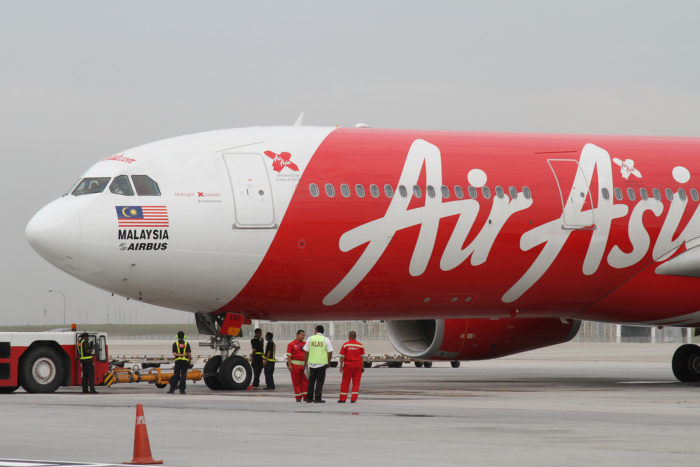
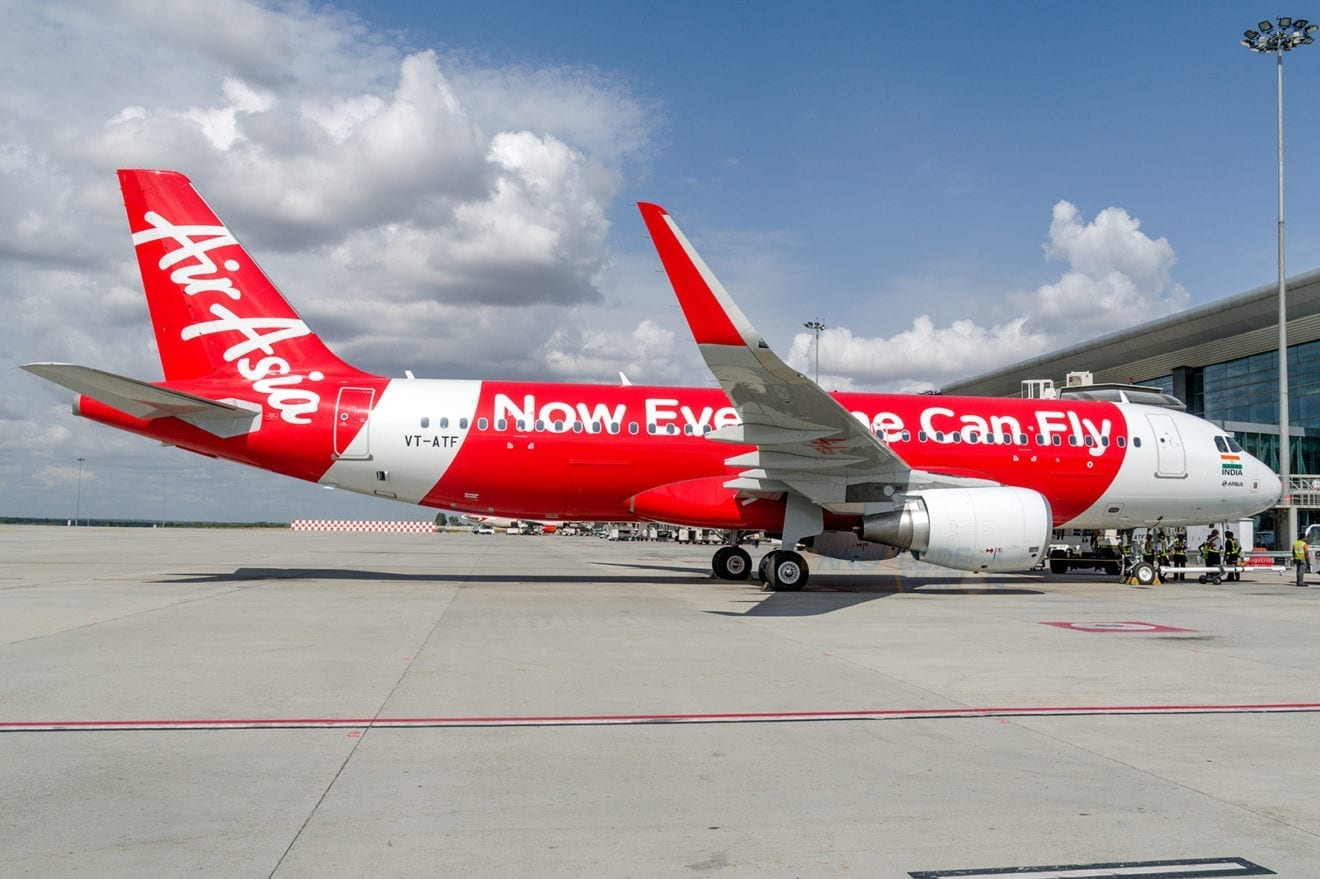
    The AirAsia Group is shelling out $350 million to acquire seven more planes for its Philippine unit, according to its chief.

    Talking to reporters in Bangkok late last week, AirAsia Group Chief Executive Officer Tony Fernandes said the move was the Malaysia-based low-cost carrier’s way of strengthening its presence in the country, as this would allow AirAsia Philippines to open new routes and bolster passenger capacity.

    AirAsia Philippines’ domestic market share currently stands at 18 percent, nearly double from 2014’s 9.7 percent.

    The local unit ended the second quarter with 23 aircraft, operating them from hubs in Manila, Cebu, Kalibo in Aklan province, and Clark in Pampanga province.

    While there is no clear timeline yet on when the group expects to reach the number of airplanes to 30, Fernandes said they have started working on it.

    Each plane would cost $50 million, according to him.

    He said they would “come close” to having 50 aircraft in the next three or four years, “which is something I never thought would be possible.”

    Fernandes is optimistic about growth opportunities for AirAsia in the country, banking on the booming tourism industry here.

    “I feel we are going to keep growing. We see so much tourism potential in the Philippines, [and not just domestically]. [W]e think many Filipinos want to travel and see the rest of the world,” he said.

    AirAsia Philippines flies to and from Manila, Cebu, Kalibo and Clark, as well as the cities of Tacloban in Leyte province, Tagbilaran in Bohol province and Puerto Princesa in Palawan province. It also has 13 international destinations from Manila, namely Kuala Lumpur and Kota Kinabalu in Malaysia; Bangkok, Thailand; Bali, Indonesia; Seoul, South Korea; Taipei and Kaohsiung in Taiwan; Shanghai, Guangzhou and Shenzhen in China; Hong Kong; Macau; and Ho Chi Minh City, Vietnam.

  • Cebu Pacific launches P99 domestic seat sale starting Monday

    Cebu Pacific launches P99 domestic seat sale starting Monday

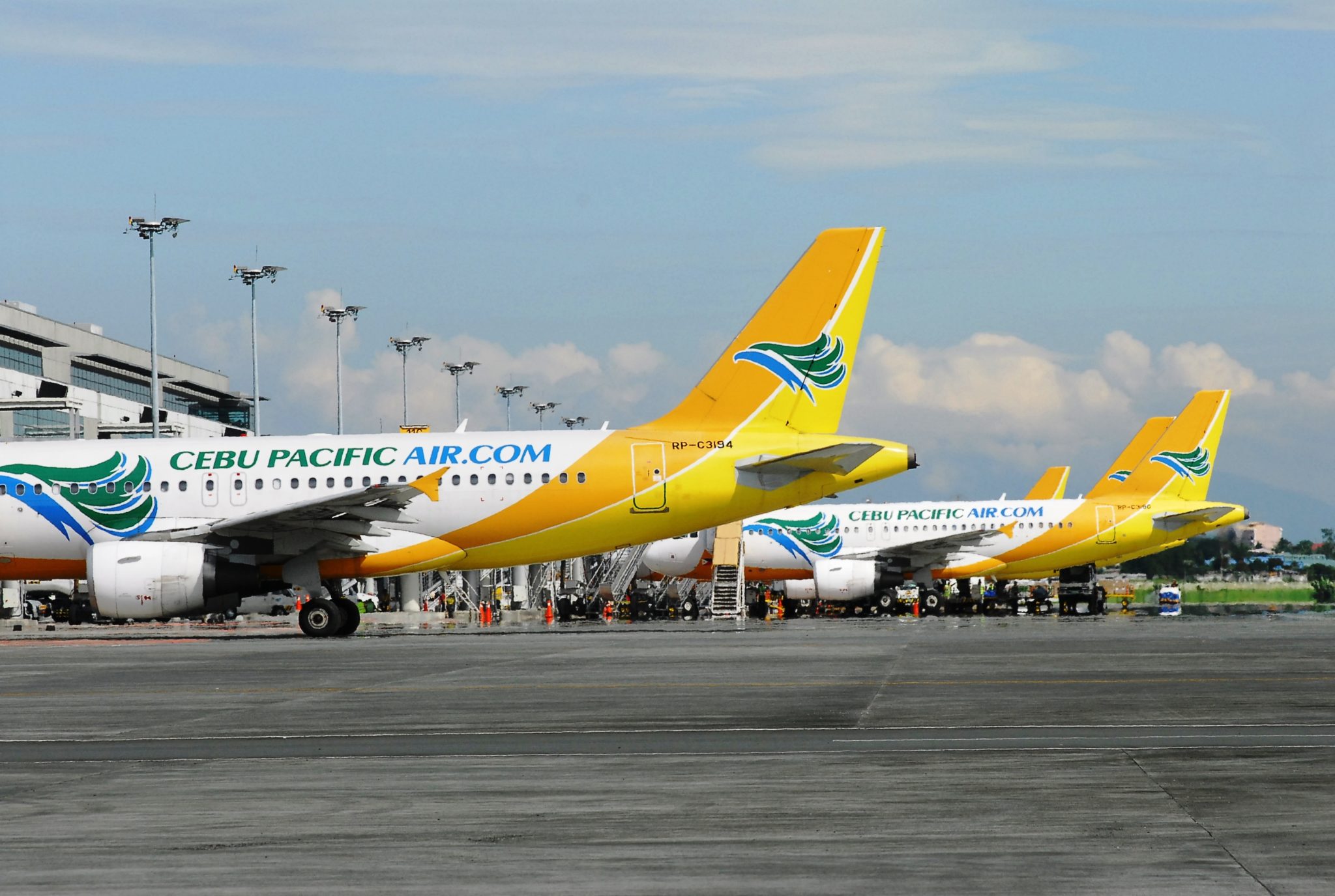
    Budget carrier Cebu Pacific on Monday announced a P99 seat sale for domestic flights one-way from Clark International Airport.

    In an advisory, the airline said the sale started Monday, August 19, and will end on Wednesday, August 21.

    The travel period is from October 1, 2019 to January 31, 2020.

    The P99 one-way flights are Clark to Bacolod, Bohol, Boracay (Caticlan), Cebu, Clark, Davao, Iloilo, and Puerto Princesa.

    Aside from Clark, Cebu Pacific operates flights out of six other strategically placed hubs in the Philippines: Manila, Kalibo, Iloilo, Cebu, Cagayan de Oro (Laguindingan) and Davao.

    The carrier operates over 2,000 weekly flights across 37 domestic and 26 international destinations.

  • Google Flights now guarantees refund for price difference

    Google Flights now guarantees refund for price difference

    In an attempt to make its Flights app more trustworthy, Google announced a couple of nifty new features that, hopefully, will offer users more peace of mind when they book a flight through the app.

    Up until now, Google Flights would show users whether prices for a flight route are high, low or typical. However, starting today, the app is getting a new feature that will show you the same insights for your exact itinerary. On top of that, for some flights, the app will be able to show you how the price has changed over the past few months.

    Google Flights will also notify users when it predicts the price may go up soon or won’t get any lower so that they can book their flights as soon as possible. And to give Google Flights more confidence when they book a flight, when the app predicts the price won’t decrease for select routes booked between August 13 and September 2, Google will guarantee the price won’t drop and will refund you the difference if it does.

    Yes, Google will monitor the price and if the price drops any time before your departure, you’ll receive an email to inform you once your flight takes off. According to Google, this feature is only available for select routes originating in the United States with domestic or international destinations.

    Google Flights is also getting some improvements when it comes to trips. Starting this week, the app will assist users with recommendations for the next steps after they booked a flight and received a confirmation in Gmail. These recommendations cover everything from searching for hotels to restaurants and other things to do.

  • Cebu Pacific offers P88 fare promo for domestic flights

    Cebu Pacific offers P88 fare promo for domestic flights

    Cebu Pacific early Thursday announced a seat sale promo for all domestic and international flights.

    Passengers can avail of the P88 one-way base fare for local flights while one-way base fare for international flights starts at P888.

    Booking period is only available from Aug. 8 to Aug. 9, the airline said.

    Travel period for promo flights are from Dec. 1, 2019 to April 30, 2020.

  • AirAsia may face fines for charging processing fees for card and online banking transactions

    AirAsia may face fines for charging processing fees for card and online banking transactions

    low-cost carrier AirAsia could still face fines for charging passengers additional processing fee for card and online banking transactions. This comes right after AirAsia Group CEO, Tan Sri Tony Fernandes had announced that the airline will scrap the processing fee beginning October 2019.

    The Malaysian Aviation Commission (Mavcom) had made it compulsory for all airlines in Malaysia to remove hidden charges such as card payment charges and administrative fee effective 1st June 2019. The amendments to the Malaysian Aviation Consumer Protection Code 2016 (MACPC) also require airlines to refund the passenger service charges, taxes, fees and charges prescribed under any written law for both refundable and non-refundable tickets if a passenger did not travel. Refunds must be reimbursed within 30 days and airlines are only permitted to charge a maximum of 5% processing fee if the ticket is non-refundable.

    It was also reported that the Mavcom will issue a show-cause letter to airlines on the violation of the MACPC and the commission will then determine if the airline has contravened the said provision. The commission highlights that it is compulsory for airlines to remove the processing fee and airlines must also disclose the final price of the airfare both at the point of advertisement and prior to the consumer purchasing the flight tickets.

    They added that the final price must include the base fare and all required charges to be paid to the airline, government-imposed taxes, fees as well as fuel surcharge. This, according to the commission, will eliminate hidden charges such as card payment charges and administrative fees.

    The regulator said that it has been a practice in the past where the price increases after selections are made due to additional charges that were not disclosed upfront. The Edge Markets had reported that it may seem that AirAsia and AirAsia X would be liable for contravening the MACPC as they continue to charge processing fees until 30th September 2019.

    As mentioned earlier, AirAsia charges card processing fee as high as RM12 per passenger per flight depending on the destination. This means a return ticket could cost as high as RM24 for processing fee and if you’re travelling in a group of four, that’s equivalent to RM96 for processing fees alone.

    When Tony Fernandes was asked if Mavcom had ordered AirAsia to remove the transaction fees, he denied it on Twitter.

    At the moment, AirAsia encourages its passengers to pay by BigPay prepaid Mastercard to enjoy zero processing fees for their flight tickets. It is also worth pointing out that Bank Negara Malaysia had decreed that merchants cannot impose surcharges for payments using debit and credit cards.

    The same report also highlighted that AirAsia had stopped charging a RM3 klia2 fee on passengers departing from klia2 after it was made illegal by Mavcom. According to AirAsia, the extra fee was to cover the huge amount of extra cost klia2 has created such as aerobridges and the SITA check-in/boarding systems. Although it wasn’t disclosed in AirAsia’s annual report, The Edge Markets estimated that the airline would have collected RM45.24 million from the RM3 fee based on the number of passengers carried by the group from Malaysia Airports Holdings Bhd’s 2018 annual report.

  • Singapore Airlines, Silkair and Vistara to expand codesharing to international flights

    Singapore Airlines, Silkair and Vistara to expand codesharing to international flights

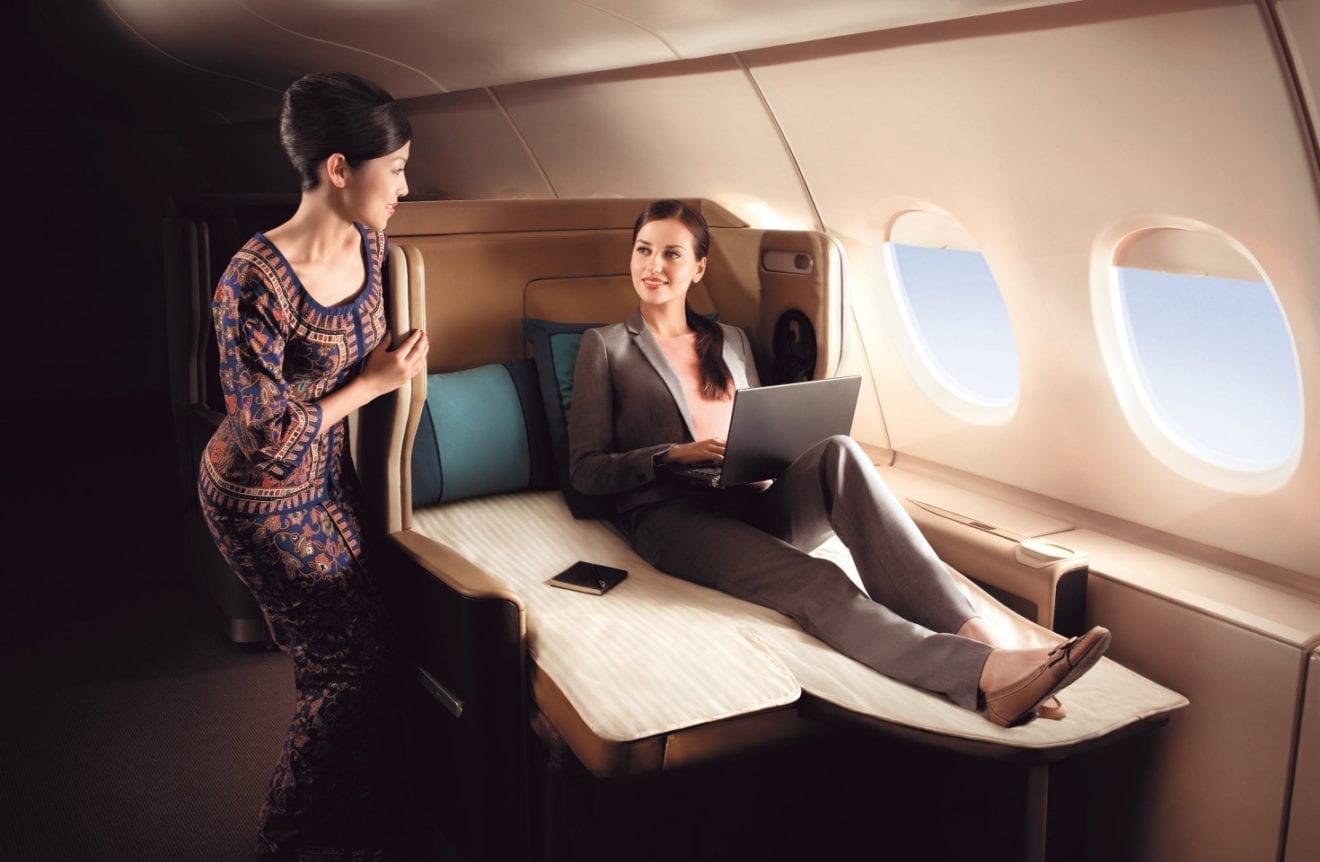
    Passengers traveling with Singapore Airlines (SIA), Silkair and Vistara will have more international flight options as the Singaporean flag carrier and its regional arm, Silkair, signed an agreement with Indian carrier Vistara to expand codesharing to international routes.

    Under the expansion of an existing codeshare agreement which covers Indian domestic flights, SIA and Silkair will add nine new codeshare destinations within India on Vistara-operated flights. The following destinations will be added: Chandigarh, Dibrugarh, Jammu, Leh, Pune, Raipur, Ranchi, Siliguri and Srinagar. SIA will add its ‘SQ’ designator code to Vistara’s new international flights.

    Vistara will add its ’UK’ designator code to SIA and Silkair-operated flights between Singapore and eight destinations in India, including Ahmedabad, Bengaluru, Chennai, Cochin, Hyderabad, Kolkata, Mumbai and New Delhi. As part of the arrangement, Vistara will codeshare on services to more than 40 destinations from Singapore to Australia, New Zealand, Cambodia, Indonesia, Malaysia, Vietnam, Thailand, Taiwan, Japan and the US.

    “These codeshares will be implemented in phases and are subject to regulatory approvals,” reads a press release from the airline.

    “We’re happy to deepen this strategic partnership which means a more seamless flying experience for travelers from India to destinations across Asia, Oceania and the United States,” said Vistara’s chief strategy officer Vinod Kannan.

    The codeshare flights will progressively be made available through SIA and Vistara booking channels once necessary regulatory approvals are obtained, according to the airline.

    Vistara is a joint venture between Singapore Airlines (SIA) and Indian company Tata Sons. It will begin its first international flights by offering daily flights to Singapore from Delhi and Mumbai operated by a Boeing 737-800NG aircraft, starting 6 and 7 August respectively.

    Earlier this year, Vistara signed a codeshare agreement with United Airlines. This agreement expanded the US carrier’s network to over 20 destinations throughout India. Over the past two years, Vistara has also signed codeshare deals with Japan Airlines, British Airways, as well as Singapore Airlines and Silk Air.

  • Flight Centre completes Canadian purchase

    Flight Centre completes Canadian purchase

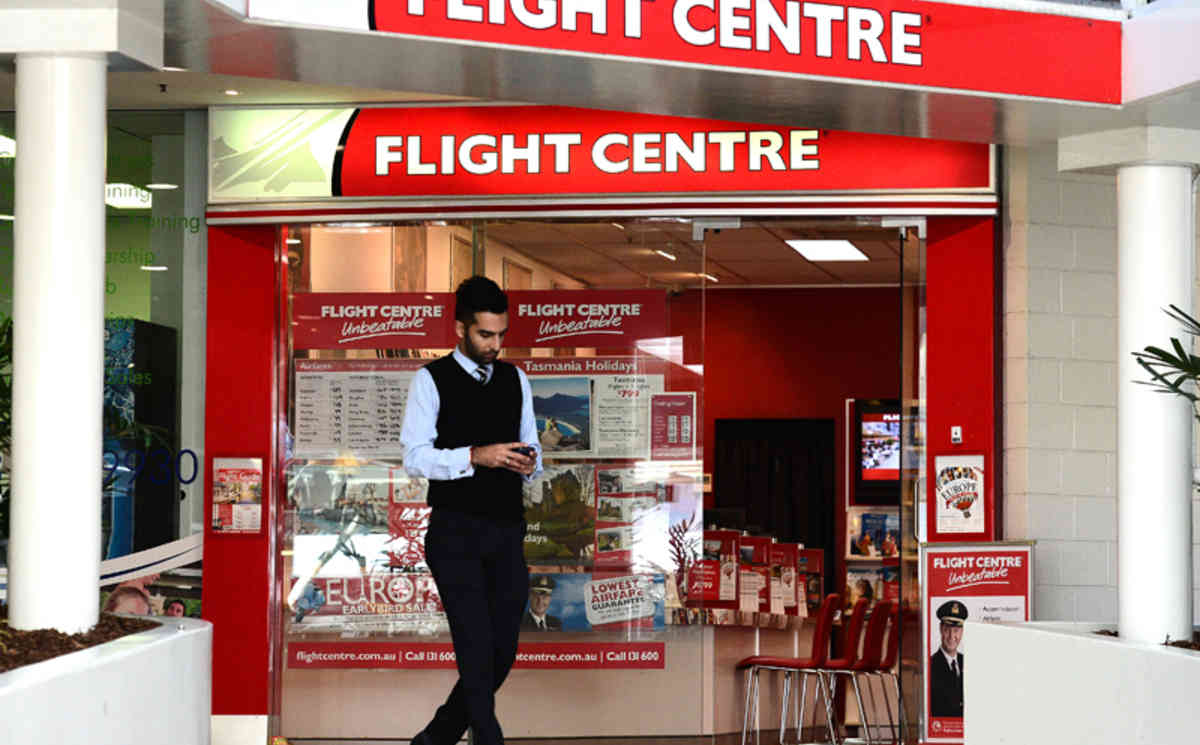
    Travel retailer Flight Centre has bought a remaining stake in Canada-based corporate travel business Les Voyages Laurier du Vallon to take sole ownership of the travel business.

    The ASX-listed travel firm bought 75 percent of Quebec-based LDV in 2017 for an undisclosed sum and has now exercised its option to buy the remainder.

    “LDV has proven to be a valuable addition to our network in the Americas and we are pleased to take 100 percent ownership of the business,” said Graham Turner, Flight Centre managing director.

    “In addition to delivering solid earnings growth over the past two years, its corporate travel presence has enhanced our already strong customer offering across Canada and throughout North America in general.”

    Flight Centre has already flagged a record profit contribution of more than $100 million from its North American business when it releases its full-year accounts on August 22.

    Shares in Flight Centre were worth $45.68 before the start of trade on Monday, up 6.4 percent this calendar year.

  • Ingenico TravelHub opens up new payments routes fortravel companies

    Ingenico TravelHub opens up new payments routes fortravel companies

    Ingenico Group, the global leader in seamless payment has launched TravelHub, a solution built to connect travel companies with Ingenico’s global end-to-end payment processing capabilities and regional gateways across Asia, Latin America and Europe.

    TravelHub allows travel companies to easily access more than 150 payment methods – including credit cards and alternative payment solutions – and currency options relevant for their customers. It offers smart transaction routing capabilities across all payment platforms, improving conversion rates and, as a result, increasing revenue from online travel sales.

    Ingenico’s TravelHub offers a simple direct connection to global payment capabilities, as well as integration with the leading airline global distribution systems (GDS), such as Amadeus, Sabre and Navitaire, and hotels’ property management systems (PMS). This helps travel businesses tackle the complexity of managing multiple systems, payment service providers (PSPs) and acquirers.

    The sophisticated solution marks Ingenico’s increased focus on travel, an industry where it already celebrates a strong portfolio and a long history of working with some of the world’s most famous airlines, hotels and online travel agents (OTAs). It is built by a dedicated team of seasoned professionals from the travel payments industry, and this combination of technology and expertise positions Ingenico to help travel companies grow and expand globally.

    Kevin Weber, Chief Projects Officer and Chief Information Officer at Viva Air, who has been using TravelHub already, said: “Ingenico’s TravelHub helped us to increase authorization rates and revenue significantly, and supported our expansion to new countries.”

    Gabriel de Montessus, SVP Global Online for Ingenico Group, said: “We are very proud to be launching TravelHub, a state of the art solution that helps travel companies increase revenue from online channels. TravelHub combines the global reach of Ingenico’s online payment platforms that can now be accessed with a simple connection.”

    Eric Liebman, Global Head of Travel at Ingenico ePayments, said: “Online travel businesses are looking to navigate the complex technology ecosystem while growing quickly in a very competitive space. TravelHub helps travel companies provide the best digital customer experience, offering payment methods and currencies travelers want to pay with.”

    As the solution continues to gain popularity among travel businesses, ongoing developments will be made to add new travel technology connections and improve direct connections, making it easier to access new markets.

  • Cebu Pacific targets 300 millionth passenger milestone

    Cebu Pacific targets 300 millionth passenger milestone

    Cebu Pacific, the Philippines’ largest airline, said Monday its goal was to fly a total of 300 million passengers by 2022, as it increases capacity and invests in digital tools to drive demand.

    The 300 million milestone can be reached 4 times faster than the 150 million passengers flown in 1996, 21 years after the Gokongwei-led carrier was founded, said its vice president for marketing and distribution, Candice Iyog.

    Cebu Pacific sees “accelerated growth” with the delivery of 12 new Airbus jets this year, president and CEO Lance Gokongwei earlier said.

    The two-fold challenge for Cebu Pacific is making bookings more convenient while handling online traffic, Iyog said.

    “As we continue to invest in brand new higher capacity aircraft, the challenge that we have for us now is flying our next 150 million passengers in just 5 years, 4 times faster than when we did it the first time around,” Iyog said.

    “So the first challenge really was, how might we make ourselves relevant by tapping into user shopping behavior. And then the second job to be done was addressing and improving the customer booking experience,” she added.

    To lure more passengers, Cebu Pacific said it would maximize online tools to make booking easier. It also introduced a “new crazy” seat sale strategy, offering seats in clustered destinations every 2 hours, Iyog said.

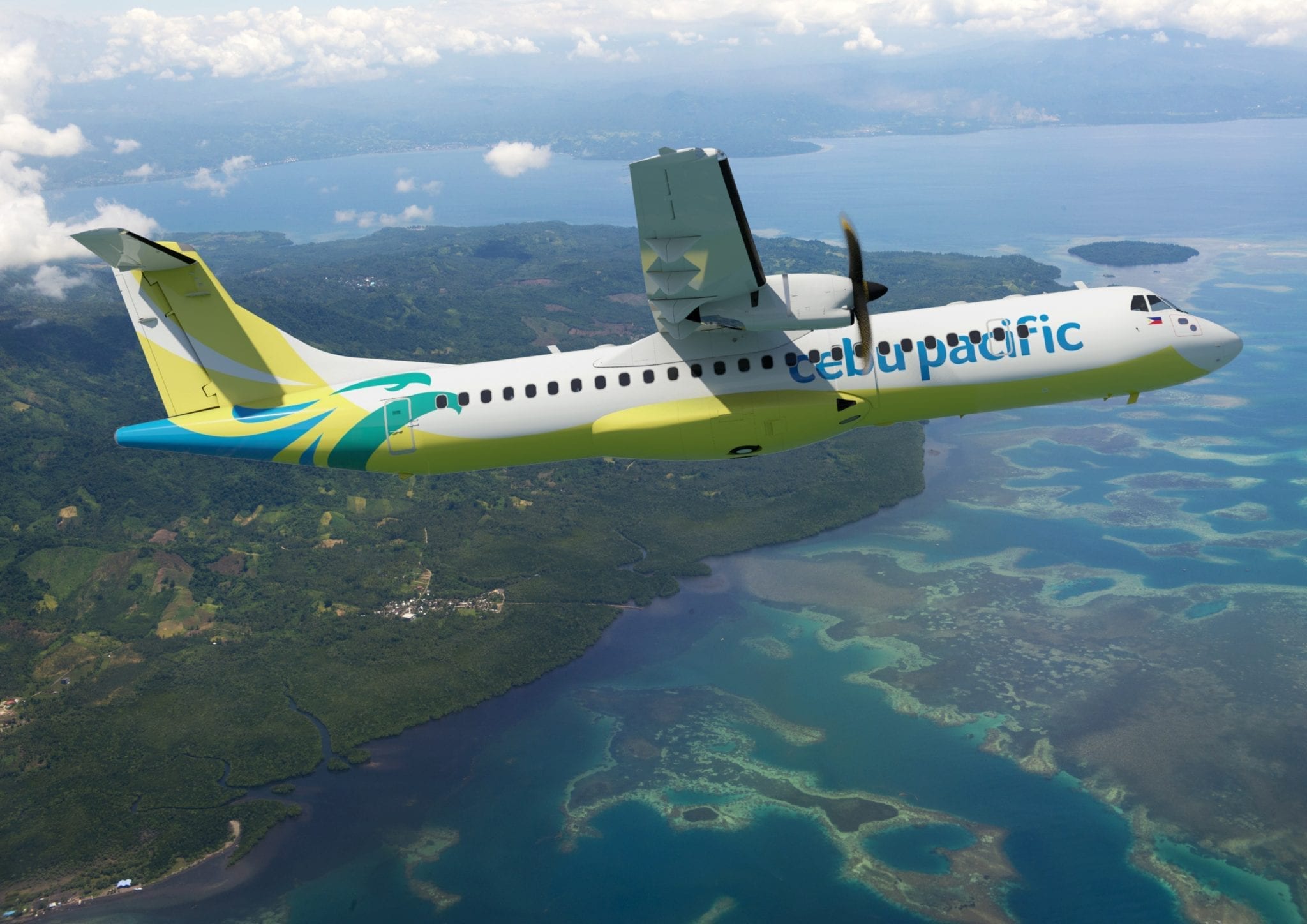
    Cebu Pacific currently operates 1 Airbus A321neo, 36 A320, 7 A321ceo, 8 A330, 8 ATR 72-500, 12 ATR 72-600 as of January 2019.

  • AirAsia keeps improving flight services

    AirAsia keeps improving flight services

    AirAsia won for the 11th time at the prestigious Skytrax World Airline Awards as the world’s best low-cost airline during the Paris Air Show in Le Bourget, Paris, France, in the middle of June 2019. But despite the awards, it has never let itself get complacent.

    The airline keeps its commitment to continue increasing and improving its flight services for domestic routes and foreign routes, by being continually committed to providing low cost but quality flight services on all of the routes it serves.

    In July 2019, the airline launched three new routes from Jakarta to Sorong in West Papua, Lombok in West Nusa Tenggara and Semarang in Central Java. The new routes will start operating on Sept. 1 and will be served by Airbus A320 aircraft with a capacity of 180 seats. In June, AirAsia launched five new domestic routes. The five round-trip domestic routes are Jakarta-Lombok (11 flights per week), Bali-Lombok (seven flights per week), Yogyakarta Kulonprogo-Lombok (three flights per week), Bali-Labuan Bajo (seven flights per week) and Surabaya-Kertajati (three flights per week). AirAsia will start operating its flight services on the five new domestic routes from Aug. 1 onwards.

    In an effort to attract more passengers to the new routes, AirAsia is offering special prices, namely for Jakarta–Lombok starting from Rp 635,000, Bali–Lombok from Rp 243,000, Surabaya–Kertajati from Rp 626,000. All the prices are one-way but include tax and free baggage up to 15 kg.

    The flight tickets, which are offered at a price of Rp 2.49 million for Jakarta-Sorong, Rp 590,000 for Jakarta-Lombok and Rp 341,000 for Jakarta-Semarang, can be ordered at airasia.com and through the AirAsia application. The prices are only for one-way but include passenger service charge and free baggage up to a maximum of 15 kg. The prices are only available on flights booked until July 28, for flights from Sept. 1 until Oct. 26.

    Sorong is the largest city in West Papua and stands as a gateway to Raja Ampat, one of the most exotic and beautiful tourist destinations in Indonesia.

    In Lombok, where AirAsia has recently opened its new hub, travelers can enjoy a number of enchanting destinations, such as Bukit Merese, the Gili Islands, Tanjung A’an, Pink Beach and Mandalika.

    In Semarang, which is also known as the little Netherlands, travelers can trace its history through the old buildings mostly from the Dutch colonial era, while hunting for local delicacies along the exotic journey.

    Besides the route expansion, last month AsiaAsia also offered five million cheap tickets through its Big Sale 2019 program for various domestic and international destinations. The promotional tickets include those on favorite routes, such as Jakarta-Singapore at a price of only Rp 150,000, Medan-Penang from Rp 230,000 and Surabaya-Bali from Rp 359,000.

    The airline has also introduced a new standard of flight comfort with its Airbus A330neo, which will certainly change the public perception of long-distance flights. It will offer the best value of ticket prices for 30 long-distance destinations in 10 major markets of AirAsia Group.

    “Besides developing international connectivity to support the visit of foreign tourists to Indonesia, this year, as we promised, we are focusing on expanding our domestic routes, especially those to eastern Indonesia.,” said AirAsia’s president director Dendy Kurniawan recently during the ceremony to launch the new routes.

    Currently, AirAsia Indonesia operates a total of 292 flights per week from Jakarta to various domestic and international destinations, such as Kuala Lumpur, Penang, Bangkok, Phuket, Surabaya, Yogyakarta and Bali.

    Overall, AirAsia serves more than 700 flights per week on 38 direct routes from 15 cities of Indonesia for domestic and international routes. It has a fleet of more than 200 airplanes of the type Airbus A320-200 and Airbus A330-300 in six countries, namely Indonesia, Malaysia, Thailand, Philippines, India and Japan, with more than 140 international destinations in Asia, Australia, the Middle East and the US.

    “We’ll continue to be committed to providing low cost but quality flight services in Indonesia. We realize it through the principle of efficiency, innovation and operation digitalization. It is not just a marketing gimmick. It is part of our vision and mission to realize ‘Now Everyone Can Fly,” Dendy Kurniawan concluded.

  • Lagardere travel business post strong growth driven by China

    Lagardere travel business post strong growth driven by China

    French-headquartered Lagardere says its travel retail business achieved a 15.8-per-cent increase in consolidated sales in the first half-year.

    Like-for-like sales were up 6.5 percent, the difference attributable to a €134 million positive impact resulting from the acquisition of HBF and of Smullers in the Netherlands, and to a €26 million positive foreign exchange impact.

    Earnings before interest and tax for the travel retail division rose 12 percent to €46 million.

    In the Asia-Pacific region, sales grew 6.5 percent, largely driven by organic growth in China.

    Consolidated group revenue, incorporating the company’ publishing, sports and entertainment business activities, grew by 6.7 per cent on a like-for-like basis, to €3.612 billion.

    Group recurring earnings before tax and interest came in at €153 million for first-half, up from €139 million a year earlier, owing mainly to business growth at Lagardere Travel Retail and a busy sporting calendar for Lagardere Sports and Entertainment.

  • Yuja Wang shows up in new Rimowa brand campaign

    Yuja Wang shows up in new Rimowa brand campaign

    Rimowa is unveiling a film on renowned pianist Yuja Wang as part of its ‘Never Still’ global integrated campaign.

    Following the launch of last year’s first international integrated brand campaign that marked its 120th anniversary, LVMH-owned Rimowa is continuing its conversation on purposeful travel with three films featuring intimate portraits of well-known friends of the brand. The select cast conveys the belief that mastery is a never-ending journey, and that no one builds a legacy by standing still.

    While the campaign echoes the ethos set forth by Rimowa’s first global brand campaign, this second look focuses on “the hardships of the road, both real and metaphorical, and the resilience and drive required to endure and thrive”.

    Basketball legend LeBron James, artistic director Dior Men’s and fashion designer Kim Jones, and Beijing-born concert pianist Yuja Wang all share an intimate view into their lives on the go, telling how constant challenge drives them toward success. The series is shot across four countries by three different directors who worked closely with each individual icon to put together an emotionally insightful, personal and visually distinct expression of their particular journey.

    The global integrated brand campaign will be featured across paid and owned social and digital channels, Air France, British Airways, and Cathay Pacific in-flight entertainment, select cinemas in the US and Europe, airports in New York, Los Angeles, London, Paris, Nice, Shanghai and Hong Kong, and OOH in key cities like New York, Los Angeles, Paris, London, Hong Kong, Seoul and Tokyo. The campaign will also feature retail activations and exclusive limited-edition stickers.

    Created in partnership between Anomaly in Berlin and Rimowa’s internal creative team, the campaign will be activated globally with special emphasis on the brand’s seven key markets – USA, China, HK, Japan, Germany, UK, and France.

  • Thai AirAsia ready for travel growth

    Thai AirAsia ready for travel growth

    Thai AirAsia and Thai AirAsia X’s businesses are expected to grow as projected this year, with passengers surpassing 23 million.

    Santisuk Klongchaiya, chief executive of Thai AirAsia, said passengers in the first half this year tallied 11.4 million, with a load factor at 87%. Passenger volume for the full year is expected to reach 23.2 million as planned, 5% growth, with a load factor of 85-86%.

    He said the most urgent issue for the airline is to regain trust from Chinese tourists after the fatal boat accident last year. The baht appreciation has also affected the Chinese market.

    Mr Santisuk said the airline plans to talk with the Tourism Authority of Thailand about creating a special campaign for the Chinese market. Thai AirAsia is also considering opening new routes in South Asia, such as Hyderabad, India and Kathmandu, Nepal, later this year. The airline plans to welcome two more Airbus A321 jets by the end of this year to replace retired aircraft, bringing Thai AirAsia’s fleet to 63.

    Nadda Buranasiri, chief executive of AirAsia X group and Thai AirAsia X, said the fleet for Thai AirAsia X will expand from nine to 14 as part of the plan to create a network in North Asia before moving to other regions.

    Thai AirAsia X, which operates long-haul routes, carried 1.5 million passengers in the first six months.

    Passenger numbers for the full year are projected at 3 million, with a load factor of 85%.

    There are some new routes planned in North Asia or Australia, and more frequencies expected to be added, said Mr Nadda.

    The airline has put off plans to add other long-haul routes to assess market demand after adding four flights a week on the new Airbus A330neo to Brisbane, Australia.

    Thai AirAsia and Thai AirAsia X are budget airlines partially owned by Malaysia’s AirAsia Group Berhad.

    Yesterday, Teleport (formerly known as Redcargo Logistics), a fully owned subsidiary air cargo company under AirAsia Group Berhad, signed a memorandum of understanding with Triple i Logistics to set up a joint venture company, Teleport Thailand.

    The new venture will start services at the beginning of next year.

    Pete Chareonwongsak, chief executive of Teleport, said it offers seamless same-day delivery in e-commerce for both domestic and 140 other destinations in the airline’s network, covering Asia and Australia, with cargo capacity from the 270 aircraft held by AirAsia and affiliated carriers.

    “Utilisation of the airline’s belly cargo is only 15%. We plan to use the remaining capacity to benefit small business operators, aiming to utilise cargo capacity of up to 50% within five years,” he said.

    The partnership will offer a new logistics business model differing from traditional airport-to-airport cargo movement, said Tipp Dalal, chief executive of Triple i Logistics.

  • AirAsia India announces new routes

    AirAsia India announces new routes

    AirAsia India is on an expansion spree. the budget carrier will start operating daily direct flight on the Delhi-Chandigarh route from 1 August onwards. The launch fare on Delhi-Chandigarh route is ₹1,365, the airline mentioned. The flight would leave from Delhi at 10.40 am every day and would reach Chandigarh at 11.50 am. The return flight would depart from Chandigarh every day at 12.50 pm and arrive at the Delhi airport at 1.55 pm, the low-cost carrier said.

    The airline will also be introducing fourth additional flight on the New Delhi-Bengaluru route from 5 August onwards. The airline currently runs three flights daily on the New Delhi-Bengaluru route.

    As part of expansion plans, AirAsia India is likely to launch international services by September-October with flights to destinations in South East Asia, including Malaysia and Thailand.

    Air Asia India, which started operations in June 2014, is a joint venture between Tata and AirAsia Berhad. It currently operates 164 flights a day, covering 19 destinations and carrying over 25,000 passengers.

    GoAir is also expanding its operations with five new international services to the Gulf region, two to Bangkok and eight new domestic services. GoAir’s new international services are Delhi-Abu Dhabi, Mumbai-Abu Dhabi, Mumbai-Muscat, Delhi-Bangkok, Kannur-Dubai, Mumbai-Bangkok and Kannur-Kuwait routes.

    GoAir is expanding its India operations from Hyderabad with eight new flights covering cities like Cochin, Chennai, Jaipur, Bengaluru, Chandigarh and Patna.