Retail News CRM

Tag: traveling

  • Airlines want minimum fares, no one else does

    Airlines want minimum fares, no one else does

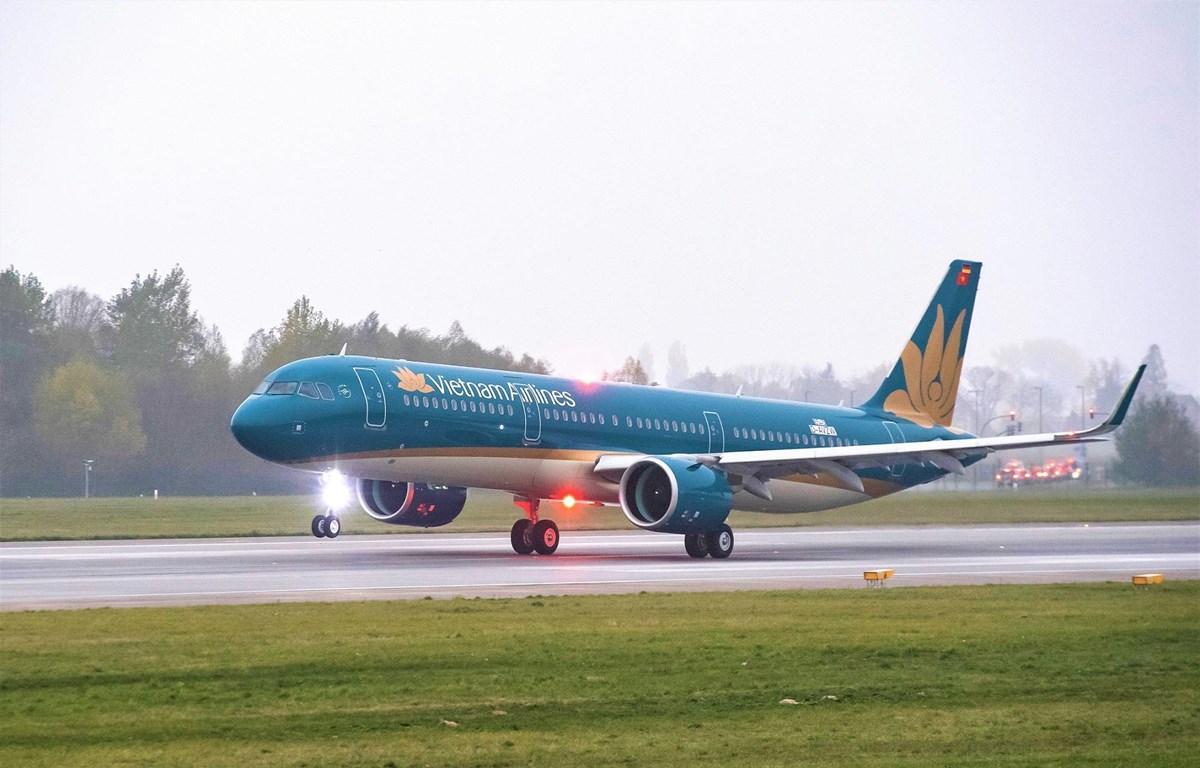
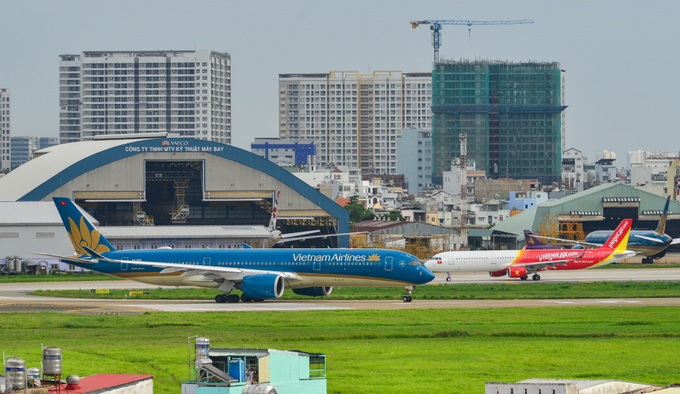
    While economists fear having lower limits for airfares will distort competition, some airlines worry safety is at stake. If fares do not make up even the fuel costs of a flight, aviation safety would be affected, Dang Ngoc Hoa, chairman of Vietnam Airlines, said at a meeting held on Monday to get feedback from economists on proposed minimum fares.

    The Civil Aviation Administration of Vietnam (CAAV) has proposed minimum fares of VND320,000-VND750,000 ($14.06 – $32.95) for domestic flights between November 1 and October 31 next year to help airlines overcome the difficulties caused by the Covid-19 pandemic.

    Too low prices would weaken all airlines, Hoa said. Many countries like China and India have floor prices for air tickets, he pointed out.

    He said amid the pandemic fares are very low at just 40 percent of those in 2018-19, and 250 airplanes are parked in airports, some of which are running out of parking space.

    But despite the low fares, airlines have to keep operating to maintain parking space, minimum cash flows and planes, he said.

    During the first Covid outbreak in March 2020, there were three flights a day in total, while during the fourth wave starting in April 2021, especially July-August, “there were no flights”, he said.

    All carriers have been hit and most airlines are facing losses, he said.

    Vietnam Airlines made a loss of VND7 trillion ($301.7 million) in the first half of the year, while private airlines reported losses of a trillion dong, he added.

    But despite his impassioned argument, economists at the meeting said minimum fares are not acceptable.

    Can Van Luc, chief economist of BIDV, said floor prices could cause confusion and be unfair to both state-owned and private enterprises, and even violate the Law on Prices and the Law on Enterprises.

    Nguyen Sy Dung, former deputy head of the Office of the National Assembly, said: “it is unfair to impose a floor price on air tickets”.

    If minimum fares are applied, a three-star airline must sell at the same price as a five-star airline, and no customer would spend money to travel in the former, he pointed out.

    “We might kill an airline through price policy. It’s unacceptable”.

    In a recent communication to the Ministry of Transport, three airlines agreed to apply floor prices airfares while two others disagreed.

    The Department of Transport admitted that since costs and services are not comparable, it would be difficult to determine common minimum fares applicable to all airlines.

    In the first seven months of this year Vietnamese carriers carried 13.7 million passengers, down 57.7 percent from the same period in 2019.

  • AirAsia group says Q2 was improved

    AirAsia group says Q2 was improved

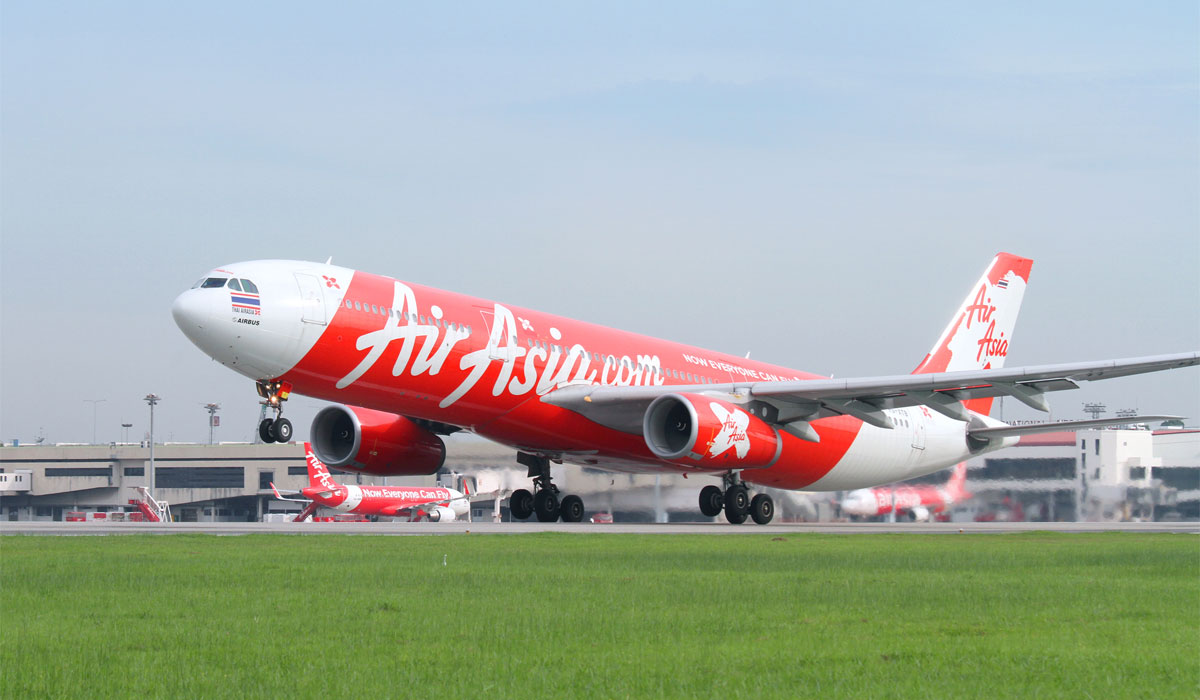
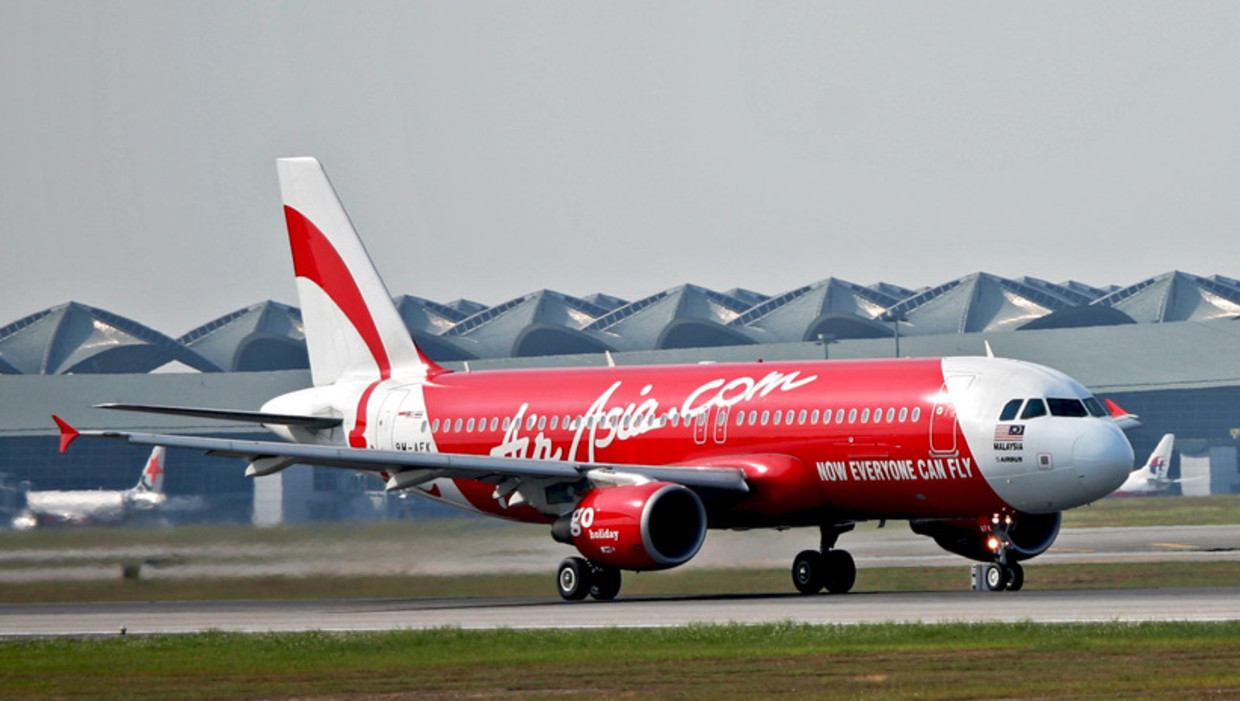
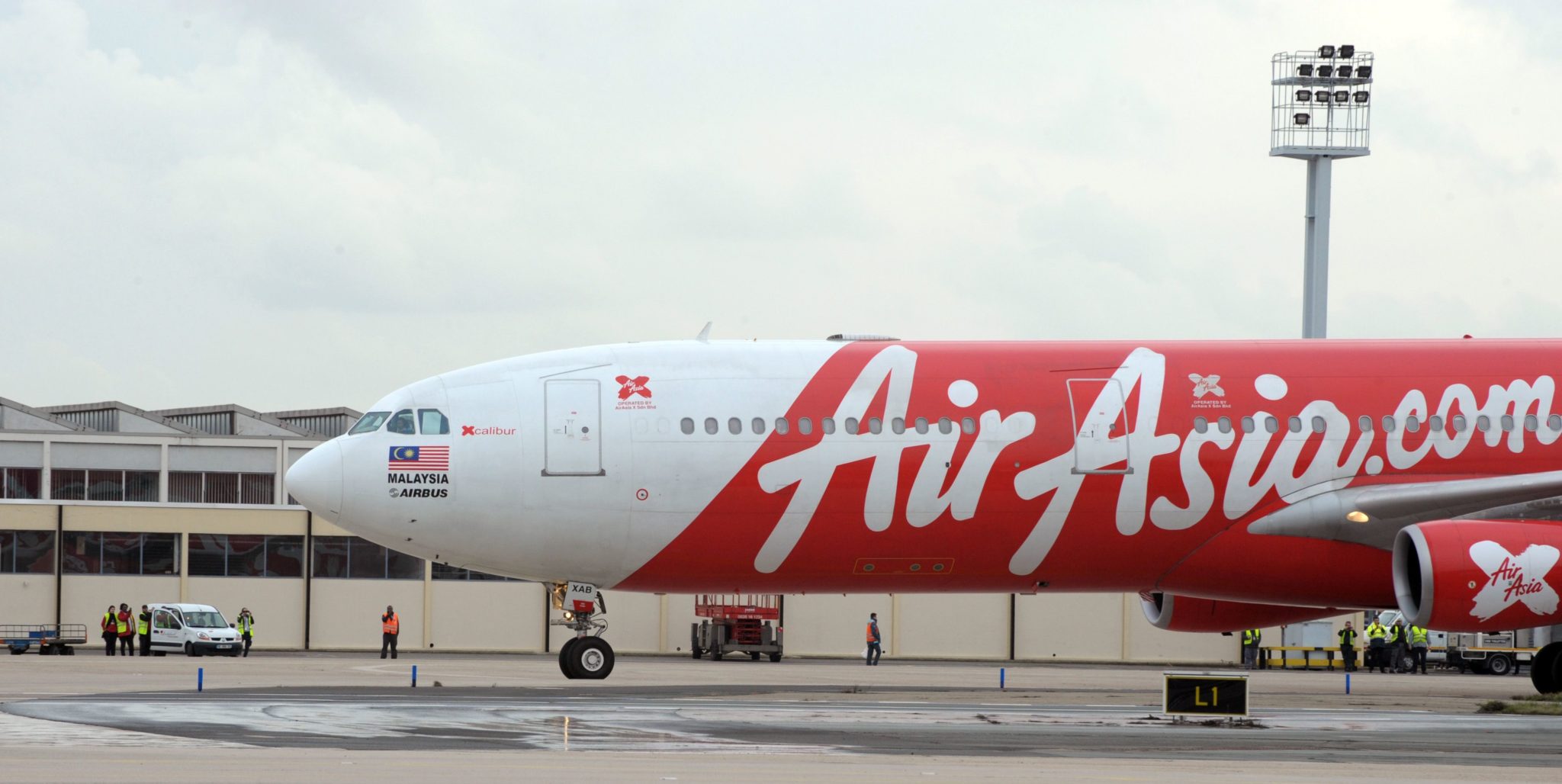
    AirAsia Group said its operating statistics for the second quarter of the 2021 financial year were improved during the quarter. All four key operating entities of AirAsia posted year-on-year (YoY) improvements during the quarter, on the back of a low base in the corresponding quarter last year as the group’s fleet were hibernated for the most part of 2Q2020 following the hit of the COVID-19 pandemic since late 1Q2020.

    As for quarter-on-quarter (QoQ) performance, AirAsia Philippines saw a 2 percent increase in number of passengers carried and 4 percentage points (ppts) increase in load factor to reach 78 percent, while AirAsia Indonesia’s load factor increased by 11 ppts QoQ. AirAsia said it remains committed to strengthening its domestic foothold while awaiting positive developments on international air travel. Expectation of high vaccination rates in ASEAN countries by the end of this year is lending confidence on upcoming recovery, enhanced by the group’s short-haul model in addition to leaner and more stabilised operations.

    AirAsia Malaysia’s operations remained constrained QoQ due to a lockdown and interstate travel restrictions imposed from January 2021. AirAsia Malaysia carried 64 percent higher number of passengers YoY on 54 percent higher capacity, subsequently resulting in a 4 ppts increase to a healthy load factor of 64 percent. The ongoing subdued operations are expected to persist until Malaysia reaches herd immunity by the fourth quarter of this year. The government has recently set a new target of vaccinating all adults by October 2021.

    AirAsia Indonesia posted substantial YoY growth against the same quarter last year. Though the number of passengers carried showed a mild 1 percent dip QoQ, load factor grew by 11 ppts to 67 percent in 2Q2021 due to more stringent capacity management. AirAsia Indonesia was operating approximately 70 percent of pre-pandemic domestic capacity in May 2021 and demonstrated strong signs of recovery before it had to enter hibernation mode in early July in support of the containment efforts by the government as infection cases increased.

    AirAsia Philippines’ strong rebound seen in 1Q2021 further increased in 2Q2021, posting a 2 percent higher number of passengers carried QoQ and 4 ppts higher load factor to record a solid 78 percent. Monthly breakdown showed that load factor was as high as 83 percent in June 2021, boosted by active capacity management. This was despite running a limited number of charter and passenger flights due to community quarantine restrictions and despite flying only from its Manila hub.

    AirAsia Thailand more than doubled the number of passengers carried YoY and reported a 9 ppts increase in load factor to 61 percent in 2Q2021, boosted by higher demand during the Songkran festival in April 2021 and on the back of low base effect in the same quarter last year. On a QoQ basis, despite having successfully resumed all domestic routes by the end of 1Q2021, AirAsia Thailand’s recovery was short-lived due to the new COVID-19 wave that began in mid-April 2021. AirAsia Thailand posted a 26 percent QoQ decline in passengers carried, most significantly in June. Nevertheless, load factor was held firm at 78 percent in June, attributed to active capacity management.

  • Google Maps’ Insights feature is rolling out in more countries

    Google Maps’ Insights feature is rolling out in more countries

    Google continues to work hard on improving Google Maps. The app does so much more than just help take you quickly and safely from point “A” to point “B” as it gives you the names of places to visit, where you should go to eat, events that you should attend while in town, and more. And now a newly redesigned feature named Google Maps’ Insights provides users with data about their travels that they might find helpful.

    Insights can show you the places that you’ve been traveling to and whether you got there by walking, biking, or by driving. You’ll see your travel history along with interesting information that reveals the busiest day of each month, the name of the attractions you’ve been visiting, the hotels where you’ve been staying, and the stores where you have been spending money.

    This might sound typically Google with all of your information being gobbled up, even if it is supposed to be for your benefit. But you can keep the information of your travels to yourself by using Google Maps while in incognito mode. You can also keep your privacy while using Google Maps by not logging in before you start to use the app.

    Keep in mind that if you do decide to use incognito mode on Google Maps. you will be unable to save your search or browsing history or send notifications. You also won’t be able to update Location History or shared location or personalize Google Maps.

    Insights is part of the Google Maps Timeline feature which can be found by tapping on your profile icon on the upper right corner of the Google Maps screen. The redesigned Insights is now rolling out to more regions around the world and Germany’s SmartDroid posted an image of the feature appearing in Germany containing all the statistics and data that Insights provide. The feature is also now rolling out in the U.K.

  • Cebu Pacific cautiously optimistic on 2022 recovery

    Cebu Pacific cautiously optimistic on 2022 recovery

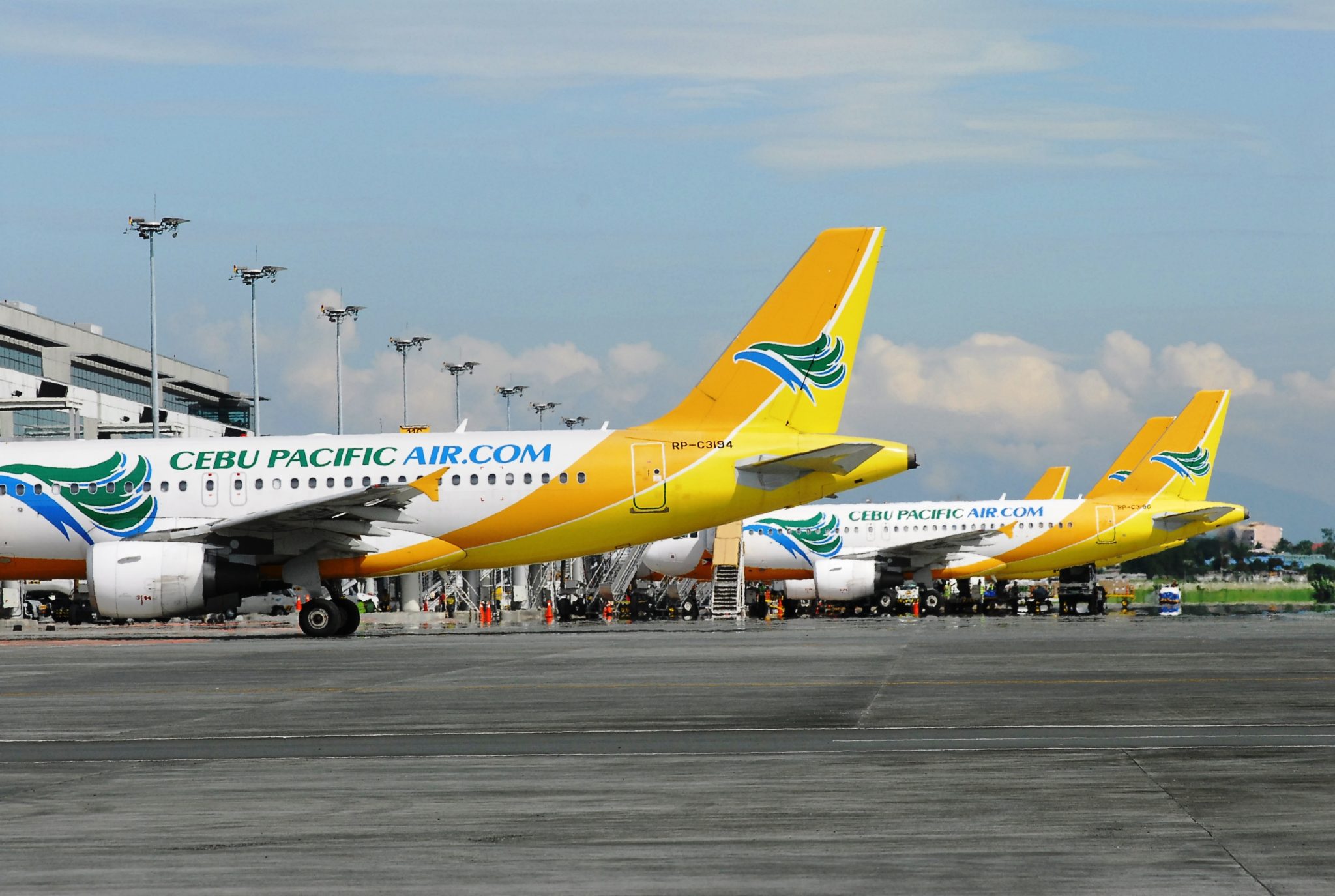
    Budget carrier Cebu Pacific, operated by Cebu Air, Inc., is sticking to its forecast of returning to pre-pandemic levels next year, saying it is “cautiously optimistic” given the current pace of vaccine rollout in the country.

    “To be honest, initially, when it started rolling out and we were monitoring the inoculation rate, we were pleasantly surprised with the 130,000 a day. Now, with the A4 (priority) and private vaccinations, we’re cautiously optimistic,” Candice A. Iyog, Cebu Pacific vice-president for marketing and customer service, said at an online briefing on Thursday.

    “We’d like to stick to what we’ve said before, 2022, but again so many things can still happen,” she added.

    Cebu Pacific currently operates flights to 32 domestic destinations.

    To recall, the number of flights Cebu Pacific had in 2020 was 71% lower at 41,804. The number of passengers it carried last year also dropped 78% to five million.

    Ms. Iyog said flights from Manila to Boracay will be five times daily starting June 21, while flights to Bohol will also operate daily.

    As of June, it operates flights to Dubai, Hong Kong, Seoul, Tokyo, and Singapore.

    “When demand comes back, there will be higher expectation from us to be more digital and to provide more contactless options for our passengers because we understand that ‘contactless’ is somehow part of safety,” Ms. Iyog noted.

    “Yesterday (June 16), we successfully launched our new website and our iOS and Android booking channels,” she added.

    The airline has partnered with GCash, GrabPay, and PayMaya for cashless payment options for new bookings.

    The budget carrier will be implementing starting July this year a new policy for passengers who want to make voluntary changes to their flights.

    “Starting July 1, the travel fund option for voluntary flight changes will only be available for passengers who pre-purchased the CEB Flexi add-on during initial booking as this new and improved product allows passengers to cancel their flights for free, up to two hours before departure, and store the value of the booking in a Travel Fund for as low as P499,” Cebu Pacific said in a statement on Wednesday.

    “The amount in this virtual wallet is valid for two years and may be used to book new flights or purchase other add-ons such as seat selection, additional baggage allowance, or travel insurance,” it added.

    As for passengers who want to change their bookings voluntarily without purchasing CEB Flexi, the budget carrier said: “They can make use of the Unlimited Rebooking option of CEB and rebook as many times as they want up to two hours before their scheduled time of departure.”

    The low-cost carrier said it permanently removed change fees since March.

  • Singapore-Hong Kong Travel Bubble Hits Snag

    Singapore-Hong Kong Travel Bubble Hits Snag

    The arrangement for quarantine-free travel between the two cities was due to begin on May 26, following two previous postponements. Singapore is reassessing plans for a travel bubble with Hong Kong after the city-state moved to reintroduce tighter social distancing measures amid a growing cluster of Covid-19 cases tied to a large public hospital. The number of cases in the cluster stands at 40 and is linked to the India variant.

    We will monitor the situation and we will review and assess whether or not there will be any changes,» Lawrence Wong, the minister who co-chairs the Singapore government’s virus taskforce, said.

    The travel bubble has already been delayed several times from its scheduled start in November 2020, as a result of infection outbreaks.

    According to the terms of the agreement, the travel bubble will be closed for two weeks if the seven-day moving average of the daily number of unlinked local cases is more than five in either Singapore or Hong Kong.

    On Tuesday, Singapore authorities announced stricter rules on social gatherings, to last till May 30, to stem the spread of Covid-19 in the community. Gatherings are now limited to groups of five, down from eight previously.

    Offices are also to implement a flexible working and more people are to work from home – only 50 percent of staff are allowed at the workplace at any one time, down from 75 percent at present.

  • Vietravel posts $3 mln loss in Q1

    Vietravel posts $3 mln loss in Q1

    Tourism company Vietravel has already posted a loss of VND72.8 billion ($3.15 million) this year, or 81 percent of the loss it suffered in the whole of last year.

    Revenues fell nearly 65 percent to VND277 billion as the Covid-19 outbreaks in the first quarter hit travel.

    Its accumulated losses as of the end of March were over VND102 billion, or higher than its equity.

    The company targets an increase of 411 percent in revenue to VND6.24 trillion this year and a pre-tax profit of VND10 billion.

    In the first quarter it spent nearly VND59 billion on its new carrier, Vietravel Airlines, which began operations at the end of last year.

  • Tourism recovery can take off alongside flights resumption

    Tourism recovery can take off alongside flights resumption

    Tourism companies see a proposed plan to gradually resume international flights as a necessary first step for their sector to recover from the pandemic-inflicted slump. Nguyen Minh Man, head of marketing at the HCMC-based TST Tourist Co., said that a slow and careful reopening of Vietnam’s borders can form a strong foundation to resume tourism activities.

    “This is a golden time for the tourism industry to prepare their human resources and products to recover and achieve a breakthrough next year,” he added.

    Nguyen Cong Hoan, deputy director of Hanoi Redtours, said that although the flight resumption won’t be able to “save” Vietnamese tourism this year, it will be a necessary first step for recovery.

    International flights will first help resume trade and business activities, which will boost demand for niche tourism segments such as golf and luxury tourism, and after that, other popular segments will start to recover, he said.

    “If vaccinated passengers can enter the country in September, that would be an ideal time to travel to Vietnam’s warm beaches or visit terraced fields during the harvest.”

    The Civil Aviation Authority of Vietnam (CAAV) is considering the resumption of international flights starting July, with Japan, South Korea and Taiwan the first destinations, each side operating four flights a week.

    All passengers will be quarantined upon arrival as per the Health Ministry protocol. It is expected that around 6,000 to 7,000 passengers would enter the country each week from the three Asian destinations.

    The CAAV has proposed that starting September, vaccinated foreign passengers into the country are allowed into the country without requiring centralized quarantine.

    Vietnamese carriers are eagerly awaiting the government’s green light to take to the skies again.

    Budget airline Vietjet resumes regular flights to Thailand, Japan, South Korea, and Taiwan this month, serving Vietnamese citizens wishing to study and work abroad, as well as stranded foreigners wanting to return home.

    On return trips, the carrier will only carry Vietnamese citizens being repatriated or foreign experts with permission to enter the country as per government regulations.

    Meanwhile, national flag carrier Vietnam Airlines has said it will reopen international commercial flights connecting Hanoi and HCMC with several Asian destinations including South Korea, Japan, and Australia this month.

    However, tourism companies are not too optimistic about a quick recovery. Hoan of Hanoi Redtours said that for this year and the next, domestic travel will be the main revenue source for his company, and prospects for international travel will only look up in 2023 as the earliest.

    “We are seeing rising numbers of individual and company trips bookings domestically, and this will be our main focus for the time being. Until the Covid-19 situation is well under control globally, we should not pin our hopes on international travel.”

    Vietnam closed its national borders and canceled all international flights in March 2020. Since then, only Vietnamese repatriates, foreign experts, and highly-skilled workers are being allowed in under strict conditions.

    The number of foreign visitors to Vietnam in the first quarter fell 98.7 percent year-on-year to 48,000 with travel restrictions in place to mitigate the impacts of Covid-19.

  • Vietnam not considering international flight resumption

    Vietnam not considering international flight resumption

    Vietnam is not considering a resumption of international commercial flights with the Covid-19 situation remaining intense globally and vaccine distribution uncertain.

    The pandemic has been complicated by the appearance of a new coronavirus variant, with no certainty a vaccine would be distributed on a large scale this year, Deputy Minister of Planning and Investment Tran Quoc Phuong told press Monday.

    Resumption of tourism activities would only occur when deemed safe, he stressed.

    Vietnam suspended commercial international flights in late March last year to contain the spread of the novel coronavirus.

    However, the country still allows a limited number of flights for experts, businesspeople, workers and overseas Vietnamese, who are all quarantined by up to 14 days upon arrival.

    Phuong said authorities are struggling to contain illegal immigration as travel demand spikes ahead of the Lunar New Year holiday, or Tet, which falls in February this year.

    Foreign arrivals last year fell nearly 79 percent to 3.84 million, according to the General Statistics Office.

  • AirAsia X plans stock issue to raise funds while cutting share capital

    AirAsia X plans stock issue to raise funds while cutting share capital

    Long-haul budget carrier AirAsia X is planning to broaden the extent of a planned capital reduction, and raise additional funding through a new share issue. AirAsia X aims to raise RM300 million from current shareholders plus another RM200 million from new investors – a total of RM500 million ($123 million).

    It describes the new share issue as a “critical component” of a restructuring program for the airline.

    “There are several scenarios envisaged within our business plan and the funds to be raised are adequate for each of these scenarios,” says the carrier.

    As part of the financial restructuring, the carrier is to broaden a planned capital reduction, reducing the issued share capital by 99.9% – rather than the previously-proposed 90%. This will involve cutting the share capital to RM1.53 million.

    “Credit arising from the proposed share capital reduction will be used to offset part of the accumulated losses,” says the carrier.

    AirAsia X is also intending to consolidate its stock with a conversion of every 10 shares into a single share.

    Shareholders’ funds after the capital reduction will remain negative, it says, but the consolidation will “provide a platform to seek fresh funding” from current shareholders.

    The company admits it has faced objections from “several” lessors who are among creditors from which AirAsia X needs to obtain approval for its debt restructuring plans.

    AirAsia X points out that this restructuring is necessary for the recapitalization. “A comprehensive reset of the airline is required to provide a platform to rebuild, and a vehicle attractive enough for investors to invest in,” it adds.

    It says it will “continue to engage” with its creditors in an effort to “allay their concerns”, stressing that the alternative is the liquidation of the carrier.

    AirAsia X argues that a “reset” with fresh equity and repositioning of the airline as a regional, medium-haul low-cost carrier will provide the “best economic returns” to creditors.

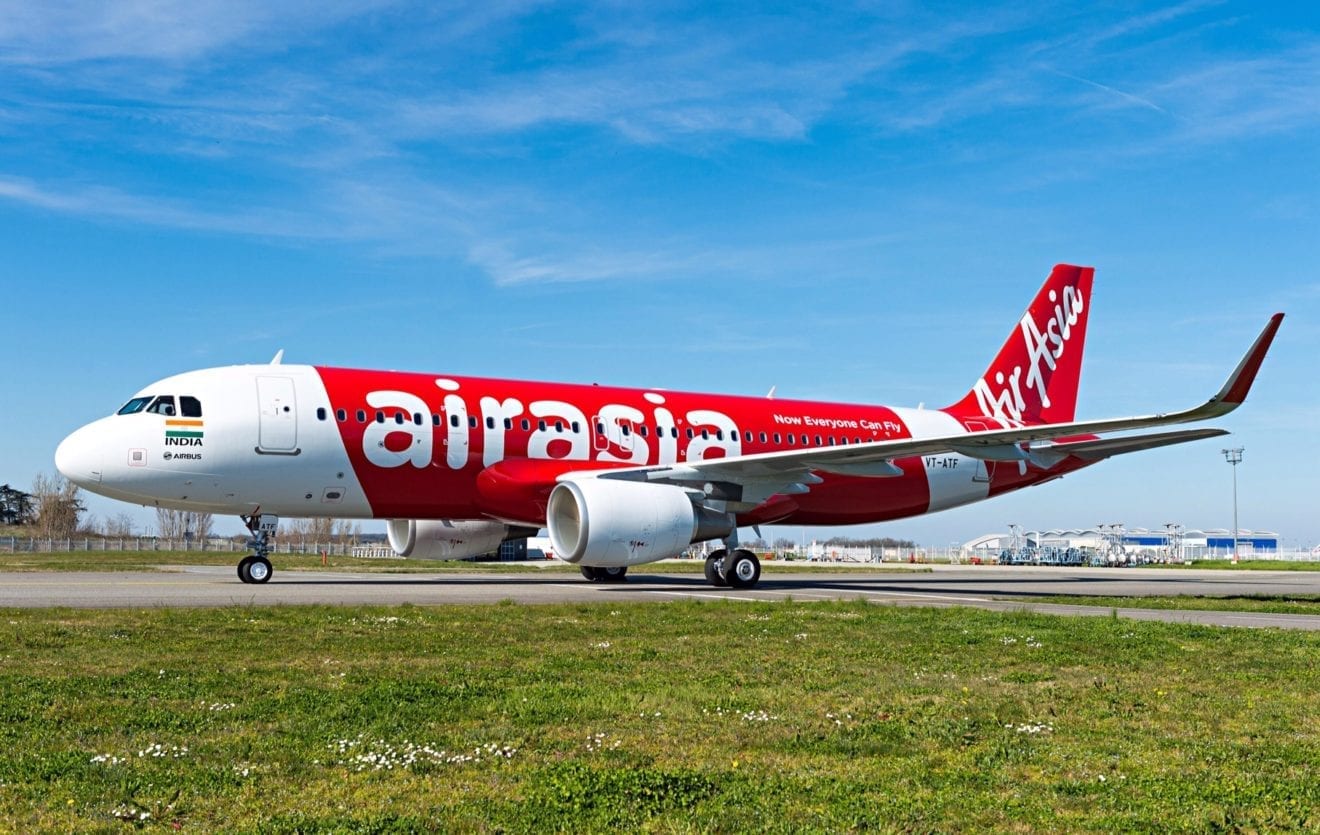
  • AirAsia India plans expansion; to induct 3 more A320 neos by June 2021

    AirAsia India plans expansion; to induct 3 more A320 neos by June 2021

    Budget carrier AirAsia India plans to add three more Airbus A320 neo planes by June next year as part of its fleet and network expansion. The airline — a joint venture between Tatas and Malaysia’s AirAsia Investment currently has 32 aircraft, including two A320 neos inducted recently.

    In a statement to PTI, an AirAsia India spokesperson said the airline had signed an agreement for inducting five A320 neo planes last year.

    The Bengaluru-based airline took delivery of the first A320 neo in October and another one earlier this month.

    “We will be inducting our third Airbus A320 neo in December and we look forward to inducting our fourth and fifth A320 neo by June 2021,” the spokesperson said in the statement.

    The statement was issued in response to the queries sent to the airline’s managing director and chief executive officer Sunil Bhaskaran.

    On November 17, Malaysia’s AirAsia Berhad had said it was reviewing its investment in AirAsia India. Against this backdrop, there have also been concerns about the domestic airline.

    Indicating that AirAsia India is on an expansion path, the airline’s spokesperson said it is planning to scale up the capacity to 70 per cent from 55 per cent at present.

    “We are soon planning to amp up our capacity to 70 per cent,” the statement said.

    Domestic commercial flights were suspended for two months from March 25 to curb the spread of coronavirus infections.

    The Civil Aviation Ministry permitted increasing the capacity to 45 per cent with effect from June 27 from a maximum of one-third at the time of resumption of domestic flights from May 25. It was scaled up to 60 per cent from September 2.

    Airlines were allowed to operate at 70 per cent of the pre-COVID-19 capacity from November 11.

    Earlier this month, senior AirAsia India officials informed travel agents that it remains on the path of serving Indian market by growing its network and scale of operations.

  • Airasia.com Super Sale returns with a flurry of bargain offers

    Airasia.com Super Sale returns with a flurry of bargain offers

    airasia.com has launched a second Super Sale via its ‘super app’, offering a range of deals starting from as low as RM1.99 (US$0.48) from 16 to 22 November

    The airasia.com Super Sale made its debut last month, superseding the hugely popular AirAsia Free Seats sale.

    The airasia.com super app offers a range of products and services, including fresh produce, groceries, food deliveries, travel & lifestyle products, Muslim-friendly services, and health & wellness packages.

    airasia.com can be accessed via website or mobile app and customers can use BigPay Checkout for a seamless payment experience across all product lines.

    Throughout the airasia.com Super Sale period, shoppers can enjoy up to -50% off from selected merchants on airasia Fresh with a RM1 delivery fee. They can also get 50% off from selected merchants via airasia Food, the online food ordering platform which runs on a zero-commission model.

    Other deals include Buy 1 Free 1 for selected skincare, cosmetics, accessories and more on airasia Shop; -50% off with an additional -5% discount with the promo code ‘SUPER5’ for Unlimited Deals; -10% off Aqiqah Abroad and Aqiqah Makkah on Ikhlas; an aesthetics bundle from RM299 (US$73) on airasia Health and many more.

    airasia.com CEO Karen Chan said: “Since the launch of airasia.com as an Asean super app in October, we have continued to expand our market reach and diversify our product range across the region. We have recently launched the AirAsia Unlimited Pass in the Philippines, Thailand and Indonesia, and introduced airasia Health in Malaysia – a platform that provides end-to-end medical services.

    “We are also working on expanding our eCommerce presence within Asean through strategic partnerships and collaborations with technology providers, merchants and vendors.

    “The airasia.com Super Sale this time offers even more exciting deals as we have included more products and merchants. Through the Super Sale we are able to help further revive the many businesses that have been affected by the effects of the pandemic. We hope everyone will have an enjoyable time shopping and finding the best deals for travel, activities, food, rewards and more,” she added.

    On top of the discounts, shoppers can also earn 3x BIG Points when they pay with the AirAsia credit card during the airasia.com Super Sale. BIG members also have the option of paying using BIG Points.

  • AirAsia offers UNLI Flight pass for a limited time only

    AirAsia offers UNLI Flight pass for a limited time only

    The tourism industry is slowly recovering, starting with the re-opening of Boracay to leisure travelers. More flights, accommodations, and tours are resuming operations to accommodate excited travelers after being stuck at home for so long! With travel restrictions gradually being lifted in the Philippines, AirAsia introduces a unique product that will allow people to travel as many times as they want around the Philippines. Yes, you read it right!

    Filipinos are known to always seek the best deals: Buy-one, take-one, 50% off, and unlimited offers on Korean BBQ, rice, and call and text promos, but have you heard of unlimited flights? AirAsia is offering the UNLI Flight pass for a limited time only!

    What is the AirAsia UNLI Flight Pass?

    UNLI Flight Pass offers a travel bundle so you can fly as many times as you want to any AirAsia domestic destination available on airasia.com or AirAsia’s mobile app for a fixed price of only PHP 4,999. The promo covers flights from AirAsia’s domestic hubs (Manila, Cebu, Clark) to your favorite island destinations such as Boracay, Cebu, Palawan, Davao, Bacolod, Zamboanga, General Santos, and so much more. The UNLI Flight Pass is perfect for both leisure and business travelers alike, especially those who are frequent flyers who aim to get a good deal.

    The UNLI Flight Pass is valid for a year, so you can plan and plot your trips ahead of time. Scratch your travel itch and grab your very own AirAsia UNLI Flight Pass available for purchase on airasia.com, through the ‘Unlimited Deals’ tile. The pass purchase period will start from November 2 until November 8, 2020, wherein flights can be redeemed from November 9, 2020 until October 16, 2021, and be used to travel between November 23, 2020 and October 30, 2021.

    How to Purchase UNLI Flight Pass?

    • Log in to your BIG Member account. If you haven’t, register already. It’s for free!

    • Click the AirAsia UNLI Flight Pass bundle

    • Purchase and pay. Only Credit and debit cards will be allowed.

    • Receive your confirmation voucher via e-mail

    How to Redeem Flights using the UNLI Flight Pass?

    • Log in to your BIG member account on Airasia ‘Unlimited Deals’

    • Select your purchased UNLI Flight Pass, confirm your full name (upon first redemption only), and click “Redeem”

    • Search dates and choose flights labeled ‘100% OFF’

    • Enter your passenger details

    • Pay any add-ons, taxes, and other fees

    • Receive your flight itinerary in your e-mail

    Disclaimer: Flights redeemed with the Unlimited Pass are subject to government taxes and fees, add ons, and other applicable charges. Seats are subject to availability. Embargo dates and other terms and conditions apply.

  • AirAsia X ‘out of money’

    AirAsia X ‘out of money’

    The long-haul budget carrier AirAsia X Bhd has run out of money and needs to raise up to 500 million ringgit (US$120 million) to restart the airline, according to deputy chairman Lim Kian Onn. The Malaysia-based affiliate of AirAsia Group said this month it wanted to restructure 63.5 billion ringgit ($15.3 billion) worth of debt and slash its share capital by 90% to continue as a going concern.

    “We have run out of money,” Lim said in an interview. “Obviously, banks will not finance the company without shareholders, both old and new, putting in fresh equity. So, a prerequisite is a fresh equity.”

    He said the airline had actual liabilities of 2 billion ringgit, with the larger figure of 63.5 billion ringgit including all lease payments for the next eight to 10 years and its large order for Airbus planes and contracted engine maintenance with Rolls-Royce.

    “If we find 300 million ringgit in new equity, then the shareholder funds are 300 million at the restart of business and if we are able to borrow 200 million ringgit, we feel that we will have a good platform to start all over again,” Lim said.

    He said AirAsia X also needed to convince its lessors of its business plan, adding that an unnamed lessor recently took back one of the airline’s planes to convert it to a freighter.

    The airline plans to liquidate its small Indonesia-based carrier and has completely written down its stake in Thai AirAsia X, with the Thai carrier not part of the restructuring scheme, Lim said.

    Rival Malaysia Airlines is also in financial trouble, but Lim said there would be “no good outcome” from seeking to merge two airlines in dire straits.

    Initial negotiations with creditors have been tough as they are understandably upset, Lim said in the interview. They had asked for better terms, including free equity for the forgiven debt — something that would be impossible for the airline to fulfill, he added.

    Still, Lim said all of them genuinely wanted to find a common ground to take the airline forward. “No one has anything to gain from our demise,” he said.

    The airline is planning to resume flights in the first quarter of 2021, though the process remains “dynamic”, said Lim. Should the rescue plan get approval, the company will have to renegotiate every single contract and will do its best to look after all stakeholders’ interests, he said.

  • US$1bil loan offer for AirAsia data

    US$1bil loan offer for AirAsia data

    An American lender is willing to loan AirAsia US$1bil for the data of its customers it has accumulated from its business over the years. AirAsia Group Bhd CEO Tan Sri Tony Fernandes did not reveal the name of the potential US lender but spoke on how its data-driven new “super app” would become an equal contributor to group profit with its airline business in five years.

    “The airline has created this amazing business, ” he said, adding that post-Covid, the app has seen 50 million unique visitors every month.

    “We didn’t rush into the digital age as we started this journey two years before the Covid-19 outbreak, ” he told the media.

    The contribution forecast is based on AirAsia flying 300 aircraft in five years.

    He said there was a cash-raising potential to be done at the airasia.com and airline levels.

    “The first lot of financing will be announced by the end of this month, ” he said.

    Fernandes said that all pillars of the airasia.com app have already broken even except the fintech segment of the digital business because of the interchange fees it has to pay credit card companies. However, it has secured a money lending license from the Housing and Local Government Ministry to add another element towards the app’s fintech business.

    In a statement yesterday, AirAsia said it’s airasia.com Asean super app provides over 15 types of products and services under three main pillars, which are travel, e-commerce, and fintech.

    Fernandes believes the app can be a competitor to some of the established apps in Asean like Grab and Gojek and will provide competition in a fierce segment like food delivery.

    In the lucrative food delivery business, restaurants would not have to pay a commission to airasia.com like they do for other food delivery apps, but pay instead to the food deliverer, which translates to a commission rate of between 3% and 9% per delivery.

    “Now, everyone can travel, experience, shop, eat, enjoy rewards, and more with the new airasia.com super app. From travel needs to everyday lifestyle essentials, there is something for everyone, ” said airasia.com CEO Karen Chan.

    Fernandes said AirAsia would not be taking delivery of new planes as there is a lot of excess aircraft within the industry.

    “No one is going to fly the same size of fleets they did pre-Covid-19 for a couple of years, I imagine.

    “My guess is that we would be able to fly 180 planes by end-2021 for the entire group.

    “It depends on when the borders re-open for all our markets, ” he said. AirAsia has 245 planes currently.

    In fact, Fernandes said the airline would be returning 22 planes this year to its lessors.

    “I don’t see us getting to a position where we want to buy planes for a number of years.

    “Even when you want to buy planes, there will be cheaper second-hand planes out there, ” he said.

    As for travel, Fernandes said leisure travel would likely bounce back ahead of business travel.

    “Leisure, budget, short-haul business travel will bounce back to pre-Covid-19 level and we are already seeing it.

    “In Thailand, we are 95% of the capacity of pre-Covid-19. In fact, by Q4 we will be 10% ahead of where we were.

    “When the borders re-open, (the business) will bounce back really fast, ” he said.

  • AirAsia adding services in super app

    AirAsia adding services in super app

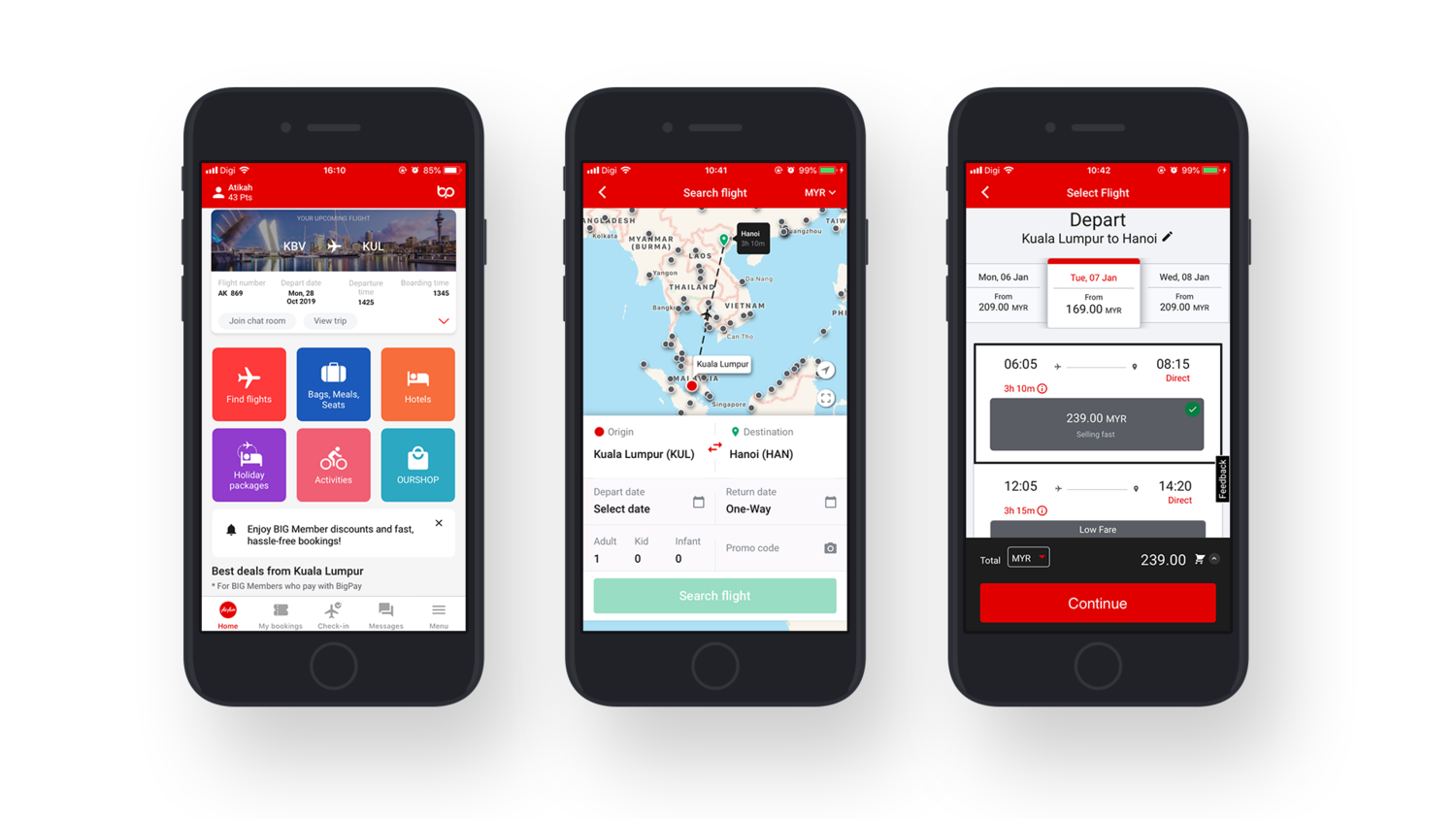
    AirAsia Group announced on Thursday that it is building a super app off its existing mobile application and website to provide services such as e-commerce, delivery, and payments. The app is to be available next month in Thailand and ASEAN.

    AirAsia chief executive Tony Fernandes said the idea to build a super app came before the pandemic, but new revenue streams are desperately needed after most of AirAsia’s fleet has been grounded for months because of travel restrictions. The company suffered losses of US$238 million in the second quarter of this year.

    “This journey didn’t start during the pandemic but it was accelerated because of the outbreak,” Mr Fernandes said. “This is not a Plan B, this was always our Plan A, but we still think aviation will definitely come back.”

    The new platform will be accessible through AirAsia.com and AirAsia’s mobile app on Oct 8, including digital services under subsidiary AirAsia Digital.

    These services include BigPay, a digital payment app; Teleport, a wholly-owned logistics, e-commerce, and delivery business; and Santan, a food and beverage franchise. Mr Fernandes said these services are already earning revenue for AirAsia except for BigPay, which is in negotiations with regulators to set its rates.

    Teleport came to Thailand in 2019 through a joint venture, while BigPay is available in Thailand and can transfer money to Thai bank accounts. Santan is only available in Malaysia or on AirAsia flights.

    “AirAsia’s roots are from moving people from A to B and moving cargo from A to B, and that is the basis of AirAsia Digital and the basis for our platform AirAsia.com,” Mr Fernandes said.

    The app will also allow users to book hotels and flights (from airlines other than AirAsia) and offers a travel and lifestyle rewards program. The company ended its partnership with Expedia and is offering its own travel booking service.

    AirAsia’s new venture will face stiff competition from existing super apps Grab and Gojek, which are both spending billions in venture capital to expand their presence in Southeast Asia. Grab and Gojek are in talks for a merger, which if completed would create a virtual monopoly for ride-hailing and food delivery in Asean.

    Grab is valued at about $14 billion, while Gojek was valued last year at almost $10 billion. Neither company is publicly traded.

    AirAsia, which is listed on the Malaysian stock exchange, has a market capitalization of $624 million.

    “We are nowhere near the size of Grab or Gojek, but AirAsia’s not about being dominant in one country, but providing an Asean product,” Mr Fernandes said.

    The AirAsia app hopes to differentiate itself by leveraging the data it has collected from millions of passengers, while also stressing its cross-country appeal for cross-border travelers in Asean.

    “I don’t believe we are here to compete, but here to complement,” Mr Fernandes said. “Airlines always see us as competitors, but we complemented the full service and created a new market that was not there — before, only a few people could fly, now everyone can fly, and in the same way we will complement the market.”

    He said the platform will also be open to new partners and services, not just those owned directly by AirAsia Digital.

    Michael Araneta, associate vice-president of IDC Financial Insights, said traditional businesses like AirAsia can find success with a super app by leveraging existing customer bases and technical resources.

    “AirAsia has shifted to being a lifestyle company and already has spent considerably on developing technology,” he said. “The company might not need to invest a substantial additional amount to turn their tech offerings into a super app.”

    Users of AirAsia’s super app will benefit from usage points that convert to discount flights and other related partner services supporting its core business, Mr Araneta said.

    During a pandemic, users cannot take advantage of these flight privileges as much.

    Mr Araneta said a winning super app is one that leverages considerable real-time data and various partners to provide relevant benefits to its customer base.