Retail News CRM

Tag: traveling

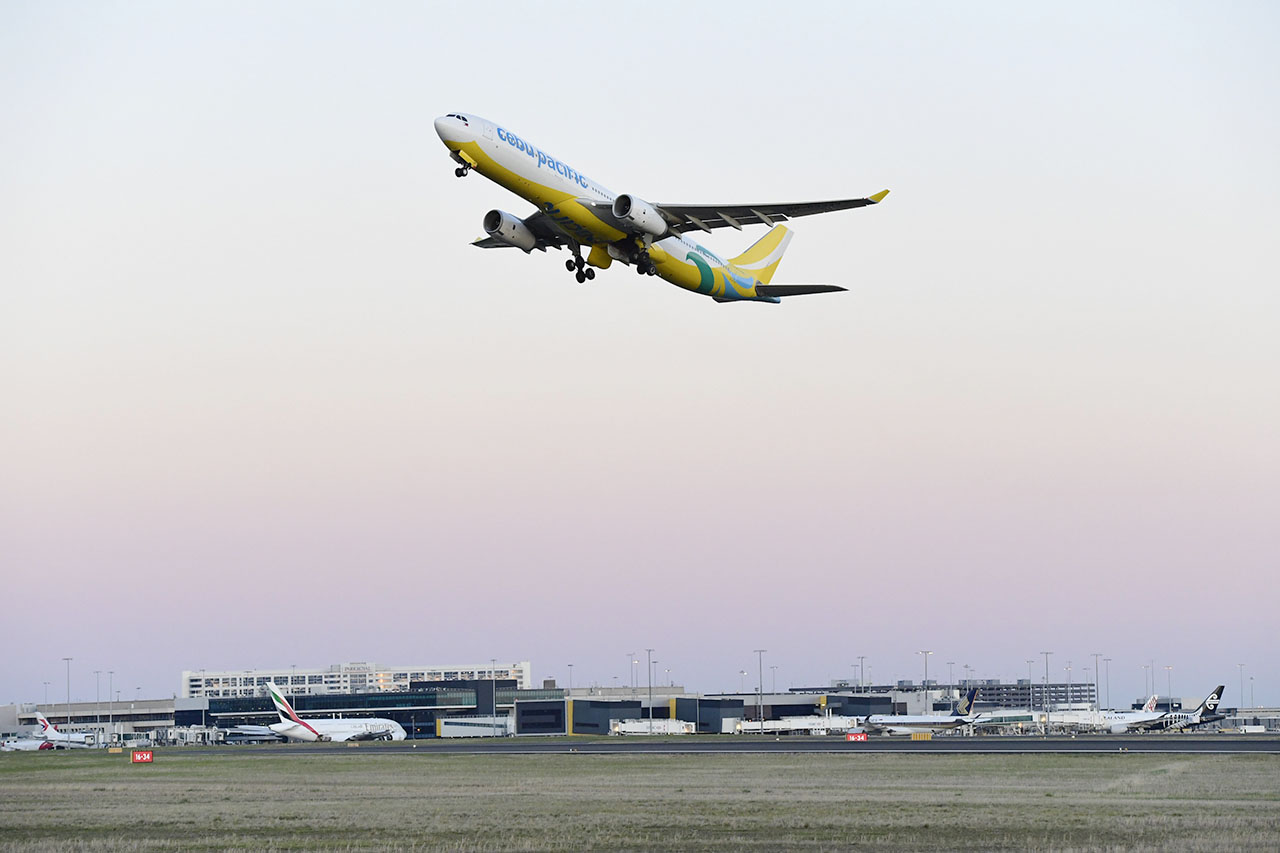
  • Strategy Cebu Pacific expects up to $79 million hit from coronavirus

    Strategy Cebu Pacific expects up to $79 million hit from coronavirus

    Cebu Pacific expects the coronavirus outbreak to impact its bottom line by up to Ps4 billion ($79 million).

    The low-cost carrier estimates that it will see “a Ps3-4 billion swing on profit” should the outbreak remain unabated over the next six months.

    It makes this estimate based on 2003’s Severe Acute Respiratory Syndrome (SARS) outbreak, which curtailed demand for air travel for six months.

    The carrier has canceled flights to China until 29 March, while reducing frequencies to Hong Kong and Macau. Meanwhile, compatriot Philippine Airlines and Philippines AirAsia have suspended flights to China, Hong Kong and Macau.

    Cebu Pacific stressed that the Ps4 billion figure is provided against “the context of its 2020 profit outlook,” especially since it posted operating profit of Ps8.9 billion in the first half of 2019.

    In its statement to the Philippines Stock Exchange, it confirmed remarks by its chief executive Lance Gokongwei that the impact of the coronavirus remains difficult to forecast as “the situation continues to evolve.”

    “We can’t forecast because the situation is escalating so fast,” Gokongwei was quoted as saying in a 2 February report on The Philippine Star.

    “We just had an update regarding [the eruption of] Taal volcano three weeks ago and then now, there’s a change in forecast. People don’t want to travel.”

  • Singapore Airlines Set To Fly The Airbus A350 to Ahmedabad

    Singapore Airlines Set To Fly The Airbus A350 to Ahmedabad

    Singapore Airlines will roll out one of its A350-900s on its new route between Singapore and Ahmedabad in Gujarat, India. Singapore Airlines’ new service is set to take flight from 1 February 2020. Ahmedabad will be the airline’s seventh Indian destination.

    The service would operate six days a week from the start of February, ramping up to a daily service at the beginning of April 2020.

    The outbound flights will push back from Singapore’s Changi Airport at dinner time for a mid-evening arrival into Ahmedabad’s Sardar Vallabhbhai Patel International Airport. The return flight is a late evening departure from Ahmedabad, flying through the night for a breakfast time arrival into Singapore. Flying time is five hours and 40 minutes. For the first two months, the flights will not operate on Wednesdays.

    The Singapore Airlines A350 is a popular option for the Simple Flying team. In April 2019, Jay Singh flew from Singapore to Johannesburg on an SQ A350, an experience he described as ‘almost perfect.’

    Well, he was drinking Charles Heidsieck and eating a chicken curry rustled up through the airline’s ‘Book the Cook’ service. What’s not to like about that?

    Now he wants to do the ultra long haul Singapore to Newark A350 flight.

    A few months later, Nick Cummins found himself on the same aircraft type when flying Singapore Airlines. He flew from Germany to Singapore in October 2019. Nick liked it so much he made a video about it.

    Having had a few dodgy airline ham and cheese toasties in his time, he’s now on a quest to discover the best and worst airline ham and cheese toasties. The Singapore Airlines toastie got the thumbs up. Nick’s only real complaint was the airline didn’t have an endless supply of desserts.

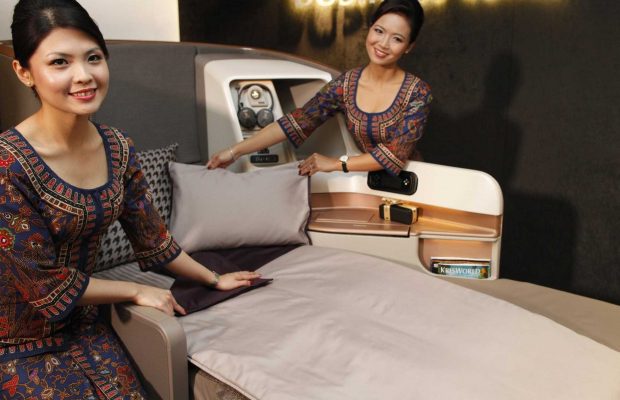
    This all bodes well for passengers on the same aircraft type on the new service to Ahmedabad. If, like Nick and Jay, you are lucky enough to be in business class, you’ll enjoy your Piper with 40 other passengers relaxing in lie-flat seats in a 1-2-1 layout. Even back in the main economy 3-3-3 cabin, the 263 passengers can enjoy one of the best economy class products in the sky.

    Services will be six days a week initially before going daily two months later. Photo: Singapore Airlines.
     

    The new service to Ahmedabad will provide local residents with one-stop access to North America, Oceania, Asia, and if you are not put off by a little backtracking, Africa, the Middle East and Europe.

    The six days a week Singapore Airlines A350 service between Singapore and Ahmedabad will begin on 1 February 2020. It will become a daily service on 29 March 2020.

  • Cebu Pacific kicks off new year with weekend seat sale

    Cebu Pacific kicks off new year with weekend seat sale

    Start the new year right by jetting off to Clark, an underrated destination in the Philippines with Cebu Pacific’s first seat sale of the year. From 10 January 2020 till 14 January 2020, all flights to the destination are on sale from as low as SGD 90 (USD 66.55), with a travel period from 1 February 2020 to 30 June 2020.

    With exciting seat sales lined up throughout the year, the carrier aims to make travel more convenient and affordable, allowing Singaporeans to enjoy quick getaways and explore new and unique destinations in the Philippines.

    Located in the heart of the Philippine’s Central Luzon region, Clark is a hidden gem that offers visitors a unique fusion of urban and cultural experiences. From teeing off on a world-class championship golf course at the Mimosa and Fontana Resort and Country Clubs, to relaxing in the thermal springs of Mount Pinatubo at Puning Hot Spring, it is just four hours away from Singapore with Cebu Pacific.

  • Vietnam Airlines reports record profit in 2019

    Vietnam Airlines reports record profit in 2019

    National flag carrier Vietnam Airlines estimates its consolidated pre-tax profit for 2019 at an all-time high of VND3.37 trillion ($146 million).

    The figure also marks a 10 percent year-on-year increase, Vietnam Airlines said in a press release.

    Its consolidated revenue is estimated at VND101.18 trillion ($4.39 billion) this year, up 2.2 percent year-on-year.

    In 2019, Vietnam Airlines transported 23 million passengers and nearly 346,000 tons of cargo on 134,000 flights. The airline also began operating 22 new aircraft and 10 flight routes, bringing its fleet to above 100 aircraft.

    In 2020, it will focus on retaining its core customer segments and holding share in key markets, the airline said. It expects to invest in 50 additional narrow body aircraft between 2021 and 2015, as well as improving services and digitization of its systems.

    Vietnam Airlines is 86.16 percent state-owned, and Japanese air transportation company ANA Holdings has an 8.77 percent stake. The remaining shares are held by state-owned lender Vietcombank, private lender Techcombank, and other domestic individuals.

  • Bali gears up for the holiday season with extra AirAsia seats

    Bali gears up for the holiday season with extra AirAsia seats

    The Christmas and New Year holidays always see a spike in both local and foreign visitor arrivals to Bali. And this year is expected to be no different.

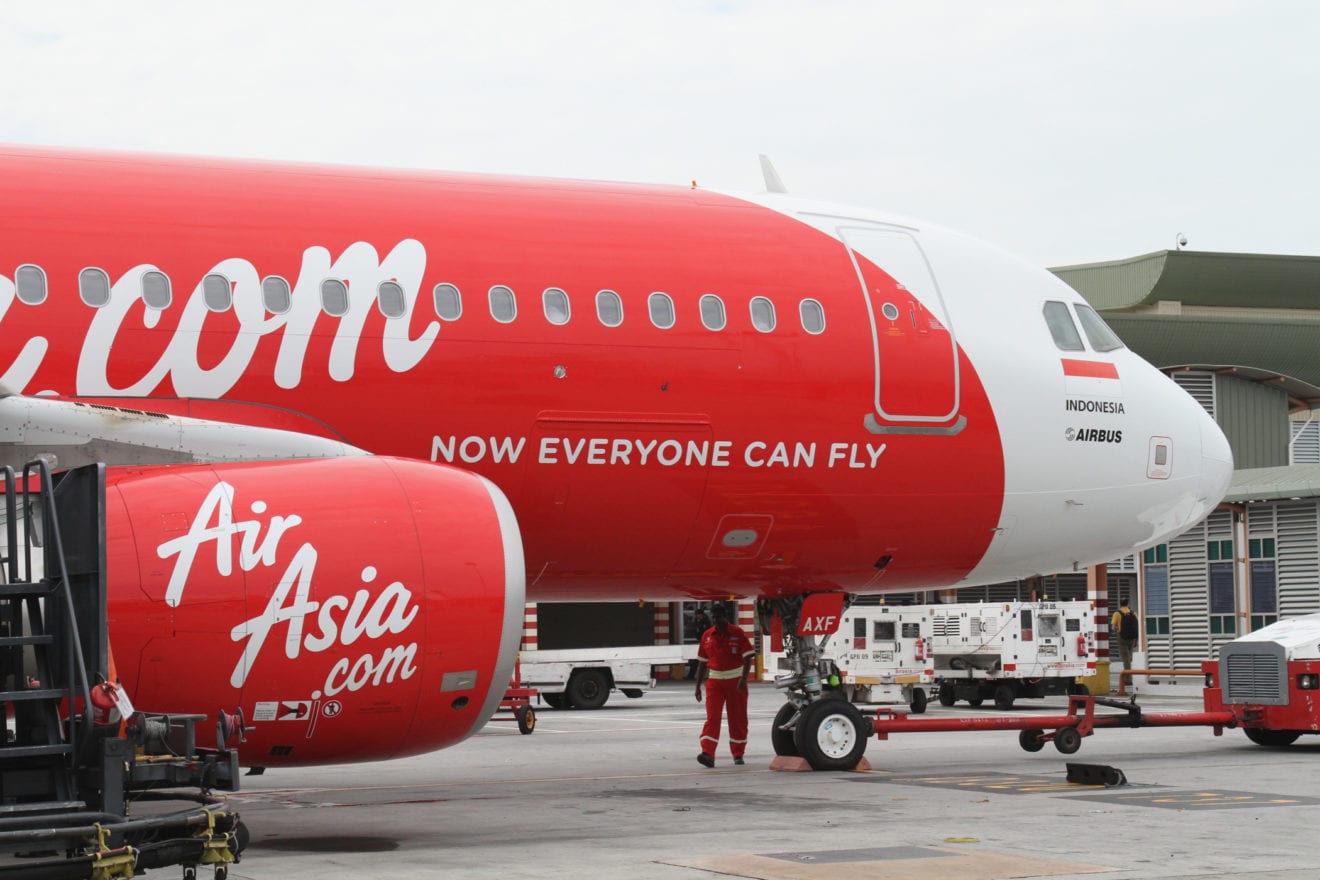
    In anticipation of more traffic, local news wires are reporting AirAsia Indonesia would be adding an additional 65,000 seats from December 1 to January 5, 2020.

    Speaking to reporters in Jakarta, Head of Communications at Indonesia’s Transportation Ministry, Baskoro Adiwiyono, said AirAsia Indonesia would also be bringing in an additional fleet of Airbus A320s and adding extra flights for several domestic routes to and from Jakarta.

    The Ministry is expecting a significant increase in seat occupancy rates for flights in mid-December 2019 to early 2020, especially to favorite holiday destinations such as Singapore, Lombok, Bali, and Surabaya. The Jakarta to Bali route, for example, will have an additional two flights per day until December 14.

    “Towards the Christmas and New Year holiday period we plan to increase the frequency of flights from the Jakarta to Denpasar to 13-times per day for the period December 15 to January 5,” said Baskoro.

    Prices tend to increase significantly as the major holidays approach and the Transportation Ministry is encouraging prospective passengers to book early to get the best prices while tickets are still available.

    AirAsia is also suggesting customers check the company’s social media accounts to take advantage of any holiday promotions.

  • AuMake pivots to sell to Asian tourists

    AuMake pivots to sell to Asian tourists

    AuMake says it will focus on catering to Asian tourists at its Australian outlets, shifting away from its original business model of targeting Chinese shoppers intent on posting their products to the mainland.

    The ASX-listed company’s 16 shops initially concentrated on selling Australian products to “daigou” – residents who frequent the stores, which each have a designated parking area, in order to send bought items to China in parcels.

    “From early 2018 and due to the locations of our stores in Sydney’s CBD, we began to observe the increasing visitation of Asian tourists and their propensity to purchase less well-known and higher margin products relative to daigou,” AuMake executive chairman Keong Chan told shareholders on Wednesday.

    AuMake announced in April that it had acquired the Broadway business, including its six Australian stores popular with foreign tourists, for $14.2 million.

    “AuMake will continue to service daigou however this will increasingly be transitioning offline traffic to the company’s online platforms, to maximise efficiencies and profitability,” Chan said.

  • Chloe opens first Hong Kong travel retail store

    Chloe opens first Hong Kong travel retail store

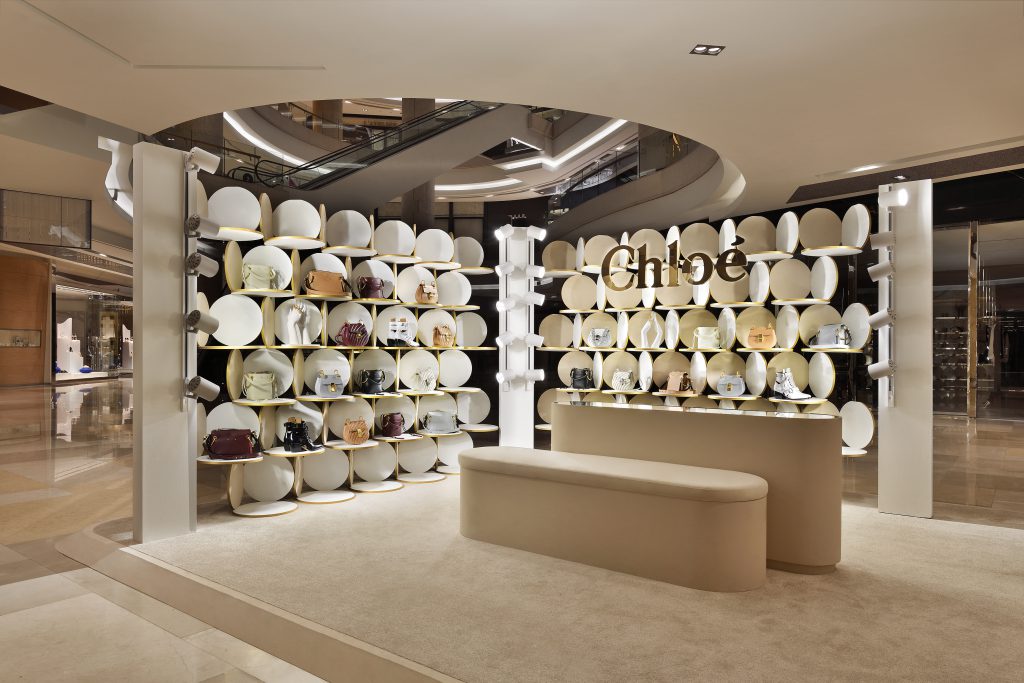
    French luxury brand Chloe has opened its first travel-retail store inside Hong Kong International Airport.

    The opening comes after the brand won a retail concession by the Airport Authority of Hong Kong last year.

    The store offers a selection of accessories including handbags, small leather goods, shoes, sunglasses, and jewelry. It boasts furnishings and decor featuring contrasting soft femininity with touches of burnished brass. The immersive installation is inspired by the brand’s signature atmosphere with a color motif of powdery beige rosé to shades of white and a touch of mustard.

    The store is operated in partnership with global travel retailer Dufry, which has more than 2300 shops around the world.

    Chloe has been accelerating its travel-retail expansion strategy, having opened 10 other stores at other international airports this year so far.

    HKIA is undergoing a transformation in its luxury zone and food court “to heighten and refresh passengers’ shopping and dining experiences”. It aims to further enhance luxury retail brand options, awarding luxury tender contracts to other prestigious brands including Louis Vuitton, Alexander McQueen, Montblanc and Rimowa last year.

  • AirAsia bags Airline Treasury Team of the Year award

    AirAsia bags Airline Treasury Team of the Year award

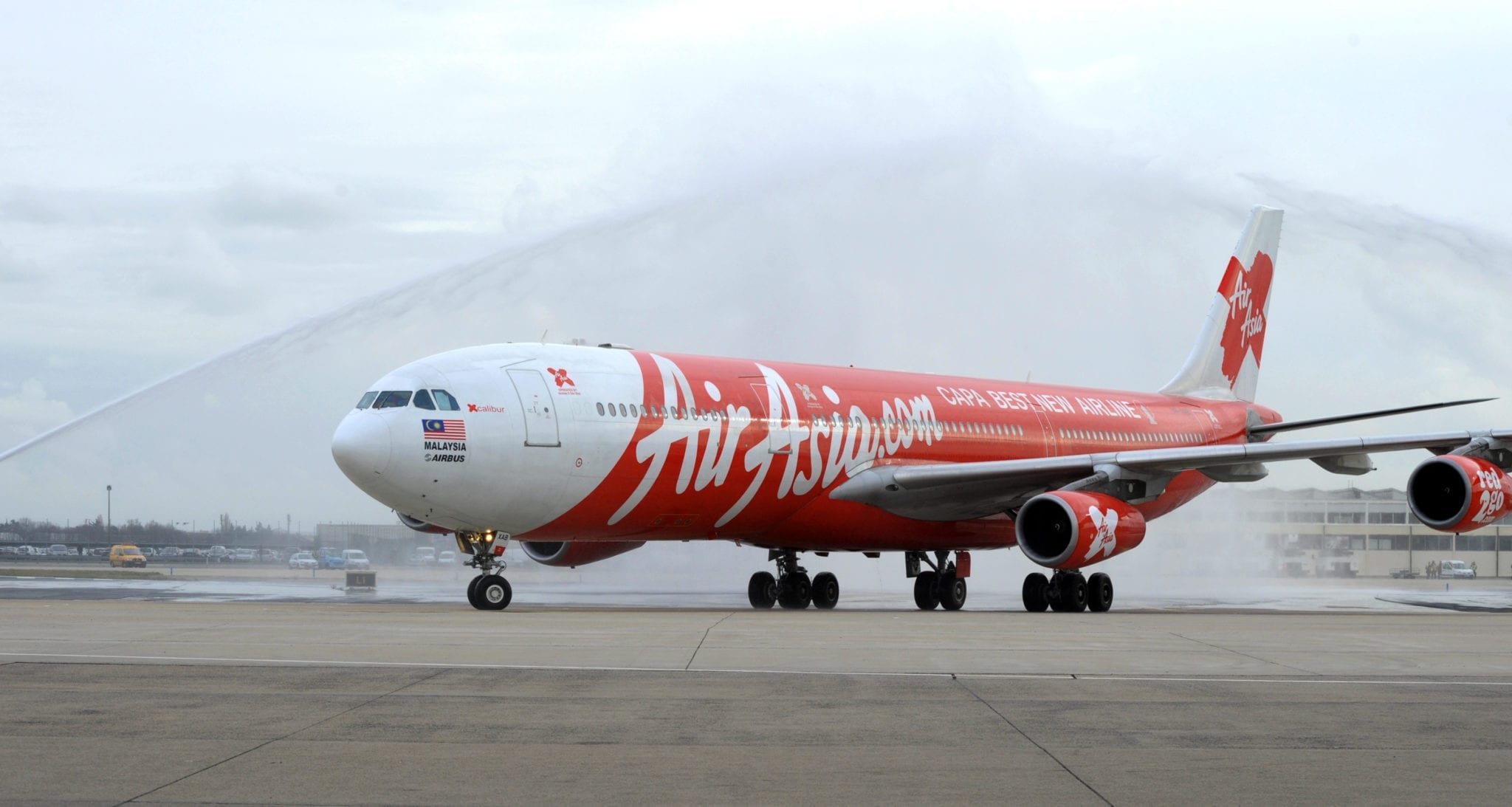
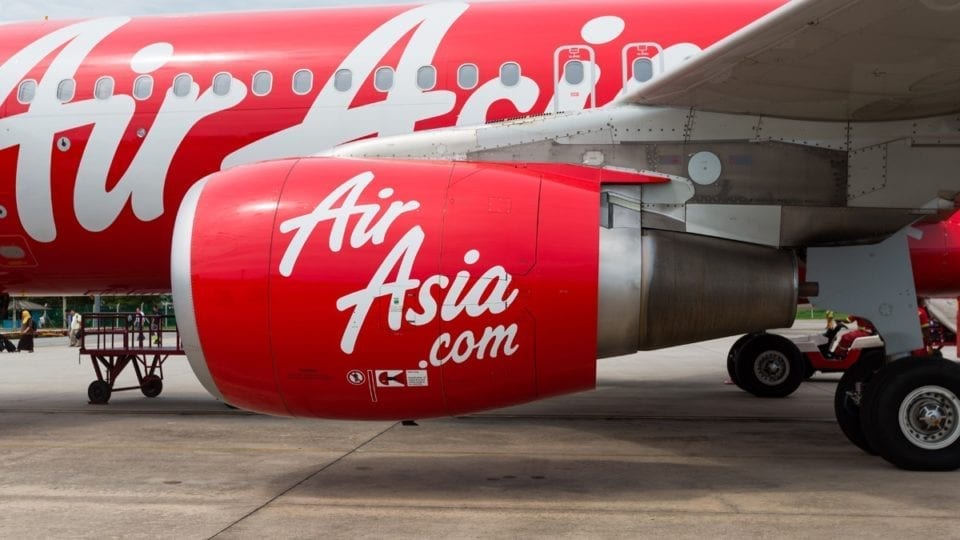
    AirAsia has bagged the Airline Treasury Team of the Year at the Asia Pacific Aviation 100 awards.

    In a statement today, the low-cost carrier said the Airline Economics Magazine Aviation 100 awards recognize the air travel industry’s most outstanding performers, as well as the most innovative and successful finance and leasing deals,  closed in the last 12 months.

    AirAsia said it won the Airline Treasury Team of the Year based on the company’s efficient fundraising deals that translated to strong financial performance as well as impressive fleet expansion activities.

    In the 2018-2019 year, AirAsia sealed two major aircraft portfolio deals with BBAM and Castlelake LP for a combined US$3.6 billion.

    The completion of the two transactions involved more than 100 aircraft and proved the team was not only efficient in their fundraising efforts, but also able to design financing structures which were not prevalent in typical aircraft financing transactions.

    This year, AirAsia also made global headlines with two significant commitments for new aircraft.

    At the 2019 Paris International Airshow, the company announced it would upsize its future Airbus single-aisle fleet, by converting orders for 253 Airbus A320neo to the larger Airbus A321neo.

    In August 2019, its long-haul affiliate AirAsia X expanded its order book with Airbus by signing a US$5 billion agreement for 12 Airbus A330-900 and 30 A321XLR aircraft.

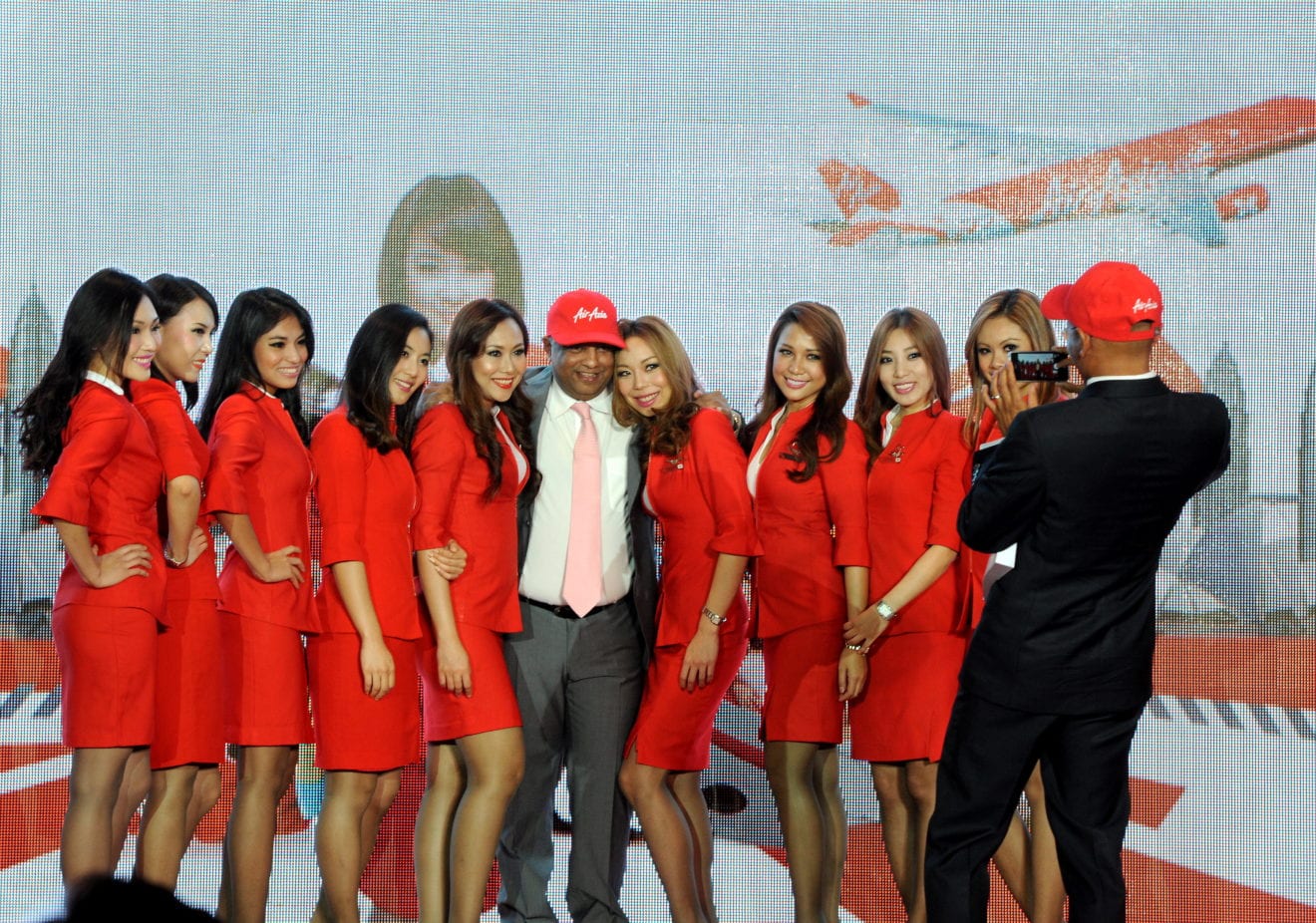
    AirAsia Group Bhd chief executive officer Tan Sri Tony Fernandes said the sale of its aircraft leasing operations was the culmination of a long-running strategy to dispose of the group’s physical assets, and by doing so, it was able to monetize the aircraft at high prices and reduce residual risk.

    “This strategy has allowed us to invest that cash into a fleet expansion program and our many digital ventures, while at the same time provide shareholder returns and accelerate our vision to become Asia Pacific’s leading travel and financial platform company.

    “This would not have been possible without my incredible aircraft finance team, and I can’t think of anyone else more deserving to win Airline Treasury Team of the Year,” he said.

  • Vietjet to expand fleet with 20 long-range Airbus jets

    Vietjet to expand fleet with 20 long-range Airbus jets

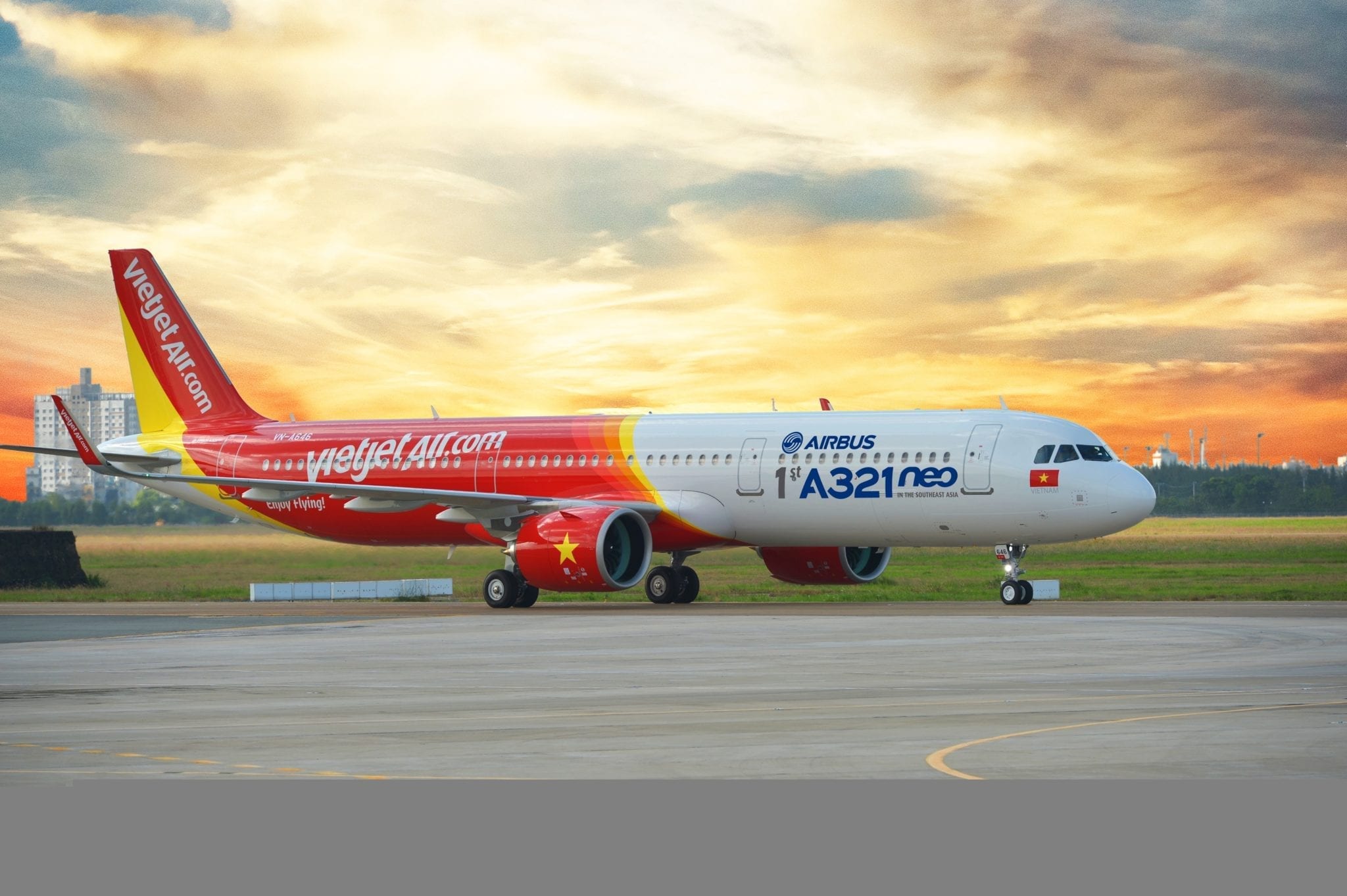
    Budget airline Vietjet has ordered 20 Airbus long-range A321XLR aircraft to expand its international reach as Vietnam’s aviation market keeps growing.

    With a range of up to 8,700 kilometers, the aircraft will serve Vietjet’s plans to expand its international flights network, the airline said in a statement Thursday.

    The contract increases Vietjet’s order book with Airbus to 186 aircraft, with the first A321XLR to be delivered in 2023.

    The single-aisle A321XLR will “modernize Vietjet’s fleet as we look to strongly grow our international flight network,” Vietjet CEO Nguyen Thi Phuong Thao said. The airline currently operates 66 Airbus jets.

    Also Thursday, the carrier ordered two A320/321 aircraft simulators for pilot and technician training on top of the one simulator it already has.

    A321XLR’s range is 15 percent more than the previous model A321LR, it also burns 30 percent less fuel per seat compared with older generations.

    Vietjet’s order follows similar moves by other Vietnamese airlines to expand their fleet as air travel heats up. Private airline Bamboo Airways has ordered 50 narrow-body Airbus A320neo aircraft and is expected to receive the first next month, while national flag carrier Vietnam Airlines plans to get 50 new narrow-body aircraft by 2025.

    Vietnam’s fleet of over 200 aircraft last year could quadruple by 2038, aircraft maker Boeing said last week.

    Last year, the country’s 21 state-run airports served 103.5 million passengers, up 11 percent year-on-year, and the figure is set to rise to 112 million this year, according to the Airports Corporation of Vietnam.

  • Thai Airways eyes passenger growth

    Thai Airways eyes passenger growth

    Financially struggling Thai Airways is eyeing 8% in passenger growth by year’s end as it plans to launch new routes.

    Nond Kalinta, Vice President of Sales at Thai Airways International Public Company Limited (THAI) told the media the airline’s financial situation is likely to improve. The airline’s debts by the end of the year will be reduced to under six billion baht thanks to the steady rise of passengers throughout the year.

    Over the past nine months, the airline has achieved passenger growth of 4%-5%, which is higher than last’s year figure year-on-year. The national carrier is hopeful of growth as projected passenger numbers for the last quarter shows an 8% uptick.

    Mr Nond said more routes will be launched by the end of the year, especially popular routes to Europe such as Bangkok-Vienna, Bangkok-Brussels, and Bangkok-Paris, as the airline seeks to make the most of the recent improvement in passenger numbers.

    Mr Nond said business will be brisker next year thanks to the well-performing baht as well as positive signs from the economy. He added that THAI has already seen advanced bookings for the first quarter of next year. Next year, THAI will also place emphasis on routes to East Asia, maintain its hold over Europe, and nourish growth in emerging markets such as India.

    “The Japan route has been a potential market for some time now, so more routes to Japan will be available to serve the needs of a certain group of passengers,” he said.

    “Also, flights to Europe should not be ignored as 80% of these flights have been booked in advance.”

  • AirAsia India Set To Switch Terminals At Mumbai Airport

    AirAsia India Set To Switch Terminals At Mumbai Airport

    AirAsia India has made the choice to change from terminal two at Chhatrapati Shivaji Maharaj International Airport, to the domestical terminal one. This will mean passengers who are traveling within India will no longer have to transfer through the international terminal to take a standard domestic flight on AirAsia India.

    Mumbai is a popular destination for airlines. So much so that AirAsia India has been unable to get departure gates from the main terminal one at Chhatrapati Shivaji Maharaj International Airport since they launched back in June 2014. They have, instead, had to operate their domestic service from the international terminal two.

    This had several disadvantages, such as forcing passengers who are transferring from other domestic carriers to a different terminal to take an AirAsia India flight, as well as passing through different security checks that are normally reserved for international flights. And for those not in the know, the two terminals are far apart and require a bus to transfer between them.

    This is set to change however this October, when the airline begins operating from terminal one and can line up with all the other domestic low-cost-carriers.

    “We are pleased to announce that Mumbai will now be our fourth hub in India, and alongside that AirAsia India will shift its operations from Terminal 2 to Terminal 1B from October 15,” said Sunil Bhaskaran, managing director, and chief executive, AirAsia India.

    AirAsia India flies across the sub-continent. Photo: AirAsia

    But moving to a better terminal for passengers is just the beginning, with the move allowing AirAsia India to make Mumbai it’s new fourth hub in the country.

    “Mumbai will become AirAsia India’s fourth hub in the country after Bengaluru, New Delhi and Kolkata,” AirAsia India said in a press statement back in May “AirAsia India will now connect Mumbai to Kochi, Kolkata, Hyderabad, Indore, New Delhi and Bengaluru.”.

    The airline currently flies to 21 destinations across the subcontinent with 23 Airbus A320-200 aircraft. They don’t specifically have any aircraft on order at the moment, but likely that some of the vast 353 Airbus A321neos that are on order to their parent organization will find their way into their fleet.

    They are a subsidiary airline of the AirAsia group, a vast network of low-cost-carriers who’s combined network flies from the United States, to Japan, to Australia and more. AirAsia X, the international arm of the airline, recently took ownership of a brand new Airbus A330neo and is operating the cheapest flatbeds flying in the sky today.

    Needless to say, this move to the domestic terminal sets up AirAsia India for long-haul success in India.

  • AirAsia X Launch Flights Between Kuala Lumpur and Tokyo Narita

    AirAsia X Launch Flights Between Kuala Lumpur and Tokyo Narita

    AirAsia is set to capitalize on the growing demand for flights to Japan, with the country experiencing a tourism boom. In a response to increasing numbers of visitors to Tokyo, the Malaysian airline’s low-cost sister company, AirAsiaX is to start flying between Kuala Lumpur and Tokyo Narita airport from November 2019. This route is commencing for the second time around, after a four year absence. Read on to find out what led to this decision, as well as the details regarding the resumed flight route.

    The commencement of the route between Kuala Lumpur and Tokyo Narita comes four years after AirAsia X suspended its flights to this airport. Originally opened in 2014, the Malaysian low-cost airline operated flights between KUL airport and Narita airport for less than a year, before calling a halt in August of 2015.

    The airline endured a tough year in 2015, with significant losses reported as competition in the area increased. This competition came especially from Malaysian Airlines (MAS), and AirAsia X was forced to make some changes to its structures. Its ambitious capacity increases in 2014 could not be sustained and it necessitated the suspension of its flights to Narita airport, in a bid to counter increasing quarterly losses.

    The carrier has, for almost a decade, operated flights to Tokyo Haneda airport. In a statement supplied to Simple Flying, AirAsia X said,

    The trigger for AirAsia X’s resumption of its KUL-NRT route was the increase in demand for flights to Tokyo – stemming from a tourism boom in Japan. Between 2012 and 2017, the country saw a growth of over 200% in tourist arrivals, and the trend is set to continue.

    Japanese Prime Minister Shinzo Abe, has set the goal for tourist arrivals in 2020 at 40 million. This comes in conjunction with two major international sporting events for 2019 (the rugby world cup) and 2020 (the summer Olympics), as well as the depreciation of the yen.

    Overall, these factors have made Japan a major tourist destination. Demand amongst Malaysians for the route has increased as well, with more than 450,000 Malaysian travelers visiting Japan in 2018.

    From the 20th of November, 2019, AirAsia X will resume its route between Kuala Lumpur and Tokyo Narita airport. The airline’s fleet of Airbus 330s will be in use four times a week, flying direct on Mondays, Wednesdays, Fridays, and Saturdays between the two cities. This will be in addition to its seven weekly flights between the Malaysian capital and Tokyo’s Haneda airport.

    Flight frequency for this route may well be increased in the future. Airbus has confirmed that AirAsia X has ordered 12 Airbus A330neos to boost its medium-range capabilities and to operate alongside its A330 fleet of 24 aircraft. This may free up some of its A330’s for increased flights to Japan, positioning the airline well for Japan’s goal of reaching 60 million tourist visitors by 2030.

    With direct return flights from under USD350, and under MYR1500, it is an attractive and affordable option for those flying from Malaysia.
  • Tony Fernandes steps down from all posts except Airasia, Airasia X

    Tony Fernandes steps down from all posts except Airasia, Airasia X

    AirAsia Group Bhd chief executive Tan Sri Tony Fernandes said today he is stepping down from all official board positions except AirAsia Group and AirAsia X Berhad to pave the way for new leaders to move up the company’s ranks.

    On Twitter, Fernandes he made the first decision to step down as the first step in stepping back.

    “As the first step of stepping back and moving the next generation of @airasia leaders into the forefront I will be stepping down of all boards except @airasia group and airasia X,” the tweet reads.

    AirAsia X Berhad, operating as AirAsia X, is a long-haul budget airline based in Malaysia and a sister company of AirAsia.

    Fernandes is listed as a non-independent non-executive director on the board of AirAsia X.

    Last month, Fernandes was appointed as the chief executive of airasia.com, the low-cost airline’s travel and lifestyle e-commerce platform.

  • Kayak Travel Comparison opens Hong Kong Headquarter

    Kayak Travel Comparison opens Hong Kong Headquarter

    Online travel-services comparison site Kayak has established its regional headquarters in Hong Kong.

    The move was made in recognition of Hongkongers’ penchant for bargain holidays and straightforward booking arrangements, according to an email from the firm.

    “Hong Kong is a global city with great accessibility to so many other places,” said Kayak’s senior regional manager APAC Matthew Wong. “[The city] also serves as a gateway for visitors from North America and Europe into Asia, and vice versa. In fact, our 2018 travel-search data showed that Hong Kong is ranked in the top three of the most-frequented stopover cities among North Americans and Europeans traveling to other destinations in Asia-Pacific.”

    Wong added that travelers are becoming more flexible in what they want, citing data showing that multi-city, open-jaw and one-way flight searches are constantly increasing. Also, besides popular destinations such as Tokyo and Taipei, Kayak has seen an increase of interest in the more under-the-radar cities from its users in Hong Kong and Mainland China.

    “Second-tier cities are showing 150- to 300-per-cent year-on-year increase in travel searches, proving an intense uptick in interest,” said Wong.

    Kayak was founded in 2004 by CEO Steve Hafner and CTO Paul English, and now operates in 60 countries and territories using more than 30 languages.

  • Monocle opens its first travel store in Hong Kong

    Monocle opens its first travel store in Hong Kong

    Global media brand Monocle has opened its first dedicated travel-retail store, at Hong Kong International Airport.

    The shop is the first in a new rollout of airport-based outposts for the brand, with an emphasis on books, periodicals, travel essentials and Monocle’s full range of products and collaborations.

    The store was developed in association with Paris-based Lagardere Travel Retail, and is located at one of the airport’s popular retail destinations selling globally sourced essentials, accessories and apparel.

    “The launch of this new concept at Hong Kong International Airport comes at the perfect time for our sector,” said Monocle’s editor-in-chief and chairman Tyler Brule. “Airport news and shop formats have not been keeping pace with the retail industry in general, and this debut seeks to raise the game for both the print industry and customers.”

    The 190sqm stand-alone store retails the brand’s range of Monocle travel guides as well as special-edition products available only at Hong Kong International Airport.

    “Hong Kong is already one of our most important markets both for readers and brand partnerships,” added Brule. “In order to tailor this for the local audience, visitors and passengers connecting, we’ve developed a store that is calm, elegantly designed and stocked with good reads for the long haul, gifts for friends and clients at the other end and of course lots of accessories and fashion items for our core audience.”

    Monocle currently operates stores and cafe concepts in London, Zurich, M