Tag: tv

  • TiVo, Netflix ink product, IP deals

    TiVo, Netflix ink product, IP deals

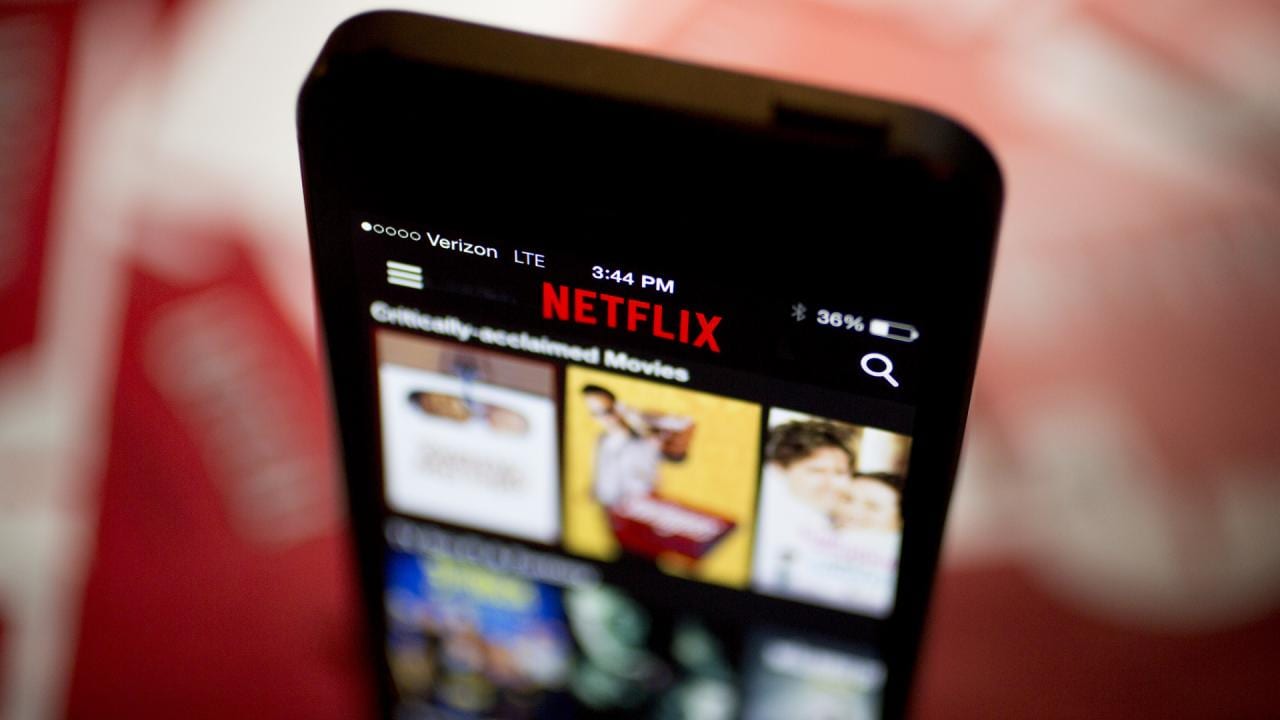
    TiVo and Netflix have signed licensing agreements that allow both companies to deliver a better entertainment experience to consumers.

    A product agreement calls for TiVo to continue integrating Netflix into TiVo set-top boxes available to consumers through a select, but growing number of pay-TV providers and retail stores.

    Customers will benefit from the integrated offering, which includes unified search across the content catalog and a Netflix button on remote controls.

    “The partnership between Netflix and TiVo dates back to our early days of streaming video,” said Bill Holmes, Netflix global head of business development. “Building on this history, the agreements provide consumers freedom to watch their favorite TV shows and movies whenever and wherever, with an integrated experience across more devices.”

    A separate intellectual property agreement provides Netflix a license to the TiVo patent portfolios and a license to the Intellectual Ventures patent portfolio for over-the-top offerings.

    This agreement represents one of the first licenses granted under the exclusive partnership with Intellectual Ventures announced earlier this year.

    “Our agreements with Netflix represent a major milestone for TiVo as we expand our offerings for the fast-growing OTT space, and further demonstrates our commitment to delivering innovative technologies to new and emerging markets,” said Tom Carson, CEO, TiVo.

    “From products to patented technologies, TiVo is helping companies quickly adapt to a rapidly changing media industry and create beautiful user experiences that keep consumers connected to their favorite entertainment,” said Carson.
  • Singapore Slingers seals three-year broadcast deal with StarHub

    Singapore Slingers seals three-year broadcast deal with StarHub

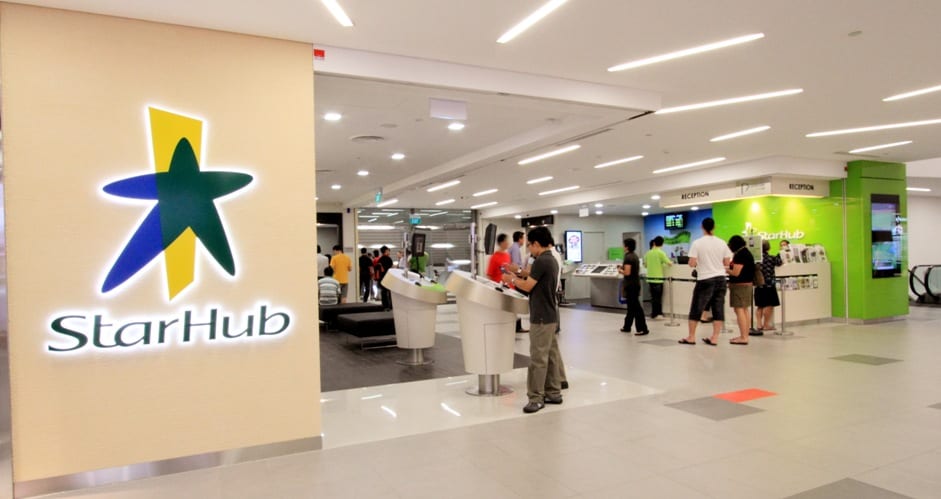
    Slingers and StarHub have entered into a partnership that will see the pay TV operator become the official broadcast partner of the Singapore Slingers for three years starting with the upcoming ASEAN Basketball League (ABL) season.

    All of the Slingers’ matches in the ABL will be shown “live” on StarHub’s free sports channel, Hub Sports Arena (StarHub TV Channel 112/205). Non-StarHub TV customers can also watch the channel by connecting their TV sets to a cable point and turning to 76.25MHz.

    In addition, the games will be accessible on smart devices through StarHub’s online streaming service, StarHub Go.

    “This broadcast agreement with StarHub is poised to give the team a massive boost as our games can now reach a wider audience,” said Michael Johnson, general manager of the Singapore Slingers. “After coming so close to winning the league last season, we believe we are poised to go on another championship run, and our fans will be able to follow us more closely with this partnership.”

    Lee Soo Hui, head of content and TV at StarHub, said that being a homegrown brand, they are proud to back the Slingers.

    “The team is fueled by the support of the fans which is why we are making it as convenient as possible for them to follow the Slingers,” said Lee. “With this partnership, Slingers fans can now catch the team’s ABL matches ‘live’ on multiple platforms across TV, tablets and smartphones, so they can cheer the team on wherever they are.”

    She said StarHub will also be looking to engage fans by running contests where viewers can stand to win premiums and tickets to Slingers matches.

    Now into its seventh season, the six-team ABL welcomes three new teams to the league – Alab Pilipinas (Philippines), Hong Kong Eastern Long Lions (Hong Kong) and Kaohsiung Truth (Taiwan). They will be joined by the defending champions Westports Malaysia Dragons (Malaysia), Singapore Slingers (Singapore) and Saigon Heat (Vietnam).

    Each of the six teams will face each other four times during the three-month elimination round. The top four squads with the best record will then enter the playoffs.

    Meanwhile, StarHub TV in partnership with Astro Malaysia, is launching Go Shop (StarHub TV Channel 110), a 24-hour, Mandarin shopping channel that will also be made available on StarHub Go, StarHub’s video streaming service, by early next year.

    To entice consumers, Go Shop will introduce special offers on TV through innovative bundling that cannot be found anywhere else. It aims to offer value by combining the main product with other product lines to complement the core offering.

  • Singtel launches Hooq OTT movie and TV services

    Singtel launches Hooq OTT movie and TV services

    Singtel has launched over-the-top (OTT) movie and TV service Hooq to its customers in Singapore, 22 months after the company announced the joint venture with Sony and Warner Bros.

    Hooq has been available for some time as a rival to Netflix via Singtel associates in the Philippines, Thailand, India and Indonesia, but it is now being launched in Singapore to Singtel’s prepaid, postpaid and broadband customers as part of bundled service packages.

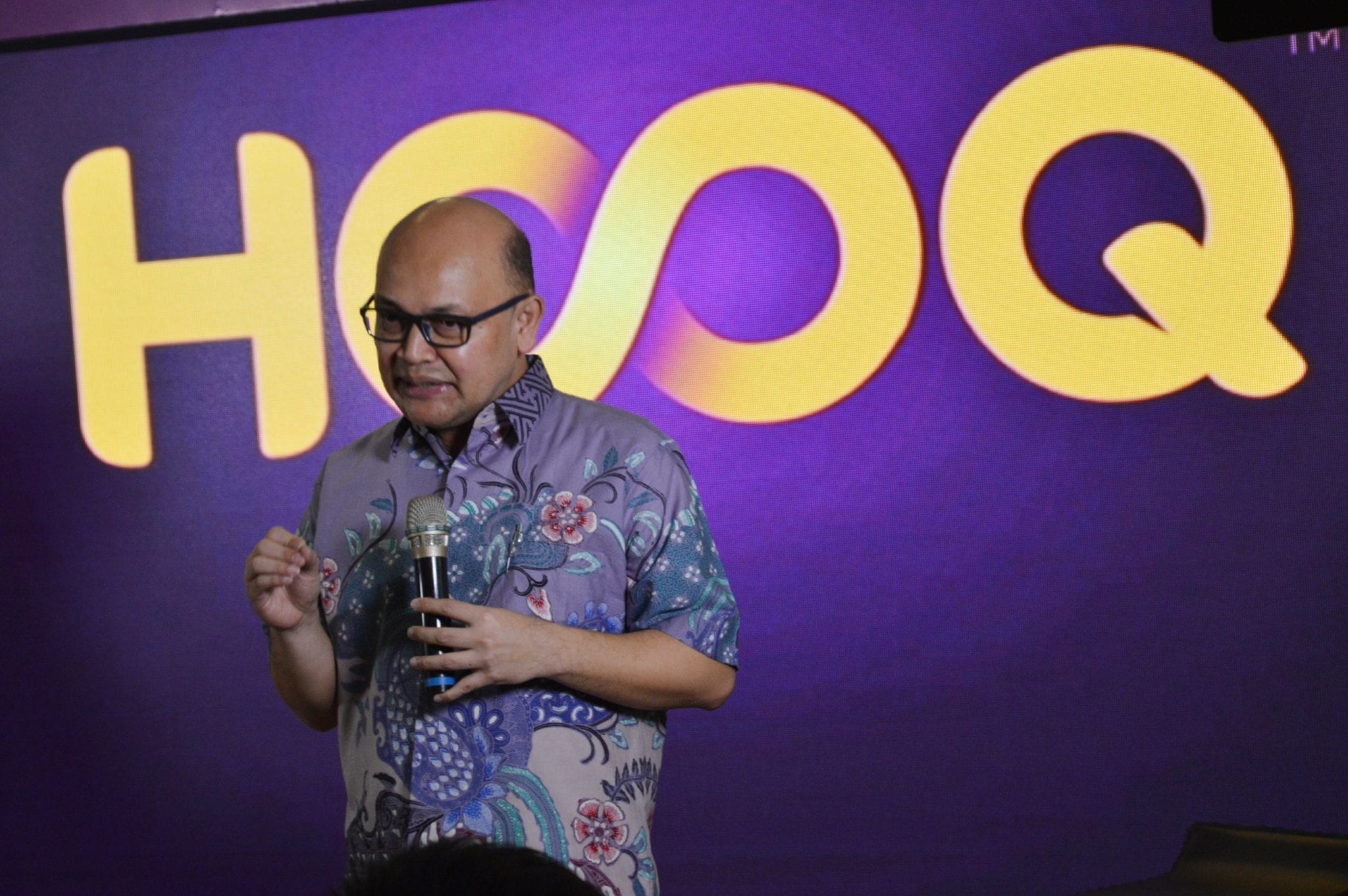
    Hooq CEO Peter Bithos said that the service would provide an “ad-free freemium video-on-demand service with the largest catalogue of Hollywood, Asian and kids’ content”. The service has over 20,000 titles in its catalogue, available in Singapore for S$8.98 (US $6.29) a month, “the price of a movie ticket”, said Bithos.

    This is about twice the rate that Hooq charges customers of Globe Telecom in the Philippines, Telkomsel in Indonesia, AIS in Thailand or Airtel in India, where prices range from the local equivalent of $2.99 a month to $3.63.

    Hooq announced in March 2016, the first anniversary of its service launch in the Philippines, that it then reached 100,000 customers. No further figures are available. The five countries where the service is available now have a combined population of 1.6 billion, though the service can only be bought via packages through Airtel, AIS, Globe, Singtel and Telkomsel.

    Goh Seow Eng, Singtel’s managing director of home, consumer, said: “Singtel is always keen to expand our content offerings to enhance our customers’ entertainment experience. They will be pleased with Hooq’s vast selection of Hollywood hits, as well as ethnic movies and TV dramas. As an OTT video service, Hooq is a good complement to our pay TV product, as it allows us to offer an even wider breadth of content over multiple screens – mobile devices, computers and televisions.”

    Hooq does not offer live streaming TV services. At launch, Hooq said that it planned to offer movies such as Spider-Man and Harry Potter and TV series such as Friends and Gossip Girl, as well as Indian, Chinese, Thai, Filipino, Indonesian, Korean and Japanese movies and TV series.

    Singtel is a significant shareholder in Airtel, AIS, Globe and Telkomsel. Hooq is not available via Singtel’s Optus subsidiary in Australia, nor via Airtel’s African operations. Singtel and Airtel are increasingly working together on enterprise services.


  • HDR key to offsetting profit erosion

    HDR key to offsetting profit erosion

    High dynamic range, also known as HDR, is a new category of 4K TVs that emerged in 2016. HDR TV shipments will reach more than 4 million units in 2016 and growth to more than 30 million units by 2020, according to research firm IHS Markit.

    The market for HDR compatible TVs, defined as any sets compatible with basic HDR formats but using standard dynamic range displays, will be as much as four times larger. By 2020, IHS Markit expects that nearly all of the 112 million 4K TVs shipped worldwide will be compatible with HDR, but only 30 percent will have true HDR performance capabilities.

    Worldwide demand for 4K TVs continues to grow even though total TV shipments will decline slightly in 2016. The lack of unit volume growth in the total market and continuous price erosion, especially for categories like 4K, is a concern for TV manufacturers and retailers. New display technologies like HDR hold promise for improving ASPs and profits, but only if the technology and its benefits are communicated well to consumers.

    “As with many new technologies in the TV market, the ability to introduce them to consumers in a way that communicates the value is crucial to achieving lasting premiums and profits,” said Paul Gagnon, Director of TV sets research for IHS Technology.

    “In the case of HDR, only some sets have enhanced display performance that can allow the consumer to see the benefit, while the rest will have little discernable difference to consumers, who may become confused about the value of HDR as a result,” said Gagnon.

    Standard dynamic range, or SDR, TVs will shrink rapidly as a segment within the 4K TV market, but remain the only choice for HD and 1080p resolution TVs as HDR benefits are featured primarily with 4K content.

    The 4K TV market is growing quickly from 55 million units in 2016 to more than 100M units by 2019, achieving 100 percent share of 50-inch and larger TV shipments by 2019. As with many new TV technologies like 4K, HDR is featured in larger screen sizes where the additional costs are supported by larger premiums. More than 80% of HDR TV shipments will come from 50-inch and larger screen sizes.

  • Netflix, Amazon top spenders on programming

    Netflix, Amazon top spenders on programming

    Netflix and Amazon have ramped up their investment in programming, spending $7.5 billion last year—more than CBS, HBO, Turner and most countries, including South Korea and Australia.

    According to IHS Markit, Netflix and Amazon more than doubled their annual expenditure on programming between 2013 and 2015.

    Amazon spending jumped from $1.2 billion in 2013 to $2.7 billion in 2015. In the same timeframe, Netflix spending rose from $2.4 billion to $4.9 billion.

    “The levels of investment we are seeing from Netflix and Amazon are only topped by Disney ($11.8 billion) and NBC ($10.3 billion),” said Tim Westcott, senior principal analyst at IHS Technology.

    Other online platforms like Hulu in the US and China’s Youku Toudu, iQifyi and Tencent have also increased their investment in original programming and acquisitions.

    “In what Netflix calls the era of internet TV, more and more consumers are watching content online, shaking the foundations of the traditional TV industry,” Westcott said. “However, it’s premature to declare that the era of linear TV is already over, and Netflix and Amazon have come hard on the heels of a boom in production of original drama and comedy by the likes of AMC and FX in the US.”

    After the US, the mature Western European region is the next most important, investing $38.6 billion, or just under one-third of the total. The biggest markets in Western Europe were the United Kingdom with $10.7 billion, Germany ($7.3 billion), France ($6.6 billion) and Italy ($4.6 billion).

    “Notably, China is now the second-largest market in the Asia-Pacific region, with $8.4 billion invested last year,” Westcott said.

    Japan is the largest in the region with $9.8 billion, followed by South Korea ($2.6 billion), Australia and India—both on $2.4 billion. Leading Latin American markets are Mexico ($1.5 billion) and Brazil ($1.4 million). Canada invested $3.4 billion last year. Russia and Turkey were both around the $900 million mark.

  • TV, video viewing shifts rapidly towards mobility

    TV, video viewing shifts rapidly towards mobility

    Average viewing times on mobile devices has grown by more than 200 hours a year since 2012, driving up overall TV and video viewing by an additional 1.5 hours a week, according to the latest Ericsson ConsumerLab TV & Media Report.

    The surge in mobile viewing is offset with a decline in fixed screen viewing of 2.5 hours a week, however the appetite for TV and video is not waning.

    Weekly share of time spent watching TV and video on mobile devices has grown by 85% (2010-2016). On fixed screens it has gone down by 14% over the same period.

    Also, 40% of consumers globally are “very interested” in a mobile data plan that includes unrestricted video streaming.

    In the US, 20% of mobile viewing is paid-for content using services such as Netflix, Hulu, and Amazon Prime.

    A major issue is low consumer satisfaction when trying to find something to watch, 44% of US consumers say they can’t find anything to watch on linear TV on a daily basis, an increase of 22% compared with last year (36%).

    In contrast, US consumers spend 45% more time choosing what to watch on VOD services than linear TV.

    Paradoxically, 63% of consumers claim that they are very satisfied with content discovery when it comes to their VOD service, while only 51% say the same for linear TV.

    The findings suggest that although the VOD discovery process is more time consuming than with linear broadcast TV, consumers rate it as less frustrating, as it implicitly promises the opportunity to find something they want to watch, when they want to watch it.

  • Taiwan’s TBC rolls out new digitized TV platform

    Taiwan’s TBC rolls out new digitized TV platform

    Taiwan Broadband Communications (TBC), a multi-system cable operator in Taiwan, has rolled out a newly digitized platform powered by OpenTV 5.

    NAGRA has been a key partner in TBC’s ongoing digitization efforts providing the operator with both OpenTV 5 advanced set-top box software and system integration services required to support a rapid transition to an all-digital platform and the fulfillment of regulatory requirements.

    As part of this effort, TBC shipped close to one million set-top boxes powered by the OpenTV 5 operating system, marking the largest deployment of OpenTV 5 in Asia.

    “We look forward to continued growth and maximizing customer satisfaction by delivering a new generation of high-quality services to our subscribers,” said Jimmy Chen, TBC’s CEO.

    “We congratulate TBC on their successful transition to an all-digital platform and for reaching a significant milestone in the delivery of advanced digital TV services in Taiwan,” said Jean-Luc Jezouin, SVP for sales in Asia Pacific at NAGRA. “We look forward to supporting TBC as they continue to grow in a very dynamic market.”

    TBC deployed OpenTV 5 with minimal configuration and customization enabling the operator to transition existing services onto a new hybrid TV platform blending both linear and Internet TV services.

    OpenTV 5 is part of NAGRA’s MediaLive Suite, a set of innovative digital television solutions that provides secure, engaging and intuitive user experiences via a back-end that supports an all-screen connected home scenario. TBC selected NAGRA’s OpenTV 5 operating system in 2015.

  • Eros inks mobile billing integration deal with ME telcos

    Eros inks mobile billing integration deal with ME telcos

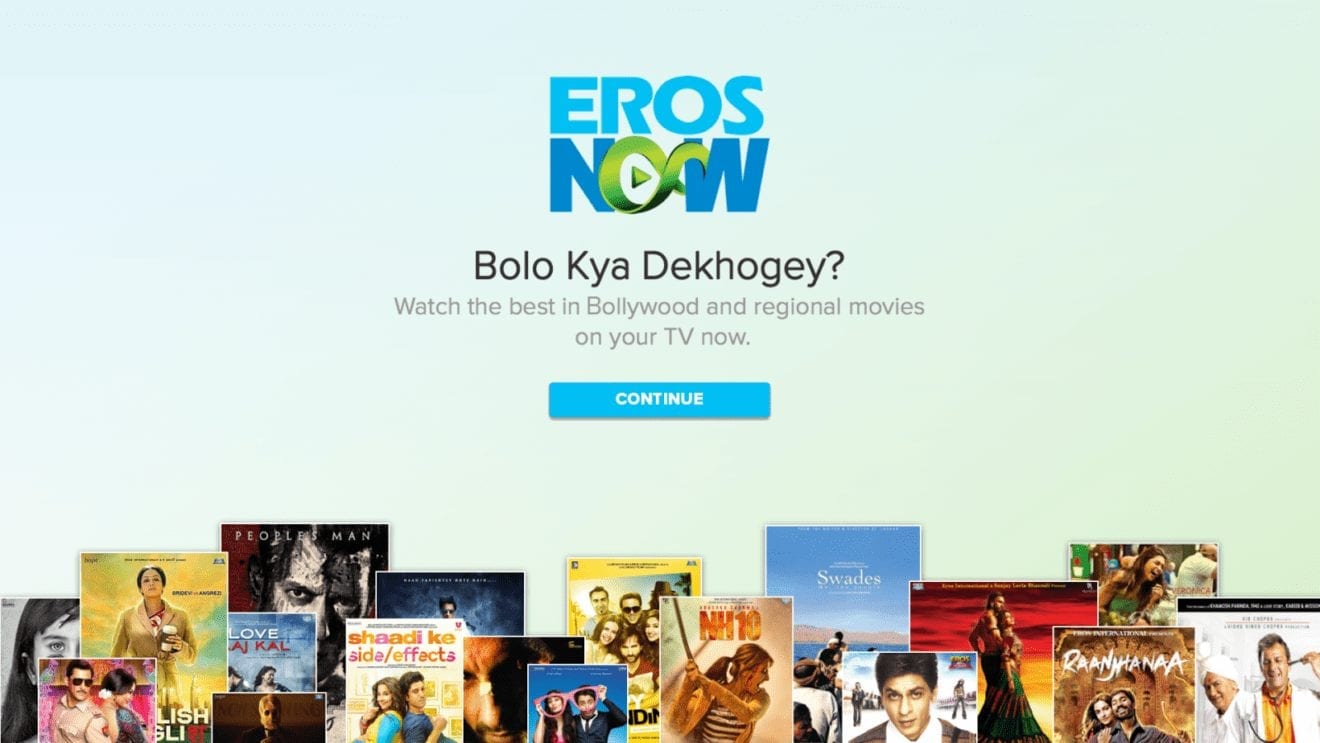
    Eros Now, the digital OTT platform of Eros International, now has mobile billing integration capabilities with major telecom operators in the United Arab Emirates and Qatar.

    Mobile billing integration is at the heart of Eros Now’s penetration strategy to enable consumers to experience Indian entertainment, which includes Bollywood and regional content across major networks and devices, and will further enhance the platforms ability to monetize its user base.

    The tie-ups in the Middle East are with the leading local telecom operators including Ooredoo in Kuwait and Qatar, and Du in the UAE. Additional telecom partnerships throughout the region are currently being negotiated.

    Consumption of Bollywood content, including Hindi movies, music and TV series in the Middle East has been on the rise along with it also becoming one of the leading regions in the world in terms of smart device adoption.

    With an increasing number of handheld device users, the trend of online content consumption has markedly increased in the region. The South Asian diaspora in both of these markets is estimated to be over half of the population, which represents over five million people.

    Also, Bollywood content continues to be popular with the local Middle Eastern population in dubbed and subtitled formats – both of which are offered on Eros Now.

    “Eros Now’s philosophy is to be platform agnostic and embrace the very best in technology as we continuously enhance our content offering,” said Rishika Lulla-Singh, CEO of Eros Digital. “Recognizing the growing demand among Middle Eastern viewers for online video content, especially Bollywood entertainment, these mobile partnerships will give consumers entertainment and easy pay access, whenever and wherever they want it.”

  • ViuTV cues English channel for March launch

    ViuTV cues English channel for March launch

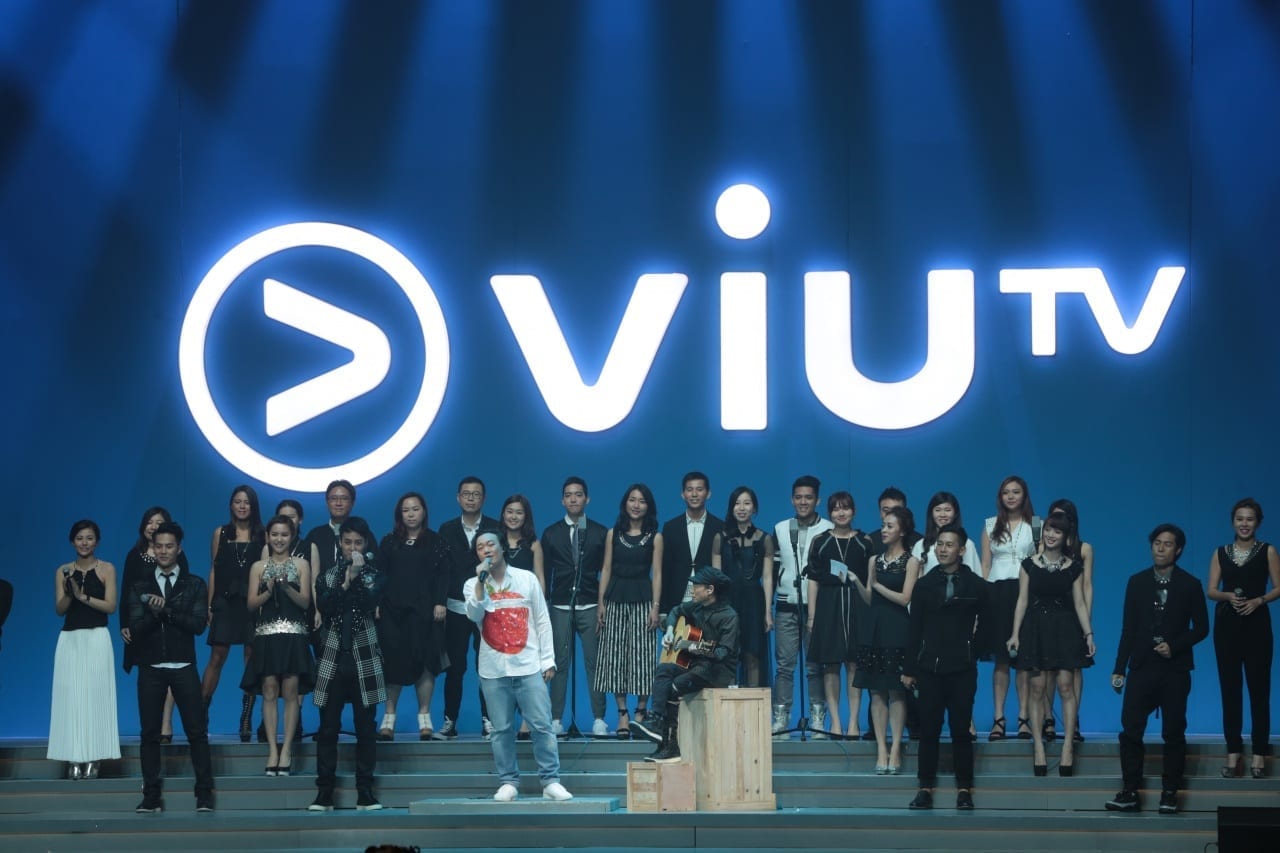
    Hong Kong free to air TV broadcaster ViuTV has unveiled its content lineup for 2017 with more “real choices” for Hong Kong viewers as ViuTVsix, an English-language channel, will be launched at channel 96 on March 31, 2017.

    ViuTVsix will provide viewers with news and public affairs programs, variety shows, infotainment, classic and latest dramas.

    In 2017, ViuTV will continue to bring a wide range of extremely entertaining and compelling programs, including Cuisine in Darkness hosted by I Love You Boyz and veteran chef Gabriel Choy, Being Director, Priceless, a series of microfilm directed by Jim Chim, Christine Ng, Prudence Liew and Kevin Boy, Full Time Mama On Vacation, Train You Mother, Grade6 in University and IQ148.

    ViuTV will broadcast different dramas from Monday to Friday, including Ex, Mid-Night Cousin starring by Hong Kong Film Awards Best Supporting Actor Michael Ning, and Urban Legend hosted by David Siu and Queenie Chu.

    As an open platform for music lovers, ViuTV will work closely with different music labels to promote “real music” to Hong Kong viewers. For example, superstar Alan Tam will host a nine-episode music program to be aired in 2017.

    Also, ViuTV will bring Asia’s hottest drama and variety shows to Hong Kong viewers in 2017, including W, DOCTORS, Love in the Moonlight, Natusko Kira, Crime Scene, Takeshis Medical Check-Up Show and Hometime Pride.

    ViuTV will also screen a variety of world-class sports events, including HK Sevens, Hong Kong Marathon and selected LaLiga matches in live.

  • You Tube Pre-school Smash Hit ChuChu TV partners with Dream Theatre

    You Tube Pre-school Smash Hit ChuChu TV partners with Dream Theatre

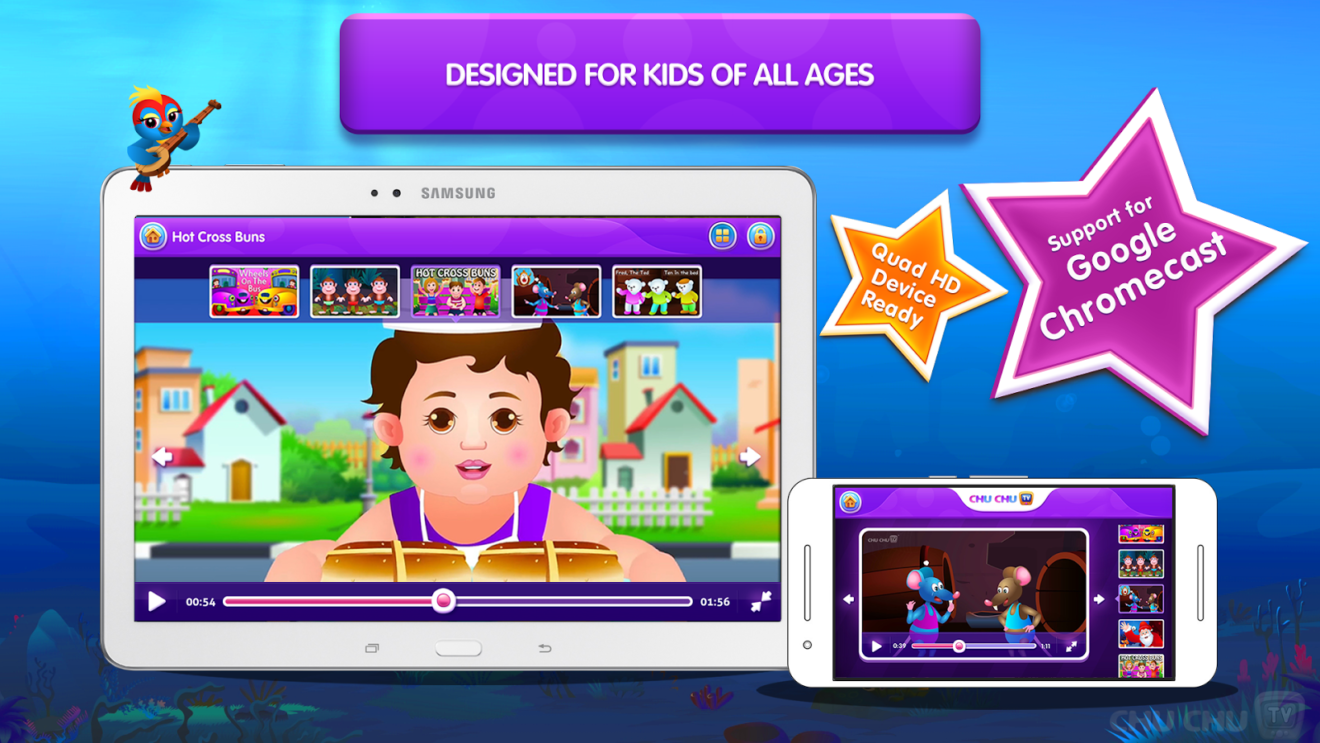
    ChuChu TV, Asia-Pacific’s most watched YouTube channel for toddlers from India, with over 6 billion views and 6 million subscribers, has partnered with Dream Theatre to launch the global Consumer Products business for the brand. In terms of watch time, ChuChu TV is the most watched channel in Asia Pacific and is amongst the top 20 YouTube channels in the world. Originated in Chennai in 2013, ChuChu TV is a truly global phenomenon with a wide audience from around the world averaging around 300 million views per month. Given its global appeal and audience, ChuChu TV has now partnered with Dream Theatre to launch the ChuChu TV Consumer Products business globally.

    Dream Theatre, India’s premier entertainment firm with licensing as a core business, is creating the brand architecture and is and making ChuChu TV “license ready”. Having worked with iconic international brands like Angry Birds, DreamWorks Animation, Pokemon, Femina and numerous others on the licensing front, Dream Theatre is creating the brand architecture and Go-To-Market plan for ChuChu TV by upgrading the creative assets, creating style guides, business templates and also charting the launch strategy and rollout plan across territories for ChuChu TV.  Toys, Gaming, Publishing, Apparel will form the core categories and will be rolled out first, starting summer 2017. US, Europe and Asia will be the leader markets with Dream Theatre collaborating with best in class licensing agencies, toy players, publishing houses and gaming companies to roll out the consumer products program in a synchronized fashion. 

    “ChuChu TV’s huge popularity across the world propelled us to create a consumer products business on a global scale. Our target audience loves the ChuChu TV characters. Parents and care takers around the world trust us and our content. Hence we wanted to channel this into creating equally loved and trusted ChuChu TV products for our cute little fans. The real time feedback we receive from the parents, points to a huge demand for merchandise of our key characters ChuChu, ChaCha, Chika, Chiku, and Mr. Harlo who are loved and adored across the world. We have found the right partner in Dream Theatre who has a wealth of experience in licensing. We felt this is right time to enter the licensing arena and take our brand to the next level”, says Vinoth Chandar, Founder, CEO & Creative Director, ChuChu TV.

    “Chu Chu TVs phenomenal success is a testimony to its popularity and it is very exciting for us to work with a brand originated in India and adored across the world by the young and old alike.  We are thrilled to create a world class licensing program that enables fans to engage with the brand in a products and services form and will be engaging with top international licensing agents, toy companies and retailers to launch and grow the business across the globe” says Jiggy George, CEO and Founder Dream Theatre. 

  • Australia’s second NBN satellite targets remote areas

    Australia’s second NBN satellite targets remote areas

    Last week’s successful launch into orbit of the second broadband satellite of Australia’s national broadband network, Sky Muster II, is expected to provide fast broadband services for rural and remote areas in the country.

    An estimated 400,000 Australian homes and businesses are set to benefit.

    “This service is already helping to improve healthcare outcomes by connecting remote patients to city specialists, delivering access to a new world of educational opportunities for kids in the bush and increasing productivity for local small businesses,” said nbn’s CEO Bill Morrow.

    “We are ensuring that no Australian is left behind by providing access to fast broadband for those who need it the most,” he added.

    Minister for Communications Mitch Fifield and Minister for Regional Communications Fiona Nash welcomed the launch, saying it will help bridge the digital divide between the cities and the country.

    The Australian government has invested $2 billion in two purpose-built broadband satellites and a network of ground stations that make up the Sky Muster service. The first satellite, Sky Muster, was launched in October last year.

    “Services went live in April this year and already, almost 31,000 homes and businesses are experiencing the benefits of nbn’s world-class satellite broadband,” Fifield said.

    The satellites are expected to revolutionize many services that rural Australians rely on, such as distance education for students in remote areas, and will be a game changer for rural business and agriculture.

    “As a farmer from rural NSW myself, I know how crucial fast and reliable broadband is for rural, regional and remote Australia,” Minister Nash said.

    The satellites offer download speeds of up to 25 Mbps and upload speeds of up to 5 Mbps. With a total capacity of 135 Gbps, the new satellites are a vast leap forward from the 4 Gbps of capacity provided by the previous government’s interim satellite service.

  • Ericsson, Google partner on pay TV

    Ericsson, Google partner on pay TV

    Ericsson and Google are partnering to extend the reach of the Ericsson cloud-based MediaFirst TV Platform into the Android TV ecosystem, Google’s operating system for the set-top-box.

    Ericsson MediaFirst is a software-defined, media-optimized end-to-end portfolio suite for the creation, preparation, management and delivery of next generation pay-TV to any screen with an immersive TV viewing experience.

    The integration of Ericsson MediaFirst TV Platform with Android TV will provide an additional pathway to extend MediaFirst cloud-based TV services, including 4K-UHD live TV channels, video-on-demand, catch-up TV and cloud DVR to an even wider subscriber base.

    According to Ericsson, the partnership with Google will give operators the opportunity to benefit from Android TV’s growing presence on connected TV operating systems, without the need for additional hardware costs.

    Operators will be able to partner with manufacturers of Android TV devices to deliver new hardware-based functionality as well as niche over-the-top programming, or deploy additional applications within the Android operating system.

    Additionally, the collaboration will enable Ericsson to deliver multiple, flexible, pre-integrated set-top box solutions that support hybrid configurations for satellite, cable, terrestrial, and fixed and mobile broadband TV.

    “By expanding our range of set-top box options, we are giving Ericsson MediaFirst TV customers the opportunity to deliver cutting-edge, large scale video services and respond to the surge in adoption of smart devices, broadband connectivity and cloud-based delivery,” said Shiva Patibanda, head of business line TV platforms at Ericsson.

  • Sony Pictures acquires Zee’s Ten Sports

    Sony Pictures acquires Zee’s Ten Sports

    Sony Pictures Networks India (SPN) and its affiliates have entered into definitive agreements to acquire TEN Sports Network from Zee Entertainment Enterprises and its subsidiaries for $385 million.

    The TEN Sports channels being acquired include TEN 1, TEN 1 HD, TEN 2, TEN 3, TEN Golf HD, TEN Cricket, TEN Sports that operate in several countries including the Indian sub-continent, Maldives, Singapore, Hong Kong, Middle East, Caribbean.

    TEN Sports holds broadcast rights to major cricket boards (South Africa, Pakistan, Sri Lanka, West Indies and Zimbabwe). In addition, Ten Sports holds rights to wrestling (WWE), football (UEFA Champions League, UEFA Europa League, French League, English Football League Cup), tennis (WTA Events, ATP events), golf (European Tour, Asian Tour, Ryder Cup, US PGA Championship, LPGA Tour, Professional Golf Tour of India and Golf Channel Block), athletics (Asian Games, Commonwealth Games), motor sports (Moto GP) and cycling (Tour de France) events.

    “The acquisition of TEN Sports Network will strengthen SPN’s offering for viewers of cricket, football and fight sports, complementing our existing portfolio of international and domestic sporting properties,” said NP Singh, CEO, Sony Pictures Networks India.

    “It also aptly demonstrates SPN’s commitment to providing a broad range of sporting entertainment to fans across India and the sub-continent,” said Singh.

  • Millennials to Decide Future of TV in Indonesia

    Millennials to Decide Future of TV in Indonesia

    As of 2016, according to the Central Statistics Agency’s estimations, Indonesian millennials — born between the 1980s and early 2000s — make up about 41 percent of the 258.8 million population.

    “The future will be in OTT and many want to capture this market. The number of millennials is going to be big in Indonesia and infrastructure is now being prepared. The government has rolled out 4G and smartphone prices are getting lower each year,” Greeny said.

    Genflix offers its customers thousands of videos, Japanese cartoons and other exclusive content. Genflix currently has three million subscribers, 60 percent of whom are paying customers. Most of them access the service via their smartphones.

    The catch

    Hendy Lim from the Redemption Entertainment said this is the moment for the local talents and content creators as the content-hungry OTT services will keep on coming to tap into the growing Indonesian middle-class. But there is a catch.

    Hendy, who has just left his position as the vice president of the media company MNC Group, said the OTT services need to compete with the deep-pocketed free-to-air televisions.

    “These free-to-airs can pay up to $30,000 per episode. I can’t tell the exact number, but I think [the OTT] can pay only 5 percent of it,” he said, adding that free-to-air revenues are high because many people still watch television.

    The on-demand services will also have to face uncertain regulations with regard to corporate establishment, taxes and censorship.

    Communications and Information Technology Minister Rudiantara promised that this year the government will produce a regulation governing the OTT services. The regulation will take into account the international tax treaty and censorship measures similar to those applied for televisions.

    Desmond Poon, chief technology officer of the listed internet service provider Link Net, said during the summit that censorship as such is against the idea of the internet.

    Despite the challenges posed by censorship and the not yet fully available broadband connectivity, especially in the easternmost part of the country, Poon remains optimistic the OTT business will continue to grow.

  • Iflix wants to become a social media platform for TV

    Iflix wants to become a social media platform for TV

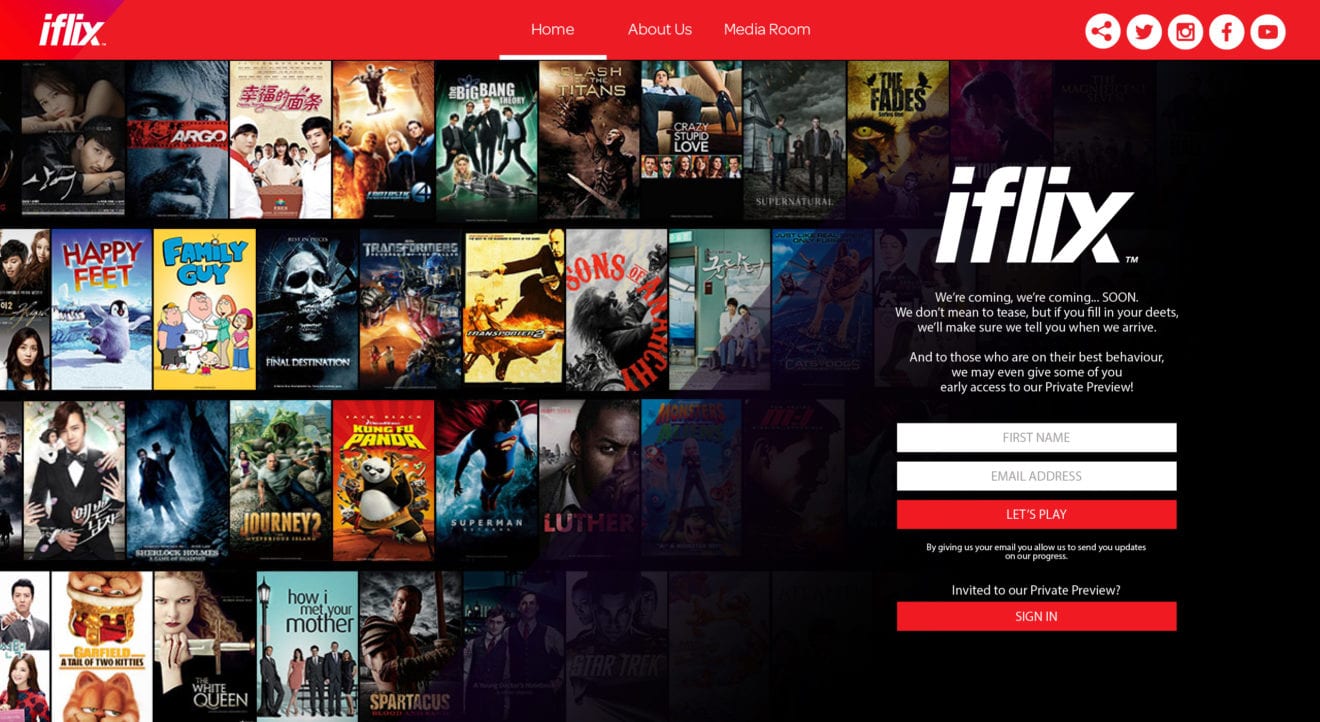
    Emerging subscription-based streaming video service iflix intends to set itself apart from Netflix by becoming a social media platform for television, according to company executive.

    “Netflix is very much into an original production base… they are really focusing their investment on content and user experience and interface,” Cam Walker, chief executive of iflix Indonesia, told telecomasia.net at the sidelines of Communic Indonesia and Broadcast Indonesia 2016, which kicked off Wednesday at the Jakarta International Expo in Kemayoran, Central Jakarta.

    “We have just most recently decided to venture beyond entertainment into becoming a truly social platform for television.”

    To do that, Walker said the company is planning to introduce more social media components and interactive features to the service. For instance, the company will offer a social feature later this year where users can chat with others or interact with local celebrities who have drawn up movie playlists for them.

    Iflix launched its service in Indonesia in mid-June this year and garnered 250,000 activations in about two-and-a-half months.

    Walker said the Indonesian market is relatively new from an OTT perspective and doesn’t see other streaming services as competitive, as they are all heading in different paths.

    “We’re the new kid on the block. We started a couple of years as a cool internet TV concept, with a vision to provide a better service to piracy and a viable alternative at an affordable price point,” he said.

    iflix is now offering 2,000 seasons of 900 programs, 5,000 episodes of 200 kids programs and local content acquired from partners for its Indonesian viewers.

    Walker said iflix will soon produce its first local Indonesian content that will open more opportunities for local actors, producers, directors, scriptwriters and “the new breed of Indonesian talents.”

    “We’re going to be investing heavily in local productions and local acquisitions as well, which I think will differentiate us from the major international players,” he said.