Tag: tv

  • Samsung TV Plus adds seven new channels in the United States

    Samsung TV Plus adds seven new channels in the United States

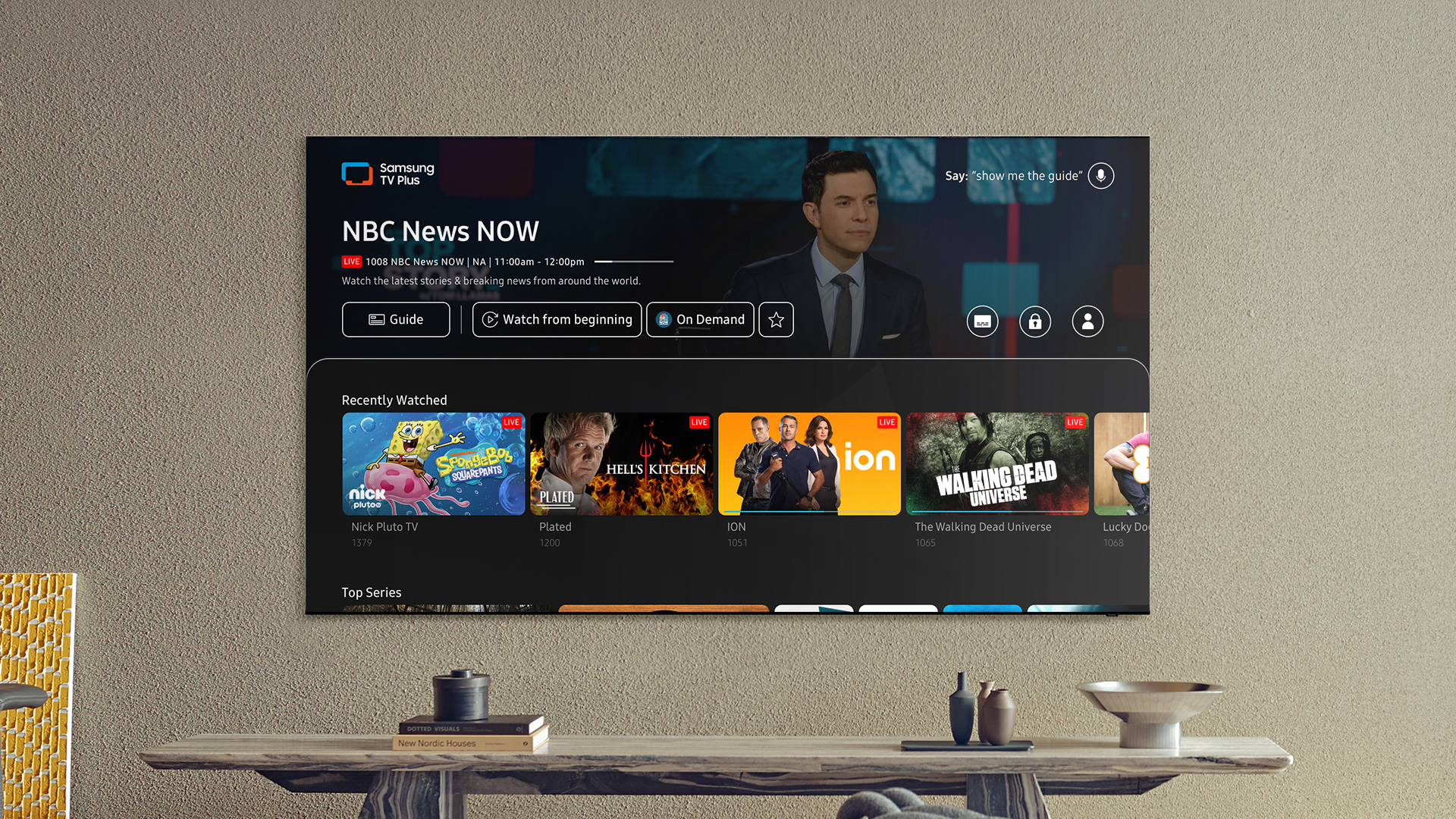
    Initially launched eight years ago as a video rental service, Samsung TV Plus quickly pivoted to an ad-supported streaming service format. Although it started with a limited number of channels available to watch for free, Samsung TV Plus now provides access to more than 250 channels.

    The most recent additions to the streaming service’s offering include channels from ABC, CBS and other networks. The new channels are already available in the United States, so if you have a compatible Samsung smart TV, Galaxy phone or tablet, you can watch these right now.

    The seven channels that have been added to Samsung TV Plus in June include 6ABC Philadelphia, ABC7 New York, ALLBLK Gems, Billiard TV, CBS News Explore, Get TV, and Vevo 2010s.

    In addition, Samsung TV Plus gained several movies in June and a few others are expected to drop in July: The Tree That Saved Christmas, Songs of Mistletoe, A Christmas Cruise, Angels in the Snow, An En Vogue Christmas, A Holiday for Love, Christmas Comes Home, and A Dogwalker’s Christmas. These movies will be available via the company’s first-party channel, Holiday Movies Channel.

    If you didn’t know, Samsung TV Plus is available for free on 2016 – 2022 Samsung smart TVs and select Galaxy mobile and tablet devices. Simply turn on your Samsung smart TV, open the Samsung TV Plus app, and you can start watching your favorite channels or movies.

  • HBO Max rebrands itself and relaunches on May 23

    HBO Max rebrands itself and relaunches on May 23

    As expected, Warner Bros. Discovery revealed its plans regarding the HBO Max streaming service. The company announced earlier today that the service will be relaunched on May 23 under a different name: Max.

    According to Warner Bros. Discovery, Max is an enhanced version of the current streaming service, and will include a massive library HBO Originals, Warner Bros. movies, Max Originals, the DC universe, the Wizarding World of Harry Potter, lots of kids-friendly content, as well as popular programming across food, home, reality, lifestyle, and documentaries from brands like HGTV, Food Network, Discovery Channel, TLC, ID, and more.

    Once Max launches on May 23, three new pricing options will be available for customers, which seem to be tailored for just about every scenario. Here is how much you’ll have to pay if you want to join Max:

    • Max Ad-Lite ($9.99/month or $99.99/year): 2 concurrent streams, 1080p resolution, no offline downloads, 5.1 surround sound quality
    • Max Ad Free ($15.99/month or $149.99/year): 2 concurrent streams, 1080 resolution, 30 offline downloads, 5.1 surround sound quality
    • Max Ultimate Ad Free ($19.99/month or $199.99/year): 4 concurrent streams, up to 4K UHD resolution, 100 offline downloads, Dolby Atmos sound quality

    As far as existing HBO Max subscribers go, they will be given a minimum of a six-month grace period during which they will be able to continue to use their current plan. Eventually, they will have to switch to one of the newer Max plans, where they will find that their profiles, settings, watch history, “Continue Watching,” and “My List” items will be automatically migrated.

    In related news, Max provided first looks at additional upcoming titles, including Max Originals The Penguin, HBO Original drama series The Sympathizer, HBO Original limited series True Detective: Night Country, HBO Original limited series The Regime, Max Original six-part docuseries SmartLess: On The Road, Max Original kids’ series Gremlins: Secrets of the Mogwai, and a first look at HGTV’s four-part Barbie Dreamhouse Challenge.

    Max will only be launched in the United States on May 23, but Warner Bros. Discovery plans to expand the availability of the streaming service to other countries in 2024.

  • Google TV has just added 800 free channels to its offering

    Google TV has just added 800 free channels to its offering

    Google TV is trying to catch up with the competition and has just announced a massive expansion of its offering. Starting today, no less than 800 free channels will be available via the Google TV streaming service.

    The new offering comes with a new live TV experience allowing users to browse the new TV channels across multiple providers, organized in an easy-to-use guide in the Live tab. If you haven’t tried Google TV yet, you might want to know that starting today the streaming service includes access to free channels from Tubi, Plex, and Haystack News directly into the Live tab.

    In addition, Google TV has launched free built-in channels from the streaming service that can be watched without the need to download or boot up an app. Among the 800 free channels added today, Google TV offers access to news channels from NBC, ABC, CBS and FOX. Also, channels worldwide are available too, with programming in more than 10 languages, including Spanish, Hindi and Japanese.

    Long-time users will find that the new TV guide allows them to save their Favorites to the top for quick and easy access at their leisure. Although these are free channels, those with a premium live TV subscription from YouTube TV or Sling TV, or access to over-the-air channels, can now use the Live tab to watch their favorite content.

    Regarding availability, the Mountain View company announced that the new live TV experience will be released on all Google TV devices in the US, including Chromecast with Google TV and TVs with Google TV built-in from Sony, TCL, Hisense and Philips.

    Last but not least, Google TV confirmed plans to bring the new TV guide and free channels to eligible Android TV devices later this year.

  • Google TV adds new landing pages to simplify navigation

    Google TV adds new landing pages to simplify navigation

    Google announced today via a blog post a set of new improvements coming to the Google TV platform that will add four new landing pages in the United States to make it simpler for viewers to access their preferred forms of entertainment without having to switch between different applications. These updates were considered after recent research has found that the average household subscribes to more than five different entertainment apps.

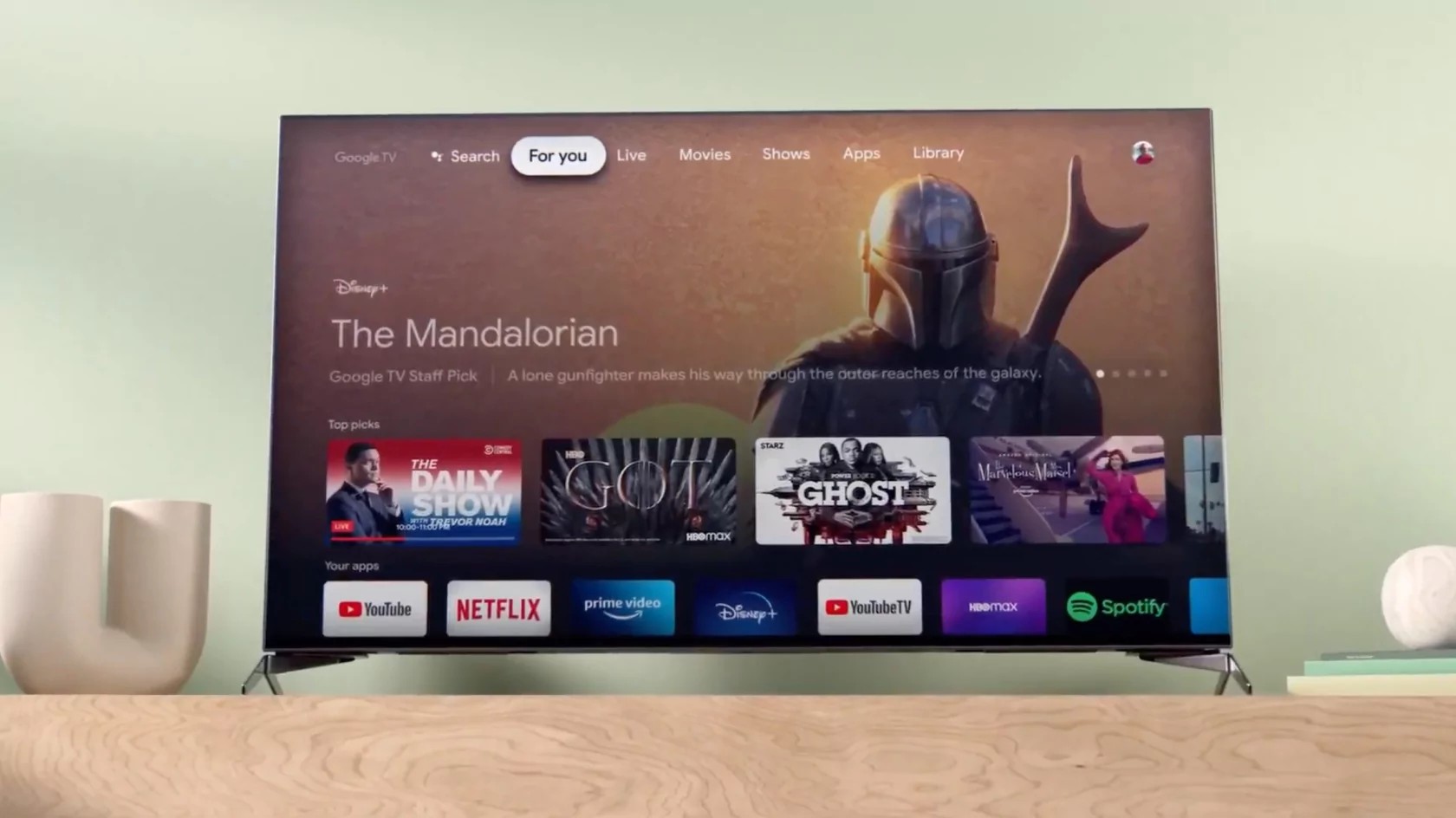
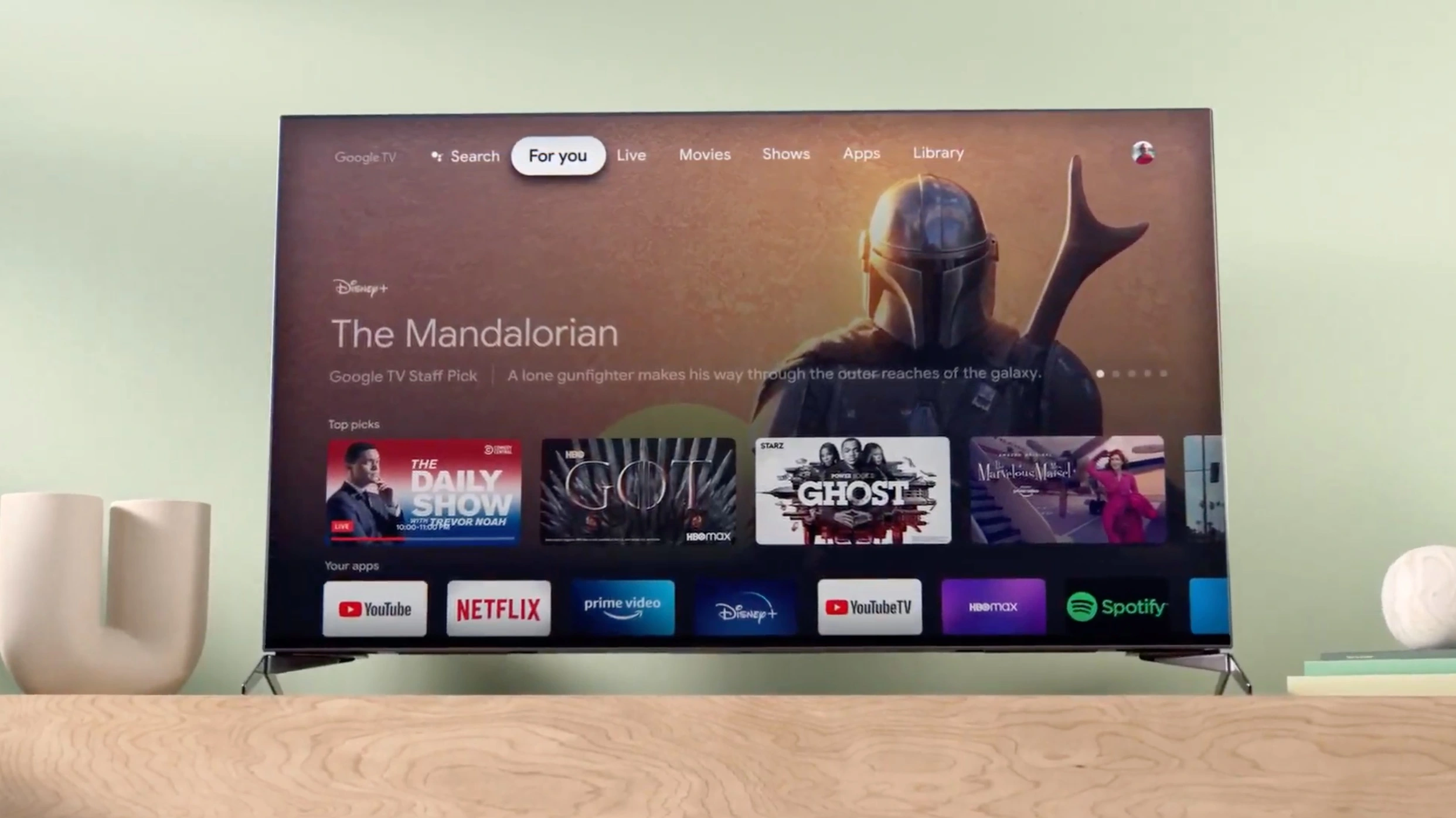
    These new landing pages, which can be found directly below the row of apps on the “For you” tab, will give you quick access to the best entertainment in the categories of Movies, Shows, Families, and Spanish-language content, without requiring you to navigate from app to app, and make it easier to discover new things. Below are the details:

    The Family page is the new place to go for entertainment that is suitable for families, with content ranging from old favorites to recent releases. It is not difficult to find something suitable for the entire family to watch together if it has a PG or lower content rating. And there’s no need to worry, because even when your children watch their own shows on their own television, they’ll still have access to the kid’s profile where they can watch all of their favorites.

    The Español page is the new home for the best Spanish-language entertainment, including telenovelas, live TV, movies, and shows. You will also have access to well-known apps in Spanish, such as Pantaya and FlixLatino, in addition to a library of dubbed and subtitled movies and television shows. Google is striving to make it much simpler for you to watch the entertainment that you enjoy, regardless of whether you are a native speaker of Spanish, live in a bilingual household, or are simply someone who enjoys content that is presented in Spanish.

    The Movies page allows you to search through thousands of films based on their title, genre, or subject matter, all on one simple page. You will also receive personalized recommendations for films that you might enjoy, in addition to information on recently released films and films that are currently popular.

    It has never been simpler to watch back-to-back episodes of your favorite show, whether it’s “The White Lotus” or “Yellowstone.” You can get new releases from all of your subscriptions in one convenient location by visiting the Shows page, where you can also view popular shows and explore personalized topics. In addition, when one show is over, you will be given suggestions for other shows that you might like to watch afterward.

    Google also states that several improvements are being made to the navigation system, one of which is moving the profile switcher to the top left corner so that you can switch between profiles in a seamless manner. The search bar will also be relocated to the far right of the screen, and a new button for quick settings will be added. These updates will begin rolling out today globally on Chromecast with Google TV and other Google TV devices, such as those manufactured by Hisense, Philips, Sony, and TCL.

  • Netflix denies accuracy of report that says its new ad-supported tier is off to a sluggish start

    Netflix denies accuracy of report that says its new ad-supported tier is off to a sluggish start

    According to data released by Antenna, Netflix’s new ad-supported monthly service is not off to such a great start. The lower-priced service launched on November 3rd and for the month, the “Basic with Ads” plan was responsible for only 9% of U.S. sign-ups in November. Last month, 0.1% of existing Netflix subscribers switched from another plan to the streamer’s ad-supported service.
    The data posted by Antenna shows that in the U.S. from May through October of this year, 29% of Netflix subscribers were signed up for the Premium service, 31% were members of the Standard tier, and 40% were subscribers to the Basic plan. At the end of last month, when the “Basic with Ads” service had been around for about four weeks, the plan made up 9% of Netflix’s total subscriber count in the states.
    The new ad-supported plan reduced the percentage of Premium subscribers to the platform by 14% to 25%. The Standard plan was hit the hardest as the percentage of U.S. Netflix subscribers signed up to that plan declined by 23% to 24% from 31%. The Basic tier actually added 3% to 41%. Antenna computes its numbers from millions of raw transaction records including online purchases, and credit and banking data.
    According to LightReading, Antenna “cleans and models” the raw data to compute the numbers you see in this article. But the Journal says that Netflix doesn’t believe that the data presented by Antenna is accurate. A Netflix official stated, “[it’s] still very early days for our ad-supported tier and we’re pleased with its launch and engagement, as well as the eagerness of advertisers to partner with Netflix.”
    Still, Netflix reportedly had to return some ad revenue back to advertisers after failing to meet viewing estimates for its “Basic with ads” service. This was the subject of a report published earlier this month by Digiday. According to unnamed agency executives, in some cases, Netflix delivered approximately 80% of the expected audience. “They can’t deliver. They don’t have enough inventory to deliver. So they’re literally giving the money back,” said one agency executive.
    Ted Sarandos, Netflix’s co-CEO, said at the UBS Global Technology, Media & Telecom Conference earlier this month, “Advertising for us is ‘crawl, walk, run.’ We just turned it on, and it works.” Calling advertising a “long-term initiative” for the streamer, the executive hinted that there will “likely” be more than one ad-supported tier of service available to Netflix customers in the future.
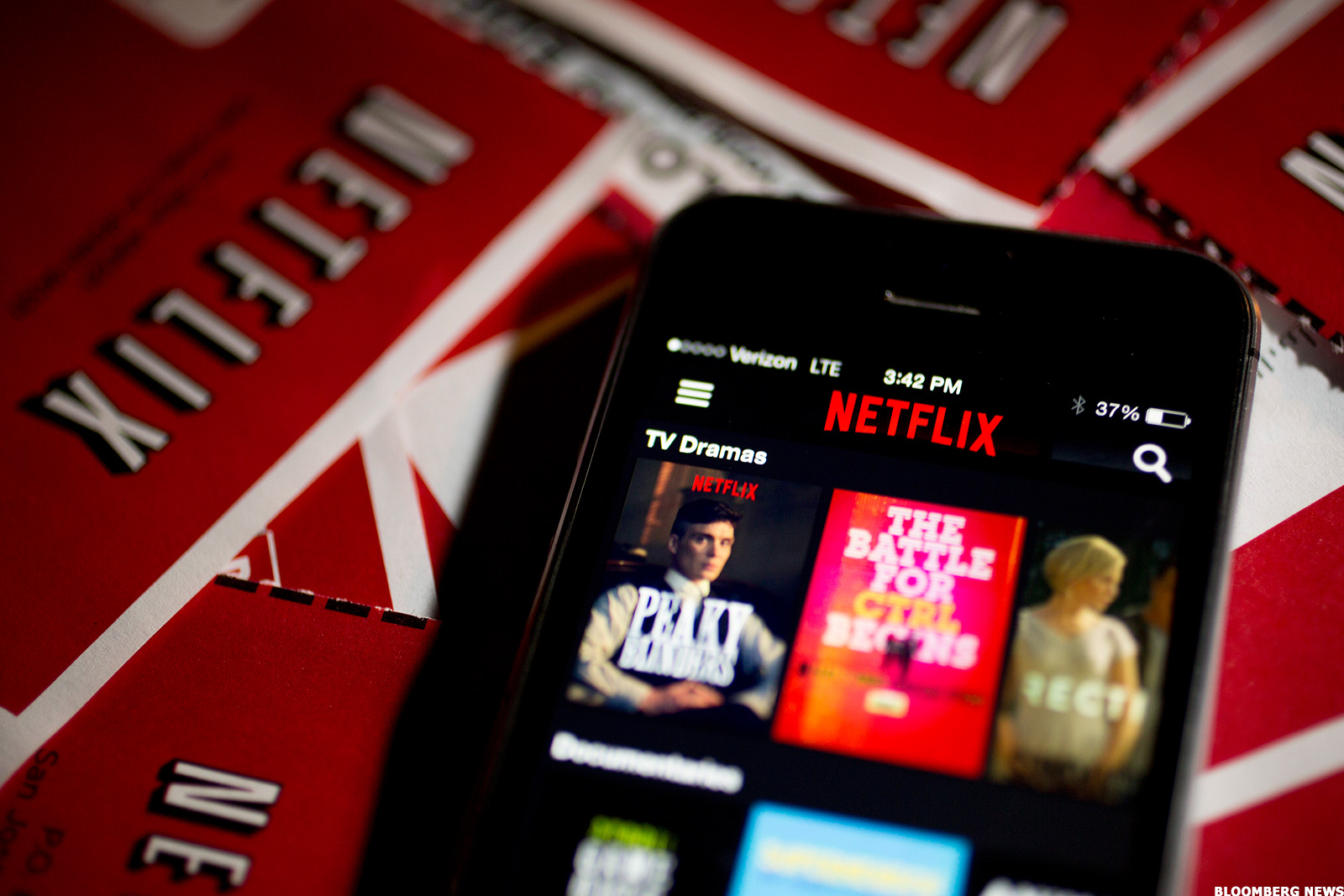
    The “Basic with ads” service is $6.99 per month. Netflix describes it this way: “Basic with ads is a great way to enjoy movies and TV shows at a lower price. You can stream your favorites on any device with limited ad breaks. This plan does not allow downloads and a limited number of movies and TV shows are not available due to licensing restrictions. Some location and device restrictions also apply.” Video streams in HD resolution with this plan.
    The Basic service is priced at $9.99 per month and while content is also available on just one supported device at a time, with Basic you can download content. Subscribers to the Basic tier see Unlimited movies, TV shows, and mobile games in HD resolution.
    There is a big jump between the $9.99 monthly cost for the Basic plan and the next tier up, Standard. The latter is priced at $15.49 per month and delivers content to two supported devices at a time in Full HD resolution. Subscribers can view Unlimited movies, TV shows, and mobile games and download them.
    For $19.99 per month, Netflix offers its top-tier service called Premium which allows content to be viewed by four supported devices at a time. The content, which includes Unlimited movies, TV shows, and mobile games, is streamed in Ultra HD resolution.
  • South Korean TV brands dominate Vietnam market

    South Korean TV brands dominate Vietnam market

    South Korean TV manufacturers Samsung and LG account for more than 50% of Vietnam’s market share, ranking first and third place respectively.

    Samsung leads with a 35-40.5% market share each month between October last year and this year, according to Thanh Nien newspaper quoted a report by German market research company GfK.

    Japan’s Sony followed at 15-19.8%, and South Korea’s LG came in the third place at 14.1-16.1%.

    Chinese brand TCL came in fourth place, followed by Thailand’s Casper, China’s Mi and CooCaa.

    Market analysts have said that Samsung and LG in recent years have gradually been gaining the trust of Vietnamese users who traditionally favor Sony.

    Other Japanese brands, such as Panasonic, Toshiba and Sharp, have been struggling to compete in the TV segment in Vietnam and have stopped assembling their TVs in the country.

  • TV sales boom a week before football World Cup

    TV sales boom a week before football World Cup

    Television sales have soared in the last two days as the football World Cup 2022 began unlike previous events when demand would skyrocket a month before kickoff.

    Hoang Thinh, 32, who was leaving an electronics store on Nguyen Trai Street, Hanoi, on November 22, said he had just bought a 65-inch TV to watch the World Cup.

    “I first considered buying a new one because of doing a lot of things at the end of the year and having limited financial capacity,” he said.

    Early figures from some supermarkets and electronics stores show a boom in TV sales in the last few days.

    Le Quang Vu, general director of electronics supermarket chain MediaMart, said TV sales have increased by nearly 60% from last week, especially on the opening day of the World Cup.

    “With the 2018 World Cup, we saw sales surge a month before the opening ceremony, especially a week before the event began. However, this year is different.”

    Nguyen Lac Huy of CellphoneS said TV sales last weekend were nearly 70% higher than at the beginning of November.

    Besides, consumers’ demands have also changed, he said.

    The most popular this year are 55-65-inch TVs while 40-50 was best-selling four years ago, he said.

    The 65-inch segment with prices of VND13-15 million is the bestseller at most places. “TV sales for this World Cup are not equal to 2018, but the revenues are slightly better,” Vu said.

    The owner of an electronics store in District 1, Ho Chi Minh City, said the reason why many people bought TVs late had to do with promotion programs. “Only last week some brands ran a program for the World Cup. They offered a 20% discount and many gifts.”

    Many customers also opted for large TVs of up to 70 inches, which were considered oversized in the past.

    Brands such as Samsung, LG, Coex, and Xiaomi reported strong growth in sales.

    Projector sales have also soared. MediaMart reported growth of about 20% with Epson, Sony and Panasonic being the top sellers.

    Cellphones reported that sales of projectors, mainly Samsung and Xiaomi, have tripled over normal days.

    Prices in the most popular segment are VND8-15 million ($320-$600).

  • YouTube now lets you vote which new features it should prioritize for its TV and console apps

    YouTube now lets you vote which new features it should prioritize for its TV and console apps

    Wouldn’t it be great if we could decide what features app developers should add to their applications? To be able to choose between various options and pick those that we want developers to prioritize and work on? Well, it looks like YouTube now lets us do exactly that.

    In a recent blog post, the video platform announced that the YouTube community will now be able to vote on which features will be implemented first on the TV and console versions of the platform.

    Every quarter, the announcement thread will be updated with the top feature requests people want YouTube on TV and consoles to have. For a better visibility, these requests will be marked as recommended answers. If you see a request that you want and would like the YouTube team to prioritize, you can upvote it. The features that have received the most upvotes will be prioritized by development teams.

    Also, if you have a feature request that is not in the list, you can reply directly to the announcement post and share your idea. If there are lots of similar replies like yours, your request will be added to the voting list.

    It’s also a great idea to visit the announcement thread occasionally. YouTube stated that it will update it when it starts working on one of the feedback requests or when there is other news from its development teams.

  • Netflix to charge extra fees for extra users in 2023

    Netflix to charge extra fees for extra users in 2023

    The latest development in Netflix’s plans to dissuade account sharing has surfaced via a quarterly earnings letter. It reveals extra charges for each separate user on the account of the owner, that isn’t from the same household, starting 2023.

    While the final rates have not been officially announced, what we can infer from the document is that the charge will be up to a quarter of the initial basic rate. That would result in about a $3-4 charge per user outside of the household.

    Netflix began its crackdown on unauthorized account sharing earlier this year. What started with tests of account verification in the style of 2FA (2-factor authentication) and device count limitations ended with the creative workarounds as provided by the Internet.

    The tests had caught the attention of many users online, some of whom even shared their plans on how to circumvent the possible limitations via tricks as simple as “I’ll just text them the verification code”, while others provided their own take on solutions that Netflix should adopt.

    We can’t say if the Internet’s reaction had an impact on the decision, it was clear that a change of plans was needed. After all, Netflix’s estimated loss from account sharing is around the $6 billion mark, as per Citi analyst Jason Bazinet. From Netflix’s point of view, that is a sum that should flow in naturally from actual user subscriptions.

    While that does seem fair, let’s check in with Netflix’s competition:

    • HBO Max doesn’t have any limitations
    • Disney Plus limits the amount of devices connected to the account
    • Amazon Prime Video requires users of shared accounts to be within the same country or region

    How these will measure up against Netflix’s decision will become clear once we truly find out how the term “household” is defined and when the penalty is live.

    Netflix is still the major player on the market with over 220 million active users. Now, imagine if account sharing would cease? Those numbers would jump significantly, with a doubtless positive business effect, given Netflix’s recent financial troubles.

    It’s worth pointing out that the company is also making it easier to detach your profile from a shared account. Earlier this month, Netflix announced a profile migration tool, which allows users to keep their settings when creating their own subscription.

    Also, set to release in November, is a cheaper, ad-supported plan for $6.99. All of these announcements point to Netflix trying to gently nudge users into creating separate accounts, instead of sharing.

    Regardless of financial reports or planned actions, at the end of the day, Netflix are the trendmakers of the video streaming scene. Their actions are sure to stir up the market and it would be interesting to see how competitors react to Netflix’s decision.

  • Netflix announces new ad-supported plan

    Netflix announces new ad-supported plan

    Brace yourselves – ads are coming…to Netflix. The streaming platform has formally bid farewell to its ‘no ads’ policy and announced today its first ad-supported plan in an official blogpost.

    The ‘Basic with Ads’ (as if Netflix could have devised a more unappealing name) plan will cost US users just $6.99 per month, a full $3 less than the current entry-level option, and will be available in the beginning of November.

    According to Netflix, the ‘Basic with Ads’ plan will bring the best of what Netflix has to offer, at a much lower price tag. Naturally, however, there are a number of caveats.

    As indicated by the name, users will have to stomach a barrage of ads both before and during their favorite Netflix titles. The ads are going to be between 15 and 30 seconds in length, with an average total ad time of about 4-5 minutes per hour.

    For reference, this means that users could be forced to watch up to 20 ads in the span of a single episode of a TV show.

    However, this is not the only downside of Netflix’s new subscription plan. Because of legal reasons, a number of titles will not be available at launch and users will not have the option to watch any content offline.

    In a nutshell, you will be getting a decidedly less pleasant viewing experience, a smaller library to choose from and the detriment of always having to rely on a stable network connection. Quite a steep price to pay in order to save $3.

    At the very least, the video quality will remain in line with what users would find on the standard Netflix ‘Basic’ plan (i.e. up to 720p or HD). Lastly, the new subscription tier will not affect existing plans.

    The ‘Basic with Ads’ plan will launch on November 3 at 9 am PT and will be available in 12 countries.

  • Netflix partners with a TV ratings agency in preparation for its ad-supported tier

    Netflix partners with a TV ratings agency in preparation for its ad-supported tier

    Netflix continues with its preparations to launch an ad-supported tier. The streaming giant has signed up with a TV rating agency, which will report Netflix’s viewing figures to the agency’s subscribers, including various advertisers.

    If you are wondering who Netflix’s new lucky partner is, the answer is a British TV rating agency called BARB — which stands for Broadcasters’ Audience Research Board. It reports viewership statistics for mainstream services like the BBC and ITV and over 300 subscribing broadcast channels.

    Starting November 2nd, BARB subscribers can see the ratings of Netflix’s shows and movies. Previously, the streaming giant only released snapshots of its viewing data to show off the success of its most popular shows. However, to find the most profitable slots to place their ads, advertisers need more than just snapshots, so it is no surprise that Netflix has decided to partner with a TV rating agency.

    Unfortunately, there is still no exact date when we could expect Netflix to launch its ad-supported tier. As we reported in May, the streaming service hopes to launch its new subscription plan by the end of the year. As for the price tag of Netflix’s new tier, we expect it to be around $7-$9 a month.

  • 25% of Netflix subscribers in the U.S. plan to leave the service this year

    25% of Netflix subscribers in the U.S. plan to leave the service this year

    Reviews.org surveyed 1,000 Americans to get a handle on their streaming plans for this year and 25% of Netflix subscribers responding said that they plan on dropping the service in 2022. This isn’t good news for Netflix which has been overtaken by Disney+; the latter now has 221.1 million global subscribers among its streaming units (Disney+ Hotstar, ESPN+, and Hulu) vs. 220.67 million for Netflix.

    During the first two quarters of this year, Netflix lost 1.2 million subscribers including a record 970,000 during the second quarter alone. So what is driving Netflix subscribers to quit the service? Two-thirds of the survey respondents who said they were planning on leaving the service blamed the rising subscription prices for their responses.

    In January, for example, Netflix’s Basic one-screen plan went up by 11%, the first hike in three years. During the same time period, Standard and Premium plan pricing rose 20% and 25% respectively. This is not helping with Netflix’s attempts to stop password sharing. Of the eight most popular streaming services in the U.S., Netflix has the highest average plan cost. And that is leading 30% of users to share their Netflix passwords outside of the family.
    To stop the bleeding, Netflix is expected to launch a lower-priced ad-supported tier of service later this year. But the excitement seems to have moved to Disney+ thanks to the continued popularity of the Marvel Cinematic Universe (MCU).

    Lack of content was cited by one in three survey respondents who said that Netflix no longer has the shows they want to watch. 30% of those answering the survey said that they use other streaming services more than Netflix.

    Reviews.org says that the average American subscribes to four streaming services in 2022. Of the 1,000 survey respondents, 78% subscribe to Netflix, 46% subscribe to Disney+, 42% have signed up with HBO Max, 33% are subscribers to Peacock, with 26% subscribed to Hulu. 22% signed up for Apple TV+.
    Here is the interesting thing. Subscribing to a service and using it are two different things. Still, while 78% of the survey respondents subscribe to Netflix, a healthy 70% use the streamer. On the other hand, while Disney+ was in second place with 42% of survey respondents subscribed to it, only 6% actually watch it which is only good enough for third place. HBO Max is second at 10%.
    Will Netflix recover and take back its streaming subscription crown from Disney+? This battle might be more interesting than any of the programming that either service has to offer.
  • 50 free TV channels are coming to Google TV

    50 free TV channels are coming to Google TV

    Google TV is an app available for both Android and iOS devices. The app allows you to find movies and television shows that you can watch on demand from several platforms including Pluto TV, Tubi TV, Plex, Prime Video, Peacock, YouTube, and more. 9to5Google found code hidden in the latest version of an app that Google listed in the Play Store. One bit of code said, “Enjoy 50 channels of live TV without the need to subscribe, sign-up, or download.”
    That sure sounds good. The live television channels, unlike the platforms that Google TV offers today, do not require you to download a third-party app. The code reveals that there should be a variety of live programming including “news, sports, movies, and shows.” Even more interesting, 9to5Google unearthed a graphic showing 34 of the 50 live television channels.
    That list includes:
    • ABC News Live
    • America’s Test Kitchen
    • American Classics
    • The Asylum
    • Battery Pop
    • CBC News
    • ChiveTV
    • Deal or No Deal
    • Divorce Court
    • Dry Bar Comedy
    • FailArmy
    • Filmrise Free Movies
    • Hallmark Movies & More
    • It’s Showtime at the Apollo!
    • Kevin Hart’s LOL! Network
    • Love Nature
    • Maverick Black Cinema
    • MooviMex
    • Nature Vision
    • NBC News Now
    • Newsmax TV
    • Nosey
    • The Pet Collective
    • Power Nation
    • Reelz
    • Teletubbies
    • Today All Day
    • Toon Goggles
    • USA Today
    • World Poker Tour
    • Wu-Tang Collection TV
    • Xumo Crime TV
    • Xumo Movies
    • Xumo Westerns
    Again, these are just some of the 50 channels that will be offered to Google TV users. When this will roll out-if it does-is unclear. The app still has a long way to go to match the quantity of the content available on Samsung TV Plus which supports over 200 channels.
    Android users can download the app from the Google Play Store. Apple iPhone users can download the app from the App Store. Keep in mind that until the “Google TV channels” appear, the Google TV app is a way to manage those streaming third-party apps that you use to watch movies and television shows. The app also helps you find where your favorite movies and television shows are streaming, and by looking at the content that you give thumbs up or thumbs down to, Google’s algorithm will help recommend shows and movies for you to watch.
  • Yeah1 to buy TV firm amid restructuring

    Yeah1 to buy TV firm amid restructuring

    Online entertainment company Yeah1 plans to buy a 51 percent stake in TV and radio company STV amid a major restructuring endeavor.

    The deal is set to be completed this quarter. STV, established in 2008, owns lifestyle TV channel StyleTV, stock and finance channel InfoTV and radio channel Joy FM.

    The deal was announced after Yeah1 founder and chairman Nguyen Anh Nhuong Tong sold his entire 12.89 percent stake on June 1 after 15 years of leading the company from an online news website to the first media company to be listed on the Ho Chi Minh Stock Exchange.

    Several other major shareholders have also been pulling out since February, including DFJ VinaCapital Venture Investment.

    Yeah1 has postponed its annual general meeting twice this year saying more time was needed to prepare important documents.

    It reported post-tax profits of nearly VND28 billion last year after two years of losses.

    Its contract with YouTube was terminated in March 2020 due to a violation of policies, and what began as an operational error has “turned into a real crisis for the company,” Tong once said.

    Yeah1 targets revenues of VND588 billion this year, down 45 percent from 2021 and the lowest since 2017.

    It plans to issue 78.6 million new shares to increase its capital.

  • Pay TV firm AVG appoints new CEO

    Pay TV firm AVG appoints new CEO

    Vu Minh Tri, former CEO of Microsoft Vietnam, is the new CEO of pay TV firm AVG. Tri, 49, replaces Mai Duy Long, also 49, who helmed AVG for nearly two years. Tri, who became the CEO of Sony Ericsson Vietnam in 2006, has since taking top positions in the Vietnam operations of Yahoo, Qualcomm and Microsoft.

    He is now the CEO of telecom firm Asim Group and two other companies.

    State-owned MobiFone, the country’s third largest telecommunications firm, had made headlines early in 2016 when it announced it was breaking into the pay TV market with the acquisition of a 95 percent stake in AVG.

    But government inspectors concluded that the deal had violated public investment laws and caused an estimated loss of about VND7 trillion ($307 million) to the state budget.

    In 2019, several senior officials implicated in the MobiFone case were arrested and sentenced to varying jail terms.