Tag: uber

  • Uber’s $14.8 Billion Acquisition of Delivery Hero Bolsters Global Food Delivery Dominance

    Uber’s $14.8 Billion Acquisition of Delivery Hero Bolsters Global Food Delivery Dominance

    Uber, one of the leading global mobility and food delivery platforms, has confirmed its decision to acquire another significant player in the industry, Delivery Hero. The agreement, which values Delivery Hero at approximately €13.0 billion (US$14.8 billion), follows earlier disclosures by the latter about being in advanced talks with Uber amidst market rumors of a potential takeover.

    Uber’s proposal outlines a voluntary public takeover offer, which will see it pay Delivery Hero shareholders €41.50 per share in cash. This move will significantly broaden Uber’s global delivery operations through the integration of Delivery Hero’s portfolio of brands. These include Foodpanda, Glovo, Talabat, HungerStation, and PedidosYa. Consequently, the amalgamated businesses will operate in 99 markets, offering services in ride-hailing, food delivery, and quick commerce.

    Future Plans and Investments

    Niklas Östberg, the co-founder and CEO of Delivery Hero, has expressed his confidence in the acquisition. He asserts that the deal, along with Uber’s planned investment in Germany, highlights the appeal of the European tech ecosystem. Furthermore, he expresses the company’s intent to continue contributing to its growth.

    To ensure regulatory approval for the acquisition, Delivery Hero will divest its operations in 14 markets where it overlaps with Uber. The divestment will be done to investment firm SSW Partners before the transaction is finalised.

    Uber, for its part, has pledged to uphold Delivery Hero’s Berlin headquarters and its staff until at least the end of 2029. In addition, the company has promised to invest €2 billion in Germany by 2031.

    The transaction is anticipated to be concluded in the second half of 2027, subject to shareholder acceptance and regulatory approvals.

    Questions & Answers

    What is the value of the proposed acquisition of Delivery Hero by Uber?

    The deal values Delivery Hero at approximately €13.0 billion (US$14.8 billion).

    How will the acquisition expand Uber’s business?

    The acquisition will allow Uber to integrate Delivery Hero’s portfolio of brands, including Foodpanda, Glovo, Talabat, HungerStation, and PedidosYa. This will significantly expand Uber’s operations across 99 global markets.

    What commitments has Uber made towards Delivery Hero’s existing operations and workforce?

    Uber has committed to maintaining Delivery Hero’s Berlin headquarters and workforce until at least the end of 2029. It also plans to invest €2 billion in Germany by 2031.

  • Former Uber Executive Ascends to the Helm of Gojek Singapore: Janine Teo Steps in as New General Manager

    Former Uber Executive Ascends to the Helm of Gojek Singapore: Janine Teo Steps in as New General Manager

    Gojek Singapore, a leading ride-hailing platform, has made significant changes to its top leadership, appointing Janine Teo as its new General Manager. Teo is succeeding Lien Choong Luen, who decided to step down in February after steering the company for seven fruitful years.

    Teo is not new to Gojek; she has held multiple operational leadership positions within the company for over seven years. The company is confident in her capabilities to drive its business forward, thanks to her extensive experience. Teo’s main focus will be to continue enhancing Gojek’s platform, ensuring it remains a reliable tool that supports driver-partners and their livelihoods, and delivers dependable services to Singaporean consumers.

    Before her recent promotion, Teo held various roles, including Country Lead of Driver Experience and Operations Manager at Uber, where she served from 2017 to 2018. Later, she became the Head of Supply in Singapore at GoTo Group, the technology group overseeing Gojek, starting from 2020.

    Lien Choong Luen’s Departure

    Reflecting on his tenure, Lien has remarked that he had the privilege of witnessing the maturation of the ride-hailing industry during an especially intense period characterized by increased competition and stricter regulations.

    Navigating the challenges presented by the Covid-19 pandemic, including supporting drivers amid a sharp decrease in demand, was one of the significant hurdles that the company had to overcome under his leadership.

    Lien has shared that he plans to take a sabbatical and dedicate more time to his board roles, serving as the President of Singapore Athletics being one. Additionally, he is exploring fresh opportunities in the technology sector while catching up on the regional developments.

    After seven years at the helm of Gojek Singapore, with the business in a robust position, the company believes that it was an opportune moment for Lien to exit the role and follow his personal interests.

    Questions & Answers

    Who has been appointed as the new General Manager of Gojek Singapore?
    Janine Teo is the new General Manager of Gojek Singapore.

    What was Janine Teo’s position prior to her promotion?
    Teo previously held the position of Head of Supply in Singapore at GoTo Group, the technology group that oversees Gojek.

    Why did Lien Choong Luen step down from his role at Gojek Singapore?
    Lien decided to step down from his role at Gojek Singapore to focus on his personal interests, including his board roles and exploring opportunities in the technology sector.

  • Uber Japan and Rakuten Drive Up Rewards: Users to Earn More with Rakuten ID Integration

    Uber Japan and Rakuten Drive Up Rewards: Users to Earn More with Rakuten ID Integration

    Rakuten Group, Inc., Rakuten Payment, Inc., Uber Japan Co., Ltd., and Uber Eats Japan, Inc. have revealed plans to augment their strategic alliance by incorporating Rakuten ID. This joint venture connects Uber, a prominent mobility and delivery platform in Japan, with Rakuten ID, an essential element of the Rakuten Ecosystem. The objective is to cultivate new value via Rakuten Points, one of Japan’s most substantial loyalty programs.

    Strategic Partnership and Loyalty Program Integration

    The Uber Japan mobility service and Uber Eats Japan delivery service will progressively roll out Rakuten Payment’s shared point service, known as Rakuten Point Online. This integration will enable users who associate their Rakuten ID with the Uber or Uber Eats app to earn a Rakuten Point for every 200 yen (excluding tax) they spend on these apps.

    Starting from April 2022 for Uber Eats and April 2023 for Uber, users have had the ability to use Rakuten Pay, a cashless payment service. Paying with Rakuten Pay enables users to earn up to 1.5% back in Rakuten Points. With the new integration, users can combine Rakuten Point Online with Rakuten Pay to earn up to 2% back in Rakuten Points. As inflation increases daily living costs, utilizing Uber’s services provides a more beneficial method of earning Rakuten Points.

    Subscription Benefits and Personalized Experience

    Moreover, by subscribing to Uber One, a 498 yen monthly membership, users can earn Uber One Credits equivalent to 10% of the fare amount when using Uber’s mobility service, adding another level of savings. This strategic alliance allows Uber to leverage Rakuten’s large data assets to offer more personalized recommendations and promotions for users.

    The companies collectively aim to offer new experiences that make daily meals and mobility more convenient and rewarding. To commemorate the launch, the companies will run the “Earn up to 1,000 Points by Linking Your Rakuten ID with Uber” campaign until December 22, 2025.

    Special Campaigns and Future Plans

    During this campaign, the first 500,000 users who link their Rakuten ID to the Uber or Uber Eats app and spend at least 1,500 yen (excluding tax) on Uber Eats will earn 300 Rakuten Points. Users who also spend at least 1,500 yen (excluding tax) on an Uber ride will receive 350 Rakuten Points on their first ride and an additional 350 points on their second ride, totaling 1,000 Rakuten Points when combined with Uber Eats benefits.

    Rakuten Mobile subscribers who link their Rakuten ID and pay on Uber or Uber Eats will receive 20 times the standard Rakuten Points. Furthermore, Uber One monthly members who have linked their Rakuten ID will be eligible to purchase the annual plan at a special 70% discount.

    Rakuten, Rakuten Payment, Uber Japan, and Uber Eats Japan are committed to continue strengthening their strategic partnership through the integration of Rakuten ID, expanding collaboration between the Rakuten Ecosystem and the Uber and Uber Eats platforms. The aim is to create new value by offering convenient and rewarding services that support users’ lifestyles and drive business growth for both companies.

    Questions & Answers

    What is the main aim of the strategic partnership between Rakuten and Uber?
    The main aim is to create new value by offering convenient and rewarding services that support users’ lifestyles and drive business growth for both companies.

    What benefits will users get from linking their Rakuten ID with Uber?
    Users will earn Rakuten Points for every 200 yen spent on Uber or Uber Eats, and they can earn up to 1,000 points through a special campaign. Rakuten Mobile subscribers will receive 20 times the standard points.

    What additional benefits do Uber One monthly members receive?
    Uber One monthly members who link their Rakuten ID can purchase the annual plan at a special 70% discount. They also earn Uber One Credits equivalent to 10% of the fare amount when using Uber’s mobility service.

  • Delivery Showdown: Woolworths Teams Up with DoorDash as Coles Partners with Uber Eats in Australian Market

    Delivery Showdown: Woolworths Teams Up with DoorDash as Coles Partners with Uber Eats in Australian Market

    In the world of grocery delivery services, competition is heating up as two major players, DoorDash and Uber Eats, expand their alliances with top Australian supermarkets. Woolworths, the country’s largest supermarket, has recently joined DoorDash’s delivery platform. This news was quickly followed by the announcement that Uber Eats has expanded its service with Coles and secured an exclusivity agreement.

    The Shift Towards Third-Party Delivery Services

    These developments come in the wake of the dissolution of Menulog, a food delivery brand that ended all its operations in Australia on November 26 after two decades of service. Despite this, Woolworths persists in providing deliveries via its own label, Milkrun, which currently serves over 500 suburbs in Australia’s largest cities, utilizing the brand’s Metro stores.

    Simon Rossi, DoorDash’s VP of Apac, happily welcomed Woolworths to the platform. He expressed that Woolworths’ impending arrival on their platform signifies their commitment to enhancing customer choice, convenience, and value.

    Expansion of Uber Eats and Coles Partnership

    Coles, previously partnered with DoorDash, announced its plans to enhance its product range on Uber Eats by 50%, offering up to 17,000 products. The companies revealed their intention to enter an exclusive partnership by December 26.

    Lucas Groeneveld, Uber Eats’ regional GM of retail across Apac, noted that for many Australians, having their Coles shopping delivered through the Uber Eats app has become an integral part of their daily lives.

    DoorDash Completes Australian Market Penetration

    For DoorDash, Woolworths represents the last of Australia’s top four brands to join its service. Coles, Aldi, and IGA are all current partners, though Coles plans to leave the service on December 26. In the meantime, Woolworths continues to deliver with Uber Eats.

    Amitabh Mall, Woolworths group MD, spoke on the importance of providing customers with fast, flexible options for their grocery needs. He affirmed that the partnership with DoorDash will enable them to leverage their extensive store network to reach more customers on platforms they use every day.

    Jonathan Torr, Coles’ executive GM of e-commerce, lauded the move as “another way of helping our customers get what they need, wherever they need it”.

    Questions & Answers

    Q: What is the significance of Woolworths joining DoorDash?
    A: Woolworths is Australia’s largest supermarket, and its addition to DoorDash’s platform signifies the company’s commitment to expanding customer choice, convenience, and value.

    Q: What changes are taking place in Coles’ partnership with Uber Eats?
    A: Coles is expanding its product range on Uber Eats by 50%, offering up to 17,000 products. The companies also plan to enter an exclusive partnership by December 26.

    Q: How is Woolworths responding to consumer demand for flexible grocery options?
    A: Woolworths continues to invest in a variety of on-demand options, including its own label, Milkrun, and partnerships with third-party delivery services like Uber Eats and DoorDash.

  • Uber Wants to be a Technology Company in Indonesia

    Uber Wants to be a Technology Company in Indonesia

    Uber Technologies Inc. said Tuesday it is working to establish itself as a technology company in Indonesia, to avoid legal hurdles after police launched an investigation into the company’s operations last month.

    The move will also help underscore what Uber says is its role as a provider of smartphone applications, amid claims from traditional taxi firms that its business practices in the country are illegal.

    “We definitely want to be here long term,” Alan Jiang, head of Uber’s operations in Indonesia, said at a news conference. “In order to do that, we are currently in the process to set up a foreign investment company here and we would like to work closely with the government.”

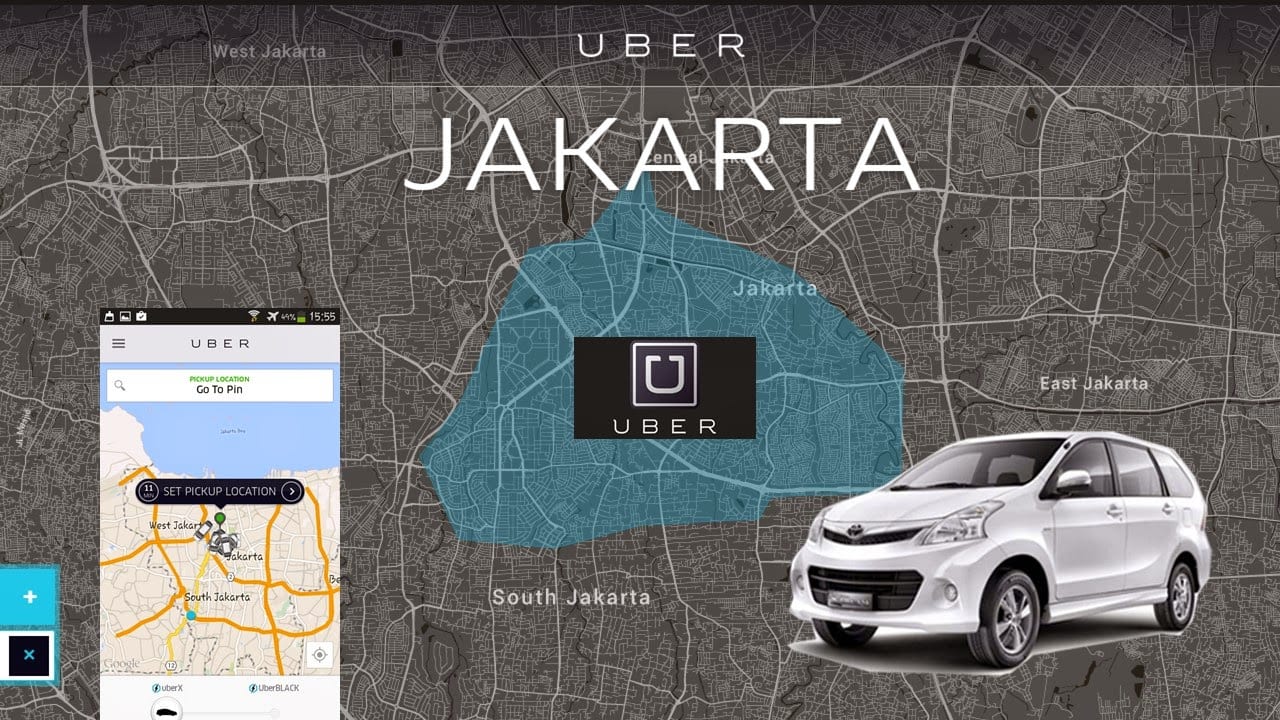
    Uber introduced its popular ride-hailing application to the local market last August, opening a representative office in Jakarta to supervise its business in three markets: Jakarta, Bali and Bandung. Traditional taxi firms, however, have called the startup’s business practices illegal, saying it doesn’t have a taxi license or use meters. Their complaints led Jakarta police to detain five Uber drivers for questioning last month; they were released the same day without being charged although authorities said they could be called as witnesses as the investigation into Uber progresses.

    Although Uber is still operating in Indonesia, the arrests forced the company to rethink how to avoid potential legal hurdles, which could affect its business in the future. Indonesia, the fourth most populous nation in the world with a fast-growing middle class, is one of the company’s key growth markets, it has said.

    Uber won’t, however, be applying for a taxi license, as some of its competitors have demanded, Mr. Jiang said. Instead, it will seek a license to formally establish itself as an e-commerce company.

    “Uber is only a smartphone application,” Mr. Jiang said. “We don’t need a transportation license as all we make is a smartphone app that connects riders to drivers.”

    The San Francisco-based company, which operates in more than 300 cities around the world, has faced regulatory hurdles in many parts of the world. The problems have been especially acute in Europe. Courts in Spain, Germany, Italy and the Netherlands have banned a low-cost Uber service that uses nonprofessional riders. France prohibits companies such as Uber from showing the location of available cars other than traditional cabs on smartphone apps.

    In Asia, the company has faced regulatory hurdles in Thailand, Singapore and Vietnam. An Indian court last month left in place a ban on the service in Delhi, where Uber has been banned since December, when a woman alleged that a driver booked through the firm’s app raped her. The driver is on trial and denies wrongdoing.

    By establishing itself as a company in Indonesia, Uber would be allowed to gather revenue from inside the country, something which a representative office can’t do. Normally, Uber collects a 20% service fee on every fare paid by a passenger, and the rest goes to the driver. At the moment, Uber doesn’t collect fees from the two services it operates in Indonesia, UberBlack and UberX.

    Mr. Jiang declined to specify how much Uber has invested in Indonesia.

  • Uber competitor Bolt starts recruiting Vietnamese drivers

    Uber competitor Bolt starts recruiting Vietnamese drivers

    Bolt, Europe’s first homegrown ride-hailing company and Uber’s main competitor in the continent, is now recruiting management staff and drivers in HCMC.

    The company’s website, which now offers Vietnamese as a language option, allows candidates to register as drivers for a weekly income running into millions of dong (VND1 million = US$39.40).

    Founded in 2013 in Estonia, Bolt now operates in over 50 countries with services ranging from ride-hailing and car rentals to food and grocery delivery.

    It claims to have 4.6 million drivers and delivery partners serving over 200 million users globally.

    Vietnam’s ride-hailing market is projected to reach $880 million in 2024 and grow at a compounded annual rate of 19.5%, hitting $2.16 billion by 2029, according to Indian market research firm Mordor Intelligence.

    Its major competitors now include Grab, Xanh SM and Be.

    Last year Indonesia’s Gojek exited Vietnam after six years in the country, while Uber had pulled out in 2018.

  • Taiwan blocks Uber’s $950M Foodpanda deal over competition concerns

    Taiwan blocks Uber’s $950M Foodpanda deal over competition concerns

    Taiwan has blocked Uber Technologies’ $950 million purchase of Delivery Hero’s Foodpanda business on the island because of concerns it would be anti-competitive, the Fair Trade Commission (FTC) said on Wednesday.

    Uber and Foodpanda did not immediately respond to requests for comment outside regular business hours.

    Delivery Hero said in a statement Uber may either appeal the commission’s decision or terminate the acquisition.

    In a media briefing, the commission said the merger’s negative impact would outweigh the overall economic benefits, and corrective measures would not be able to address the competition concerns.

    “In the food delivery platform market, UberEats’ main competitive pressure comes from Foodpanda. The merger would eliminate this competitive pressure,” Chen Chih-min, vice chairman of Taiwan’s FTC, said.

    “Post-merger, UberEats would be less constrained by competition, giving it more incentive to raise prices for consumers and even increase commissions for restaurant operators.”

    Chen added that post-merger, the combined market share of both companies in Taiwan would exceed 90%.

    Uber and Delivery Hero announced in May the Taiwan deal that included a separate agreement for Uber to purchase $300 million worth of newly issued shares of the German food delivery firm.

    The U.S. company expected the acquisition to contribute at least $150 million annually to the adjusted core profit of its delivery business within a year of the deal’s closing, which was seen likely in the first half of 2025.

    Online food delivery platforms represent a small fraction of Taiwan’s competitive food delivery market. Foodpanda’s operations on the island were break-even in terms of adjusted core earnings for the 12 months ended March 31, 2024, the companies said.

  • 100 Tesla Model Y Cars Will Be Introduced in Japan Under Uber Premium Service

    100 Tesla Model Y Cars Will Be Introduced in Japan Under Uber Premium Service

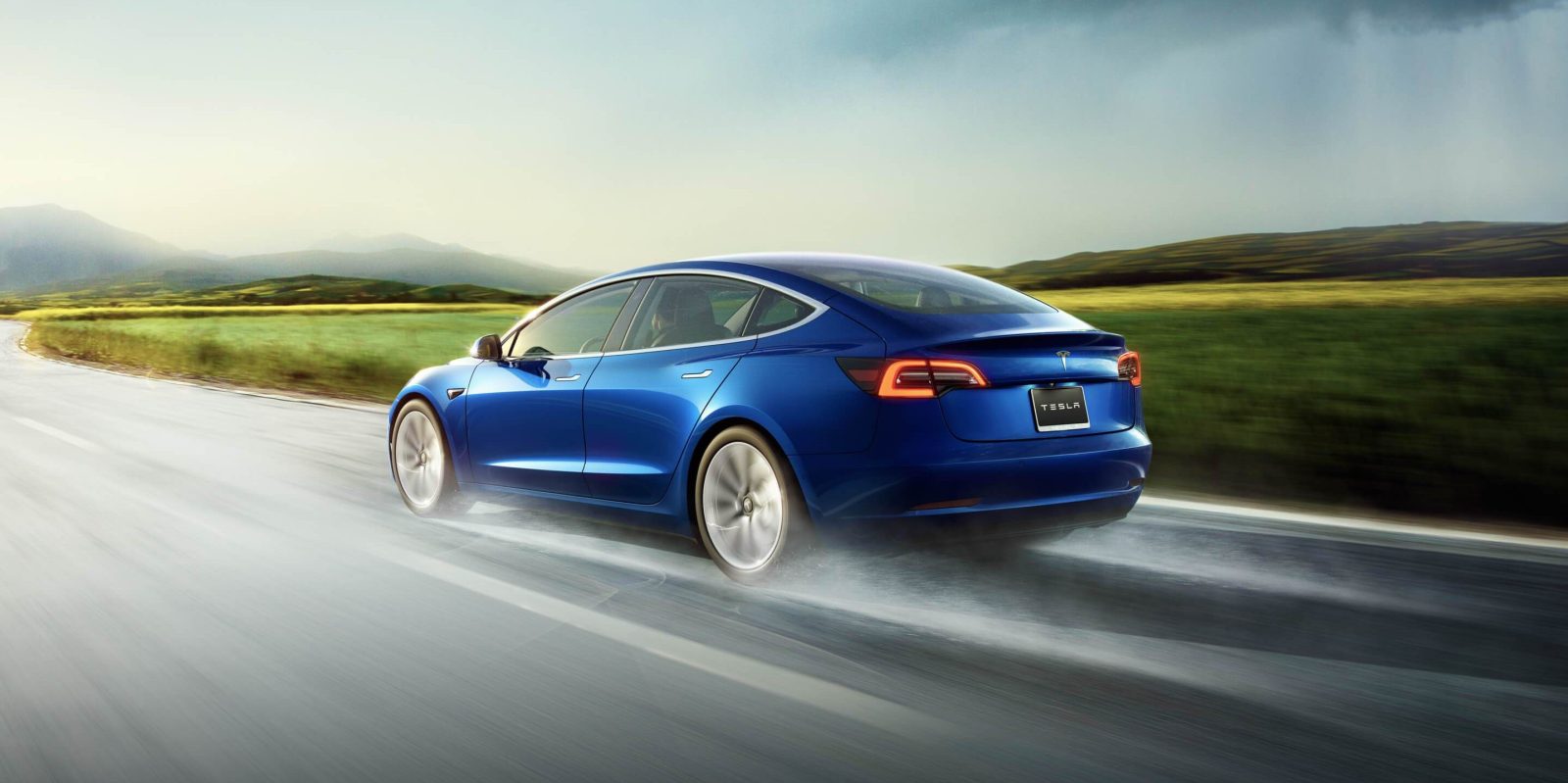
    Uber Japan has announced a strategic partnership with local cab and hire car operator, Hinomaru Kotsu and Tesla Japan to introduce 100 Tesla Model Y vehicles into their Uber Premium fleet.

    As part of the initiative, 30 Tesla Model Y vehicles will be deployed in November 2023 at Hinomaru Kotsu’s offices in Setagaya, Edogawa, and Adachi. The fleet will subsequently expand to include affiliated companies of Hinomaru Automobile’s wireless group, bringing the total number of Model Y vehicles to 100 by the end of 2024. These vehicles will be exclusively available under Uber Premium, and a dedicated menu on the Uber app will enable users to request rides in the Tesla Model Y.

    Uber chose Tesla’s Model Y because of its cruising range, driving performance, serene quietness, and premium interior and exterior, making it an ideal choice for discerning passengers seeking an elevated travel experience.

    Furthermore, to address the concerns of charging infrastructure for long-distance taxi operations, Hinomaru Kotsu plans to implement Tesla charging solutions at their Adachi and Setagaya offices from November 2023.

    Shiro Yamanaka, General Manager Mobility Business, Uber Japan Co., Ltd. said, “I am very pleased to be able to work with Hinomaru Kotsu and Tesla Japan to promote zero-emission vehicles. Uber Premium is a service that allows you to easily and reasonably call a luxury vehicle using the Uber app. It has been very well received in the deployment area. We expect that the demand for Uber Premium will increase further with the introduction of the Tesla Model Y, which is popular as a luxury vehicle, as a dedicated vehicle.”

    Kazutaka Tomita, Representative Director of Hinomaru Kotsu Co., Ltd. said,  “We are very proud to be able to play a role in promoting the introduction of zero-emission vehicles in the taxi and hire industry together with Uber Japan and Tesla Japan. We promise to deliver safe and secure transportation to our customers with a diverse lineup of vehicles that meet the needs of our customers.”

    Ryokusai Inoue, Country Manager, Tesla Motors Japan LLC, said, “We are also focusing on the taxi and hire business, mainly in North America, and we are very pleased to be able to realize an initiative of 100 units in Japan as well. We believe that business owners will also benefit greatly from this, and we will continue to have everyone experience the appeal of Tesla and expand it widely throughout Japan, regardless of whether it is a corporation or an individual.”

  • Uber, Aurora To Expand Self-Driving Truck Ops In Texas To Meet Holiday Rush

    Uber, Aurora To Expand Self-Driving Truck Ops In Texas To Meet Holiday Rush

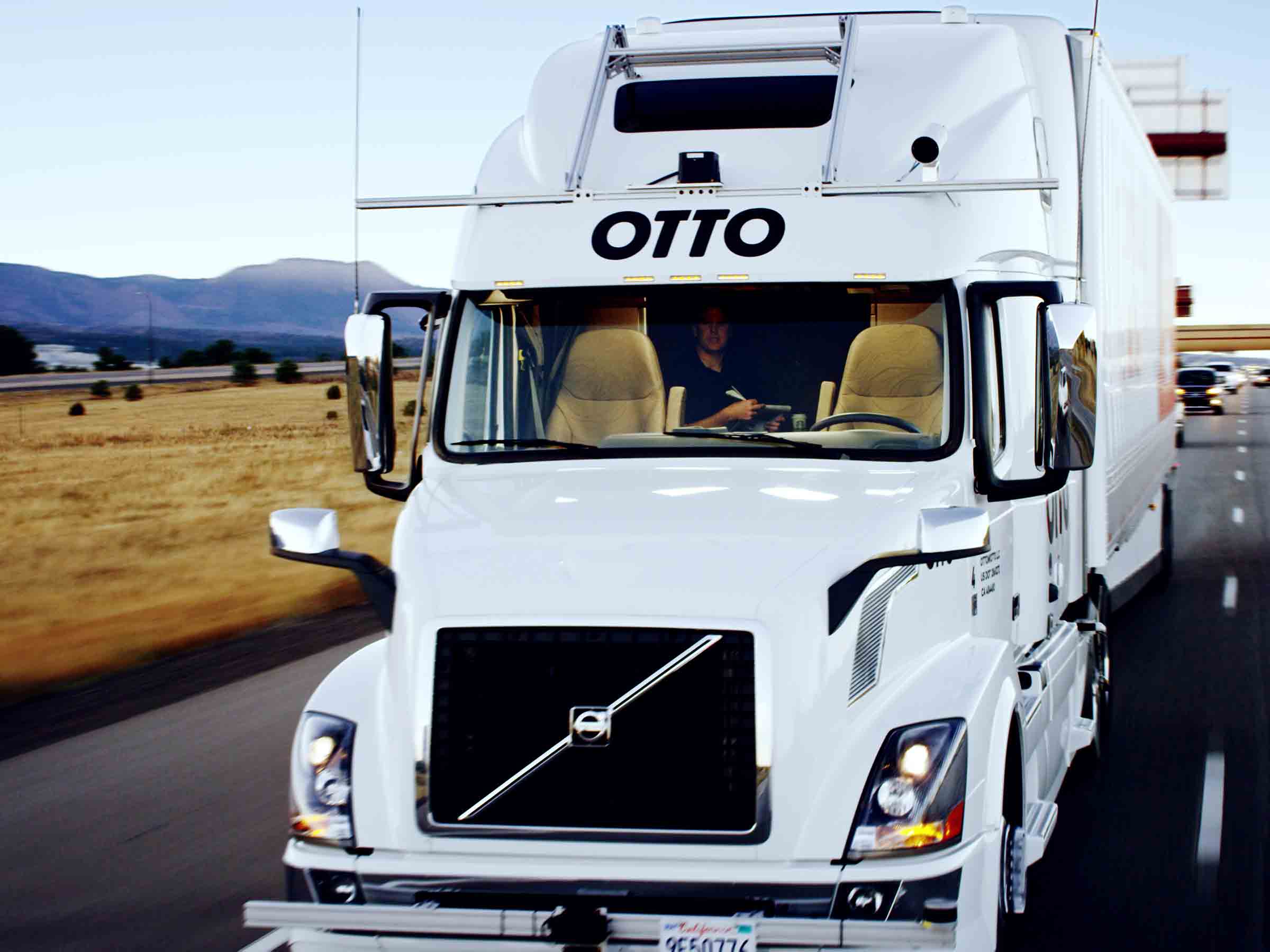
    Uber Technologies Inc and self-driving technology company Aurora Innovation Inc will expand their driverless pilot program in Texas to meet increased delivery demand during the holidays.

    The program will be expanded to the recently launched 600-mile commercial lane between Fort Worth and El Paso in Texas to support customers of the logistics business Uber Freight as it ships goods this holiday season, Aurora said on Friday.

    Uber Freight is a platform that connects shippers who need goods moved with available truck drivers.

    The companies launched their pilot program a year ago to transport goods autonomously between Dallas and Houston.

    “We’re crafting Aurora Horizon to help carriers of all sizes alleviate some of the supply-chain pressures that typically accompany (holiday season),” Aurora co-founder Sterling Anderson said. Aurora Horizon is a truck-specific self-driving product.

    Autonomous goods hauling has been seen as the future of logistics as it could increase truck utilization and boost transportation frequency between terminals.

    Human truck drivers cannot drive more than 11 hours daily in the United States.

    Aurora Innovation, which also counts FedEx Corp and Toyota Motor

  • Uber starts to annoy some users by sending them ads as push notifications

    Uber starts to annoy some users by sending them ads as push notifications

    Everyone hates ads, but they are the price we pay for all the free apps out there. However, it’s one thing to watch them when you are using a free app, and it’s a whole other story to be bombarded with ads through push notifications even when you are not actually using your phone.

    Recently, Uber launched a new advertising division and is now displaying banners in its app. However, it appears that the company is also currently testing a way to advertise various things through push notifications, which is something it didn’t even mention when it announced its decision to put ads in its app.

    In recent days, many users shared on Twitter that the Uber app has started sending them push notifications for ads of other companies. This would be somewhat ok if users were using the app at this time; however, it appears that Uber was sending them these notifications when they weren’t.

    Thankfully, Uber said that these push notifications were part of a limited test, and users can always set their notification preferences in the app’s settings. However, the company needs to specify how many people have been included in the test, how long it will last, and whether it would decide to make push notification ads a permanent experience.

    At the moment, Uber is using the so-called “journey ads,” which advertise one single brand throughout a user’s travel. Usually, users see an ad while waiting for their ordered car to arrive, while traveling, and when they reach the designated destination. Advertisers personalize ads to users based on their travel history. Currently, there is no information on whether Uber used the same data to choose what ads to display as push notifications.

  • Uber Ex-Security Chief Accused Of Hacking Coverup Must Face Fraud Charges

    Uber Ex-Security Chief Accused Of Hacking Coverup Must Face Fraud Charges

    A federal judge on Tuesday said a former Uber Technologies Inc security chief must face wire fraud charges over his alleged role in trying to cover up a 2016 hacking that exposed personal information of 57 million passengers and drivers.

    The U.S. Department of Justice had in December added the three charges against Joseph Sullivan to an earlier indictment, saying he arranged to pay money to two hackers in exchange for their silence, while trying to conceal the hacking from passengers, drivers and the U.S. Federal Trade Commission.

    U.S. District Judge William Orrick in San Francisco rejected Sullivan’s claim that prosecutors did not adequately allege he concealed the hacking to ensure that Uber drivers would not flee and would continue paying service fees.

    Orrick also rejected Sullivan’s claim that the people allegedly deceived were Uber’s then-chief executive, Travis Kalanick, and its general counsel, not drivers.

    “Those purported misrepresentations, though not made directly to Uber drivers, were part of a larger scheme to defraud them” according to the indictment, Orrick wrote.

    Lawyers for Sullivan did not immediately respond to requests for comment. Sullivan also faces two obstruction charges.

    The defendant was originally indicted in September 2020, and is believed to be the first corporate information security officer criminally charged with concealing a hacking.

    Prosecutors said Sullivan arranged to pay the hackers $100,000 in bitcoin, and have them sign nondisclosure agreements that falsely stated they had not stolen data.

    Uber had a bounty program designed to reward security researchers who report flaws, not to cover up data thefts.

    Dara Khosrowshahi, Uber’s current chief executive, fired Sullivan after learning the extent of the breach.

    In September 2018, the San Francisco-based company paid $148 million to settle claims by all 50 U.S. states and Washington, D.C. that it was too slow to reveal the hacking.

  • Uber Launches Robot Food Delivery In California

    Uber Launches Robot Food Delivery In California

    Uber Technologies on Monday said it launched pilot food delivery services with autonomous vehicles in two California cities, and said it was adding electric vehicle charging stations into its global driver app.

    The announcements are part of Uber’s annual product event where the ride-hail and food delivery company showcases the latest updates to its app.

    Uber announced one food delivery service using autonomous cars, and a separate pilot using sidewalk robots. Both services are available to Uber Eats users in Santa Monica and West Hollywood in California, and consumers will have the ability to opt out of the programs.

    The autonomous car pilot is in collaboration with Motional, the self-driving joint venture of Hyundai Motor Co and Aptiv PLC, and was initially announced in December. It launched on Monday, Uber and Motional said.

    Uber said the sidewalk robots are provided by Serve Robotics, a spin-off of delivery company Postmates, which Uber acquired in 2020.

    The vehicles in both services are actively monitored by human operators, Uber said, adding that “it will be some time before this technology is operated at scale.”

    Self-driving companies have repeatedly pushed out timelines to provide truly driverless trips at scale, with only a few limited fully autonomous programs available across the U.S.

    Uber on Monday also said it was launching a map of electric vehicle charging stations in its driver app in the U.S. this summer, and later worldwide, in an effort to promote drivers switching to a battery-powered vehicle.

    Uber, which aims to have only electric vehicles on its platform in the United States, Canada and Europe by 2030, said charging was one of drivers’ biggest obstacles to switching to EVs.

    The company also said it was launching an option this summer to rent party and coach buses, and passenger vans through its U.S. app in collaboration with rental service US Coachways.

  • Uber, BP partner in global grocery delivery partnership

    Uber, BP partner in global grocery delivery partnership

    Convenience giant bp is teaming with Uber Technologies on a new global strategic convenience delivery partnership, extending their existing local arrangements to reach more consumers across the world, the companies announced Tuesday. Together, bp and Uber Eats will offer an extensive range of quality convenience products, including fresh and prepared foods, from select retail locations in parts of the United States and globally.

    bp is the first convenience retailer to team up with Uber Eats on a global level and aims to have more than 3,000 retail locations available on the delivery platform over the next three years. The partnership supports bp’s goal of growing its access to customers and expanding its delivery footprint, in response to soaring demand for food, groceries, and everyday essentials brought to the door.

    The new partnership covers retail sites on the West Coast of the United States as well as Australia, New Zealand, Poland, and South Africa. Sites in the eastern United States and UK will be added to the app for the first time this year, with plans to launch in other European markets beginning in 2023.

    “We’re thrilled to team up with Uber Eats globally giving us the opportunity to reach many more consumers online in addition to those who currently visit our retail sites,” said Emma Delaney, executive vice president of customers & products for London-based bp. “We’ve seen how the pandemic has accelerated customer demand for delivered convenience and this partnership will allow us to scale up quickly on the Uber platform. And for the first time, we will be able to offer delivery options to existing customers on our own BPme app by the end of 2023.”

    With 20,500 bp retail sites across the world and 550 million customers living within 20 minutes of a bp retail site, bp and Uber see enormous opportunities for growth. bp sites offer a range of products tailored to local markets that include hot and cold drinks, prepared food options, grocery staples, fresh produce, as well as wine, beer, and flowers.

    As part of the agreement, Uber Eats and bp will work to introduce delivery options onto bp’s own app, BPme — initially planned to be available in the U.S., UK, and Australia by the end of 2023 — powered by Uber Direct. This new offer will allow bp to directly connect its customers to delivery riders, making Uber Eats the select partner in fulfilling these orders. Since 2019, bp has seen a three-fold increase in users of the BPme app, with 16 million active loyalty users worldwide.

    In the U.S., Uber Eats will be made available to bp’s network of independently owned retail locations with the goal of making it easy for these partners to sign up to the Uber Eats platform and access benefits based on bp’s scale.

    “With more than 20,500 locations around the world, bp’s reach is enormous — making them critical partners as we pursue our ambitions of helping consumers across the world get what they need delivered to their doorsteps,” said Pierre Dimitri Gore-Coty, Uber’s senior vice president of global delivery. “We are proud to support this next phase of the company’s convenience growth through this delivery partnership and look forward to deeper collaboration in the future.”

    bp and Uber already work together in mobility with bp providing electric vehicle charging for Uber’s ride-hail drivers. The companies will explore other areas for future cooperation in convenience, including opportunities to utilize low carbon delivery methods to fulfill orders from bp sites.

    The bp partnership falls in line with Uber Eats’ plans to add more grocery delivery options. Since launching grocery delivery in July 2020, Uber has seen consistent growth in the U.S. for the category. The San Francisco-based tech company partnered with Southeastern Grocers, operator of Winn-Dixie and Fresco y Más stores, in September 2020, and last summer expanded its home delivery reach with the addition of 1,200 Albertsons Cos. stores, began a pilot program with Costco in Texas, expanded on-demand delivery to pharmacy chains Walgreens and Rite Aid and partnered with the Smart & Final grocery warehouse chain in January of this year.

  • Uber Forecasts Adjusted Earnings Of $5 Billion By Fiscal 2024

    Uber Forecasts Adjusted Earnings Of $5 Billion By Fiscal 2024

    Uber Inc’s Chief Financial Officer Nelson Chai on Thursday forecast $5 billion in a measure of adjusted earnings by fiscal 2024, with gross bookings expected to be between $165 billion and $175 billion.

    He was speaking at the company’s first investor day after it went public.

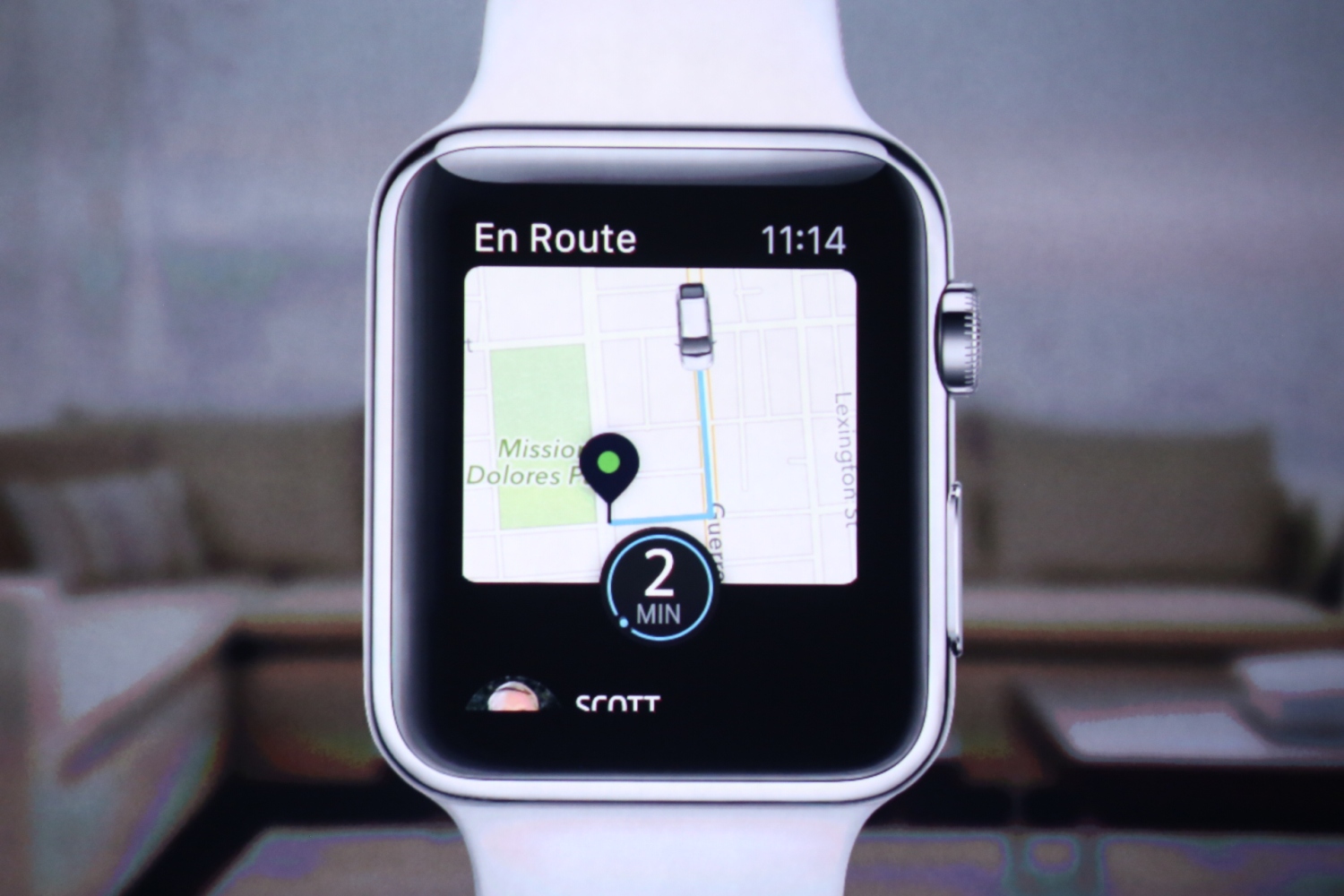
  • The Uber Apple Watch app is now discontinued

    The Uber Apple Watch app is now discontinued

    It appears that Uber has ended support for its Apple Watch app. Many users noticed that they no longer have the ability to use Uber’s Apple Watch app to order a ride.

    When a user opens Uber’s Apple Watch app, the app displays a message that Uber no longer supports this app and suggests users use the mobile app instead.

    Confusingly, although Uber’s Apple Watch app doesn’t work anymore, it is still available in the App Store and can still be downloaded and installed. Uber also didn’t reflect the change on its support site. The support site still says that users can use Uber’s Apple Watch app to order a ride.

    In 2015, Uber launched its app for the Apple Watch, which always had a few limitations compared to the iPhone version. Uber’s Apple Watch app didn’t support uberPOOL for sharing a ride with someone headed in the same direction as you. Uber’s Apple Watch app also lacked the fare splitting option and the ETA sharing feature through which you can share your trip details with friends or family. You also couldn’t use your Apple Watch to contact the Uber driver.

    It appears that users were unhappy with the way Uber’s Apple Watch app worked. Users on Reddit have complained about the little information the Apple Watch version offered. A Reddit user also mentioned having “bad experiences” with Uber drivers owing to the inability to select a destination via their Apple watch when ordering an Uber.

    Uber is not the first to end support for its Apple Watch version of the app. Back in 2018, Uber’s competitor Lyft pulled out its Apple Watch app from the app store and ended its support.

    Around 2020, Uber also silently ended the support for its wearOS version of the app. Users then had reported the inability to log into the app. Many users had also complained about having various problems with the wearOS version. Some users even had said that Uber’s wearOS app never really worked for them. It is possible that due to the numerous issues the Uber wearOS app had, many users preferred using the mobile version instead. And if this is the case, there is no surprise why Uber decided to stop supporting the WearOS app.