Tag: Vietnam

  • Lazada to ramp up Southeast Asian grocery offering

    Lazada to ramp up Southeast Asian grocery offering

    Lazada Group has announced plans to ramp up its supermarket business in Southeast Asia as part of its strategy to become the region’s biggest e-commerce ecosystem. The supermarket transformation is being started off in Singapore, as homegrown online grocer RedMart is integrated into the Lazada platform on March 15 following its acquisition in 2016. Following the launch, shoppers will be able to buy groceries and fresh produce along with Lazada’s other product categories on the single platform, boosting the brand’s grocery and supermarket offering to more than 165,000 products.

    Elsewhere in the region, Lazada is looking to launch its grocery and supermarket business in at least one other city from the second half of 2019.

    The new moves are aimed at catering to the growing demand of supermarket shopping as consumers increasingly buy groceries online. The grocery market in Southeast Asia is expected to be worth US$309 billion by 2021, with shoppers filling their baskets online more than twice a month. In Singapore, seven in 10 people who buy their groceries online already do so on RedMart.

    “We want to drive the evolution of grocery shopping in the region by combining our unparalleled assortment of products and superior logistics network to transform the way customers get their daily essentials and fresh produce,” said Jing Yin, co-president of Lazada Group. “Most of us shop for groceries and other household items very frequently. This presents a unique opportunity for Lazada to be part of our daily lives.”

  • Vietnam per capita income matches Malaysia’s 20 years ago

    Vietnam per capita income matches Malaysia’s 20 years ago

    Vietnam’s recent economic achievements notwithstanding, much effort is needed for it to close the gap with other countries, a minister has said. Minister of Planning and Investment Nguyen Chi Dung said at a conference Wednesday that while Vietnam’s GDP per capita had surged by 27.4 times in the last 30 years to almost $2,590 last year, Malaysia had achieved this figure 20 years ago.

    Thailand had done so 15 years ago and Indonesia 10 years ago.

    The main limitations of its economy were low labor productivity, economic efficiency and competitiveness, and the country also faced the risk of being stuck in the middle-income trap.

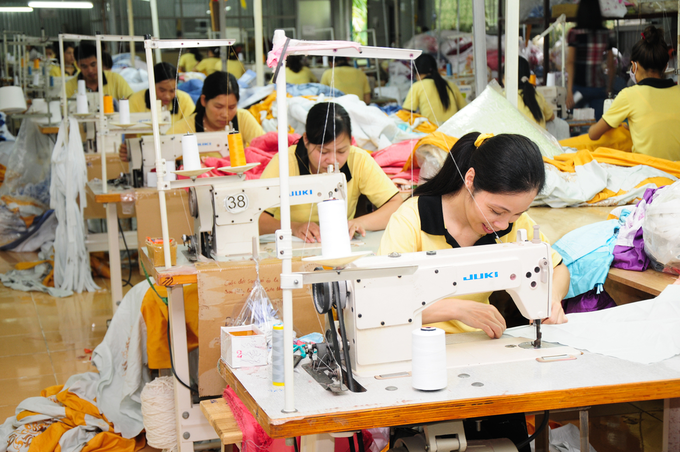
    According to the 2018 Vietnam Annual Economic Report, average productivity per worker was VND60.73 million ($2,600) in 2017, lower than that of China, Japan, the Philippines, Thailand, and Cambodia.

    Currently the country also faced challenges like the U.S.-China trade war, the minister said.

    For these reasons, institutional reforms were necessary to achieve a more sustainable economy, he noted.

    Macroeconomic stability and high economic growth with innovation in science and technology were imperative.

    The private sector had to remain one of the pillars of the economy in future, Dung said. “If Vietnam doesn’t catch the 4.0 train, the gap between it with other countries will become wider. Vietnam needs to narrow that gap.”

    Vietnam’s GDP has grown at 6.8 percent a year on average for the last 20 years, and the economy has grown 39 fold in the period to $245 billion last year.

    Growth last year was 7.08 percent, the highest in a decade.

  • Vingroup reports $25 mln revenue from vehicle, smartphone sales

    Vingroup reports $25 mln revenue from vehicle, smartphone sales

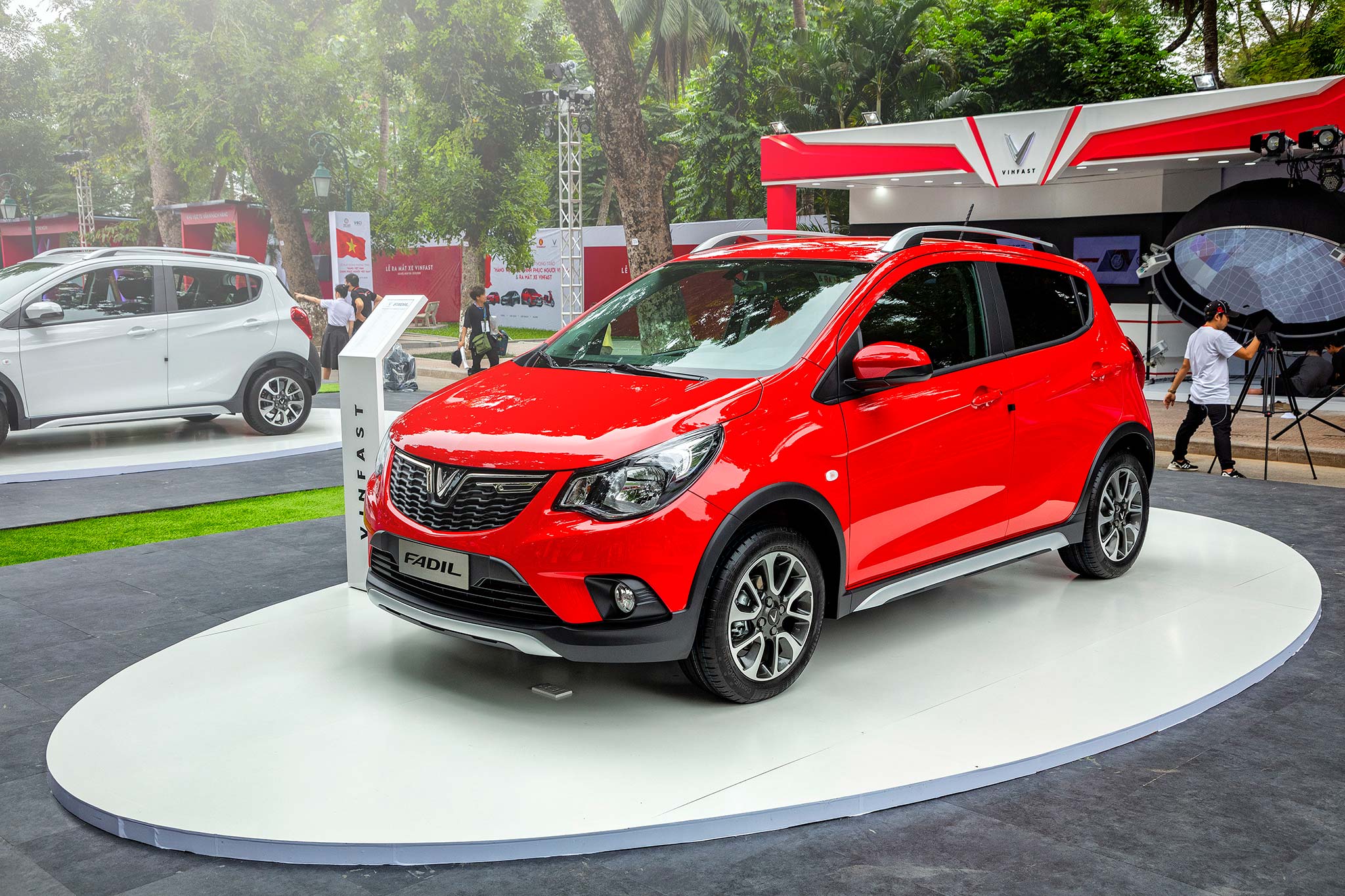
    Vietnam’s largest listed private company Vingroup has reported revenues of VND600 billion ($25.77 million) from car, electric motorbike and phone sales last year. VinFast, a Vingroup subsidiary, became the country’s first indigenous car manufacturer last October and showed off its first two car models at the Paris Motor Show in France. It has begun to accept bookings and deposits for the cars, and will start selling them next August.

    Last November it launched its first two electric scooters, but has not disclosed sales figures.

    VinSmart, the Vingroup unit that produces smart electronic devices, launched four new phones in December in a market of 95 million people currently dominated by Samsung and Apple.

    Its factory in the northern city of Hai Phong is capable of making five million phones a year in the first phase.

    The company also hopes to expand to markets outside Vietnam, and will make smart TVs and other smart products soon.

    Vingroup is a conglomerate with the country’s largest real estate operations and interests in retail, healthcare and resorts.

    The conglomerate reported profit before tax of over VND13.8 trillion ($592.6 million) last year, up 52 percent from 2017, on net revenues of VND122.57 trillion ($5.24 billion).

  • Food trends and their impact on consumption

    Food trends and their impact on consumption

    We are a young nation of 1.2 billion consumers. We are more connected to each other and the rest of the world than ever before. We travel within India and outside India more frequently. We are more informed about ourselves, about what we eat, about our environment and also about the impact of our consumption on environment. We see a large number of trends and counter trends that influence us. Some of these are fads that just pass away and some are here to stay. Here are some key trends that will have an impact on the way we consume.

    Food is an experience

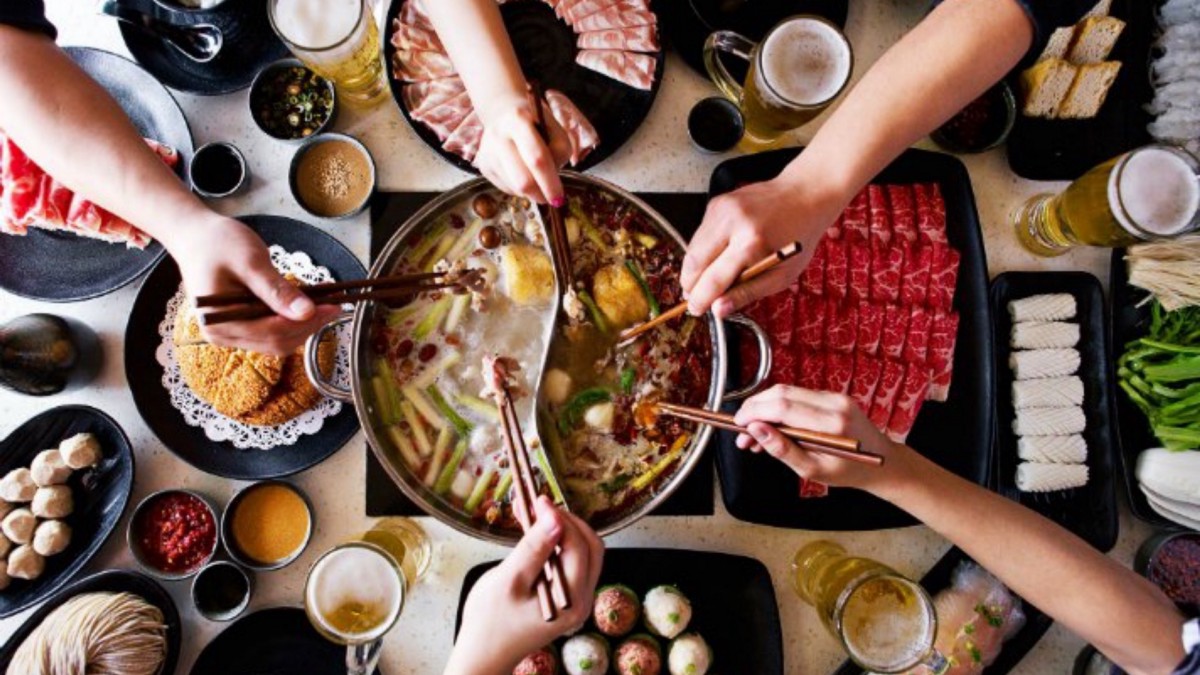
    Indians have historically valued pure, freshly cooked home-made meals. The trend of eating out, widely prevalent in the West, has slowly emerged in India over the past few years. Eating out is no longer considered as a means of satiating hunger nor is it limited to the rare occasions. Shopping and casual outings, spending free time and experimentation are, not surprisingly, the new reasons for eating out!

    As per a recent Nielsen report, on average, Indians spend Rs 6,300 per year on eating out with affluent Indians spending approximately twice as much as their middle class counterparts.

    Usage of “Let’s Do…” for food is a true reflection of Food as an Experience. Consumers are frequently experimenting with a variety of cuisines, flavors, and combinations of food that were hitherto either unavailable or unheard of in the Indian market.

    Cross-cultural influences abound in dishes. Some examples of the innovative confluence of flavors are peri peri bhel, Schezwan and chocolate dosas and a wide variety of Frankies. Even the quintessential lassi can be found with a multitude of western influences such as chia seed additions and imported fruit flavors. Tikka and tandoori flavored mayonnaise, Indian versions of Chinese dishes, Chettinad sandwiches and paneer tikka pizzas are instances of Indian flavors seeping into western culinary dishes. The same is reflected in some of the food product launches.

    Variants range from quinoa rawa upma insta mix, smoky tikka mayonnaise & tamarind date chutney to beverages such as jamun kalakhatta, kokum, gol gappe ka pani, aam panna, and jal jeera made specifically as substitutes to fruit- based juice. These immensely popular products reveal the inclination of the Indian consumer towards mixing flavors.

    Health is Imperative

    As a nation, India is performing better on all indices of health such as quality and longevity of life. Indians are living better, longer and have healthier life spans. Thanks to mobile apps and wearable devices, it is possible to constantly monitor the heartbeat, quality of sleep, blood pressure and even the number of steps taken during the day. The entire idea of health has transformed from being curative to becoming preventive in nature.

    Although consumers are time constrained due to hectic work schedules, especially in urban areas, they are looking for avenues to build and maintain a healthy life style. While physical activity forms a core part of this endeavor, Indians are proactively choosing the right food products to meet their diet and health goals.

    Food products in the market range from breakfast cereals such as oats and muesli to vitamin pills. There is a marked rise in the consumption of baked goods, health biscuits, multi-grain flours, green tea and other health drinks. Furthermore, consumers are willingly buying premium products that promise health benefits. Some of the health attributes perceived to be the most important are high protein, high fiber, low cholesterol and low fat.

    Oats-based mango flavored, calcium and fibre-rich ready-to-drink breakfast option and power sprouts, honey dates flavored malt-based food drinks are good illustrations of healthy beverages available on the shelves. Snack packs of sweet and savory yoghurt and snack combos such as the Jalapeno Greek yoghurt with barley puffs are healthy replacements for the “in between meals” snacks that Indians are prone to eating. Packed khichdi mix infuses the health quotient of broccoli, carrots and almonds in the consumer’s diet. Another unique example is the gluten-free alternative to spaghetti made by cutting vegetables into thin noodle shapes or curls.

    Consumption of dietary supplements, especially in relation to adult nutrition, has also boomed. There is an emergence of “immunity boosting” foods as a major category in the market.

    These supplements can induce weight gain or weight loss or nourish the body with vital elements such as calcium, iron, omega 3 and vitamins. Moreover, active adults are consuming copious amounts of whey proteins and energy beverages.

    Consumers are as conscious of the wellness of their children as they are of their own. For instance, consumers are willing to experiment with chocolate-flavored nutritional supplements for children in a bid to ensure holistic growth. Busy parents who rely on prepackaged food or ready-to-eat meals are some of the key purchasers of probiotic drinks meant for children.

    The wide acceptance of health and wellness foods has created a Rs 10,352 crore market with a growth rate of about 10 percent. The sales contribution is the highest in non-metro but urban cities, at 40 percent. This is closely followed by rural areas at 32 percent and urban areas at 28 percent. The category penetration is highest in the south followed by the east.

    Natural & Ayurvedic Way of Life

    We see both these trends- Health and Tradition- coming together in Ayurveda and Natural Foods. The growing belief that natural products are uncontaminated and best is getting firmly ingrained in the minds of Indian consumers as the word “processed” implies a negative connotation of unoriginality. Ingredients recommended by our ancestors such as tulsi, turmeric, neem, lemon, mustard oil, ghee, saffron, amla juice, cold pressed oils of nuts and seeds are all finding their way on to the consumer’s plate. Food items made with these ingredients are not only considered as healthy but also as comfort food since consumers perceive that they have made a special effort to look after themselves. The re-emergence of yoga has only served to boost this trend. Consumers will continue to turn to nature to search for viable but healthy food options. This trend also manifests itself in organic foods though they are still a niche and are hampered by a lack of trust and high premiums. We foresee that the natural and ayurvedic trend will be stronger in the years to come and that multiple entrepreneurs will establish profitable ventures in these categories.

    Increasing Share of Proteins & Dairy

    The biggest trend as a Nation that we see is the shift to Proteins and Fats. For the first time in Indian history, milk has become the biggest agriculture crop at almost INR 5 lakh crore. It’s now bigger than all cereals and pulses put together and is 20% of the agricultural output. This shift towards fats and proteins from the traditional intake of carbohydrates for subsistence is the biggest perceptible proof of prosperity of the people. Though India is 70% non-vegetarian, it apparently has not yet crept into daily dietary preferences. Milk appears to be the most economic and culturally accepted protein source of daily diet in our country. It can also be seen as the reflection of the dietary habits of a younger India. In Modern Trade, we have seen milk and value-added milk products increasing their share and new entrepreneurs and new products coming up. We envision this trend to become stronger in the times to come.

    Startups in Food

    The emergence of modern trade and e-commerce has made it easy to be a single product company and has fostered innovation and entrepreneurship. Launching a new FMCG product is no longer the domain of multinationals or big players with financial and distribution muscle. Small and medium enterprises that were previously deterred by the huge capital investments required for distribution networks while launching new products can now easily develop and bring their products to the market in a cost effective manner.

    This has had a profound effect on the number of launches of innovative products in the market. Quinoa puffs, butter spreads, health and energy bars, pasta kits, packaged ready to cook idli/ dosa batters, raw juices, water based functional beverages, are all excellent examples of new age products built and marketed by small companies being widely accepted by the consumer base.

    In conclusion, the purchasing decisions of consumers are affected by trends to a large extent. As enablers in the consumer’s shopping journey, recognizing and translating these trends into viable business opportunities remains a key concern for manufacturers and retailers today.


  • Vietnam foreign investment skyrockets in January

    Vietnam foreign investment skyrockets in January

    FDI pledges for new projects, increased capital and stake acquisitions in Vietnam rose 51.9 percent year-on-year to $1.9 billion in January. In a statement Monday, the Ministry of Planning and Investment said the manufacturing sector attracted the most interest from foreign investors, accounting for $1.19 billion or 62.4 percent of the total FDI. Science and technology ranked second with $185.8 million, followed by real estate with $179.1 million.

    Japanese were the top investors with nearly $364 million. South Korea and China were next with $349.1 million and $307.8 million.

    Ho Chi Minh City is the most attractive location for FDI investors in January, accounting for around 39.1 percent of the total FDI. Southern Binh Duong Province ranked second, accounting for 12.5 percent, followed by northern Hai Duong Province with 6.5 percent.

    As of January 20 authorities had issued licenses for 226 new projects with a total capital of $805 million. Meanwhile, another $340.2 million was pledged for existing projects this month.

    The two biggest projects were Kyoshin Vietnam’s $134.7 million investment expansion in HCMC by Japanese investors to produce, process and export electrical components and molds, and Katolec Global Logistics Vietnam’s $65 million investment for warehousing and storing goods in the northern province of Ha Nam.

    Estimated FDI disbursement for the month was $1.55 billion, up 9.2 percent year-on-year.

    Vietnam reported FDI disbursement of $19.1 billion last year, up 9.1 percent.

  • Apps race to attract customers with sweet deals

    Apps race to attract customers with sweet deals

    E-wallets, food-delivery and online shopping apps are offering a range of Tet (Lunar New Year Festival) promotions to widen their customer base. On January 21, e-wallet cashless payment platform MoMo experienced a temporary freeze of its network shortly after launching a promotion that gives customers a chance to receive gifts when using the app to send money.

    Shortly after the promotion was launched, MoMo recorded an additional 500,000 downloads and registrations of its app, forcing the platform to upgrade its capacity immediately.

    At the time of the freeze, MoMo reported a record of over 1 million customers who had logged on at the same time for a chance to receive something from MoMo’s pool of gifts worth over VND100 billion ($4.32 million).

    About 2 days later, ZaloPay, another e-payment platform also entered the race by encouraging users to make deposits, payments and money transfers to receive bonus points and redeem vouchers from a pool of VND10 billion ($431,995).

    The promotion heat has also spread to the food delivery industry, where Grab, the Singaporean-based ride hailing and food delivery app, has announced its expansion to an additional 12 provinces and cities, to make “food ordering easier during Tet“.

    Tet, or Lunar New Year Festival, will be celebrated from February 2-10 this year.

    Demi Yu, GrabFood regional director for Thailand, Malaysia, Vietnam and Philippines, revealed that the number of GrabFood orders increased has increased 25 times since it was launched in Vietnam last October.

    “With our extensive driver partner network, we’ve been able to lower average delivery time to 20 minutes in central Hanoi and HCMC, making us the fastest food delivery service in Vietnam,” she said.

    A survey published by Vietnamese market research firm GCOMM earlier this month showed that 99 percent of those surveyed said they used online food ordering services at least 2-3 times per month. 39 percent said they ordered through these apps 2-3 times a week.

    According to this survey, the 6 most popular apps are GrabFood, Foody, GoFood, Lala, Vietnammm and Lixi. However, because of the fierceness of competition, just a few days before the study was announced, Lala withdrew from the food delivery market to focus on providing software solutions to restaurants.

    “Demand for delivery is growing in Hanoi and HCMC. I think in the next 5 years, it will thrive in the 10 largest cities. There are about 100,000 delivery orders each day in HCMC and Hanoi combined, whereas there was virtually no demand for this service 3 years ago.

    The delivery market is now worth $500 million, but is expected to grow to $2 billion in 5 years,” said Luong Duy Hoai, founder of GHN, a courier service with over 7,000 staff.

    According to a recent report by South Korean commercial giant Lotte, the number of orders and visits by online shoppers rose by 80 percent and 200 percent respectively in 2018.

    Kim Kyou Sik, general director of Lotte.vn, the group’s online outlet, said: “Late 2019 will be a major battle for all e-commercial sites to establish market share. We aspire to become one of Vietnam’s top 4 e-commerce sites by the end of the year.”

    According to research by Nielsen Vietnam, with 53 percent of the population using the Internet, nearly 50 million numbers registered on smartphones, most online shoppers being from 25-29 years old, the e-commerce market in Vietnam is full of potential despite growing at 22 percent per year.

    The e-Conomy SEA 2018 report by Google and Singaporean investment firm Temasek also revealed that e-commerce, along with three other areas, namely online advertising, online travel and ride hailing dominate Vietnam’s Internet economy.

    In 2018, the Internet economy had an estimated total worth of $9 billion. Earlier this year, the two companies collaborated in a report which revealed that gross merchandise volume of Vietnam’s Internet economy amounted to 4 percent of its GDP.

  • Keppel to sell 70 pct stake in Vietnam waterfront township

    Keppel to sell 70 pct stake in Vietnam waterfront township

    Singapore-based Keppel Corp will sell 70 percent stake in a waterfront township project to a Vietnamese investor for $100 million. The company said in a release Monday that, pending certain developments, it will sell its stake in the Dong Nai Waterfront City Company (DNWC) to Ho Chi Minh City-based Nam Long Investment Corp for VND2.31 trillion ($99.72 million).

    The DNWC is a company incorporated under Vietnam’s laws that has been granted the right to develop the Dong Nai Waterfront City township project.

    Keppel Land, Keppel’s real estate arm, is currently in the process of taking over complete control of DNWC from an unnamed joint venture partner through a demerger.

    Once the demerger is done, DNWC will become a wholly-owned subsidiary of Keppel with the rights to develop a 170-hectare plot of land.

    DNWC also holds a 28-hectare plot of land which is excluded from the proposed divestment.

    The 70 percent stake sale will depend on demerger going through.

    Dong Nai Waterfront City is a 170-hectare residential township project in Dong Nai Province, located 28 kilometers to the northeast of HCMC.

    It will have about 7,850 homes, including townhouses, villas and high-rise apartments with various commercial facilities.

    Keppel Corp said that the stake sale was in line with Keppel Land’s strategy to recycle assets for higher returns. The funds generated will be used to pursue other opportunities in Vietnam, it said.

    The Dong Nai Waterfront City will be Keppel Land’s second township project in Vietnam after the 64-hectare Saigon Sports City in HCMC’s District 2 which is under construction.

  • Vietnam fintech startup raises $1 million from foreign venture capitalists

    Vietnam fintech startup raises $1 million from foreign venture capitalists

    Vietnamese fintech firm Finhay has raised $1 million in seed funding from Singapore’s Insignia Ventures Partners and other foreign investors. “Finhay will use the $1 million investment to expand its user base 10-fold to 100,000,” said founder and director of Finhay Nghiem Xuan Huy. Finhay was established in 2017 with capital of $100,000 as a micro-investment platform targeted at millennials. It allows customers to invest as little as VND50,000 ($2.17) in mutual funds from Finhay’s investment portfolio.

    Huy said the business model is very popular abroad, citing examples such as U.S. micro-investing apps Acorns and Stash.

    The application automatically analyzes the user’s risk appetite and suggests appropriate investment options and provides information to help improve users’ personal financial management.

    It has over 13,000 users and over VND7 billion ($303,590) worth of pooled capital.

    Insignia Ventures Partners, a venture fund which has already invested in popular transport apps Go-Jek and Traveloka of Indonesia, hopes “…[Finhay] will gradually layer on more products and services to become the Amazon of financial services in Vietnam.”

    Finhay also received seed capital from funds in Hong Kong and the U.S.

  • Vinamilk to open plant in Myanmar, its 2nd in Southeast Asia

    Vinamilk to open plant in Myanmar, its 2nd in Southeast Asia

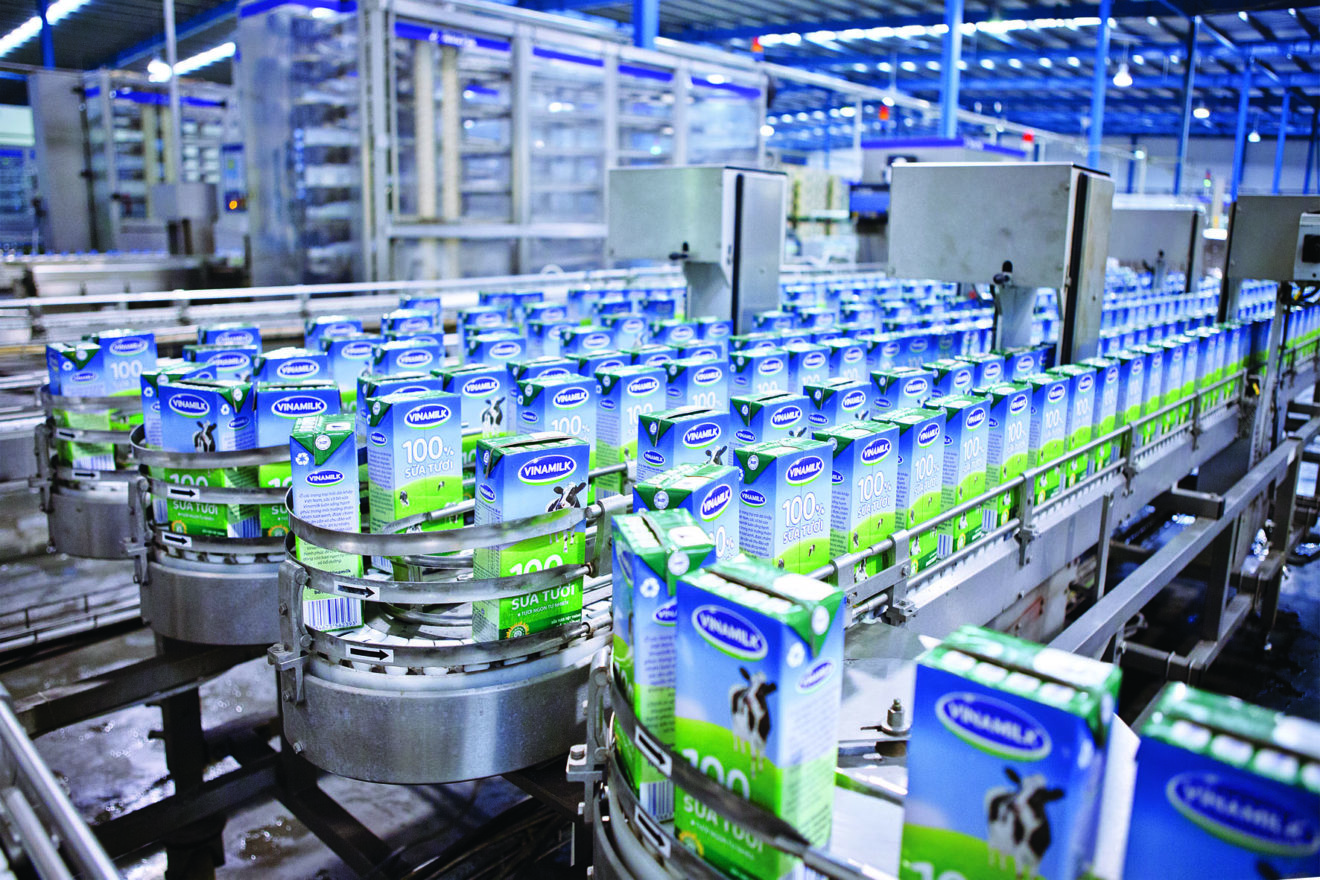
    Vietnam’s biggest dairy company plans to open a plant in Myanmar this year and is preparing to enter Indonesia and China. The Myanmar factory will be Vinamilk’s second in Southeast Asia after acquiring its first in Cambodia. It is in discussion for one joint venture in Indonesia. Myanmar is one of Vinamilk’s strategic markets to offset declining revenues in the Iraqi market, which once accounted for 60 percent of its exports. In 2017, Vinamilk reported falling exports for the first time in 20 years due to political tensions in the Middle East.

    In the latest year for which export figures are available, 2017, it shipped products worth VND7.4 trillion ($312 million), a 4.2 percent decline from the previous year.

    The company is also preparing to enter the Chinese market later this year. Chinese authorities are expected to sign a draft protocol in April this year allowing Vietnamese dairy products to be exported.

    Vinamilk is planning a change in export strategy.

    “The company will move from traditional exports to intensive cooperation with distribution partners in new key markets, and gradually build production facilities in potential markets such as Myanmar,” Vinamilk chief executive Mai Kieu Lien told shareholders in 2018.

    She added that the company has set aside $750 million for acquisitions, building new facilities and setting up cattle farms between 2017 and 2021.

    It now has 13 plants and 10 dairy farms in Vietnam, a plant each in the U.S., New Zealand and Cambodia and a subsidiary in Poland.

    In all, it has three wholly-owned foreign subsidiaries: Driftwood Dairy Holding Corporation in the U.S, Angkor Dairy Products Co., Ltd, in Cambodia, and Vinamilk Europe Spo’stkaz Ograniczona Odpowiedzialnoscia in Poland.

    It holds a 22.81 percent stake in a joint venture with Miraka Dairy in New Zealand and has a Thailand-based trading office.

    Last year the company paid $19.74 million to buy a 51 percent stake in Laotian company Lao–Jagro Development Xiengkhouang Co., Ltd, to set up a series of hi-tech beef and dairy farms based on Japanese technology.

    Vinamilk’s products are available in 46 countries and territories, including some demanding markets such as Japan, the U.S., Australia, New Zealand, and Canada.

    Last year the company reported profits before tax of VND11.52 trillion ($499.26 million), up 12.05 percent from the previous year, on revenues of VND52.63 trillion ($2.28 billion), down 2.93 percent.

  • Vietnam’s interest rate rises in the lead-up to biggest national holiday

    Vietnam’s interest rate rises in the lead-up to biggest national holiday

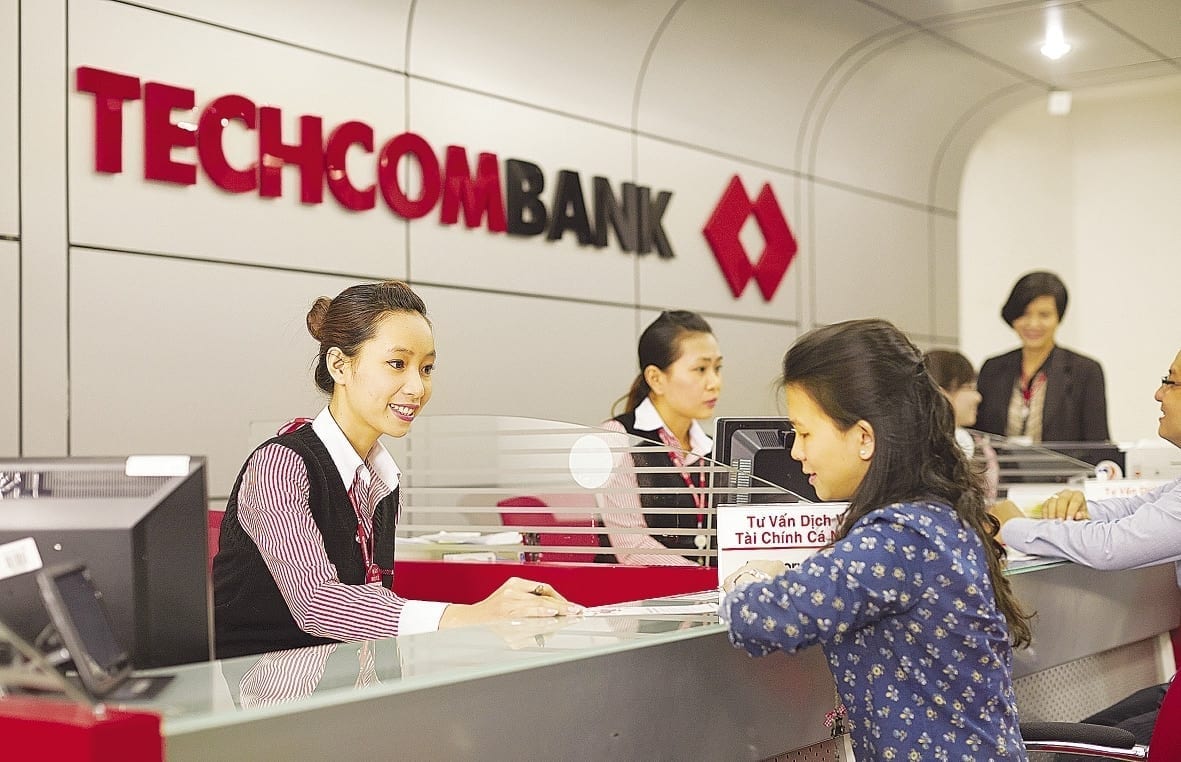
    Banks have hiked deposit interest rates by 0.1-0.5 percentage points as the country’s spending demand surges prior to Tet. Private lender Asia Commercial Bank last Friday introduced a new interest schedule with an increase of 0.2-0.3 percentage points in rates on most deposit terms. It also offers rates proportional to the amount of deposit. Techcombank, another of the larger private banks, since January 21, has hiked rates by 0.2-0.3 percentage points for terms of up to 12 months.

    Earlier, in mid-December most private banks had upped rates by 0.1-0.7 percentage points, while state-run banks increased them by up to 0.5 percentage points.

    However, there are also a few banks that choose to ‘go against the current’ by lowering deposit rates on same products. For instance, BIDV, Vietnam’s biggest lender by assets, has just lowered interest rates on its deposit rate schedule effective from January 22.

    BIDV’s 5-month savings is now 5.2 percent interest, down from its previously 5.5 percent which was its approved ceiling rate.

    Previously, at the end of December 2018, BIDV increased the 5-month term interest rate by 0.5 percentage points per year.

    On the same day, VPBank also reduced the interest rate on their 6-36 months terms by 0.1-0.5 percentage points.

    Specifically, the bank’s regular savings interest rate with 6-11-month terms is lowered by 0.2 percentage points, and is now 7 percent. The 12-month term interest rate is 7.05 percent; both 13 and 15 month terms are down 0.2 percentage points, and are now 7.2 and 7.4 percent respectively.

    However, VPBank still currently holds the highest single interest rate in the market of 8.6 percent for its 18-36 month fixed term savings.

    Experts believe that the negative adjustment of interest rates at some banks such as BIDV and VPBank may be for the purpose of restructuring to meet the banks’ individual capital needs, and does not yet accurately reflect the interest rate trend in the following months.

    In fact, the period before the Tet Lunar New Year holiday is when cash is still in high demand in the economy, as businesses need to withdraw money to pay bonuses and salaries, and people will withdraw cash to spend for Tet which will start from February 5.

    At the conference on tasks for the banking industry in 2019 on January 9, Deputy Governor of the State Bank of Vietnam (SBV) Dao Minh Tu said that banks have recorded a decline in deposits.

    According to him, this is a phenomenon that banks need to keep their eyes on, to determine where the flow of capital has gone, to real estate or production, or another channel in order to make reasonable adjustments to their plans.

    Tu said the SBV had adamantly stuck to its policy to stabilize interest rates despite very high pressure to drive rates upwards in 2018. Many small banks had raised short-term deposit rates to attract capital and improve liquidity, resulting in the central bank having to pump more money into the market or use other measures to limit and keep interest rates stable for businesses.

    The deputy governor said the SBV had to balance between the conflicting interests of banks, savers and businesses to come up with an appropriate interest rate for the whole market.

    The SBV targets credit growth of 14 percent this year, the same as last year. As a result, he noted, commercial banks will have to make better quality loans this year to avoid bad debt.

  • Excess car demand for Tet holiday drives prices up in Vietnam

    Excess car demand for Tet holiday drives prices up in Vietnam

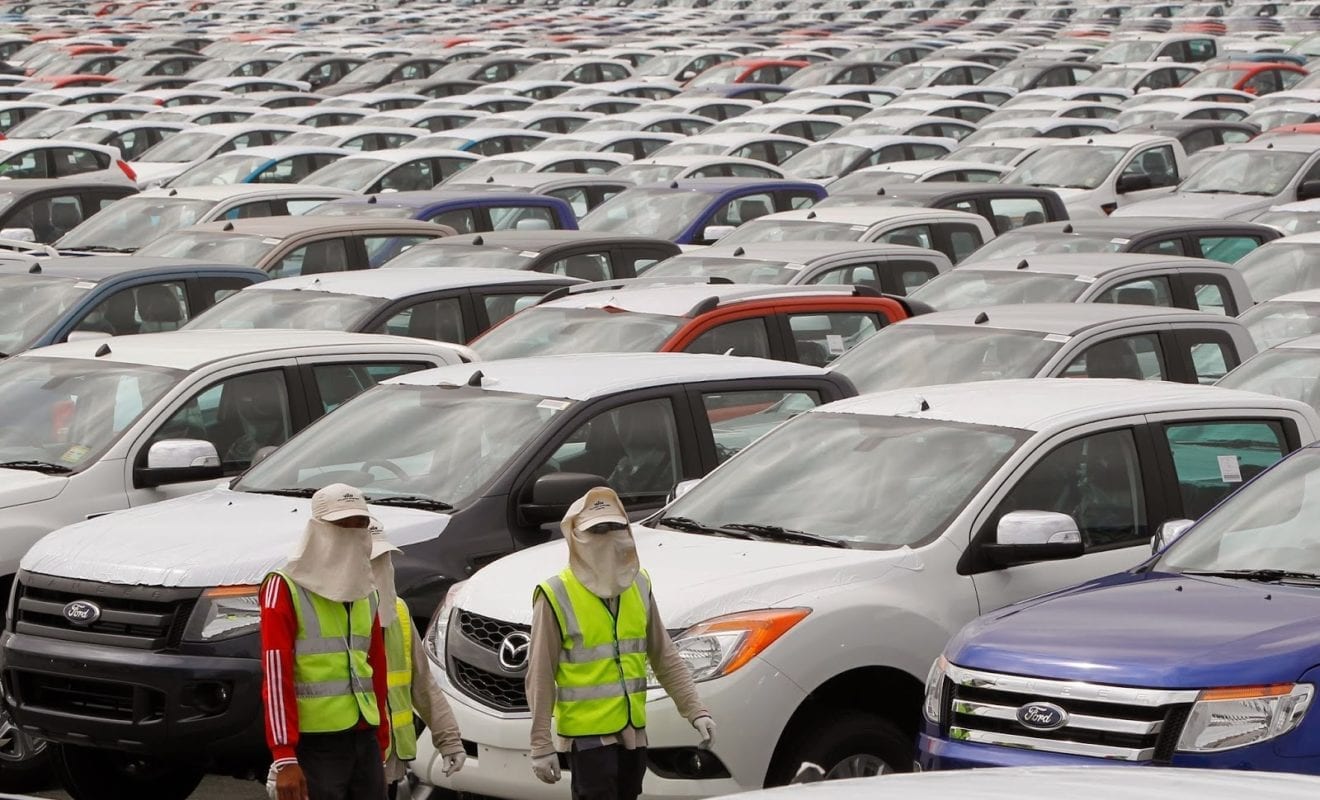
    The surge in demand for cars before the Lunar New Year means customers have to wait or pay extra to get immediate delivery. With only weeks to go for the Lunar New Year Festival (Tet), which falls on February 5 this year, consumers are rushing to order automobiles leading to a shortage in the market. They either have to wait for a long time for delivery or, for quick delivery, opt for accessories which can cost an extra VND70-150 million ($3,013-6,458).

    For instance, Hyundai SUV Santa Fe requires an extra VND70-160 million ($3,013-6,887), which is 7-16.1 percent above the minimum listed price, while for the Toyota Fortuner it is VND100-150 million ($4,305-6,457). But most customers will have to wait until March for delivery if they signed the purchase agreement last November or later.

    The only way to get guaranteed delivery before Tet is to buy from someone who signed earlier, car dealers said, explaining that a dealership only gets around 20 units in each model per month but demand is two to three times that number.

    The shortage is because of difficulties in importing at the beginning of 2018 as a result of a new regulation tightening imports, Tran Thanh Binh, director of Thanh Binh Automobile Import Export Trading Service Co Ltd, said.

    The regulation stipulates that traders are only permitted to import if they can provide valid vehicle registration certificates issued by authorities from the countries of origin.

    Original quality control certificates for each vehicle and letters of authorization regarding recalls of defective vehicles from the manufacturers are also required, along with copies of quality assurance certificates provided by the countries of origin.

    “This made companies stop ordering from factories in Indonesia and Thailand. The second half of 2018, however, with these difficulties resolved, businesses have started to order again. But, since the factories also produce for many other markets, Vietnam was not able to order enough,” he explained.

    Vietnam imported 6,362 cars, including 4,264 personal cars, 1,820 trucks in the first 15 days of 2019, according to Vietnam Customs.

  • Vietnamese banks report plunge in profits

    Vietnamese banks report plunge in profits

    While profit across the banking sector grew by an estimated 40 percent last year, VietinBank, LienVietPostBank and SaigonBank have reported steep declines. The biggest surprise came from state-owned VietinBank, the country’s second biggest lender by assets, which reported a 25 percent fall in profits before tax to go out of the group of five most profitable banks in the country.

    Le Duc Tho, its chairman, said this was a result of having to restrict operations last quarter to begin restructuring.

    Asset growth, credit growth and capital mobilization grew by 6-10 percent, lower than targeted.

    LienVietPostBank reported a 30 percent decline in profit before tax as a result of losses related to securities investments and low marginal interest rates.

    It achieved losses of nearly VND5 billion ($215,140) from securities investments whereas in 2017 it had made a profit of VND380 billion ($16.35 million).

    SaigonBank’s profit before tax fell by more than 26 percent due to provisioning for bad debts. The bank had to increase provision for bad debts by 22 percent to an amount equivalent to 87 percent of its profit from business operations.

    Its bad debts doubled in the first half of 2018 to nearly VND900 billion ($38.72 million), but by the end of the year it brought the rate down from 6.48 percent during mid-year to 2.2 percent. It involved provisioning of VND287 billion ($12.35 million).

    HSBC Vietnam CEO Pham Hong Hai said from 2019 bad debts could reemerge as a problem for banks after the recent lending spurt and the instability of the global financial markets.

    As a result, banks’ profits would most likely see a downward trend this year, he warned.

    The State Bank of Vietnam targets credit growth of 14 percent this year, the same as last year, and keeping non-performing loans to below 2 percent.

  • Vietnam’s largest brewery, foreign-owned, refuses to humor taxman

    Vietnam’s largest brewery, foreign-owned, refuses to humor taxman

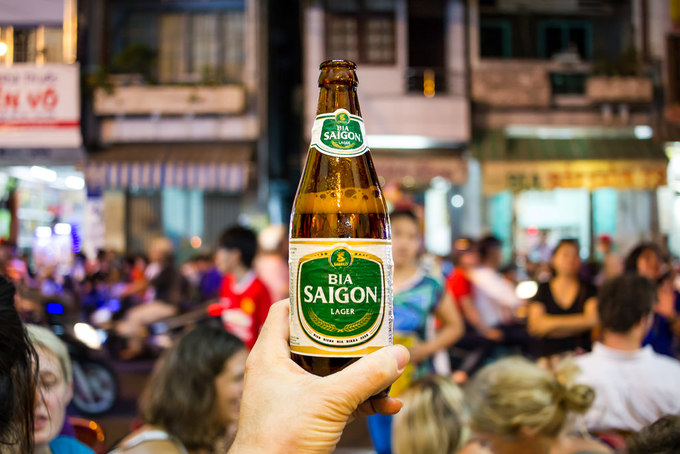
    While Sabeco is still at loggerheads with the taxman over alleged back taxes of $135.73 million, it has not provisioned for it. Its 2018 accounts make no mention of the amount in dispute though the HCMC Tax Department has claimed it owes that in taxes and fines and even tried to seize the money from the company’s bank account. Vietnam’s largest brewer, Saigon Beer Alcohol Beverage Corporation (Sabeco), claims it has accurately declared and paid taxes based on guidance from the Ministry of Finance and tax authorities.

    A month ago the department said it would seize VND3.1 trillion ($135.73 million) from the brewery’s bank account for overdue special consumption tax payable between 2007 and 2015 and penalties for administrative violations. But there was reportedly no money in the account.

    Le Duy Minh, deputy head of the tax department, said the account has been temporarily blocked.

    “We have asked Sabeco to provide details of other bank accounts, but it has not fulfilled that request.”

    Sabeco general director Neo Gim Siong Bennett said in a statement on December 30 that Sabeco had not violated any tax regulations.

    Thus, the enforcement action by the tax department was a violation of Vietnamese laws since it was taken “without a valid administrative decision” and “contradicts the written guidance issued by the finance ministry, General Department of Taxation and the city department itself.”

    Speaking about the dispute, Prime Minister Nguyen Xuan Phuc earlier this month asked the tax authorities to desist from action and wait for related ministries and other agencies to come to a decision.

    Mai Tien Dung, Chairman of the Prime Minister’s Office said that government agencies are scrutinizing the case as it involves “foreign elements.”

    Sabeco’s revenues last year rose 5 percent to more than VND36 trillion ($1.56 billion) but higher expenses and falling profits at its joint venture and affiliate companies caused its profit after tax to fall by 11 percent to VND4.4 trillion ($191 million).

    In December 2017 Thai Beverage acquired a 53.59 percent stake in Sabeco from the Ministry of Industry and Trade for $4.84 billion through a local entity, Viet Beverage (VietBev).

    Sabeco now has a 42.8 percent of the beer market, according to the Ho Chi Minh City Securities Corporation. It produced nearly 1.85 billion liters of beer last year.

  • Viettel sole Vietnamese brand in global 500 listing

    Viettel sole Vietnamese brand in global 500 listing

    Military-run telecom giant Viettel is the only Vietnamese firm in the list of 500 most valuable brands in the world. Valued at $4.32 billion, Viettel’s brand was ranked 478th on the list of 500 most valuable brands in the world for 2019, Brand Finance, a leading global brand valuation consultant, announced at the ongoing World Economic Forum in Davos, Switzerland.

    This is the first time a Vietnamese brand has been named in this list.

    Accordingly, Viettel’s brand value in 2019 has increased 35.8 percent year over 2018. The telecom giant’s high brand valuation was largely due to its presence and contribution in 10 foreign markets, suggesting the company was internationally competitive.

    2018 was a successful year for Viettel in  foreign telecommunication sectors, with service revenue growing by 20 percent, mobile subscribers base growing by 70 percent and net cash flow from international operations by $240 million, 3 percent higher compared to 2017.

    Brand Finance’s Global 500 list ranks the most valuable brands in the world covering all business fields including telecommunications, technology, automotive, oil and gas. Some big names in the list include Amazon, Apple, Google, Mercedes-Benz, Shell and Telstra.

    “Every year Brand Finance conducts an assessment of about 5,000 global brands across 40 different areas on various criteria such as revenue, brand strength, and financial health,” said David Haigh, CEO of Brand Finance.

    Out of a total 5,000 global businesses surveyed, there were 500 Southeast Asian businesses, of which only 8 brands made it to the Global 500 list. The listed brands were in three categories: telecommunications, oil and gas, banking.

  • Viettel gets one-year 5G trial license

    Viettel gets one-year 5G trial license

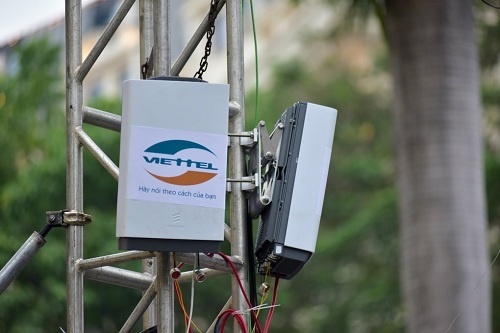
    Vietnam’s largest telecommunications company Viettel has received a license to trial its 5G services. The trial is licensed for a period of one year until January 21 next year. Viettel is the first company in Vietnam to receive this license. The military-owned company is allowed to trial the sevices in Hanoi and HCMC at not more than 73 locations and without charging for the services.

    The company had earmarked $40 million for the development of its own 5G chipset, but was also considering using technology from Ericsson and Nokia, its president and CEO Le Dang Dung said.

    Viettel has around 60 million subscribers in Vietnam and over 30 million more in 10 other countries, predominantly in Asia and Africa.

    Speaking at a seminar on telecoms innovations at the end of 2018, Minister of Information and Communications Nguyen Manh Hung had expressed plans to introduce 5G by 2020, which would make Vietnam one of the first countries to deploy this technology.

    5G is the latest generation in of mobile Internet connectivity, and should offer much faster speeds and more reliable connections on smartphones and other devices compared to the current 3G and 4G technologies.