Tag: Vietnam

  • Bamboo Airways to sign deal for 10 Boeing planes during Trump-Kim summit

    Bamboo Airways to sign deal for 10 Boeing planes during Trump-Kim summit

    Vietnam’s newest carrier, Bamboo Airways, which began flying last month, is set to sign a deal with Boeing to buy 10 aircraft. The signing will take place on the sidelines of the second summit between U.S. President Donald Trump and North Korean leader Kim Jong-un in Hanoi on Wednesday and Thursday, an unnamed airline executive said. In July last year the airline had signed a provisional deal to buy 20 Boeing 787-9 wide-body jets worth $5.6 billion at list prices.

    “We will sign with Boeing a deal to buy 10 Boeing 787s,” the executive said. “This is different from the deal signed earlier for 20 Boeing planes.”

    The U.S. Federal Aviation Administration (FAA) recently allowed Vietnam to operate direct flights to the U.S.

    Bamboo Airways and other Vietnamese airlines have expressed interest in operating direct flights to that country.

    Bamboo was set up by private conglomerate FLC in 2017 with a charter capital of VND700 billion ($30 million), which it recently increased to VND1.3 trillion ($55.68 million).

    Budget airline Vietjet also plans to sign on the sidelines of the summit a deal to buy 100 narrow-body Boeing aircraft.

    Vietnam’s aviation industry is booming demand. The country welcomed 12.5 million air passengers last year, up 14.4 percent from 2017, according to the General Statistics Office.

  • AirAsia unveils plans to begin international flights to Vietnam city

    AirAsia unveils plans to begin international flights to Vietnam city

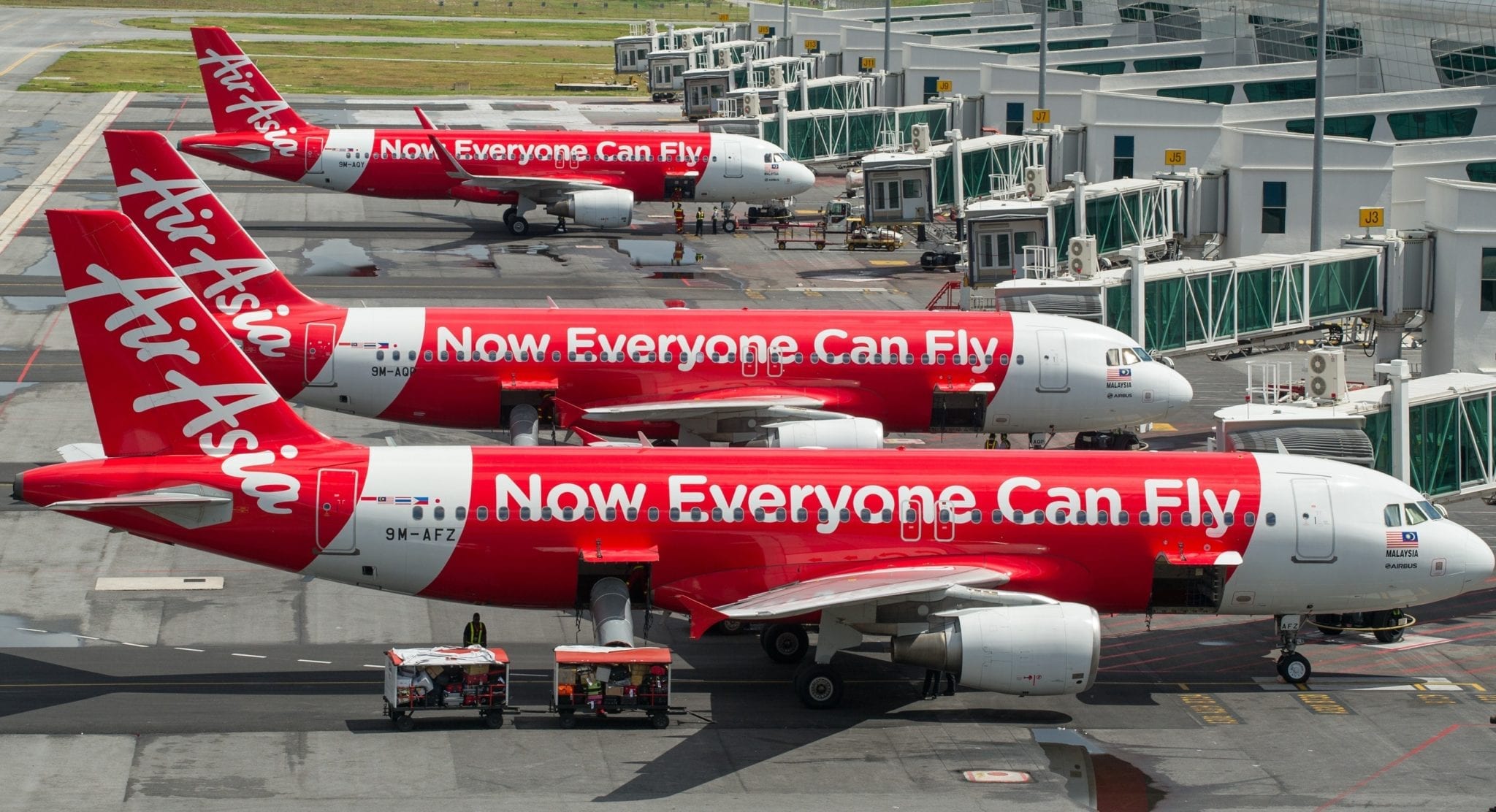
    AirAsia will start flying from Kuala Lumpur and Bangkok to Can Tho in Vietnam’s Mekong Delta in the next few months. The budget carrier has announced it will begin the Kuala Lumpur – Can Tho service on April 8 with four flights a week and the Bangkok – Can Tho service from May 2 with three flights, AirAsia said in a recent statement. Tran Viet Phuong, director of the city’s Department of Culture, Sports and Tourism, told local media that the services would help increase the number of foreign tourists visiting the Mekong Delta.

    He added that visitors from not only Southeast Asia but also from India and Australia would find it easier to reach the city given AirAsia’s network.

    AirAsia Malaysia CEO Riad Asmat said: “We foresee the new route not only contributing to the socio-economic development of the city, but also providing new opportunities for the people in Mekong Delta to connect with ASEAN and beyond through our wide network.”

    According to the Can Tho Tourism Association, 8.48 million tourists visited the city in 2018, a 12.5 percent increase from the previous year.

  • Amazon to train Vietnamese small firms in e-commerce

    Amazon to train Vietnamese small firms in e-commerce

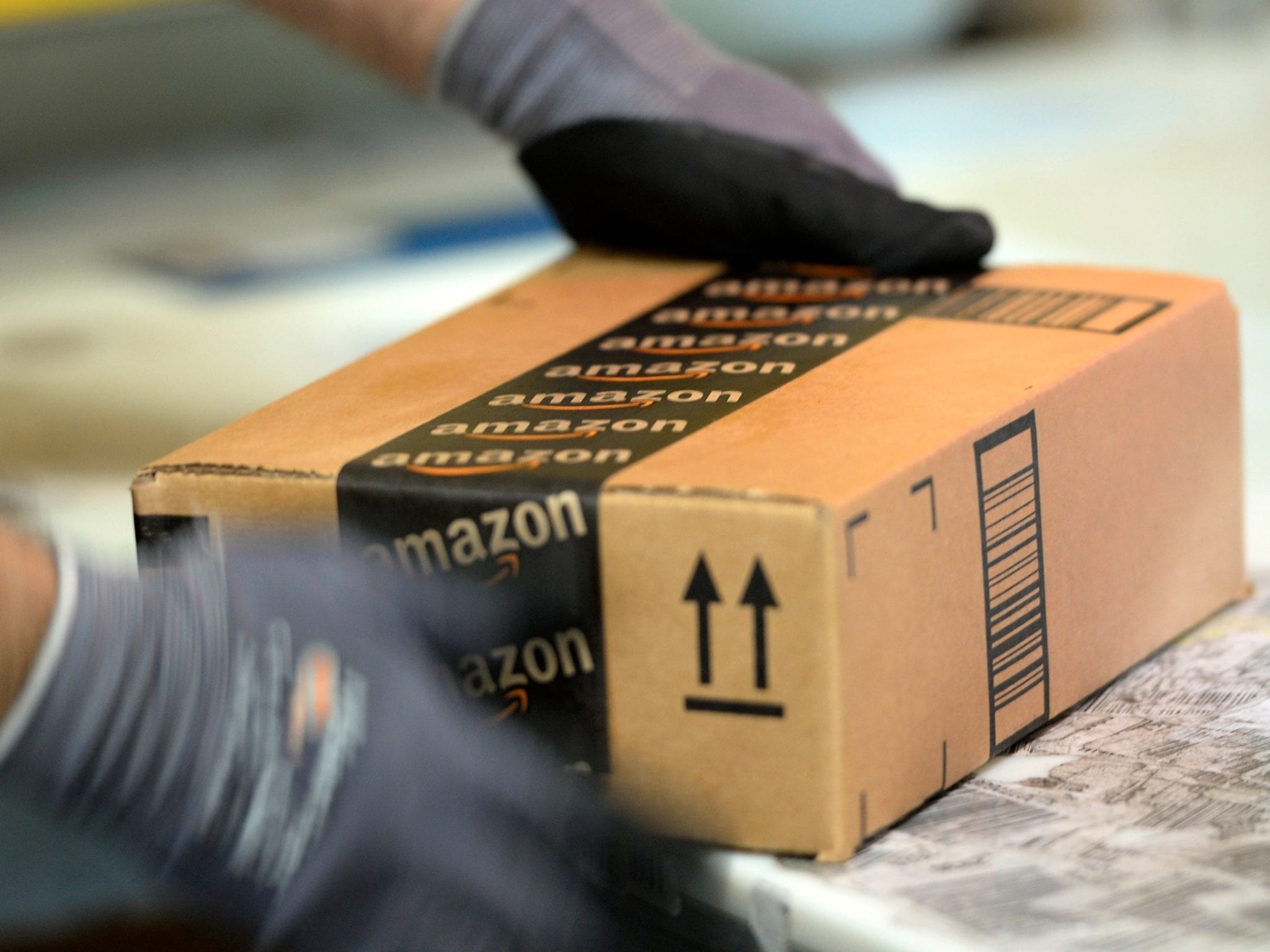
    Amazon will train 100 Vietnamese businesses to develop their business on its platform. According to the Department of Trade Promotion, Amazon Global Selling will identify 100 small and medium-sized enterprises (SMEs) for its “Supporting Vietnamese enterprises to boost exports via Amazon” program. It will train the businesses in promoting exports and build brands through its website.

    According to Amazon Global Selling, the program will support businesses with comprehensive export solutions and logistics infrastructure, its 175 fulfillment centers and presence in 185 countries.

    “In the context of evolving global markets, Vietnam has more than 700,000 businesses, of which 98 percent are SMEs, so in addition to traditional trade promotion methods such as going to international trade fairs, promoting e-commerce is extremely necessary,” Vu Ba Phu, head of the department, said.

    Bernard Tay, director of Amazon Global Selling in Southeast Asia, said his company chose Vietnam to run this program because it sees great potential for development, especially with the entrepreneurial spirit of Vietnamese youth.

    “Vietnamese businesses are well known for their top production capabilities. When combined with our worldwide resources, it will create conditions for them to develop and build brands in the international market.”

    But he said they need to adapt to global product trends, improve their proficiency in foreign languages and brand building expertise to derive the most from the e-commerce platform.

    Vietnam’s e-commerce value climbed to about $4 billion in 2016, becoming one of the fastest-growing markets in the world.

    Revenue from online retail in the country is forecast to hit $10 billion by 2020, accounting for five percent of the country’s retail market.

  • Vietnamese airlines continue to be plagued by pilot shortage

    Vietnamese airlines continue to be plagued by pilot shortage

    With increasing demand for pilots as they expand, Vietnamese airlines have had to raise salaries, spend more on training and hire foreign pilots. Figures from the Civil Aviation Authority of Vietnam show that by 2020 Vietnam will need a total of 2,680 pilots for commercial flights, 1,320 more than now. Vietnam Airlines, the country’s flag carrier, needs to hire 193 more pilots to increase the number on its payroll to 1,293 pilots to meet demand in 2019, according to the carrier’s recent assessment report.

    The assessment forecast the demand to keep rising increasing to 1,340 by 2020 and 1,570 by 2025. This is a challenging number given the increasing shortage of pilots globally, according to industry insiders.

    According to a recent report from Boeing, the global aviation industry will need 790,000 new pilots by 2037, or double the current number, driven by an anticipated doubling of the commercial airplane fleet, record travel demand and tightening labor supply.

    Pilot training has always been extremely expensive, with stringent health and technical knowledge requirements, meaning that the number of pilots qualifying is always limited, according to industry insiders.

    A former Vietnam Airlines pilot revealed that because of the shortage, soon after he gave notice of termination he received many offers from airlines both domestic and foreign.

    He said many other pilots at Vietnam Airlines also constantly offered 15-25 percent higher salaries by head hunters.

    As a result the carrier has been focusing on hiring trainees. Duong Tri Thanh, its general director, said given the global shortage of pilots and carry out its expansion plans in time, Vietnam Airlines has been training internally and recruiting foreign pilots despite high costs.

    Similarly, Jetstar Pacific or Vietjet Air are facing difficulties filling their vacancies with pilots when trying to rapidly expand in South Korea, Japan, and other countries in Southeast Asia. Currently, the number of pilots at these firms is largely foreign due to limited domestic supply. Typically, at Jetstar Pacific, foreign pilots account for 80 percent of their fleet.

    However, foreign pilots can be hard to come by since many other companies in Asia can offer them better remuneration and working conditions.

    An aviation expert said airlines need to combat the pilot shortage by investing in training facilities and recruitment programs and subsidizing training for pilot trainees.

    Vietnam’s aviation industry has been growing rapidly in recent years. There were 12.5 million air passengers last year, up 14.4 percent from 2017.

    The number of flights in the country grew by 16 percent on average between 2010 and 2017, according to official data.

    Vienam’s five airlines are Vietnam Airlines, its low-cost carrier Jetstar Pacific, budget airline Vietjet Aviation, Bamboo Airways and Vietnam Air Services Co.
  • Vietjet to ink $13 billion Boeing deal during Trump-Kim summit

    Vietjet to ink $13 billion Boeing deal during Trump-Kim summit

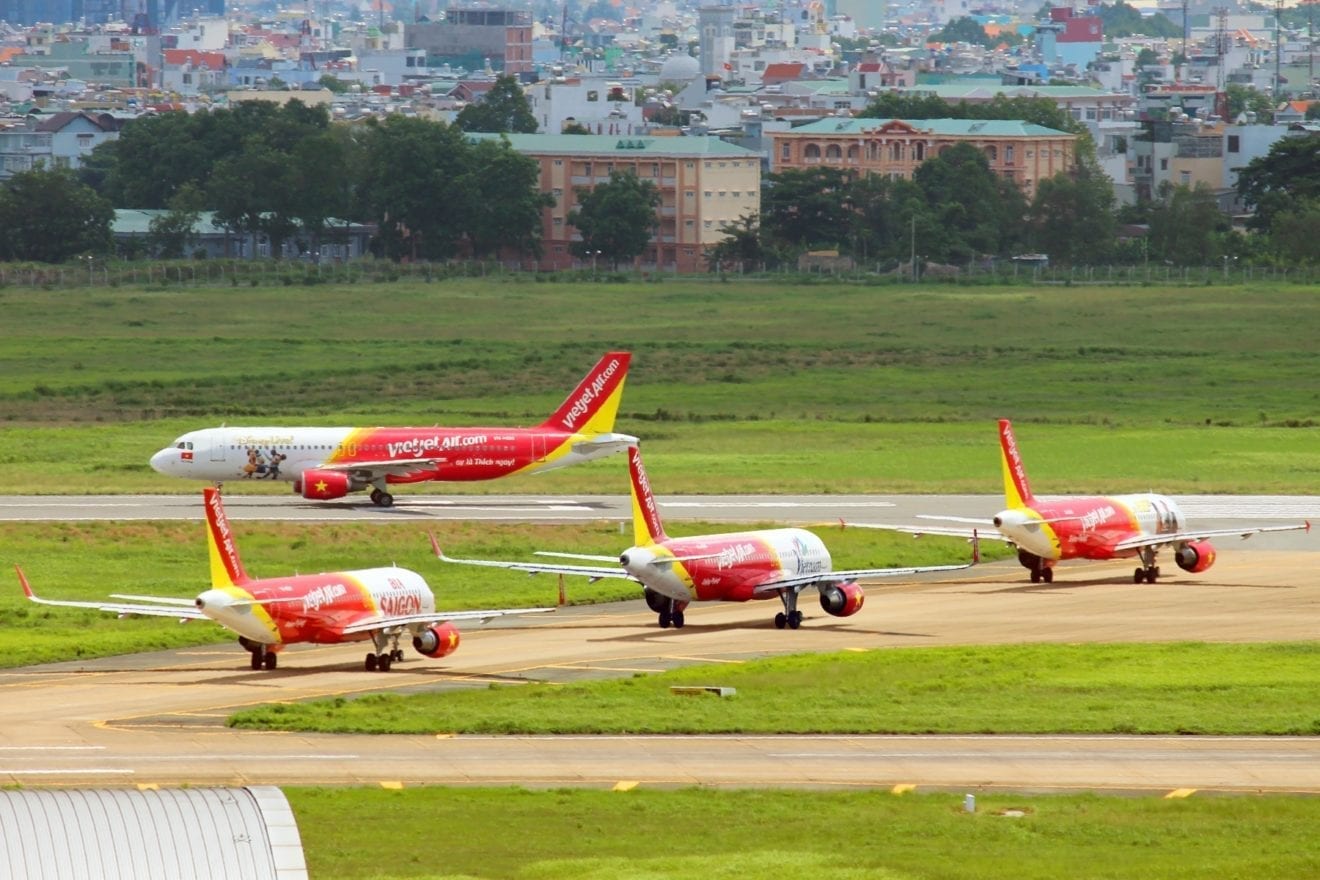
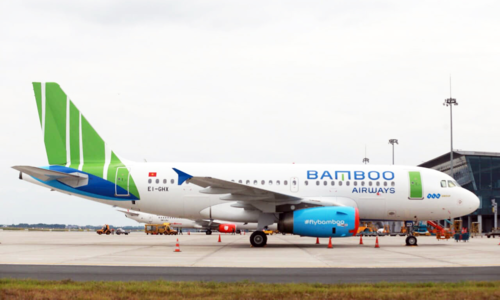
    Vietnamese budget airline Vietjet will sign next week a deal to buy 100 narrow-body Boeing aircraft. The signing will take place on the sidelines of the upcoming Trump-Kim summit, sources said. The sources also said Vietjet will finalize next week a provisional deal agreed last year to buy 100 narrow-body Boeing 737 MAX jets worth almost $13 billion at list prices.

    The U.S. Federal Aviation Administration (FAA) last week gave Vietnam a Category 1 safety rating, allowing local airlines to operate direct flights to the U.S.

    Vietjet, along with other local airlines, had previously expressed interest in operating direct flights to the U.S.

    The carrier, the largest private airline in Vietnam, had also signed a deal to buy Boeing 737 MAX narrow-body jets when former U.S. President Barack Obama visited Hanoi in 2016.

    It also finalized a deal in November last year with Airbus for 50 A321neo jets during a visit to Hanoi by French Prime Minister Edouard Philippe.

    Vietjet currently operates 40 domestic routes and 66 international routes. It has 385 flights daily within Vietnam and to places such as Japan, Hong Kong, South Korea, Taiwan, Singapore, mainland China, Thailand, Myanmar and Malaysia.

  • Japanese Brand Muji Will Open First Vietnam Store in 2020

    Japanese Brand Muji Will Open First Vietnam Store in 2020

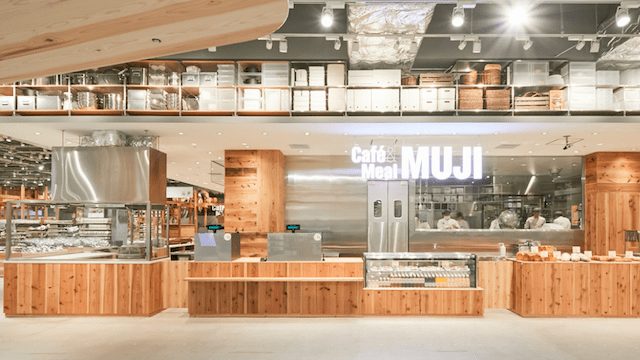
    Japanese household goods and apparel chain Muji plans to open in Vietnam next year. The company will establish its subsidiary Muji Vietnam this August with headquarters in Ho Chi Minh City. The first store is scheduled to open in the second quarter. Muji’s parent Ryohin Keikaku says it chose Vietnam as Muji’s next overseas market because of the country’s fast-paced development. Vietnam has the third-largest population in ASEAN and is undergoing rapid economic growth.

    “From our business’ point of view, it is one of the major markets in ASEAN, with the estimated real GDP growth of 7.1 per cent last year,” the company said in a statement released in Japan.

    “We expect that our experience and knowhow in the global market will help in running stores that serve everyday living and [that will] increase Muji’s fans in the area.”

    Muji products are among the most popular items hand-carried back into Vietnam from travellers visiting countries such as Thailand, Singapore, Hong Kong and the Philippines.

    The opening of first Muji Vietnam store is expected to attract many Vietnamese youngsters, with the minimalist lifestyle reflected in the retailer’s product range currently a trend in the country.

    Muji has more than 450 stores in Japan, and 470 stores in other countries.

  • US opens doors to Vietnamese mango after years of attempt

    US opens doors to Vietnamese mango after years of attempt

    The US’s Animal and Plant Health Inspection Service has given the green light for the import of mangoes from Vietnam. The license comes exactly 10 years after Vietnam applied for it. To export fresh mangoes to the U.S., farmers and business will need to meet stringent standards. APHIS will inspect each shipment thoroughly before granting phytosanitary certificates.

    Mango is Vietnam’s sixth fresh fruit licensed to be imported into the U.S. after dragon fruit, rambutan, longan, lychee, and star apple fruit.

    Some 96 percent of Vietnam’s mango production is consumed domestically, with the rest exported currently to 40 countries either as fresh fruit or in processed form.

    The main market is China. The other important ones are Europe, South Korea, Japan, Australia, and New Zealand.

  • Vietnam aviation faces safety rating challenge

    Vietnam aviation faces safety rating challenge

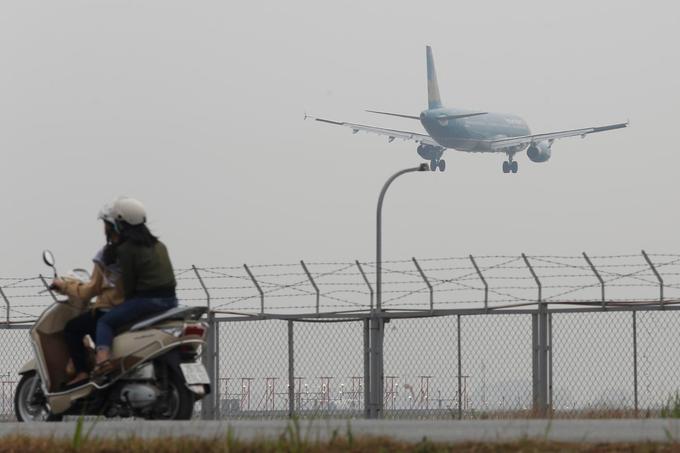
    Vietnam might find it difficult to maintain its aviation safety rating due to a lack of qualified personnel, experts caution. The U.S. Federal Aviation Administration (FAA) Friday gave Vietnam a Category 1 safety rating, allowing local airlines to operate direct flights to the U.S. “Acquiring this rating is hard, keeping it is going to be even harder,” Dinh Viet Thang, head of the Civil Aviation Authority of Vietnam (CAAV) said.

    He said that the CAAV currently has only 30 aviation safety officers, meeting only 30 percent of the demand. They hire the rest from other airlines.

    The U.S. Federal Aviation Administration (FAA) has required that the CAAV has enough aviation safety officers on its own in upcoming years so that it doesn’t need to hire people from outside, and CAAV plans to meet this goal by 2025.

    However, training these officers is costly, with an individual bill costing over VND5 billion ($216,000).

    One of the biggest hiring difficulties is that aviation safety officers are attracted by the higher salaries offered by airlines compared to state-owned companies, Thang said.

    An aviation safety officer at CAAV earns only VND10 million ($432) a month, while local airlines pay them about VND300 million ($12,960).

    “The government gives us VND20-30 billion ($864,000-1.29 million) each year to hire aviation safety officers and VND10 billion ($432,000) to train new ones, but we really need more investment from the government to develop this team,” he noted.

    Another challenge is meeting FAA safety requirements as they conduct unannounced safety examinations. If Vietnam doesn’t meet these requirements, FAA will downgrade the rating to Category 2, meaning no direct flight to the U.S. is allowed.

    This has happened before in Thailand, Indonesia, Philippines and most recently India, he said.

    Local airlines, including state-owned Vietnam Airlines, budget airline Vietjet and new private airline Bamboo Airways, have previously expressed interest in operating direct flights to the U.S.

    Vietnam’s aviation industry has been growing rapidly in recent years. There were 12.5 million air passengers last year, up 14.4 percent from 2017.

    The number of flights in the country grew by 16 percent on average between 2010 and 2017, according to official data.

  • Hanoi, HCMC among 20 most expensive cities in Southeast Asia

    Hanoi, HCMC among 20 most expensive cities in Southeast Asia

    A new index puts Hanoi 13th and HCMC 15th on the list of 20 most expensive Southeast Asian cities. The new Cost of Living Index for the region has been compiled by Numbeo.com, the world’s largest database of user contributed data about cities and countries worldwide. According to Numbeo, a person spends on average $447.25 a month in Hanoi exclusive of rent. For a four-person family, this figure would be $1,601. Hanoi’s cost of living ranks 316th among 440 cities in the world.

    Meanwhile, in HCMC, the average monthly expense for a single person excluding rent is $434.94, and $1,562 for a family of four. HCMC ranks 320th out of 440 cities in the world, and is 61.50 percent less expensive than New York.

    This year, Singapore, Southeast Asia’s biggest business hub, remains the most expensive city in the region. The city-state is immediately followed by Bangkok of Thailand. Yangon in Myanmar is in third place, a surprise as the city did not even make the top 30 in mid-2018.

    Many Southeast Asian capitals are featured in the list, with Phnom Penh of Cambodia ranked fifth, Jakarta of Indonesia, 11th, and Manila of the Philippines, 14th.

    Numbeo says that its survey has taken into account several factors including house rents, cost of eating out, and purchasing power needed to live a comfortable life to come with a cost of living index for 20 major cities in Southeast Asia.

  • Vietnam targets $10 bln seafood export

    Vietnam targets $10 bln seafood export

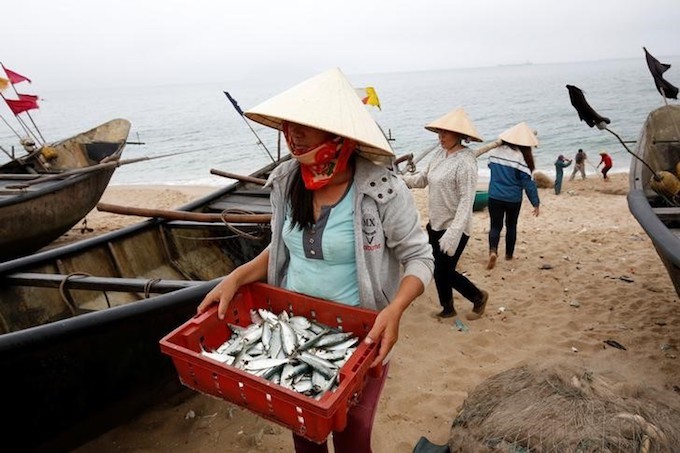
    Vietnam hopes to export $10 billion worth of seafood this year, meeting its 2020 goal a year early. The Vietnam Association of Seafood Exporters and Producers (VASEP) said at a recent conference it would include $4.2 billion worth of shrimp, $2.3 billion worth of pangasius fish and the rest from other products. Minister of Agriculture and Rural Development Nguyen Xuan Cuong said the $10 billion target is high but achievable since Vietnamese seafood is liked in international markets.

    VASEP president Ngo Van Ich said shrimp exported to the U.S. is expected to face a lower anti-dumping tariff this year.

    Vietnam’s recent accession to the Comprehensive and Progressive Agreement for Trans-Pacific Partnership would also help increase exports, he said.

    But there are also challenges.

    Truong Dinh Hoe, VASEP general secretary, said the country faces difficulties like shrinking catches and intense competition from other exporting countries.

    A major hurdle is the ‘yellow card’ restriction slapped by the European Union since 2017 for illegal fishing.

    The European Commission has said it would ban seafood imports from Vietnam unless it does more to tackle illegal fishing by Vietnamese vessels in other countries’ territories.

    After an evaluation done last May the European Commission said it would consider lifting the yellow card in 2019.

    Vietnam ranks among the top ten seafood producers in the world, according to the U.N. Food and Agriculture Organization.

    Last year its exports were worth $9 billion against a target of $9.5 billion.

  • Japanese fund buys Vietnamese fashion chain Elise

    Japanese fund buys Vietnamese fashion chain Elise

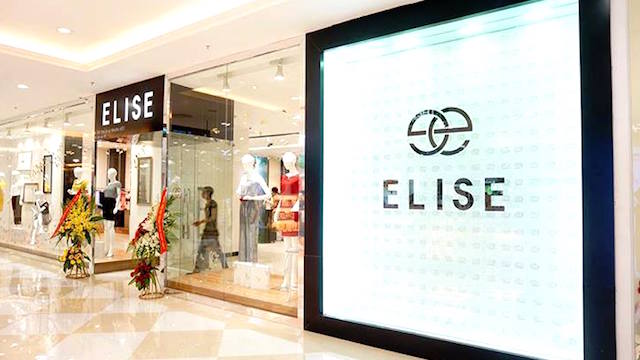
    Japanese investment fund Advantage Partners (AP) is to buy Vietnamese fashion brand Elise and its affiliate companies. This transaction marks AP’s first foray into Vietnam. Going forward, AP will focus on accelerating Elise’s growth, using its experience in women’s fashion investments in other markets. Founded in 2011, Elise is a leading Vietnamese fashion label targeting women aged 20-45. It currently operates 95 stores across the country.

    Last year, Elise was reported to have been acquired by Uniqlo parent Fast Retailing however, the Japanese group has since denied the move.

    Advantage Partners is a private investment firm with asset platforms in Asia, and offices in Tokyo, Hong Kong, Singapore and Shanghai.

  • Hotels in rural Vietnam struggle to recruit staff

    Hotels in rural Vietnam struggle to recruit staff

    Vietnam’s Con Dao Islands businesses are unable to hire staff despite flourishing tourism, with people preferring to work on the mainland. Almost a week after Tet, Vietnam’s longest holiday of the year, resorts and hotels in Con Dao, a 16-island archipelago off the country’s southern coast, are looking to hire hundreds of employees for various positions including managers, waitresses and tour guides.

    The Poulo Condor Resort on the island is looking for 33 new employees for 14 positions, while the Saigon Con Dao Resort and the Six Senses Con Dao Resort are looking for seven new staff each.

    Phuong Ly, head of recruitment at Saigon Con Dao Resort, said that more resorts and hotels are being built on the island but there are few experienced staff available to work in them.

    “The local authority does provide training courses, but not many participate. Most staff are young people, so they jump between jobs very often.”

    Smaller businesses are also looking for people. A café on Pham Van Dong Street is looking for 32 staff, offering bonuses, meals, accommodation, social insurance and annual travel to the mainland.

    Thuy, owner of a local seafood restaurant, said businesses start looking for staff in March when tourists start arriving in large number.

    “But this year, many businesses are already short-staffed so we are already searching for people as the number of tourists has been rising. Last year, a tour guide could earn up to VND30 million ($1,296) a month during peak season.”

    Con Dao is 180 kilometers away from the shores of southern Ba Ria- Vung Tau Province, and accessible by air and boat.

    Industry insiders said that attracting people from mainland to Con Dao to work is a challenging task given the long distance from the shores while most people don’t want lower income jobs like serving in restaurants, driving taxis or guiding tours.

    The high cost of living on the island is another reason that people prefer to work on the mainland, they said.

    Con Dao served as prison islands for political prisoners during the French colonial era, and in later years the Saigon regime imprisoned opponents of the regime in the infamous cells known as the “tiger cages”.

    The old prison buildings are still standing and are open to the public as is a small museum tracing Con Dao’s history.

    Con Dao also boasts pristine natural beauty with forested hills, sandy beaches and extensive coral reefs.

    Last year, Con Dao welcomed over 286,000 tourists, up 17.31 percent from 2017.

  • Vietnam banks among 500 most valuable brands

    Vietnam banks among 500 most valuable brands

    Four Vietnamese lenders, three state-owned and one private, are among the world’s top 500 most valuable brands this year. In an annual ranking by BrandFinance, VietinBank was ranked 242, BIDV, 307, Vietcombank, 325, and VPBank, 361. Last year, VietinBank, BIDV and Vietcombank, three major Vietnamese banks, made it to this elite list, and this year is the first time that a Vietnamese private bank, VPBank, has made it to the Brand Finance Banking 500.

    In this year’s ranking, BIDV is one of top ten banks in the world in terms of brand strength, with growth of 22 percent; while VietinBank is one of top ten banks with biggest Brand Value Change 2018-2019 with a whopping 66 percent increase.

    Chinese bank Industrial and Commercial Bank of China (ICBC) continues to sit on the throne this year, followed by three others Chinese lenders in the top four.

    According to the UK-based Brand Finance, a leading independent brand valuation and strategy consultancy, Chinese banking brands have grown “at an outstanding rate despite fears of an economic slowdown and the rise of protectionism in international trade.”

    It said Chinese banks grew 28 percent on average, achieving $407 billion in total brand value, over $100 billion more than American banks.

    In August last year, Vietnam’s government approved a master plan for banking sector development until 2025 with a vision to 2030.

    The plan envisages at least 2-3 banks in Asia’s top 100 in terms of total assets and targets to have 3-5 banks listed on foreign stock exchanges by 2025.

  • First Vietnamese to enter 200 richest people in the world list

    First Vietnamese to enter 200 richest people in the world list

    Pham Nhat Vuong is the first Vietnamese to enter the list of the world’s 200 wealthiest people. He has an estimated worth of $7.5 billion. Vuong, who heads the Vingroup conglomerate, is 198th on the real time billionaires ranking updated by Forbes magazine on Saturday. His net worth has increased by $3.2 billion over last year when he topped Forbes’s list of four Vietnamese billionaires.

    A 13 percent increase in the value of Vingroup’s shares in the first week after Vietnam’s stock market reopened following a 9-day Tet (Lunar New Year Festival) break has been a factor in boosting Vuong’s net worth and catapulting him into the top 200 list.

    Price of Vingroup’s share (VIC) stood at VND112,000 ($4.82) at the end of the trading session last Friday.

    Vingroup, one of Vietnam’s largest real estate conglomerates, has been expanding rapidly into retail, logistics, agriculture, education and healthcare sectors. Vuong was first mentioned as a billionaire on the Forbes list in 2013 with a net worth of $1.5 billion, ranking 974th richest in the world.

    Nguyen Thi Phuong Thao, the other Vietnamese billionaire and owner of budget carrier Vietjet, is 1,014th on the Forbes list of global billionaires with assets worth around $2.3 billion.

    Topping the Forbes list was Amazon founder Jeff Bezos, who became world’s first centi-billionaire with a net worth of $133 billion, up $21 billion from 2018. Bill Gates, Microsoft’s co-founder, was in second place with a net worth of $97 billion.

  • Furniture maker in Vietnam to meet younger customer taste

    Furniture maker in Vietnam to meet younger customer taste

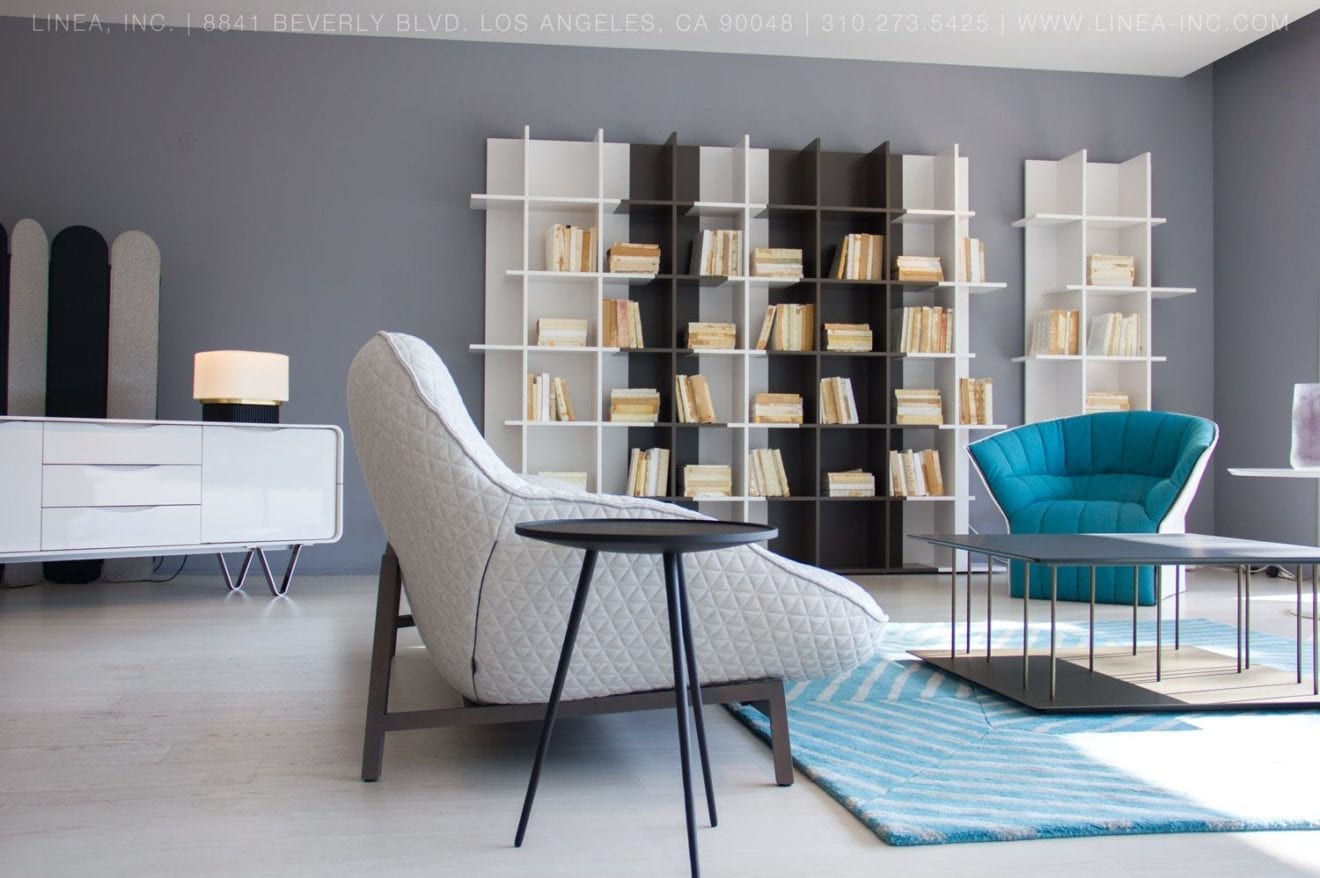
    Furniture manufacturers are striving to meet the changing tastes of young people, who have begun to value eco-friendliness and aesthetics. Nguyen Chanh Phuong, vice president and general secretary of the Ho Chi Minh City Fine Arts and Wood Processing Association (HAWA), said the furniture segment for small urban houses is abuzz in Vietnam, with its main customers being young adults born between 1980 and 2000.

    Unlike the previous generation, who preferred simple but durable furniture that could last 100 years, young people prefer to buy comprehensive interior packages based on their own aesthetic views, he explained.

    They see furniture as things that serve their needs and not assets to be passed down, and so products only need to last about 10 years, he said, pointing out this was why furniture makers like IKEA have been so successful.

    “There is a lot of opportunity arising from this group of customers alone. I estimate they only account for 15 percent in terms of number of buyers but account for 30-40 percent of spending.”

    Industry insiders said the market is seeing rapid growth in raw materials production, design and manufacture of furniture, and one can now find all types of international “fashionable” wood varieties from Germany, the U.S., France, Japan, Canada, and New Zealand.

    Vietnam’s furniture market was worth $4 billion in 2018, and is expected to grow to $5-7 billion by 2025, according to the Handicraft And Wood Industry Association of HCMC.

    Nguyen Quoc Khanh, HAWA chairman, said not only is the scale growing but also Vietnamese are increasingly demanding higher quality products.

    “I think ‘strong and durable’ is not the Vietnamese style; it was a need at a difficult time. Life is much better now, so people are allowed to express themselves.

    “The only regret is that the market has not yet created the necessary ecosystem for the business of interior design. That is, furniture manufacturers have not been able to work with designers and real estate companies to completely meet users’ needs.”

    Foreign home interior brands and designers are present in force and dominating the increasingly affluent market.

    According to the Vietnam Chamber of Commerce and Industry (VCCI), some 80 percent of luxury woodwork and interior decoration items is imported from Europe, with local players accounting for the rest.