Tag: Vietnam

  • Most Japanese firms want to expand Vietnam operations

    Most Japanese firms want to expand Vietnam operations

    Higher revenues have motivated almost 70 percent of Japanese firms in Vietnam to consider expanding their business here. Higher revenue was cited as the reason for expansion plans by 65 percent of Japanese businesses. Another 43 percent saw greater potential and high growth as encouraging factors. The majority of respondents also said that Vietnam has advantages in market scale and high growth, political-social stability and low labor costs.

    65.3 percent of Japanese companies in Vietnam reported profit last year, up 0.2 percentage points from 2017. The ratio of businesses reporting loss went down 2.8 percentage points to 12.7 percent last year. Japanese businesses in Vietnam seem to be most confident in their prospects this year among the Asia countries JETRO surveyed. 58.7 percent of businesses in Vietnam expect their profit to increase this year, while this figure is only 47 percent in Thailand, 44.7 percent in Malaysia and 39.5 percent in China.

    However, the ratio of businesses reporting profit last year is lower than other countries in Asia, including Indonesia at 65.5 percent, Thailand 67.2 percent, and Malaysia 68.9 percent. Japanese businesses also said that the top risks in the country were increasing labor costs, an incomplete legal system, lack of transparency in law enforcement and complicated tax and administrative procedures.

    They said that Vietnam has a high rate of employee turnover, with 36.2 percent of respondents mentioning this as a problem, higher than in Thailand at 33.2 percent and India at 32.5 percent.

    Labor costs account for 20 percent of total costs in Vietnam, higher than the Philippines at 16.8 percent and Indonesia at 16.5 percent.

    The localization rate in Vietnam remains low, the Japanese respondents said. Only 14.4 percent of Japanese businesses said they bought material and parts from local businesses last year, lower than in Indonesia at 19.5 percent, Malaysia 20.4 percent, and China 41.6 percent.

    This is the 32nd year that JETRO has surveyed business conditions of Japanese firms in Asia and Oceania.

    The survey polled 787 Japanese businesses operating in Vietnam in October and November last year.

    Japan was the largest foreign direct investor in Vietnam last year, with a total registered investment of $8.59 billion, accounting for 24.2 percent of the total, according to the Ministry of Planning and Investment.

  • Vietnam borrows $188 million to boost connectivity in the north

    Vietnam borrows $188 million to boost connectivity in the north

    The Asian Development Bank will lend Vietnam $188 million to upgrade roads towards improving connectivity in northwestern provinces. Under an agreement signed by ADB and the Ministry of Finance Tuesday, the loan will be used to upgrade of 198 kilometers of roads that connect several towns and districts in northwestern provinces of Lai Chau, Lao Cai and Yen Bai with the Noi Bai – Lao Cai Expressway.

    The 265-kilometer expressway is part of the Greater Mekong Subregion (GMS) Kunming-Hai Phong Transport Corridor that connects Hanoi with northern localities in Vietnam and Yunnan Province in China.

    Some of the road upgrades will create economic opportunities for some of the poorest people in the project area, the bank said.

    “The project aims to expand the benefits of the GMS corridors to the northwestern provinces,” said Eric Sidgwick, ADB country director for Vietnam.

    “The improved connectivity will not only boost border trade, private investment and job creation in the region, but also provide better access to basic social services, such as education, health care, job training and emergency disaster relief for the people of the northwestern provinces, especially the poor ethnic minorities,” he added.

  • GrabFood grabs pole position in Vietnam food delivery market

    GrabFood grabs pole position in Vietnam food delivery market

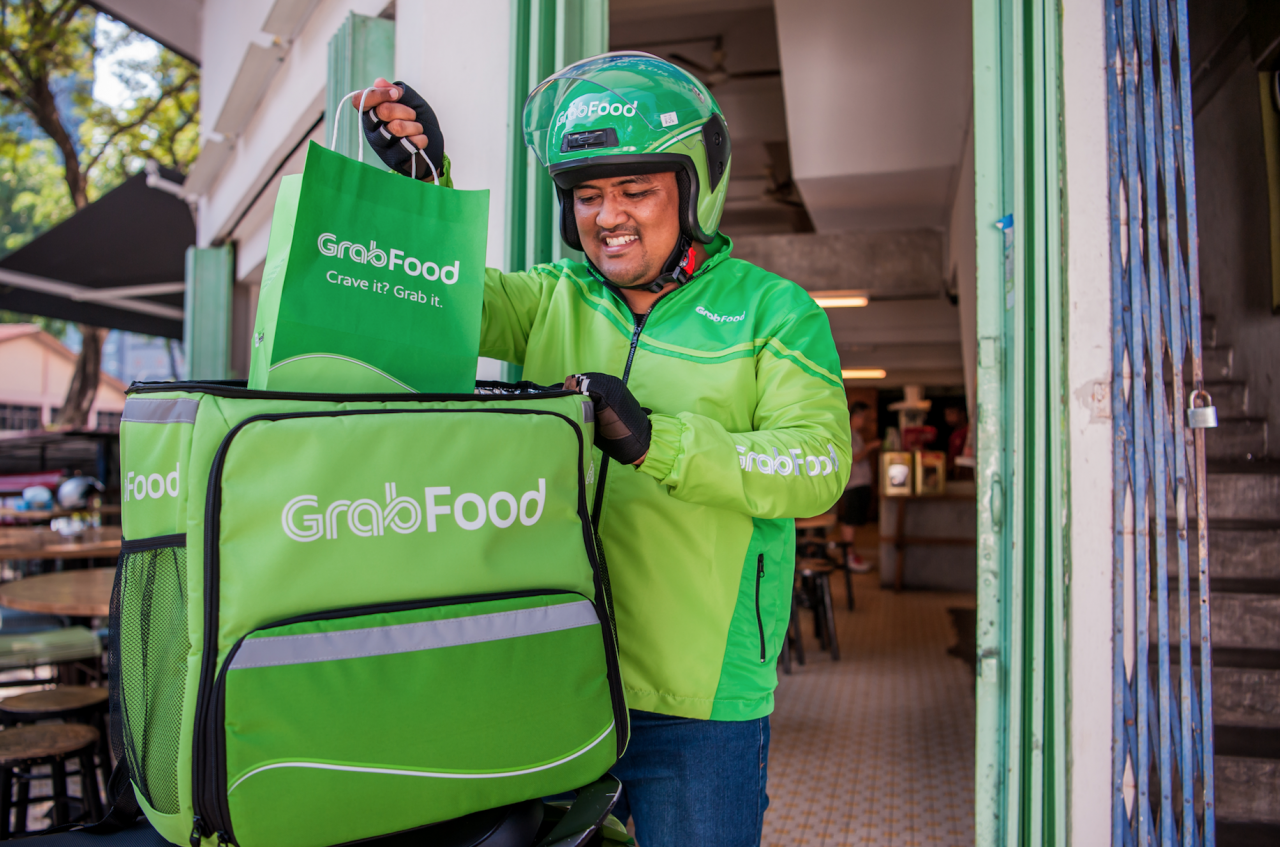
    Despite being a new entrant, GrabFood has experienced rapid growth in the online food delivery market. GrabFood recently announced that it has grown 25 times since June 2018, in terms of orders received. A survey by Kantar TNS in January 2019 found that GrabFood was the most often used food delivery service in Hanoi and Ho Chi Minh City, as cited by 68 percent of respondents.

    The GCOMM market research company, which polled 600 people in Hanoi and Ho Chi Minh City, said in a recent report that 98 percent were satisfied with GrabFood’s service.

    This was a surprising outcome, given that GrabFood is a new entrant in Vietnam’s food delivery market, which is witnessing fierce competition with the likes of Foody.vn, Now and Vietnammm all in the fray.

    Grab’s ecosystem with a large network of driver-partners has greatly contributed to this success. More than 175,000 driver-partners in 15 cities and provinces have joined GrabFood’s network within seven months. The problem of recruiting a huge number of partners, which demands a large recruitment team and financial resources and yet takes many years, has been overcome.

    Driver-partners also saw a 20 percent increase in income from delivering food and parcels, according to latest statistics from Grab.

    Instead of offering a slew of discounts and other promotional programs to attract customers, GrabFood competes based on creative strategies, adapting to the diverse demands and tastes of customers in the various regions. GrabFood has also focused on building a network of merchant-partners. According to a Grab representative, an expansion in the number of merchant-partners was imperative for further growth. GrabFood cares about its partners’ growth and wants to build a win-win relationship so that they can grow together, the representative said.

    For example, GrabFood has many exclusive menus of well-known restaurants with “GrabFood Signatures”. These co-created dishes and drinks are constantly in the top three of most ordered items at big partners like Gong Cha and MeetFresh.

    In addition, GrabFood has reduced the average delivery time to just 20 minutes, which means customers can enjoy their favorite food delivered fresh and delicious. This, in turn, means that merchant-partners can retain customer loyalty. At the same time, marketing campaigns undertaken in cooperation with GrabFood help them increase their customer base.

    The Grab representative also said that on average, merchant-partners earn up to 300 percent in incremental revenue within two to three months of being on the platform.

    GrabFood has the advantage of being a technology mobile platform to which smart functions have been integrated, including locating the nearest restaurants, updating status of orders and chatting with drivers via GrabChat.

    Cashless payment for food delivery via GrabPay by Moca has been beta tested in Hanoi, and will soon be expanded to all three cities GrabFood currently operates in.”Our goal is to become the number one on-demand food delivery service in Southeast Asia and Vietnam in 2019,” the representative said.At the beginning of 2019, GrabFood announced that it was expanding its network to 15 cities and provinces.

    “On the whole, Grab’s management has made good moves. Expanding into payments and food delivery are smart, synergistic moves,” said Nitin Pangarkar, Associate Professor, Department of Strategy and Policy at the National University of Singapore (NUS) Business School.

  • Vietnam is Nestlé’s fastest-growing market in South East Asia

    Vietnam is Nestlé’s fastest-growing market in South East Asia

    Nestlé South-East Asia posted solid growth last year underpinned by double-digit growth in Vietnam. The growth was based on strong momentum gained by five of its biggest brands, MILO, NESCAFÉ, MAGGI, NAN and Nestlé itself. This year, the Swiss giant plans to improve organic sales growth and underlying margins as it progresses toward its 2020 target.

    Chris Johnson, Executive Vice President, Chief Executive Officer Zone, Asia, Oceania and sub-Saharan Africa (AOA), speaks to Retail News about how one of the biggest companies in the world has set its business goals for 2019 and contributes to the Vietnam’s overall socio-economic development.

    Can you share the highlights of Nestlé’s business performance last year?

    Nestlé Vietnam has had strong performance in the last four years and we are among the fastest growing food FMCG companies in Vietnam.

    Although Vietnam is not a huge market for Nestlé, it is the fastest growing market in Asia. And its contribution to growth has been important. We have much confidence in the growth potential of Nestlé Vietnam based on a strong and growing economy and burgeoning middle class and population.

    If we look at other countries, sometimes we are strong in one or two categories, but here we have a broad presence in a number of categories. MILO is the strongest brand for Nestlé Vietnam along with four other brands including NESCAFÉ, MAGGI, Nestlé itself and NAN – infant nutrition.

    Last year our efforts were recognized by the government with an award for being the 59th biggest corporate tax payer from the Ministry of Finance, a Certificate of Merit for significant contribution to the FDI sector over the last 30 years in Vietnam from the Ministry of Investment and Planning, a place in the list of top 10 sustainable businesses in Vietnam by the Vietnam Council for Sustainable Development, and an award for prominent employer in manpower development from the Ministry of Labour.

    This year we expect Vietnam will continue to be an important, growing contributor to Nestlé.

    Nestlé Vietnam is a key contributor to not only the growth of Zone AOA but also the Nestlé Group.

    What is Vietnam’s role in the development of Nestlé in Asia?

    Vietnam is important not only because we have a strong business here but also because of the coffee landscape. Vietnam is the second biggest coffee producer in the world and the biggest in robusta. Nestlé is the biggest buyer of coffee in Vietnam with an annual purchase volume of 20-25 percent of the total coffee output. We also invested above $600 million into the economy via coffee purchase and exports.

    In 2011 Nestlé unveiled the NESCAFÉ Plan, among whose important aspects was helping Vietnamese farmers with their crops. Our agronomists provide farmers with training in good agriculture practices and technical assistance. We have distributed 27 million high-yield plantlets since 2011, encouraged farmers to reduce water usage 20 percent and increase their income and resilience through better farming practices, and have provided 200,000 training sessions to farmers to develop the industry.

    The reason we do this, the core philosophy of Nestlé, is that this is not about donations, it is good business for us that Vietnamese coffee farmers do well. That assures we have good-quality supply for the world. Vietnam is a good example of how Nestlé operates well for other countries.

    How does Nestlé plan for short-term and long-term investments in Vietnam for 2019 and subsequently?

    We have a long-term vision and a firm belief in the potential of the country. In 2017 we inaugurated the Bong Sen factory in North Vietnam and a new distribution center in the South.

    In 2018 we further expanded our business, notably through a new distribution center in the northern province of Hung Yen and the NESCAFÉ Dolce Gusto production line in the southern province of Dong Nai. This year will be another year of growth with more and more capacity in line with our ambition in Vietnam.

    Our growth priority remains, and our 2019 activities will continue our long-term strategy that is set for 2017-2020. We want to introduce new products that meet new consumer needs, and Creating Shared Values – CSV will always remain a big driver of our goals.

    Once again, as the world’s top conglomerate in nutrition, health and wellness, we aspire to take a holistic view of our product offerings. This means we must improve our recipe to increase good nutrients, while reducing fat, sugar and salt. At the same time, we want to promote a healthier lifestyle for our Vietnamese consumers and Nestlé looks forward to more collaborations to fulfill this mission.

    The overall plan is to continue to grow, continue to focus on our five core brands in Vietnam. We believe Nestlé Vietnam can reach mid-double-digit growth in 2019.

    What activities have been undertaken in support of the United Nations’ sustainable development goals?

    Since its inception in 2011, the NESCAFÉ Plan has been hailed as one of the most successful public-private partnerships by the Ministry of Agriculture and Rural Development. In eight years we have distributed over 27 million high-yield, disease-resistant plantlets to help farmers replant over 21,000 hectares of aging coffee trees.

    In addition to supporting sustainable farming practices in accordance with international 4C standards, the program also assists farmers in managing coffee quality and supports them in updating market information.

    We see this initiative as a win-win situation because farmers can get a better life and improve their income by 30 percent while Nestlé benefits from high-quality coffee products.

    In addition to the NESCAFÉ Plan, MILO via the Activ Vietnam program in conjunction with the Ministry of Education and the Government’s Project 641 have embarked in grassroot sports development and promoting a healthier lifestyle in school.

    Nestlé Vietnam provided the market with two billion fortified servings in 2018 and has been collaborating closely with the Ministry of Health and the National Institute of Nutrition in the proposal of the national Recommended Daily Allowance (RDA).

    We also promote woman entrepreneurs under the NESCAFÉ Plan, improve women’s incomes in rural areas through the “Go rural” project with the Women’s Union. We are also a signatory to UN Women Empowerment Principles. We recognise that among others, gender equality and women’s empowerment are critical to Creating Shared Value for our business with a respect for diversity.

    How do you view the challenge of competition from local and foreign firms in the coming years?

    We always welcome competition. At the end of the day consumers benefit from competition because they have more choices. More importantly, that drives us to work hard and be competitive every day. We have been trying to do the right things in producing high-quality products while the market is becoming stronger and stronger thanks to competition.

    This is your first trip to Vietnam since you took over as Executive Chief Officer Zone Asia, Oceania and sub-Saharan Africa (AOA) in January. What is your most valuable takeaway from the trip?

    I have only been in the job now for about two months and Vietnam is the third market I have visited after China and India. The most valuable thing for me is to connect with the people working here. We have over 2,300 employees and I am very proud of the team here.

    The next step will be making sure that Nestlé Vietnam continues to cooperate with the government and farmers to ensure successful operations and make social contributions when doing business in the country.
  • Hanoi metro fares initially capped at 65 US cents

    Hanoi metro fares initially capped at 65 US cents

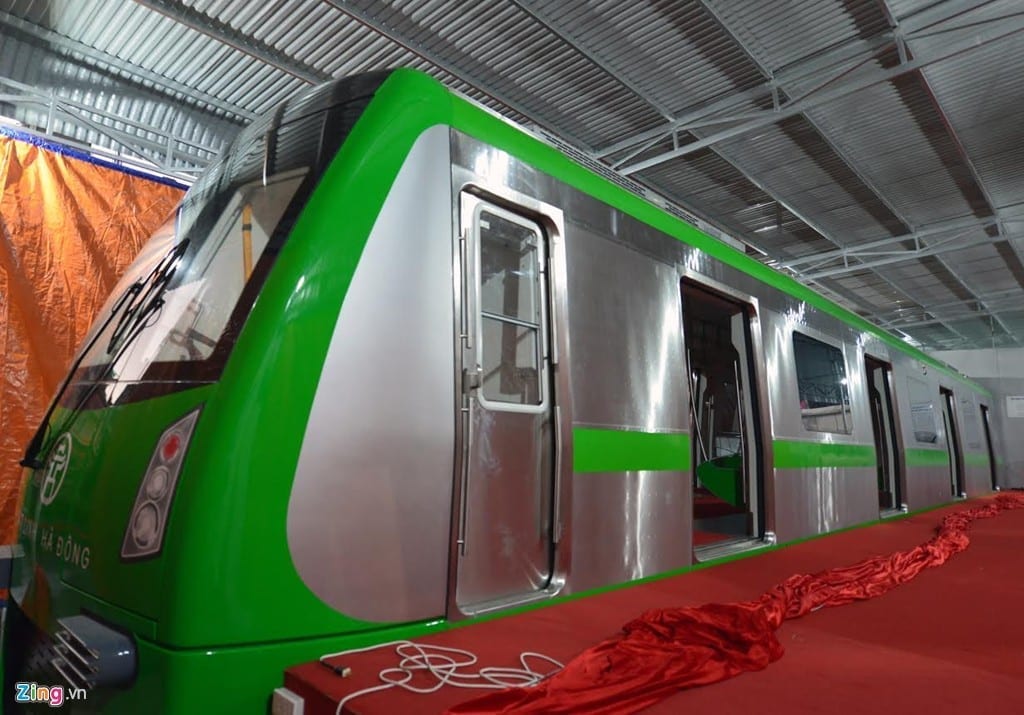
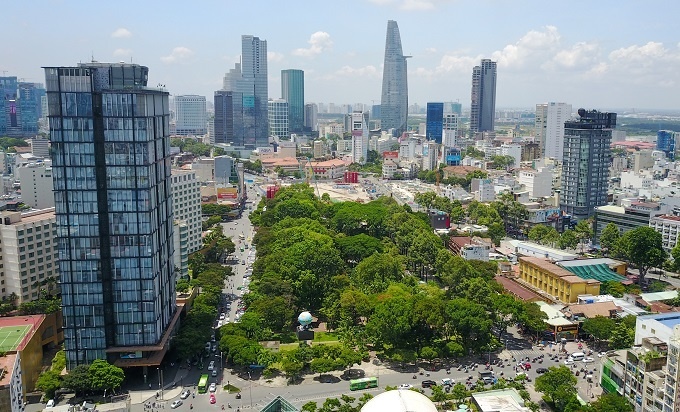
    The maximum fare on Hanoi’s first metro line will be VND15,000 (65 cents), city authorities said in a draft proposal. The minimum will be VND8,000 (34 cents).

    Passengers can also buy monthly season tickets for VND200,000 ($8.61) or daily tickets for VND30,000 ($1.29), both allowing unlimited trips.

    The proposal, meant to collect public opinion, said the fares would only apply initially when the commercial run begins next month, and would be increased later.

    Work on the Cat Linh-Ha Dong elevated railway began in 2011 and was originally scheduled for completion in 2013. But several hurdles, including loan disbursement issues with China that were only resolved in December 2017, stalled it for years.

    The original estimated cost of $552.86 million also ballooned to more than $868 million, including $670 million in loans from China.

    The metro eventually entered the testing phase with all 13 cars carrying out trial runs on both lines. The ministry wanted commercial operations to begin before the Lunar New Year in early February, but this deadline too was missed.

    The Chinese contractor of the metro, China Railway Sixth Group Co., Ltd, plans to finish trial run this month. It has been carrying them out since last September.

    Hanoi, a city of more than 7.5 million people, has 5.2 million motorbikes and around 550,000 cars, besides some 1.2 million vehicles brought by non-residents, according to police figures.

  • Vietjet Air offers 2.4 million cheap tickets to the fast ones

    Vietjet Air offers 2.4 million cheap tickets to the fast ones

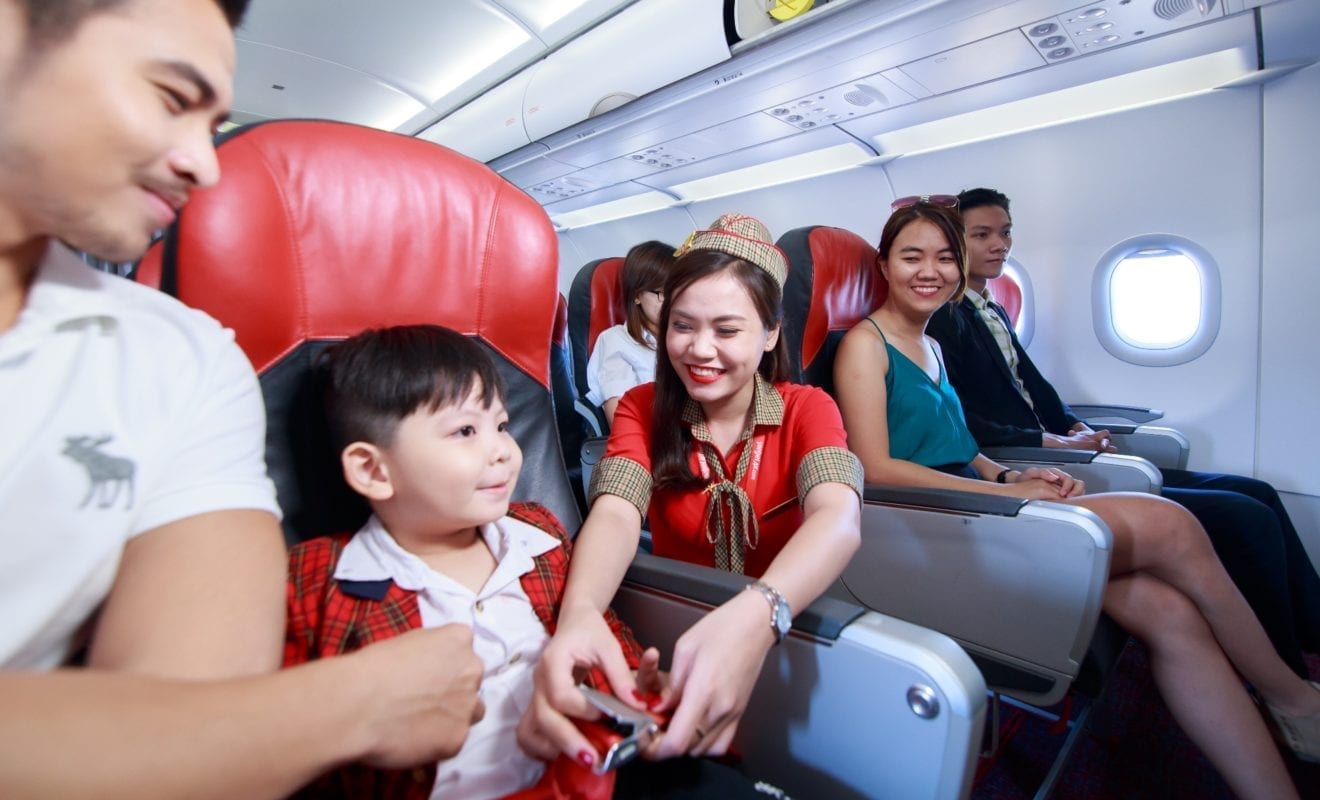
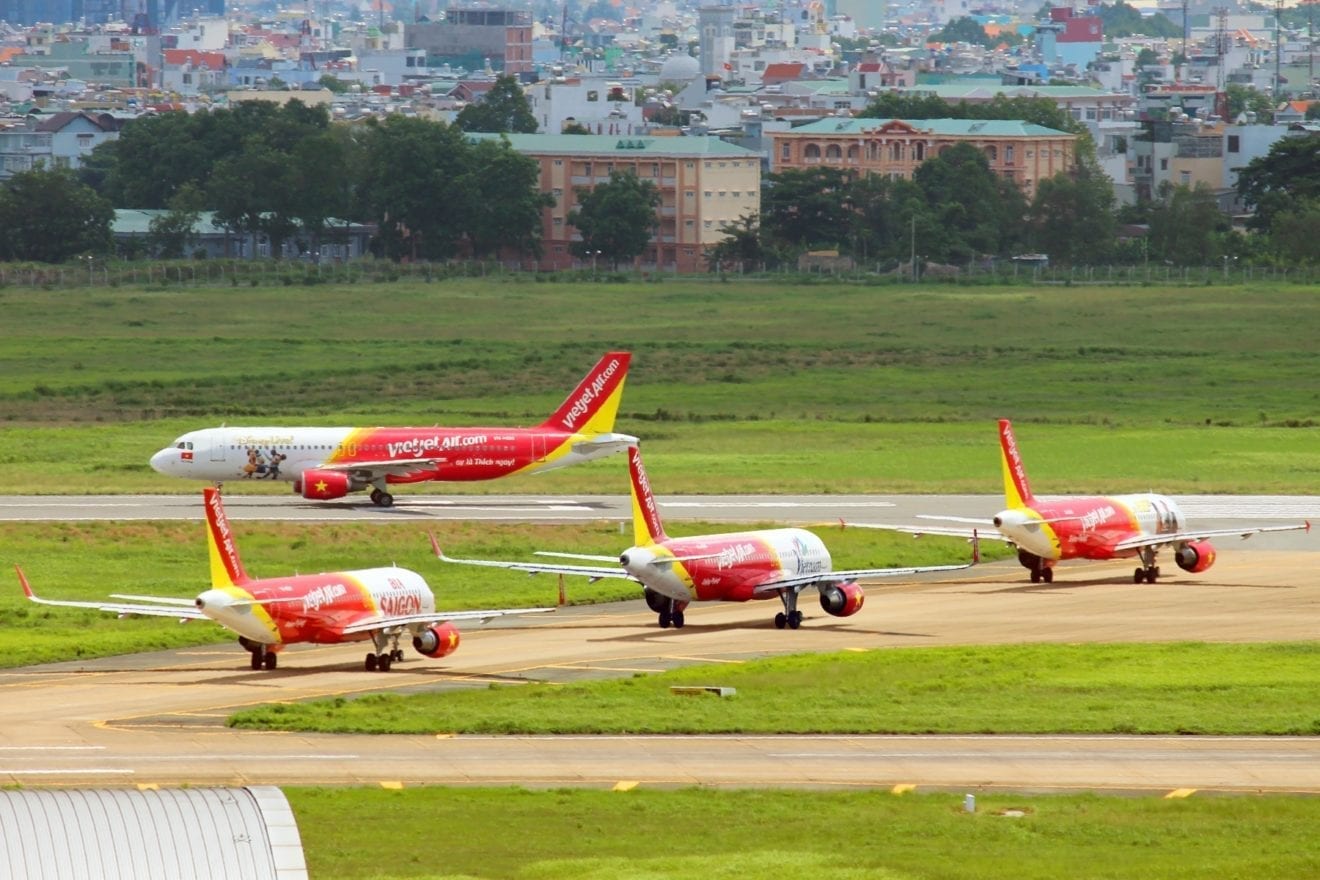
    Budget airline Vietjet Air will offer 2.4 million tickets starting from 0 VND on March 6-8 to celebrate the International Women’s Day (March 8). Promotional tickets will be on sale from 12:00 to 14:00 for flights across Vietnam, Thailand and some other international ones.

    Meanwhile, low-cost tickets for some flights to Japan and Hong Kong (China) will be offered every hour of the three days. The tickets are valid for passengers travelling from May 7 to December 31 this year.

    The promotional tickets are available on all sales channels, including the website www.vietjetair.com

    Vietjet Air currently operates 40 domestic routes and 66 international ones.

  • Vietnamese pork banned in several countries

    Vietnamese pork banned in several countries

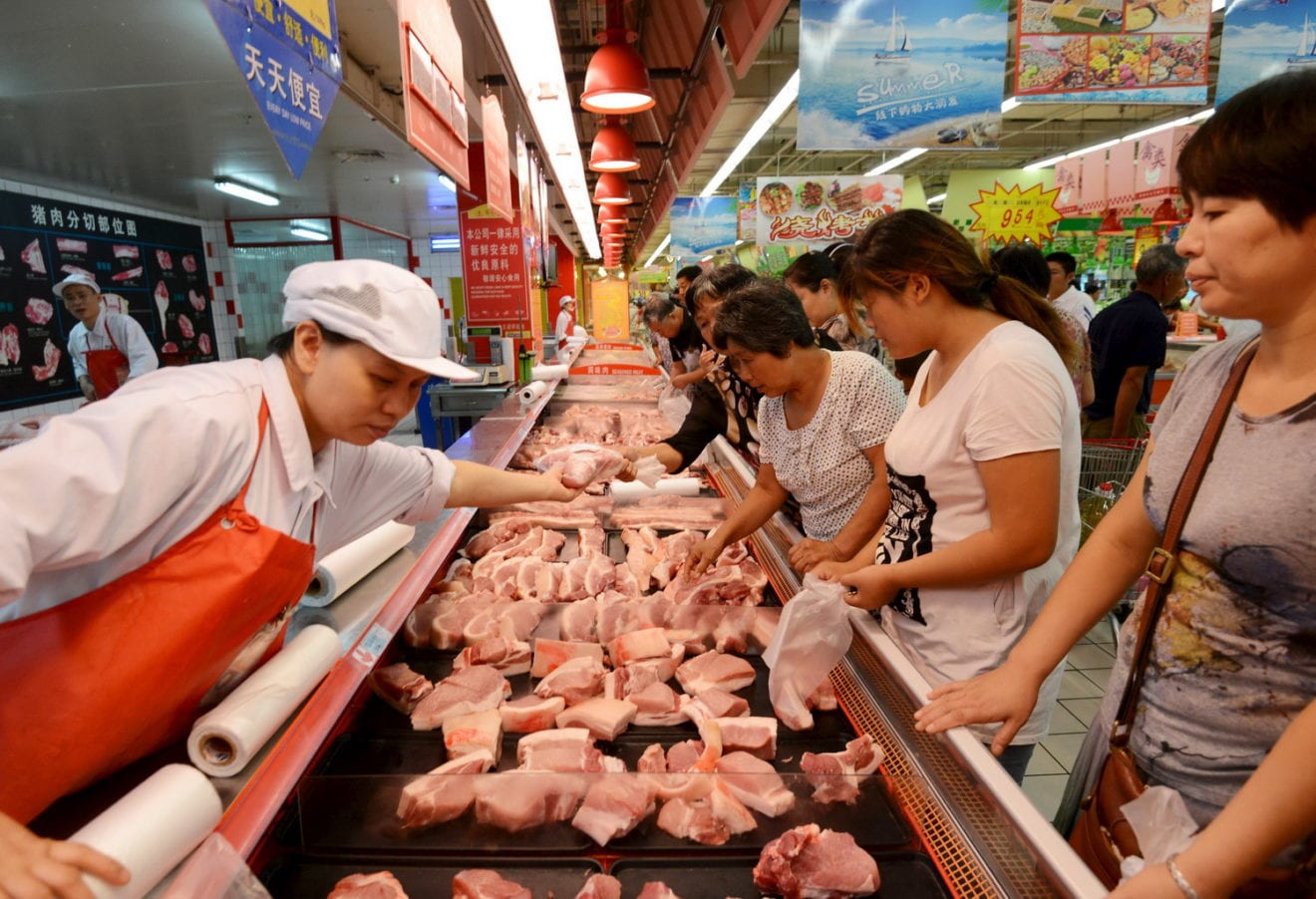
    Some countries and terriories are banning pork imports from Vietnam following the recent outbreaks of African swine fever in the country. Violators of the ban face fines and even imprisonment. Taiwan has announced that Vietnamese people coming in with pork products would be fined about $6,500, according to Vietnam’s Ministry of Foreign Affairs.

    The fine will go up to $33,000 if a passenger is caught for a second time and denied entry if they do not pay the fine in full.

    A Vietnamese woman was fined $6,500 for bringing a pork snack into Taichung airport in central Taiwan on February 27.

    Vietnam Airlines has been warning passengers against carrying pork items into Japan and Australia.

    Passengers carrying raw or processed foods to Japan from Vietnam must have a certificate of safety, failing which they face three years’ imprisonment or a fine of JPY1 million ($8,900).

    In Australia, passengers must declare all foods made from plant or animal ingredients or face a fine of AUD420,000 ($298,032).

    Dubai, the U.K. and the U.S. also prohibit pork products from Vietnam.

    Following China and Mongolia, Vietnam has become the third Asian country hit by the incurable African swine fever, which has been detected in the cities of Hanoi and Hai Phong, and four provinces of Thai Binh, Hung Yen, Ha Nam, Thanh Hoa and Hai Duong.

    The flu is a viral disease that infects all pig species through bodily fluids such as blood and mucus. It causes hemorrhagic fever with a 100 percent mortality rate.

    Humans are not affected by the disease.

  • Vietnamese beer sales now drive revenues for Sabeco’s new Thai owner

    Vietnamese beer sales now drive revenues for Sabeco’s new Thai owner

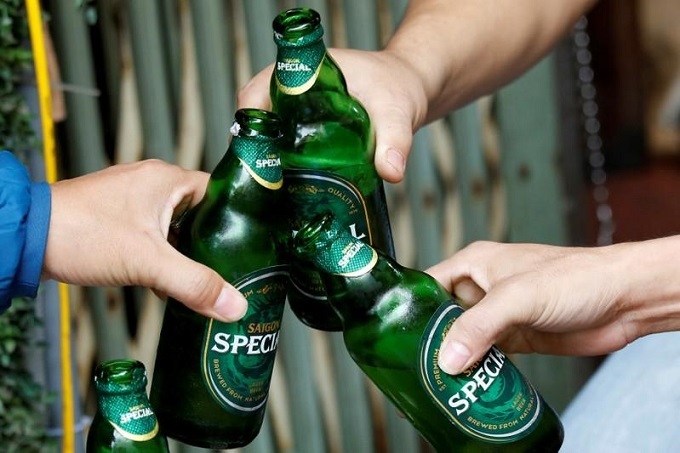
    Vietnamese brewery Sabeco has contributed 46 percent of the revenues of Thai parent ThaiBev in the first quarter of 2018-19. For the quarter ended December 31, 2018, it reported sales of VND13 trillion ($560.58 million) as ThaiBev announced net profits of VND5.54 trillion ($238.83 million) on total revenues of VND54.28 trillion ($2.34 billion), 35 percent and 60 percent up year-on-year.

    Beer products became its revenue driver for the first time with sales of VND24.84 trillion ($1.07 billion). Though spirits sales saw strong growth, their share of revenues dropped from 54 percent to 43 percent.

    In terms of sales by market, the group reported 52 billion baht ($1.66 billion) in Thailand, down to 71 percent from 96 percent last year. The other significant amount was Vietnam’s VND13 trillion or 23.9 percent.

    ThaiBev said while consumption in Southeast Asia is generally slowing, Sabeco has sustained impressive growth.

    Two months ago the Thai group became the majority shareholder in the Vietnamese brewer with a 53.59 percent stake following a debt-to-equity swap.

    It believes the acquisition of Sabeco would help its expansion in Vietnam, which has a youthful population, extensive distribution network and the strongest beer market growth in the region.

    Sabeco, formally known as Saigon Beer Alcohol Beverage Corp, reported a 5 percent rise in revenues last year to more than VND36 trillion ($1.56 billion).

    It has a 42.8 percent share of the Vietnamese beer market, according to the Ho Chi Minh City Securities Corporation.

    According to the Vietnam Beverage Association (VBA), the Vietnamese beer market is worth $3.4 billion.

    Securities company FPT Securities predicts the market will grow by 5-6 percent a year.

  • English learning app co-founded by Vietnamese raises $7 million

    English learning app co-founded by Vietnamese raises $7 million

    ELSA has raised $7 million in a Series-A round from Google’s AI Fund Gradient Ventures and other U.S. investors. The investment round for ELSA, a mobile app that uses artificial intelligence and speech recognition technology to help language learners improve their English pronunciation, was led by Gradient Ventures, Google’s AI-focused venture fund.

    According to tech news provider Engadget, the Google fund will also offer “technical mentorship” to AI startups. ELSA will gain access to Google itself, including prominent figures such as investor and futurist Ray Kurzweil, design mastermind Matias Duarte and X lab leader Astro Teller.

    U.S. fund SOSV and Singaporean Monk’s Hill Ventures, strategic investment funds from the previous investment round, also invested in the app. In three years after its establishment, ELSA has successfully attracted $12 million through funding rounds in Silicon Valley, the U.S. and Asia.

    CEO and co-founder Van Dinh Hong Vu revealed that this round of funding will help the startup continue to recruit computer engineers and computer scientists in AI, and to explore new markets like Japan, Indonesia and India.

    ELSA currently has 4 million users from 101 countries worldwide, making it one of the top 5 AI applications with the most users. In 2018, the application recorded an increase in student enrolment by 350 percent over the previous year.

    Vietnam has been the fastest growing market for ELSA. ELSA grew its business fourfold in Vietnam in 2018 and expects to grow at a faster pace in 2019.

  • Lotte Mart Vietnam expands in Hanoi

    Lotte Mart Vietnam expands in Hanoi

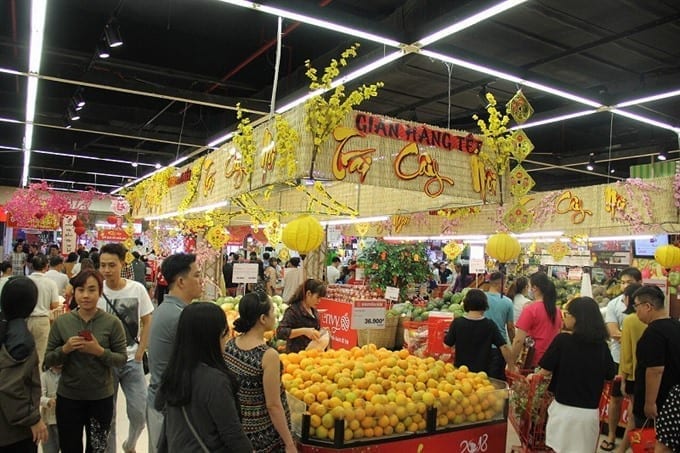
    Lotte Mart Vietnam has opened its third Hanoi store in Cau Giay District. The South Korean retailer’s new 2776sqm branch is located in the urban district, near seven local universities. Targeting local students, the branch will offer trendy but inexpensive products. There will be an international zone that sells products from Korea, the US and Europe and  a ‘Delica’ corner will offer baked goods and easy-to-cook food.

    About 35 per cent of the fresh-food products will include harvests from farms near Hanoi to maintain freshness.

    Lotte Mart Vietnam head of overseas business Kang Min-ho said the firm is planning to expand its business in the country, mainly focusing on Hanoi and Ho Chi Minh City.

    Lotte Mart now has 14 stores in Vietnam.

  • Major aviation deals inked as US, Vietnam presidents meet

    Major aviation deals inked as US, Vietnam presidents meet

    Three major aviation deals were signed Wednesday in the presence of Vietnamese and U.S. presidents Nguyen Phu Trong and Donald Trump. Budget airline Vietjet signed with U.S. airplane manufacturer Boeing Company a deal to buy 100 new narrow-body 737 MAX airplanes worth $12.7 billion, according to the manufacturer’s list prices.

    “The deal is an important move for us to meet our international flight network expansion plan with a higher capacity,” Vietjet president and CEO Nguyen Thi Phuong Thao said.

    Vietjet also finalised a $5.3 billion long-term engine support agreement with General Electric for the LEAP-1B engines in its fleet.

    New airline Bamboo Airways also inked a deal with Boeing for 10 wide-body 787-9 Dreamliners worth almost $3 billion.

    The carrier, owned by property and leisure company FLC Group, had placed a provisional order last year for 20 Boeing 787 jets worth $5.6 billion at list prices.

    The new deal brings the total number of Boeing 787 that Bamboo Airways has ordered to 30, worth total value of almost $8.6 billion. First aircraft are expected to be delivered in the third quarter of next year.

    Bamboo Airways is preparing to launch flights to the U.S. from late 2019 or early 2020, after Vietnam earlier this month received a Category 1 rating from the U.S, allowing local airlines to operate direct flights to the U.S.

    “Direct flights between the two countries will not only push tourism activities, but also further facilitate bilateral trade and investment,” FLC president Trinh Van Quyet said in a statement.

    Bamboo Airways is also considering the purchase of 25 narrow-body Boeing 737 MAX worth $2.5 billion, the statement said.

    Vietnam Airlines signed a $300-million for strategic partnership deal in aviation information technology with U.S.-based technology company Sabre Corporation.

    The deal is expected to help the state-owned Vietnamese airline increase IT applications in flight management and passenger service.

    Sabre has been cooperating with Vietnam airlines for over 20 years. Last year, they had signed a $400-million aviation technology application deal.

    Vietnam’s aviation sector has been booming in recent years. Local airlines served almost 50 million passengers last year, up 10.1 percent from 2017, according to the Civil Aviation Authority of Vietnam.

  • Vietnam Jan-Feb FDI inflows up 9.8 pct to $2.58 bln

    Vietnam Jan-Feb FDI inflows up 9.8 pct to $2.58 bln

    Vietnam received $2.58 billion in foreign direct investment (FDI) in January-February, up 9.8 percent from the same period a year earlier. FDI pledges, which indicate the size of future FDI disbursements, were more than 2.5 times higher than the same period last year, climbing to $8.47 billion, the Ministry of Planning and Investment said in a statement on Tuesday.

    Of the pledges, 81.8 percent are to be invested in manufacturing and processing, while 5.6 percent would go to real estate, the ministry said.

    Hong Kong was the top source of FDI pledges in the period, followed by Singapore and South Korea.

    The Southeast Asian country reported a record high FDI inflows of $19.1 billion last year, up 9.1 percent.

  • Foreign investors return to surging Vietnamese stock markets

    Foreign investors return to surging Vietnamese stock markets

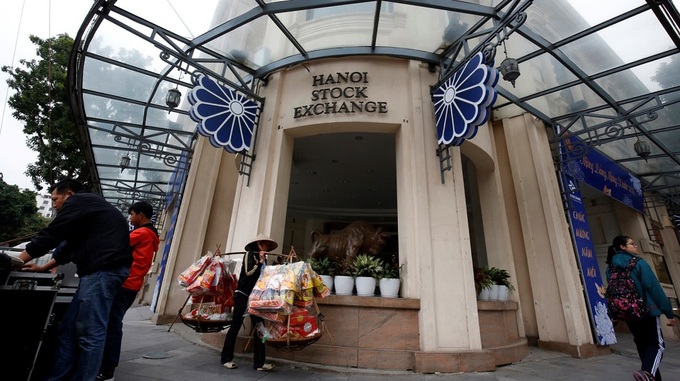
    At over VND3 trillion ($129.21 million), foreign buying in the local bourses from February 1-25 is three times the January figure. Foreign investment since the beginning of the year has been worth over VND4.3 trillion ($185.16 million). They have been focusing on blue chips like Hoa Phat (HPG), one of Vietnam’s leading steel producers. The company, ignored for the last several months, returned to the portfolio of foreign investors and saw millions of shares traded every day in February.

    In the 11 sessions after the market reopened February 11 after the nine-day Lunar New Year (Tet) holiday from Feb 2-10, foreigners bought 20 million shares for more than VND600 billion ($25.8 million). A month earlier they had been net sellers of over 10 million shares.

    Other blue chips like Vietnam’s biggest dairy company Vinamilk (VNM), private conglomerate Masan Group (MSN) and the biggest bank by assets Vietcombank (VCB) have all run up quite sharply as a result of buying by foreign investors.

    The benchmark VN-Index has gained more than 100 points this year, equivalent to over 11 percent. On Monday it closed at 994.43 points, within touching distance of the psychological 1,000-point mark.

    Foreigners have played a significant role in the recovery, having invested over VND4.3 trillion ($185.16 million) in the period, almost half of it since Tet.

    According to Rong Viet Securities Company, foreign investment this year could actually go down as a result of the reduction in monetary easing and fiscal stimulus across the globe this year, meaning there is less foreign cash available to invest in marginal markets such as Vietnam.

    But it also points out that Vietnam is on the verge of being upgraded to ‘emerging’ market, which could be a positive sign for foreign investors.

  • Hanoi businesses do brisk business with Trump-Kim summit specials

    Hanoi businesses do brisk business with Trump-Kim summit specials

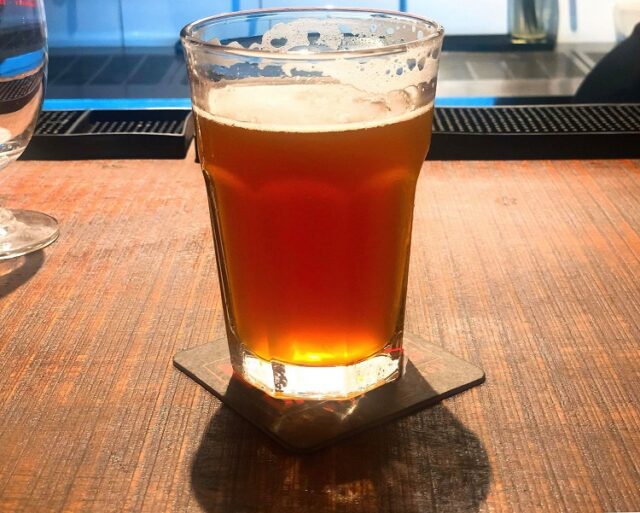
    Several enterprising businesses have cashed in on the Trump-Kim summit with signature products – craft beer, cocktails, haircuts and T-shirts. A standing bar on Tran Vu Street has already gained a lot of attention with a craft beer named Kim Jong Ale, a kimchi flavored beverage concocted in Saigon.

    Huong Anh, who manages the bar, has waxed lyrical about the beer for the occasion. “Kim Jong Ale is a customers’ favorite here. The inspiration behind this beer is the pure streams of Mount Paektu, which is located between North Korea and China,” she told reporters.

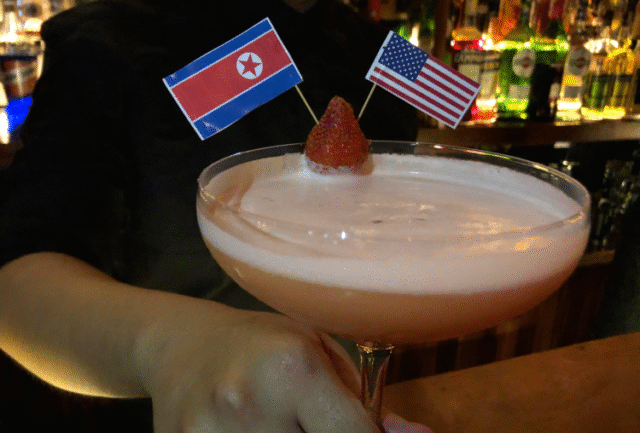
    Yet another bar on Hang Than Street brought out a cocktail called “Make the world great again”, mixing soju, bourbon and Fireball Cinnamon Whisky, pineapple juice, vanilla and grenadine.A wine bar in the capital city has also helped itself to some publicity and increased business with a cocktail called “Peace Negroniations,” a variation of the classic Negroni, made with pink-grapefruit soju, vermouth and bitters. We replaced gin with soju for this special cocktail,” bartender Chau said.

    It took two days to complete this recipe, said Ngo Dinh Tien, a bartender.

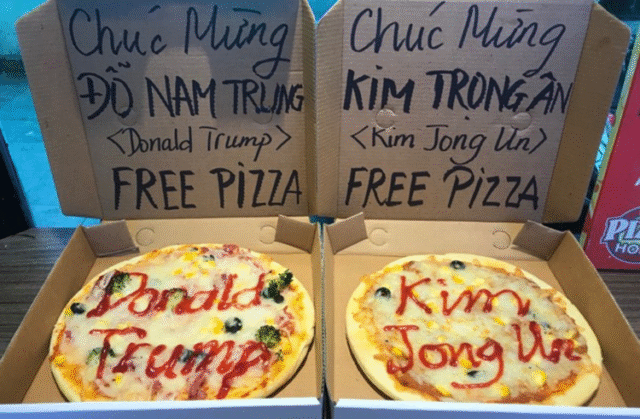
    A pizzeria has been offering free pizzas to people with names similar to that of Kim Jong-un and Donald Trump, and to those sporting the distinctive haircuts of both leaders, from February 20-28.

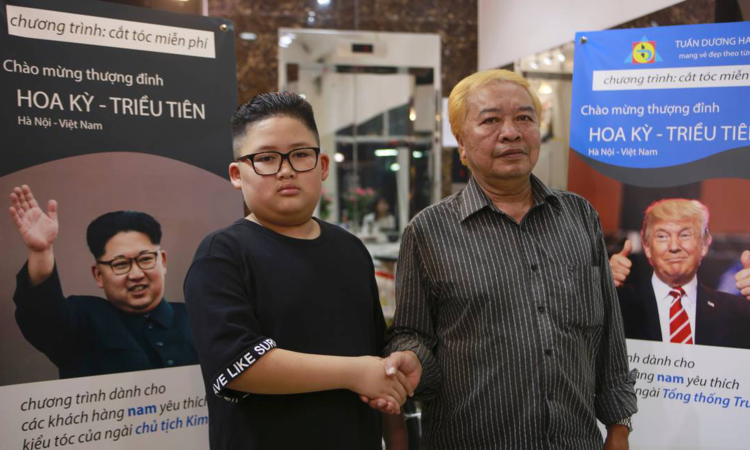
    To get such haircuts, the place to go to is the one on De La Thanh Street that has been offering these for free. The salon is even organizing a contest for people getting such haircuts, with the grand prize being free haircuts for three years.

    A South Korean restaurant in the My Dinh area has hung a banner on their door, featuring Kim Jong-un and Donald Trump and welcoming the summit. The owner said the poster has attracted a lot of attention with many customers taking selfies with it.

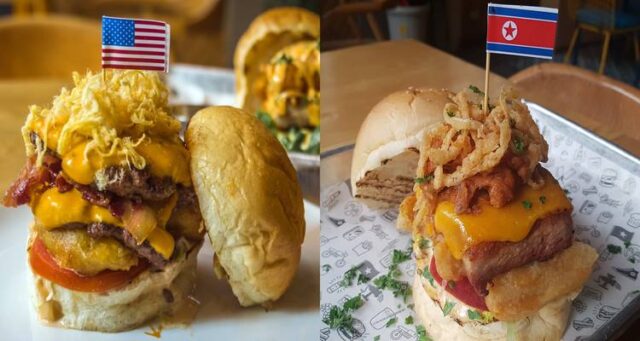
    An Old Quarter restaurant has hogged some attention for itself with hamburgers named after the two leaders – “Durty Donald” and “Kim Jong Yum,” served with U.S. and North Korean flags.


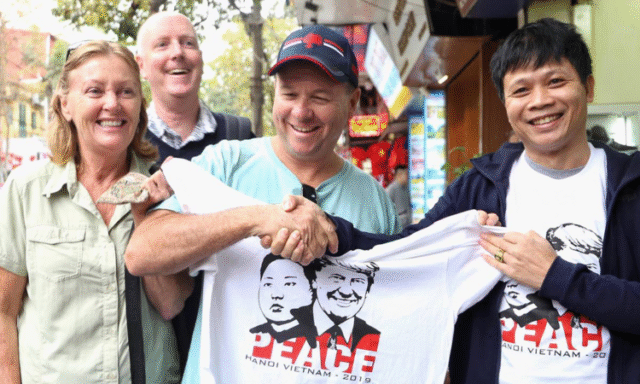
    Perhaps the hottest summit item has been souvenir T-shirts. Truong Thanh Duc’s small shop on Hang Bong Street has been operating at full capacity, making 500 shirts a day with a design that says peace and carries pictures of both leaders. Each T-shirt costs less than $5


    .

  • Foreign investment crucial to Vietnamese banks in 2019: Moody’s

    Foreign investment crucial to Vietnamese banks in 2019: Moody’s

    Most Vietnamese banks fall short of international capital adequacy norms and have to focus on attracting foreign capital this year, Moody’s has said. The credit rating agency said in a release Monday that “the underdevelopment of the domestic capital markets” means the banks would have to look to foreign investors to meet the capital requirement of 8 percent of risk-weighted assets to cover operational risks.

    Raising capital has been a struggle for Vietnamese banks in recent years. Major state-owned banks such as BIDV and Vietinbank have for long been making plans to increase charter capital but in vain.

    BIDV, the second largest listed bank, has had charter capital of nearly VND34.19 trillion ($1.46 billion) unchanged since 2015.

    Last November it planned to sell a 17.65 stake to South Korea’s KEB Hana Bank to increase it to over VND40.22 trillion ($1.73 billion), but the deal has not been consummated.

    Vietinbank, the fourth largest listed bank, has seen its capital remain unchanged since 2014 at VND37.23 trillion ($1.59 billion).

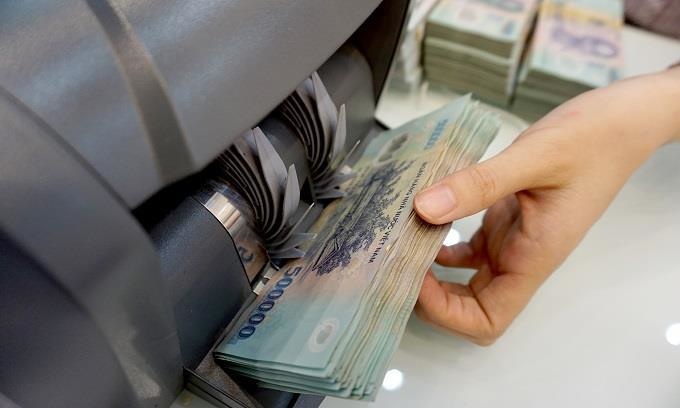
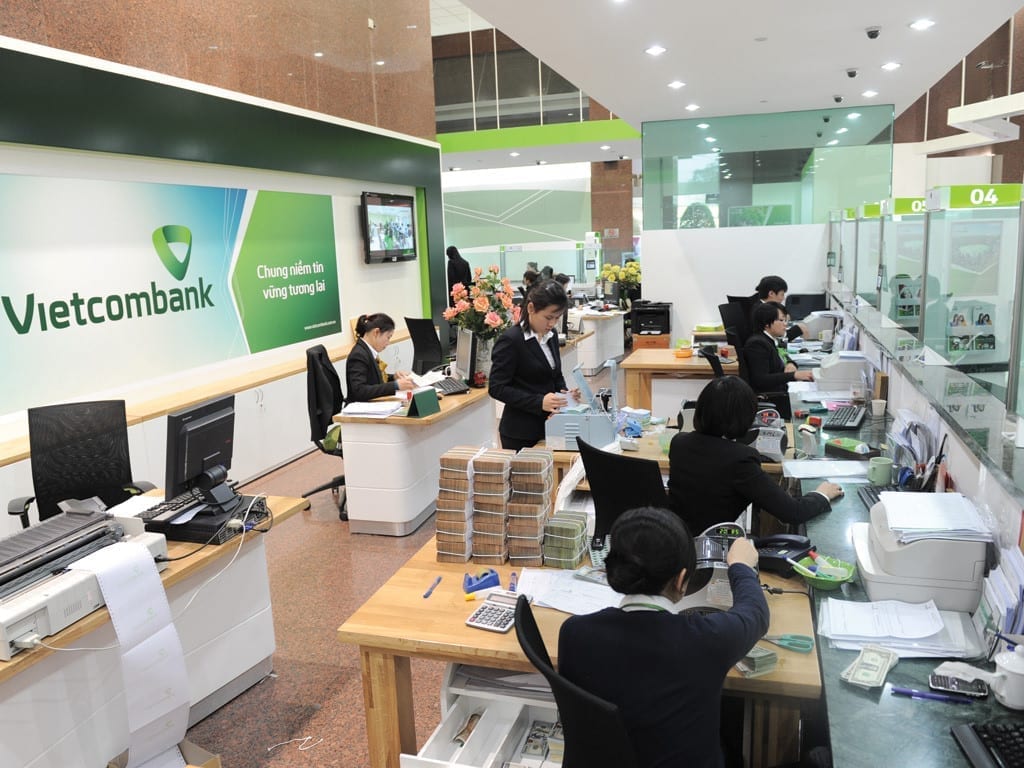
    Only Vietcombank, the largest listed bank in the country, last month raised VND6.2 trillion ($265.86 million) from selling a 3 percent stake to foreign investors, as part of its plan to ultimately sell 10 percent.

    BIDV and Vietinbank had offered to pay its largest shareholder, the State Bank of Vietnam (SBV), the previous year’s dividends in stocks and not cash to increase their capital, but the central bank refused saying it needed the cash.

    Moody’s added that the banks’ capitalization will strengthen this year because of stronger profitability and stable credit growth.

    It said that Vietnamese banks last year achieved a higher aggregate return on assets for a second year running, registering a rise of 1.1 percent from 0.9 percent in 2017.

    Aggregate net income for the banks rose 35 percent to VND70 trillion ($3 billion) in 2018 from the previous year, it said.

    “For 2019, Vietnamese banks that Moody’s rates will achieve a further improvement in profitability, again because of wider net interest spreads and lower credit costs,” said Rebaca Tan, a Moody’s analyst.

    “Credit growth will stay stable over the same period because of tighter control by the State Bank of Vietnam, and asset quality will improve further, as the banks continue cleaning up their balance sheets.”