Tag: Vietnam

  • HCMC Soars in Global Financial Center Rankings, Surpassing Bangkok to Claim an Impressive 3rd Place!

    HCMC Soars in Global Financial Center Rankings, Surpassing Bangkok to Claim an Impressive 3rd Place!

    Ho Chi Minh City (HCMC) has reached a significant milestone, achieving its highest ranking in the Global Financial Centers Index (GFCI) since its inception in 2022. This notable rise, documented in the latest GFCI report released last week, sees HCMC score 664, a jump of 10 points from March’s assessment.

    A Comprehensive Evaluation of Financial Hubs

    The GFCI evaluates 135 financial centers worldwide, using a nuanced matrix of indicators that includes business environment, reputation, infrastructure, human capital, and development of the financial sector. Each city’s score is derived from inputs provided by reputable third-party organizations such as the UN, World Economic Forum, and Transparency International, complemented by feedback from 4,877 financial services sector professionals.

    Forecasting Financial Growth

    With its burgeoning score, HCMC is among the 15 financial centers anticipated to exhibit robust growth over the next two to three years—a promising outlook that contrasts with Bangkok’s decline from 96th to 102nd place.

    Vietnam’s Ambitious Financial Hub Plans

    In a bold move to enhance its financial stature, Vietnam is developing an international financial hub that spans HCMC and Da Nang. Announced in a government resolution passed in June, the hub will feature a diverse array of services, from banking to capital markets associated with asset and fund management. Notably, experimental mechanisms for fintech innovation, specialized trading platforms, and derivatives are also part of the plan. The government aims to have the HCMC section operational by 2025, with full completion expected within five years—making HCMC not just another city, but a potential playground for financial progress.

    Regional and Global Financial Rankings

    Other Southeast Asian cities making their mark in the rankings include Singapore at a respectable 4th, Kuala Lumpur at 45th, Jakarta at 91st, and Manila at 104th. Meanwhile, the global top 10 list remains steadfast, with New York maintaining its lead with a score of 766, cushioning its position against the competition from London, Hong Kong, and Singapore.

    Questions & Answers

    What factors contribute to HCMC’s rise in the GFCI ranking?
    HCMC’s improved ranking is attributed to its competitive business environment, strong infrastructure, and ongoing developments in human capital and financial sector growth.

    When is the financial hub in HCMC expected to be operational?
    The HCMC section of the new financial hub is projected to be operational by 2025, with the entire development completed within five years.

    How does HCMC’s ranking compare to other Southeast Asian cities?
    HCMC ranks significantly higher than other Southeast Asian cities like Bangkok, which dropped to 102nd, while Singapore remains the leader in the region at 4th globally.


  • Dollar Takes a Tumble Against the Dong: What Retailers Need to Know

    Dollar Takes a Tumble Against the Dong: What Retailers Need to Know

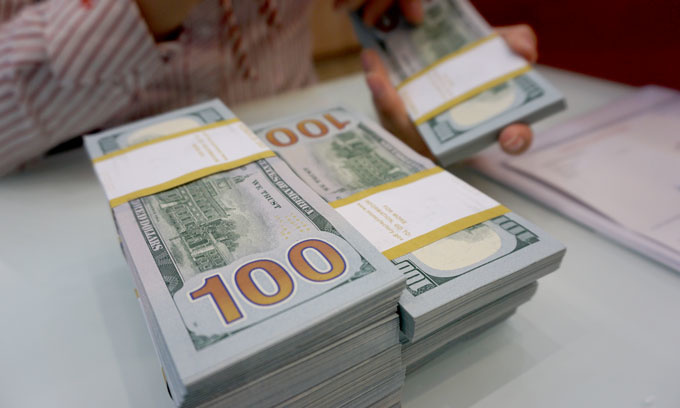
    In a fluctuating market, the U.S. dollar is showing signs of weakness against the Vietnamese dong and other major currencies this Monday morning. Vietcombank reported a slight decrease in the dollar selling rate to VND26,451, down by 0.008% since the weekend. Meanwhile, the currency was trading approximately at VND26,650 on the black market, showcasing the ongoing shifts in value.

    Fed on the Sidelines as Government Shutdown Looms

    The depth of the dollar’s decline is echoed worldwide, driven in part by investor anxiety about a potential U.S. government shutdown. Such a closure would delay the release of the September payrolls report and other critical economic indicators, according to Reuters. Analysts warn that an extended government shutdown would leave the Federal Reserve with little guidance on the economy ahead of its meeting scheduled for October 29.

    Market Analysis Indicates Cautious Optimism

    In a note from analysts at BofA, it was suggested that if the shutdown extends past the Fed meeting, policy decisions will shift to reliance on private data. “On the margin, we think this may lower the likelihood of an October cut, but only marginally,” they observed. The dollar index retreated by 0.2% to 97.952, after benefiting from positive economic news the previous week.

    Meanwhile, the euro made a modest gain, inching up to $1.1726, yet is still sitting comfortably in the lower half of its recent trading range between $1.1646 and $1.1918. The dollar also weakened against the yen, dropping 0.4% to 148.92, following a more than 1% rally last week and distancing from the September low of around 145.50. It’s almost as if the dollar is engaging in a very public game of dodgeball, as it avoids hitting its lowest points.

    Questions & Answers

    How has the U.S. dollar performed against the Vietnamese dong recently?
    The U.S. dollar has weakened against the Vietnamese dong, with the selling rate at VND26,451 as of Monday, reflecting a decrease of 0.008% since the weekend.

    What factors are contributing to the dollar’s decline?
    Investor concerns about a potential U.S. government shutdown are weighing heavily on the dollar, especially as it threatens to delay critical economic reports that influence Federal Reserve policy.

    What are analysts predicting regarding future Federal Reserve actions?
    Analysts suggest that if the government shutdown persists, the Federal Reserve may rely more on private data for its decisions, which could slightly reduce the likelihood of an interest rate cut in October.

  • Surge in Demand for Electric Motorbikes Sparks Excitement in Vietnam’s Retail Market

    Surge in Demand for Electric Motorbikes Sparks Excitement in Vietnam’s Retail Market

    Sales of electric motorbikes surged in the first eight months of the year, outpacing traditional gasoline-powered bikes and signaling a shift in consumer preference.

    A Boom in Electric Motorbike Sales

    Electric vehicles, particularly those that don’t require a driver’s license, experienced an astonishing 89% increase in sales year-on-year. For those requiring a license, the growth was even more dramatic, soaring by 197%. In contrast, traditional gasoline motorbikes saw a more modest sales increase of 14.8%, as reported by the research platform Motorcycles Data. Overall, Vietnam’s motorbike market witnessed 2.08 million units sold across all categories, marking a notable 15.2% rise.

    The Leaders of the Market

    In terms of market dominance, Honda and Yamaha remained juggernauts, closely followed by VinFast. Honda recorded a sales uptick of 6.3%, while VinFast’s sales skyrocketed by 447% compared to the previous year. Meanwhile, Yamaha faced a downturn, with an 8.6% drop in sales.

    Why the Shift Towards Electric?

    Industry analysts attribute the explosive demand for electric motorbikes to their lower operating costs, making them increasingly attractive to consumers. Additionally, government initiatives are playing a pivotal role in this shift. Hanoi is set to gradually ban internal combustion engine motorbikes starting in July 2026, and Ho Chi Minh City is exploring similar restrictions.

    Promotional Pushes Fuel Demand

    With these impending restrictions on the horizon, manufacturers are ramping up promotions to capture the attention of potential buyers. Incentives such as cash discounts, complimentary accessories, and trade-in support for those switching from gasoline bikes to electric are becoming standard practice. Notably, the back-to-school season has also contributed to the increased sales, as parents are keen on purchasing electric motorbikes that their children can ride legally without needing a license.

    VinFast Eyes Ambitious Sales Goals

    VinFast currently holds the largest market share in the electric motorbike segment. The company has set an ambitious goal of selling approximately 1.5 million electric motorbikes by 2026 through its network of over 600 distributors nationwide. For context, Honda’s sales figures in 2024 stood at around 2.14 million, illustrating the competitive landscape.

    A Growing Global Presence

    As electric motorbike sales continue to surge, Vietnam now ranks as the third-largest electric motorbike market globally, trailing only behind China and India. With brands like Yadea, Dat Bike, Selex Motors, and HK Bike also carving out significant market shares, the landscape looks poised for a vibrant future.

    Questions & Answers

    What sparked the rapid rise in electric motorbike sales in Vietnam?
    The surge in electric motorbike sales is largely due to their lower operating costs, supportive government policies, and the anticipation of restrictions on gasoline motorbikes in major cities.

    Which brands are leading the electric motorbike market?
    Honda dominates the overall motorbike market, but VinFast is now the leader in the electric segment, achieving an impressive growth of 447% in sales.

    How does Vietnam’s electric motorbike market compare globally?
    Vietnam currently stands as the third-largest electric motorbike market in the world, following China and India, highlighting the rapid adoption of electric vehicles among consumers.

  • Challenges Facing Vietnam: The Urgent Need for Retirement Homes for an Aging Population

    Challenges Facing Vietnam: The Urgent Need for Retirement Homes for an Aging Population

    Vietnam is on the cusp of a demographic shift, with 16.1 million citizens aged 60 and above, representing 16% of the population. By 2038, this figure is expected to climb to 20%, and further to 25% by 2050, according to projections. As the nation grapples with an aging populace, experts suggest a significant opportunity lies in elderly care—a sector ripe for investment within real estate and services.

    Current Landscape of Elderly Care Facilities

    However, the reality is stark: the availability of assisted living facilities in Vietnam is limited. Data from the Vietnam Association of Realtors (VARS) indicates that the country hosts only a few dozen such facilities, both public and private. These establishments primarily offer basic care, lacking crucial services like medical treatment, nutrition plans, and engaging communal activities. In Ho Chi Minh City, the numbers tell a familiar tale—just seven public and 13 private facilities operate, and while six of these offer free services funded by donations, the overall capacity remains constrained.

    Investment Interest Despite Challenges

    In light of these challenges, some major developers are stepping up to the plate, expressing interest in constructing and managing retirement homes. However, they must navigate hurdles including the need for expansive land, substantial long-term investment, and a workforce skilled in healthcare and social services. Notably, the profit margins in this sector are generally lower compared to conventional residential housing.

    For instance, Vingroup is collaborating with Japan’s Well Group to develop a luxury retirement facility in Hanoi, while Sun Group has unveiled plans for the Sun Urban City project in Ha Nam Ward, which will integrate a hospital, senior living amenities, and community gathering spaces. Additionally, Tran Anh Group has earmarked over 20 hectares in Long An Province for a premium retirement home, and Novaland along with VinaLiving are advancing projects in Phan Thiet and Quy Nhon.

    Barriers to Growth

    Yet, it’s not all smooth sailing. A local real estate developer highlights the significant barrier posed by the absence of a comprehensive legal framework guiding the development of retirement housing. Coupled with the reality of low elderly incomes in Vietnam—where the average monthly pension was around VND6.2 million (approximately US$230) at the end of last year—there are substantial obstacles to navigate. Basic elderly care in major cities starts at VND10 million ($380) monthly, with premium packages priced between VND16-22 million ($610-830).

    The upward trend in expenses, which grow at 10-15% annually, starkly contrasts with a yearly increase in pensions limited to 5-7%. Unlike many developed countries, where insurance or government supports senior care costs, in Vietnam the responsibility largely falls on families. As VARS IRE pointedly states, “As long as costs are higher than incomes, demand alone will not be enough to encourage investment.”

    Seeking Solutions Through Policy Change

    Pham Thi Mien, deputy director of VARS IRE, emphasizes the need for stability in policies and regulations to alleviate investor concerns over cash flow and profitability. “Senior housing must be profitable to be sustainable; otherwise, it will encounter the same issues as social housing,” she warns.

    Nguyen Van Dinh, vice chairman of VARS, reiterates this sentiment, stating that the lack of government support for retirement homes makes investors wary. He asserts that the aging population creates ripe opportunities for those willing to enter the market early. Experts advocate for government intervention through land provisions, credit facilities, tax incentives, and an improved legal framework for senior housing.

    Proposals include launching adult daycare centers in populated areas, where seniors can spend their daytime under supervision. These centers would offer basic services, foster community interaction, and address both medical and emotional needs. At a recent conference, Party General Secretary To Lam noted that while adult daycare centers represent a fitting response to the needs of Vietnam’s aging demographic, progress has been sluggish. He encouraged greater involvement from the private sector, reminding attendees that many seniors are often left alone during the day while their families are occupied with work or school obligations.

    Questions & Answers

    What is the current percentage of Vietnam’s population aged 60 and above?
    Currently, 16.1 million people, or 16% of Vietnam’s population, are aged 60 and older. This figure is projected to rise to 20% by 2038 and 25% by 2050.

    What challenges do developers face when investing in elderly care facilities in Vietnam?
    Developers contend with various hurdles, including the need for ample land, significant long-term investment, a skilled workforce in healthcare and social services, and a lack of a reliable legal framework.

    How do costs of elderly care compare to available pensions in Vietnam?
    Basic elderly care costs at least VND10 million ($380) monthly, while the average pension was just VND6.2 million ($230), creating a significant mismatch that discourages investment in the sector.

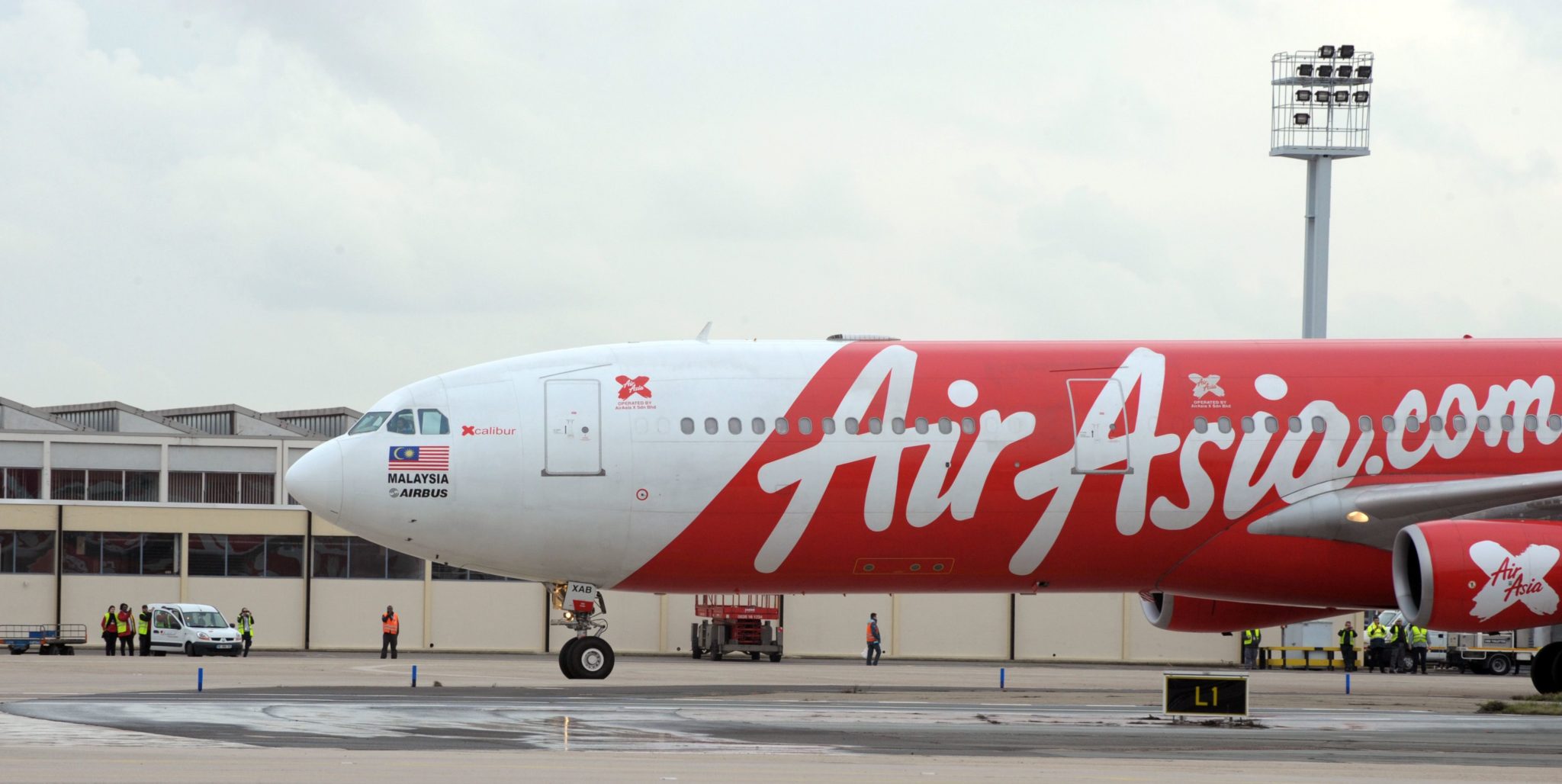
  • AirAsia Sets Sights on Vietnam Expansion, Overcoming Previous Challenges for a Fresh Start

    AirAsia Sets Sights on Vietnam Expansion, Overcoming Previous Challenges for a Fresh Start

    CEO Tan Sri Tony Fernandes recently shared insights about AirAsia’s long-cherished ambitions to penetrate the Vietnamese market, emphasizing the discussions currently in progress, but reminding that agreements can be elusive. “I have long wanted to operate in Vietnam. As an ASEAN airline, it makes sense to be in one of the region’s most promising markets,” he stated in an interview.

    A Regional Expansion Agenda

    In addition to Vietnam, AirAsia is exploring opportunities in Laos and Brunei. Curiously, Myanmar and Singapore remain the only ASEAN markets untouched by the airline’s expansion efforts. On the prospects in Singapore, Fernandes remarked, “I have always fought for operations in Singapore; however, I think we have given up on the plan.” This candid admission reflects the strategic challenges AirAsia faces in one of Southeast Asia’s most competitive aviation hubs.

    A Dream Deferred

    As Fernandes approaches retirement, he remains resolute in his vision to broaden AirAsia’s regional footprint. “My dream before I leave this job is to be in as many ASEAN countries as possible. I am very keen on Vietnam,” he declared. Operating under investment holding company Capital A, AirAsia already boasts air operator certificates in Malaysia, Thailand, Indonesia, the Philippines, and Cambodia, laying a solid groundwork for ambitious growth.

    Building Bridges in Vietnam

    While specifics remain under wraps, discussions in August between representatives from T&T Group and Capital A with leaders from Quang Tri Province marked a significant step forward. The talks revolved around creating an aerospace industrial complex and urban airport area in the province. T&T Group, with diverse interests in property, agriculture, and infrastructure, aims to establish a comprehensive aviation ecosystem that encompasses logistics and airline operations.

    The company is also on track with the construction of Quang Tri Airport, investing over VND5.8 trillion (approximately US$220 million). Currently, AirAsia services international flights to Vietnam from regional countries like Thailand, Malaysia, and Cambodia, but it has yearned to enter the domestic aviation market for two decades. Unfortunately, previous partnerships have not materialized, curiously resembling a romantic chase that ends time and again in the friend zone. The most recent attempt in 2019, when AirAsia and local company Hai Au severed ties regarding their joint venture, was a disappointing turn in its Vietnamese ambitions.

    Historically, the airline has engaged with various partners, including Pacific Airlines, Vinashin, and Vietjet, but none have successfully taken flight. Nevertheless, Fernandes’s determination to secure a position in Vietnam signals an unwavering commitment to AirAsia’s future in one of Asia’s aviation leaders.

    Questions & Answers

    What challenges has AirAsia faced in entering the Vietnamese market?
    AirAsia has grappled with unsuccessful partnerships over the years, including failed ventures with local companies like Hai Au, and has struggled to formalize agreements despite ongoing negotiations.

    What are AirAsia’s current expansion plans in ASEAN?
    AirAsia aims to extend its operations not only in Vietnam but is also in preliminary discussions regarding market entries in Laos and Brunei, while focusing on tightening its grip on existing operational countries.

    How is T&T Group involved in AirAsia’s plans for Vietnam?
    T&T Group has been in talks with AirAsia to develop an aerospace industrial complex and airport urban area in Quang Tri Province, contributing to AirAsia’s aspirations to create a comprehensive aviation ecosystem in Vietnam.

  • Vingroup Launches Construction of Vietnam’s Largest LNG Power Plant, Paving the Way for Energy Advancement

    Vingroup Launches Construction of Vietnam’s Largest LNG Power Plant, Paving the Way for Energy Advancement

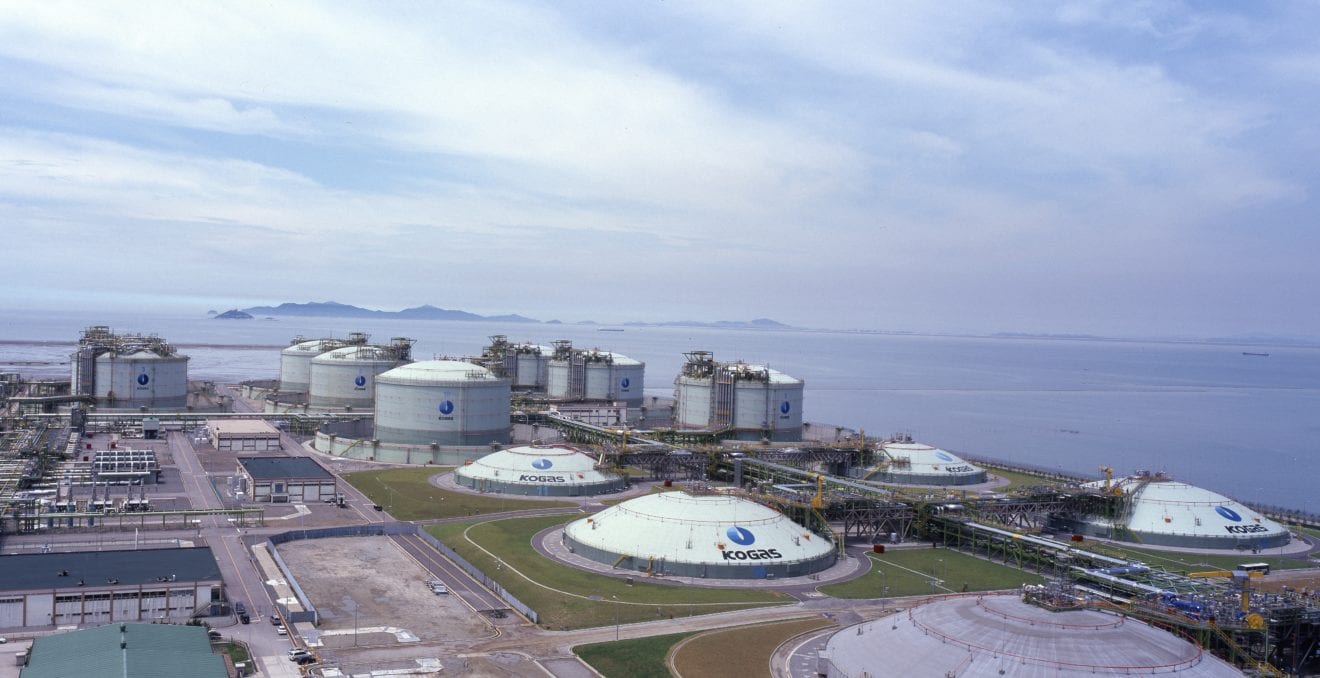
    In Hai Phong, a new chapter in the region’s energy landscape is underway as Vingroup, along with VinEnergo, kickstarts the construction of a significant liquefied natural gas (LNG) power plant. This ambitious project, stretching across 100 hectares and boasting a capacity of 4,800 megawatts, is set to energize the national grid by 2030, marking a pivotal step towards a cleaner and more sustainable energy future.

    Eco-Friendly Energy Takes Center Stage

    The plant’s utilization of LNG—a cleaner alternative to coal and oil—promises to curtail emissions, dust, and toxic gases, illustrating the ongoing transition towards sustainable energy sources. Located at the Tan Trao Industrial Park, which recently had its groundbreaking ceremony, the facility represents more than just a power source; it’s a catalyst for eco-friendly industrial development.

    Building a New Industrial Hub

    The Tan Trao Industrial Park itself covers 227 hectares with an investment of VND4 trillion, orchestrated by Vingroup’s property arm, Vinhomes. Over the next five years, construction is set to reshape this area into a nexus of new industries and technologies, with an aim to attract tens of thousands of skilled professionals. Amidst the hustle and bustle of construction, one might even wonder if Hai Phong will soon become the Silicon Valley of Vietnam—minus the tech giants!

    Government Support Fuels Development

    During the groundbreaking ceremony, Prime Minister Pham Minh Chinh underscored the strategic importance of these projects, highlighting their potential to advance industrial growth, attract foreign investment, and boost green energy initiatives. He urged rapid progression in the development of both the power plant and industrial park, particularly focusing on attracting high-tech clients.

    Aiming for Acceleration

    The Prime Minister called for accelerated procedures to enable the LNG power plant to potentially be completed a year ahead of schedule, by 2029. This calls for cooperation with foreign investors for technology transfer and a gradual mastery of the necessary tech. “Vingroup should push up progress while ensuring quality, safety, and environmental hygiene, to create numerous high-quality jobs for the people of Hai Phong,” he stated emphatically.

    Vingroup’s Vision for the Future

    Nguyen Viet Quang, Vingroup’s vice chairman and CEO, echoed the Prime Minister’s sentiments by discussing the synergy between the industrial park and the power plant. He believes that this integrated development model has the potential to attract significant investments and promote sustainable growth throughout the nation.

    A Manufacturing Powerhouse

    Hai Phong is not just any city; it’s a key manufacturing hub for Vingroup’s automaker, VinFast. Since the factory’s inauguration in 2019, VinFast has been a major driver of economic growth, elevating Hai Phong’s standing among Vietnam’s top-performing localities in recent years. As these new developments unfold, the city is poised to become a beacon of innovation and economic opportunity in the region.

    Questions & Answers

    What is the capacity of the new LNG power plant in Hai Phong?
    The LNG power plant in Hai Phong has a capacity of 4,800 megawatts and is expected to be operational by 2030.

    How does the LNG power plant contribute to cleaner energy?
    By using liquefied natural gas, the plant significantly reduces emissions, dust, and toxic gases compared to traditional coal and oil, aiding Vietnam’s transition to cleaner energy sources.

    What strategic goals did Prime Minister Pham Minh Chinh outline for these projects?
    The Prime Minister emphasized the importance of accelerating development, attracting foreign investment, and promoting high-tech industries, all while ensuring quality and creating job opportunities in Hai Phong.

  • Gasoline Prices Plunge to Lowest Point in Five Weeks: What This Means for Drivers

    Gasoline Prices Plunge to Lowest Point in Five Weeks: What This Means for Drivers

    Vietnam’s gasoline prices have slid to a five-week low, marking a significant shift after reaching an 11-week high just last week.

    The cost of the widely used RON95 has decreased by 2.14%, now priced at VND 20,160 (approximately US$0.76) per liter. Similarly, biofuel E5 RON92 saw a 1.85% drop, bringing it down to VND 19,610, while diesel fuel edged down by 0.27% to VND 18,650.

    This recent price drop is attributed to a confluence of global factors: OPEC+ has ramped up oil exports, geopolitical tensions have escalated in the Middle East, and Ukraine’s ongoing assaults on Russian energy installations continue to ripple through the market, as noted by Vietnam’s Ministry of Industry and Trade.

    On the international front, RON95 is now trading at $80.5 per barrel after a 2.7% fall, while diesel prices have slipped by 0.2% to $87.9 per barrel.

    Questions & Answers

    How have recent geopolitical events affected fuel prices in Vietnam?
    The recent escalation of tensions in the Middle East and ongoing conflicts impacting Russian energy facilities have contributed to fluctuations in fuel prices, as highlighted by the Ministry of Industry and Trade.

    What is the current price of RON95 gasoline in Vietnam?
    As of Thursday afternoon, RON95 gasoline is priced at VND 20,160 (approximately US$0.76) per liter, experiencing a 2.14% decrease.

    Why is the drop in gasoline prices significant?
    This decline is notable as it follows an 11-week high in prices just last week, indicating a potential trend reversal in the local fuel market amidst complex global dynamics.

  • Chow Tai Fook Unveils Plans for Its First International Premium Jewelry Store in Singapore

    Chow Tai Fook Unveils Plans for Its First International Premium Jewelry Store in Singapore

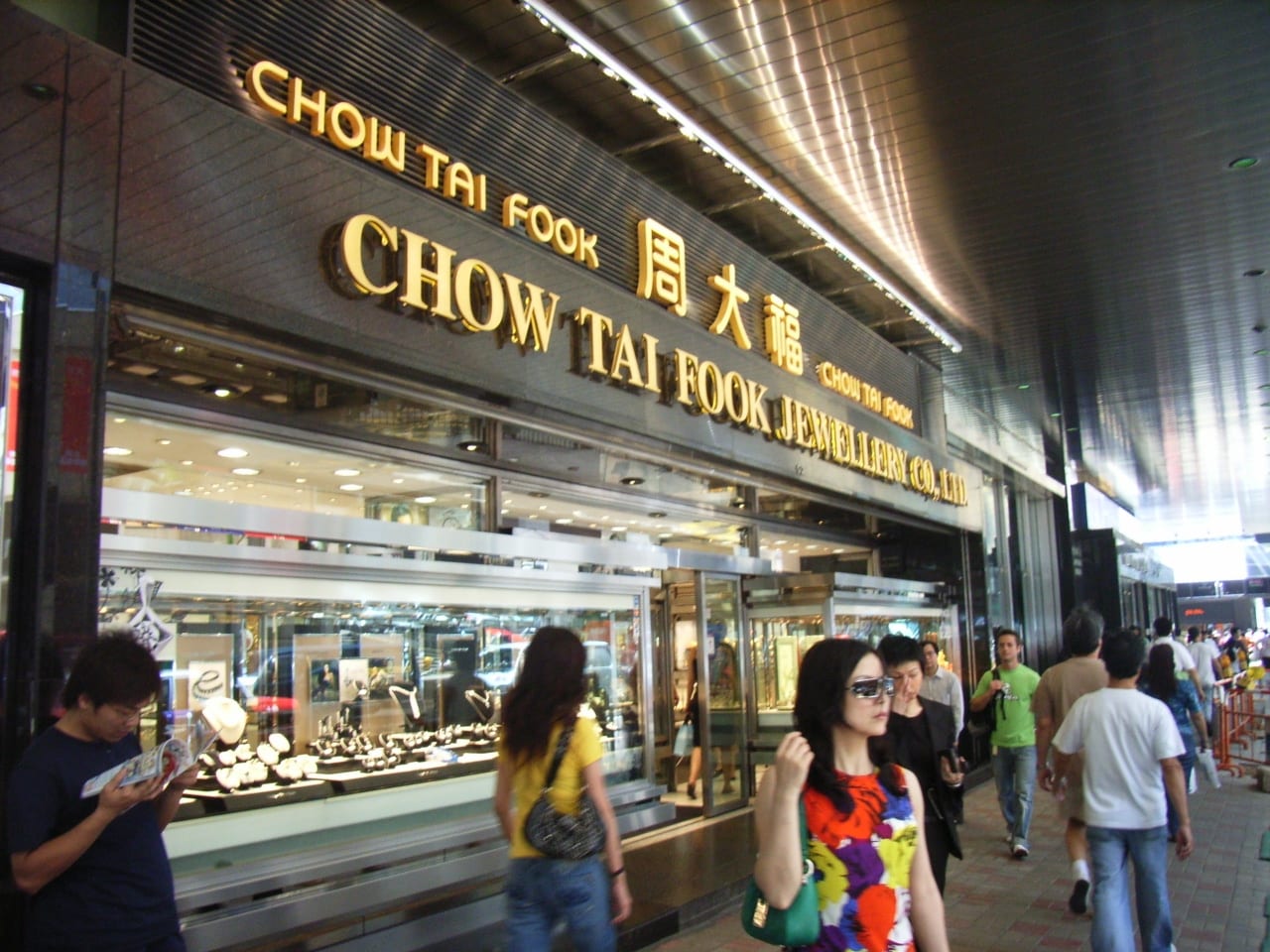
    China’s largest jewelry retailer Chow Tai Fook Jewelry Group is setting its sights on Singapore with the launch of a premium store, marking a significant step in its global expansion strategy.

    With nearly a century of experience, the Hong Kong-listed company is gearing up to unveil its first overseas upscale outlet at Changi Airport this October. The store aims to captivate both local Singaporeans and international tourists.

    Additionally, Chow Tai Fook has plans to launch another premium location in Bangkok before the year’s end, further emphasizing its commitment to the affluent market segment. Currently, the company operates eight premium stores across major cities like Beijing, Shanghai, Wuhan, Shenzhen, and Hong Kong.

    Having established a presence in Singapore over the past decade with six outlets, the new Changi location is seen as the first steps toward a broader expansion in Southeast Asia. “We have a good brand reputation, and we feel that it is important for us to unveil a new image in Singapore. Then slowly, we will move to other Southeast Asian markets,” Ferreira explained.

    Today, the brand boasts over 6,000 stores globally, with around 60 located outside China, including 20 across Southeast Asia. It seems that Chow Tai Fook has more than just jewels in its crown—it’s also determined to shine brightly on the international stage.

    Questions & Answers

    What is the significance of Chow Tai Fook’s new store in Singapore?
    The new store represents Chow Tai Fook’s first foray into overseas premium retail, targeting both local and tourist markets amid its larger global expansion strategy.

    Why did Chow Tai Fook shift its investment focus?
    Rising U.S. tariffs prompted Chow Tai Fook to explore opportunities in Latin America, as part of its adaptive business strategy.

    How many stores does Chow Tai Fook have internationally?
    Chow Tai Fook operates over 6,000 stores globally, with about 60 outside of China, including 20 in Southeast Asia, showcasing its expansive reach beyond its home market.

  • Dollar Faces Uphill Battle in Regaining Strength Against the Vietnamese Dong

    Dollar Faces Uphill Battle in Regaining Strength Against the Vietnamese Dong

    The U.S. dollar faced a downturn against the Vietnamese dong on Wednesday morning, marking a decline of 0.44% from the historic high reached just last month. Vietcombank adjusted its exchange rate, lowering it by 0.01% to VND26,445. Likewise, the State Bank of Vietnam announced a slight dip, bringing their reference rate to VND25,186. Meanwhile, on the black market, the dollar fell 0.15%, trading at VND26,590.

    Globally, the dollar managed to rise from a week-long low, drawing the attention of traders anticipating two additional interest rate cuts by the Federal Reserve before year-end. This optimism persists despite Federal Reserve Chair Jerome Powell recently adopting a more cautious tone regarding monetary policy.

    The U.S. dollar index, which gauges the currency against six major competitors, gained 0.1% to reach 97.335. This uptick comes after two consecutive sessions of decline, during which the index plummeted to 97.198 — its lowest point since last Thursday. Following the Federal Reserve’s policy announcement, the dollar briefly rebounded from its lowest levels since early 2022, recorded at 96.224. However, Powell’s remarks fell short of market expectations for aggressive easing amid signs of a weakening labor market.

    In the thrilling world of currency exchange, the dollar’s dance with the dong continues, leaving many wondering what will happen next.

    Questions & Answers

    How did the U.S. dollar’s value change against the Vietnamese dong this week?
    The U.S. dollar fell by 0.44% against the Vietnamese dong, with Vietcombank lowering its rate to VND26,445.

    What factors are influencing the U.S. dollar’s fluctuations globally?
    Traders are expecting two more interest rate cuts from the U.S. Federal Reserve this year, despite a wary stance from Chair Jerome Powell regarding these adjustments.

    What is the current status of the U.S. dollar index?
    The U.S. dollar index rose 0.1% to 97.335 after experiencing a series of declines and hitting its lowest level since the previous Thursday.

  • Mekong Delta Mango Prices Surge 50%, Exciting Retail Opportunities Await!

    Mekong Delta Mango Prices Surge 50%, Exciting Retail Opportunities Await!

    In Hon Dat Commune of An Giang Province, mango prices are taking a significant leap, with traders now paying between VND40,000 and VND60,000 (US$1.5-2.2) per kilogram at the farm gate. This marks an increase of VND15,000 to VND20,000 since the beginning of the year, offering farmers a profit margin of VND10,000 to VND20,000 ($0.4-0.8) per kilogram.

    However, the sweet fruit is becoming scarcer. Nguyen Thanh Do, director of the Hon Dat Hoa Loc Mango Cooperative, indicates that off-season mango harvests have dropped by 20%. Heavy rains have not only diminished the fruiting rate but also impacted the overall quality. “Many households have no mangoes left to sell, as they are preparing to induce flowering for the Lunar New Year crop. This has led to a short supply and rising prices,” he explained.

    Costs for maintaining mango trees have also surged, reaching VND35,000 to VND40,000 ($1.3-1.7) per kilogram between August and October. Meanwhile, some farmers are pivoting away from mangoes altogether, opting for more lucrative crops like jackfruit and durian.

    A Taste of Luxury in HCMC

    In Ho Chi Minh City, the prices for Hoa Loc mangoes have climbed even higher, retailing for VND80,000 to VND140,000 ($3-5.3) per kilogram, the highest recorded this year. Hanh, a fruit shop owner in An Hoi Dong Ward, notes that first-grade mangoes cost around VND100,000 to VND110,000 ($3.9-4.1) at wholesale markets, and she sells them for VND120,000. At Ba Chieu Market, shop owner Hoang Anh claims mangoes have now claimed the title of the most expensive local fruit.

    Weaving through the market, you might find organic mangoes pre-ordered at an eye-popping VND180,000 to VND200,000 ($6.8-7.6) per kilogram—a price that could make even die-hard mango lovers pause for a moment. Nevertheless, the low supply at the Thu Duc wholesale market coincides with a spike in demand, particularly as customers scrambled to buy fruits for ancestral offerings during the Ghost Festival on September 6.

    Export Predictions Shine Bright

    Premium retail chains showcase Chu Chin-branded Hoa Loc mangoes priced at VND189,000 ($7) per kilogram. Nguyen Dinh Tung, CEO of Vina T&T Group, noted that while Vietnamese mango exports to the U.S. remain steady, the current scarcity of high-quality fruits has pushed prices even higher. “Hoa Loc mangoes are particularly challenging to preserve and are mostly sent by air to maintain their quality, which significantly raises costs,” he added. However, he anticipates a rebound in supply and exports as the main mango season arrives next month.

    In the first seven months of the year, Vietnam netted USD265.9 million from mango exports, with fresh mangoes contributing USD189.7 million—a rise of 12.2% compared to the previous year, as reported by the Vietnam Fruit and Vegetable Association. The nation cultivates over 114,000 hectares of this beloved fruit, predominantly located in the Mekong Delta, with An Giang accounting for more than 12,000 hectares, half of which is in Cho Moi District.

    Questions & Answers

    How have mango prices changed recently in Vietnam?
    Mango prices have increased significantly, with traders in An Giang Province now paying VND40,000-60,000 (US$1.5-2.2) per kilogram at the farm gate, up from earlier this year.

    What factors are contributing to the rising mango prices?
    The decline in output due to heavy rains affecting the fruiting rate and quality, alongside a shift by some farmers towards more profitable crops, has led to a decrease in supply and consequently higher prices.

    What is the current status of Vietnamese mango exports?
    Vietnamese mango exports to the U.S. are steady, but high-quality mangoes are currently scarce, driving prices up. The country earned USD265.9 million from mango exports in the first seven months, marking a year-on-year increase of 12.2%.

  • Vietnam Airlines to Expand Fleet with 30 New Planes in $10B Investment Plan by 2032

    Vietnam Airlines to Expand Fleet with 30 New Planes in $10B Investment Plan by 2032

    Vietnam Airlines has launched an aggressive plan to expand its fleet, aiming to acquire or lease 30 wide-body aircraft—either Airbus A350-900 or Boeing B787-9—by the years 2028 to 2032.

    As part of this strategy, the airline recently issued a preliminary request for information from suppliers, inviting them to provide specifications regarding aircraft types, numbers, delivery schedules, and potential contract values by October 8. With a price tag expected to exceed US$10 billion for all 30 planes—not counting possible bulk discounts—this ambitious expansion underscores Vietnam Airlines’ commitment to growing its operational capabilities.

    Currently, the airline boasts a fleet of 31 wide-body aircraft, including 14 A350-900s and 17 Boeing 787s. Additionally, it operates 65 narrow-body Airbus A321s and A320s alongside six ATR-72s. However, CEO Dang Ngoc Hoa has highlighted a pressing need for at least 52 wide-body and 112 narrow-body planes by 2035 to accommodate growing demand and expand its route network.

    In April, the airline received government approval to add 50 narrow-body aircraft, a move projected to cost about VND92.8 trillion (approximately US$3.5 billion). However, Hoa noted that this addition barely scratches the surface of what is necessary for continued growth. “If manufacturers can’t deliver before 2030, we may have to consider leasing more aircraft for 2027 and 2028,” he remarked, painting a picture of urgency in the face of evolving market dynamics.

    Vietnam Airlines currently operates around 400 flights daily to 21 domestic and 29 international destinations. This year, it has successfully revived or launched 15 international routes in key markets, significantly including Italy, Russia, China, the UAE, Japan, South Korea, and India.

    Like many in the industry, however, the airline has faced challenges stemming from an aircraft shortage, exacerbated by complications with Pratt & Whitney engines on its Airbus A321s. As of mid-2025, about 15 of these A321s remain grounded, with four Airbus A350s also undergoing repairs. As the world begins to emerge from the shadow of the pandemic, one might say the sky has never been clearer for an ambitious airline aiming to soar higher.

    Questions & Answers

    What types of aircraft is Vietnam Airlines looking to acquire?
    Vietnam Airlines is considering either the Airbus A350-900 or the Boeing B787-9 for its planned acquisition of 30 wide-body aircraft.

    What is the estimated cost of expanding the fleet?
    The total cost for acquiring all 30 aircraft is expected to exceed US$10 billion, not including any potential bulk discounts.

    How many flights does Vietnam Airlines operate daily?
    The airline operates approximately 400 flights each day, connecting 21 domestic and 29 international destinations.

  • PM Calls for Housing Market Cooldown as Apartment Prices Surge Past $3,700 per Square Meter

    PM Calls for Housing Market Cooldown as Apartment Prices Surge Past $3,700 per Square Meter

    Prime Minister Pham Minh Chinh is demanding clarity from government agencies on the soaring price of housing, which has now reached a staggering level that few can afford.

    In a recent government meeting, Chinh highlighted the overwhelming dominance of high-end properties in major urban centers, stressing the urgent need for accountability in the housing market

    He questioned whether “the real estate market is being manipulated,” emphasizing the necessity to combat practices such as “hoarding and price gouging.” Chinh’s concerns resonate deeply: with apartment prices soaring to between VND70 million and VND100 million (approximately US$2,650-3,790) per square meter, many people are left grappling with the harsh reality of unaffordable housing.

    The Prime Minister underscored the critical need for increasing supply to ensure a more balanced housing market, particularly by bolstering the availability of social housing targeted at low- and middle-income families. He characterized this initiative as a pivotal policy that “must be carried out,” pointing out that the pursuit of economic growth should not come at the cost of social equity and stability.

    “Developing the low-income housing segment could stimulate growth across other sectors of the economy,” he asserted. The Prime Minister further articulated that boosting housing supply would also indirectly facilitate the nation’s economic aspirations, projecting a growth rate of 8.3-8.5% for this year along with double-digit growth in the subsequent years.

    The urgency of these measures is reflected in the current market data. Deputy Minister of Construction Nguyen Van Sinh revealed that the average apartment price in Hanoi has reached VND80 million per square meter, marking a 5.6% increase this year. Prices for townhouses and villas are even higher, ranging from VND100 million to VND200 million. Meanwhile, in Ho Chi Minh City, apartment prices average VND89 million, with townhouse values soaring to between VND230 million and VND300 million.

    As the Prime Minister calls for action, one can’t help but wonder: will the Vietnamese housing market soon resemble a high-stakes game of Monopoly, where only the privileged few hold the keys to the best properties?

    Questions & Answers

    What specific measures is the Vietnamese government considering to address housing affordability?
    Prime Minister Pham Minh Chinh emphasizes the need to increase supply, particularly focusing on developing social housing for low- and middle-income families, to tackle the crisis of rising housing prices.

    What are the current average apartment prices in major Vietnamese cities?
    As of now, the average apartment price in Hanoi stands at VND80 million per square meter, while in Ho Chi Minh City, it is about VND89 million per square meter.

    How does Prime Minister Chinh link housing policy to economic growth?
    He points out that expanding the low-income housing segment can stimulate growth across other sectors, contributing to an economic growth projection of 8.3-8.5% this year and beyond.

  • Viettel Expands Customer Experience with Nokia’s Cutting-Edge BNG-CUPS Solutions

    Viettel Expands Customer Experience with Nokia’s Cutting-Edge BNG-CUPS Solutions

    Nokia is set to transform Viettel’s fixed broadband network through the implementation of its Broadband Network Gateway-Control User Plane Separation (BNG-CUPS) solution in the Hanoi Metro area. This strategic move will see Viettel replace its aging legacy system, paving the way for more efficient operations and an enhanced experience for subscribers.

    Digital Landscape and Infrastructure Growth

    Vietnam’s digital economy is on a rapid growth trajectory, driven by the meteoric rise of e-commerce, fintech innovations, and cloud technology adoption. The government’s National Digital Transformation strategy aims for the digital economy to account for a staggering 30% of GDP by 2030. To support this ambitious goal, robust digital infrastructure—including reliable broadband connectivity—becomes essential.

    Viettel’s Commitment to Network Excellence

    Nguyen Tran Quynh, Deputy Director of Technical Global Center at Viettel, expressed enthusiasm for this groundbreaking initiative: “This initiative reiterates our commitment to continuously elevate network performance to deliver a best-in-class experience for our subscribers. We are excited to collaborate with Nokia to modernize the fixed broadband network while streamlining our daily operations. The solution will also help us enhance the energy efficiency of our networks. We are confident that Nokia’s solution will enable us to further strengthen network availability and reliability.”

    Nokia’s Integral Role in Telecommunications Innovation

    Kent Wong, Vice President and Head of IP Networks for Asia Pacific at Nokia, also weighed in on this significant project: “Nokia is at the forefront of developments in IP networks and we also led the specification and implementation of the BNG-CUPS architecture standard. This is a milestone project for us as it marks the first deployment of BNG-CUPS in Vietnam. We are delighted that our BNG-CUPS solution will enable Viettel to modernize its fixed broadband network to advance towards a more reliable, energy-efficient, and high-performing network.”

    This upgrade will be powered by Nokia’s 7750 Service Router, featuring the innovative FP5 chipset, designed to offer a remarkable 75% reduction in energy consumption. Furthermore, Nokia’s Network Services Platform will provide Viettel with the tools needed to simplify operations and rapidly adapt to fluctuating demands. The CUPS architecture allows for a separation of the control plane from the user plane, facilitating greater flexibility in scaling and edge deployments. After all, if the future of broadband isn’t green and efficient, we’re probably just borrowing it!

    Questions & Answers

    What specific technologies will Viettel implement in the upgrade?
    Viettel will deploy Nokia’s Broadband Network Gateway-Control User Plane Separation (BNG-CUPS) solution, utilizing the 7750 Service Router with the FP5 chipset.

    How does this upgrade support Vietnam’s digital economy goals?
    The upgrade will enhance broadband connectivity, crucial for achieving the government’s ambition for the digital economy to constitute 30% of GDP by 2030.

    What are the energy efficiency benefits of the new solution?
    Nokia’s 7750 Service Router is designed to reduce energy consumption by 75%, contributing to a more environmentally friendly network operation.

  • September Sees Fruit and Vegetable Exports Soar to Record $1.3 Billion!

    September Sees Fruit and Vegetable Exports Soar to Record $1.3 Billion!

    In a vibrant turn of events, the Vietnam Fruit and Vegetable Association revealed that total exports for the first nine months of 2023 reached an impressive $6.1 billion, reflecting an 8.3% increase year-on-year. September was notably significant, as it was the first month this year to witness a resurgence in growth after a series of declines—a welcome development for the industry.

    Chinese Demand Fuels Growth

    The driving force behind this rebound is predominantly China, which absorbs about 60% of Vietnam’s fruit and vegetable exports. In September alone, shipments to this lucrative market soared to nearly $800 million. Dang Phuc Nguyen, the association’s general secretary, attributed part of this surge to the increased purchasing power spurred by Vietnam’s National Day and the Mid-Autumn Festival, when durian, a favored mooncake filling, sees a spike in demand. “Compared to other exporting countries, Vietnam’s durian prices are currently the lowest and most competitive, matching Chinese consumers’ preference for value,” Nguyen noted with optimism.

    The Durian Boom

    Looking ahead, Nguyen indicated that October is likely to be the pinnacle of the durian boom, as the season’s peak begins to taper off, while off-season supplies could continue into November and December. “Most competitors will be nearly out of stock during this time, giving Vietnamese produce a distinct competitive advantage,” he explained. Beyond durian, various other fruits are expected to thrive as winter sets in, a period when harvests become challenging in many other regions. Thanks to Vietnam’s favorable climate and its efficient transport links—road, rail, and seaport—shipping costs and transit times remain manageable.

    Record Exports on the Horizon

    With growing demand from China and a steady recovery in markets like the U.S., South Korea, and Japan, Vietnam’s fruit and vegetable sector seems poised for continued success. Experts predict that full-year export turnover could reach an astounding $8 billion, marking yet another year of record-setting performance.

    Questions & Answers

    What factors contributed to the growth in Vietnam’s fruit and vegetable exports in 2023?
    The growth was primarily driven by strong demand from China, which accounts for a significant portion of exports, alongside a resurgence of purchasing power due to significant local holidays.

    How did the Mid-Autumn Festival impact durian sales in Vietnam?
    The festival saw a notable increase in demand for durian, traditionally used in mooncake fillings, contributing to a surge in exports during September.

    What competitive advantages does Vietnam have in the fruit and vegetable export market?
    Vietnam benefits from lower durian prices compared to other exporting countries and has a favorable climate along with efficient transport links to China, which reduces costs and transit times.

  • VinFast VF 5 Dominates Market, Outselling Rivals Fourfold in City Car Segment

    VinFast VF 5 Dominates Market, Outselling Rivals Fourfold in City Car Segment

    Vietnamese electric automaker VinFast’s VF 5 exemplifies a remarkable shift in the automotive landscape, dominating the A+ crossover utility vehicle segment with over 27,000 units sold. The VF 5 emerged as the uncontested leader in the A+ crossover utility vehicle category, an area increasingly characterized by low-cost city cars. During this same period, traditional competitors such as the Kia Sonet, Toyota Raize, and Hyundai Venue experienced steep sales declines, each facing a double-digit percentage drop. In total, these gasoline models collectively managed to sell only 6,700 units, with the Sonet down 26% year-on-year, the Raize declining by 15%, and the Venue plunging by a staggering 41%.

    A Shift in Consumer Preferences

    Interestingly, the overall demand for gasoline vehicles in this segment has tumbled by around 26% in the past eight months. In August alone, the VF 5 boasted sales exceeding 2,700 units, surpassing the total eight-month sales figures for both the Raize and Venue. It seems the allure of electric mobility is casting a strong shadow over traditional auto offerings, showing that consumers are more than ready to embrace change.

    Popularity Fuels VinFast’s Growth

    The VF 5’s appeal can be attributed to its practical design and low operating costs, which resonate well with both individual buyers and service operators alike. Its pricing positions it in the mid-range of the segment, yet it remains competitive due to supportive government initiatives, such as waiving registration fees for electric vehicles. This combination of factors has undoubtedly propelled its market success.

    The Landscape Ahead

    While the Raize is currently the only model in its segment being imported from Indonesia, others, including the Kia and Hyundai offerings, are assembled domestically. The upcoming arrival of the Suzuki Fronx in October—also imported from Indonesia and available with either a gasoline or mild-hybrid engine—promises to shake things up further. This model employs a small electric motor and battery to complement the traditional internal combustion engine, potentially adding another layer of competition to an already dynamic market.

    Questions & Answers

    What factors contribute to the VF 5’s impressive sales performance?
    The VF 5’s success can largely be attributed to its practical design, low operating costs, and favorable government policies, including waived registration fees for electric vehicles.

    How does the VF 5 compare to its gasoline-powered competitors?
    The VF 5’s sales have outpaced its gasoline rivals significantly, achieving over 27,000 units sold compared to a meager 6,700 for combined competitors such as the Kia Sonet, Toyota Raize, and Hyundai Venue.

    What can we expect from the automotive market in the coming months?
    The introduction of new models like the Suzuki Fronx, along with ongoing shifts in consumer preference towards electric vehicles, suggests a rapidly changing automotive landscape ahead.