Tag: Vietnam

  • Fuyao Glass Amplifies Asia’s Retail Horizon With $600m Vietnam Factory Expansion

    Fuyao Glass Amplifies Asia’s Retail Horizon With $600m Vietnam Factory Expansion

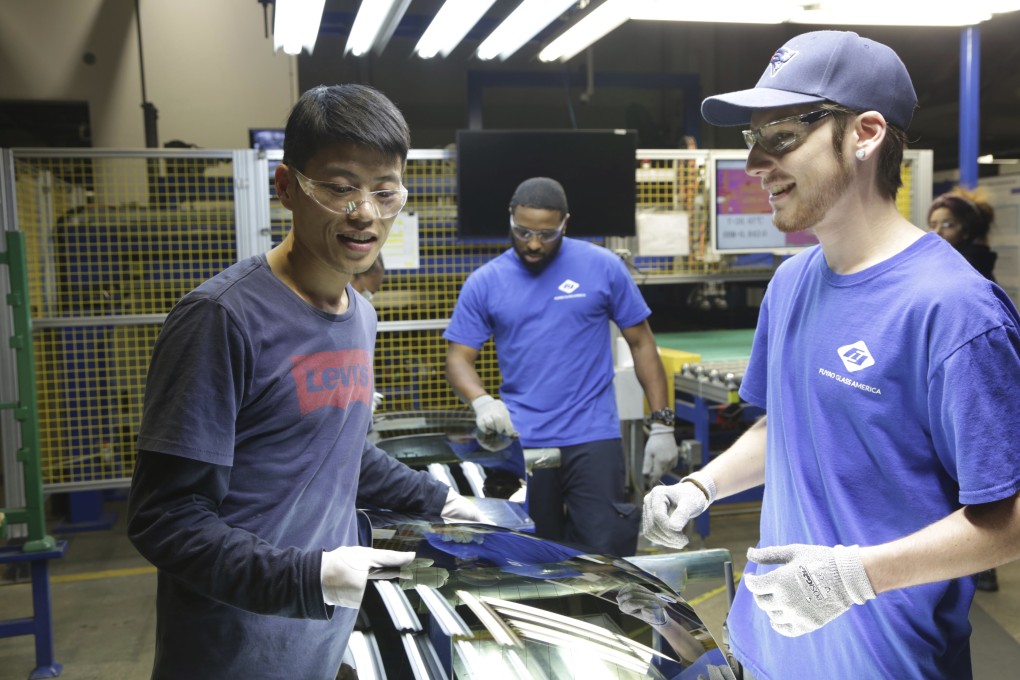
    In a significant move reflecting the evolving landscape of Asia’s retail sector, Fuyao Glass Industry Group is set to expand its footprint by opening a second glass factory in Vietnam. This new facility, which represents a monumental investment of approximately $600 million, is poised to enhance the company’s capacity to serve the growing demand for automotive glass in the region.

    Shifting the Gears of Growth

    Currently operating a factory in the north of Vietnam, Fuyao’s new location in the south is strategically aimed at tapping into the bustling automotive manufacturing hub centered around Ho Chi Minh City. With a target commencement date set for 2025, this expansion is expected to create around 2,700 new jobs, cementing Fuyao’s role as a key player in both the local economy and the broader automotive supply chain.

    A Competitive Edge in Automotive Glass

    Established in 1987 and boasting a market capitalization exceeding $16 billion, Fuyao Glass has worked tirelessly to innovate and elevate industry standards. The company has amassed a diverse clientele, supplying glass to renowned automakers such as Volkswagen and BMW. With its new facility, Fuyao aims to not only amplify production capabilities but also enhance its competitive edge in a market that’s increasingly leaning toward sustainability and innovation.

    Building a Sustainable Future

    The factory’s design and operational plans underscore a commitment to sustainability, integrating energy-efficient technologies and practices. It’s a sign that in today’s retail environment, making green choices isn’t just commendable; it’s becoming essential. As Fuyao steps into this new chapter, it couples economic growth with its pledge to lower environmental impact — a narrative increasingly resonant among modern consumers.

    The Local Impact: A Win-Win Situation

    The benefits of this investment won’t be limited to Fuyao alone. This expansion is anticipated to stimulate the local economy, attracting supporting industries and boosting ancillary services in logistics and supply chains. Quite frankly, for a country like Vietnam, which is quickly becoming a regional manufacturing hub, projects like these could be the proverbial cherry on top of an already thriving cake!

    Paving the Way for Future Innovations

    As Fuyao Glass sets its sights on this ambitious project, the company positions itself at the forefront of an exciting period for the automotive glass industry in Asia. With technology and consumer preferences constantly shifting, Fuyao is proving that strong investments in innovation and infrastructure can lead to transformative impacts — both within its corporate walls and across the communities it touches.

    Questions & Answers

    What prompted Fuyao Glass to expand its operations in Vietnam?
    Fuyao Glass is responding to the increasing demand for automotive glass in the region, capitalizing on Vietnam’s growth as an automotive manufacturing hub.

    How many jobs will the new factory create?
    The new facility in southern Vietnam is expected to create approximately 2,700 jobs, significantly contributing to local employment.

    What is Fuyao’s stance on sustainability regarding its new factory?
    The company is committed to sustainability, integrating energy-efficient technologies and practices into the factory’s design and operations to minimize environmental impact.
  • Viettel Amplifies Vietnam’s Digital Growth and Defense Strategy for a Bold Future

    Viettel Amplifies Vietnam’s Digital Growth and Defense Strategy for a Bold Future

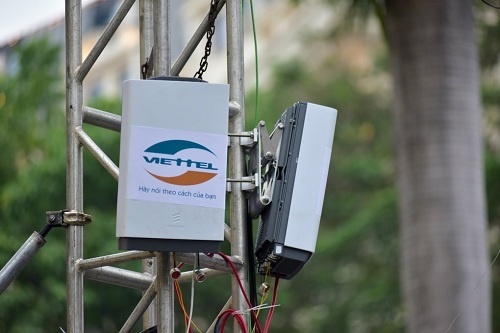
    Viettel Group has made headlines with its ambitious investment of approximately USD 1 billion in two pivotal national projects: the An Khanh Data Center in Hanoi and the Viettel Research & Development (R&D) Center in Hoa Lac. This substantial commitment is part of a larger initiative celebrating the 80th anniversary of the August Revolution on August 19 and National Day on September 2, underscoring Viettel’s leadership in advancing strategic technologies per the Politburo’s Resolution 57-NQ/TW, which aims to establish a national network of research centers and high-tech labs.

    A Hub of Innovation Takes Shape

    Spanning 13 hectares in the Hoa Lac Hi-tech Park, the Viettel R&D Center represents a total investment of VND 10 trillion (USD 380 million). Designed to be a comprehensive innovation hub, this facility will feature six smart buildings and is slated for completion by 2030. The R&D Center will address the full innovation cycle, from research and design to prototyping and manufacturing, focusing on creating high-tech “Made in Vietnam” products. It will cater to both defense and civilian technology, prioritizing advancements in propulsion systems, unmanned aerial vehicles (UAVs), remote sensing satellites, radar systems, and cutting-edge civilian applications in big data, AI, and cloud computing. Built to international standards, the R&D hub will boast smart, green designs while emphasizing safety and cybersecurity. When fully operational, it is projected to attract 2,500 highly skilled professionals and significantly bolster Vietnam’s national defense modernization efforts.

    A Data Center to Power Digital Transformation

    In tandem, the An Khanh Data Center is set to become the largest facility of its kind in northern Vietnam, located on a 1.9-hectare site in Hanoi’s An Khanh commune. Equipped with an investment of VND 17.5 trillion (USD 664.9 million), the center will have a designed capacity of 60 MW, with Phase 1 expected to go live in the second quarter of 2026. Plans are in place to evolve this facility into Viettel’s second hyperscale data center by 2030. Adhering to Uptime Tier III standards, the data center will integrate Viettel’s proprietary AI for operations, a five-layer security framework, and cutting-edge cooling technologies. Its sustainable design aligns with Vietnam’s Net Zero emissions goal, and it is poised to play a crucial role in the nation’s digital transformation, serving governmental agencies, the Ministry of National Defense, major enterprises, and national-level AI initiatives.

    Expanding the Technological Landscape

    Currently operating 14 data centers across Hanoi, Da Nang, Ho Chi Minh City, and Binh Duong, Viettel has an aggressive expansion plan. The company is in the process of constructing 11 more centers, aiming to establish a total of 24 data centers with a combined capacity of 560 MW by 2030 — a strategic move designed to meet 40% of Vietnam’s projected data demand. Aside from these two flagship projects, Viettel is also ramping up the construction of additional critical tech infrastructure, including the Tan Phu Trung Data Center in Ho Chi Minh City and the Viettel Tower in Da Nang. As we navigate this exciting technological landscape, one can only wonder: how many more innovative spaces can one company create before they run out of land?

    Questions & Answers

    What are the main features of the Viettel R&D Center?
    The Viettel R&D Center will span 13 hectares and feature six smart buildings, focusing on the entire innovation cycle from research to manufacturing, particularly in high-tech defense and civilian applications.

    How will the An Khanh Data Center contribute to Vietnam’s digital transformation?
    The An Khanh Data Center, with a designed capacity of 60 MW, will serve government agencies and major enterprises, playing a key role in supporting national data needs and integrating advanced technologies like AI.

    What is Viettel’s long-term expansion plan for data centers in Vietnam?
    Viettel aims to establish 24 data centers by 2030 with a total capacity of 560 MW, targeting to meet 40% of Vietnam’s projected demand for data services.

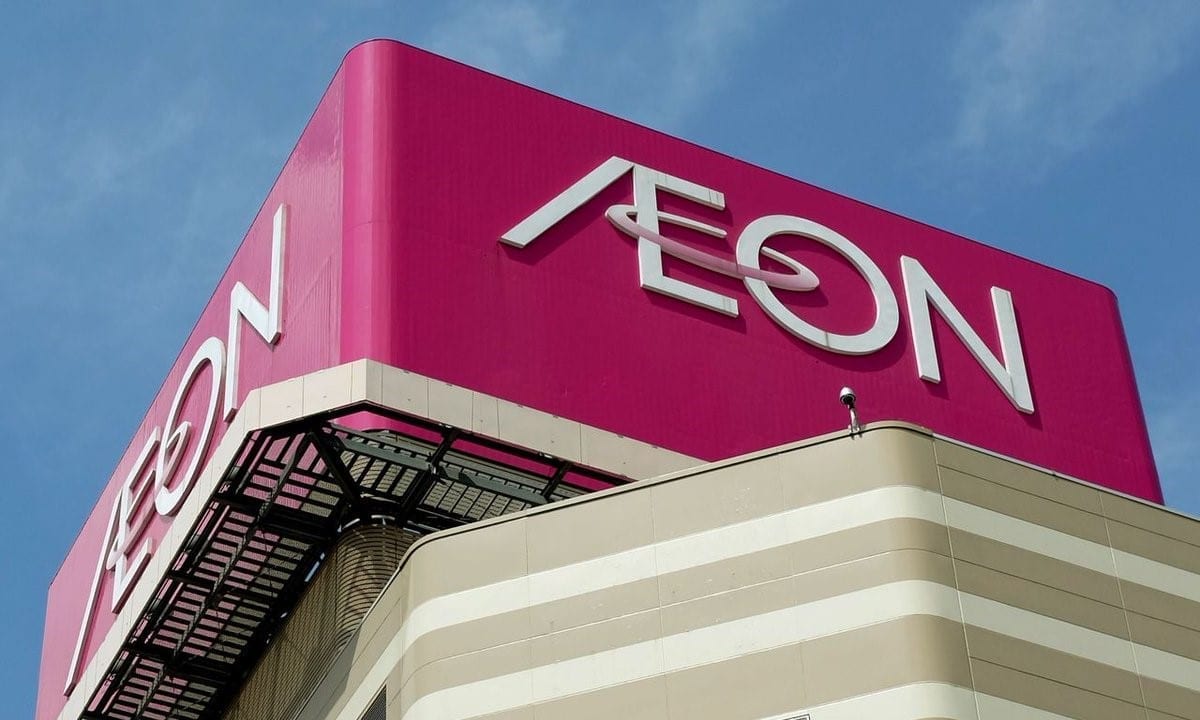
  • Aeon expands Vietnam footprint with first Mekong Delta shopping centre

    Aeon expands Vietnam footprint with first Mekong Delta shopping centre

    Japanese retail conglomerate, Aeon, is set to boost its footprint in Vietnam by launching its eighth shopping complex, Aeon Tan An, marking its first entry into the Mekong Delta region.

    Operational Launch and Location

    The center is slated to commence operations on September 23, before officially launching on October 4. The mall is strategically positioned in the administrative region of Tay Ninh province, located on the bustling Hung Vuong artery, in close proximity to the National Highway 1A and a mere 1km from the significant Ho Chi Minh City-Trung Luong Expressway.

    Community-Oriented Design

    The project embodies Aeon’s “Daily Community Park” concept, blending contemporary aesthetics with green spaces and a community-focused layout. To augment the natural ambience of the center, around 11,000 plants have been integrated throughout the complex, paired with spacious seating areas and an alfresco terrace.

    Tenant Profile and Facilities

    The new center will accommodate approximately 30 retailers, a significant 80% of which are making their debut in the Mekong Delta. The retail mix will be anchored by the Aeon General Merchandise Store and will feature a diverse range of outlets including fashion and sports stores, cafes, eateries, bookstores, a cinema, and various entertainment facilities.

    The company statement emphasized the vision of Aeon Tan An as more than just a shopping and entertainment hub, but as a place where people can naturally come together and connect on a daily basis. It further highlighted the opportunities for every family member to explore unique experiences, savor enjoyable moments in a contemporary shopping environment, and benefit from high-quality services and varied entertainment amenities.

    Aeon’s current portfolio includes shopping centers in major Vietnamese cities such as Ho Chi Minh City, Hanoi, Hai Phong, and Binh Duong.

    Questions & Answers

    What is Aeon’s new project in Vietnam?
    Aeon’s latest project in Vietnam is the Aeon Tan An shopping mall, which will be their eighth shopping center in the country and their first in the Mekong Delta region.

    What is the concept behind the design of Aeon Tan An?
    The design of Aeon Tan An embodies Aeon’s “Daily Community Park” concept, which combines modern design with green spaces and a layout focused on community engagement.

    What kind of facilities and stores can visitors expect at the new Aeon Tan An shopping mall?
    Visitors to the new Aeon Tan An shopping mall can expect a variety of outlets including fashion and sports stores, cafes, eateries, bookstores, a cinema, and various entertainment facilities.

  • Vietjet Reports Strong H1 2025 Performance and Launches New Ho Chi Minh City–Manila Route

    Vietjet Reports Strong H1 2025 Performance and Launches New Ho Chi Minh City–Manila Route

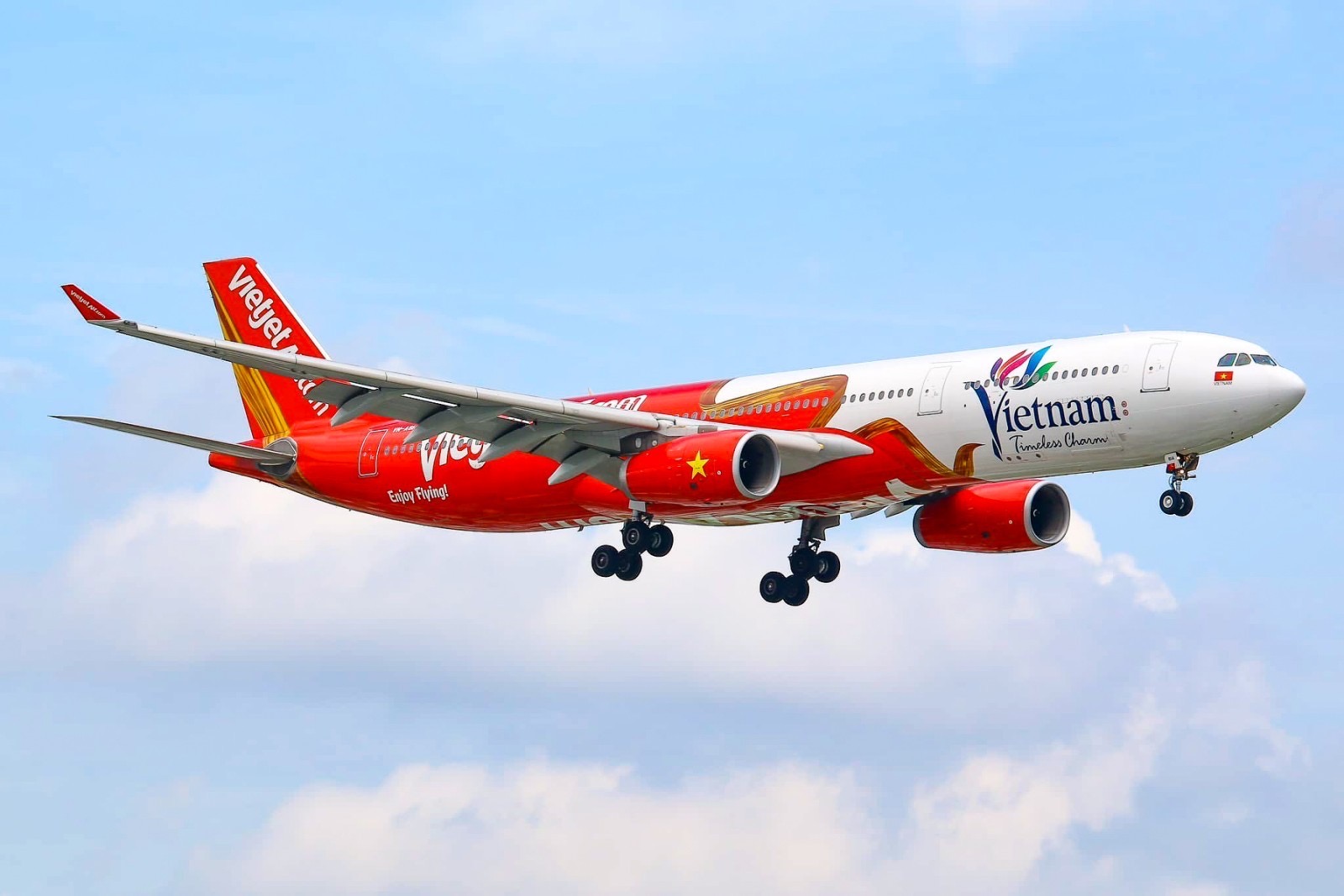
    Vietjet Aviation Joint Stock Company has released its audited financial report for the first half of 2025, reporting strong growth and reinforcing its position as a rising global carrier. Vietjet now operates four direct services linking Singapore with Hanoi, Ho Chi Minh City, Phu Quoc and Da Nang and is boosting its services to Da Nang and Phu Quoc with 49 round-trip flights weekly between Singapore and Vietnam by the end of this year.

    The airline’s performance reflects Vietnam’s emergence as a key aviation hub in Asia and worldwide, while expanding its international network with a new direct route to Manila, Philippines.

    Robust Financial Growth

    In the first six months of 2025, Vietjet achieved air transport revenue of VND35.601 trillion (approx. SGD1.73 billion), with a pre-tax profit of nearly VND1.6 trillion (approx. SGD77.80 million), marking a 37% Year-on-Year (YoY) increase. Consolidated revenue was VND35.837 trillion (approx. SGD1.74 billion), with a pre-tax profit surpassing VND1.651 trillion (approx. SGD80.26 million), reflecting a staggering 65% YoY growth.

    During this period, Vietjet operated 79,000 flights, transporting 14.4 million passengers and contributing over VND4.528 trillion (approx. SGD219.83 million) in taxes and fees. The company’s financial indicators remain strong, with excellent liquidity and consolidated assets exceeding VND112 trillion (approx. SGD5.44 billion).

    Fleet Expansion and Strategic Investments

    Vietjet continued its fleet expansion, ordering 20 A330neo aircraft with Airbus, raising its total order for A330neo to 40, making it the airline with the largest A330neo order in the world.

    At the 2025 Paris Air Show, Vietjet secured a historic order for 100 A321neo aircraft, along with 50 purchase options—the largest deal in the industry—positioning Vietjet among the top 10 airlines globally in terms of aircraft orders.

    Additionally, Vietjet and Rolls-Royce have signed an agreement for 40 Trent 7000 engines to power 20 wide-body Airbus A330neo aircraft, bringing the total number of Trent 7000 engines ordered by the airline to 80.

    Vietjet has broken ground on its Aircraft Maintenance Technical Center at the under-construction Long Thanh International Airport, featuring Hangars 3 and 4 capable of servicing 10 aircraft simultaneously. Additionally, self-service ground operations have been rolled out at major airports to optimise operations and enhance the passenger experience.

    International Expansion: Ho Chi Minh City–Manila Route

    Vietjet will launch a new direct service linking Ho Chi Minh City with Manila, beginning 22 November 2025, with five weekly round-trip flights. This route marks the airline’s first direct connection between Vietnam and the Philippines. Together with flight increases between Vietnam and Singapore, this connectivity will support seamless travel, trade, and cultural exchange in Southeast Asia.

    Travellers can now book their seats at attractive introductory fares.    

    Recognised Excellence and Strategic Vision

    Vietjet has been recognised by AirlineRatings as the “World’s Best Ultra Low-Cost Carrier” and ranked among the Top 5 revenue-generating enterprises by Forbes Vietnam for 2024. The airline continues to expand its footprint, having launched new routes to Singapore, China, India, and Japan in 1H2025, with more international services planned.

    With a modern, fuel-efficient fleet, professional cabin crew, and innovative service offerings, Vietjet remains committed to delivering exceptional value and comfort while driving sustainable growth and global expansion.     


  • Viettel Bolsters Vietnam’s Digital Transformation and Defense Strategies for a Progressive Future

    Viettel Bolsters Vietnam’s Digital Transformation and Defense Strategies for a Progressive Future

    Viettel Group is set to make waves in Vietnam’s tech landscape with a remarkable investment of approximately USD 1 billion in two major projects: the An Khanh Data Center in Hanoi and the Viettel Research & Development (R&D) Center in Hoa Lac. These initiatives not only celebrate Vietnam’s 80th anniversary of the August Revolution on August 19 and National Day on September 2 but also underscore Viettel’s commitment to driving technological advancement as outlined in the Politburo’s Resolution 57-NQ/TW.

    A Hub for Innovation: Viettel’s R&D Center Takes Shape

    Spanning an impressive 13 hectares within the Hoa Lac Hi-tech Park, the Viettel R&D Center boasts a total investment of VND 10 trillion (USD 380 million). Featuring six state-of-the-art buildings designed as a comprehensive innovation hub, this facility aims for completion by 2030. It will encapsulate the entire innovation cycle, from research and design to prototyping and manufacturing, promoting the development of high-tech “Made in Vietnam” products.

    With a focus on both defense and civilian technology, the center will delve into key areas including propulsion systems, unmanned aerial vehicles (UAVs), remote sensing satellites, radar systems, and advanced civilian applications in big data, artificial intelligence, and cloud computing. Notably, the R&D hub will be built to international standards that prioritize sustainability, safety, and cybersecurity, while promising to attract 2,500 skilled professionals who will bolster Vietnam’s modernization efforts in national defense.

    The An Khanh Data Center: A Giant in Northern Vietnam

    Meanwhile, the An Khanh Data Center is poised to become the largest facility of its kind in northern Vietnam, sprawling over a 1.9-hectare site in Hanoi’s An Khanh commune. This ambitious project, with an investment of VND 17.5 trillion (USD 664.9 million), aims to achieve a designed capacity of a whopping 60 MW. The first phase is scheduled to launch in Q2 of 2026, with plans for further expansion by 2030, transforming this site into Viettel’s second hyperscale data center.

    Adhering to Uptime Tier III standards, the data center will incorporate advanced AI technologies developed by Viettel, alongside a robust five-layer security system and cutting-edge cooling technologies. It is designed with sustainability in mind, aligning seamlessly with Vietnam’s Net Zero emissions target. By providing essential support to government agencies, the Ministry of National Defense, and large enterprises, the center is set to play a pivotal role in the country’s digital transformation and national-scale AI applications.

    Expanding Infrastructure Across Vietnam

    Viettel’s ambitions don’t stop here. Currently operating 14 data centers across major cities such as Hanoi, Da Nang, Ho Chi Minh City, and Binh Duong, with another 11 under construction, the company aims to build a total of 24 data centers with a combined capacity of 560 MW by 2030. This network is expected to satisfy 40% of Vietnam’s projected demand for data services. Alongside these developments, Viettel is also fast-tracking other critical tech infrastructures, including the Tan Phu Trung Data Center in Ho Chi Minh City and the Viettel Tower in Da Nang, revealing a passionate commitment to shaping the future of Vietnam’s digital landscape.

    Questions & Answers

    What is the significance of Viettel’s investment in these projects?
    Viettel’s investment of USD 1 billion underscores its commitment to advancing Vietnam’s technological infrastructure, aligning with national goals for modernization and innovation in line with the Politburo’s directives.

    How will the R&D Center impact Vietnam’s economy?
    The R&D Center is expected to foster high-tech innovation, create 2,500 skilled jobs, and support the production of various advanced technologies, significantly contributing to Vietnam’s economic growth and defense capabilities.

    When is the An Khanh Data Center expected to be operational?
    Phase 1 of the An Khanh Data Center is scheduled to launch in the second quarter of 2026, with plans for further expansion by 2030, enhancing Vietnam’s digital infrastructure.

  • Carlsberg Vietnam Boosts Phu Bai Brewery Capacity for a Greener, Sustainable Future

    Carlsberg Vietnam Boosts Phu Bai Brewery Capacity for a Greener, Sustainable Future

    The recent inauguration of Carlsberg Vietnam’s expanded brewery marks a significant leap in the region’s brewing landscape. Andrew Khan, Managing Director of Carlsberg Vietnam, emphasizes that this expansion transcends mere scale; it is a multifaceted endeavor focused on innovation, sustainability, and community impact, fully aligned with Carlsberg’s global Accelerate SAIL strategy.

    What does this expansion signify for your company?

    Khan highlights that the new facility in Phu Bai is now Carlsberg’s largest beer production site in Asia and among the most productive within the Carlsberg Group. Leveraging advanced technology and automation, this site is engineered not only to boost output but also to ensure sustainable growth by enhancing product quality and fortifying the supply chain. “Ultimately, we’re not just increasing volume; we’re creating lasting value for our consumers and the communities we serve,” he explains. The commitment to quality is evident in the accolades won by local brands Huda and Halida, which were awarded Gold Quality Awards from Monde Selection in 2024.

    This expanded facility is well-positioned to satisfy the demand for Carlsberg’s diverse portfolio, which ranges from global premium labels like Carlsberg and 1664 Blanc to beloved local favorites Halida and Huda, the latter of which has been a regional staple for over 35 years.

    What do you hope this expansion will achieve for your business and the community?

    Khan believes this expansion empowers Carlsberg Vietnam to meet the increasing demands of the market while executing their commercial growth strategy with enhanced efficiency and flexibility. More than just a business milestone, he envisions it as a transformative moment—an opportunity to operate with increased innovation and stronger commitments to sustainability and community engagement. “We will measure success not just in production volumes, but in how we lead, engage, and uphold our values,” he asserts.

    What are your next steps for Carlsberg Vietnam in light of this expansion?

    “While the expanded capacity is a significant advantage, what matters most is how we leverage it,” Khan says. Priorities include operating with distinction, maintaining close ties with consumers, and pursuing sustainable, community-oriented growth. This philosophy underlines their mission to “brew for a better today and tomorrow.”

    How does the Phu Bai expansion reflect Carlsberg Vietnam’s environmental commitments?

    Khan emphasizes that sustainability is woven into the very fabric of this new site. The Phu Bai Brewery runs entirely on iREC-certified renewable electricity and utilizes a biomass steam system, effectively eliminating carbon emissions from production. The facility has also implemented state-of-the-art water conservation technologies, achieving a remarkable water usage rate of just 2.09 hl/hl by 2024—one of the lowest in Vietnam. Looking forward, Carlsberg Vietnam aims for zero waste to landfill by 2025, a reduction of water usage to 2.0 hl/hl by 2026, and to achieve net-zero carbon emissions in production by 2028, thus supporting Vietnam’s ambition of net-zero emissions by 2050.

    What role does innovation play in this expansion, beyond the technological aspect?

    Khan asserts that innovation is not confined to tech; it’s about cultivating a mindset that empowers staff. The brewery boasts Vietnam’s fastest packaging lines, enhanced by real-time analytics that boost efficiency. Beyond automated advancements, the new brewing line also conserves water and energy by 20% and 15% respectively. “But the true essence of innovation lies not just in machines; it’s in how people interact with them,” he notes.

    How does Carlsberg ensure that innovation is inclusive and considerate of all staff?

    Khan believes in co-creating the future by engaging employees in the transformation journey early on. Innovations like AI-enabled forklifts and redesigned traffic systems have been developed with input from those directly on the floor. “Our investment in training and health ensures everyone has the support they need to adapt,” he explains.

    How has the expansion enhanced on-site safety and working conditions?

    “Safety has always been our prime directive,” Khan states. With the expansion, new facilities were constructed, complete with modern locker rooms and canteens, while traffic patterns have been redesigned for better pedestrian safety. Their fleet of forklifts is now electric and equipped with AI systems to monitor safety risks in real-time. The commitment to safety is not just regulatory; it’s a cultural mindset, with over 1.4 million recorded safe working hours during construction.

    How do you envision Carlsberg Vietnam’s role in the local economy and community going forward?

    Khan is optimistic about the future, asserting that commercial growth will boost contributions to state revenues and support local socio-economic development. “We aim to grow alongside Vietnam—not just in market share, but by creating shared value with our communities,” he states, highlighting initiatives like the Fresh Water for Beloved Central program that has provided clean water access to thousands over the past seven years.

    As a leader, what does this achievement mean to you personally?

    Reflecting on this milestone, Khan notes a profound sense of pride—not merely for the scale of the achievement, but for how it was accomplished: safely, sustainably, and with a dedicated local workforce at its core. “This journey reminds me that when we lead with purpose and trust our people, extraordinary outcomes become possible,” he concludes.

    Questions & Answers

    What key aspects distinguish Carlsberg Vietnam’s Phu Bai expansion?
    The expansion focuses not only on increasing production capacity but also on fostering sustainable practices, enhancing product quality, and contributing meaningfully to local communities.

    How does the new brewery contribute to environmental sustainability?
    Phu Bai Brewery operates on renewable energy, employs innovative water-saving technologies, and aims for net-zero carbon emissions in production by 2028, underscoring the commitment to environmental stewardship.

    What is the overarching vision for Carlsberg Vietnam post-expansion?
    The company aims to leverage the new facility to enhance operational excellence, strengthen consumer connections, and grow in a way that prioritizes sustainability and community impact.

  • Vietnam’s Auto Association Alerts: Proposed Fuel Standard Could Eliminate 96% of Cars by 2030!

    Vietnam’s Auto Association Alerts: Proposed Fuel Standard Could Eliminate 96% of Cars by 2030!

    In a significant move for the automotive sector, the Ministry of Construction is inviting input from various agencies regarding a bold proposal to mandate that all passenger cars achieve a fuel efficiency of 4.83 liters per 100 kilometers by 2030. This regulation notably exempts electric vehicles, allowing them to steer clear of stringent fuel efficiency requirements.

    Fuel Consumption Credits as a Safety Net

    Under this proposed regulation, manufacturers unable to meet the efficiency standard will have the option to purchase fuel consumption credits from those who do. This system mirrors the carbon credit trading mechanisms found globally, suggesting a creative approach to encouraging fuel efficiency.

    Manufacturers Urged to Innovate

    The message is clear: manufacturers are encouraged to innovate by upgrading technology, phasing out fuel-hungry vehicles, and expanding their lineup of fuel-efficient models. Failure to comply after a three-year grace period could lead to the discontinuation of production or importation until a viable alternative plan is conceived.

    Industry Concerns About Stringent Standards

    However, not everyone is on board with this aggressive approach. The Vietnam Automobile Manufacturers Association (VAMA), representing 17 manufacturers, has labeled the proposed efficiency threshold as “too strict.” They warn that a staggering 96% of gasoline vehicles and 14% of hybrid models would not meet these ambitious requirements. For example, Toyota’s widely popular Vios would fall short at 5.08 liters per 100 kilometers in its most efficient variant, while the Yaris Cross Hybrid performs admirably at 3.56 to 3.8 liters per 100 kilometers.

    A Shift Towards Electrification

    VAMA argues that to meet the proposed standards while sustaining current sales volumes, the industry would need to boost the share of electrified vehicles nearly tenfold over the next five years. Given the current limitations in charging infrastructure and consumer hesitance toward electric vehicles, this target may be a bit like trying to fit a square peg into a round hole.

    A Compromise on Fuel Efficiency Targets

    In light of these challenges, VAMA has suggested a more gradual approach. Their alternative proposal recommends achieving fuel efficiency targets of 6.7 liters per 100 kilometers by 2027, 6.5 by 2028, 6.3 by 2029, and finally reaching 6 liters in 2030. This roadmap would involve a 34% reduction in gasoline vehicle production, alongside a dramatic 366% increase in electric vehicle sales — a far more feasible scenario, according to industry leaders.

    Questions & Answers

    What is the proposed fuel efficiency target for passenger cars by 2030?
    The proposed target is 4.83 liters per 100 kilometers for all passenger cars by 2030.

    How will manufacturers who fail to meet the efficiency standards be penalized?
    Manufacturers who do not meet the standards after three years may have to halt production or importation until they establish an appropriate alternative plan.

    What alternative targets has VAMA suggested instead of the initial proposal?
    VAMA suggests a more realistic gradual approach: 6.7 liters per 100 kilometers in 2027, 6.5 in 2028, 6.3 in 2029, and 6 liters in 2030.

  • HCMC Sets Ambitious Goal for 10% GDP Growth in Second Half of the Year

    HCMC Sets Ambitious Goal for 10% GDP Growth in Second Half of the Year

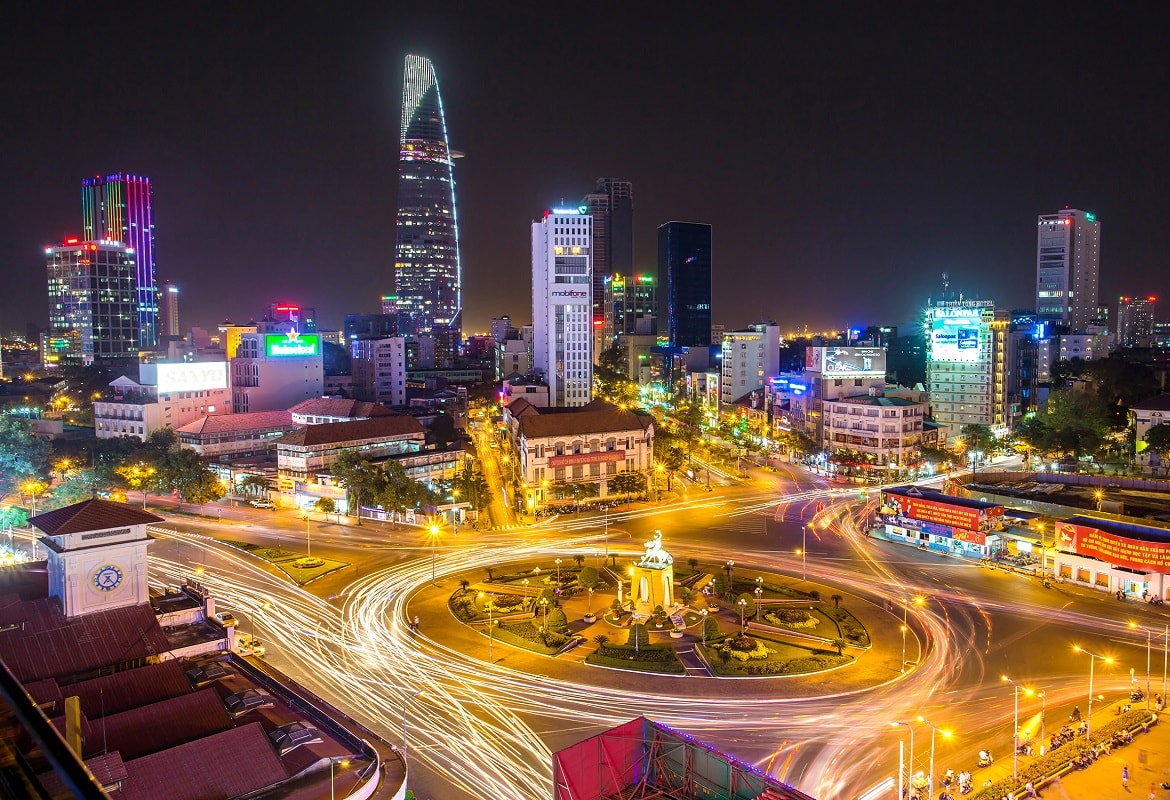
    Ho Chi Minh City is laying the groundwork for ambitious double-digit growth during the period of 2026 to 2030, setting an energetic tone for the business landscape. As the city charts its course for the remainder of 2025, each department has received specific mandates aimed at mobilizing approximately VND780 trillion (US$29.56 billion) in total social investment. The targets are equally ambitious: a 19.2% increase in total retail sales of goods and services and a 24.3% rise in exports. With tourism also taking center stage, the city aims to attract between 8.5 and 10 million international visitors, alongside 45 to 50 million domestic tourists, generating a tourism revenue between VND260 and 290 trillion.

    Strategic Policies and Economic Reforms

    The municipal People’s Committee has underscored the importance of rigorously implementing resolutions and policies from the Party Central Committee and local governing bodies. Authorities are set to unleash new breakthrough mechanisms while eliminating economic bottlenecks and advancing administrative reforms. To help businesses and citizens weather economic changes, ongoing tax, fee, and land rent exemptions, reductions, and deferrals will be in place, like a safety net woven to catch those who may falter.

    Building Bridges with Investors

    Local officials are ramping up dialogue with investors, enterprises, cooperatives, and business households to swiftly identify challenges. Innovative measures like “green channels” dedicated to projects in export processing zones, industrial parks, and high-tech zones will be further encouraged, building a bridge between ambition and execution.

    Revolutionizing Administrative Processes

    Departments and units have been tasked with cutting administrative processing times by at least 30% and reducing business costs by a similar margin. They will also work to eliminate at least one-third of unnecessary business conditions, paving the way for a more attractive investment climate. The city is steadfast in its commitment to achieving 100% disbursement of its 2025 state budget capital while simultaneously seeking to attract additional social investments wherever possible.

    Future Growth Strategies

    With an eye on the future, Ho Chi Minh City plans to accelerate the development of high value-added services while bolstering exports and trade. There’s also a strong push to stimulate domestic consumption and expand the tourism sector. Key areas for growth will focus on science and technology, innovation, digital transformation, and nurturing high-quality human resources. A mix of investment models—including “public investment – private management” and “private investment – public use”—is set to be implemented.

    Embracing Digital Transformation

    Comprehensive digitalization of state management is a priority, with initiatives spanning digital government, economy, society, and citizen services. The city aims to enhance its data governance strategy and public administrative service systems while accelerating the deployment of 5G infrastructure—a plan so forward-thinking it might just have tech enthusiasts cheering from the sidelines.

    Navigating Global Trade Challenges

    In light of recent U.S. tariff policies, the People’s Committee is urging local authorities to collaborate closely with ministries to devise measures that bolster competitiveness. This includes support for affected sectors, establishing traceability systems, and enhancing integration within regional and global supply and value chains.

    Questions & Answers

    What major economic targets has Ho Chi Minh City set for 2025?
    The city aims to mobilize approximately VND780 trillion (US$29.56 billion) in social investment, boost total retail sales by 19.2%, and increase exports by 24.3%.

    How does Ho Chi Minh City plan to foster a better investment climate?
    Authorities will cut administrative processing times by at least 30%, reduce business costs similarly, and eliminate a third of unnecessary business conditions to create a more attractive environment for investors.

    What sectors is the city focusing on for future growth?
    Ho Chi Minh City is prioritizing the development of high value-added services, science and technology, digital transformation, and high-quality human resources as part of its growth strategy.

  • Hanoi Celebrates National Day with Free Metro and Bus Rides for All!

    Hanoi Celebrates National Day with Free Metro and Bus Rides for All!

    Hanoi’s People’s Committee has unveiled an exciting initiative that aims to enhance accessibility for both residents and tourists during the upcoming National Day celebrations. Scheduled for September 2, the city is introducing a range of transportation measures designed not only to lighten traffic congestion but also to significantly reduce emissions, making travel easier and greener.

    Free Rides on Metro Lines and Buses

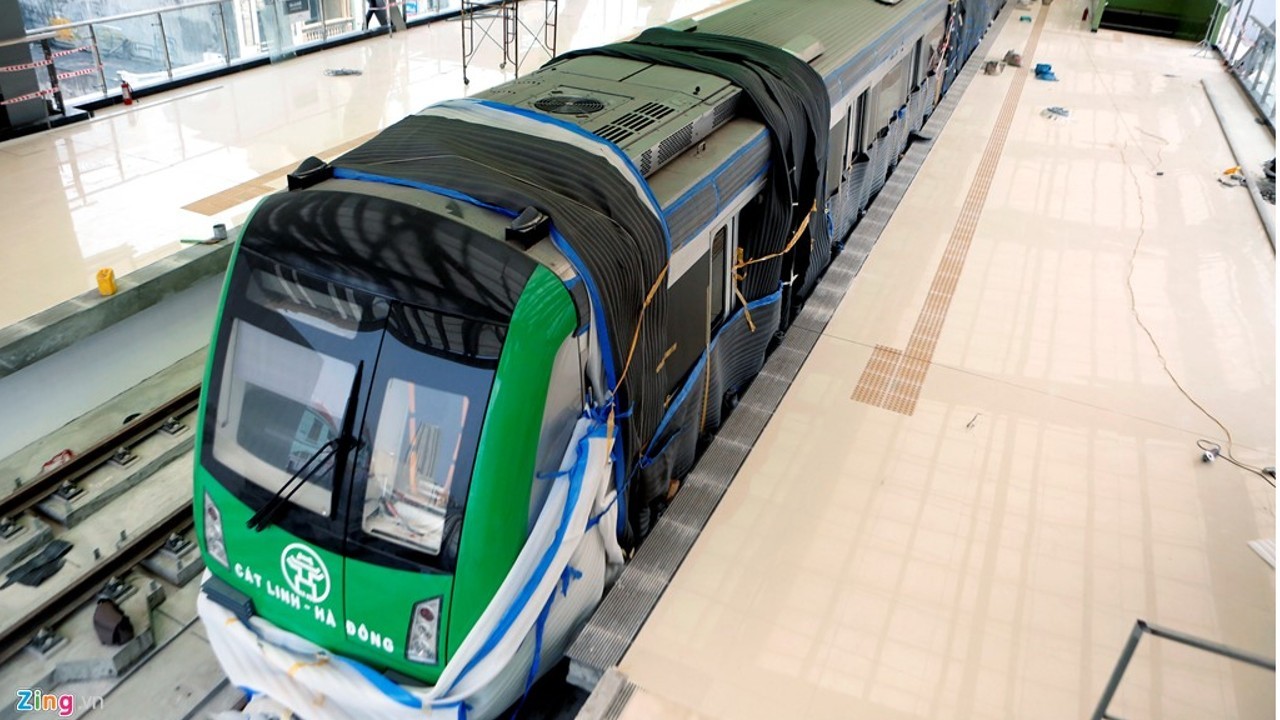
    Both the Cat Linh-Ha Dong and Nhon-Cau Giay metro lines will provide complimentary single-ride tickets, making it easier for families and visitors to explore the city’s historic sites and partake in the celebrations without the hassle of additional costs. Passengers can expect to receive their tickets as usual, only this time, they will be free of charge.

    Extended Metro Operating Hours

    To accommodate the anticipated influx of travelers, the metro system will extend its operating hours. On August 21, 24, 27, and 29, trains will run from 5:30 a.m. to midnight. On August 30, service will begin at 5:00 a.m. and last until 10:00 p.m. The excitement peaks on September 1, with operations returning to the midnight schedule. As if that’s not enough, trains will run every six minutes during peak hours and every ten minutes during quieter times — just enough to ensure your celebrations never miss a beat.

    Strategic Bus Routes for Easy Travel

    Key bus routes servicing the city center include the 09A line from Hoan Kiem Lake to Nguyen Hoang Ton Street, the 22A from Gia Lam to Kim Ma, and the E09, which connects Smart City in Tay Mo Ward to West Lake. Additionally, the highly anticipated Yen Nghia-Kim Ma Bus Rapid Transit line will play a crucial role in facilitating smooth transport throughout the celebrations. Local districts have been directed to utilize schools, stadiums, and public offices as temporary parking facilities, helping manage the expected surge in vehicle numbers.

    Caring for Attendees

    In a heartfelt gesture, Hanoi’s authorities will also offer free water, snacks, and shelters for attendees. Transportation services will be made available for residents from surrounding areas, especially catering to seniors. Priority seating will be reserved for veterans, the elderly, women, and children, with measures in place to ensure crowd control along parade routes, creating an orderly and enjoyable experience for all.

    Final Preparations Underway

    Rehearsals for the grand event are set for August 21, 24, 27, and 30, leading up to the official National Day ceremony, parade, and march on September 2, which is scheduled to kick off at 6:30 a.m. With the anticipation building, it seems the city is ready to roll out the red carpet for a celebration that promises to be both memorable and accessible.

    Questions & Answers

    How will transportation be affected during the National Day celebrations in Hanoi?
    Transportation will be enhanced with free single-ride metro and bus tickets. The metro will also extend operating hours to accommodate the increased demand.

    What measures are in place to ensure accessibility for vulnerable populations?
    Officials are prioritizing seating for veterans, the elderly, women, and children, and providing free transportation services for seniors from neighboring areas.

    What is the schedule for the main events on National Day?
    The official ceremony, parade, and march will begin at 6:30 a.m. on September 2, following rehearsals scheduled on several days prior to the event.

  • VinFast Unveils Exclusive Armored Limousine Designed for Elite Leaders and VIPs

    VinFast Unveils Exclusive Armored Limousine Designed for Elite Leaders and VIPs

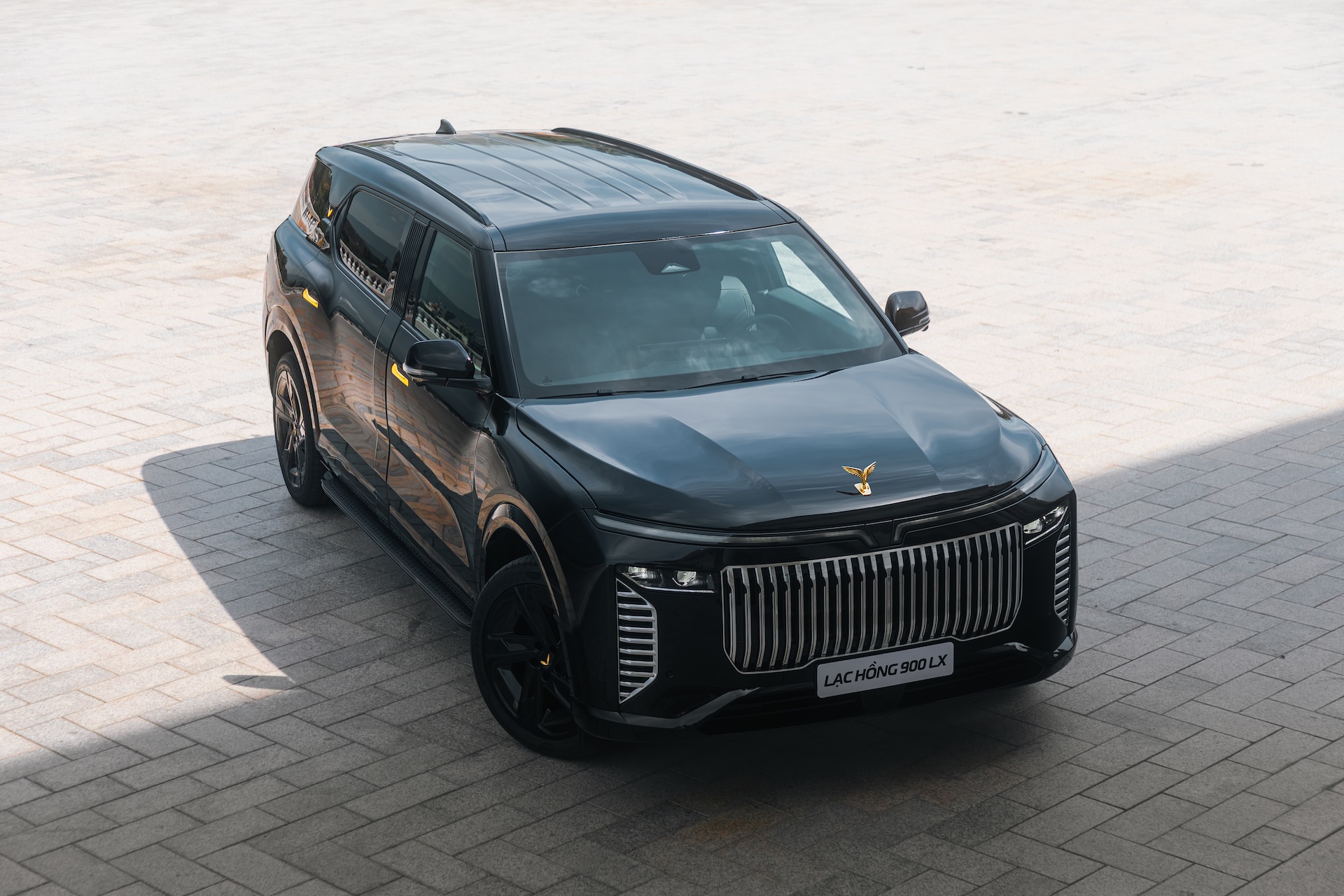
    Vietnamese automaker VinFast has unveiled its latest offering, the Lac Hong 900 LX—an armored limousine tailored for transporting political figures. This opulent vehicle made its debut at the “80 Years of Independence – Freedom – Happiness” exhibition held at the Vietnam Exposition Center, just in time for the upcoming National Day celebrations in Hanoi on September 2.

    A Tribute to Tradition and Luxury

    The Lac Hong 900 LX is more than just a luxurious vehicle; it’s a symbol of Vietnam’s heritage. Its name pays homage to a mythical bird in Vietnamese tradition that represents the nation’s enduring history. The vehicle’s design showcases elements inspired by the country’s iconic Dong Son bronze drum, while its vertical-slat front grille evokes images of Vietnam’s lush bamboo groves. Because who doesn’t want their ride to double as a cultural landmark?

    A Fortress on Wheels

    Designed to cater to high-profile global leaders, the Lac Hong LX series includes bulletproof and standard versions. VinFast has already provided two armored models and ten standard versions for government use. The bulletproof variant weighs a hefty 5,049 kg due to its reinforced construction, while delivering a driving range of 450 kilometers per charge—certainly a small price to pay for peace of mind.

    Specifications and Craftsmanship

    With a generous wheelbase of 3,349 mm, this luxurious model is larger than the standard VinFast VF 9, boasting a sophisticated black exterior adorned with hand-crafted gold-plated details. Inside, premium materials such as real gold, Nappa leather, and golden nanmu wood elevate its status, offering an opulent atmosphere fit for dignitaries. The leather-wrapped steering wheel, complete with gold-plated accents, is just one of the many thoughtful details that add to the luxurious experience.

    An Experience Beyond Driving

    Stepping inside, one is welcomed by an interior designed for comfort and functionality. The cabin, reminiscent of a first-class aircraft, features heated and cooled seats equipped with ten adjustment modes. Each seat is upholstered in leather with gold stitching, boasting embroidered gold “V” logos on the headrests. If that doesn’t scream “luxury,” we don’t know what does. As for entertainment, the vehicle houses an Audison audio system featuring 13 satellite speakers and a subwoofer, ensuring that any ride feels like an exclusive concert.

    VinFast aims to establish the Lac Hong brand as a luxury segment similar to Toyota’s Lexus and Honda’s Acura, indicating a strategic move to elevate Vietnam’s automotive presence on the global stage. As part of this initiative, the company is likely to explore the production of a smaller model for commercial distribution—perhaps something for the masses that still nods to the opulence of its larger counterpart.

    Exhibition Details

    The “80 Years of Independence – Freedom – Happiness” exhibition runs daily from August 28 to September 5, offering the public a glimpse of this remarkable vehicle and celebrating a pivotal moment in Vietnam’s history. Perhaps while admiring the Lac Hong’s sleek lines and formidable presence, attendees will also be reminded of the long journey this nation has undertaken—one luxury vehicle at a time.

    Questions & Answers

    What is the purpose of the Lac Hong 900 LX limousine?
    The Lac Hong 900 LX is designed primarily for transporting political guests, particularly during significant events like Vietnam’s National Day celebrations.

    What features distinguish the bulletproof version from the standard model?
    The bulletproof version is heavier, weighing 5,049 kg, while the standard model is lighter at 3,035 kg. Additionally, the bulletproof version has a driving range of 450 kilometers compared to the standard’s 595 kilometers.

    How does VinFast plan to position the Lac Hong brand?
    VinFast aims to establish the Lac Hong brand as a luxury segment akin to Toyota’s Lexus and Honda’s Acura, focusing on high-quality, premium vehicles that symbolically reflect Vietnam’s culture and heritage.

  • Vietnam’s Gasoline Prices Surge to Two-Month High – What It Means for Consumers

    Vietnam’s Gasoline Prices Surge to Two-Month High – What It Means for Consumers

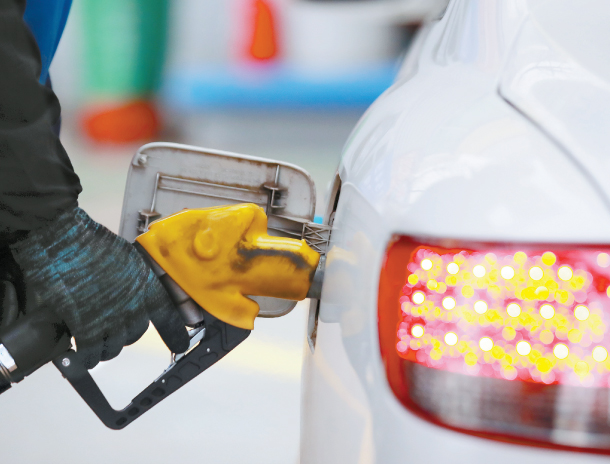
    On Thursday afternoon, gasoline prices in Vietnam soared to their highest levels since July 1, driven by a surge in global market rates.The widely used fuel RON95 saw a significant increase of 1.34%, now priced at VND20,360, while the biofuel E5 RON92 jumped 1.59% to VND19,770. Diesel fuel also experienced a notable rise, climbing 2.51% to VND18,350.

    Market Forces Behind the Trend

    Recent fluctuations in the global oil market have been influenced by various factors, including the U.S. imposing higher tariffs on imports from India and escalating tensions between Ukraine and Russia, particularly concerning conflicts over energy resources, as outlined by the Ministry of Industry and Trade. In the international arena, RON95 reached $81.3 per barrel, marking a 1.6% increase, while diesel saw a 2.9% rise to $85.9 per barrel. It’s almost as if global oil supply and geopolitical strife are engaged in a dramatic tango, each step affecting consumers back home.

    Questions & Answers

    How have Vietnam’s gasoline prices changed recently?
    Gasoline prices in Vietnam have recently risen to their highest levels since July 1, with RON95 increasing by 1.34% and biofuel E5 RON92 by 1.59%.

    What external factors are driving these price hikes?
    The increases are influenced by the U.S. increasing tariffs on imports from India, and escalating conflict between Ukraine and Russia impacting their energy infrastructure.

    What do current international oil prices look like?
    As of the latest reports, RON95 has reached $81.3 per barrel, while diesel prices have risen to $85.9 per barrel, indicating a broader trend of escalating costs on the global stage.

  • Vietjet Expands Singapore–Vietnam Services with More Daily Flights and All-Inclusive Fares from Just SGD86

    Vietjet Expands Singapore–Vietnam Services with More Daily Flights and All-Inclusive Fares from Just SGD86

    Vietjet is expanding its Vietnam services from Singapore with increased flight frequencies to both Phu Quoc and Da Nang, offering Singapore-based travellers more convenient options to explore Vietnam’s top destinations. 

    Starting 23 December 2025, the Singapore–Phu Quoc service will increase to seven round trips per week, while the Singapore–Da Nang service will rise to two daily return flights from 21 November 2025. This expansion brings the airline’s total number of weekly flights connecting Singapore and Vietnam’s Hanoi, Ho Chi Minh City, Da Nang and Phu Quoc to 49 round trips, offering greater flexibility and convenience for both leisure and business travellers during the busy year-end and new year holiday season.

    To celebrate, Vietjet is rolling out a special promotion for Singapore-based travellers from 28 August to 24:00 on 30 August 2025 (GMT+8). Tickets on all Singapore–Vietnam routes are available from just SGD86/one-way at www.vietjetair.com or the Vietjet Air mobile app, for travel between 1 October 2025 and 27 May 2026 (except peak periods).  

    Travellers from Singapore can now enjoy easier access to two of Vietnam’s most popular tourism destinations, including Phu Quoc, which was named by CNA as one of Southeast Asia’s must-visit destinations in 2025. Key attractions include its idyllic beaches Bai Sao, Bai Truong, and Bai Khem, as well as the island’s national park, vibrant fishing villages, and world-class resorts.

    Meanwhile, Da Nang – Vietnam’s most livable city – offers long sandy beaches, vibrant nightlife, and easy access to UNESCO World Heritage sites such as Hoi An Ancient Town, My Son Sanctuary, and the Imperial City of Hue. With attractions ranging from the iconic Golden Bridge at Ba Na Hills to its thriving culinary scene, Da Nang is an ideal destination for both leisure and business travellers.

    Vietjet remains committed to providing safe, affordable, and enjoyable flights, with modern aircraft, friendly service from professional crews, fresh hot meals, and a vibrant onboard atmosphere that includes cultural and artistic performances on special occasions celebrating Vietnam’s heritage. The airline also offers exclusive rewards from the Vietjet SkyJoy loyalty program.

    Flight Schedules

    (All times are in local time, 24-hour format) 

    Singapore (SIN) – Phu Quoc (PQC) route 

    Sector  Flight 

    number

    Departure – Arrival times  Frequency
    Singapore – Phu Quoc  VJ984  13:05 – 13:45  Current: 4 round trips per week

    (7 round trips per week from 23 December 2025)

    Phu Quoc – Singapore  VJ983  15:45 – 18:30 


    Singapore (SIN) – Da Nang (DAD) route 

    Sector  Flight 

    number

    Departure – Arrival times  Frequency
    Singapore – Da Nang VJ970

    VJ890

    11:15 – 13:10 

    19:55 – 21:45

    Current: 1 daily  round trips 

    (2 daily round trips from 21 November 2025)

    Da Nang – Singapore  VJ973 

    VJ889

    13:10 – 16:55 

    15:00 – 18:55


  • Hanoi Welcomes a Stunning 50,000sqm Luxury Mall Set to Open This Year!

    Hanoi Welcomes a Stunning 50,000sqm Luxury Mall Set to Open This Year!

    The retail landscape in Hanoi is poised for a transformative shift, particularly with the impending launch of the Hanoi Centre shopping mall, set to debut in 2025. Located within the Tien Bo Plaza mixed-use project, this 50,000 sqm retail space promises to bring fresh shopping experiences to the city. Meanwhile, the City Fringe area will see the addition of Takashimaya, a 20,000 sqm retail gem slated for completion by the end of 2026. With this wave of new supply, landlords may find themselves in a tug-of-war to entice tenants by offering attractive lease terms in a competitive environment.

    Market Dynamics and Current Trends

    Despite some turbulence, particularly marked by a negative net absorption of 25,530 sqm—largely due to Vincom Nguyen Chi Thanh’s exit from the Prime retail basket after downsizing—Hanoi’s retail market is not without optimism. The recent report from JLL underscores a resilient performance in the food and beverage, lifestyle, and entertainment sectors, especially those appealing to Gen Z and families. “New entrants and expansions—featuring Asian brands like KKV, OH!SOME, and Mr DIY—signal a strong leasing activity, as these businesses secure significant retail spaces ranging from 500 to 1,000 sqm,” the report noted.

    Impact of Recent Developments

    The second quarter of 2025 did not welcome any new prime mall openings, leaving the supply in the City Centre at 55,000 sqm. Conversely, the City Fringe saw its total retail space contract to 581,045 sqm with the exclusion of Vincom Nguyen Chi Thanh. As a result, the City Centre’s vacancy rate crept up slightly to 4.6%, but with new vacancies set to attract tenants by late 2025. In contrast, City Fringe’s vacancy rate dropped to 7.3%, benefiting from the supply adjustments.

    Rent Dynamics and Future Prospects

    When it comes to retail rents, Hanoi’s City Centre experienced a monthly climb to USD 132.6 per sqm for ground-floor spaces in Q2. Meanwhile, rents in the City Fringe stabilized at USD 54.2 per sqm. Year-on-year, this marked a 3% increase in City Centre rents, even as City Fringe saw a slight dip of 0.9%. The competitive landscape of premium malls, including Lotte Mall West Lake and the upcoming Takashimaya, Thiso Mall Westlake, and CJ Shopping Centre slated for 2026-27, suggests that rent growth in the City Fringe will be measured in the coming years.

    As the retail scene evolves, it appears that the thrill of shopping in Hanoi will continue to attract not only local shoppers but also adventurous visitors eager to explore fresh offerings. After all, you never know when a delightful discovery will pop up right around the corner!

    Questions & Answers

    What are the key upcoming developments in Hanoi’s retail sector?
    The Hanoi Centre shopping mall, a significant 50,000 sqm venue, is expected to open in 2025 within Tien Bo Plaza, while Takashimaya is anticipated to add another 20,000 sqm to the City Fringe by the end of 2026.

    How has occupancy changed in Hanoi’s retail market?
    The City Centre’s vacancy rate has slightly increased to 4.6%, while the City Fringe saw a decrease to 7.3%, largely due to the exclusion of Vincom Nguyen Chi Thanh from the Prime retail basket.

    What trends are impacting retail rents in Hanoi?
    Retail rents in the City Centre have increased by 3% year-on-year, reaching USD 132.6 per sqm, while City Fringe rents have dipped by 0.9%. The competitive landscape, driven by new mall developments, poses challenges for rent increases in the City Fringe.

  • Vietnam’s Gold Prices Soar to New Heights in Record-Breaking Surge

    Vietnam’s Gold Prices Soar to New Heights in Record-Breaking Surge

    Vietnam’s gold market continues to shine brightly, reaching unprecedented heights as prices soar once again.

    In the latest surge, gold from the Saigon Jewelry Company climbed 0.47%, peaking at VND127.7 million (US$4,849.70) per tael. Gold rings followed suit, increasing by 0.41% to VND122.1 million per tael, marking yet another record high.

    Since the start of the year, Vietnamese gold prices have skyrocketed by 52%, considerably outpacing the stock market’s 29% gains—a dazzling display that’s catching the attention of investors and gold aficionados alike.

    In contrast, the U.S. dollar has appreciated by 3.75% against the Vietnamese dong, adding another layer of complexity to the market landscape. Globally, spot gold prices held steady at $3,372.67 per ounce, with the market eagerly awaiting U.S. PCE data that could influence the Federal Reserve’s upcoming policy decisions. A stronger dollar is currently tempering any potential gains, as reported by Reuters.

    U.S. gold futures for December delivery settled a marginal 0.03% lower at $3,417.5. Just last week, gold prices reached a near two-week high following comments from Federal Reserve Chair Jerome Powell regarding a potential interest rate cut in September. While Powell acknowledged rising risks to the job market, he also highlighted persistent inflation concerns, leaving the final decision unclear.

    In a high-interest-rate environment, the allure of non-yielding gold tends to wane, making its recent rise all the more intriguing. As the sun shines brightly on Vietnam’s golden moment, many are left wondering how high this shiny trend can go.

    Questions & Answers

    How have gold prices in Vietnam changed recently?
    Gold prices in Vietnam have surged significantly, with the Saigon Jewelry Company reporting a 52% increase since the beginning of the year, vastly outstripping stock market gains.

    What factors are influencing global gold prices?
    Global gold prices are being influenced by anticipation surrounding U.S. PCE data and the Federal Reserve’s interest rate policies, with a stronger dollar currently capping gains.

    What impact do interest rates have on gold’s attractiveness?
    In a high-interest-rate environment, gold’s appeal diminishes because it does not yield any interest compared to other investments, making its recent rise particularly notable.

  • VinSpeed Plans Ambitious 350 kph Metro System for HCMC: A Bold Leap in Urban Transit!

    VinSpeed Plans Ambitious 350 kph Metro System for HCMC: A Bold Leap in Urban Transit!

    In a significant stride towards enhancing urban mobility, VinSpeed has announced a groundbreaking VND76 trillion (US$2.93 billion) project aimed at revolutionizing the transportation landscape in Ho Chi Minh City. The financing structure reveals that 15% of the capital will come from its own resources, while a substantial 85% will be sourced through loans, as discussed in a recent conference focused on green transportation.

    Land Preparation with State Support

    To pave the way for this ambitious endeavor, land clearance costs, estimated at over VND7.6 trillion (approximately $288 million), will be borne by government funds. It’s perhaps the ultimate local government investment: an invitation for residents to wave goodbye to gridlock!

    A Speedy Solution

    The proposed rapid transit line is designed to operate at speeds three times faster than the current Ben Thanh – Suoi Tien metro service. “Choosing a high-speed option from the outset simplifies the process,” noted Nguyen Anh Tuan, CEO of VinSpeed. He further explained that the actual operational pace might be adjusted based on passenger needs, allowing for flexibility in service design.

    Construction Timeline and Ambitions

    Construction is slated to kick off in the last quarter of this year, with the aim of completing it by early 2028. “This timeline is ambitious, setting a record for a metro line, but we are fully confident in our ability to meet it,” Tuan remarked, setting the stage for what could be a transformative shift in public transport.

    Learning from Experience

    Given Vietnam’s relatively nascent experience with such large-scale projects, VinSpeed has embraced a strategic approach—studying international models and conducting comprehensive geological and topographical assessments along the proposed route. Experts attending the seminar lauded the project’s ambition, suggesting it could redefine metro and railway development standards in Vietnam.

    Balancing Speed with Scenic Appreciation

    Not all feedback was unreservedly positive; experts voiced concerns regarding the high operational speed of 350 kph. Truong Tien Trien, deputy head of HCMC’s Urban Development Management Board, cautioned that such speed might prevent passengers from savoring Can Gio’s stunning natural vistas. “We must be cautious,” he urged.

    Environmental Considerations

    Adding another layer to the discussion, Tran Du Lich, head of HCMC’s metro network development advisory group, underscored the need for environmental protection, particularly concerning the Can Gio International Biosphere Reserve. “Even if the route is curved, it should avoid impacting this unique ecosystem,” he asserted.

    Expert Recommendations

    Phan Huu Duy Quoc, chairman of Construction Corporation No. 1, which previously contributed to the Ben Thanh – Suoi Tien metro, suggested optimizing service roads and construction sites to minimize environmental footprints. On the river-crossing segment, he proposed exploring an underground tunnel instead of constructing a new bridge, drawing on lessons learned from the existing metro line.

    Can Gio: A Natural Haven

    Can Gio, located approximately 50 km from central Ho Chi Minh City, spans over 71,300 hectares, with a remarkable 70% of its area consisting of mangrove forests and intricate waterways. The burgeoning metro network in HCMC, with a grand plan featuring 11 lines and a target of completing seven lines totaling 355 km by 2035, is poised to reshape how residents navigate their city. Notably, Metro Line 2 (Ben Thanh – Tham Luong) is also set to begin construction this year, heralding a new era for public transport in the area.

    Questions & Answers

    What is the overall budget for the Can Gio metro project?
    The project is projected to cost VND76 trillion (approximately US$2.93 billion), primarily funded through loans.

    When is the construction of the metro expected to start and be completed?
    Construction is set to begin in the last quarter of this year, with completion aimed for early 2028.

    What are the environmental concerns related to the proposal?
    Experts highlighted the importance of avoiding impacts on the Can Gio International Biosphere Reserve, emphasizing the need for careful planning and evaluation of environmental effects as the project develops.