Tag: Vietnam

  • Lessons from Vietnam: How Expats Mastered the Art of Saving and Spending Wisely

    Lessons from Vietnam: How Expats Mastered the Art of Saving and Spending Wisely

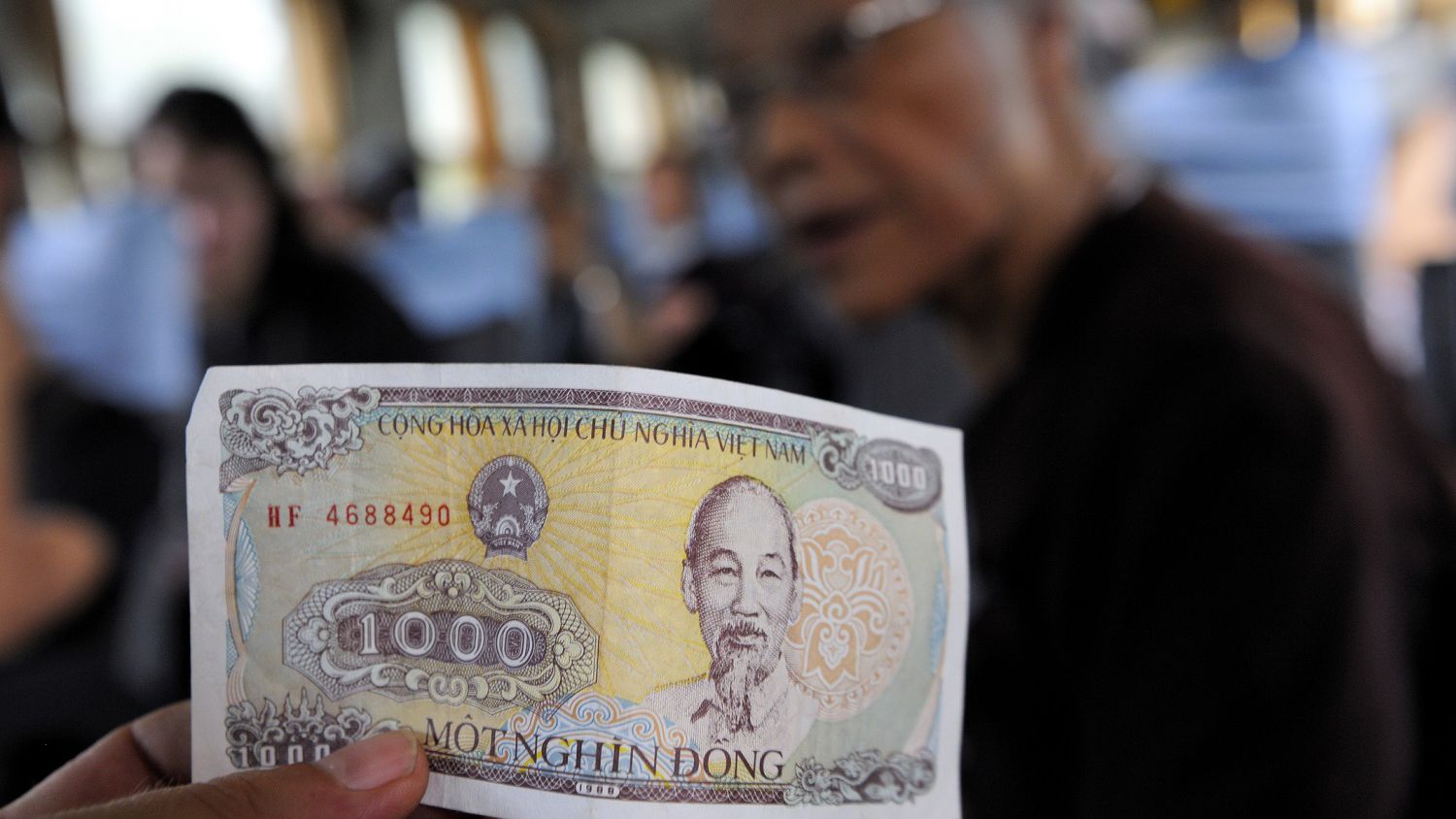
    Stepping into the world of retail in Vietnam can be a revelation, especially for foreigners adjusting to the local financial landscape. One British expat, who moved to the country to work as a sales director, discovered this first-hand when he encountered a budgeting practice that seemed almost quaint yet profoundly effective. At the home of a friend, he was shown a drawer brimming with envelopes, each earmarked for specific expenses such as Tet celebrations, emergency savings, and even a future refrigerator. He was struck by the simplicity of it all: “They know exactly where their money ends up, even without spreadsheets,” he remarked.

    Understanding the Vietnamese Financial Mindset

    As he settled into his new life, the 34-year-old Briton began dating a woman who would eventually become his wife. This relationship opened a window into the Vietnamese approach to personal finance, characterized by careful consideration for every expense. Major purchases are discussed well in advance and pursued only when funds are available or when there is an urgent need. Borrowing, particularly from banks, is seen as a last resort, often introduced through family or friends. “Vietnamese people are very afraid of debt,” he noted, highlighting a stark contrast to western financial habits.

    Clashing Financial Philosophies

    The couple’s differing attitudes towards money often led to disagreements. While he was inclined to take risks—wielding credit for investments and chasing opportunities—his wife adopted a more cautious stance. When he entertained the idea of investing in a UK startup, her probing questions forced him to reconsider: What if it failed? Could they afford to recover? Would he feel comfortable discussing this investment with their children one day? These moments of reflection revealed to him the striking reality that many Vietnamese manage to buy homes, invest in land, and support families—all on modest incomes.

    A Shift in Spending Habits

    He learned that the real essence of financial success lies not in how much you earn, but in how much you can save. An eye-opening experience occurred when he decided against purchasing a new car after noticing his wife’s family relied on old faithful motorbikes. “In Vietnam, no one cares what you drive as long as it gets you there,” he mused. Eventually, the couple was able to secure a plot of land on the outskirts of Hanoi, representing a prudent and distinctly Vietnamese choice.

    Gradually, his mindset began to shift; a $10 sandwich triggered thoughts of a more economical $2 bowl of pho. He observed a similar transformation among many other foreigners who find themselves rethinking their approach to money during their time in the country.

    Culture Shock and Financial Reality

    A report by Navigos Group indicates that about 50% of expats experience culture shock, with financial habits playing a significant role in this adjustment. Statista highlights that in 2023, only 7% of Vietnamese adults held a credit card, making this one of the lowest rates in the region. Moreover, a World Bank survey revealed that a staggering 64% of Vietnamese strive to avoid borrowing even when facing financial hardships.

    William Gray, a financial advisor at Infinity Financial Solutions, noted that many foreigners adapt their financial behaviors once they embrace the culture. “Limited access to credit forces them to live within their means,” he said, especially when they begin making joint financial decisions with a Vietnamese partner. This leads to priorities centered on saving and acquiring property rather than accumulating debt.

    Navigating Differences in Financial Perspectives

    In 2024, Liam Ward, a 30-year-old expat in Ho Chi Minh City, found himself embroiled in a spirited debate with his Vietnamese girlfriend over their savings strategy as they prepared to cohabitate. He envisioned their savings funding travel adventures, while she viewed them as a safeguard against potential disasters like job loss or unexpected illness.

    “There is a clear gap in how the two cultures perceive money,” Ward stated. The couple ultimately reached a compromise by investing in gold, a practice he initially found perplexing. He worried about its liquidity in emergencies but soon learned that gold is a quick and accessible means of creating cash when needed. After experiencing volatile price spikes in late 2024 and early 2025, he acknowledged, “It turns out this is how many Vietnamese build and grow their wealth.”

    Questions & Answers

    What budgeting method stood out to the expat living in Vietnam?
    He discovered a simple yet disciplined approach where his friend stored money in envelopes labeled for different expenses, ensuring a clear understanding of spending without needing spreadsheets.

    How do Vietnamese attitudes toward debt differ from those in Western cultures?
    Vietnamese people are generally cautious about borrowing and prefer to rely on savings and family support rather than accumulating debt, contrasting with Western habits that more readily embrace credit.

    What financial lesson did the expat learn through his relationship?
    He realized that financial success is not about high earnings but about effective saving and spending, leading him to appreciate the value of modest living and careful budgeting.
  • Dollar Slides as Vietnamese Dong Gains Strength in Currency Exchange Dynamics

    Dollar Slides as Vietnamese Dong Gains Strength in Currency Exchange Dynamics

    On Friday morning, the U.S. dollar showed signs of weakness against the Vietnamese dong, setting the stage for a potential weekly decline against other major currencies.

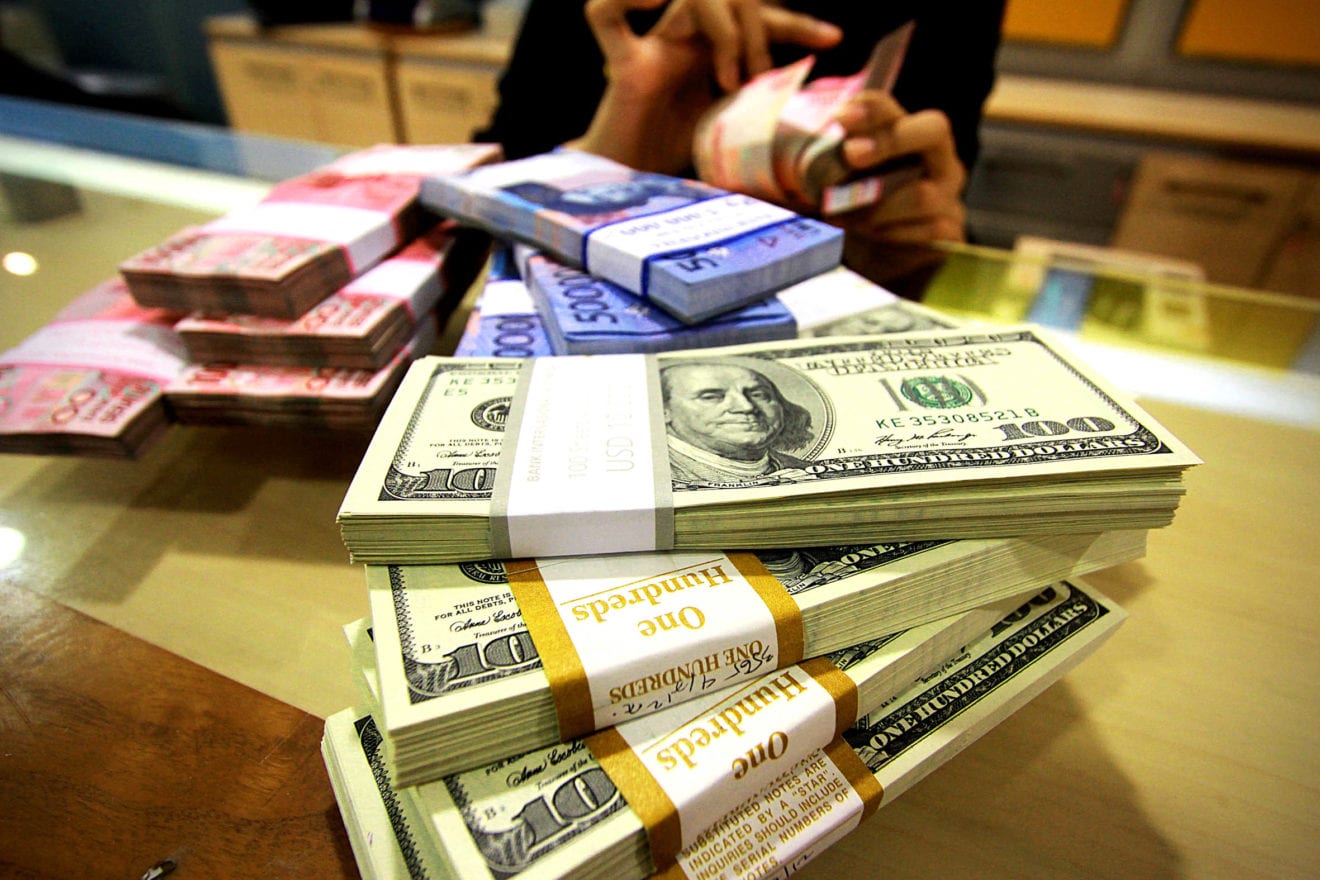
    At Vietcombank, the greenback was sold at VND26,390, reflecting a modest 0.04% decline from Thursday’s figures. Meanwhile, in the bustling black market, the dollar dipped 0.03%, trading at approximately VND26,490.

    The State Bank of Vietnam also made adjustments, lowering its reference rate by 0.04% to VND25,228. Globally, the dollar faced mounting pressure, positioning itself for a weekly setback. Rumors swirling around U.S. President Donald Trump’s temporary appointment of a new Federal Reserve Governor have fueled expectations for a dovish successor to Jerome Powell, whose term is drawing to a close. This speculation has left traders shuffling their positions, according to reports from Reuters.

    Trends in the Currency Market

    In early trading on Friday, the dollar index hovered around 98.04, while the Japanese yen remained steady at 147.07 per dollar. The British pound held its ground at $1.3439, poised for its best weekly performance since late June. Across a wide spectrum of currencies, the dollar has slipped nearly 0.7% this week, reflecting concerns over softening momentum in the U.S. economy, particularly within the labor market, which has stirred hopes for potential rate cuts by the Federal Reserve.

    European Currency Gains

    Elsewhere, optimism crested as the euro neared a two-week high, boosted by expectations of upcoming discussions between the U.S. and Russia regarding peace efforts in Ukraine. Amid this backdrop, one could almost hear the sigh of relief echoing through financial markets as investors seek stability.

    Questions & Answers

    What is the current exchange rate of the U.S. dollar against the Vietnamese dong?
    As of Friday morning, the U.S. dollar is sold at VND26,390 at Vietcombank and around VND26,490 on the black market.

    What factors are influencing the recent decline in the dollar’s value?
    The dollar is under pressure due to speculations surrounding potential dovish leadership at the Federal Reserve and concerns over weakening momentum in the U.S. economy, particularly in the labor market.

    How is the euro performing amidst current market conditions?
    The euro is trading near a two-week high, buoyed by expectations of U.S.-Russia talks aimed at resolving the conflict in Ukraine, much to investors’ delight.

  • Vietnam’s Exporters Innovate Strategies to Navigate New US Tariffs

    Vietnam’s Exporters Innovate Strategies to Navigate New US Tariffs

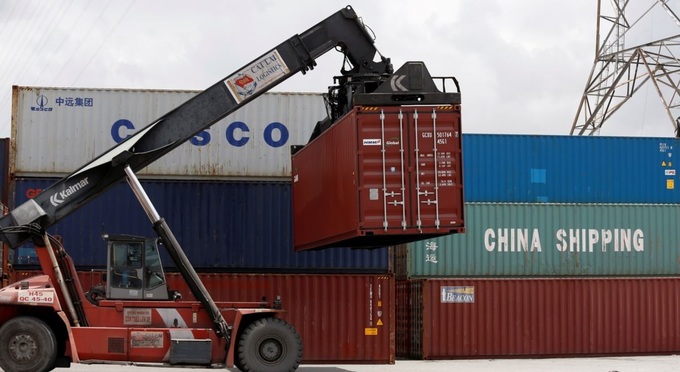
    Since August 7, a range of tariffs between 10% and 41% took effect, impacting most of the United States’ trade partners, with Vietnam facing a significant 20% rate—much lower than the initial 46% proposed by President Donald Trump. This shift leaves many in the Vietnamese textile and garment industry grappling with heightened input costs and shrinking profit margins.

    Pham Van Viet, chairman of Viet Thang Jean, emphasized the challenges that tariff fluctuations pose in this fast-paced sector. “This is a seasonal business with short order cycles,” he explained. “Tariff changes make it hard to renegotiate prices, especially for finalized contracts.” Despite these hurdles, many exporters had anticipated such developments, preparing strategies as early as April when the US began signaling intent to impose tariffs.

    “We were ready for a 30-46% rate, and so 20% is actually good news,” noted Nguyen Dinh Tung, CEO of Vina T&T Group, an exporter of agricultural products. Indeed, the lower-than-expected tariff has provided a silver lining amid the uncertainty.

    A Shift in Strategy: Diversification Takes Center Stage

    Faced with these tariffs, Vietnamese businesses are pivoting to market and product diversification as the primary defense mechanism. The US still commands a substantial 46% of Vina T&T’s exports, which totaled approximately US$50 million in the first half of this year. Yet, the company has strategically reduced its US market share from 65% last year, now expanding outreach to Japan, South Korea, and the EU.

    Vina T&T’s flexible product line includes everything from seasonal fruits to processed items like fish sauce and rice paper. A recent survey conducted among over 1,500 exporters by the Private Economic Development Research Board and VnExpress revealed that more than half are actively exploring new markets to mitigate tariff risks. Interestingly, around 35% of domestic producers are aligning with this strategy, showcasing a collective adaptability across sectors such as manufacturing, services, agriculture, forestry, and fisheries.

    Leveraging Free Trade Agreements: A Boon for Exporters

    As companies seek new frontiers, Vietnam’s network of 17 free trade agreements with over 60 countries serves as a robust asset. Dr. Bui Quy Thuan from the Phenikaa School of Economics noted that these agreements afford businesses entry into lucrative markets like the EU, Japan, and South Korea. Despite the looming pressures from US tariffs, the global import landscape shows that the US accounts for just 13% of global imports, leaving ample room for diversification.

    In a bid to further cushion the blow of rising tariffs, companies are negotiating ways to share these costs. For instance, Viet Thang Jean has successfully renegotiated contracts to split the 3% tariff increase with its importers. On the export front, Vietnam has set an ambitious target for a 12% growth this year, aiming for a total of US$450 billion, which is backed by a staggering 36.5% increase in trade with the US in the first five months, resulting in exports worth US$71.7 billion.

    Innovation and Sustainability: The Future of Vietnamese Industry

    Long-term, as trade tensions escalate, experts like Do Thien Anh Tuan from Fulbright University stress the necessity for Vietnamese companies to enhance their strategic outlook and competitiveness. He advocates for a shift away from low-cost manufacturing towards value-added products that leverage technology and innovation.

    Such moves could significantly reduce dependency on imported components from countries like China and South Korea. Many firms are already adapting, with Viet Thang Jean sourcing 50% of its materials locally and planning to ramp that figure up to 85% within three years. Similarly, Sunhouse Group is making strides toward self-sufficiency across its production processes, setting an export target of VND 3 trillion (approximately US$114.4 million) this year.

    “Vietnam stands at a turning point,” Phu said, “with the potential to ascend the global supply chain if we properly capitalize on our manufacturing and technological strengths.” However, leaders within the sector are not blind to the challenges that lie ahead. Many are now calling for enhanced tax, land, and credit incentives to facilitate the necessary adjustments for thriving in a reshaped global market. Tuan reinforces the idea that government support should focus on empowering Vietnamese businesses to tap into FTA markets, crucial for maintaining competitiveness and improving global standing in the years to come.

    Questions & Answers

    How are Vietnamese companies adjusting to the new tariffs?
    Vietnamese companies are pivoting to market and product diversification as a primary defense strategy. Many exporters are actively seeking new markets beyond the US, exploring opportunities in countries like Japan, South Korea, and the EU.

    What percentage of Vietnamese exports goes to the US?
    The US accounts for approximately 46% of Vina T&T’s exports, though this share has decreased from 65% as the company expands its presence in other markets.

    What is the long-term outlook for Vietnamese businesses amidst rising trade tensions?
    Experts suggest that Vietnamese companies must enhance their strategies by focusing on innovation and producing value-added products, while also seeking local supply chains to reduce dependency on imports.

  • Vietnam Set to Soar: Renewable Energy Capacity Targeted at 112 GW by 2035

    Vietnam Set to Soar: Renewable Energy Capacity Targeted at 112 GW by 2035

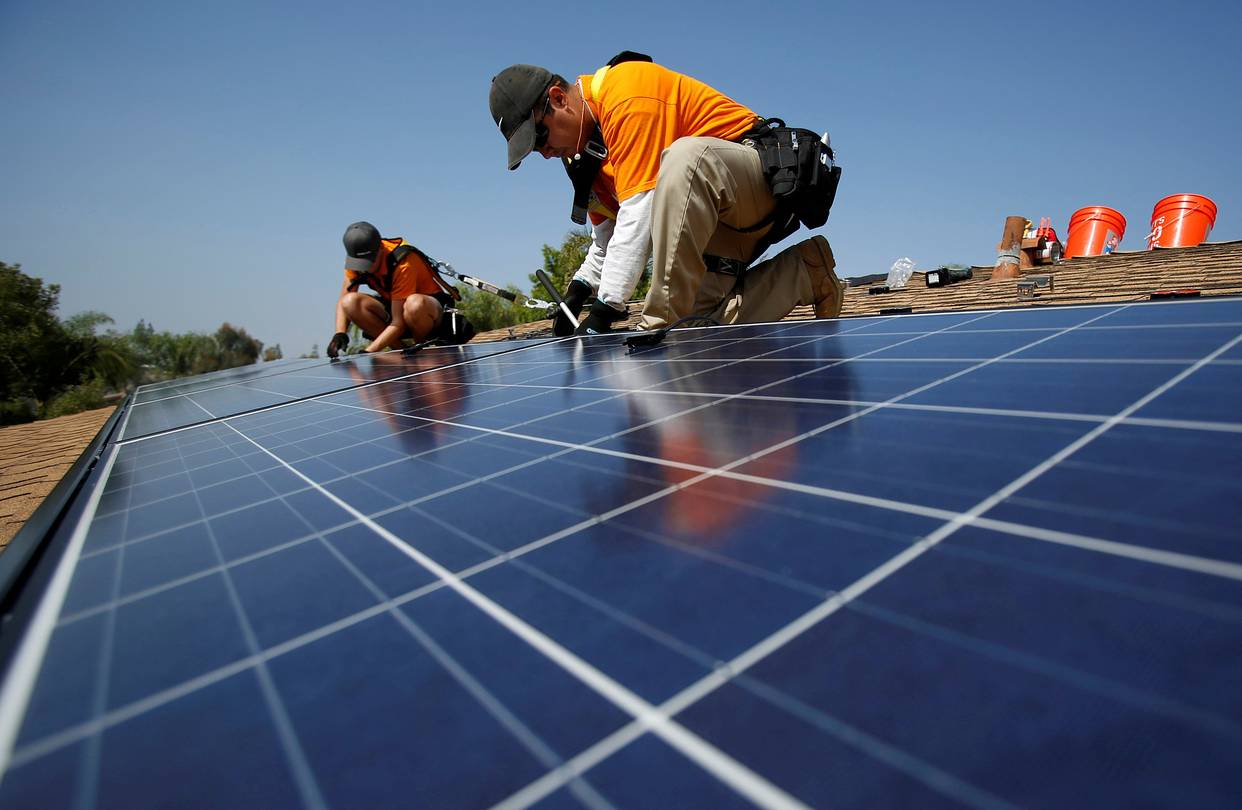
    Vietnam’s renewable energy landscape is set to bloom, with projections indicating that the country’s total renewable power capacity will soar to 112.1 gigawatts by 2035. This impressive growth reflects a compound annual growth rate (CAGR) of 14.3% from 2024 to 2035, signaling a robust commitment to greener energy solutions.

    According to GlobalData’s latest report, “Vietnam Power Market Outlook to 2035, Update 2025 – Market Trends, Regulations, and Competitive Landscape,” the Vietnamese power sector is ripe with opportunities. The report highlights how wind, solar, and biomass energy remain largely untapped resources with vast potential for expansion.

    Between 2020 and 2024, Vietnam’s renewable power generation is expected to leap from 21.1 terawatt-hours (TWh) to 38.5 TWh, marking an impressive CAGR of 16%. This upward trajectory is anticipated to continue, with expectations of generating 179.6 TWh by 2035, reflecting a healthy CAGR of 15%.

    The Vietnamese government has enacted a series of policies designed to foster this green energy revolution, including feed-in tariffs (FiTs) and the revised Power Development Plan 8 (PDP 8). This strategic plan aims for a diverse energy portfolio that encompasses natural gas, coal, hydroelectric, solar, and wind power, all while pursuing the ambitious target of achieving net-zero emissions by 2050.

    “These initiatives are crafted to triple the installed power capacity by 2030, boost renewable energy growth, and enhance national energy security,” says Attaurrahman Ojindaram Saibasan, senior power analyst at GlobalData. While hydropower resources are nearing full capacity, the true potential for wind, solar, and biomass energy remains largely uncharted.

    However, the journey towards a greener Vietnam isn’t without its challenges. “Large-scale renewable projects and liquefied natural gas (LNG) terminals demand significant capital investment,” Saibasan notes. He points out that financing hurdles continue to persist due to regulatory ambiguities, a lack of bankable power purchase agreements (PPAs), and limited access to favorable long-term financing. Fortunately, the government is actively seeking to alleviate these concerns through more investor-friendly policies.

    Questions & Answers

    What is Vietnam’s projected renewable power capacity by 2035?
    Vietnam’s renewable power capacity is expected to reach 112.1 gigawatts by 2035, reflecting a compound annual growth rate of 14.3% from 2024 to 2035.

    What are the key elements of Vietnam’s Power Development Plan 8?
    PDP 8 aims to create a diversified energy portfolio that includes natural gas, coal, hydroelectric, solar, and wind power, with a long-term goal of achieving net-zero emissions by 2050.

    What challenges does Vietnam face in developing its renewable energy sector?
    Key challenges include regulatory uncertainty, the absence of bankable power purchase agreements, and limited access to favorable long-term financing, which the government is seeking to address with new investor-friendly policies.

  • Hanoi Metro Reports Impressive Threefold Profit Surge in First Half of Year

    Hanoi Metro Reports Impressive Threefold Profit Surge in First Half of Year

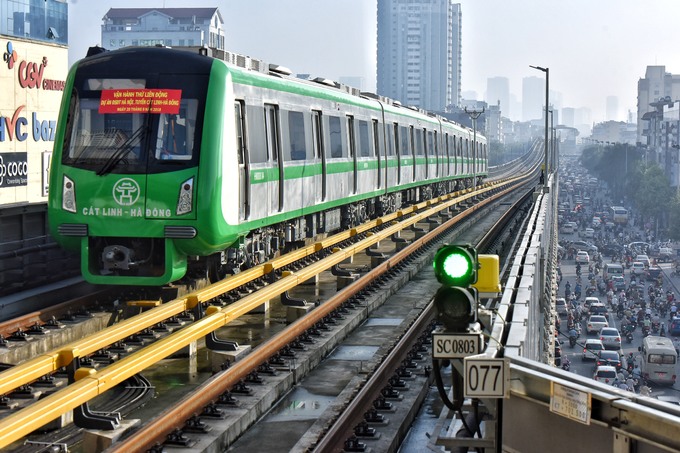
    Hanoi Metro’s post-tax profits surged to VND10 billion (approximately US$381,400) in the first half of 2025, a remarkable threefold increase compared to the same period last year.

    With revenues climbing by 50% to VND393 billion, the state-owned company operates two key metro lines: Cat Linh – Ha Dong and Nhon – Hanoi Railway Station. This impressive growth reflects a strong rebound in urban transport, and even the typically stately metro system seems to have caught a case of ‘fast lane fever’.

    This year, Hanoi Metro aims to carry 19.3 million passengers while targeting profits exceeding VND20.7 billion on revenues of VND878.4 billion. In the first half, the company achieved 48% of its profit goal and 45% of its revenue target, signaling a solid trajectory toward meeting its year-end aspirations.

    Strategies for Growth

    To further enhance passenger convenience and revenue generation, the company is actively seeking innovative initiatives that will lessen its reliance on government subsidies. The vision for the future is bold; by 2030, Hanoi plans to expand its metro network to 10 routes covering an impressive 417 kilometers. However, construction of the remaining eight lines remains in the planning stage, prompting the city’s People’s Committee to recently instruct relevant agencies to expedite the commencement of work on two of these lines by the end of this year.

    Metro lines in the fast lane

    As Hanoi strives to modernize its public transport, the success of Hanoi Metro shines a light on the potential of urban transit systems across Asia. With the city moving forward, the next few years will be critical in determining whether these ambitious plans can be transformed from blueprints into reality.

    Questions & Answers

    How much did Hanoi Metro profit in the first half of 2025?
    Hanoi Metro reported a post-tax profit of VND10 billion (around US$381,400), tripling its earnings from the same period the previous year.

    What are the revenue goals for Hanoi Metro in 2025?
    The company targets revenues of VND878.4 billion this year, aiming to achieve over VND20.7 billion in profits.

    What are the future plans for Hanoi’s metro system?
    By 2030, Hanoi hopes to expand its metro network to 10 routes covering 417 kilometers. However, the construction of many planned lines has yet to begin.

  • Vingroup Unveils Ambitious $14B Port and Logistics Complex Project in Hai Phong

    Vingroup Unveils Ambitious $14B Port and Logistics Complex Project in Hai Phong

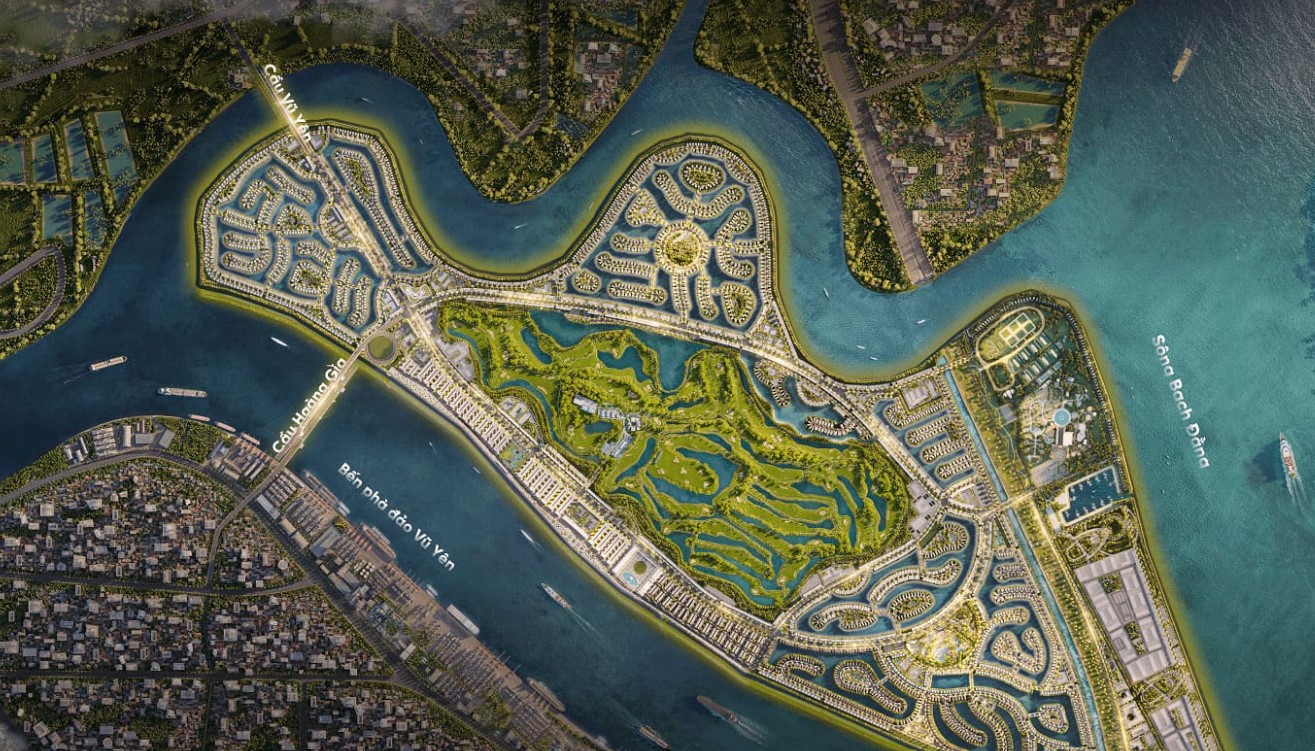
    In a significant development plan for Hai Phong, a sprawling 4,400-hectare complex in the southern part of the city will unfold over three phases, as announced by the board of directors. The initial phase is set to kick off next year, aiming for completion by 2030, while the following phases are slated for 2031 to 2035 and 2036 to 2040.

    Vingroup intends to finance 15% of the project from its own resources, with plans to secure the remaining funds through external partnerships. In recent years, the Vietnamese conglomerate has made substantial investments in Hai Phong, including the notable $1.5 billion VinFast automobile factory located in the industrial zone on Cat Hai Island.

    The real estate arm, Vinhomes, is simultaneously broadening its footprint in Hai Phong, currently developing its fourth project across 240 hectares. This expansion complements its successful completion of three key residential projects: Royal Island, covering 870 hectares; Imperia, at 78 hectares; and Mariana, encompassing 50 hectares.

    New Industrial Parks on the Horizon

    In addition to its residential developments, Vingroup has ambitious plans in the industrial sector, as it prepares to break ground on two new industrial parks in Hai Phong next year. There’s also an upcoming liquefied natural gas-to-power project, further underscoring Vingroup’s commitment to enhancing the region’s infrastructure.

    Positioned as a burgeoning industrial hub, Hai Phong has firmly established itself as a leader in northern Vietnam’s production landscape. Following its recent merger with Hai Duong Province in July, the city now boasts 15 large industrial parks and one of the country’s most extensive deep-water port networks. This strategic geographical advantage is paying off, with cargo throughput at Hai Phong’s ports consistently rising by 12-15% annually.

    In 2024, the port facilities managed an impressive 190 million tons of cargo, and expectations are set even higher for this year, with projections reaching 212 million tons. Meanwhile, the city’s plans for a southern coastal economic zone, announced last year, indicate a need for 20,000 hectares and an investment ranging between VND 400-600 trillion (approximately $15-23 billion).

    Local leaders acknowledge that foreign industrial investment has been a pivotal factor in driving economic growth over the past decade. However, challenges remain, particularly with the Dinh Vu-Cat Hai economic zone, which, established in 2008, is nearing full capacity and struggling to accommodate new projects.

    Questions & Answers

    What are the key phases of Vingroup’s development project in Hai Phong?
    The development will unfold in three phases: the first starting next year and set for completion by 2030, with subsequent phases planned from 2031-2035 and 2036-2040.

    How much is Vingroup planning to invest in the project?
    Vingroup is set to invest 15% from its own resources while seeking additional funding through other sources.

    What challenges does Hai Phong face with its industrial zones?
    The Dinh Vu-Cat Hai economic zone, established in 2008, is almost fully developed and lacks available land for new projects, which poses challenges for future growth.

  • Government Considers Doubling Casino Ticket Prices for Locals, Leaving Income Proof Behind

    Government Considers Doubling Casino Ticket Prices for Locals, Leaving Income Proof Behind

    In a bold move to reshape its gaming landscape, Vietnam is considering significant increases to entry fees for local casino players, according to a draft regulation currently under review by relevant authorities. If implemented, the new pricing structure would raise the 24-hour ticket price from VND1.25 million (approximately US$47) to VND2.5 million (US$95), while monthly tickets could see a staggering increase to VND50 million, marking a 2.5-fold jump.

    Higher Barriers for Local Gamblers

    This proposed adjustment comes as the government continues to fine-tune a pilot program that has allowed Vietnamese residents to gamble since 2016, contingent on specific criteria such as being over 21 years old and earning a minimum monthly income of VND10 million. However, the requirement to document one’s income has proven challenging. Many prospective gamblers can meet the income threshold but struggle to provide the necessary documentation on short notice.

    As one official noted, “Many cannot provide the required documents as they must be thoroughly prepared in advance.” The irony isn’t lost on anyone: while navigating this bureaucratic maze at home is a hassle, Vietnamese players can find a smoother road at casinos abroad.

    Enhancing Player Safety and Security

    By raising ticket prices, the government aims to ensure that participants are financially responsible while simultaneously reducing the administrative red tape surrounding gambling. Furthermore, the draft regulation seeks to mandate that licensed casinos maintain customer data for a minimum of five years, adding another layer of oversight.

    At present, there are nine authorized casinos in the country, but as the landscape evolves, the government has signaled its intent to solidify policies for the development of the Phu Quoc special economic zone. These policies will allow Vietnamese citizens to gamble at local casinos even after the trial period concludes.

    Investment and Infrastructure Requirements

    To bolster the gaming economy, casinos must be part of integrated tourism and amusement complexes, with a hefty minimum investment of $2 billion. Operators are also required to implement round-the-clock surveillance camera systems across crucial operational areas, including entry and exit points and gaming floors. Video footage must be retained for at least 180 days, readily accessible to authorities upon request.

    As a final touch to enhance security and identification, all players, regardless of nationality, will be issued electronic ID cards containing personal details and access rights. It seems the future of gambling in Vietnam is not only about the thrill of the game but also about having a seat at the table—safely and legally.

    Questions & Answers

    What prompted the government to consider increasing casino entry fees?
    The proposed increase in entry fees aims to ensure that players are financially capable and to simplify the documentation process for local gamblers, reducing red tape that often complicates spontaneous gambling.

    How many casinos in Vietnam would be affected by these proposed regulations?
    There are currently nine authorized casinos in Vietnam, all of which would need to comply with the new regulations if they are implemented.

    What security measures are required for casinos under the new proposal?
    Casinos must implement 24/7 surveillance systems, retain video footage for at least 180 days, and issue electronic ID cards to all players, enhancing safety and regulatory compliance.

  • Punkverse To Launch Revolutionary Flagship Store In Vietnam, Eyes Global Expansion

    Punkverse To Launch Revolutionary Flagship Store In Vietnam, Eyes Global Expansion

    Punkverse, a retail arm of the China-based collectible toy company PunkCode, is primed to launch its first international flagship store in Ho Chi Minh City, Vietnam. The specifics of the location, however, remain unknown as of now.

    Revolutionizing Retail

    The forthcoming Vietnam outlet is set to revolutionize the retail market with a unique combination of original intellectual property (IP), extended reality (XR) experiences, and a groundbreaking participatory retail model. This new approach to retail will empower consumers to become part-owners in the store, sharing in its profits.

    PunkCode has earned a reputation for its intriguing characters, namely Space Ape and Punk Ape. The company has also forged partnerships with highly esteemed artists from China like Zhang Daqian and Guan Shanyue.

    The Strategic Role of Punkverse

    Punkverse plays a vital role in PunkCode’s international strategy, intertwining toy manufacturing, artist collaborations, immersive technologies, and worldwide distribution. The company sees itself as a pioneering entity in the realms of the “Art Toy Culture Stock” and “XR Technology Stock.”

    According to PunkCode, Vietnam was selected as the location for their flagship store because of its young, technologically-adept population, a burgeoning middle class, substantial acceptance of mobile payments, and an expanding market for collectibles. The company has bold plans to inaugurate flagship stores in Singapore, Thailand, South Korea, and Dubai by the coming year, as part of their ambitious “1000 Store Plan”.

    Public Listing

    In addition to its retail expansion, PunkCode has also solidified its Nasdaq listing structure under the ticker symbol “PKCD”, with intentions to become a publicly-traded company by the following year.

    Questions & Answers

    What is the unique approach to retail proposed by PunkCode’s Punkverse?
    Punkverse is set to introduce a retail model combining original IP, extended reality experiences, and a participatory retail model that allows customers to share in store ownership and profits.

    Why was Vietnam chosen as the location for PunkCode’s first international flagship store?
    Vietnam was selected due to its young, tech-savvy population, a burgeoning middle class, high adoption of mobile payments, and a growing collectibles market.

    What are PunkCode’s future plans?
    PunkCode aims to open flagship stores in Singapore, Thailand, South Korea, and Dubai as part of its ambitious “1000 Store Plan”. The company also plans to go public next year under the ticker symbol “PKCD”.

  • VN-Index Soars to Its Largest Gain in Four Months: Retail Market Celebrates Strong Recovery!

    VN-Index Soars to Its Largest Gain in Four Months: Retail Market Celebrates Strong Recovery!

    The index closed 32.98 points higher, rebounding from a prior drop of 7.31 points. This encouraging shift reflects a resurgence of investor confidence in the Vietnamese stock market.

    Trading volume on the Ho Chi Minh Stock Exchange surged by approximately 9.2%, reaching VND42.6 trillion (US$1.63 billion), a clear sign of renewed activity.

    Most stocks in the VN-30 basket, representing the 30 largest companies, ended the day on a high note. Four notable stocks—VJC from budget airline Vietjet, VIC from conglomerate Vingroup, SHB of Saigon Hanoi Commercial Bank, and TPB from TPBank—hit their ceiling prices, illuminating a robust market sentiment.

    However, not every blue chip could bask in the glow; FPT of tech giant FPT Corporation slid slightly, closing down by 0.4%. It’s almost as if FPT was the lone wolf at a party of jubilant investors.

    Foreign investors took a different stance, emerging as net sellers with VND10.26 trillion in sales, predominantly offloading stocks like VIC and SSI of SSI Securities Corporation.

    Meanwhile, the HNX-Index on the Hanoi Stock Exchange, which tracks mid and small-cap stocks, climbed 1.29%, while the UPCoM-Index for unlisted public companies advanced by 0.66%, demonstrating that the upward momentum was widespread.

    Questions & Answers

    What was the performance of the VN-Index on August 4, 2025?
    On August 4, 2025, the VN-Index saw a significant increase of 2.21%, closing at 1,528.19 points—its most substantial gain in nearly four months.

    Which stocks hit their ceiling prices during this trading session?
    Four stocks achieved ceiling prices: VJC of Vietjet, VIC of Vingroup, SHB of Saigon Hanoi Commercial Bank, and TPB of TPBank, highlighting a thriving market environment.

    How did foreign investors react during this trading session?
    Foreign investors were net sellers, offloading VND10.26 trillion, primarily selling shares of VIC and SSI Securities Corporation, indicating a cautious approach amidst the market’s rising trend.

  • Nobu Danang Launches Exciting Branded Studio and One-Bedroom Residences for Luxury Living

    Nobu Danang Launches Exciting Branded Studio and One-Bedroom Residences for Luxury Living

    According to Savills, the past year has witnessed a remarkable occupancy rate of over 80% for studio and one-bedroom units in primary resort areas. What distinguishes these accommodation options? A significant cost advantage, with prices 30–50% lower than those of two- and three-bedroom apartments, while rental rates remain surprisingly competitive. This potent combination is driving exceptional rental profit margins and attractive returns on investment.

    At the forefront of this trend is Nobu Danang, leveraging its globally acclaimed brand to ensure superior operational performance. As international tourism rebounds, Nobu Danang’s studio and one-bedroom units stand out for their high-yield potential and flexible size, tailored for premium short-term stays. Investors looking for sustainable, long-term strategies are likely to find enticing opportunities here.

    Promising Profit Margins on the Horizon

    Profitability projections for Nobu Danang are optimistic, with studio units anticipated to generate about 3.7% yield in the first year, given a 50% occupancy rate. As operations mature and occupancy stabilizes at around 70%, returns could rise to a robust 6.4% by year five. Similarly, one-bedroom units are projected to begin with an attractive 3.2% yield, steadily increasing to 5.5% by year five. These figures underline the stable profitability and growth prospects for savvy investors.

    Robust Revenue Estimates

    With projected rental rates starting at VND 3.8 million (US$145) per night for studios and VND 5.5 million (US$220) for one-bedroom units, cumulative profits over a decade are estimated at an impressive 59.7%—equivalent to more than VND 5 billion in revenue, excluding potential asset appreciation.

    Nobu Danang underscores that these profit margins derive from a well-structured operational strategy responsive to genuine demand for quality accommodations, rather than speculative trends. As the market enters a new phase of scrutiny, such fundamentals become increasingly vital for prudent investment decisions.

    Luxury Living for the Discerning Elite

    For business elites, a studio residence at Nobu Danang isn’t just real estate; it’s a haven that transforms high-pressure trips into rejuvenating escapes. Owners enjoy exclusive access to an array of luxurious services, including 24/7 concierge support, entry to the renowned Nobu restaurant, a serene heated infinity pool, stringent security measures, and gourmet in-residence dining prepared by a Nobu chef—all at no additional charge.

    Emphasizing Elegant Space Management

    These studio and one-bedroom residences exemplify modern, efficient living that does not compromise on space. While the market standard for studios typically hovers between 30 to 35 square meters, Nobu Danang offers a generous 38–42 square meters. One-bedroom apartments provide even more expansive options, ranging from 60.6 to 68 square meters, catering to those who seek comfort and style in equal measure.

    Elevated by refined interiors that embrace the Japandi design aesthetic—a seamless blend of Japanese minimalism and Scandinavian comfort—these units maximize natural light and ocean views, crafting spaces that feel both luxurious and refreshingly close to nature. It’s a cocoon of elegance that might make you forget the hustle and bustle outside.

    “The studio and one-bedroom units here transcend the notion of merely high-performing investment assets. They are symbols of prestige and refined taste,” a representative from Nobu Danang remarked. “Each unit serves as a private retreat, designed to enrich life’s most inspiring journeys.”

    Flexible Financial Solutions

    Nobu Danang offers tailored payment options to meet diverse financial goals. Clients may choose a standard plan with 14 scheduled installments leading up to the issuance of ownership certificates, or opt for an accelerated payment plan that offers discounts of up to 10%. To further enhance investor confidence, Nobu Danang guarantees a 6% annual rental return for the first two years, transitioning to a profit-sharing model from the third year onwards. These dynamic financial policies empower buyers to secure premium branded real estate while maximizing cash flow and minimizing risk.

    Questions & Answers

    What kind of rental yields can investors expect from Nobu Danang’s units?
    Investors can anticipate a yield of approximately 3.7% for studio units in the first year, potentially increasing to 6.4% by the fifth year. One-bedroom units are projected to achieve yields starting from 3.2% and rising to 5.5% over the same period.

    How does Nobu Danang ensure high occupancy rates?
    A combination of its prestigious brand recognition, strategic pricing, and a location appealing to both leisure and business travelers contributes to the strong demand and occupancy rates of its units.

    What amenities do owners of Nobu Danang residences enjoy?
    Owners benefit from exclusive perks, including 24/7 concierge service, access to the famed Nobu restaurant, a heated infinity pool, enhanced security, and gourmet dining options, all designed to create a unique living experience.

  • Vietjet Launches 8/8 Super Sale: Up to 80% Off Flights Plus Exclusive Hotel Discount

    Vietjet Launches 8/8 Super Sale: Up to 80% Off Flights Plus Exclusive Hotel Discount

     Vietjet is turning up the heat this August with its limited-time 8/8 Super Sale, offering travellers up to 80% off Eco fares across its entire international and domestic network. Singapore-based adventurers can now snap up incredible flight deals to Hanoi, Da Nang, Ho Chi Minh City and Phu Quoc.

    For just 23 hours, from 01:00 to 24:00 (GMT+8) on 8 August 2025, guests can enter promo code “VJ80” when booking Eco tickets or the Vietjet Air mobile app to enjoy the 80% discount (excluding taxes and fees). The promotion is valid for travel between 15 September 2025 and 27 May 2026 (terms and conditions apply).

    As a special bonus, the first 500 passengers booking international flights to Hanoi (HAN) or Van Don (VDO) during the promotion period will receive a 20% discount on a one-night stay (terms and conditions apply) at the luxurious Royal Ha Long Hotel. This offer is valid for flight bookings made between 8–15 August 2025, exclusively via Vietjet’s website or app.

    From tropical beach retreats to vibrant city adventures and cultural discoveries, Vietjet offers travellers convenient access to Vietnam’s most captivating destinations — all at exceptional value.

    Onboard, passengers can indulge in Vietjet’s signature experience featuring a modern, warm and professional cabin crew, and a mouthwatering menu of Vietnamese and international favourites including Pho, Banh Mi, iced milk coffee, and more. 

    Seats are limited –  act fast! Fly smart, save big, and discover a whole new world with Vietjet.

    A whole new world, a whole new me – Let’s Vietjet!

  • VinFast Dominates Small Crossover Utility Market with Innovative Offerings and Exceptional Performance

    VinFast Dominates Small Crossover Utility Market with Innovative Offerings and Exceptional Performance


    VinFast is dominating the small crossover utility vehicle (CUV) market in Vietnam, capturing more than 64% of sales in the first half of 2025, leaving competitors like Toyota far behind.
    In a remarkable surge, the VinFast VF 3 model emerged as the star performer, racking up sales of over 23,000 units. This impressive figure represents 28% of the total 83,100 small CUVs sold in Vietnam during this period. Not far behind, the VF 5 sold 21,800 vehicles, while the VF 6 claimed third place with 8,500 units.

    In stark contrast, Toyota managed to secure only a 12.8% share of the market, with its Yaris Cross and Corolla Cross models ranking fourth and sixth, respectively, having sold 5,400 and 3,600 vehicles. Mitsubishi’s Xforce followed closely in fifth place with 4,500 sales, while other contenders like Hyundai Creta, Kia Seltos, Honda HR-V, and Kia Sonet rounded out the competitive landscape.

    Once a formidable force in the small CUV sector, Kia has found itself facing increasing challenges. The brand, which led the market in 2023-2024 with its Sonet and Seltos models, has seen its sales dwindle to just above 5,000 vehicles for a market share of 6.1%. Competing Japanese brands and the rising trend of affordable electric vehicles have contributed to this shift.

    Mitsubishi and Hyundai are closely matched, each holding just over 5% of the market share, while Honda and Mazda account for 3% apiece. In a market where electric vehicles are becoming the new black, will Kia find a way to revitalize its appeal, or is it merely a case of letting the ‘bigger fish’ swim ahead?

    Questions & Answers

    What percentage of the small CUV market did VinFast capture in the first half of 2025?
    VinFast captured over 64% of the small CUV market in Vietnam.

    Which VinFast model topped the sales, and how many units were sold?
    The VinFast VF 3 topped the sales charts with over 23,000 units sold, accounting for 28% of the small CUVs sold in the country.

    How are Toyota’s models performing in comparison to VinFast’s?
    Toyota’s top models, the Yaris Cross and Corolla Cross, ranked fourth and sixth, respectively, but combined, they only secured a 12.8% share of the market.

  • Dollar Dips as Vietnamese Dong Gains Strength in Currency Exchange Dynamics

    Dollar Dips as Vietnamese Dong Gains Strength in Currency Exchange Dynamics

    The U.S. dollar fell against the Vietnamese dong Monday morning as it inched up against major peers.

    In a notable shift, Vietcombank set the dollar at VND26,370, reflecting a 0.08% decline compared to the previous weekend’s rate. Meanwhile, in the black market, the dollar maintained a robust position at around VND26,480.

    The State Bank of Vietnam also adjusted its reference rate, lowering it by 0.04% to VND25,240, marking another chapter in the ongoing currency fluctuations.

    On the global front, the dollar experienced a slight uptick on Monday, recovering marginally after a staggering U.S. jobs report and the surprising firing of a high-ranking labor official by President Donald Trump rattled investors. The developments fueled expectations for imminent rate cuts by the Federal Reserve, according to Reuters.

    Against a basket of major currencies, the dollar climbed by 0.2%, reaching 98.86, following a significant drop of over 1% last Friday. In the currency exchange market, the dollar made a modest recovery against the Japanese yen, trading 0.14% higher at 147.60 yen, albeit still down around 3 yen from its peak on Friday. The euro slipped by 0.2% to $1.1560, while sterling eased slightly, down 0.1% to $1.3263, demonstrating the ongoing volatility in currency markets.

    Questions & Answers

    What caused the U.S. dollar to fall against the Vietnamese dong?
    The dollar’s decline against the dong mainly resulted from Vietcombank’s adjusted selling rate and a global market response to disappointing U.S. job figures and the surprising removal of a labor official by President Trump.

    How did the State Bank of Vietnam respond to the shifting currency landscape?
    The State Bank of Vietnam lowered its reference rate by 0.04% to VND25,240, which plays a role in guiding the overall value of the dong amid international fluctuations.

    Is the dollar likely to show more volatility in the near future?
    Given the current economic environment, including rate cut expectations from the Federal Reserve and geopolitical uncertainties, the dollar is expected to experience continued volatility against multiple currencies.

  • F88 Pawnshop Chain Sets Exciting IPO at $24 Per Share – A New Investment Opportunity Awaits!

    F88 Pawnshop Chain Sets Exciting IPO at $24 Per Share – A New Investment Opportunity Awaits!

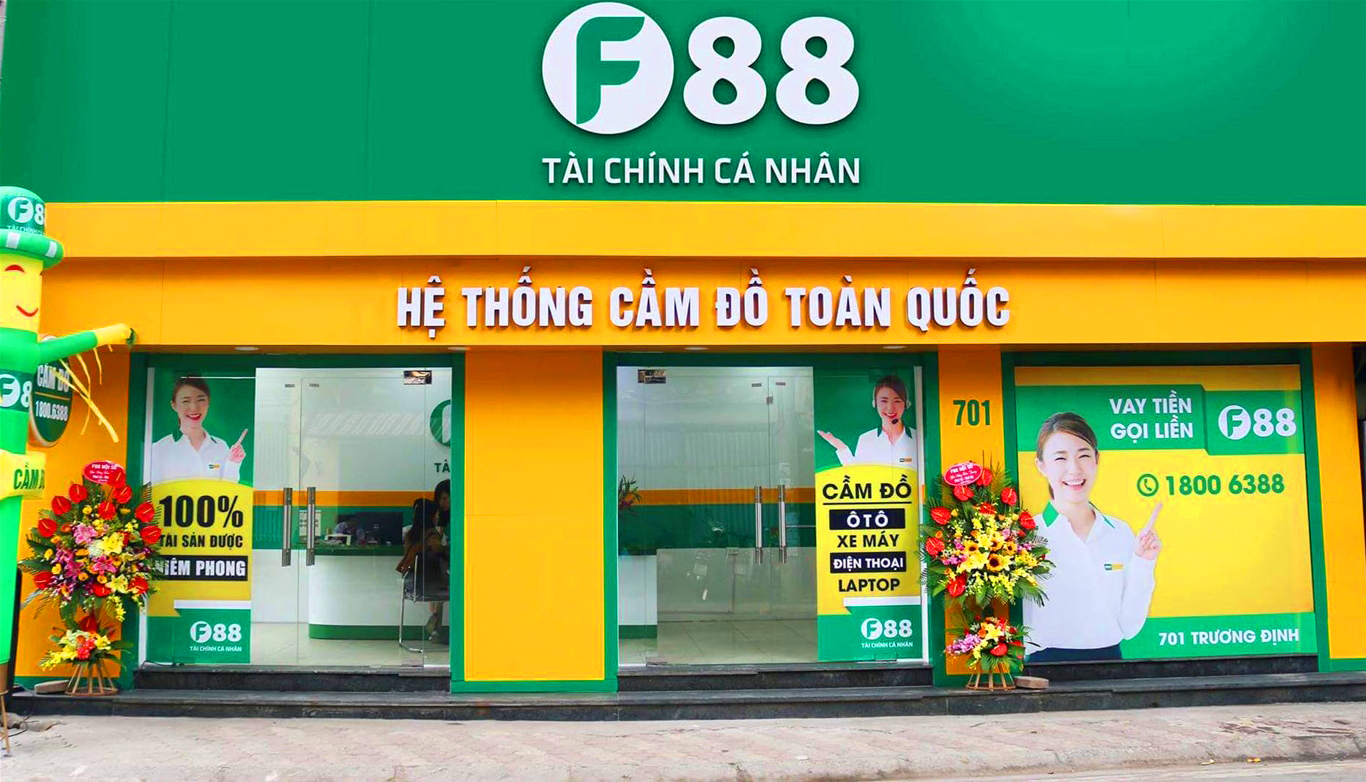
    In a significant development for Vietnam’s consumer finance landscape, F88 has secured approval to list on the Unlisted Public Company Market (UPCoM), starting August 8 at VND634,900 (approximately US$24.21) per share.

    The listing will consist of over 8.26 million shares, positioning F88 with a market capitalization of VND5.24 trillion (around $200 million). This initial listing price is strikingly 13 times higher than the average share price of blue-chip companies on the Ho Chi Minh Stock Exchange (HoSE), making F88 a notable new player in the market.

    The UPCoM was established to drive companies towards greater participation in the securities market, ultimately paving their way to listings on either HoSE or the Hanoi Stock Exchange. F88’s chairman, Phung Anh Tuan, has ambitious plans, aiming for a listing on HoSE with a market cap of $1 billion by 2027.

    The company has been showing robust performance in the consumer finance sector, with impressive financial results reported for the second quarter. F88 achieved revenue of VND925 billion, a remarkable 30% year-over-year growth, alongside a staggering pre-tax profit of VND89 billion, reflecting a 220% increase.

    This impressive growth trajectory is attributed to a 47% surge in loan disbursements and an almost 45% increase in outstanding loans. By the end of June, F88 had already met 48% of its annual profit target and reached its expansion goal ahead of schedule, launching 888 new outlets across the country.

    In a strategic move to bolster its leadership, F88 recently welcomed Piyasak Ukritnukun, a seasoned financial expert from Thailand, as an independent board member. This injection of experience promises to steer the company further towards its ambitious objectives.

    Questions & Answers

    What does F88’s listing on UPCoM signify for the company?
    F88’s listing on UPCoM marks a significant step in its growth strategy, enhancing visibility and attracting potential investors as it aims for a future listing on HoSE.

    How has F88 performed financially leading up to its market debut?
    The company has reported a stunning financial performance in Q2, with a 30% revenue increase and a 220% leap in pre-tax profit, driven by increased loan activity.

    Who has recently joined F88’s leadership team?
    F88 has appointed Piyasak Ukritnukun, a financial expert from Thailand, as an independent member of its board, bringing valuable experience to the company’s strategic direction.

  • Vietnam Sets Ambitious Goal to Launch International Financial Center by Year-End

    Vietnam Sets Ambitious Goal to Launch International Financial Center by Year-End

    Vietnam is embarking on an ambitious initiative to establish an International Financial Center (IFC), a move poised to attract medium and long-term financial investments that will serve as a cornerstone for the nation’s socio-economic development. In tandem with this effort, the Vietnamese government is committed to finalizing a legal framework for the IFC, promoting a transparent and coordinated environment that will appeal to capital, cutting-edge technologies, modern management practices, and high-caliber talent from around the globe.

    Building Infrastructure for Financial Success

    To power the IFC’s ambitious goals, essential infrastructure and services—including transportation, telecommunications, and logistics—will see significant upgrades in Ho Chi Minh City and Da Nang. With a target of finalizing key infrastructure projects by late 2025, the government aims to create a web of seamless connectivity that supports the IFC’s operations.

    A Vision for a Modern Financial Ecosystem

    The overarching plan includes the development of a sophisticated financial ecosystem—think carbon and commodity exchanges—while championing innovative financial services like fintech and digital banking. The initiative also underscores the importance of establishing international-standard support services in legal, auditing, and technology domains.

    Key Locations Take Center Stage

    Ho Chi Minh City is prioritized for the development of the IFC facility, which will extend across 793 hectares in the Saigon, Ben Thanh, and Thu Thiem wards. The city is also tasked with deploying a 5G network, laying the groundwork for flawless digital transactions that will underpin fintech and digital banking initiatives.

    Conversely, Da Nang is directed to enhance its technological capabilities, focusing on investing in computing server systems and intelligent operational infrastructure at Software Park No. 2. The city will promote the rollout of 5G coverage while also exploring blockchain technologies to pilot digital asset products, all the while establishing national standards for IoT, Big Data, and data management.

    Leadership Driving Change

    Prime Minister Chinh formalized this significant strategy with a decision on August 1, launching the Steering Committee dedicated to shaping Vietnam’s IFC vision. Featuring notable leaders like Permanent Deputy Prime Minister Nguyen Hoa Binh and key figures from the finance and banking sectors, the committee will guide the government’s strategic direction and ensure the IFC operates smoothly amidst Vietnam’s burgeoning financial landscape.

    Who knew a country could be both a tech playground and a financial powerhouse? As Vietnam builds its international financial center, the risk is high but the potential gains are tantalizingly close on the horizon.

    Questions & Answers

    What is the primary goal of Vietnam’s International Financial Center initiative?
    The initiative aims to attract medium and long-term financial investments, laying a foundation for Vietnam’s socio-economic growth while creating a robust legal framework for the financial center.

    Which cities are at the forefront of this financial movement?
    Ho Chi Minh City and Da Nang are the primary locations for the International Financial Center, with each city focusing on enhancing essential infrastructure and technological capabilities.

    Who is overseeing the development of Vietnam’s IFC?
    The effort is being guided by a Steering Committee headed by Permanent Deputy Prime Minister Nguyen Hoa Binh, alongside key leaders from various sectors of government and finance.