Tag: Vietnam

  • Vietnam Gold Prices Approach Historic Highs: What This Means for Investors and the Market

    Vietnam Gold Prices Approach Historic Highs: What This Means for Investors and the Market

    On Saturday, the price for gold bars from Saigon Jewelry Company surged by 1.73%, hitting VND123.5 million (approximately US$4,710.14) per tael, tantalizingly close to the historic peak of VND124 million set on April 22. Gold rings also saw a bump, climbing 1.62% to VND119 million per tael, with a tael equaling 37.5 grams or 1.2 ounces.

    Since January, the price of gold in Vietnam has skyrocketed by 47%, reflecting a broader pattern of investment interest amid evolving economic conditions.

    On the global stage, gold prices surged nearly 2% to reach a one-week high on Friday, driven by disappointing U.S. payroll data that heightened expectations for rate cuts from the Federal Reserve, as well as new tariff announcements that increased demand for safe-haven assets. In fact, spot gold, which peaked at its highest since July 25, saw an impressive rise, adding 1.8% to $3,347.66 per ounce after flirting with a 2% increase earlier in the day. Over the past week, bullion notched a 0.4% gain.

    “Although payroll figures came in below forecasts, they were slightly higher than the market anticipated. This enhances the likelihood that the Federal Reserve will consider rate cuts later this year,” remarked Bart Melek, head of commodity strategies at TD Securities, to Reuters. Indeed, gold, often regarded as a non-yielding asset, tends to thrive in a low-interest-rate environment, leaving investors on the edge of their seats to see how this plays out.

    Questions & Answers

    How much have gold prices in Vietnam increased since the beginning of the year?
    Gold prices in Vietnam have jumped 47% since the start of the year.

    What recent economic data influenced the rise in gold prices globally?
    Weaker-than-expected U.S. payroll data played a crucial role in boosting expectations for Federal Reserve rate cuts, which in turn heightened demand for gold as a safe-haven asset.

    What were the recent price movements for gold bars and rings in Vietnam?
    Gold bars increased by 1.73% to VND123.5 million per tael, while gold rings rose by 1.62% to VND119 million per tael.

  • Small Sellers Struggle to Keep Up Amid E-Commerce Surge: Challenges and Opportunities Ahead

    Small Sellers Struggle to Keep Up Amid E-Commerce Surge: Challenges and Opportunities Ahead

    Tuan Anh, a seller operating his online printed T-shirt shop in Ho Chi Minh City, has made the difficult decision to close his business after struggling to make sales. Despite his hopes of earning some extra money on the side, Tuan Anh found the competitive landscape daunting. “There are too many competitors on e-commerce platforms”. “The only way to sell is by running ads, which is not feasible for small vendors like me who lack funds.”

    This sentiment is echoed across the industry. According to recent data from Metric, the first half of the year saw a staggering decline of 80,000 in the number of e-commerce vendors securing at least one order, reflecting the increasing challenges faced by small sellers. “The market is increasingly favoring larger sellers capable of maintaining stable order volumes,” noted a representative from Metric.

    Market Gains, but Not for Everyone

    While the e-commerce sector appears to be thriving, particularly for larger players, smaller sellers are struggling to keep pace. Consultancy firm YouNET ECI reported that the gross merchandise value generated by the four largest multi-category retail platforms—Shopee, TikTok Shop, Lazada, and Tiki—reached an impressive VND222.1 trillion (approximately US$8.8 billion) during the first half of the year, marking a 23% increase year-on-year. Yet, in stark contrast, the number of active sellers on these platforms dipped by 1.3% to 578,700.

    Nguyen Phuong Lam, director of market analysis at YouNet ECI, emphasized that while official brand stores enjoyed significant revenue growth of 34%, smaller vendors continue to falter. Data from Metric reveals that shop malls, although representing only 3.4% of the total shops, accounted for a robust 28.7% of sales. This trend highlights consumers’ increasing preference for trust and reliability when shopping amidst an influx of low-quality goods.

    Marketing Woes for Small Sellers

    The hurdles for small sellers don’t stop at competition; limited marketing resources significantly hinder their visibility. Nguyen Khac Tu, founder and CEO of Bigshop, an established electronics and household appliance retailer, pointed out, “If vendors on Shopee do not run ads, they get very few orders. Similarly, TikTok Shop livestreams without advertising attract hardly any viewers.” Coupled with rising platform fees, the environment has become stifling for many small, under-resourced sellers.

    YouNet ECI’s Lam reiterated the detrimental impact of escalating fees. “With mounting pressure from rising platform costs, many small, unprofessional, or under-invested sellers feel compelled to exit the market,” he commented. Adding to these challenges, the days of quick profits from low-quality goods seem to be fading fast, as stricter regulations targeting product quality and a crackdown on counterfeit items push some sellers out.

    Future Prospects Amidst Challenges

    Despite these obstacles, the e-commerce market continues to expand at a rapid pace. Metric forecasts a notable 21.6% sales increase in the third quarter of 2025, predicting that the gross merchandise value for the four dominant platforms will hit VND122.8 trillion. Long-term projections from the e-Conomy report by Google, Temasek, and Bain & Company envision Vietnam’s online market soaring to $63 billion by the decade’s end—nearly triple the anticipated figure for 2024.

    However, the road to success is becoming increasingly exclusive to professional shops equipped with the necessary financial backing. Lam further stressed that today’s consumers expect quality and cannot tolerate platforms being mere dumping grounds for surplus inventory. “Serious investment in branding, service quality, and robust financial preparation is vital for survival,” he emphasized. “Vietnam’s e-commerce market no longer has room for short-term thinking.”

    In light of the current challenges, a proposed E-commerce Law aims to enhance market quality and transparency. This legislative initiative seeks to impose stricter accountability on platforms, mandating the removal of any violating products within 24 hours of detection, and requires sellers to verify their identities for traceability. Nguyen Huu Tuan, director of the E-commerce and Digital Technology Development Center, expressed that sellers will face tighter regulations regarding product ownership and labeling, with comprehensive details mandatory for all listings. “The days of posting products with arbitrary information are over,” he declared. And it appears, in the evolving e-commerce landscape, the only thing more certain than growth is the push for professionalism.

    Questions & Answers

    What challenges are small online sellers facing in Vietnam’s e-commerce market?
    Small sellers are encountering intense competition and limited marketing resources, making it difficult for them to gain visibility and secure orders. Rising platform fees further exacerbate these challenges, forcing many to exit the market.

    How are larger platforms performing compared to smaller sellers?
    Larger platforms like Shopee and TikTok Shop are thriving, with significant increases in gross merchandise value, while the number of active small sellers is declining as they struggle to compete.

    What legislative changes are being proposed to improve the e-commerce landscape?
    A proposed E-commerce Law aims to enhance market transparency and accountability, requiring platforms to promptly remove violating products and enforce stricter identity verification for sellers.


  • Vietnam Airlines Reports Impressive $255 Million Profit Surge in First Half of 2023

    Vietnam Airlines Reports Impressive $255 Million Profit Surge in First Half of 2023

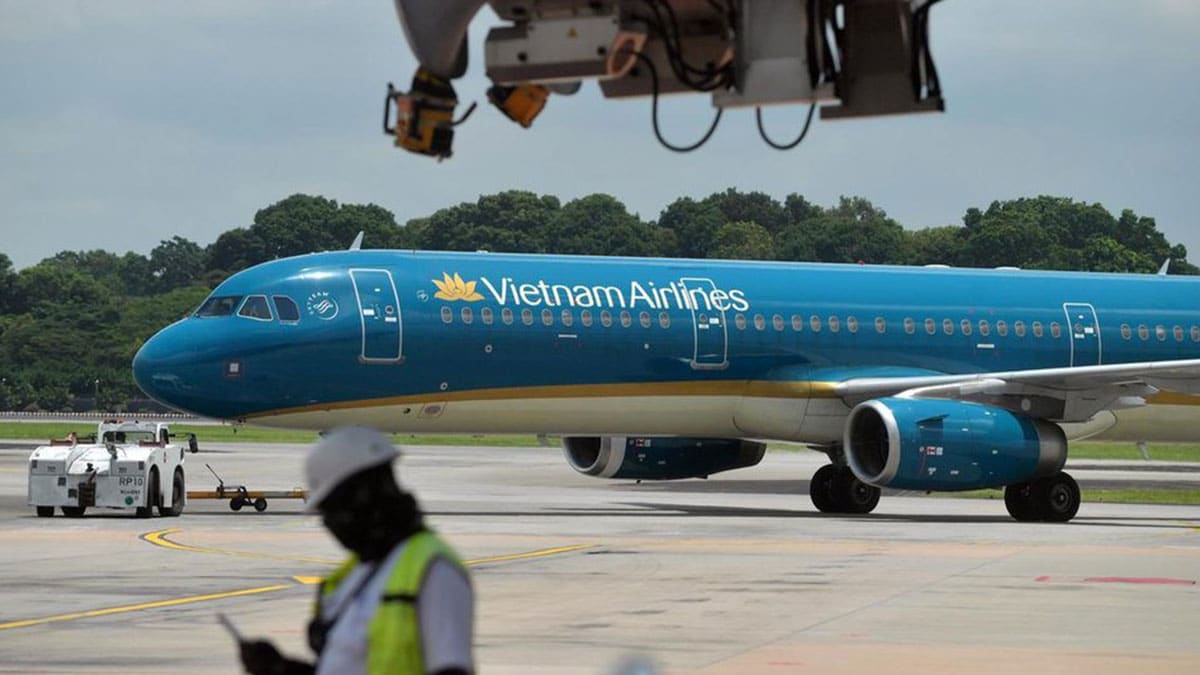
    Vietnam Airlines has reported a significant boost in its pre-tax profit for the first half of 2025, achieving VND6.68 trillion (US$255 million), marking a robust 19.3% increase compared to the same period last year, driven by soaring demand.

    According to the airline’s financial results, revenues surged by 10% to reach VND58.68 trillion. This profit figure shockingly outstrips earlier estimates made by CEO Le Hong Ha during the company’s annual general meeting in June—calling it a pleasant surprise for stakeholders.

    The state-owned carrier attributed this impressive performance largely to a notable rebound in travel demand, particularly during the bustling second quarter. Domestic service revenues soared by 26.2% year-on-year in Q2 alone, while international sales increased by 15.8%.

    Adding to the airline’s profits, a dip in global aviation fuel prices also played a pivotal role. The average price of Jet A1 fuel fell to $86-88 per barrel, an 11% decrease from last year’s levels—providing a much-needed buffer amid rising operational costs.

    However, the airline remains guarded about the remainder of the year due to looming external risks. Management has expressed concerns about geopolitical tensions that could precipitate a rise in fuel prices. Ha noted that the ongoing Iran-Israel conflict has necessitated the rerouting of all flights between Vietnam and Europe, inadvertently adding around 25 additional minutes to each journey and, inevitably, increasing fuel costs.

    Vietnam Airlines is also facing foreign exchange risks, with approximately 65% of its operational costs tied to foreign currencies. This adds an extra layer of complexity to financial forecasting as the airline navigates the recovering—and increasingly competitive—aviation markets.

    With average ticket prices trending downward after their post-pandemic peak, it appears the competitive landscape is tightening, further challenging the airline as it strives to maintain its upward trajectory.

    Questions & Answers

    What factors contributed to Vietnam Airlines’ profit increase in the first half of 2025?
    The airline’s profit rise was primarily driven by robust travel demand, especially in the second quarter, alongside a decline in aviation fuel prices, which helped bolster financial performance.

    How has geopolitical tension affected Vietnam Airlines’ operations?
    Geopolitical issues, particularly the Iran-Israel conflict, have forced Vietnam Airlines to reroute flights between Vietnam and Europe, adding extra flight time and fuel costs.

    What challenges does Vietnam Airlines anticipate for the remainder of 2025?
    The airline is adopting a cautious outlook due to potential external risks, including fluctuating fuel prices and foreign exchange vulnerabilities, as well as increased competition in the aviation market.

  • VPBank Secures $350M Loan to Accelerate Its Sustainable Finance Initiative

    VPBank Secures $350M Loan to Accelerate Its Sustainable Finance Initiative

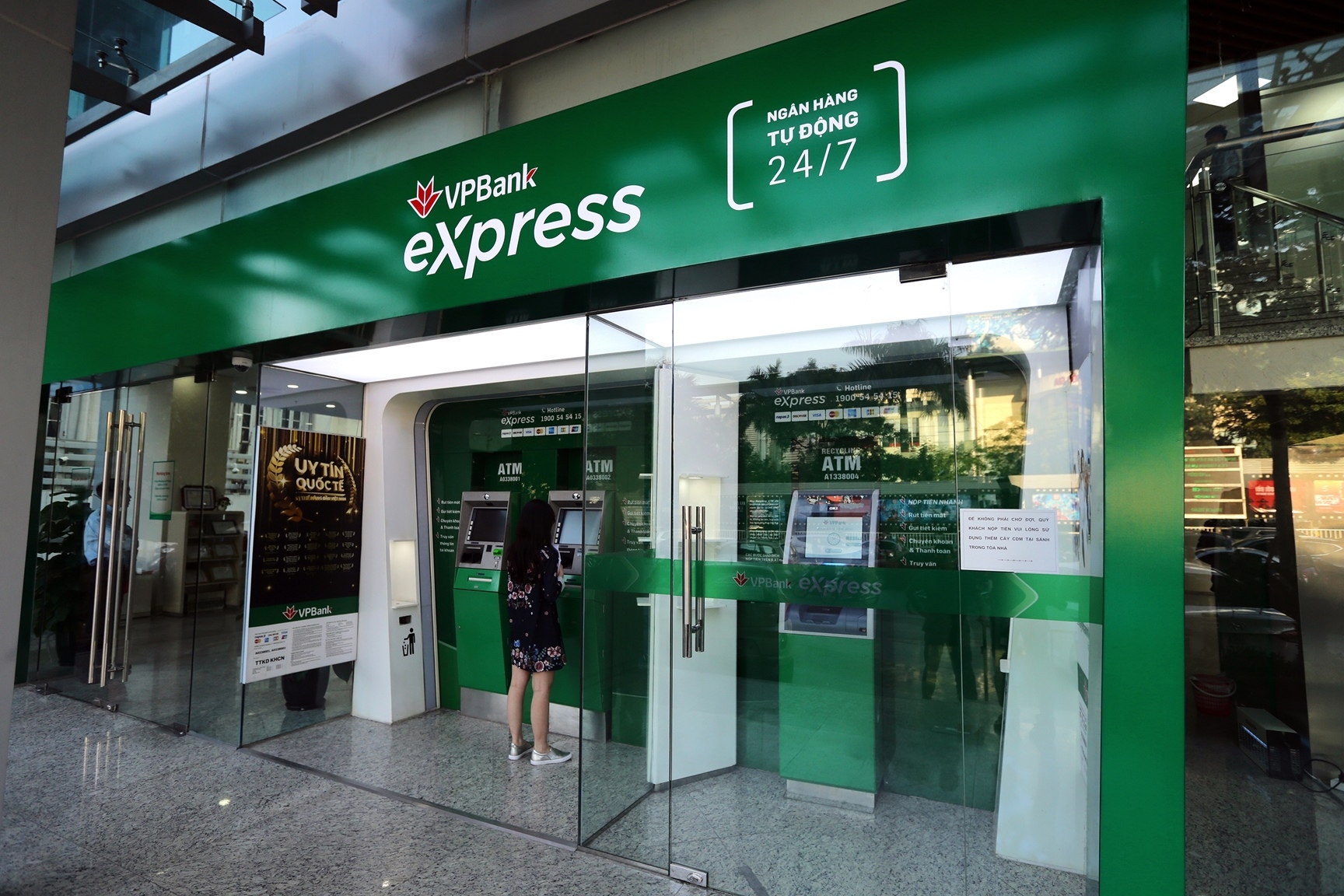
    Vietnam Prosperity Joint Stock Commercial Bank (VPBank) has secured a substantial $350 million term loan facility in collaboration with Sumitomo Mitsui Banking Corporation (SMBC) and various development finance institutions, marking a significant stride towards sustainability in the region.

    Funding to Propel Green Initiatives and Support SMEs

    The five-year loan is poised to be a vital resource for VPBank’s sustainable finance strategy, with a keen focus on green projects that align with Vietnam’s ambitious commitment to achieving net zero emissions by 2050. This financial boost not only aims to promote eco-friendly initiatives but also aims to support small and medium-sized enterprises (SMEs), particularly those led by women, resonating with the global 2X Challenge for gender equality.

    Furthermore, the funds will flow into critical infrastructure projects in underserved areas, enhancing access to essential services such as healthcare, education, sanitation, clean water, and affordable housing. In a world where the smallest actions can spark change, one could say that this loan might just lead to a green revolution of sorts in Vietnam.

    A Collaborative Framework for Development

    As the coordinator and mandated lead arranger, SMBC plays a crucial role in the financing structure. This robust collaboration also includes notable agencies such as the Japan International Cooperation Agency (JICA), Development Financial Institute Canada (FinDev Canada), Export Finance Australia (EFA), and the British International Investment (BII). Together, they are paving a path toward a more sustainable and equitable future for Vietnam.

    Questions & Answers

    How will the funds from the loan be utilized?
    The loan will be allocated to support green projects aimed at achieving net zero emissions by 2050, assistance to women-led SMEs, and essential infrastructure development in underserved areas.

    What organizations are involved in this financing arrangement?
    The financial structure includes VPBank, SMBC, JICA, FinDev Canada, EFA, and BII, highlighting a collaborative approach to sustainable development.

    What impact does the initiative aim to have on gender equality?
    By focusing on SMEs owned or led by women, the initiative seeks to align with the global 2X Challenge, promoting gender equality in Vietnam’s business landscape.

  • Hanoi’s Electric Vehicle Shift Requires More Time, Warns Motorbike Makers Association

    Hanoi’s Electric Vehicle Shift Requires More Time, Warns Motorbike Makers Association

    This month, Hanoi’s government announced a bold initiative to ban fossil-fueled motorbikes from the city’s Ring Road 1, an area that encompasses much of the bustling downtown, with the prohibition set to take effect by mid-2026. However, the Motorbike Manufacturers Association, which includes industry giants like Honda, Yamaha, Suzuki, Piaggio, and SYM, believes the timeline is unrealistic and should be extended.

    While the association recognizes the necessity of reducing emissions, it underscored the significant challenges posed by such an aggressive plan. “Residents, businesses, and regulators need at least two to three years to prepare for this shift,” the group recently communicated to government officials. They proposed a more gradual approach that starts with banning older, high-emission vehicles, then progressively targets commercial bikes, delaying the ban on personal vehicles.

    Their concern centers on the financial strain this abrupt transition could place on low-income residents who may struggle to afford new electric vehicles. Manufacturers echoed these sentiments, warning that the costs associated with shifting to electric production could lead to substantial financial losses.

    Hanoi is a crucial market for Honda, which holds the largest market share in Vietnam’s two-wheeler sector. In the previous year alone, Honda sold 2.15 million two-wheelers in Vietnam, with 190,000 of those sales happening in Hanoi. The association further highlighted the complex web of suppliers—around 200 firms primarily focused on internal combustion engine components—who could be jeopardized if the transition to electric bikes occurs too swiftly. The lack of adequate public charging infrastructure is another pressing concern.

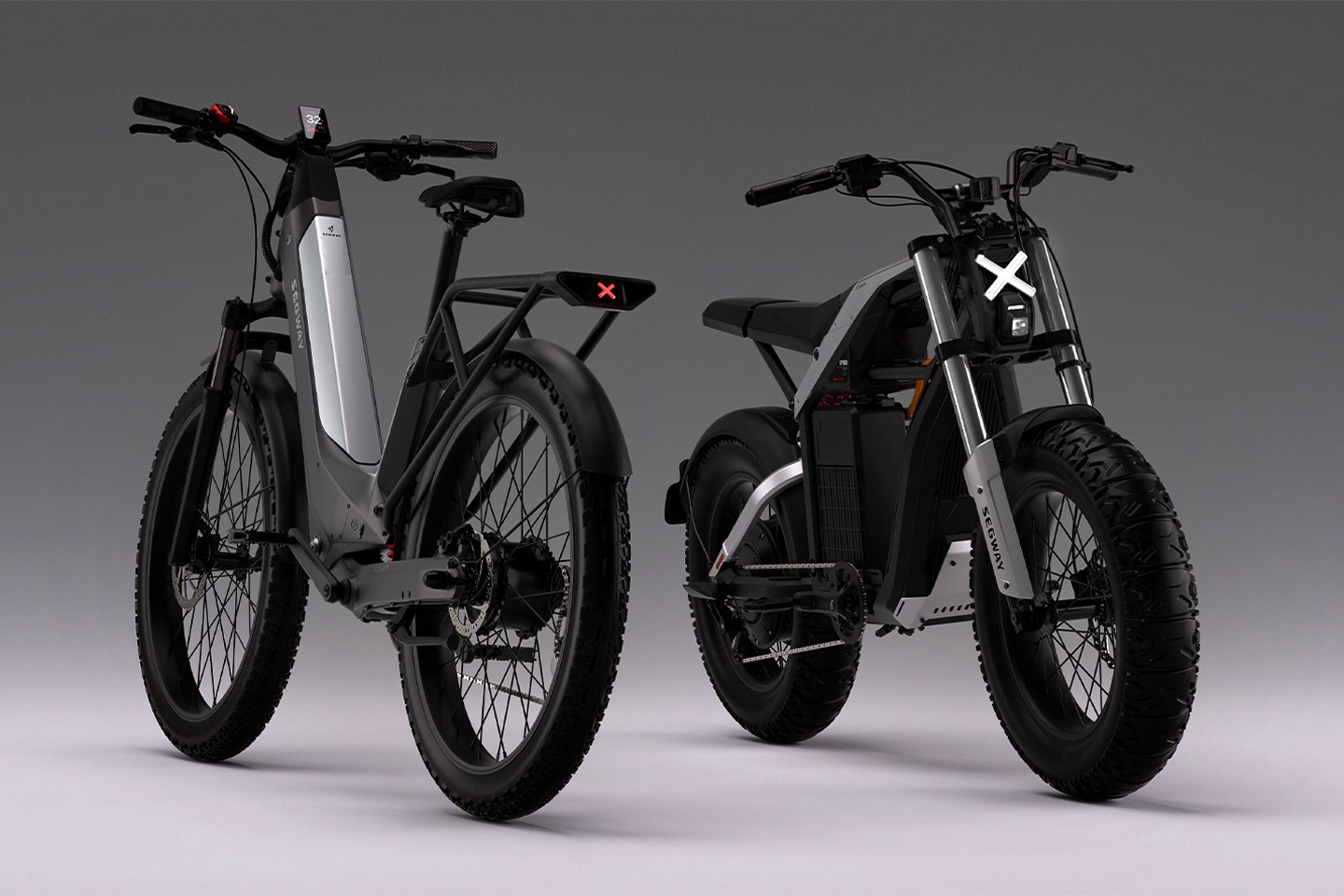
    Currently, Vietnam’s power grid is ill-equipped to handle widespread electric vehicle charging, especially during peak usage times in populous areas. Moreover, home charging poses risks of fire and explosion, particularly in older apartment complexes. Although VinFast has established a nationwide charging network, it primarily serves electric cars. Other players like Dat Bike have set up a few stations in Ho Chi Minh City, while Selex Motors has opted for a battery-swapping model at 90 locations across Hanoi, Da Nang, and Ho Chi Minh City.

    In Ho Chi Minh City, ride-hailing and delivery drivers are expected to make the switch to electric motorbikes by 2026, with a complete phase-out of gasoline models to follow by the end of 2028. As the largest cities in Vietnam, Hanoi and Ho Chi Minh City lead the way in motorbike usage.

    A CEO from a Vietnamese motorbike brand noted that once government decisions are made, adaptation is no longer a matter of choice but an obligation. He emphasized the need for a realistic roadmap that considers the interests of all stakeholders involved. Experts advocate for additional financial support for private users and comprehensive public transport planning to ease this transition.

    To that end, Hanoi is exploring initiatives to assist the 450,000 residents within Ring Road 1 who currently rely on gas-powered motorbikes, potentially by subsidizing the registration fees of new vehicles.

    Questions & Answers

    What prompted Hanoi’s government to ban fossil-fueled motorbikes?
    The ban is part of Hanoi’s initiative to reduce emissions within the city, aiming to phase out gasoline-powered motorbikes from the densely populated Ring Road 1 by mid-2026.

    What concerns has the Motorbike Manufacturers Association raised regarding the ban?
    The association argues that the current timeline is too aggressive, urging for a phased approach that provides residents and manufacturers more preparation time, particularly to mitigate financial burdens on low-income individuals.

    How is the current charging infrastructure in Vietnam supporting the transition to electric motorbikes?
    The existing public charging infrastructure is limited, with Vietnam’s power grid unprepared for mass electric vehicle charging, especially in peak hours, and home charging posing safety risks in older apartment buildings.

  • Lychee Exports Surge to $35M in June, Tripling Previous Figures!

    Lychee Exports Surge to $35M in June, Tripling Previous Figures!

    Vietnam’s lychee exports are soaring, with figures revealing a remarkable $27 million in sales to China alone—an astonishing 3.63 times increase compared to June of the previous year, according to customs data. Even in premium markets like France, Australia, the U.S., Canada, and the U.K., purchases of this luscious fruit surged by two to five times, showcasing the growing international appetite for Vietnamese lychees.

    Record-Breaking Exports Propel Local Farmers

    In the first half of 2025, total lychee exports reached an impressive $45.4 million, reflecting a remarkable 92% increase year-on-year. Shipments to the top ten markets saw staggering growth rates, ranging from 10% to a jaw-dropping 2,000%. These figures paint a vibrant picture of the fruit’s rising prominence on the global stage, capturing the taste buds—and wallets—of consumers around the world.

    Quality Meets Affordability in a Sweet Package

    One exporter highlighted that Vietnamese lychee’s appeal lies in its combination of affordability and high quality, making it a hit among international buyers. As Vietnamese and global quality standards like VietGAP and GlobalGAP are increasingly met, the credibility of these exports has skyrocketed, especially in demanding markets such as the U.S., Japan, and the U.K. Modern harvesting and preservation techniques, according to Dang Phuc Nguyen, general secretary of the Vietnam Fruit and Vegetable Association, have drastically enhanced the fruit’s quality and shelf life. Businesses are now collaborating directly with farmers to boost productivity and quality at every phase—from planting to harvesting.

    Price Trends and Export Markets

    Lychee is currently in season, with farm gate prices ranging from VND 8,000 to VND 20,000 (31-76 U.S. cents) per kilogram. Notably, lychees from orchards certified for export command higher prices, fetching between VND 25,000 and VND 30,000. At the beginning of the season in May, prices were higher, sitting at VND 35,000 to VND 40,000, while the fruit sells abroad for an impressive VND 200,000 to VND 300,000 per kilogram. Lychee, a staple summer delight in Vietnam, thrives predominantly in the northern regions, especially in the provinces of Bac Giang and Hai Duong.

    The Fruit’s Origin and Growing Regions

    This year’s harvest is expected to hit 250,000 tons, a 25% rise from 2024, with Bac Giang contributing a significant 165,000 tons. Luc Ngan, renowned as the “lychee capital” of the country, has approximately 18,000 hectares of lychee cultivation and yields over 100,000 tons annually. The Luc Ngan variety is particularly renowned for its size and sweetness, making it a favorite among discerning markets like Japan, Australia, the EU, and China. Meanwhile, Hai Duong, which made history as the first province to export lychees to Japan in 2020, boasts nearly 10,000 hectares of orchards producing the highly sought-after Thanh Ha lychees, recognized for their thin skin, thick flesh, aroma, and sweetness. Other areas like Hanoi, Quang Ninh, and Hung Yen also cultivate lychees, although on a smaller scale. The Central Highlands and some southern provinces have attempted to cultivate the fruit, but climate challenges have proven to be a significant hurdle.

    Questions & Answers

    What factors have contributed to the increase in Vietnam’s lychee exports?
    A combination of affordable pricing, high quality, and compliance with international standards has made Vietnamese lychees increasingly appealing in global markets.

    How has the production and quality of lychees evolved in Vietnam?
    Modern harvesting and preservation techniques, along with partnerships between businesses and farmers, have significantly improved the lychee’s quality and shelf life.

    Which provinces are the main producers of lychee in Vietnam?
    Bac Giang and Hai Duong are the primary provinces for lychee production, with Bac Giang accounting for a large portion of the national harvest.

  • Vietnamese Online Shopping Surges: $7.8 Billion Spent in Just Six Months!

    Vietnamese Online Shopping Surges: $7.8 Billion Spent in Just Six Months!

    Vietnam’s e-commerce landscape is booming, with sales across four major platforms — Shopee, Lazada, Tiki, and TikTok Shop — soaring to VND202.3 trillion (approximately US$7.8 billion) in the first half of 2025.

    The surge in online shopping also shone a spotlight on imported goods, which accounted for VND7.5 trillion in sales, resulting in over 164 million products sold — a nearly 7% increase from the previous year.

    Despite the surge in sales, a notable trend has emerged: the number of sellers on these platforms dipped by 6% year-on-year. This shift indicates a market increasingly favoring established brands and physical stores, as consumers sharpen their purchasing criteria due to concerns over quality and rising instances of subpar goods online.

    Looking ahead, the smart data platform Metric predicts that e-commerce sales will reach VND122.8 trillion in the third quarter, alongside consumption projected to rise to approximately 1.236 billion units. This represents a staggering growth of 21% in sales and 27% in product output compared to the previous quarter.

    This robust growth not only highlights an ongoing recovery in consumer spending but also an evolving market where shopping habits continue to transform. The most sought-after categories include food, beverages, cosmetics, fashion, sports, home care, and technology — a diverse mix that reflects changing consumer preferences as they navigate the digital shopping landscape.

    Metric’s optimistic forecast suggests that Vietnam’s e-commerce retail revenues could exceed $30 billion this year, firmly establishing the country as a key player in the Asian e-commerce arena. As the saying goes, “In the digital age, a click can fill your cart and your heart!”

    Questions & Answers

    What are the total e-commerce sales recorded in Vietnam for the first half of 2025?
    Total e-commerce sales in Vietnam reached VND202.3 trillion (around US$7.8 billion) in the first half of 2025.

    Which product categories are currently leading in online sales?
    The top-selling categories include food, beverages, cosmetics, fashion, sports, home care, and technology, showcasing a wide range of consumer interests.

    What does the future hold for Vietnam’s e-commerce market?
    Forecasts indicate that e-commerce sales could hit VND122.8 trillion in the third quarter, with total retail revenues expected to surpass $30 billion for the year, signaling a continued growth trajectory.

  • Ducati Halts Sales In Vietnam, Seeks New Distributor Amid Showroom Shortages

    Ducati Halts Sales In Vietnam, Seeks New Distributor Amid Showroom Shortages

    Ducati has temporarily paused its motorcycle sales in Vietnam and is on the hunt for a new distributor.

    According to sources close to the situation, customer requests for new products will be logged and subsequently transferred to the new distributor. However, the previous dealer, CT-Wearnes, has not imported any Ducati motorcycles since the start of the year, leaving the lone showroom in Ho Chi Minh City devoid of bikes for sale.

    Although the showroom lacks inventory, it continues to provide maintenance services for Ducati owners. Earlier this year, the Italian brand also shuttered its only northern showroom in Hanoi, citing disappointingly low performance as the reason.

    Established in Bologna, Italy, Ducati made its entry into the Vietnamese market in 2009, initially opening a showroom in the bustling District 1 of Ho Chi Minh City. CT-Wearnes became Ducati’s third distributor in Vietnam in August 2020, but the relationship has soured; the company also handled the distribution of Royal Enfield motorcycles until it withdrew from that deal in September 2024.

    Ducati’s positioning in Vietnam has typically placed it above Japanese competitors such as Honda and Yamaha, leading to premium pricing. The brand’s product lineup caters to diverse preferences, ranging from classic bikes to sport and adventure models. For those on a budget, the Scrambler, one of its more affordable offerings, retails for approximately VND380 million (US$14,500). Think of it as the Italian motorcycle equivalent of a fine espresso—rich, robust, and just a tad expensive!

    Questions & Answers

    What led to Ducati’s halt in sales in Vietnam?
    Ducati has temporarily stopped sales while it seeks a new distributor, as its prior distributor, CT-Wearnes, ceased imports at the start of the year.

    What services are still provided at the Ducati showroom in Vietnam?
    While the showroom in Ho Chi Minh City currently has no bikes for sale, it continues to offer maintenance services for existing Ducati models.

    How does Ducati’s pricing compare to Japanese brands in Vietnam?
    Ducati’s pricing typically positions it above Japanese competitors like Honda and Yamaha, reflecting its premium market strategy in Vietnam.

  • Hanoi: The Rising Star of Dental Tourism in Southeast Asia

    Hanoi: The Rising Star of Dental Tourism in Southeast Asia

    Hanoi is not just the heart of Vietnam; it’s rapidly becoming a beacon for dental tourism in Asia. In recent years, the sector has exploded, drawing in over 100,000 foreign patients annually, with revenue soaring past US$150 million, according to Global Newswire. Patients from Australia, New Zealand, North America, and Europe are flocking to Hanoi for a range of dental procedures, including implants, crowns, and full-mouth restorations. This revival in international interest is especially pronounced since the easing of pandemic-related travel restrictions, marking a notable comeback for the city.

    Cutting-Edge Clinics at Competitive Prices

    Investment in Hanoi’s dental sector is evident, with new clinics rolling out state-of-the-art technology, including advanced 3D imaging and high-end dental laboratory equipment. These facilities adhere strictly to international sterilization standards and utilize materials from reputable global brands. The expertise of local dentists has also grown; many have honed their skills internationally, bringing back a level of care that rivals the best in the world. Their commitment to quality is just as impressive as the hospitality extended to overseas patients, with English-speaking staff and dedicated patient coordinators simplifying the treatment journey. Some clinics are so welcoming that an industry expert likens them to “healing hotels,” offering everything from airport transfers to city tours.

    Smart Savings Without Sacrificing Quality

    One of the most compelling reasons patients are choosing Hanoi is the cost. Dental procedures here are significantly cheaper, often 70% to 90% less than in Western nations. For example, a dental implant in Hanoi costs around $1,000, while similar treatments can run $1,500 in Bangkok and $850 in Bali. Crowns, which start at $250 in Thailand, are generally priced between $150 and $200 in Vietnam. These savings not only ease the financial burden on patients but ensure that they do not compromise on quality, as Hanoi’s clinics adhere to rigorous standards and often provide warranties and aftercare services, instilling further confidence in international patients.

    Hanoi: Where Dental Care Meets Adventure

    What sets Hanoi apart in the realm of dental tourism is its ability to blend quality healthcare with rich cultural experiences. With its international airport providing convenient access from various global locations, visitors often find it easy to extend their trip, mixing dental appointments with explorations of famous sites like Ha Long Bay. The city has also become a hub for significant dental events, such as the 2023 ASEAN Dental Congress and the upcoming 2025 Osstem World Meeting, showcasing its rising prominence in the dental field.

    Forging a Competitive Edge

    As it carves its niche in the dental tourism landscape, Hanoi presents a formidable alternative to established players like Bangkok and Bali. While Thailand welcomes over a million dental tourists yearly, Hanoi is narrowing that gap with more competitive pricing and a reputation for exceptional care. Plus, the patient experience here is enriched by the city’s vibrant culture, world-class cuisine, and historical charm, leading many Australians to view their dental trips as dual investments in health and leisure.

    In its quest for global recognition, Hanoi’s dental industry is pursuing international certifications, establishing partnerships with foreign insurance providers, and actively participating in global tourism events. Satisfaction levels among international patients consistently reveal a high degree of professionalism and personalized care. A representative from one prominent clinic noted, “We have dentists and nurses fluent in English, Chinese, Russian, and Korean, making our patients feel right at home.” Facilities like Dental 365 are key players in reinforcing Hanoi’s international dental reputation.

    Looking Ahead

    Support from the Vietnamese government has further bolstered the country’s medical tourism landscape, with initiatives aimed at promoting healthcare services overseas and streamlining visa processes for medical visitors. Analysts forecast steady growth in dental tourism in Vietnam, predicting an annual increase of over 4% through 2030. As international patient numbers rebound to pre-pandemic levels and with continued investments in healthcare infrastructure, Hanoi is poised to ascend as a premier dental tourism hub in the region.

    Offering a trifecta of affordability, quality care, and an enticing tourism experience, Hanoi is shaping up to be a hot destination for dental tourism everywhere. It’s not just about a brighter smile; it’s about turning medical needs into memorable adventures. And as more patients rave about their experiences, the city’s reputation is set to flourish, potentially rivaling or even outshining established giants like Bangkok and Bali in the near future.

    Questions & Answers

    How has the COVID-19 pandemic impacted dental tourism in Hanoi?
    Since the lifting of pandemic-related travel restrictions, Hanoi has seen a surge in international patients seeking dental care, marking a significant recovery for the sector.

    What are some unique features of Hanoi’s dental clinics?
    Hanoi’s clinics are noted for their cutting-edge technology, adherence to international sterilization standards, and a strong emphasis on hospitality, including airport transfers and city tours for international visitors.

    What advantages does Hanoi offer compared to traditional dental tourism hotspots?
    Hanoi combines lower costs for dental procedures with high-quality care and a rich cultural experience, making it an attractive alternative to established destinations like Bangkok and Bali.

  • Vietnam’s Gold Prices Slip: What This Means for Retail Investors

    Vietnam’s Gold Prices Slip: What This Means for Retail Investors

    In a notable shift, Vietnam’s gold prices saw a slight decline on Tuesday morning, while global benchmarks remained largely stable amidst fluctuating market sentiments. The Saigon Jewelry Company reported that the price of gold bars dipped by 0.08%, settling at VND121 million (approximately US$4,616.30) per tael. Meanwhile, gold rings saw a minor increase of 0.17%, priced at VND116.9 million per tael.

    Despite the slight retreat in prices, gold in Vietnam has experienced a robust year, climbing 43.7% since the start of 2023.

    Internationally, gold prices remained nearly unchanged, hovering close to a three-week low amid easing concerns over a potential global tariff war and a strengthening U.S. dollar. According to Reuters, spot gold was steady at $3,311.33 per ounce, having previously dipped to its lowest mark since July 9.

    Tim Waterer, the Chief Market Analyst at KCM Trade, commented on the current market dynamics, stating, “Gold trading at around $3,300 or below continues to attract buyers. While trade agreements and a robust dollar may be weighing on gold in the short term, the longer-term outlook still holds potential for gains.” It seems gold’s allure remains resilient, much like that friend who never fails to come to your side when you need them most.

    Questions & Answers

    What caused the drop in Vietnam’s gold prices on Tuesday?
    The decline in Vietnam’s gold prices was attributed to a slight dip in the global market, coupled with a stronger U.S. dollar and easing fears surrounding a global tariff war.

    How much has gold in Vietnam increased this year?
    Gold in Vietnam has surged 43.7% since the beginning of 2023, reflecting significant growth in the market.

    What did KCM Trade’s Chief Market Analyst say about the future of gold prices?
    Tim Waterer emphasized that despite short-term pressures from trade deals and a strong dollar, there remains potential for gold prices to rise in the longer term, highlighting its continuous appeal to buyers.

  • Dollar Gains Momentum Against Dong: What Retailers Need to Know

    Dollar Gains Momentum Against Dong: What Retailers Need to Know

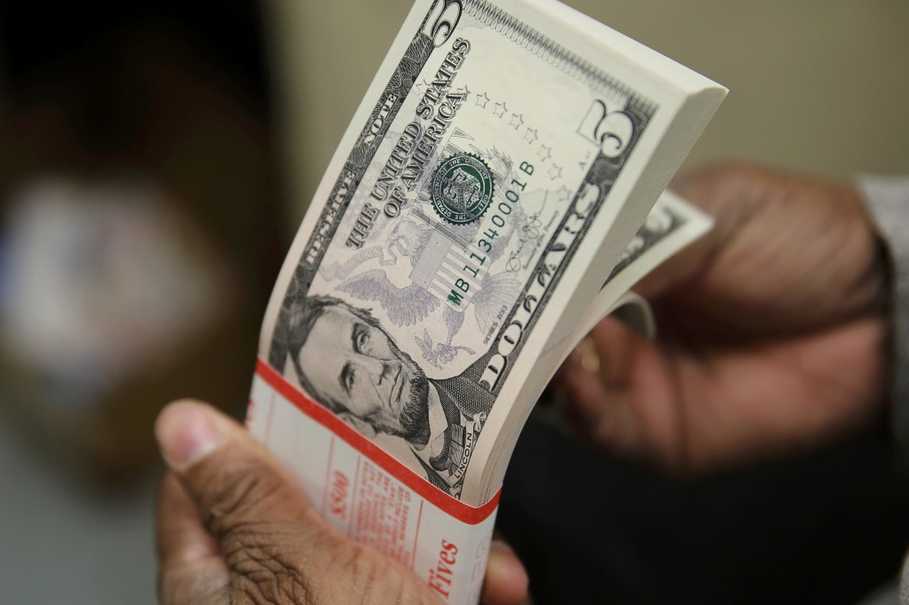
    The U.S. dollar gained slightly against the Vietnamese dong Tuesday morning. Vietcombank listed the U.S. dollar at VND26,400, marking a 0.11% increase. Meanwhile, the State Bank of Vietnam raised its reference rate by 0.09% to VND25,206.

    On the black market, the dollar climbed 0.04% to VND26,460, reflecting a cautious sentiment amid fluctuating global currencies.

    Across Asia, the Indian rupee is poised for a weaker opening, pressured by a rise in the dollar index following a sharp decline in the euro. This reaction comes as traders assess the implications of a fresh U.S.-E.U. trade agreement, according to reports. The one-month non-deliverable forward indicated the rupee would likely debut in the 86.75-86.77 range against the U.S. dollar, a shift from the previous session’s 86.6650.

    As Asian currencies mostly experienced minor declines today, regional equities also felt the weight of this dollar strength, showcasing a broader trend of market caution.

    Questions & Answers

    What was the exchange rate of the U.S. dollar against the Vietnamese dong on Tuesday?
    The U.S. dollar was priced at VND26,400 at Vietcombank, reflecting a 0.11% increase.

    How did the State Bank of Vietnam respond to the rising dollar?
    The State Bank of Vietnam increased its reference rate by 0.09% to VND25,206.

    What external factors influenced the Asian currencies on this day?
    A notable jump in the dollar index, fueled by a steep decline in the euro, along with the reassessment of a recent U.S.-E.U. trade deal, contributed to the modest declines in Asian currencies and equities.

  • Vietnam Sets the Stage for 4G and 5G Growth with 700 MHz Spectrum Re-Auction

    Vietnam Sets the Stage for 4G and 5G Growth with 700 MHz Spectrum Re-Auction

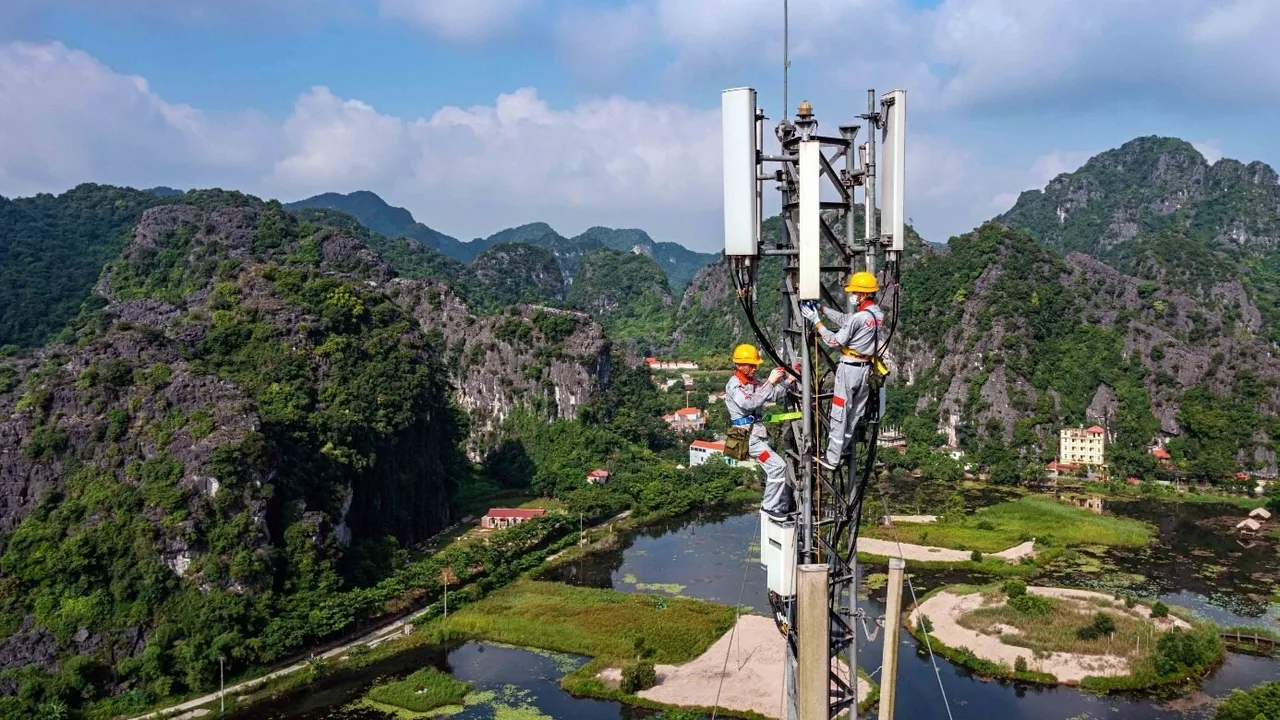
    Vietnam is gearing up for a pivotal moment in its telecommunications landscape, re-launching the auction of two crucial frequency bands in the 700 MHz spectrum. This re-auction follows an earlier attempt that did not meet expectations, indicating a renewed urgency to boost 4G and 5G mobile services in the nation. The Ministry of Science and Technology has announced that the B1-B1’ (703–713 MHz/758–768 MHz) and B3-B3’ (723–733 MHz/778–788 MHz) bands are now available for bidding, starting at over VND 1.95 trillion (approximately USD 75 million). Licenses will grant operators rights for a period of 15 years.

    A Crucial Step for Connectivity

    This auction is more than just numbers on a spreadsheet; it serves as a crucial step in enhancing mobile network coverage, particularly in rural and underserved regions of Vietnam. The 700 MHz spectrum is internationally recognized for its long-range and high-penetration capabilities, making it an ideal candidate for improving service quality, not just in bustling urban centers but also in remote areas where connectivity can feel like a pipe dream.

    Notable Absence in the Bidding

    Interestingly, state-run Viettel Group, which snagged the B2-B2’ band in May 2025 in a spirited two-round bidding session, will sit this one out. That prior victory, which also spans 15 years, forms part of Viettel’s strategy to bolster nationwide 4G and 5G connectivity, essential for pioneering initiatives like smart cities and intelligent agricultural systems that could make even farmers do a double-take.

    Ready or Not, Here Come the Bidders

    Operators interested in tapping into this new wave of opportunity have 30 days from the official auction notice to validate their eligibility. This strategic reallocation of the 700 MHz band comes on the heels of Vietnam’s switch from analog to digital TV broadcasting, unlocking valuable spectrum for the mobile telecommunications sector.

    Racing Ahead with 5G

    As of January 2025, Viettel reported hitting a remarkable milestone of 4 million 5G subscribers in a mere few months after launching its service in October 2024. The telecommunications giant’s 5G network, supported by around 6,500 base stations, boasts impressive speeds of up to 1 Gbps and near-zero latency. With ambitious plans to install over 20,000 additional 5G stations by the close of 2025, Viettel aims to provide comprehensive coverage to 99% of the population by 2030.

    Innovation in the Lab

    In tandem with its ambitious rollout, Viettel has established two dedicated 5G labs in Hanoi and Ho Chi Minh City. These innovation hubs allow developers to experiment with new 5G and Internet of Things (IoT) technologies tailored for local applications. The telco’s infrastructure supports both standalone (SA) and non-standalone (NSA) architectures, covering a stunning array of over 130 use cases across various sectors, including logistics, healthcare, and energy.

    Competition Heats Up

    Viettel isn’t alone in this race; competitors such as VNPT and MobiFone have also stepped into the 5G arena. VNPT launched its 5G services in December 2024, followed by MobiFone in March 2025, utilizing the 3.8–3.9 GHz frequency band. Both operators are deploying a mix of NSA and SA 5G models, ensuring that the competition remains fierce and consumers stand to benefit.

    Looking Ahead to the Auction

    As Vietnam prepares for the renewed 700 MHz auction, industry insiders anticipate a wave of interest from operators eager to broaden their mobile reach and upgrade the nation’s digital infrastructure. The stakes are high, but so are the rewards — a vibrant, connected future awaits just around the corner.

    Questions & Answers

    What significance does the 700 MHz spectrum hold for Vietnam’s mobile services?
    The 700 MHz spectrum is essential for enhancing mobile network coverage, particularly in rural areas, as it offers long-range and high-penetration capabilities that improve service quality.

    Why is Viettel Group not participating in the upcoming auction?
    Viettel Group, which previously secured the B2-B2’ band, is ineligible to bid in this auction, allowing other operators a chance to expand their networks.

    How is Viettel planning to expand its 5G infrastructure?
    Viettel aims to install over 20,000 additional 5G base stations by the end of 2025, with an ambitious goal of covering 99% of the population by 2030 following rapid subscriber growth.

  • Vietnam Unveils NDAChain: A Pioneering Step Towards a Secure Digital Future

    Vietnam Unveils NDAChain: A Pioneering Step Towards a Secure Digital Future

    In a significant step towards enhancing the security and transparency of its digital landscape, Vietnam has officially launched NDAChain, its national blockchain platform. Developed by the National Data Association and overseen by the Data Innovation and Exploitation Center under the Ministry of Public Security, NDAChain serves as a vital backbone for data verification within both government and private sectors.

    Navigating the Digital Frontier

    NDAChain addresses the critical vulnerabilities of centralized data models, such as the risks of cyberattacks and limited scalability. By offering a decentralized layer of trust, the platform supports essential national systems, including e-government initiatives, finance, healthcare, logistics, and education. “Vietnam has chosen a hybrid data architecture that merges centralized and decentralized elements. NDAChain acts as a protective layer for our live data, crucial for our digital society and economy,” explained Mr. Nguyen Huy, Head of Technology at the National Data Association.

    The Rationale Behind a National Blockchain

    With a population of over 100 million rapidly embracing digital transformation, Vietnam generates data at an unprecedented scale. In response, the National Data Center is being established to serve as the primary repository for citizen and national information. Safeguarding this sensitive data from breaches and misuse necessitates an advanced verification system. Blockchain technology, known for its immutable records and transparency, offers a robust solution for tracking and validating data sources, especially during critical, multi-sector exchanges.

    Unpacking How NDAChain Functions

    NDAChain is a Layer-1 permissioned blockchain, backed by a consortium of 49 validator nodes that includes both public institutions and private enterprises. Key players encompass the National Data Center, Ministry of Public Security, and notable corporations like SunGroup, Zalo, and Masan. Each validator node keeps a distributed ledger, ensuring transparent transaction logging and incorporating smart contracts to optimize processes. Additionally, it features identity verification tools that tie into Vietnam’s VNeID and national identity databases.

    Utilizing a proof-of-authority (PoA) consensus mechanism empowered by zero-knowledge proofs (ZKP), NDAChain enhances security and privacy. The platform boasts the capacity to handle 3,600 transactions per second, resulting in low latency and high scalability for nationwide adoption. Who knew that a combination of high-tech wizardry and a strong Vietnamese spirit could tackle data challenges so elegantly?

    Empowering Digital Identities and Product Traceability

    NDAChain not only underpins e-government solutions but also fosters NDA DID, a decentralized identity system that allows individuals to verify identities in real-time during transactions, service access, or digital agreement signings. With the NDAKey app, users can authenticate identities in just seconds, drastically diminishing the risk of fraud.

    The platform also powers NDATrace, Vietnam’s system for product identification, authentication, and traceability. Each product is assigned a unique identifier (UID) that complies with GS1 standards, ensuring compatibility with the EU’s EBSI framework. This interoperability enables Vietnamese businesses to seamlessly integrate into global supply chains while enhancing consumer confidence in product authenticity.

    A Vision Beyond 2025

    By the close of 2025, NDAChain aims for full integration with the National Data Center, extending its reach to local government entities and educational institutions by 2026. This next phase will concentrate on talent development, fostering international collaboration, and launching Layer-2 applications tailored to specific industries.

    Thanks to its open and integrative design, NDAChain promises to be a catalyst for innovation, paving the way for startups and tech companies to create solutions like identity wallets and anti-counterfeiting tools.

    Aiming for Global Recognition

    More than 50 countries, including China, the EU, and South Korea, have rolled out national blockchain platforms. Vietnam distinguishes itself with a strategic focus on public-private partnerships, adherence to global standards, and deep integration with its national data ecosystems. NDAChain embodies Vietnam’s dedication to establishing resilient digital infrastructure and cultivating a dynamic digital economy.

    Questions & Answers

    What is NDAChain, and who developed it?
    NDAChain is Vietnam’s national blockchain platform developed by the National Data Association and managed by the Data Innovation and Exploitation Center under the Ministry of Public Security.

    How does NDAChain enhance data security and transparency?
    NDAChain provides a decentralized layer of trust that addresses the vulnerabilities of centralized data models, safeguarding essential national systems against cyber threats while ensuring transparency in data verification.

    What are the future plans for NDAChain?
    By the end of 2025, NDAChain is set to integrate fully with the National Data Center, expanding further to local government and educational institutions by 2026, with an emphasis on talent development and international cooperation.

  • Ha Long Casino Operator Surges to Profitability After Six Years in the Red

    Ha Long Casino Operator Surges to Profitability After Six Years in the Red

    Royal International Corporation, the force behind the Royal Ha Long Casino in northern Vietnam, is celebrating a crucial turnaround as it recorded its first profit in six years during the second quarter of 2025.

    In a notable revival, the company posted profits of VND10 billion (approximately US$382,500), with revenues soaring 31% year-on-year to reach VND46.9 billion, a peak not seen in over five years. This impressive performance was attributed to the economic rebound, particularly within the service and tourism sectors, which had experienced significant downturns in recent years.

    Last year, the same period saw Royal International grapple with a loss of VND2 billion. It’s worth noting that the firm last enjoyed profitable waters back in the third quarter of 2019, when the cards were evidently in their favor.

    Looking forward, Royal International Corporation sets ambitious targets for the full year, aiming for revenues of VND187 billion and post-tax profits of VND34 billion. To achieve these goals, the company plans to exercise tight control over fixed and financial costs, particularly interest expenses, while also boosting revenues through strategic initiatives.

    Established in 1994, Royal International Corporation comprises a casino, hotel, and luxurious villas in the scenic Ha Long Bay area of Quang Ninh Province, which shares a border with China. Notably, the company made its debut on the Ho Chi Minh Stock Exchange in 2007. However, in May 2022, it faced delisting after three consecutive years of losses, which led to its shift to the Unlisted Public Company Market. Yet, there’s a silver lining: its stock is currently trading at VND5,500, experiencing a remarkable increase of over 57% since the start of the year—employment definitely wasn’t the only thing rising lately.

    Questions & Answers

    What factors contributed to Royal International Corporation’s recent profitability?
    The improved profitability stemmed from a recovery in the service and tourism sectors, which are vital for the company’s operations, alongside a significant increase in revenues by 31% year-on-year.

    What are the future financial targets for Royal International Corporation?
    For the full year 2025, the company aims to achieve revenues of VND187 billion and post-tax profits of VND34 billion, focusing on cost control and increasing revenue streams.

    What challenges has Royal International Corporation faced in recent years?
    The company dealt with six consecutive years of losses, culminating in its stock being delisted in May 2022 after three years of declining performance, before being transferred to the Unlisted Public Company Market.

  • Toshin Development Boosts Its Presence with New Strategic Investment in Hanoi

    Toshin Development Boosts Its Presence with New Strategic Investment in Hanoi

    In Vietnam, Toshin Development continues to leave a significant mark on the commercial real estate landscape, with notable projects such as Saigon Centre, AB Tower, The Loop by Takashimaya Group (IPH), and its latest venture, Lancaster Luminaire. With an eye on enriching the retail experience, the company has carved a substantial niche in Ho Chi Minh City and is now setting its sights firmly on Hanoi, responding to a rising demand for premium shopping options.

    A Shift Toward Premium Experiences

    Recent insights from Savills Vietnam reveal a noteworthy resurgence in global retail investment, projected to recover to 12.4% by 2025. Capital flows are steadily rebounding, particularly since the latter half of 2024. Simultaneously, Vietnam’s burgeoning middle class is expanding at an impressive clip of 10–12% annually and is poised to comprise 26% of the population by 2026, as highlighted by the World Bank. This socio-economic landscape is positioning Vietnam as a vital player in the realm of premium consumerism.

    Hanoi’s Retail Market: A High-Stakes Game

    Despite the positive trends, Hanoi is grappling with a constrained retail market. The occupancy rates of shopping centers have climbed to 86%, yet the introduction of new spaces struggles to match the rigorous standards set by international brands. The second quarter of 2025 is on track to welcome a diverse range of entrants, including luxury names like Dior Beauty and Prada Beauty, along with more accessible brands such as Mr. DIY, highlighting Hanoi’s allure for quality retail options.

    Starlake: The Next Retail Hotspot?

    Experts are increasingly eyeing Starlake, an urban township in Tay Ho Tay, as a burgeoning retail hotspot. Its strategic location, robust infrastructure, and an international residential community make it a magnet for premium offerings. Matthew Powell, Director at Savills Hanoi, notes, “Starlake is gradually taking shape as a strategic destination for international brands,” as many retailers seek to plant their flags in this developing hub.

    Future Prospects: A Major Retail Project on the Horizon

    Forecasts from Savills indicate that Hanoi will see a mere addition of 10,600 square meters of high-quality retail space over the next three years, a striking mismatch with current demand. This discrepancy paves the way for seasoned international developers like Toshin Development to join the fray. Although details remain under wraps, sources suggest that Toshin is laying the groundwork for an expansive retail project in Starlake Tay Ho Tay. Expected to embody Takashimaya’s development ethos, the project promises premium retail venues, exceptional service, and refreshingly designed relaxation areas that will elevate the visitor experience.

    The Future of Luxury Retail in Hanoi

    Emphasizing sustainability, contemporary architecture, and an array of integrated amenities, Toshin Development’s upcoming project is anticipated to adhere to LEED green building standards. These features are not only in line with evolving consumer preferences but also strategically position the project in Hanoi’s bustling retail ecosystem. Real estate experts contend that this development could serve as a pivotal influence on the city’s high-end retail environment, potentially attracting international brands keen to establish flagship locations in the capital.

    Toshin Development’s strategic maneuvers underscore a vibrant shift in Hanoi’s retail narrative, signalling sustained interest from international investors in Vietnam’s market potential. With a groundbreaking ceremony likely slated for early August, the city is on the cusp of a transformative phase for premium retail that may redefine the landscape from 2025 to 2030.

    Questions & Answers

    What is Toshin Development’s investment strategy in Vietnam?
    Toshin Development is focused on creating luxurious retail spaces that enhance customer experiences, having already established a significant presence in Ho Chi Minh City and now expanding into Hanoi with a refreshed investment approach.

    What challenges does the retail market in Hanoi currently face?
    Hanoi’s retail market is experiencing pressure due to limited space and high occupancy rates, with shopping centers reaching an 86% occupancy while new developments fail to meet the leasing demands of international brands.

    What is unique about the upcoming project in Starlake, Tay Ho Tay?
    The new project in Starlake is set to embody sustainable practices and modern design while offering premium retail experiences, including upscale relaxation areas—elements that are increasingly important to today’s discerning consumers.