Tag: Vietnam

  • Dollar Declines as Vietnamese Dong Strengthens in Currency Market Shuffle

    Dollar Declines as Vietnamese Dong Strengthens in Currency Market Shuffle

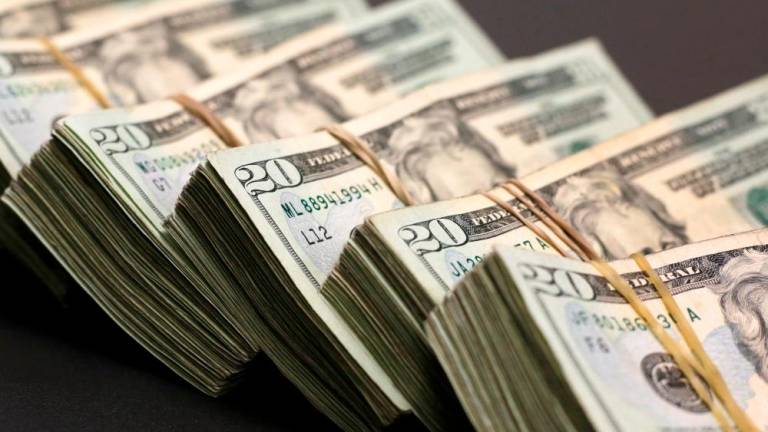
    The U.S. dollar weakened against the Vietnamese dong Friday morning, paving the way for a weekly loss against several major currencies. At Vietcombank, the dollar was sold at VND26,310, representing a slight decline of 0.04% from the previous day. Meanwhile, the currency appreciated by 0.06% at unofficial exchange points, trading around VND26,465.

    The State Bank of Vietnam adjusted its reference rate downward by 0.008%, bringing it to VND25,164.

    On the global stage, the dollar edged away from two-week lows but was poised for its most significant weekly drop in a month, as investors awaited developments in U.S. tariff negotiations before the August 1 deadline. Eyes are also on upcoming central bank meetings, according to reports from Reuters.

    The dollar index, which gauges the U.S. currency against six others, stood at 97.448 and is set for a 1% drop this week—the weakest showing in a month. The Japanese yen traded at 147.20 to the dollar, preparing for a weekly gain of nearly 1%.

    The euro held steady at $1.174, lingering not far from its recent peak of $1.183, marking a nearly four-year high from earlier this month. So far this year, the euro has climbed 13.5%, benefiting from tariff policies that tamp down the dollar’s appeal.

    “Market attention is squarely on next week’s Fed meeting. We expect Fed Chair Jerome Powell to reiterate a patient, data-dependent approach, although he is unlikely to signal any immediate cuts,” noted Prashant Newnaha, senior Asia-Pacific rates strategist at TD Securities.

    Questions & Answers

    How has the U.S. dollar performed this week against the Vietnamese dong?
    The U.S. dollar experienced a decline against the Vietnamese dong, being sold at VND26,310, and is anticipated to close the week with and overall loss against major currencies.

    What factors are influencing the dollar’s performance?
    The dollar’s dip is attributed to ongoing U.S. tariff negotiations and anticipation surrounding upcoming central bank meetings that could impact monetary policy.

    What is the outlook for the euro amidst these currency fluctuations?
    The euro remains resilient, holding steady against the dollar and benefiting from strong performance in the face of U.S. tariff policies, which have diminished the dollar’s attractiveness.

  • Gold Prices Remain Resilient Amid Declining Global Market Trends

    Gold Prices Remain Resilient Amid Declining Global Market Trends

    Vietnamese gold prices maintained stability on Friday, even as global bullion rates experienced a slight dip.

    In the bustling streets of Ho Chi Minh City, the Saigon Jewelry Company reported its gold bar price at VND121.7 million (approximately US$4,655.79) per tael. Meanwhile, the price for gold rings held steady at VND117.5 million per tael—a tael being 37.5 grams or 1.2 ounces. The local market stood strong despite global fluctuations, demonstrating the resilient appetite for gold among Vietnamese consumers.

    Globally, gold prices edged lower due to positive developments in trade discussions between the U.S. and its partners, which dampened demand for safe-haven assets. As optimism surged over trade negotiations, the price of spot gold slipped 0.3% to $3,356.75 per ounce, while U.S. gold futures fell slightly by 0.4%, settling at $3,358.60.

    Kelvin Wong, a senior market analyst at OANDA, noted that profit-taking by short-term bullish speculators was helping to drive these changes. “We’re seeing some profit-taking in the context of growing trade-deal optimism,” Wong explained. Nevertheless, he emphasized that the dollar’s weakening trend and ongoing Federal Reserve rate cuts are bolstering gold prices near the $3,360 mark.

    As investors navigate these shifting waters, curiosity lingers over if gold will truly glimmer brighter once the trade dust settles—after all, in retail, the unexpected can often be just around the corner.

    Questions & Answers

    What were the gold prices reported by the Saigon Jewelry Company?
    The Saigon Jewelry Company reported its gold bar price at VND121.7 million (around US$4,655.79) per tael, while gold rings remained at VND117.5 million per tael.

    What influenced the recent decline in global gold prices?
    Global gold prices dipped due to signs of progress in trade negotiations between the U.S. and other trading partners, which reduced the demand for safe-haven assets.

    How are Federal Reserve rate cuts affecting gold prices?
    The ongoing Federal Reserve rate cuts are providing support for gold prices, keeping them near the $3,360 level despite the recent downward trend.

  • E10 Biofuel Launches in Three Major Cities Starting August 1: A Sustainable Shift in Retail Energy!

    E10 Biofuel Launches in Three Major Cities Starting August 1: A Sustainable Shift in Retail Energy!

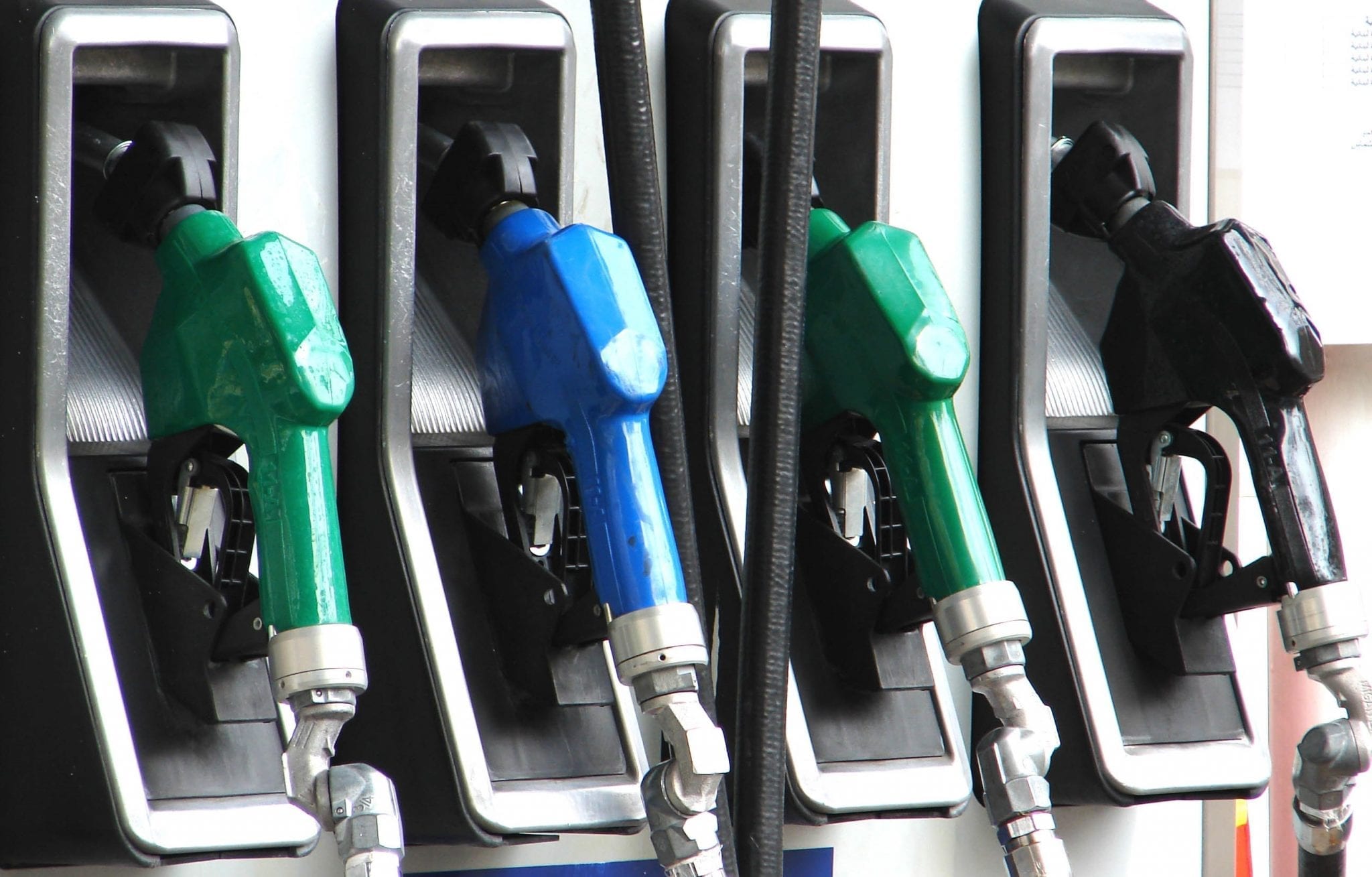
    Hanoi, Ho Chi Minh City, and Hai Phong are set to usher in a new era of green fuel with the launch of E10 biofuel, a blend consisting of 10% ethanol and 90% traditional gasoline, on August 1. This initiative marks Vietnam’s inaugural step toward a nationwide transition to eco-friendly fuels, which is slated to gain momentum by 2026.

    Green Revolution in Fuel

    E10 is not just a nod toward reducing CO₂ emissions; it’s an ambitious project aimed at bolstering domestic ethanol production and diversifying energy sources. The plan is to gradually phase out conventional gasoline in favor of this greener alternative.

    Leading the charge are Vietnam’s two largest fuel distributors, Petrolimex and PVOIL, both of which are gearing up to implement E10 on a larger scale by August 2025. Petrolimex has been busy upgrading storage tanks and refining mixing technology in Ho Chi Minh City, ensuring a consistent supply aligns with its rollout strategy. Meanwhile, PVOIL is focusing its efforts on establishing a solid presence in Hanoi and Hai Phong.

    Familiarizing Consumers with Change

    According to PVOIL chairman Cao Hoai Duong, the August 1 launch serves to introduce consumers to the novel fuel. To further ensure that E10 reaches all corners of the market, the company plans to provide blending services to other distributors, ensuring a stable product supply.

    Petrolimex is optimistic that E10’s cost-effectiveness and environmental advantages, compared to traditional RON95 gasoline, will win over consumers. “What’s not to love about saving money while saving the planet?” they might just say.

    Bracing for a New Era of Ethanol

    As the countdown to launch begins, Vietnam is evaluating its ethanol supply to prepare for the upcoming rollout and its future expansion. Presently, the country boasts six ethanol plants, with two operational facilities producing approximately 100,000 cubic meters annually. At full throttle, Vietnam could generate up to 500,000 cubic meters per year, theoretically meeting the E10 blending demands.

    During the initial phases, the supply chain may lean on imported ethanol. However, the long-term vision is clear: Vietnam aims to rely predominantly on domestic production, establishing a robust agricultural-energy value chain. This transition could create stable demand for feedstock like cassava and corn, whose prices have a habit of performing acrobatics.

    In the backdrop of these advancements, Vietnam has committed to achieving carbon neutrality by 2050, making the emergence of E10 a critical component in its green energy puzzle.

    Questions & Answers

    How will E10 biofuel benefit consumers in Vietnam?
    E10 is expected to offer lower costs and greater environmental benefits compared to traditional gasoline, making it an attractive option for consumers.

    What is the production capacity of Vietnam’s ethanol plants?
    Currently, Vietnam has six ethanol facilities, with two in operation that can produce around 100,000 cubic meters annually, and a potential full capacity of 500,000 cubic meters per year.

    What are the long-term goals for Vietnam’s biofuel sector?
    Vietnam aims to establish a self-sufficient agricultural-energy value chain and ultimately achieve carbon neutrality by 2050, relying predominantly on domestic ethanol production.

  • Vietnam’s Durian Exports to China Surge Thanks to Enhanced Quality Control Efforts

    Vietnam’s Durian Exports to China Surge Thanks to Enhanced Quality Control Efforts

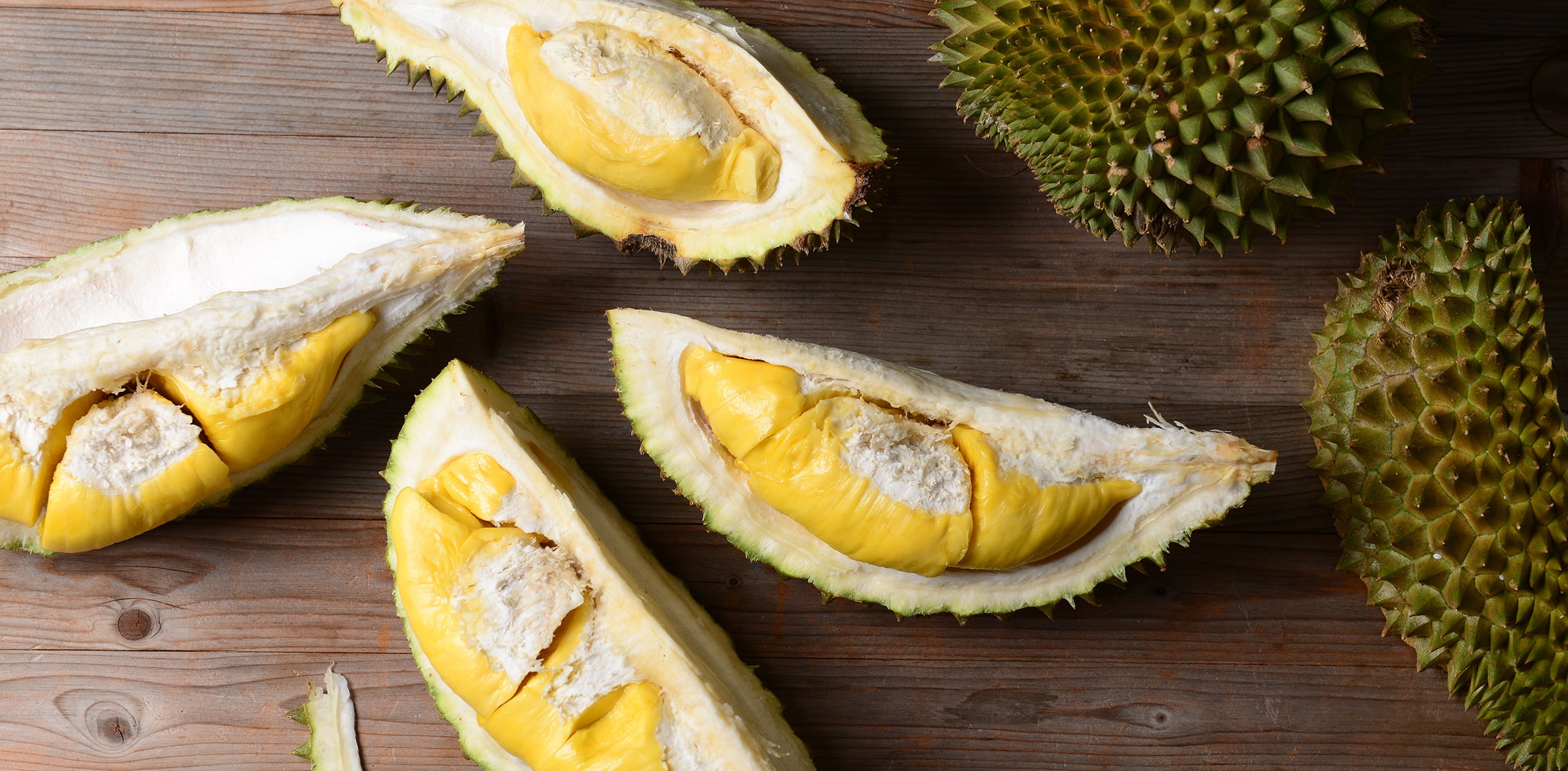
    In a remarkable turnaround, durian exports from Vietnam surged by 70% last month compared to May, reaching an impressive US$360 million, as reported by Vietnam customs. This revival follows a challenging period for the much-loved fruit, and industry experts are optimistic about the future.

    The Frozen Frontier of Durian Exports

    Dang Phuc Nguyen, general secretary of the Vietnam Fruit and Vegetable Association, noted that shipments of durian have stabilized recently, showing promising signs for the months ahead. Central to this rebound is the booming market for frozen durian, as highlighted by Nguyen Dinh Tung, chairman of Vina T&T Group, one of the major exporters.

    His company is currently dispatching around 20 containers of frozen durians to China each month. “If businesses invest properly in the freezing process, Vietnamese durians will have a significant advantage in the Chinese market,” Tung stated. He added that this method not only mitigates risks associated with unpredictable weather but also enhances quality control—a crucial factor for consumers.

    Rising Demand from the North

    Traders are reporting a notable increase in demand for Vietnamese durians among Chinese buyers. “Starting in June, the volume of durians purchased for export has escalated two to three times compared to previous months,” shared Hoang, a durian trader operating in southern Vietnam. This surge can also be attributed to improved compliance with Chinese quality standards, which have historically been a hurdle for exporters.

    Many companies are now requiring farms and traders to conduct quality tests before procurement, significantly enhancing the acceptance rates of Vietnamese durians in China. As the harvest season peaks in both the Mekong Delta and Central Highlands, Nguyen anticipates that exports during September and October could soar to between $500-550 million per month if current trends continue.

    Future Prospects in a Competitive Market

    However, Nguyen tempered excitement with a cautionary note, predicting that prices are unlikely to return to the record highs of 2023-2024, primarily due to a surge in global supply. Alongside competitors like Thailand, Malaysia, Indonesia, Cambodia, and Laos are also increasing their exports to China through official channels, intensifying the rivalry.

    Looking ahead, the Vietnam Fruit and Vegetable Association remains hopeful about the future of fruit and vegetable exports, particularly in the realms of frozen durians and coconuts. If trends hold, this year’s exports could reach a staggering US$6.5-7 billion, inching closer to last year’s record figures.

    Questions & Answers

    What contributed to the resurgence of Vietnamese durian exports?
    The sharp increase in exports can be attributed to the rising demand from China, particularly for frozen durians, which allow for better quality control and mitigate risks from fluctuating weather.

    How are Vietnamese exporters addressing quality concerns?
    Exporters are implementing quality testing protocols at farms and for traders to prevent issues like cadmium residues, which previously led to product rejections in the market.

    What are the export forecasts for Vietnamese durian?
    Currently, export expectations are optimistic, with predictions of monthly revenues reaching between $500-550 million during the peak harvest season in September and October.

  • VinFast Takes Charge: Covering Registration Fees for Electric Bikes in Hanoi!

    VinFast Takes Charge: Covering Registration Fees for Electric Bikes in Hanoi!

    As Hanoi gears up to ban gasoline-powered motorbikes from next July, Vingroup, Vietnam’s leading conglomerate, is stepping in with an enticing offer for those ready to embrace the electric future with VinFast bikes.

    According to a proposal submitted by the company to local authorities on Tuesday, all VinFast electric motorcycles purchased in the capital from July 24 to October 24 will have their registration fees fully subsidized. Currently, this fee amounts to approximately 5% of an electric motorbike’s price, a cost that many consumers will now find evaporated.

    Additionally, buyers in Hanoi can enjoy a 10% discount when opting to pay in installments over three years, starting with a 10% down payment, along with complimentary charging services until May 2027. This means incentives for a VND30 million (US$1,150) bike could reach as high as VND4.5 million. That’s a little more than what most people leave behind on a Saturday night out—just saying!

    Prime Minister Pham Minh Chinh’s directive on July 12 initiated significant changes, indicating that from July 1 next year, motorcycles and scooters powered by fossil fuels will be prohibited within Hanoi’s circular Ring Road 1, covering most of the downtown area. The rules will later extend to personal vehicles within Ring Roads 1 and 2 by early 2028, followed by Ring Road 3 in 2030.

    In alignment with this green initiative, Vingroup has further proposed incentives for VinFast electric cars. Collaborating with banks, the company plans to provide individual buyers loans at just 3% interest for the first three years. Commercial buyers can expect slightly higher rates of 4%.

    A 2022 study by the International Council on Clean Transportation revealed that two-wheeled vehicles fulfill nearly 73% of transportation needs for Hanoi residents. As the phased-out ban on gasoline-powered motorbikes rolls out, it’s anticipated that this will fundamentally transform the two-wheeler market and accelerate the switch to fully electric vehicles as residents reconsider their transport options.

    Questions & Answers

    What financial incentives is VinFast offering to customers in Hanoi?
    VinFast is subsidizing the registration fees of its electric bikes, which currently stand at about 5% of the vehicle price. Additionally, there’s a 10% discount for those paying in installments over three years and complimentary charging until May 2027.

    What new restrictions is Hanoi implementing regarding motorbikes?
    Starting July 1 next year, Hanoi will prohibit fossil fuel-powered motorcycles and scooters within the city’s circular Ring Road 1, with plans to expand these restrictions to personal cars by 2028 and to Ring Road 3 by 2030.

    How is Vingroup planning to support electric car buyers?
    Vingroup is teaming up with banks to offer loans at a competitive rate of 3% interest for individual buyers for the first three years, while commercial buyers will enjoy a rate of 4%.

  • Pack More, Pay Less with Limited-Time Offer: Vietjet Launches SGD86 Fares and 20kg Free Checked Baggage Promotion

    Pack More, Pay Less with Limited-Time Offer: Vietjet Launches SGD86 Fares and 20kg Free Checked Baggage Promotion

    This summer, Vietjet is making international travel more exciting and affordable with a major promotion: Eco tickets from just SGD86/one-way (inclusive of taxes and fees) for all Singapore-Vietnam routes, plus 20kg of free checked baggage on all international flights to and from Vietnam (terms and conditions apply)

    Perfect for savvy travellers seeking unbeatable value and flexibility, Singapore-based passengers can enjoy convenient direct flights to Phu Quoc, Ho Chi Minh City, Hanoi, and Da Nang, with more room in their luggage and their budget.

    The promotion runs from 01:00 on 23 July to end of 26 July 2025 (GMT+8). Thousands of promotional Eco tickets will be available for sale. The discounted fares also apply to all Vietjet domestic and international routes for travel between 4 September 2025 and 20 May 2026 (terms and conditions apply), giving travellers plenty of time to plan their dream escapes and enjoy exceptional savings. 

    Adding to the value, Vietjet is offering an extra 20kg of free checked baggage for Eco ticket holders on all international flights. This generous offer helps travellers avoid additional costs while enjoying more comfort and convenience on their journeys.

    Passengers flying with Vietjet can expect a joyful and seamless travel experience aboard a modern, fuel-efficient fleet operated by professional and friendly cabin crews. Onboard, travellers are treated to a rich inflight menu featuring iconic Vietnamese dishes such as Pho, Banh mi, Vietnamese iced coffee, Milo shake, milk tea, and more. 

    Whether it’s a relaxing getaway, a culinary exploration, or a new adventure across the Asia-Pacific region, Vietjet continues to be the trusted travel partner offering value-packed deals and excellent service. This summer, Vietjet invites travellers to discover new destinations, reconnect with loved ones, or simply take a well-deserved break, with irresistible ticket promotions and a seamless travel experience that begins the moment you book.

    A whole new world, a whole new me. Let’s Vietjet!

    Vietjet’s Singapore – Vietnam flight schedule: 

    • Singapore – Hanoi – Singapore: VJ916/VJ915: 1 return flight/day 
    • Singapore – Da Nang – Singapore: VJ970/VJ973: 1 return flight/day 
    • Singapore – Ho Chi Minh City – Singapore: VJ812/VJ813, VJ814/VJ811, VJ816/VJ815: 3 return flights/day 
    • Singapore – Phu Quoc – Singapore: VJ984/VJ983: 1 return flight/day

    The new-age carrier Vietjet has not only revolutionized the aviation industry in Vietnam but also been a pioneering airline across the region and around the world. With a focus on cost management ability, effective operations, and performance, applying the latest technology to all activities and leading the trend, Vietjet offers flying opportunities with cost-saving and flexible fares as well as diversified services to meet customers’ demands.

    Vietjet is a fully-fledged member of International Air Transport Association (IATA) with the IATA Operational Safety Audit (IOSA) certificate. As Vietnam’s largest private carrier, the airline has been awarded the highest ranking for safety with 7 stars by the world’s only safety and product rating website airlineratings.com and listed as one of the world’s 50 best airlines for healthy financing and operations by Airfinance Journal in many consecutive years. The airline has also been named as Best Low-Cost Carrier by renowned organizations such as Skytrax, CAPA, Airline Ratings, and many others.

  • Downtown HCMC Retail Rents Soar to $300 per Square Meter: What It Means for Shoppers and Retailers

    Downtown HCMC Retail Rents Soar to $300 per Square Meter: What It Means for Shoppers and Retailers

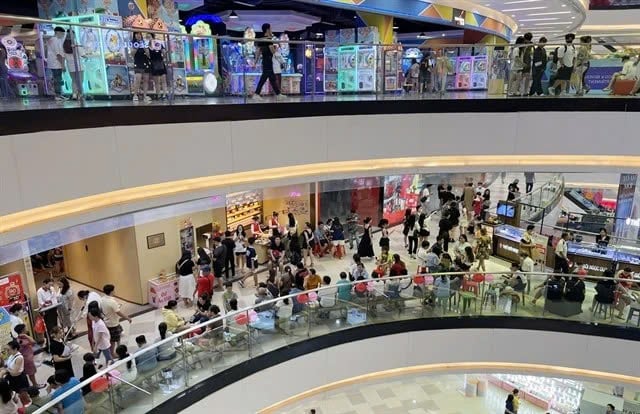
    In a recent overview of Ho Chi Minh City’s retail landscape, property consultancy Avison Young highlighted that the minimum rent in the downtown area remains stable at $45 per square meter for the second quarter, unchanged from the previous quarter. Luxury shopping destinations have seen significantly higher rates; Saigon Centre and Vincom Center Dong Khoi charge rents between $200 and $250, while Times Square tops the charts at $300 per square meter.

    In sharp contrast, retail spots in non-central neighborhoods only fetch $20 to $117, illustrating the premium placed on properties in the bustling city center. Yet, despite these steep prices, foot traffic in downtown areas remains robust, with occupancy rates soaring to 96% in the heart of the city and 86% in outer zones. CBRE corroborated these figures, noting that only 5% of retail space is unoccupied in prime districts and 8% elsewhere.

    David Jackson, CEO of Avison Young Vietnam, attributed the upward pressure on rents to an influx of global brands setting up shop in the city. American coffee giant Starbucks has recently increased its footprint, opening a new outlet at the Bitexco tower and securing additional space at Diamond Plaza. Meanwhile, Japanese retail giant Uniqlo is also moving into the market with a new store at Vincom Le Van Kiet, further indicating the growing international interest in Ho Chi Minh City.

    Popular malls like Saigon Centre and Vincom Dong Khoi continue to shine, boasting impressive occupancy rates between 98% and 100%. Jackson noted that with limited new supply coming to market, these established retail spaces are leveraging their prime locations to maintain high occupancy levels. Fashion and food-and-beverage brands are particularly strong in leasing, especially in vibrant, high-traffic areas.

    The evolving landscape of retail has heightened the importance of consumer experience, with the design and layout of spaces, integrated amenities, and after-sales services gaining traction as critical factors influencing rental prices. Mai Vo, director of retail services at CBRE HCMC, remarked on the surge of Chinese brands such as Oh!Some and Polarpopo entering this dynamic market.

    Responding to these trends, mall developers are reimagining tenant layouts, merging smaller units into larger spaces to accommodate burgeoning lifestyle brands. This transformation aims to turn shopping centers into “one-stop shops,” providing an array of services and amenities to enhance the overall customer experience.

    Looking ahead to the latter half of 2025, Vo anticipates the addition of around 25,000 square meters of new retail space within two central projects, signifying ongoing growth in Ho Chi Minh City’s retail sector. As consumers become increasingly discerning, often researching prices and seeking out deals, retailers are being pushed to adopt omnichannel strategies, blending digital and in-store experiences to capture this elusive market.

    Questions & Answers

    What are the current rental rates in Ho Chi Minh City’s downtown area?
    The minimum rent in the downtown area is $45 per square meter, with high-end shopping centers charging significantly more, ranging from $200 to $300 depending on the location.

    How are occupancy rates in Ho Chi Minh City’s retail spaces?
    Occupancy rates are notably high in the downtown area, reaching 96%, while non-central areas show an occupancy rate of 86%, indicating a robust demand for retail space.

    What strategies are mall developers employing to attract customers?
    Mall developers are restructuring tenant layouts by combining smaller units into larger ones to better accommodate lifestyle brands, aiming to transform shopping centers into integrated hubs that enhance customer experiences.

  • Bayer Vietnam Shines Bright at 2025 Top 50 Corporate Sustainability Awards!

    Bayer Vietnam Shines Bright at 2025 Top 50 Corporate Sustainability Awards!

    During the recent CSA 2025 award ceremony hosted by Nhip Cau Dau Tu Magazine, Bayer Vietnam earned recognition as a trailblazer among foreign direct investment (FDI) companies excelling in Environmental–Social–Governance (ESG) practices, particularly in agriculture and healthcare.

    The CSA 2025 award stands out for its rigorous assessment criteria, which are scrutinized by an expert panel comprising representatives from HSBC, PwC Vietnam, Schneider Electric, Talentnet, the Institute for Circular Economy Development at Vietnam National University in Ho Chi Minh City, and VinaCapital.

    On the panel discussion, “Decoding the Power Trio: Nature – Society – People,” Nguyen Hoang Son, Field Solutions Lead at Bayer Crop Science Vietnam, outlined the company’s journey in sustainable agriculture and its commitment to community well-being, in line with its mission: Health for all, hunger for none.

    Son underscored that agriculture faces severe disruptions from climate change, which alters weather patterns and jeopardizes crop yields. With food security hanging by a thread and demand skyrocketing amid dwindling resources, the stakes couldn’t be higher.

    He referenced the catastrophic drought and salinity intrusion that struck the Mekong Delta between late 2015 and early 2016, leading 11 provinces to declare a state of emergency as saltwater encroached up to 85 km inland, wreaking havoc on crops and local economies.

    Concrete ESG Actions Taking Root in Vietnam

    As a leader in the agricultural sector, Bayer aims to cut greenhouse gas emissions from its farming operations by 30% by 2030, compared to baseline emissions. Additionally, it plans to support 100 million smallholder farmers globally by providing access to innovative farming technologies.

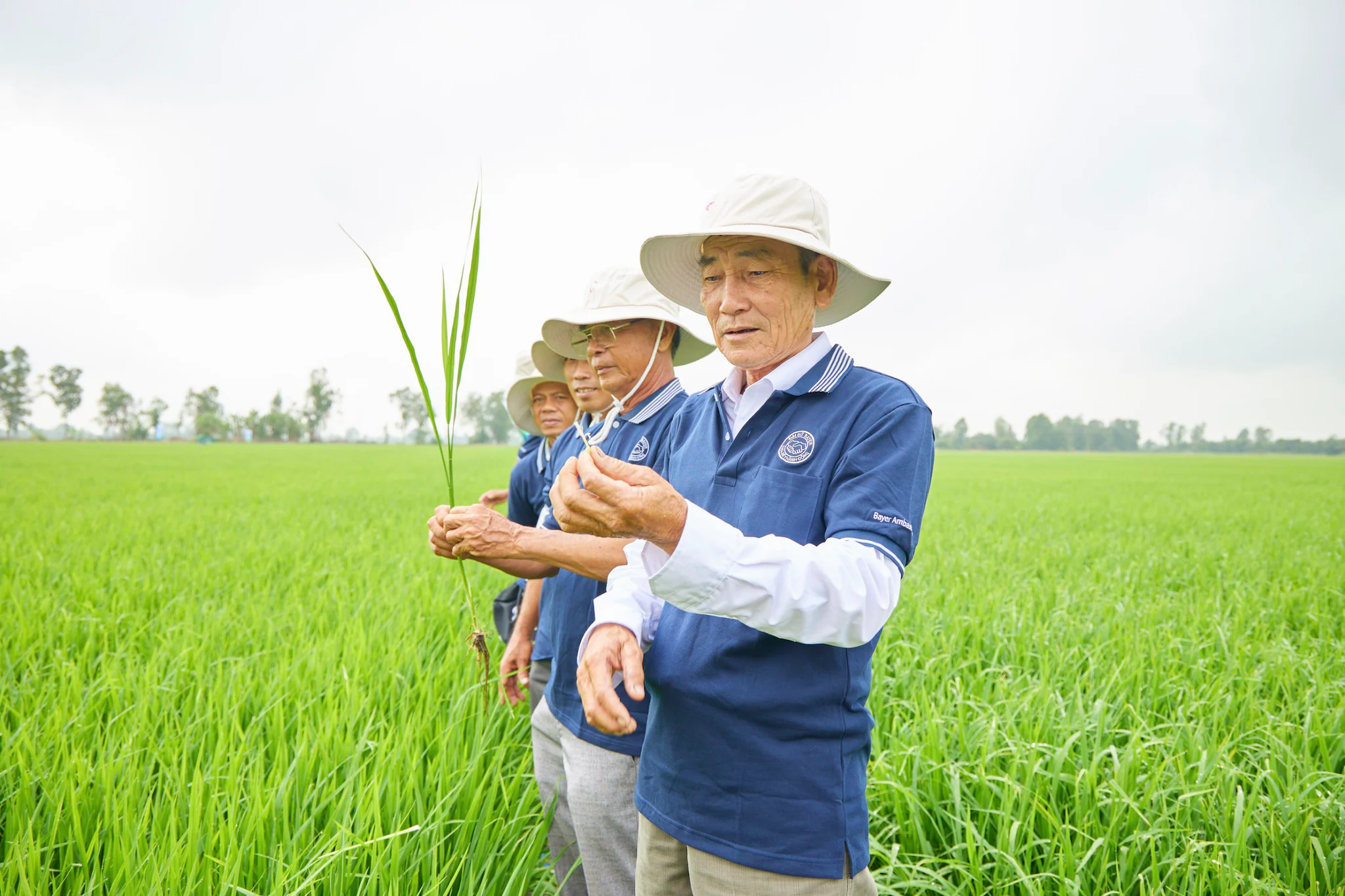
    In Vietnam, Bayer has launched flagship initiatives such as ForwardFarming and Better Life Farming through collaborative public-private partnerships. These programs are designed to encourage sustainable, low-emission agricultural practices across key regions like the Mekong Delta and the Central Highlands, while boosting productivity to meet export standards.

    Data from the Mekong Delta Rice Institute reveals remarkable achievements after five seasons with the Bayer ForwardFarming model, including up to a 24.7% reduction in greenhouse gas emissions, a 50% cut in water usage, and profit increases ranging from 13% to 55%.

    The model’s impact on durian and coffee farming in the Central Highlands has been equally impressive, enhancing both productivity and quality while maintaining pesticide residue controls and ecological balance. Who thought farming could make such a splash?

    A People-Centric Approach Fueled by Digital Innovation

    Bayer prioritizes human development as much as agricultural advancements. “People are at the heart of every program and solution. Even cutting-edge technology needs passionate individuals to drive impact,” Son stated.

    The company actively engages in field visits, crop care training, and technical workshops, partnering with national and local agencies to elevate technical expertise. Leveraging digital platforms like YouTube and TikTok, Bayer delivers engaging agronomy content to millions of farmers, widening access to essential farming knowledge.

    Fostering Gender Equality and Community Health

    Bayer is committed to promoting gender equality as a strategic focus. Initiatives like the Women Ambassador in Sustainable Coffee Cultivation Community in the Central Highlands empower women farmers with essential agricultural skills and health education. Remarkably, over 800 women in the Mekong Delta have benefited from these training programs.

    As a leader in pharmaceuticals and healthcare, Bayer is also working with partners to strengthen Vietnam’s healthcare system through public awareness campaigns and support for critical public health initiatives. In the wake of Typhoon Yagi last year, Bayer acted swiftly, providing care packages, agricultural supplies, and financial aid to help rural communities recover and rebuild their lives.

    Questions & Answers

    What recognition did Bayer Vietnam receive at the CSA 2025 awards?
    Bayer Vietnam was honored as a pioneering FDI enterprise for its effective implementation of ESG goals in agriculture and healthcare at the CSA 2025 award ceremony.

    What are Bayer’s goals for greenhouse gas emissions by 2030?
    Bayer aims to reduce its on-field greenhouse gas emissions per mass unit of crop produced by 30% by 2030 compared to baseline emissions.

    How does Bayer support gender equality in agriculture?
    Bayer promotes gender equality through initiatives like the Women Ambassador in Sustainable Coffee Cultivation Community, empowering female farmers in areas like the Mekong Delta with training in agricultural techniques and health education.

  • Gold Prices Soar to Three-Month High, Spark Excitement in the Retail Market

    Gold Prices Soar to Three-Month High, Spark Excitement in the Retail Market

    Vietnam gold prices surged to a three-month high on Wednesday morning, coinciding with a global retreat in bullion rates.

    Record Highs for Local Gold Prices

    In the heart of Ho Chi Minh City, gold prices at Saigon Jewelry Company climbed by 0.57% to reach VND122.7 million (US$4,694.85) per tael. This marks the highest rate observed since April 22, when gold prices peaked at a historic VND124 million.

    The Global Context

    Gold rings also saw an uptick, priced at VND118 million per tael, reflecting a 0.43% increase. Interestingly, while Vietnam experienced a gold rush, international prices were easing. As reported by Reuters, spot gold dipped by 0.2% to $3,423.44 per ounce, after initially reaching its highest level since mid-June earlier that day. Similarly, U.S. gold futures followed suit, sliding 0.2% to $3,437.70.

    Market Dynamics at Play

    The fluctuations can be traced back to a surge in risk appetite, sparked by U.S. President Donald Trump’s announcement of a trade agreement with Japan just ahead of a looming tariff deadline. A weaker dollar, coupled with declining U.S. Treasury yields, cushioned the blow for bullion prices. As the dollar index hovered around a two-week low, gold became more affordable for international investors—talk about a golden opportunity!

    Looking Ahead

    Market analysts are divided on future trends. Tim Waterer, Chief Market Analyst at CM Trade, noted that the signing of further trade agreements before August 1 could boost risk appetite, potentially diminishing gold’s allure. However, if the U.S. dollar continues to face pressure, a resurgence to $3,500 per ounce could remain within reach for this precious metal.

    Questions & Answers

    What has driven the recent increase in gold prices in Vietnam?
    Gold prices in Vietnam have increased due to a combination of local demand and international market dynamics, including positive trade news from the U.S. which has momentarily eased demand for gold.

    How did global gold prices react during the same period?
    Globally, gold prices dipped slightly as risk appetite was bolstered by U.S. trade news, indicating a fluctuating relationship between domestic and international market sentiments.

    What could affect gold prices in the near future?
    Future gold prices may be influenced by any new trade agreements and the strength of the U.S. dollar, with a weaker dollar potentially pushing prices higher.

  • China Overtakes US as Vietnam’s Leading Shrimp Export Market in First Half of the Year

    China Overtakes US as Vietnam’s Leading Shrimp Export Market in First Half of the Year

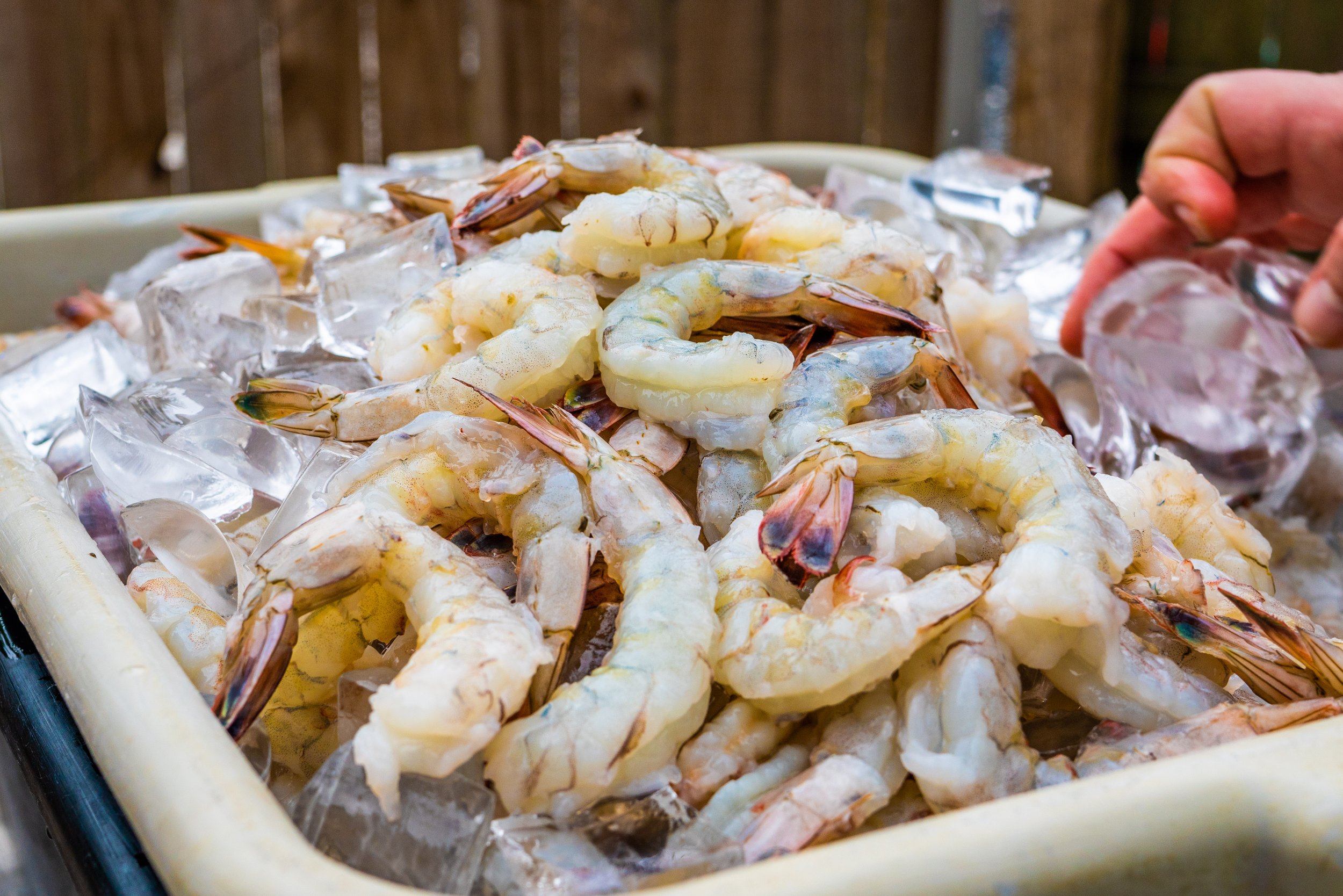
    China has emerged as a vital avenue for Vietnamese shrimp exporters, importing nearly US$595 million worth of shrimp, as reported by the Vietnam Association of Seafood Exporters and Producers (VASEP). A supply shortage in China, coupled with a seasonal spike in demand for premium seafood delights like lobster, has created an auspicious window for Vietnam’s seafood industry.

    Captivating Competitive Edge

    The geographic proximity of Vietnam to China adds to the appeal, allowing exporters to offer competitive prices that capture the attention of Chinese importers. Traditional markets remain steady, with Japan, South Korea, and the European Union contributing to this growth. Of particular note, Japan—the third-largest market for Vietnamese shrimp—has showcased a robust appetite for deeply processed, ready-to-eat shrimp products that cater to busy lifestyles.

    A tantalizing lobster on display in Ho Chi Minh City, showcasing the allure of premium seafood. Photo by VnExpress/Quynh Tran

    Navigating New Trade Waters

    Export dynamics to Europe have also enjoyed a boost thanks to the E.U.-Vietnam Free Trade Agreement. This agreement has positioned Vietnam favorably against other Southeast Asian competitors like Indonesia and Thailand. Conversely, the United States—once the leading market—has shown signs of decline in shrimp imports. Although exports to the U.S. increased by 13% to $341 million in the first half of the year, much of this surge was attributed to a pre-emptive rush in May, as businesses scrambled to fulfill orders ahead of the new tariffs introduced by the Trump administration.

    In June, the situation took a turn, with exports plummeting by 37%. In April, the Trump regime imposed a 10% retaliatory tariff on various imports, which is set to escalate to 20% on shrimp from August 1. In addition to this tariff hike, Vietnamese exporters face the looming threat of preliminary anti-dumping duties that could exceed 35%, alongside countervailing duties expected by year’s end.

    Shifting Strategies for Sustainability

    Amid these turbulent market conditions, VASEP has highlighted that U.S. tax policies are instilling caution among American importers, complicating pricing and order planning for Vietnamese businesses. This upheaval has prompted many seafood companies to explore alternative markets, with China appearing as an increasingly attractive option.

    Global shifts are also pressuring domestic shrimp prices. The cost of large black tiger shrimp has recently soared to a record VND201,000 (US$7.69) per kilogram, primarily driven by limited supply against consistent demand. Overall, Vietnam’s shrimp exports surged by 27% in the first half of the year, totaling $2 billion. However, VASEP forecasts a slowdown in exports as July approaches, following the rush of orders in May and June.

    With the U.S. delaying tariff increases until early August, some firms were able to expedite shipments, but the future remains uncertain, hinging on the final tariff levels and the capacity to diversify markets effectively. Many shrimp producers are now focusing on revising their export strategies to reduce dependency on the U.S. market, leveraging trade agreements like the EVFTA and the Comprehensive and Progressive Agreement for Trans-Pacific Partnership.

    A notable trend is the emphasis on deeply processed products, which attract higher value. Major markets like the U.S. and the EU are implementing stricter traceability and origin requirements, driving firms to enhance productivity throughout their supply chains—from certified farming practices and disease control to optimized processing and logistics.

    As Vietnam’s seafood industry navigates a volatile global market, the implementation of proactive financial and legal strategies will be crucial for sustaining growth and competitiveness.

    Questions & Answers

    How has China become a significant market for Vietnamese shrimp?
    China’s domestic supply shortage, combined with a rising demand for premium seafood products, has opened the door for Vietnamese exporters, leading to substantial imports worth nearly US$595 million.

    What impact have U.S. tariffs had on Vietnamese shrimp exports?
    The new tariffs imposed by the U.S. have caused export volatility, with a significant drop in shipments in June following a May spike as businesses rushed to beat the tariff deadline.

    What strategies are Vietnamese seafood businesses adopting for future growth?
    Producers are shifting focus away from reliance on the U.S. market and are capitalizing on trade agreements like the EVFTA, while also prioritizing the production of deeply processed shrimp products to meet evolving market demands.

  • Techcombank Reports 1.48% Drop in H1 2025 Profit, Reaching $472.75 Million

    Techcombank Reports 1.48% Drop in H1 2025 Profit, Reaching $472.75 Million

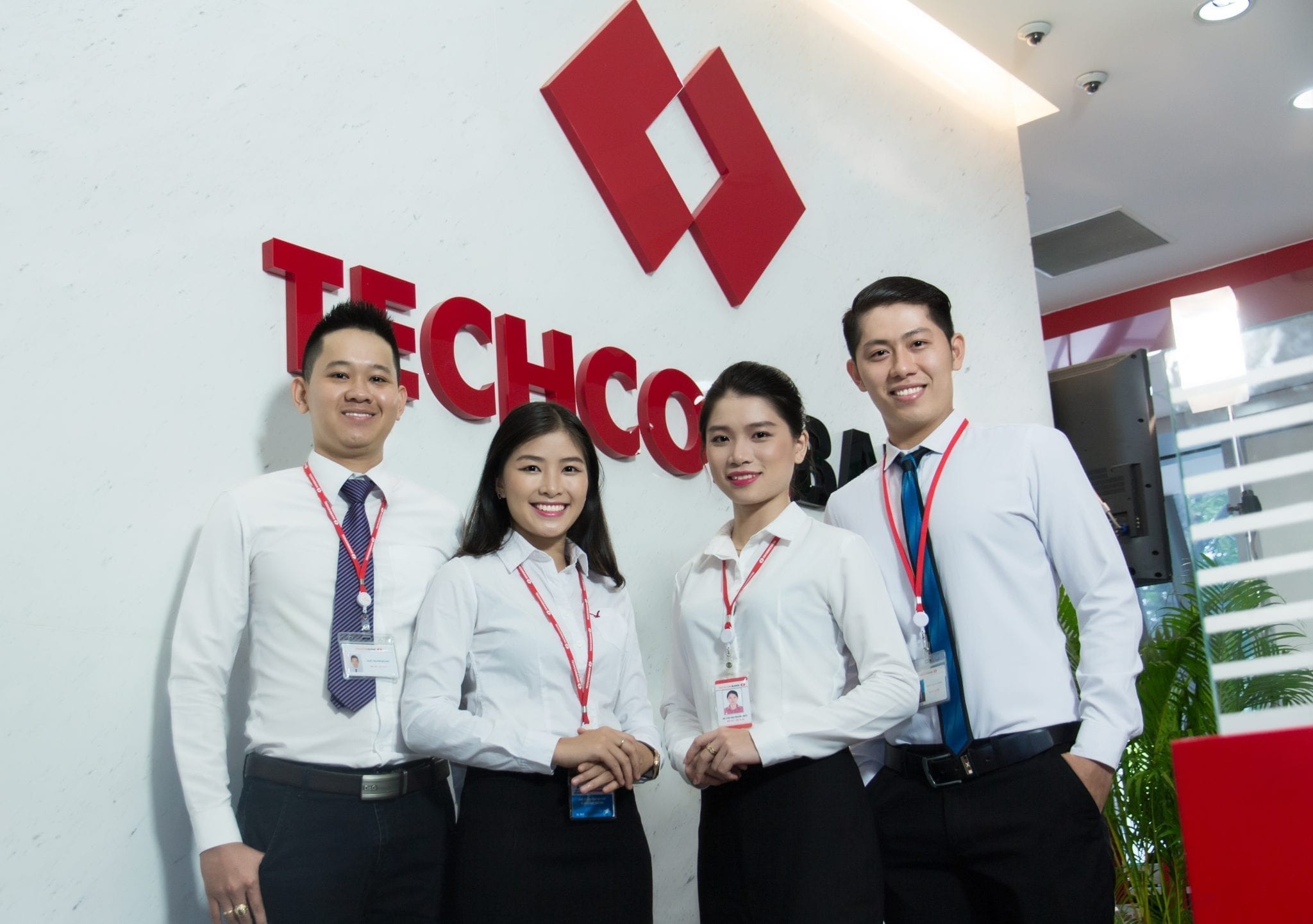
    In a financial landscape marked by challenges, Vietnam Technological and Commercial Joint Stock Bank (Techcombank) has unveiled a profit after tax of $472.75 million (VND12.36 trillion) for the first half of 2025. This figure represents a modest decline of 1.48% compared to the approximately $480 million (VND12.55 trillion) reported during the same timeframe last year.

    Operating Income Experiences a Dip

    Techcombank’s total operating income took a downturn in H1 2025, amounting to $931.34 million (VND24.35 trillion), down from VND25.68 trillion in H1 2024. Despite the overall income decline, the bank observed a small silver lining as net interest margin (NIM) edged upward to 3.8% by the end of Q2 2025, compared to 3.7% in Q1, even as net interest income (NII) fell to $665.51 million (VND17.4 trillion), a 3% year-on-year decrease.

    Net fee income also slipped, totaling $210.37 million (VND5.5 trillion), a 5.4% decline from last year, primarily due to lower earnings from letters of credit, remittances, and card fees. However, a standout performer was the investment banking sector, where fees surged by 30.2% year-on-year to reach $89.11 million (VND2.33 trillion), bolstered by a strong issuance in previous quarters.

    The second quarter of 2025 painted a more vibrant picture for Techcombank. Investment banking fees alone rose to $53.93 million (VND1.41 trillion), marking a remarkable 35.5% year-on-year increase and a 53.3% surge compared to Q1. This uptick was spurred by robust activity across multiple business lines, including brokerage and agency management, margin lending, and bond underwriting.

    Teetering Trade Activities

    In contrast, earnings from letters of credit, remittances, and cash settlements plummeted by 40.6% year-on-year to $49.72 million (VND1.3 trillion), attributed to changes in accounting treatment and subdued customer demand. Nonetheless, these figures saw an 11.4% improvement from Q1, thanks to a newly adopted trade financing solution known as ‘LC purchase without recourse.’

    Card Income Declines, But QR Code Dominance Shines

    Card-related income fell sharply by 24.7% year-on-year to $29.43 million (VND769.4 billion). Techcombank noted this decline aligns with a broader industry trend toward alternative payment methods like QR codes. Indeed, the bank proudly claims the top market position for QR code transactions in H1 2025, as reported by VietQR.

    A Flourishing FX Segment

    On a brighter note, foreign exchange sales skyrocketed by 57.7% year-on-year, reaching $22.34 million (VND584 billion). This growth indicates a notable shift in consumer and business behavior towards FX trading.

    Questions & Answers

    What contributed to Techcombank’s profit decline in H1 2025?
    The bank reported a 1.48% decrease in profit mainly due to lower total operating income and a decline in net fee income, particularly from letters of credit and card fees.

    How did investment banking perform for Techcombank in this period?
    Investment banking fees saw significant growth, rising by 30.2% year-on-year to $89.11 million, driven by increased activity in several business lines.

    What payment trend is Techcombank capitalizing on?
    The bank is leading the market in QR code transactions, reflecting a broader industry shift away from traditional debit cards towards modern payment methods.

  • Electric Bike Market Accelerates Growth Amid Rising Gasoline Motorbike Restrictions

    Electric Bike Market Accelerates Growth Amid Rising Gasoline Motorbike Restrictions

    Starting July 1, 2024, Hanoi will usher in a significant shift in urban mobility by banning all gasoline-powered two-wheel vehicles within the confines of Ring Road 1, effectively covering much of the city’s downtown. This move is not a standalone initiative; the ban is set to expand to Ring Road 2 in 2028, targeting fossil fuel-powered personal cars alongside motorcycles. By 2030, the restrictions will reach the outermost Ring Road 3, marking a decisive step towards cleaner urban transport.

    Meanwhile, Ho Chi Minh City (HCMC) is pondering similar measures, contemplating designated zones that favor green vehicles while restricting access to gasoline and diesel motorcycles, particularly in the bustling downtown and environmentally sensitive regions like Can Gio and the Con Dao Special Zone. With the stakes this high, one could speculate that the electric scooter has officially become the new “it” vehicle in Vietnam.

    These impending restrictions promise to reshape the landscape of Vietnam’s motorcycle market. As the country’s largest urban centers, Hanoi and HCMC are at the forefront of motorcycle consumption, standing as hubs of economic activity. Electric bikes made their debut in the early 2000s, catering primarily to students who can ride them without a license, thus developing an early market for electric vehicle (EV) adoption.

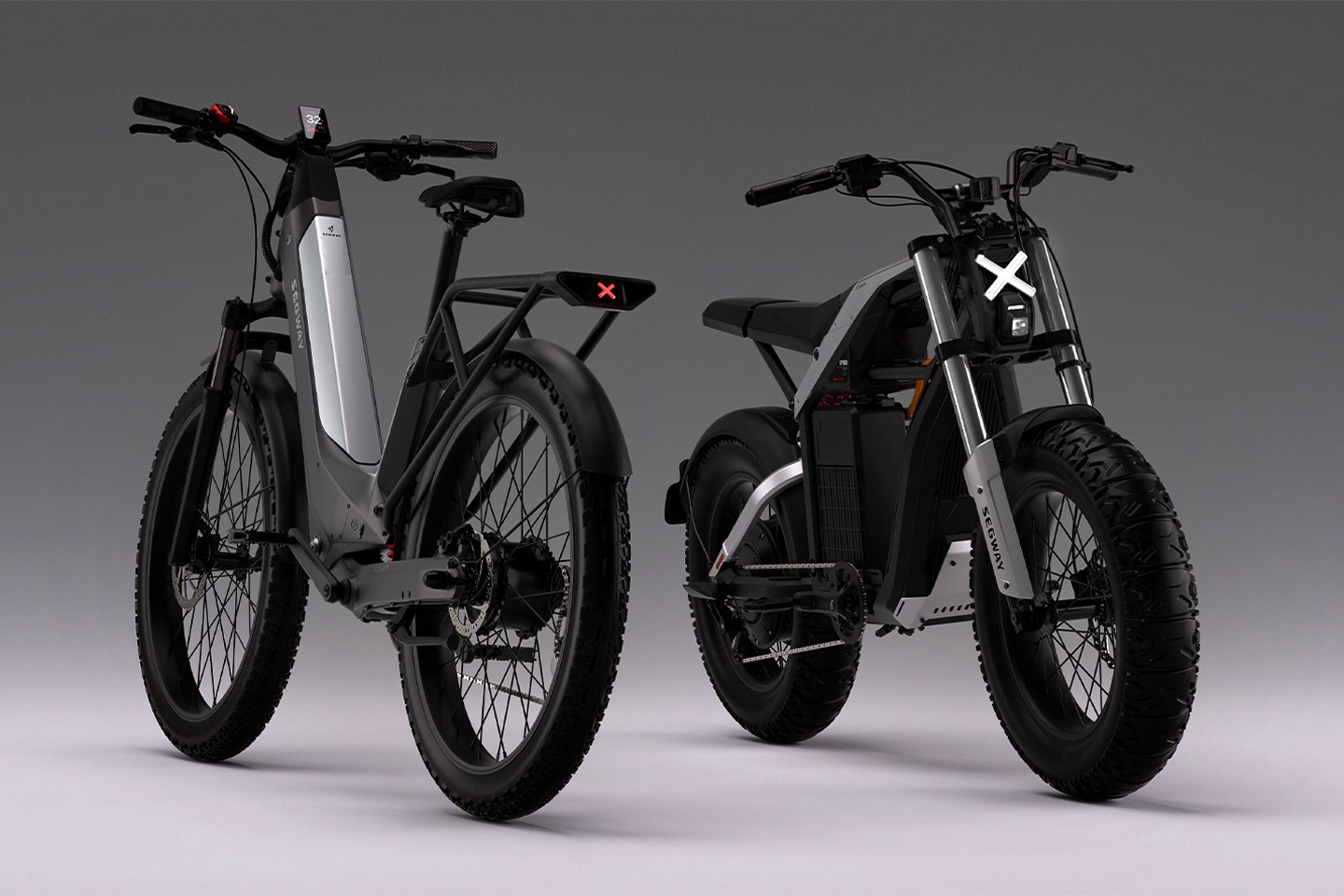
    Historically, these e-bikes were largely imports from China, providing an affordable alternative in a competitive market. Until recently, Detech was the lone domestic manufacturer based in Hung Yen. However, after 2010, the industry witnessed a surge of local brands, with Dibao emerging in 2011, Pega in 2012, DK Bike in 2014, and Anbico in 2015. Enter VinFast in 2018, the ambitious brand backed by Vingroup, along with Selex Motors and Dat Bike, which also launched in the following year.

    The Chinese brand Yadea, now the dominant electric two-wheeler manufacturer globally, set up two large factories in Bac Giang in 2019 with plans to produce up to two million vehicles annually. Following suit, Tailg, another Chinese heavyweight, planted roots in Hung Yen in 2024, with a yearly production capacity of 350,000 vehicles. Traditional gasoline motorbike makers see the winds of change, with Yamaha unveiling its first electric motorcycle, the Neo’s, in 2022, while Honda — holding over 80% of the market share — debuted its electric models in 2024, the ICON e: and the premium CUV e:.

    Despite the flurry of activity in the electric segment, Suzuki, SYM, and Piaggio, who remain members of the Vietnam Association of Motorcycle Manufacturers (VAMM), have yet to release fully electric options. VinFast, uniquely positioned as a transparent player, revealed sales of nearly 71,000 units in the last year, representing a modest 3% of the gasoline motorcycle market, which totaled 2.65 million units. However, the lack of official statistics on annual electric motorcycle sales poses a challenge for comprehensive market analysis.

    Policy Shifts and Industry Reactions

    Industry experts believe that Hanoi’s gradual ban on gasoline-powered motorcycles — and HCMC’s possible follow-up — will dramatically transform Vietnam’s motorcycle landscape. The two-wheel vehicle continues to be the primary mode of transport due to its affordability, flexibility, and infrastructure support. According to the International Council on Clean Transportation (ICCT), two-wheelers fulfill 72.6% of transport needs in Hanoi and 82% in HCMC.

    For Honda, which sells nearly 2.15 million units annually, Hanoi represents a critical market, contributing around 8-9% of its total sales. The company’s spokesperson acknowledged the profound implications of these policy changes, emphasizing both logistical and financial challenges in transitioning to eco-friendly vehicles in such dense urban settings. “Replacing a significant number of internal combustion vehicles swiftly could impose substantial pressures,” they noted, highlighting insufficient charging infrastructure and fire safety concerns.

    While Honda advocates for a delay to allow more time for technical standards and infrastructure development, the responses from other manufacturers remain unclear. A spokesperson from Suzuki Vietnam confirmed that VAMM members would convene to devise strategies for a potential transition to green vehicles. Currently, there are no government incentives for purchasing electric motorcycles unlike electric cars, which enjoy waivers on registration fees until February 2027. Hanoi is looking at supporting the replacement of approximately 450,000 gasoline motorcycles, potentially covering most costs for new electric options, alongside the establishment of charging zones for electric and clean-energy vehicles.

    Leading the charge on infrastructure investment, VinFast is paving the way with extensive charging facilities across the country, while most other EV brands predominantly rely on home charging. Exceptionally, Dat Bike has made investments in charging stations, although currently focused in HCMC, further underlining the emerging dynamics of Vietnam’s electric vehicle ecosystem.

    Questions & Answers

    What are the main areas impacted by Hanoi’s electric vehicle ban?
    The ban initially affects areas within Ring Road 1, which encompasses most of downtown Hanoi, with plans to extend to Ring Road 2 in 2028 and to Ring Road 3 by 2030.

    How will traditional motorcycle manufacturers adapt to the upcoming policy changes?
    Manufacturers like Honda and Yamaha are exploring strategies to transition towards electric vehicles, but face challenges related to infrastructure and the rapid pace of required changes.

    What incentives are currently available for purchasing electric motorcycles in Vietnam?
    As of now, there are no government incentives for electric motorcycles, unlike electric cars, which benefit from waived registration fees until February 2027.

  • US Cherry Prices Plummet to Historic Lows in Vietnam’s Market

    US Cherry Prices Plummet to Historic Lows in Vietnam’s Market

    Across Vietnam, American cherries have emerged as a surprising star on the supermarket scene, captivating shoppers with their enticing prices. Currently, retailers are offering these sought-after fruits for around VND299,000 per kilogram, with certain major chains slashing prices to an astonishing VND189,000—less than half of last year’s rates.

    This year marks a strategic shift for online retailers and supermarkets embracing a substantial influx of cherries from the U.S., departing from their previous reliance on Chilean imports. WinCommerce, the operator behind the WinMart chain, is promoting the fruit at VND299,000 per kilogram from July 8 to July 23—a dip of VND160,000 from its earlier pricing.

    Meanwhile, MM Mega Market reports a price of VND189,000, achieving remarkable demand spurred by a whopping 140% increase in cherry purchases compared to last year. The Vietnam Fruit and Vegetable Association notes that cherry imports have surged, making it one of the fastest-growing imports in 2023, with an impressive year-on-year growth of 43%.

    As import tariffs on U.S. cherries decline, the market is poised for even more competitive pricing. The U.S. Department of Agriculture highlights a favorable shift in conditions, revealing an 8% increase in sweet cherry production from 2024, reaching an estimated 383,000 tons.

    However, the U.S. must navigate a challenging landscape as exports to China, once a major market, are stifled by a formidable 58% import tariff. While China has temporarily suspended additional tariffs, the baseline tax rate still leaves American cherries trailing behind Chilean competitors, who benefit from preferential trade agreements.

    On a positive note, Vietnam is actively negotiating with the U.S. for a zero-tariff regime on American goods, which could revitalize market access. In light of recent tariffs imposed by China, U.S. cherry exporters have turned their focus toward new markets, including Vietnam, South Korea, and Japan, with the wholesale price in the U.S. dropping by 10-15% during June and July compared to last year.

    Questions & Answers

    What factors have contributed to the rising demand for cherries in Vietnam?
    Cost reductions, strategic imports from the U.S., and targeted promotions at retail chains have all played roles in increasing cherry demand by 140% from last year.

    What challenges do U.S. cherry exporters face in the Chinese market?
    U.S. cherry exporters contend with a steep 58% import tariff imposed by China, which has caused them to seek opportunities in alternative markets such as Vietnam, South Korea, and Japan.

    How are local stakeholders responding to the decline in U.S. cherry exports to China?
    Local stakeholders are adjusting by leveraging negotiations with the U.S. government to eliminate import tariffs, aiming to enhance the accessibility of U.S. fruits in the Vietnamese market.

  • Motorbike Sales Surge 6.4% in First Half of the Year: A Thriving Market Trend

    Motorbike Sales Surge 6.4% in First Half of the Year: A Thriving Market Trend


    In a promising start to 2025, members of the Vietnam Association of Motorcycle Manufacturers recorded a 6.4% year-on-year sales increase, totaling 1.28 million motorbikes sold in the first half of the year.

    Motorbike Sales Surge, But Faces Seasonal Hurdles

    Despite the optimistic overall growth, the landscape shifted in the second quarter, where sales dipped significantly by 9.2%, landing at 611,236 units. This drop contrasted with the brisk pace of 4.9 vehicles sold every minute in the first half, a slight uptick from 4.6 during the same timeframe last year.

    Industry Giants and Emerging Players in the Mix

    The sales figures were driven largely by industry stalwarts Honda, Yamaha, Piaggio, Suzuki, and SYM, who dominate the market. Notably, other manufacturers like VinFast, BMW Motorrad, Triumph, Kawasaki, and Harley-Davidson remain tight-lipped about their sales figures, leaving many wondering just how many bikes are purring on the roads. Meanwhile, VinFast, Vietnam’s own electric motorcycle producer, hit an impressive milestone with an estimated 71,000 units sold in the first half alone, matching its total output for all of 2024, according to a reliable source. The rest of the manufacturers are often considered peripheral players in this thriving market.

    Future Mobility Directions in Hanoi

    In a forward-thinking move, Hanoi’s government, under the directive of Prime Minister Pham Minh Chinh, has set ambitious targets to phase out fossil fuel-powered motorbikes by July 1, 2026. This initiative will extend further, with plans to ban personal petrol and diesel vehicles in specific urban areas by 2028 and again by 2030 for broader ring roads. This policy is anticipated to give a significant boost to electric vehicle sales, stimulating growth in a rapidly changing automotive landscape.

    Questions & Answers

    What was the total number of motorbike sales in Vietnam during the first half of 2025?
    Vietnam’s motorcycle manufacturers recorded sales of 1.28 million units in the first half of 2025, marking a 6.4% increase from the previous year.

    Which companies are leading the motorcycle market in Vietnam?
    The primary players in Vietnam’s motorcycle market include Honda, Yamaha, Piaggio, Suzuki, and SYM, who collectively make up the Vietnam Association of Motorcycle Manufacturers.

    What are Hanoi’s plans for electric vehicles?
    Hanoi aims to phase out fossil fuel motorbikes by July 1, 2026, with plans to restrict petrol and diesel cars further by the end of the decade, potentially increasing demand for electric vehicles.

  • Vietnamese Airlines Soar Ahead with New Direct International Flight Initiatives

    Vietnamese Airlines Soar Ahead with New Direct International Flight Initiatives

    Ngoc Yen is buzzing with excitement as she returns to Bali after a three-year hiatus, remarking that this time her journey was significantly more affordable and convenient thanks to a direct flight from Ho Chi Minh City. “It’s more manageable now: ticket changes are easy, the flight attendants speak Vietnamese, and the meals hit just right,” she shared, contrasting her previous experiences that often required lengthy layovers in Singapore, racking up unexpected costs along the way.

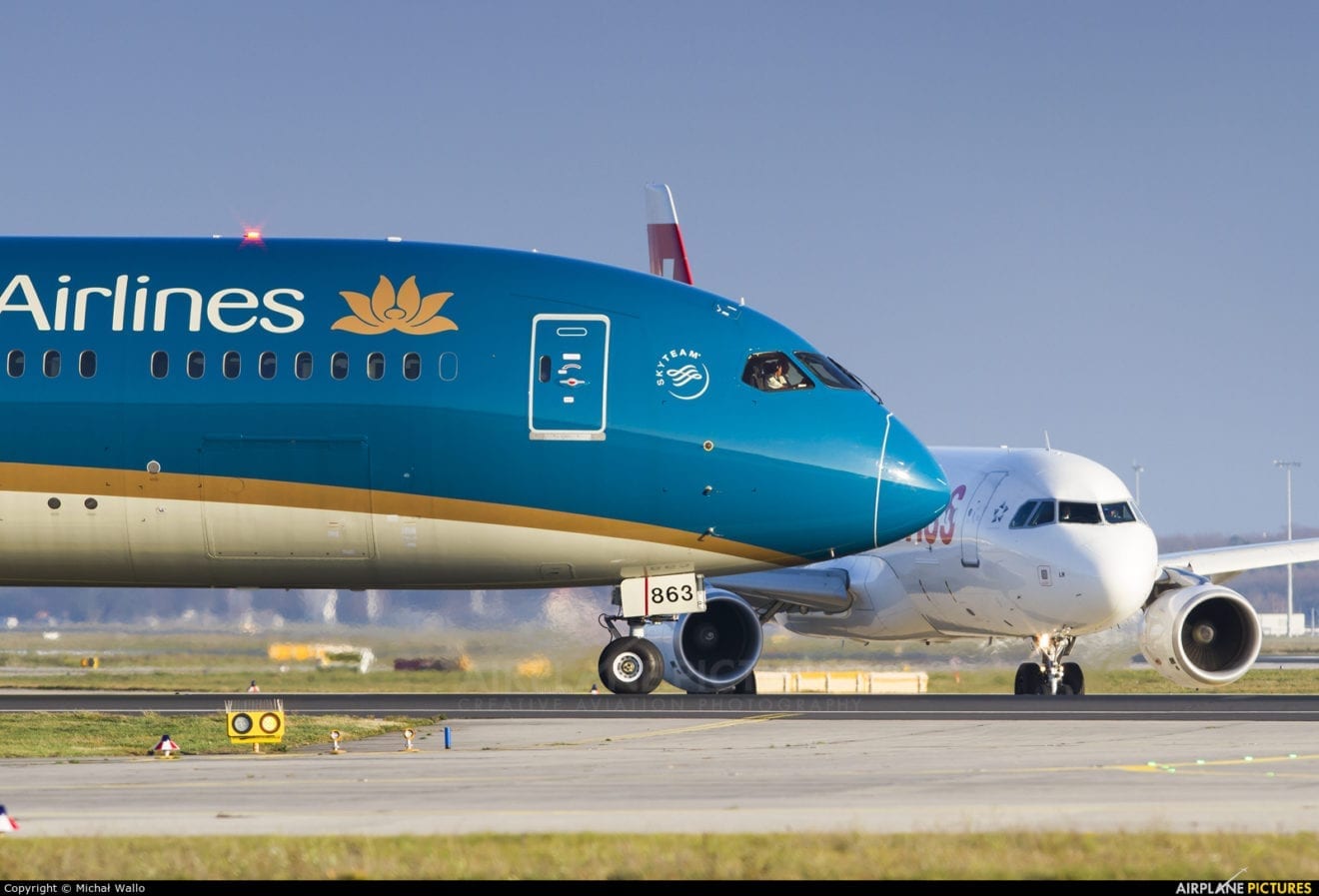
    Leading the charge in this travel renaissance, Vietnam Airlines has introduced an impressive 13 new international routes since early 2024. Among these, the cities of Ho Chi Minh and Bali, Copenhagen, Bengaluru, Hyderabad, and Milan are now just a short flight apart. This expansion includes its inaugural service to Denmark and the revival of crucial routes such as Hanoi to Moscow and Ho Chi Minh to Osaka.

    Today, Vietnam Airlines operates on 69 international routes—a notable 13% increase from pre-pandemic levels—connecting travelers to 37 destinations across 21 countries. A spokesperson for the airline highlighted its rapid recovery and expansion as “unprecedented.” The international routes have not only boosted airline connectivity but also contributed significantly to its financials, with revenues up by 10.6% year-on-year in the first half of 2025, accounting for 60% of total transport service revenues.

    Meanwhile, budget carrier Vietjet Air is setting its sights on the Indian market with flights to major cities like Mumbai, Ahmedabad, and Hyderabad. The airline recently kicked off new services from Nha Trang in Vietnam to Vladivostok, Khabarovsk, and Blagoveshchensk in Russia, and connected Hanoi with Chengdu in China. Looking ahead, Vietjet plans to add flights to Auckland, New Zealand, in September, part of a broader strategy for sustained growth.

    Bamboo Airways, on the other hand, is focusing its efforts on short-haul routes, allowing it to easily adjust flight frequencies to popular destinations like Bangkok, Taipei, and Seoul. In a unique twist, Vietravel Airlines is broadening its horizons in charter flights, appealing to high-end travelers with luxurious all-inclusive tours to destinations in South Korea, Japan, and Thailand.

    The Civil Aviation Authority of Vietnam has noted a resurgence, revealing that Vietnamese airlines are now operating across more than 150 international routes, surpassing numbers seen before the pandemic. This aggressive expansion is driven by a desire to retain slots at major airports as demand for air travel rebounds. Airlines are also gearing up to increase international flights to attractive Vietnamese tourist destinations such as Da Nang, Nha Trang, and Phu Quoc, signaling a strategic effort to reinforce Vietnam’s position in the global transport ecosystem.

    “We’re not merely chasing numbers; we’re selecting destinations with strong connectivity that serve both passenger and cargo needs,” stated a representative from one carrier, emphasizing the balance between growth and practicality. Routes like Hanoi-Hyderabad are gaining popularity due to competitive pricing, and travel agents in Hanoi report soaring demand for direct flights to India and Bali, particularly among independent and business travelers. As optimism swells, airlines are planning to continue this trend of international expansion, buoyed by the encouraging response to their new services.

    Questions & Answers

    What new international routes has Vietnam Airlines added recently?
    Vietnam Airlines has launched 13 new international routes including those to Bali, Copenhagen, Bengaluru, Hyderabad, and Milan.

    How has Vietjet Air expanded its operations?
    Vietjet Air has targeted the Indian market with flights to major cities like Mumbai and has also initiated new services to Russian cities and plans to connect to Auckland, New Zealand.

    What strategic moves are Vietnamese airlines making post-pandemic?
    Vietnamese airlines are rapidly expanding their international services to secure airport slots and respond to rising travel demand, focusing on destinations that enhance both passenger and cargo connectivity.