Tag: Vietnam

  • Makara Capital Sets Ambitious Goal to Mobilize $7B for Strategic Investments in Vietnam

    Makara Capital Sets Ambitious Goal to Mobilize $7B for Strategic Investments in Vietnam

    In a significant meeting held in Hanoi on Wednesday, Ali Ijaz Ahmad, chairman and CEO of Makara Capital Partners, expressed strong interest in expanding the firm’s footprint in Vietnam. Joined by other company executives, Ahmad highlighted the group’s substantial presence in Singapore in areas such as fund and asset management, financial structuring, and advisory services.

    Vietnam: A Promising Investment Landscape

    Demonstrating due diligence, the leaders outlined their comprehensive analysis of the Vietnamese market, underscoring their confidence in the country’s strategic development trajectory and long-term growth ambitions. Their enthusiasm mirrors Vietnam’s reputation as a burgeoning hub for investment in Southeast Asia.

    Strategic Projects in the Pipeline

    Makara Capital Partners is currently championing an investment initiative to establish a biopharmaceutical industrial park in the northern province of Hung Yen. Moreover, the company is engaging with Vietnamese authorities to explore collaborations in energy, infrastructure, and banking restructuring, as well as contributing to the development of a global financial center in the country.

    Such ambitious ventures could potentially mobilize between US$5 and $7 billion in investments, showcasing the firm’s commitment to driving economic growth in Vietnam.

    A Call to Action

    Prime Minister Pham Minh Chinh encouraged Makara Capital Partners to expedite its investment decisions and scale up operations within Vietnam’s priority sectors. He emphasized the philosophy of “working together, benefiting together, winning together, and sharing joy and happiness.”

    Reiterating the Vietnamese government’s commitment to facilitating successful investments, Chinh assured that the country will protect the legitimate rights and interests of investors, grounded in principles such as regulatory transparency, market alignment, and international standards.

    Aligning Interests for Sustainable Development

    Chinh warmly welcomed Makara Capital’s ambitions in biopharmaceuticals and finance, aligning them with Vietnam’s goals for rapid, green, and sustainable development. He provided insights into the nation’s socio-economic strategies and highlighted ongoing efforts in institutional reform, infrastructure expansion, and human resource enhancement.

    Vietnam is embarking on a transformative journey, restructuring its administrative framework and implementing key resolutions aimed at fostering swift and sustainable growth. The nation has set its sights on achieving a GDP growth of at least 8% this year, with aspirations for double-digit growth in the years to follow, all while aiming to transform into a high-income developed country by 2045. A tall order? Perhaps. But in Vietnam, the potential often exceeds the challenge.

    Questions & Answers

    What investment projects is Makara Capital Partners pursuing in Vietnam?
    Makara Capital is focused on developing a biopharmaceutical industrial park in Hung Yen, while also exploring opportunities in energy, infrastructure, and banking restructuring.

    What is the expected investment range from Makara Capital in Vietnam?
    The initiatives being discussed could mobilize between US$5 and $7 billion in total investments.

    What are Vietnam’s economic growth targets for the coming years?
    Vietnam aims for a GDP growth of at least 8% this year, with a vision for double-digit expansion in subsequent years, striving to become a high-income developed nation by 2045.

  • Vietnam Unveils National Data Center to Propel Digital Governance Forward

    Vietnam Unveils National Data Center to Propel Digital Governance Forward

    Vietnam has embarked on a transformative journey by officially launching its National Data Center (NDC), a significant step toward overhauling the digital framework pivotal for the nation’s governance and data management. This initiative follows the recent enforcement of the 2025 Data Law, a legislative effort aimed at modernizing the government’s approach to data security and utilization in the public sector.

    A New Era of Data Management

    The National Data Center, overseen by the Ministry of Public Security, is governed by Decree No. 165/2025/ND-CP, which was enacted on June 30, 2025. This strategic development comes on the heels of the Data Law’s passage during the 8th session of the 15th National Assembly in November 2024, officially taking effect on July 1.

    Centralized Hub for Enhanced Governance

    Functioning as a centralized data hub, the NDC is set to provide essential infrastructure, services, and security frameworks for the storage, processing, and analysis of national and government-related information. Its establishment is expected to bolster transparency, facilitate informed decision-making, and promote socio-economic growth.

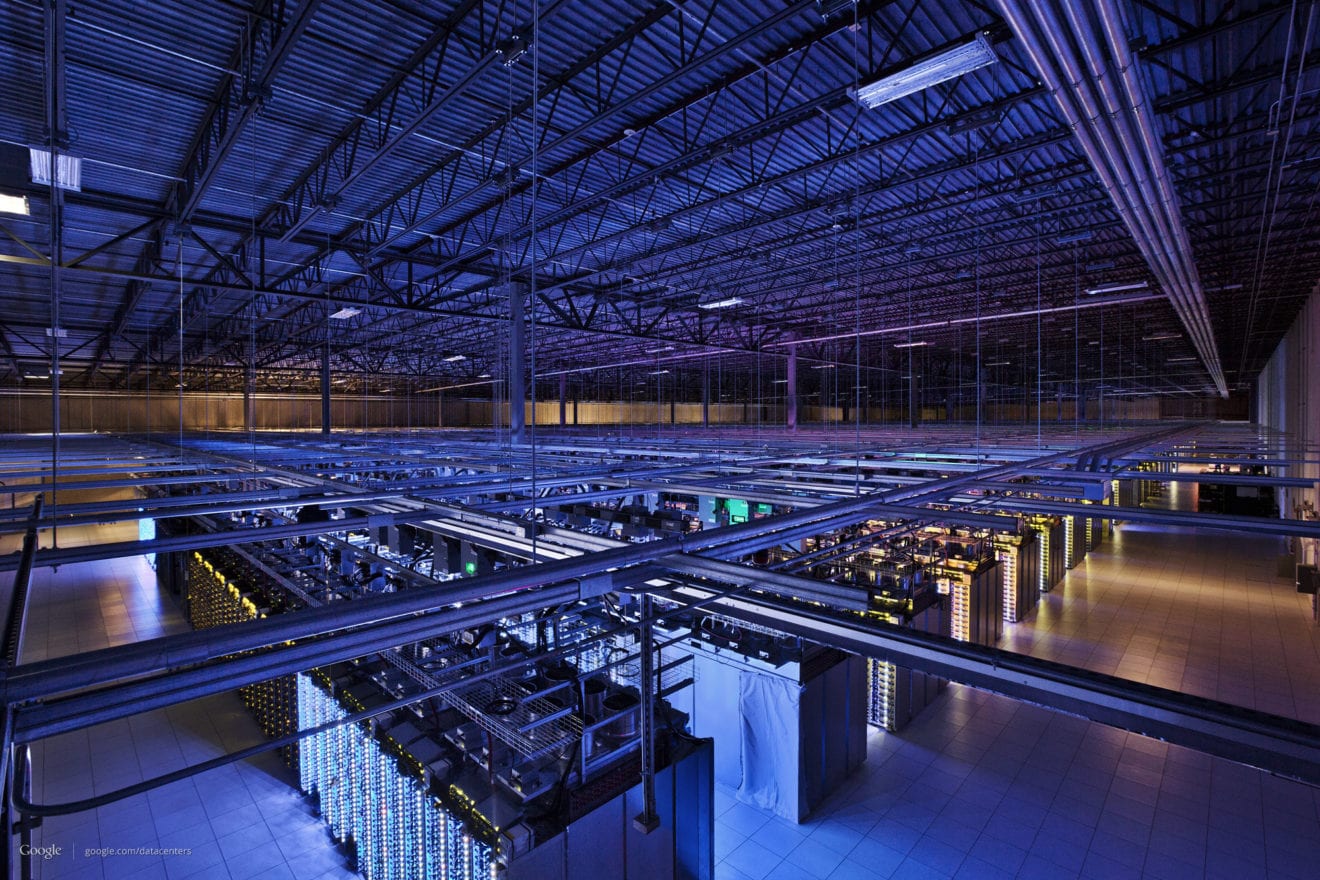
    At the core of this initiative lies an advanced cloud computing infrastructure partitioned into specialized functional zones tailored to meet the diverse requirements of government agencies. These zones will enable high-performance computing (HPC) and sophisticated data analytics, thereby facilitating predictive modeling and policy formulation based on insights derived from a consolidated national database.

    A Vision Beyond Administration

    Moreover, the center aims to extend its impact beyond mere administrative functions. It is poised to play a role in applied mathematics research and contribute to the formulation of national development strategies while catalyzing the emergence of new data-driven services and innovations. Quite like a magician pulling rabbits from a hat, the NDC is poised to unveil vast opportunities for creativity and progress.

    Opening Doors with the National Data Portal

    A standout feature of the NDC is the National Data Portal, designed as a digital gateway for government agencies to publish open data, share datasets, and enhance public access to official information. This initiative is anticipated to improve transparency and stimulate innovation by granting citizens, developers, and businesses access to vital datasets.

    The NDC will offer a comprehensive suite of services, including infrastructure support (such as server hosting and power systems), cybersecurity measures, and technical deployment to bolster national databases and information systems. Agencies and organizations will be encouraged to evaluate their data needs and formally request services from the center, specifying requirements for system size, infrastructure, and staffing. Emphasizing safety, the NDC will also oversee risk management, continuous data security monitoring, and ensure readiness for emergency responses.

    Questions & Answers

    What is the primary purpose of Vietnam’s National Data Center?
    The NDC aims to centralize and enhance the management of national and government-related data, improving transparency, decision-making, and socio-economic development.

    How will the NDC improve data accessibility?
    Through the National Data Portal, the NDC will enable government agencies to publish open data, fostering transparency and providing access to key datasets for citizens and businesses.

    What services will the NDC provide to government agencies?
    The NDC will offer infrastructure support, cybersecurity services, and technical deployment for national databases, ensuring comprehensive data management and protection.

  • Police Crack Down on Alleged Prostitution at Luxury Quinter Central Nha Trang Hotel

    Police Crack Down on Alleged Prostitution at Luxury Quinter Central Nha Trang Hotel

    Authorities have launched an investigation into the five-star Quinter Central Nha Trang Hotel, located in the resort commune of Nha Trang, following reports that its massage services may be linked to prostitution.

    Police Crack Down on Suspected Illegal Activity

    In a significant move, local authorities initiated a probe into the Quinter Central Nha Trang Hotel on Thursday afternoon, acting on allegations that the establishment’s massage services were involved in illicit activities. The Ministry of Public Security sent a task force to the luxury hotel around 4 p.m., according to the Khanh Hoa provincial police.

    Witnesses reported a coordinated arrival of numerous police vehicles at the hotel, with officers conducting inspections that lasted for several hours. “The hotel offers massage services that show signs of prostitution. The investigation is ongoing,” one officer revealed, though specific details remain tightly under wraps.

    Business as Usual Amidst Investigation

    Despite the police presence, hotel operations continued unabated. Tour buses were seen dropping off guests, and services inside the venue remained uninterrupted. One might wonder how a hotel could maintain its facade of normalcy while under such scrutiny – perhaps it’s the power of luxury!

    A Closer Look at Quinter Central Nha Trang Hotel

    Since opening its doors in 2018, the Quinter Central Nha Trang Hotel has positioned itself as a premier destination for travelers seeking luxury and relaxation. With over 150 well-appointed rooms, the hotel boasts two expansive venues suited for weddings and conferences, an infinity pool, and an array of wellness options including 50 herbal bath rooms and more than 20 karaoke suites. A spa and dedicated massage center further enhance its appeal to guests, effectively blending opulence with relaxation.

    Questions & Answers

    What led to the police investigation at Quinter Central Nha Trang Hotel?
    The investigation was initiated based on reports that the hotel’s massage services might be linked to prostitution, prompting authorities to take action.

    Did the police raid affect the hotel’s operations?
    Surprisingly, the hotel continued its regular operations during the investigation, with guests arriving and services running as planned.

    What amenities does Quinter Central Nha Trang Hotel offer?
    The hotel features over 150 upscale rooms, two large event venues, an infinity pool, spa facilities, and a range of recreational options, making it a prime destination for luxury accommodation.

  • Vietnam Achieves Impressive $7.6B Trade Surplus in First Half of the Year

    Vietnam Achieves Impressive $7.6B Trade Surplus in First Half of the Year

    Vietnam’s export landscape has painted a promising picture, showcasing a remarkable 14.4% rise in export earnings, while imports surged by 17.9%, culminating in a notable trade surplus of $7.63 billion, according to the National Statistics Office (NSO) under the Ministry of Finance.

    June Brings Strong Export Growth

    In June alone, the export turnover surged by 16.3% compared to the same month last year, a solid indication of vibrant market activity. While the domestic economic sector faced a slight 5.7% dip, the foreign-invested sector, including crude oil, rebounded with a striking 24.4% increase, demonstrating robust foreign confidence.

    Mid-Year Export Performance

    From January to June, Vietnam’s total export value climbed to $219.83 billion, reflecting a 14.4% increase year-on-year. The domestic sector contributed $58.28 billion—an uptick of 9.4%—accounting for 26.5% of total exports. In contrast, the foreign-invested sector, which includes crude oil, saw a remarkable contribution of $161.55 billion, up 16.4%, thus representing 73.5% of all exports.

    Export Giants Take Center Stage

    A total of 28 export items broke the $1 billion barrier, collectively comprising a staggering 91.7% of the total export value. Impressively, nine items exceeded $5 billion in value, contributing 72.3% to the overall sums. Processed industrial goods firmly held their ground as the export champions, generating $194.28 billion and accounting for 88.4% of the total. Agricultural and forestry products added $19.12 billion (8.7%), while seafood reached $5.11 billion (2.3%), and fuel and mineral products totaled $1.34 billion (0.6%).

    Import Landscape and Trade Dynamics

    On the import front, Vietnam’s spending tallied up to $212.2 billion over the first half of the year, marking an increase of 17.9% year-on-year. A striking 33 imported items exceeded $1 billion in value, representing an impressive 89.0% of total imports, with six surpassing the $5 billion mark, accounting for 56.8% of the overall figures.

    The United States stood as the largest importer of Vietnamese goods during the first half, with turnover reaching $70.91 billion, while China remained the biggest source of imports into Vietnam, valued at $84.7 billion. Notably, Vietnam’s trade surplus with the U.S. reached $62 billion, a significant 29.1% increase from the previous year. The surplus with the EU also saw a healthy expansion of 11.6%, amounting to $19 billion. Adding some sparkle to the numbers, Vietnam’s trade surplus with Japan soared to $1.2 billion, up a staggering 69.1% compared to the same period last year.

    Deficits with Key Partners

    Despite these triumphs, challenges remain, as Vietnam continues to face trade deficits with several major partners. Notable among these are China, with a deficit of $55.6 billion (up 42.2%), the Republic of Korea at $14.6 billion (up 0.1%), and ASEAN nations collectively at $7.5 billion (an increase of 67.4%).

    Questions & Answers

    What drove the significant increase in Vietnam’s exports during the first half of 2023?
    The surge in exports can be attributed mainly to the performance of the foreign-invested sector, which saw an impressive growth of 24.4%, particularly in processed industrial goods.

    How did Vietnam’s trade surplus with the U.S. compare to previous years?
    Vietnam’s trade surplus with the U.S. rose to $62 billion, marking a substantial 29.1% increase from the previous year, underlining the strength of this trading relationship.

    Which countries are key players in Vietnam’s import and export dynamics?
    The U.S. remains Vietnam’s largest market for exports, while China is the predominant source of imports, showcasing the complex interdependence within the regional trade landscape.

  • Dollar Soars to New Heights Against Vietnamese Dong, Impacting Retail Landscape

    Dollar Soars to New Heights Against Vietnamese Dong, Impacting Retail Landscape

    The U.S. dollar has reached a striking new high against the Vietnamese dong, even as it maintains a steady presence in global markets this Friday morning.

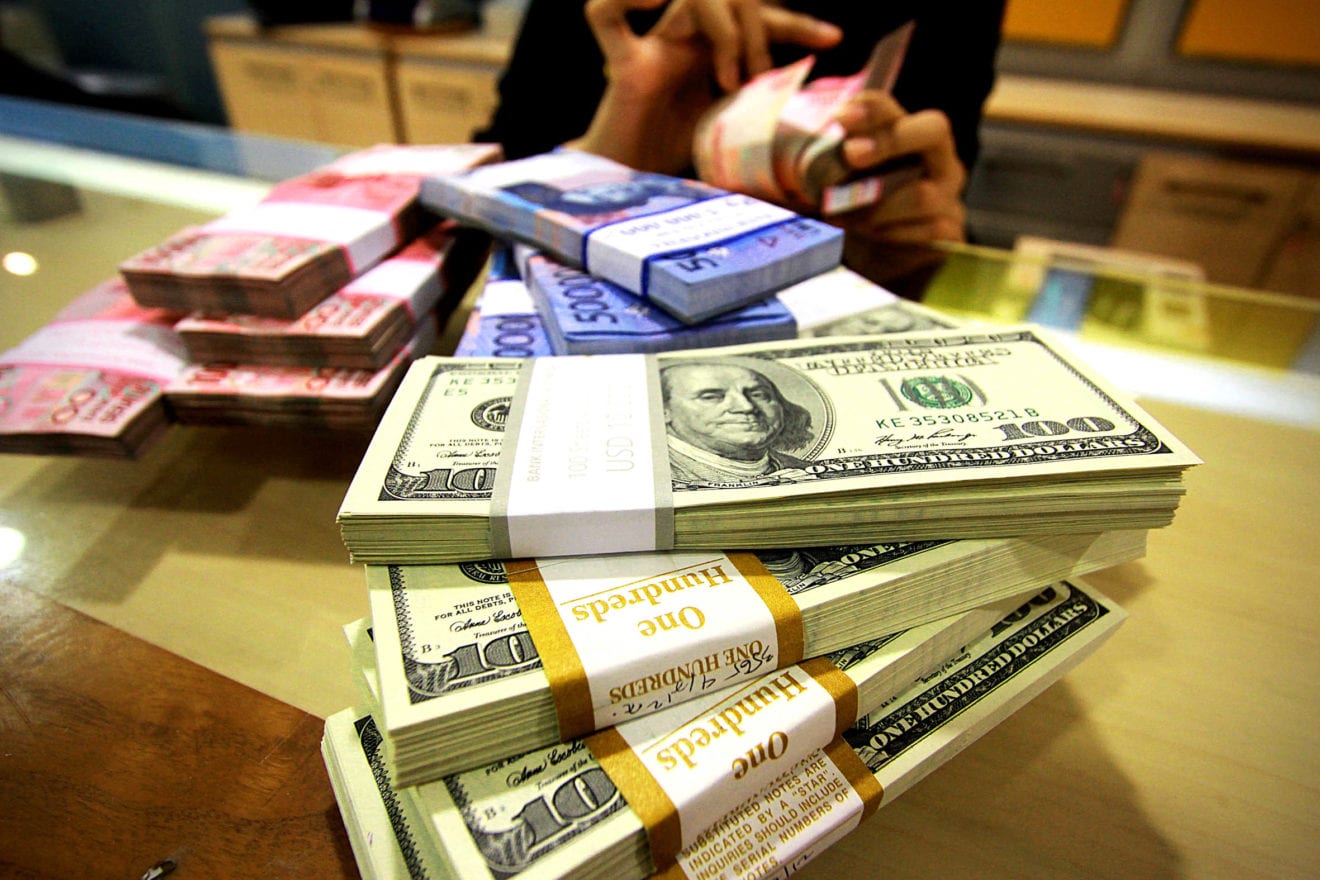
    At Vietcombank, the dollar is selling at VND26,370, reflecting a modest increase of 0.09%. Meanwhile, the State Bank of Vietnam has raised its reference rate by 4.09% to VND25,116. In the black market, the dollar has climbed by 0.19%, now costing VND26,520.

    On the global stage, the dollar has sustained its gains after President Donald Trump successfully pushed his signature tax cut bill through its final legislative challenge. This development has intensified pressure on nations to secure favorable trade agreements with the U.S., as reported by Reuters.

    Despite these developments, the dollar index—which gauges the greenback against a basket of major currencies—has experienced its worst first half since 1973. Trump’s tumultuous tariff strategies have raised alarms about the U.S. economy and the stability of Treasury securities, leaving the gauge relatively unchanged at 97.056 after a 0.4% rise on Thursday. The euro has seen a slight uptick of 0.1% to $1.1765.

    Hirofumi Suzuki, chief currency strategist at SMBC, noted, “The U.S. labor market is gradually slowing down, but the lack of sudden shifts is reassuring. I personally predict that the tariff discussions will not yield favorable outcomes, which could lead to continued weakness for the dollar and strengthen the yen.” While the future remains uncertain, one thing is clear: the currency dance is as captivating as ever—who knew economics could rival a blockbuster thriller?

    Questions & Answers

    How has the U.S. dollar performed against the Vietnamese dong recently?
    The U.S. dollar has recently reached a new high against the Vietnamese dong, selling at VND26,370 with a 0.09% increase at Vietcombank, and VND26,520 in the black market.

    What factors are influencing the dollar’s stability on the global stage?
    The stability of the dollar globally can be attributed to President Trump’s tax cut bill gaining approval, which has pressured countries to negotiate trade agreements with the U.S.

    What predictions are experts making regarding the future of the dollar and yen?
    Experts, including SMBC strategist Hirofumi Suzuki, predict that the ongoing tariff negotiations may not favor the dollar, potentially leading to continued weakness against the yen.

  • Vietnam’s Durian Exports Plummet for Fifth Month Amidst Ongoing Challenges in China Market

    Vietnam’s Durian Exports Plummet for Fifth Month Amidst Ongoing Challenges in China Market

    Vietnam’s durian export market has experienced a staggering decline, plummeting 58% year-on-year in the first five months of 2023, with total revenue dropping to $386 million. Once celebrated as the golden fruit of the nation, durian’s dominance in Vietnam’s fruit and vegetable exports has sharply decreased, with its share sliding from 35% at the start of the year to a mere 17%, as reported by Vietnam Customs.

    China’s Demand Takes a Nosedive

    Strikingly, exports to China—the primary destination for Vietnamese durians—fell to $278 million, marking a drastic 67% reduction compared to the same period last year. This downturn is particularly concerning given that durian is a crucial pillar of Vietnam’s agricultural economy, which saw overall exports of fruits and vegetables dip by 13.5% to $2.3 billion.

    Stricter Screening Hurdles for Exporters

    Exporters are now grappling with heightened scrutiny as China tightens its import regulations. “China has intensified checks for heavy metal residues, plant quarantine, and fraudulent growing area codes, making customs clearance more challenging,” stated Dang Phuc Nguyen, general secretary of the Vietnam Fruit and Vegetable Association. Due to these new standards, many businesses are opting for smaller shipments rather than risking large contracts fraught with spoilage fears. Some have even halted exports altogether, shifting their focus to documentation and compliance efforts.

    Innovative Solutions Proposed for Compliance

    To navigate these tumultuous waters, Nguyen has suggested the establishment of mini testing laboratories for banned substances at farm sites, similar to initiatives taken in Thailand. “Fruits should be tested at farms and given compliance certificates. They then can be verified by China-approved labs before being exported,” he emphasized, pointing to the potential for more efficient customs processing.

    Meanwhile, Hoan Vu Inspection—a company authorized by China for quality testing—has urged better management of illegal fertilizers and the formulation of clearer cultivation guidelines. Efforts must also be made to remediate soil contaminated with heavy metals to promote sustainable farming practices.

    Cross-Border Cooperation for Future Success

    During a meeting on May 28 between officials from Vietnam’s Ministry of Agriculture and Environment and China’s General Administration of Customs, both sides agreed to extend working hours at customs and deploy additional personnel at border checkpoints to ease congestion. In a sign of optimism, China has increased its list of approved sources by adding 829 growing areas and 131 packing facilities in Vietnam for durian exports.

    Vietnam’s Agriculture Minister Do Duc Duy hailed this development as “a significant technical step and encouragement for businesses and farmers.” Additionally, Vietnam has proposed several key measures, including amending food safety policies to facilitate trade, accelerating customs clearance, and approving more laboratories equipped to test for cadmium and other harmful substances. A detailed report outlining Vietnam’s dedication to reinforcing the production, processing, and export supply chain has been submitted, signaling a commitment to restoring the glory of its beloved durian.

    Questions & Answers

    What factors contributed to the decline in Vietnam’s durian exports?
    The decline is primarily attributed to stricter import regulations and enhanced screening measures imposed by China, which accounts for a significant portion of Vietnam’s durian market.

    What solutions are being proposed to improve durian exports?
    There are calls for establishing mini testing labs for banned substances at growing sites and providing compliance certificates for fruits, allowing for smoother customs processes.

    How is the Vietnam government responding to the export challenges?
    Vietnam’s government is enhancing cross-border cooperation with China, extending customs working hours, and amending food safety policies to facilitate trade and improve export logistics.

  • Vietnam Gold Bullion Dips Unexpectedly, Contrasts with Global Market Trends

    Vietnam Gold Bullion Dips Unexpectedly, Contrasts with Global Market Trends

    In a surprising twist, Vietnam’s gold prices have dipped despite a global rally in bullion values this Friday morning.

    Vietnamese Gold Prices Diverge from Global Trends

    The Saigon Jewelry Company reported a 0.33% decrease in the price of gold bars, bringing the cost to VND120.9 million (approximately US$4,617.23) per tael. Meanwhile, the price for gold rings held steady at VND117.4 million per tael. For context, one tael is equivalent to 37.5 grams or 1.2 ounces.

    Despite the recent downturn, gold prices in Vietnam have soared by 43.5% since the start of the year, showcasing a remarkable year for the precious metal.

    Global Gold Market Sees Gains Amid Fiscal Concerns

    Globally, gold prices saw a boost this Friday, signaling a strong performance and poised for weekly gains. Investors appeared wary, flocking to safe-haven assets amid worries following the approval of U.S. President Donald Trump’s tax-cut and spending bill in Congress, which raised red flags about fiscal stability, according to reports by Reuters.

    Spot gold rose 0.4% to $3,340.79 per ounce, and the bullion market enjoyed an uptick of over 2% for the week. Historically, non-yielding bullion tends to thrive in low-interest-rate environments, making it a preferred choice for cautious investors.

    Questions & Answers

    What caused the drop in Vietnam’s gold prices despite global gains?
    The decline in Vietnam’s gold prices, despite an overall rise in global bullion values, appears to be a local market anomaly, influenced by unique domestic factors.

    How much have gold prices in Vietnam increased since the start of the year?
    Gold prices in Vietnam have surged by an impressive 43.5% since the beginning of the year, marking a significant rally for this precious metal.

    What factors are driving the global increase in gold prices?
    Global gold prices are climbing as investors turn to safe-haven assets amid fiscal uncertainties, especially in response to political shifts, such as the recent U.S. tax and spending policy changes.

  • Vietnam Launches Innovative National Data Center to Drive Digital Governance Revolution

    Vietnam Launches Innovative National Data Center to Drive Digital Governance Revolution

    Vietnam has taken a significant step forward in its digital evolution with the launch of its National Data Center (NDC), a pivotal initiative aimed at enhancing the nation’s digital infrastructure and governance. This launch comes in the wake of the 2025 Data Law, which is set to transform how the government handles, safeguards, and leverages data across its public sector.

    Centralized Data Hub for Innovation and Governance

    The NDC, overseen by the Ministry of Public Security in accordance with Decree No. 165/2025/ND-CP enacted on June 30, 2025, marks a new era for Vietnam’s data management capabilities. This development follows the approval of the Data Law during the 8th session of the 15th National Assembly in November 2024, officially implemented as of July 1.

    Positioned as Vietnam’s core data repository, the NDC will provide the necessary infrastructure, services, and security framework for storing, processing, and analyzing both national and government-related data. This initiative is poised to enhance decision-making, promote transparency, and stimulate socio-economic growth across the country.

    A Cutting-Edge Infrastructure to Meet Diverse Needs

    Equipped with advanced cloud computing capabilities, the NDC will feature specialized zones designed to cater to the varied requirements of different government agencies. These zones will support high-performance computing (HPC) and sophisticated data analytics, enabling predictive modeling and robust policy planning grounded in insights extracted from the consolidated national database. One might even say it’s a little like giving the bureaucratic process a turbo boost!

    Broadening the Scope Beyond Administration

    The impact of the NDC won’t be limited to governmental functions. It will also foster applied mathematics research, aid national development strategies, and inspire the creation of innovative, data-driven services and products. This initiative promises to pave the way for a new wave of innovation, enhancing the data landscape in Vietnam.

    Opening Up Data for Greater Transparency

    A standout feature of the NDC is the National Data Portal, which acts as a digital gateway for government agencies to publish open data and share datasets, consequently enhancing public access to crucial information. The portal is anticipated to improve transparency and spark innovation by making important datasets available not just to citizens but also to developers and businesses.

    A Comprehensive Service Framework

    The NDC will offer a range of essential services encompassing infrastructure support, including server hosting and power systems, along with vital cybersecurity measures and data protection protocols. Agencies and organizations will need to evaluate their data requirements and submit formal requests to the center, detailing necessary system dimensions, infrastructure needs, and staffing plans. The NDC will handle everything from risk management to ensuring data security and formulating readiness plans for emergency responses.

    Questions & Answers

    What is the primary purpose of the National Data Center in Vietnam?
    The NDC aims to centralize data management for the government, enhancing transparency, improving decision-making, and fostering socio-economic growth by providing a robust infrastructure for data storage, processing, and analysis.

    How will the National Data Portal benefit the public?
    The National Data Portal is designed to make key government datasets accessible to citizens, developers, and businesses, thereby promoting transparency and encouraging innovation through open data.

    What types of services will the NDC provide to government agencies?
    The NDC will offer a variety of services including infrastructure support, cybersecurity measures, technical deployment for national databases, and comprehensive data protection strategies.

  • Uniqlo Seeks Advantage from US-Vietnam Tariff Agreement to Boost Market Position

    Uniqlo Seeks Advantage from US-Vietnam Tariff Agreement to Boost Market Position

    In a significant shift for the retail landscape, tariff reductions between the U.S. and Vietnam are set to ease the financial pressure on companies like Uniqlo, the popular casualwear brand that heavily relies on Vietnamese manufacturing. This move comes at a crucial time as global supply chains continue to navigate the challenges posed by rising tariffs.

    Tariffs Take a Tumble

    Speaking on Wednesday, U.S. President Donald Trump announced that the previously proposed 46% tariff on imports from Vietnam would be slashed to a more manageable 20%. This news has been met with optimism from various sectors, particularly in retail, where the costs of sourcing apparel can make or break profit margins. While the Vietnamese government has yet to reveal details on the agreed tariff levels, the reduction is undoubtedly a welcome gift for Uniqlo, which has built a robust supply chain in Vietnam.

    Impact on Supply Chains

    This tariff cut is expected to bolster Uniqlo’s operations as it continues to harness the efficiency and productivity of Vietnamese manufacturers. With Vietnam already being a linchpin in Uniqlo’s supply chain strategy, these new developments may allow the retailer to further reduce costs and potentially pass on savings to consumers. In an age when customers are more price-conscious than ever, this could prove to be a savvy move.

    A Surprising Twist in Trade Relations

    The ongoing trade dynamics between these two nations have undergone numerous twists and turns, making this reduction a somewhat unexpected yet delightful surprise. Retail brands aiming for a competitive edge will likely keep a close eye on these changes, translating these potential savings into strategic business decisions.

    Looking Ahead

    As retailers like Uniqlo brace for a changing tide in tariffs, stakeholders are watching how this newfound flexibility will influence pricing strategies and market competitiveness in Asia. The ramifications of these tariff modifications extend beyond simple numbers, hinting at a broader narrative of increasing collaboration between the U.S. and Vietnam in the retail sector.

    Questions & Answers

    How will the reduced tariff affect Uniqlo’s pricing strategy?
    The tariff reduction is likely to allow Uniqlo to lower costs associated with its supply chain, which could enable the brand to offer more competitive pricing to customers.

    What prompted the U.S. to lower the tariff on Vietnamese imports?
    The decision comes amid ongoing negotiations and assessments of trade relationships, reflecting a need for a more balanced approach in tariffs that supports both nations’ economic interests.

    What broader implications could this tariff reduction have?
    This reduction could foster stronger trade relations between the U.S. and Vietnam, setting a precedent for further cooperation in the retail sector and beyond, potentially encouraging additional U.S. investments in Vietnam.

  • Oh!Some Launches Vibrant Flagship Store in Ho Chi Minh City, Celebrating Its Debut in Vietnam!

    Oh!Some Launches Vibrant Flagship Store in Ho Chi Minh City, Celebrating Its Debut in Vietnam!

    Oh!Some has recently unveiled a striking flagship store in Ho Chi Minh City, spanning a generous 2,000 square meters. This new outlet elevates the brand’s footprint in Southeast Asia, showcasing a modern shopping experience tailored to attract today’s discerning consumers.

    A Creative Wonderland Awaits

    The flagship at Vincom Center Dong Khoi is more than just a retail location; it is a beautifully designed space that encourages leisurely exploration. With a thoughtfully conceived open-concept layout, shoppers can wander through various sections, discovering everything from premium stationery to trendy toys, and an exciting array of beauty products. Oh!Some aims to infuse daily life with creativity and joy, making it the ideal destination for those looking to combine practicality with style.

    Bringing Disney Magic to Life

    A highlight of this new flagship is Oh!Some’s exclusive partnership with Disney, which is set to launch in 2024. Already, customers are excited about collections inspired by their favorite characters, like the Winnie the Pooh picnic collection and a seaside-themed Stitch collection. These exclusive offerings not only appeal to Disney enthusiasts but also to those who love to express their style.

    Four Themed Zones for Unique Shopping

    The flagship store introduces four innovative themed zones: anime collectibles, travel essentials, gifting solutions, and DIY craft kits. Anime aficionados can find sought-after merchandise from series like “Haikyu!!” and “Attack on Titan.” Meanwhile, travel essentials feature compact beauty kits and practical accessories to suit fast-paced lifestyles. The gifting solutions and DIY craft kits offer personalized options, making shopping feel like an escapade rather than a chore — and who doesn’t enjoy treasure hunts?

    Curated Offerings for Trend-Savvy Shoppers

    Carefully curated for Vietnam’s youthful, trend-savvy consumers, Oh!Some’s product assortment includes popular snacks from Korea and Japan, viral beauty products, and everyday essentials designed with style in mind. Whether it’s a quirky accessory or a practical gadget, every item is selected to reflect freshness and relevance, ensuring shoppers can always find something exciting.

    With over 110 offline stores spanning Singapore, Indonesia, Malaysia, Cambodia, and Vietnam, Oh!Some is quickly cementing its status in the global retail landscape. In Vietnam alone, five of its seven stores are strategically located in Vincom malls, ensuring optimal visibility and customer engagement. The brand’s ambitious plans signal a commitment to becoming a household name on a global scale.

    A Symbol of Commitment

    The Vincom Center Dong Khoi flagship store represents a significant milestone in Oh!Some’s growth in Vietnam. “This is not just our seventh store; it’s a testament to our long-term commitment to this market,” said an Oh!Some representative.

    Nestled in the busy Le Thanh Ton–Dong Khoi area, the Vincom Center is a vibrant hub, connecting local and international audiences and enhancing brand visibility. As Oh!Some collaborates with Vincom to reshape Vietnam’s retail landscape, both brands benefit from a strong synergy that resonates with Gen Z and Millennials seeking enriching lifestyle experiences.

    Oh!Some’s fresh approach balances the allure of premium lifestyle products with accessibility, making it an attractive option for the modern consumer eager for a meaningful shopping experience.

    The flagship store not only showcases Oh!Some’s extensive range of products but also positions itself as a center for future innovations, community events, and creative interactions. With ongoing plans for exclusive membership activities—such as family experiences, themed workshops, and vibrant pop-up events—Oh!Some is transforming the shopping environment into a lively hub of creativity and connection.

    To stay updated on collections and events, customers are encouraged to engage with Oh!Some’s lively presence on Instagram and Facebook at Ohsome Vietnam, where the latest trends await their discovery.

    As Oh!Some embarks on this exciting journey, their flagship store at Vincom Center Dong Khoi promises a vibrant, creative, and joyful lifestyle experience for consumers ready to embrace what the future holds.

    Questions & Answers

    What makes Oh!Some’s flagship store unique?
    Its open-concept design encourages relaxed browsing, featuring themed zones for specialties like anime collectibles and DIY crafts, creating an engaging shopping experience that blends physical discovery with the thrill of online shopping.

    How does Oh!Some cater to local tastes in Vietnam?
    Oh!Some curates its product selection with Vietnam’s dynamic youth in mind, offering popular imported snacks, trendy beauty products, and lifestyle items that resonate with the cultural zeitgeist.

    What are the brand’s future plans for community engagement?
    Oh!Some plans to implement exclusive offline membership activities ranging from interactive workshops to themed family experiences, aiming to establish its store as a vibrant community space beyond traditional retail.

  • 9Pay Streamlines Payment Solutions, Easing Transactions for Foreign Businesses in Vietnam

    9Pay Streamlines Payment Solutions, Easing Transactions for Foreign Businesses in Vietnam

    Vietnam is rapidly positioning itself as a go-to destination for foreign direct investment (FDI), yet many international businesses are still grappling with the complexities of payment operations. Issues such as local collections, disbursements, and cross-border payments present formidable barriers. Here, licensed domestic payment intermediaries like 9Pay are stepping up to address these hurdles.

    As reported by the Ministry of Planning and Investment, Vietnam’s registered FDI soared to nearly $18.4 billion by the end of May 2025, representing a remarkable 51.2% year-over-year increase. However, this surge doesn’t necessarily translate to a smoother operating environment, particularly for foreign firms entering the Vietnamese market for the first time.

    Despite holding legal registration and investment licenses, many FDI companies face significant challenges with domestic payment collection, local payment channel integration, and processing cross-border transfers. According to 9Pay, an intermediary licensed by the State Bank of Vietnam, three main factors contribute to these ongoing issues.

    Complex Procedures Hinder Profit Repatriation

    Repatriating profits or making payments to overseas service providers is a complicated affair in Vietnam. The EuroCham Q1 2025 Business Confidence Index shows that over 70% of European businesses report “little or no improvement” in administrative procedures. Companies find that outbound payments often take much longer than expected due to stringent documentation requirements, encompassing invoices, contracts, financial statements, and tax approvals. To add another layer of complexity, foreign exchange regulations demand strict compliance with commercial banks, which can be notably inflexible.

    Struggling to Access Local Payment Solutions

    While over 90% of domestic transactions are conducted via digital channels—bank transfers, QR codes, and e-wallets—foreign companies in sectors like e-commerce and logistics are often hamstrung by language barriers and unclear regulations. The absence of end-to-end service providers only compounds their difficulties.

    Endless Barriers to Opening Corporate Accounts

    To set up a corporate bank account, businesses must navigate a minefield of documentation, including investment certificates, capital contribution paperwork, rental agreements, and tax codes, with the entire process taking anywhere from three to six weeks. For those without a Vietnamese legal entity or local representative office, this requirement can be especially daunting. Currency volatility and the costs associated with foreign exchange only add to the challenges businesses face.

    In this evolving landscape, licensed payment intermediaries like 9Pay are crucial to developing Vietnam’s digital financial infrastructure. Positioned as a strategic partner for international companies across sectors such as e-commerce, fintech, and education, 9Pay aims to bridge the gap between Vietnam’s domestic market and global businesses.

    9Pay: More than Just a Payment Processor

    “We are more than just a payment solution provider; we are financial and legal partners who understand the intricacies of the Vietnamese market,” asserts Nguyen Quang Thinh, CEO of 9Pay. This initiative helps foreign enterprises navigate everything from payment integration to cash flow optimization, all while ensuring compliance with local regulations tailored to the specific needs of each business.

    With an expansive digital financial ecosystem, 9Pay enables businesses to accept payments via popular Vietnamese methods, including bank transfers, QR codes, e-wallets, and domestic cards. Remarkably, it’s one of the few intermediaries in Vietnam able to handle high transaction volumes swiftly and securely, making it a go-to solution for e-commerce platforms.

    Empowering Foreign Enterprises

    Further amplifying its services, the 9Pay e-wallet offers a user-friendly personal payment system that equips Vietnamese users with the tools to deposit, withdraw, pay bills, and seamlessly transact with businesses. By processing sales revenue, refunds, and payments to partners with impressive speed and accuracy, 9Pay removes some of the stress from the equation.

    Thanks to robust technology infrastructure and 24/7 customer support, 9Pay assists partners in managing cash flow needs efficiently, enhancing operational effectiveness while minimizing financial strain. The company’s ability to tap into synchronized data allows it to accurately predict emerging client needs, making it a preferred choice among banks and partners.

    Operating under the esteemed PCI DSS (level 1) security certification, 9Pay collaborates with over 50 domestic banks and e-wallets. Its impressive partner roster includes major financial organizations like MasterCard, VISA, and various prominent Vietnamese banks, positions it as a heavyweight in the payment intermediary arena.

    Future Ambitions and Market Positioning

    In an increasingly complex regulatory landscape, 9Pay offers foreign companies not just advanced technology but also the expertise to navigate Vietnam’s intricate legal and tax frameworks. As such, international firms can minimize legal risks while optimizing their operations.

    “Our goal is to standardize payment records, helping businesses navigate these complexities effortlessly,” adds Thinh. Businesses simply need to coordinate with 9Pay to manage all transactions, eliminating the need to juggle multiple banks or service providers while ensuring full legal compliance.

    By 2027, 9Pay aims to establish itself as Vietnam’s leading digital finance platform for foreign investors, providing comprehensive solutions that span payment technology, cash flow management, tax compliance assistance, and operational efficiency boosts. The focus will be particularly strong on sectors like cross-border e-commerce and digital services, which are witnessing high transaction volumes.

    Currently, 9Pay supports over 1,000 foreign enterprises, chiefly from Singapore, South Korea, China, Hong Kong, and the EU, with ambitions to double this number within three years. In 2025, the company targets an annual revenue growth of 30% from its FDI clients as demand for cash flow management surges.

    As global supply chains undergo significant adjustments in the aftermath of the pandemic, Vietnam emerges as a pivotal nexus for international business. To effectively capitalize on this dynamic landscape, foreign firms need proficient, legally compliant, and locally attuned financial platforms. With a partner like 9Pay, they can unlock operational efficiency and regulatory assurance amid the intricacies of Vietnam’s business environment.

    Founded in 2018, 9Pay Joint Stock Company is a licensed intermediary by the State Bank of Vietnam, delivering a suite of comprehensive financial solutions, including e-wallet services, payment gateways, and the innovative TingTing Payment Sound Box.

    Questions & Answers

    What challenges do foreign direct investment firms face in Vietnam?
    Foreign businesses often struggle with complicated administrative procedures, lengthy documentation for profit repatriation, and integration with local payment solutions due to language barriers and unclear regulations.

    How does 9Pay aid foreign businesses operating in Vietnam?
    9Pay functions as both a financial partner and a payment intermediary, providing tailored solutions that simplify payment integration, enhance cash flow management, and ensure compliance with local regulations.

    What are 9Pay’s future goals in the financial services sector?
    9Pay aims to become Vietnam’s leading digital finance platform for FDI firms by 2027, expanding its offerings to include comprehensive payment solutions and aiming for annual revenue growth of 30% from its foreign clients.

  • Nam Long Launches Construction of 671 Innovative EHomes for Social Housing in Can Tho

    Nam Long Launches Construction of 671 Innovative EHomes for Social Housing in Can Tho

    Nam Long Group has officially commenced the next chapter of its EHomeS social housing initiative in Can Tho City, reinforcing its commitment to social responsibility and sustainable growth on June 25.

    The groundbreaking ceremony for 671 new apartments attracted attention, bringing together local government officials, representatives from the Can Tho Department of Construction, and key players in the project, including project developer Nam Long and general contractor Nam Khang.

    A Vision Aligned with Government Goals

    In line with government initiatives, Nam Long’s ambitious plan includes developing 60,000 social housing units by 2030, with Can Tho positioned as a crucial hub. The EHomeS brand embodies affordable living principles through its 3S model — saving, smart, social — and aims to address the pressing housing needs of diverse segments of Vietnam’s population. To date, EHomeS has successfully rolled out approximately 5,000 apartments that are now home to satisfied residents.

    Major Investments Drive Progress

    Nam Long’s investment in the EHomeS project encompasses 1,788 units in Can Tho, with 1,117 already completed and handed over, all meeting regulatory standards from the Department of Construction. The latest development phase includes four apartment blocks, totaling 671 units, slated for completion by the fourth quarter of 2026.

    Community Living with Urban Amenities

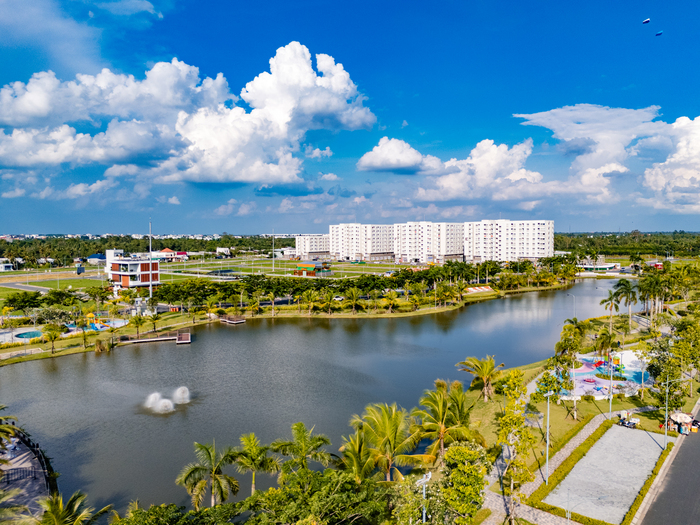
    These new apartments will be part of the 43.8-hectare Nam Long II Central Lake integrated township, promising residents access to urban amenities like a central lakeside park, sports facilities, and recreational spaces. Perhaps even more enticing, the development prioritizes sustainable lifestyles by regularly hosting community programs aimed at enhancing residents’ quality of life — a unique advantage that sets EHomeS Can Tho apart from typical social housing projects.

    Commitment to Long-Term Development

    With 33 years under its belt, Nam Long has firmly established itself in Can Tho, undertaking significant urban projects such as the 23-hectare Nam Long Can Tho 1 launched in 2002, the 16-hectare Nam Long Hong Phat inaugurated in 2016, and the extensive Nam Long II Central Lake. The ongoing development emphasizes Nam Long’s steadfast commitment to the Can Tho market and its contribution to the broader real estate landscape, aligning seamlessly with the national housing strategy and reflecting the company’s mission to foster enriching living environments and community-centered spaces.

    Questions & Answers

    What is the purpose of Nam Long’s EHomeS project?

    The EHomeS project aims to provide affordable housing in response to Vietnam’s pressing housing needs, aligning with government initiatives to construct 60,000 social housing units by 2030.

    How many units are being constructed in the latest phase of EHomeS?

    The latest phase of the EHomeS project involves the construction of 671 new apartments, set to be completed by the fourth quarter of 2026.

    What distinguishes EHomeS Can Tho from other social housing projects?

    EHomeS Can Tho stands out by offering a strong community focus, with amenities and programs designed to improve residents’ quality of life, alongside sustainable urban features that many similar projects lack.

  • Dollar Surges to New Peak Against Dong: What It Means for Retail and Consumers

    Dollar Surges to New Peak Against Dong: What It Means for Retail and Consumers

    On Wednesday morning, the U.S. dollar surged to an all-time high against the Vietnamese dong, intensifying its ascent while remaining at a three-and-a-half-year low against other major currencies.

    The Vietcombank sold the greenback at VND26,323, reflecting a modest increase of 0.05% from the previous record of VND26,310 set on June 24. However, on the black market, the dollar retreated by 0.26% from Tuesday, trading at around VND26,440.

    Since the beginning of the year, the U.S. dollar has appreciated by 3.02% against the dong, showcasing its growing strength in the local financial landscape.

    This week, the State Bank of Vietnam responded by raising its reference rate by 0.05% to VND25,070, aiming to stabilize the currency’s value.

    Globally, while the dollar soared against the dong, it faced challenges, hovering near its weakest levels since February 2022 against major counterparts. Market players are digesting dovish remarks from Federal Reserve Chair Jerome Powell and deliberating the potential implications of President Donald Trump’s spending bill, according to reports from Reuters.

    Notably, the dollar index, which gauges its performance against six major currencies, crept slightly upward to 96.677, yet remained close to its earlier low of 96.373. The greenback stabilized at 0.7906 Swiss franc, recovering slightly from a dip to 0.7873 franc during the previous session.

    The euro held steady at $1.1802, lingering near its overnight high of $1.1829, while sterling edged up to $1.37435, inching closer to Tuesday’s peak of $1.3787, a level not seen since October 2021. The dollar regained some ground against the yen, rising by 0.1% to 143.59 yen after a 0.4% decline in the previous session.

    Questions & Answers

    What does the recent increase in the dollar’s value against the Vietnamese dong indicate?
    The rise signifies a growing strength of the U.S. dollar in Vietnam’s financial landscape, influenced by global market dynamics and local currency policy adjustments.

    How has the State Bank of Vietnam responded to the dollar’s surge?
    To combat the dollar’s increasing value, the State Bank raised its reference rate by 0.05% to VND25,070, aiming to stabilize the local currency.

    What are the implications of Federal Reserve Chair Jerome Powell’s remarks for the dollar?
    Powell’s dovish hints suggest a more cautious approach to interest rate hikes, impacting global perceptions of the dollar’s strength among traders worldwide.

  • Fuel Prices Drop as Value-Added Tax Reduction Sparks Savings for Consumers!

    Fuel Prices Drop as Value-Added Tax Reduction Sparks Savings for Consumers!

    Retail fuel prices have seen a reduction as a result of a newly implemented National Assembly resolution on value-added tax.

    Starting Tuesday, the maximum retail price of biofuel E5 RON92 is now set at VND20,530 (approximately US$0.79) per liter, marking a 1.82% decrease from the previous day. It’s a welcome change for consumers now primarily relying on their fuel budgets for summer road trips.

    The price of RON95 fuel has also been adjusted, now capped at VND21,116, reflecting the same reduction of 1.82%. Meanwhile, diesel will be selling for no more than VND19,349 per liter, down 1.95%. The price of mazut has been decreased by 1.82%, bringing it to VND16,955 per kilogram.

    Questions & Answers

    What prompted the recent reduction in fuel prices?
    The reduction is a direct result of a newly enacted National Assembly resolution that lowered value-added tax.

    How much have prices decreased for different types of fuel?
    The maximum retail price for E5 RON92 biofuel dropped by 1.82%, while RON95 remained at the same percentage decrease. Diesel saw a 1.95% reduction, and mazut also decreased by 1.82%.

    When did the new fuel prices take effect?
    The new retail fuel prices took effect on Tuesday following the announcement from the National Assembly.

  • Vietjet Celebrates 7/7 with Up to 77% Off All Flights and New Vietnam–China Routes

    Vietjet Celebrates 7/7 with Up to 77% Off All Flights and New Vietnam–China Routes

    This summer, Vietjet is turning up the heat with its exciting 7/7 double-day promotion, offering millions of discounted tickets with up to 77% off (excluding taxes and fees), applicable across the airline’s entire Vietnam domestic and international network. With this promotion, Singapore travellers can now enjoy great deals when flying into Vietnam to explore popular destinations such as Hanoi, Da Nang, Ho Chi Minh City, and Phu Quoc. The airline also marks its continued international growth with two new routes from Hanoi to Chengdu and Xi’an, launching in the first week of July.

    For one day only, from 01:00 to 24:00 (GMT+8) on 7 July 2025, guests booking Eco tickets at www.vietjetair.com or via the Vietjet Air mobile app using the promo code SUPERSALE77 will enjoy incredible savings of up to 77% (excluding taxes and fees). The offer is valid for travel between 11 August 2025 and 28 March 2026 (terms and conditions apply), across all Vietjet’s routes.     

    To meet the soaring travel demand this summer, Vietjet has added over 600,000 additional seats across its growing network of more than 145 domestic and international routes. The airline connects travellers to top destinations in Vietnam, Australia, India, China, South Korea, Japan, Southeast Asia, and beyond.     

    As part of its global expansion strategy, Vietjet is set to launch two new direct routes from Hanoi, connecting to Chengdu on 1 July and Xi’an on 6 July. These new services strengthen Vietjet’s presence across Asia, enhancing access to major cultural and economic hubs while reinforcing the airline’s commitment to regional connectivity and international growth.     

    Passengers can look forward to a comfortable flying experience aboard Vietjet’s modern, fuel-efficient fleet, supported by a professional and friendly crew. Onboard offerings include a variety of delicious hot meals and in-flight specialties such as Pho, Banh Mi, and international cuisines—plus unique cultural performances at 10,000 meters.     

    A whole new world. A whole new summer. Fly Vietjet and make your next adventure unforgettable!

    Vietjet’s Singapore – Vietnam flight schedule: 

    • Singapore – Hanoi – Singapore: VJ916/VJ915: 1 return flight/day 
    • Singapore – Da Nang – Singapore: VJ970/VJ973: 1 return flight/day 
    • Singapore – Ho Chi Minh City – Singapore: VJ812/VJ813, VJ814/VJ811, VJ816/VJ815: 3 return flights/day 
    • Singapore – Phu Quoc – Singapore: VJ984/VJ983: 1 return flight/day