Tag: Vietnam

  • Oh!some Unveils Largest Flagship Store In Vietnam: A New Era Of Experience-driven Retail

    Oh!some Unveils Largest Flagship Store In Vietnam: A New Era Of Experience-driven Retail

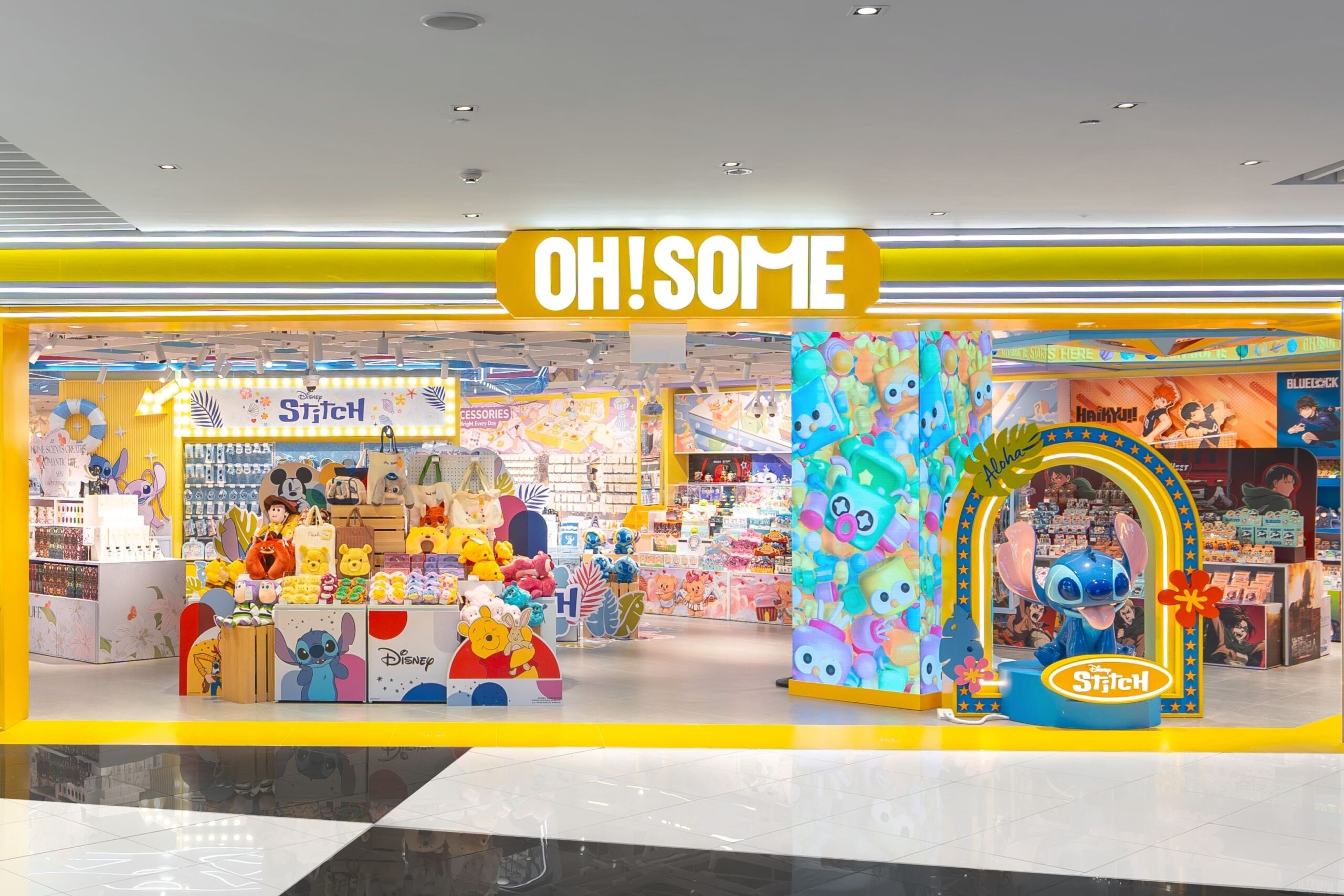
    Oh!Some, a leading lifestyle and retail brand, has recently launched its most extensive flagship store yet in Vietnam. Spanning a grand total of 2000 square meters, the store is conveniently situated at the Vincom Center Dong Khoi in the bustling epicenter of Ho Chi Minh City.

    Signature Aesthetic

    The store stands out with its vibrant yellow theme, accentuated by candy-colored interiors. With eye-catching installations primed for photo opportunities, open zones dedicated to browsing, and thoughtfully presented product displays, the store certainly has a unique appeal.

    An Oh!Some representative underscored the brand’s intentions, stating, “We envisage shopping as a broader experience than simply making transactions. Our ultimate aim is to stir creativity and infuse joy into everyday life.”

    Offline Expansion Strategy

    The launch of this flagship store represents a significant step forward in Oh!Some’s offline expansion endeavors. The strategy essentially revolves around transforming traditional brick-and-mortar retail into immersive, experience-driven environments.

    New Themed Sections

    The store doesn’t just stock Oh!Some’s core range of Korean and Japanese beauty products. It now also boasts four novel themed sections: merchandise inspired by anime, travel must-haves, DIY craft kit essentials, and comprehensive solutions for gifting. Furthermore, the store spotlights several exclusive IP collaborations.

    This venture marks Oh!Some’s seventh store in Vietnam. Since its inception in April, the brand has experienced rapid growth, with stores now operating throughout Ho Chi Minh City and Hanoi.

    Questions & Answers

    What is the concept behind Oh!Some’s new flagship store?
    The store is designed to make shopping an immersive, enjoyable experience rather than just a transaction. It features unique aesthetic elements and curated displays for a creative and joyful shopping environment.

    What new sections have been introduced in the store?
    Four new themed sections have been added: anime merchandise, travel essentials, DIY craft kits, and gifting solutions.

    What is the significance of this new store for Oh!Some?
    The new flagship store marks a key milestone in Oh!Some’s offline expansion strategy. It signifies a transition towards creating experience-led environments in physical retail, and it’s also the brand’s largest store in Vietnam to date.

  • Border Authorities Seize 450 Counterfeit Rolex Watches Smuggled from China

    Border Authorities Seize 450 Counterfeit Rolex Watches Smuggled from China

    A customs department anti-smuggling task force seized 450 fake Rolex watches during an inspection Tuesday at Tra Linh in Cao Bang Province on the Chinese border.

    In an impressive show of vigilance, customs officials intercepted the counterfeit luxury watches packed in a container that claimed to hold 24 tons of various consumer goods.

    .Alongside the counterfeit Rolexes, officers discovered a trove of undeclared merchandise including cosmetics, lighters, power banks, bras, and car lights, each packaged more mysteriously than a magician’s best trick.

    The business behind the shipping was unable to furnish any documentation proving legal ownership of the watches, further raising suspicions. A representative from Rolex estimated that if these watches had been real, their value would have soared to approximately VND45 billion (US$1.7 million). The investigation is ongoing, hinting at a deeper web of intrigue.

    This seizure marks a notable uptick in smuggling incidents at the border, with officials reporting five similar cases within the first half of June. Among the contraband were over 5,700 counterfeit clothing items, bags, and athletic shoes donning well-known names like Tommy Hilfiger, Celine, Nike, Louis Vuitton, Lacoste, Adidas, and New Balance, according to Tuoi Tre newspaper.

    Authorities also came across numerous undeclared goods falsely labeled as made in Vietnam, showing a clear pattern of misrepresentation.

    As part of a wider crackdown over the past month, market authorities nationwide have intensified their efforts against smuggling, commercial fraud, and counterfeit goods. Since May 15, they have uncovered over 3,100 violations, imposing fines totaling more than VND32 billion. Notably, violations of intellectual property rights accounted for around 52% of these cases, leading to fines of VND16 billion, while smuggling accounted for 648 cases and over VND6 billion in fines.

    With the battle against fake goods heating up, one wonders if the next luxury watch in your collection might just be a “watch out!” moment.

    Questions & Answers

    What was seized at the border this week?
    450 counterfeit Rolex watches were intercepted during a customs inspection.

    What other goods were found with the counterfeit watches?
    Numerous undeclared items were discovered, including cosmetics, lighters, power banks, bras, and car lights.

    How have authorities responded to smuggling and counterfeit goods recently?
    Authorities nationwide have ramped up efforts against smuggling and fake goods, uncovering over 3,100 cases of violations and imposing fines exceeding VND32 billion since mid-May.

  • Dollar Dips Against Dong in Black Market Trade: What This Means for Retail Investors

    Dollar Dips Against Dong in Black Market Trade: What This Means for Retail Investors

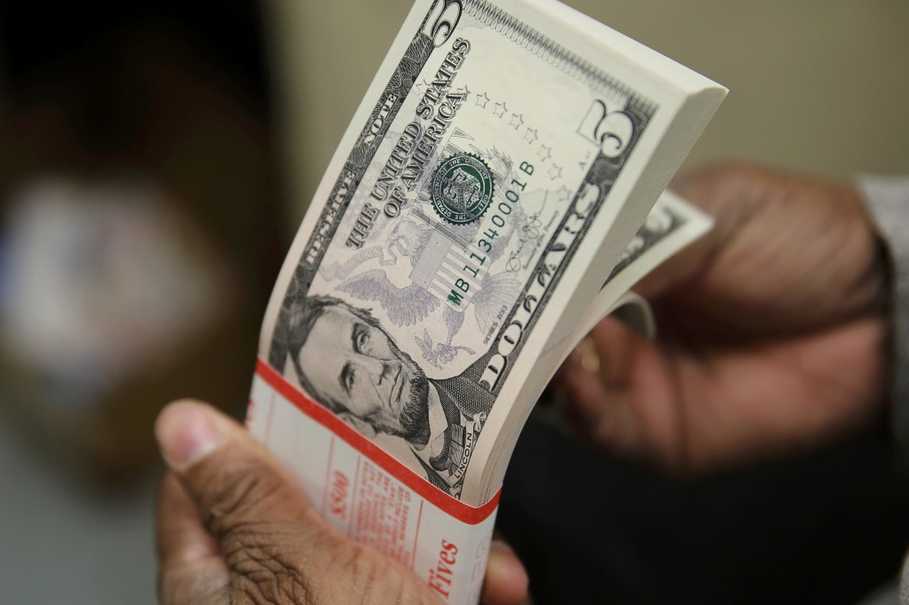
    The U.S. dollar slipped slightly against the Vietnamese dong on the black market this past Saturday, presenting a modest change in the currency landscape.

    Black Market Dynamics

    Unofficial exchange points listed the dollar at VND26,395, marking a slight decline of 0.06% from the previous Friday. Meanwhile, the established rate at Vietcombank held steady at VND26,282. The State Bank of Vietnam’s reference rate remained unchanged at VND25,031.

    Global Insights

    In broader market trends, the U.S. dollar climbed to a three-week high against the ever-cautious yen and made gains against the Swiss franc on Friday. This uptick comes amid a noticeable easing of tensions in the Middle East, as Iran has expressed support for ongoing diplomatic discussions with Europe regarding the conflict with Israel, according to reports.

    The dollar index, which gauges the U.S. currency against a basket of six others, is on track to rise by 0.6% this week. However, it remained stable on the day after a Federal Reserve governor signaled that interest rate cuts could be on the horizon, potentially as early as July, in light of recent inflation data.

    On a side note, the Swiss franc held steady at 0.8166 per dollar but is facing its most significant weekly drop since mid-April, following the Swiss National Bank’s decision to lower interest rates to 0%. Who knew that currency fluctuations could be so dramatic?

    Questions & Answers

    What was the value of the U.S. dollar against the Vietnamese dong on Saturday?
    The dollar was traded at VND26,395 on the black market, reflecting a slight decrease from Friday.

    What is the current exchange rate at Vietcombank?
    Vietcombank maintained a dollar exchange rate of VND26,282.

    How is the U.S. dollar performing globally?
    Globally, the dollar has reached a three-week high against the yen and has gained ground against the Swiss franc amidst easing Middle Eastern tensions, while the dollar index is set to rise by 0.6% this week.

  • Philippines-Vietnam Sign Strategic Partnership

    Philippines-Vietnam Sign Strategic Partnership

    At the sidelines of the APEC Summit in Manila in November of 2015, Foreign Affairs Secretary Albert del Rosario and Vietnam Deputy Prime Minister and Minister of Foreign Affairs Pham Binh Minh signed the strategic partnership agreement on behalf of their respective governments on the sidelines of a bilateral meeting between President Benigno S. Aquino III and Vietnam President Truong Tan Sang.

    This strategic partnership is expected to go beyond the security dimension and urges the Philippines and Vietnam to cooperate more closely in areas that will deepen the ties between them.

    Converging strategic interests: not anchored

    Convergence of interests in preserving and promoting peace, stability and the rule of law in the South China Sea have paved the way for the establishment of the strategic partnership. However, the existence of common challenges is not the sole consideration for the strengthening of bilateral relations as it does not ensure the sustainability of a partnership. A strategic partnership anchored on the South China Sea issue is not the be-all and end-all of the relations. Equally important is the need to go beyond the South China Sea issue and develop the political, economic and socio-cultural aspects of the relations as national interests are not confined within the bounds of the security realm. This is aimed at further deepening cooperation, particularly in the areas of economic, agricultural, defense, and maritime engagement—areas that are truly vital to the strategic interests of both nations.

    Engagement between the two countries will be sustained through increased dialogue at high levels. This is stated in the Joint Statement on the Strategic Partnership issued by the Philippines and Vietnam, which states that there will be an increase in the frequency and modes of bilateral exchanges at all levels, including political parties, heads of state and government, national agencies, the legislature, local government units, and technical working groups. A hotline between senior leaders is also to be established. Hence, the strategic partnership will facilitate avenues for cooperation and reinforce people-to-people links.

    The strategic partnership is holistic and not just security-oriented. The Philippines and Vietnam are seeking to work closely together in the pursuit of common interests and objectives.

    People-to-people ties

    The partnership opens doors to broaden the two sides’ people-to people relationship. The bedrock of state-to-state relations is people-to-people linkages. Having a sense of appreciation and understanding of each other’s culture and values can potentially broaden and deepen mutual understanding between states and peoples. In 2014, amidst tensions in the South China Sea, Vietnamese and Filipino naval personnel played football, volleyball, and tug-of-war. Both sides displayed the importance of camaraderie through sports diplomacy.

    The rise of bilateral and regional educational and cultural exchanges (e.g. ASEAN Youth Cultural Forum, ASEAN Youth Summit, ASEAN University Network Scholarships, joint Philippines-Vietnam human resource development and training cooperation programs), influx of tourists brought about by visa-free travel and direct flights between Manila and Ha Noi have also facilitated close interaction between peoples. Increased dialogues between and among the business sectors, experts and policy makers, and among other concerned stakeholders have paved the way for the sharing of best practices. Hence, experiences obtained from these opportunities could increase improved perceptions, preferences, and the capacity to make informed reactions among decision makers from both sides. These opportunities for interaction and cooperation contribute to confidence-building as sustained cooperation between states requires a high level of trust.

    Economic and socio-cultural cooperation

    For the strategic partnership to be sustainable, both sides should also intensify their economic cooperation. Vietnam is a fast-growing developing country with a GDP per capita of USD 2,052.3 as of 2014.1 The country’s low wage and cost of utilities have attracted foreign direct investments, especially in the export-oriented manufacturing sector. This has helped Vietnam accelerate its economic growth to 6.0 percent in 2014. Vietnam’s main exports include telephones and mobile phones, textiles and garments, consumer electronics, footwear, crude oil and fishery.2 Moreover, Vietnam is one of the largest exporters of rice in the world (e.g. Vietnam supplies a third of the Philippines’ rice imports).3

    As Vietnam’s government prioritizes the development of electronics, textiles, food processing, agricultural machinery, and tourism industries, it is seen to be a bright investment spot in Southeast Asia which the Philippines could take advantage of. Retail systems like supermarkets, traditional markets, shopping malls, and online services are identified as a developing sector in Vietnam. It is a potential market for investment activities along with the food and agricultural processing sector.4 Philippines-Vietnam economic relations could further progress when mutually favorable conditions for the entry and expansion of investments, in accordance with respective laws and regulations, are created and maintained.

    Moreover, the easing of restrictions on foreign investment in real estate in July 2015 is expected to revive the property market in Vietnam. These developments will likely result in an upsurge in demand for well-planned residential and commercial properties, and therefore for professionals (e.g. architects, landscape designers, and engineers), technology transfer, and more importantly, investment in the infrastructure sector (including telecommunications and electricity services).

    On the socio-cultural front, as ASEAN integrates, the need for English language services will be crucial. This is an opportunity for the Philippines to work with Vietnam in the field of education, particularly in English language skills training.

    Further steps

    Beyond the strategic concerns, the two sides agree that other functional areas are ripe for further cooperation and engagement. In the years ahead, the Philippines-Vietnam strategic partnership should bear fruit for the peoples of the two countries and benefit the wider ASEAN region through shared peace and stability.

  • Steelmaker Hoa Phat in the red after 13 years

    Steelmaker Hoa Phat in the red after 13 years

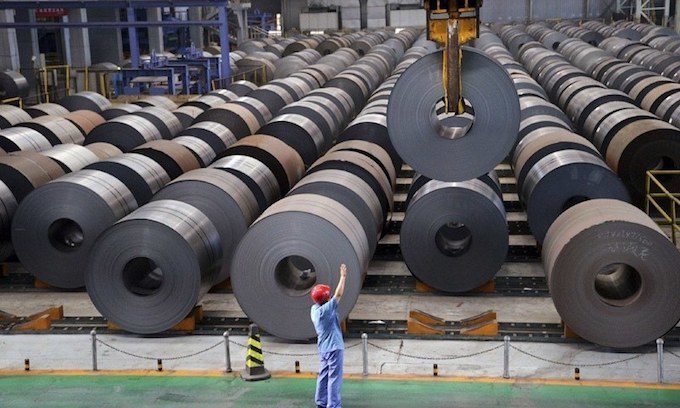
    Leading steelmaker Hoa Phat lost VND1.79 trillion ($73 million) in the third quarter, its first quarterly loss in 13 years.

    It reported revenues of VND34.44 trillion in the quarter, down 12% from the same period last year and 8% from the previous quarter.

    Its revenues have declined steadily after peaking in the fourth quarter of last year.

    Steel demand is down in both Vietnam and globally, raw material prices have risen sharply – by three times in the case of coal – and exchange and interest rates have become adverse, the company said to explain the loss.

    For the first nine months, the company’s revenues were VND116.6 trillion, with the steel segment contributing 90%, and profits topped VND10.44 trillion.

    It said the agricultural segment was profitable again, with revenues and profits rising by 10% and 32% year-on-year in the third quarter.

    Another major steel firm, Nam Kim, announced Friday that it racked up losses of over VND400 billion in the third quarter. It dragged the profits for the year down to VND290 billion, a sixth of the figure a year earlier.

  • Vietnam Boosts Agriculture: Imports 8 Million Tons of U.S. Soybeans for Growing Demand

    Vietnam Boosts Agriculture: Imports 8 Million Tons of U.S. Soybeans for Growing Demand

    The recent report from the U.S. Soybean Export Council reveals that Vietnam is poised for remarkable growth, positioning itself as the world’s sixth largest pork producer and the fourth largest aquaculture producer. This thriving agricultural landscape is notably bolstered by the burgeoning middle class, which is increasingly driving demand for soy foods.

    Vietnam’s trade-friendly policies and modernized feed sectors, complemented by new crush facilities, create abundant market opportunities for U.S. soy exports, boosting livestock, aquaculture, and soybean oil production. It’s a deliciously symbiotic relationship ripe for the picking!

    Last week, in a significant move, the Ministry of Agriculture and Environment inked contracts with the U.S. Soybean Export Council to procure US$1.4 billion worth of soybeans, corn, wheat, meat, distiller’s dried grains, and timber. Timothy Loh, the council’s regional director for Southeast Asia, emphasized the complementary strengths of U.S. and Vietnamese agricultural sectors. He remarked, “Vietnam imports U.S. soybeans to produce aquaculture feed and exports seafood back to the U.S.” This highlights a shared supply chain that is clearly a win-win for both nations.

    Nguyen Do Anh Tuan, director of the Ministry of Agriculture and Environment’s international cooperation department, noted the strengths of both countries: while the U.S. excels in growing corn, soybeans, and wheat, Vietnam shines in tropical products like coffee, cashew, rubber, and fruits. Over the past decade, two-way agricultural exports have consistently increased by 10%.

    Earlier this month, Minister of Agriculture and Environment Do Duc Duy led a delegation of nearly 50 agencies, businesses, and agricultural associations to the U.S. for discussions aimed at establishing balanced and sustainable trade. The visit included meetings in Iowa, Ohio, Maryland, and Washington, D.C., culminating in the signing of 20 memoranda of understanding for agricultural purchases worth an impressive $3 billion, including soybeans.

    Questions & Answers

    What is driving the growth of Vietnam’s agricultural sector?
    The growth is fueled by Vietnam’s sixth-largest pork production and fourth-largest aquaculture production, alongside a rising middle class demanding more soy foods.

    How much is Vietnam planning to purchase from the U.S. Soybean Export Council?
    Vietnam is set to purchase US$1.4 billion worth of soybeans, corn, wheat, meat, distiller’s dried grains, and timber.

    What were the outcomes of the recent trade discussions led by Minister Do Duc Duy?
    The discussions resulted in the signing of 20 memoranda of understanding for agricultural purchases worth $3 billion, reflecting a commitment to balanced and sustainable trade.

  • China remains Vietnam’s top rice importer

    China remains Vietnam’s top rice importer

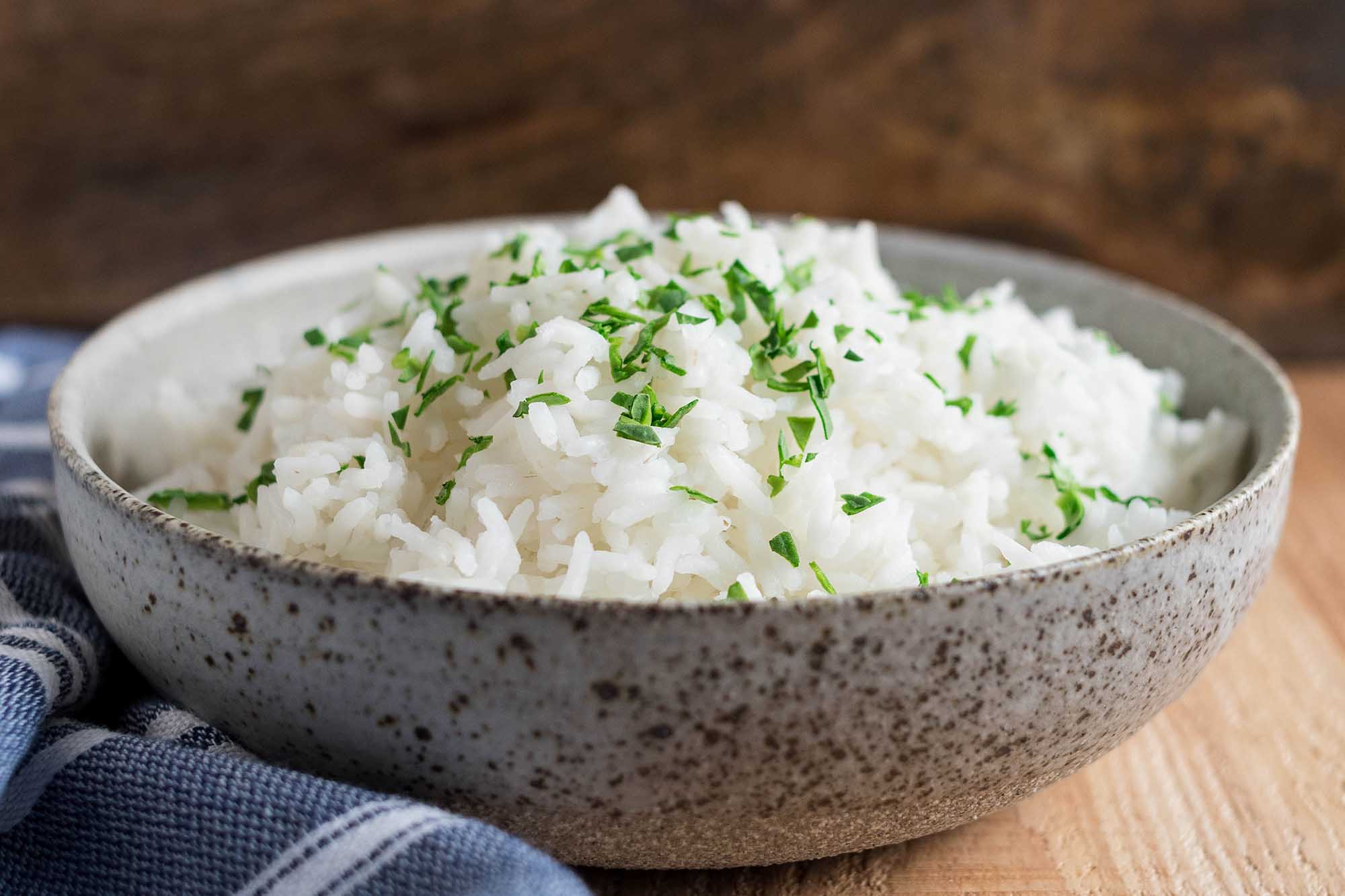
    According to the Ministry of Agriculture and Rural Development, Vietnam exported 2.8 million tonnes of rice valued USD1.2bn in the first six months of 2017. Both the volume and value increased by 6.3% and 4.9% respectively compared to last year.

    However, average prices in the first five months decreased by 0.9% to USD445.5 per tonne compared to last year.

    China continues to be Vietnam’s top importer. In the first five months, Vietnam exported 1.1 million tonnes of rice to China for USD488m as demands from China is huge. Chinese traders often buy rice directly from the firms’ storage and then imported into China via border gates or commissioned another importer. They also re-export the rice to other countries.

    Pham Thai Binh, director of Trung An Hi-tech Farming JSC, said requirements from Chinese traders were getting tighter, similar to other markets like the US and Japan. Not only the rice must be safe but their origin could also be tracked. Currently, only 22 out of 150 Vietnamese firms were able to export to China.

    Despite exporting huge volumes of rice to China, Vietnam is still unable to build a recognisable brand name there as most of the rice is repackaged by Chinese traders.

    Loc Troi Group is the only firm that have a contract with Hunan Leading Science and Technology Development Co Ltd to officially distribute rice and other agriculture products in an attempt to build a Vietnamese rice brand in China.

  • Gold prices down

    Gold prices down

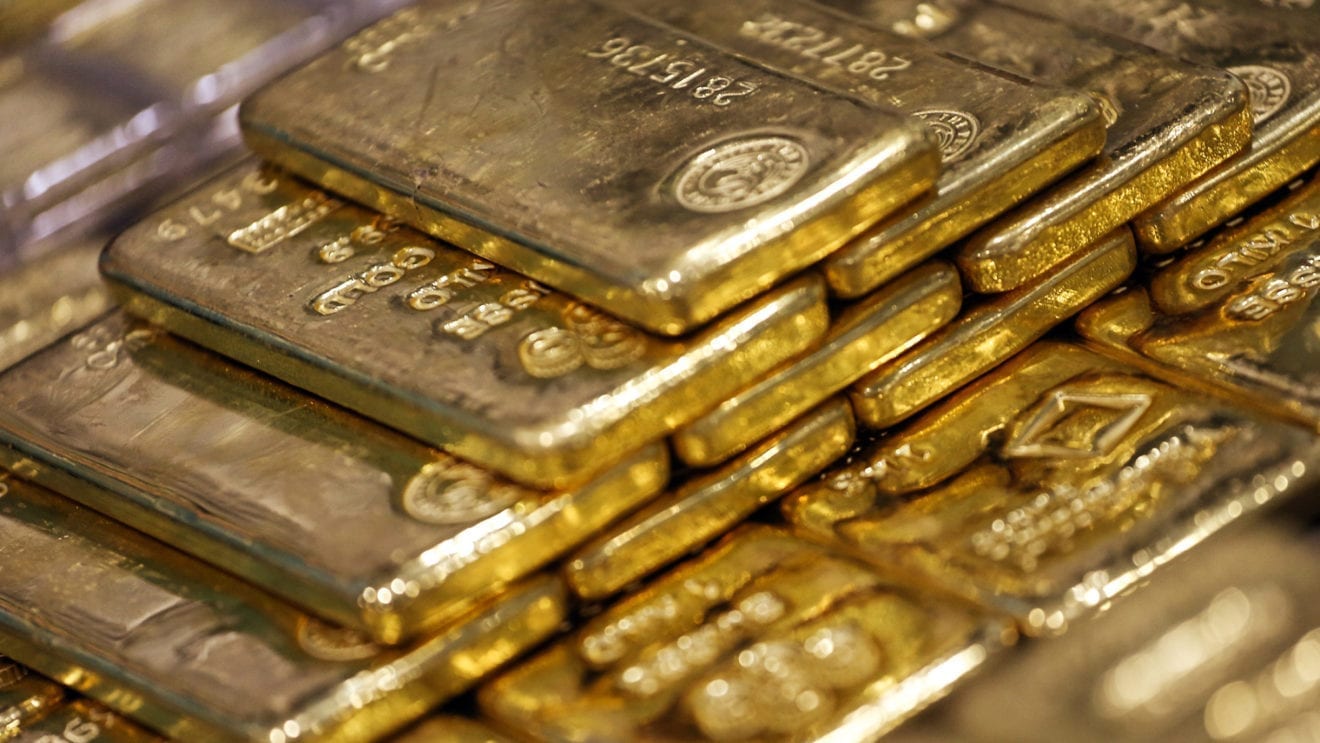
    SJC gold price fell 0.22% to VND68.8 million ($2,815.92) per tael Tuesday morning.

    Gold ring price dropped 0.09% to VND57.75 million per tael. A tael equals 37.5 grams or 1.2 ounces.

    Globally, spot gold slipped 0.1% to $1,914.61 per ounce, while U.S. gold futures fell 0.2% to $1,933.30.

    The dollar hit a 10-month high, while benchmark 10-year Treasury yields continued their ascent to a fresh 16-year peak.

    Higher interest rates weigh on non-interest-paying bullion, which is priced in dollars.

    The European Central Bank’s record high deposit rate could help cut inflation to 2%, ECB President Christine Lagarde said on Monday, repeating the bank’s guidance that neither promises nor rules out further rate hikes.

  • Vietnam eyes $300 bln exports in 2020

    Vietnam eyes $300 bln exports in 2020

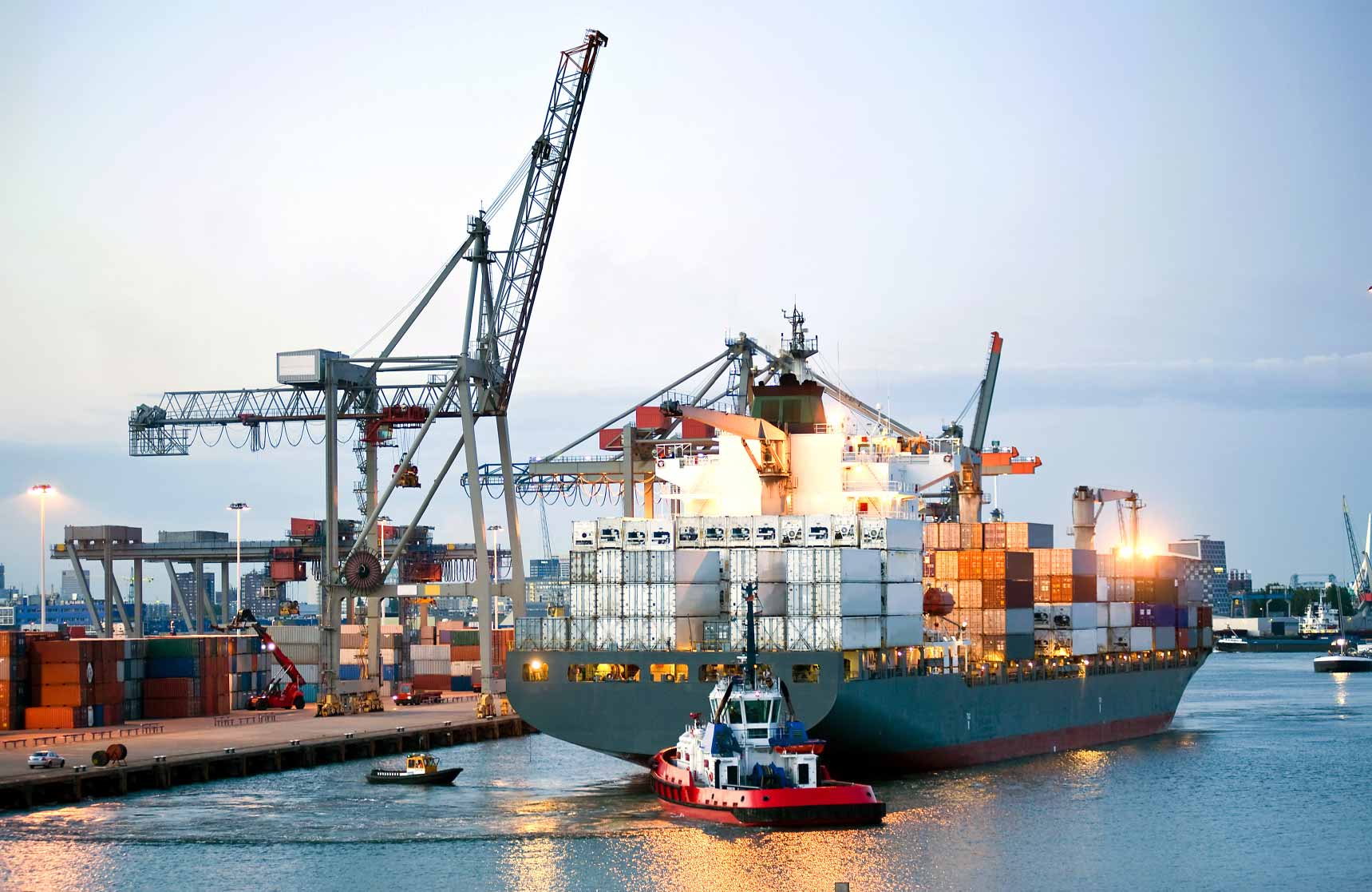
    Vietnam targets its export revenues of $300 billion next year despite concerns over trade deficits amid a global economic slump.

    The target, announced by Prime Minister Nguyen Xuan Phuc at an online meeting with leaders of cities and provinces on Monday, means exports would need to rise by 13.8 percent from this year’s $263.5 billion to give the country a trade surplus for the fifth year in a row.

    It would mean a higher growth rate than the 8 percent recorded this year.

    “After a subsidy period, Vietnam turned into a major global exporter. The country now has most products in excess and can find a market to sell them,” the PM said.

    Although Vietnam in 2019 recorded the fourth trade surplus in a row at $9.94 billion, government officials worry the winning spree would be broken by a deficit next year.

    Minister of Industry and Trade Tran Tuan Anh told the National Assembly in November as growth in exports slow to 6-7 percent in 2020, and imports grow at a faster rate of 8-10 percent, there could be a minor trade deficit.

    The coming into force of the EU-Vietnam Free Trade Agreement (EVFTA) and the worsening impact of the U.S.-China trade war could lead to a surge of imports into Vietnam next year, according to a government report submitted to the legislative body.

    PM Phuc demands all government bodies create favorable conditions for exporters and cease any bureaucratic activity that could hinder the process.

    The country needs to reduce logistics costs to increase exports value, he added, citing the case of mango export as an exported Vietnamese mango now bears a logistics cost of 50 percent its price.

    Vietnam’s GDP growth of 7.02 percent in 2019 exceeded the parliament’s target of 6.6-6.8 percent as well as forecasts by several international organizations like World Bank and Asian Development Bank.

    The country’s foreign trade for the first time reached $517 billion this year, up 8 percent year-on-year.

  • Gold prices hit 4-month high

    Gold prices hit 4-month high

    Vietnam’s gold prices hit a four-month high Wednesday aided by a weaker dollar, with investors expecting further stimuli in U.S. policies.

    The state-owned Saigon Jewelry Company was selling its popular SJC gold at VND57.2 million ($2,484.62) per tael, up 0.17 percent from Tuesday. A tael equals 37.5 grams or 1.2 ounces.

    The country’s largest jewelry company, DOJI, was also selling at the same price on Tuesday.

    In the last three days, prices have increased by around 1.5 percent to their highest point since September 3 last year.

    Global gold prices rose 0.1 percent to $1,950.46 per ounce after hitting a peak in almost two months earlier in the session as the U.S. dollar went to a low not seen in more than two years, according to data.

    Other reports have said that investors are waiting for the outcome of the U.S. Senate runoff elections in Georgia, which will have a bearing on the fiscal policy adopted by President-elect Joe Biden’s administration.

    “The underlying motivations in gold are unchanged, with lower interest rates, high inflation expectations, weaker dollar…, all these are supportive for gold in the near to long term,” said Howie Lee, an economist at OCBC Bank.

  • Vietnam to import coal from Laos

    Vietnam to import coal from Laos

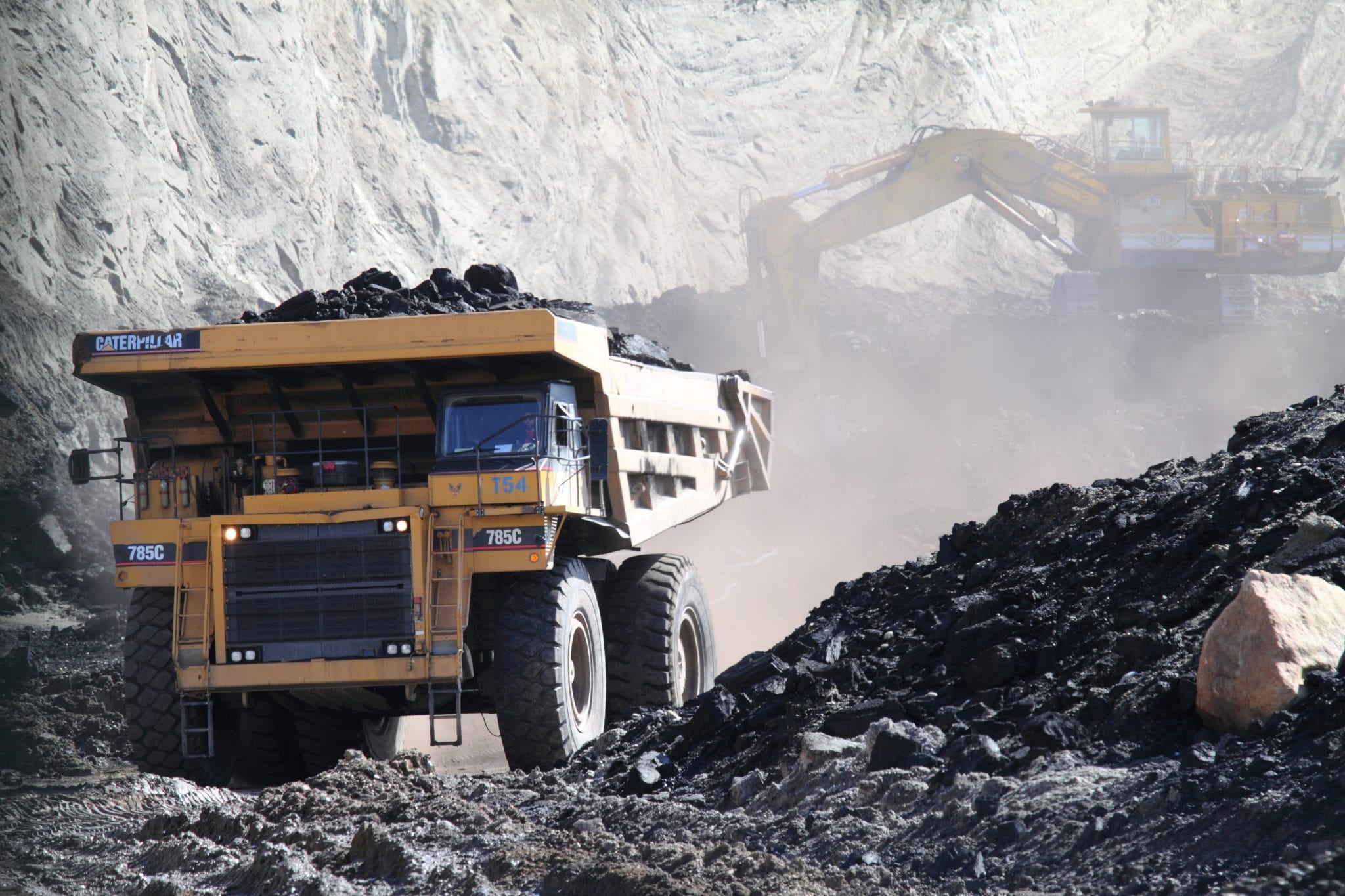
    Vietnam has signed a deal with Laos to import around 20 million tons of coal a year for the next five years.

    The memorandum of understanding was signed for the purpose Thursday by the Vietnamese Ministry of Industry and Trade and the Lao Ministry of Energy and Mines.

    Laos has been an important supplier of coal and other minerals to Vietnam in recent years.

    Vietnam imported 1.8 million tons of ores and minerals for US$78.2 million from that country last year, and 900,000 tons worth $31.6 million in the first half of this year.

    The two also have many cooperation projects in energy such as building hydropower plants and connecting grids while Laos exports electricity to Vietnam.

    Vietnam has 220 kV lines linking Laos, and is set to import at least 3,000 MW of electricity by 2025 and 5,000 MW by 2030.

  • Gold Prices Stage a Strong Comeback Following Weekend Decline

    Gold Prices Stage a Strong Comeback Following Weekend Decline

    Gold prices in Vietnam experienced a rebound on Monday afternoon, recovering somewhat from a sharp decline over the weekend, while global bullion rates remained stable.

    Gold Prices on the Rise

    The price of gold bars from the Saigon Jewelry Company increased by 0.43%, reaching VND117.7 million (approximately US$4,500.77) per tael, partially reversing the 0.68% drop recorded last Saturday. Meanwhile, gold rings saw a modest uptick of 0.26%, bringing the price to VND113.8 million per tael, following a 0.7% dip over the weekend. To clarify, a tael is equivalent to 37.5 grams or 1.2 ounces.

    Globally, gold prices stabilized on Monday as investors exhibited caution ahead of U.S.-China trade talks, which could potentially alleviate ongoing tensions, as reported by Reuters. Spot gold edged up by 0.1%, reaching $3,313.54 an ounce, while U.S. gold futures slipped by 0.4% to $3,333.80.

    Market analyst Kelvin Wong from OANDA noted that short-term traders are hesitant to adopt aggressive long positions in advance of the U.S.-China discussions. Though tariffs may still persist, Wong suggested that the talks could mitigate some cost pressures in the U.S. However, he cautioned that the widening budget deficit could exacerbate inflationary issues.

    In a related development, Trump stated that a decision regarding the next Federal Reserve chair will be made soon, hinting that a favorable chair could lead to reduced rates. As a safe-haven asset, gold traditionally flourishes amid economic uncertainties and in low-interest environments.

    On the technical side, analysts predict that spot gold may retest support levels at $3,296. Should it break below this point, prices could potentially slide towards $3,262.

    And just like magic, a slight change in trade talks can turn the tide for gold prices faster than a rabbit out of a hat!

    Questions & Answers

    What caused the increase in gold prices in Vietnam?
    Gold prices rose due to a partial recovery from a steep drop over the weekend, coinciding with stable global bullion rates.

    How are global gold prices behaving amid the U.S.-China trade talks?
    Spot gold has shown a slight increase of 0.1%, as investors are cautious yet optimistic about the outcome of the trade discussions, which could lessen tensions between the two nations.

    What are analysts expecting for gold prices in the near future?
    Analysts are watching key support levels closely; if gold prices break below $3,296, they could fall further towards $3,262.

  • Global giants crave for pieces in Vietnam e-commerce market

    Global giants crave for pieces in Vietnam e-commerce market

    Foreign investors have been pouring billions of dollars into the e-commerce market, seeking to change shopping habits in Vietnam and eventually profit from a likely online boom.

    Since the pandemic began, Tran Thi Linh in Hanoi has picked up a new habit of lying on her couch for hours to browse through e-commerce apps, looking for promotions.

    “With social distancing, I became reluctant to leave the house, and I realize it is more convenient to shop for certain items online,” the 47-year-old housewife said.

    With the apps she no longer has to carry heavy bags of detergents and rice from the supermarket to her apartment, while the coffee her husband drinks is cheaper online.

    “I read reviews and watch videos to make shopping decisions. I still go to the supermarket but less often.”

    Linh is among many Vietnamese that have become more familiar with e-commerce platforms and saw their shopping habits changed during the pandemic, a goal that that Vietnamese and foreign companies have spent billions of dollars to achieve as they seek to claim a bigger share in a booming industry.

    Vietnam’s digital economy is forecast to grow by 29 percent annually from 2020 to $52 billion by 2025, according to a study by Google, Temasek Holdings and Bain & Co.

    But data from Euromonitor International estimates e-commerce accounted for only 3 percent of the nation’s retail market last year, the smallest amount in Southeast Asia.

    This is why major global companies have been making moves to secure a place in the market. From 2016 to the first half of 2020, investors poured $1.9 billion into Vietnam’s online sector, the study by Google, Temasek and Bain showed.

    The latest deals include a $400 investment by an Alibaba Group-led consortium into a unit of conglomerate Masan Group, which is set to team with Lazada as part of the deal to win Vietnam’s e-commerce market.

    Equity firm Warburg Pincus in January poured more than $100 million into M-Service JSC, a Vietnamese startup that operates the MoMo payment app.

    Domestic platform Tiki had earlier raised $192.5 million from Japan’s Sumitomo Corp and China’s JD.com.

    “Vietnam is at the beginning of becoming a digitalized society with a young population that loves technology,” Bloomberg cited Ralf Matthaes, managing director of Ho Chi Minh City-based Infocus Mekong Research, as saying.

    “So all these companies are tripping over themselves to offer these services.”

    But changing Vietnamese people’s shopping habit while dominating the market in the process is easier said than done.

    Linh, the Hanoi housewife, said that until now she only pays for online orders by cash, because she does not know how to link her shopping account with her debit card.

    “Another reason is that I can refuse to accept orders if they do not meet the quality I expect. There are many online shopping frauds and I want to be careful.”

    Cash remains the most popular payment method in Vietnam with around 80 percent of the population preferring it in daily transactions, according to the Ministry of Industry and Trade.

    “Cashless payment remains unpopular in Vietnam because people prefer to see and touch products before paying for them,” said Le Xuan Vu, board member of Military Bank, adding that if local banks can guarantee to compensate customers for fraud and fake products, they will trust cashless payment and use them more regularly.

    Dominating the market remains a challenging task for e-commerce firms with so many players seeking a piece of the pie. Among four major platforms, Shopee, Tiki, Lazada and Sendo, none has been able to secure a paramount position to become the go-to marketplace for every need.

    Electronic companies like Mobile World, FPT and CellphoneS have also established their own platforms so not to be left behind in the race.

    “I have apps of Tiki, Shopee and Lazada and use them all. I don’t feel the need to commit to only one platform,” said Nguyen Duc Anh, who works for an advertising agency in Hanoi.

    Duc Anh often compares prices and reviews of a product on all three platforms to make the decision. Usually the platform with the highest number of purchases and offers the best price and delivery time wins.

    “For now I’m having the best of several worlds.”

    This is why e-commerce companies are trying different strategies to make its platform the best and the only.

    Almost every month Shopee offers a period of major discount with a variety of items priced as low as VND1,000 (4.3 U.S. cents).

    Tiki has been working to remove counterfeit products and increase the number of items eligible for a two-hour delivery. It also offers up-to-30-day return policy for certain electronics products to gain customers’ trust.

    In the new partnership with Lazada, Masan seeks to blend offline and online shopping into one experience by making its 2,200 VinMart+ outlets the pickup points for purchases on the platform.

    But while platforms race to win more customers, people like Linh are still reluctant to abandon the traditional shopping method.

    The other day she used online platforms to check prices of an air purifier but ended up driving her motorbike to an electronics store to make the purchase even though it was priced slightly higher there.

    “I still need to touch it. I want to see it with my own eyes.”
  • Vietjet eyes 15 pct stake sale

    Vietjet eyes 15 pct stake sale

    Budget carrier Vietjet Air plans to sell a 15 percent stake in a private placement.

    It plans to sell 81 million shares at the average price of at least the last 10 sessions on the stock market but has not disclosed the timing or buyer’s identity.

    As of Tuesday, the average figure was VND115,700 ($5.02), putting the value of the deal at over VND9.3 trillion ($403 million). There will be a lock-up period of one to three years when the shares cannot be sold.

    Vietjet also plans to issue $300 million worth of international bonds on the Singapore Exchange this year.

    So far this year it has raised a total of VND2 trillion via bonds.

    In the first quarter it reported a post-tax profit of VND123 billion against a loss of VND989 billion in the same period last year.

  • Feasibility report ready for Vietnam’s $58 billion high-speed railroad

    Feasibility report ready for Vietnam’s $58 billion high-speed railroad

    Vietnam’s north-south high-speed railway is expected to cost $58 billion, according to a feasibility report released at a meeting Tuesday.

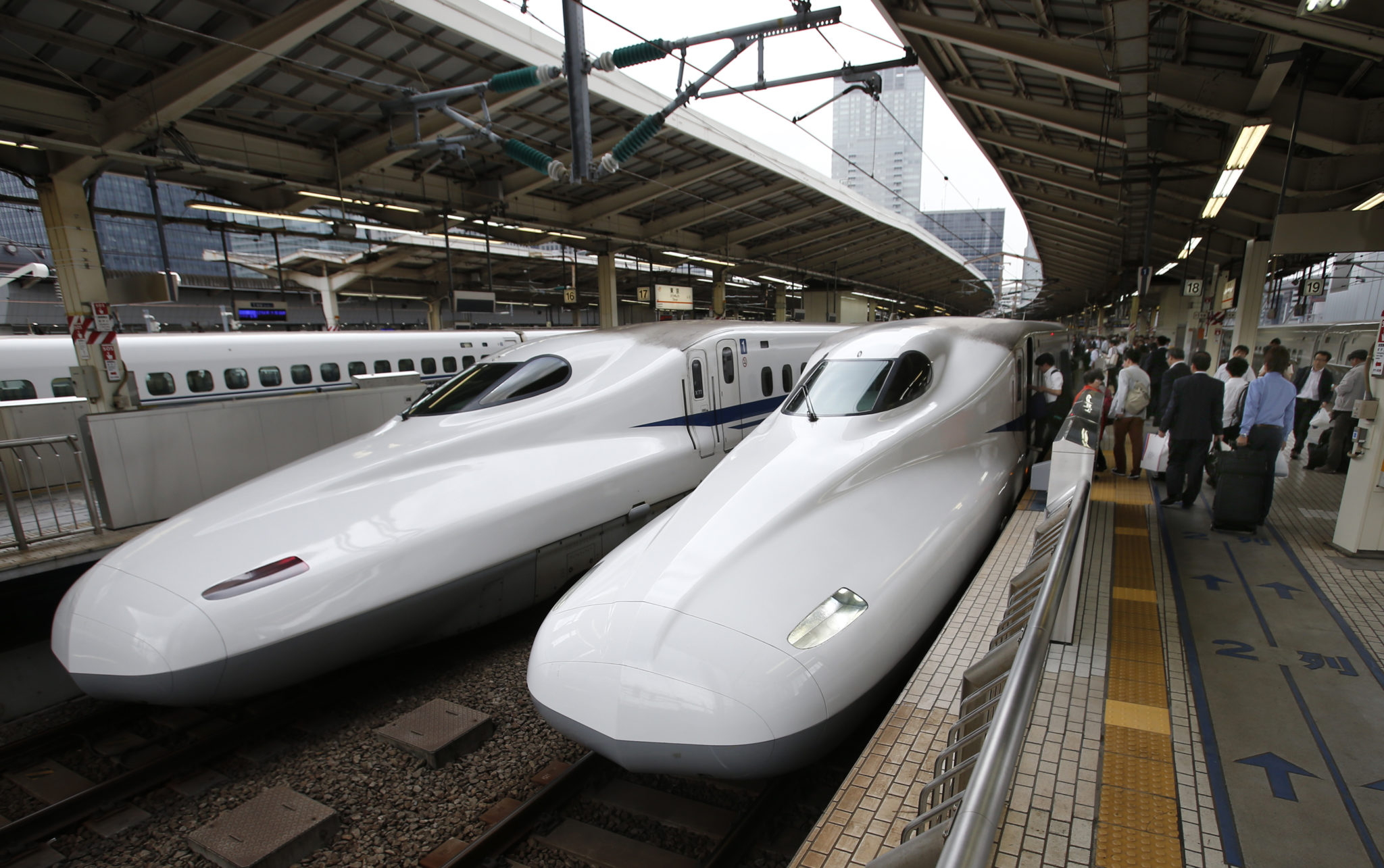
    The 1,545-kilometer route from Hanoi to Ho Chi Minh City will have double standard-gauge tracks of 1.435-m width and 23 stations, according to a consultancy consortium comprising Vietnamese firms TEDI, TRICC and TEDIS.

    It will adopt the distributed traction technology used by Japanese high-speed trains.

    Sixty percent of the tracks will be on viaducts, 10 percent underground and 30 percent on the surface, completely protected by fencing and without a single crossing.

    Two sections – from Hanoi to the central city of Vinh and from the central city of Nha Trang to HCMC – will be built first in 2020-2030 at a cost of $24 billion, and commercial operations are likely to begin in 2032.

    All sections are expected to be completed and operational by 2040-2045. Transport time from Hanoi to HCMC will be eight hours, while the current train takes 24 hours.

    The speed of the trains on the route would determine the attractiveness of the project, the report said, explaining that if it runs at 200 kilometers an hour, it would only account for 2.7 percent of the transportation share on the Hanoi – Nha Trang section.

    But if it increases to 350 kilometers, the share could reach 14 percent and the railroad could compete with airlines, it said.

    The proposal is for trains to run at 160-200 km speed after the first section is complete, and 350 km when the entire project is finished.

    At the meeting, Deputy Minister of Transport Nguyen Ngoc Dong said this feasibility report would be considered by authorities before being scrutinized by a European consultancy.

    “The transport ministry will invite bids to select that consultancy.”

    Efficiency unclear

    Experts at the meeting said the consultants need to make the projects’ financials clear.

    It should be divided into smaller sections to improve efficiency instead of the three large sections proposed now, Dr Nguyen Ngoc Long, deputy chairman of the Vietnam Bridge and Road Association, said.

    “Whatever option is selected, the infrastructure must allow a speed of 350 kilometers an hour.”

    Vu Hoai Nam, head of the urban railway faculty at the National University of Civil Engineering, said the feasibility report does not have a risk analysis.

    “If there is no detailed analysis of the ability to recover the investment, clearance and exchange rate fluctuations, the risk will be high.”

    The railroad would impact the passenger shares of airlines, putting pressure on the economy, and that should be taken into account, he added.

    Revived

    The north-south high-speed railroad was recently revived after being rejected by the National Assembly in 2010 due to its $56-billion price tag, which was half of Vietnam’s GDP then.

    If approved by the government now, it will be submitted to the house again next year.

    Experts said it might be more favorably viewed by the NA as well as the public due to Vietnam’s better financial position and greater demand for advanced infrastructure.

    The existing 3,000-kilometer railroad network has not received any major investment since it was built 140 years ago, and does not have the capacity for high speeds.

    Investment in railways currently accounts for only one percent of the transportation sector’s total budget.

    The NA approved a plan earlier this month to upgrade it at a cost of $300 million.