Tag: Vietnam

  • Gold Bar Prices Surge as Global Market Rates Rebound – What It Means for Investors

    Gold Bar Prices Surge as Global Market Rates Rebound – What It Means for Investors

    Vietnam gold bar prices rose on Monday afternoon as global bullion rates recovered from a one-month low. On Monday, the price of gold bars from the Saigon Jewelry Company increased by 0.25%, reaching VND119.5 million (approximately US$4,578.98) per tael, while the gold ring price held steady at VND115.7 million. For reference, a tael weighs about 37.5 grams or 1.2 ounces.

    A Global Recovery in Sight

    Internationally, gold prices made a comeback, buoyed by a weakening dollar. Earlier in the day, gold had dipped to its lowest point since May 29, prompted by easing tensions in U.S.-China trade relations that reduced the demand for safe-haven assets while heightening risk appetites, according to Reuters.

    Market Insights and Investor Sentiment

    Spot gold climbed by 0.5% to reach $3,290 per ounce after its earlier dip, with U.S. gold futures also rising by 0.4% to $3,301. Tim Waterer, Chief Market Analyst at KCM Trade, highlighted that the market sentiment has shifted away from a “doom and gloom” perspective regarding tariff discussions and geopolitical tensions in the Middle East, resulting in a decline in gold’s safe-haven appeal.

    Key Price Levels to Watch

    “The dollar continues to be under pressure, which is preventing a steep decline in gold prices,” Waterer noted. “The $3,250 threshold is pivotal for gold, as a breach of this level could lead to a swift plunge toward $3,200.” It seems the gold market is not ready to don its “doom and gloom” costume just yet, but the balance is precarious.

    Questions & Answers

    What was the price increase for gold bars in Vietnam on Monday?
    The price of gold bars from the Saigon Jewelry Company rose by 0.25% to VND119.5 million (approximately US$4,578.98) per tael.

    What contributed to the rise in global gold prices?
    Global gold prices increased due to a weaker dollar and improved investor sentiment following easing U.S.-China trade tensions, which dampened the demand for safe-haven assets.

    What key price level should investors watch for gold?
    Investors should monitor the $3,250 level, as a breach of this threshold could trigger a more significant decline toward the $3,200 mark.

  • Gold Hits Two-Week Low: What This Means for Investors and Retail Buyers

    Gold Hits Two-Week Low: What This Means for Investors and Retail Buyers

    A person holds gold bars in a jewelry shop in Hanoi. Photo by VnExpress/Ngoc Thanh

    In a noteworthy turn of events, Vietnam’s gold prices dropped sharply on Saturday, marking their lowest point since June 12 as the global gold market experienced a significant pullback.Saigon Jewelry Company reported a 0.42% decline in the price of gold bars, now valued at VND119.2 million (approximately US$4,567.92) per tael. Likewise, gold rings saw a 0.43% reduction, now priced at VND116 million per tael.

    Despite this recent dip, gold prices have soared by 42% since the start of the year. However, last Friday marked a crucial shift as gold fell by 2% globally, reaching a near one-month low. The decline followed a U.S.-China trade agreement that renewed risk appetite among investors, thus diminishing gold’s status as a safe haven.

    Spot gold prices eased by 1.5% to $3,277.17 per ounce, after an earlier drop of 2% that marked its lowest level since May 29. This decline represents a continued downturn for bullion, which has experienced a 2.8% drop over the past two weeks.

    “The waning geopolitical tensions have encouraged investors to take profits, driven by the increasingly optimistic outlook regarding relations with China and the evolving situation in the Middle East,” said Daniel Pavilonis, a senior market strategist at RJO Futures.

    The recent U.S.-China trade agreement, aimed at speeding up the shipment of rare earth metals to the United States, has been positively received by markets, leading to a rally in global shares.

    In the Middle East, the ceasefire agreement between Iran and Israel appears to be holding steady, despite a few minor incidents earlier on.

    Questions & Answers

    How much have gold prices fallen in Vietnam recently?
    Vietnam’s gold prices dropped to their lowest level since June 12, with gold bars declining by 0.42% to VND119.2 million per tael.

    What factors contributed to the global decline in gold prices?
    A new trade agreement between the U.S. and China, which has increased investor risk appetite, along with easing geopolitical tensions, has decreased gold’s appeal as a safe-haven asset.

    What is the overall trend for gold prices this year?
    Despite the recent drop, gold prices have surged by 42% since the beginning of the year, reflecting a strong performance before recent market shifts.

  • Vietravel Airlines Takes Flight: First Aircraft Acquisition Fuels Growth Following Tycoon Do Quang Hien’s Investment

    Vietravel Airlines Takes Flight: First Aircraft Acquisition Fuels Growth Following Tycoon Do Quang Hien’s Investment

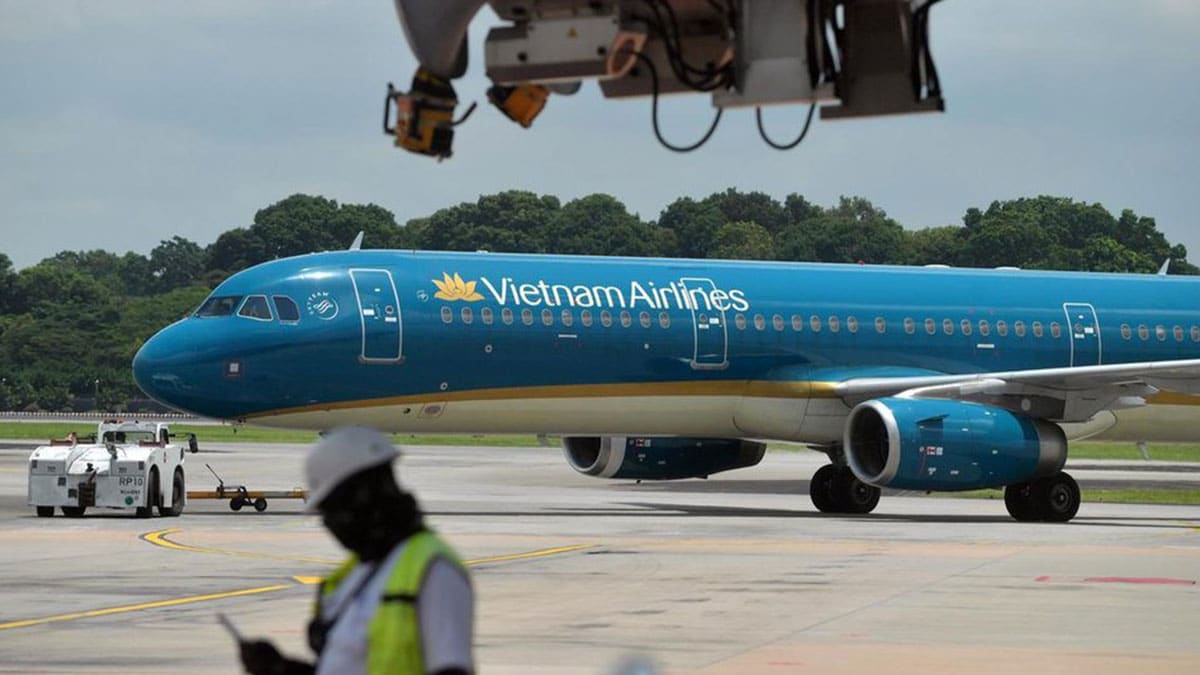
    In a significant leap forward, Vietravel Airlines welcomed its first Airbus A321, registered as VN-A129, at Noi Bai International Airport on Saturday afternoon. This delivery marks a pivotal moment for the fledgling carrier, which is poised to add two more Airbus A320 aircraft to its fleet next month.

    Originally operated by U.S.-based Spirit Airlines, the newly acquired A321 received its airworthiness certificate on July 10, 2015. Its arrival comes six months after T&T Group, a consortium of businesses, became Vietravel Airlines’ strategic shareholders, further signaling a robust commitment to the airline’s development.

    A Commitment to Growth

    Ho Minh Tan, deputy director-general of the Civil Aviation Authority of Vietnam, highlighted that this investment is a testament to the conglomerate’s commitment to fortifying the airline’s operational capabilities. With the addition of this aircraft, Vietravel Airlines can regain control over its operations, which faced setbacks when its fleet dwindled to just one plane.

    New Horizons Ahead

    The airline is setting its sights on expanding its flight offerings, enhancing connectivity between Hanoi and Ho Chi Minh City with additional routes to popular domestic destinations such as Da Nang, Phu Quoc, and Quy Nhon. They are also eyeing international locations to broaden their operational scope.

    A Declaration of Strength

    Do Vinh Quang, chairman of Vietravel Airlines and part of a notable family legacy in the industry, stressed that the new plane symbolizes not just progress in fleet modernity but also a declaration of the company’s financial robustness and capability. To bolster its strategic ambitions, the airline is in negotiations with major aircraft manufacturers and international airlines, paving the way for comprehensive partnerships in the aviation sector.

    Capital to Fuel Ambitions

    Established in 2020 with a starting capital of VND700 billion (approximately US$26.8 million), Vietravel Airlines took to the skies for the first time in January 2021, marking its place as the sixth airline in Vietnam and the third privately owned carrier. Recently, shareholders approved a plan to escalate the charter capital to VND2.6 trillion in the first half of 2026, aided by financial backing from SHB Bank. This capital infusion is expected to enhance both fleet and operational capabilities, ultimately securing financial stability.

    Looking ahead, Vietravel Airlines is keen to leverage resources from T&T Group and another major stakeholder, Vietravel Corporation, to expand into the air cargo sector. They are also collaborating with T&T Group to develop subsidiary services such as ground handling, warehousing, and technical support—essential components to constructing a well-rounded aviation ecosystem.

    A Vision for the Future

    The airline aspires to become a comprehensive hub that integrates transportation, tourism, and innovative digital experiences. Aiming to emerge as one of the leading airlines in the region by 2035, Vietravel Airlines is not just about flights; it’s about elevating the entire travel experience.

    Questions & Answers

    How significant is the acquisition of the A321 for Vietravel Airlines?
    Acquiring the A321 represents a crucial step for Vietravel Airlines, enhancing its operational capacity and signaling stronger financial health, especially after challenges led to a reduced fleet size.

    What are the airline’s expansion plans following this acquisition?
    Vietravel Airlines plans to increase its domestic flight routes between major cities and explore international destinations while also expanding into the air cargo sector to diversify operations.

    What financial strategies are in place to support Vietravel Airlines’ growth?
    The airline plans to raise its charter capital to VND2.6 trillion with support from SHB Bank, facilitating fleet expansion and ensuring liquidity. They are also set to leverage partnerships for resource and service development.

  • Vietnamese Online Shopping Soars: Consumers Shell Out $16B, Leading Southeast Asia’s Retail Surge!

    Vietnamese Online Shopping Soars: Consumers Shell Out $16B, Leading Southeast Asia’s Retail Surge!

    Vietnamese consumers spent an estimated US$16 billion on online purchases via platforms such as Shopee, Lazada, and TikTok Shop in 2024, placing the country among the top three e-commerce markets in Southeast Asia.

    The recently unveiled Southeast Asia E-commerce 3.0 report from Momentum Works highlights a booming digital shopping landscape in the region, which saw a total gross merchandise value (GMV) of $128.4 billion in 2024—marking a 12% year-on-year increase. Remarkably, Southeast Asia processed an average of 43.6 million online orders daily, nearing the scale of the U.S. market, a fact that could make any retailer’s heart race.

    Shopee, Lazada, and TikTok Shop dominate the market, accounting for over 90% of all orders, while Vietnam joins the ranks of top five e-commerce powerhouses, alongside Thailand, which leads with $23.5 billion, Malaysia at $11.5 billion, the Philippines matching Vietnam at $16 billion, and Singapore standing at $4.9 billion. Thailand and Malaysia stand out for their impressive growth figures, with increases of 22% and 20%, respectively.

    Indonesia remains the titan of the region, boasting a staggering $56.5 billion in GMV and a commanding 44% market share. However, its growth has tempered to just 5%, a reflection of ongoing platform mergers that have caused a few hiccups.

    In Vietnam, e-commerce is predominantly led by three major platforms. Shopee significantly leads the charge with a 65% market share, translating to about $10.4 billion in GMV. TikTok Shop follows with a growing presence at 28% ($4.5 billion), while Lazada holds 6% ($1 billion) and Tiki trails with 1% ($200 million). This online tussle illustrates a dynamic market, indicative of a region that is rapidly evolving.

    Beyond these major players, other digital channels like brand websites, multi-brand retailers, and social media platforms, including WhatsApp, have contributed an impressive $16.8 billion to the region’s total e-commerce value.

    The report also indicates a noteworthy comeback for Chinese consumer brands in Southeast Asia. These businesses are returning with revitalized products and localized strategies aimed at seizing essential market segments, proving that what goes around comes around—especially in retail.

    Looking ahead, Momentum Works projects that Southeast Asia’s e-commerce sector could generate an additional $131 billion in transaction value by 2030 if companies effectively leverage artificial intelligence across sales, operations, logistics, and customer service.

    Questions & Answers

    How much did Vietnamese consumers spend on online shopping in 2024?
    Vietnamese consumers spent approximately US$16 billion on online purchases in 2024.

    Which platforms dominated e-commerce in Vietnam?
    Shopee, TikTok Shop, and Lazada were the dominant platforms, accounting for over 90% of the total order volume.

    What future growth is anticipated for Southeast Asia’s e-commerce sector?
    Momentum Works forecasts that the sector could generate an additional $131 billion in transaction value by 2030, driven by the adoption of artificial intelligence.

  • Vietnamese Shoppers Tackle the Challenge of Identifying Fake Products in a Complex Retail Landscape

    Vietnamese Shoppers Tackle the Challenge of Identifying Fake Products in a Complex Retail Landscape

    In early April, a 60-year-old woman in Hanoi visited the doctor, troubled by persistent joint pain that refused to ebb even under a regimen of various supplements. The diagnosis was disheartening: joint degeneration, osteoporosis, and herniated discs. Even more startling was the revelation that one of her supplements contained corticosteroids, potent anti-inflammatory medications known to weaken bones and contribute to adrenal insufficiency.

    In her quest for answers, Thuy turned to her child for help with research, only to uncover the troubling truth—many of her daily supplements had been flagged as counterfeits by local authorities. “I thought expensive medicines were good, but it turns out I have been buying fakes,” she lamented. A month later, her suspicion grew when she learned that another supplement, touted as a safeguard against osteoporosis, was part of a notorious counterfeit milk powder operation. “At this point, I suspect everything I have bought over the last five years is fake,” she confessed.

    Unmasking Counterfeit Operations

    Since early April, Vietnamese authorities have intensified their crackdown on counterfeit goods, unveiling a number of significant operations, including a fake medicine manufacturing ring in Thanh Hoa Province and a warehouse in Hanoi with counterfeit electronics valued at VND22 billion (US$842,270). A notorious milk powder scheme reportedly raked in nearly VND500 billion before authorities intervened.

    On June 7, officials dismantled a network producing counterfeit motor oils from reputable brands like Castrol, Motul, and Honda in Ho Chi Minh City. Two days later, a company in Phu Yen Province was implicated in selling 17 tons of fake coffee. The scale of the discovery is staggering: in the first quarter of 2025 alone, market management authorities conducted 6,192 raids, uncovering over 5,600 cases of counterfeit, smuggled, or substandard products.

    A Dismaying Discovery

    Thanh Truc, 29, visiting her parents in Nghe An Province, was shocked to find her hometown “full of fake products.” From toothpaste that tasted odd to body wash and shampoo that wouldn’t lather, each discovery felt like a betrayal. She even noted a shampoo labeled “Clean,” crafted to mislead consumers into thinking they were purchasing the reputable “Clear” brand.

    “These counterfeit products might not harm immediately, but over time, I cannot imagine the consequences,” she said, echoing a sentiment shared by many as counterfeit goods flood the market.

    E-commerce: A Hotbed for Counterfeit Goods

    Vu Van Trung, vice president of the Vietnam Consumer Protection Association, warns that online platforms have become a haven for counterfeiters. “The tactics employed are becoming increasingly sophisticated, taking advantage of e-commerce loopholes, especially through live-streamed sales on social media,” he explained. These platforms are easy to create, hard to monitor, and even simpler to erase once the counterfeit goods have been sold.

    The allure of counterfeit goods is further driven by significant profit margins. Nguyen Truong Son, president of the Vietnam Advertising Association, pointed out that while the fines for selling counterfeit products range between VND20-80 million, profits can soar into the billions, presenting a tempting risk for criminals.

    Consumers Take Control

    A survey conducted in 2021 by the Market Surveillance Agency revealed that 80% of consumers knowingly purchase fake goods due to their low price or a desire to have branded items that are otherwise unaffordable. April brought a particularly alarming account when Hai Long, 45, from Hai Phong, experienced seizures after taking what he believed were imported stroke prevention pills priced at VND1 million for ten. The discovery that these pills were counterfeit left his family in shock.

    In the wake of such incidents, Hai Long’s wife, Minh Ha, has become an activist for product integrity in her home, eschewing foreign drugs in favor of traditional remedies and devoting her supermarket trips to scrutinizing labels and scanning QR codes. “Living in a maze of real and fake goods, from vegetables to fish sauce and pills, I can no longer tell them apart. Now I have to protect my family on my own,” she stated, highlighting a growing trend towards self-advocacy among consumers.

    After discovering her counterfeit supplements, Thuy discarded everything and now faces daily pain while awaiting treatment. In response, her daughter Do Quyen, 25, has become proactive, committed to researching product authenticity and teaching her family to navigate the complexities of a market riddled with deception. This collective push for awareness is mirrored on social media, where posts offering advice on recognizing real versus fake products garner significant engagement.

    Experts suggest a proactive approach for consumers. Professor Nguyen Duy Thinh, a former lecturer at the Hanoi University of Science and Technology, recommends purchasing from authorized stores, supermarkets, and reputable pharmacies while remaining wary of unusually cheap products and dubious online tips. “Each individual’s action not only protects themselves but also helps protect the community,” Trung added, emphasizing the ripple effect of consumer vigilance in combating counterfeits.


    Questions & Answers

    What sparked Thuy’s realization about counterfeit products?
    Thuy’s diagnosis of serious health issues led her to research her supplements, revealing many were counterfeit.

    How are online platforms contributing to the counterfeiting problem in Vietnam?
    Counterfeiters exploit e-commerce loopholes, particularly through social media live-streaming, making it easier to sell fake goods.

    What proactive measures can consumers take to protect themselves?
    Experts advise purchasing from authorized outlets, scrutinizing labels and QR codes, and reporting suspected counterfeit goods to authorities.

  • Lychee Farmers Brace for Hardships as Prices Plummet Below $1 Per Kilogram

    Lychee Farmers Brace for Hardships as Prices Plummet Below $1 Per Kilogram

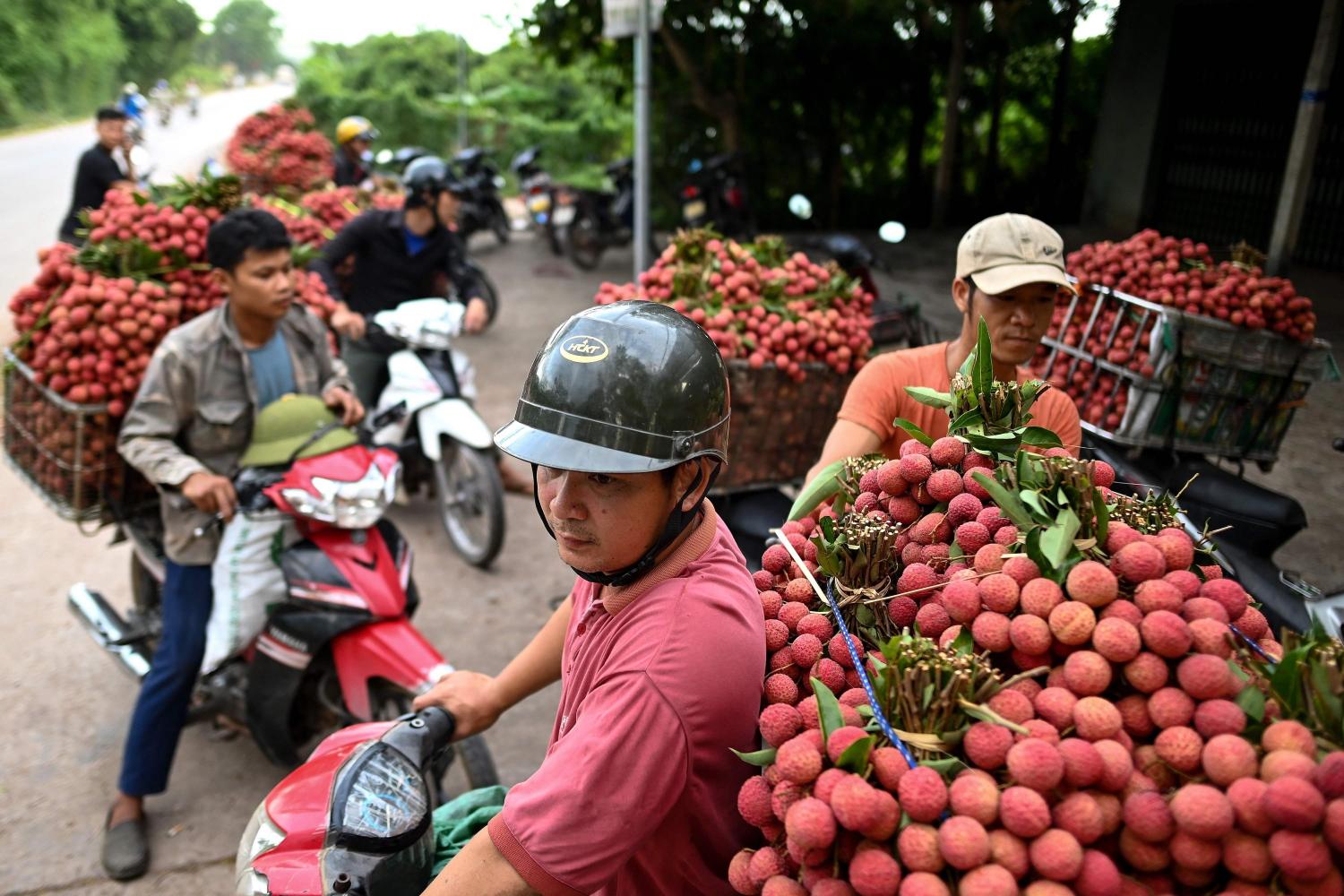
    Fruits from certified export orchards in Vietnam now command prices between VND25,000-30,000 per kilogram, a drop from VND35,000-40,000 at the season’s outset. Luc, a seasoned lychee farmer from Bac Giang Province’s Luc Ngan District—the country’s leading lychee producing region—revealed that prices have plummeted by a third compared to last year, putting his profit margins at risk.

    Despite producing high-quality lychees from his one-hectare orchard, Luc warns he may barely break even if market prices do not rebound. Growers report that the production cost for a kilogram of lychee, including packaging, hovers between VND8,000-12,000. In southern Vietnam, retail prices range from VND25,000-40,000 per kilogram, reflecting a nearly 30% dip from earlier this month and a staggering 50% drop compared to the same time last year.

    Giang, another farmer from Hai Duong Province’s Thanh Ha District, explains that an oversupply of lychees coupled with fierce competition from other tropical fruits has contributed to the current price slump. The situation has been exacerbated by a 26.6% year-on-year decline in lychee exports during the first four months of this year, with 17 markets pulling back on imports, notably the Netherlands and France, which reduced purchases by 84% and 40%, respectively. However, markets such as the U.S. and China have seen increases in demand, ranging from 25% to 116%.

    Transportation costs, propelled by ongoing tensions in the Middle East, have also played a significant role in suppressing imports. Competing with Vietnam, China has stepped up its own lychee exports, putting additional pressure on the market.

    This year, Vietnam’s lychee output is projected at about 250,000 tons—up 25% from 2022—with Bac Giang accounting for a substantial 165,000 tons. Yet, since the season launched, the province has managed to sell only 13,000 tons locally, with export figures remaining modest.

    In a move to ease the situation, the Bac Giang Department of Industry and Trade is advocating for processing initiatives, such as drying, juicing, or freezing the fruit, as a strategy to broaden sales channels. They launched a promotional program in both Hanoi and Ho Chi Minh City this week, aiming to boost the visibility and demand for this seasonal delicacy.

    Questions & Answers

    How has the lychee market in Vietnam changed this year?
    This year, Vietnam’s lychee market has experienced a significant downturn, with prices dropping by a third compared to last year, largely due to oversupply and competition from other fruits.

    What factors are affecting lychee exports from Vietnam?
    Lychee exports have fallen due to reduced demand from several markets, including notable decreases from the Netherlands and France, alongside rising transportation costs and increased competition from Chinese lychee exports.

    What steps is Bac Giang Province taking to improve lychee sales?
    Bac Giang Province is encouraging businesses to process lychee into products like dried fruit and juice to diversify sales channels, while also rolling out promotional programs in major cities like Hanoi and Ho Chi Minh City.

  • Lawmakers Approve $61B High-Speed Rail Boosted by Private Investment Opportunities

    Lawmakers Approve $61B High-Speed Rail Boosted by Private Investment Opportunities

    In a significant move for infrastructure development, the National Assembly of Vietnam has paved the way for private investment in the ambitious North-South high-speed rail project by approving two new development models: public-private partnerships and fully private funding. This decision, reached during a vote on Friday, grants the government the mandate to select both the investment model and the investors for this extensive initiative.

    Initially framed as a public sector endeavor, the project garnered renewed interest from the private sector following a recent resolution from the Politburo which emphasized the importance of advancing private enterprise in national development. This shift not only signals a move towards more flexible funding options but also invites major players to join in one of Vietnam’s largest infrastructure projects to date.

    Two prominent domestic conglomerates have stepped forward with proposals to construct the railway. VinSpeed, led by Vietnam’s wealthiest entrepreneur Pham Nhat Vuong, has committed to covering 20% of the estimated US$61 billion project cost while seeking to borrow the remaining $49 billion from the government. On the other hand, Thaco Group has put forth a similar proposal but intends to secure its financing through loans from both domestic and international financial institutions, with the government serving to guarantee these loans.

    What’s particularly intriguing is Thaco’s approach to maintaining local control; they plan to create a dedicated subsidiary to oversee the project, ensuring that a significant portion of the funding and management remains within Vietnam.

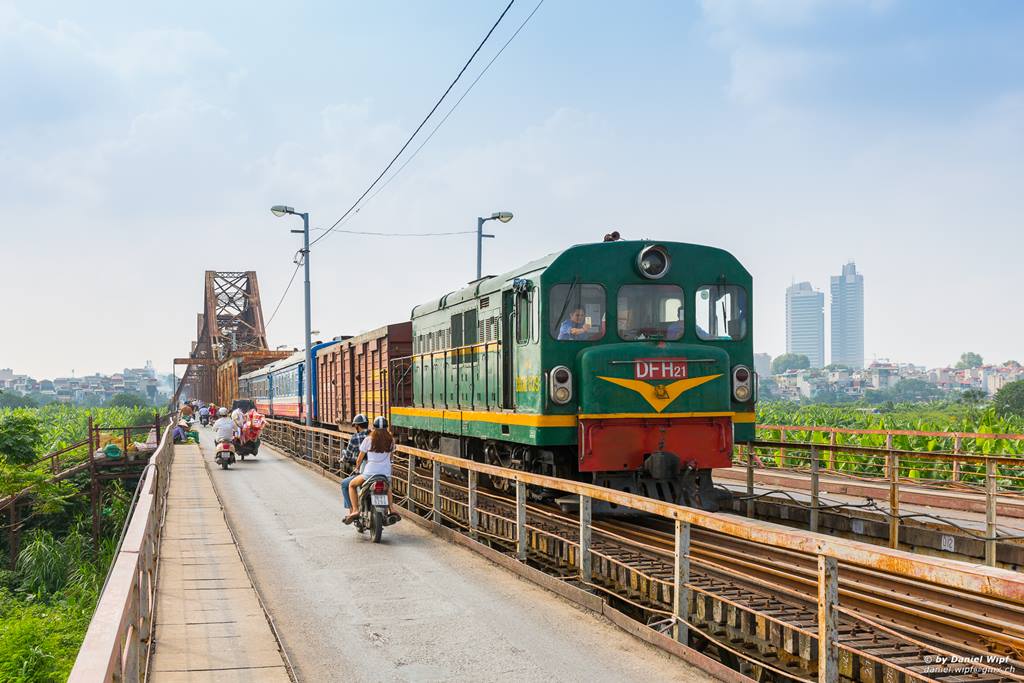
    The rail line, stretching an impressive 1,541 kilometers from Hanoi to Ho Chi Minh City and traversing 20 provinces and cities, is designed to facilitate speeds of up to 350 kilometers per hour. It will feature 23 passenger stations and five dedicated freight terminals, transforming travel and cargo transport across the region.

    The feasibility study for this landmark project is set to commence this year, with ambitious plans for completion by 2035, a timeline that keeps an eye firmly on future connectivity and economic growth.

    Questions & Answers

    What new investment models have been approved for the North-South high-speed rail project?
    The National Assembly has approved public-private partnerships and fully private investment options for the project.

    Who are the major domestic companies proposing to fund the railway?
    VinSpeed, owned by Pham Nhat Vuong, and Thaco Group are the two major conglomerates vying to invest in the railway project.

    What are the key features of the planned high-speed rail line?
    The rail line will span 1,541 kilometers, connect 20 provinces and cities, and operate at speeds of up to 350 kilometers per hour, with numerous passenger and freight stations along the route.

  • Gold Prices Experience Slight Uptick, Signaling Market Resilience

    Gold Prices Experience Slight Uptick, Signaling Market Resilience

    Gold prices in Vietnam experienced a modest uptick Thursday morning, influenced by a slight rise in global gold rates amidst a weakening dollar. The Saigon Jewelry Company reported a 0.25% increase in gold bar prices, bringing them to VND119.8 million (approximately US$4,584.94) per tael. Meanwhile, gold rings climbed 0.34% to reach VND116.7 million per tael, contributing to a remarkable 42.3% surge in gold values since the year’s onset.

    Globally, gold prices edged upward on Thursday, buoyed by the declining dollar and increasing uncertainty following reports that U.S. President Donald Trump may have mulled replacing Federal Reserve Chair Jerome Powell as soon as September or October, according to Reuters.

    Spot gold rose by 0.2% to $3,339.20 per ounce, while U.S. gold futures increased 0.3% to $3,353.10. With the dollar slipping to its lowest level since March 2022, gold priced in dollars became more affordable for international investors, adding to its appeal.

    Typically, gold thrives during uncertain times and low-interest-rate conditions. Market analysts suggest that the prospect of a dovish Fed Chairman under Trump’s potential influence may further suppress the dollar’s strength. Tim Waterer, Chief Market Analyst at KCM Trade, noted, “Trump clearly wants a dovish Fed Chairman next time around, so the increased likelihood of an aggressive rate-cutting cycle is pinning down the USD.”

    For now, gold markets are in a holding pattern, awaiting fresh insights from upcoming U.S. macroeconomic data, including GDP and core PCE figures. Gold seems to be taking a breather, but that doesn’t mean investors are taking a nap — they are wide awake, scanning for the next clue!

    Questions & Answers

    What drove the recent increase in gold prices in Vietnam?
    The rise in gold prices in Vietnam can be attributed to a modest increase in global gold rates and a weakening dollar, which made gold more affordable for international buyers.

    How much have gold prices increased since the beginning of the year?
    Gold prices in Vietnam have surged by an impressive 42.3% since the start of the year, reflecting strong market demand and global economic conditions.

    What factors are influencing the current gold market trends?
    The gold market is currently influenced by uncertainties surrounding U.S. economic policies and potential changes within the Federal Reserve, alongside the typical behavior of bullion during low-interest-rate environments.

  • Vietnam to Inspect Cooking Oil Producers After Uncovering Animal-Feed Oil Scandal

    Vietnam to Inspect Cooking Oil Producers After Uncovering Animal-Feed Oil Scandal

    In a proactive move to bolster food safety, Vietnam’s Industry Agency announced plans to conduct thorough inspections at oil production facilities, particularly focusing on smaller establishments that may lack adequate safety certification. This initiative aims to address growing concerns over substandard cooking oils entering the market.

    Following a significant crackdown on adulterated cooking oil, notably a case involving Nhat Minh Food Production and Import-Export Co., the Ministry of Industry and Trade is ramping up its market oversight. Reports revealed that authorities in northern Hung Yen Province discovered the company had unscrupulously imported seed oil meant for animal feed, rebranding it as “OFOOD” to pass it off as cooking oil. The mislabeling scam has reportedly led to the sale of tens of thousands of tons of this fake cooking oil, predominantly to industrial kitchens, restaurants, and food processing units.

    The deceptive seed oil lacks essential food safety and hygiene standards and is devoid of nutritional value, raising alarms about consumer safety. While the ministry acknowledged that Nhat Minh had submitted a self-declaration for its seed oil product, it also noted the absence of a food safety certificate, leading to further scrutiny. Intriguingly, despite the alarming findings, local authorities had not previously raised concerns regarding the company’s operations, making this revelation all the more startling.

    Now, the ministry is determined to investigate thoroughly, promising to safeguard the food industry and restore confidence among consumers. In a previous enforcement action, authorities seized 71,000 liters of illegitimate cooking oil and 40 tons of counterfeit monosodium glutamate (MSG) in Phu Tho, products that had infiltrated various sales channels, including social media and local markets within industrial zones. The trend of uncovering substandard and adulterated food products suggests a deeper issue within the food supply chain.

    The risks associated with consuming unsafe food extend beyond immediate health issues such as diarrhea and food poisoning. Long-term effects like liver and kidney damage, reproductive health disorders, and other complications from chemical or microbial contamination pose serious threats to public health, significantly straining healthcare resources.

    Vietnam’s cooking oil market, with an annual demand of 1.5 million tons, represents a substantial economic segment, valued at approximately VND30 trillion (US$1.15 billion). As scrutiny intensifies, the hope is that stronger regulations will ensure that consumers no longer have to play detective in their quest for safe food options.

    Questions & Answers

    What prompted the inspections of cooking oil production facilities in Vietnam?
    The inspections were initiated following a significant scandal involving Nhat Minh Food Production, which sold adulterated cooking oil labeled as safe despite being made from seed oil intended for animal feed.

    What health risks are associated with consuming substandard cooking oils?
    Consuming unsafe cooking oils can lead to immediate health issues like diarrhea and food poisoning, as well as long-term risks such as liver and kidney damage and reproductive health disorders due to contamination.

    How large is Vietnam’s cooking oil market?
    Vietnam’s cooking oil market has an annual demand of 1.5 million tons, translating into a market value of around VND30 trillion (US$1.15 billion).

  • Siemens Plans Ambitious High-Speed Rail Project to Transform Vietnam’s Transportation Landscape

    Siemens Plans Ambitious High-Speed Rail Project to Transform Vietnam’s Transportation Landscape

    In a compelling dialogue at the 16th Annual Meeting of the New Champions, held by the World Economic Forum in Tianjin, China, Siemens’ Chief Technology Officer and Chief Strategy Officer, Peter Keotre, presented an ambitious invitation to Vietnam’s Prime Minister Pham Minh Chinh. The offer reflects Siemens’ ongoing commitment to strengthening its presence in the region.

    Siemens, which operates across sectors including industry, infrastructure, transportation, and healthcare, has distinguished itself in the arena of industrial AI. Last year, the company reported impressive revenues of EUR 75.9 billion (US$ 89 billion). Since establishing a foothold in Vietnam in 1993, Siemens has operated offices in Hanoi, Da Nang, and Ho Chi Minh City, alongside a manufacturing facility located in Binh Duong Province.

    Prime Minister Chinh lauded Siemens for its substantial global operations and meaningful contributions to Vietnam, expressing enthusiasm for the company’s intentions to escalate investments, particularly in critical infrastructure projects like the North-South high-speed rail. This project, which received National Assembly approval in November 2024, carries a hefty price tag of VND 1.7 quadrillion (US$ 67 billion) and will stretch 1,541 kilometers, linking Hanoi to Ho Chi Minh City through 20 provinces and cities.

    The North-South rail initiative isn’t drawing interest solely from Siemens; various foreign firms have also shown eagerness to participate. On the domestic front, major players like VinFast, backed by Vietnam’s wealthiest individual Pham Nhat Vuong, and automaker Thaco are also vying to invest.

    In addition to the high-speed rail, Vietnam is eyeing enhanced rail connections with China to streamline routes extending to Central Asia and Europe. Chinh has encouraged Siemens to collaborate with relevant ministries, agencies, and the Vietnam Railways Corporation to explore potential involvement in these transformative projects.

    Infrastructure development is a focal point for the Vietnamese government, viewed as a vital catalyst for economic growth. Chinh shared that public-private partnership models are being considered to attract investments in essential national initiatives encompassing transportation, energy, and digital infrastructure.

    His remarks underscored recent institutional reforms aimed at creating more open mechanisms and policies, expanding investment opportunities for businesses eager to be part of Vietnam’s progressive development narrative. With plans covering roads, railways, air transport, and maritime infrastructure, the government is laying the groundwork for a robust economic future, where even trains can hit the high speeds of innovation.

    Questions & Answers

    How is Siemens planning to deepen its investments in Vietnam?
    Siemens aims to enhance its investments primarily in infrastructure projects, with a keen focus on the North-South high-speed rail initiative that promises to revolutionize the country’s transportation landscape.

    What are the key features of the North-South high-speed rail project?
    The rail project, approved by the National Assembly in November 2024, will span 1,541 kilometers, connecting Hanoi to Ho Chi Minh City and traversing 20 provinces and cities, with a projected cost of VND 1.7 quadrillion (US$ 67 billion).

    How does Vietnam view infrastructure development?
    Vietnam considers infrastructure development as a crucial driver for economic growth and is exploring public-private partnerships as a means to attract investments into vital national projects, particularly in transportation and digital infrastructure.

  • Vietnam Coffee Prices Plunge 14% in a Week as Global Market Reaches Yearly Low

    Vietnam Coffee Prices Plunge 14% in a Week as Global Market Reaches Yearly Low

    In the Central Highlands provinces of Dak Lak, Gia Lai, and Kon Tum, coffee prices have taken a significant dip, plummeting 30% from the peak of VND135,000 reached in March. This downward trend in coffee prices is not limited to Vietnam; it mirrors a broader decline seen across the global market in recent months.

    Currently, Robusta coffee for September delivery is priced at $3,737 per ton, while Arabica fetches $6,950. The cause of this price shift can largely be traced back to Brazil, the world’s foremost coffee exporter, which initiated its harvest in May, yielding more than anticipated. This surplus has contributed to a notable increase in global supply, putting further pressure on prices.

    In Asia, Indonesia is ramping up its robusta exports in response to rising production levels, adding to the already steep competition and exerting downward pressure on prices. It’s a classic case of supply and demand, where larger harvests create a buyer’s market. Meanwhile, as global capital flows gravitate toward the stability of the U.S. dollar amid economic uncertainties, coffee—priced in dollars—has become comparatively more expensive for consumers using other currencies. This shift has dampened international demand, prompting necessary price corrections.

    In light of these market conditions, coffee sellers are keen to capitalize on quick sales, actively seeking to ensure profits which, in turn, has accelerated the short-term decline in prices. Despite these challenges, the U.S. Department of Agriculture predicts that Vietnam’s coffee production for the 2025-2026 season will reach 31 million bags, a 6.9% increase from the previous year.

    Farmers in key growing regions like Dak Lak and Kon Tum are finding reason for optimism this year, buoyed by favorable weather conditions that have thus far limited the impacts of climate change on their crops. Notably, plantations that were replanted four years ago are now entering a high-yield phase, reinforcing production forecasts.

    Vietnam’s coffee exports have also been strong, with the country shipping 823,900 tons in the first five months of 2025, raking in $4.7 billion, according to the Ministry of Industry and Trade. This translates to an average export price of $5,709 per ton—including processed coffee—a staggering 63% increase year-on-year. Major markets driving this demand include Germany, Italy, Spain, the U.S., and Japan. Emerging markets in the Middle East, Africa, and the Americas are also stepping up, making significant contributions to Vietnam’s burgeoning coffee export landscape. Hold onto your coffee cups; the retail brew scene is definitely brewing up a storm.

    Questions & Answers

    What recent trend has been observed in coffee prices in Vietnam?
    Coffee prices in Vietnam’s Central Highlands have dropped by 30% from their March peak of VND135,000, reflecting a global decline in coffee prices.

    How is Brazil impacting global coffee supply?
    Brazil’s coffee harvest, which began in May, is exceeding expectations, leading to a substantial increase in global supply and putting downward pressure on coffee prices worldwide.

    What are the projections for Vietnam’s coffee production?
    The U.S. Department of Agriculture projects that Vietnam’s coffee production for the 2025-2026 season will reach 31 million bags, marking a 6.9% increase compared to the previous season.

  • Vietnam Airlines to Refund Passengers Amid Six-Month Closure of Vinh Airport for Major Expansion

    Vietnam Airlines to Refund Passengers Amid Six-Month Closure of Vinh Airport for Major Expansion

    Vietnam Airlines has announced ticket refunds for all flights affected by the closure of Vinh International Airport in Nghe An Province, which is undergoing a six-month expansion.

    Vinh Airport Set for Major Upgrades

    Commencing July 1, Vinh International Airport will shut its doors for a thorough six-month renovation. The state-owned airline confirmed in a statement that it will not only refund tickets for canceled flights but will also permit passengers to change their itineraries free of charge, alleviating some of the travel disruptions.

    Boosting Connectivity Amid Closure

    In a bid to maintain connectivity within northern and central Vietnam, Vietnam Airlines plans to enhance its service to other airports, including Noi Bai in Hanoi and Tho Xuan in Thanh Hoa Province. Travelers are likely to appreciate these adjustments, particularly during the busy holiday season when air travel traditionally surges.

    Vietjet Air’s Response to the Situation

    While Vietjet Air has not yet announced specific refund procedures, travel agents indicate that passengers will have the option to either hold onto their ticket value for up to 365 days—allowing them to fly to or from Vinh once the upgrades are complete—or to reroute to a different airport on their original travel date, adding an extra layer of flexibility.

    What’s on the Horizons for Vinh International Airport?

    The ambitious expansion project, estimated at VND1 trillion (approximately US$38 million), aims to significantly enhance airport facilities, including a revamped terminal, upgraded runways, improved taxiways, and expanded aircraft parking areas. As the saying goes, “good things come to those who wait,” and the anticipated upgrade promises to make air travel through Vinh much more efficient and enjoyable in the near future.

    Questions & Answers

    How long will Vinh International Airport be closed?
    The airport will be closed for six months starting July 1 for expansion and renovations.

    What are Vietnam Airlines’ options for affected passengers?
    Vietnam Airlines is offering ticket refunds and free itinerary changes for passengers whose flights are canceled due to the airport closure.

    How is Vietjet Air handling the situation?
    Vietjet Air has yet to provide specific refund details but is expected to offer passengers the choice to retain ticket value for up to a year or to switch flights to different airports on their original dates.

  • Gold Prices Dip Slightly: What This Means for Investors and Shoppers Alike

    Gold Prices Dip Slightly: What This Means for Investors and Shoppers Alike

    Vietnam’s gold prices dipped on Tuesday afternoon, reflecting a downward trend in global rates as geopolitical tensions eased.

    Market Shifts: Vietnamese Gold Prices Reflect Global Trends

    On Tuesday, the price of gold bars at the Saigon Jewelry Company decreased by 0.17% to VND119.5 million (approximately US$4,569.09) per tael. Meanwhile, the price of gold rings showed stability at VND116.5 million per tael. Notably, gold prices in Vietnam have surged by an impressive 41.9% since the start of this year, a testament to the metal’s allure in the market.

    Global Influences: Easing Tensions Affecting Gold Demand

    Globally, gold prices suffered a drop of over 1%, reaching a near two-week low on Tuesday amid an improved appetite for risk following the announcement of a ceasefire to end a 12-day conflict between Iran and Israel. This reduction in geopolitical worries appears to have dampened the demand for gold as a safe-haven asset. Spot gold was down 1.4% at $3,319.84 an ounce, marking its lowest point since June 11.

    Expert Insights: What Lies Ahead for Gold Prices?

    Ilya Spivak, head of global macro at Tastylive, shared insights on the market’s trajectory, stating, “It seems like there’s a good bit of geopolitical risk that’s exiting the market here in the near term after signs of de-escalation between the U.S. and Iran.” However, he also cautioned that while the long-term outlook for gold prices remains bullish, a short-term correction may be in store should the U.S. Federal Reserve’s Jerome Powell reassure markets that interest rates might not see significant cuts this year. Gold generally flourishes in lower interest rate environments, making these developments crucial for investors aiming to navigate this evolving landscape.

    Questions & Answers

    How much have gold prices in Vietnam changed since the beginning of the year?
    Gold prices in Vietnam have increased by 41.9% since the start of 2023.

    What has influenced the recent dip in global gold prices?
    The recent drop in global gold prices can be attributed to reduced geopolitical tensions, particularly following the ceasefire in the Iran-Israel conflict.

    What is the outlook for gold prices according to experts?
    Experts suggest that while the long-term trend for gold prices remains positive, there may be a short-term correction if the U.S. Federal Reserve signals fewer rate cuts.

  • Vietravel Airlines Set to Double Charter Capital to $99 Million, Fueling Growth and Expansion Plans

    Vietravel Airlines Set to Double Charter Capital to $99 Million, Fueling Growth and Expansion Plans

    Vietravel Airlines is embarking on an ambitious journey to double its charter capital to VND2.6 trillion (approximately US$99 million) in the first half of next year, buoyed by what they describe as “financial support” from SHB Bank.

    Shareholders Back Bold Financial Move

    In a decisive move, shareholders greenlit the capital increase during last week’s annual general meeting, aimed at bolstering the airline’s financial foundation for an expanded fleet and network. However, details remain under wraps regarding whether SHB will assume the role of lender or investor.

    A Vision for Growth

    Chairman Do Vinh Quang expressed confidence in the airline’s growth trajectory, stating that the partnership with SHB will play a pivotal role in reaching their ambitious targets. He noted that the bank’s robust financial capabilities and experience would enhance Vietravel Airlines’ efforts to grow its fleet, invest in cutting-edge technology, and elevate service quality.

    Building an Integrated Aviation Ecosystem

    Vietravel Airlines envisions creating a synchronized aviation ecosystem that marries transportation, tourism, and digital innovation, all underpinned by the support of its parent company, T&T Group, and the associated Vietravel Group. The airline, which launched operations in January 2021, emerged as Vietnam’s sixth carrier and third privately-owned airline with an initial capital of VND700 billion. T&T Group, a diversified conglomerate active in finance, real estate, and construction, currently holds a commanding 75% stake in the airline.

    With grand aspirations and a solid backing, the sky is truly the limit for Vietravel Airlines—who knows, they might even start a trend where airplanes serve gourmet meals from the region they’re flying over!

    Questions & Answers

    What is Vietravel Airlines’ new charter capital amount?
    The airline plans to double its charter capital to VND2.6 trillion (approximately US$99 million) in the first half of next year.

    When did Vietravel Airlines commence operations?
    The airline began flying in January 2021, establishing itself as Vietnam’s sixth carrier.

    What is the main goal of the capital increase?
    The aim is to strengthen financial capacity to expand the airline’s fleet and network while enhancing service quality through partnerships.

  • Unlocking Opportunities: Countries Welcoming Vietnamese Graduates for Work Experience Abroad

    Unlocking Opportunities: Countries Welcoming Vietnamese Graduates for Work Experience Abroad

    Across the globe, countries recognize the importance of attracting international talent, especially in sectors like science and technology. While many offer opportunities for post-graduate work permits, specific requirements often loom—those related to age or the institution from which applicants graduated.

    Asian Countries Leading the Charge

    In a strategic move to enhance its appeal, Malaysia’s Education Malaysia Global Services recently included Vietnam and several Southeast Asian nations in the Graduate Pass program, which allows a one-year stay for graduates. Unveiled in late 2023, this initiative is a cornerstone of Malaysia’s visa liberalization plan aimed at drawing in tourists and savvy international students alike.

    Thailand is not one to be outdone; the country launched the Non-ED Plus visa in late 2024. This exciting new addition permits international students at the bachelor’s level or higher to linger for an extra year post-graduation to hunt for work, according to the Office of the Prime Minister.

    Singapore offers a more flexible approach. Here, students can apply for either a work holiday pass or an internship work permit through the Ministry of Manpower, allowing them to extend their stay for six months.

    Meanwhile, in South Korea, the Ministry of Justice has hatched fresh policies to reel in talent. As of late 2024, the duration of the job-seeking visa (D-10-1) has been expanded by an additional year, meaning many can now stay for up to three years. Students can also enjoy an extended internship period of up to one year — a real boon for those eager to get their feet wet!

    However, aspiring job seekers in popular study hotspots like China and Japan may find the waters murkier. As reported by Thanh Nien newspaper, Japan’s policies are restrictive. Graduates without a job offer must switch to another visa category, securing a maximum stay of 12 months and a recommendation from their institution to continue the job hunt.

    The United States Offers Hope

    In the U.S., the Optional Practical Training program comes as a lifeline, allowing students to work for one year in jobs directly related to their field of study. For STEM graduates, this can be extended by two additional years, offering a taste of American work culture.

    International students with an F-1 visa can apply for this program up to a year before graduation. However, navigating the process can be tricky, as employers must file the necessary paperwork for the visa, which could prove challenging for those lacking strong professional networks.

    Australia and New Zealand: Expanding Horizons

    In Australia, the ground is fertile for Vietnamese students wishing to work post-graduation. With two streams available—post-vocational education work and post-higher education work—students can stay and work for 18 months to three years. But be aware: tightening regulations mean that doctoral graduates have to settle for a three-year limit, while applied master’s graduates can stay for two years.

    Over in New Zealand, students have the golden opportunity to apply for a Post-Study Work visa, which lets them work for up to three years after their studies.

    The United Kingdom and Europe: The Quest for Opportunity

    British students from Vietnam are eyeing the Graduate Route visa, permitting a stay of two to three years post-graduation. However, brace yourselves! The U.K. government has proposed knocking this down to 18 months, pending parliamentary approval—a potential twist in the tale.

    In Germany, students can extend their residence permits for up to 18 months following graduation, supported by an open job policy. German universities encourage graduates to explore various employment opportunities, regardless of whether they align with their field of study.

    Last but not least, in Canada, Vietnamese graduates are eligible for a Post-Graduation Work Permit of up to three years, with specific conditions for vocational program graduates that require them to secure roles in one of the 989 long-term in-demand occupations. New regulations now also require proof of English or French proficiency, adding another layer to the application process.

    With such diverse approaches to post-graduate work permits, the global landscape for international students remains vibrant and full of possibilities—for those willing to navigate the complexities. After all, who knows what adventures await just around the corner?

    Questions & Answers

    What is the Graduate Pass program in Malaysia?
    The Graduate Pass program allows international students, including those from Vietnam, to stay in Malaysia for up to one year post-graduation, aimed at enhancing the country’s appeal to global talent.

    How does the U.S. Optional Practical Training work for international students?
    The Optional Practical Training program permits international students on F-1 visas to work for one year in their field of study, with potential extensions for STEM graduates, allowing for a total of three years of work.

    What are the post-graduation work opportunities like in Australia for Vietnamese students?
    Australian Vietnamese graduates can choose from two streams of post-graduation work visas, which range from 18 months to three years, although stricter regulations have recently been introduced.